
Japan culture rewards the traveler who arrives curious. A bow, a bowl of tea and an evening bath all carry centuries of meaning. Yet most of it shows itself in small gestures rather than grand monuments. So this page gathers the main themes in one place. It covers the values, the etiquette, the arts, the table and the seasonal calendar.
Each section offers a short summary, then points you to the Magnificent Japan guide that covers the theme in depth. Think of it as a map of Japan culture rather than an encyclopedia. Why do so many visitors return? Our piece on the psychology of travel in Japan is a good companion.
Japanese culture is built on harmony, respect and close attention to season and craft. Its core values include wa (group harmony), omotenashi (wholehearted hospitality) and wabi-sabi (beauty in imperfection). They shape daily customs such as bowing, removing shoes indoors and calm public manners, and they show in festivals, food and art.
The Values Behind Japan Culture
Understanding Japanese culture starts with a handful of ideas that shape daily life. Wa is harmony, the habit of putting the group’s ease ahead of your own. Ma is the meaningful interval, the pause between notes or the open space in a room. Mono no aware is the gentle ache of passing beauty, felt most keenly as cherry blossoms fall. Finally, ikigai is the sense of a life worth living, found in small daily purposes.
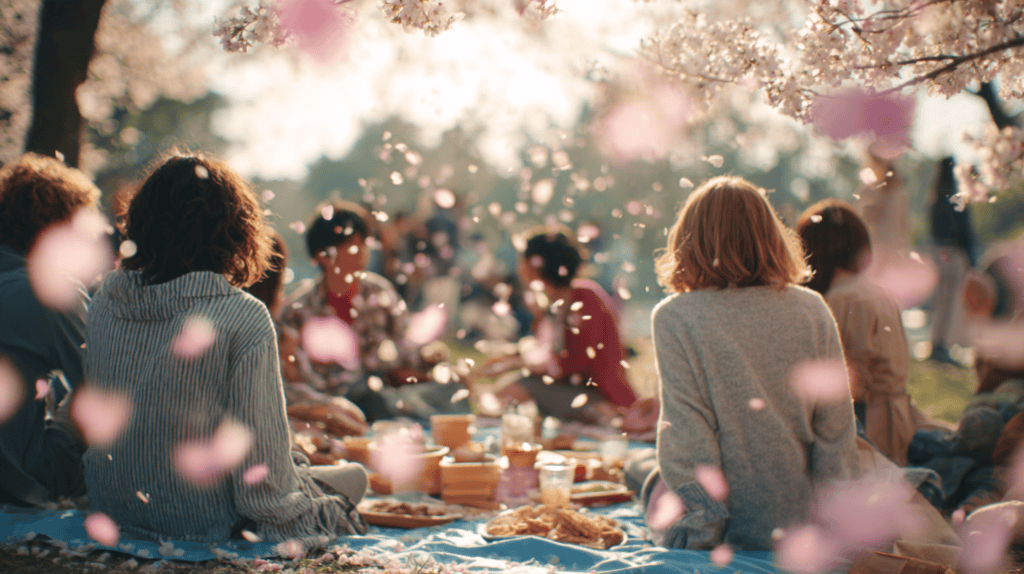
None of these ideas are slogans. Instead, they show up in ordinary choices. Think of a host who leaves a silence unfilled, or a meal served in bowls chosen for the month. Once you know the words, you start to notice them everywhere. Our overview of Japanese concepts for life sets eight of these ideas side by side, each with an example from everyday life.
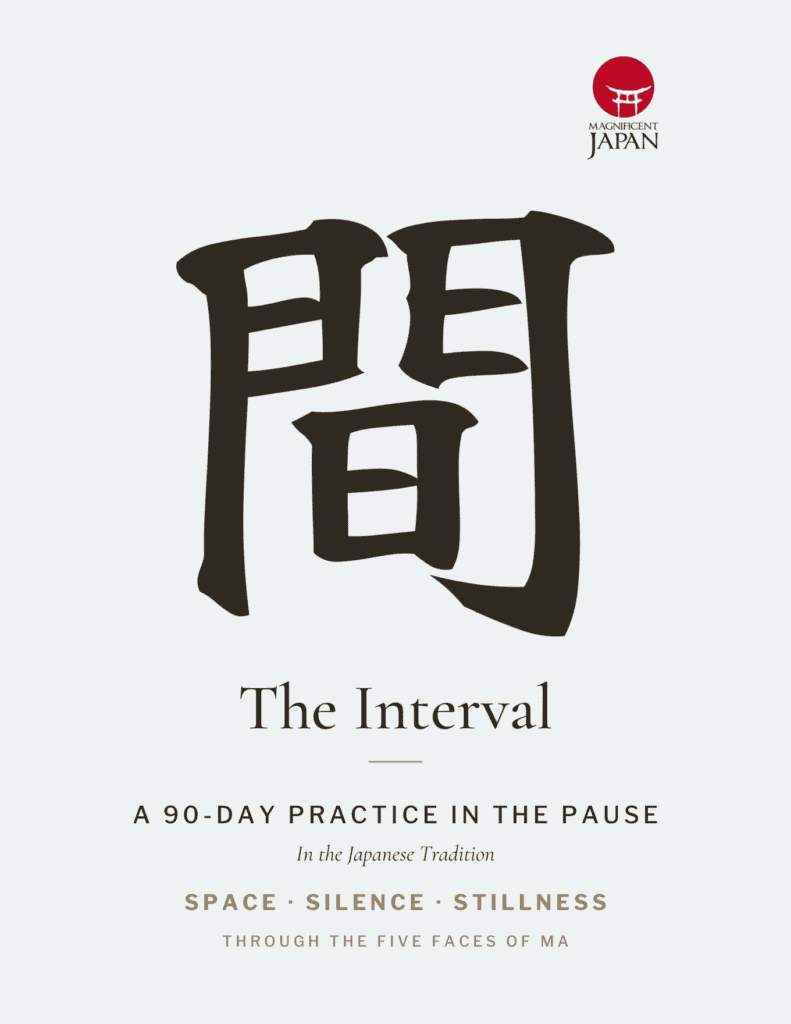
From there, each idea has its own deeper guide. Read what ikigai really means beyond the diagram, or explore ma, the Japanese art of the pause. For the two terms visitors confuse most often, mono no aware and wabi-sabi compared draws the line clearly. Together, these Japanese cultural values explain much of what a visitor feels but cannot yet name. Ma deserves special attention on a trip. Japan’s most memorable days often hold a pause. It might be an empty hour in a garden, a wait for the tea to cool, or the space between two temple visits. Leave those gaps in your plans, and they soon fill with the moments you remember longest.
Japanese Etiquette in Practice
Japanese etiquette can look like a long list of rules. In practice, it rests on three principles, and the rest follows from them. First, care for the people around you: keep your voice low on trains, and never block a narrow lane for a photograph. Second, respect the line between inside and outside. Shoes come off at the entrance to homes, ryokan rooms and many restaurants. Third, use both hands. A gift, a business card or a payment is offered with care, never tossed across a counter.
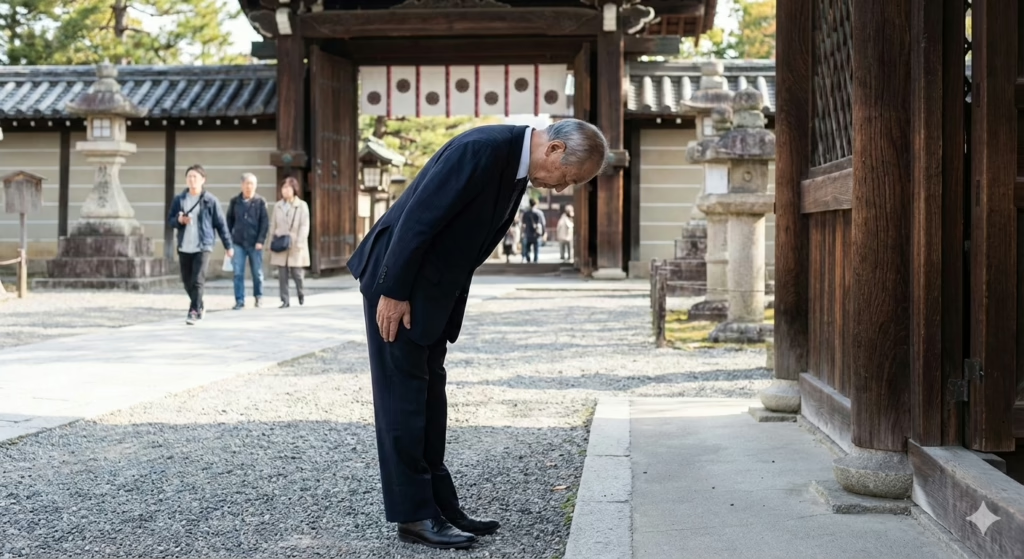
A bow follows the same logic. It is a greeting, a thank-you and an apology, scaled to the moment. Visitors are not expected to master the angles, and a small nod offered sincerely is always welcome. Similarly, nobody expects a guest to know every custom. What people notice is effort: a few words of Japanese, patience in a line, a tidy table at the end of a meal.
For the full picture, with situations from the bath to the dinner table, read our traveler’s guide to manners in Japan. It also covers chopsticks, tipping and phones. Many common worries turn out to be unfounded, and our list of myths about Japan travel sets the most persistent ones straight. Kyoto’s official city travel guide adds advice on visiting its older districts with care.
You may also like
Omotenashi and the Tea Ceremony
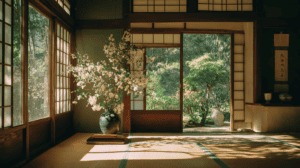
Omotenashi is usually translated as hospitality, but the meaning runs deeper. It is care offered before it is asked for, so a guest’s needs are met before they arise. You feel it when a ryokan attendant warms the room before you notice the chill.
The tea ceremony is omotenashi distilled into a single gathering. The host prepares the room, the flowers, the sweets and the bowl with each guest in mind. According to the Urasenke Foundation, the tea master Sen Rikyu (1522–1591) summed up the practice in four principles. They are wa, kei, sei and jaku: harmony, respect, purity and tranquility.
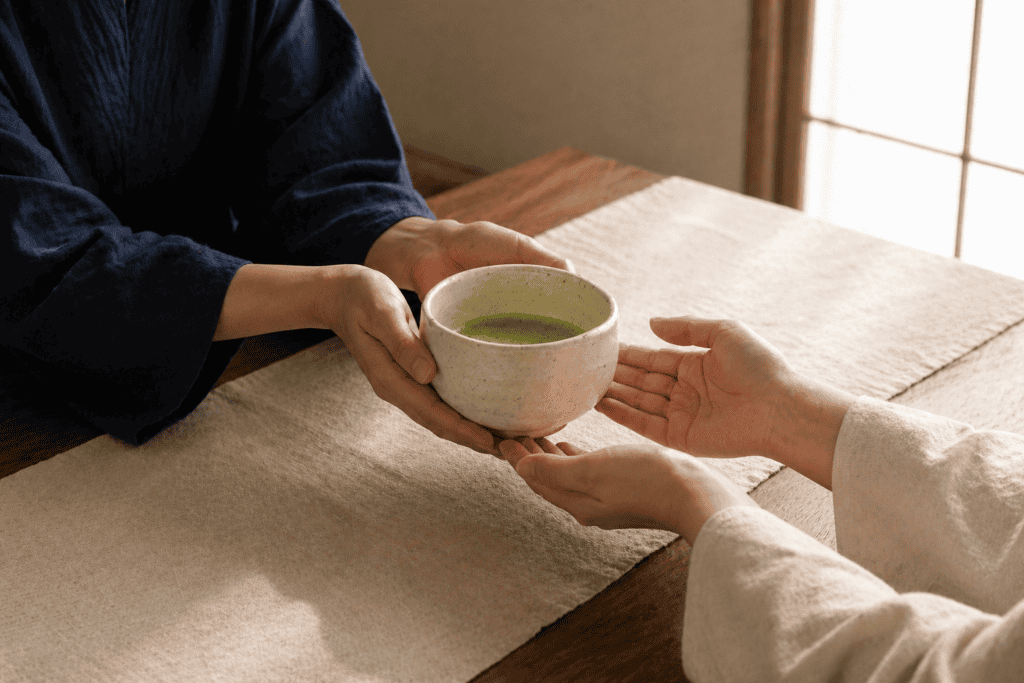
Attending a ceremony is easier than its reputation suggests. Many tea rooms in Kyoto and Tokyo welcome visitors, often with a host who explains each step in English. Our guide to the history and ritual of the Japanese tea ceremony covers where to go and how to behave. For the leaves themselves, from sencha to matcha, see our introduction to Japanese tea. Before you go, one short book captures the spirit of the room better than any manual.
The Book of Tea — Okakura’s 1906 essay on tea and beauty
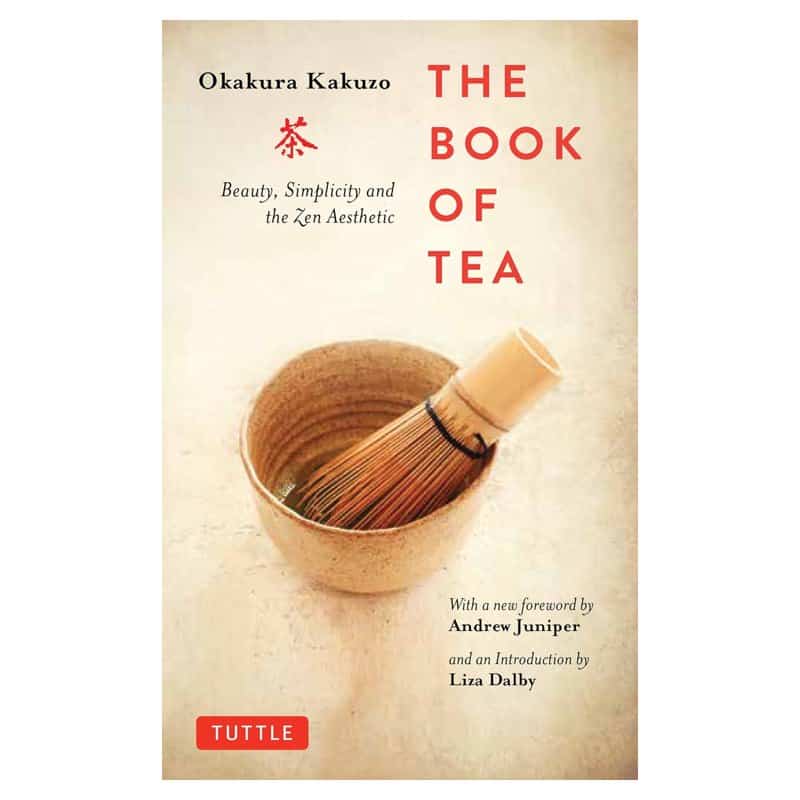
Okakura Kakuzo wrote The Book of Tea in English in 1906, in Boston, for readers who knew little of Japan. More than a century later, it remains the clearest short account of why a bowl of tea matters. Okakura moves from the history of tea to flower arranging, architecture and the art of appreciation. Along the way, he shows how simplicity and imperfection became ideals. This Tuttle paperback adds a new foreword and new photographs, and it runs to 128 pages. That makes it slim enough for a carry-on. Read it on the flight over, and the tea room will make sense the moment you kneel.
Ryokan and Onsen Traditions
A night in a ryokan, a traditional Japanese inn, is the fullest cultural experience most visitors will have. Everything happens under one roof. You change into a cotton yukata, bathe in the hot spring and eat a seasonal kaiseki dinner. Later, you sleep on a futon laid out on tatami. The rhythm of the evening is set by the inn, and that rhythm is the experience.
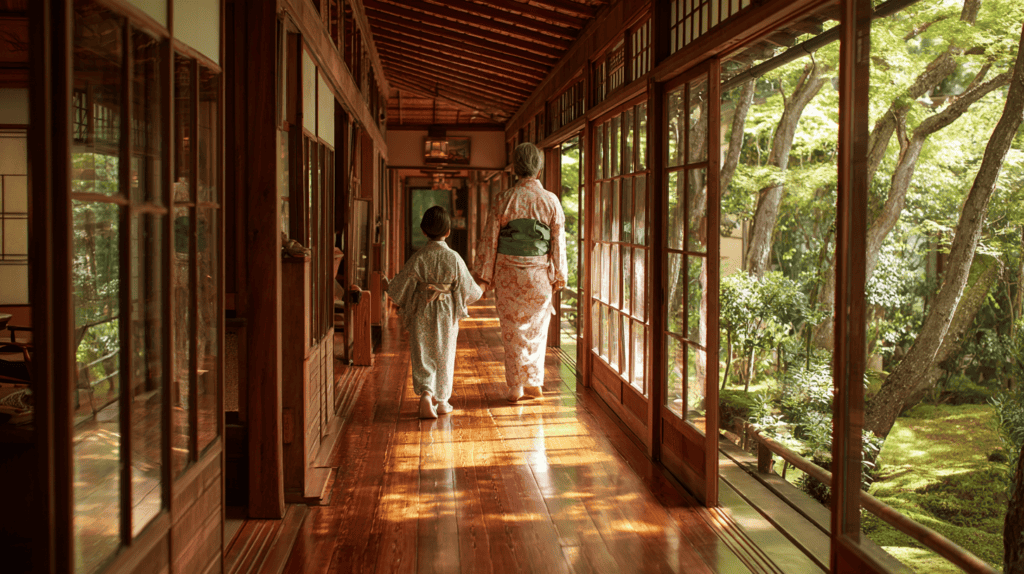
Onsen bathing has its own small grammar. Wash thoroughly at the seated showers before you enter the bath. Keep your small towel out of the water, folded on your head or set on the edge. Then soak slowly and talk softly. Most shared baths are separated by gender, and swimsuits are not worn. Many inns also offer private baths that couples or families can reserve.
Our guide to how a ryokan and onsen stay works walks through the evening from arrival to breakfast. To choose an inn, our selection of the best luxury ryokan in Japan compares private-bath properties across the country. And for what the hot water actually does, the research on onsen health benefits separates evidence from folklore.

A few objects carry the ryokan habit home. Japanese households still use a thin cotton tenugui as a towel, a wrap or a headband. A furoshiki cloth wraps a gift or a bottle without paper. Meanwhile, a small clay teapot makes green tea in the room, as the inn would. Each of the three below has a long Japanese history behind it, and each earns its place in daily use.
Three Everyday Pieces From the Inn
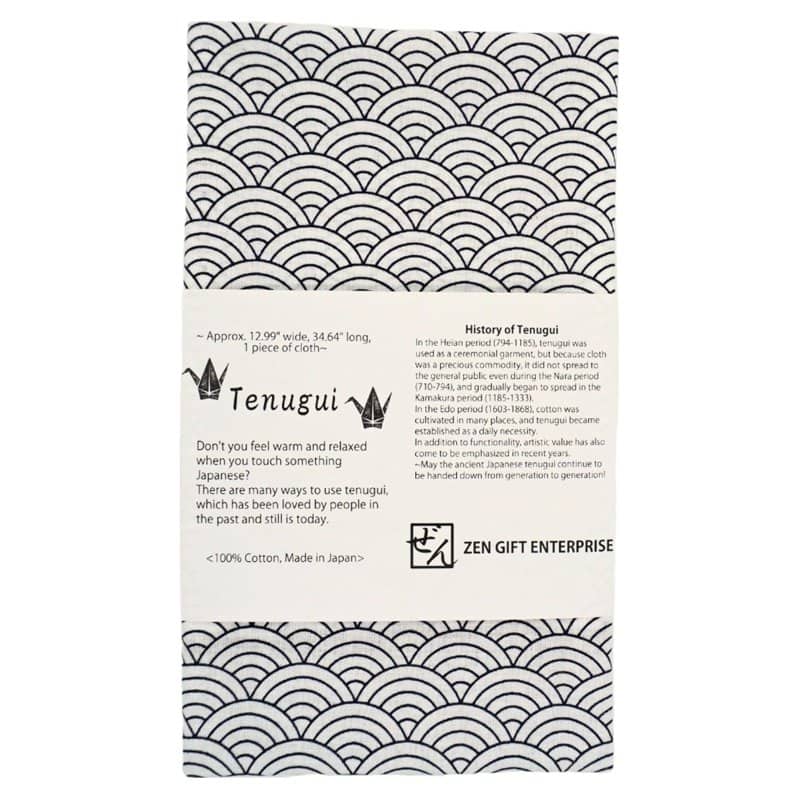
A long cotton cloth in the wave pattern, for the bath, the kitchen or a wrapped gift.
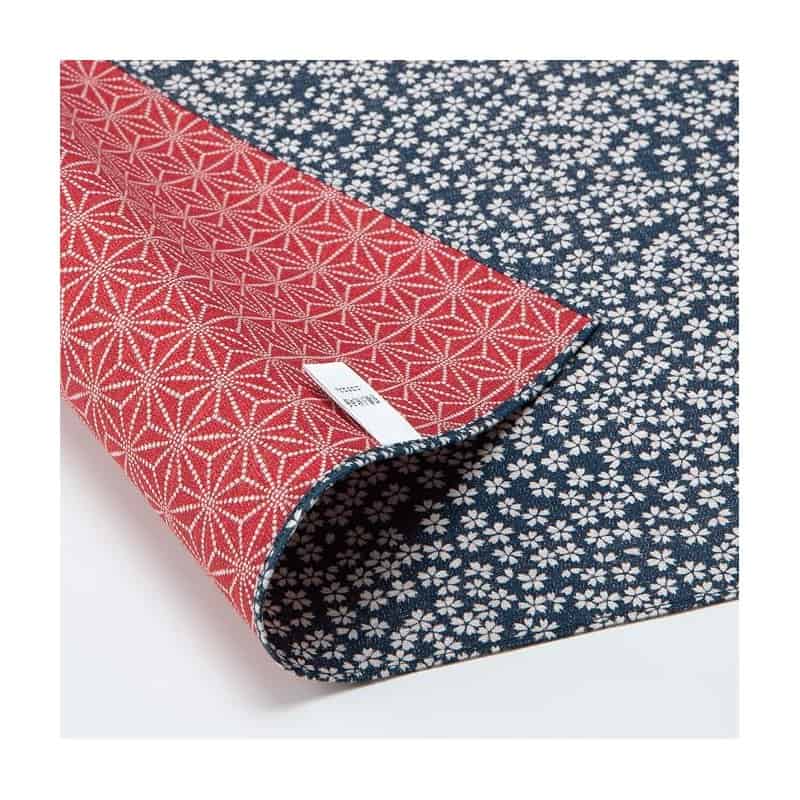
A reversible wrapping cloth that carries a gift, a book or a bottle without paper.
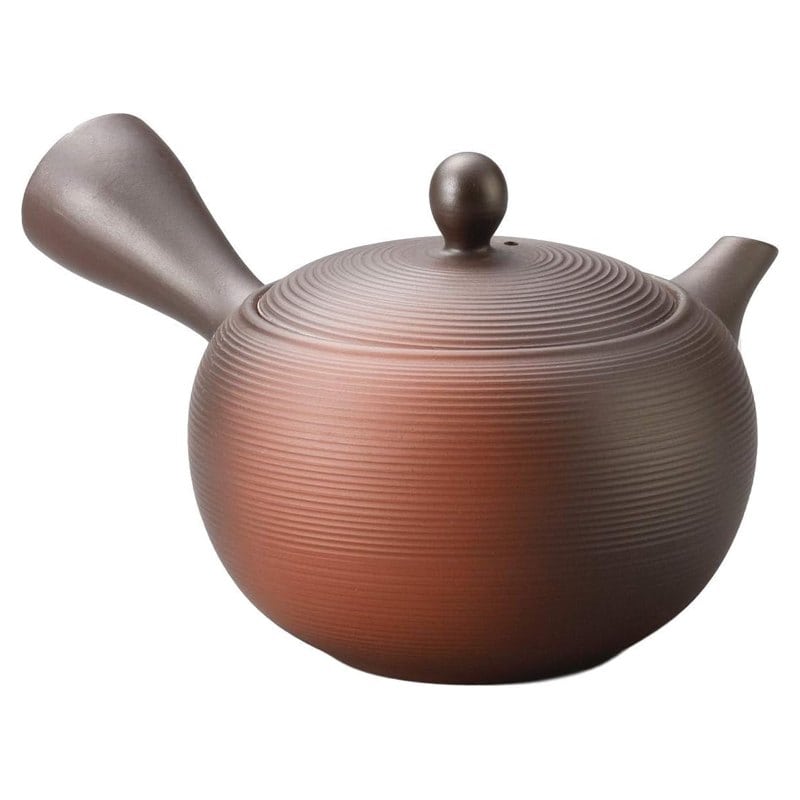
A red-clay side-handle teapot from Tokoname, one of Japan’s Six Ancient Kilns.
Temple Stays, Gardens and Stillness
Japan’s temples and shrines often stand side by side, sometimes on the same hill. For a visitor, the line between them matters less than the atmosphere they share. Gravel is raked each morning, moss is tended by hand, and the gate marks a change of pace. Most grounds welcome visitors who simply walk, admire the gardens and sit for a while.
The deepest way in is a night in a shukubo, a temple lodging. Koyasan, a mountain plateau in Wakayama, is the classic place to try it. Stays there are listed through the temple lodging association linked from the official Koyasan tourism site. Guests eat shojin ryori, a plant-based cuisine of seasonal vegetables and tofu. Many lodgings also invite guests to an early morning ceremony.
You may also like
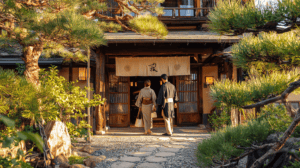
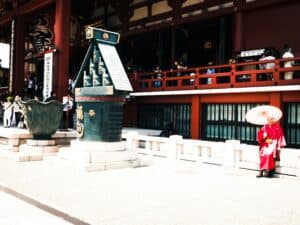
Our guide to staying in a Japanese temple, from Koyasan to Kyoto explains how to book and what to expect. If you want more time in stillness, a Zen meditation retreat in Japan offers several days of sitting practice. Many of the grandest temple complexes are also World Heritage Sites, which our guide to Japan’s World Heritage Sites maps region by region.
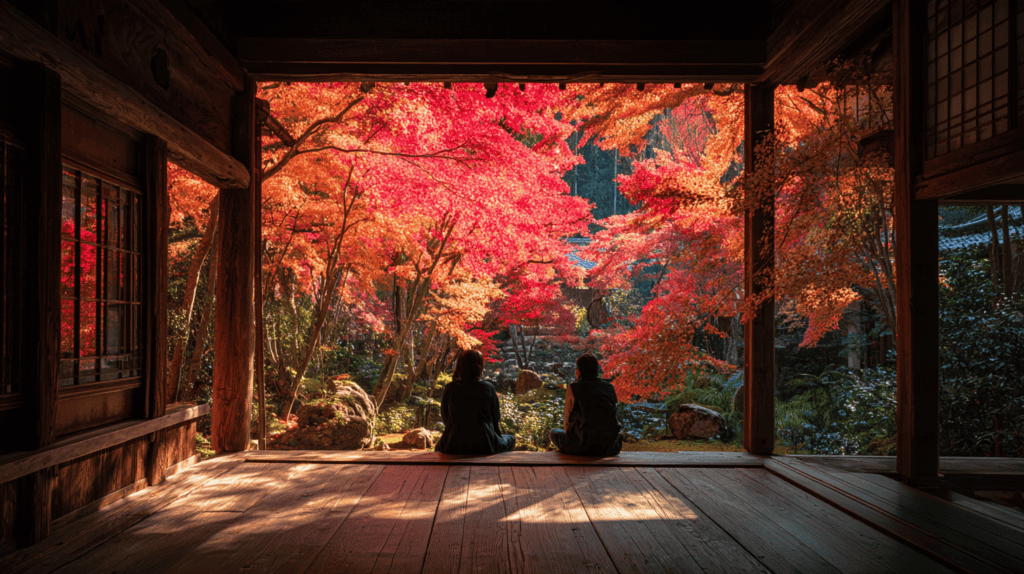
Back home, scent is the simplest way to recall a temple morning. Japanese incense is made to be subtle. It comes in short sticks and is meant to fill a room gently rather than overwhelm it. Kyoto’s incense houses have refined their blends for generations, and one of them makes a stick worth keeping by the door.
Shoyeido Moss Garden — an everyday Kyoto incense
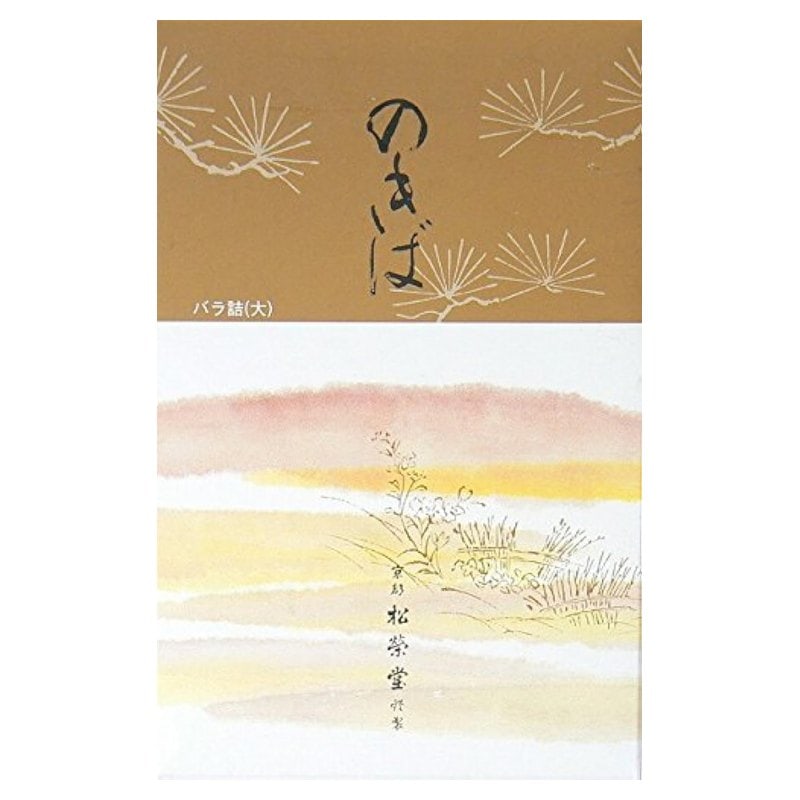
The Hata family behind Shoyeido has made incense for thirteen generations, since the early eighteenth century, and still runs stores in Kyoto. Its Shoyeido Moss Garden incense, called Nokiba in Japanese, is one of the house’s everyday blends. The scent is green and woody, closer to a garden after rain than to perfume. This box holds 500 short sticks, so it lasts for months of daily use. Light one in a small holder, open a window, and let it burn down while you read. It is a fitting habit for anyone who comes home from a temple stay wanting to keep its pace.
Calligraphy, Craft and the Japanese Eye
Japanese art often says more with less. A calligraphy scroll may hold a single character. A garden may be little more than raked gravel and a few stones. Even a tea bowl may be prized for a crack mended in gold. Behind each is the same eye, trained to find beauty in restraint, texture and empty space. Japan protects this heritage formally, too. Its Agency for Cultural Affairs designates National Treasures and Important Cultural Properties under national law.
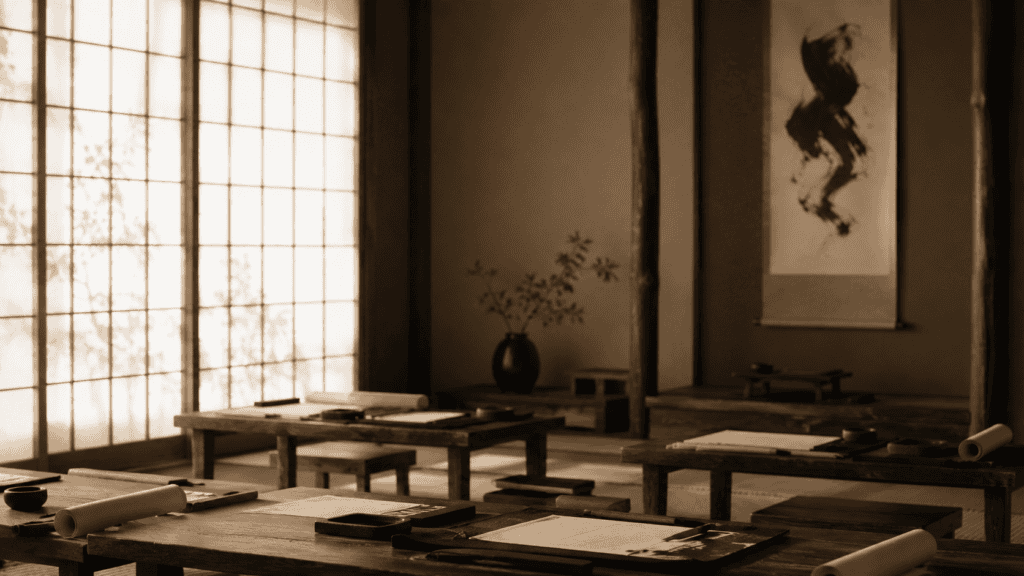
Calligraphy, or shodo, is the most direct way in. Our feature on shodo as a fine art explains how to read a scroll and where to see the masters. For the role of open space in painting and design, read negative space in Japanese art. Then our guide to art destinations in Japan leads to island museums and craft towns.
Craft, Dress and the Brush
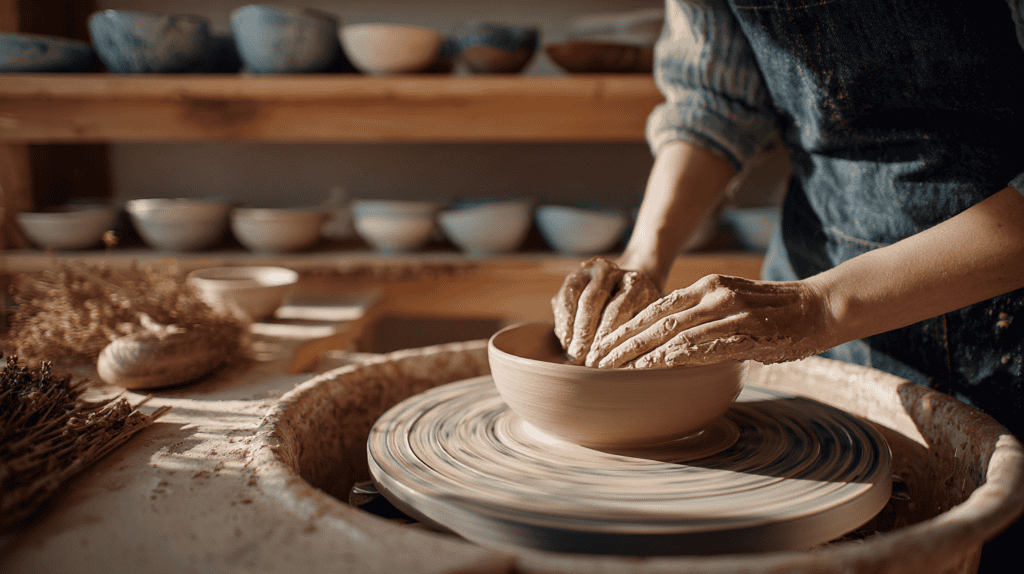
Craft works the same way. Potters, lacquer makers and weavers often train for years under a master before they sign a piece. Many workshops now open their doors to visitors for a morning class. An hour at the wheel teaches more about a tea bowl than any museum label.
The same eye shapes how Japan dresses. Our guide to Japanese minimalist fashion traces it from straight-cut kimono to today’s pared-back wardrobes. There, too, the aim is restraint: a few good fabrics, cut well and worn for years. Visitors notice it on the street before they can explain it. Muted colors, careful layers and well-kept shoes carry the same values as a tea room. Meanwhile, if you would like to try the brush yourself, start with a tool that forgives a beginner. It should also fit in a bag, so practice can follow you through the trip. A brush pen does both, and it asks for nothing but paper.
Kuretake Takujo No. 8 — a brush tip in a refillable pen

Kuretake is a Japanese maker of sumi ink and brushes, and the Kuretake Takujo No. 8 fountain brush pen puts a soft brush tip into a refillable pen. It holds black ink in the barrel, so there is no inkstone or water dish to manage. The tip swells and tapers under pressure, much like a traditional fude. That makes it ideal for practicing the basic strokes at a desk, a café table or a ryokan room. Use it on smooth washi or any good drawing paper. For more structure, our calligraphy tools sit in the library strip at the end of this page.
Living Traditions: Geisha, Kabuki and Sumo
Some of Japan’s oldest traditions are still performed every week. Geisha, called geiko in Kyoto, are professional entertainers trained in dance, music and conversation, while apprentices are known as maiko. Their world is private by design. So the respectful way to meet it is a hosted dinner or a public dance performance. Our guide to geisha culture in Kyoto today explains how to see it without intruding.

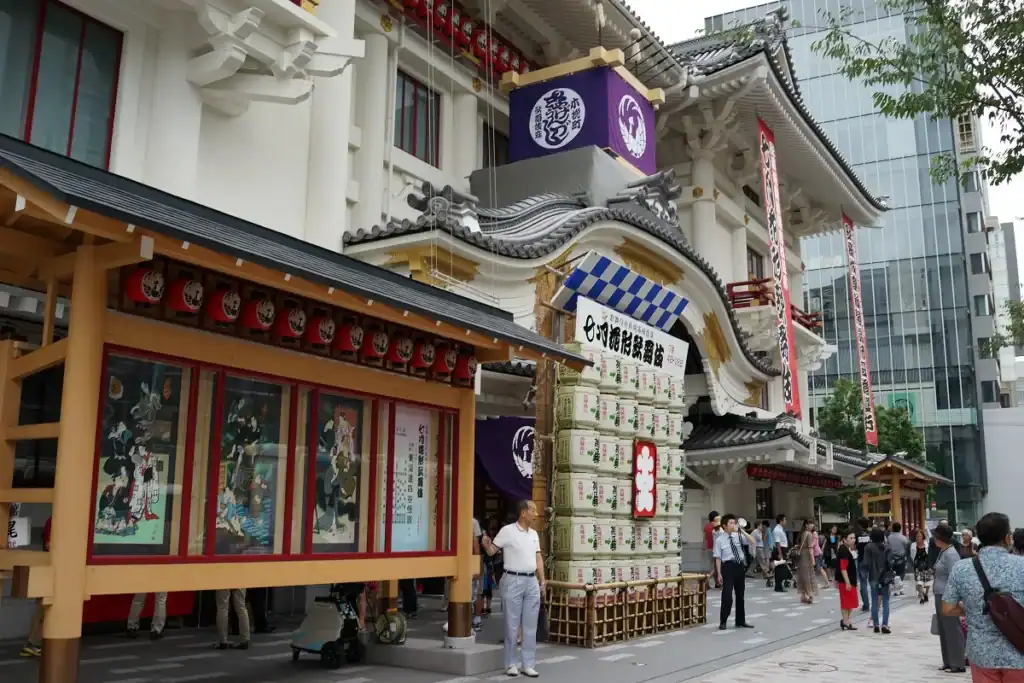
Kabuki is the louder sibling. It began in the Edo period, at the start of the seventeenth century, and today only male actors perform it. UNESCO inscribed kabuki on its Representative List of the Intangible Cultural Heritage in 2008. In Tokyo, the November Kaomise program at the Kabuki-za in Ginza runs from November 1 to 25, 2026, according to the Kabuki-za schedule. Our visitor’s guide to kabuki theater covers tickets and timing.
Sumo, finally, is ceremony as much as sport. The Japan Sumo Association holds six grand tournaments a year, each lasting fifteen days. Three take place at the Kokugikan in Tokyo, in January, May and September. The others travel to Osaka in March, Nagoya in July and Fukuoka in November. The 2026 November tournament runs from November 8 to 22 at the Fukuoka Kokusai Center. Our guide to seeing a grand sumo tournament explains seats and timing.

Each of these arts has its own vocabulary, and so does daily life. Many Japanese proverbs take their images from blossoms, rain, rivers and the moon. Learn a few, and you will start hearing them in shops, on signs and in conversation. They also make a small, lasting souvenir of a trip.
Ten Proverbs to Carry With You
A printable folio of ten Japanese proverbs, each set in kanji with its reading and a line on where you will hear it.
Food as Culture: Washoku and the Table
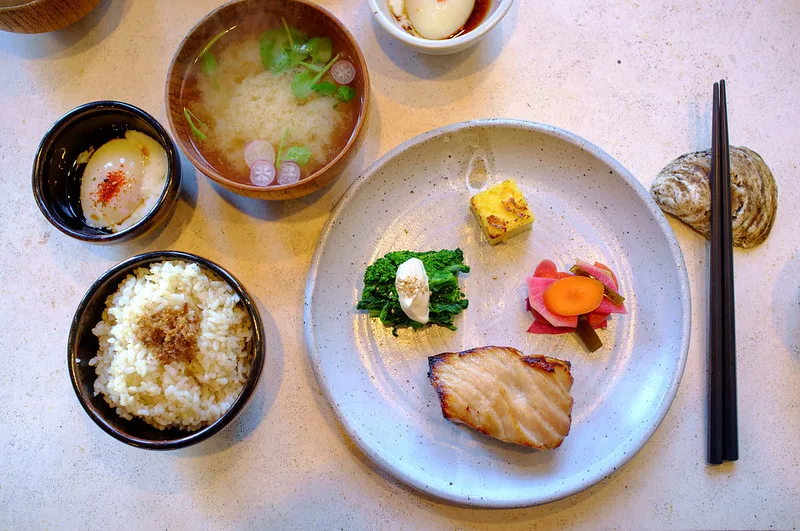
In Japan, a meal is a calendar you can eat. Washoku, the traditional food culture, prizes seasonal ingredients and their natural flavors. UNESCO added washoku to its Representative List of the Intangible Cultural Heritage in 2013. Its listing names the New Year celebration in particular. At home, the pattern is simple: rice, a soup, a few small sides and pickles.
To eat well, follow the season and the region. Autumn brings chestnuts and new rice, while winter brings crab and hot pots. Our guide to twenty-eight dishes worth trying in Japan is the place to start. For the counter experience, read sushi and sashimi, the Japanese way. And when the meal itself is the destination, see dining experiences from kaiseki to omakase.
Small regional dishes carry culture too. In Mukawa, a town on Hokkaido’s Pacific coast, the autumn shishamo catch is a point of local pride. This year the town marked the opening of the season with a festival on October 24, 2026, as the Mukawa town office recorded. Grilled whole, the little fish is an izakaya classic, eaten head to tail with lemon.
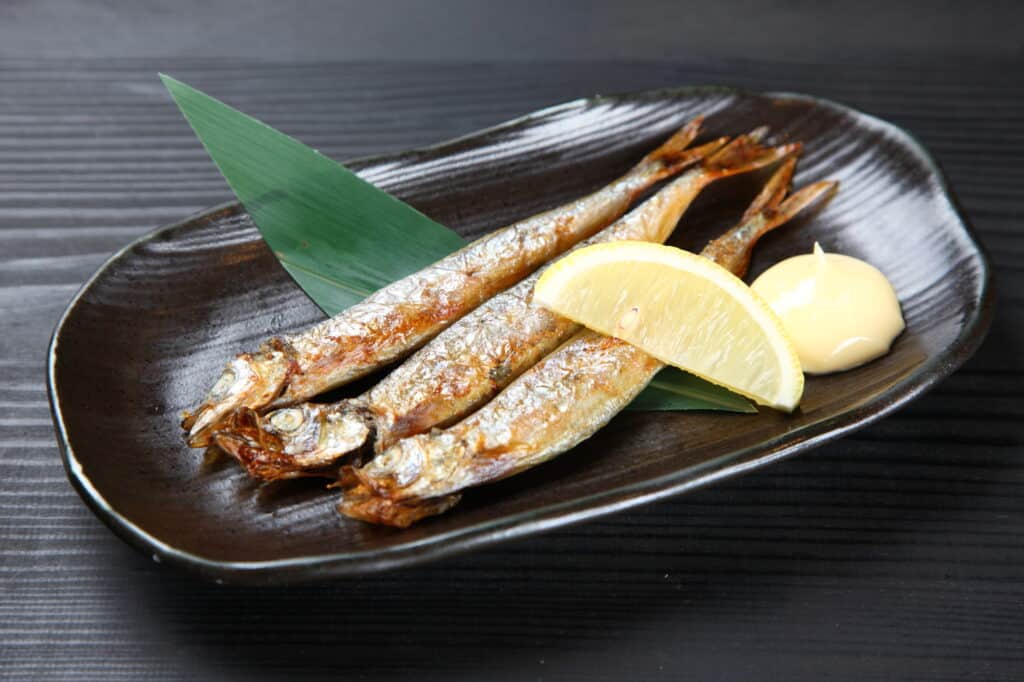
Yaki Shishamo — grilled shishamo with lemon and mayonnaise
Thaw eight shishamo in the refrigerator and pat them dry; most come lightly salted, so taste one before adding more. Heat the broiler or a fish grill and lay the fish on a lightly oiled rack. Grill them for three to four minutes a side, until the skin blisters and turns golden. Serve at once with lemon wedges, a spoonful of mayonnaise dusted with shichimi pepper and a little grated daikon.
Shishamo is a small plate, so it suits the start of a meal rather than the center of one. Serve it with a bowl of rice and a cup of green tea, and it becomes a simple Japanese supper. Look for plump fish, and eat them whole, head and all.
Seasons, Festivals and New Year
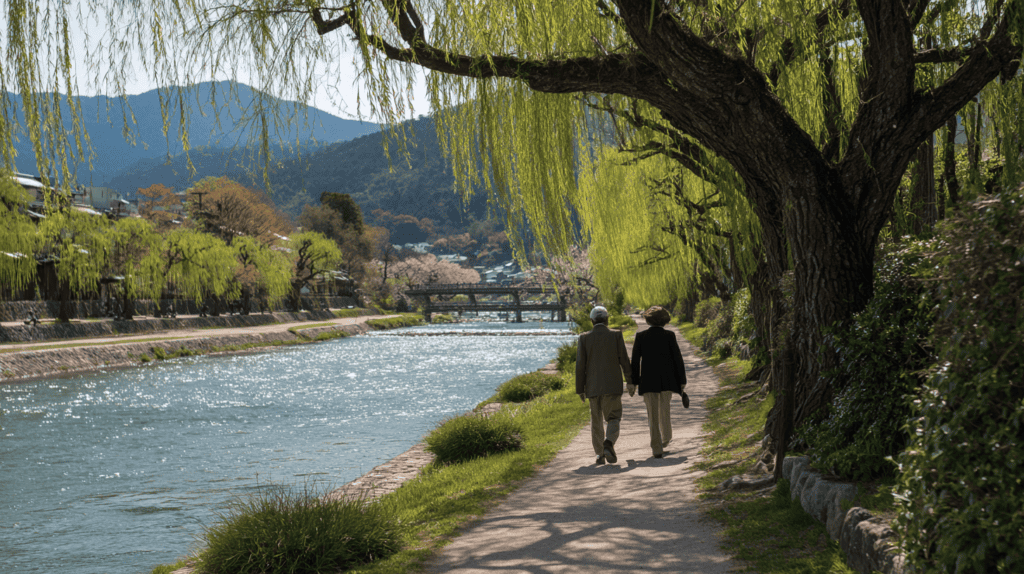
Japan culture marks the year by its seasons as much as its months. Spring belongs to cherry blossoms and hanami picnics. Summer brings fireworks and festival nights, autumn brings maple viewing, and winter brings snow and illuminations. Our guide to when and where to see cherry blossom season holds the timing and the viewing spots worth the trip. To understand why the blossoms move people so deeply, read mono no aware and the cherry blossoms.
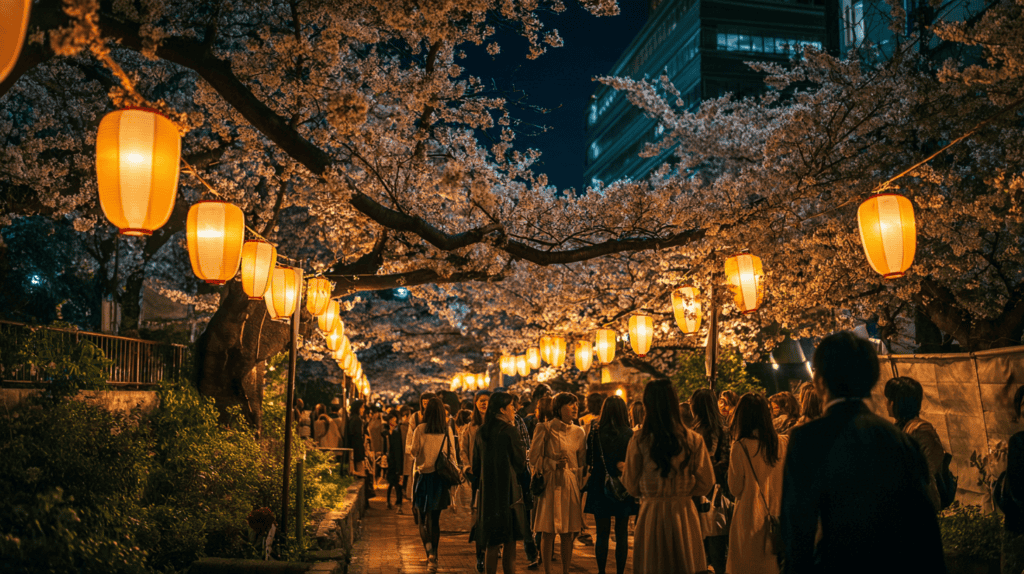
Each season also has its own way to travel. For snow festivals, illuminations and steaming outdoor baths, see our editorial guide to Japan in winter. For fireworks, festival nights and cool mountain escapes, the companion piece covers Japan in summer.
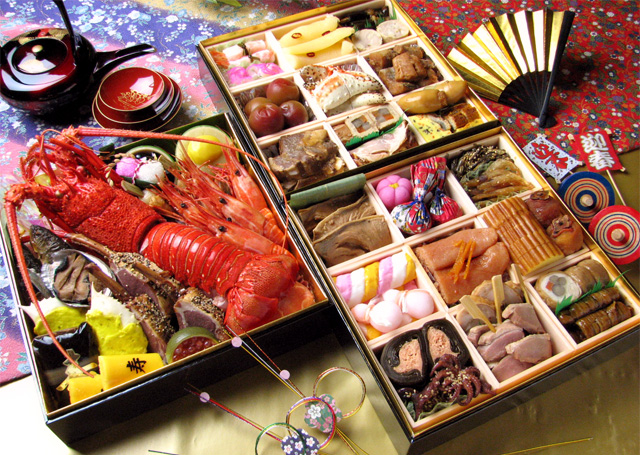
New Year, or shogatsu, is the great holiday of the year. Families clean their homes and eat soba on New Year’s Eve. In the first days of January, many visit a local shrine or temple. The centerpiece is osechi ryori, lacquered boxes of symbolic dishes prepared in advance. Our guide to osechi ryori, dish by dish explains what each one means.
Pop Culture, Style and the Modern Layer
Japan culture is not only old. Anime, manga, design and street style are just as much part of the country, and they travel further than any tea bowl. Our guide to anime culture in Japan maps the districts, museums and studios worth a visit.

Japan also borrows and refines. Its denim and workwear scene took American classics and rebuilt them with remarkable care. Our Japanese Americana style guide follows that story from denim mills to Tokyo’s vintage shops. The same thoroughness reaches underwater. Our site-by-site guide to diving in Okinawa shows a culture of care that extends to its reefs.
How to Experience Japan With Depth
So how do you put all of this to use? Choose two or three themes, not ten. Pair a ryokan night with a tea ceremony, or a temple stay with a calligraphy class. Learn a few phrases, carry cash for small shops, and leave room for the unplanned. Many of a trip’s lasting moments arrive in the gaps, which is the whole idea of ma.
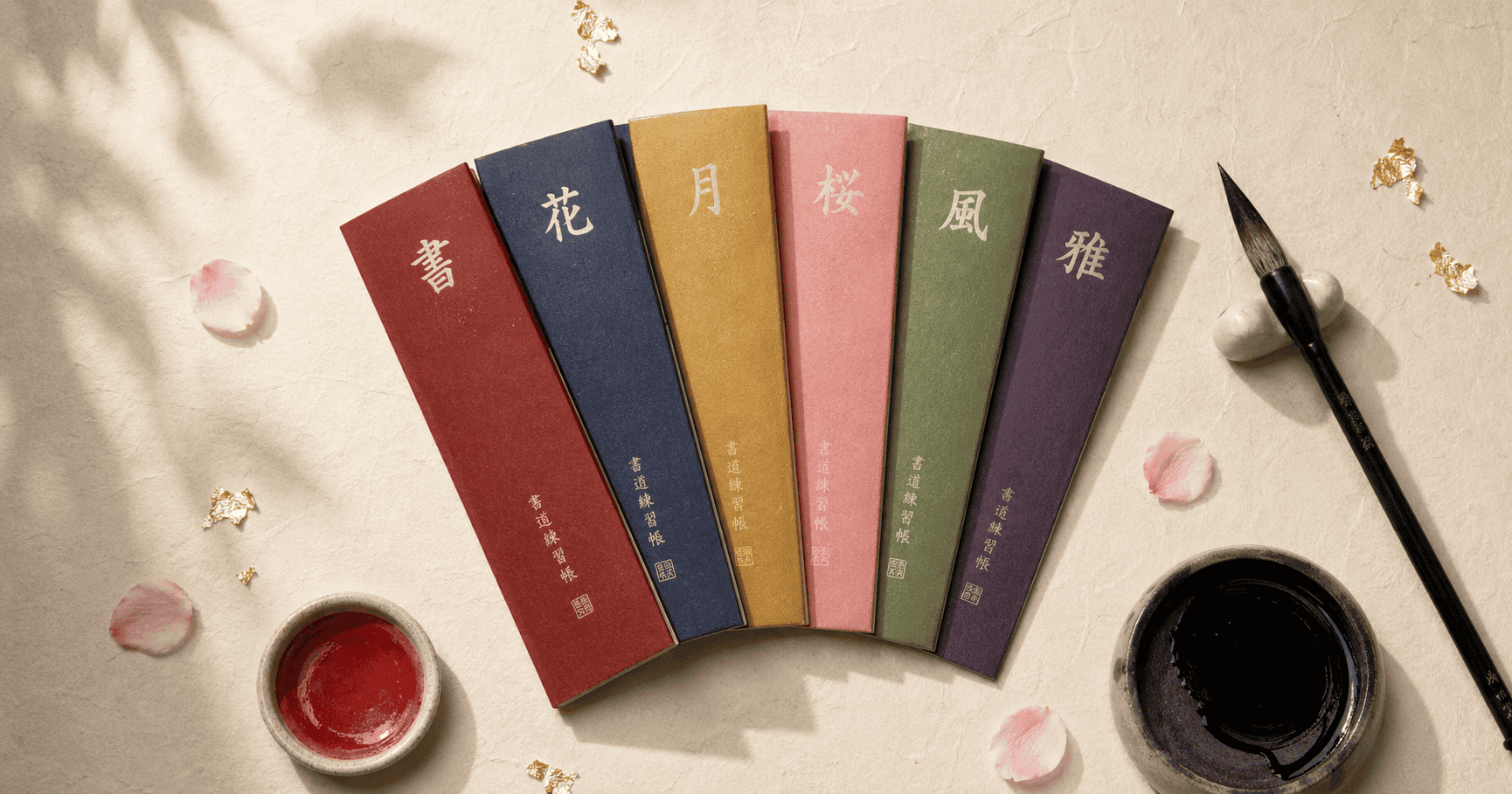
Writing helps those gaps last. The Interval, the ma journal above, comes as a digital edition or a paperback, each priced at $27. Both ask for one short entry a day. It sits within our wider collection of Japanese themed journals. Each title there takes a single idea and turns it into a daily practice. Some travelers write on the train between cities. Others keep a page for the evening, after the bath and before the futon. Either way, the habit turns impressions into memory. Then, months later, a single line brings back the smell of a tea room or the sound of rain on a ryokan roof.
Recommended
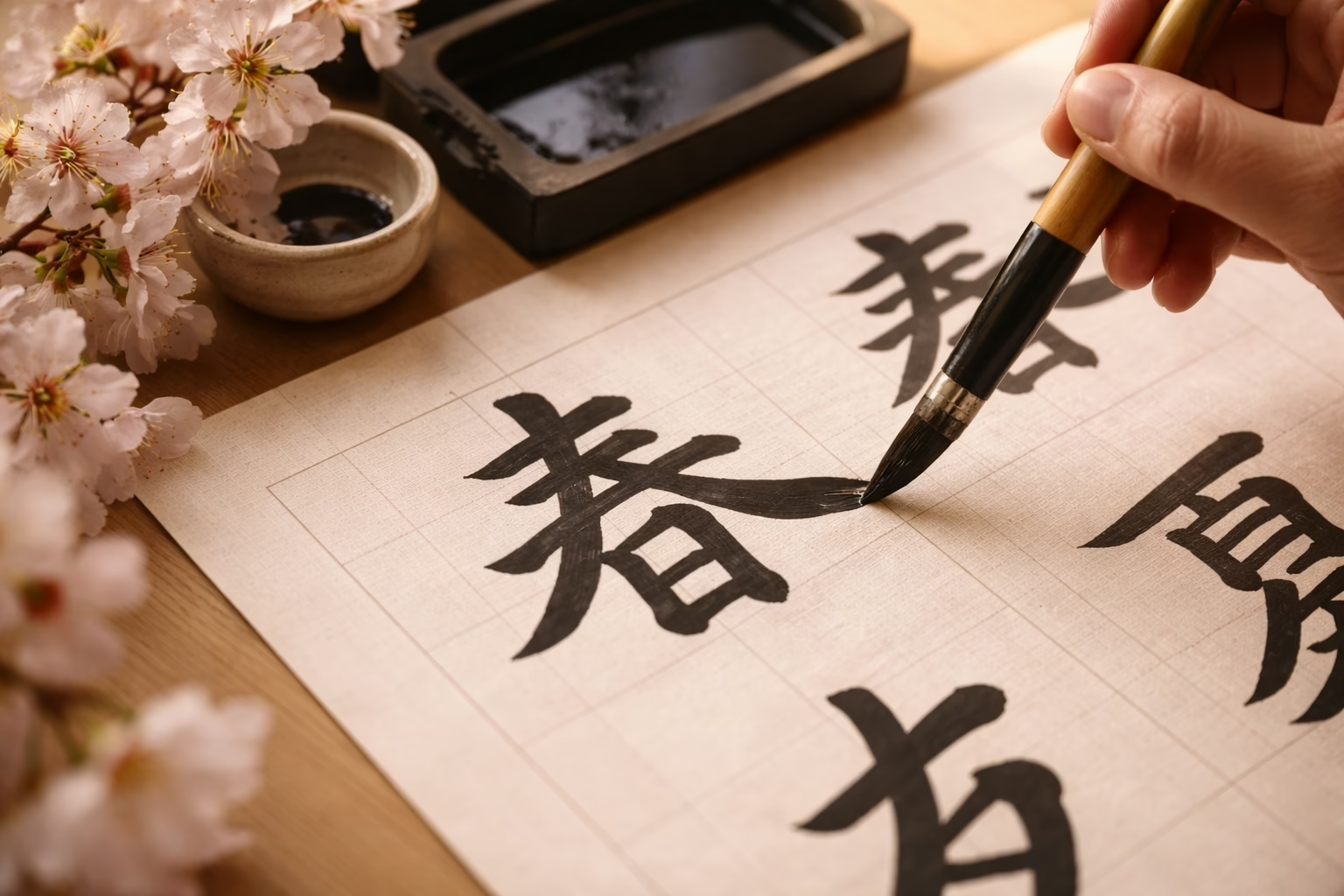
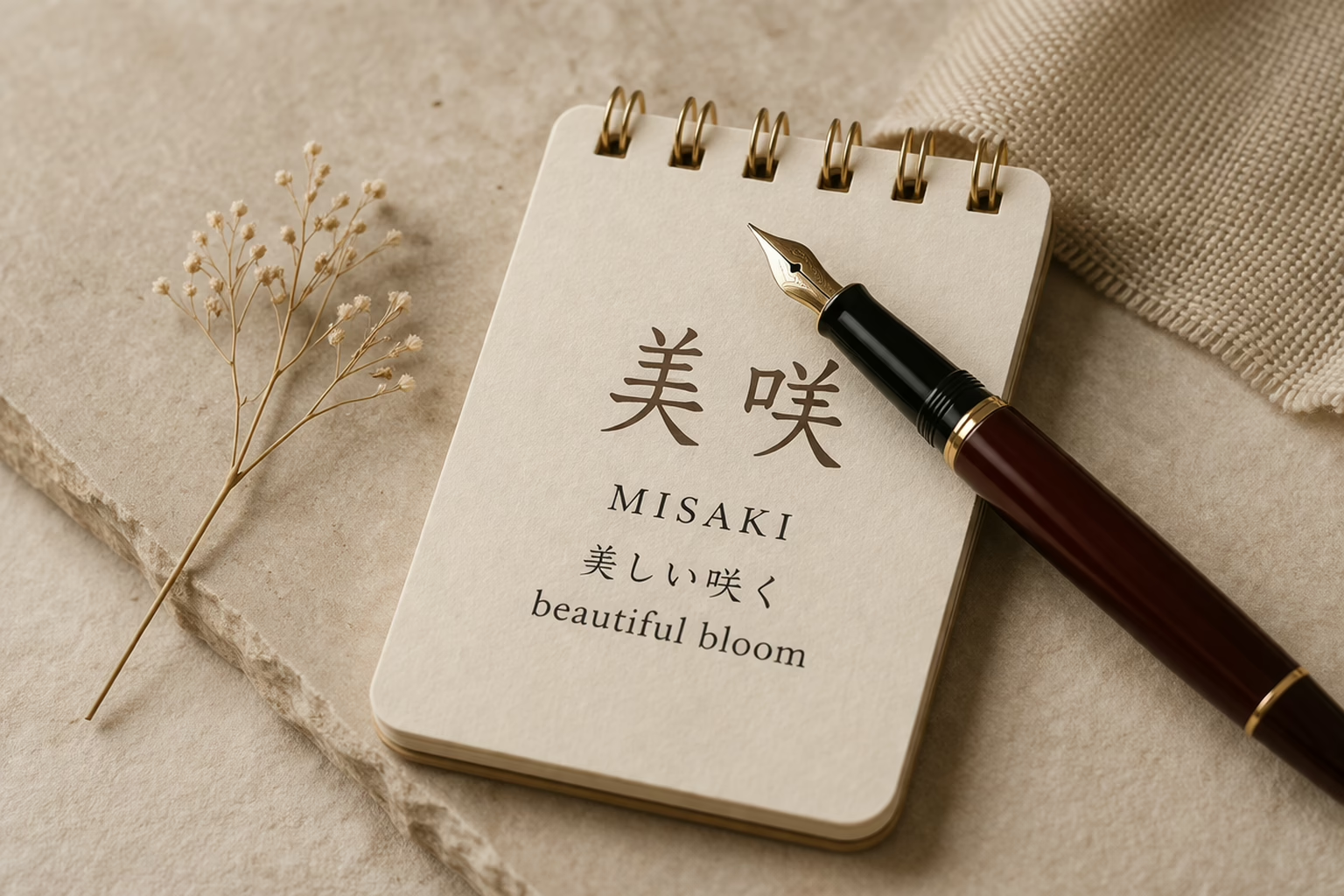
Above all, travel slowly and give each place time. Japan rewards the guest who returns to the same café twice and learns a shopkeeper’s name. It rewards anyone who notices the season changing in a shop window. In that sense, Japan culture is less a list of sights than a way of paying attention. You do not need to understand every custom before you arrive. Instead, bring curiosity, follow the links above that speak to you, and let each experience lead to the next. Then, wherever your interest lies, a guide to the next step is waiting on these pages. Before you go, a few small tools can make the language and the brush less daunting.
Before You Go
Japan culture becomes clearer the moment you stop trying to see everything. A good trip has a shape: a theme or two, a mix of city and countryside, and nights that suit the days. For instance, a tea ceremony in Kyoto sits naturally beside a ryokan night in the hills. Likewise, a sumo morning in Tokyo pairs well with an evening at the Kabuki-za. Timing matters too, from blossom forecasts to tournament dates. Meanwhile, sought-after hosts, guides and inns book early in peak seasons, especially in spring and autumn. Therefore, plan the core of the trip first, then leave the edges loose. That balance is where the culture finds you, often when you least expect it.
A Japan Trip Built Around the Culture You Love
A bespoke itinerary shaped around the traditions that draw you, timed to the season and paced for depth. Think of a tea ceremony with an English-speaking host, a ryokan night with a private bath, or a seat at the sumo.
Plan Your Custom Japan ItineraryQuestions Worth Asking
What are the most important values in Japanese culture?
Four ideas explain a great deal. Wa is group harmony, and ma is the meaningful pause. Mono no aware is the gentle ache of passing beauty, and ikigai is a sense of purpose found in daily life. Omotenashi, wholehearted hospitality, shows how these values reach a guest in practice.
What is seen as rude in Japan?
Most offenses come from three habits. Visitors are loud in shared spaces, wear shoes past an entrance where others remove them, or hand things over carelessly. Eating while walking in busy streets and blocking narrow lanes for photos also draw frowns. Effort and patience matter more than perfect manners.
Which Japanese traditions can travelers take part in?
Many are open to visitors. You can attend a tea ceremony with an English-speaking host or stay a night in a ryokan with an onsen. You can also sleep at a temple lodging on Koyasan or take a calligraphy class. Then watch kabuki in Ginza or see a grand sumo tournament.
Can visitors stay overnight at a temple in Japan?
Yes. Temple lodgings, called shukubo, take overnight guests, and Koyasan in Wakayama is the classic place to try one. Guests sleep on futons, eat shojin ryori, a plant-based cuisine, and may join an early morning ceremony. Book well ahead for autumn and spring, when rooms fill quickly.
What is omotenashi?
Omotenashi is Japanese hospitality offered before it is asked for. A host anticipates a guest’s needs, from the temperature of a room to the timing of tea, and expects nothing in return. You feel it most clearly in ryokan, tea rooms and fine restaurants, but it reaches everyday shops too.
How can a visitor show respect for Japanese culture?
Learn a few phrases, follow the house rules of each place, and keep your voice low on trains and in old districts. Remove shoes where others do, wash before entering a bath, and offer items with both hands. Above all, slow down, because attention is the deepest form of respect.