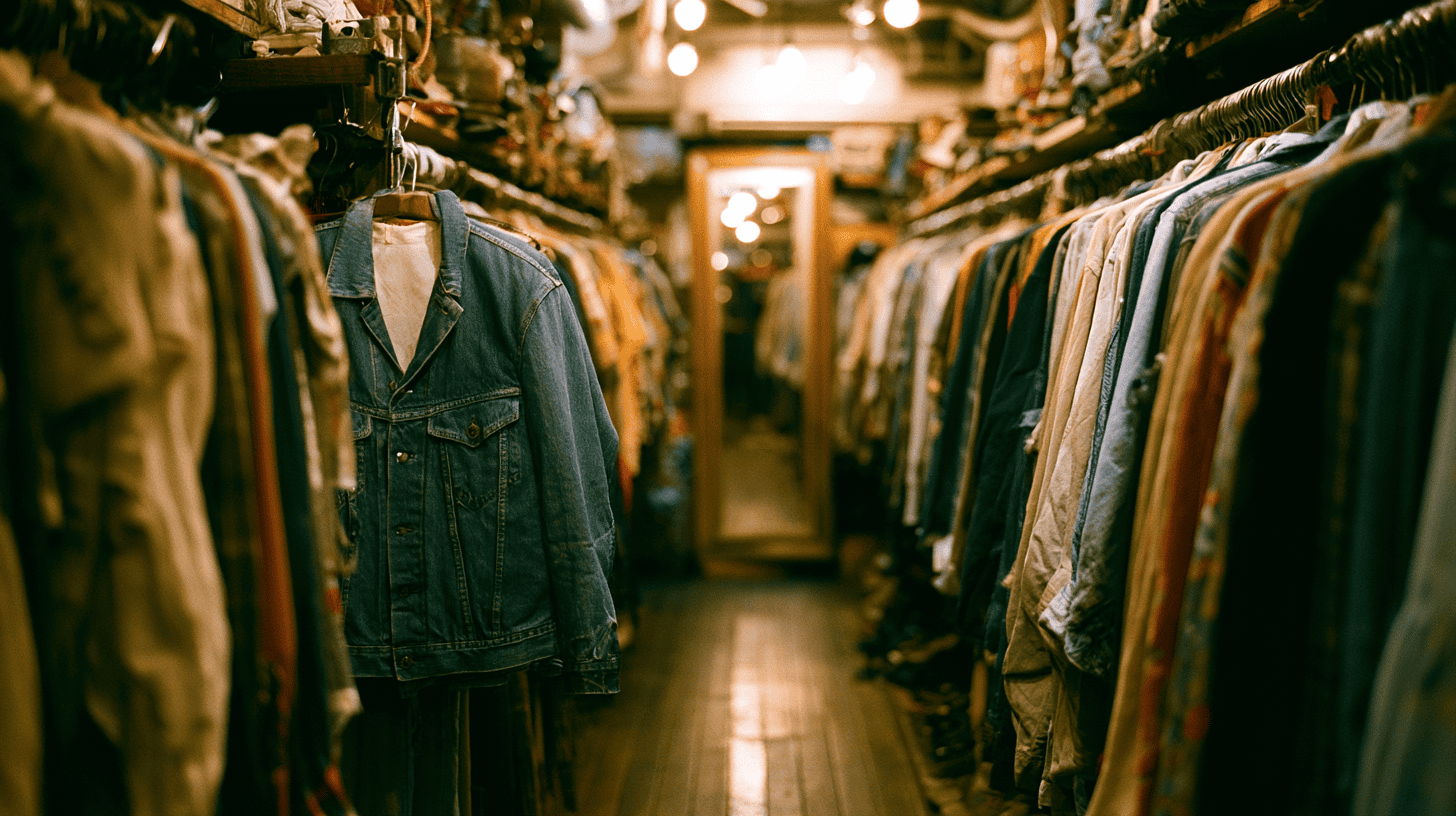
Japanese Americana is a way of dressing, not a chapter of history. The phrase can also mean the story of Japanese American families, a separate subject with its own museums. Here it means the clothing. American denim, workwear, flight jackets and boots are remade in Japan with heavier cloth and stricter detail. In Japan the look has two names. Amekaji is short for American casual, while ametora stands for American traditional.
This guide follows the style from postwar Tokyo to the denim mills of Okayama. It covers the pieces worth owning, how to care for them, and where to see the craft in person. The thread running through it belongs to our wider Japan culture guide. It is a borrowed form, practiced until it becomes Japan’s own.
Japanese Americana is Japan’s reinterpretation of classic American clothing, rebuilt with finer fabric and exacting detail. It grew from postwar Ivy style, the 1965 book Take Ivy, and reproduction makers in Osaka, Tokyo and Okayama who copied denim, workwear and boots garment by garment.
What Japanese Americana Means
At its simplest, Japanese Americana is American clothing taken seriously. A pair of jeans is not a disposable item here. Instead, it is a garment with a history, a correct fabric weight and a right way to wear in. The same attitude runs through chambray work shirts, canvas chore coats, flight jackets and leather boots. Each piece answers to an original, often one made in the United States in the middle of the last century.
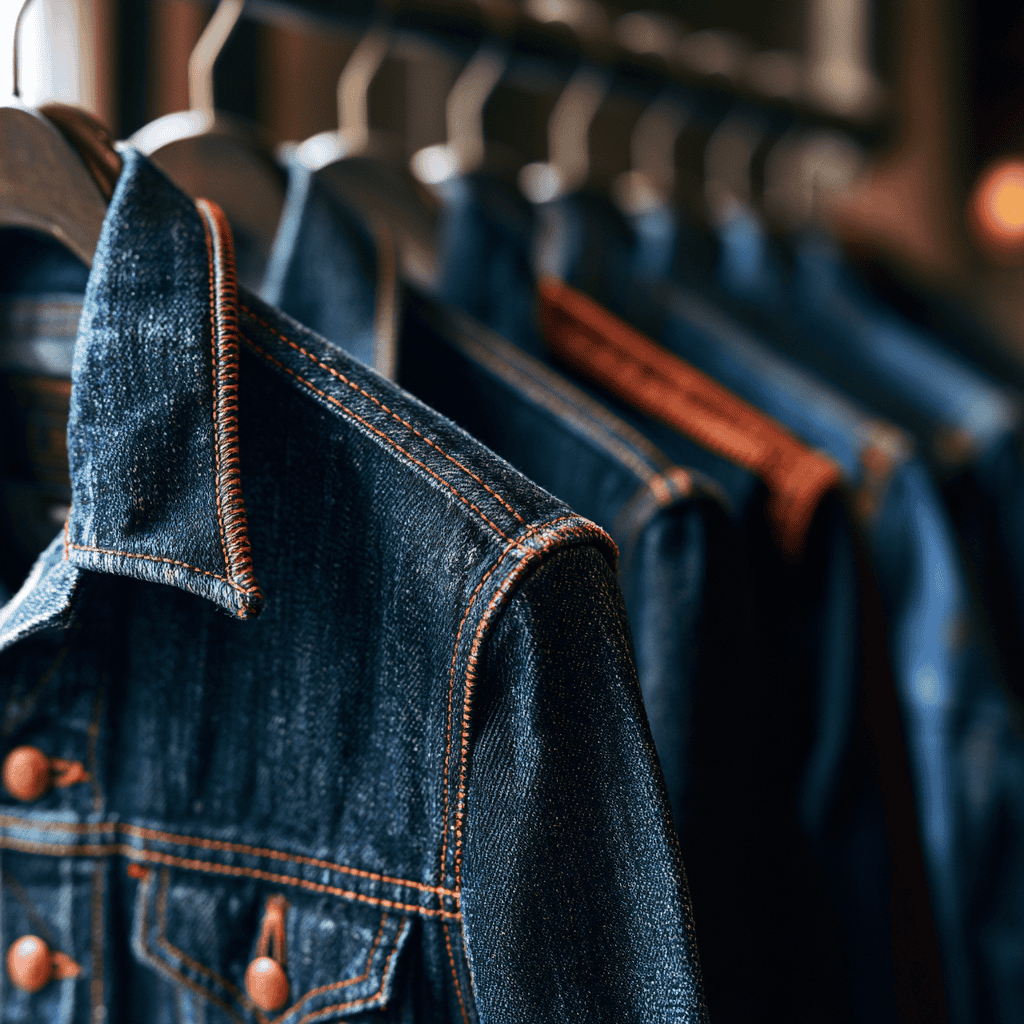
The result looks familiar to an American eye, yet feels different in the hand. The denim is denser, and the stitching is tighter. Small details, such as a rivet or a pocket bag, follow period patterns closely. As the publisher of W. David Marx’s history puts it, the most authentic American garments are now often those made in Japan. For a luxury reader, the appeal is plain: fewer pieces, made better, and kept for years.
The style also has a place in the secondhand market, where old American stock is sorted with real care. Our guide to vintage shopping in Japan covers that side city by city. This guide stays with new pieces and the places where they are made.
How Postwar Japan Learned American Style
The story starts with a book of photographs. In 1965, four men from the Tokyo clothing company VAN Jacket published Take Ivy in Japan. Teruyoshi Hayashida took the pictures on American Ivy League campuses. The students wore oxford shirts, chinos and loafers. According to its English publisher, the book sparked an Ivy wave among young men in Tokyo’s Ginza district.

Ivy was only the first wave. Later decades brought outdoor gear, workwear and the vintage jeans that collectors still chase. Each wave arrived through magazines and shop buyers who came home from the United States with full suitcases. Over time, the buyers stopped importing and started making. Small Japanese labels began to rebuild American garments seam by seam. Take Ivy itself became so sought after that powerHouse Books issued the first English edition in 2010.
Marx tells this whole arc in one readable volume. Read it before buying anything else. It explains why Japanese brands care about details that most American makers dropped long ago. It also gives the style a cast of real people.
Ametora — W. David Marx on how Japan saved American style

Ametora: How Japan Saved American Style is the standard history of the subject, written by a Tokyo-based American writer. It traces about 150 years of Japan’s relationship with American clothing, from the first Western dress to the denim workshops of today. Basic Books issued this updated edition in September 2023 with a new afterword on the last decade. The chapters on Take Ivy and the early jeans makers are the strongest. It reads quickly, with good stories and little jargon. It also makes a thoughtful gift. Anyone who owns a good pair of jeans will enjoy learning where they came from.
Selvedge Denim: Why Okayama Makes It
Japanese denim has a home, and it is Kojima, a coastal district of Kurashiki in Okayama Prefecture. Cotton grew here in the Edo period. Later, local mills turned to textiles and school uniforms. According to Japan’s national tourism organization, Japan’s first jeans were sewn in Kojima in 1965 from American fabric. Seven years later, local makers produced their own indigo-dyed denim. Brands such as Big John, Betty Smith and Bobson grew from that era.
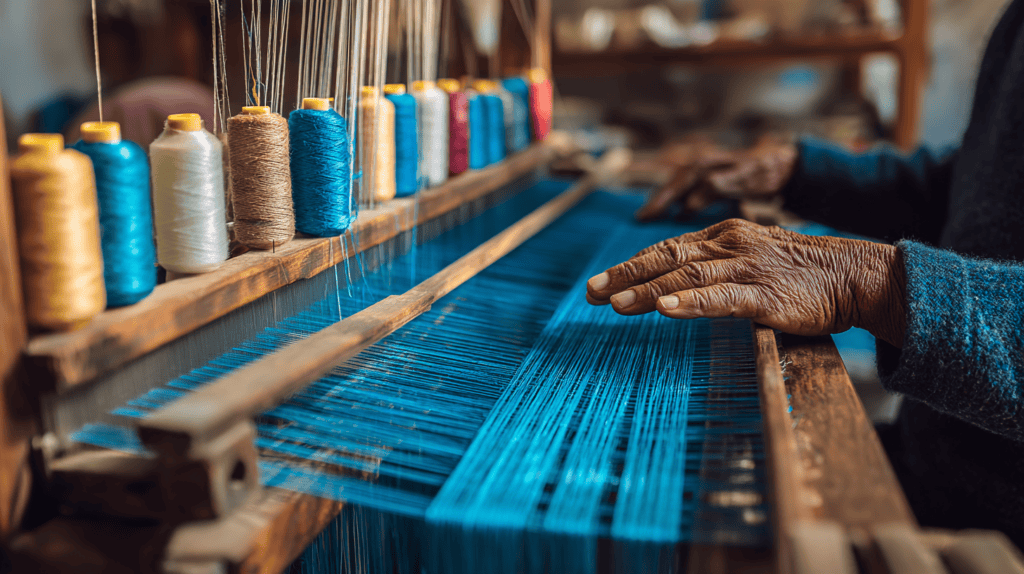
Selvedge describes the edge of the fabric. Older shuttle looms weave a narrow cloth and close each edge with a tight band, often marked with a colored thread. Modern looms weave wider and faster, so they leave a loose edge that has to be stitched. Japanese denim makers kept the older method because it gives a denser, slightly uneven surface. As a result, the cloth fades in high contrast along the wearer’s own creases. That is why collectors buy raw, unwashed jeans and wear them for months before the first soak. To spot selvedge in a shop, turn up the cuff: the clean edge, often lined with a colored thread, shows at once.
Japanese Cloth, Sewn Elsewhere
Not every pair of selvedge jeans is sewn in Japan, of course. Some labels, like the one below, buy Japanese cloth and sew it in their own workshops at home. Still, the cloth is the heart of the garment, and Japanese selvedge is the benchmark. A good first pair needs that cloth, a clean cut and an honest price. Look for three things on the label. First, the word raw or unwashed, which means the fade is still yours to make. Next, a fabric weight in the middle of the range, rather than the heaviest cloth. Finally, choose a fit you would wear every day, because daily wear brings the cloth to life.
Naked & Famous Weird Guy — raw Japanese selvedge, cut in Canada
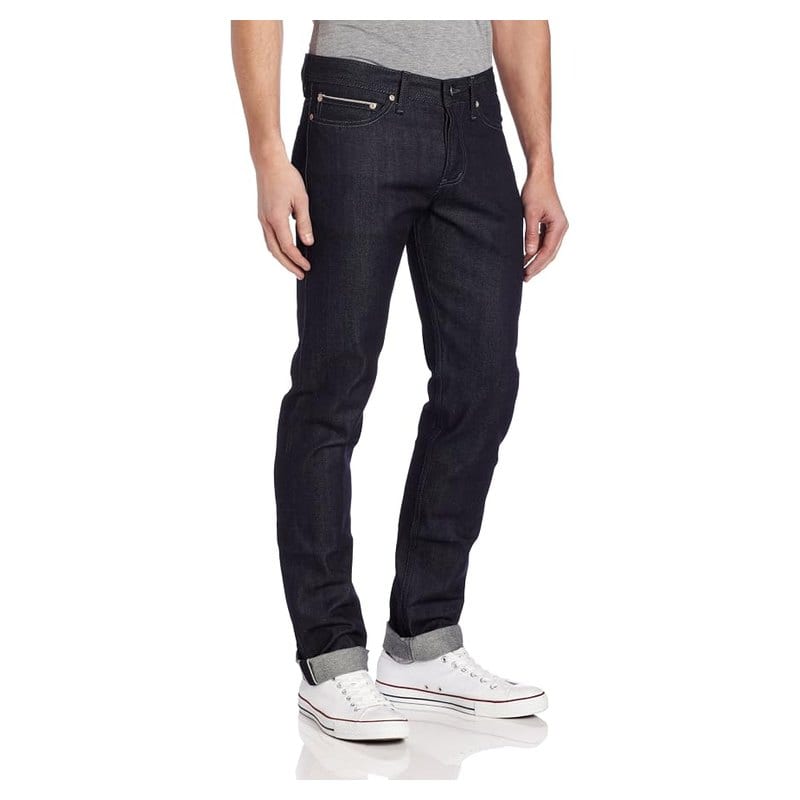
The Naked & Famous Weird Guy jeans are a sensible first step into raw Japanese denim. Since 2008, the Montreal label has built its name on raw selvedge from Japan. It cuts and sews in Canada, with no washes and no distressing. Weird Guy is its tapered midrise fit, roomy through the thigh and narrow at the ankle, so it sits well over boots. The cloth arrives stiff and dark. Over a season of steady wear, it softens and fades to your own shape. Buy your usual waist size, or check the brand’s fit guide, because raw denim relaxes a little as it is worn.
Japanese Workwear and Military Reproductions
After denim, Japanese workwear is the second pillar of the style. Here the aim is historical accuracy. Makers study original railroad jackets, chore coats and deck jackets. Then they reproduce the cloth, the buttons and the stitch count. A good reproduction can cost more than a new designer piece. The price pays for short runs, specialist fabric and many hours of sewing.
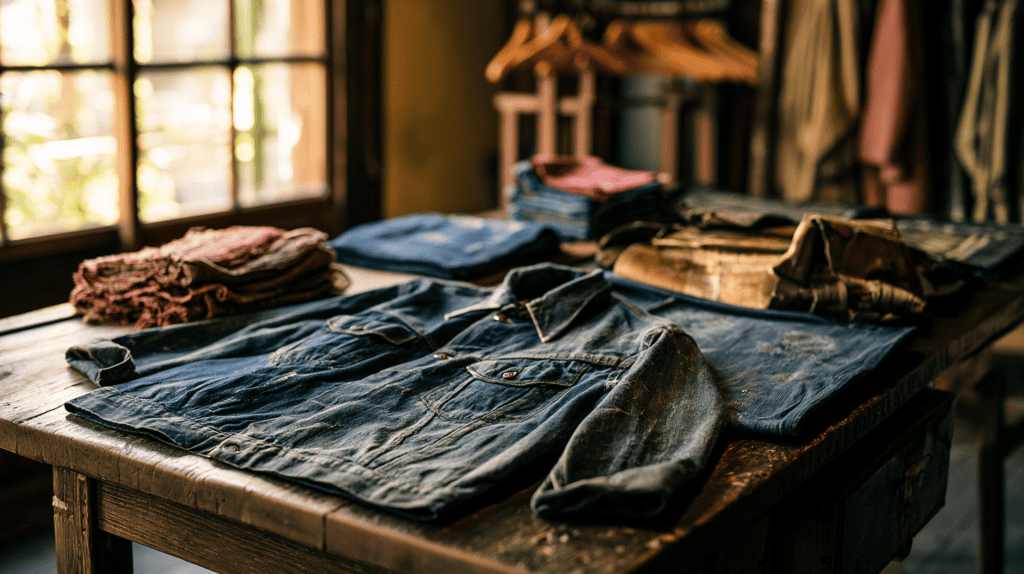
Flight jackets show the method most clearly. Toyo Enterprise, founded in Tokyo in 1965, began by serving American personnel at bases in Japan. Its predecessor had supplied embroidered souvenir jackets to base stores after the war. After 1975 the company turned to Japanese buyers with its Sugar Cane label. Then, in 1993, it launched Buzz Rickson’s, a line of historically accurate military reproductions. Today, a Buzz Rickson’s flight jacket is among the most respected pieces in Japanese Americana.
The collector mindset reaches the smallest parts, from period zippers to the exact shade of olive drab. Some buyers find this excessive. Others see the same patience that shapes Japanese pottery and joinery, a theme our piece on Japanese design principles explores in depth. Either way, the clothes last, and they often look better with age.
You may also like
Boots, Leather and the Details That Age Well
Every wardrobe in this style needs a pair of work boots, and the favorite is often American. Japanese collectors have long admired heritage makers from the Midwest, especially Red Wing of Minnesota. Their boots share the style’s values: welted construction, heavy leather and a design that has barely changed. For many enthusiasts, boots are the second purchase after raw jeans.
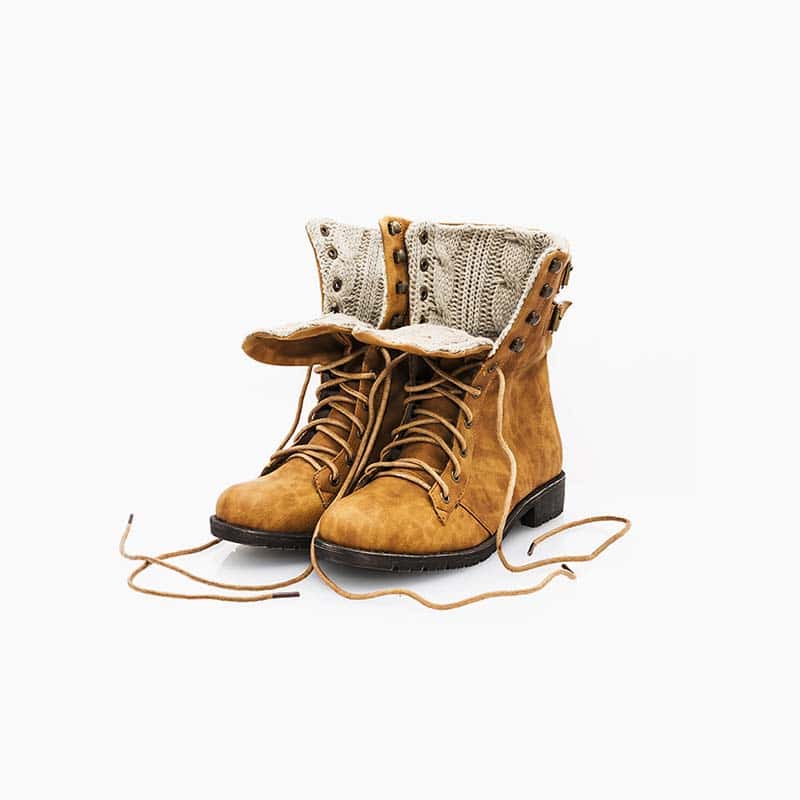
Leather follows the same logic as denim. It starts stiff and pale, then softens and darkens where the foot bends. A welted boot can also be resoled, so a well-kept pair outlives several cheaper ones. The goal is not to keep the boot new. Instead, let it age evenly, and keep it clean, fed and dry.
Red Wing Iron Ranger — the Minnesota work boot Japan reveres
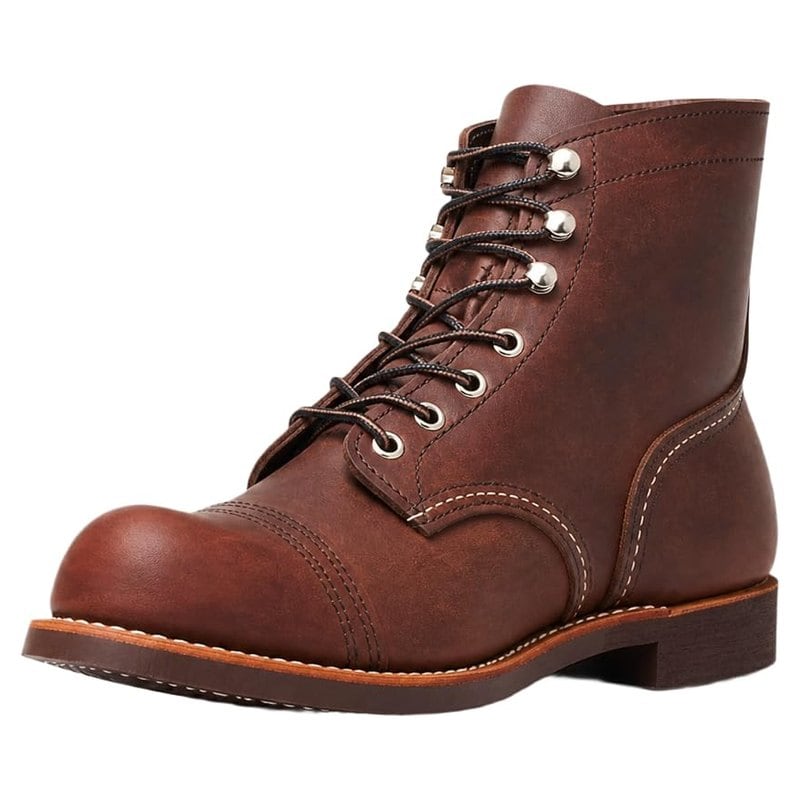
The Red Wing Iron Ranger is named for the Mesabi Iron Range in northern Minnesota. Miners there needed boots built for rough ground. That heritage shows in the double layer of leather over the toe and a Goodyear welt that a cobbler can resole. The boot is made in Red Wing, Minnesota, and it appears in many Tokyo shops beside Japanese denim. Expect a firm break-in over the first few weeks of wear. After that, the leather molds to your foot and develops a deep patina. Wear it with a single cuff on raw jeans, which is the classic pairing.
Belts, wallets and watch straps complete the look, and they follow the same rule. Choose vegetable-tanned leather, solid brass or steel hardware, and simple shapes. Over time these small pieces take on the same patina as the boots. Together, they give a plain outfit of jeans and a work shirt its depth.
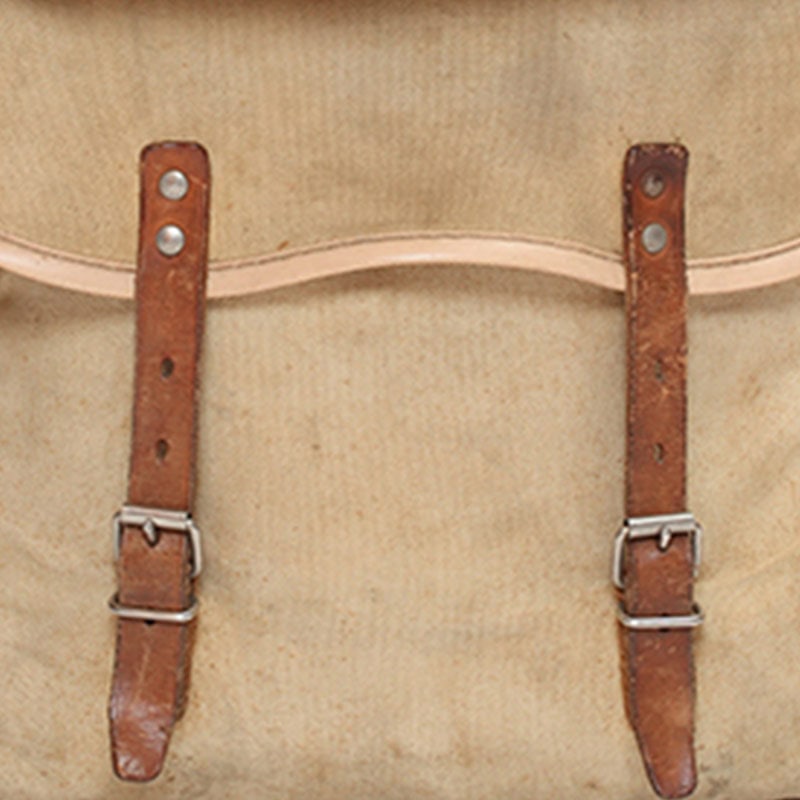
If you are buying leather as a gift for someone else, the same principle helps. One well-made strap says more than a box of accessories. Our selection of Japanese gifts for him follows that idea, with fewer, better objects for daily use. Meanwhile, the boots and denim above make a clear start for anyone new to the style.
Vintage Americana in Japan: Where to Shop in Tokyo
Tokyo is where most travelers first meet Japanese Americana in person. The shops cluster in a few neighborhoods. Harajuku and the backstreets behind Omotesando hold the flagships of many reproduction labels. Shibuya adds larger select shops. Meanwhile, Shimokitazawa and Koenji, to the west, are where vintage stock fills narrow rooms.
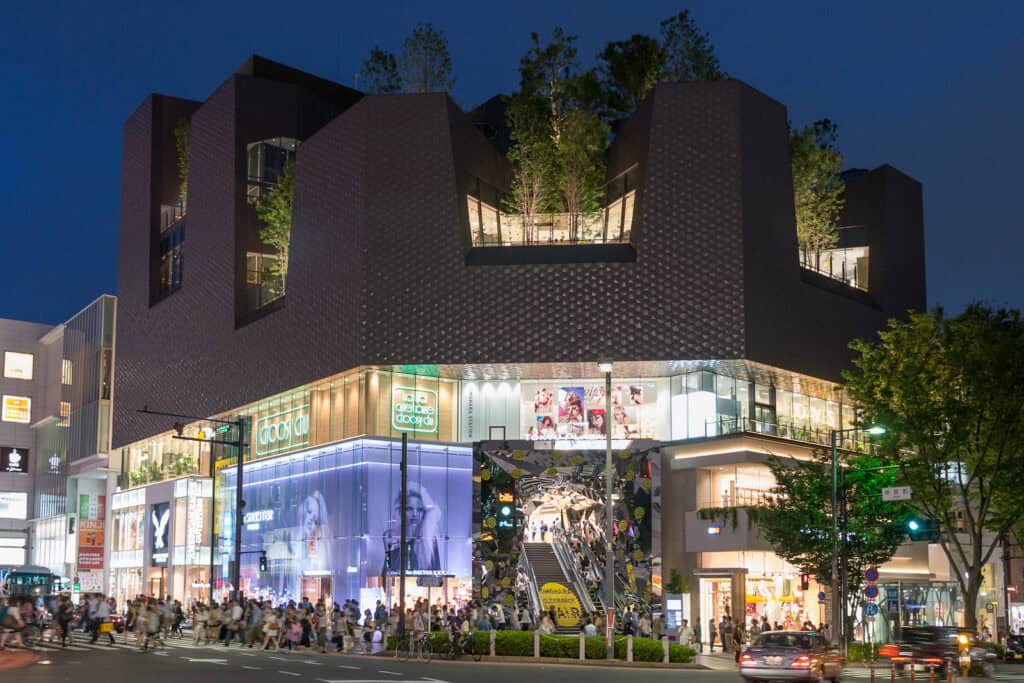
A short plan helps. Spend a morning in Harajuku with a list of two or three brands to try on. Then cross into Shibuya for lunch and the bigger stores. Give a separate afternoon to the vintage districts, because sorting old stock takes time. For the wider map, our guide to the Tokyo shopping districts sets out each area in detail.

Buying in Japan also has a practical side. From November 1, 2026, visitors pay the consumption tax at the register and claim it back later. At the airport, you scan your passport at a refund terminal before boarding. The refund then follows through the shop or its partner. The minimum is about $33 (¥5,000) before tax, at one store on one day, at recent exchange rates. Keep your purchases with you for the check. Confirm the details in the official visitor tax refund guide before you fly.
Ten Proverbs to Carry With You
A printable folio of ten Japanese proverbs, each set in kanji with its reading and a line on where you will hear it.
Sizing and Hems
Sizing is the other hurdle for many American visitors. Japanese brands often cut slimmer and shorter in the rise than American labels. Many denim shops also hem jeans on site, so ask before you pay. A good hem is part of the purchase. Staff in the denim stores are usually patient with questions and proud of the work.
Osaka and Kansai Beyond Tokyo
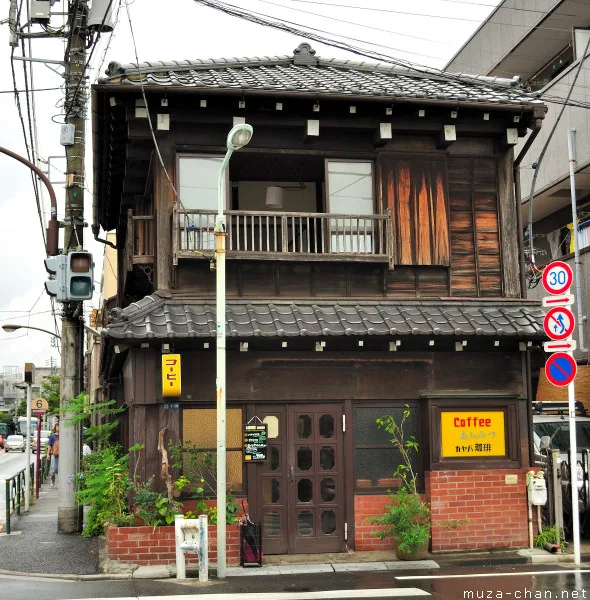
Osaka has its own claim on the style. Amerikamura, or America Village, sits just west of Shinsaibashi Station. According to Osaka’s official tourism site, the name comes from stores that opened after 1965 selling clothing imported from America. By the 1970s the area was known for secondhand clothing and jeans. Shops there also sold used records and goods bought on the US West Coast.
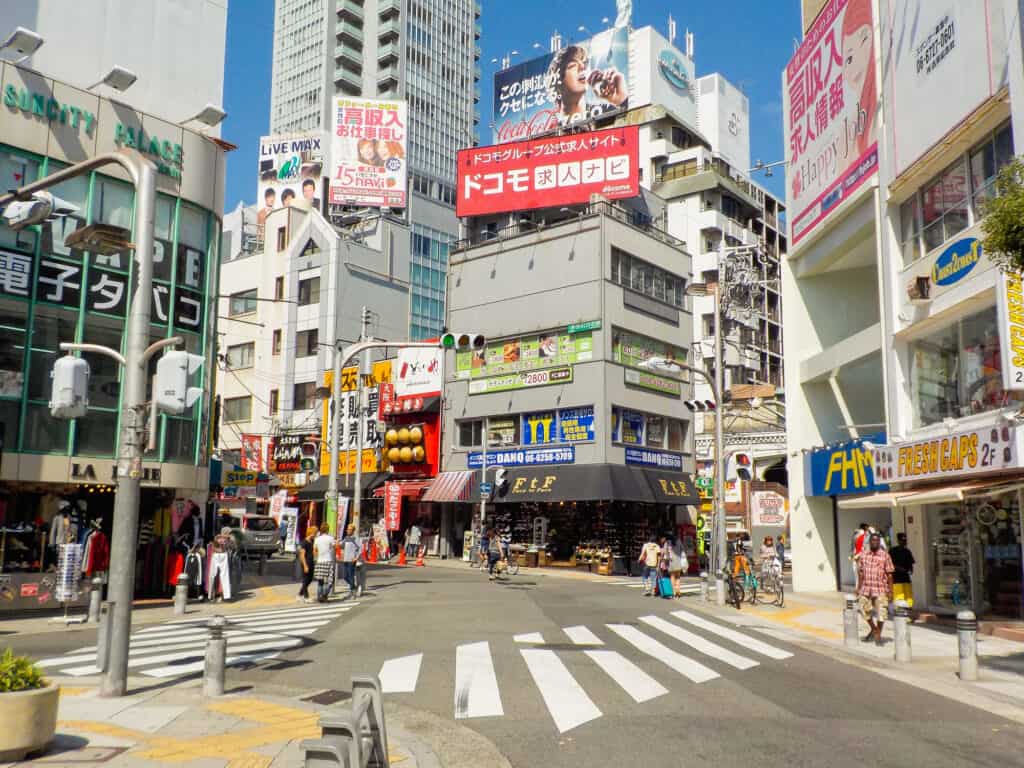
Today, Amerikamura is still a center of youth fashion in Kansai. Triangle Park, its small central square, draws large weekend crowds. The district is less polished than Harajuku. However, that is part of its charm, and vintage prices can be gentler than in Tokyo. Begin at the park, walk the side streets slowly, and leave room in your bag.

Osaka also rewards a longer stay. Beyond the racks, the city is known for its food, its markets and its easy humor. Our list of unique things to do in Osaka pairs well with an afternoon in Amerikamura. From there, Okayama is a short shinkansen ride west.
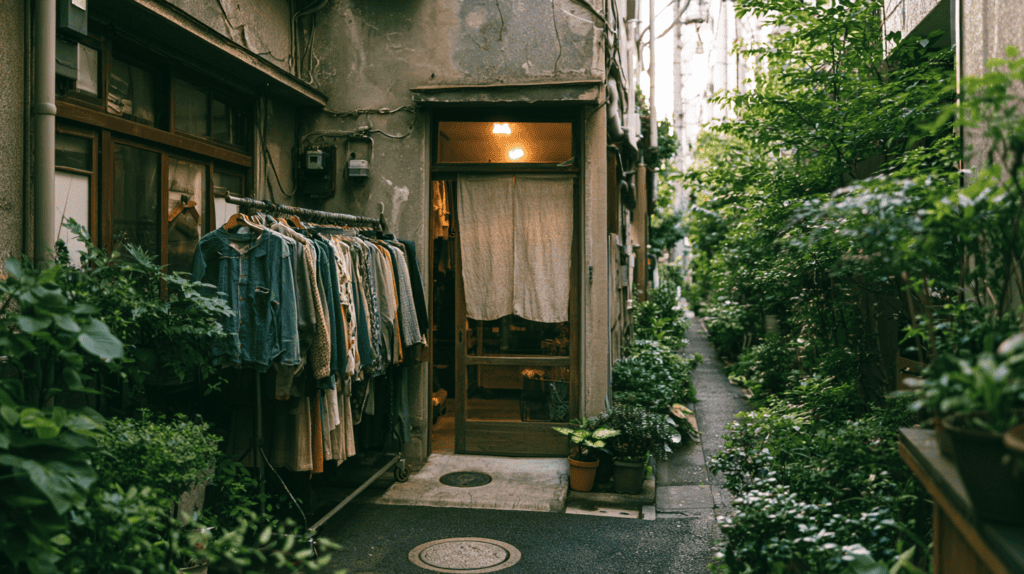
Indigo ties every part of this story together. It gave American work jeans their blue. In Kojima, makers dye their denim a shade so deep that it is known as Japan blue. Indeed, the color is the reason the next stop is a small coastal town rather than another city. The cloth itself is made there, and you can follow its story in a single afternoon.
A Denim Day in Kojima, Okayama
Kojima is the place to see Japanese denim at its source. The town sits on the Seto Inland Sea, about 25 minutes from Okayama Station on the JR Seto-Ohashi Line. Kojima Jeans Street runs about 400 meters through the Ajino Shopping Arcade, fifteen minutes on foot from the station. According to Japan’s national tourism organization, more than 30 shops sell denim there, and about 100,000 people visit each year. The road is painted indigo, with red and white edge lines like the selvedge on a jean.

Plan the visit around opening days. Many shops on the street close from Tuesday to Thursday, so a Friday or a weekend works best. A local route bus decorated in denim links the station with the sights. Start with coffee, walk the street once without buying, and then return to the shops that held your attention.
Give the street a full day rather than a stop between trains. Start at the far end and work back, so the shops you liked most are the last ones you pass. Ask before you photograph a workroom, and accept either answer with good grace. When a shop is calm, the staff will often show a sewing machine or a bolt of cloth and explain how it was made. If you plan to buy, wear the shoes you will pair with the jeans, because the right hem depends on them. Some shops will hem a pair while you wait, so ask early in the visit. That wait is also a fine excuse to stay for lunch.
You may also like


The Betty Smith Jeans Museum
The Betty Smith Jeans Museum is the other essential stop. Betty Smith was founded in 1962, and its museum stands on what the company calls Japan’s oldest jeans factory. There is no admission charge. It opens from 9:00 to 18:00 from March to November, and from 9:30 to 17:00 in winter. Inside, the displays trace jeans from their American origins and include an early Union Special sewing machine.

The museum’s workshop is the first-hand detail most visitors remember. Its Omiyage Jeans start at a little over $70 (¥11,000 with tax), including an experience fee of about $15. You choose a style, then pick one button and six rivets and set them yourself on a hand press. Staff hem the jeans, and you carry them home the same day. Book online until the day before, or call on the day. If you would rather have the day arranged for you, our notes on private tour design explain how that works.

Lunch in Okayama: Barazushi
Lunch should be local, and in Okayama that means barazushi. It is a scattered sushi of vinegared rice topped with seafood from the Seto Inland Sea and seasonal vegetables. Locals eat it at festivals and celebrations. The prefecture’s tourism site tells the story behind it. A feudal lord once limited meals to one soup and one side dish. In reply, people argued that a dish served on rice still counted as one.
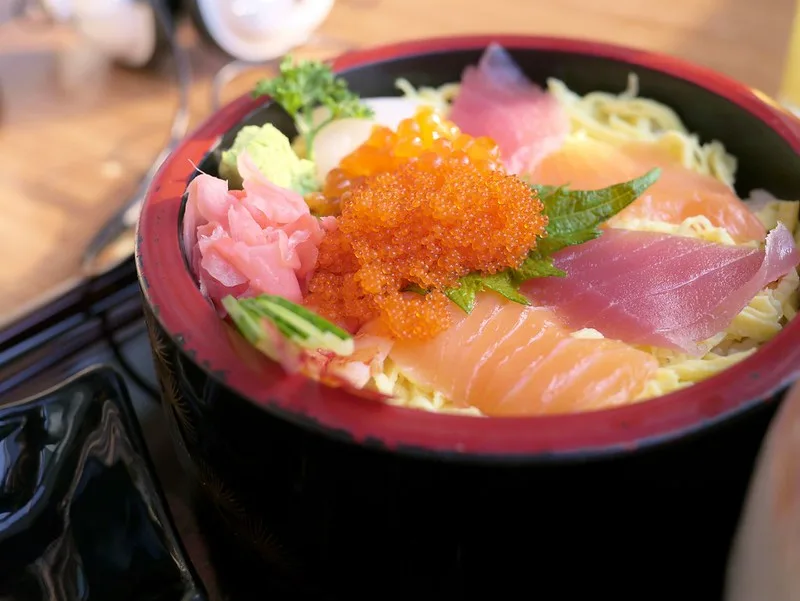
Okayama Barazushi — festival sushi rice with Spanish mackerel, shrimp and vegetables
Cook three cups of short-grain rice with a small piece of kombu. Meanwhile, slice a carrot, a short length of burdock, three shiitake and a little lotus root, then simmer them in light dashi with soy sauce and sugar until tender, and drain. Warm a quarter cup of rice vinegar with two tablespoons of sugar and a teaspoon of salt until dissolved. Spread the hot rice in a wide bowl, fold in the vinegar with a paddle while fanning it glossy, then mix in the vegetables. Top with thin slices of vinegar-cured Spanish mackerel, boiled shrimp, ribbons of thin omelet, blanched snow peas and a little red pickled ginger.
Spanish mackerel, called sawara, is the fish most tied to the dish, though households vary the toppings. The result is bright, light and generous. It also suits the rhythm of a denim day. Take a long lunch near the harbor, then one more slow walk down Jeans Street before the train.
Building the Wardrobe and Caring for It
The wardrobe rests on three anchors: raw denim, a jacket and boots. Add two or three work shirts, a few heavy cotton T-shirts and a wool sweater, and the core is complete. Buy slowly, one good piece a season. That restraint links the style to Japanese minimalist fashion, which applies the same patience to a very different silhouette.
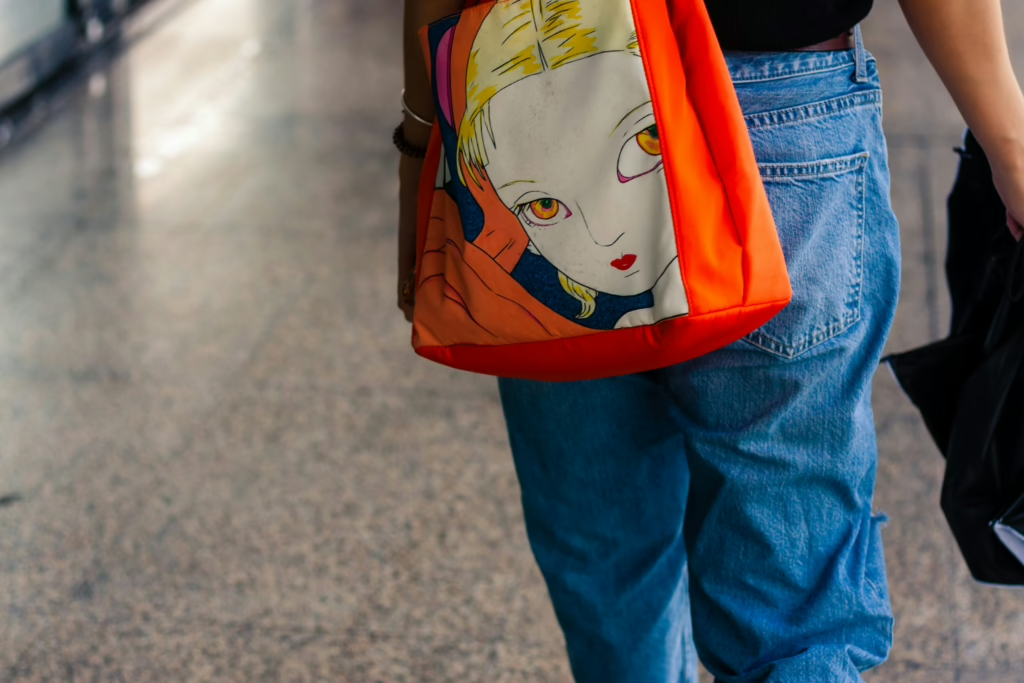
Care is simple, but timing matters. Wear raw jeans for several months before the first soak, so the creases set. Then turn them inside out, wash them cold, and hang them to dry. Boots need a brush after every few wears and a conditioner a few times a year. Above all, mend rather than replace. A small tear stitched with sashiko, the Japanese running stitch, becomes part of the garment’s record.
Three Pieces for Long Wear
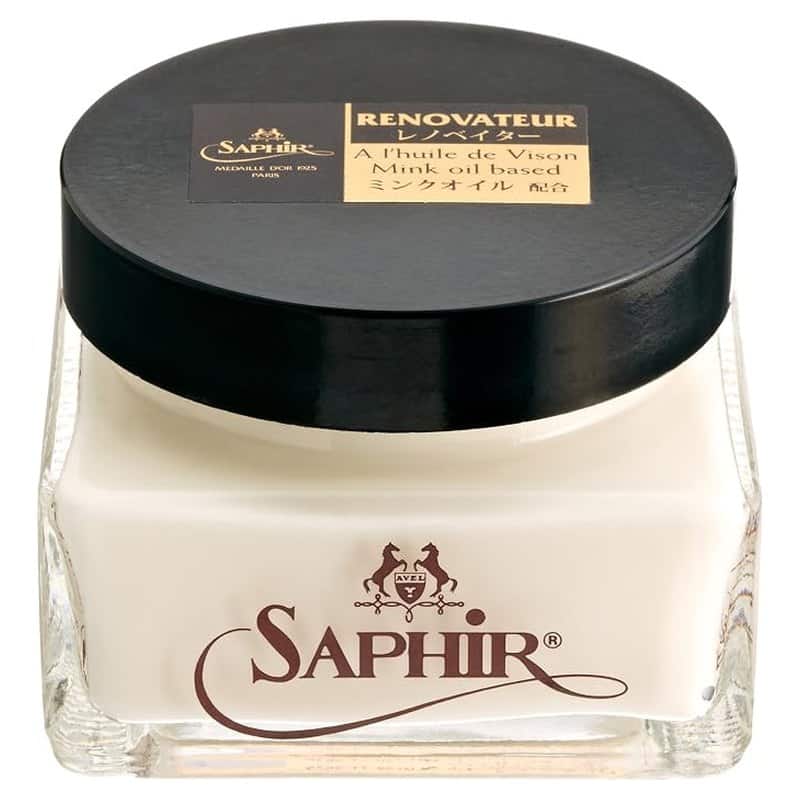
A cleaner and conditioner that feeds boot leather without darkening it heavily.

A seven-inch natural horsehair brush for dust after wear and buffing after conditioning.
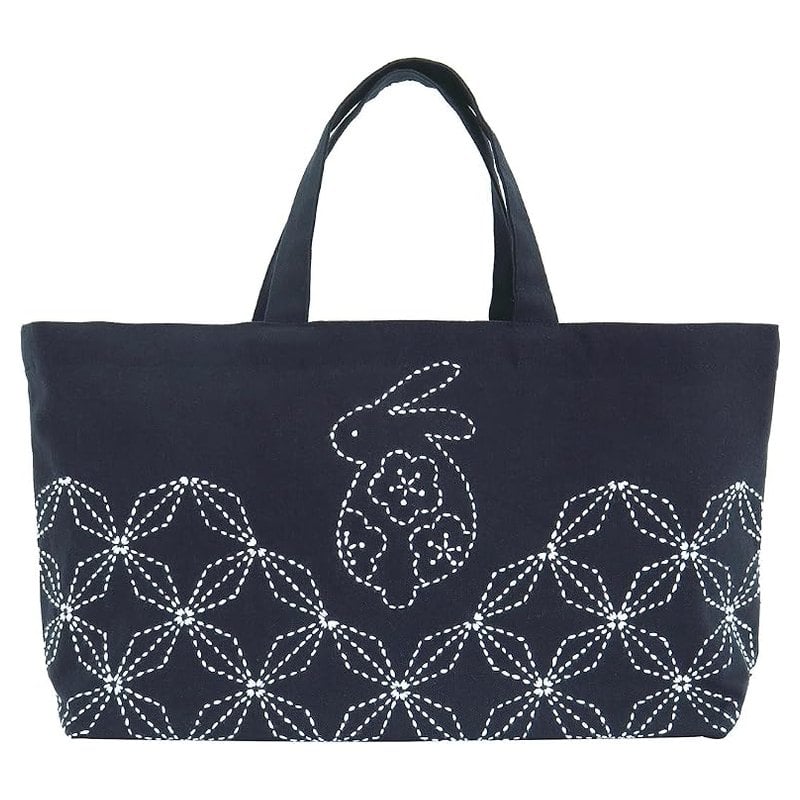
A Japanese stitching kit with a printed pattern, thread and needle for a small first project.
Mending With Sashiko
Practice the stitch on the small tote first, and only then carry it to your jeans. A sashiko running stitch lies flat and strong, so it sits naturally on denim. Use it to reinforce a worn knee, a frayed pocket corner or the seat of a favorite pair. Indigo thread disappears into the cloth, while white thread makes the repair part of the design. The habit of noting what you mend also suits a journal. The guided journals in our Cultural Reflection Collection are written for that kind of slow attention. In short, every repair adds a line to the garment’s story, and the jeans become more yours with each one.
Recommended
Finally, remember that the style is a practice, not a costume. It works best when the clothes are worn hard, every day, for years. A jacket bought in Tokyo should see rain, crowded trains and long walks, not only special evenings. Likewise, jeans should go to work, to dinner and back to the hem shop when they need it. You can begin in a Tokyo flagship, an Osaka vintage room or a Kojima workshop. Wherever you start, choose one honest piece, wear it often and care for it well. Then let the years do their work. That, in the end, is how Japan turned a borrowed wardrobe into a discipline of its own.

Before You Go
A good denim trip starts with three questions. Do you want to buy, to see the making, or both? How much time can you give to Okayama? And which pieces matter most to you: jeans, a jacket or boots? Answer those first, and the route follows.
Tokyo suits a buyer with a list. Osaka suits a browser who enjoys the hunt. Kojima, by contrast, suits anyone who wants to understand the cloth. Stay in Kurashiki by the canals, take the train to Kojima the next morning, and keep the afternoon for the museum workshop. Bring a pair of jeans you already own as a size reference, and leave space in your luggage.
A Denim Journey Through Tokyo, Osaka and Okayama
A bespoke itinerary built around the cloth: the right shops for your list, a booked jeans workshop in Kojima, a night by the Kurashiki canals, and the time to buy well.
Plan Your Custom Japan ItineraryQuestions Worth Asking
What is Japanese Americana, and what is amekaji?
Japanese Americana is classic American clothing remade in Japan with heavier fabric and closer attention to detail: denim, work shirts, flight jackets and boots. Amekaji, short for American casual, is the everyday Japanese name for the look. Ametora, or American traditional, is the wider term W. David Marx used for his history of the style.
Why is Japanese selvedge denim so well regarded?
Japanese mills kept older shuttle looms that weave a narrow, dense cloth with a finished edge. The fabric is often dyed a deep indigo, so it fades in strong contrast where the wearer bends and creases it. That slow, personal fade, together with careful sewing, is why collectors treat Japanese denim as the benchmark.
Where in Japan is denim made?
The center of Japanese denim is Kojima, a coastal district of Kurashiki in Okayama Prefecture. Japan’s first jeans were sewn there in 1965 from imported American fabric, and local makers produced their own indigo denim seven years later. Today Kojima Jeans Street has more than 30 denim shops along one arcade.
Which Japanese Americana brands are worth knowing?
Start with the reproduction makers. Buzz Rickson’s and Sugar Cane, both from Toyo Enterprise, are known for flight jackets and workwear. Momotaro and Betty Smith come from Kojima, the home of Japanese denim. Red Wing is the American boot many Japanese collectors favor. The book Ametora connects these names into one readable story.
Can you visit denim makers in Okayama as a traveler?
Yes. Kojima Jeans Street is about fifteen minutes on foot from JR Kojima Station, and many shops open Friday to Monday. The Betty Smith Jeans Museum has no admission charge. Its workshop lets you set your own button and rivets on a pair of jeans you take home the same day.
How do you care for raw selvedge denim?
Wear new raw jeans for several months before the first wash, so the creases settle and the fade becomes personal. Then turn them inside out, wash them cold by hand or on a gentle cycle, and hang them to dry. Mend small tears early, ideally with sashiko stitching, rather than replacing the pair.