Japanese Name Generator With Meaning & Kanji
Two tools on one page. Search 800+ authentic names by meaning — each with its kanji, pronunciation, and the story behind the characters — or generate a full Japanese name, surname and given name paired the way they are in Japan. Built for writers, anime fans, gamers, and anyone who wants a name that actually means something.
A trait, feeling, element, or symbol — like brave, moonlight, peaceful, or cherry blossom.
Your Names
Names inspired by your chosen meaning
Want a complete Japanese identity?
Our random full-name generator pairs authentic Japanese surnames with given names — each with kanji, hiragana, pronunciation, and cultural meaning. Filter by gender, era, and theme. Save favourites. Download all names as text. Millions of unique combinations from an ever-growing library of authentic surnames and given names.
Random Japanese Full Name Generator
Generate complete Japanese identities — authentic surnames paired with given names, each with kanji, hiragana, pronunciation, and cultural meaning.
Millions of unique name combinationsYour Full Names
10 authentic Japanese full names
How Are Japanese Names Structured?
Japanese names work differently from Western ones, starting with the order: the family name comes first, the given name second. The novelist the West calls “Haruki Murakami” introduces himself in Japan as “Murakami Haruki” — family before individual.
The real depth sits in the kanji. Each character carries its own meaning and more than one reading — the on’yomi (Chinese-derived) and the kun’yomi (native Japanese). The same written name can be read several ways, and the same spoken name can be written with different kanji, each one shading the meaning.
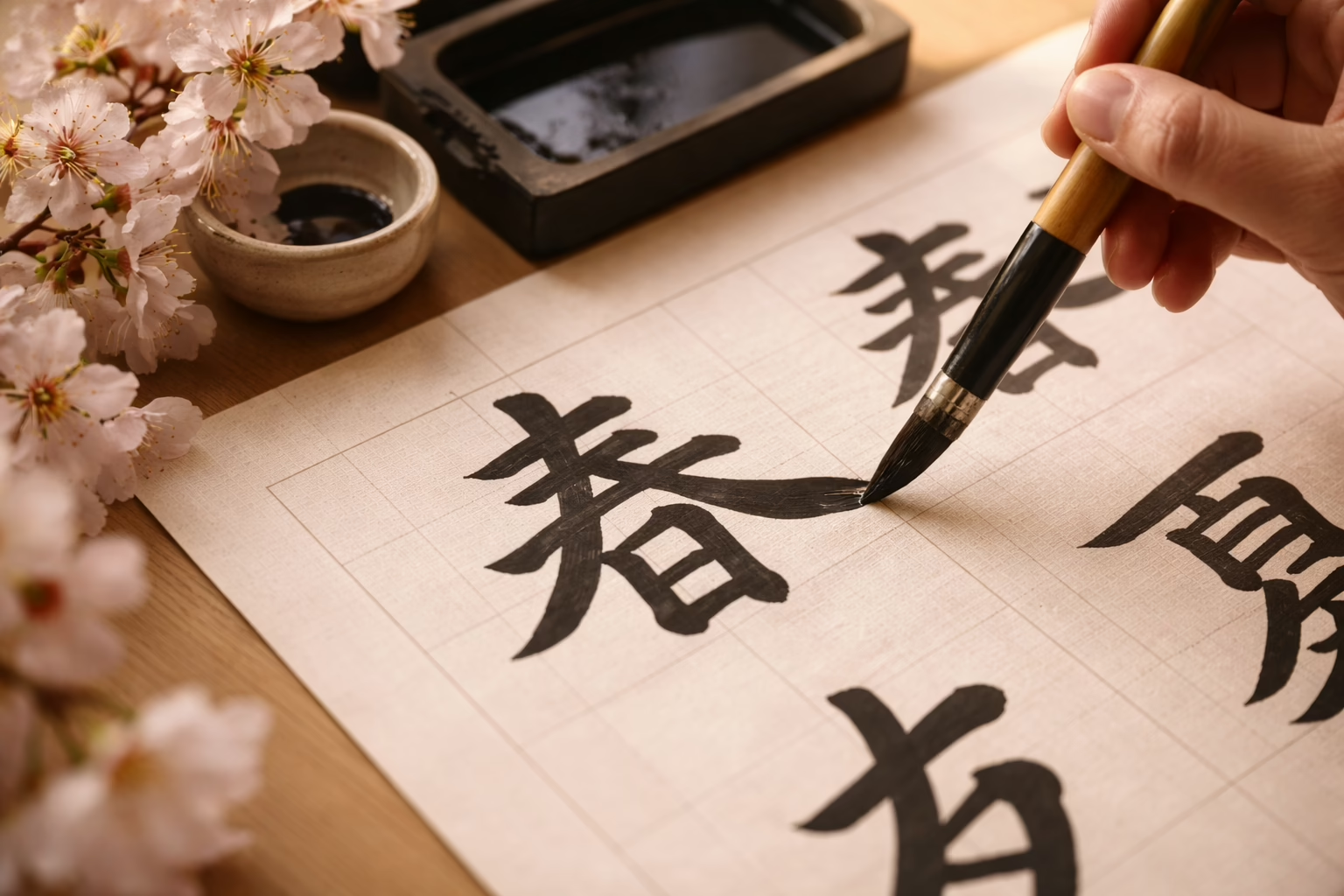
Take the sound “Yūki.” Written 勇気 it means courage; 優希, gentle hope; 有希, existing hope — one sound, three identities. That is why parents spend real time choosing the exact characters, weighing stroke counts, seasonal associations, and symbolism. Our guide to Japanese calligraphy covers the brushwork tradition behind a name’s visual character.
Gender, Kanji, and Modern Naming Trends
Gender shows up through kanji choice and name endings. Feminine names lean on characters for beauty (美), flowers (花), or gentleness (優); masculine ones on strength (剛), greatness (大), or power (龍). Modern naming leans increasingly unisex — Ren (蓮), Sora (空), and Hikaru (光) read either way. To learn the characters behind these names, our kanji flashcard method walks through the 2,000 most common in a year.
This generator draws on those conventions, matching the meaning you choose to names with real kanji, correct pronunciation, and cultural context — whether you are naming a character, building a persona, or simply curious about your own.
For the full story on naming traditions, kanji, and how names appear in anime and literature, read The Art of Japanese Names.
Popular Japanese Names by Theme: Nature, Warrior, Celestial & More
Japanese names tie closely to the natural world, human virtues, and the sky. Here is a curated set from our database of 800+ names, grouped by theme — search any of these in the generator above for more, each with full kanji and meaning. For names drawn from seasonal beauty, our guide to cherry blossom season traces how Japan’s most fleeting colour shapes naming, art, and memory.
Japanese Names Inspired by Nature
| Name | Kanji | Meaning | Gender |
|---|---|---|---|
| Sakura | 桜 | Cherry blossom — transient beauty and renewal | feminine |
| Ren | 蓮 | Lotus — purity rising from muddy waters | unisex |
| Kaede | 楓 | Maple leaf — autumn beauty and change | unisex |
| Hayate | 颯 | Swift wind — fresh breeze and energy | masculine |
| Ume | 梅 | Plum blossom — resilience and hope in winter | feminine |
| Hinata | 日向 | Sunny place — warmth and light | unisex |
Japanese Names Meaning Strength & Courage
| Name | Kanji | Meaning | Gender |
|---|---|---|---|
| Takeshi | 武 | Martial, warrior, valiant | masculine |
| Yūki | 勇気 | Courage, bravery, spirit | unisex |
| Mamoru | 守 | To protect, to defend | masculine |
| Chikara | 力 | Strength, power, force | masculine |
| Katsumi | 克己 | Self-mastery, overcoming oneself | unisex |
Japanese Names for Moon, Stars & Sky
| Name | Kanji | Meaning | Gender |
|---|---|---|---|
| Tsukiko | 月子 | Moon child | feminine |
| Sora | 空 | Sky, heavens, expanse | unisex |
| Hoshi | 星 | Star — luminous and direct | unisex |
| Akatsuki | 暁 | Dawn, daybreak, first light | unisex |
| Mizuki | 美月 | Beautiful moon | feminine |
Japanese Names Meaning Love & Kindness
| Name | Kanji | Meaning | Gender |
|---|---|---|---|
| Aiko | 愛子 | Child of love, beloved | feminine |
| Megumi | 恵 | Blessing, grace, kindness | feminine |
| Kokoro | 心 | Heart, mind, spirit — the core of being | unisex |
| Yūto | 優斗 | Gentle excellence, kind strength | masculine |
| Makoto | 誠 | Sincerity, truth, devotion | unisex |
These are just a fraction of the 800+ names in our database. Use the generator at the top of this page to search by any theme — ocean, fire, mystery, elegance, warrior, dream — and discover the Japanese name that carries your meaning. Indeed, many of these names appear throughout Japanese cultural traditions — from the tea ceremony to traditional Japanese etiquette, where naming and respect are deeply intertwined.
Common Japanese Surnames and Their Meanings
Japanese surnames usually come from geographic features, occupations, or clan history. Unlike given names, which parents choose for their meaning, surnames are inherited and often reveal where a family first lived. Many of Japan’s most common surnames point to mountains, rivers, rice paddies, and forests — the agricultural landscape those families settled in.
In rare cases the same surname is written with different kanji, and some carry more than one valid reading. Our Random Full Name Generator draws from a library of authentic surnames, each with verified kanji, meaning, and origin. Here are the most common ones and what they mean.
Most Common Japanese Surnames
| Surname | Kanji | Meaning | Origin |
|---|---|---|---|
| Satō | 佐藤 | Wisteria of assistance | Clan |
| Suzuki | 鈴木 | Bell tree | Nature |
| Takahashi | 高橋 | High bridge | Geographic |
| Tanaka | 田中 | Middle of the rice paddy | Geographic |
| Watanabe | 渡辺 | To cross the border | Geographic |
| Yamamoto | 山本 | Base of the mountain | Geographic |
| Kobayashi | 小林 | Small forest | Nature |
| Sakurai | 桜井 | Cherry blossom well | Nature |
| Shimizu | 清水 | Clear water | Nature |
| Hoshino | 星野 | Star field | Nature |
| Murakami | 村上 | Above the village | Geographic |
| Hasegawa | 長谷川 | Long valley river | Geographic |
| Fujiwara | 藤原 | Wisteria field | Clan |
| Miyamoto | 宮本 | Shrine origin | Geographic |
| Kurosawa | 黒澤 | Black marsh | Nature |
Many Japanese surnames contain the character 藤 (fuji, wisteria) — Satō, Katō, Endō, Kondō, Gotō — tracing back to the powerful Fujiwara clan that ran Japanese politics for centuries, a dynasty woven through Japanese imperial history and the rise of geisha culture. Surnames carrying 田 (ta, rice paddy) — Tanaka, Yamada, Yoshida — point instead to Japan’s farming roots.
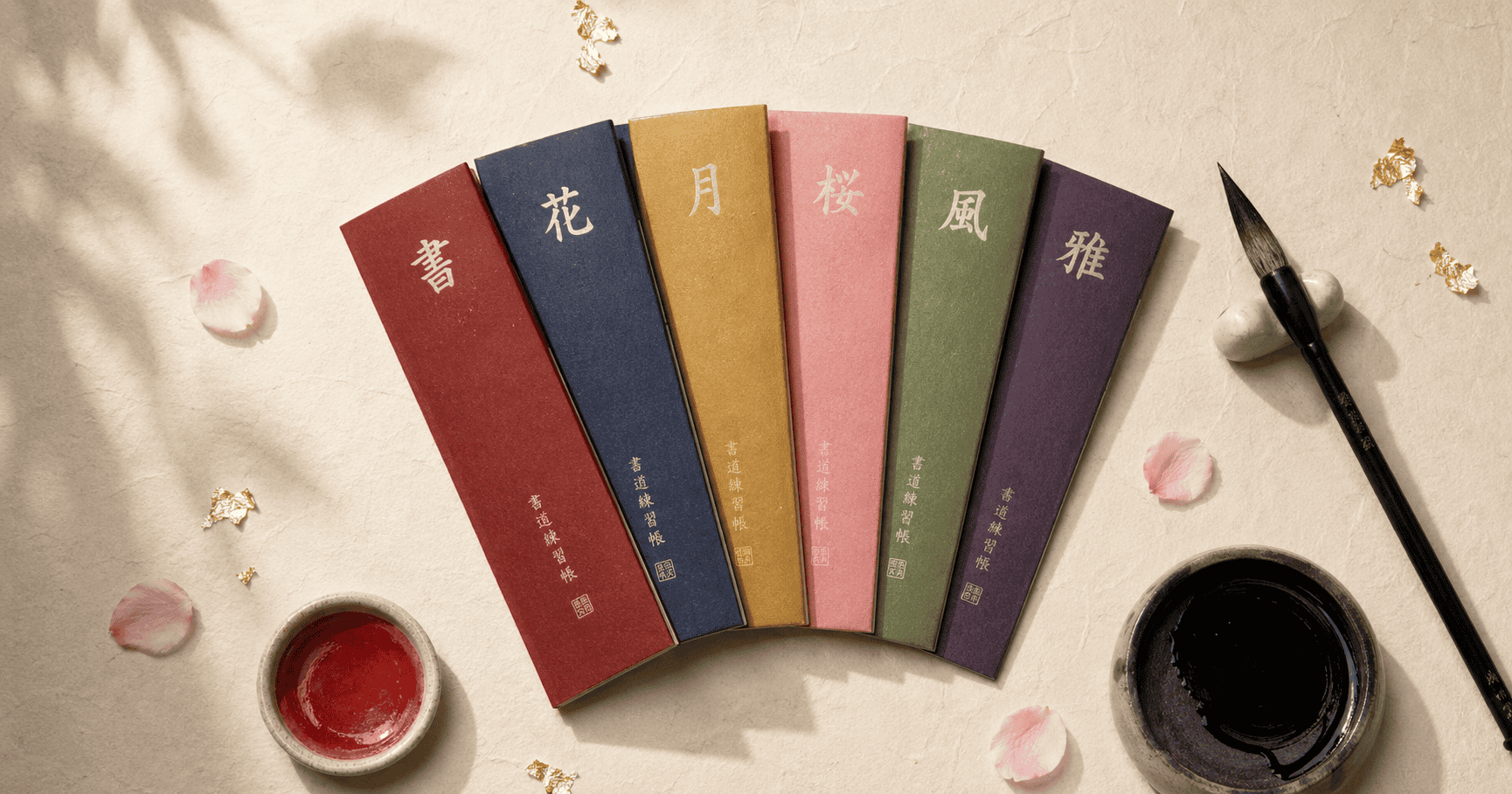
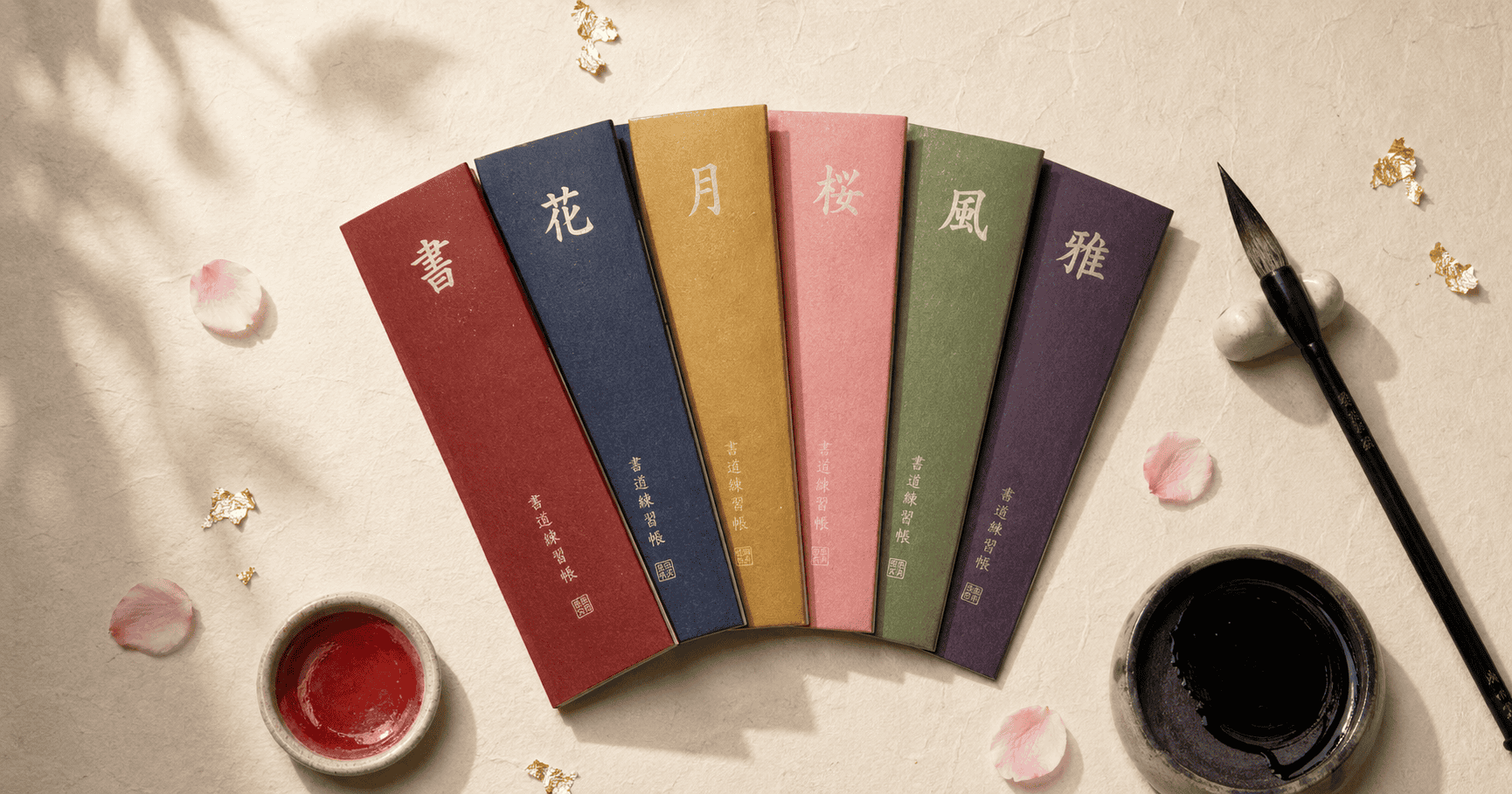
Keep Your Name on Paper
Practice writing your name and the 100 essential kanji by hand, then keep the words that matter in a journal made for it.

Using Your Japanese Name: Travel, Writing, Cosplay & More
Anime fans, cosplay creators, fiction writers, and travellers all use this generator. The names work across a lot of contexts:
Writers and game designers use it for culturally grounded character names in novels, manga, screenplays, and tabletop RPGs. The meaning breakdowns are the point — a name meaning “silent endurance” tells a different story from one meaning “fire flower.”
Anime and cosplay fans build aliases and personas rooted in real naming traditions — a nickname for a profile, a cosplay identity, a username with actual meaning behind it. Our guides to anime and manga shopping in Japan and the country’s themed cafés go deeper into that world.
Travellers and language learners use a name as a conversation starter, a journaling companion, or a first step into kanji. Guests at Japan’s finest ryokans often learn to write their name in kanji as part of the welcome. Try writing yours with our free Japanese calligraphy tool, or learn the characters through daily kanji flashcards.
Want anime inspiration? Our anime recommender finds your next obsession, or test yourself with the Japan citizenship quiz.
Planning a trip to Japan? Our team creates bespoke itineraries for travellers who want more than the guidebook — ryokan stays, private tea ceremonies, calligraphy workshops, and hidden neighbourhood walks.
Request a Custom Japan Itinerary →Make Your Name Something You Keep
Name stamps, kanji wall art, calligraphy brushes, and keepsakes — ways to turn the name you just found into something you can hold.
An Open Book
Notes on Japanese names, common questions answered.
About the Meaning-Based Generator
Using the Generator
Features and Differences
About the Names and Kanji
About the Random Full Name Generator
Continue Your Japan Journey
Tools and Workbooks From Magnificent Japan
Browser-based practice for calligraphy, names, and daily kanji study. Plus our published workbook series.