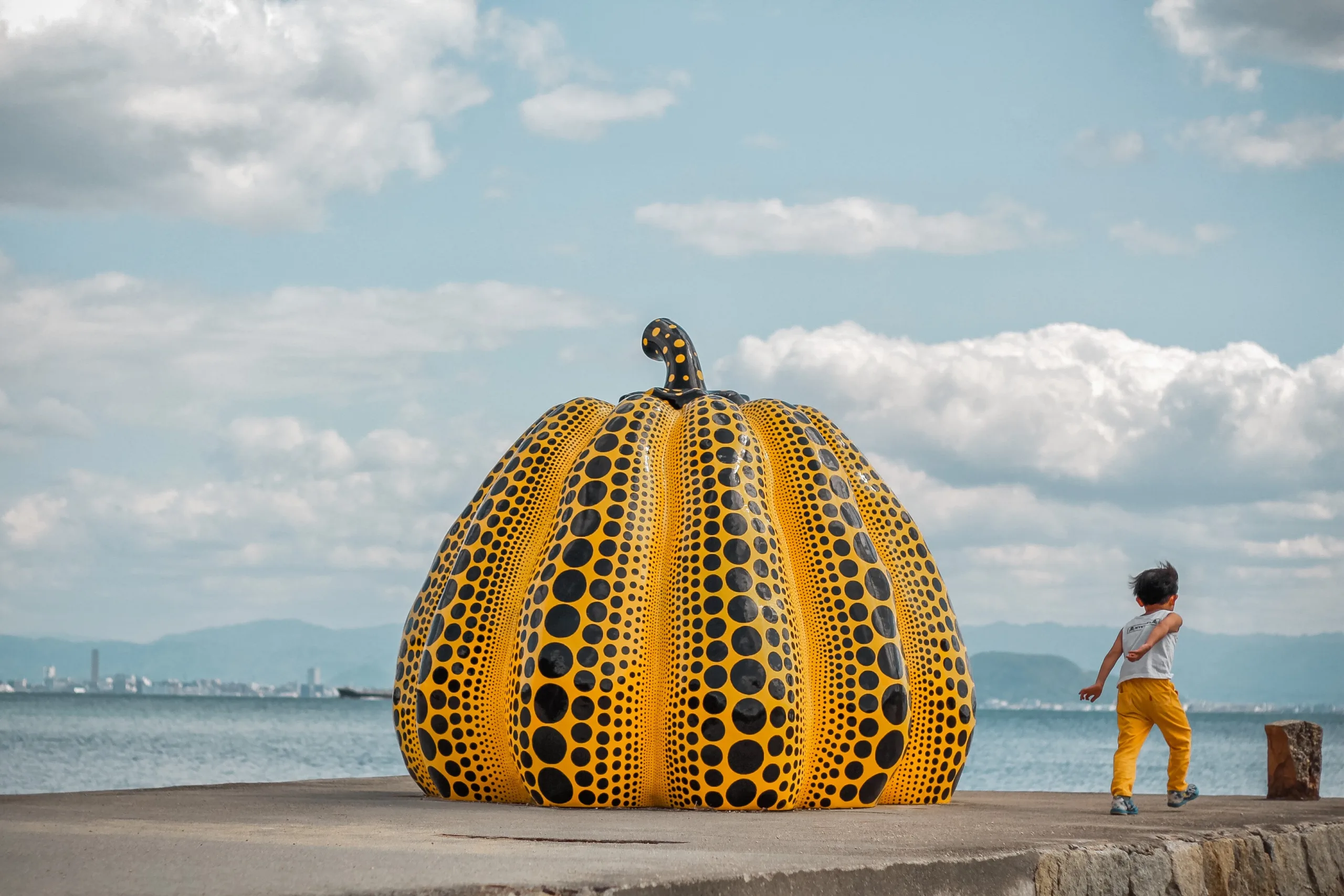
The great art destinations in Japan rarely sit where you expect. A concrete museum hides under a hill on a small island. A glass circle of galleries opens onto a castle town on the Sea of Japan. Sculptures stand in mountain meadows, a short ride from the hot springs. The country treats a museum as a place to arrive at, slowly.
That changes how you plan. In fact, the best art trips in Japan are route trips rather than city breaks. They link an island, a craft town and a capital with the train and the ferry. Each stop shows a different side of Japanese art, from lacquer and gold leaf to light installations and concrete.
This guide covers six regions in a sensible order. It notes which museums need timed tickets, which close on Mondays and which face long closures. For the wider picture, our section on Japanese culture collects the traditions behind the art. Here, the focus is where to see it.
What are the best art destinations in Japan?
The leading art destinations in Japan are Naoshima and the Setouchi islands, Kanazawa’s 21st Century Museum of Contemporary Art, the Hakone Open-Air Museum, Tokyo’s Roppongi and Azabudai museums, and Kyoto’s craft houses. Book Chichu Art Museum and teamLab Borderless ahead, and check Monday closures everywhere.
Before the regions, one practical point. Japanese museums often close on one weekday, usually Monday, and the island museums sell timed tickets. So the order of your days matters more than the length of your list. Settle the closures first, and the rest of the plan falls into place.
Why the Art Destinations in Japan Shape the Whole Route
Japan has a long habit of placing art inside landscape. Gardens frame a view like a painting. Tea rooms are built around a single scroll and a single flower. Modern architects carried that habit into museums, so the walk to the gallery is often part of the work.
As a result, many collections sit outside the big cities. A collector put his museum on a remote stretch of coast. A city turned a former school site into a round glass gallery. Meanwhile, a railway company planted sculpture across a mountain slope in the early years of mass travel.

That geography means the art destinations in Japan reward a slower trip. Allow a night on the islands rather than a day trip. Likewise, give Kanazawa two days, so the museum and the craft streets each get their own morning. Therefore, count travel time as part of the experience, not as a gap between sights.
History of Art in Japan — the survey to read first
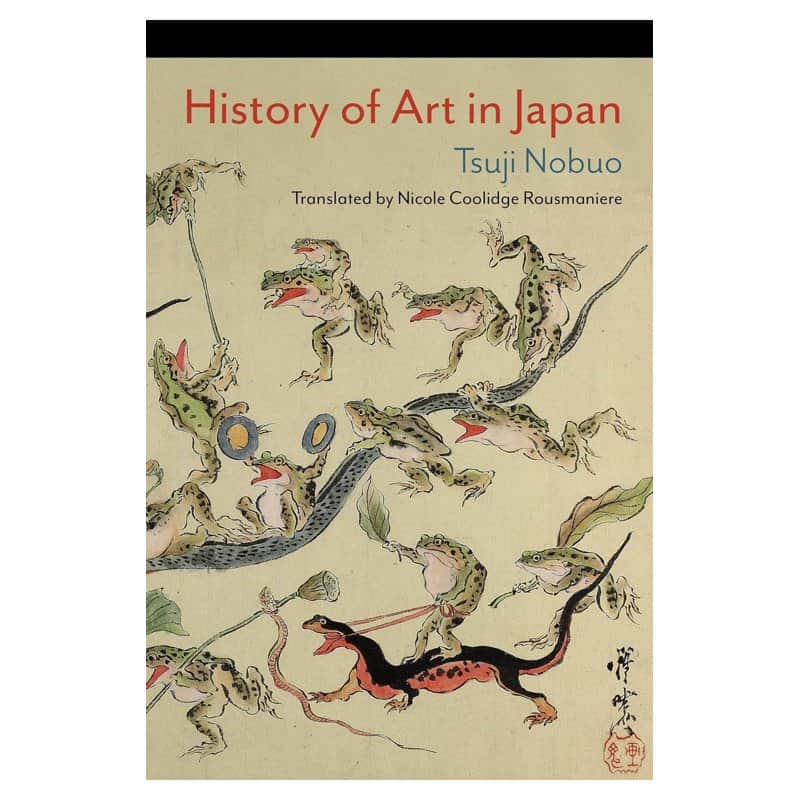
One book gives the whole sweep before you board a plane. History of Art in Japan by Tsuji Nobuo is written by one of the country’s most respected art historians. It runs from Jomon earthenware figures to contemporary art and manga. Along the way, it covers painting, ukiyo-e prints, ceramics, sculpture, armor and gardens. The text is clear rather than academic, and the color plates are generous. It also explains habits of seeing that run through every period, such as asymmetry and empty space. Once you know them, you will spot them in a garden, a lacquer box or a modern gallery.
Naoshima, Teshima and the Setouchi Islands
Naoshima is the island that made Japan an art destination for travelers worldwide. Since the late 1980s, the Benesse Art Site project has filled it with museums, outdoor works and house projects. The architect Tadao Ando designed many of the buildings in his signature smooth concrete. Our full guide to Naoshima’s art island and its Ando buildings covers each one in depth. Here are the essentials for a route.

Chichu Art Museum
Chichu means underground, and the museum sits almost entirely inside a hill. Daylight falls through openings in the concrete onto three permanent collections. These are works by Claude Monet, James Turrell and Walter De Maria. The light changes the rooms through the day, so no two visits look the same.
According to the Benesse Art Site page for Chichu, entry needs an advance reservation with a set date and time. If online tickets sell out, there are no tickets at the door. The museum closes on Mondays, so book the slot first and plan the rest around it.

Benesse House, the Lee Ufan Museum and the New Museum
Benesse House is both a museum and a hotel, so guests can see the galleries after the day visitors leave. Nearby, the Lee Ufan Museum gives the Korean-born artist a calm sequence of rooms. Then, in May 2025, the Naoshima New Museum of Art opened near Honmura. It is Ando’s tenth building on the island and shows artists from Japan and across Asia.
Along the shore, outdoor works stand between the hotel and the sea. The colorful animal sculptures by Niki de Saint Phalle are a favorite. In Honmura, the Art House Project turns old homes into installations. It rewards an unhurried afternoon on foot, and the village lanes are lovely in their own right.

Next door, Teshima is greener and slower than Naoshima. Its rice terraces climb toward the sea, and its museum is one of the most striking spaces in Japan. Plan Teshima as a separate day if you can. The two islands reward different moods, and the ferry links between them are limited.
Teshima Art Museum
The architect Ryue Nishizawa and the artist Rei Naito made the Teshima Art Museum together. It is a single white shell with two large openings, and no columns at all. Inside, small drops of water rise from the floor and gather into pools. Wind, light and birdsong pass through the openings. Most visitors sit on the floor and simply watch.
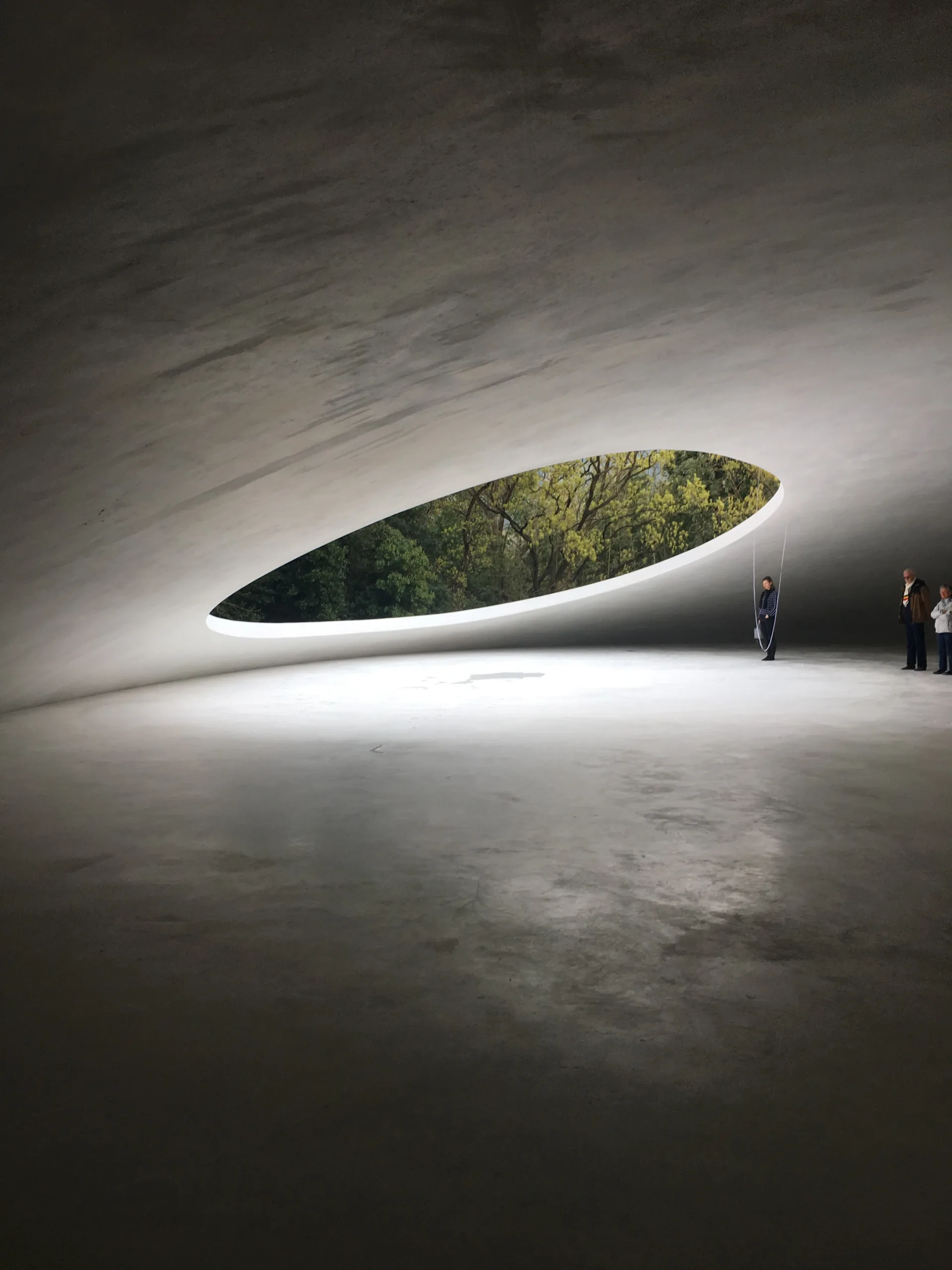
The museum needs a timed reservation, like Chichu. It closes on Tuesdays from March to November, and on more weekdays in winter. Check the island calendar carefully before you book the ferry.
Every three years, the Setouchi Triennale spreads new works across a dozen islands. The 2025 edition has ended, and the next is due in 2028. Outside festival years, the permanent works remain, and the ferries are calmer. For many travelers, that makes an off year the better time to go. Ferries between Naoshima, Teshima and the mainland still run daily, though less often in winter.

Ando. Complete Works 1975–Today — the architect’s book
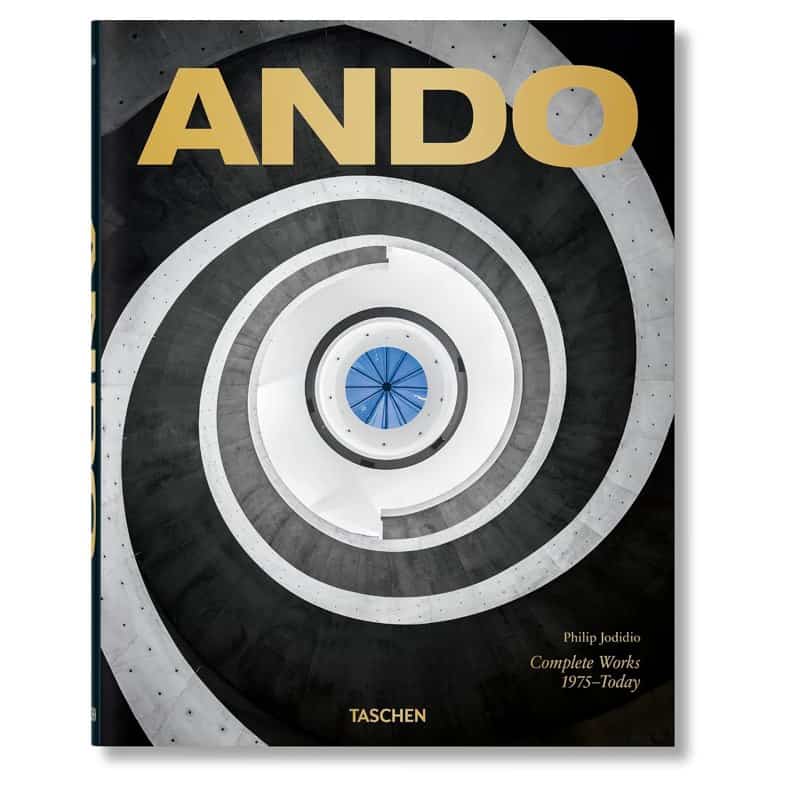
Naoshima is, in large part, a gallery of one architect’s thinking. Ando. Complete Works 1975–Today from Taschen covers his whole career in one large volume. Ando is the only architect to have won the Pritzker, Carlsberg, Praemium Imperiale and Kyoto prizes. The book shows the island buildings beside his houses, his concert halls and his museums abroad. Plans and photographs sit side by side, so you can see how a building meets the ground. After a day at Chichu, those drawings make sense in a new way. For anyone drawn to the islands, it is the natural souvenir to bring home.
You may also like
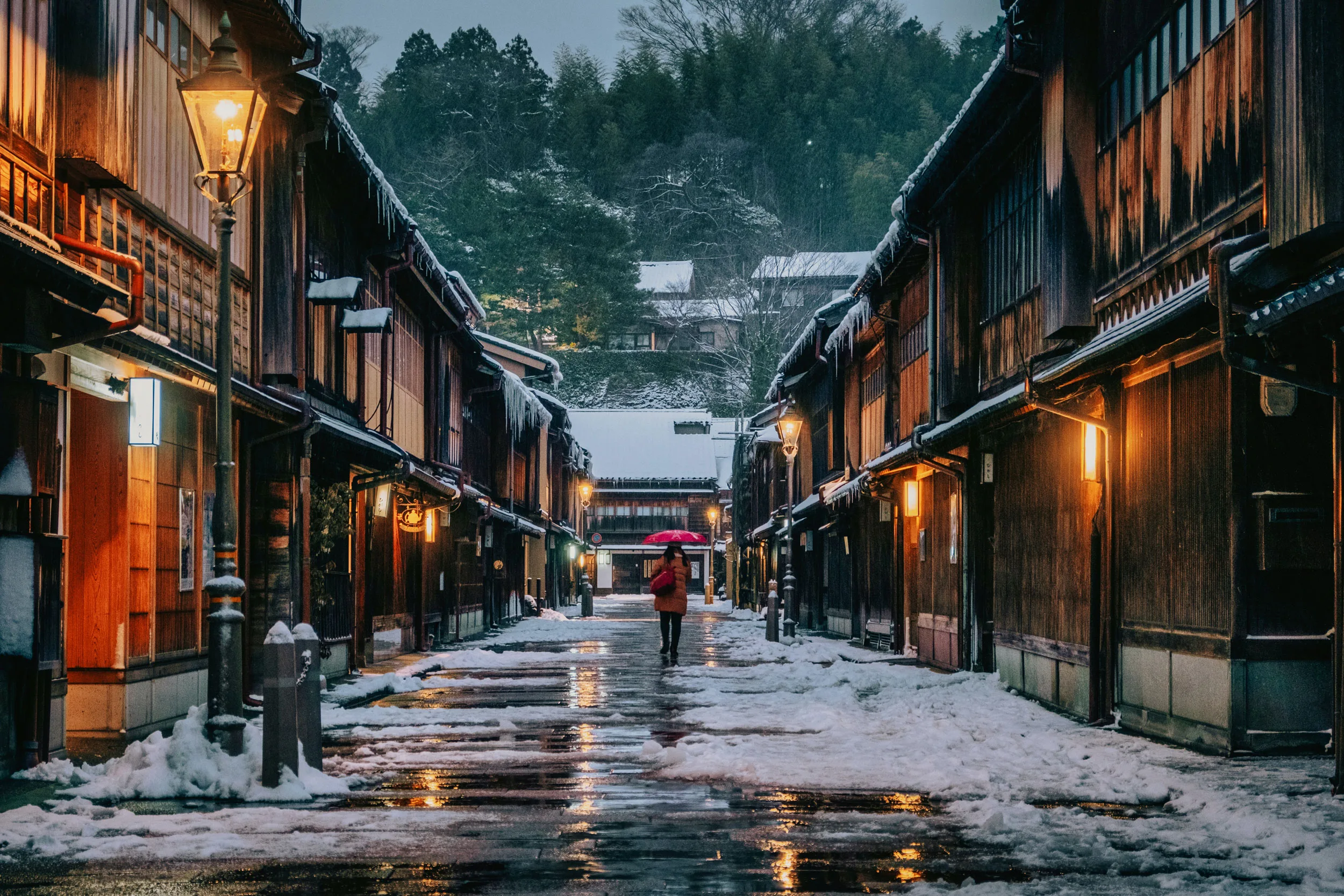
From the Inland Sea, the route turns north across the main island. Kanazawa faces the Sea of Japan, a few hours away by train via Osaka or Kyoto. It pairs contemporary art with one of the richest craft traditions in the country. Two days there feel generous rather than long, and the bullet train also links it directly with Tokyo. In winter, snow on the old lanes adds to the appeal, and the crowds thin out along the river and the old lanes.
Kanazawa: Contemporary Art and Gold Leaf
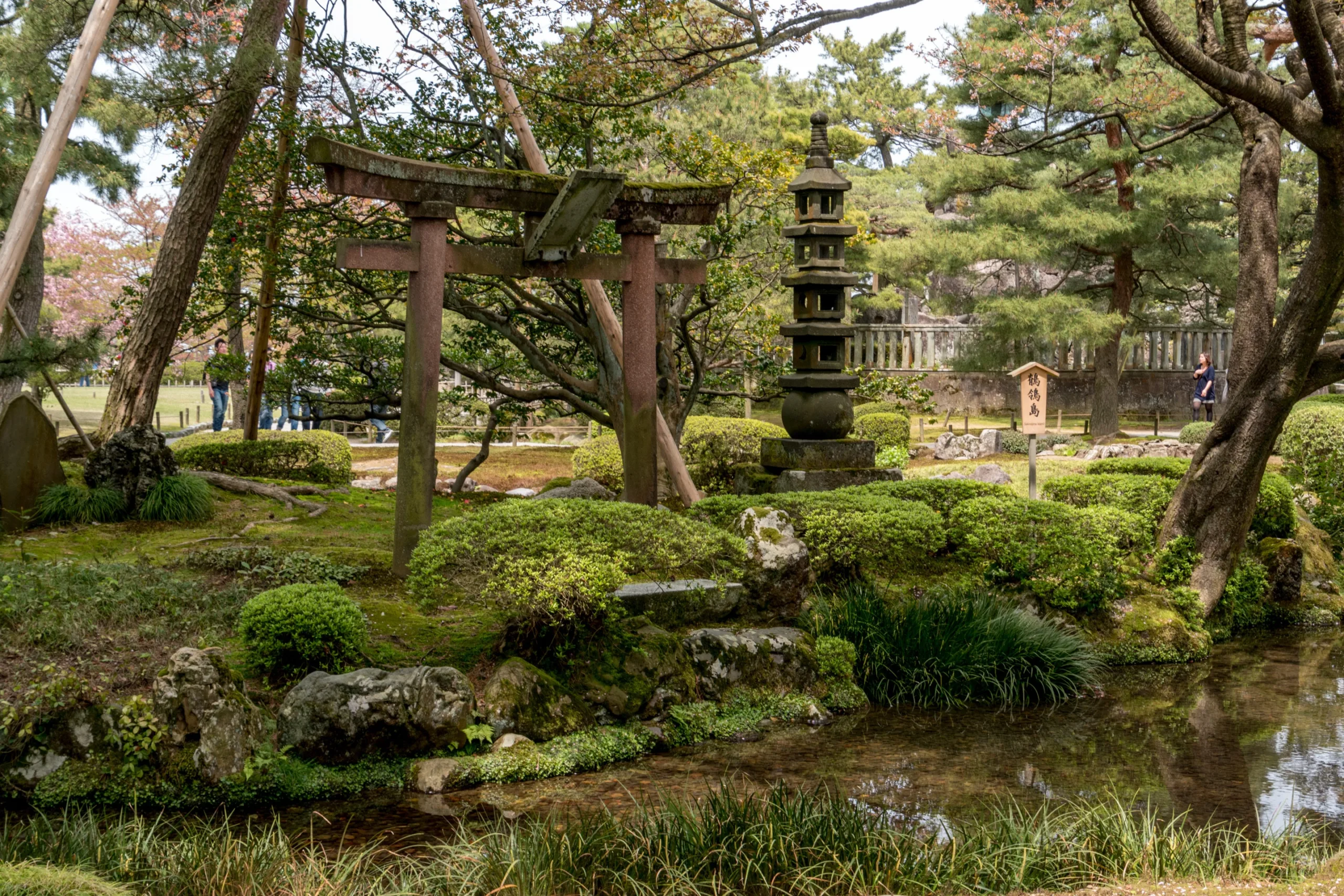
Kanazawa escaped the bombing of the Second World War, so its old districts survive. The Maeda lords ruled here for centuries and funded the crafts lavishly. Today, the city holds a contemporary museum, a famous garden and whole streets of craft shops. For more on its history, see our guide to essential experiences in Kanazawa. The museum, the garden and the craft streets all sit within a short walk, so the city suits travelers on foot and rewards an early start.

21st Century Museum of Contemporary Art
The architects of SANAA designed the museum as a low glass circle with no front or back. Galleries of different sizes sit inside it like boxes. The best-known work is The Swimming Pool by Leandro Erlich. From above, people appear to stand underwater. From below, you look up through the water at the visitors on the deck.
Plan ahead, because a long closure is coming. The museum’s closure notice sets a renovation period from May 6, 2027, to March 2028. So a visit before May 2027 is the safer choice. During the closure, the city plans art events in the town center instead.
Gold leaf in Higashi Chaya
Kanazawa makes almost all of Japan’s gold leaf, around 99 percent by most accounts. Craftsmen beat the metal to about one ten-thousandth of a millimeter. In the Higashi Chaya district, old teahouses now hold gold-leaf workshops, galleries and cafés. Several offer short sessions where you apply leaf to a small tray or chopsticks.
Visit in the morning, while the lanes are still empty. Afterward, walk to the river and continue to the garden. The lacquer, ceramics and silk dyeing of the region fill many small galleries nearby. Allow time to browse, because the best pieces are often in the smallest rooms.

For a trip that links these towns without the logistics, a custom art itinerary through Japan can book the museum slots, the ferries and the craft sessions together. That matters most on the islands, where tickets and boats must line up. It also leaves time for a long lunch between museums.
Platinum Maki-e Fountain Pen in Kanazawa foil — a craft piece you can use
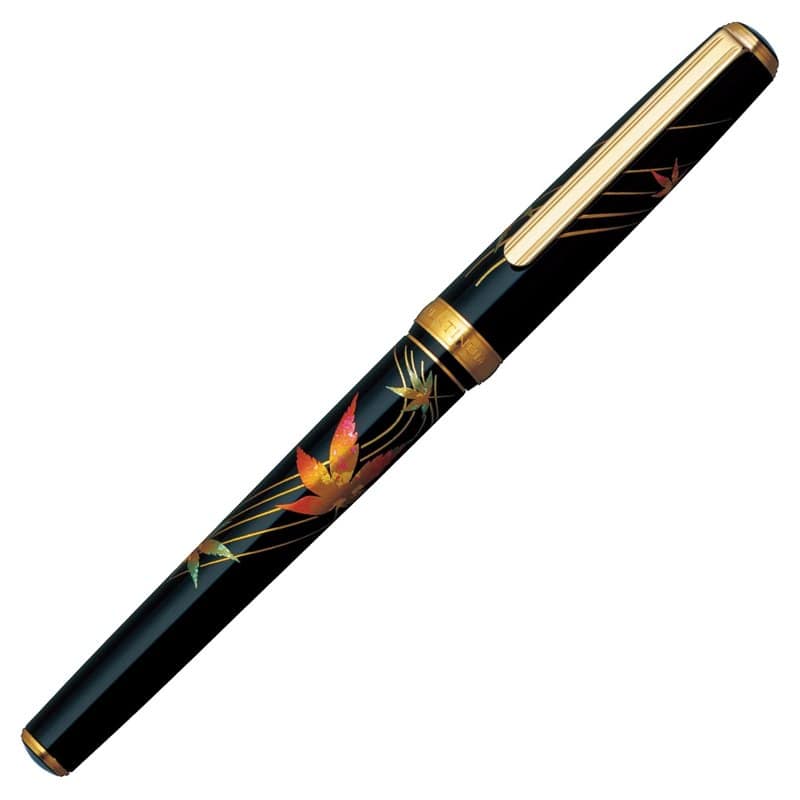
Kanazawa’s gold appears on more than trays and bowls. The Platinum maki-e fountain pen with Kanazawa foil carries a maple design in the city’s gold leaf. Platinum is one of Japan’s oldest pen makers, and the nib is eighteen-carat gold. The pen arrives in a paulownia wood box, which makes it a fine gift. It writes smoothly with a fine line, so it suits a travel journal well. Unlike many souvenirs, it gets used every day. Each time you write, the craft of Higashi Chaya comes back to mind. It also suits the habit of writing up each museum in the evening.
Recommended
From Kanazawa, the route heads back toward Tokyo. Hakone sits in the mountains west of the capital, about ninety minutes away by train. Most visitors know it for hot springs and views of Mount Fuji. However, it also holds one of the most enjoyable museums in the country, and it opens every day of the year. That makes it an easy anchor between longer stays. Plan a night there, so the museum fills a morning and a hot-spring bath fills the evening.
Ten Proverbs to Carry With You
A printable folio of ten Japanese proverbs, each set in kanji with its reading and a line on where you will hear it.
The Hakone Open-Air Museum opened in 1969 as Japan’s first museum of its kind. Sculpture stands across a wide lawn ringed by mountains. Children climb through some of the works, while their parents wander between them with a coffee. In addition, an indoor pavilion holds a large collection of Picasso. The setting makes art feel relaxed rather than formal.
Hakone: Sculpture in the Mountains
The museum shows around one hundred and twenty works outdoors, by Japanese and international sculptors. A tower of stained glass lets you climb inside a work of color. Meanwhile, a footbath fed by the local hot springs waits halfway round the grounds. It is a welcome pause on a cool day.

The Picasso Pavilion holds more than three hundred works, with a focus on his ceramics. The museum opens daily from nine until five, all year. As a result, it suits a Monday, when so many other museums close. Pair it with a night at a hot-spring inn nearby. Our guide to the best luxury ryokan in Japan includes several in the area.
Hakone yosegi puzzle box — the town’s own craft
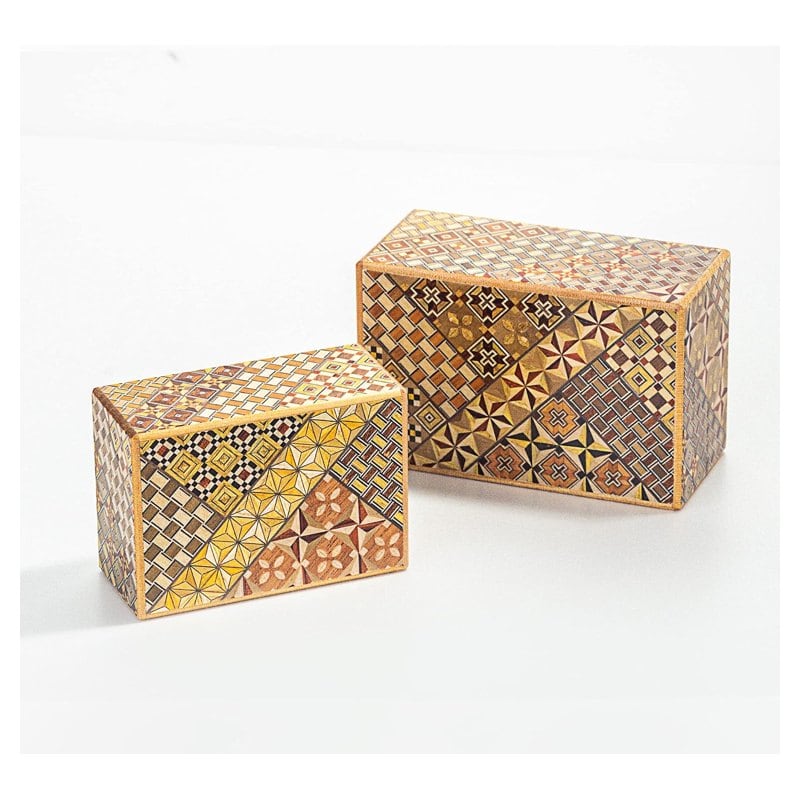
Hakone has its own art form, and it fits in your hand. Yosegi marquetry builds patterns from small pieces of different woods, with no paint at all. The craft dates to around 1830, in the late Edo period. A Hakone yosegi puzzle box with seven steps opens only when you slide its panels in the right order. This one is made in Japan and comes in its original gift box. Seven moves are enough to puzzle a guest, yet simple to learn yourself. It holds rings, cufflinks or a folded note. Above all, it shows how far a small town can take a single craft.
Tokyo comes next, and it changes the pace again. After islands and mountains, the capital offers museums stacked inside towers and digital art that fills whole buildings. The art districts cluster in a few neighborhoods. So, with timed tickets in hand, two full days cover the highlights. Base yourself near Roppongi, and most of the art is a short walk away.
Tokyo: From Roppongi to Azabudai
Roppongi holds three major museums within walking distance of each other. The Mori Art Museum sits high in Roppongi Hills, and it stays open late on most evenings. The National Art Center hosts large touring shows, and the Suntory Museum of Art shows traditional Japanese art. In addition, the design gallery 21_21 Design Sight sits in the gardens of Tokyo Midtown.

Roppongi Art Night
Once a year, the district stays awake for Roppongi Art Night. This year it runs on October 31 and November 1, 2026. During the event, the Mori Art Museum opens through the night on the Saturday. Installations and performances fill the streets between the museums.
teamLab Borderless and the Kusama Museum
Nearby, teamLab Borderless reopened in Azabudai Hills in February 2024, after leaving its first home in Odaiba. Its digital works move from room to room and respond to visitors. Tickets are sold online for a set entry time, so book them early. Wear flat shoes, because some rooms have sloping or mirrored floors.
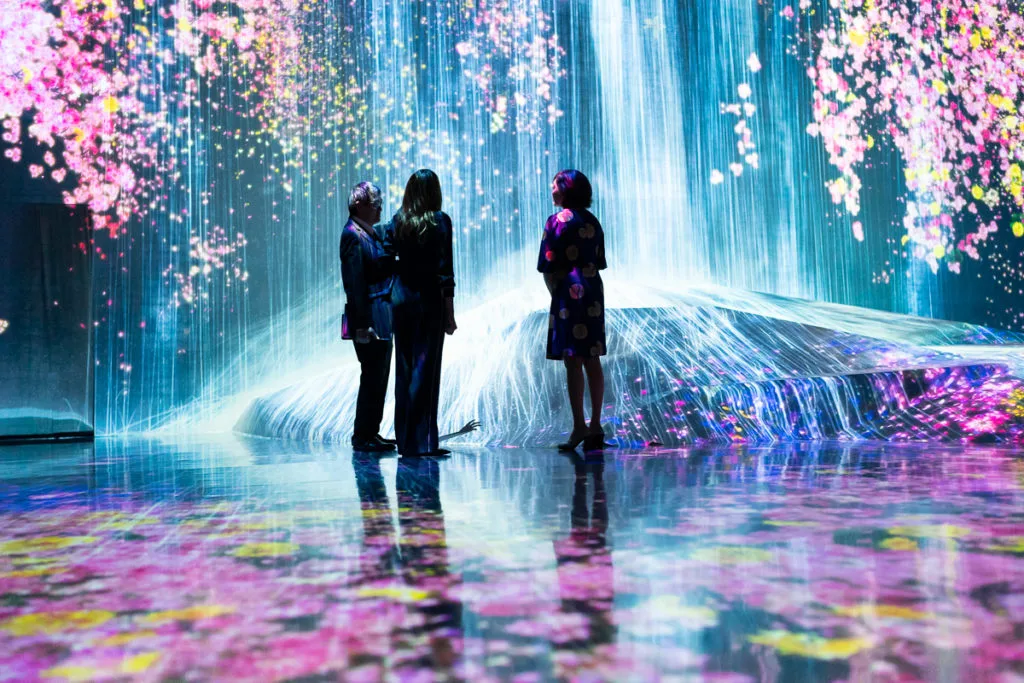
For Yayoi Kusama in depth, her own museum in Shinjuku sells timed tickets online. Smaller collections fill other districts too. Our guide to the unusual museums in Tokyo covers twelve of them, from paper to swords. They make good mornings between the larger museums. Above all, mix one large museum with one small collection each day. That rhythm keeps the eye fresh, and it leaves time for lunch in a new neighborhood. Evenings belong to Roppongi, where the museums stay open late.
You may also like

Kyoto offers a different kind of art trip. Instead of towers and screens, it centers on craft, painting and the homes of makers. The city still trains potters, dyers and lacquer artists, and their studios sit beside national treasures. A day there also leaves time for a bowl of tea, which suits the slower pace. Two days in the city, with one morning in Shiga, make a fine close to the route.
Kyoto and Shiga: Where Craft Becomes Art
The Kyoto National Museum holds paintings, ceramics, textiles and sculpture from across Japanese history. Its red-brick main hall dates from the Meiji era, while a modern wing hosts the major exhibitions. Moreover, the grounds include a copy of Rodin’s Thinker by the fountain. Allow a morning, then walk north toward the old pottery lanes.
A short walk away, Kawai Kanjiro’s House keeps the potter’s home and kiln as he left them. Kawai designed it himself in 1937, and he helped found the folk craft movement known as mingei. The rooms hold his ceramics and carvings, along with the climbing kiln behind. It opens from ten until five and closes on Mondays.

Across the hills in Shiga, the Miho Museum was designed by I. M. Pei. Visitors walk through a tunnel and across a suspension bridge to reach it. The museum opens in seasons, usually spring and autumn, and closes over winter. Therefore, check the calendar and the limited bus times before you go. The collection mixes ancient art from many cultures, and the walk in through the valley is part of the design. Allow a full half day, including the journey from Kyoto.

Traditional Kintsugi Repair Kit by Chimahaga — real urushi and gold
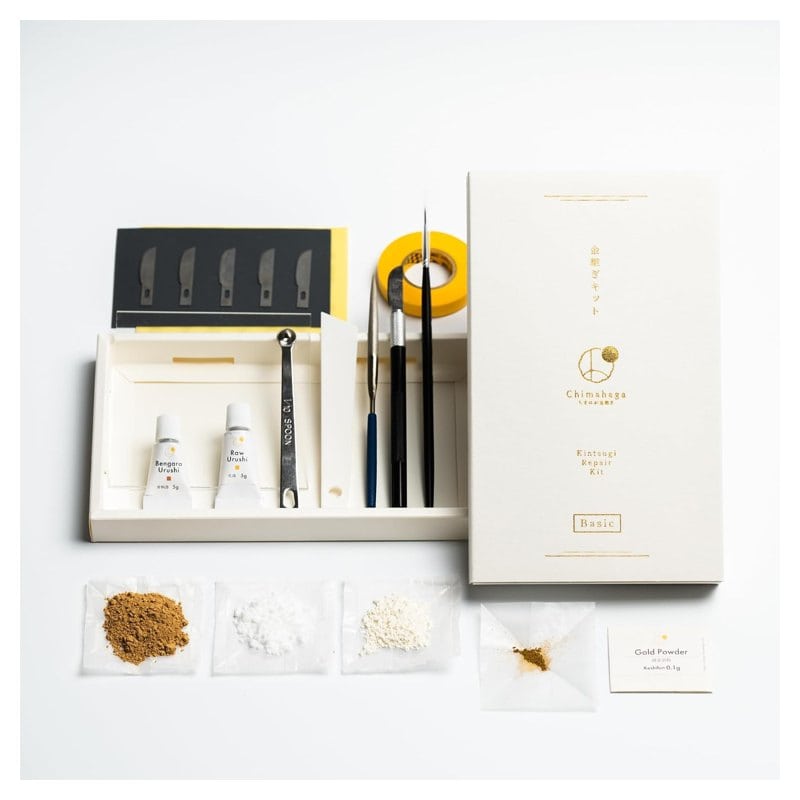
Kintsugi mends broken ceramics with lacquer and gold, so the repair becomes part of the beauty. Many kits use synthetic glue and brass powder instead. The Traditional Kintsugi Repair Kit from Chimahaga uses natural urushi and genuine gold. It is supervised by Chimahaga, a working Japanese kintsugi repairer. Because the materials are traditional, the finished piece is safe for food. Tutorial videos guide each stage, and the maker answers questions directly. The process takes patience, since urushi cures slowly over several weeks. Wear gloves, as the kit advises, because raw urushi can irritate the skin. The slowness is part of the lesson.
A Tea Break Between Galleries
Many Japanese museums keep a tea room or café with a garden view. In Kanazawa and Kyoto, a bowl of matcha and a seasonal sweet are part of the visit. The habit slows the day down. It also gives the eye a rest between rooms of painting and lacquer.
Marukyu Koyamaen Aoarashi matcha — an everyday Uji tea
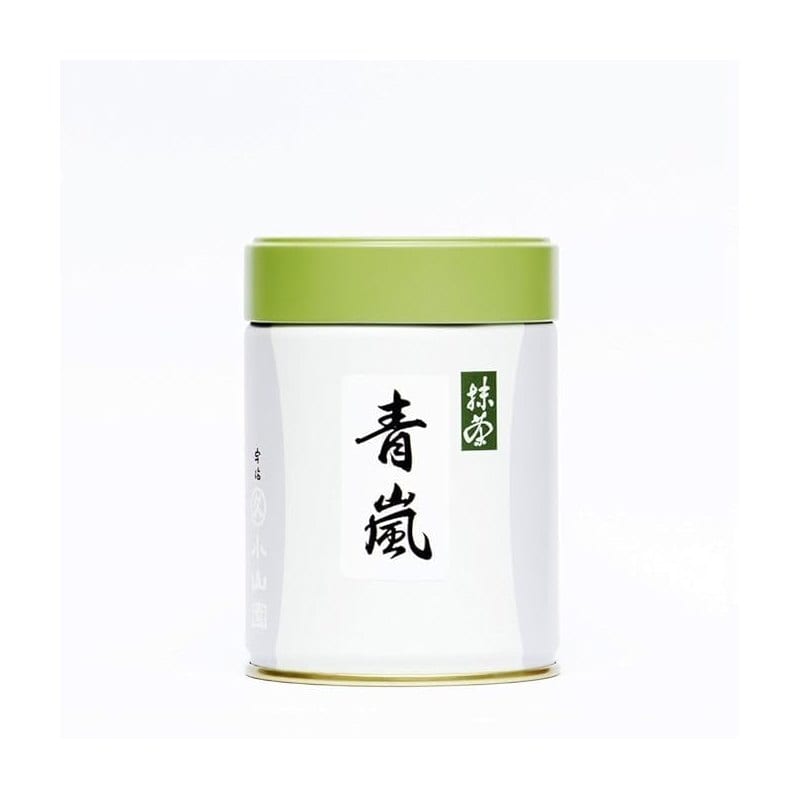
To keep the habit at home, start with good tea. Marukyu Koyamaen Aoarashi matcha comes from one of Uji’s long-established tea houses, near Kyoto. Aoarashi is their everyday grade, bright and smooth rather than bitter. It suits a daily bowl of thin tea, which is the style most museum tea rooms serve. The tin keeps the powder fresh, though matcha is best used within weeks of opening. Use a fine sieve to stop clumps, and water that is hot but not boiling. With those two habits, the tea tastes close to a Kyoto tea room. The recipe below shows the simple method.
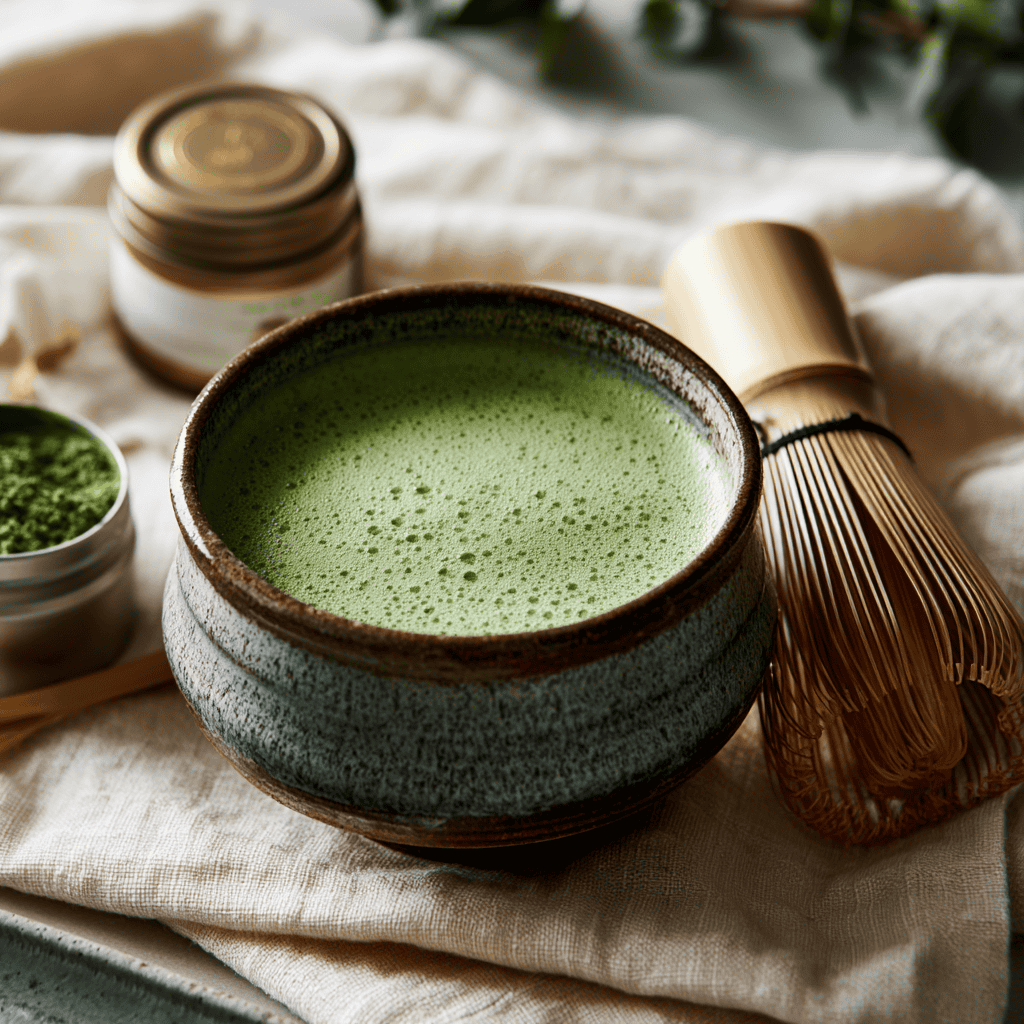
Usucha — the thin tea of the museum tea room
Pour boiling water into a teacup and let it cool to about eighty degrees Celsius, roughly one hundred seventy-six Fahrenheit, which takes a minute or two. Meanwhile, sift two grams of matcha, about one level teaspoon, into a warmed tea bowl. Pour sixty milliliters of the cooled water, about two ounces, over the powder. Then whisk briskly for about fifteen seconds, moving the whisk in a quick M shape rather than in circles, until a fine foam covers the surface. Lift the whisk from the center, and drink the tea right away, in three or four sips, while the aroma is at its fullest.
This method follows the guidance of Ippodo, the long-established Kyoto tea house. Prepared this way, the tea is light and fragrant. Serve it with a small sweet, as the museum tea rooms do. Then sit for a moment before the next gallery.
Planning the Route Between Art Destinations in Japan
A loop of ten to twelve days covers the main art destinations in Japan well. Start in Tokyo for two or three days, then go to Hakone for one night. Next, take the train to Kanazawa for two days, and continue to Kyoto for two or three. Finally, travel to Okayama and take the ferry to Naoshima for two nights.
Book the timed tickets first. Chichu, Teshima, teamLab Borderless and the Kusama museum all sell out on busy days. Then check each closing day. Naoshima’s museums mostly close on Mondays, and Teshima closes on Tuesdays. Hakone, by contrast, stays open daily.
Spring and autumn are the most comfortable seasons, and the Miho Museum opens only then. In winter, the islands are calm and the light is clear. Similarly, summer suits the open-air museum early in the day. Travel light between regions, and use luggage forwarding from your hotel.
Art in Japan often teaches the value of a mended thing. Kintsugi gold, a weathered teahouse and a repaired lacquer box all show their history openly. That idea runs through many of the places in this guide. After a trip like this, many travelers want to keep the habit of noticing. The journal below was written for exactly that kind of slow attention. It turns each day’s small observations into a lasting record, one prompt at a time, long after the ferries and trains.
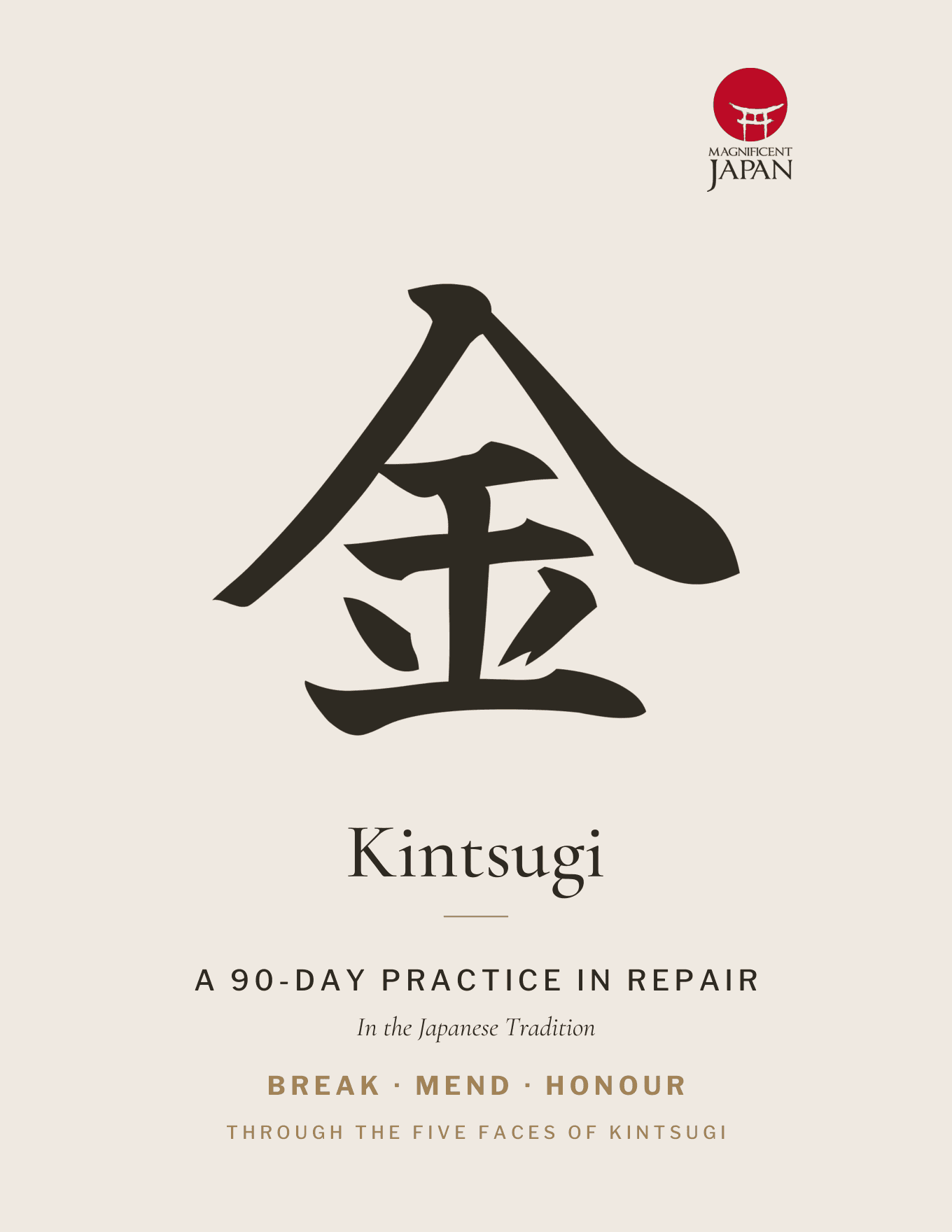
Kintsugi is the craft of mending broken pottery with gold, so the repair becomes part of the beauty. This 90-day guided journal turns that idea into one short prompt a day, a fitting companion after a journey through Japan’s craft towns. It comes as a write-on digital edition and as a paperback edition, and it is one of eight journals in the Cultural Reflection Collection.
View The CollectionWhy Art in Japan Stays With You
The art destinations in Japan share one quality. They ask you to slow down before you look. A ferry ride, a mountain train or a walk through old lanes comes first. By the time you reach the gallery, your attention has already changed. That is why these places stay with travelers long after the trip.
So choose two or three regions rather than all six, and give each one time. Read about ma, the Japanese art of the pause, if the empty spaces move you most. Then let the route unfold at its own pace.
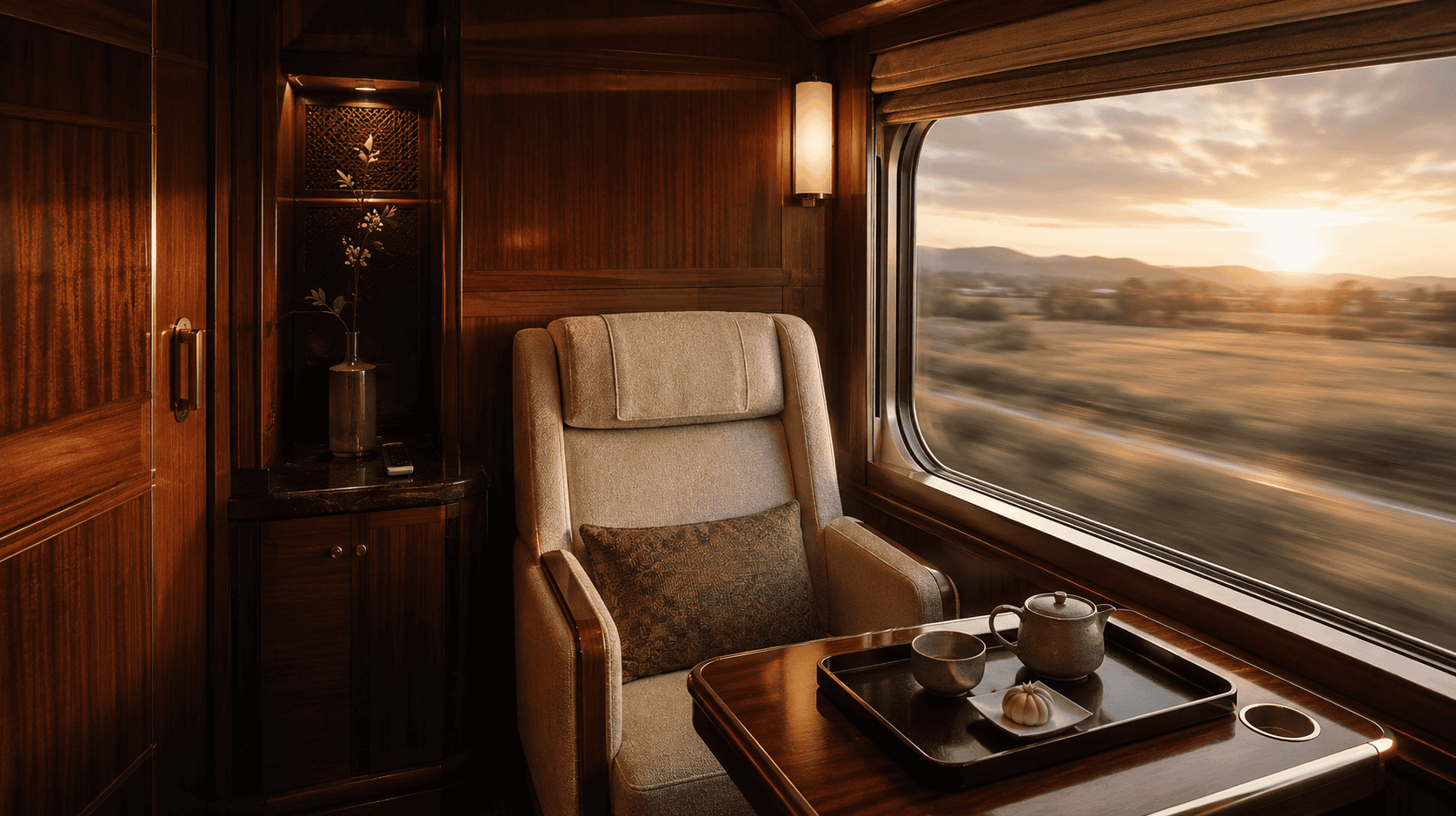
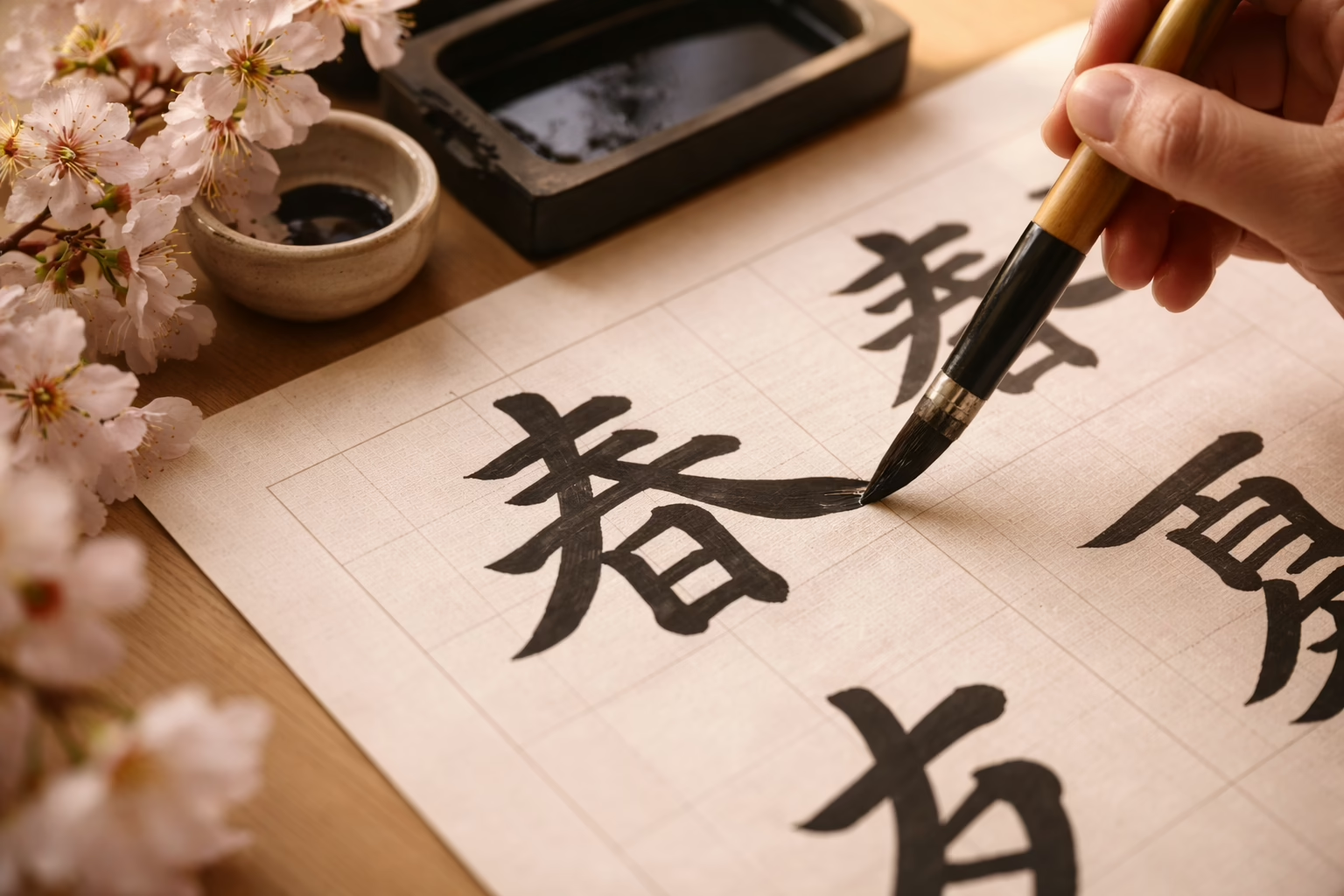
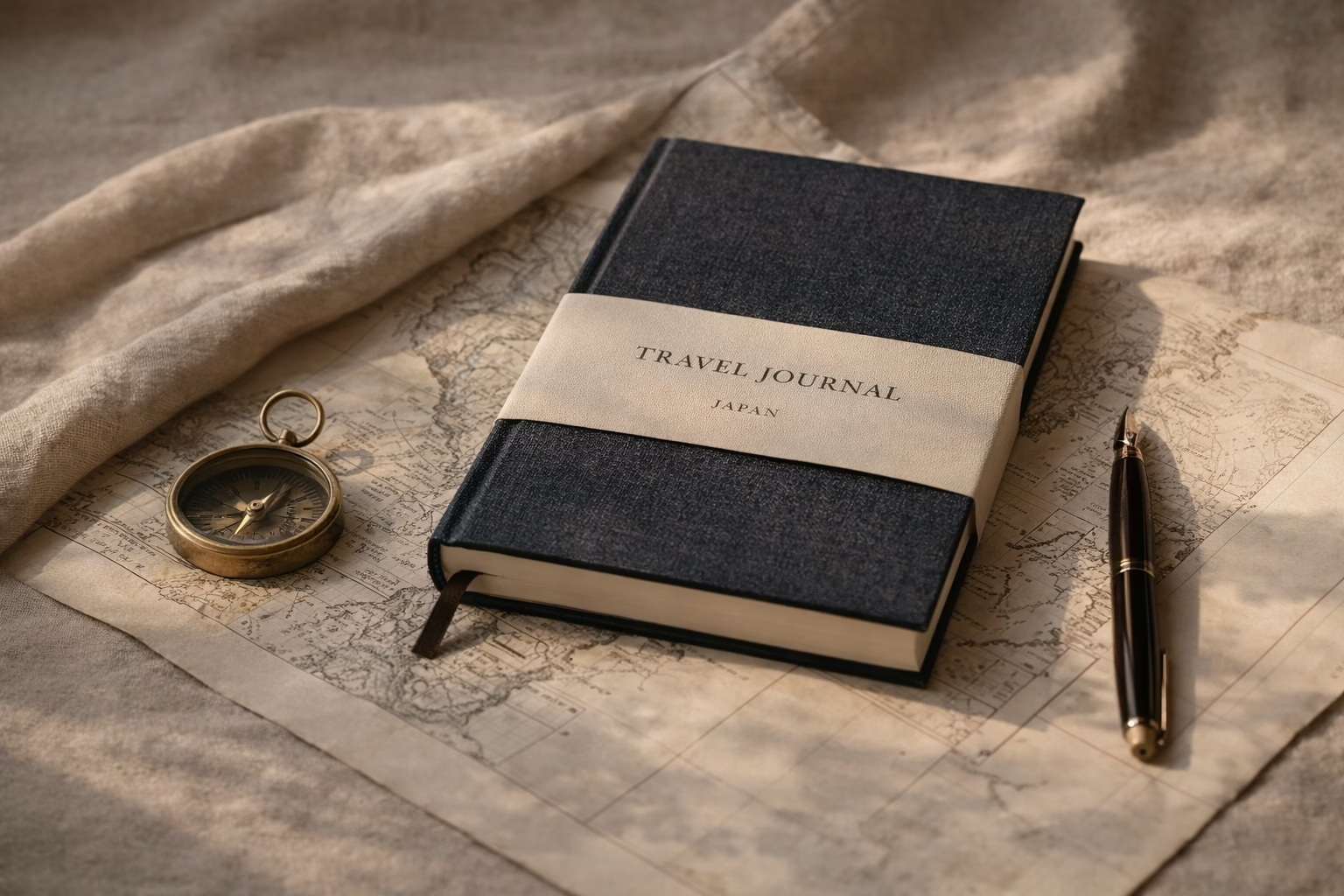
One last thought before you go. The best art trips in Japan rarely follow the busiest path. They come from booking the right slots, choosing open days and leaving room between museums. Would you like those details handled for you? Our travel designers can match regions to your interests and line up the ferries and tickets. They build each day around the art you care about, shaped around the way you like to travel. Tell them which regions move you, and they will do the rest.
For the traveler who wants the islands, the craft towns and the capital in one trip: timed slots at Chichu and Teshima, a gold-leaf session in Kanazawa, a night near the Hakone Open-Air Museum and the right days in Tokyo. Every museum is matched to its open days.
Plan Your Custom Japan ItineraryQuestions Worth Asking
What is the most famous art destination in Japan?
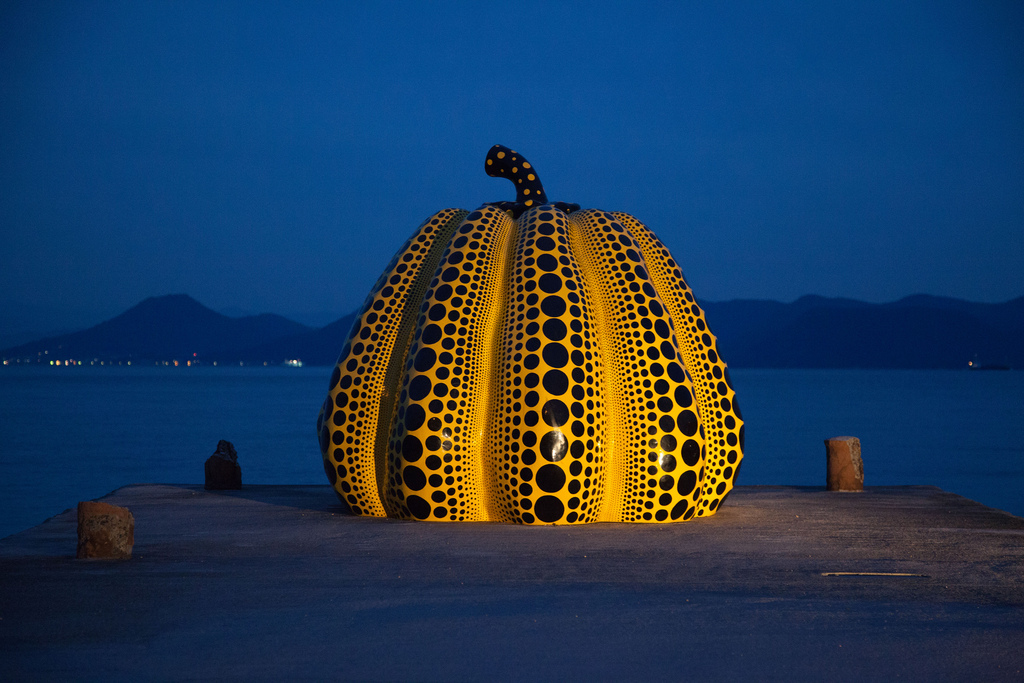
Naoshima is the best known. The island in the Seto Inland Sea holds the Chichu Art Museum, Benesse House, the Lee Ufan Museum and Kusama’s pumpkins. Many buildings are by Tadao Ando, and the newest museum opened in May 2025.
Do I need to book the Chichu Art Museum in advance?
Yes. Entry requires an online reservation for a set date and time. If online tickets sell out, there are no tickets at the door. The museum closes on Mondays, so book your slot before the ferry and the hotel.
Is the 21st Century Museum in Kanazawa closing?
Yes, for renovation. The museum has announced a closure from May 6, 2027, to March 2028, with the reopening date still to be set. Visit before May 2027 to see The Swimming Pool and the galleries.
When is the next Setouchi Triennale?
The 2025 edition has ended, and the next festival is due in 2028. Official dates have not yet been announced. The permanent museums on Naoshima and Teshima stay open in the years between festivals.
Which art museum in Japan is open every day?
The Hakone Open-Air Museum opens daily from nine until five, all year. That makes it a good choice for a Monday, when many museums close. Its Picasso Pavilion holds more than three hundred works.
How many days do I need for an art trip in Japan?
Ten to twelve days covers Tokyo, Hakone, Kanazawa, Kyoto and Naoshima at a calm pace. With one week, choose Tokyo plus either Kanazawa or the Setouchi islands. Allow two nights on the islands.
The Editors, Magnificent Japan