A meal in Japan begins before the first bite. The tray arrives arranged like a small landscape, with rice at the left, soup at the right and three modest dishes between them. Traditional Japanese food rewards travelers twice over. You need to know what the dishes are and where each one is best eaten. This guide covers both, from a market sushi breakfast to the refined progression of kaiseki.
The guide moves from foundation to refinement. First comes washoku, the tradition that gives every dish its logic. Then come twenty-eight dishes in five chapters: the classics, the comfort table, the street, the refined tier and the sweet finish. After that come regional specialties, table manners and where to eat. For the cook rather than the traveler, our guide to Japanese cooking tools covers the kitchen side of the same tradition.
Traditional Japanese food is built on washoku: rice at the center, seasonal ingredients, dashi stock for depth and the one-soup-three-sides meal called ichiju-sansai. It runs from miso soup and onigiri to street classics and the multi-course art of kaiseki.
Washoku: What Defines Traditional Japanese Food
Traditional Japanese food is built on washoku: rice at the center, seasonal ingredients, dashi for depth and a meal structure called ichiju-sansai. UNESCO recognized washoku as Intangible Cultural Heritage in 2013.
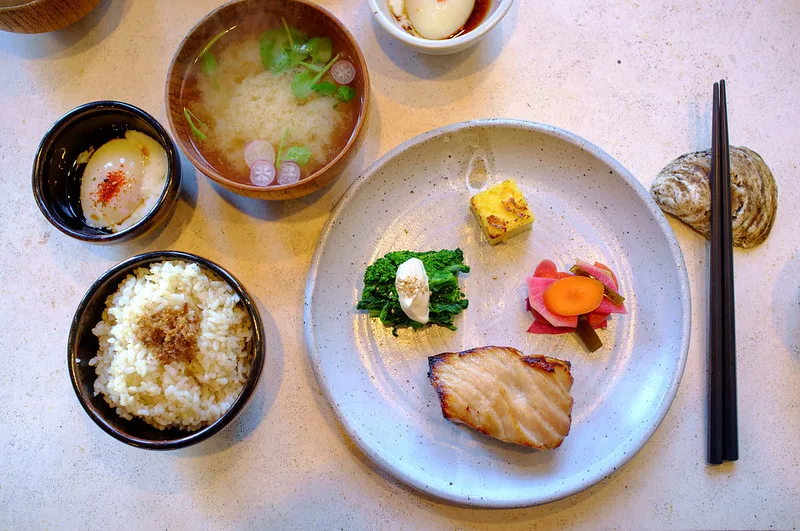
Washoku is less a set of recipes than a way of thinking about a meal. Rice anchors the table, and a bowl of soup balances it. Three sides, one usually grilled or simmered and the others pickled or dressed, bring variety without excess. Above all, the season decides. Bamboo shoots announce spring, ayu sweetfish carry summer, matsutake mushrooms mark autumn and rich hotpots answer winter.
Two ingredients hold the whole structure together. Dashi is the stock drawn from kombu kelp and bonito flakes. It supplies the savory depth that Western cooking builds from butter and bones. Fermentation supplies the rest. Miso, soy sauce, mirin and rice vinegar all rely on koji mold.
Five colours, five tastes, five ways of cooking
Japanese cooks often describe a balanced washoku meal in fives. Colour comes first: red, yellow, green, white and black should all appear on the tray. Tastes are kept in proportion, from sweet and salty to sour, bitter and umami. The methods vary too, so something raw sits beside something simmered, grilled, steamed or fried. As a result, no single dish has to carry the meal on its own.
Ichiju-sansai turns those ideas into a daily habit. The portions are small, and each dish answers the others in flavor, texture and colour. Umami, the savory fifth taste, ties it together, coming from dashi, soy sauce, miso and mushrooms. With the foundation set, the dishes follow, twenty-eight of them in the order a traveler is likely to meet them. Each one makes more sense once you can see the washoku logic underneath.
The Classics
1. Sushi
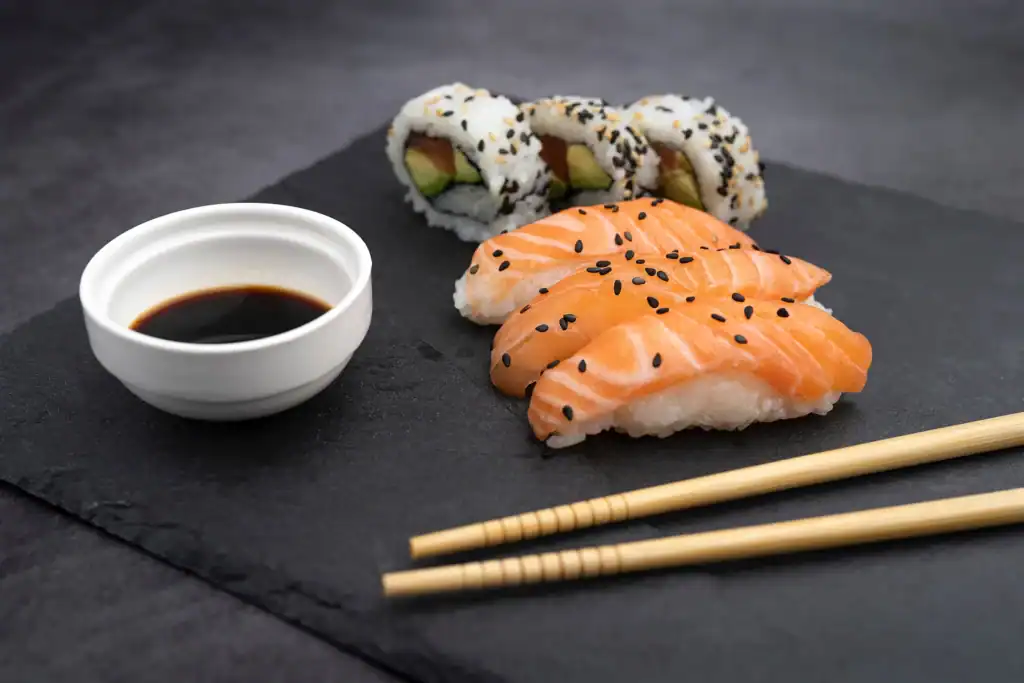
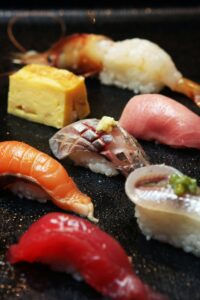
Sushi is the emblem of Japanese cuisine abroad, and its range at home still surprises first-time visitors. Nigiri is the purest form, a slice of fish pressed over vinegared rice and eaten in one bite. Quality turns on the rice as much as the fish. A good shari is body temperature, lightly seasoned and loose enough to fall apart on the tongue. Our guide to sushi and sashimi goes deeper into the forms and the ordering.
2. Sashimi
Sashimi predates sushi and stands apart from it. Sliced raw fish arrives without rice, judged on knife work, freshness and the cut. Lean akami tuna, marbled toro, sweet amaebi shrimp and firm tai each ask for a different thickness of slice. A dab of wasabi goes on the fish, not in the soy sauce. That small distinction reads as fluency at a Japanese table.
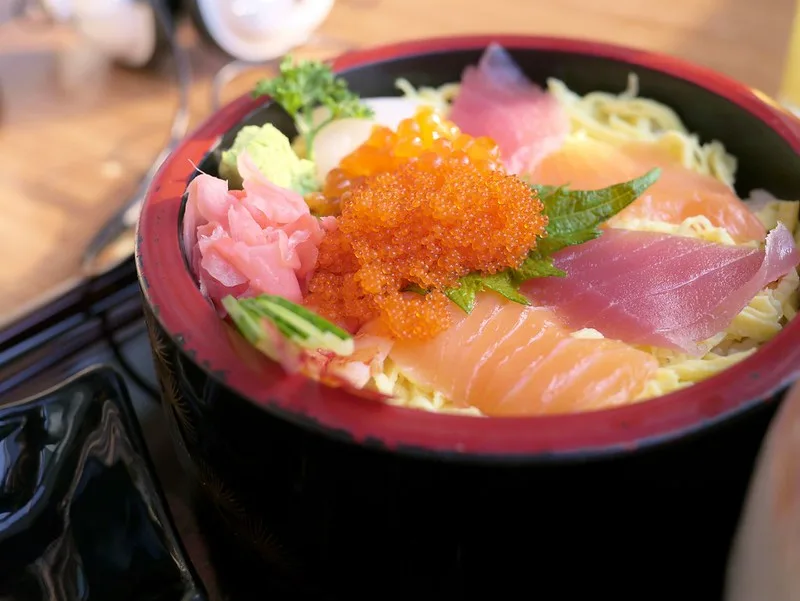
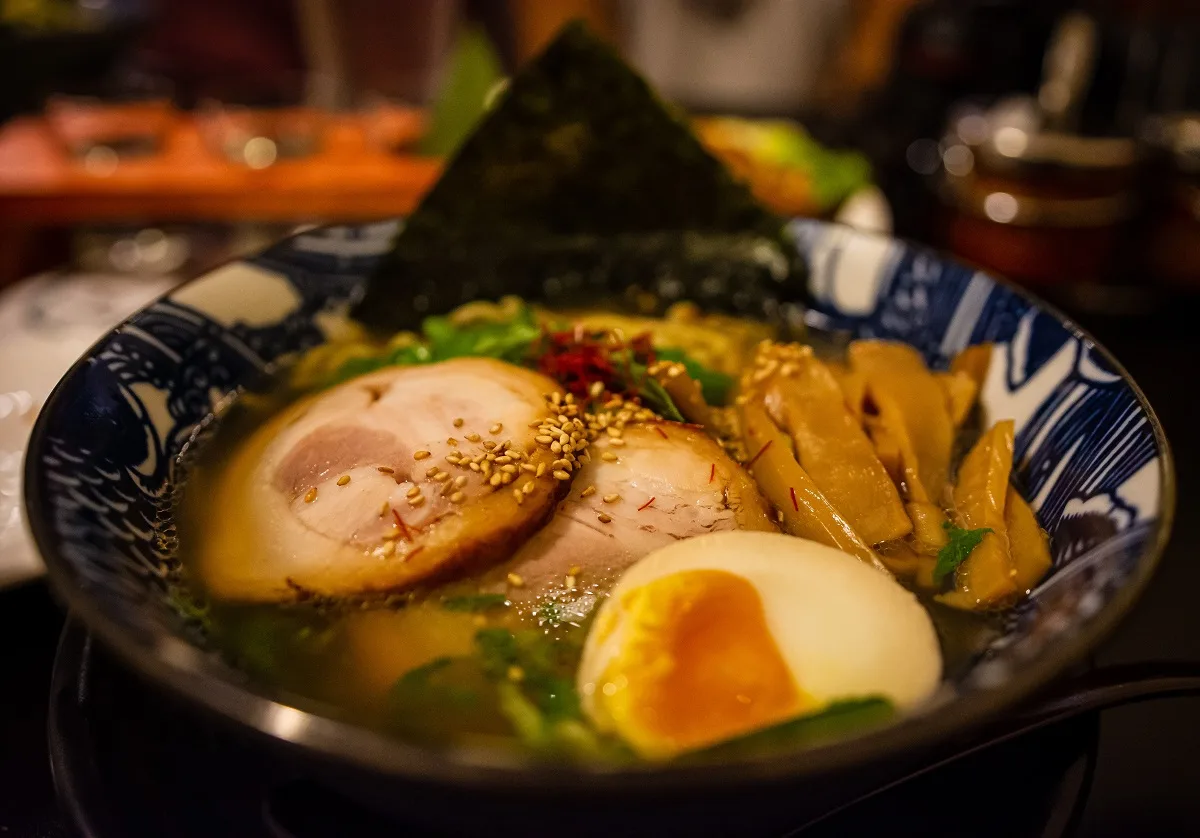
3. Ramen
Ramen arrived from China and became one of the most regional foods in Japan. Shoyu, the Tokyo classic, builds a clear soy-sauce broth. Miso, born in Sapporo, thickens the bowl with fermented depth. Tonkotsu, from Fukuoka, boils pork bones until the broth turns ivory and coats the spoon. Slurping is correct, because it cools the noodles and signals enjoyment rather than bad manners.
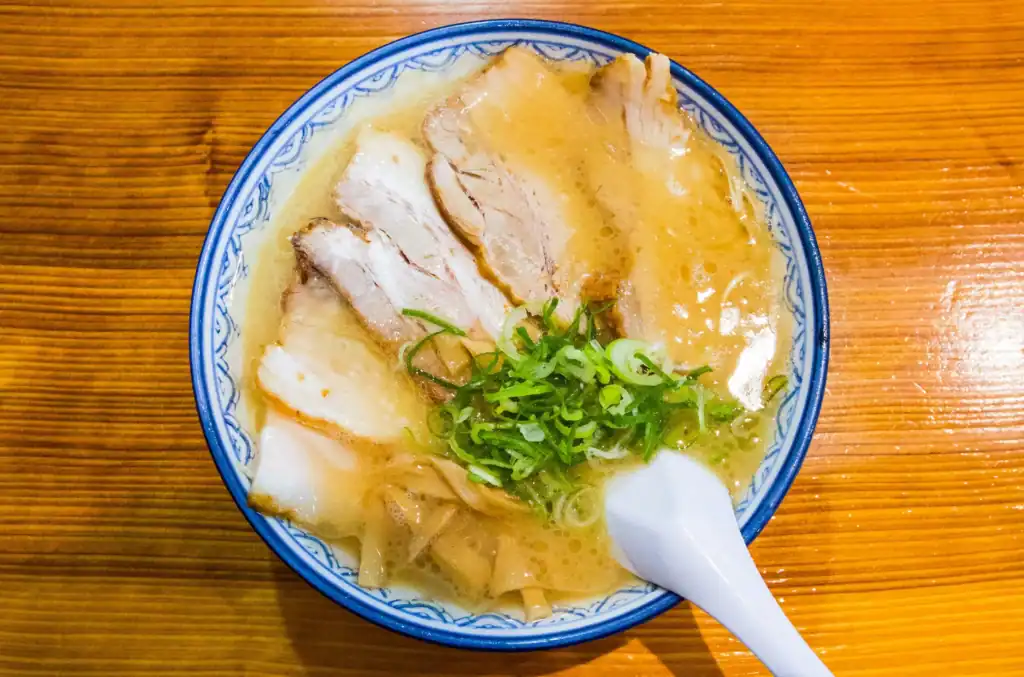
4. Tempura
Tempura shows what restraint can do to frying. The batter of flour, egg and ice-cold water is barely mixed. As a result, it fries into a lace shell that shatters rather than crunches. Shrimp leads, but seasonal vegetables often outshine it: sweet potato, lotus root and shiso leaf. The best counters offer only fine salt.
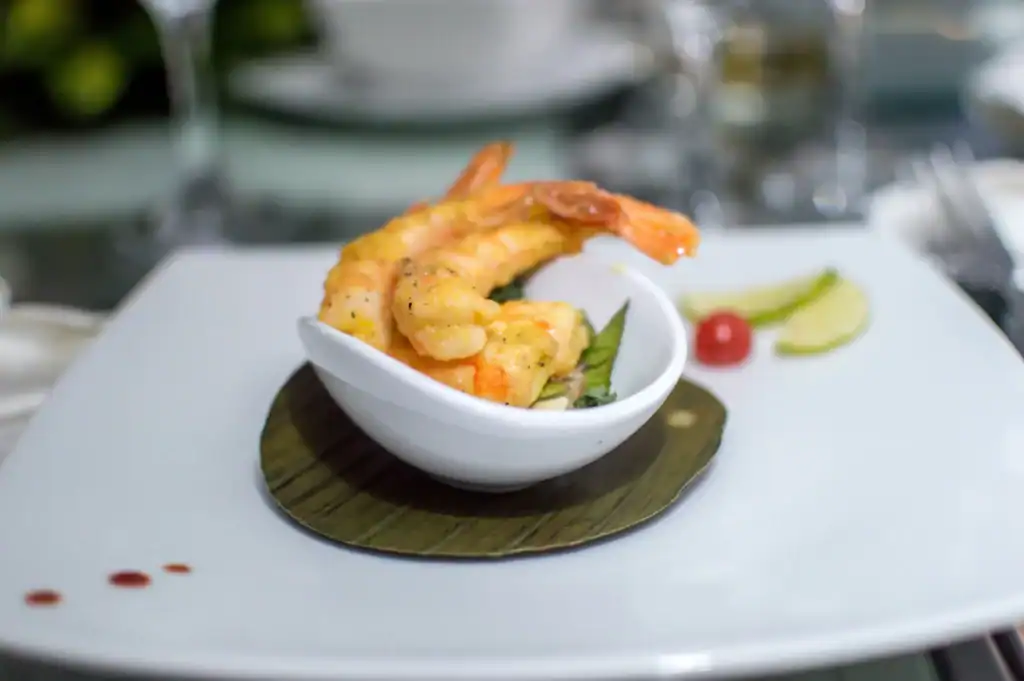
5. Tonkatsu
Tonkatsu is a breaded pork cutlet, fried to a deep gold, sliced for chopsticks and served over shredded cabbage. It belongs to yoshoku, the family of Western-inspired dishes Japan absorbed and remade. Its offspring are everywhere: katsu curry, katsudon and the katsu sando from department-store food halls. The recipe card later in this guide shows how to make it at home.
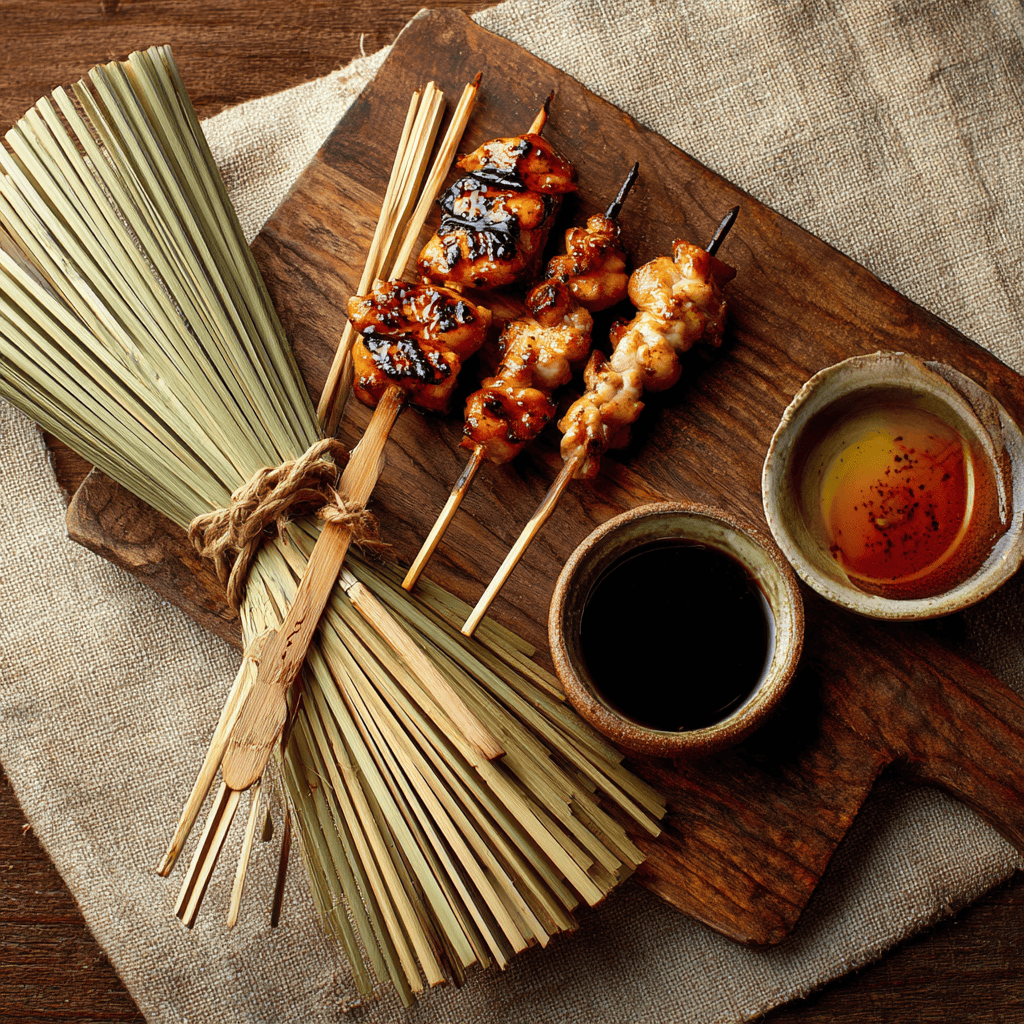
6. Yakitori
Yakitori turns a single chicken into a tasting menu. Thigh with scallion, crisp skin and meatball tsukune glazed with sweet tare lead the order. Order in pairs, choose tare or plain salt and settle in. Yakitori is less a dish than an evening, which is why it lives at the izakaya.
Noodles and Comfort Food
7. Udon
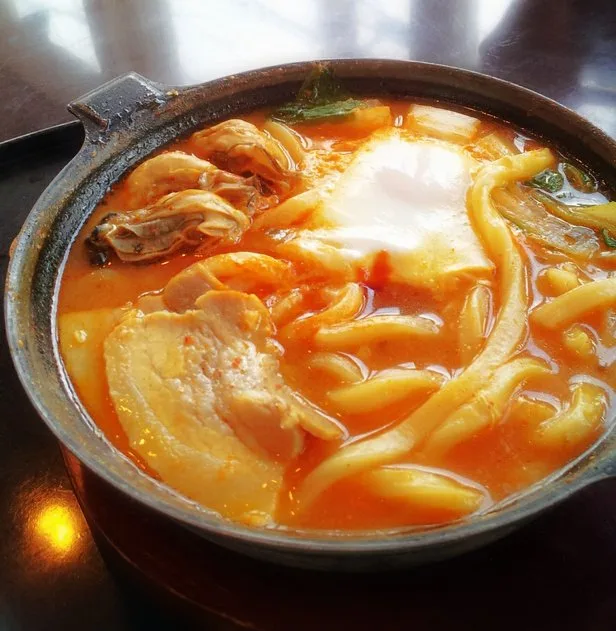
Udon are the thick, slippery wheat noodles of western Japan. Kagawa Prefecture on Shikoku is their heartland, where sanuki udon achieves a firm chew the Japanese call koshi. Serve it hot in light dashi broth, cold with a dipping sauce in summer, or simmered in a nabe hotpot. Either way, the noodle carries the meal on texture alone.
8. Soba
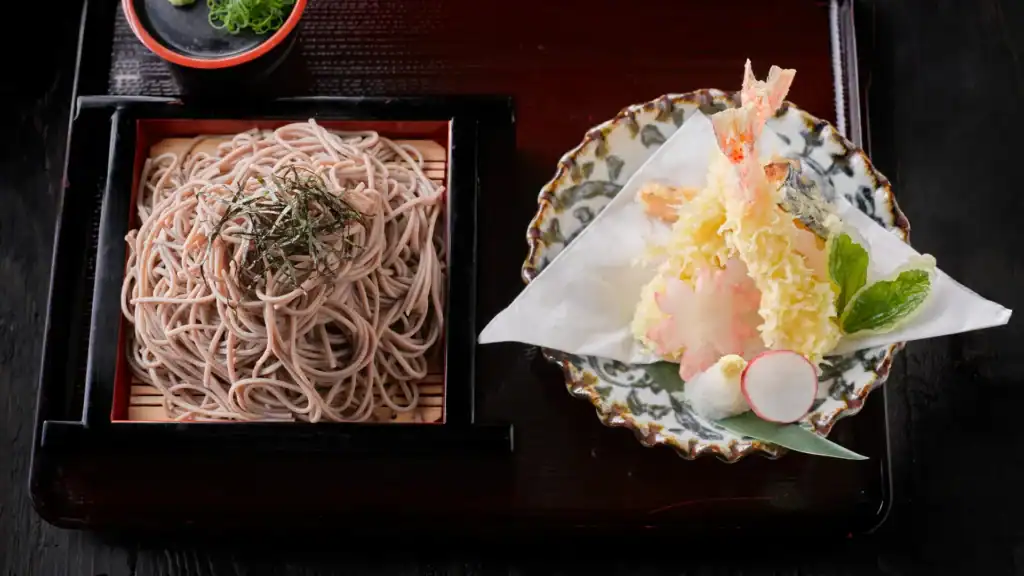
Soba, the buckwheat noodle of the east, is udon’s austere sibling. The purest form is zaru soba, chilled noodles on a bamboo tray, dipped in tsuyu. The meal ends with the cooking water the shop brings unasked. Eating soba on New Year’s Eve, for a long life, is a tradition most households still keep.
9. Donburi
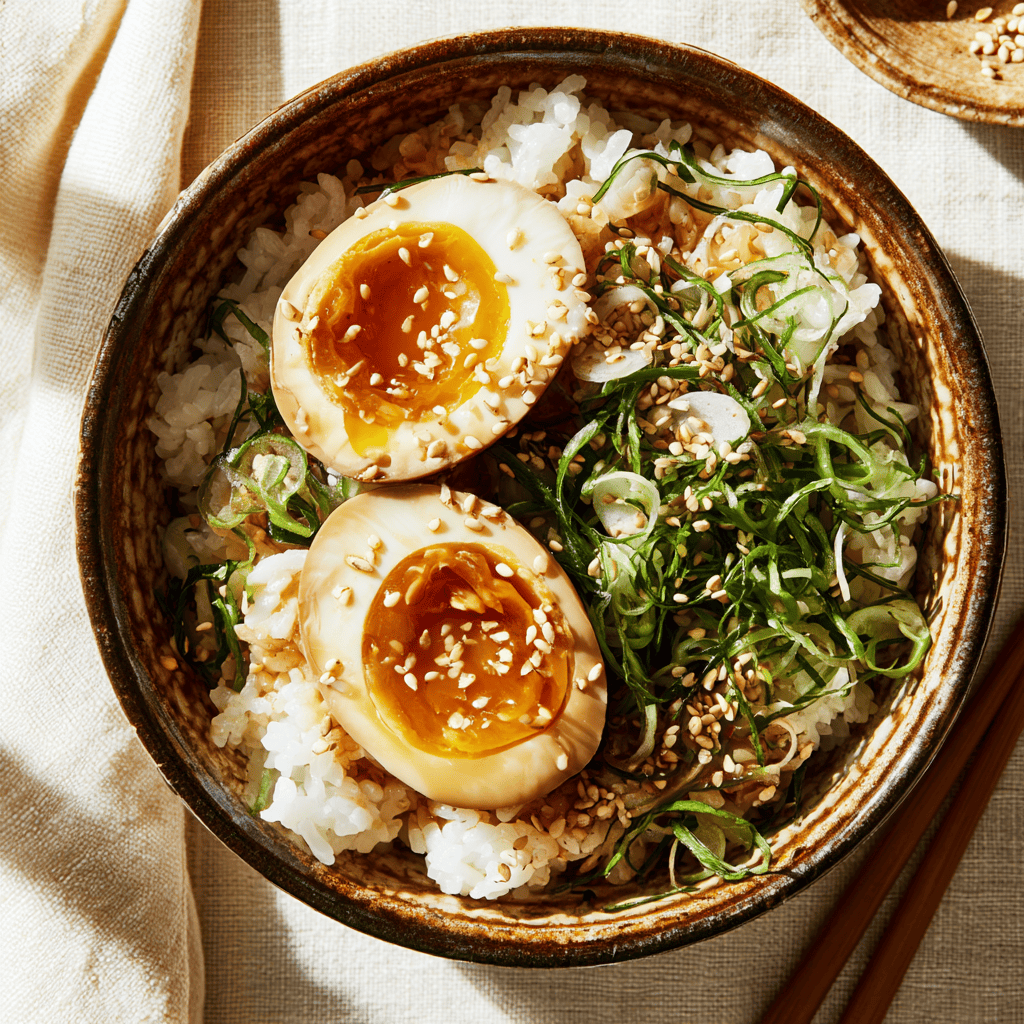
Donburi means bowl, and the bowl means dinner: rice topped with something generous. Gyudon layers soy-simmered beef and onion. Oyakodon, literally parent and child, pairs chicken and softly set egg. Katsudon crowns rice with a cutlet, and tendon does the same with tempura. Quick and everywhere, donburi is how Japan actually eats on a weekday.
10. Japanese Curry
Curry rice is Japan’s adopted national comfort food. It runs thicker, sweeter and milder than its Indian ancestors, ladled beside rice with pickled fukujinzuke. The katsu curry version, with a fried cutlet on top, may be the meal returning travelers request most.
11. Gyoza
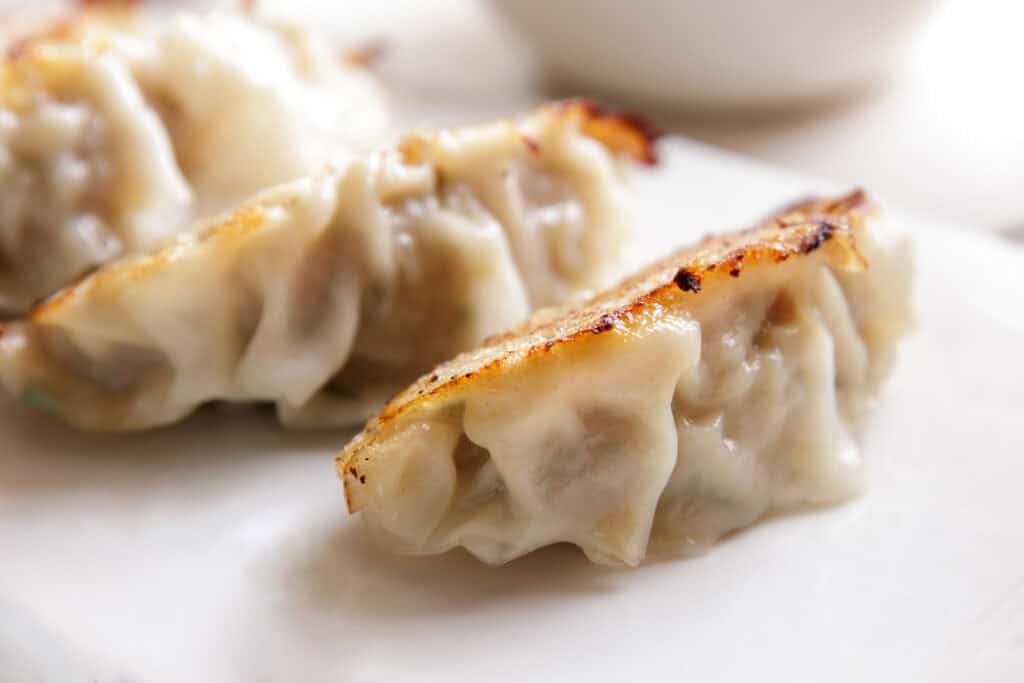
Gyoza crossed from China and settled in as ramen’s partner. The Japanese version is pan-fried then steamed in the same skillet, giving a crisp base and a tender top. Utsunomiya and Hamamatsu contest the national gyoza crown with the seriousness other countries reserve for football.
12. Onigiri
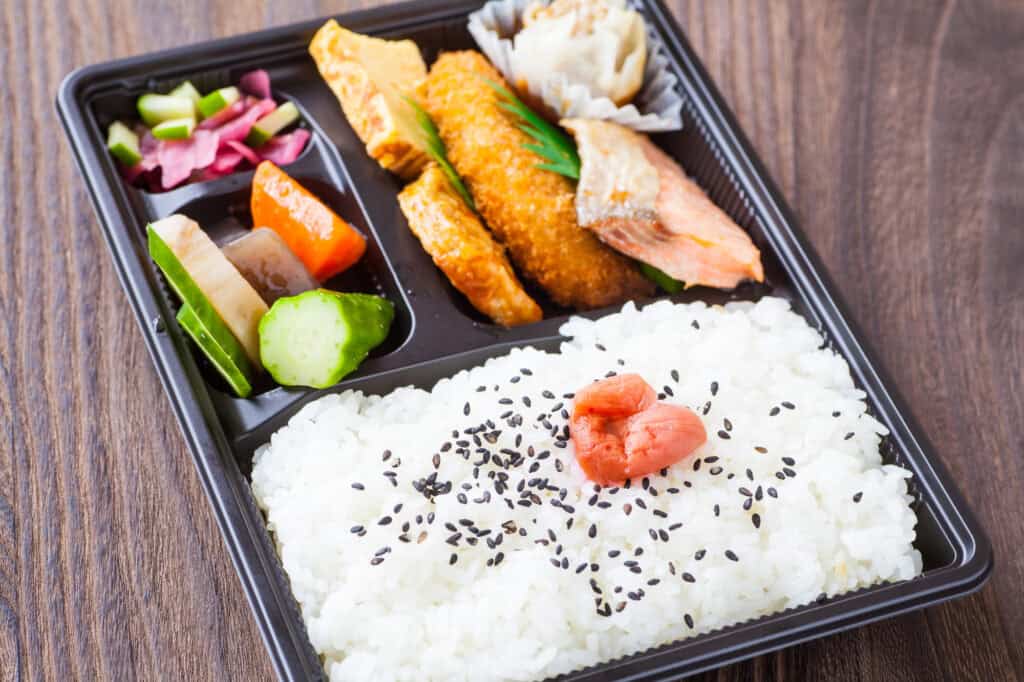
Onigiri is the oldest fast food in Japan, a hand-pressed triangle of rice around a salted center, wrapped in nori. Classic fillings run from umeboshi to salted salmon and tuna-mayo, the modern favorite. It is the correct answer to hunger on a train platform.
You may also like
13. Miso Soup
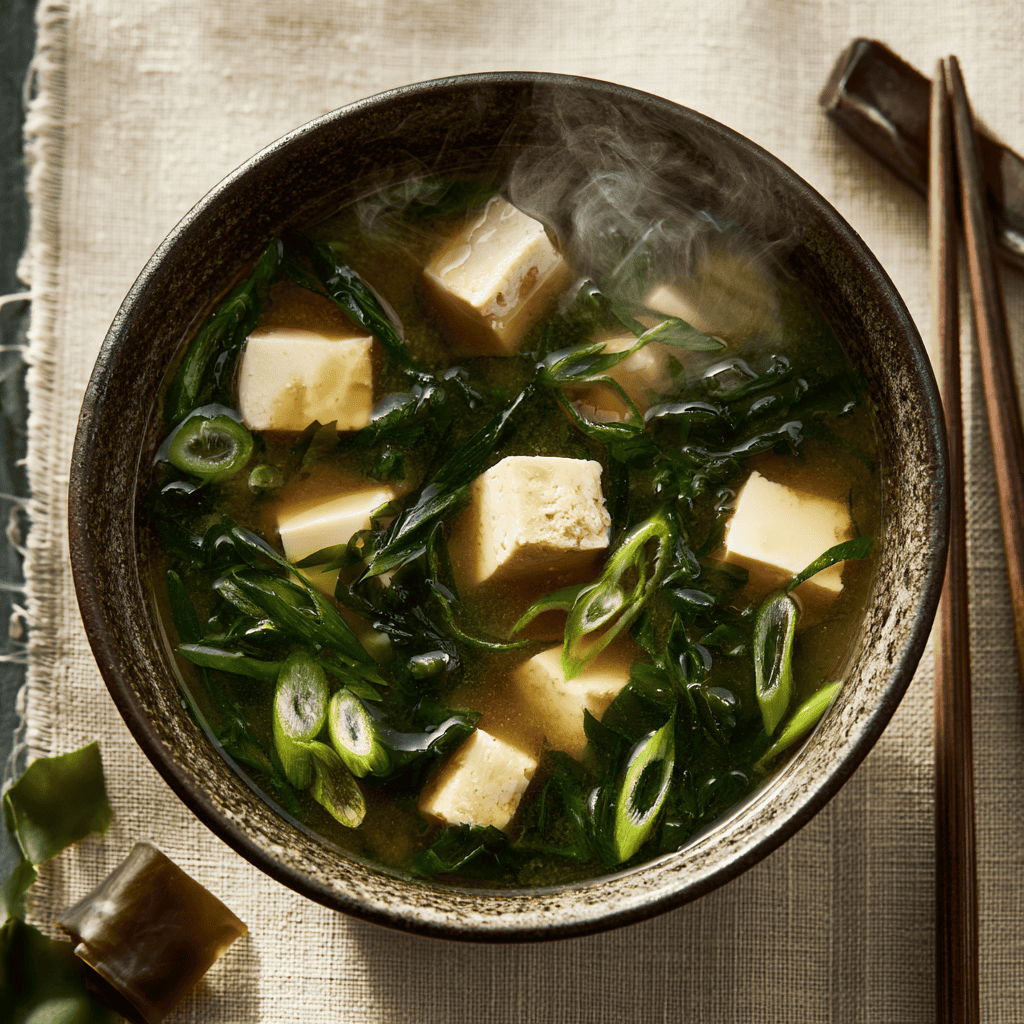
Miso soup is the heartbeat of the washoku meal. It is dashi warmed with miso paste, holding tofu, wakame or whatever the season sends. It appears at breakfast, lunch and dinner, and it is sipped from the bowl, with chopsticks steering the solids.
14. Tamagoyaki
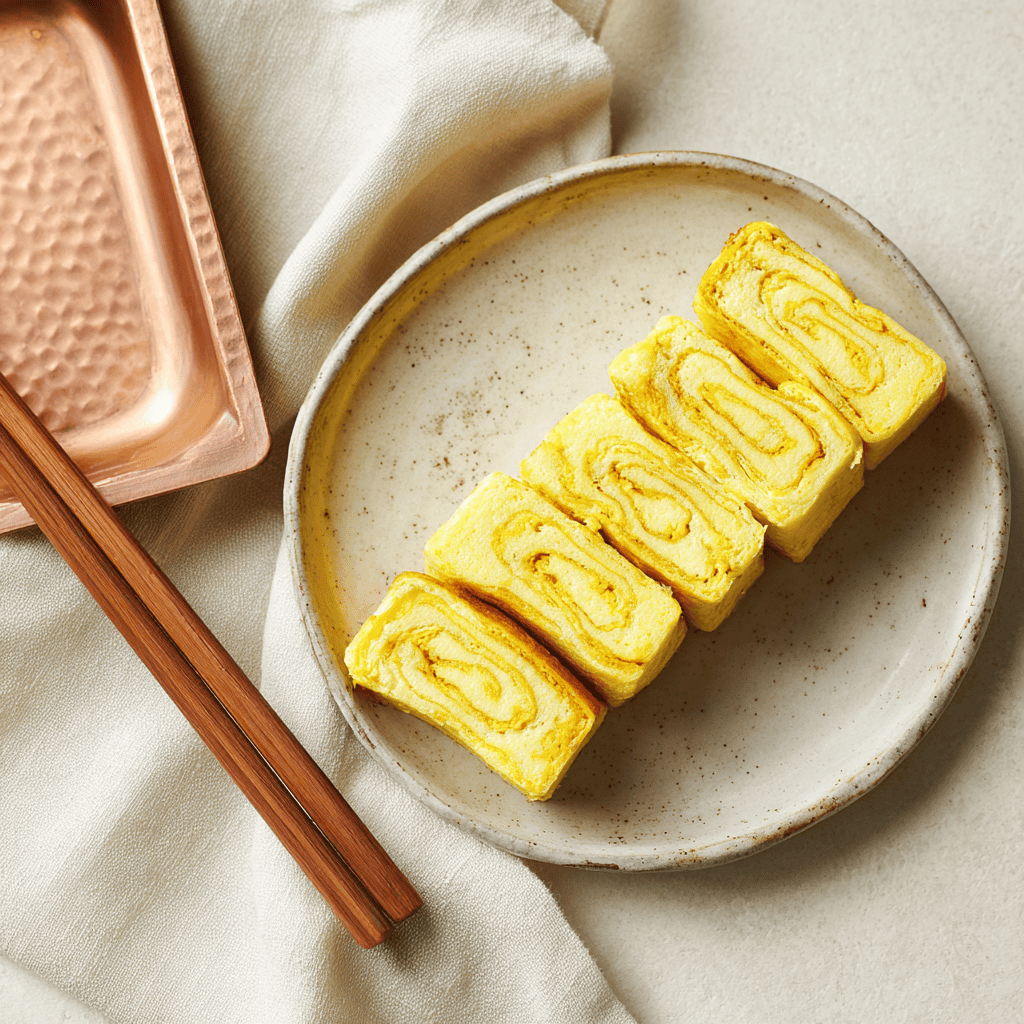
Tamagoyaki is the rolled omelet of the Japanese breakfast and the bento box. Thin layers of seasoned egg fold in a square pan until they form a tender, faintly sweet block. Sushi chefs serve their version as a closing course, and regulars judge a counter by it. Anyone can buy good tuna, but the tamagoyaki reveals the kitchen’s hand.
Street Food and the Izakaya Table
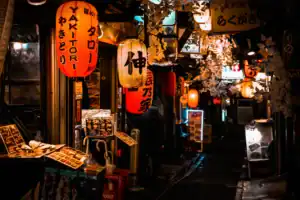
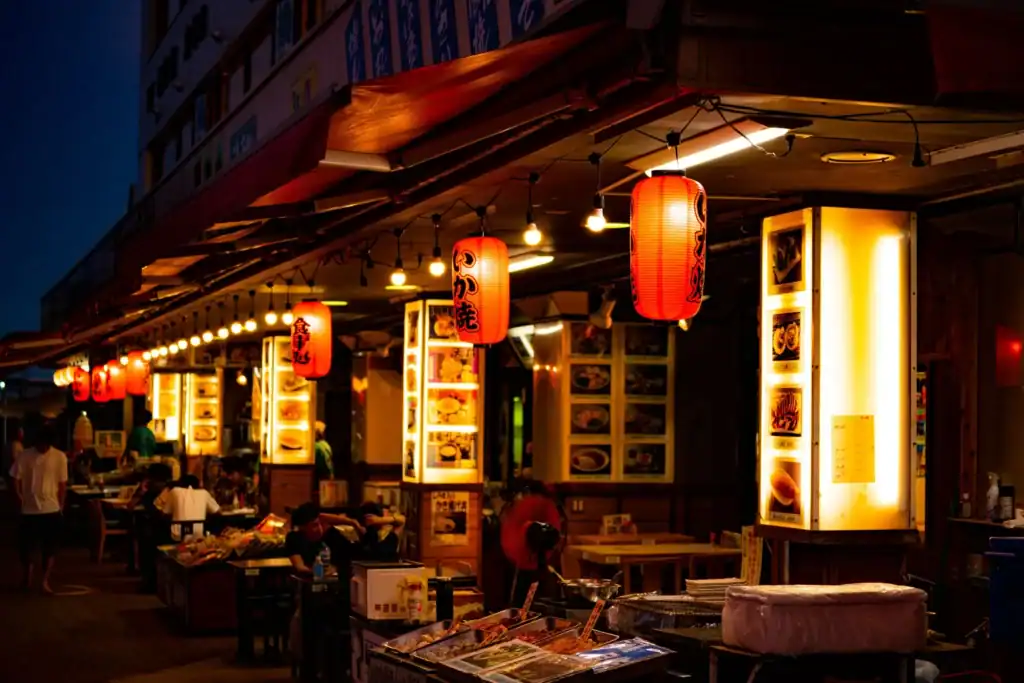
Japan’s street food lives at festivals, market lanes and above all at the izakaya. That is the pub where small plates and long evenings meet. The dishes below move freely between griddle stalls and izakaya menus. Our guide to izakaya culture covers the ordering rhythm that makes those evenings work.
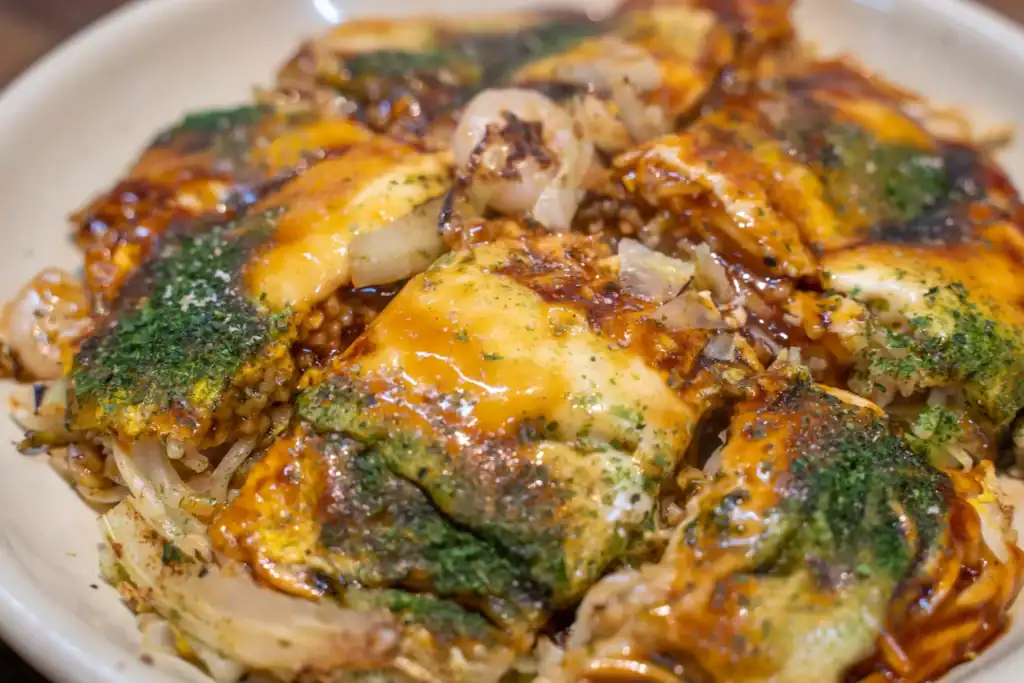
15. Okonomiyaki
Okonomiyaki means grilled as you like it. The savory pancake holds batter, mountains of cabbage and whatever the diner chooses, finished with sauce, mayonnaise and bonito flakes. Osaka mixes everything into one batter. Hiroshima builds in layers, with yakisoba noodles inside. The national tourism board’s okonomiyaki guide maps both schools.
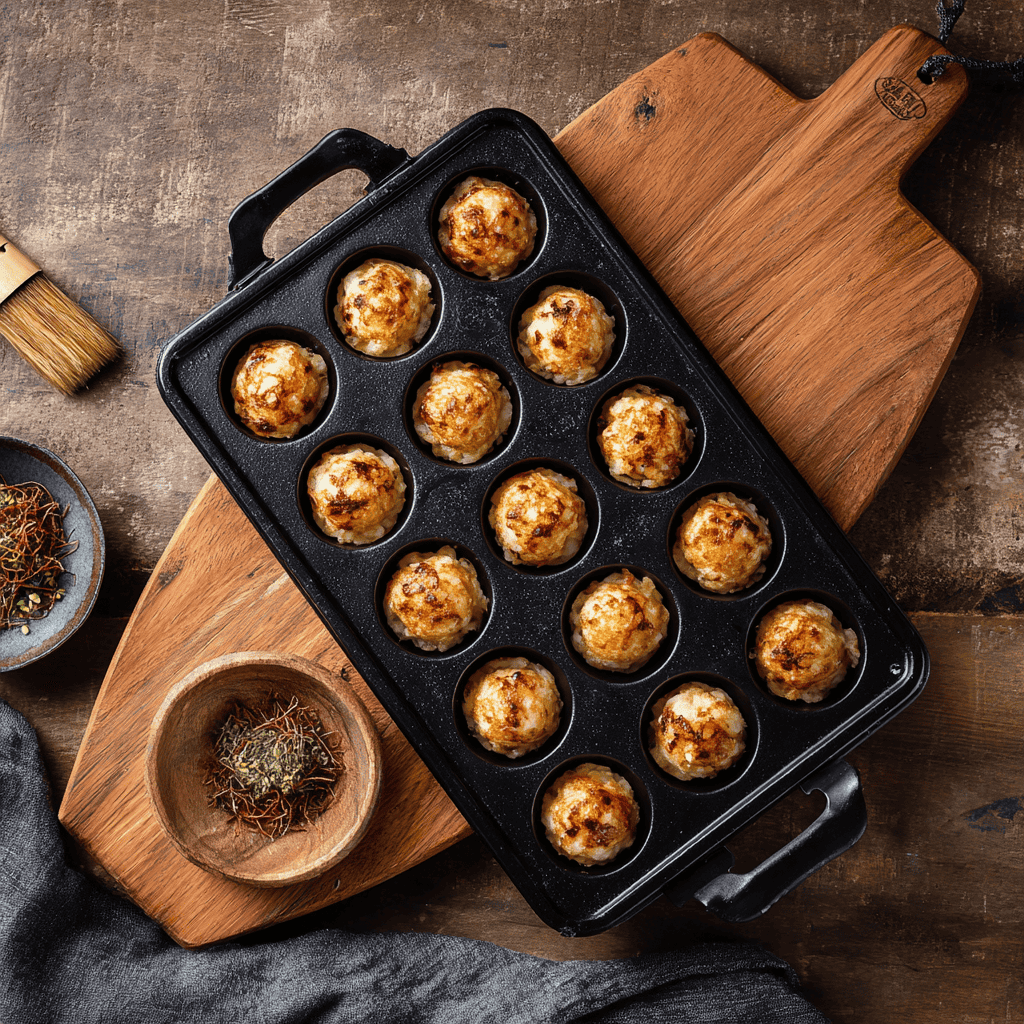
16. Takoyaki
Takoyaki are Osaka’s molten octopus spheres. Batter goes into a dimpled iron pan, a piece of octopus drops into each well, and picks turn the spheres until golden. Sauce, mayonnaise, aonori and bonito flakes follow, along with a warning: the inside holds heat for a long time. Locals wait a minute, and visitors learn.
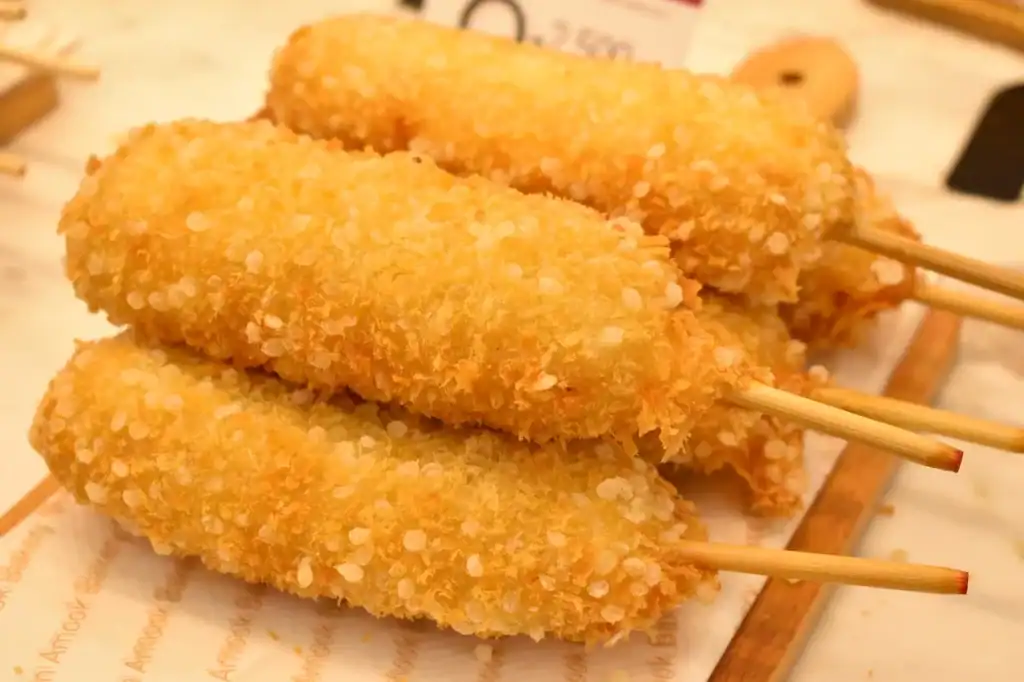
17. Kushikatsu
Kushikatsu are skewers of meat, seafood and vegetables, breaded fine and deep-fried. They have been a tradition of Osaka’s Shinsekai district since the late 1920s. Pork, quail egg, lotus root and even mochi all work on the skewer. One law governs the table: the shared sauce pot is dipped once, before the first bite, never again.
18. Yakisoba
Yakisoba is festival food at its most direct. Wheat noodles hit a flat griddle with pork, cabbage and a tangy sauce, then take a crown of pickled ginger and aonori. Despite the name, it uses no buckwheat. For many Japanese, the smell of yakisoba on a summer evening is the smell of the neighborhood festival itself.
19. Taiyaki
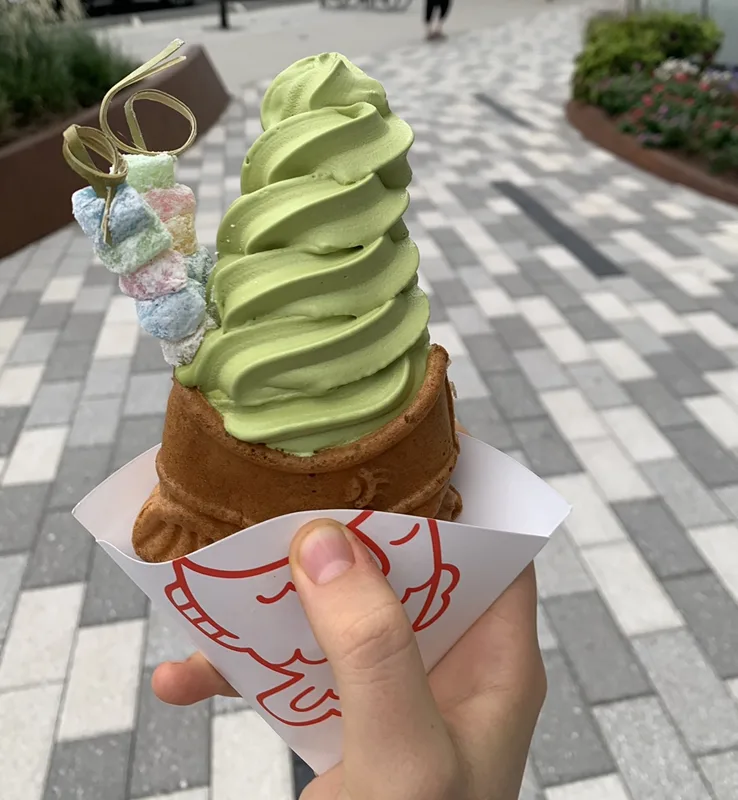
Taiyaki closes the street chapter on a sweet note. The fish-shaped waffle cake, crisp at the fins, traditionally holds red bean paste. Newer shops fill it with custard or soft serve. The shape honors the sea bream, a fish of celebration. The debate over whether to start from the head or the tail is endless and happily unserious.
The Refined Table
Most guides to Japanese food stop at the street, but the cuisine does not. Its upper register, from kaiseki to the omakase counter and the great hotpots, is where technique, season and hospitality meet at full strength. These meals are worth building a day around, and often worth reserving before the flight is booked. Our guide to Japan’s most distinctive dining gathers more of them.
20. Kaiseki
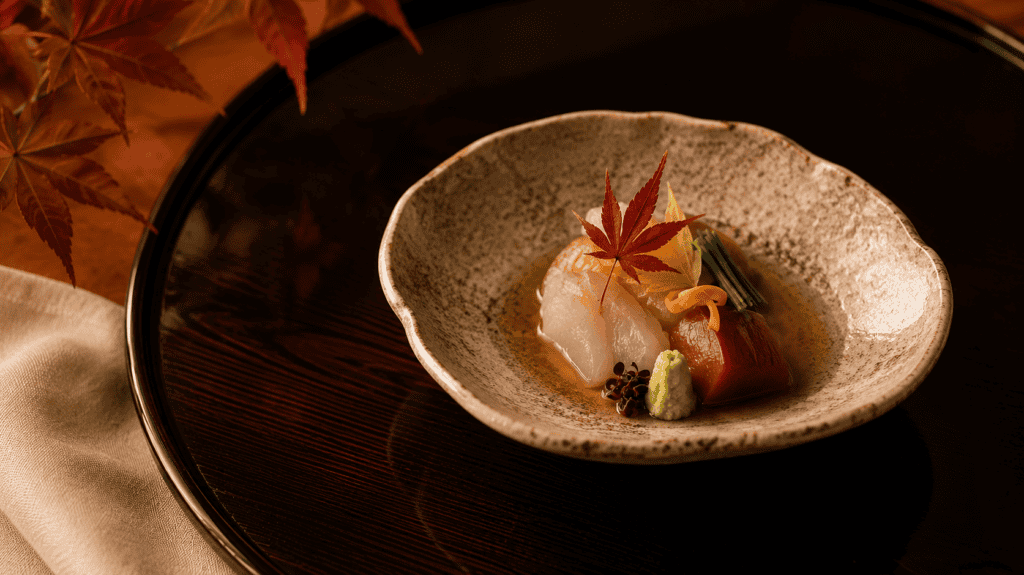
Kaiseki is Japanese cuisine composed as a full evening, a fixed progression of small courses built on different techniques. An appetizer opens, then a clear soup, sashimi, something grilled, simmered and steamed, then rice and a restrained dessert. In a Kyoto ryotei, it unfolds in a private tatami room over two unhurried hours.
21. Omakase
Omakase means I leave it to you. At a sushi counter, that sentence hands the meal to the chef, who serves piece by piece as the morning’s market suggests. Where kaiseki is a composed program, omakase is live performance. The best counters hold perhaps ten seats and book out weeks ahead.
22. Shojin Ryori
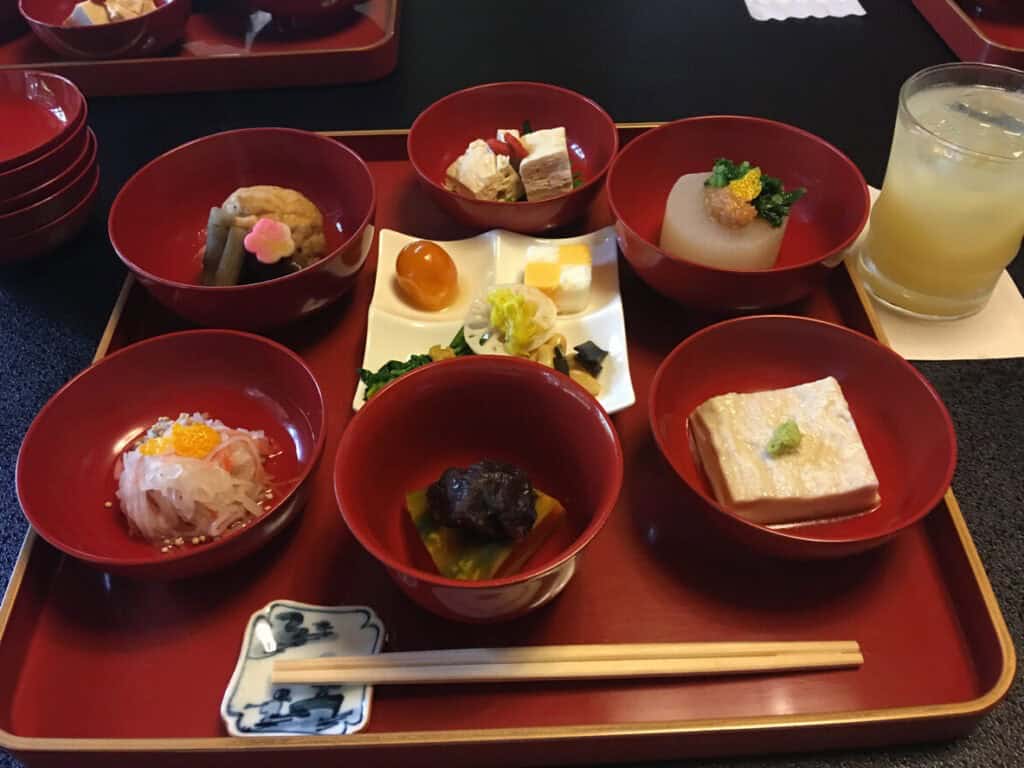
Shojin ryori is the vegetarian cuisine of Zen kitchens, with no meat or fish. Yet nothing about it feels like absence. Sesame tofu, seasonal vegetables in dashi drawn from kombu alone and precise knife work turn restraint into depth. The shukubo lodgings on Mount Koya serve it to overnight guests, and the meal changes what a plate of vegetables can be.
23. Sukiyaki
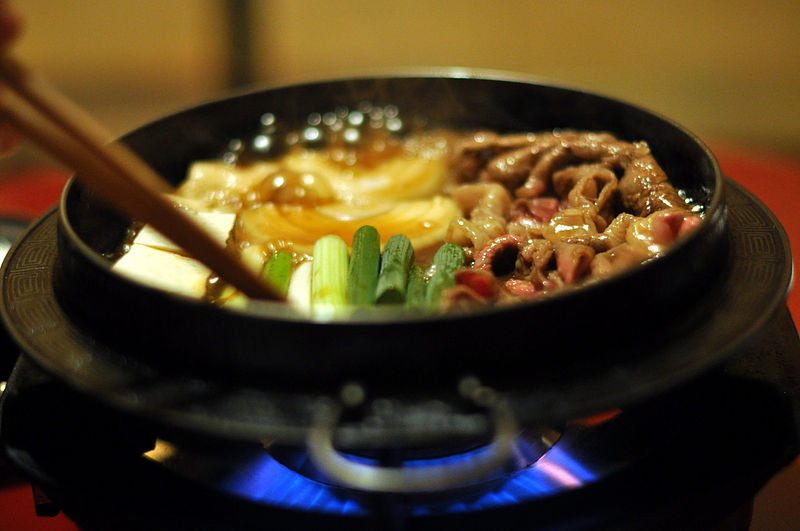
Sukiyaki is the celebratory hotpot. Thin-sliced beef sears in an iron pan, then simmers with tofu, greens and shirataki noodles in a sweet soy and mirin broth. Each bite is dipped in beaten raw egg, which cools the beef and silks the sauce. When the beef is wagyu, sukiyaki becomes one of the finest things that can happen to it.
24. Shabu-Shabu
Shabu-shabu names its own technique. The word is the sound of thin beef swishing through barely simmering kombu broth before a dip in ponzu or sesame sauce. Where sukiyaki is rich and sweet, shabu-shabu is clean and precise. The broth, deepened by everything cooked in it, finishes the meal as a rice porridge or noodle course.
25. Unagi
Unagi is freshwater eel, glazed with sweet tare and grilled over charcoal, and it turns summer eating into a ritual. Kanto steams the eel before grilling for a melting texture, while Kansai grills it straight through. Served over rice in a lacquered box as unaju, it is one of Japan’s oldest luxuries.
Ten Proverbs to Carry With You
A printable folio of ten Japanese proverbs, each set in kanji with its reading and a line on where you will hear it.
The refined tier rewards a little preparation. Kaiseki ryotei and top omakase counters keep few seats, book weeks out and sometimes accept reservations only through hotels or introductions. For that reason, decide which meal matters most before you fix the rest of the trip. A ryokan dinner, too, is a form of kaiseki served where you sleep. That makes it the easiest way into the tradition for a first visit. In other words, the most memorable meal of a trip is usually the one planned first.
Cooking Traditional Japanese Food at Home
The home kitchen needs surprisingly little to begin: short-grain rice, soy sauce, miso, mirin, rice vinegar and dashi. With those six on the shelf, miso soup, donburi and teriyaki become weeknight food. The equipment matters just as much, and rice comes first, because rice is the center of the washoku meal. Two very different cookers do that job beautifully, one by fire and one by sensor.
Nagatani-en Kamado-san Donabe — rice cooked in Iga clay
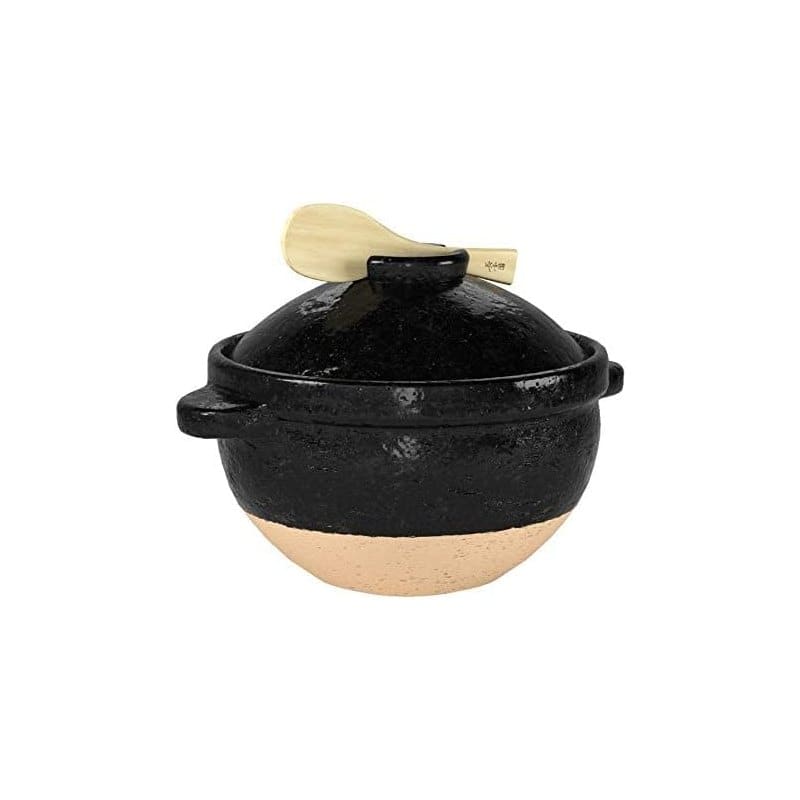
The Nagatani-en Kamado-san is a donabe rice cooker made by a pottery house in Iga. The region is known for heat-holding clay. Its double lid traps steam the way an old kamado stove did, so the rice cooks evenly and rests in its own heat. Fill it with up to five cups of rice, bring it to a boil over a gas flame, then let it stand. The result has a gloss and a gentle crust, okoge, that many Japanese cooks prize. For a reader who loves the washoku idea of rice at the center, it is the most traditional upgrade a kitchen can make.
A clay pot rewards attention, but not every evening allows it. Most Japanese households cook their rice in an electric cooker that holds it warm for hours, ready for breakfast or a late onigiri. Japanese makers have refined these machines for decades, and the best ones adjust their timing to the grain. If rice will be on your table every day, a reliable cooker matters more than any other piece of equipment. It also frees the cook to spend time on the soup and the three sides, which is where the season shows. A good machine is not a shortcut around tradition, simply the way most Japanese homes keep it going.
Zojirushi Neuro Fuzzy Rice Cooker — the everyday standard
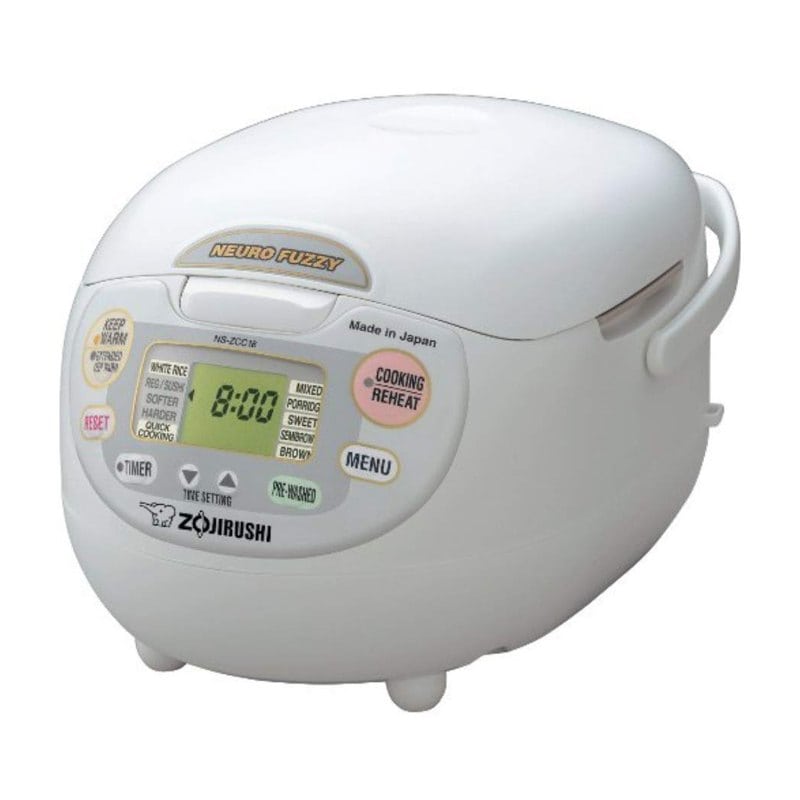
The Zojirushi Neuro Fuzzy is the cooker many Japanese food lovers abroad keep on the counter. A small computer adjusts heat and timing as it cooks, so short-grain rice turns out tender and evenly cooked. Settings cover white rice, sushi rice, porridge and brown rice, and the keep-warm function holds rice at its best for hours. That makes it ideal for ichiju-sansai at home, when the side dishes take longer than planned. It also handles mixed rice for onigiri and the slightly firmer grain sushi needs. For a household that eats rice daily, it steadily earns its place.
A first dish to cook: tonkatsu
Start with the dish that taught Japan to love a crisp crust. Tonkatsu needs only pork, flour, egg and panko, plus oil kept at a steady heat. The finer points are small ones. Score the fat so the cutlet stays flat. Rest it after frying so the crust stays dry, and slice it before serving so it reaches the table ready for chopsticks. Serve it with cabbage, rice and miso soup, and you have a meal that follows the washoku tray almost by instinct. It is also forgiving, so a first attempt usually works, and the second is better. That makes it a fine, easy way into Japanese home cooking for any curious cook.
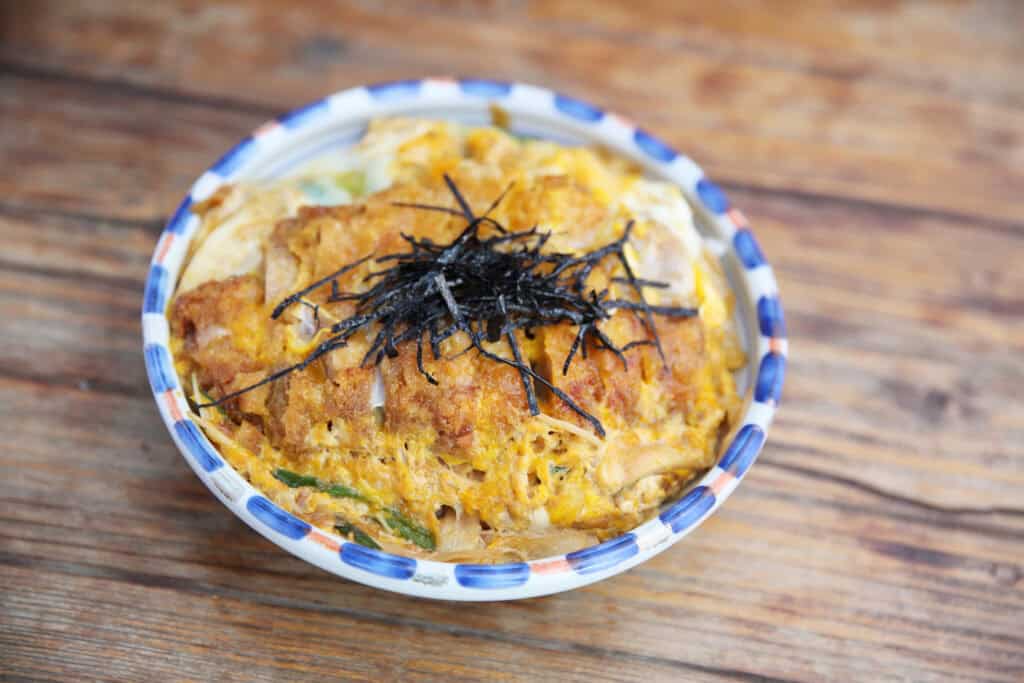
Tonkatsu — a golden pork cutlet with shredded cabbage
Score the fat edge of two boneless pork loin chops so they stay flat, season them with salt and pepper. Then coat each in flour, beaten egg and a thick layer of panko. Heat an inch of oil to about 340°F and fry the cutlets for three minutes a side until deep gold. Rest them on a wire rack for two minutes. Slice into strips and lay them over a mound of finely shredded cabbage. Serve with rice, miso soup and a pool of tonkatsu sauce, so the first bite is crisp, hot and sweet-sour at once.
The crust should crackle when you cut it, and the cabbage should be cold and crisp beside it. That contrast is the whole point of the dish. Once tonkatsu feels easy, the same cutlet becomes katsudon over rice or katsu curry on a busy night. Each step builds on the one before, which is how traditional Japanese food is usually learned at home, one dish at a time.
Setting the table
Serving matters as much as cooking in a cuisine that eats with the eyes. A proper deep bowl changes a bowl of ramen more than any single ingredient. Good chopsticks make tempura and sashimi easier to handle, and a bamboo mat turns sushi rolling from a struggle into a pleasure. The three pieces below cover the table, from a weekday ramen to a weekend of hand-rolled maki with friends. Each one is made in Japan or to a Japanese pattern, and each solves a small problem that first-time cooks meet. Together they make the meals in this guide feel right at home, not only taste right.
Three Pieces for the Japanese Table
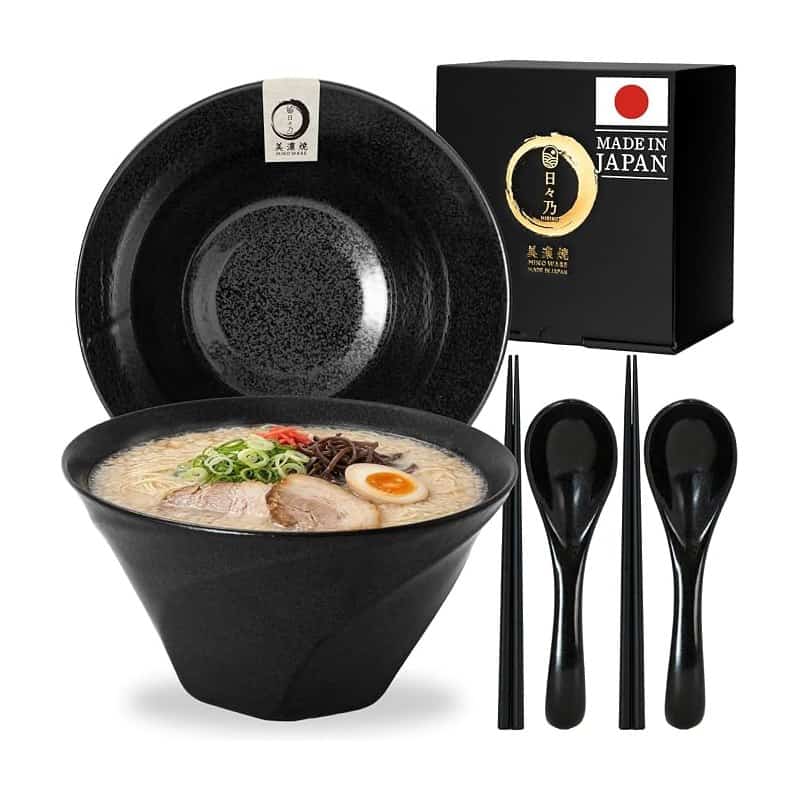
Deep ceramic bowls with spoons and chopsticks, made for ramen and udon.
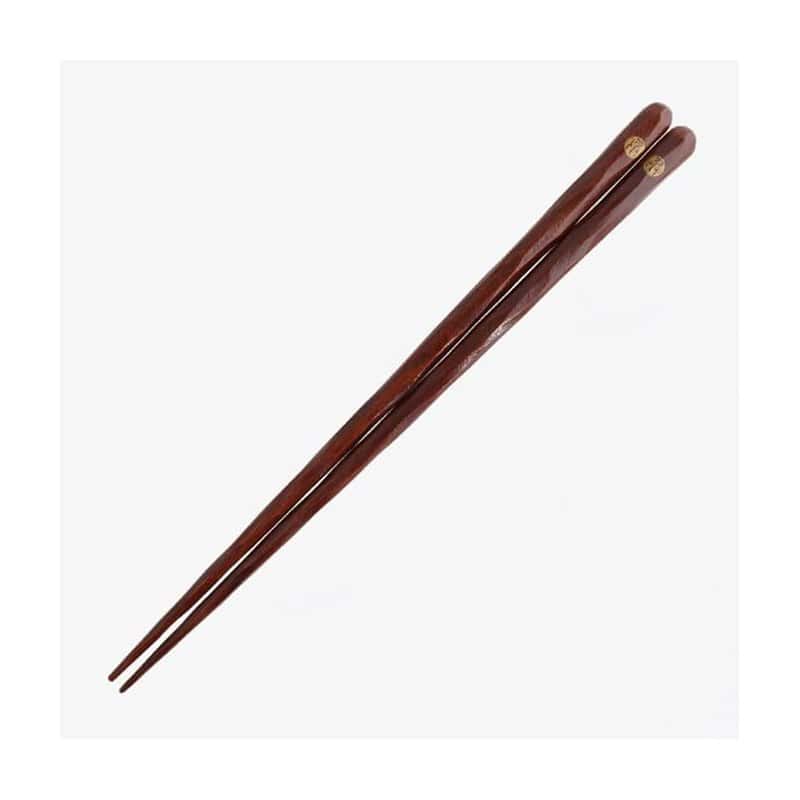
Lacquered chopsticks from Obama, Fukui, with a fine tip for delicate food.
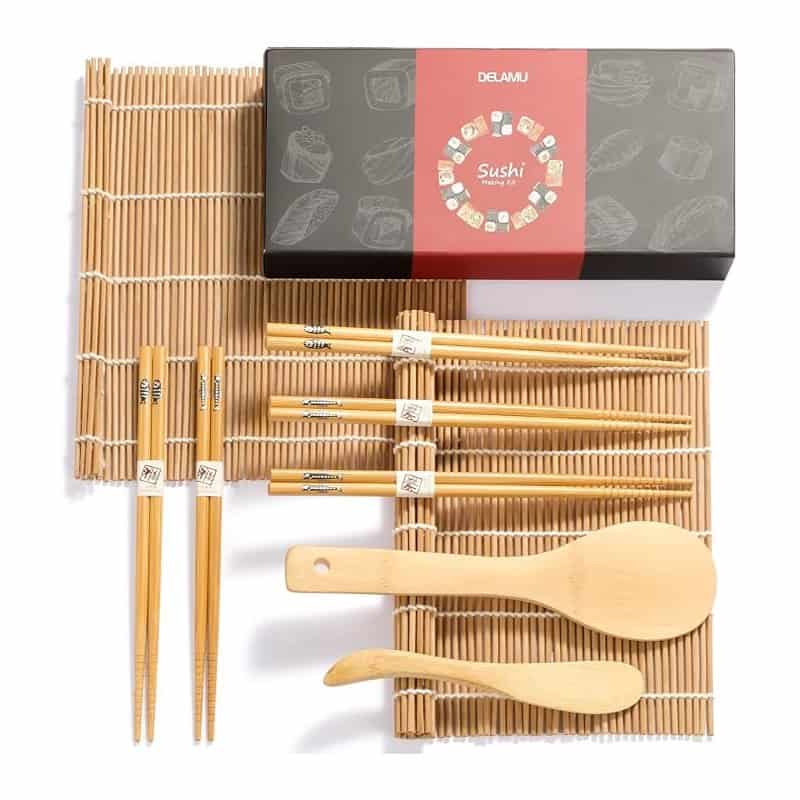
Bamboo mats, paddle and spreader for rolling maki at home.
Sweets, Tea and Matcha
26. Wagashi
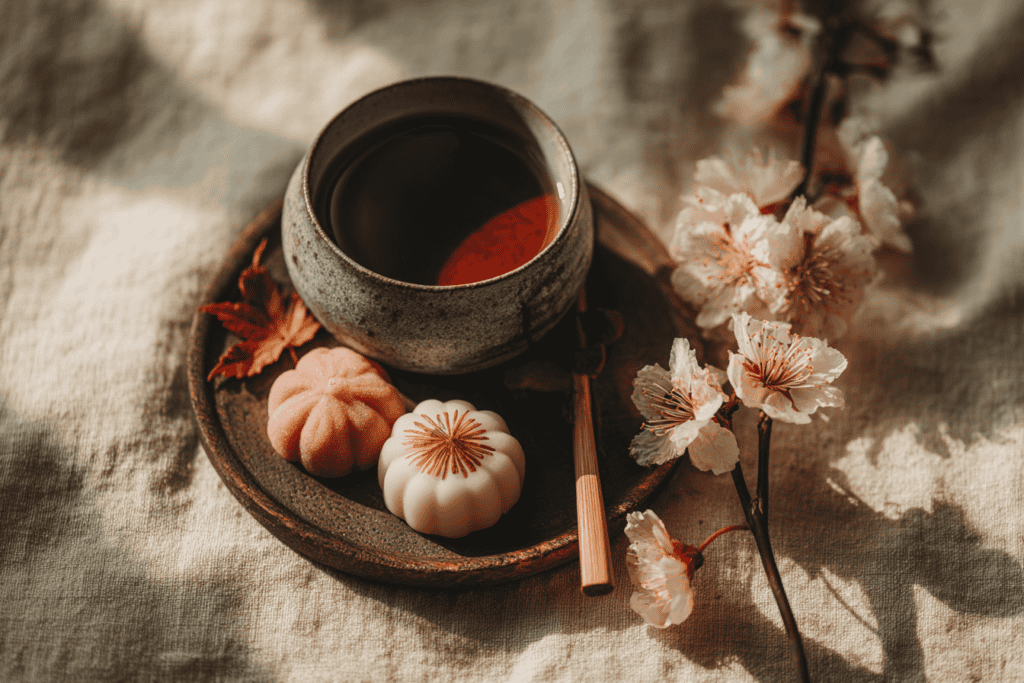
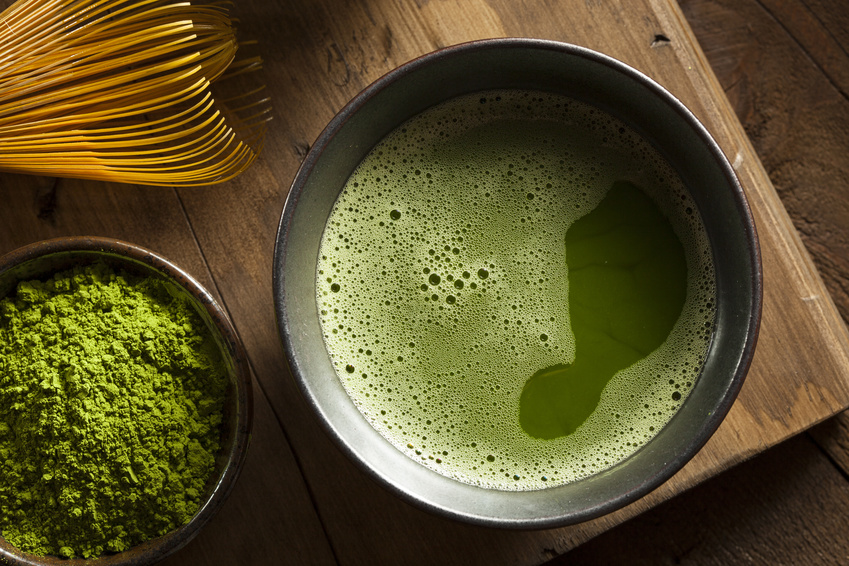
Wagashi are the traditional confections of Japan, shaped from bean paste, rice flour and agar into miniature seasons. A plum blossom appears in February and a maple leaf in November. They exist to accompany tea, because their gentle sweetness sets up matcha’s bitterness. In Kyoto, old shops treat wagashi as sculpture with a shelf life of a day.
27. Mochi
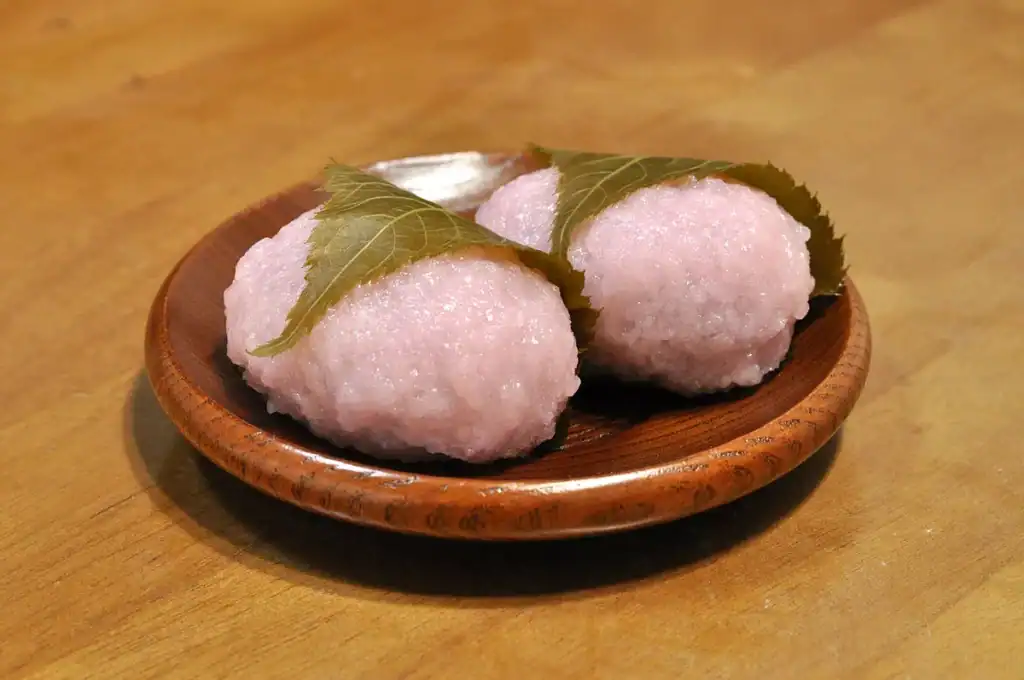
Mochi is glutinous rice pounded into a supple, chewy cake. Eat it grilled with soy, floated in New Year soup or wrapped around sweet fillings as daifuku. Sakura mochi, folded in a salt-pickled cherry leaf, tastes like April.
28. Matcha
Matcha is shade-grown green tea, stone-ground to powder and whisked whole into water. You drink the leaf itself, which is why the flavor lands with such depth. It anchors the Japanese tea ceremony, where preparing a single bowl becomes an act of hospitality. Uji, south of Kyoto, has grown fine tea for centuries, and its tea houses serve matcha in every form.
You may also like
Regional Specialties Worth Traveling For
Japanese food is fiercely local, and the regions treat their specialties as identity. Osaka calls itself the nation’s kitchen, and takoyaki, kushikatsu and mixed okonomiyaki all trace home to its griddles. Our guide to the Osaka food experience walks Dotonbori and beyond. Hiroshima answers with layered okonomiyaki and oysters from the Seto Inland Sea.
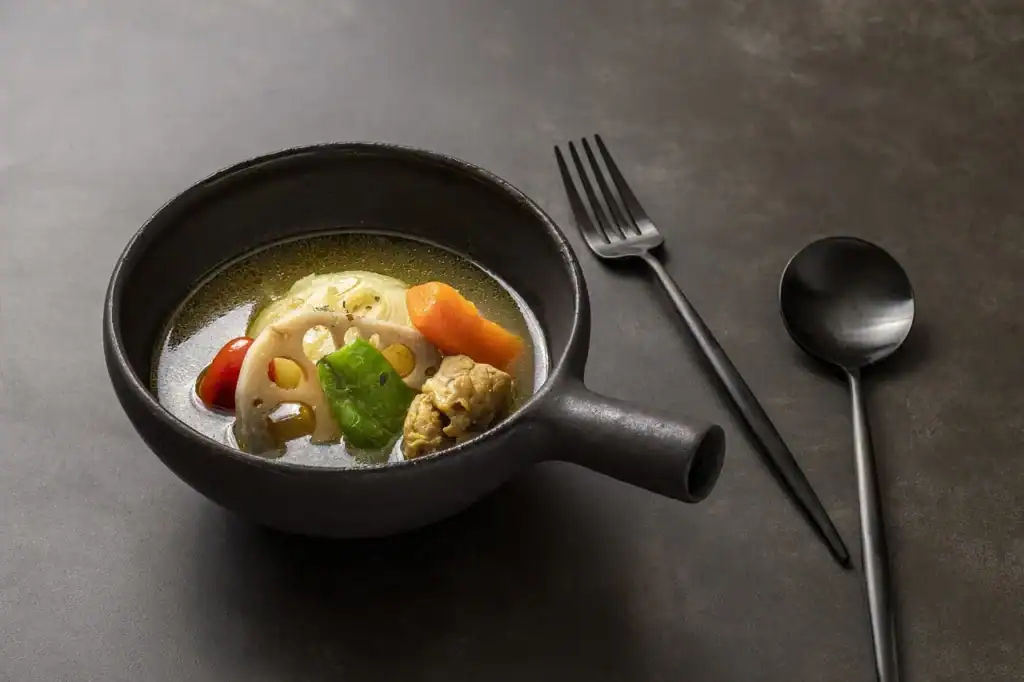
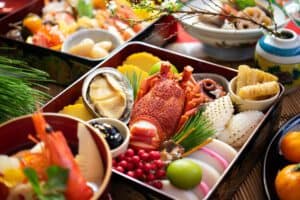
Head north and the map changes again. Hokkaido pairs miso ramen and soup curry with the best dairy, crab and uni in the country. Kyoto refines rather than invents, so kaiseki, tofu cuisine and matcha reach their peak there. At New Year, the whole country meets at one table. There, the lacquered boxes of osechi ryori hold dishes that each carry a wish for the year.
How to Eat Like You Belong
Traditional Japanese food comes with table manners, and they are less a minefield than a short list of meaningful gestures. Say itadakimasu before eating and gochisosama after, small thanks that every server notices. Chopsticks carry the only serious taboos. Never stand them upright in rice, and never pass food from chopstick to chopstick, because both echo funeral rites.
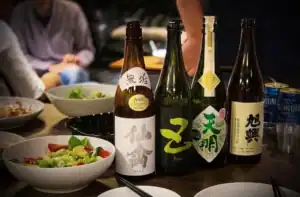
Beyond that, the rules relax by venue. Lifting rice and soup bowls toward you is correct, not casual. Soy sauce is poured in small amounts and never over white rice, and sushi is dipped fish-side down. At an izakaya, pour drinks for companions rather than yourself. Tipping does not exist, since service is complete in the price, and attempting it causes polite confusion. Finally, eat what arrives while it is at its moment.
Where to Eat: Tokyo, Osaka and Kyoto
Tokyo’s food day starts at Toyosu Market, where the wholesale fish trade moved from Tsukiji in 2018. The counters there serve fish from that morning’s auction, while the old Tsukiji outer market remains a lively street-food quarter. For tempura, Ginza’s long-established houses show the form at its most precise. Ramen rewards wandering, and in this city the queue is the review.

Osaka concentrates its energy on Dotonbori and the surrounding lanes, where okonomiyaki griddles, takoyaki stands and kushikatsu counters run past midnight. In Kyoto, Izuju has pressed the local saba-zushi near Yasaka for over a century, while Nishiki Market covers the hours for grazing. South of the city, the Uji district is the place for matcha in every form.
Recommended
The table and the journey
Twenty-eight dishes make a map, not a checklist. The pleasure of traditional Japanese food is that the map keeps opening. The ramen shop reveals a regional school, and the school reveals a city. Then the city sets a table you did not know to want. Start with a market breakfast and an izakaya evening, then save one meal for the refined tier. Along the way, notice how often the washoku tray returns, from the hotel breakfast to the shojin lunch.
Japan is also a place where food and language meet. Menus, shop curtains and market signs are written in kanji, and learning a few characters makes every meal easier to order. The tools below are a small head start. Use them whether you want to read a menu, trace a character or plan the trip itself around the table.

The best food journeys in Japan are planned around a few meals that cannot be improvised. A kaiseki dinner in Kyoto, an omakase counter in Tokyo and a ryokan breakfast in the mountains each need a reservation. They also need local knowledge and the right days around them. Build those first, and the rest of the trip falls into place around them. The street stalls, ramen shops and market lanes will still be there, waiting for the unplanned hours between. Some of the best meals of any trip happen in exactly those gaps, at a counter you found by following a queue. A good plan always leaves room for them, too.
Eat Where These Dishes Are Made
We build Japan journeys around the table: the kaiseki reservation, the omakase counter, the ryokan breakfast and the market mornings in between. Every itinerary is shaped around your tastes and your pace.
Plan Your Custom Japan ItineraryQuestions Worth Asking
What food is Japan most famous for?
Sushi is Japan’s most famous food worldwide, followed closely by ramen, tempura and wagyu beef. Within Japan, everyday icons such as miso soup, onigiri and regional dishes like okonomiyaki carry equal weight, and kaiseki represents the refined summit of the cuisine.
What is washoku?
Washoku is the traditional dietary culture of Japan, built on rice, seasonal ingredients, dashi stock and the one-soup-three-sides meal called ichiju-sansai. UNESCO added washoku to its Intangible Cultural Heritage list in 2013, recognizing a living practice rather than a fixed set of recipes.
Is sushi traditional Japanese food?
Yes. Sushi descends from narezushi, an old method of preserving fish in fermented rice. The nigiri eaten today took shape in Edo, now Tokyo, as quick food for city workers, which makes it both genuinely traditional and surprisingly modern in form.
What is the difference between kaiseki and omakase?
Kaiseki is a structured multi-course meal with a set progression of cooking techniques, rooted in tea-ceremony hospitality and often served in a private room. Omakase means leaving the menu to the chef, usually at a sushi counter, where the sequence follows that morning’s market.
What should a first-time visitor eat in Japan?
Start with a market sushi breakfast, a bowl of ramen from a regional specialist and an evening of small plates at an izakaya. Add one street classic such as okonomiyaki, and reserve one refined meal, either kaiseki in Kyoto or an omakase counter.
What is Japan’s national dish?
Japan has no officially designated national dish. Rice is the historic foundation of the cuisine, and sushi serves as its emblem abroad. Many Japanese would nominate ramen or curry rice as the true everyday favorite, which shows how open the tradition remains.