
Sapporo in winter has organized itself around snow rather than merely putting up with it. About two million people live here, and roughly five meters of powder falls on them each season. Almost no city of that size gets that much. So the snow becomes infrastructure. Crews clear it before dawn and truck it out of the center. Then the city carves it, lights it, skis on it and walks over it for four months.
This guide follows three fixed points: festival week, the lodging rule that changed in April 2026, and the months when the cold really bites. It also names the bowls worth the queue and the habits that keep a February week on its feet. For the wider picture of high-end travel across the country, our overview of luxury travel in Japan sets the scene. What follows is the northern chapter, written for travelers who want the snow without the guesswork.
When is the Sapporo Snow Festival in 2027?
The 77th Sapporo Snow Festival runs from 4 to 11 February 2027, eight days in all, across three sites. Odori Park holds the large snow sculptures, Susukino holds the ice along Ekimae-dori, and Tsudome, a sports hall in the northeast, is the third site. The organizers published this plan in July 2026.
What the 2027 Sapporo Snow Festival Looks Like
The festival committee published its outline on 13 July 2026, and the plan is specific. The 77th edition runs from Thursday 4 February to Thursday 11 February 2027, a national holiday. Odori Park takes the main run, from Nishi 1-chome to Nishi 11-chome. Susukino takes Ekimae-dori between Minami 4-jo and Minami 6-jo.
Tsudome, the municipal sports hall in the northeast, is the third site. On Odori, the five large snow sculptures stand at 4, 5, 7, 8 and 10-chome. The international snow sculpture contest fills 11-chome, and 2-chome goes to the city’s international art festival. That is enough to walk the park in your head before you land.

It is also enough to choose a hotel. Rooms south of the park put Susukino and its ice on your doorstep. Rooms near the station put you close to the airport train and the underground arcades. Either way, the park sits a short walk from both, so the choice comes down to whether you want bars or trains closest to the door.
Which Site to Choose If You Have One Day
Odori, and it is not a close call. The five large works and the international contest sit along one long park through the middle of town, so a single walk covers them. Susukino lies a short stroll south and adds the ice sculptures among bars and neon. Tsudome is a separate journey northeast. It earns its afternoon when there are children in the party, and rarely otherwise.

Go twice, though. Walk Odori in daylight, when the carving reads as carving and the tool marks show. Then walk it again after dark, when the lighting turns the same forms into something stranger. Between the two, eat and warm up underground. The arcades run close to the park, so a two-visit day costs almost nothing in transit.
One fixture sits just outside the week. Snow Sports Park 2027 runs from 12 to 14 February at the Daiwa House Premist Dome, the three days after the festival closes. So if your flights land late, there is still something built from snow to walk into. Book rooms early either way, because February rooms go long before the full program appears.
How Cold Sapporo Really Gets in Winter
One figure circulates on many English guides: minus six degrees, from November to April. It is wrong in both halves. The city tourism authority’s monthly averages are calmer. December averages minus 0.9C, or 30.4F. January averages minus 3.6C and is the coldest of the three. February averages minus 3.1C, so it runs slightly milder, even though the festival falls then.
The figures worth planning around are the snow depths. December brings about 132cm, January 173cm and February 147cm. That is what makes Sapporo what it is. It also explains why the cold reads mild on paper and severe on the sidewalk. Wind, wet snow near freezing and weeks of packed ice do more to a visitor than the thermometer does.
Disposable heat packs made in Japan that warm for up to a day once opened. Slip one in a coat pocket for long evenings at the sculptures.
View the Hand Warmers →A slim vacuum-insulated mug from the Osaka maker that keeps a drink hot for hours. Fill it at the hotel before a long walk through the sculptures.
View the Zojirushi Mug →A rich Japanese cream made for dry, chapped skin. Cold wind and indoor heating dry out hands quickly, and a small tube fits any pocket.
See the Yuskin Cream →Walking Is the Real Skill
Snow falls and thaws through the day, then freezes across the road overnight. By January the sidewalks swing between soft drift and polished sheet, sometimes within a stride. The city’s advice is the useful kind. Take small steps and set the whole sole down. Assume there is ice under the snow. In short, walk a little like a penguin. It looks odd, and it works.
Grip attachments that strap over an ordinary shoe sell in convenience stores and shoe shops across the center. Some repair shops will also fit non-slip soles. Do either on day one rather than day three, after a fall. If you buy boots before you travel, buy for waterproofing and traction before insulation. Feet get wet here long before they get cold.
Hands are the other weak point. Gloves soak through in steady snow, and a phone battery drains fast in the cold. A pocket of disposable heat packs, the kind convenience stores across Japan stock in winter, helps with both for hours at a time.
For the powder mornings, the ramen queues and the light on the sculptures at five o'clock.
6 × 9 in · 120 unlined pages · matte softcover
Shop This Journal →Sapporo Beyond Festival Week: Lights and a Sculpted Park
The illumination season is the long one, and guides often describe it as a December event. In fact, the current White Illumination runs from 20 November 2026 to 14 March 2027, close to four months. It lights Odori Park from 1 to 5-chome, Ekimae-dori, Minami 1-jo dori, the Kita 3-jo Plaza and the station’s south exit plaza. The city also lit the first seasonal display of this kind in Japan, back in 1981. A German Christmas market sets up at Odori 2-chome during the season. So the weeks either side of New Year give you the lit city without the February crowds.
Moerenuma Park, and a Correction Worth Making
Moerenuma Park began as a landfill. The sculptor Isamu Noguchi drew the plan that rebuilt it, on the idea that the whole park works as one sculpture. It covers roughly 190 hectares, and the concept holds at that scale. Climb Mount Moere first, a ten-minute hike, because the summit explains the layout. Then warm up in the Glass Pyramid, HIDAMARI, a three-story glass building with a gallery, shops and a French restaurant.
The building also cools itself in a clever way. It draws on cold energy from the outside air and stored snow, plus heat from the sun. In winter the park runs a rental shop for cross-country skis and sleds, so you can cover the open ground at your own pace.
January is the coldest month, but February brings the festival, so plan for ice and crowds together.
| Month | Conditions | What is on |
|---|---|---|
| November | First snow can fall | White Illumination opens 20 November |
| December | Average −0.9C (30.4F), about 132cm of snow | Illumination and the German Christmas market at Odori 2-chome |
| January | Average −3.6C (25.5F), about 173cm of snow | Illumination continues; the coldest month |
| February | Average −3.1C (26.4F), about 147cm of snow | Snow Festival 4–11 February 2027; Snow Sports Park 12–14 February |
| March | Snow cover holds into March | Illumination runs until 14 March 2027 |
Now the correction, since it appears on many pages, including an earlier version of this one. There is no snow dome at Moerenuma with tunnels, chambers and slides inside it. That description gets confused with the festival’s Tsudome site, and the two blur together often. Outdoor rinks and seasonal attractions shift their dates from year to year as well. So check any winter facility against its operator in the fortnight before you fly, because hours move with the weather.
Prefer to have the week built around the dates that cannot move? A custom Japan itinerary from our team sequences festival days, flight windows and closing days for you.
A typeset printable: ten Japanese proverbs with kanji, romaji and meaning. Signing up also brings occasional letters on Japan and word when a new journal reaches print.
One email with your printable. Occasional letters after that. Unsubscribe anytime.
Why Sapporo Works as a Ski Base
Sapporo hosted the 1972 Winter Olympics, the first Winter Games held in Asia, so skiing runs deep here. Even so, the unusual proposition is geography rather than snow quality, remarkable though that is. Slopes sit inside the city limits, and a wider set lies within a short drive. So you can keep a downtown room, ski a morning and still eat in Susukino by seven. Resort towns do snow better and city life worse. Few cities let you have both in one day, and fewer still in February. If the whole trip is about snow, though, the resort towns win, and our guide to skiing in Japan covers that case region by region.
What to Carry, and What to Rent
Two things are worth sorting before you fly, and eyewear leads. The problem on a Hokkaido morning is rarely cold. Rather, it is light. Heavy snowfall under a flat gray sky strips out contrast until the slope reads as blank white. A goggle with a low-light lens answers that, so pack one with a second lens if you ski often.
Gloves come second, and the argument is about water rather than temperature. Steady snow near freezing soaks knitted gloves inside an hour, let alone a morning on a lift. A waterproof shell with synthetic insulation is the right answer. Choose for the wet, not the cold, and carry a spare pair for the walk back to the hotel.

Skis and boards are a different matter. Renting makes sense for a city-based skier, because carrying gear through train stations and hotel lobbies wears thin fast. Keep the day simple. Leave early, ski the morning while the snow is fresh, and come back down for a late lunch. By mid-afternoon the light fades, and the city takes over again with baths, bowls and lit streets. That rhythm is the real case for a downtown base. It also means a stormy morning costs you little, since the arcades and museums sit minutes away. You lose a run or two, not the day.
Recommended
Sapporo Food in Winter: Miso Ramen and Soup Curry
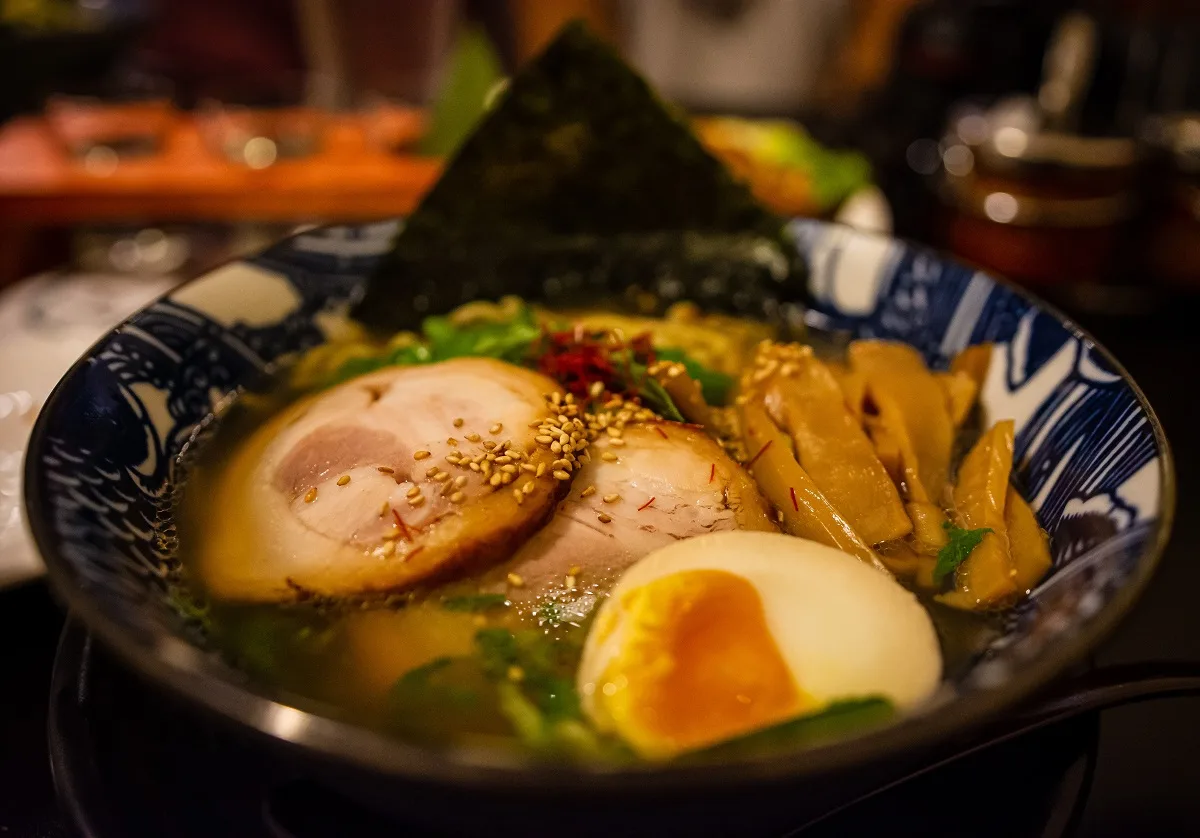
Miso ramen made its debut in Sapporo in 1958, and the invention came in two parts. Morito Ohmiya, the first owner of a shop called Aji no Sanpei, created the miso broth. Takayuki Nishiyama, founder of Nishiyama Seimen, developed a new noodle to go with it. The pairing is the point, so a first bowl here should be miso, whatever you order later in the week. Hokkaido counts three great ramen cities, and this is one, alongside Asahikawa and Hakodate. The local habit is said to have started at a stall in Nijo Market after the Second World War, before it spread to Susukino.

Two long-running shops appear on the city tourism association's list with current details. Saimi, in Toyohira-ku, closes on Mondays, on two irregular days a month and over the New Year holiday. Sumire, also in Toyohira-ku, opens all year round. Both draw lines at lunch, so arrive early or late. Lines tend to move fast, though, because ramen is a meal to eat hot and then leave, not to linger over. Several other shops this page once named could not be confirmed as trading, so they are gone. For the wider table behind these bowls, our introduction to washoku sets the context.
Soup Curry, Which Is Not Quite Curry
Soup curry was born in this city roughly fifty years ago. Today there are more than two hundred specialty shops. It bears little relation to the thick curry sold everywhere else in Japan. The broth stays light and fragrant, built on dozens of spices over a base of seafood, meat or vegetables. Vegetables arrive in big, colorful pieces rather than diced. Each shop guards its own broth.
Rice usually comes on the side. Spoon it into the broth a little at a time, or dip each spoonful in, so the rice never turns soggy. Most shops also let you choose a spice level, so start in the middle on a first visit.
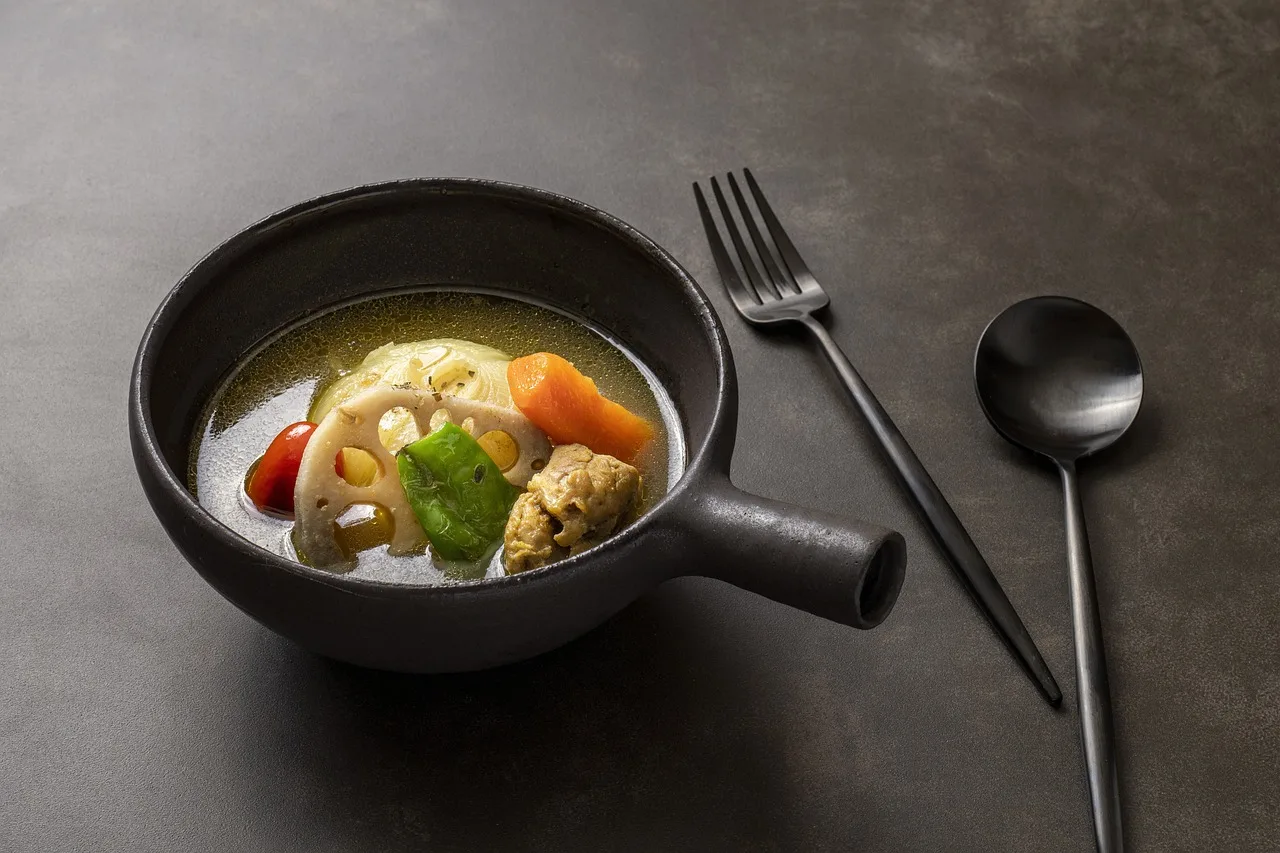
Soup curry was born in Sapporo roughly fifty years ago, and the city now has more than two hundred specialty shops. It pairs a light, spiced broth with big pieces of vegetables and rice on the side.
- 4 bone-in chicken drumsticks
- 1 tablespoon neutral oil
- 1 onion, finely chopped
- 2 cloves garlic, grated
- 1 tablespoon fresh ginger, grated
- 2 tablespoons Japanese curry powder
- 1 cup canned crushed tomatoes
- 5 cups chicken stock
- 1 tablespoon soy sauce
- 1 teaspoon sugar
- 2 small potatoes, halved
- 1 carrot, cut into thick pieces
- 4 wedges kabocha squash
- 1 small eggplant, cut into wedges
- 1 red bell pepper, cut into wide strips
- 4 okra pods
- 2 soft-boiled eggs, halved
- 4 cups cooked short-grain rice, to serve
- Brown the drumsticks in the oil in a large pot, then set them aside.
- Cook the onion over medium heat for 10 minutes until deep golden, then stir in the garlic, ginger and curry powder for 1 minute.
- Add the tomatoes, stock, soy sauce, sugar and the chicken, bring to a boil and simmer, covered, for 30 minutes.
- Add the potatoes and carrot and simmer for 15 minutes more, until tender.
- Meanwhile, roast or pan-fry the kabocha, eggplant, bell pepper and okra until browned and just soft.
- Ladle the broth and chicken into deep bowls, arrange the vegetables and egg on top, and serve the rice on the side.
Two shops are worth the trip. Picante, under the elevated tracks at JR Kotoni Station, cooks every order in its own small pot and opens all year. Garaku, now in a basement at Minami 3-jo Higashi 2-chome after its October 2025 move, stews pork bones and herbs for two days, then adds kelp and bonito flakes. It closes when the broth runs out, and on irregular days, so go early. Between them, they show the range of the dish, from bright and vegetable-led to deep and meaty. Try one of each across a week and the difference speaks for itself. Then try the recipe above at home, where the broth can simmer as long as you like.
A heavy cast-iron grill with the domed, grooved center that channels fat away from the lamb. Made in Japan for gas and open flame.
View the Jingisukan Pot →A pantry miso ramen made in Japan, with a broth of vegetables, pork and spices. A quick bowl for a cold night at home.
See the Miso Ramen →Langue de chat biscuits sandwiched with white chocolate, the souvenir most visitors carry home. Each piece comes individually wrapped.
View Shiroi Koibito →Lamb, Beer and Susukino After Dark in Sapporo
Jingisukan, grilled lamb on a domed iron skillet, completes the winter trio. The dome lets the fat run off to the rim, where vegetables cook in the juices. It is a loud, warm, shared meal, and it suits a night when the street outside sits well below freezing. The beer halls east of the station built their name on it. Order a round, grill slowly, and let the windows steam up. Then walk it off, because the brewery museum sits on the same site. If you plan to cook it at home later, a proper domed pan makes the difference, since a flat skillet lets the fat pool.

The Sapporo Beer Museum calls itself Japan's only museum devoted to beer. It traces the brand back to 1876 and the Kaitakushi, the office set up to develop Hokkaido. There is no brewing on site, so the building works as an archive of labels, posters and old machinery. The self-guided route runs one way from the third floor down and takes fifteen to forty minutes, with an audio guide in English among other languages. The 55-minute guided tour takes up to sixteen people, needs a booking and runs only in Japanese. It closes only on 31 December, about eight minutes on foot from the north exit of JR Naebo Station.
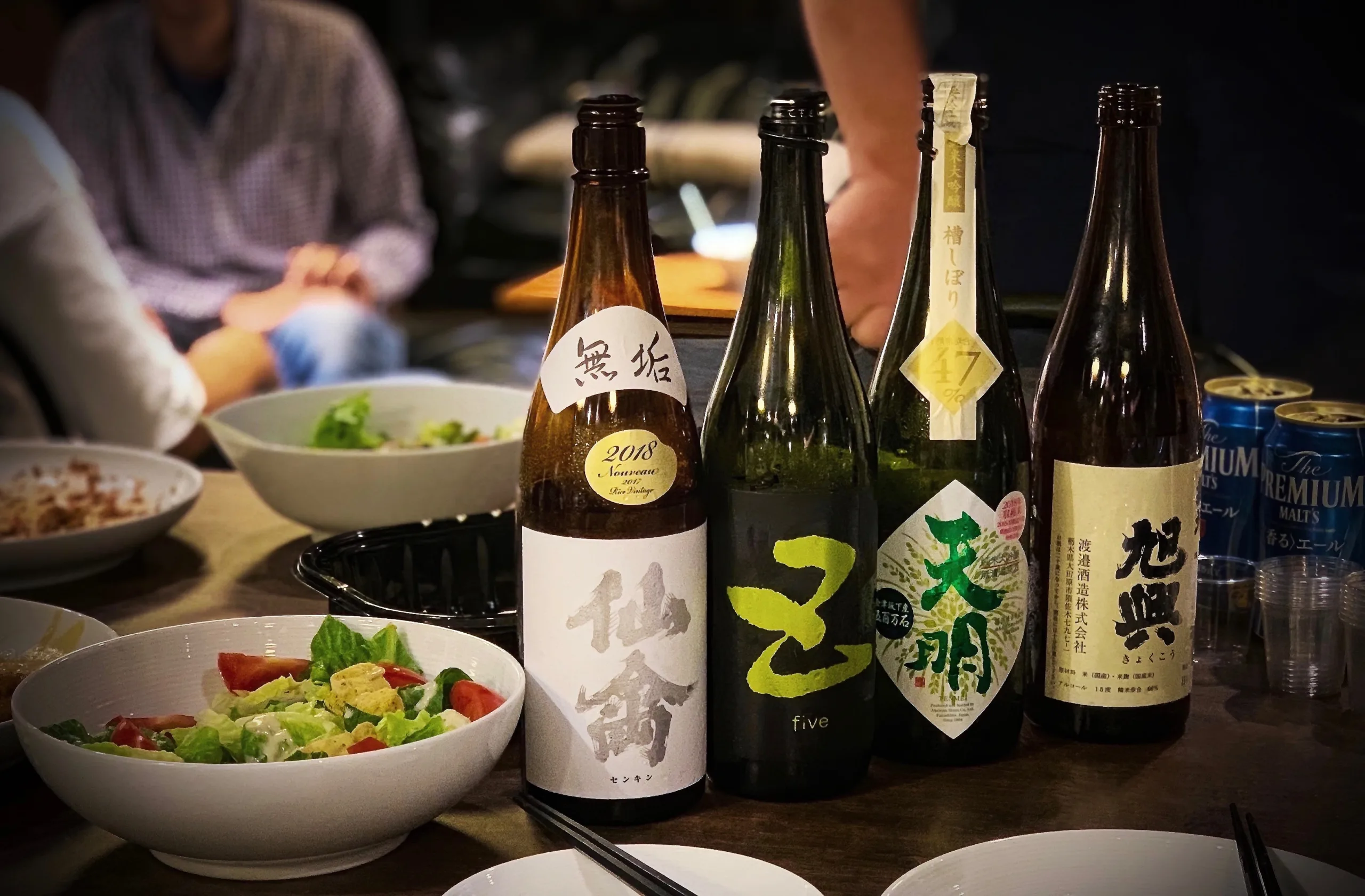
Susukino After Dark
South of Odori lies Susukino, the main nightlife district in Sapporo, and it does not empty in winter the way a seaside town would. Winter trade is the trade here, all season long. Doorways carry heavy curtains against the cold, and the rooms are small and hot. The step from minus four on the street to a packed counter is one of the real pleasures of a northern trip. During the festival, the ice sculptures line Ekimae-dori here too. Our izakaya guide covers the habits of the smaller rooms, from the small dish that arrives unasked to the way a tab gets settled.

Two habits make the district easier. Eat before you drink, because the good kitchens close earlier than the bars do, and a late queue is a long one. Also accept the second-floor and basement rooms rather than holding out for street level. The city built up and down to escape the snow, so many of the best small counters sit off the sidewalk. Finally, carry some cash for the smallest bars, and keep your hotel's card in a pocket for the taxi home at the end of the night. On festival nights, leave extra time for that ride, since the streets around the ice fill up.
Where to Stay in Sapporo, and the 2026 Lodging Tax
Since Wednesday 1 April 2026, Sapporo has charged an accommodation tax on stays within its limits. It covers hotels, inns and shared lodgings licensed under the Hotels and Inns Business Act, plus registered private lodgings. Hokkaido introduced its own tax at the same time, so both apply to one stay. School trips and certified nursery groups, chaperones included, do not pay it.
The mechanism matters more than the rate. Guests pay the property, and the property passes the tax to the city. So it may not appear in the total you agreed online, and it often turns up at the front desk at check-in. We do not print prices, so check the current bands at the source before you book a long stay.
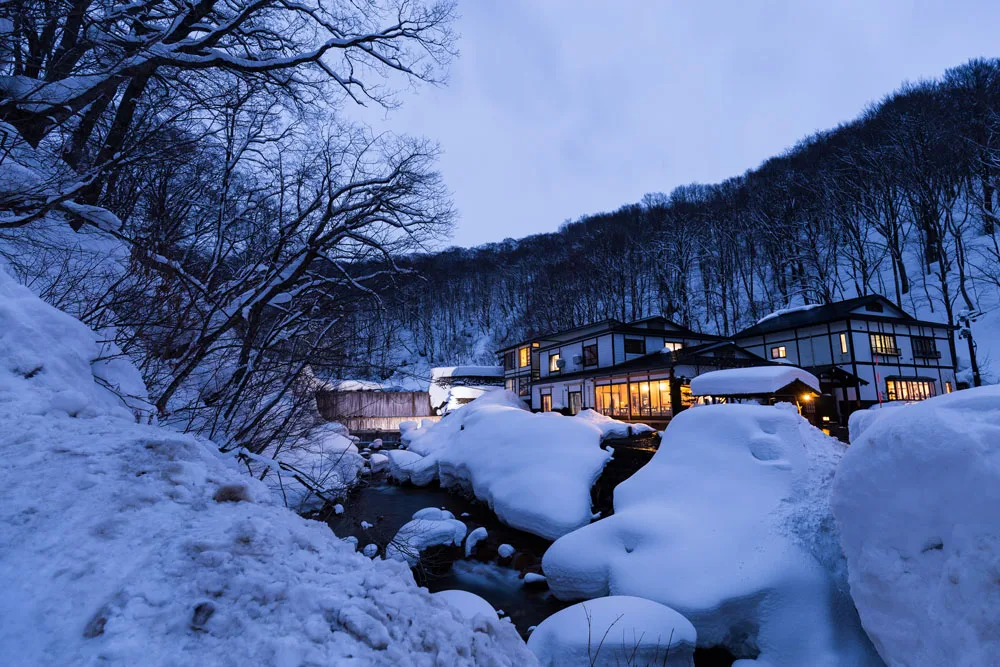
As for where, stay near Odori or the station for a festival week, so the main sites sit within walking distance on icy nights. For a hot-spring night, the bath is often the reason for the booking, and our guide to Japan's luxurious ryokans covers the properties worth it. Whatever you choose, book festival week early. Rooms go long before the program is complete, and the best-placed hotels close out first. Then keep one day of the week loose, because by day four the weather will have taken something. A loose day absorbs a closed road or a late flight without unraveling the rest.
Questions Worth Asking
When is the Sapporo Snow Festival in 2027?
The 77th Sapporo Snow Festival runs from Thursday 4 February to Thursday 11 February 2027, eight days in all. Odori Park holds the large snow sculptures, Susukino holds the ice sculptures along Ekimae-dori, and Tsudome is the third site. The committee published the outline on 13 July 2026.
Which Snow Festival site should I visit if I only have one day?
Choose Odori Park. It holds the five large snow sculptures and the international snow sculpture contest along one park in the middle of the city, so a single walk covers it. Susukino is a short stroll south for the ice. Tsudome is a separate trip to the northeast and suits families with children.
How cold is Sapporo in February?
February averages about minus 3.1C, or 26.4F, according to the city tourism authority. January is slightly colder at minus 3.6C. The bigger issue is snow and ice: February brings about 147cm of snowfall, and packed ice on sidewalks makes waterproof boots with good traction more useful than extra insulation.
Is there an accommodation tax in Sapporo?
Yes. Since 1 April 2026 the city has charged an accommodation tax on stays at hotels, inns, shared lodgings and registered private lodgings. Hokkaido charges its own tax as well, so both apply. Guests pay the property, which passes it to the city, and it is often collected at check-in.
What food is Sapporo famous for?
Sapporo is famous for miso ramen, which made its debut there in 1958, and for soup curry, a light, spiced broth with large pieces of vegetables that began in the city about fifty years ago. Jingisukan, grilled lamb on a domed skillet, completes the trio of winter dishes worth seeking out.
Can you ski from Sapporo without staying at a resort?
Yes. Slopes sit inside the city limits and more lie within a short drive, so you can keep a downtown hotel, ski in the morning and eat in Susukino at night. For a trip built entirely around snow, the resort towns of Hokkaido offer more terrain and ski-in access.
When is the Sapporo White Illumination?
The current edition runs from 20 November 2026 to 14 March 2027. It lights Odori Park from 1 to 5-chome, Ekimae-dori, Minami 1-jo dori, the Kita 3-jo Plaza and the JR Sapporo Station south exit plaza. A German Christmas market runs at Odori 2-chome during the season.
What a Sapporo Winter Gives Back
This city works in winter because it stopped arguing with the weather long ago. Underground arcades keep the center walkable. A festival turns snow clearing into the attraction. Bowls of ramen and soup curry suit rooms that need heating anyway. And a park built on a landfill by a sculptor sits out on the edge of town. So book the week rather than the program, pack for water rather than cold, and leave a day unplanned for whatever the snow decides. For a trip with every piece set in advance, our private tours of Japan take the logistics off your hands.
Ninety days of guided pages on the beauty of things that melt, fade and change.
View the Journal →Long after the trip, the small things stay. A carved surface makes no sound when a crowd walks past, because snow soaks it up. A curtained doorway opens onto a wall of heat. Then a grip sole finds purchase on polished ice. Write them down while they are still fresh.
For the traveler planning a February week: Odori in daylight and again after dark, a morning on the slopes without giving up a downtown room, soup curry and miso ramen timed around closing days, and the whole trip hung on the eight festival days rather than on flight prices.
Plan Your Custom Japan Itinerary