
Which Japan Residency Pathway Fits You?
Seven distinct pathways. One that fits your situation. Find it before you spend months on the wrong one.
Before months of research, three minutes here.
Japan offers seven distinct long-term pathways. Most guides skip the step of helping you choose. This assessment maps your situation to the pathway that most closely fits, so the research you do next is focused.
Why Japan, and why now?
Your reason for being there shapes every later decision about visas, timing, and route to permanent residency.
Where you stand today
Your current location and passport region determine which pathways are even available to you.
Your professional profile
Japan’s higher-tier pathways — Highly Skilled Professional, Digital Nomad, Business Manager — all have income, education, and language thresholds. A few questions here shape the match.
Your timeline
Different pathways carry different preparation windows. Digital Nomad can be applied for in weeks. Business Manager and permanent residency take months or years of setup.
The seven pathways to life in Japan
Every pathway below is a real route to long-term residency. The assessment above matches you to the most relevant one. This is the reference map behind it.
Highly Skilled Professional
A points-based work visa for researchers, engineers, and business professionals. Meeting 70 points unlocks permanent residency in three years; 80 points in one. The fastest legitimate route to permanent residency in Japan.
Business Manager
For founders and operators running a business in Japan. Requirements were substantially tightened in October 2025: capital of 30 million yen, full-time employment of a Japanese national or permanent resident, and B2 Japanese.
Startup Visa
A preparatory visa for foreign founders in designated municipalities — including Tokyo, Fukuoka, Kyoto, Shibuya, Sendai, and Hokkaido. Up to two years to meet Business Manager Visa requirements.
Digital Nomad
Launched April 2024 for high-earning remote workers. Six-month, non-renewable stay. Annual income of at least 10 million yen required. Work for overseas employers and clients only.
Spouse of Japanese National
For partners of Japanese citizens or permanent residents. One of the most flexible long-term statuses, with reduced-residency pathways to permanent residency and naturalization preserved after the April 2026 reform.
Permanent Residency
Generally requires ten years of continuous residence, though the Highly Skilled Professional fast-track allows one or three years. No renewal of visa status required, though the residence card itself renews every seven years.
Naturalization (Japanese Citizenship)
From April 1, 2026, the residency requirement doubled from five to ten consecutive years. Tax payment certificates over five years and social insurance records over two years are reviewed. Japan does not recognize dual citizenship.

JESTA — what visitors will need from 2028
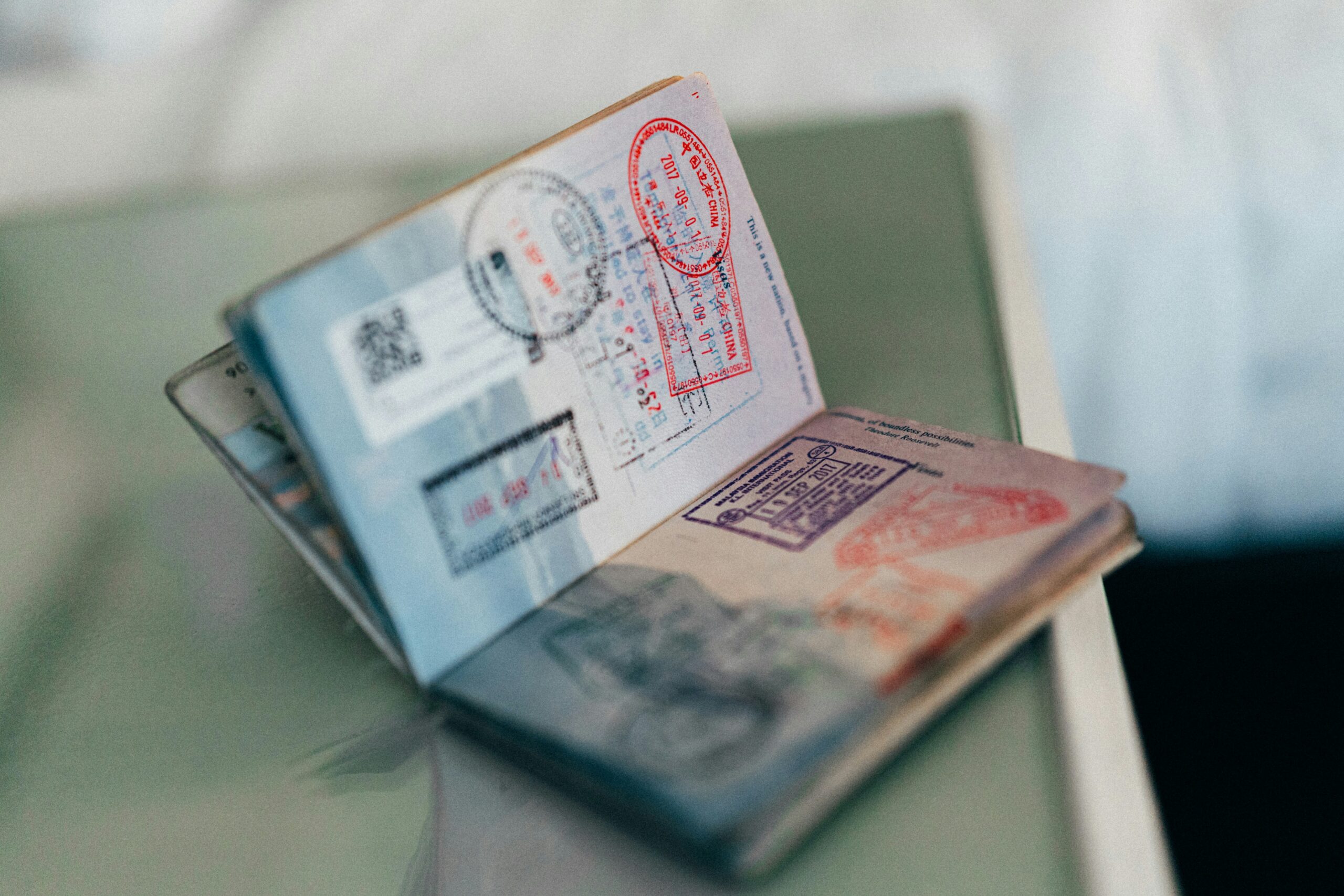
Before residency comes arrival. From fiscal year 2028 — running April 2028 through March 2029 — Japan introduces JESTA, the Japan Electronic System for Travel Authorization. It is a pre-departure online authorization for short-stay visitors from currently visa-exempt countries. Most readers of this assessment will encounter it before any longer-term move.
The system follows the model of the US ESTA, the UK ETA, and the Canada eTA. Japan’s stated reasoning is twofold. The country crossed 36.9 million foreign visitors in 2024 and aims for 60 million annually by 2030. Pre-arrival screening lets immigration speed up the entry queue while filtering risk earlier. The Justice Ministry has been explicit that JESTA contributes to “stricter immigration and residency control” alongside faster processing.
Who JESTA affects
JESTA applies to all 71 currently visa-exempt countries. This includes the United States, Canada, the United Kingdom, Australia, New Zealand, and every European Union member state. Travelers from these countries will need JESTA approval before boarding any flight or vessel bound for Japan. Without approval, boarding will be denied at the departure point. The requirement applies to tourism, business meetings, transit, and short-stay visits of up to ninety days.
Who JESTA does not affect
JESTA is a layer for short visa-free entry. It is not a visa or a residency status. Did the assessment above point you toward a long-term pathway? That includes work, business, spouse, study, or naturalization. In that case, JESTA is not part of your sequence. You will hold a Residence Card and travel under your existing status of residence. Permanent residents and long-term visa holders are also unaffected.
What the application covers
The form will ask for passport details, trip purpose, accommodation information, and basic biographic data. The system uses OCR passport scanning and facial photo matching. Together these reduce input errors and verify identity. Travelers with clean profiles should expect approval within minutes to a few days. The form will be available in multiple languages. The exact set is still to be confirmed by the Immigration Services Agency.
What it will likely cost
The fee has not been officially set. The Japanese government has referenced comparable systems publicly. The UK ETA sits at around 3,000 yen. The Australia ETA is around 2,000 yen. The Canada eTA is around 770 yen. The US ESTA costs around 6,000 yen. The most commonly cited estimate for JESTA itself is around 3,000 yen. No figure will be confirmed until the implementing legislation passes. Ministerial ordinances are expected to follow.
By passport — what this means specifically
- United States and Canada: Currently 90 days visa-free. JESTA becomes a required pre-departure step for every visit from 2028.
- United Kingdom and European Union: Currently 90 days visa-free. Same pre-departure requirement applies; JESTA does not alter visa-exempt status.
- Australia and New Zealand: Currently 90 days visa-free. Same JESTA requirement; the existing visa exemption is preserved.
For all five Anglo markets, the visa-free arrangement itself is unchanged. JESTA adds an authorization layer; it does not move any of these countries onto the formal visa list.
Common questions visitors are already asking
Will JESTA be required for connecting flights through Japan? The Japanese administration has signalled that some transit passengers will fall within JESTA’s scope. The exact contours have not been finalized in legislation; expect clarity in 2027 as launch approaches.
Will JESTA affect cruise passengers? Yes — explicitly mentioned by the Immigration Services Agency. Special landing permissions that previously bypassed advance screening will be brought into the JESTA framework.
What if my application is rejected? Boarding will be denied. Travelers will receive a notification with limited reasoning — similar to existing ESTA and ETA systems internationally. Specialist immigration support may be needed for resolving rejected applications.
Will travel insurance become mandatory at the same time? Possibly. This is separate from JESTA. The Japanese government has signalled that mandatory travel insurance for foreign visitors may arrive as soon as 2027. In 2024, more than 11,000 foreign travelers reportedly returned home without paying medical bills. The two policies are not yet legally linked but are moving in parallel.
What to do now
Nothing operational. The system has not opened, no application portal exists, and no fee has been set. Three things are worth doing in advance. First, build JESTA into any 2028 trip planning. Second, allow extra lead time for the first JESTA-required journey. Third, watch for fee confirmation in late 2027 when the implementing ordinances are expected.
Is your situation changing? Perhaps a planned 2028 visit that may turn into a longer move. Return to the assessment above. The pathway that fits a six-week visit is not the pathway that fits a six-year life.
The Psychology of Business in Japan
The complete psychological, cultural, and operational field guide for building a business and a life in the world’s most sophisticated economy.
Be First to Read at Launch
Books and tools for life in Japan
A curated edit for those building toward life in Japan — language study, business culture, and the practical reading that earns its place.
Build the Japanese your pathway needs
Every higher-tier residency pathway in Japan now assesses Japanese ability. Begin here.


The Living in Japan library
This assessment sits inside Magnificent Japan’s broader Living in Japan editorial pillar. The pillar covers naturalization, business setup, demographics, and cultural foundations. Every linked piece below is an existing in-depth article.
Residency & Naturalization
Business & Founders
Society & Demographics
Cultural Foundation
Questions worth asking early
How long does a Japan residency application typically take?
Processing times vary by visa category. Standard work visas typically take one to three months from filing. Highly Skilled Professional applications can take two to four months. Business Manager Visa cases often run three to six months given the documentation depth. Digital Nomad applications process in roughly two to four weeks. Spouse-of-Japanese-National cases run two to four months.
Can I work for Japanese clients on the Digital Nomad Visa?
No. The Digital Nomad Visa explicitly restricts work to overseas employers and clients only. Income from Japanese companies or Japanese clients is not permitted during the six-month stay. The visa is also non-renewable and does not grant a Residence Card.
Does Japan allow dual citizenship?
No. Japan does not recognize dual citizenship for adults. Approved naturalization applicants must renounce their original nationality. The decision has permanent consequences for estate, inheritance, and family planning. It should be reviewed with qualified advisors before a formal application is filed.
What changed with the Business Manager Visa in October 2025?
The October 2025 reform raised capital from 5 million yen to 30 million yen. It added a requirement for at least one full-time Japanese national or permanent resident employee. The reform also introduced a Japanese language threshold of approximately B2 level. Founders not yet at this stage typically use the Startup Visa in a designated municipality as the preparatory route.
Are spouse pathways still available after the April 2026 reform?
Yes. The April 2026 reform tightened the general naturalization track to ten years but did not eliminate reduced-residency pathways. Spouses of Japanese nationals still qualify in two ways. The first is three years of marriage plus one year of residence in Japan. The second is three years of continuous residence, provided the marriage has lasted at least three years.
What are the most common reasons applications are refused?
Tax and social insurance gaps are the leading cause of refusal at the screening stage. Other common reasons follow three patterns. Insufficient documentation of relationship authenticity in spouse cases. Business plans that fail to demonstrate viability for Business Manager applications. Discrepancies between stated income and bank records. Most rejections happen at the pre-application screening stage rather than through formal denial.
How does the Highly Skilled Professional fast-track to permanent residency work?
The Highly Skilled Professional Visa uses a points system. Reaching seventy points qualifies the holder for permanent residency after three years of continuous residence. Reaching eighty points qualifies after one year. Points are awarded for education, professional experience, annual income, age, Japanese language ability, and qualifying employer or industry. A licensed immigration specialist should validate the score before any formal application.
What is JESTA and when does it launch?
JESTA stands for Japan Electronic System for Travel Authorization. It launches by the end of Japan’s fiscal year 2028, which runs April 2028 through March 2029. It applies to short-stay visitors from currently visa-exempt countries. The system requires an online pre-departure authorization. The model is similar to the US ESTA, UK ETA, or Canada eTA.
Does JESTA replace the visa or affect residency pathways?
No. JESTA is a screening layer for short-term visa-free entry only. Typical stays are up to ninety days for tourism, business meetings, or transit. It does not change the visa-free status of the seventy-one affected countries. Long-term residency pathways such as work, business, spouse, and student visas are unaffected.
How much will JESTA cost and how is it submitted?
The fee has not been officially confirmed. The Japanese government has referenced comparable systems. The UK ETA costs around 3,000 yen. The Australia ETA is around 2,000 yen. The Canada eTA is around 770 yen. The US ESTA is around 6,000 yen. Application will be online before boarding, requiring passport details, trip purpose, accommodation information, and basic biographic data. The system will use OCR passport scanning and facial photo matching to verify identity.
How long does it take to get permanent residency in Japan?
The standard pathway requires ten years of continuous residence with consistent tax and social insurance compliance. The Highly Skilled Professional fast-track reduces this to three years at seventy points or one year at eighty points. Spouses of Japanese nationals are typically eligible after three years of marriage and continuous residence.
What are the Business Manager Visa requirements in 2026?
Following the October 2025 reform, applicants need 30 million yen in capital. They also need a dedicated office in Japan. The visa requires full-time employment of at least one Japanese national or permanent resident. Japanese language ability of approximately B2 level is also expected. A credible business plan is reviewed annually at renewal.
Can I still naturalize in Japan after five years of residence?
Not under the general track. From April 1, 2026, the standard naturalization residency requirement doubled from five to ten consecutive years. Reduced-residency pathways remain for several groups. These include spouses of Japanese nationals and those born in Japan to legal-resident parents. They also include former Japanese nationals and special permanent residents.

A pathway you can actually act on.
Most material on Japanese residency is written for the wrong reader. It is either visa-firm marketing aimed at corporate transferees. Or surface-level travel content unaware that the rules changed in April 2026. Neither helps the person actually weighing a move.
This assessment was built to do one thing well. It maps a real situation against the seven primary pathways. It then gives an honest, pathway-specific next step. Where the answer is unflattering, the assessment says so.
The page is updated as the rules move. The April 2026 naturalization reform is reflected. So are the October 2025 Business Manager Visa changes. The FY2028 JESTA launch is also covered in the current version.
— The Editors, Magnificent Japan
Considering a longer move?
A first visit done properly is often the most useful next step. Our private custom itinerary service designs trips for travellers evaluating a longer-term life in Japan — built around the cities, neighbourhoods, and ways of working you are weighing.
Request a Custom ItineraryWhat changed in Japanese residency law this month, and what to do about it.
A twice-monthly editorial briefing on Japanese residency, business, naturalization, and the longer-term cultural questions worth thinking through. Written for readers approaching Japan with seriousness.
Disclaimer and Sources
This assessment provides informational guidance only. It does not constitute legal, immigration, or tax advice, and must not be relied upon for any formal application to the Japanese government. Every residency case has individual circumstances that require review by a licensed immigration specialist.
Japan’s immigration rules have undergone significant changes in 2025 and 2026. For your specific situation, consult the Japan Immigration Services Agency, the Ministry of Justice Nationality Law guidance, or JETRO’s Setting Up Business information for business and investment pathways.
Magnificent Japan is not a licensed immigration law firm and does not process visa applications. If you would like introductions to qualified specialists in Japan, please subscribe above and we will include vetted referral options where appropriate in future editorial.