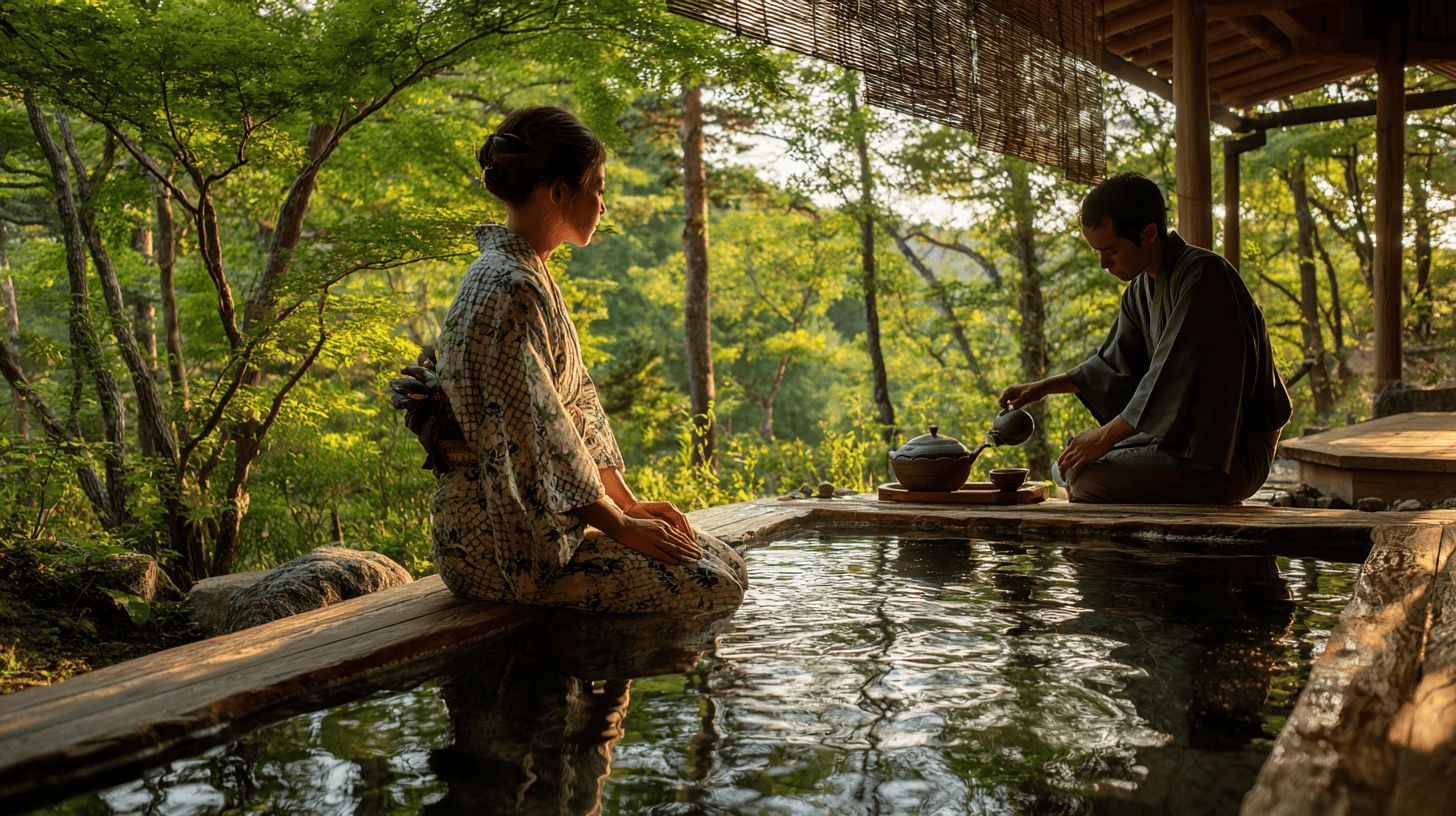
Onsen health benefits are easy to overstate. Brochures promise cures, and travel blogs repeat them. Yet the research tells a more careful story, and in places a more interesting one. Warm water, taken at the right temperature and time, appears to help sleep. A large study from Beppu links evening bathing with lower rates of high blood pressure in older residents. Other claims rest on thinner evidence. This page sorts the strong from the weak, so you know what a bath can do and what it cannot.
It also covers the risks, which most guides leave out. Hot water stresses the heart, especially in winter, and Japan takes bathing safety seriously for good reason. Read this as a companion to our wider guide to luxury travel across Japan, not as medical advice. If you have a heart condition, high blood pressure or a pregnancy, ask your doctor before a bathing-led trip. Then come back and enjoy the water with a clear head.
What are the health benefits of an onsen?
The best-supported onsen health benefits are better sleep after an evening bath and short-term relaxation of muscles and mood. A large Beppu study also links evening bathing with lower hypertension in older residents, though it cannot prove cause. Claims about cures, detoxing and specific minerals rest on weak evidence.
Onsen Health Benefits: What Counts as Evidence
Start with the water itself. Under Japan’s Hot Springs Act, onsen water reaches 25°C at the source or carries one of 19 listed substances. A separate Ministry of the Environment guideline covers “therapeutic springs”, which are expected to help with treating illness. These carry a formal spring-quality label. So a label on a bathhouse wall reflects a real analysis, not marketing alone.
However, a mineral label is not a clinical result. Most research on bathing falls into three groups. First come lab studies, which measure short-term changes such as skin temperature or heart rate. Next come observational studies, which compare people who bathe with people who do not. Finally, a smaller number of randomized trials test bathing as a treatment. Each tier answers a different question, and only trials can show cause. Keep that ladder in mind as you read the claims below, because most onsen health benefits sit on its lower rungs.
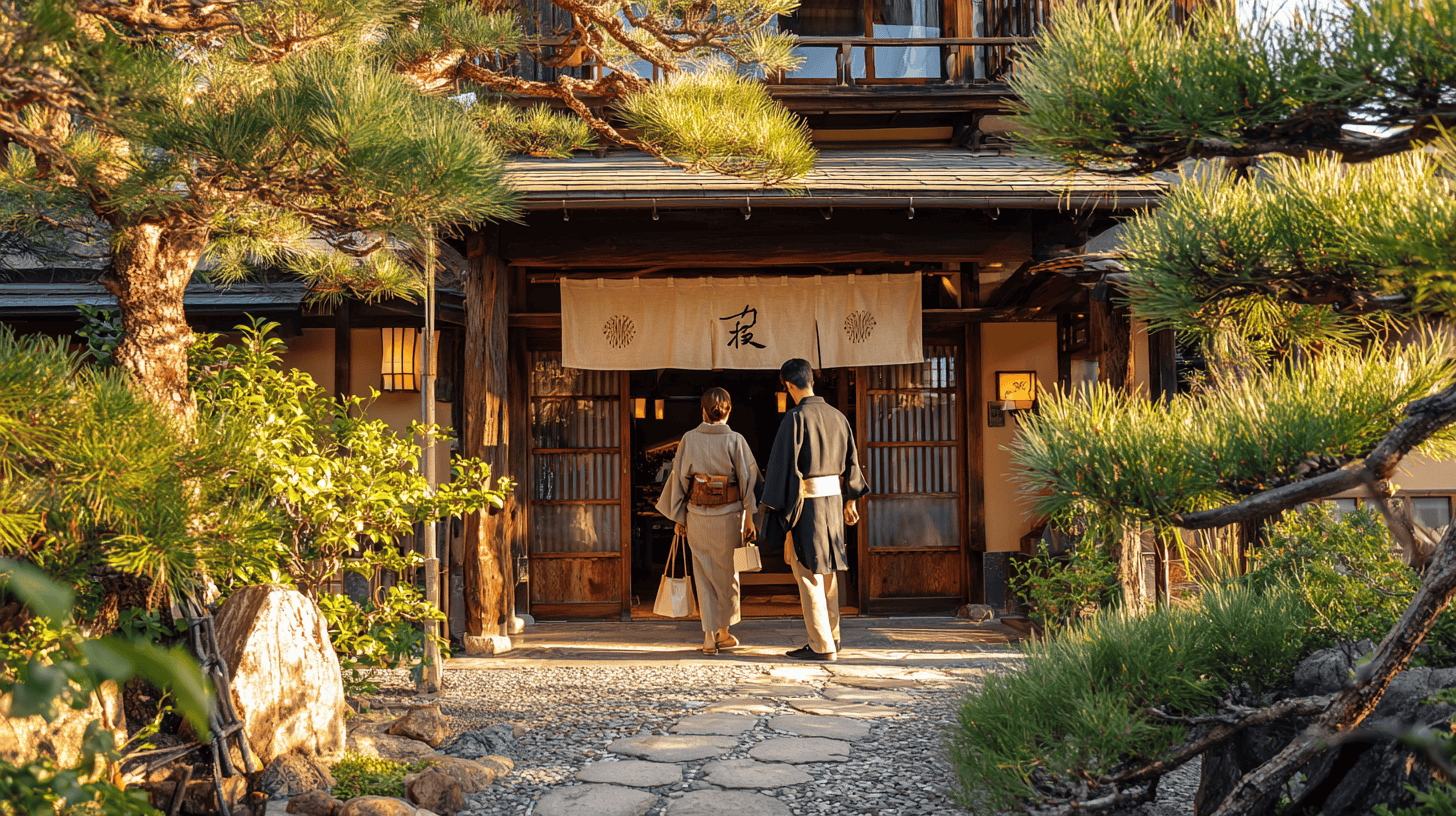
Those two pages handle the practical side. The first helps you choose a retreat format, while the second explains how a ryokan stay actually runs. This page stays with the body. It asks what fifteen minutes of hot mineral water can do, and what a week of daily bathing might change. Where the research is thin, the text says so.
Onsen Health Benefits for Sleep and Blood Pressure
Sleep is where the evidence is strongest. A 2022 review by Yoshihiro Tochihara in the Journal of Physiological Anthropology gathered the research on Japanese-style bathing. It reports that evening immersion to mid-chest at 40 to 41°C, for 10 to 30 minutes, can lengthen deep sleep. The review also cites a meta-analysis. In that analysis, bathing at 40 to 42.5°C one to two hours before bed went with falling asleep sooner.
Eleven hot-spring styles in single packets, from milky to clear. A pleasant way to learn which spring type you enjoy before choosing a town.
View the Product →Organic cotton from an Imabari maker whose factory runs on wind power. A soft companion for the evening bath at home.
View the Product →A self-warming mask that carries the warmth of the bath into the last hour before sleep. Comfort rather than treatment.
View the Product →Why the timing matters
The likely mechanism is simple. A hot bath raises your core temperature, and the body then cools itself afterwards. That cooling coincides with the natural drop in temperature that precedes sleep. As a result, a bath an hour or two before bed seems to nudge the body toward rest. Ryokan already schedule the day this way, with a bath before dinner and another before the futon. So the inn’s routine and the research happen to agree. That alignment is one of the clearer onsen health benefits a traveler can expect.
What the Beppu study found
Beppu, in Oita, is one of Japan’s great spring towns, and its residents bathe daily. Researchers at Kyushu University’s Beppu Hospital used that habit as a natural experiment. They examined a 2011 survey of more than 10,000 Beppu residents aged 65 and over. In 2022 they published their findings in Scientific Reports. The paper links habitual night-time hot-spring bathing with lower rates of hypertension. According to the university’s summary, people who bathed after 7pm were roughly 15 percent less likely to have high blood pressure.
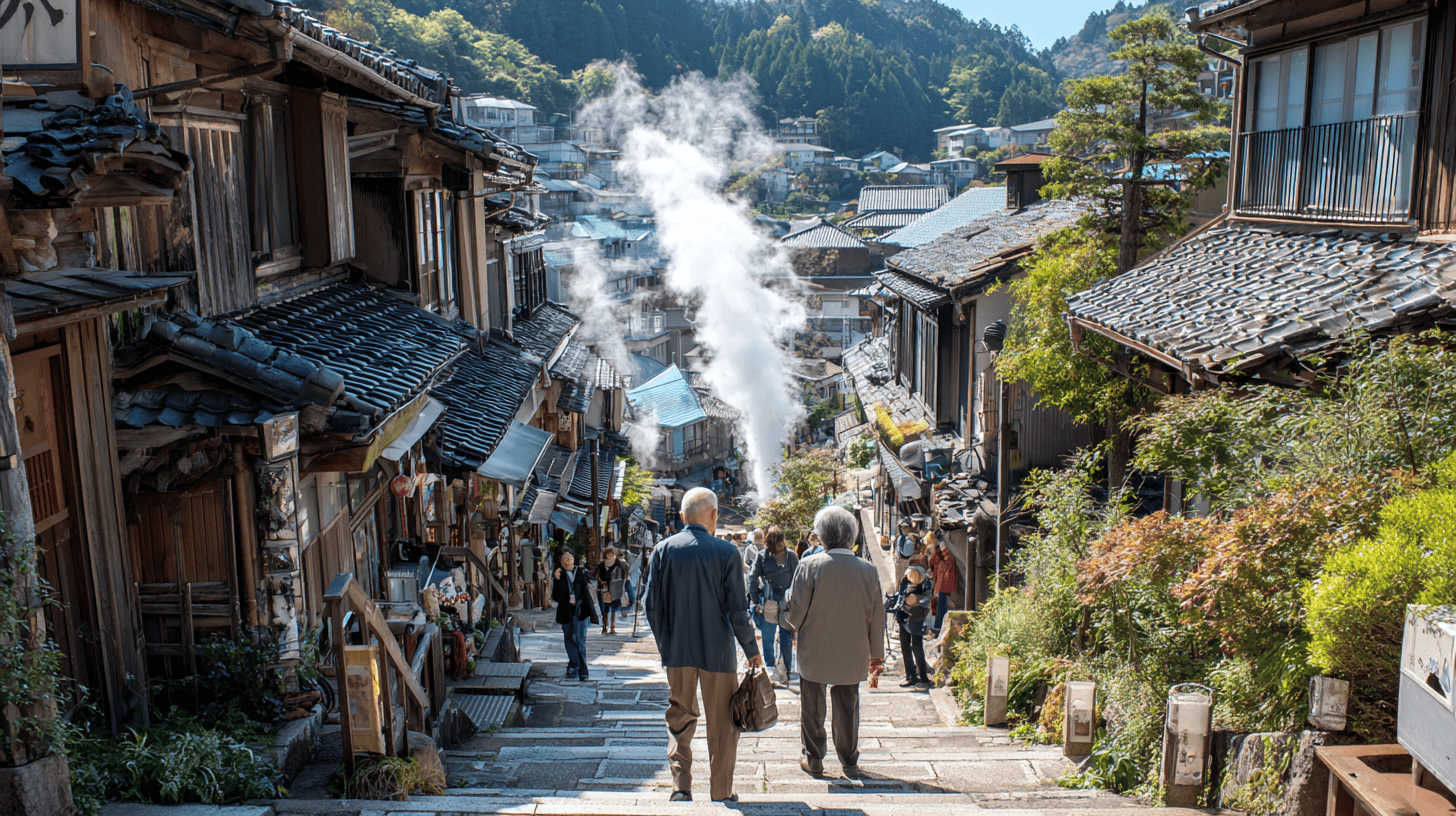
Read that result with care, as the authors themselves did. The study looked backwards at survey answers, so it shows an association rather than cause. People who bathe at night may differ in other ways, such as diet or activity. The researchers acknowledged selection bias and noted they could not account for daily lifestyle. Accordingly, they called for randomized trials before anyone treats bathing as therapy. For a traveler, the honest takeaway is modest. Evening bathing fits a pattern linked to healthier blood pressure in older people, nothing more.
Your own notes can add a useful layer. Bathing trips tend to blur together in memory, which is a shame, because the details are what make them repeatable. Note the spring type, the temperature you liked and how you slept each night. Over time, you learn which water suits you, which season you prefer and how many nights you need. That record turns a pleasant holiday into a practice you can return to, year after year.
For recording the spring, the water temperature and how you slept each night.
6 × 9 in · 120 unlined pages · matte softcover
Shop This Journal →Hot Spring Bathing for Joints, Muscles and Skin
Many visitors arrive hoping a hot spring will ease stiff joints. Warm water does feel good on sore muscles, and buoyancy takes weight off knees and hips. Many towns also offer massage alongside the baths. Yet the clinical evidence for lasting relief is weak. A Cochrane review of balneotherapy for osteoarthritis found some evidence that mineral baths helped compared with no treatment. However, the reviewers judged that evidence weak, because the trials were small and poorly designed. They advised reading the positive results with caution.
That review is also old, dating from 2007, and newer trials have not settled the question. So treat joint relief as a pleasant short-term effect rather than a treatment. Warmth relaxes muscles for a few hours, and a massage afterwards extends the feeling. That is real, and it makes long travel days easier. Still, if you live with arthritis, keep your usual care in place. A week of bathing can feel wonderful while changing nothing underneath.
Spring types and your skin
Every onsen lists its spring type, and each type carries traditional claims. The city of Beppu’s own guide, Enjoy Onsen, describes sodium chloride springs as moisturizing and simple springs as suiting sensitive skin. It also mentions mud baths for blemishes. These descriptions reflect long local experience rather than controlled trials. Even so, the skin effects are the easiest to notice. Many bathers find their skin softer after alkaline springs, which feel slippery in the hand.
If you want to compare at home, a few makers sell spring minerals for the bath. Jinen’s hot-spring bath salts, for example, use yunohana deposits from Mt. Yakedake in the Northern Alps, blended with hinoki oil. The maker describes the salts as warming and softening. Treat that as a pleasant bath rather than a skin treatment.
For variety, Kracie’s Tabino Yado range, among the evening picks above, packs the character of different named springs in single packets. The assortment covers eleven spring styles, from milky to clear and scented. None of these products will reproduce a mountain spring, of course. Yet they make the idea of spring types concrete, and they extend the habit once you are home.
Sorting the claims
Taken together, the claims sort into three tiers. Sleep has the strongest support. Blood pressure and mood rest on associations. Joints, skin and forest effects rest on small studies or tradition. The summary below sets them side by side.
Sleep has the strongest support; most other onsen health benefits rest on associations, small studies or tradition.
| Claim | Strength of evidence | What the studies found |
|---|---|---|
| Sleep | Strongest | Evening baths at 40 to 41°C for 10 to 30 minutes can lengthen deep sleep |
| Blood pressure | Association only | Night-time bathing linked with lower hypertension in Beppu residents aged 65 and over |
| Joints and muscles | Weak | A Cochrane review judged balneotherapy trials small and poorly designed |
| Skin | Tradition | Spring-type effects come from local experience, not controlled trials |
| Mood | Association only | Bathing linked with better self-rated health and less fatigue |
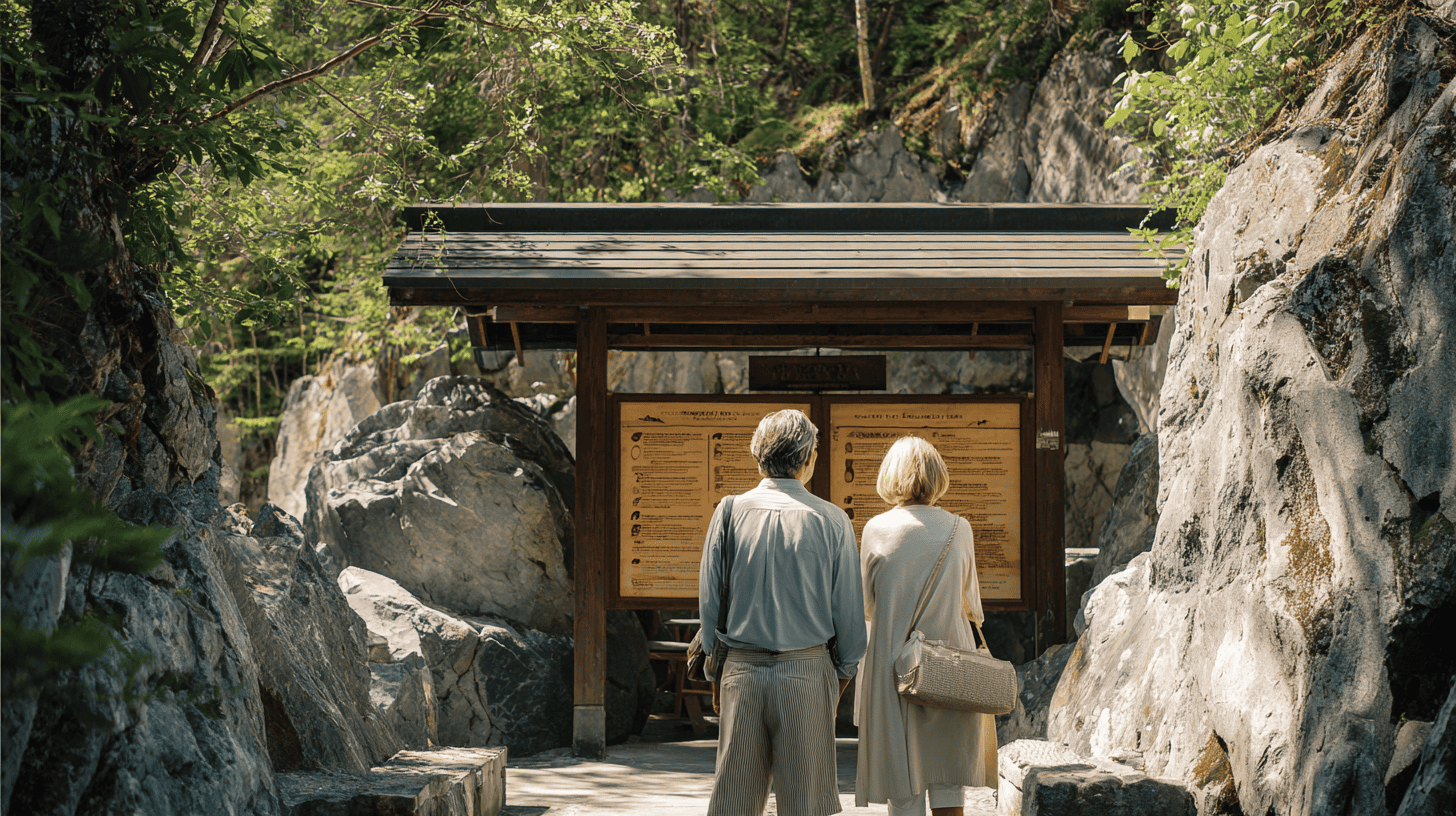
| Forest walks | Small studies | Higher natural killer cell activity after three-day forest trips |
The sleep findings make a simple test for your own trip. It is not a prescription, and it makes no medical claim. Rather, try the temperature range, the bath length and the gap before bed that the research describes. Many guests find that the third night sleeps better than the first. Perhaps it is the water, the slow routine or the distance from work. Either way, the habit is worth trying, and a few nights of notes will show the pattern.
Prefer to have the route built for you? Our custom Japan itinerary plans evening baths, forest mornings and private-bath rooms into one calm trip.
MJ's Luxury Japan Edit, a curated planning edit for luxury travel in Japan, sent to your inbox by email. Letters on Japanese travel and culture follow, roughly monthly.
One email with your printable. Occasional letters after that. Unsubscribe anytime.
Forest Air, Mood and the Onsen Day
Many spring towns sit in forest, and the walk may matter as much as the water. Japan's research on forest bathing, or shinrin-yoku, is widely cited. The immunologist Qing Li led a series of small studies, summarized in Environmental Health and Preventive Medicine. Volunteers on three-day forest trips showed higher natural killer cell activity than on control days. Meanwhile, urinary adrenaline, a stress marker, fell. The trips were short, which makes the scale of the change notable.
The effect reportedly lasted more than 30 days, and a city trip did not produce it. Those are striking findings. Still, the groups were small, with about a dozen volunteers in each study, all of them Japanese. So the results suggest a benefit rather than prove one. For background, Yoshifumi Miyazaki's book Shinrin Yoku explains the physiology in plain language. It suits the train ride to the first spring town, and it makes the walks more interesting once you arrive.
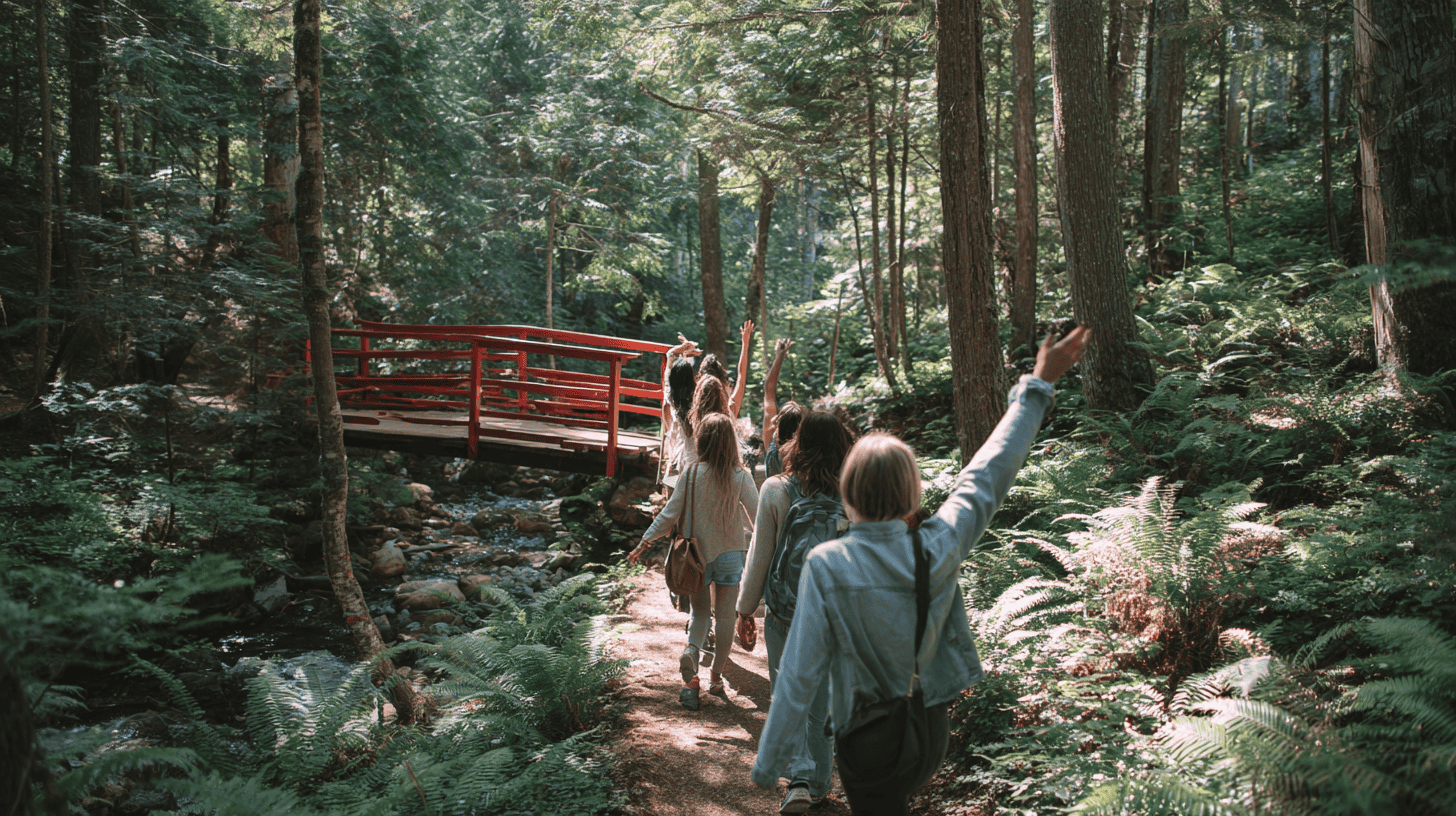
Li's own book, Forest Bathing, offers a more personal account of the same research. It pairs the studies with practical advice on walking slowly. In practice, the advice suits an onsen trip perfectly. Walk for an hour among trees in the morning, then bathe in the evening. You will not need to decide which one helped. The combination is what most spring towns have offered for centuries, long before anyone measured it.
Choosing a valley over a city spa
The pairing of forest and water also explains why so many retreats sit in mountains rather than near cities. Yakushima, the Kiso valley and the Northern Alps all combine both. If that kind of stay appeals, the regional choice becomes part of the health question. A valley inn with forest trails offers more of what the research describes than a city spa does. That is a planning point rather than a medical one, but it is worth making before you book the rooms.
Mood and the evening without screens
Mood is harder to measure, but the signals are consistent. Tochihara's review notes studies linking Japanese-style bathing with better self-rated health and less fatigue. It also reports an association with lower depression among older people. As with blood pressure, these are associations rather than proof. Still, they match what bathers report. A hot bath forces a pause, because you cannot hold a phone in the water. That enforced stillness may be one of the most practical onsen health benefits for busy travelers.
Evenings without screens extend the effect. Many inns keep their evenings dim and simple, and the futon arrives early. If your eyes are tired from travel, a warm compress can help you settle. Kao's MegRhythm steam eye mask, one of the evening picks above, warms itself and travels flat. It is a comfort object rather than a treatment. Even so, it continues the warm, dim routine of the bath into the last hour before sleep.
Recommended
Social bathing adds another layer. In public baths, strangers sit together in silence or speak softly, and that shared calm has its own effect. Beppu's city guide mentions connection and belonging among the benefits of a daily soak. For visitors, the lesson is to try a public bath at least once, even if you have a private one. The experience differs, and both have something to offer.
Japanese Healing Traditions, Without the Myth
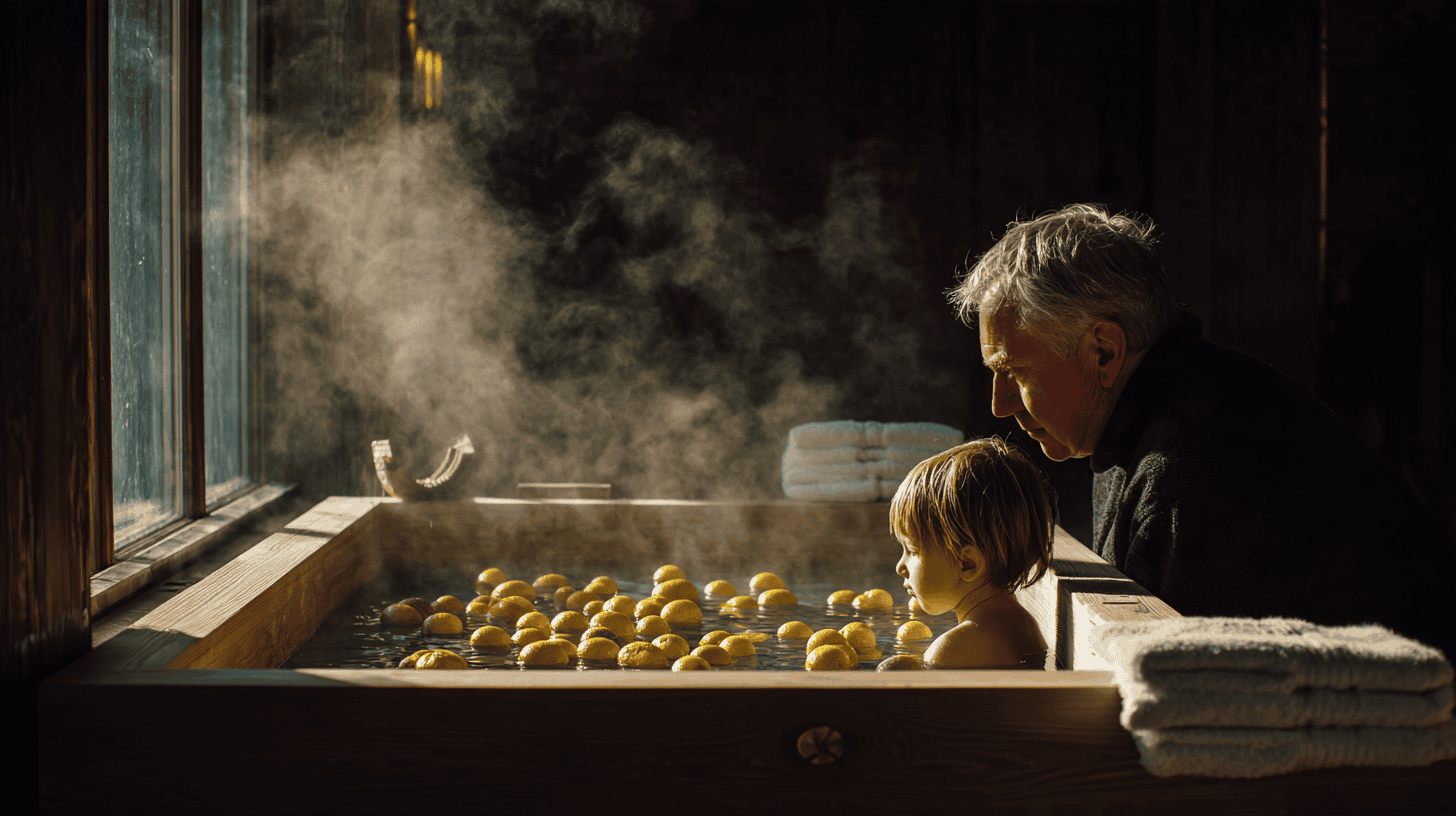
Japan's bathing culture predates modern research by a long way. Spring towns grew where hot water rose from the ground, and inns formed around the baths. Seasonal customs grew up too, such as floating citrus in the bath in winter. These are cultural practices rather than medicine, and guests enjoy them best that way. The yuzu bath smells wonderful, warms the hands and marks the season. Whether it does more than that is unproven, and it does not need to be.
The same goes for the rest of the routine. Kaiseki dinners follow the season, yukata replace clothes and early nights replace evenings out. None of these is a therapy in the clinical sense. Together, however, they remove most of the stresses of ordinary life for a few days. That may be the real reason people leave spring towns feeling better. The water helps, the sleep helps and the break from routine helps most of all. Our account of how a ryokan onsen stay works walks through that routine hour by hour. Many inns also greet guests with green tea and a seasonal sweet.
A warm cup after the bath
Winter has its own seasonal drink, too. Amazake is a thick, sweet drink made from rice and koji, the same mold used for miso and sake. Japanese households often drink it warm in the cold months, especially around the New Year. The koji version contains no alcohol, so it suits a pause between baths. Like the yuzu bath, it belongs to custom rather than medicine. Supermarkets and convenience stores in Japan also sell it ready to drink. The method below uses a rice cooker to hold the gentle warmth the koji needs. It takes most of a day but very little work.
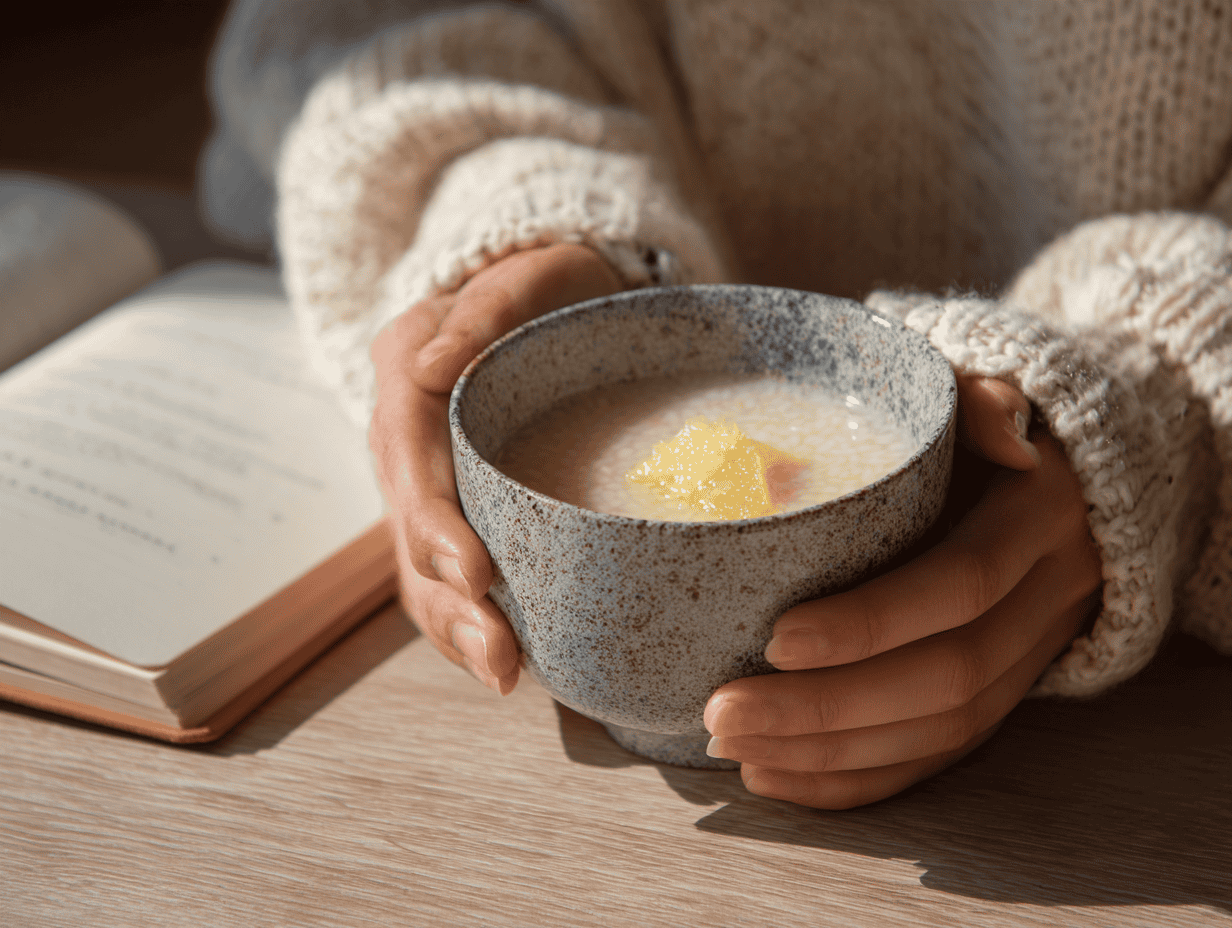
Amazake is a traditional Japanese drink made by fermenting rice with koji, the mold behind miso and sake. Households often drink it warm in winter, especially around the New Year.
- 3/4 cup short-grain rice
- Water to the one-cup porridge line of the rice cooker
- 1 cup water, to cool the porridge
- 1 cup rice koji
- Hot water, to thin when serving
- Rinse the rice and cook it as porridge in a rice cooker, with water to the one-cup porridge line.
- Stir in 1 cup of water, a splash at a time, until the porridge cools to 140°F (60°C).
- Crumble in the rice koji and stir well.
- Set the cooker to keep warm, leave the lid open and drape a cloth over the pot. Hold it at 122 to 140°F (50 to 60°C) for eight to ten hours, stirring now and then.
- Cool the pot in an ice bath and spoon the amazake into a clean jar.
- To serve, thin it with hot water, keeping it below 140°F (60°C).
The Risks of Hot Spring Bathing
Every honest account of onsen health benefits must include the risks. Tochihara's review estimates that about 19,000 people in Japan die each year while bathing, mostly in winter and mostly elderly. Bathing deaths in January ran about 10.7 times higher than in August. The danger comes from sharp swings in blood pressure. A cold changing room raises it, then hot water drops it, and fainting in the bath can follow. The review recommends keeping dressing rooms at 20°C or higher, and warmer still for older people.
So follow a few simple rules. Drink water before and after the bath, as Beppu's guide also advises. Keep sessions short, and take breaks between dips. Avoid bathing after heavy drinking or straight after a big meal. Check the contraindications posted at each spring, because some minerals suit some conditions poorly. Finally, ask your doctor first if you have heart disease, unstable blood pressure or a pregnancy. These steps take little effort, and they make the benefits far more likely than the risks.
How to Plan Your Bathing Routine
Put the research together and a sensible routine appears. Bathe in the early evening, an hour or two before bed, at around 40 to 41°C. Stay in for ten to fifteen minutes, then sit out and cool down. Drink water. Repeat once if you feel well. In the morning, a shorter bath wakes you up rather than settling you. Above all, listen to your body, and leave the water if you feel dizzy or your heart races. Comfort is the right guide, not endurance.
Private baths make this routine easier, because you set the temperature and time. For that reason, many travelers choose a ryokan with a private hot-spring bath for at least part of the trip. Public baths, meanwhile, offer variety and company. A mix works well. Spend two nights at an inn with its own bath. Then add a night in a town of public bathhouses. That combination gives you both control and the social side of bathing. It also spreads the heat across different water, which many bathers find easier.
Forest therapy research from a Chiba University scientist, in plain language. It suits the train ride to the first spring town.
View This Book →The Nippon Medical School researcher behind the forest studies cited here. Practical advice on walking slowly sits beside the science.
View This Book →A guide to ryokan and onsen for deciding where to bathe. Useful when weighing a valley inn against a city spa.
View This Book →Building the benefits into a trip
Once you know what helps, the trip almost plans itself. Choose places where forest walks and evening baths sit close together. Allow at least two nights in each, because the first night rarely sleeps well. Avoid packing too many transfers, since long travel days cancel out the rest. For format choices, from onsen towns to structured programs, our guide to choosing a Japan wellness retreat compares the options. For routes and seasons, see our plan for an onsen-led itinerary across several towns.
A good plan places the private-bath rooms where you need them and keeps transfer days short. That way the research above becomes a schedule rather than a list of good intentions. Start with sleep, add the forest and let the water do the rest.
Private baths and peace of mind
Those two pages turn the health picture into a trip. One sequences several spring towns across a week, which suits travelers who want daily bathing without fatigue. The other compares luxury inns, many with private baths where you control the temperature and timing. A private bath also helps if you feel unsure about public bathing etiquette or worry about the heat. You can step out whenever you like, which is the simplest safety rule of all. In winter, it also keeps the water close to a warm room, which matters given the heat-shock risk described in the safety section above.
A few questions come up again and again from readers planning a bathing trip. The answers below summarize the evidence in a sentence or two each. They also point to the safety steps that matter most, especially for older travelers and anyone with a heart condition. Each answer stays within what the studies above actually show. Where the evidence is weak or mixed, the answer says so plainly. Use them as a quick reference while you plan the route and the inns. For anything specific to your health, ask your doctor, since no general guide can account for individual conditions or medicines.
Questions Worth Asking
What are the health benefits of onsen?
The clearest benefit is better sleep after an evening bath at about 40 to 41°C. Bathing also relaxes muscles and mood in the short term. A large Beppu study links night-time bathing with lower hypertension in older people, though it shows association rather than cause.
Can onsen bathing help you sleep better?
For many people, yes. A 2022 review by Yoshihiro Tochihara reports that evening immersion at 40 to 41°C for 10 to 30 minutes can lengthen deep sleep. A meta-analysis it cites links baths one to two hours before bed with falling asleep sooner. The body's cooling after the bath seems to drive it.
Do onsen minerals really help skin?
Many bathers notice softer skin after alkaline or sodium chloride springs, and spring towns describe these effects. However, the descriptions come from local experience rather than controlled trials. Enjoy the feel of the water, but treat skin claims as tradition rather than medicine.
Is onsen good for joint pain?
Warm water eases stiffness for a few hours, and buoyancy takes weight off joints. Yet a Cochrane review found the evidence for lasting relief from mineral baths weak. Keep your usual care in place, and treat bathing as comfort rather than treatment.
How long should you stay in an onsen?
Ten to fifteen minutes at a time suits most people, with breaks to cool down and drink water. The sleep research used 10 to 30 minutes at 40 to 41°C. Leave the water at once if you feel dizzy, faint or short of breath.
Who should avoid hot springs?
Anyone with heart disease, unstable blood pressure or a pregnancy should ask a doctor first. Older travelers need extra care in winter, when cold changing rooms and hot water cause sharp blood-pressure swings. Avoid bathing after drinking alcohol or a heavy meal.
Is forest bathing part of onsen culture?
Not formally, but many spring towns sit in forest, so the two combine naturally. Small Japanese studies found higher natural killer cell activity and lower stress markers after forest trips. A morning walk and an evening bath make a practical pairing.
The Honest Case for the Bath
The honest case for onsen health benefits is smaller than the brochures suggest, and more useful. Evening bathing helps sleep. It probably helps mood, and it sits within a pattern linked to healthier blood pressure in older people. The rest is tradition, comfort and the gift of a few days without screens. That is plenty. Bathe sensibly, drink water and respect the heat. Then let the spring towns do what they have always done, which is to send people home rested. Sleep is the benefit to plan around, because its evidence is strongest. Everything else is a welcome extra on top.
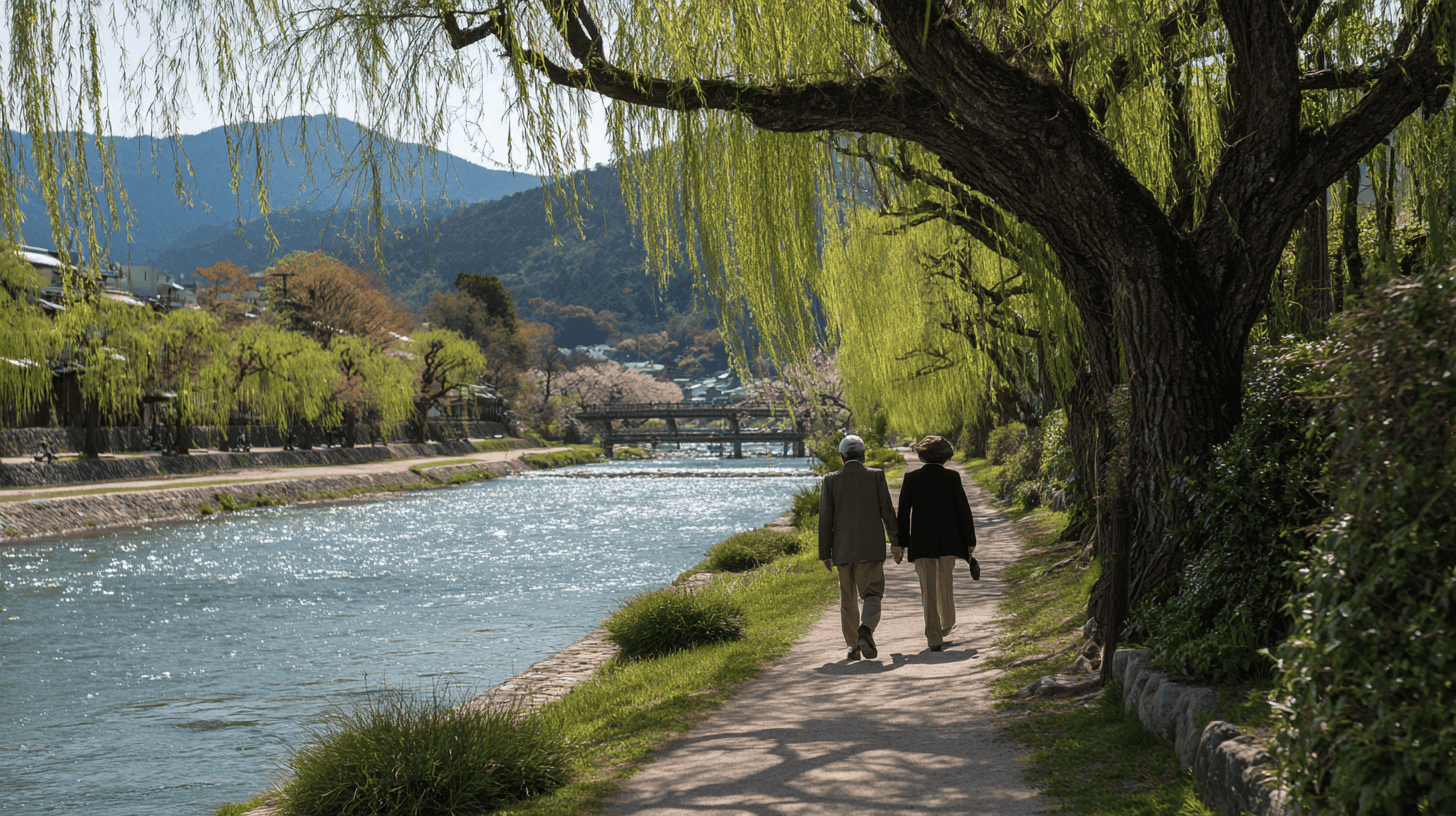
A sensible first trip might pair a forest valley with a single spring town. Choose an inn with a private bath, so you control the heat and the timing. Book at least two nights, since the first rarely sleeps well. Then add a second town if the routine suits you, ideally one with public bathhouses for the social side of bathing. For help turning these findings into dates and rooms, our Luxury Japan planning service works with inns that rarely sell abroad. Start small, with two nights, and build from there. The water will still be warm when you return.
A 90-day practice in patience and repair, for carrying the slower pace of the spring towns home.
View the Journal →When the routine is clear and you have chosen the season, the remaining work is logistics: which inn, which train and which nights. That is the part we enjoy arranging most for our guests, because the right sequence makes the rest easy.
For the traveler who wants the sleep and the stillness: a custom itinerary that pairs forest mornings with evening baths, books private-bath rooms where you control the heat, and keeps transfer days short so the routine holds from the first night.
Plan Your Custom Japan ItineraryThe Editors, Magnificent Japan