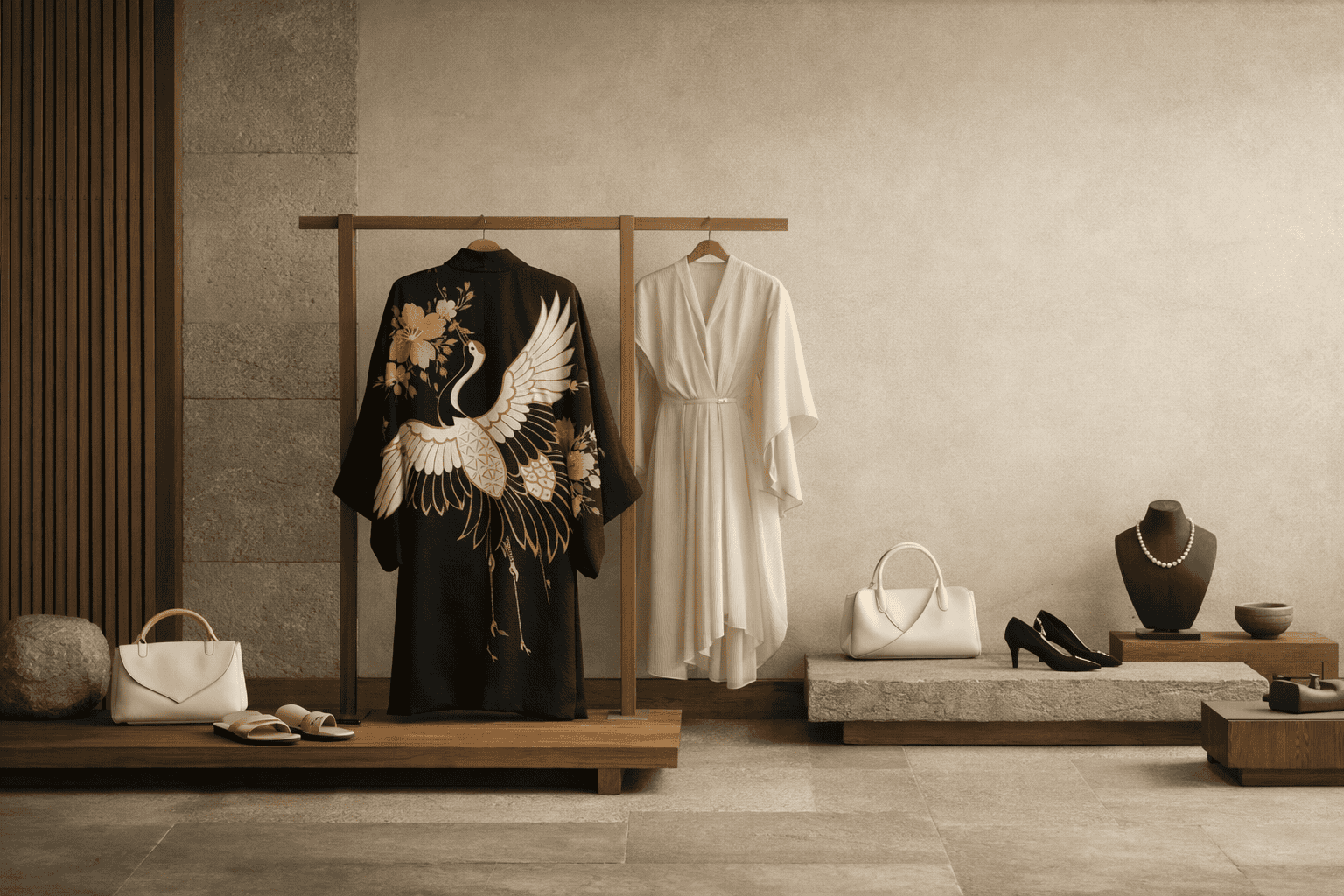
Japanese minimalist fashion is easy to spot and hard to copy. A gray coat falls in a long, clean line. A pleated top folds into a roll smaller than a paperback. Nothing carries a logo, yet everything looks expensive. However, the effect is not about owning less for its own sake. Instead, it comes from cloth, cut and a few old ideas about space.
This guide explains where the look comes from and who built it. It also shows how to dress in it at home and on a trip to Japan. For the wider picture of the country’s traditions and manners, start with our guide to Japanese culture. Here, we stay with the wardrobe.
Japanese minimalist fashion is a way of dressing built on restraint, fabric quality and fit. It favors muted palettes, relaxed or draped shapes and a few well-made pieces over trends. The roots lie in wabi-sabi and ma, the idea that space and texture carry the look.
What Japanese Minimalist Fashion Is, and What It Is Not
At its simplest, Japanese minimalist style is clothing with nothing extra. There are no slogans, no shine and no hardware for show. A shirt is cut wide so it moves. Trousers sit loose at the ankle. Colors stay close to ink, stone and undyed cotton. As a result, the eye goes to the fabric and the drape, which is exactly where the money went.
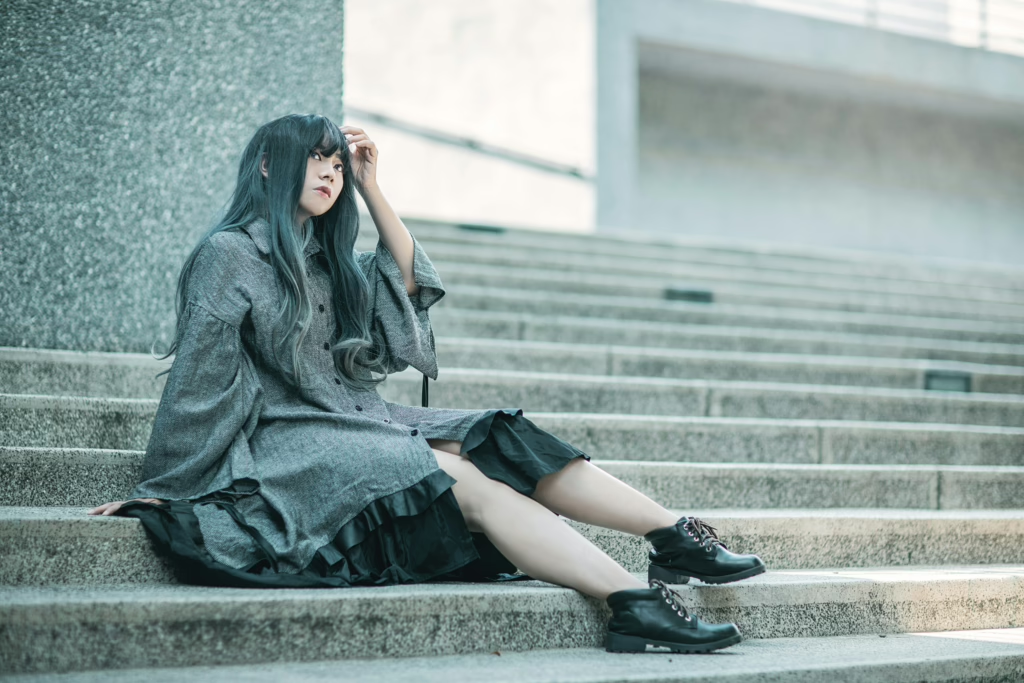
It is not the same as Scandinavian minimalism, which leans on clean tailoring and a bright, airy palette. Nor is it the bare white uniform of a tech campus. In contrast, the Japanese version welcomes texture. Wrinkled linen, slubbed cotton and a frayed hem all count as character. Shapes also tend to stand away from the body rather than follow it.
Above all, Japanese minimalist fashion is a habit rather than a costume. You buy slowly and wear favorites for years. For the principles under Japanese design as a whole, read the design principles behind Japanese minimalism.
The Philosophy Behind the Cut: Wabi-Sabi, Ma and Shibui
Three ideas explain most of what you see on the rails in Aoyama. The first is wabi-sabi, the acceptance of imperfection and age. In clothing, it shows up as linen that creases, indigo that fades and a knit that softens with wear. Rather than hiding those changes, the wearer enjoys them.
The second idea is ma, the meaningful space between things. On a body, ma is the air between cloth and skin. A wide sleeve or a dropped shoulder leaves room, and that room is part of the design. Our essay on negative space in Japanese art traces the same thinking through painting and gardens.
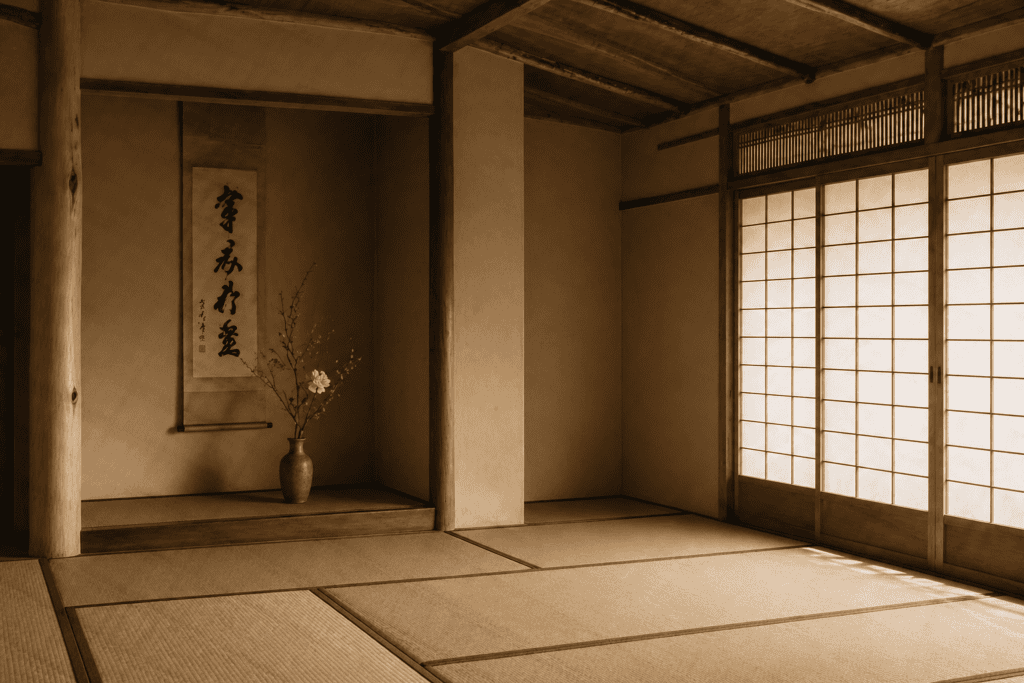
The third is shibui, a subtle and slightly austere beauty. A shibui outfit does not reveal itself at once. Instead, you notice a fine weave, an unusual seam or the weight of a coat only after a while. Together, these three ideas produce clothes that look calm at a distance and rich up close. They also explain why so few pieces are needed.
You may also like

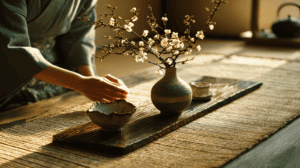
The Designers Who Built the Look: Miyake, Kawakubo, Yamamoto
Modern Japanese minimalist style has three founding names. Issey Miyake spent his career testing how a single cloth meets the body. Meanwhile, Rei Kawakubo founded Comme des Garçons in 1969 and showed in Tokyo from 1975. Yohji Yamamoto, for his part, built a following at home before he looked abroad.
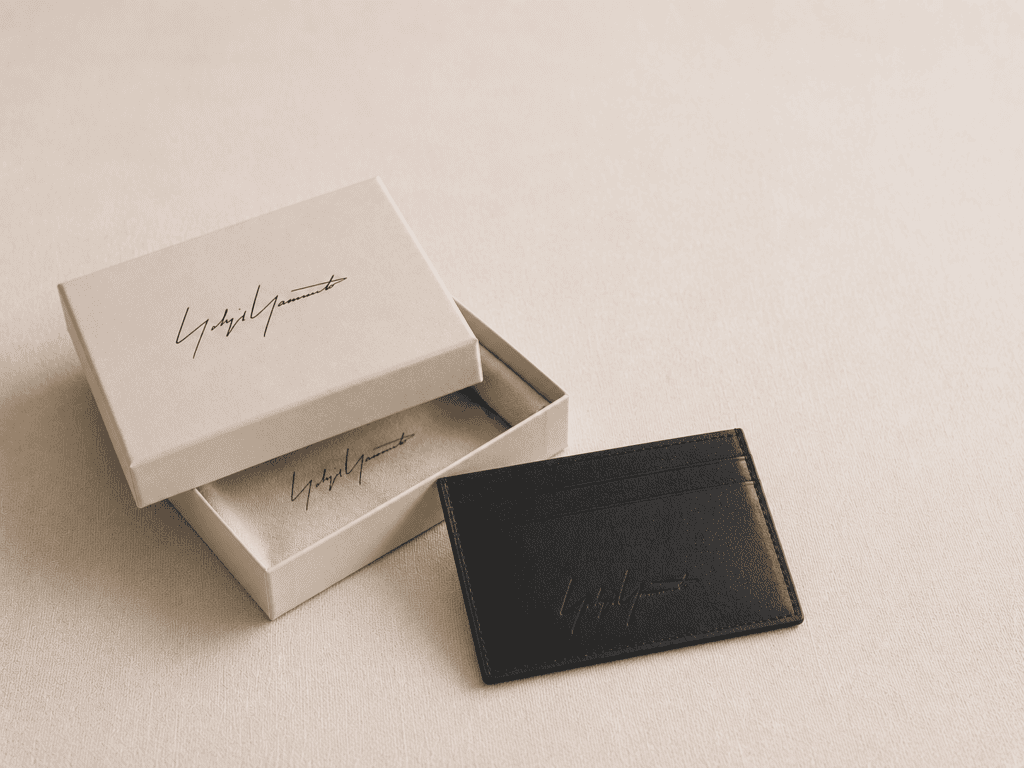
In April 1981, Kawakubo and Yamamoto showed together in Paris. According to the National Gallery of Victoria, the audience was small and the garments were oversized and asymmetrical. The Kyoto Costume Institute records that the impact was called a “Japan Shock.” Both designers worked largely in black, with holes, raw edges and shapes that ignored the waist.
Miyake took a different road to the same place. His studio explored pleating in the late 1980s, and the result became a line of its own, covered below. In short, Kawakubo questioned the body, Yamamoto questioned tailoring, and Miyake questioned the cloth. For their influence on a younger, anime-literate generation, see our piece on Japanese designers and luxury fashion.
Understated Luxury, Japanese Style: Cloth, Craft and No Logos
The Western idea of understated luxury usually means expensive basics without a logo. Japan goes further. Here, the luxury sits in how the cloth was made. A cotton may be woven slowly on old shuttle looms. An indigo may be dyed by hand in many dips. A wool may come from a small mill that still finishes cloth by hand.
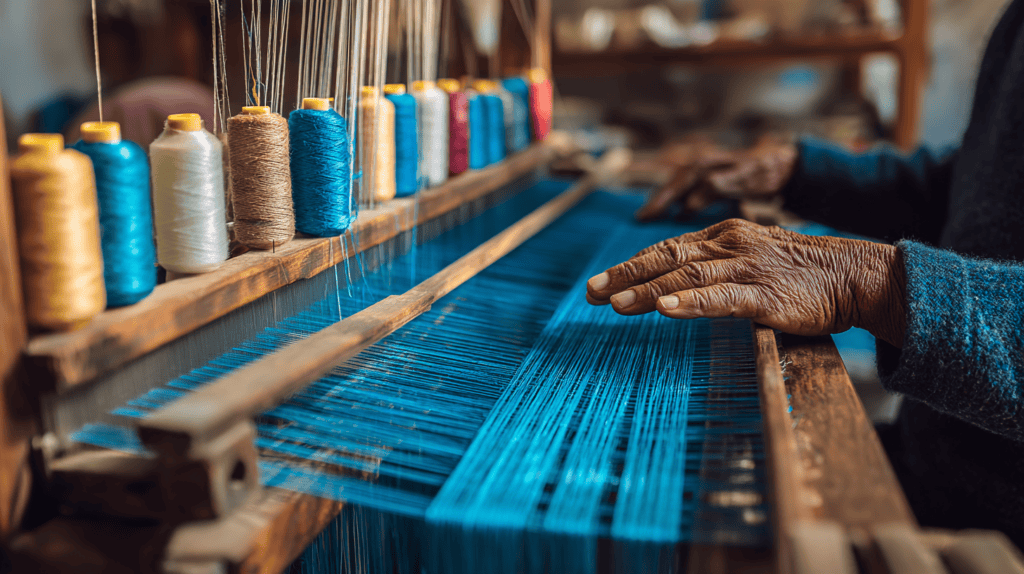
Because the craft is invisible from across a room, the clothes reward the wearer more than the audience. That is a very different promise from a monogram. It also tends to last longer, since good fabric outlives a trend. Our essay on sustainable luxury in Japan looks at the same instinct in hotels and dining. Meanwhile, the denim side of this craft, with its selvedge looms and Okayama mills, has a guide of its own in our Japanese Americana style guide.
For a buyer, the lesson is simple. Read the label for fiber and origin before the brand. Then prefer one excellent piece to three good ones, the heart of every capsule wardrobe.
Everyday Labels: MUJI and Uniqlo Done Well
Not every piece needs to come from a designer. In fact, two Japanese chains supply the base layer of many stylish wardrobes in Tokyo. MUJI began in 1980 with just 40 items, and its name roughly means “no-brand quality goods.” Its clothing still follows that idea: plain cuts, natural fibers and no visible branding.
MUJI fashion works best for the pieces you wear hardest. Think organic cotton tees, linen shirts, wool socks and soft loungewear for a ryokan evening. Uniqlo, by contrast, is strongest in technical basics: fine merino knits, Supima cotton and the HEATTECH layers that make a Japanese winter comfortable. Its designer collaborations, such as the long-running Uniqlo U line, add sharper shapes at an accessible price.
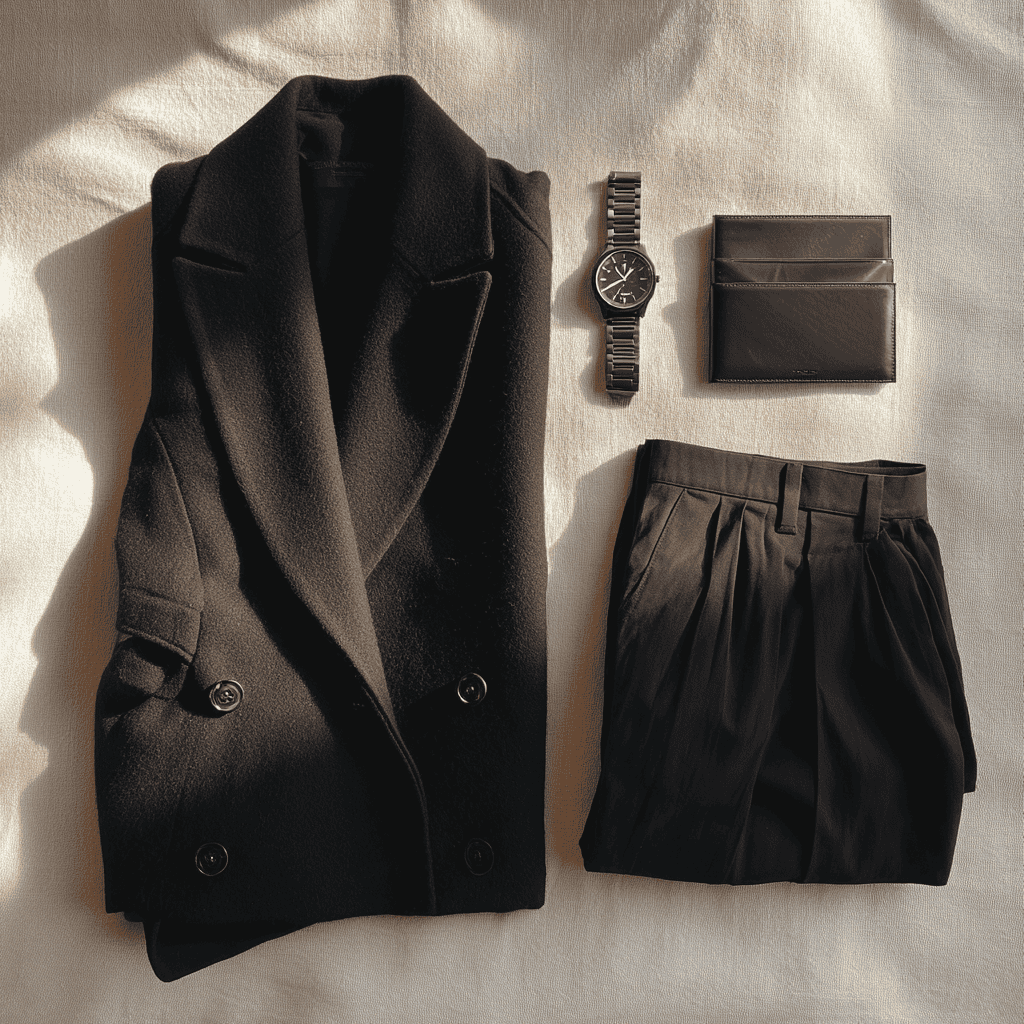
The trick is to treat these chains as the foundation, not the whole house. Use them for the layers nobody sees, and invest in the coat or pleated piece that carries the outfit. For an anime-led take on the Japanese wardrobe, see the reading below.
You may also like

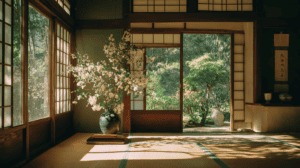
One note for US readers: Japanese sizing runs small, so check the measurements in centimeters on every tag. Sleeve length is the usual problem for taller travelers. Trousers, in contrast, often come unhemmed, and many shops will shorten them at the counter.
Pleats Please and Comme des Garçons: The Pieces Worth Owning
Issey Miyake Pleats Please
If you buy one Japanese designer line for travel, make it Pleats Please. Issey Miyake first showed pleats in his 1988 women’s collection. Then, from spring-summer 1994, the idea became its own brand. The method is unusual. Each garment is cut and sewn first, and only then pleated.
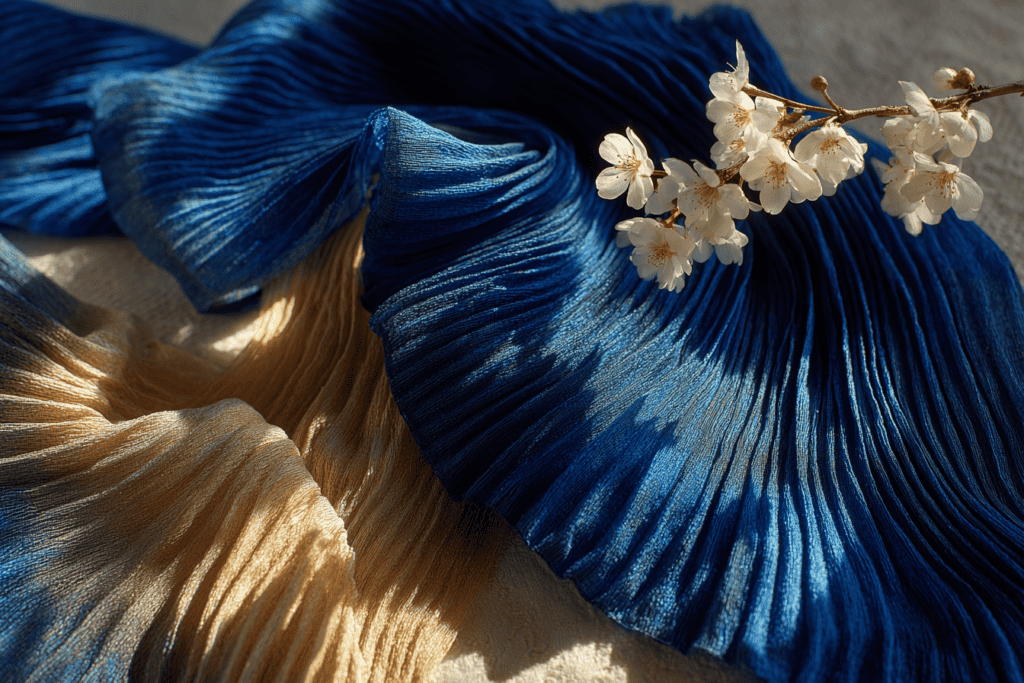
The result, in the brand’s own words, is clothing that is light, easy to wear and washable in water. For a traveler, that matters more than any label. A Pleats Please top rolls into a corner of a bag and comes out ready. It also looks equally right at a Ginza dinner and on a long flight. The clothing sells through the brand’s own stores, but the house fragrance named for the line is easier to find from home.
Pleats Please L’Eau — the Issey Miyake line, in a bottle
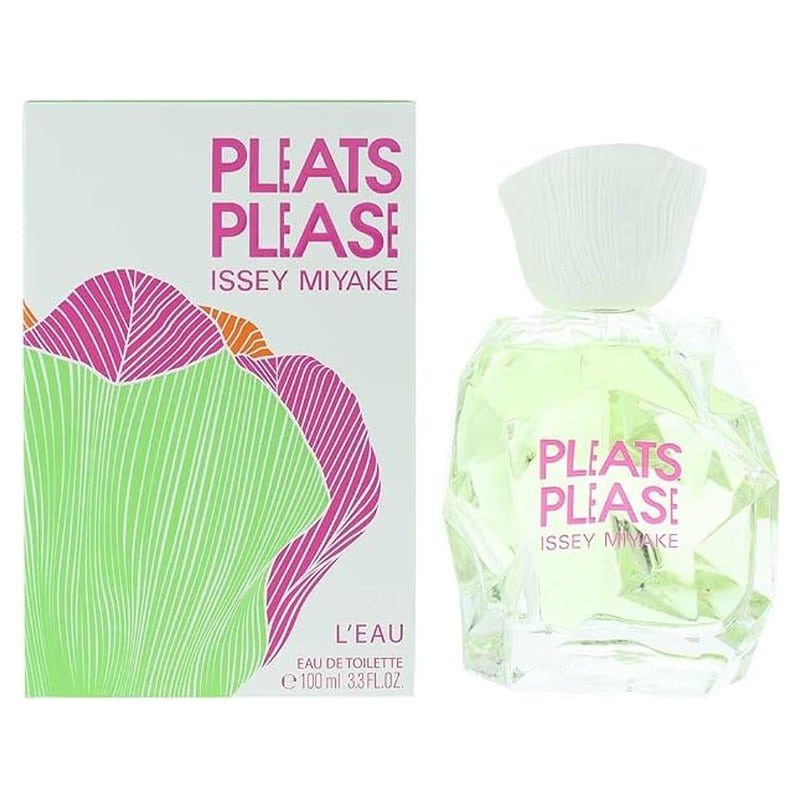
Pleats Please L’Eau is an eau de toilette from Issey Miyake’s fragrance partner, named for the pleated line. It comes in a 3.3-ounce spray. The idea is the same as the clothing: light, clean and easy to live with. It suits the person who wants one signature scent rather than a shelf of bottles. On a trip, decant a little into a travel atomizer. It also suits anyone who already owns a pleated piece. Above all, it fits the minimalist rule of a few things chosen well. Wear it lightly, on skin rather than on cloth, so the scent sits close and never fills a room. That restraint is the whole point of Japanese minimalist style.
Comme des Garçons
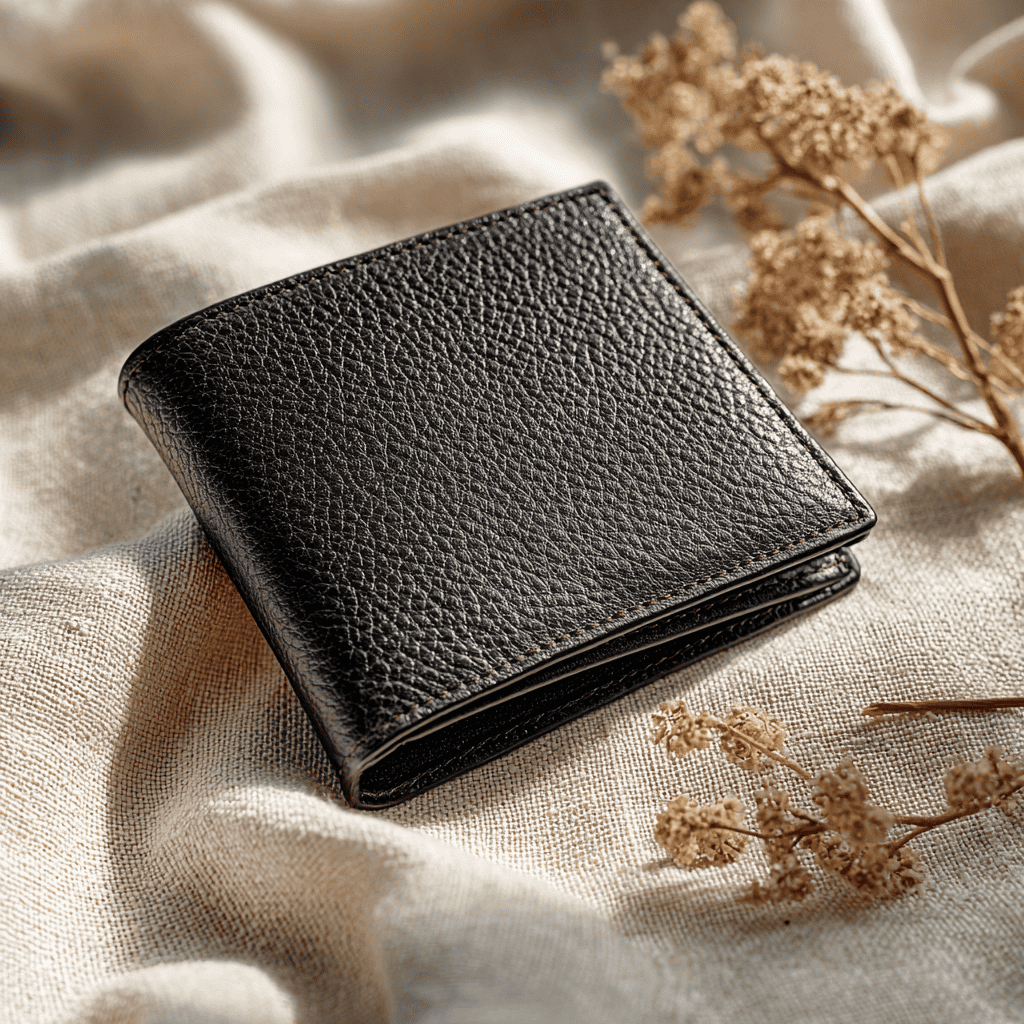
Comme des Garçons is the opposite temperament: sharper, stranger, more conceptual and very often black. For a minimalist wardrobe, the most wearable entry points are the plain shirts, the knitwear and the small leather goods. The house wallets, in particular, are made in plain leather and carried by people who own no other designer pieces. However, the wider clothing range still sells mainly through the brand’s own shops and a few select department stores in Tokyo and abroad.
Wearing It Without a Costume
How do you wear the house without looking costumed? Keep one strange element per outfit. An asymmetric shirt, for instance, works best with plain black trousers and simple leather shoes. Likewise, a boiled-wool jacket needs nothing louder than a gray tee beneath it. A raw-edged skirt, in turn, wants flat leather shoes, dark wool tights and a plain gray knit. The rest of the capsule should stay calm, so the one unusual cut can speak. This is also how much of Tokyo wears it, year after year. On the streets of Aoyama, the most striking pieces usually sit inside very plain outfits. In other words, Comme des Garçons rewards restraint around it, which is exactly what a minimalist wardrobe supplies.
Fragrance is the other door. In fact, the house treats scent as seriously as clothing. Its collaboration with the design magazine Monocle is a well-known example among fragrance collectors. It is also the most Japanese in mood, because it is built around hinoki, the pale cypress used for Japanese bathtubs and fine joinery. That matters for a minimalist, because scent is the one accent that adds nothing to a suitcase. A single bottle can carry the mood of a whole wardrobe. Moreover, a fragrance is far easier to order from home than a jacket that needs a fitting. So treat it as a first step into the house, and save the clothing for a visit to the Aoyama store.
Comme des Garçons Monocle Scent One: Hinoki — a cypress bath in a bottle
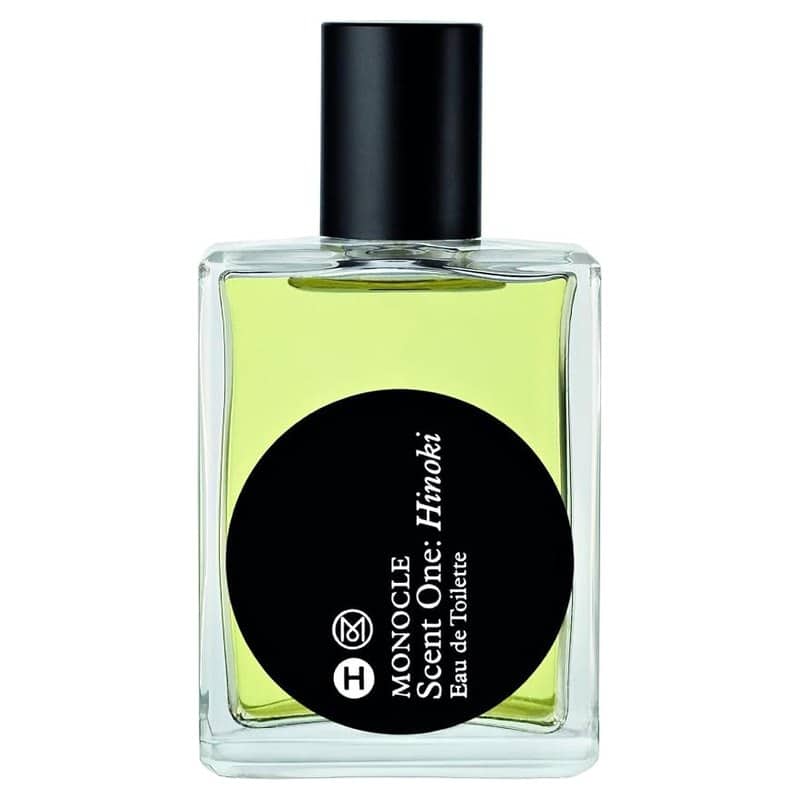
Comme des Garçons Monocle Scent One: Hinoki is a 50-milliliter eau de toilette built around hinoki, the Japanese cypress. Anyone who has soaked in a hinoki tub at a ryokan will recognize the clean, woody air of the wood. The bottle itself is plain, with no ornament, which suits a minimalist dressing table. As a result, it works for any gender and in any season. Wear it with a black knit and dark wool trousers, and the whole outfit reads as one idea. It also travels well, because 50 milliliters fits easily in a carry-on bag. It is a calm first purchase from the house. Then, once you know the house, the clothing in Aoyama will make more sense.
Building a Japan Capsule Wardrobe in Twelve Pieces
A Japan capsule wardrobe is the practical end of all this philosophy. The goal is simple: twelve pieces that all work together, for home and for a two-week trip. First, set a palette of four or five colors. Ink black or navy, charcoal, ecru and one accent such as indigo or olive will cover almost everything.
Next, choose the twelve. Here is the version we would pack:
- A white or ecru cotton shirt, cut generously.
- A heavyweight cotton tee in black or gray.
- One fine merino crewneck.
- Wide trousers in black or navy wool.
- Straight trousers in ecru or dark selvedge denim.
- One pleated top or dress.
- An unstructured jacket in wool or heavy cotton.
- A long coat in wool for winter or cotton for spring.
- Leather shoes you can slip off in seconds.
- Clean white or black sneakers.
- A large scarf or stole in linen, cotton or wool.
- A soft canvas or leather tote.
Notice what is missing. There are no prints, no bright colors and nothing that only works with one other piece. Every top goes with every bottom, so twelve items make dozens of outfits. This capsule wardrobe stays plain on purpose.
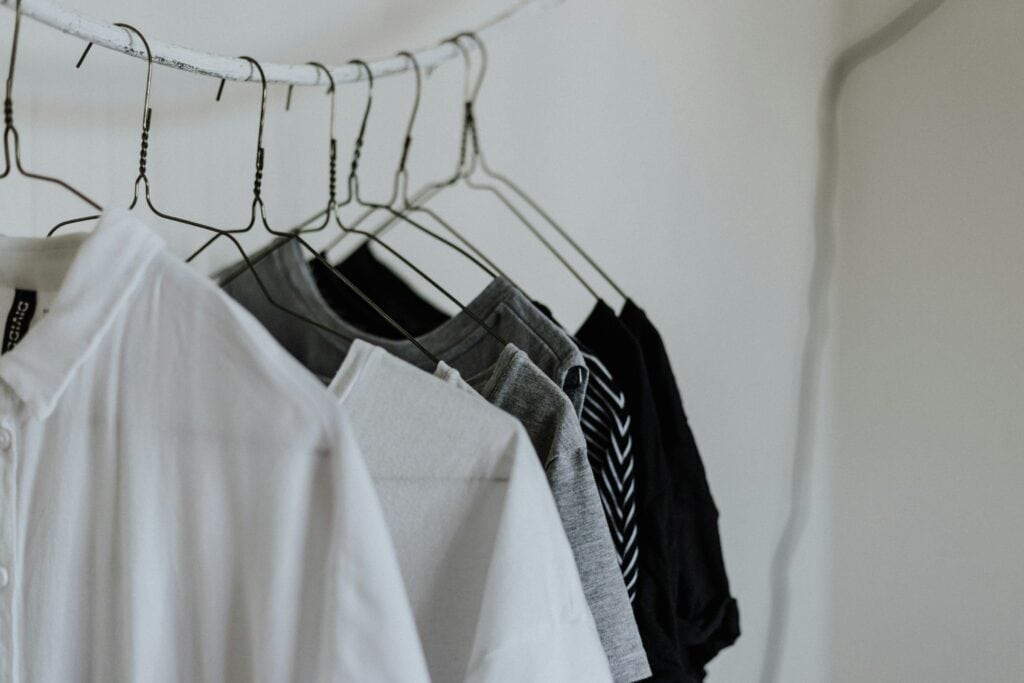
Fabric decides whether a capsule wardrobe survives. Linen and cotton breathe in summer heat. Wool resists smells and creases, so a merino layer can be worn several days between washes. By contrast, synthetics are best kept to technical pieces such as a pleated top or a thin rain shell.
Ten Proverbs to Carry With You
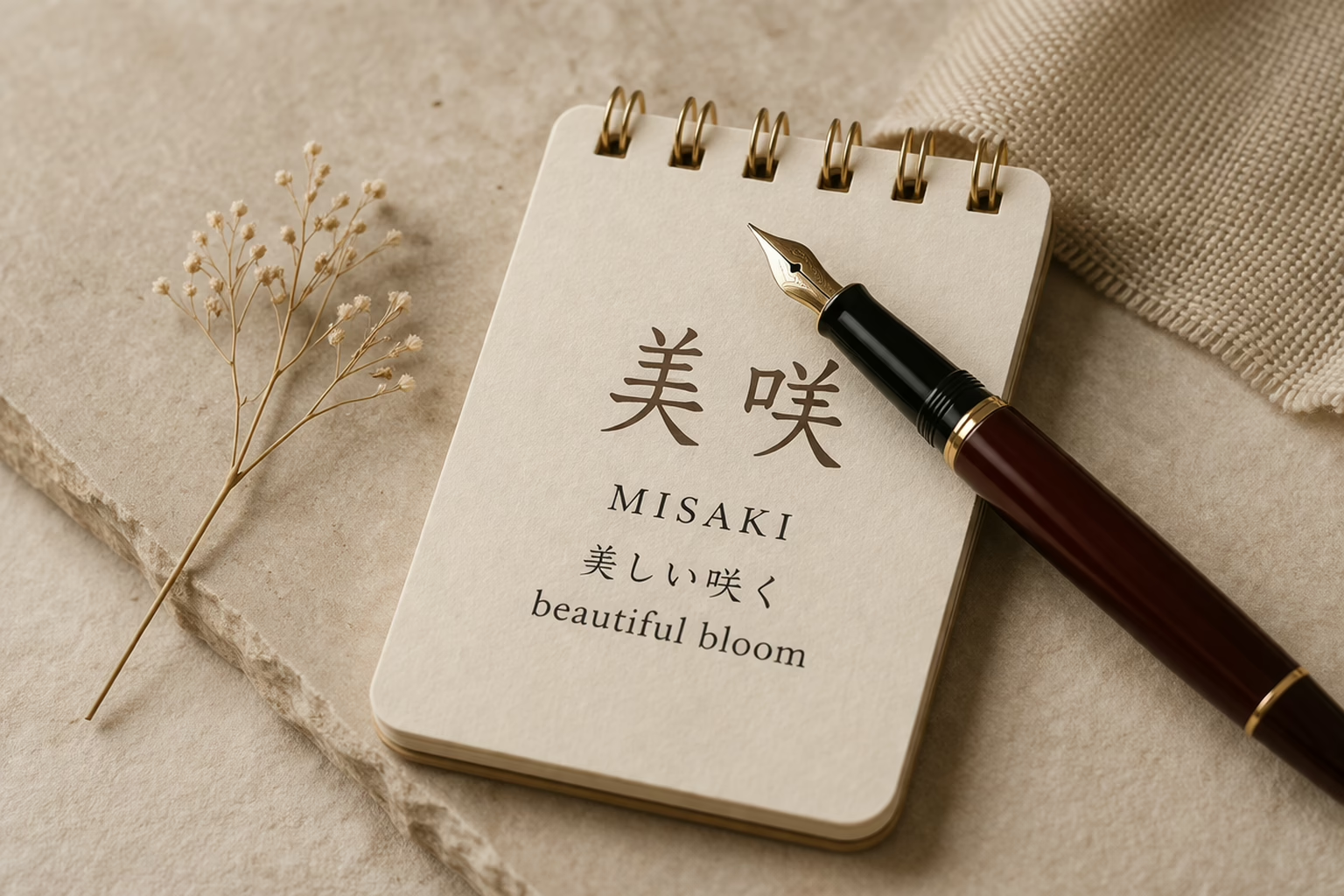
A printable folio of ten Japanese proverbs, each set in kanji with its reading and a line on where you will hear it.
A capsule wardrobe also changes how you shop in Japan. Instead of browsing, you arrive with a short list: one coat, one pleated piece, perhaps a scarf. As a result, the stores in Aoyama feel more like a fitting room. You buy one piece that completes the set and leave the rest on the rail.
What to Wear in Japan: A Travel Outfit by Season and Setting
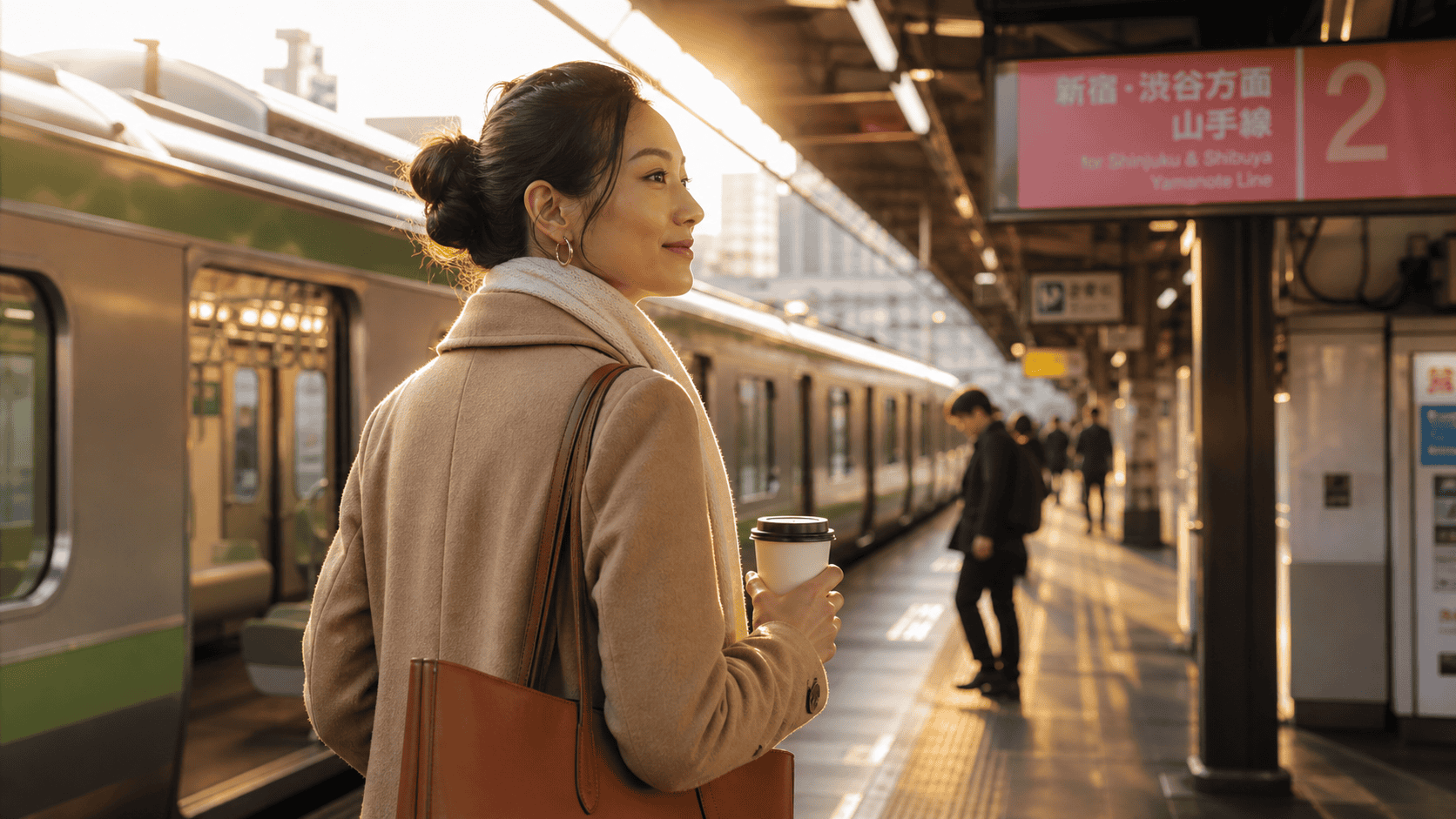
The best Japan travel outfit is neat, layered and easy to take off. You will remove your shoes often, at ryokan entrances, in some restaurants and in many homes. So choose shoes without laces or with laces you never untie. Also, pack socks without holes, since everyone will see them on the tatami.

Spring and autumn are the easy seasons. A knit, a jacket and a scarf handle both. Summer, however, is humid, so linen and loose cotton come first. Winter is dry and cold, especially in Kyoto and the north. A long wool coat over a thin thermal layer looks far better at dinner than a puffer.

Setting matters as much as season. In a ryokan, staff provide a yukata, a cotton robe that guests wear to dinner and the bath, as the official Japan travel guide to ryokan explains. Our guide to onsen ryokan stays covers the rest. Meanwhile, Kyoto’s gardens reward covered shoulders and soft colors. For the wider etiquette, read our notes on Japanese manners for travelers.

Tokyo is the most relaxed setting of all. A dark capsule outfit fits a fine-dining counter, a gallery and a train in one day. Still, keep perfume light, because smell matters at a sushi counter. And keep one pleated piece clean for the evening that turns formal.
Where to See and Buy Japanese Minimalist Style in Tokyo and Kyoto
Aoyama is the place to start. The district holds the flagship stores of Yohji Yamamoto and Issey Miyake, as the Japan National Tourism Organization notes. According to the official Tokyo travel guide, Comme des Garçons, Issey Miyake and Yohji Yamamoto all change their Aoyama windows with the seasons. The buildings are worth the walk, too. Herzog & de Meuron’s Prada Aoyama, for example, sits a few minutes away.
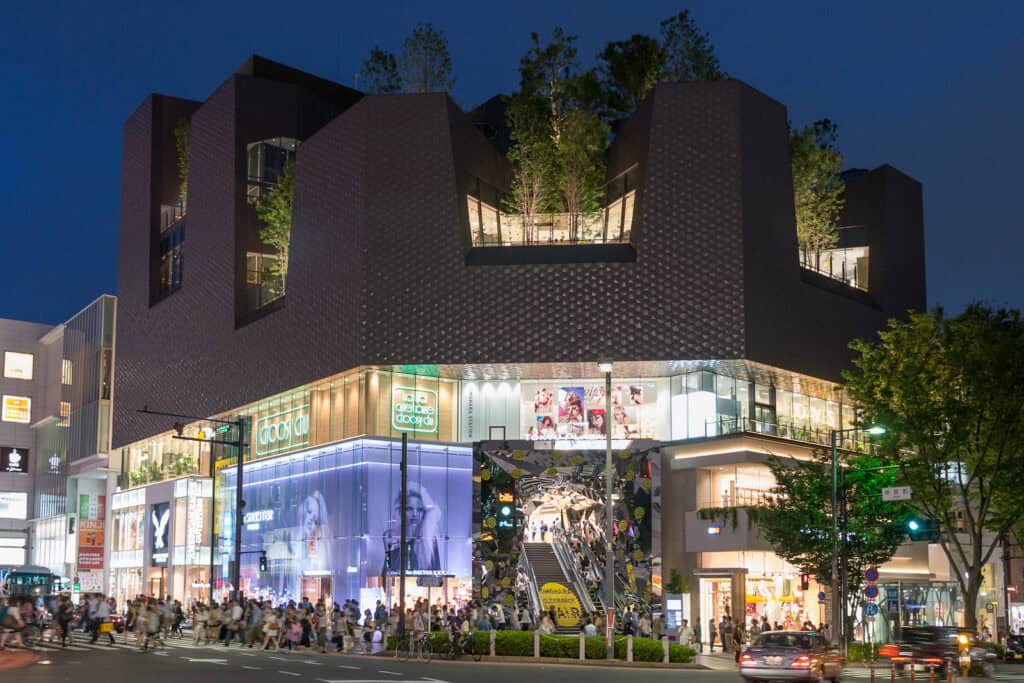
Ginza adds the department stores and Issey Miyake’s GINZA | CUBE gallery. In Kyoto, the brand runs a space called KYOTO | KURA. Kyoto is also the city for craft: indigo, linen and hand-woven textiles turn up in small shops along the older streets. Our guide to Tokyo’s shopping districts maps the neighborhoods in detail.
For older pieces, Japan’s secondhand market is one of the best in the world. Archive Comme des Garçons, early Yohji and vintage Pleats Please all turn up in good condition, often at fair prices. Our guide to vintage shopping in Japan names the best streets. Condition grading in Japanese resale shops is strict, so “used” usually means lightly worn. Even so, check the collar and cuffs, where wear shows first.
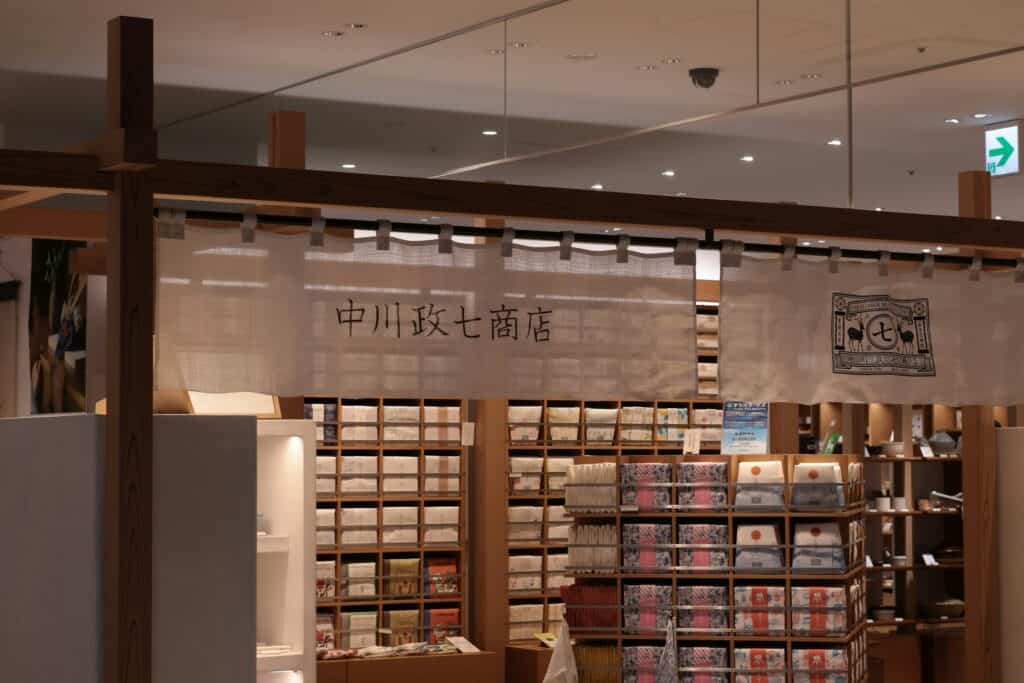
Finally, plan the day around fittings rather than browsing. Many Aoyama stores are calm on weekday mornings, when staff have time to talk you through fabric and fit. Arrive with your capsule list and your measurements in centimeters. Then try on the coat or pleated piece you came for, and walk out with that one thing.
Packing and Caring for Fine Fabrics
Japanese minimalist fashion packs beautifully if you respect the fabrics. Pleated pieces should be twisted gently and rolled, never folded flat under weight. Linen and cotton shirts travel best folded around a board or in a garment folder. Knits stay in their own cube so they do not snag. Shoes travel in cloth bags, soles together, along the edge of the case. Then the heavy coat goes on your back for the flight rather than in the bag. Because the whole capsule wardrobe shares one palette, nothing needs a spare. In practice, a twelve-piece wardrobe fits a single carry-on case, with room left for one new purchase from Tokyo.
Eagle Creek Pack-It Reveal Cube Set — three sizes for a twelve-piece trip
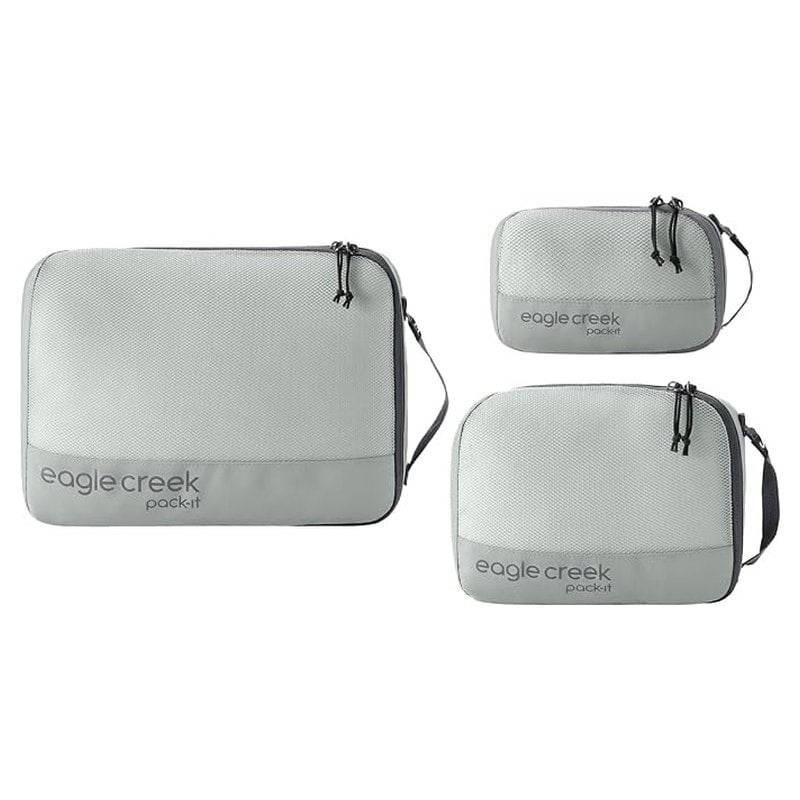
The Eagle Creek Pack-It Reveal Cube Set holds a twelve-piece wardrobe neatly. It comes in three sizes, extra small, small and medium, in a soft storm gray that suits the palette. Put knits and tees in the medium cube, socks in the small one. The extra-small cube is ideal for a folded scarf or a rolled pleated top. As a result, you can lift one cube out at a ryokan without unpacking the whole case. Inn rooms are compact, so this matters. The cubes also make the return trip easier, because a new purchase slots in without crushing. The fabric is light and the shapes are simple, so the set suits a short trip as well as a long one.
Caring for Cloth on the Road
Care is the second half of the job. Pleats Please can go in water, so a hotel sink and a hanger are enough. Wool needs air more than washing. Hang it by an open window overnight, and most creases fall out. Meanwhile, linen accepts wrinkles as part of its character, but a quick steam restores the line before dinner.
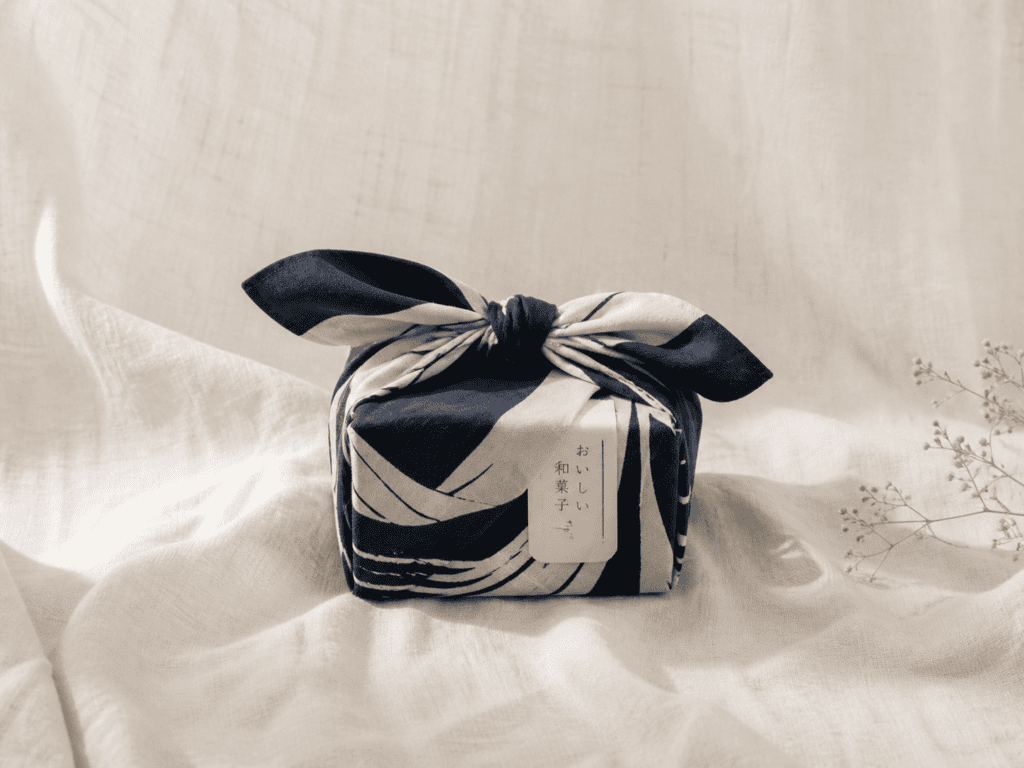
Japan itself teaches good habits here. Shops wrap every purchase with care, and a cotton furoshiki cloth can carry it home without a bag. On a long trip, set aside one evening for care: steam the shirts, air the wool and refold the cubes. It takes half an hour and keeps the whole wardrobe looking new.
Storage follows the same logic once you are home. Fold knits rather than hanging them, so the shoulders keep their shape. Hang coats and jackets on broad wooden hangers. Store pleated pieces twisted and loosely knotted, the way they arrive from the shop. Linen and cotton, meanwhile, prefer a dry cupboard with a little air between the pieces. Above all, wash less often and more gently. Natural fibers last far longer when they are aired between wears and washed only when they truly need it. On the road, the same care fits into a small kit. Three simple tools cover almost every job, from a creased shirt to a crowded hotel shelf.
Three Small Things for Fine Fabrics
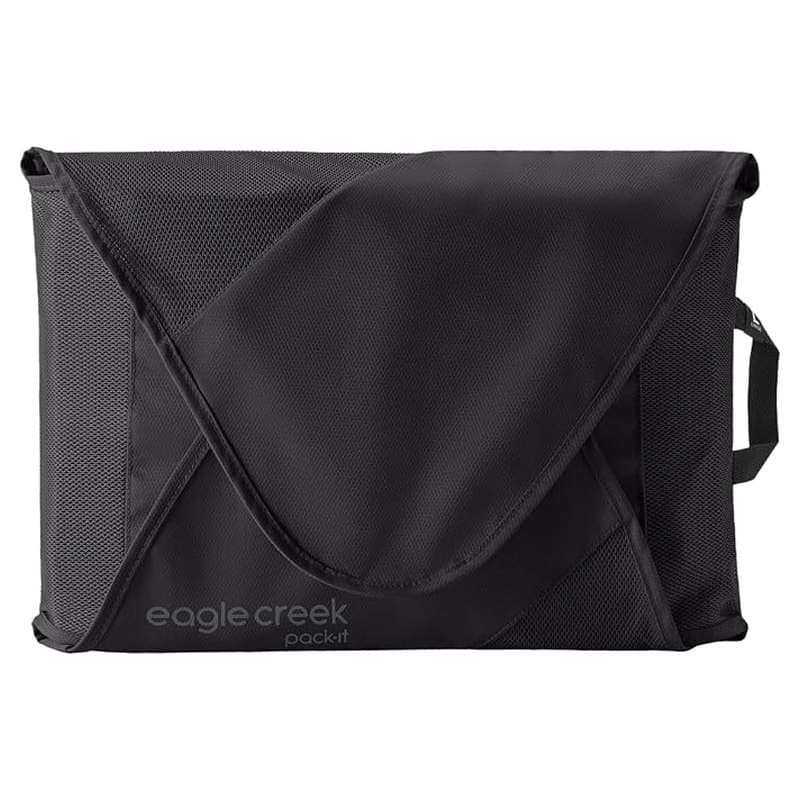
Keeps cotton and linen shirts flat and crease-light across a long trip.
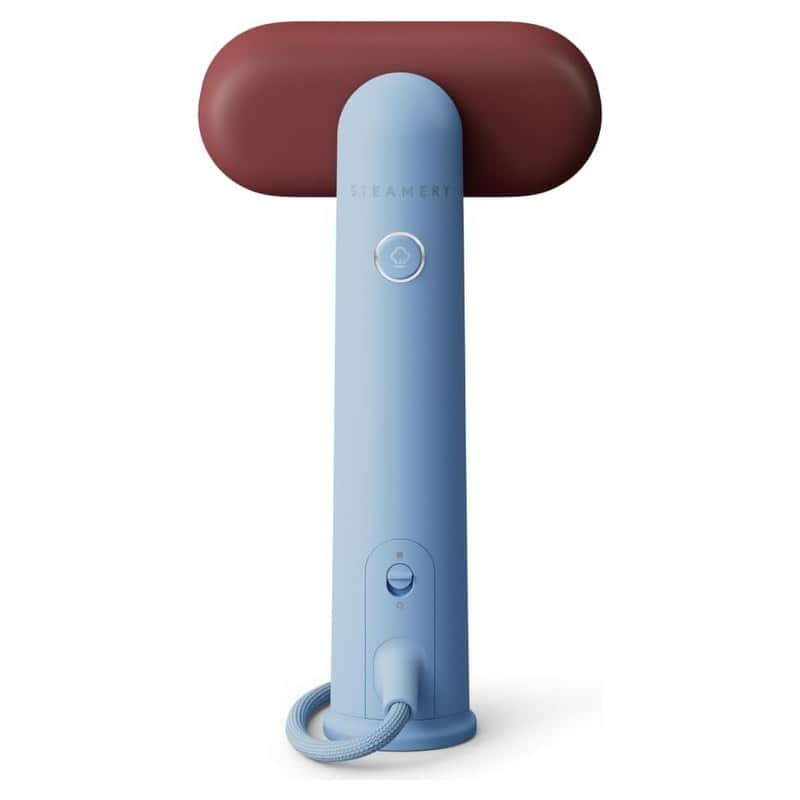
Heats in about 18 seconds to restore linen and wool before dinner.
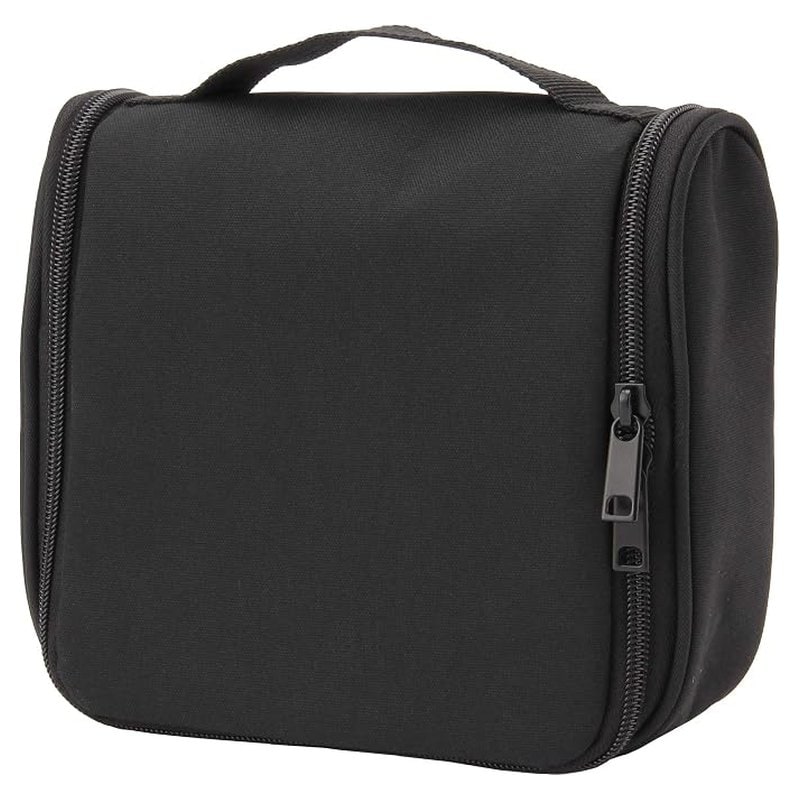
A plain black case that hangs from a hook in a compact hotel bathroom.
An Evening Bowl in the Same Spirit
For the evenings, a light dish suits the same mood. Sunomono, a small bowl of cucumber in sweet vinegar, appears at the start of many Japanese meals. It needs no stove and only a few pantry staples. In other words, it is the kitchen version of a capsule wardrobe: a handful of good ingredients, chosen with care.
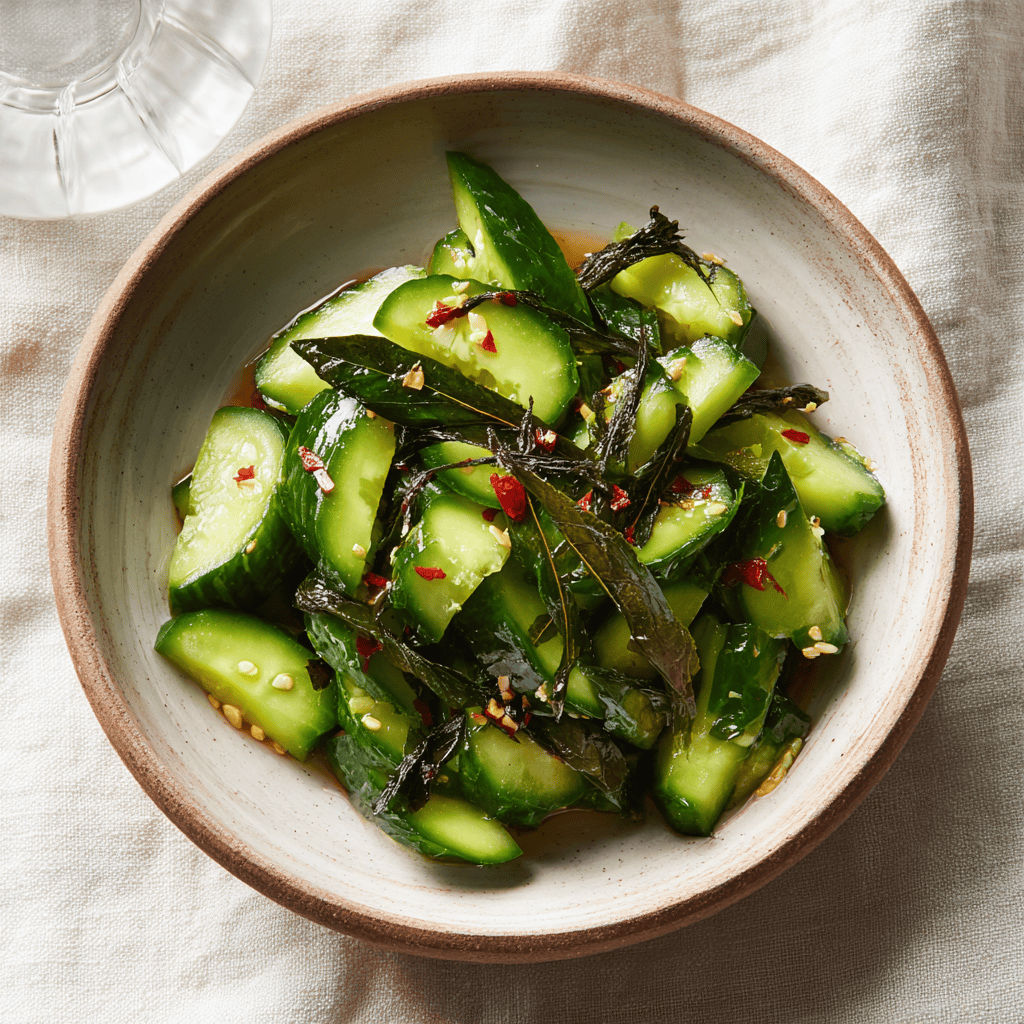
Kyuri to Wakame no Sunomono — cucumber and wakame in sweet vinegar
Soak two teaspoons of dried wakame in cold water for about ten minutes, then drain and squeeze it dry. Slice two Japanese cucumbers thinly, toss them with half a teaspoon of salt, rest them for five minutes and squeeze out the water. Stir three tablespoons of rice vinegar with one and a half tablespoons of sugar and half a teaspoon of soy sauce until the sugar dissolves. Toss the cucumber and wakame in the dressing and serve in small bowls under toasted sesame, with a pinch of chili flakes if you like.
The salt draws water from the cucumber, so the dressing clings instead of pooling. Serve it cold, in a small handmade bowl, beside rice and grilled fish. The flavor is clean and sharp, a little sweet and very light. In short, it is the plate equivalent of a white shirt.
Recommended
Japanese minimalist fashion, in the end, is a way of paying attention. You notice cloth, cut and the space between them. You buy less, choose better and keep each piece far longer. And on a trip to Japan, you find that the clothes fit the country: calm, precise and generous with room. Start with the palette, then the twelve pieces, then the one purchase you will make in Tokyo or Kyoto. After that, the rest is simply wearing it well, season after season. For more slow practices from the same tradition, browse the Cultural Reflection Collection of guided journals, or plan the wider journey with our notes on luxury travel in Japan.


Before You Pack
A good Japan wardrobe begins with three questions. Which season will you travel in, and how far north? Which settings matter most: ryokan, city dinners, gardens or long walking days? And which one piece would you most like to buy in Aoyama or Kyoto?
Answer those, and the packing list writes itself. Twelve pieces in four or five colors will cover almost any two-week trip. Leave one space in the case for the coat, scarf or pleated top you find there. Then let the itinerary follow the same logic: fewer stops, longer stays and time for the fittings that matter. A slower trip, like a smaller wardrobe, leaves room for the details.
A Japan Journey Built Around Craft and Cloth
A bespoke itinerary for the traveler who notices fabric: weekday fittings in Aoyama, an indigo workshop, Kyoto’s textile streets and a ryokan where the yukata is waiting.
Plan Your Custom Japan ItineraryQuestions Worth Asking
What is the Japanese minimalist style of clothing?
It is a way of dressing built on restraint. Pieces are few, fabrics are good, and shapes are relaxed or draped rather than tight. Color stays muted, logos disappear, and the cut does the talking. Above all, each piece is chosen to last and to work with everything else.
What colors do Japanese minimalists wear?
Black, ink navy, charcoal, gray, ecru and undyed white form the base. Indigo is the classic accent, along with soft earth tones such as olive, sand and rust. Most wardrobes keep to four or five colors, so every top works with every pair of trousers.
How do I build a Japanese capsule wardrobe?
Start with a palette of four or five colors. Then choose twelve pieces: shirts and knits, two pairs of trousers, one dress or pleated piece, a jacket, a coat, two pairs of shoes, a scarf and a bag. Buy the best fabric you can, and add slowly.
What should I wear in Japan as a visitor?
Dress neatly and in layers. Choose shoes you can slip off quickly, since ryokan and many restaurants ask you to remove them. Pack linen for humid summers and wool for winter. A long scarf covers shoulders, warms a cold train and dresses up a simple outfit.
Is MUJI clothing good quality?
For basics, yes. MUJI focuses on plain, natural fabrics such as organic cotton, linen and wool, with simple cuts and no logos. It suits shirts, knits and loungewear well. For tailoring and pieces meant to last a decade, a designer label or a specialist maker is the better choice.
Is Issey Miyake Pleats Please worth buying?
For travelers, it is one of the most practical luxury lines in fashion. The pleats are set after the garment is sewn, so the fabric is light, packs into a roll and can be washed in water. One top and one pair of trousers cover a long trip.