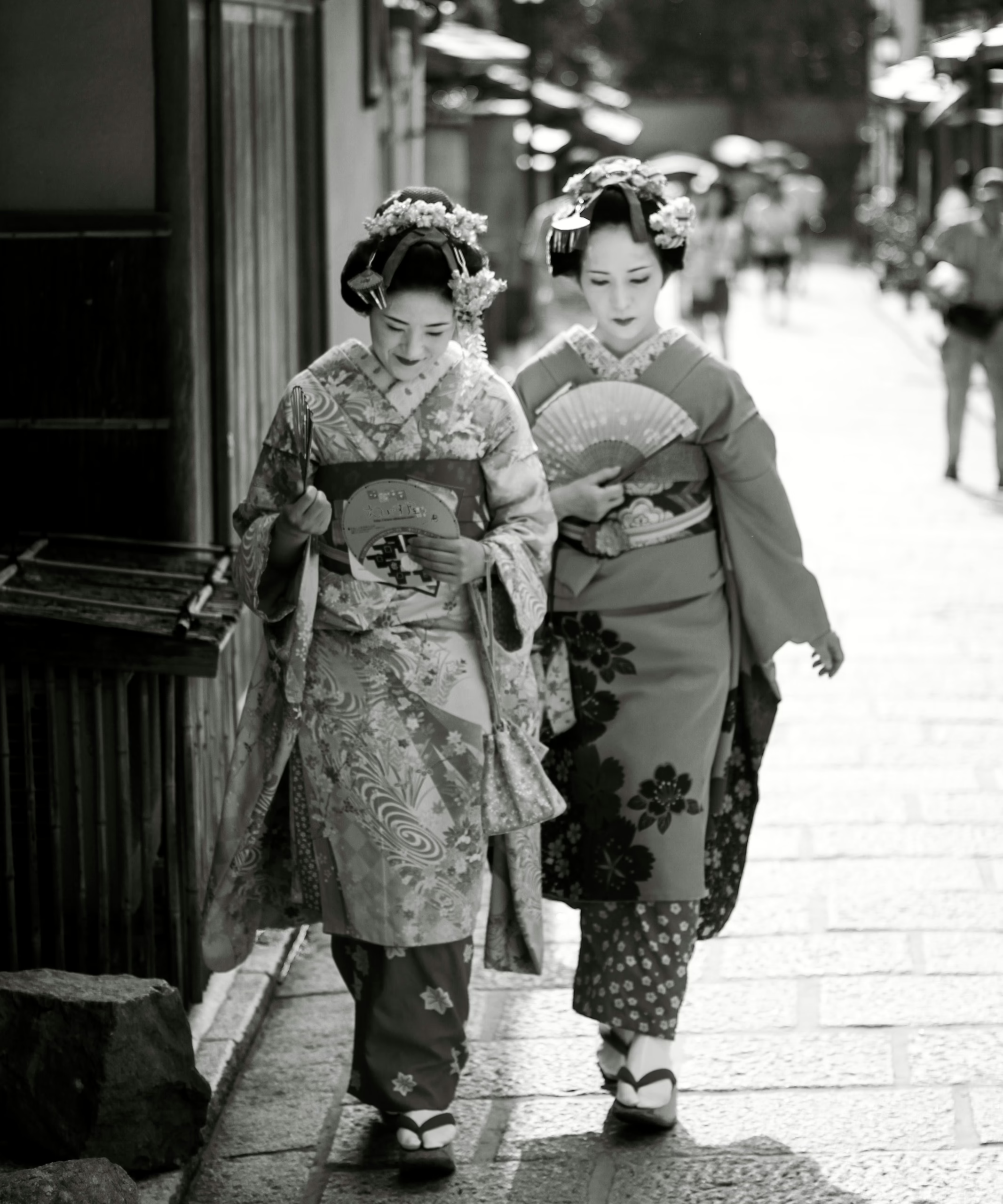
Vintage shopping in Japan is less a bargain hunt than a slow tour through the country’s recent past. A 1970s rayon shirt hangs beside a Hermès scarf in pristine condition. A wall of city-pop records sits a flight above a case of authenticated Chanel. The same care that keeps a tea bowl in use for four hundred years keeps a denim jacket wearable at fifty. What makes Japan singular is not the volume of secondhand stock, though there is plenty. It is the condition, the curation, and the way an ordinary afternoon of browsing turns into a register of design history.
This guide is organised the way a good shopping day actually unfolds. First, what the shops are called and how they differ. Then the neighbourhoods and markets, city by city, from Tokyo to Kyoto to Osaka. Then the secondhand-luxury circuit and how its authentication works. Finally, what to look for once you are inside, and the practical mechanics of paying and getting it home. Prices are in USD throughout, and where a piece is worth owning new, we link the Japanese object that carries the same feeling home.
What Vintage Shopping in Japan Actually Means
In Japan, secondhand stores are usually called recycle shops, written リサイクルショップ. The term covers a wide field, from neighbourhood chains selling used clothing, books, and electronics, to curated vintage boutiques and authenticated designer resale. Much of the best vintage shopping in Japan happens at chains rather than one-off stores, so it helps to know the names before you go.
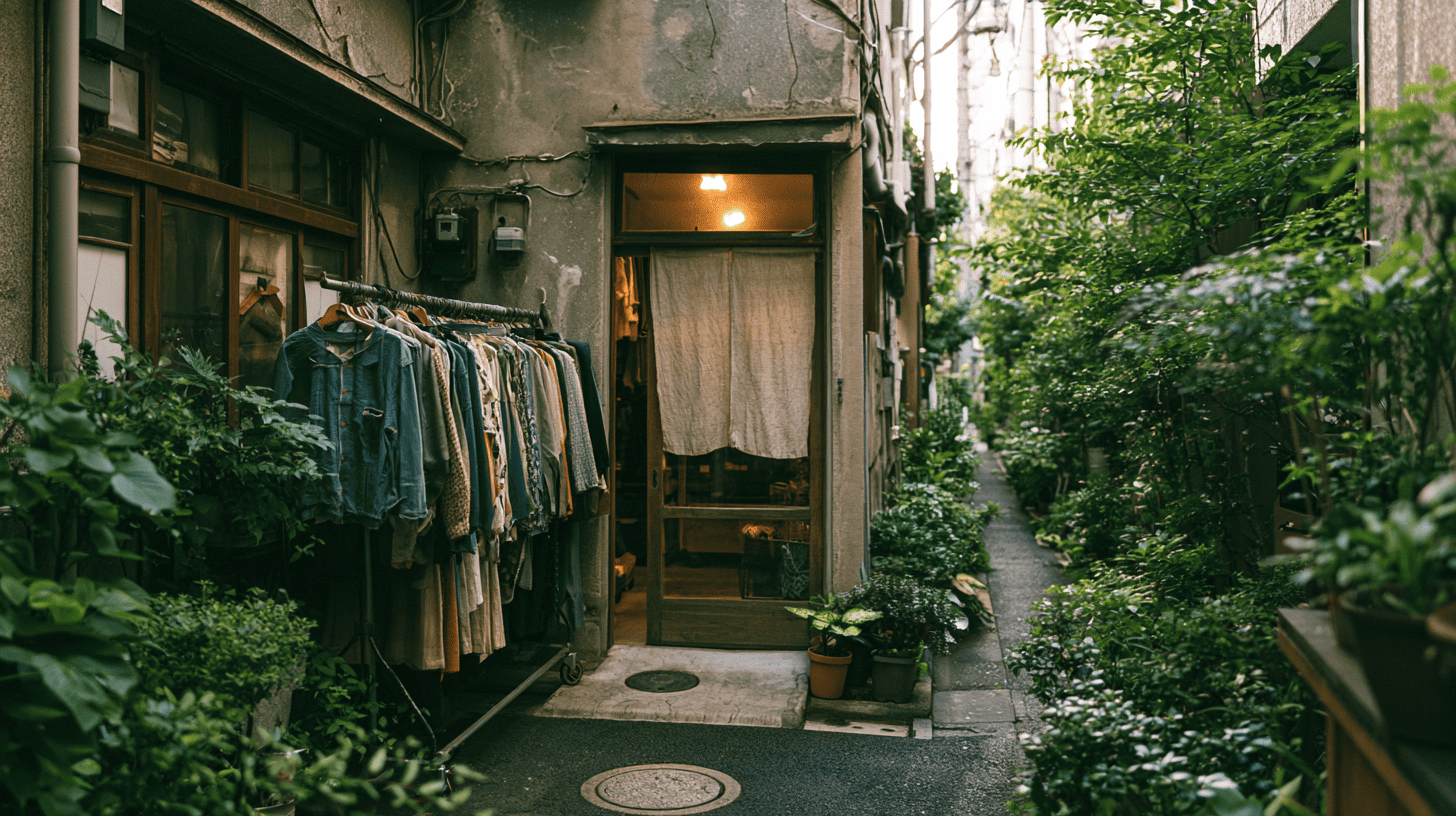
Three loose tiers organise the whole landscape, and knowing which tier you want changes where you walk. The first is the everyday recycle chain. Stores like 2nd Street, Treasure Factory, and the Hard-Off group move enormous volumes of clean, graded secondhand clothing at low prices, often in multi-floor buildings in residential districts. The second tier is the curated vintage boutique, concentrated in neighbourhoods like Shimokitazawa and Koenji, where owners edit for a point of view and price accordingly. The third is authenticated luxury resale, a category Japan does better than almost anywhere, which earns its own section below.
What unites them is a national habit of care. A garment sold secondhand in Tokyo has usually been worn gently, stored well, and graded honestly. Buttons are intact. Hems are clean. Even at the cheapest chains, the stock is sorted and steamed rather than dumped on a rail. For a visitor used to digging through Western thrift bins, the experience reads less like rummaging and more like browsing a department store that happens to sell the past.
The roots run deep. Japan’s secondhand culture grew from a 1960s counterculture that prized individuality over mass consumption, and it never receded. Today it sits comfortably alongside the country’s appetite for the new, which is why a single block can hold a fast-fashion flagship, a vinyl specialist, and a five-floor pre-owned handbag store. The wider arc of how Japan adopted, preserved, and perfected outside influences is told beautifully in the clothing section below.
Tokyo’s Vintage Neighbourhoods
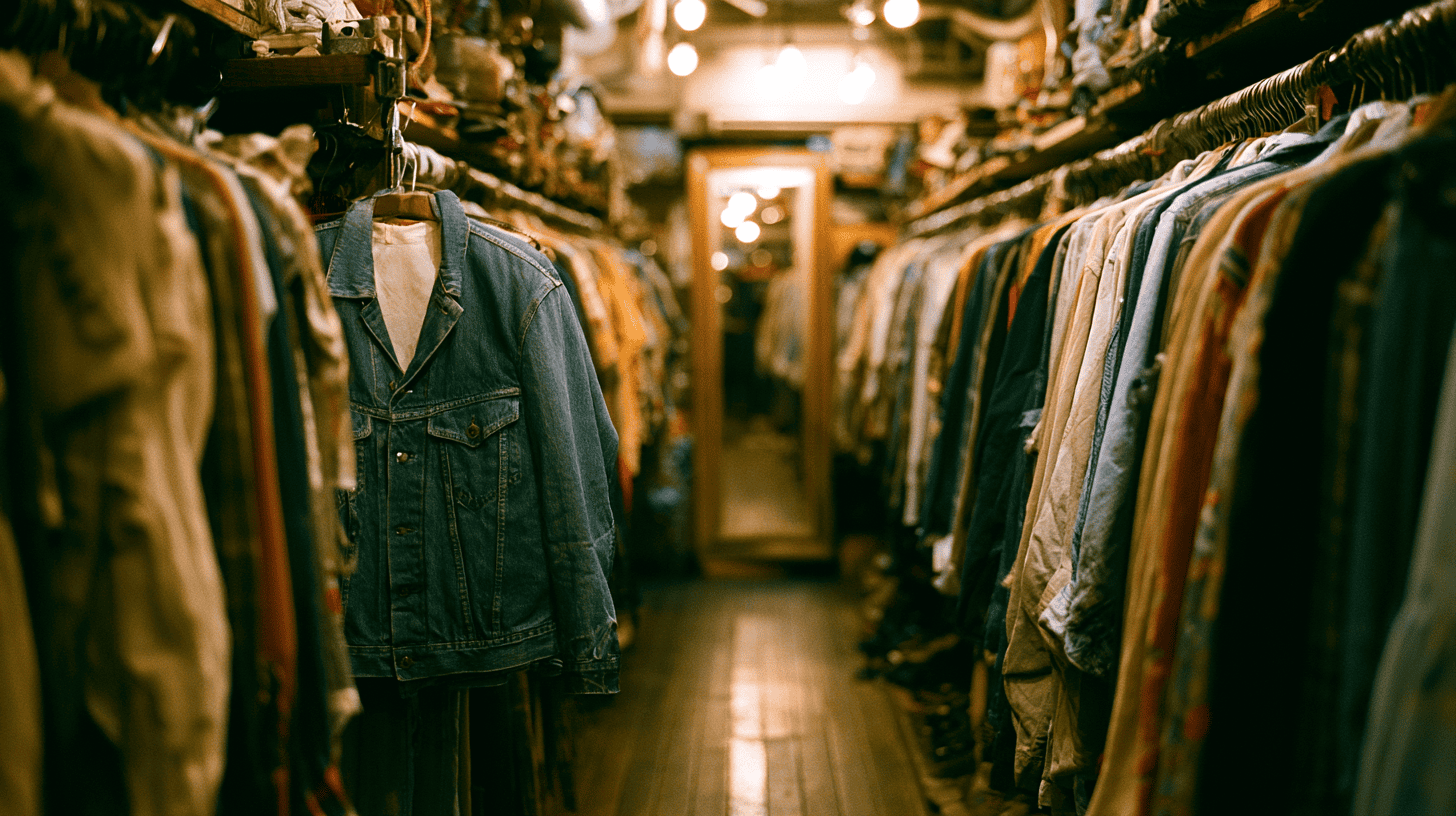
Vintage shopping in Tokyo concentrates in a handful of neighbourhoods, each with its own register. The smart approach is to choose two that suit your taste and loop them slowly rather than chase every district in a single day. Our guide to Tokyo’s shopping districts maps the wider picture; what follows is the secondhand-specific cut.
Shimokitazawa
Shimokitazawa is the densest concentration of vintage stores in the city, and the one most worth a dedicated afternoon. Its low-rise lanes hold hundreds of shops, from cheap-and-cheerful used clothing to tightly edited boutiques of reworked Americana. The neighbourhood stays walkable and unhurried, with cafés and record stores breaking up the browsing. Tokyo’s official guide to Shimokitazawa covers access and orientation. Go in the morning, when the racks are freshly sorted.
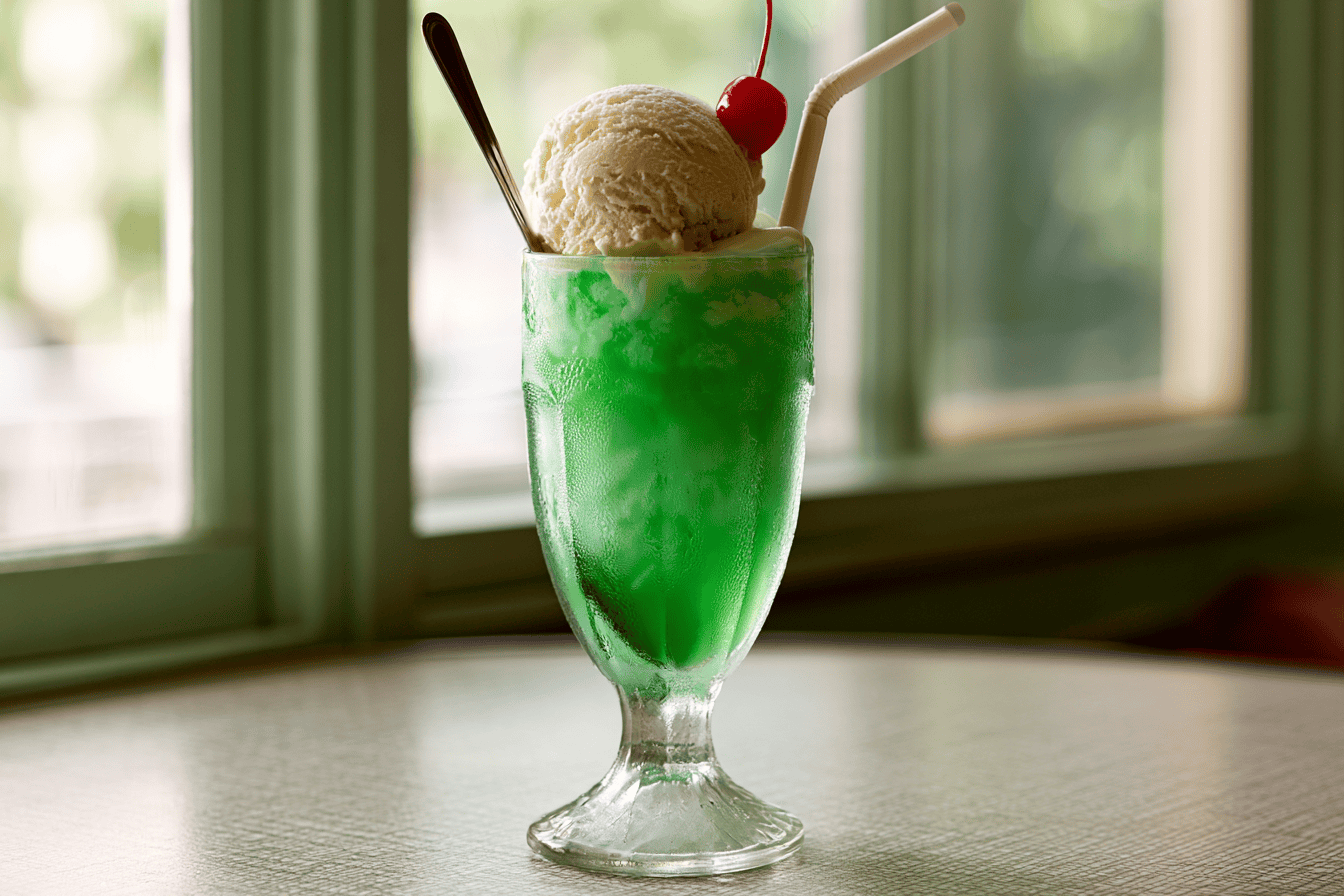
Between the racks, every Shimokitazawa browser eventually folds into a kissaten, the retro coffee house that gave the neighbourhood its tempo. Order this and recreate it at home. Chill a tall glass. Pour in cold melon soda, the bright green kind, until two-thirds full, going slowly so the foam settles. Drop in two or three ice cubes, then float a single scoop of firm vanilla ice cream so it rests on the rim rather than sinking. Spear a maraschino cherry on a cocktail pick and set it on top. Serve with a long spoon and a paper straw. The pleasure is entirely in the colour and the cold.
Koenji
Koenji, a few stops from Shinjuku on the Chuo Line, is Shimokitazawa’s slightly grittier sibling and the city’s other great vintage neighbourhood. It leans into retro clothing, band tees, and a deep seam of secondhand records, with a creative crowd of musicians and artists who keep the stock interesting. Japan-guide’s walk through Koenji is a useful primer. Chain branches here, like the larger used-clothing stores, tend to carry more vintage than their counterparts elsewhere in the city.
Harajuku, Cat Street, and the high end
Harajuku is better known for youth fashion, but the streets around Cat Street hide some of Tokyo’s most serious vintage, including secondhand-luxury boutiques tucked between contemporary labels. This is where high-end Japanese vintage shops sit beside designer resale, so a single loop can take you from a reworked military jacket to a glass case of pre-owned watches. Browse here when you want quality over quantity and do not mind paying for the edit.
Kichijoji and Nakano
For a slower day, Kichijoji rewards an unhurried browse near Inokashira Park, with secondhand shops specialising in American casual wear from the 1970s and 80s. Nakano, meanwhile, centres on Nakano Broadway, a warren of small dealers that runs from manga and figures to vintage watches and cameras. Both reward patience more than a tight schedule, and both stay calmer than the Shimokitazawa crowds.
Kyoto’s Temple Flea Markets
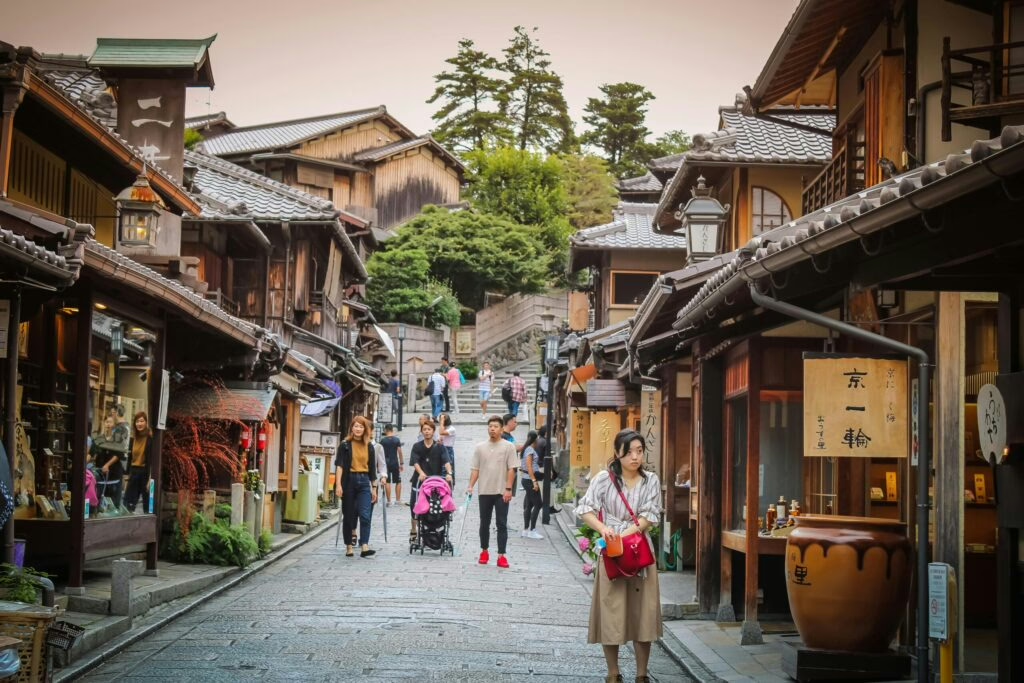
Kyoto trades neighbourhood boutiques for something older and more atmospheric: monthly flea markets held in temple and shrine grounds, where antique textiles, ceramics, and curiosities change hands the way they have for generations. These are the highlight of vintage shopping in Japan for anyone drawn to the traditional rather than the retro. Two markets anchor the calendar, and both run rain or shine.
Tōji Temple Market — the 21st of each month
Held on the grounds of Tōji, a temple whose foundations date to the eighth century, this market is the larger and more famous of the two. Hundreds of stalls spread across the precinct, heavy on antique and vintage textiles: kimono, obi, and furoshiki wrapping cloths, alongside old books, ceramics, tools, and household curiosities. Arrive early, bring cash, and budget several hours. The scale rewards a slow circuit rather than a quick lap.
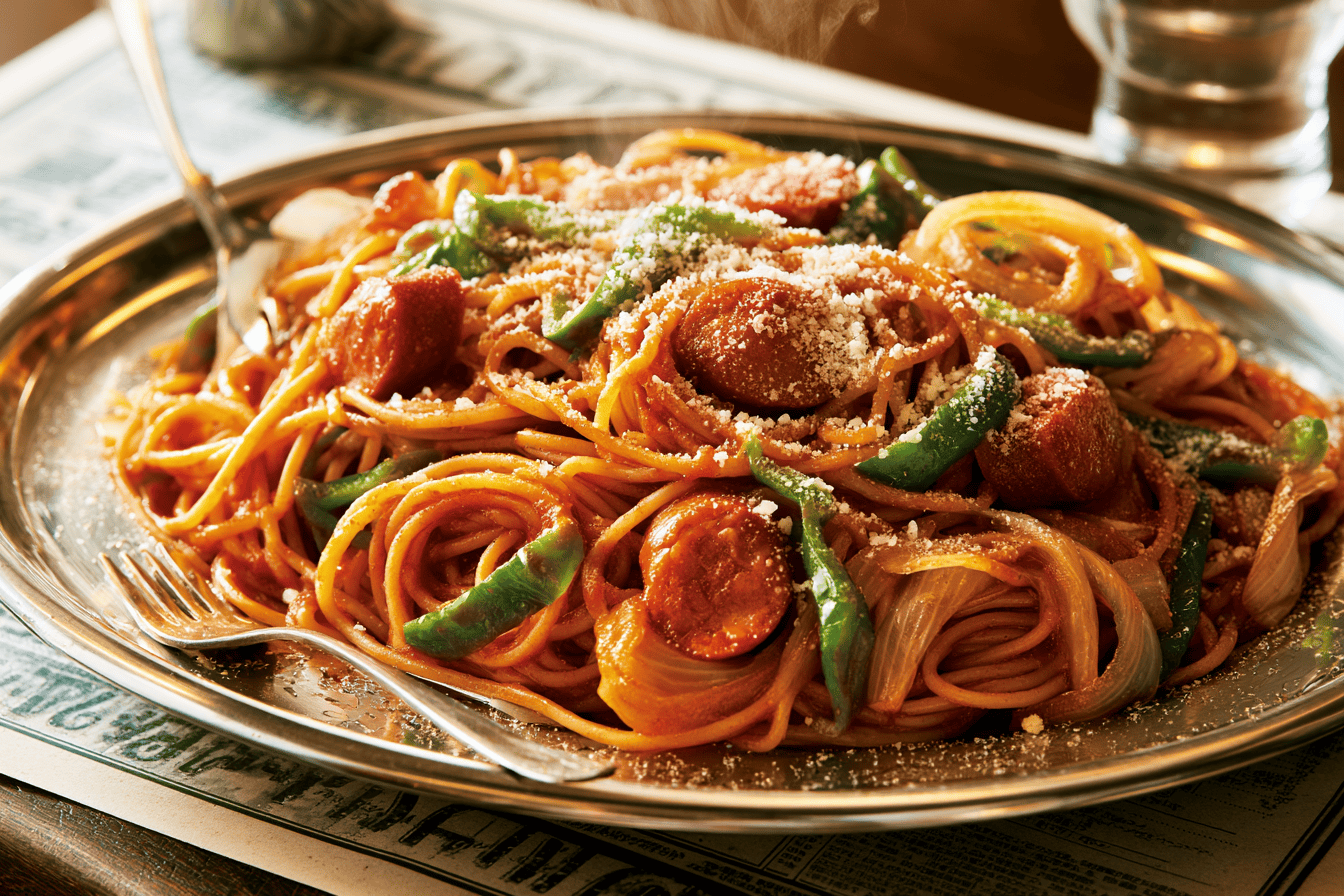
When the market breaks for lunch, Kyoto’s old coffee houses serve Napolitan, the post-war ketchup spaghetti that is pure Shōwa nostalgia. Boil 200 grams of spaghetti a minute past al dente, then drain and let it sit so it loses its bite, the way a kissaten cook would. Soften half a sliced onion, a sliced green pepper, and a handful of sliced sausage or ham in butter over medium heat. Push them to the side and fry three tablespoons of ketchup in the empty pan for a minute, until it darkens and turns jammy. Fold in the pasta, toss until every strand is coated, and finish with a knob of butter. Plate it, dust with grated Parmesan and a little black pepper, and eat it the moment it lands.
Tenjin-san Market — the 25th of each month
Held at Kitano Tenmangu Shrine, Tenjin-san is the perfect complement to Tōji and carries a similar mix with a slightly more local feel. Vendors sell antique ceramics, vintage kimono fabric, old toys, and the occasional genuine find, alongside a food market that makes a browse easy to sustain. Together with Tōji, it gives a visitor two reliable market days a month and a reason to plan a Kyoto trip around the calendar.
Teramachi and the covered arcades
For something you can do any day, the Teramachi shopping arcade blends traditional charm with secondhand bookshops, antique dealers, and craft stores under cover. It is the easy, weatherproof version of Kyoto vintage, useful for an afternoon when the markets are not running. The wider rhythm of the city is covered in our broader Japanese culture writing.
Osaka, Kanazawa, and Beyond
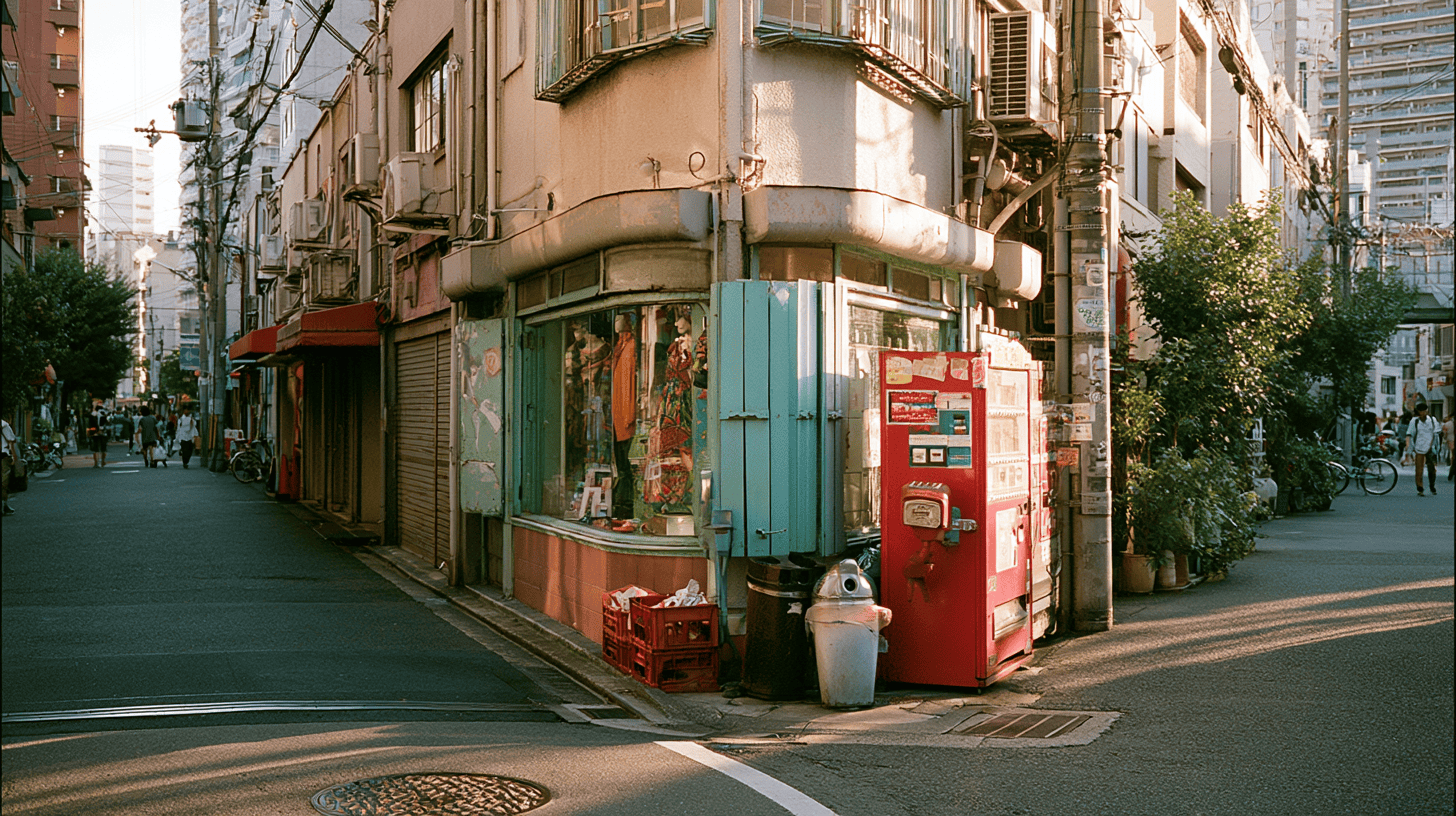
Tokyo and Kyoto are the obvious anchors, but some of the most rewarding vintage shopping in Japan happens in the second cities, where the crowds thin and the prices soften. Osaka in particular is a long-standing fashion centre with a streetwear edge all its own.
Amerikamura
Amerikamura, or “Amemura,” in Osaka’s Namba district is the youthful, high-energy heart of the city’s vintage scene. The streets pack in retro clothing, streetwear, and accessories, with a bold style that skews younger and louder than Tokyo’s. It is the place to dig for statement pieces and vintage-inspired fashion reworked for now.
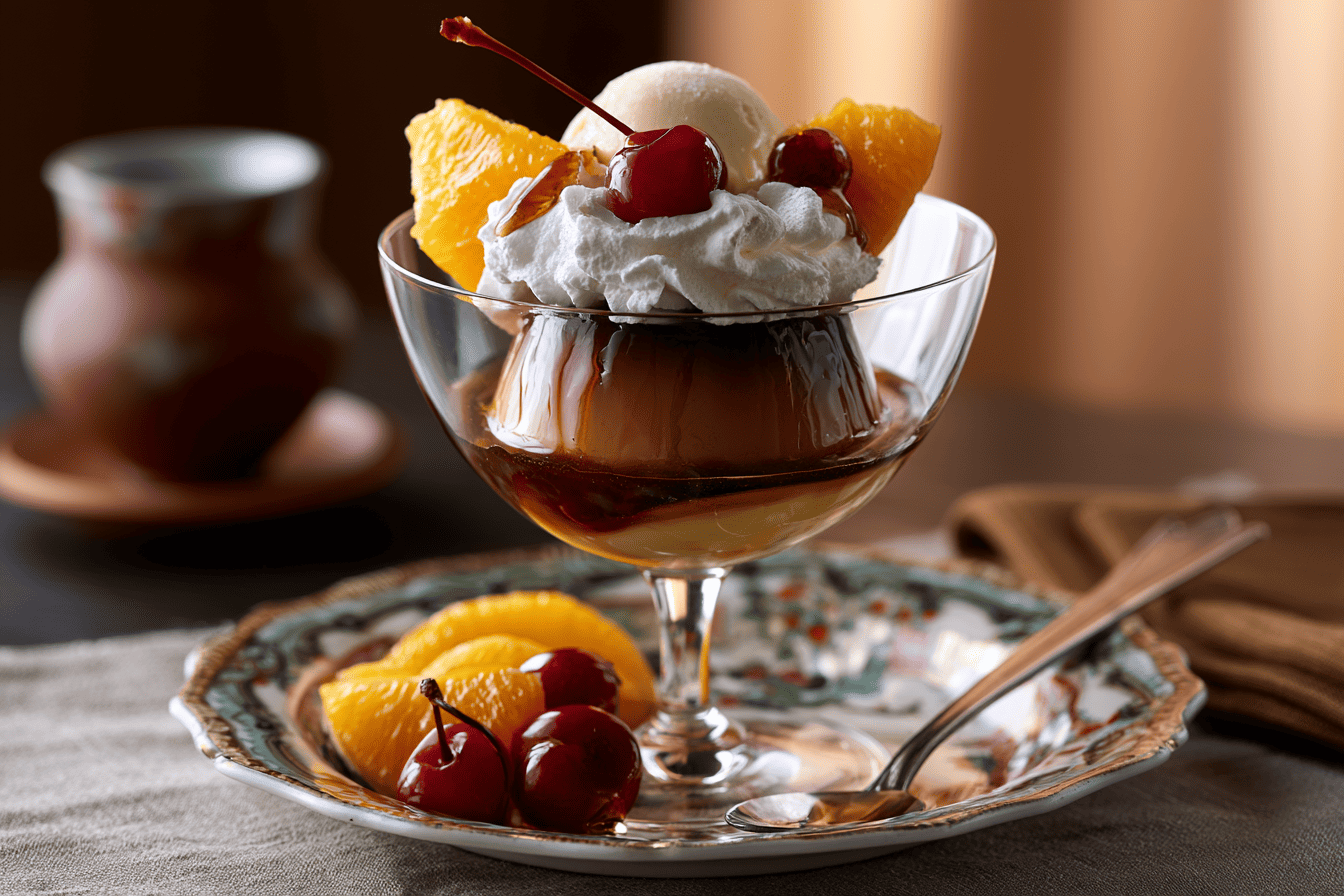
Osaka’s older cafés still plate purin à la mode, the custard pudding that anchors a retro dessert. Warm 300 millilitres of milk with 50 grams of sugar until it steams. Whisk two eggs and an extra yolk, pour the warm milk in slowly, then strain the mixture so it stays silky. For the caramel, melt three tablespoons of sugar with a splash of water until amber, pour it into ramekins, and top with the custard. Bake in a water bath at 150 degrees Celsius for about thirty-five minutes, until just set with a faint wobble. Chill four hours, turn out onto a plate, and surround with whipped cream, orange segments, a few cherries, and a scoop of vanilla. The wobble is the whole point.
Orange Street and the upscale edit
A short walk away, Orange Street in the Kitahorie district takes the opposite tack: more upscale, more curated, with secondhand designer boutiques and unhurried cafés. It rewards the shopper who wants higher-quality pieces and a slower browse. Between Amemura’s energy and Kitahorie’s polish, Osaka covers both ends of vintage in a single afternoon.
Kanazawa and the regional reward
Beyond the big three, smaller cities hold their own surprises. Kanazawa, with its intact merchant districts and craft traditions, and Fukuoka’s Daimyo and Yakuin neighbourhoods both carry vintage clothing and secondhand designer shops with far less competition than Tokyo. For travellers building a slower route, these regional stops often deliver the most memorable finds precisely because fewer visitors reach them.
The Secondhand-Luxury Circuit
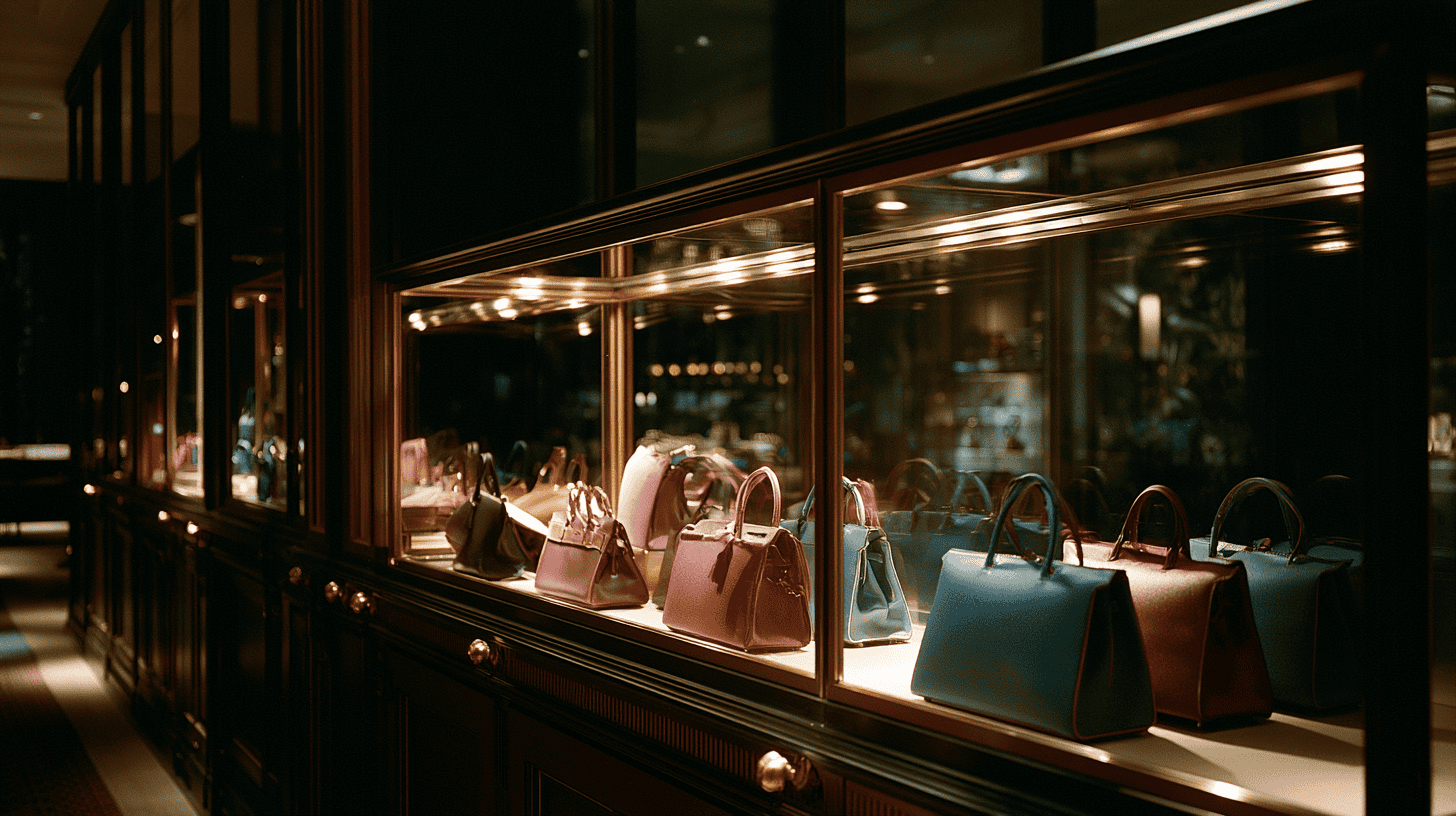
If there is one category where Japan stands apart, it is pre-owned luxury. The country runs one of the deepest secondhand-designer markets in the world, built on a domestic culture of meticulous ownership and trusted resale. For collectors, this is the real reason to plan vintage shopping in Japan, and it is worth understanding how the circuit works before you walk in.
The chains that define it
A handful of names dominate. Komehyo is the largest and most established, with multi-floor stores, including a Shinjuku building devoted entirely to watches. 2nd Street runs hundreds of branches nationwide spanning everyday to designer. Ragtag specialises in pre-owned contemporary and designer fashion, Brand Off and Kindal in authenticated luxury bags and accessories. Because these are chains, much of their stock is searchable on their online stores by brand, size, and store location, so you can browse before you fly and collect in person.
Atlantis Vintage and the specialist boutiques
Above the chains sit the specialists. Atlantis Vintage focuses on vintage designer handbags across stores in Koenji, Ginza, and Hiroo, with deep stock from the major houses. Ginza, Tokyo’s luxury quarter, holds several multi-floor pre-owned bag dealers where five floors of Hermès and Chanel is not an exaggeration. These boutiques price at the top of the market, but the condition and rarity justify it for the serious buyer.
How to authenticate vintage luxury in Japan
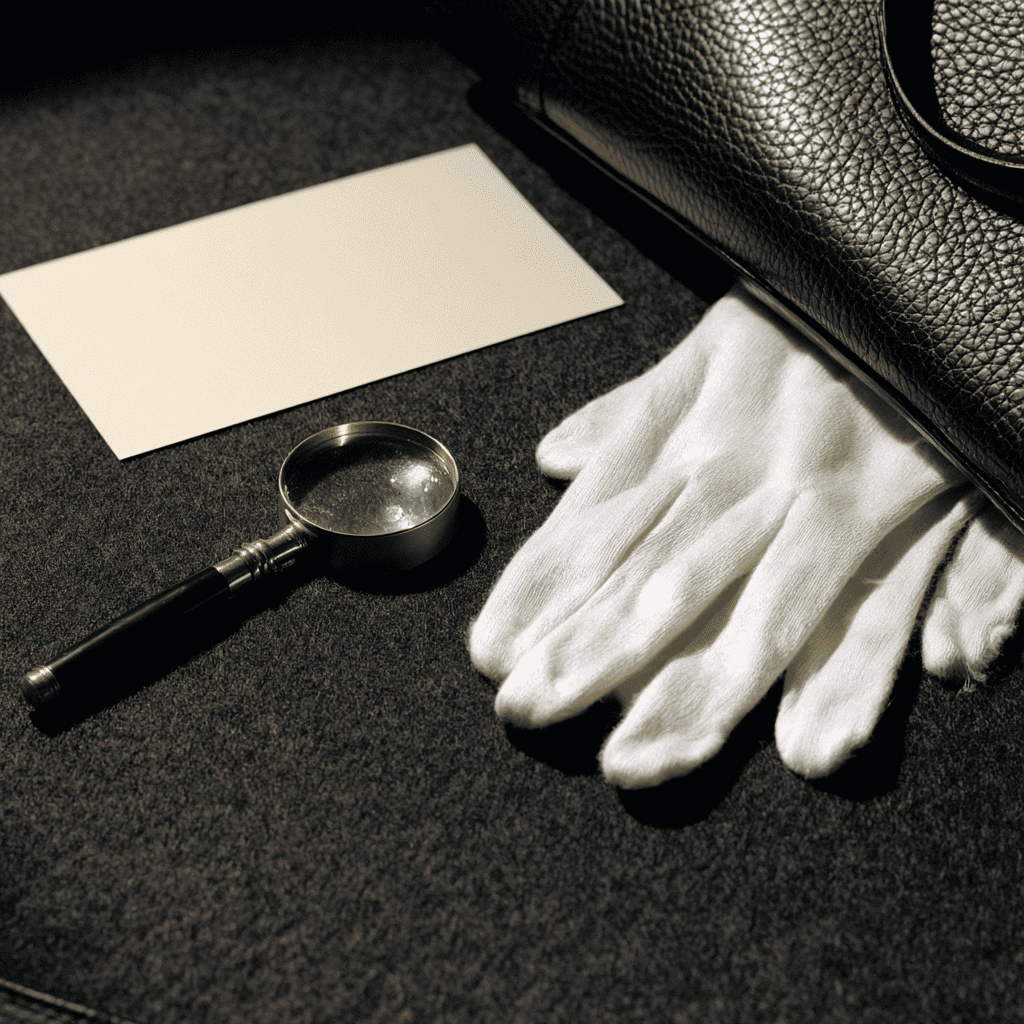
This is the question that brings collectors to Japan, and the reassuring answer is that the system is built for it. Major resale chains run rigorous in-house authentication, and many belong to the AACD, the industry association that sets standards for the pre-owned luxury trade. A genuine piece typically comes with a guarantee card, a detailed condition grade, and full transparency on any repairs or wear. When you buy from an established chain or a reputable specialist, the authentication is part of the price rather than an afterthought. As a matter of habit, keep the guarantee documentation, photograph the item and its serial details, and favour stores with a physical presence and a return policy over anonymous sellers. A Japanese vintage-style watch makes the point on a smaller budget: a piece from a maker like Seiko carries the same design heritage at a fraction of the resale price, and a current model is a sound entry for anyone not ready to chase a vintage reference.
What to Look For: Clothing and Textiles
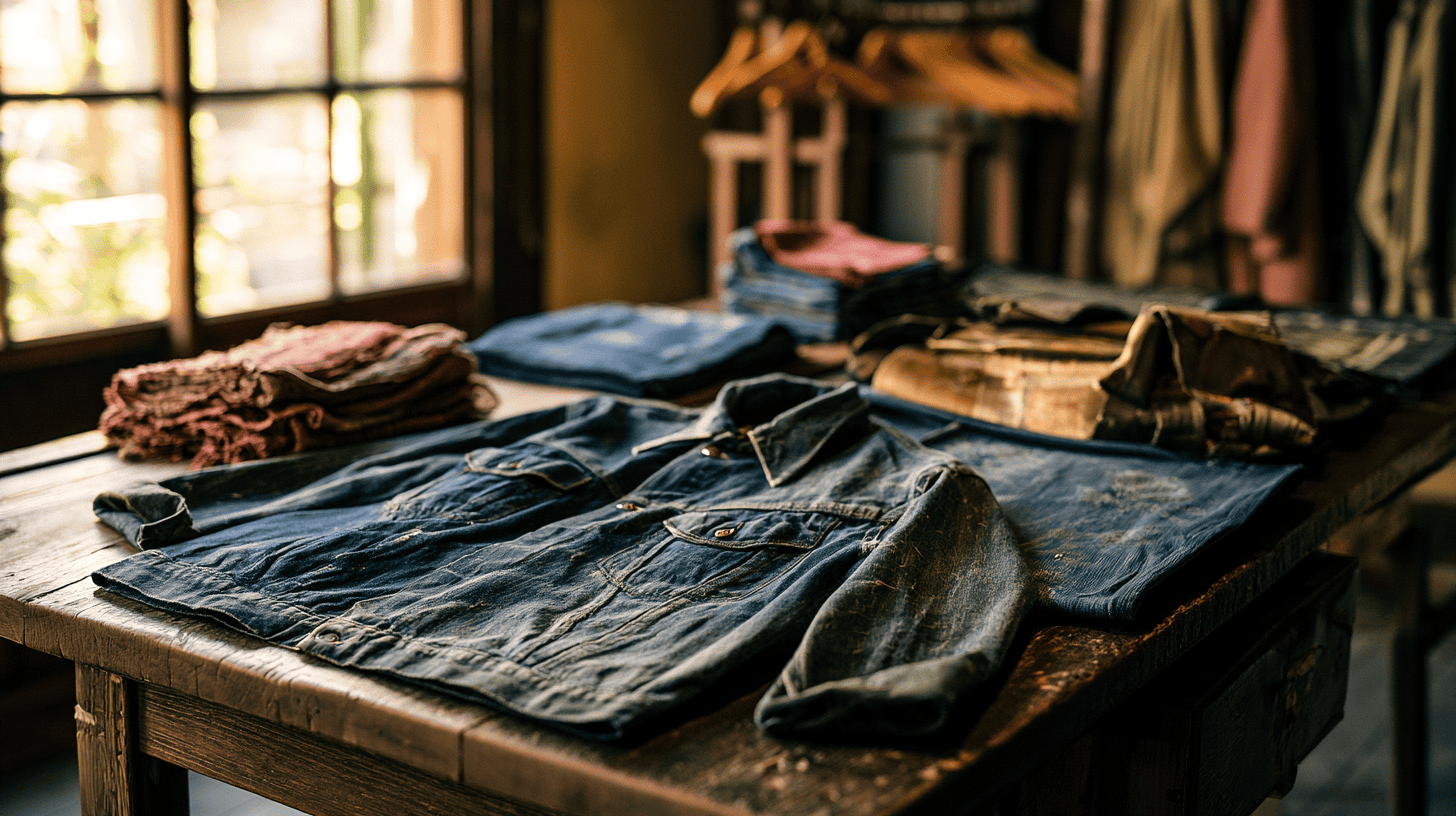
Once you are inside, certain categories reward Japan’s particular strengths. Clothing and textiles top the list, because the country preserves both its own traditional garments and the imported styles it has made its own. Three things are worth seeking out in particular.
Vintage kimono and haori
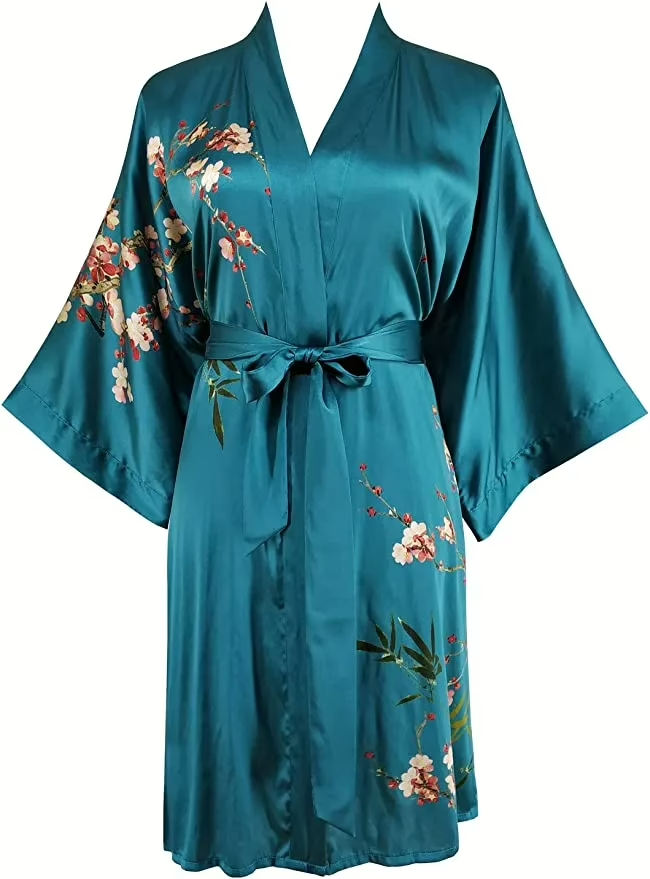
The flea markets and traditional shops overflow with secondhand kimono, obi sashes, and haori jackets, often at a fraction of new prices. A silk haori reads beautifully as an unstructured jacket over modern clothes, and an obi can become a table runner or wall piece. Look closely for staining along the collar and underarm, and for the condition of the silk at the folds. A modern Japanese-made haori or kimono robe is the cleaner option for daily wear if you want the silhouette without the fragility of an antique.
Japanese selvedge denim

Japan’s relationship with denim is its own discipline. The country revived and perfected loom-woven selvedge denim long after American mills moved on, and the secondhand racks in Koenji and Osaka reward anyone hunting worn-in jackets and jeans. A genuine vintage piece carries a fade no new garment can fake, but the new selvedge from Japanese makers like Japan Blue and Studio D’Artisan is the sound buy if you would rather earn the fade yourself. Check the waistband construction, the hardware, and the inside seam for the tell-tale woven edge.
The book that explains all of it
If one object makes sense of why Japan obsesses over vintage Americana, it is a book. Ametora: How Japan Saved American Style by W. David Marx is the cultural history of how Japanese makers preserved and refined classic American clothing, from denim to oxford shirts, when its home country abandoned it. Read it before a trip and the racks in Koenji stop looking like clothing and start looking like a living archive. It also doubles as the most thoughtful souvenir of the whole category.
A printable one-page map of the neighbourhoods, recycle-shop chains, and flea-market dates worth your time — the shortlist we would hand a friend before a trip. Sent in one email.
Vinyl, Cameras, and Retro Objects
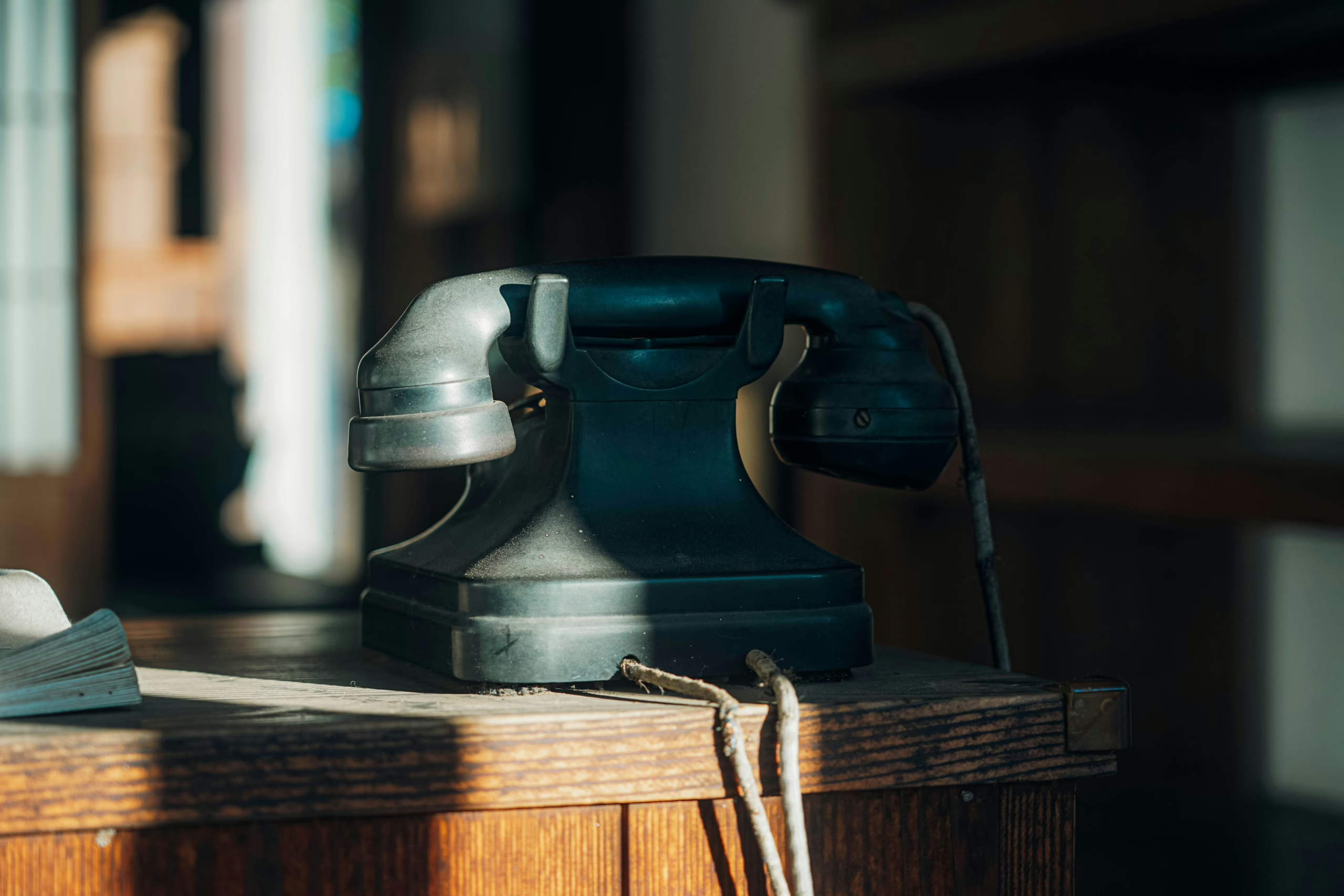
Beyond clothing, Japan’s secondhand shops are a paradise of objects, kept in working order by the same culture of care. Three categories reward the patient browser, and each has a buy-new counterpart worth owning if the original proves elusive.
Records and city pop

Japan’s vinyl culture never died, and the secondhand bins in Shimokitazawa and Koenji are dense with pressings you cannot easily find elsewhere, including the city-pop records that have found a new global audience. Original pressings of Mariya Takeuchi or Tatsuro Yamashita are the hunt; clean reissue LPs are the reliable buy when an original is out of reach or out of budget. To play them back home, the Audio-Technica AT-LP60X turntable, from the Tokyo company that has built phono cartridges since 1962, is the most-recommended entry deck in its class.
Vintage cameras
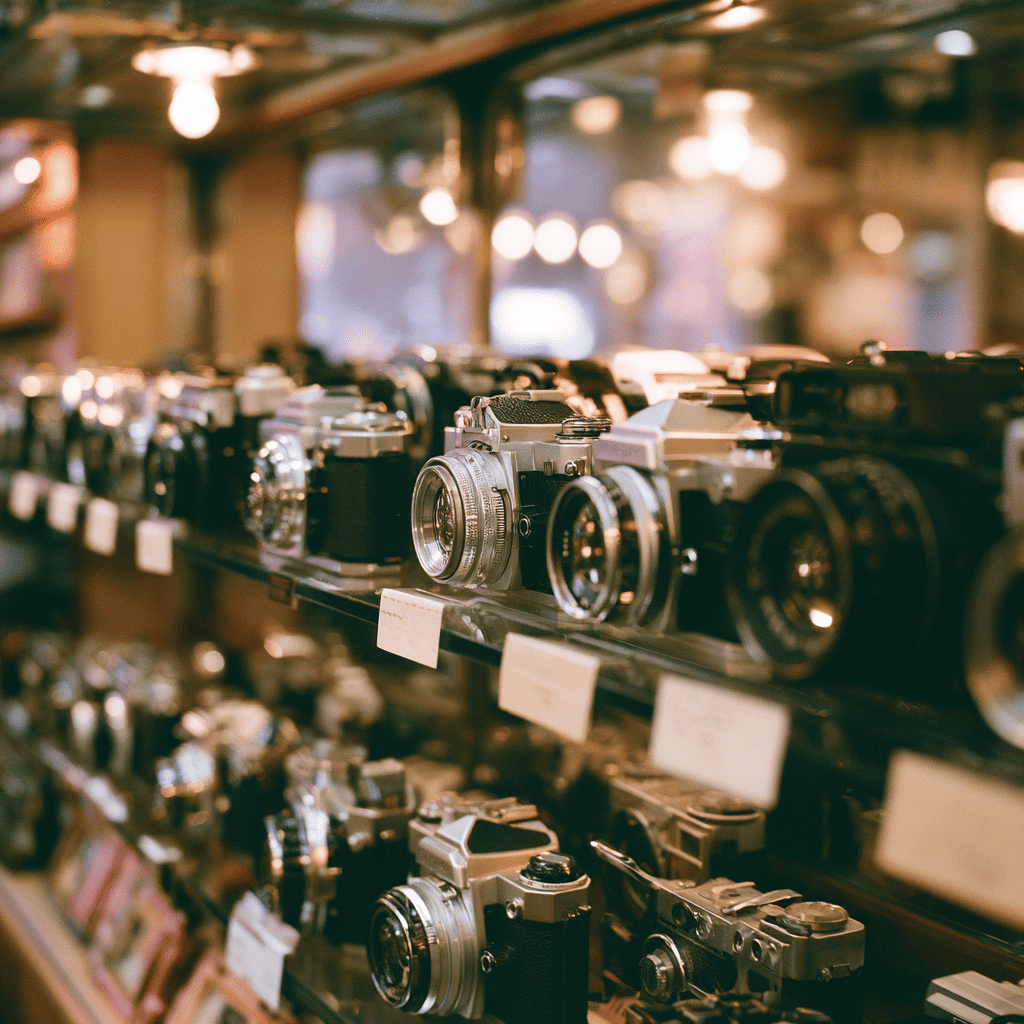
Japan invented much of modern camera design, and its used-camera shops, concentrated in Shinjuku and Nakano, are legendary among collectors. Rangefinders and SLRs from Nikon, Canon, and Pentax sit in graded cases, often tested and guaranteed. A genuine vintage body rewards the committed; for everyone else, the Fujifilm Instax Mini Evo captures the retro-rangefinder feeling with the convenience of instant prints, and it travels far better than a fragile fifty-year-old shutter.
Ceramics and Shōwa homeware
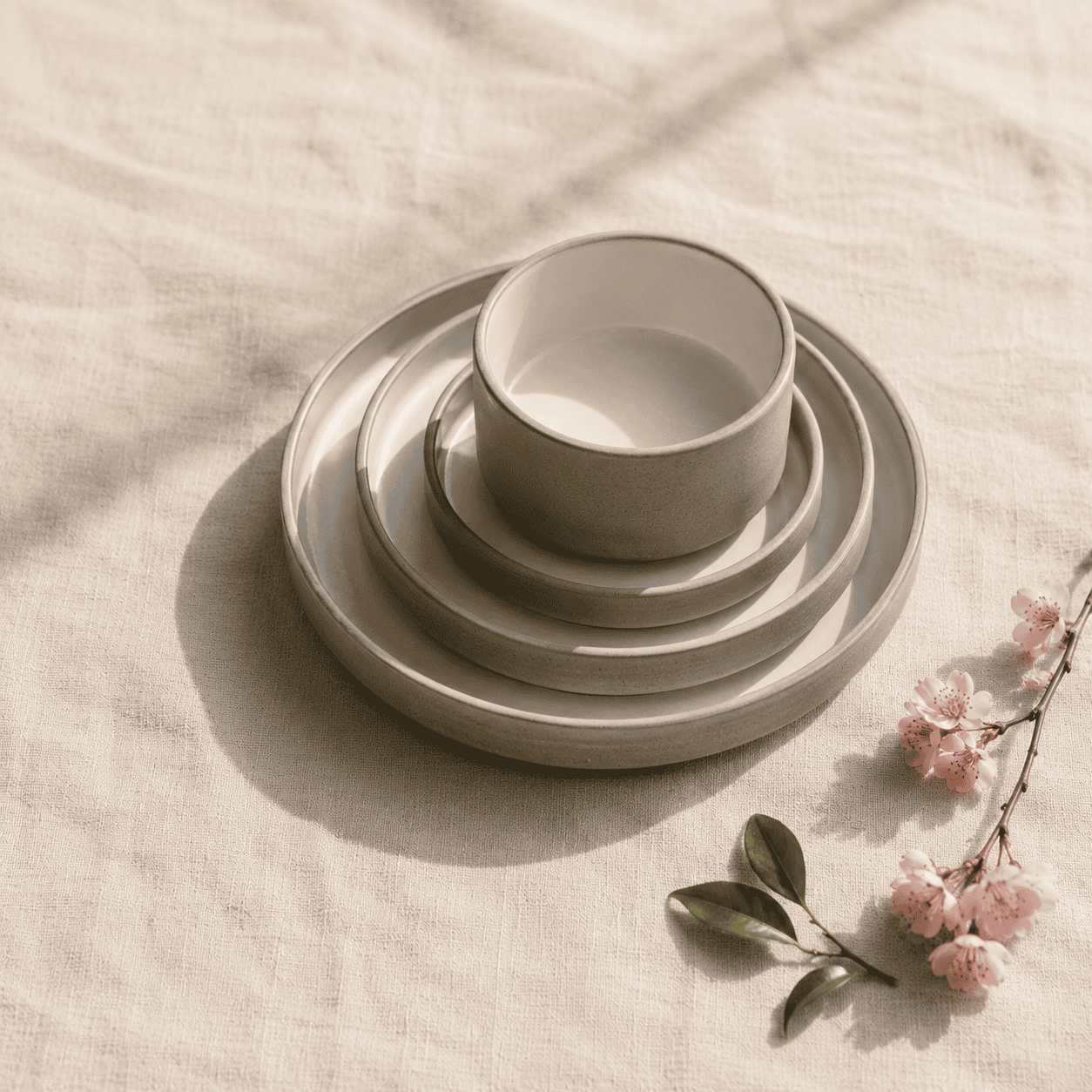
The flea markets and recycle shops are full of older ceramics, lacquerware, and Shōwa-era homeware, from tea bowls to enamel kettles to glassware. These are the souvenirs that hold their meaning longest. A piece of new Hasami-yaki porcelain, made in the Nagasaki pottery town that has fired porcelain for four centuries, sits beautifully alongside the vintage finds and survives the journey home without the worry of a hairline crack you cannot see.

The katsu sando is the crustless pork-cutlet sandwich that fills department-store food halls and keeps a record-digging afternoon going. Pound a boneless pork loin cutlet to an even thickness, season it, then coat in flour, beaten egg, and panko. Fry in oil at 170 degrees Celsius for three to four minutes a side, until deep gold, then rest it on a rack. Mix a quick sauce from two tablespoons of tonkatsu sauce, a teaspoon of ketchup, and a teaspoon of Worcestershire. Butter two slices of soft white milk bread, brush on the sauce, lay in the cutlet, and press gently. Trim the crusts, cut into three neat fingers, and eat standing up if the music is good.
Books, Manga, and Paper
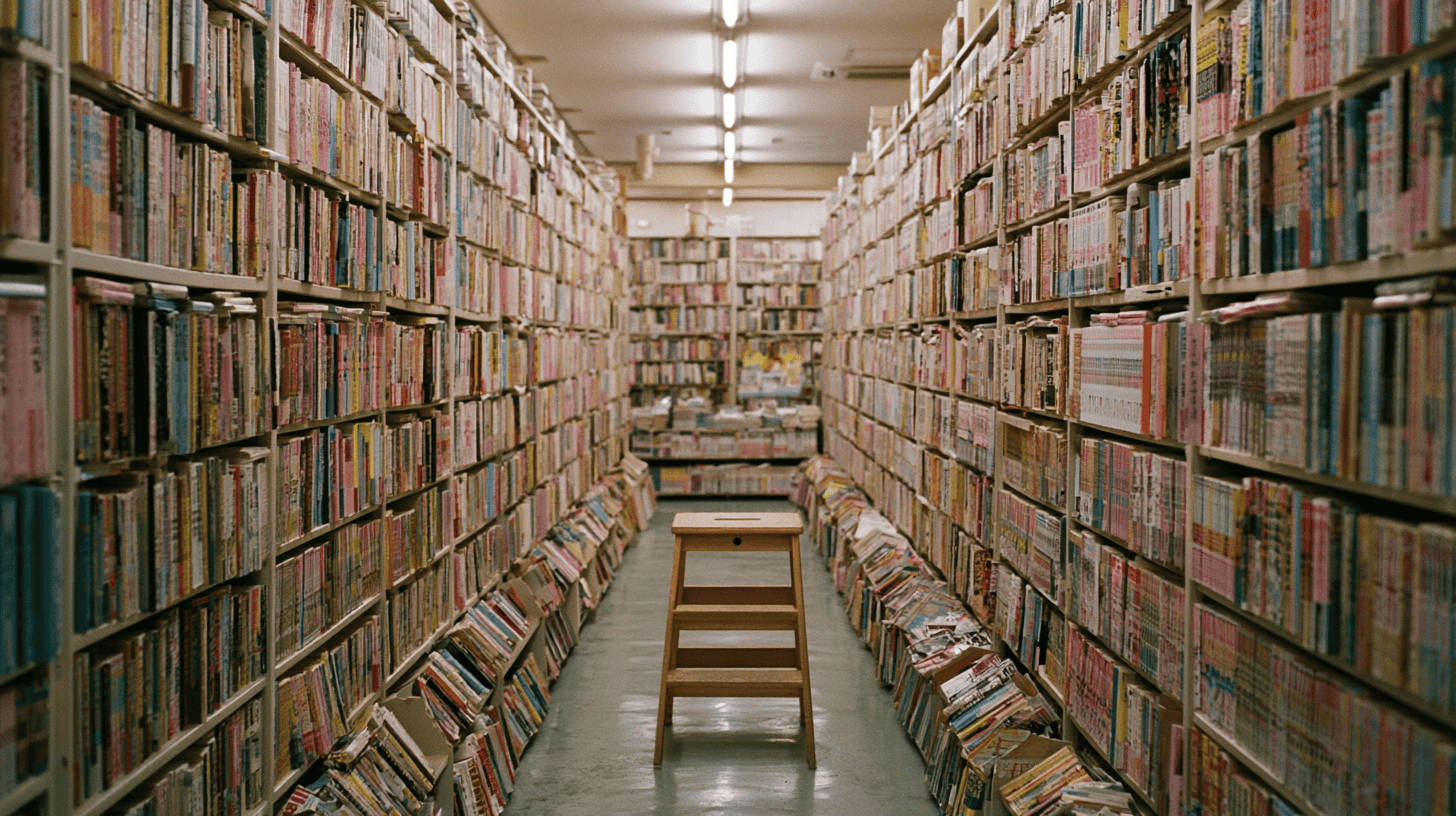
Paper is the understated pleasure of vintage shopping in Japan. Secondhand bookshops carry out-of-print manga, art books, and old travel guides that exist nowhere else, all sorted with the same discipline the chains apply to clothing.
Book Off and the secondhand book route
Book Off is the most undervalued resource on the circuit, with hundreds of clean, organised stores stocking secondhand manga, books, and media at low prices. The cataloguing is honest and the turnover is fast, so a focused visit to a large branch yields a stack that would cost many times more from a Western specialist. For a collector building a complete run of a manga series, nothing matches it.
Mandarake and the collector’s archive
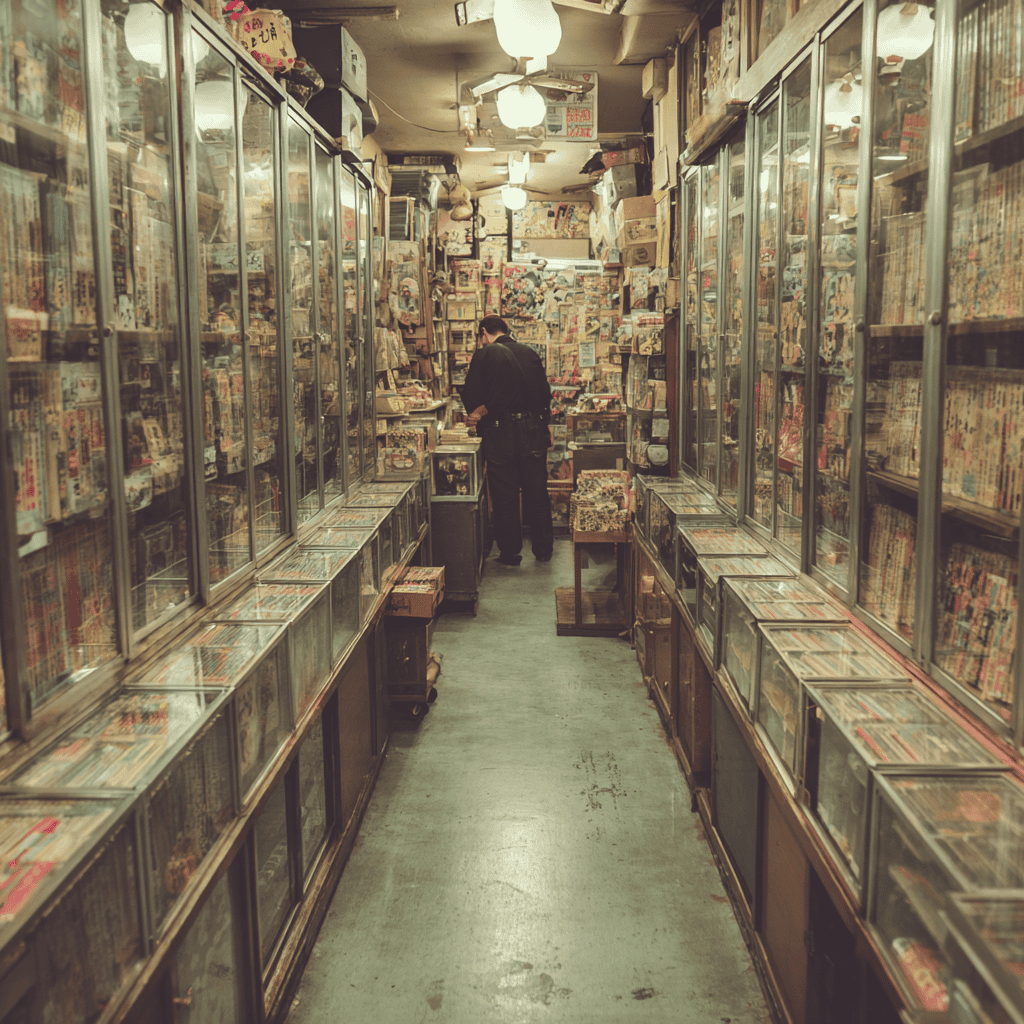
For rarer material, Mandarake is the deep archive: vintage manga, animation cels, art books, and ephemera from properties long out of print, with its flagship in Nakano Broadway. A serious browse runs to hours. Our full guide to anime and manga shopping in Japan maps the wider collector’s circuit. For design-minded readers, a vintage Japanese design or Shōwa-era photo book is a rewarding hunt in its own right, capturing a graphic sensibility that still shapes how the country looks today.

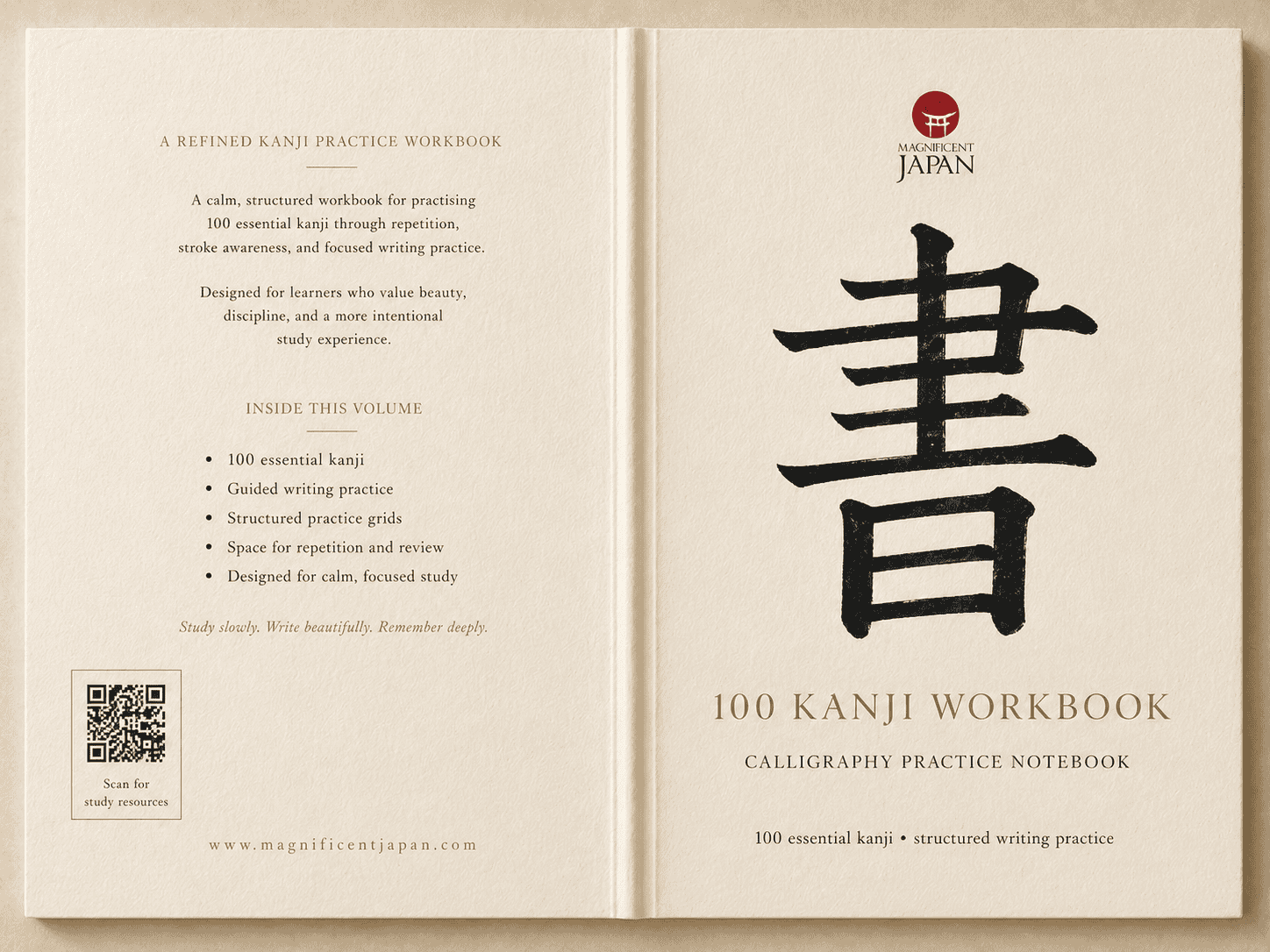
The Magnificent Japan Journals are made for exactly this kind of trip: a slow record of where each piece came from, what it cost, and the shop that sold it. Cream pages, carry-on durable, ink-friendly.
How to Shop Secondhand in Japan
A little practical knowledge turns a good day of vintage shopping in Japan into a smooth one. The mechanics differ enough from Western thrifting that they are worth covering before you go.
Cash, sizing, and hours
Carry cash. Large chains and luxury resale take cards and contactless, but small vintage shops and every flea-market stall expect yen in hand. Mind the sizing, too: Japanese clothing often runs smaller than Western equivalents, and labels may use Japanese measurements, so try things on rather than trusting the tag. Many independent shops open late morning and keep their best stock fresh first thing, so an early start beats an afternoon scrum.
The tax-exemption question
Do not assume a secondhand purchase qualifies for an exemption. Japan’s tax-exemption scheme is built around new goods from registered retailers above a minimum spend, and most used and vintage items fall outside it. A few large resale chains run tax-exemption counters for visitors, but treat that as the exception. Budget for the consumption tax on secondhand buys and you will not be caught out at the register.
Getting it home
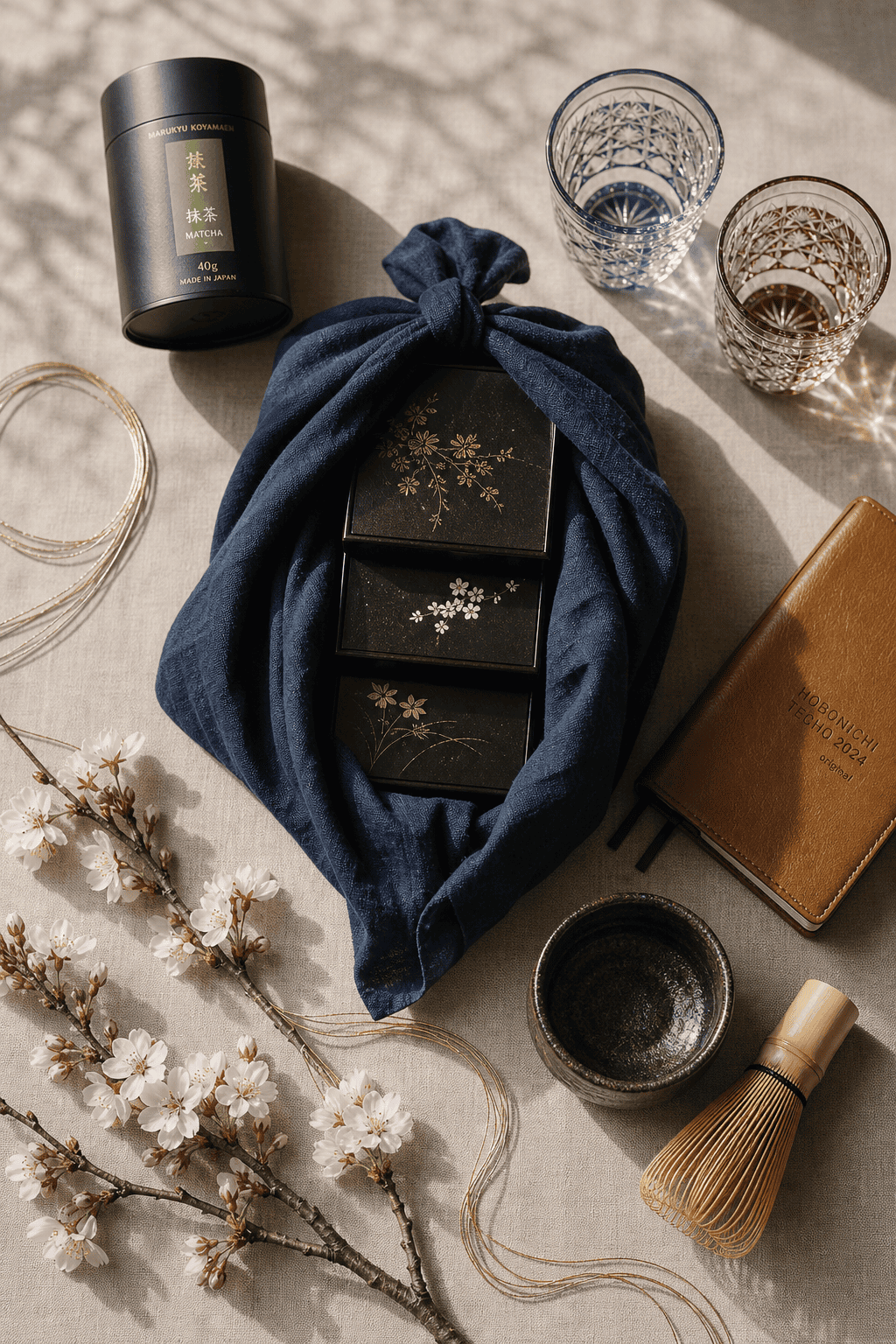
For fragile finds like ceramics, ask whether the shop will arrange international forwarding; many of the larger stores will. For clothing and textiles, a cotton furoshiki wrapping cloth, made in Japan, doubles as soft packing in a suitcase and a beautiful object in its own right. Keep receipts for anything you may need to declare at customs, and photograph valuable pieces and their documentation before they go in the case.
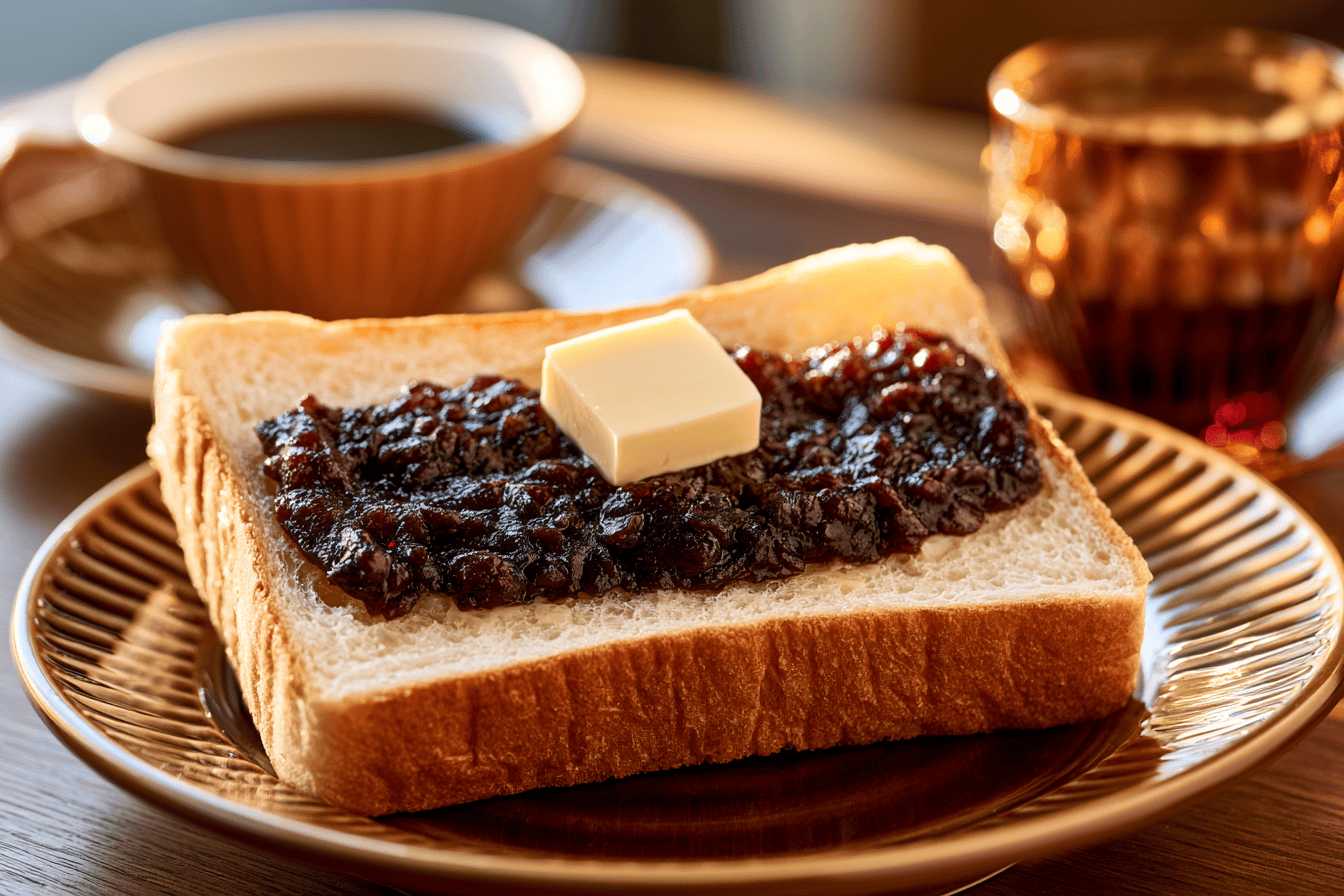
A vintage day often starts in a kissaten with the Nagoya classic, ogura toast: thick toast, butter, and sweet red bean. Toast a slice of thick-cut white milk bread, two to three centimetres deep, until the surface is crisp and the centre stays soft. Butter it generously while hot so the butter sinks in. Spoon over two tablespoons of anko, the sweet azuki bean paste, spreading it to the edges or leaving it in a neat ridge down the centre. A final thin pat of cold butter on top is the Nagoya touch. Eat with strong black coffee, and plan the route between shops while it lasts.

If a real trip is on your horizon, the practical mechanics above are the kind of detail a well-built itinerary handles for you, so the day itself is just the shopping.
Where to Shop Japanese Vintage Online
You do not have to wait for a flight to start. Because so much of Japan’s vintage trade runs through chains, a great deal of it is searchable and shippable from home.
For secondhand luxury and designer fashion, the major resale chains run English-friendly online stores you can search by brand, size, and condition, with each item’s physical store location listed so you can collect in person on a trip. For manga, art books, and collector’s ephemera, Mandarake’s online store ships internationally and carries the deep back-catalogue its physical shops are known for. For everyday secondhand clothing, the big recycle chains increasingly list stock online, though the in-person dig remains the better experience.
The third route is the trip itself, built around the market calendar and the neighbourhoods that suit your taste. A morning in Shimokitazawa, an afternoon at a Kyoto temple market, a detour to a Komehyo watch floor: this is the kind of day a well-built itinerary can shape around you.
Questions Worth Asking
In Japan, secondhand stores are usually called recycle shops, written リサイクルショップ. The term covers everything from neighbourhood chains that sell used clothing, books, and electronics to dedicated vintage boutiques and authenticated designer resale. Knowing the word helps, because much of the best vintage shopping in Japan happens at chains rather than one-off stores.
It spans the full range. Neighbourhood recycle chains like 2nd Street and Treasure Factory sell everyday secondhand clothing from a few dollars upward. Curated boutiques in Shimokitazawa and Koenji price reworked and rare pieces higher. Authenticated luxury resale at Komehyo or Brand Off can run into the thousands for a Chanel or Hermès bag. You set the budget by choosing the kind of shop.
Japan has one of the deepest secondhand-luxury markets in the world. Chains such as Komehyo, Brand Off, Ragtag, and Kindal occupy multi-floor stores devoted entirely to pre-owned designer fashion, with rigorous in-house authentication. The condition is typically excellent and the guarantee systems are trusted, which is why collectors travel specifically for it.
Larger chains and luxury resale stores almost always accept cards and contactless payment. Smaller independent vintage shops and flea-market vendors often do not, so carry cash. At temple flea markets like Tōji and Tenjin-san, cash is the rule rather than the exception.
Shimokitazawa is the densest concentration of vintage stores in the city, with Koenji a close second for retro clothing and records. Harajuku and Cat Street mix high-end vintage with secondhand luxury, while Kichijoji and Nakano reward a slower, gentler browse. Most serious shoppers loop two or three of these neighbourhoods in a day.
Yes. Japan Post offers reliable international surface and air shipping, and many larger shops will arrange forwarding for fragile items like ceramics. For clothing and textiles, a cotton furoshiki wrapping cloth doubles as soft packing in a suitcase. Keep receipts for anything declared at customs back home.
Usually not. Japan’s tax-exemption scheme for shoppers applies mainly to new goods bought from registered retailers above a minimum spend. Most used and vintage items fall outside it, so expect to pay the consumption tax on secondhand purchases. A handful of large resale chains run tax-exemption counters for tourists, but treat it as the exception, not the rule.
The Long View on the Hunt
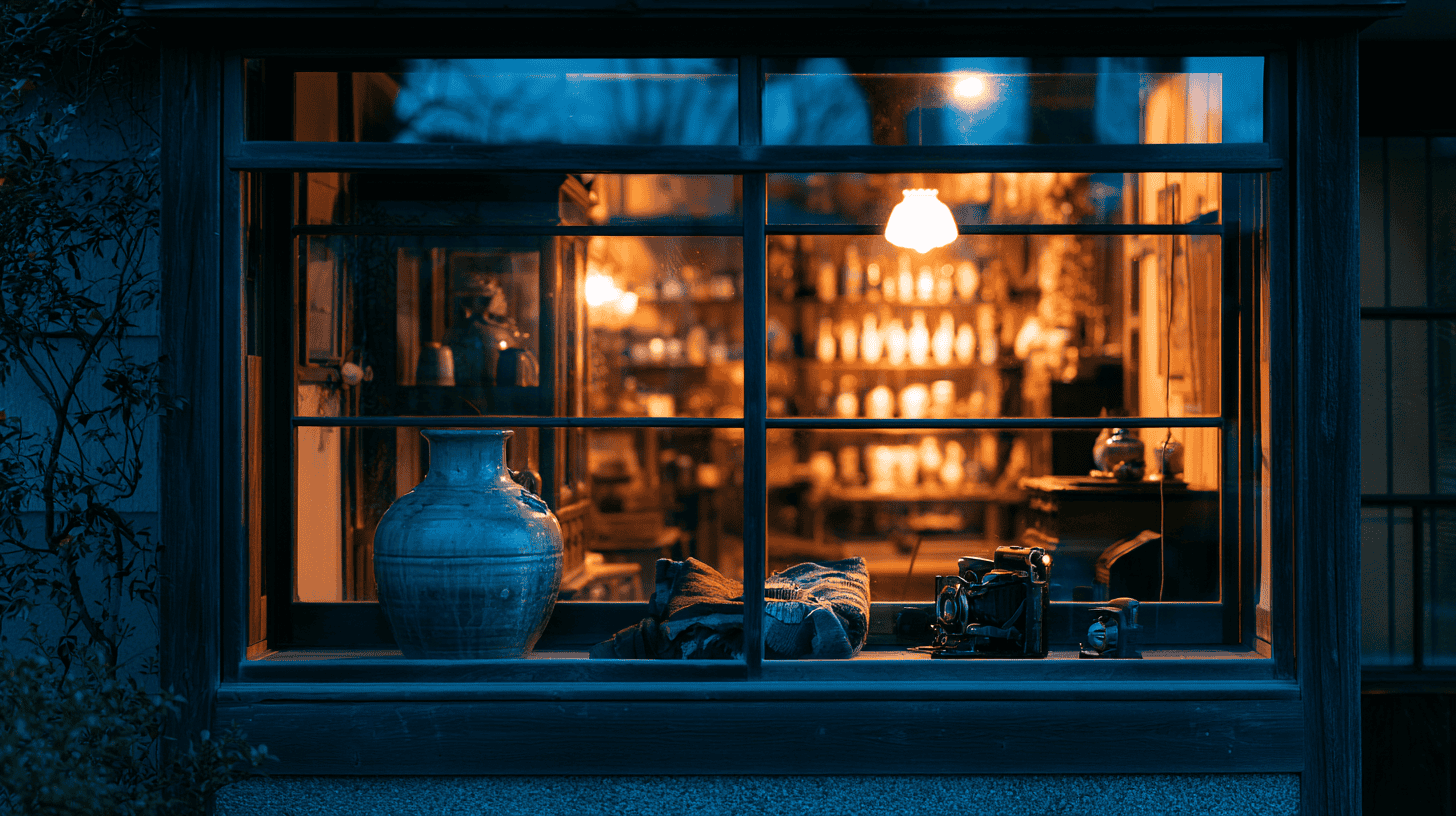
What lingers after a day of vintage shopping in Japan is rarely the bargain. It is the rayon shirt with a maker’s tag from a mill that no longer exists, the record someone loved enough to keep pristine, the tea bowl that has already outlived one household and will outlive another. Japan treats its recent past as something worth maintaining, and browsing its secondhand shops is a way of reading that attitude one object at a time. Start with a neighbourhood and a market day, carry cash, and let the route unfold. For the wider context these shops belong to, our guide to made-in-Japan gifts is a natural next read.
A bespoke Japan itinerary, designed around the way you actually want to travel. The route can be shaped around the flea-market calendar, the right neighbourhoods, and the secondhand-luxury floors worth your time. Not a packaged tour, but a plan built from a single conversation.
Begin a Custom Itinerary