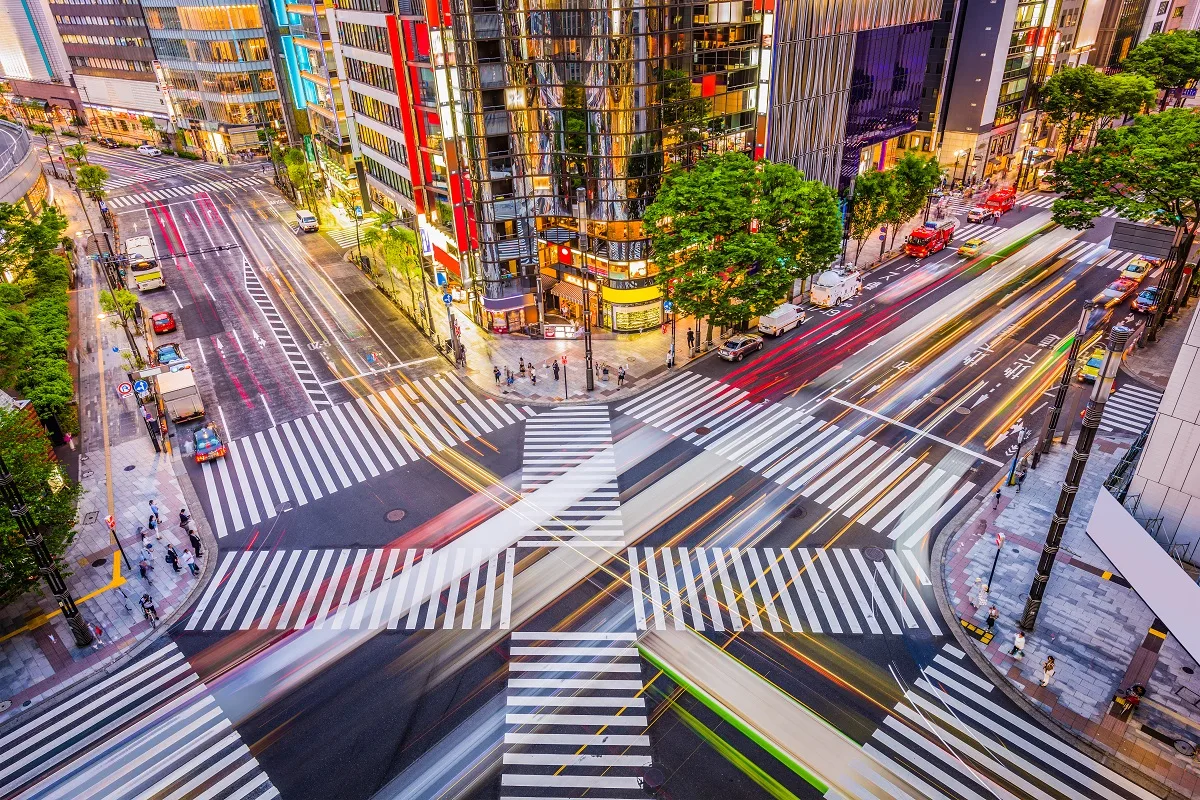
Tokyo shopping districts are less a single market than a set of distinct characters. Ginza dresses for dinner. Omotesando studies architecture. Kappabashi talks about knives and bowls. Learn which neighborhood suits your errand, and a shopping day in Tokyo becomes a pleasure rather than a marathon.
Many visitors arrive with a list and leave with a story instead. That happens because shopping here is a craft in itself. Staff wrap a simple notebook as if it were jewelry. A department store basement sells peaches like works of art. Even a corner hardware shop arranges its tools with care.
This guide reads the city by neighborhood, from the flagships of Ginza to the vintage lanes of Shimokitazawa. It also covers the tax refund rules that change in November 2026, and how to send heavy purchases home. For gift ideas to carry back, start with our list of made-in-Japan gifts worth sending. Then return here to plan where to find them.
What are the best shopping districts in Tokyo?
Ginza leads for department stores, flagships and stationery. Omotesando and Aoyama suit design-led fashion, while Harajuku and Shibuya carry youth style. Daikanyama, Nakameguro and Shimokitazawa offer small boutiques and vintage. Kappabashi sells kitchen tools, Nihonbashi offers heritage craft, and Shinjuku gathers everything near one station.
Before the neighborhoods, it helps to understand how Tokyo arranges its shops. The city has no single main street. Instead, each district grew around a station, a trade or a moment in fashion history. So a good shopping day picks two neighborhoods that sit close together, then gives each one a few unhurried hours. Trying to cover the whole city in one afternoon only leaves you tired, with sore feet and very few bags.
How to Read Tokyo Shopping Districts
Think of each district as a specialist. Ginza and Nihonbashi hold the grand department stores. Aoyama and Omotesando hold the designer flagships, many in buildings by famous architects. Meanwhile, the western neighborhoods hold independent shops, cafés and secondhand clothing. Once you match the errand to the district, the city stops feeling enormous.
Department stores deserve special attention, because they work differently here. Each floor is a world of its own, from cosmetics at street level to restaurants at the top. The basement, called depachika, sells prepared food, sweets and fruit of startling quality. Above all, the service is precise. Staff bow as the doors open, and wrapping is an art form rather than an afterthought.

Timing matters as much as place. Most shops open around ten or eleven in the morning and close by eight in the evening. Weekends are crowded in every major district, especially in the afternoon. Weekday mornings, by contrast, feel calm and spacious. If you can shop on a Tuesday at eleven, you will see the city at its most generous.
Finally, carry both a card and some cash. Large stores accept cards everywhere, and many take transit cards too. However, small craft shops and market stalls sometimes prefer cash. A little coin purse earns its place on these days, as you will see in Nihonbashi below. With those habits in place, the Tokyo shopping districts below open up one by one.
Ginza: Flagships, Department Stores and Stationery
Ginza is the most polished of the Tokyo shopping districts. Its main avenue, Chuo-dori, is lined with flagship stores and grand department stores. Wako and Mitsukoshi face each other at the central crossing, according to the official Tokyo visitor guide to shopping. Ginza Six, a newer complex, sits a few minutes away. On weekend afternoons, the avenue closes to cars, so shoppers walk down the middle of the road.

Ginza rewards window shopping as much as buying. Jewelers and fashion houses dress their windows with real ambition, changing them with the seasons. Even if you buy nothing, an evening walk past the displays feels like a gallery visit. Then step inside one department store and ride the escalator from bottom to top, floor by floor. Notice how each level changes its mood, lighting and music. By the top floor, you will understand how the whole district thinks about selling.

Paper, pens and the stationery floors
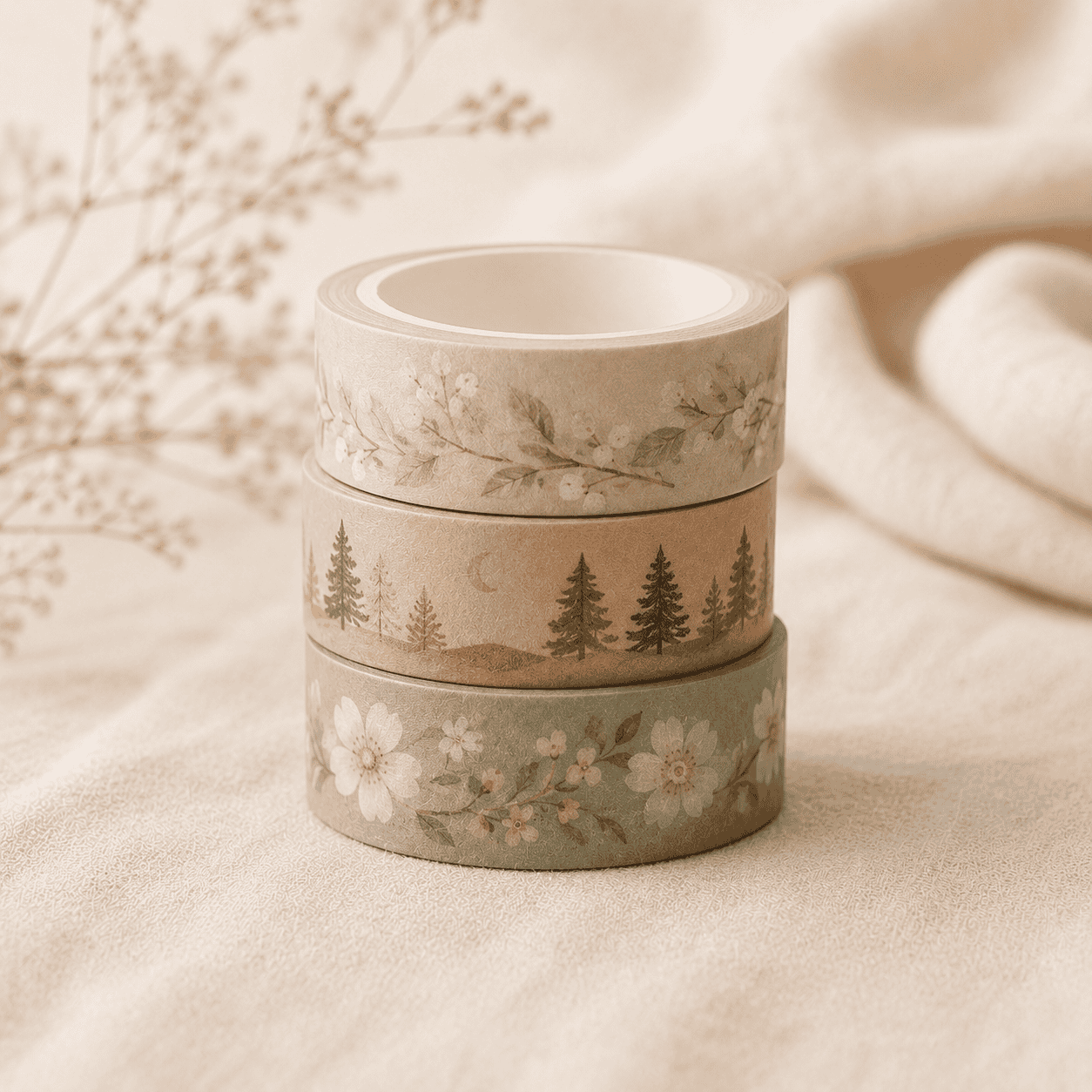
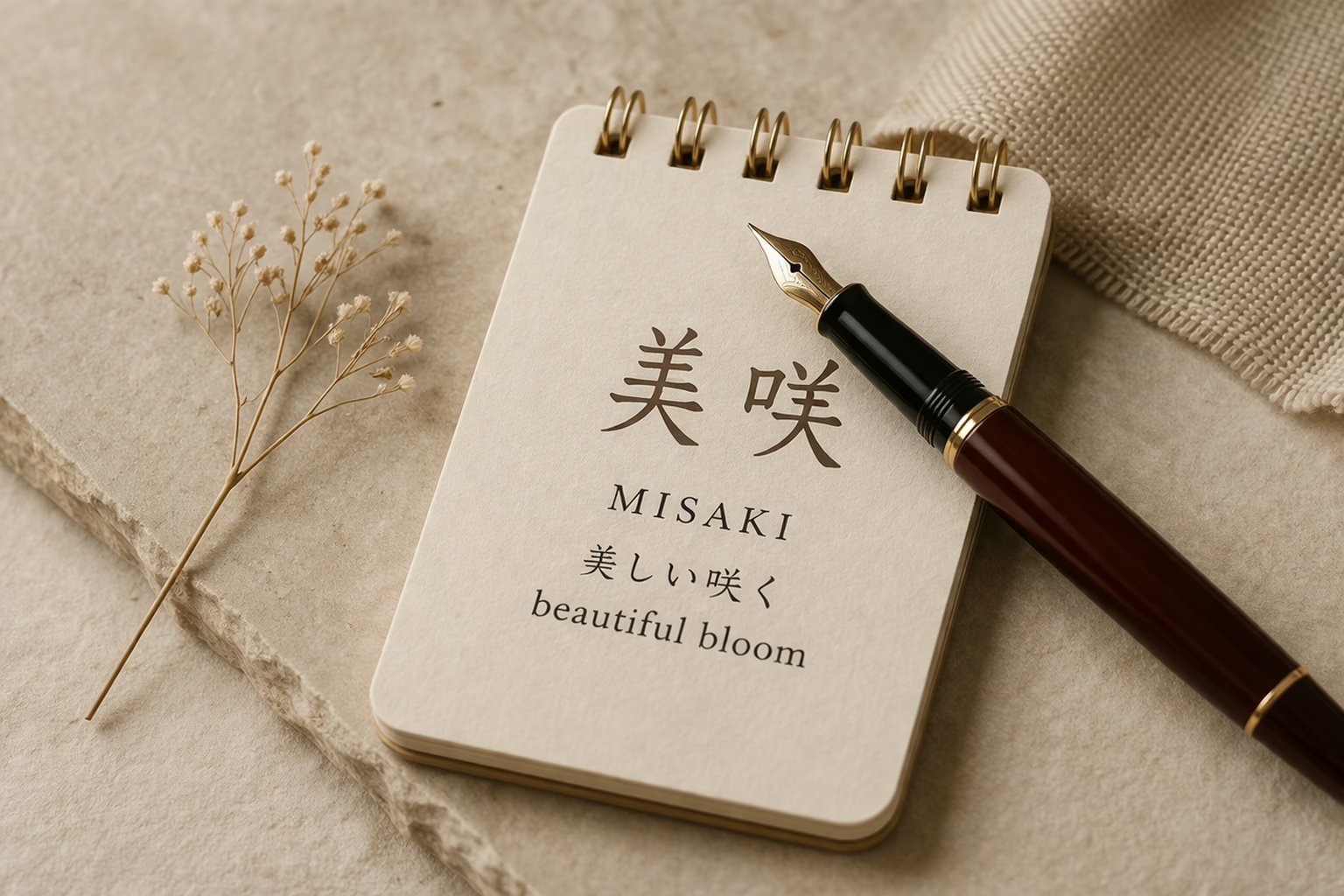
Ginza also holds some of the city’s finest stationery shops, spread across many floors. Fountain pens, washi paper and hand-printed cards fill whole levels. For many travelers, a stationery shop becomes the surprise highlight of the trip. The objects are small, beautiful and easy to pack. They also make thoughtful gifts for friends at home. Staff will often test a pen with you, choosing the nib and ink together. Allow an hour, because the drawers of seasonal paper are hard to leave.
Ginza closes earlier than younger districts, and that suits a gentle pace. Shop in the late morning, then take lunch on a department store’s restaurant floor. After that, spend the afternoon on one or two flagships rather than ten. By early evening, the neighborhood shifts toward dinner and cocktail bars. Our guide to Tokyo nightlife by neighborhood picks up where the shopping day ends. In other words, Ginza can hold a whole day on its own, from the first coffee to the last drink.
You may also like
Ginza’s grandeur has an older neighbor just to the north. Walk fifteen minutes up Chuo-dori and the avenue becomes Nihonbashi, the historic heart of Edo commerce. Here the department store story began. The shops feel older, the names carry centuries, and the pace slows a little. It makes a natural second half to a morning in Ginza, and it is rarely as crowded on weekends. So keep comfortable shoes on, because the walk itself is part of the pleasure.
Nihonbashi: Where Japanese Retail Began
Nihonbashi was once the commercial center of Edo, as Tokyo was called before 1868. Merchants sold cloth, lacquer, knives and paper along its streets. Several of those businesses still trade today, some in the same family for generations. The Isetan Mitsukoshi group history traces Mitsukoshi back to 1673, when it began as a kimono-fabric shop. Its main store still anchors the district.
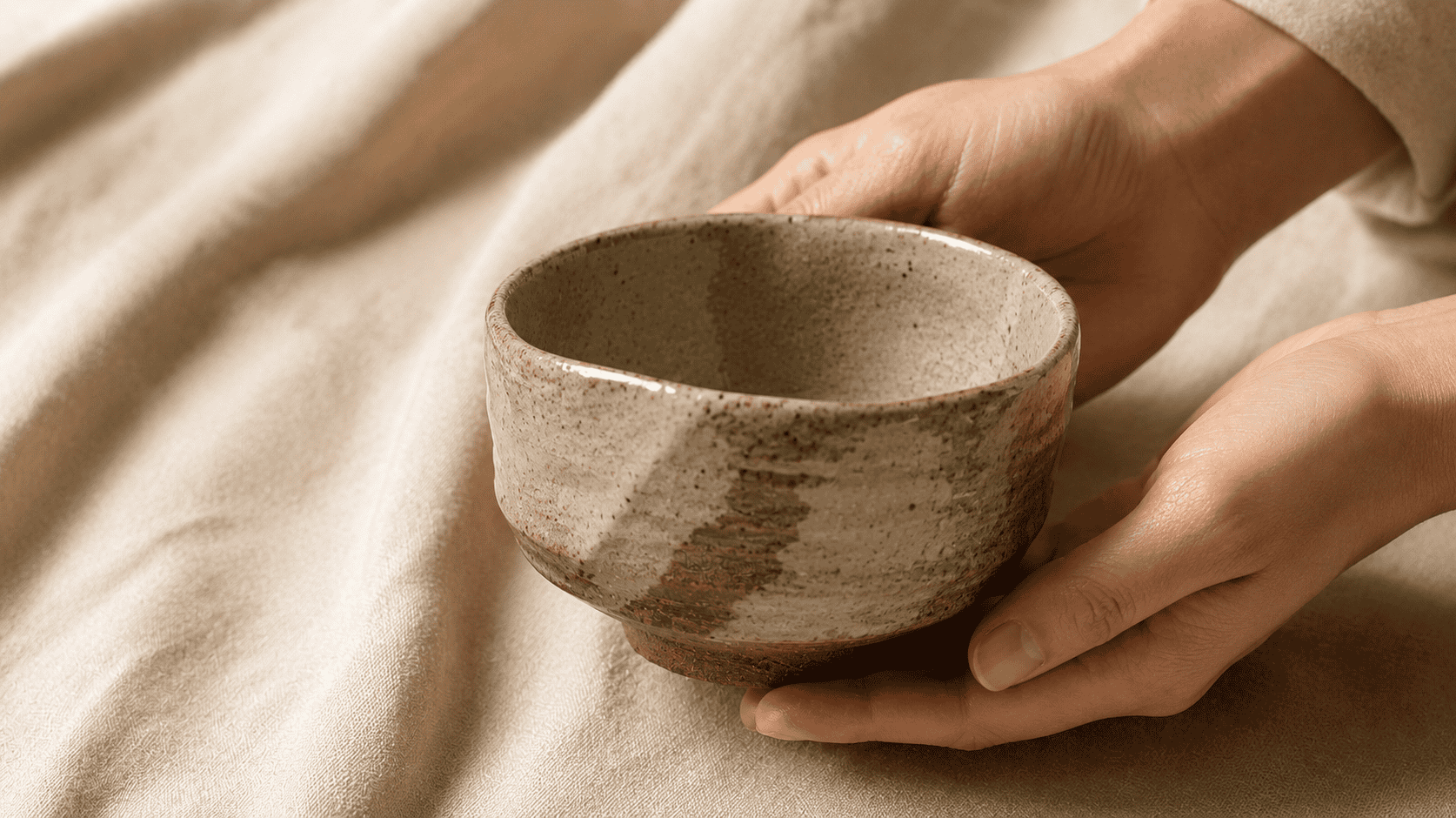
For travelers, Nihonbashi is the place for heritage craft. Old shops sell lacquerware, chopsticks, dried bonito and hand-made brushes. Many of them welcome browsers, though staff will often explain a piece before you touch it. That ritual is part of the value. You leave knowing who made the object and why it looks the way it does.
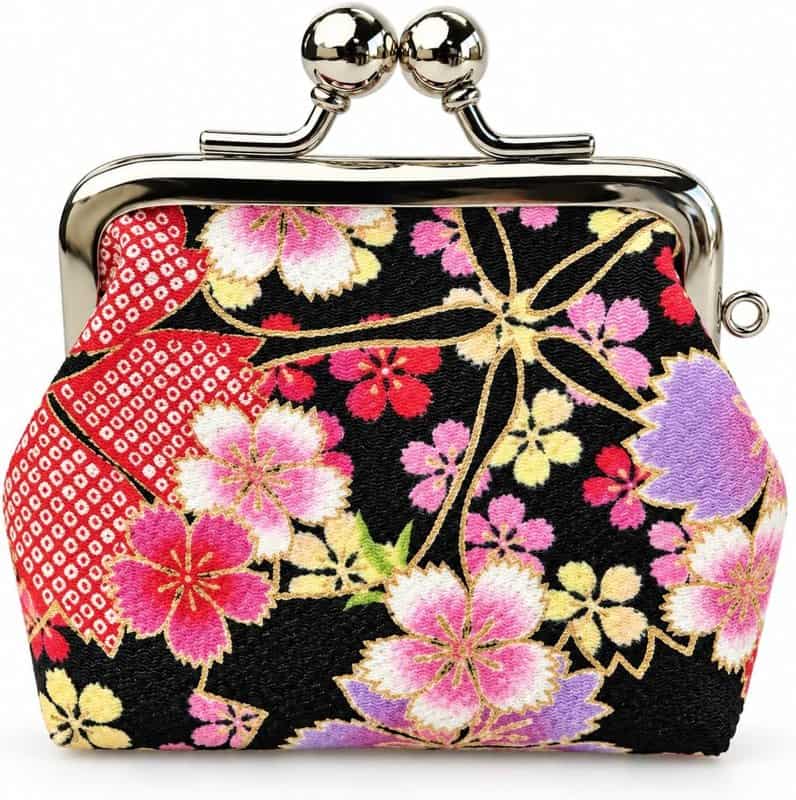
Edo-era patterns survive in small, practical objects too. Edo komon is a fine repeating print once worn by samurai households, so dense it reads as a solid color from afar. A made-in-Japan Edo komon coin purse carries that print in a kiss-lock pouch. It also solves a real problem, since small craft shops and market stalls often prefer cash.
A slower rhythm on weekdays
Nihonbashi has a gentle rhythm on weekdays, when office workers fill the lunch counters. Visit in the late morning, browse two or three old shops, then eat at a counter nearby. Afterward, the subway reaches Omotesando in about twenty minutes. That move takes you from the oldest shopping culture in the city to some of its newest buildings.
That contrast is part of the pleasure of a Tokyo shopping day. In the morning, you might hold a lacquer bowl from a shop older than the United States. By afternoon, you can walk past glass towers designed for fashion houses from around the world. Both belong to the same city, and both treat selling as a kind of hospitality. The next district shows the modern side at its most refined, and it rewards slow walking.
Omotesando and Aoyama: Architecture and Fashion
Omotesando is a broad avenue shaded by zelkova trees, running downhill from Harajuku toward Aoyama. Fashion houses commissioned celebrated architects to build their stores here. As a result, a walk along the avenue doubles as an architecture tour. Glass, concrete and woven facades sit side by side, each one a statement of taste.

Aoyama, just beyond, is calmer and more grown-up. Its side streets hold Japanese designers, small galleries and concept stores. Here the shopping feels curated rather than crowded. Many boutiques show only a few pieces at a time, arranged with museum-like spacing. Expect beautiful fitting rooms, attentive staff and very little noise. Take your time, because staff here never hurry a customer. Ask about the designer, the fabric and the workshop, and you will usually get a thoughtful answer.
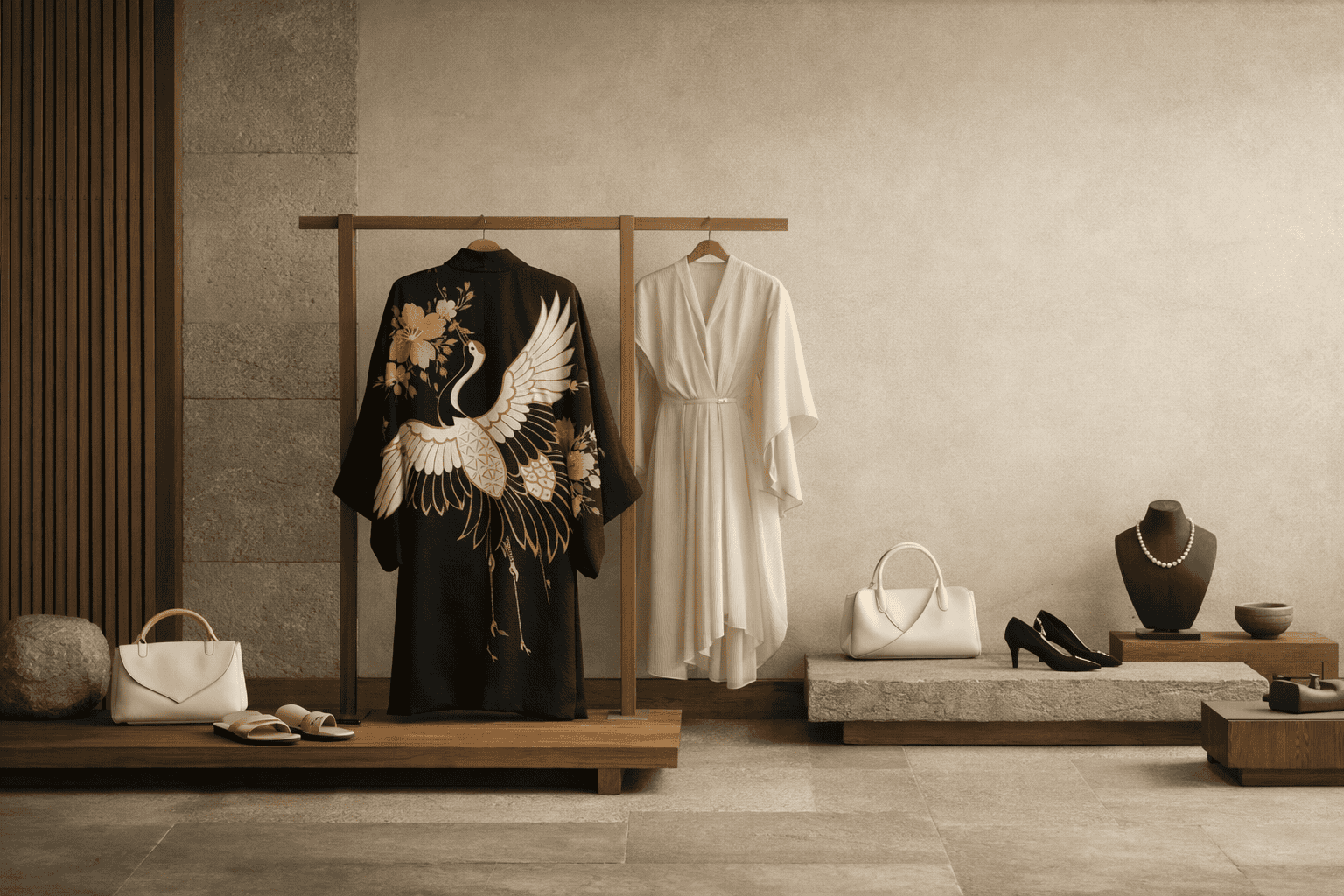
Omotesando Hills, a long building that slopes with the street, gathers dozens of shops under one roof. Nearby, the intersection with Meiji-dori holds a striking mirrored entrance that has become a landmark in itself. Both are easy places to shelter on a rainy afternoon. Then, when the weather clears, return to the side streets, where the more interesting shops tend to hide. Look up as you walk, because many of the best boutiques sit on second floors, reached by a narrow stair beside a café.
You may also like
Planning the shopping days
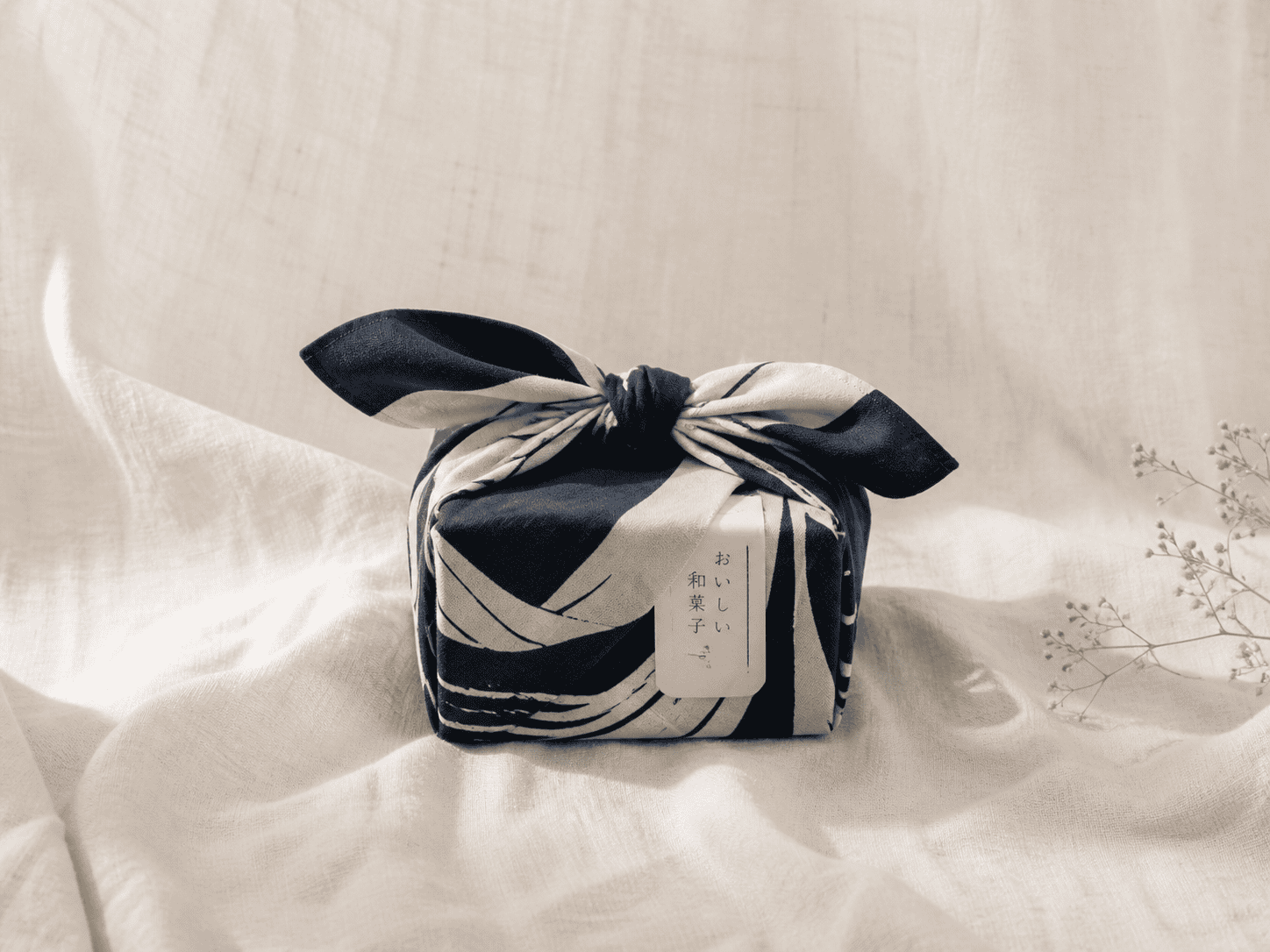
Planning several districts in one trip can feel like a puzzle. Which day suits Ginza, and which suits the western neighborhoods? A custom Japan itinerary can map the shopping days around your hotel, with a private shopper where you want one. Either way, keep Omotesando for a weekday if you can, because weekend crowds fill the avenue by noon. Arrive at opening time, and the flagships feel almost like private galleries. Then break for lunch before the afternoon crowds arrive from Harajuku.

Harajuku and Shibuya: Youth Culture at Full Volume
Harajuku sits at the top of Omotesando, yet it feels like another city. Takeshita-dori, its famous lane, is packed with teenagers, crepe stands and playful fashion. The energy is loud, colorful and cheerful. Visit once to see it, ideally on a weekday morning, perhaps with a stop at one of the themed cafés of Tokyo. Then retreat to Cat Street. That winding back street holds streetwear labels, sneaker shops and smaller brands, along with a few good coffee bars for a break.

Shibuya, a short walk south, is broader and busier. Its department stores and fashion buildings target young shoppers, and its trends move fast. Shibuya 109 has long set the pace for teen fashion. Meanwhile, newer towers around the station add restaurants, galleries and rooftop views. Shibuya works well in short bursts, between a morning coffee and a calm lunch elsewhere. So plan an hour or two, choose one or two buildings, and leave before the evening rush begins. The station crowds peak after six, when offices empty out.

Watching first, then buying
For a grown-up shopper, these two districts are about watching as much as buying. The street style here influences designers far beyond Japan. So bring curiosity rather than a list. If something catches your eye, buy it, because the same piece may be gone next season. Small labels produce short runs, and restocks are rare. That scarcity is part of the thrill, and part of the reason Tokyo style keeps changing so quickly. Keep a little room in your luggage for one bold piece.
After the noise of Harajuku and Shibuya, the city offers a softer alternative just to the south. A few minutes by train, the streets narrow, the buildings drop to two or three floors, and cafés outnumber department stores. This is where many Tokyo residents prefer to shop on an open afternoon. The pace is slower, the boutiques are smaller, and the owners are often behind the counter. It is also where the city’s vintage culture lives, in lanes that reward patient browsing.
Recommended
Daikanyama, Nakameguro and Shimokitazawa: Slower Streets
Daikanyama feels like a village on a hill above Shibuya. Low buildings, leafy lanes and small boutiques give it a relaxed charm. A celebrated bookstore anchors the neighborhood, with long magazine aisles and a café. Nearby shops sell Japanese denim, homeware and well-made basics. It is a lovely place to lose an afternoon without a plan. Start with coffee, then follow whichever lane looks most inviting. Weekday afternoons are the calmest, when the residents walk their dogs and the boutiques have time to talk.
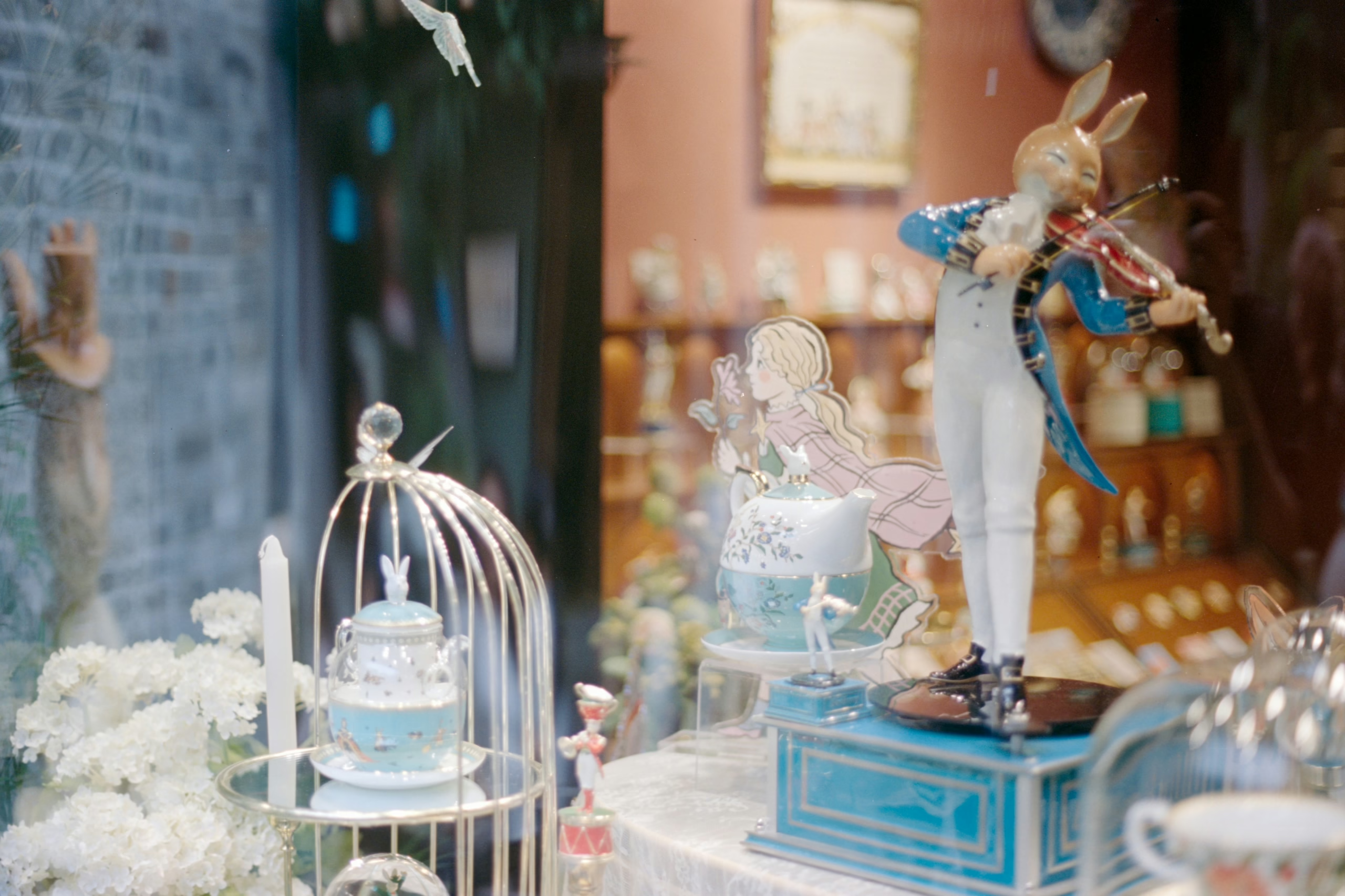
Nakameguro, one stop away, follows a canal lined with cherry trees. Its cafés and boutiques sit along the water, and the crowd is stylish without effort. Stationery lovers should look for Traveler’s Factory, tucked down a side lane. According to the brand’s own history, the shop opened in Nakameguro in 2011. Its second floor serves coffee while visitors customize their notebooks.
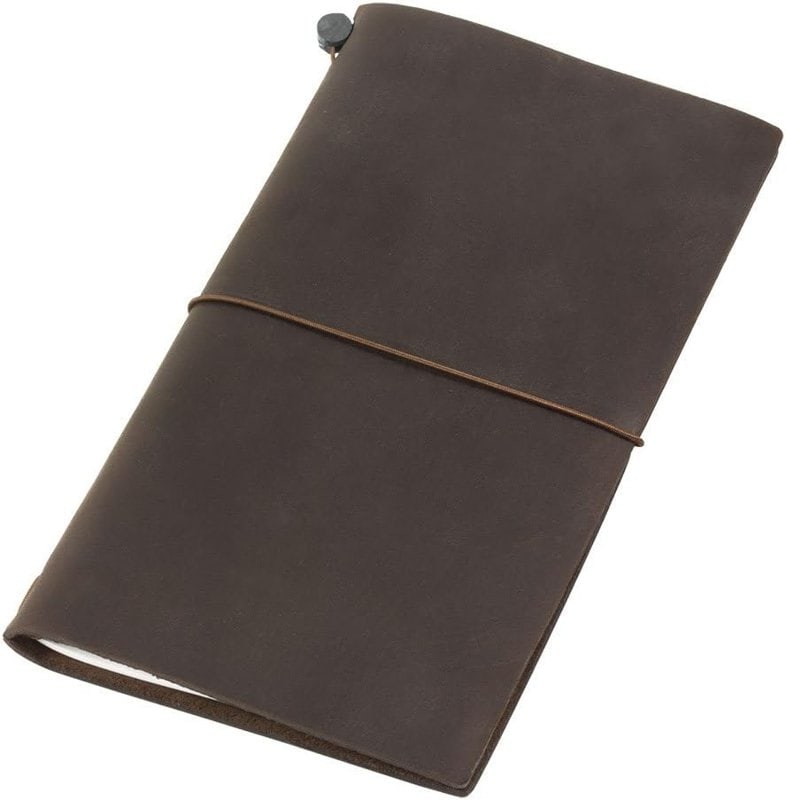
The notebook itself makes a fine souvenir of that lane. The Traveler’s Notebook in brown leather softens and darkens with every trip. Its refills slip in and out, so one cover lasts for years. Many owners stamp each page at the shop, then add tickets and receipts as the journey unfolds.
Shimokitazawa and the vintage lanes
Shimokitazawa, further west, is the city’s vintage capital. Its narrow streets hold dozens of secondhand clothing shops, record stores and small theaters. Prices range widely, from bargain racks to curated rooms of rare denim. The neighborhood is young, creative and easy to wander. Our guide to vintage shopping in Japan names the streets to start with and how to judge a find.
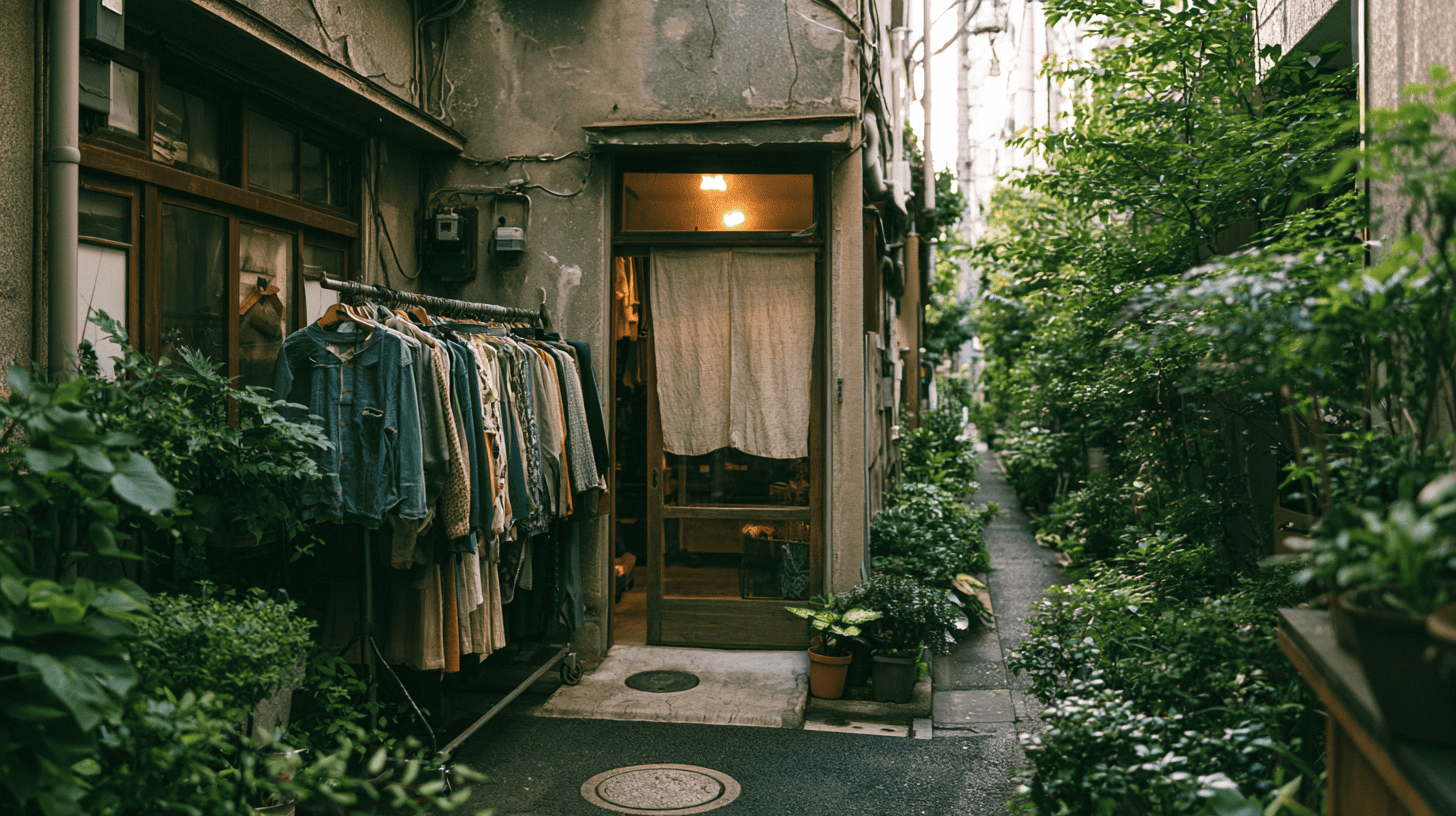
Vintage shopping here has its own etiquette. Ask before trying on hats or jackets, and fold anything you unfold. Many shops sort by decade or by fabric rather than by size, so take your time. Japanese vintage sellers are famously careful, and garments usually arrive clean and repaired. As a result, a single jacket bought here can last another twenty years. That patient approach to old things fits the neighborhood perfectly, and it makes every purchase feel like a small rescue.
Ten Proverbs to Carry With You
A printable folio of ten Japanese proverbs, each set in kanji with its reading and a line on where you will hear it.
These western neighborhoods pair well in a single day. Start in Daikanyama for a late breakfast, walk downhill to Nakameguro for lunch by the canal, then ride a few stops to Shimokitazawa. Each one sells slowly and rewards a second look. Before you leave, though, save room in your bag for the opposite side of Tokyo. In the old east, the shops sell tools rather than fashion, and the customers are often professional chefs. The staff are expert, and the objects last for decades. If you cook at home, this is where the trip pays for itself. Even if you do not, the window displays alone justify the journey.
You may also like
Kappabashi and Asakusa: Kitchen Tools and Craft
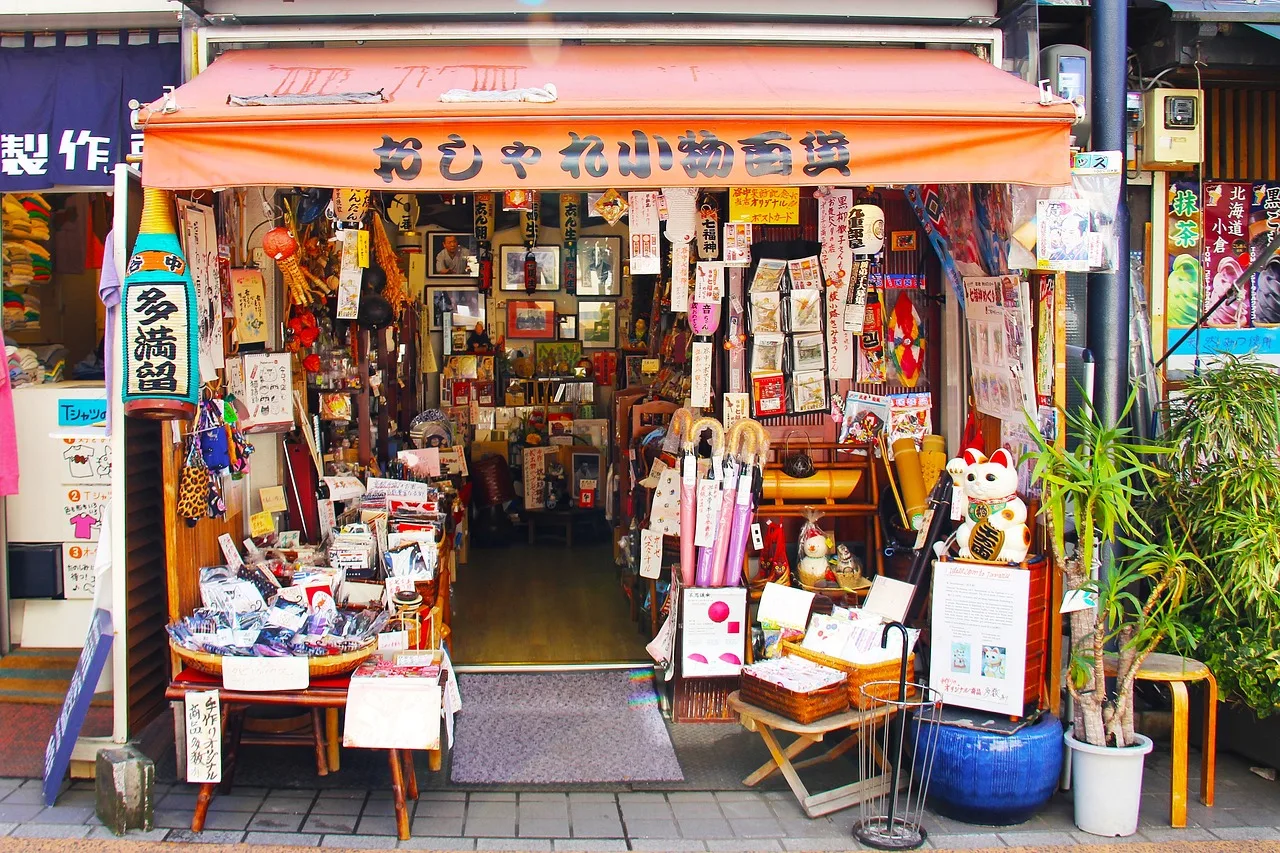
Kappabashi is the city’s kitchen street. The Kappabashi Dougu Street association describes 800 meters of road with more than 170 shops. Traders began gathering here around 1912, selling tools to restaurants. Today, the street sells knives, pots, lacquer, plastic food models and paper lanterns to professionals and visitors alike.
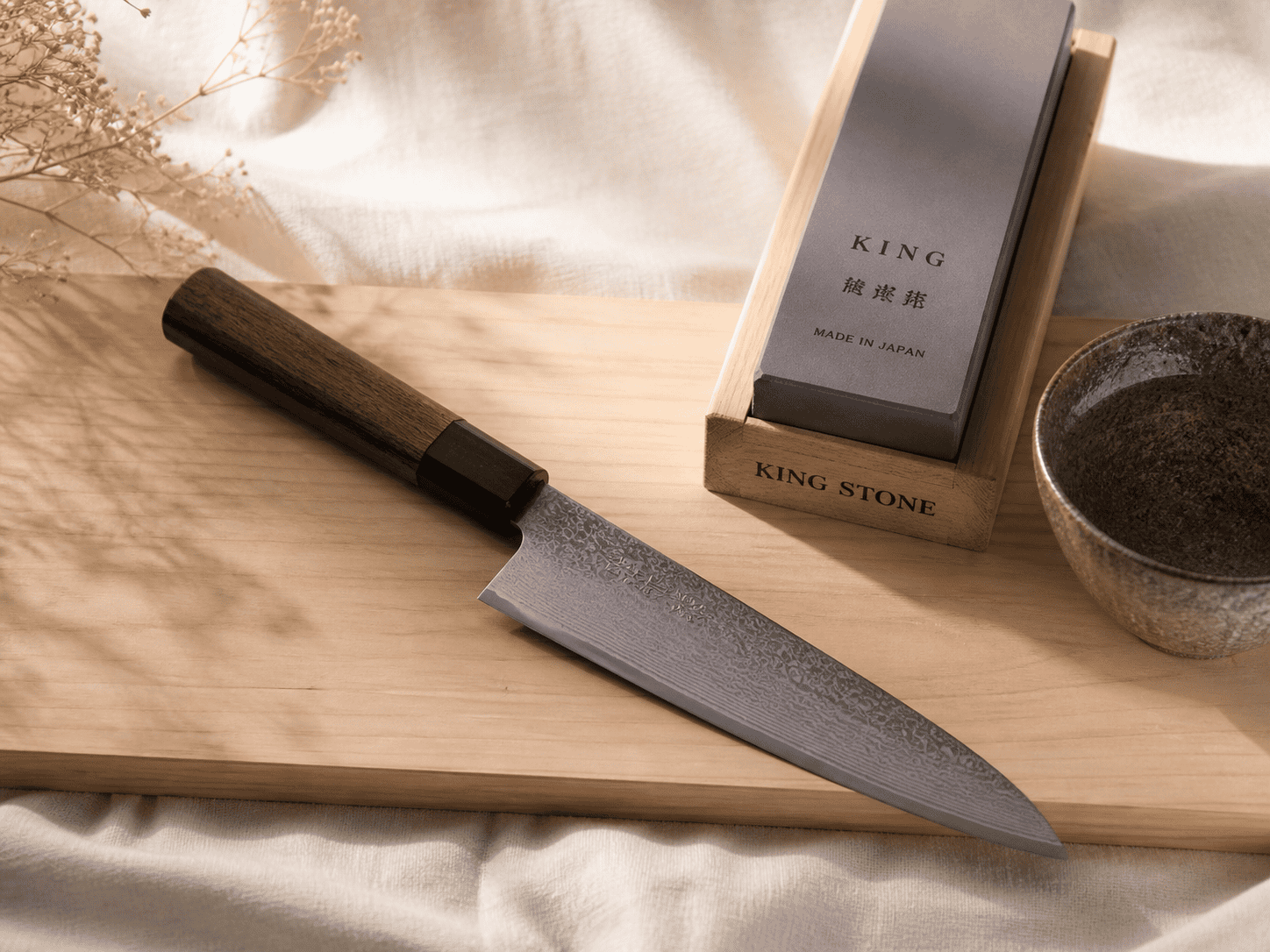
Knife shops are the main draw for many visitors. Staff explain steel types, handle shapes and care, often in excellent English. Many will sharpen or engrave a blade on the spot. However, buying a knife is a personal choice, so hold several before deciding. The right one feels balanced in your hand, not heavy at the tip. Our guide to Japanese cooking tools explains which blades suit which kitchens. Ask, too, about the shop’s sharpening service, since some will maintain the blade for years.
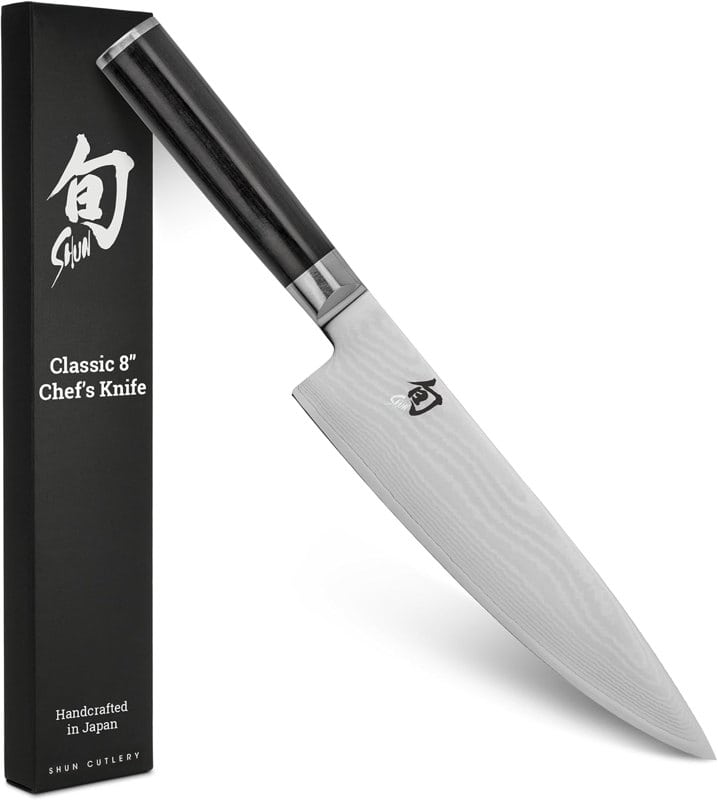
If you would rather not carry a blade through airports, order one for home instead. The Shun Classic 8-inch chef’s knife is made in Japan, with a rippled Damascus blade and a dark wooden handle. Many cooks choose it as a first Japanese knife. It also sits comfortably beside the gyuto knives you will see in Kappabashi windows.
Tableware shops line the street too, selling everything from rice bowls to sake cups. Hasami porcelain, from Nagasaki Prefecture, is a favorite with home cooks because it is durable and simple. Look for small cups called choko, which serve dipping sauce for cold soba, desserts or tea. They are light, stackable and easy to pack.
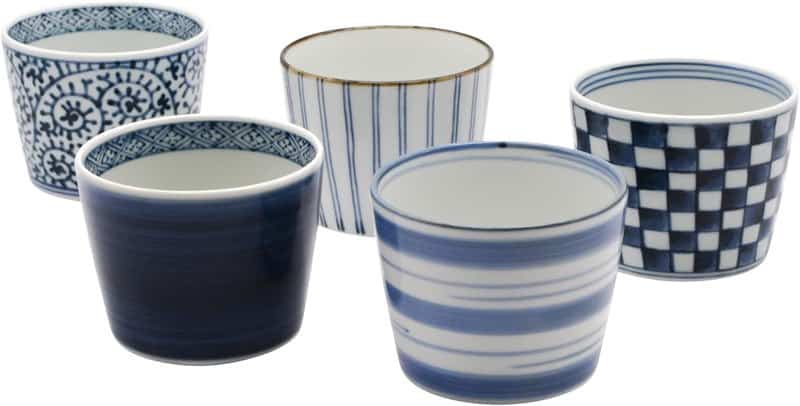
For a set that arrives without bubble wrap in your suitcase, consider these Hasami ware soba choko cups from Saikai Pottery. Each of the five cups carries a different indigo pattern. Together, they make a table look collected rather than matched, which is exactly the Kappabashi spirit.
Asakusa, a short walk east
Asakusa lies a short walk east of Kappabashi, so the two pair naturally. Its covered shopping arcades sell fans, sweets, folk toys and tenugui, the printed cotton cloths used as towels, wraps and scarves. The great red Kaminarimon gate marks the start of its liveliest street. Arrive early, before the tour groups, and the old shops feel almost private. Many open at ten, and the first hour is the calmest of the day.


Tenugui make the ideal Asakusa souvenir, because they are light, useful and endlessly varied. This Hamamonyo shiba inu tenugui is hand-dyed using the chusen method, so the color soaks right through the cotton. Hang it as a small artwork, wrap a bottle with it, or simply use it as a hand towel.
Asakusa also suits an early lunch before heading west again. Small restaurants near the arcades serve tempura, soba and grilled eel, often from the same family for decades. Eat at the counter and watch the cooks work. Afterward, the subway carries you back toward Ginza or on to Shinjuku in well under an hour, ready for the final district of the day.
After the east side, the last great district is the busiest of all. Shinjuku gathers almost every kind of shop around one enormous station. It suits the final day of a trip, when you need one more gift, a forgotten charger or a box of sweets for the office. Everything is close, and the stores stay open late. It also makes a fine rainy-day choice, since so much lies underground. You can walk between several department stores without once opening an umbrella.
You may also like
Shinjuku: Everything Around One Station
Shinjuku Station handles millions of passengers a day, and the shops follow the crowds. Department stores rise from every exit, while underground malls link them below the streets. Isetan, on the east side, is a favorite with Tokyo’s fashion insiders. Its basement food hall is one of the loveliest in the city, so leave time to browse it slowly. Boxed sweets from its counters make the most gracious gifts to carry home, and staff will wrap each box for travel.

Electronics and camera stores fill the west side, with whole buildings devoted to one brand of gadget. Bookstores, art-supply shops and outdoor outfitters sit nearby. Meanwhile, the station’s own malls sell sweets and snacks in gift boxes, ready to carry home. If you have one hour before a train, Shinjuku can still solve every gift on your list. Among the Tokyo shopping districts, none is more useful on a tight schedule. Many stores here also stay open later than their Ginza rivals.
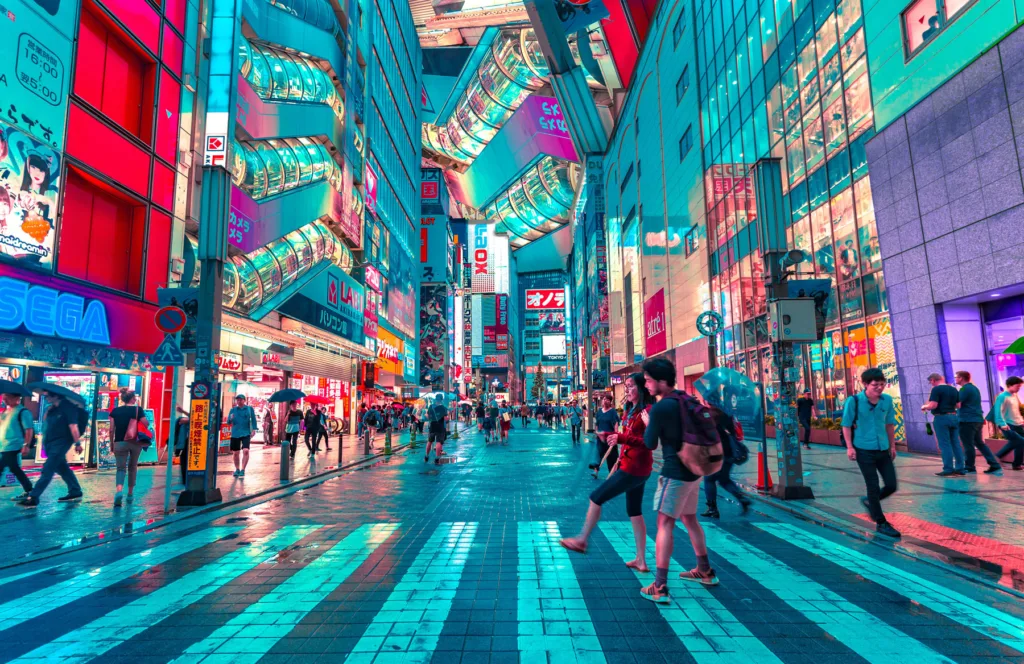
For a more relaxed visit, avoid the evening rush between five and seven. Instead, arrive mid-morning and work your way from one exit to the next. Note the exit numbers as you go, because the station is easy to lose track of. That simple habit turns Shinjuku from a maze into a very convenient shopping street.
Tax Refunds and Shipping Purchases Home
Japan’s tax refund rules for visitors change on November 1, 2026. Until then, many stores deduct consumption tax at the register when you show your passport. From November, however, you pay the full price in the store. Then you claim the refund when you leave Japan, after customs confirms your purchases. Japan Guide’s summary of the new rules explains the departure steps in detail.
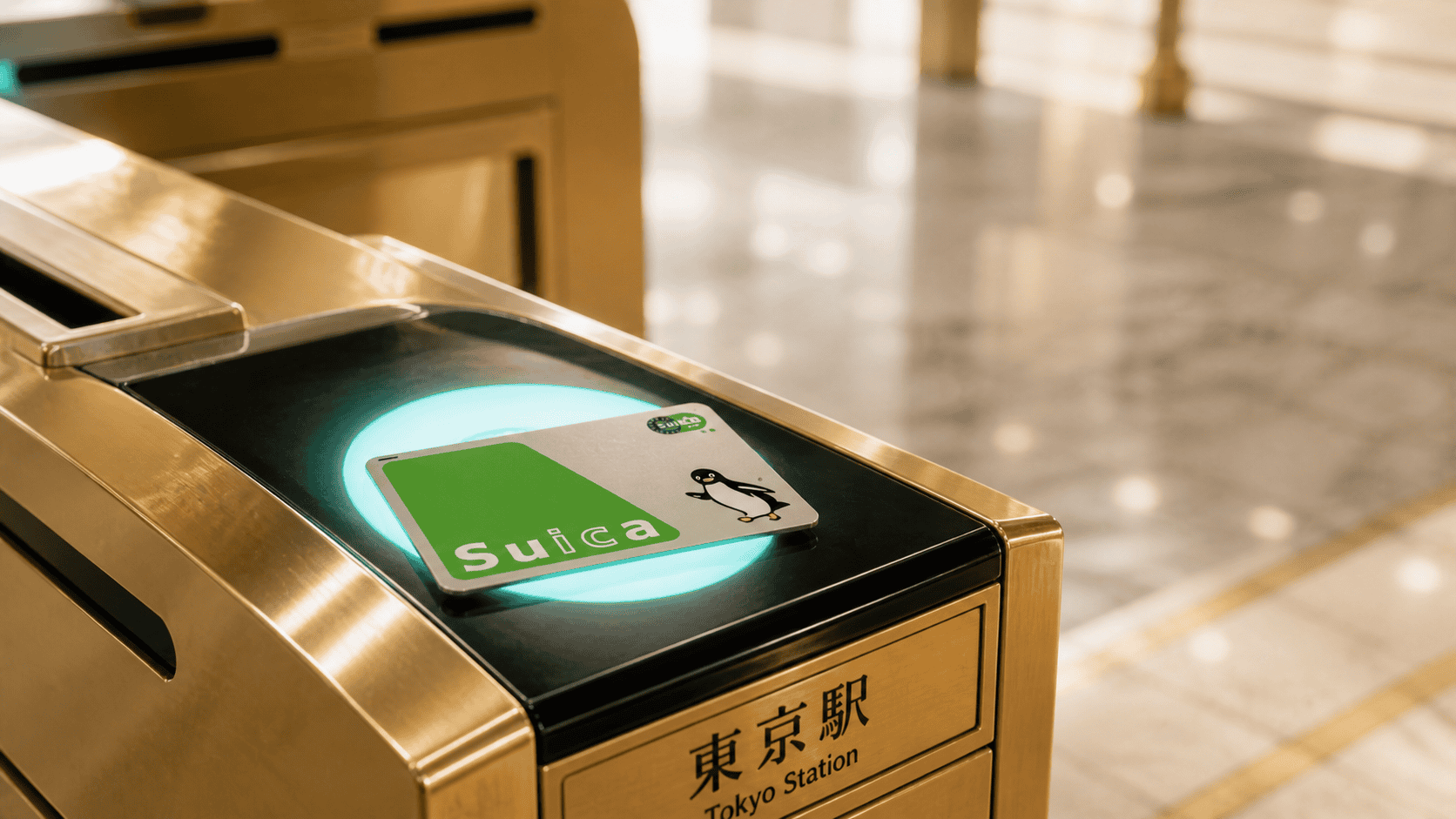
Under the new system, a few habits matter. Keep every purchase on a single receipt together, because all of it must be with you at departure. Keep the goods in your carry-on or easily reachable, since customs may ask to see them. And allow extra time at the airport before check-in. The minimum spend per store, per day, stays the same as before.
Heavy purchases are easier to ship than to carry. Many department stores arrange international shipping at a service counter, often on an upper floor. Alternatively, Japan’s luggage delivery services can send bags from your hotel to the airport. That leaves your hands empty for the final day of shopping. Ask your hotel concierge, who can usually book it in minutes.
You may also like
One final tip concerns packing. Japanese stores wrap beautifully, but the boxes add bulk. Ask for a simple bag if you plan to pack the item yourself, and keep the wrapping only for gifts. Fragile ceramics travel well rolled in clothing, in the middle of a suitcase. Knives belong in checked luggage, never in your carry-on. With those details settled, your days in the Tokyo shopping districts can end as calmly as they began. Then the only task left is deciding which bag to open first at home.
Questions Worth Asking
What is the best shopping district in Tokyo?
It depends on what you want to buy. Ginza suits department stores and flagships, while Omotesando and Aoyama suit designer fashion. Harajuku and Shibuya carry youth style. Shimokitazawa leads for vintage, Kappabashi for kitchen tools, and Shinjuku for convenience around one station.
Which Tokyo district is best for luxury shopping?
Ginza is the traditional home of luxury, with grand department stores and international flagships along Chuo-dori. Omotesando and Aoyama come close, with architect-designed boutiques and Japanese designers. Both are calmer on weekday mornings, when staff have more time for each customer.
Is Tokyo good for shopping compared with the US?
Many visitors find Japanese brands, stationery, kitchen tools and ceramics better made and more varied in Tokyo. Exchange rates affect value, so compare before buying big items. The real advantage is choice and quality, especially for objects made in Japan that rarely reach US stores.
How does tax-exempt shopping work in Japan from November 2026?
From November 1, 2026, visitors pay the full price, including tax, at the store. The refund is then claimed on departure, after customs confirms the goods. Keep purchases from each receipt together and easy to reach, and allow extra time at the airport before check-in.
When is the best time to shop in Tokyo?
Weekday mornings are the calmest, from opening time until about noon. Weekends are crowded in every major district, especially in the afternoon. Major sales usually run in January and July, while late evenings suit Shinjuku and Shibuya, where stores stay open longer.
Can I ship purchases home from Tokyo?
Yes. Many department stores offer international shipping from a service counter, and staff handle the paperwork. Luggage delivery services can also send bags from your hotel to the airport. Ask your hotel concierge, who can usually arrange either option quickly.
With the practical questions settled, one more thing deserves a place in your bag. The purchases that matter most from Tokyo are often small and personal, like a cup, a cloth or a notebook. Over time, they gather meaning, because each one recalls a street and a conversation. Some even gain beauty as they wear, chip or fade. That idea sits at the heart of the journal below, which treats repair and use as part of an object’s story.
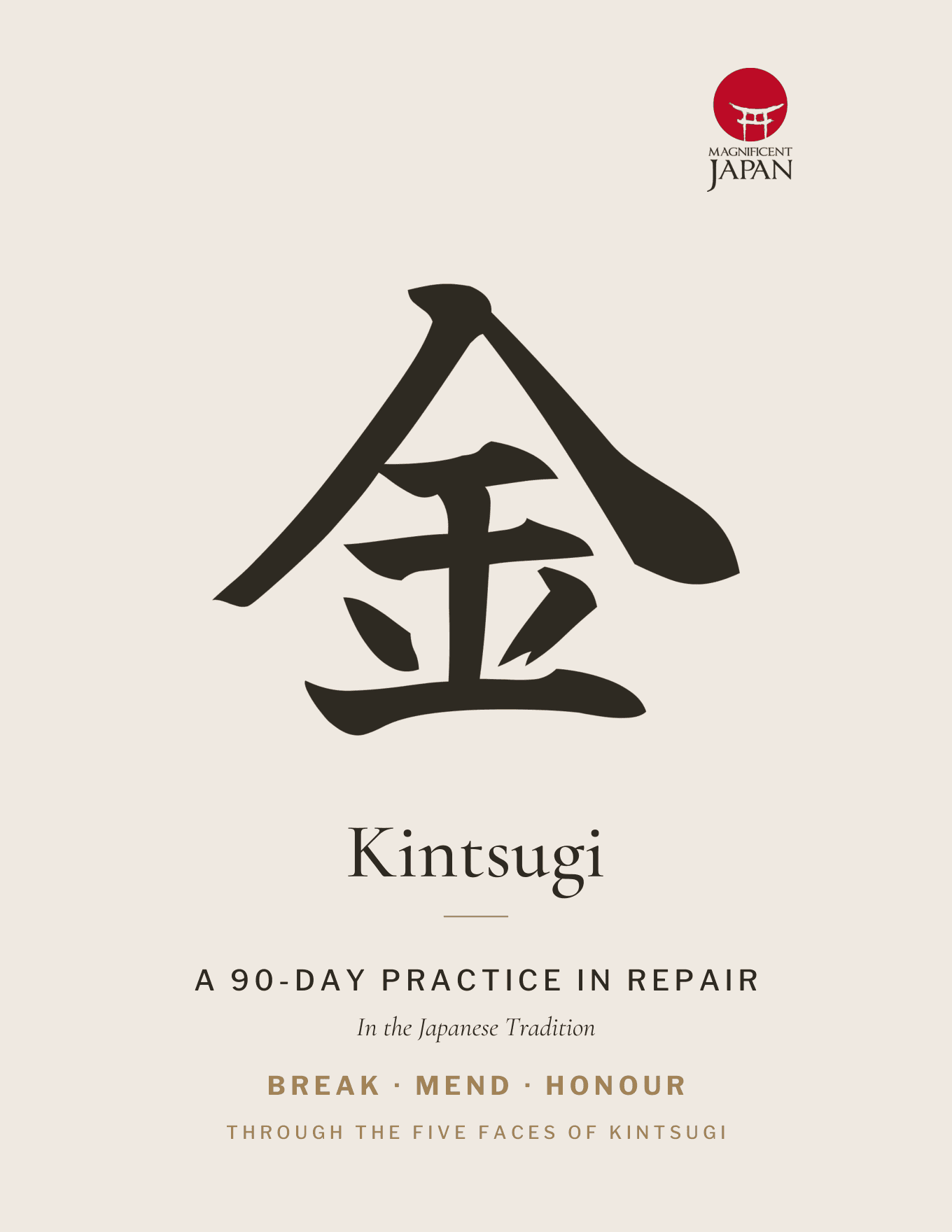
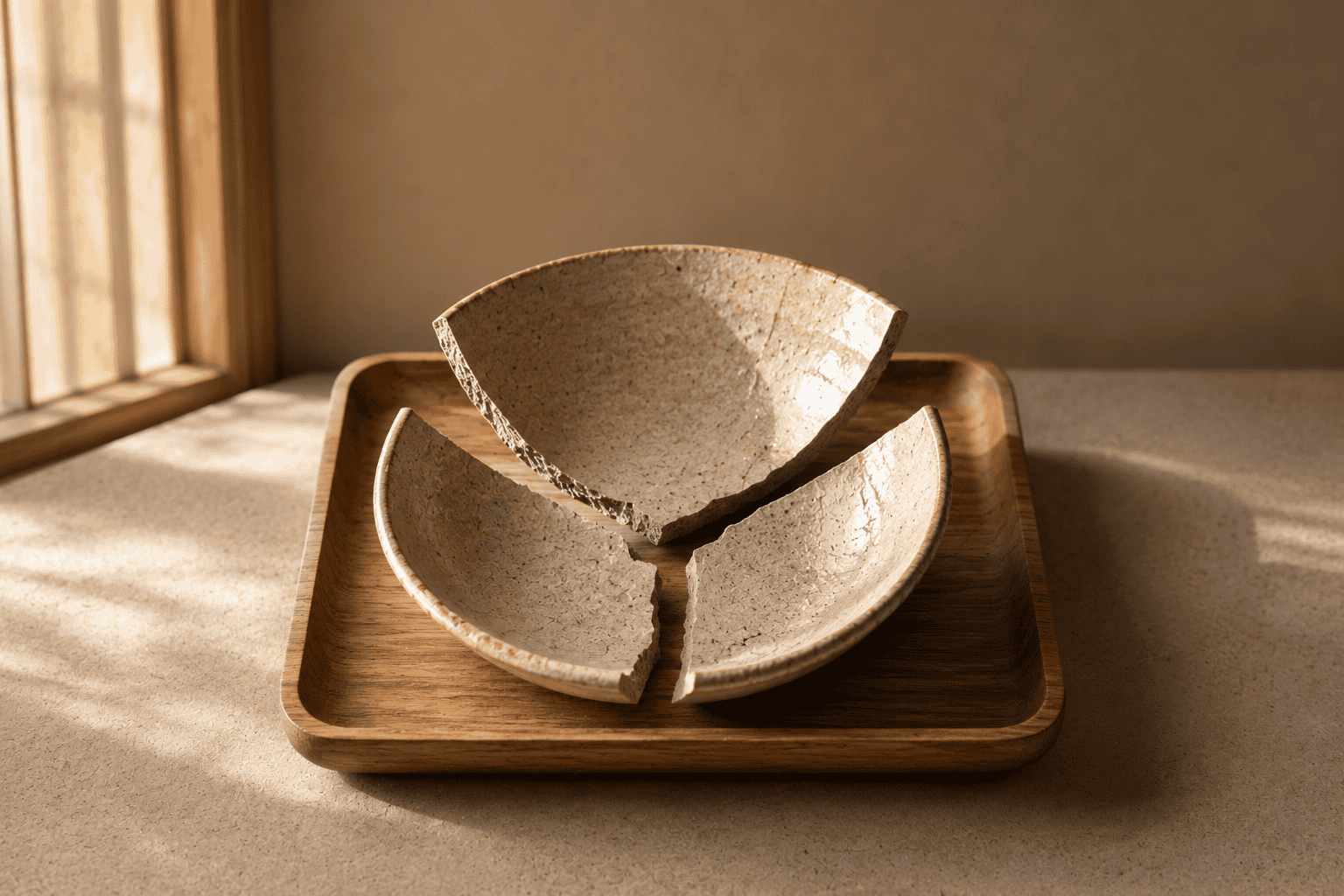
Kintsugi is the craft of mending broken pottery with gold, so the repair becomes part of the beauty. This 90-day guided journal turns that idea into one short prompt a day, a fitting companion for objects, and days, that carry their history openly. It comes as a write-on digital edition and as a paperback edition, and it is one of eight journals in the Cultural Reflection Collection.
View The CollectionThe Things We Carry Home
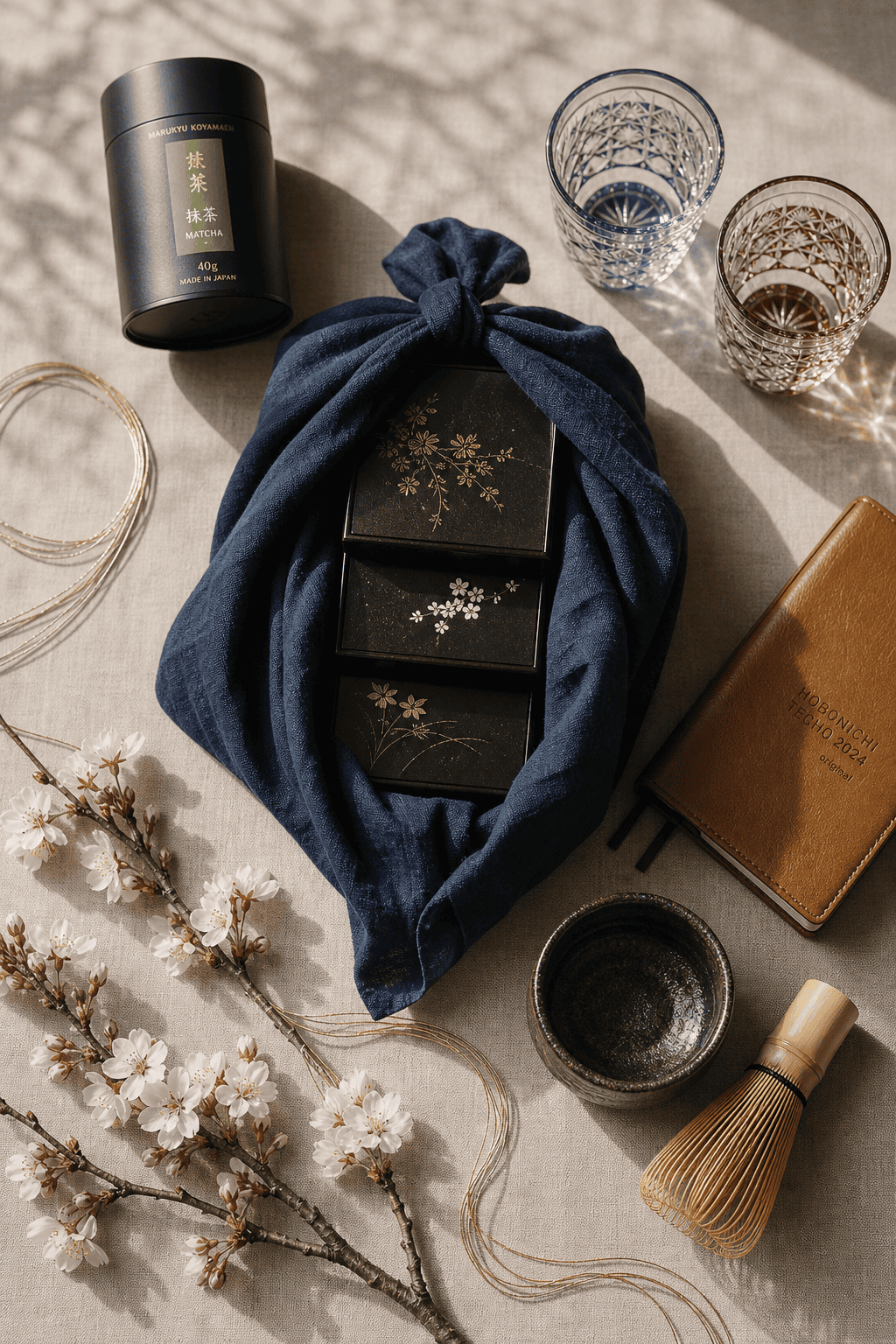
A Tokyo shopping trip is really a lesson in attention. Shopkeepers notice how you hold a bowl. They wrap a gift so the folds face the right way. They explain where the cloth was dyed and who forged the blade. That care travels home inside the object, long after the receipt has faded.
So choose the neighborhoods that match your interests rather than trying to see them all. Pick two a day, leave space for the unexpected shop and buy fewer, better things. Then, at home, use them every day. A well-made cup or knife gets more beautiful with each year, and the trip lives on in your kitchen and on your desk.
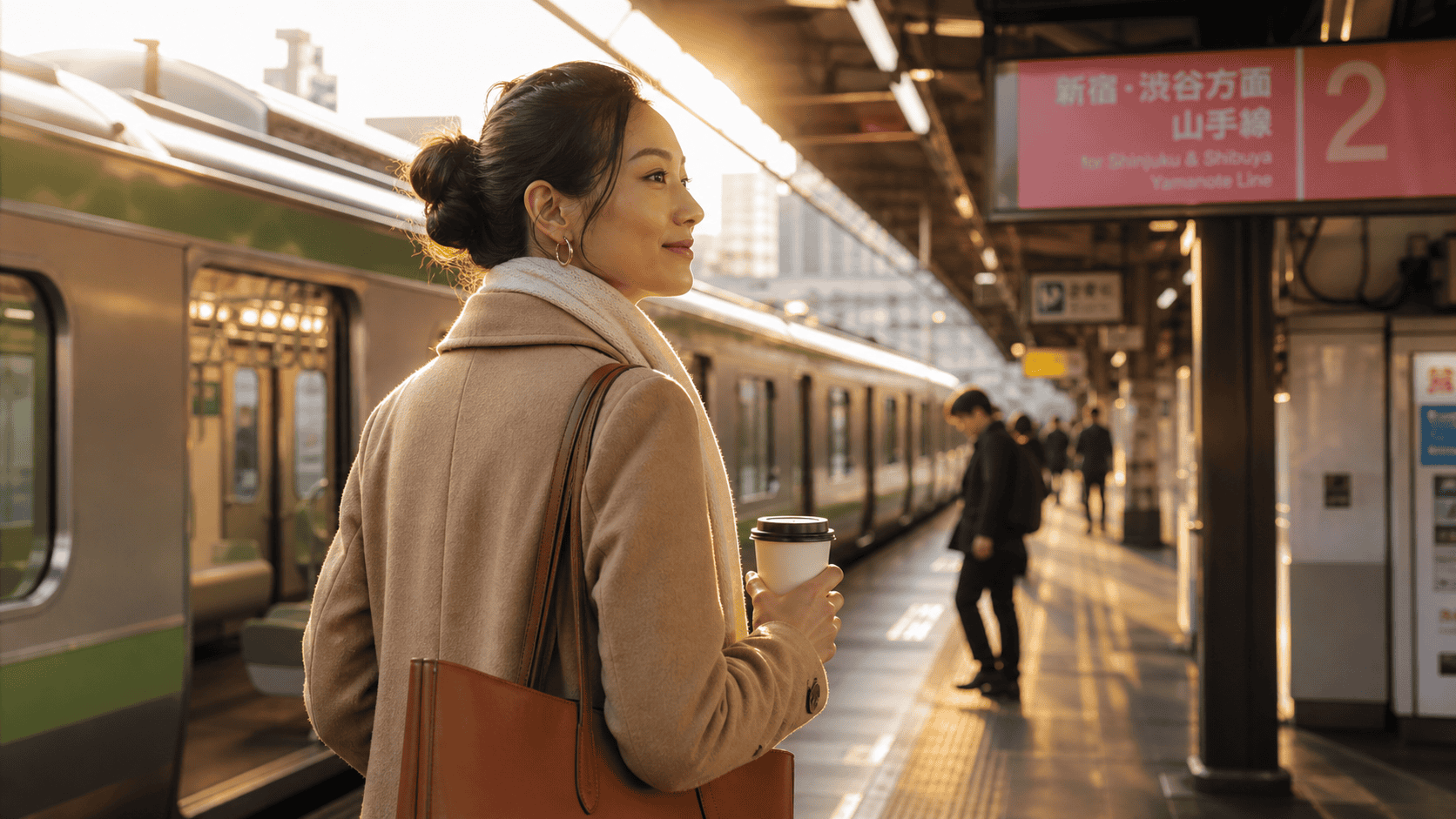


One last thought before you go. The shopping days people remember in Tokyo are rarely the most expensive ones. They come from choosing the right neighborhood for your mood, arriving at the right hour and knowing which shop to visit first. Would you like those choices made for you? Our travel designers can arrange private shoppers, restaurant bookings and luggage forwarding. They build the whole day into a wider Japan trip, matched to the way you like to travel.
The Editors, Magnificent Japan
For the traveler who wants the city’s finest shops without the guesswork: a custom itinerary that pairs neighborhoods by mood, books lunch between them and arranges a private shopper where you want one. Heavy purchases are shipped ahead, so each day ends with empty hands and a calm ride back to the hotel.
Plan Your Custom Japan Itinerary