A Japan winter rewards the traveler who plans it with care. The cities turn crisp and bright, the north disappears under powder, and hot springs steam beside banks of snow. However, the season is not one experience. December, January and February each ask for a different trip, and the best moments often run on fixed dates.
This guide therefore works as an editorial checklist for winter in Japan. It covers what each month offers, which events to book around, and where to stay. For the wider picture of customs, craft and daily life, our guide to Japanese culture is the companion piece.
It depends on the goal. December suits city illuminations and unhurried Kyoto. January brings New Year traditions, snow monkeys and deep powder. February adds the Sapporo Snow Festival, held February 4 to 11 in 2027. If you want most places open, avoid the days from December 29 to January 3.
Japan Winter at a Glance: What Each Month Offers
Start with the weather. A Japan winter spans a long country, so one week can hold two climates. In Tokyo, the January mean is 5.4°C, about 42°F, per the Japan Meteorological Agency’s climate normals. Sapporo, by contrast, averages minus 3.2°C in January, about 26°F. In practice, Tokyo feels like a dry, sunny New York winter, while Hokkaido feels like Minnesota with better food.

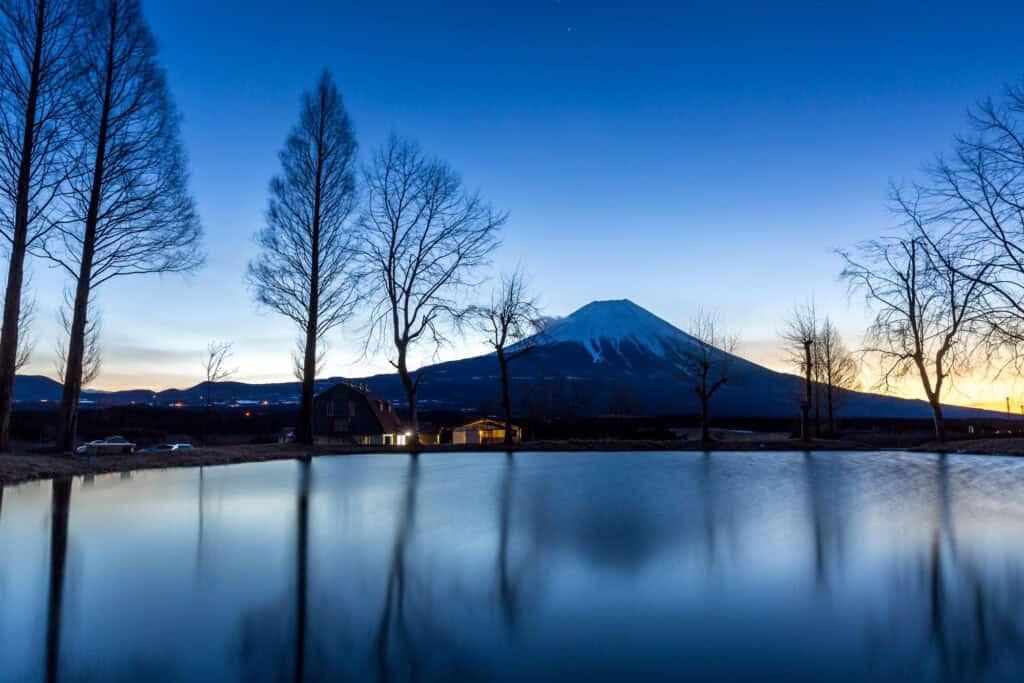
December is the month for cities. The illuminations are at their height, the first snow reaches the mountains, and Kyoto empties out before the holidays. It is also the easiest month to book, at least until Christmas week. Meanwhile, the dry air often brings the sharpest Fuji views of the year.
January belongs to New Year and to snow. The first days of the year are a national holiday, so plan around closures and crowds. After that, the mountains settle into deep winter, and the ski resorts and onsen towns come into their own. February, finally, is the month of festivals. Sapporo, Otaru and Lake Shikotsu all build their events around it, and Hokkaido powder is usually at its best.
The table sets the three months side by side. Choose by what you want to see first, then by how much cold you will accept. A first trip often pairs a city in December with the north later on. Our overview of luxury travel in Japan covers the wider planning, from private guides to rail.
| Month | Best for | Plan around |
|---|---|---|
| December | Illuminations, Kyoto, Fuji views | Christmas week and the year-end shutdown |
| January | New Year, snow monkeys, onsen, skiing | Closures from December 29 to January 3 |
| February | Snow festivals, Hokkaido powder | Sapporo hotels during the festival week |
Winter Illuminations Worth Planning Around
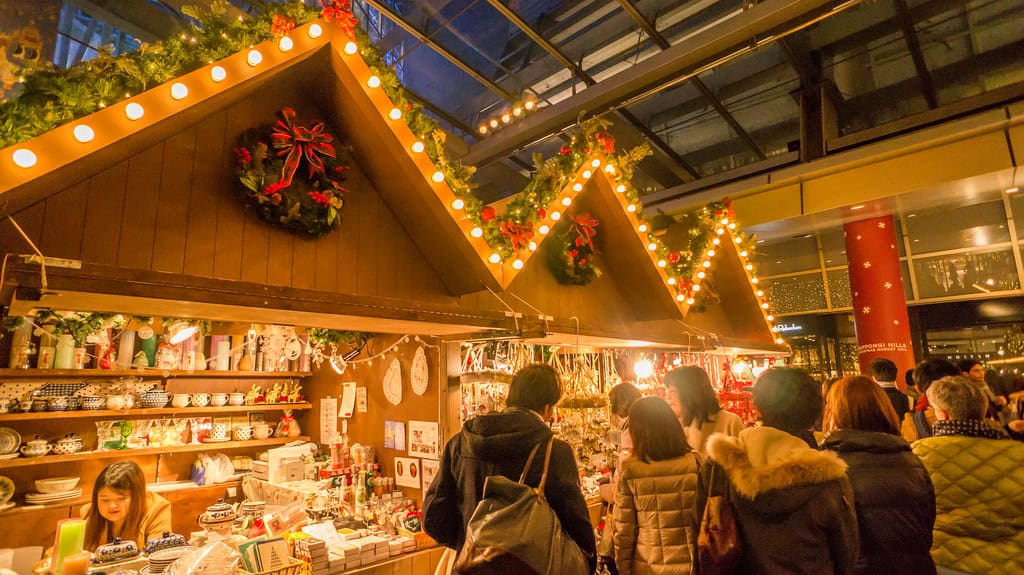
Japan lights up its cities through the darkest weeks of the year. The displays begin in November and many run well past New Year, so they suit any winter trip. In Sapporo, the White Illumination runs from November 20, 2026 to March 14, 2027. It lights Odori Park, Ekimae-dori and the station plaza. The German Christmas Market in Odori Park runs from November 20 to December 25. Both dates come from the city of Sapporo’s winter events listing.
Tokyo’s displays are more scattered, and that is part of their appeal. The tree-lined avenues of Marunouchi and Roppongi turn gold after dark. Meanwhile, the department stores of Ginza dress their windows for the season. So the best approach is a slow evening walk rather than a single destination. For more evenings in the capital, see our Tokyo experiences worth the time.

Kyoto offers the other side of December. Before the New Year crowds arrive, the old city slows down. The gardens are bare and the light is low and golden. In the mornings, even the famous streets of Gion are almost empty. Our plan for Kyoto in two days works well in winter, with an extra hour for a long lunch.
Snow Festivals and the Sapporo Snow Festival 2027
The Sapporo Snow Festival is the anchor of February in the north. In 2027 it runs from February 4 to 11, according to the city of Sapporo’s listing. The main site is Odori Park, where teams carve the large snow sculptures. Two more sites complete it. Tsudome is a community dome in Higashi-ku, and the third runs along the Susukino main street. For the full city story, from soup curry to the brewery district, see our guide to Sapporo in winter.

Otaru, a short train ride west of Sapporo, holds its Snow Light Path from February 6 to 13, 2027. Candles and small snow lanterns line the old canal and the former Temiya railway line after dark. It overlaps neatly with the Sapporo dates, so one Hokkaido stay can cover both. Then, south toward the airport, the Chitose and Lake Shikotsu Ice Festival runs from early to late February.
Book early, because Sapporo’s best hotels fill months ahead of festival week. Ideally, arrive a day before the opening to see the sculptures finished but uncrowded. If you prefer space, stay in Otaru or at a lakeside onsen, and take the train in for one evening.
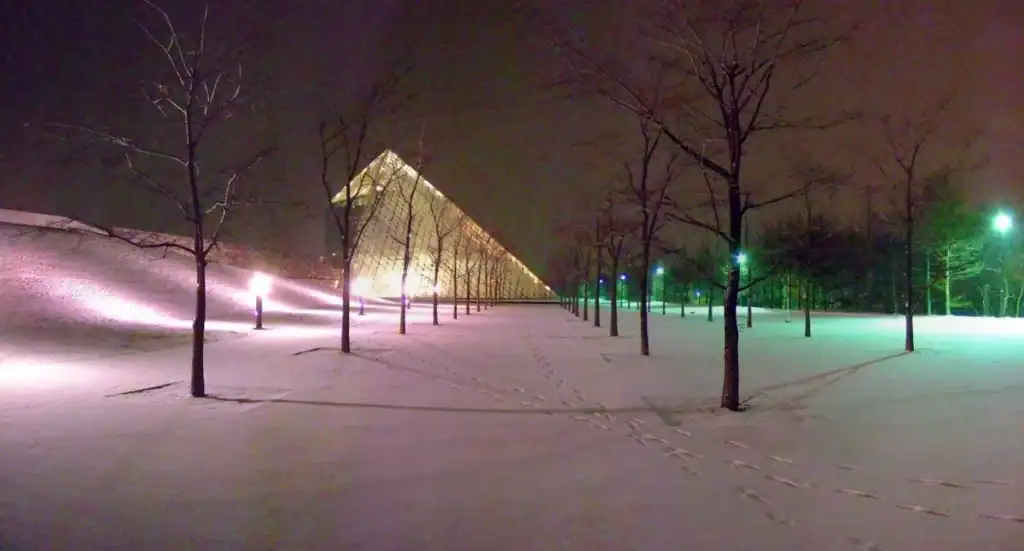
Sapporo itself rewards a slower look beyond the festival grounds. The city was laid out on a grid, so the walk to Susukino is simple, even in snow. In short, give the festival three or four days in Hokkaido, not a quick stop.
You may also like


Snow Country Light: Shirakawa-go and the Zao Snow Monsters
Some of the season’s finest sights sit in the mountains of central and northern Honshu. Shirakawa-go, the gassho-style farmhouse village in Gifu, lights up on four evenings in 2027. The dates are January 11, 17, 24 and 31. Access is tightly managed. The Shirakawa-go Tourist Association reports that first-round parking reservations sold out. The lottery for village stays has also closed. Therefore, the realistic route now is an organized tour with its own access, booked well ahead.
Further north, in Yamagata, the Zao snow monsters are a stranger sight. Wind and freezing fog coat whole fir trees in rime until they look like giant figures. Then the snow keeps building through January and February, so the shapes grow stranger by the week.
Two ropeway lines climb to them from the onsen town. The first runs about seven minutes to Juhyo Kogen Station, at 1,331 meters. The second continues to Jizo Sancho Station, at 1,661 meters. During the Zao Juhyo Festival, the trees are lit in the evenings from late December to early March. That timing comes from JNTO’s guide to the Zao snow monsters.

Both trips reward an overnight stay. Zao Onsen is a working hot spring town, so you can ride up at dusk and soak after dark. Similarly, a night near Shirakawa-go, in Takayama or Kanazawa, turns a rushed day trip into a calm one. Either way, check the weather the day before, because high wind can stop the ropeway.
Snow Monkeys at Jigokudani
The snow monkeys of Jigokudani, in the mountains of Nagano, are the season’s most photographed animals. They are wild Japanese macaques, and on cold days many sit in a hot spring pool by the river. From Nagano Station, the Nagano Dentetsu limited express reaches Yudanaka in about 38 minutes. A bus then takes about 15 more. Finally, a forest walk of about 35 minutes leads to the park, per the official Jigokudani Yaen-koen access page.
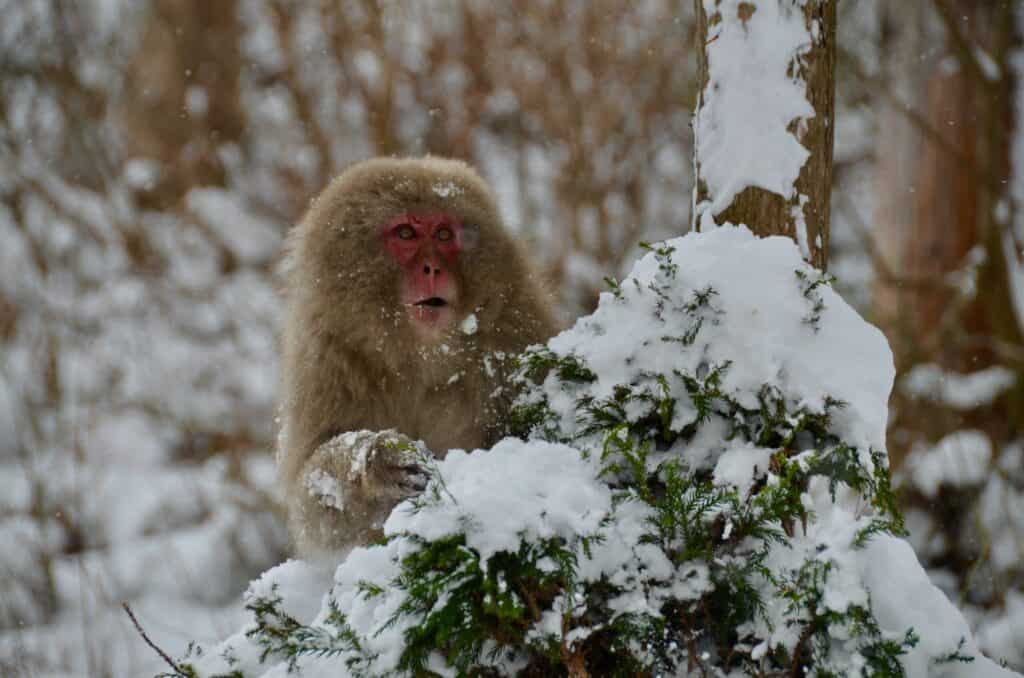
From December through April, visitors with online tickets get priority entry, so buy yours before you travel. The trail is mostly flat, with some hills, steps and unpaved sections. In winter, it is packed snow and ice. As a result, footwear matters more here than anywhere else on the trip. For macaques, cranes and the rest of the country’s wildlife, see our guide to wildlife in Japan.
Yaktrax Walk — slip-on traction for icy trails
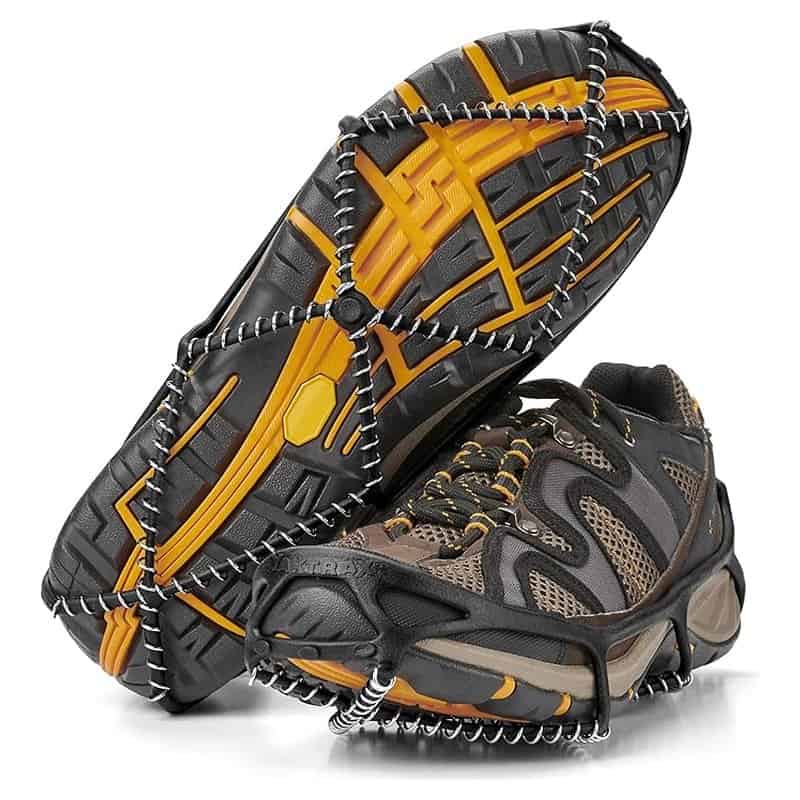
For the Jigokudani path, the Yaktrax Walk is the small piece of kit we would carry. It is a stretchy rubber sling that pulls over the sole of an ordinary boot. Underneath, steel coils grip packed snow and ice in every direction, forward, backward and sideways. A heel tab makes it easy to put on at the trailhead and take off at the park gate. It also earns its place in Sapporo and Kanazawa, where sidewalks turn to glazed ice after dark. The coils have no sharp edges, so they will not scratch a station floor if you forget to remove them. Folded flat, the pair fits in a coat pocket.
Plan the visit for a weekday morning, when the light is softer and the paths are calmer. Also, keep your distance and your food out of sight, since the animals are wild. Most travelers stay in Yudanaka or Shibu Onsen nearby. That way, you can soak in the same snow the monkeys do, a few hours after watching them.
Snow Onsen and Ryokan: Where to Stay in Winter
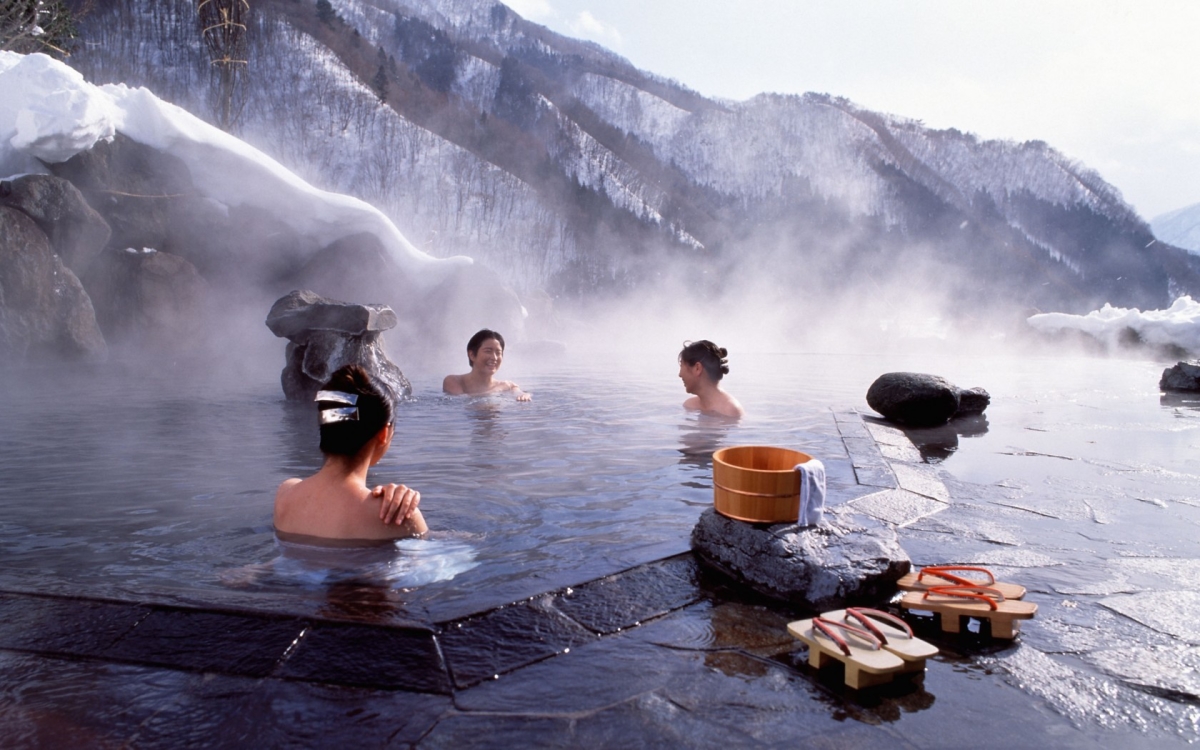
If one image defines a Japan winter, it is a rotenburo, an open-air bath, with snow falling on the water. The contrast is the point: hot water to the shoulders, cold air on your face, and silence beyond the steam. For bathing etiquette and the different kinds of stay, read our guide to onsen and ryokan stays first.
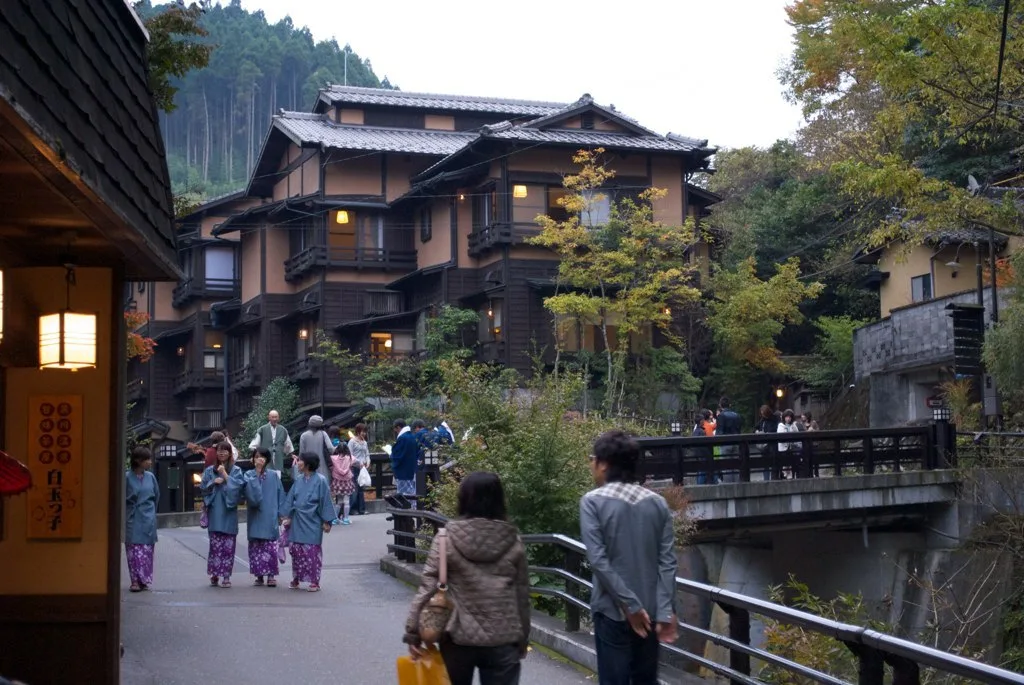
For a snow onsen, choose the room before you choose the town. A private open-air bath on your own terrace changes a winter stay, because you can bathe at any hour. Meanwhile, the kaiseki dinner turns to winter ingredients, such as crab, yellowtail and root vegetables. Our shortlist of luxurious ryokans in Japan marks which inns offer private baths.
Kinosaki, on the Sea of Japan coast, is the classic town for a winter onsen walk. Guests stroll between its seven public baths in yukata, past willows and the canal. That count comes from the Kinosaki Onsen tourism site. For deep snow, however, look to Nagano, Niigata and the Tohoku north. There, the inns sit in valleys where the drifts reach the eaves by January.
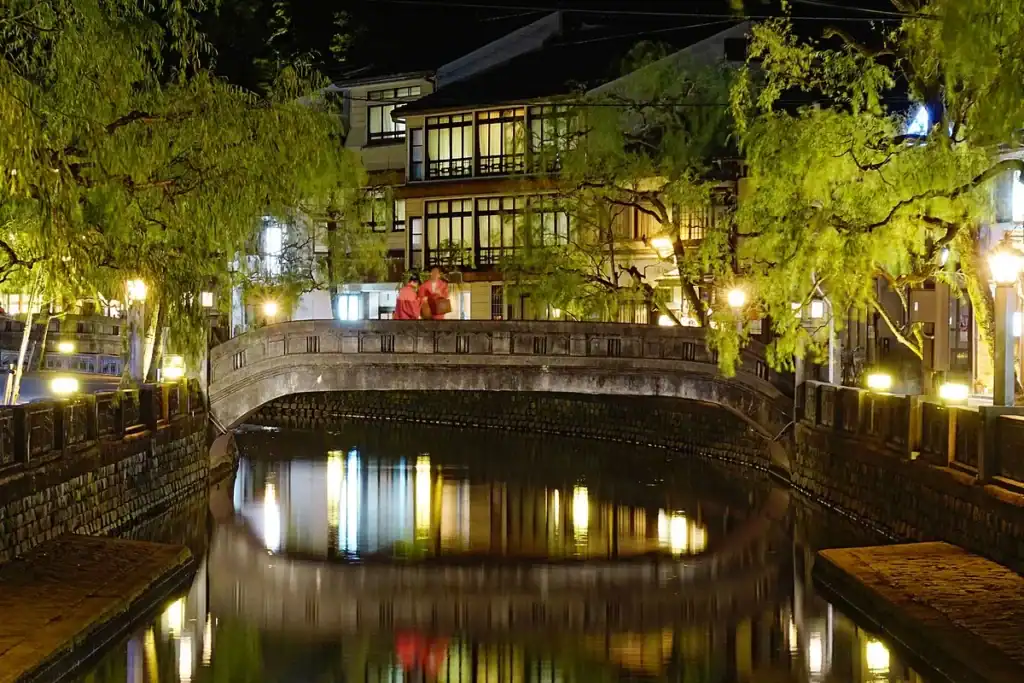
Whichever town you choose, give it two nights rather than one. The first evening goes to arriving, bathing and dinner. The second day is when the place opens up. Expect an early bath at dawn, a slow breakfast, and a walk in the snow before the day visitors arrive.
Snow Country — Kawabata’s novel of a winter hot spring town
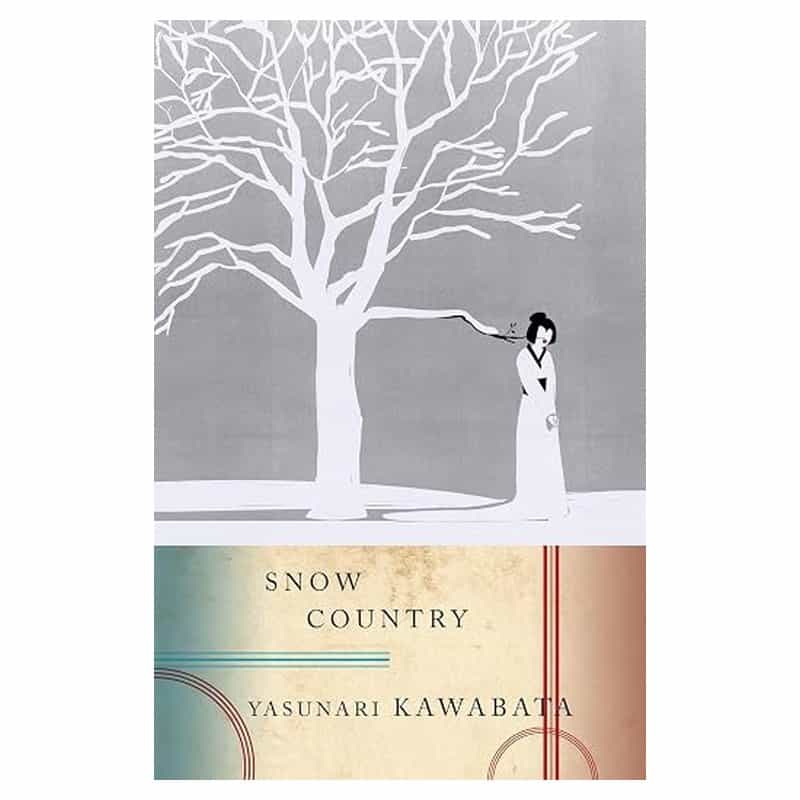
Before a winter ryokan stay, read Snow Country, the short novel by Yasunari Kawabata. It is set in an isolated mountain hot spring town. There, a wealthy visitor from Tokyo meets a young geisha on repeated visits. Little happens, yet the book is full of steam, snow, lamplight and long silences. Kawabata received the Nobel Prize in Literature in 1968, and this is the novel most readers start with. The Vintage paperback uses Edward Seidensticker’s English translation and is short enough to finish on one long train ride. Read it on the way north, and the onsen town outside your window will look very different.
Skiing in Hokkaido and Nagano
Skiing deserves its own guide, and we have one. Here, the short version is enough. Hokkaido is the name for powder, with Niseko and Furano the best known. Nagano is closer to Tokyo, with Hakuba for big terrain and Nozawa Onsen for village charm. According to JNTO’s January guide, January brings good snowfall and conditions at the top resorts. For resorts, seasons and lift passes, see our full guide to skiing in Japan.
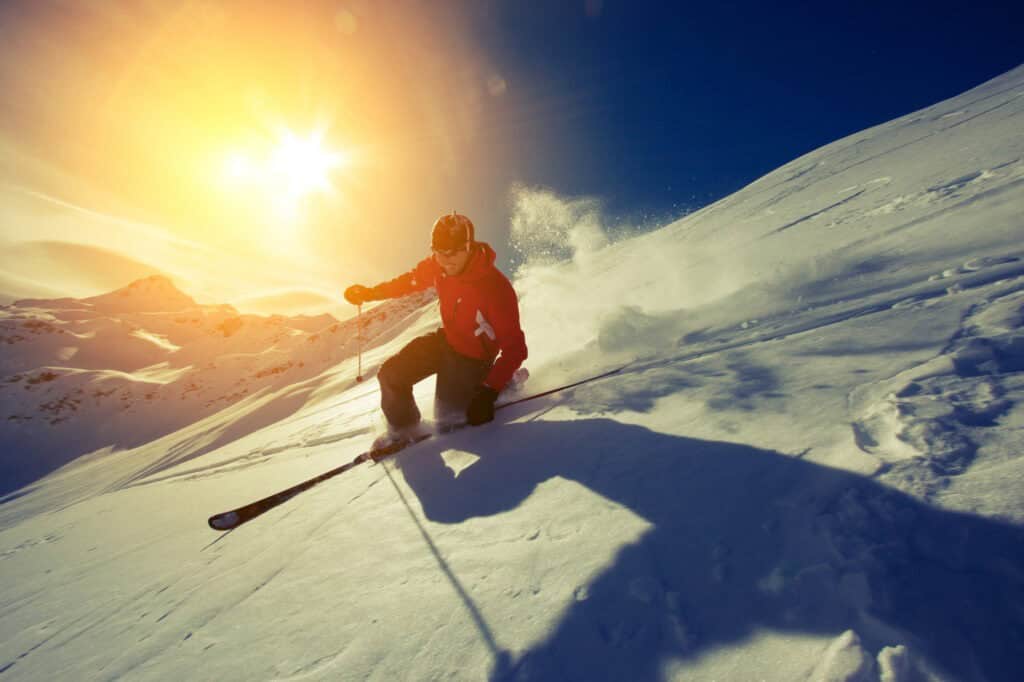
Timing matters as much as the resort, even for non-skiers, since many resorts have fine onsen and dining. The weeks around New Year and the Lunar New Year are the busiest. Late January is often the sweet spot for snow and space. If you only have a few days, choose one base and stay put. Two resorts in one short trip means more time on trains than on snow.
You may also like
Winter Food in Japan
Winter is the season for food that warms you from the inside. Nabe, the shared hot pot, comes to the center of the table in homes and restaurants alike. Oden, a slow simmer of daikon, egg and fish cake in dashi, appears in convenience stores and late-night stalls. For a wider tour of regional dishes, see our guide to traditional Japanese food.

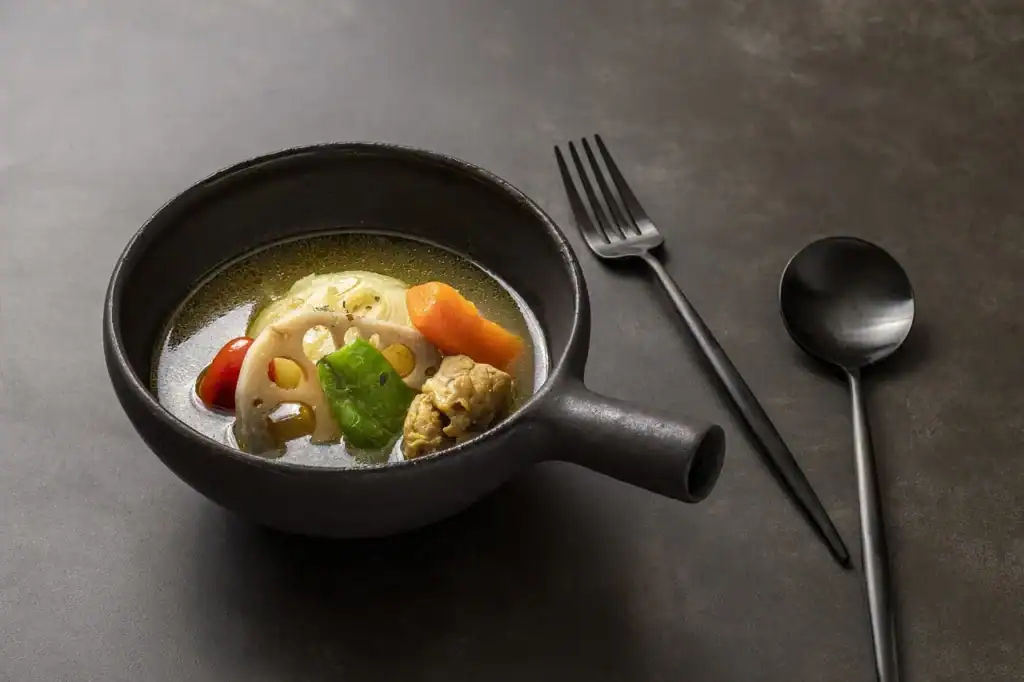
The north has its own winter table. Sapporo is known for miso ramen and soup curry, a thin, spiced broth with large roasted vegetables. Hokkaido crab is at its best in the cold months. The morning markets of Sapporo and Hakodate sell it fresh.
Further south, winter brings yellowtail, oysters from Hiroshima and Miyagi, and the start of the citrus season. Mikan, the small mandarins, sit in bowls on almost every table. Meanwhile, sweet potatoes roasted over stones are sold from small trucks in many cities.
Ten Proverbs to Carry With You
A printable folio of ten Japanese proverbs, each set in kanji with its reading and a line on where you will hear it.
New Year in Japan: Shogatsu and Hatsumode
Shogatsu, the New Year, is the most important holiday of the Japanese year. Many sights, restaurants and shops close from about December 29 to January 3, says JNTO’s New Year guide. Hotels stay open, and their restaurants become the most reliable tables in town. So book your dinners early, or plan to stay somewhere with excellent food in-house.

The defining custom is hatsumode, the first visit of the year to a local landmark. In Tokyo, that often means Meiji Jingu, and in Kyoto, Fushimi Inari Taisha. Crowds peak on January 1 and stay heavy through the first three days. If you want the atmosphere without the crush, go late on January 2 or on the morning of January 4.

At home, families share osechi, the New Year dishes packed in stacked lacquered boxes. Each dish carries a wish for the year ahead, from black beans to herring roe and grilled shrimp. Our story on osechi ryori explains each dish and its meaning.
Omisoka and Toshikoshi Soba
New Year’s Eve, Omisoka, has its own dish. Families eat toshikoshi soba, buckwheat noodles in hot broth, late on December 31. The long noodles are read as a wish for a long life. Soba is also easy to cut, a symbol of letting the old year go. Otherwise, it is simple to make at home.

Toshikoshi Soba — New Year’s Eve buckwheat noodles in hot dashi
Bring three cups of dashi to a simmer with three tablespoons each of soy sauce and mirin and a teaspoon of sugar, then keep the broth just below a boil. Cook seven ounces of dried soba in plenty of boiling water for about four minutes, or as the packet suggests. Drain the noodles and rinse them briefly under cold water to remove the starch. Warm them again for a moment in hot water, then divide them between two deep bowls. Ladle the hot broth over the noodles and finish with thinly sliced scallion, a strip of yuzu peel and a pinch of shichimi pepper. Serve before midnight.
The broth is the heart of the dish, so use a good dashi rather than a powder if you can. Rinsing the noodles keeps the broth clear and the texture firm. Some regions add a topping, such as sweet simmered herring in Kyoto or a tempura shrimp in Tokyo. Either way, the bowl is meant to be eaten before the bells ring in the new year.
What to Pack for Japan in Winter
Packing for winter in Japan means packing for two climates at once. Tokyo and Kyoto call for a good coat, a scarf and shoes you can walk in all day. Hokkaido, Nagano and Tohoku call for real insulation, waterproof boots and grip on ice. Layers solve both: a thin wool base, a warm mid layer and one serious coat. Because trains, shops and restaurants are well heated, layers you can remove matter more than bulk.
Smartwool Classic Thermal Merino Crew — the base layer for both climates
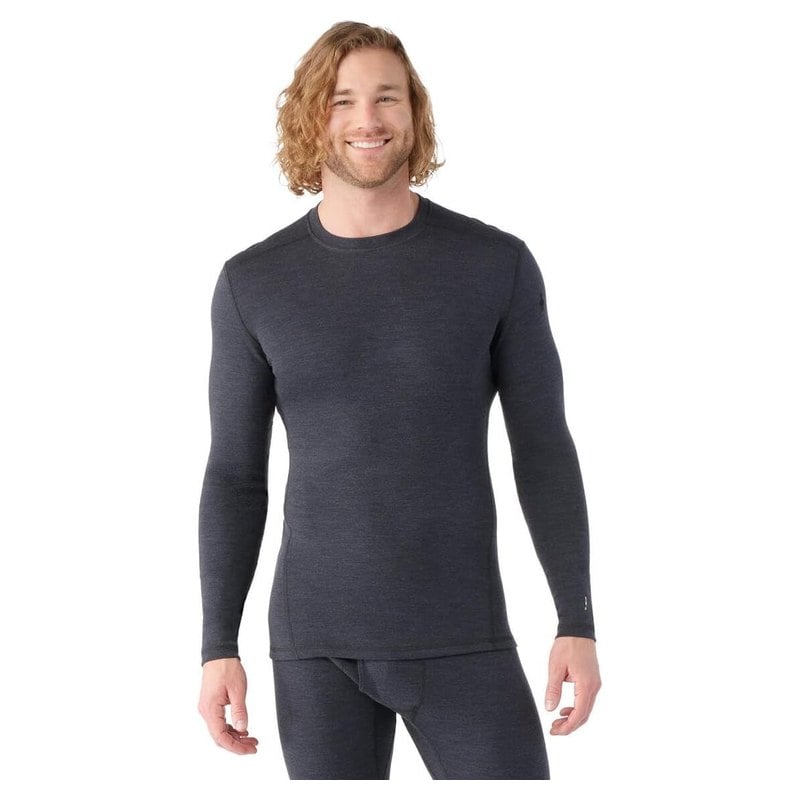
The Smartwool Classic Thermal Merino Crew is the layer we would wear on almost every day of a winter trip. It is a midweight, 100% merino knit, warm on a Sapporo street yet breathable on an overheated shinkansen. Merino also resists odor, so one top can carry several days of travel between washes. The slim crew neck sits flat under a shirt or sweater, and flat seams avoid rubbing under a backpack strap. At dinner, under a cashmere sweater, nobody will ever know it is there. There is a matching women’s line, and the bottoms are worth packing for Hokkaido.
Style matters too, because a Japan winter is spent in good restaurants as well as on mountains. Japanese winter dressing leans toward understated, well-cut layers in neutral colors. Our guide to Japanese minimalist fashion explains that approach. For heavier workwear, denim and boots, the Japanese Americana style guide suits the colder north.
Getting around in snow is easier than most visitors expect. The shinkansen is built for snow, and most lines keep running through a normal winter. Still, allow slack on travel days in the north, and keep luggage light, because stations involve stairs. For a longer stay, compare the rail pass options in our guide to the Japan Rail Pass for longer stays. Then, add three smaller pieces for the cold.
Three Pieces for the Cold
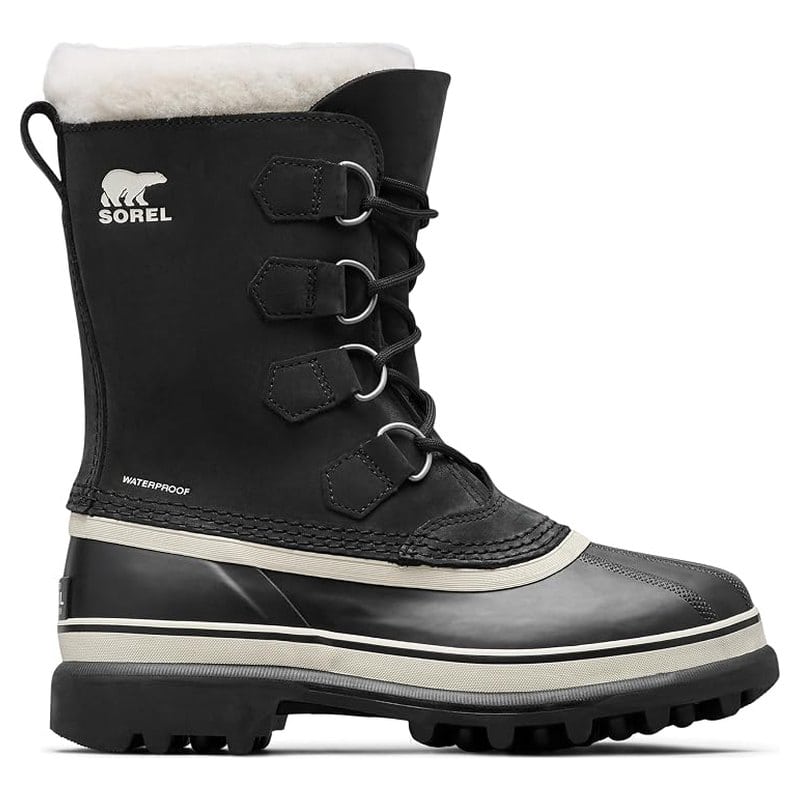
A waterproof rubber shell and felt liner, built for Hokkaido snow and slush.
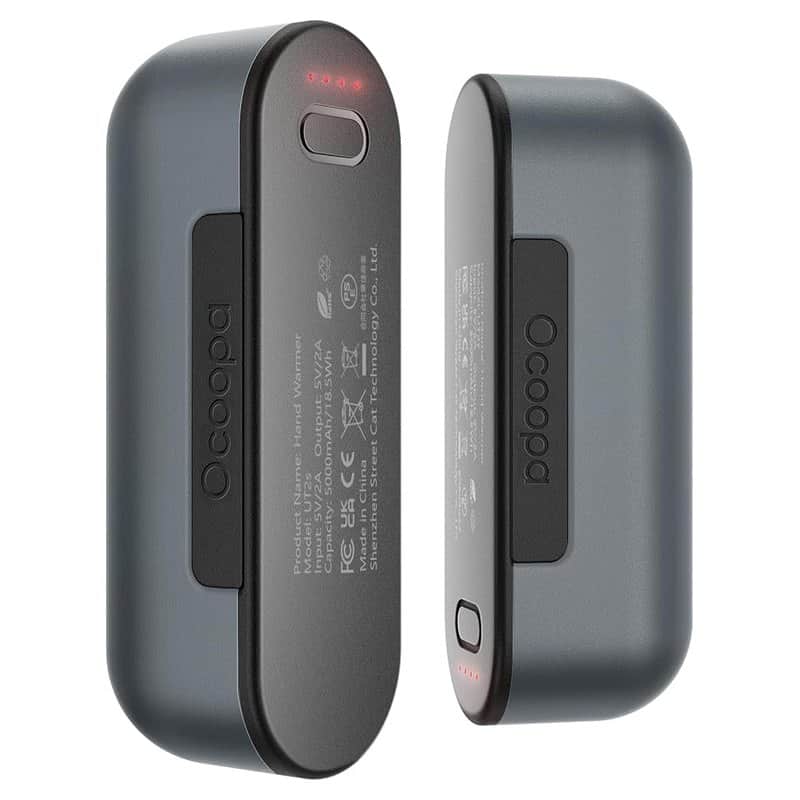
Two magnetic warmers in brushed aluminum, recharged by USB-C between days.
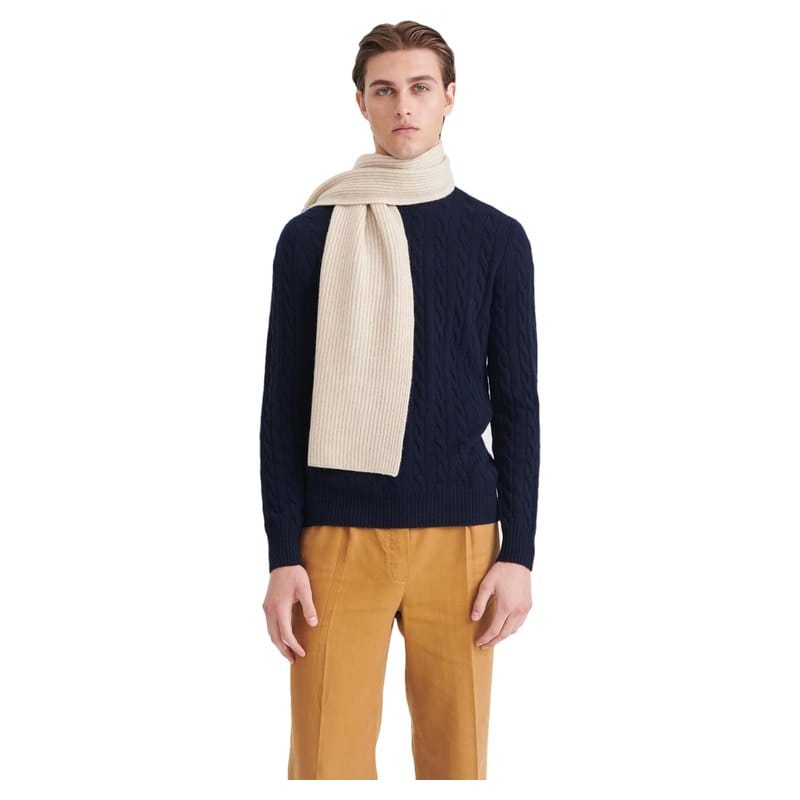
A soft ribbed scarf in pure Mongolian cashmere, from ski town to dinner.
Finally, leave room in the bag for what you bring home. Winter is the season for lacquerware and wool from northern makers. The New Year sales also start on the first working day of the year. Also pack a small notebook. Train windows in the snow country invite writing, and the details of a winter trip fade faster than you expect.
Your Japan Winter Checklist
Here is the season in one place. Use it to decide what to do in Japan in winter, and in what order to book it. The items that sell out run first, followed by the experiences you can arrange once you arrive. Work through it from the top, and the trip takes shape.
The Winter Checklist
- Sapporo hotel for the Snow Festival, February 4 to 11, 2027
- A ryokan room with a private open-air bath for January
- A Shirakawa-go light-up tour, or skip it this year
- New Year dinners, or a hotel with fine dining in-house
- An evening walk under the illuminations in Tokyo or Sapporo
- Unhurried Kyoto in early December
- The Otaru Snow Light Path, February 6 to 13, 2027
- The Zao snow monsters, lit after dark
- Snow monkeys at Jigokudani, with online tickets
- A bath outdoors while the snow falls
- Nabe and oden on a cold night
- Miso ramen and soup curry in Sapporo
- Hokkaido crab at a morning market
- Toshikoshi soba on December 31
- A merino base layer and one warm coat
- Waterproof boots and slip-on traction
- A cashmere scarf and gloves
- Space in the bag for what you bring home
Not every item belongs on every trip. A December city break might cover only the illuminations, Kyoto and a single night at an onsen. A February trip, on the other hand, might center on Hokkaido, with the festival, powder and crab. Either way, the fixed dates come first, so book those before anything else.
Winter and Summer: Planning the Year in Japan
Winter and summer are the two seasons that most change how Japan feels. Winter is crisp, clear and ceremonial, while summer is humid, loud and full of festivals and fireworks. If you are choosing, our companion piece on summer in Japan sets out the other half of the year. Many travelers come back for both, because the same city can feel like two different places.
For the nights between, the right hotel matters as much as the right month. Our selection of the finest hotels in Japan covers the city stays that pair best with a ryokan night. The culture behind both seasons, from New Year customs to seasonal craft, runs through our Japan culture guide. For a record of the trip, the Magnificent Japan journals collection holds our travel and reflection journals in one place.
The Shape of the Season
A Japan winter asks for a little more planning than spring or autumn, and it pays it back. The fixed dates are few, but they matter. They are the year-end shutdown, the Shirakawa-go evenings and the February festivals in the north. Around them, the season is generous. Hot baths, deep snow, clear skies and good food fill the days between. None of them need a reservation months ahead.
Recommended
That balance is the real lesson of the season. Fix the few dates that cannot move. Then leave the rest of the trip loose enough for weather and mood. A snowy morning might keep you in the bath an hour longer, with nothing else on the schedule. Likewise, a clear afternoon might send you up a ropeway you had not planned to ride. Japan in winter rewards that kind of flexibility, because the best moments are often the small, unscheduled ones. A bowl of noodles at a station counter can easily become the memory you keep longest. So can steam rising from a canal at dusk, or the hush of a village under fresh snow.
Before You Book
Three questions shape a good winter trip. First, which month suits what you most want to see: lights, New Year, snow monkeys, powder or festivals? Second, how far north will you go, and how much cold will you accept? Third, how many nights can you give to one place?
Once you have those answers, the rest follows. Book the fixed dates first, then the ryokan, then the trains. Leave one spare day for weather in the north, because snow can close a ropeway or delay a train. Above all, slow down. A Japan winter is at its best when you give it time. Think of an early bath, a long lunch and an evening walk in the snow.
A Winter in Japan, Planned Around the Season
A bespoke winter itinerary built around the dates that matter: the right month, the right onsen room, festival hotels booked early, and time in the snow without the rush.
Plan Your Custom Japan ItineraryQuestions Worth Asking
Is Japan worth visiting in winter?
Yes, especially if you like clear skies and fewer crowds. Winter brings city illuminations, the Sapporo Snow Festival, snow monkeys, powder skiing and outdoor baths in the snow. Kyoto is calmer in early December, and hotels outside holiday weeks are easier to book. Just plan around the New Year closures.
How cold is Japan in December?
It depends on where you are. Tokyo’s December mean is 7.7°C, about 46°F, much like a mild, dry East Coast winter. Sapporo averages minus 0.9°C, about 30°F, with regular snow. Kyoto sits close to Tokyo but often feels colder in the mornings.
Which month is best for snow in Japan?
January and February are the most reliable. Hokkaido and the mountains of Nagano and Tohoku usually have deep snow by mid-January. February then brings the snow festivals in Sapporo and Otaru. December snow is common in the north but less certain, especially in the first half of the month.
Is Tokyo cold in winter?
Tokyo is cool rather than harsh. The January mean is 5.4°C, about 42°F, and most days are dry and sunny. Snow falls only a few times a season and rarely settles for long. A warm coat, a scarf and comfortable walking shoes cover most days in the city.
Can you see snow monkeys in Japan in January?
Yes. January is one of the best months to see the macaques at Jigokudani in Nagano. Snow covers the valley, and many sit in the hot spring pool. The park gives priority entry to online ticket holders from December through April, so buy tickets before you go.
What should I wear in Japan in winter?
Dress in layers. A thin merino base layer, a warm sweater and one good coat cover most days. Trains and shops are well heated, so dress to peel off layers. In Hokkaido, Nagano and Tohoku, add waterproof boots, gloves and slip-on traction for icy paths. Pack something smart for ryokan and hotel dinners.