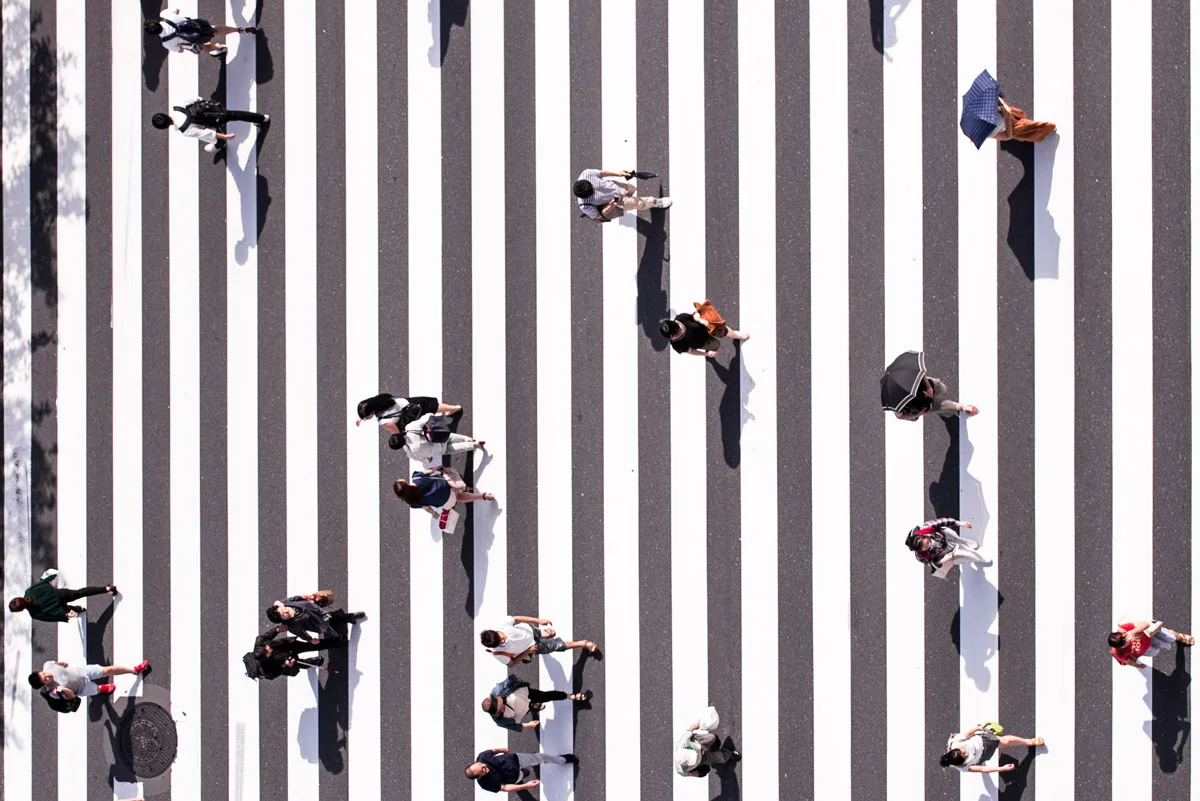
Most myths about Japan travel began as half-truths. Japan is costly in some places, fluent English is patchy, and cash once ruled. Then the country changed quickly, while the stories stayed the same. So many first-time visitors still plan around a Japan that no longer exists.
This guide sets eleven common beliefs against current facts. It covers money, language, tipping, the rail pass, tattoos and bathhouses, crowds, and the idea that a week is enough. Each answer draws on official sources, and each one ends with what to do instead.
If you are still sketching the trip, start with our guide to planning luxury travel in Japan well. Then come back here before you book anything that rests on an old assumption.
What are the biggest myths about Japan travel?
The most common are that Japan is too expensive, that cash is required everywhere and that you need Japanese. Others hold that you should tip, that the JR Pass always pays off, that tattoos bar you from every onsen and that every sight is crowded. In practice, cards and transit IC cards cover most spending, tipping is not customary, and planning around timing beats most crowds.
A note on method before the list. Like most myths about Japan travel, the answers below can date, because Japan keeps adjusting its rules for visitors. So facts here carry a date where they can change. Prices never appear, since they move faster than any article. Instead, each section explains how to judge value on the day you travel.
Myth: Japan Is Too Expensive to Enjoy
The reputation dates from the bubble years of the late 1980s, when Tokyo prices made headlines worldwide. That era ended long ago. Meanwhile, favorable exchange rates have made Japan feel like good value to many Americans in recent years. In fact, value is now one reason visitor numbers keep climbing.
Still, Japan can be costly in specific places. Hotels in central Tokyo and Kyoto rise sharply in cherry blossom season and autumn. Bullet trains add up across a long route. Luxury ryokan sit firmly at the top of the market. So the real question is where your money goes, not whether Japan is expensive.
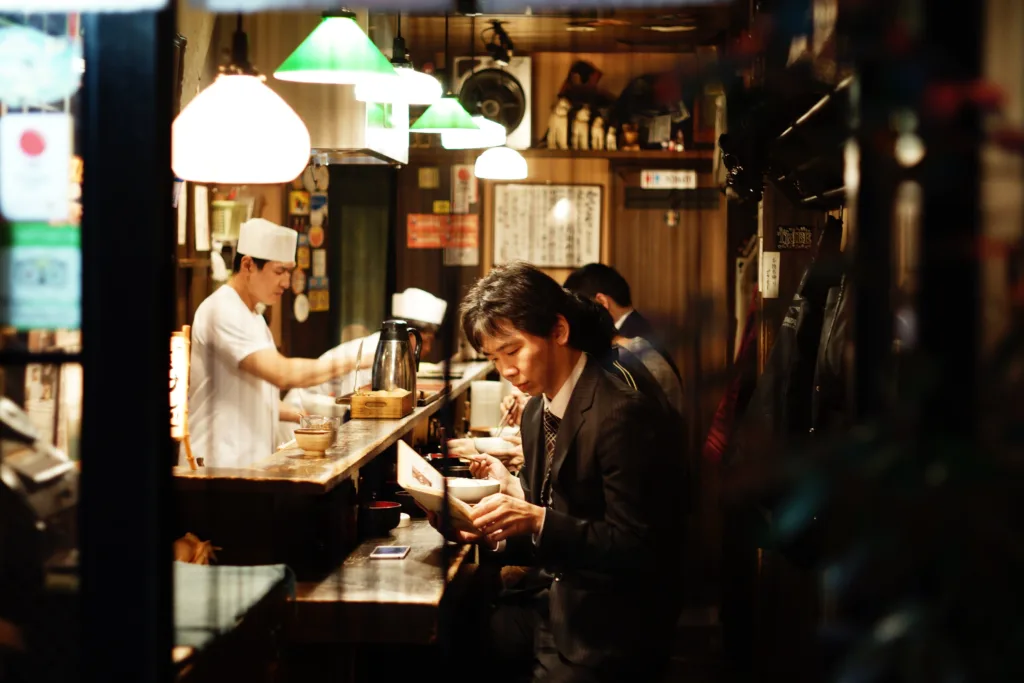
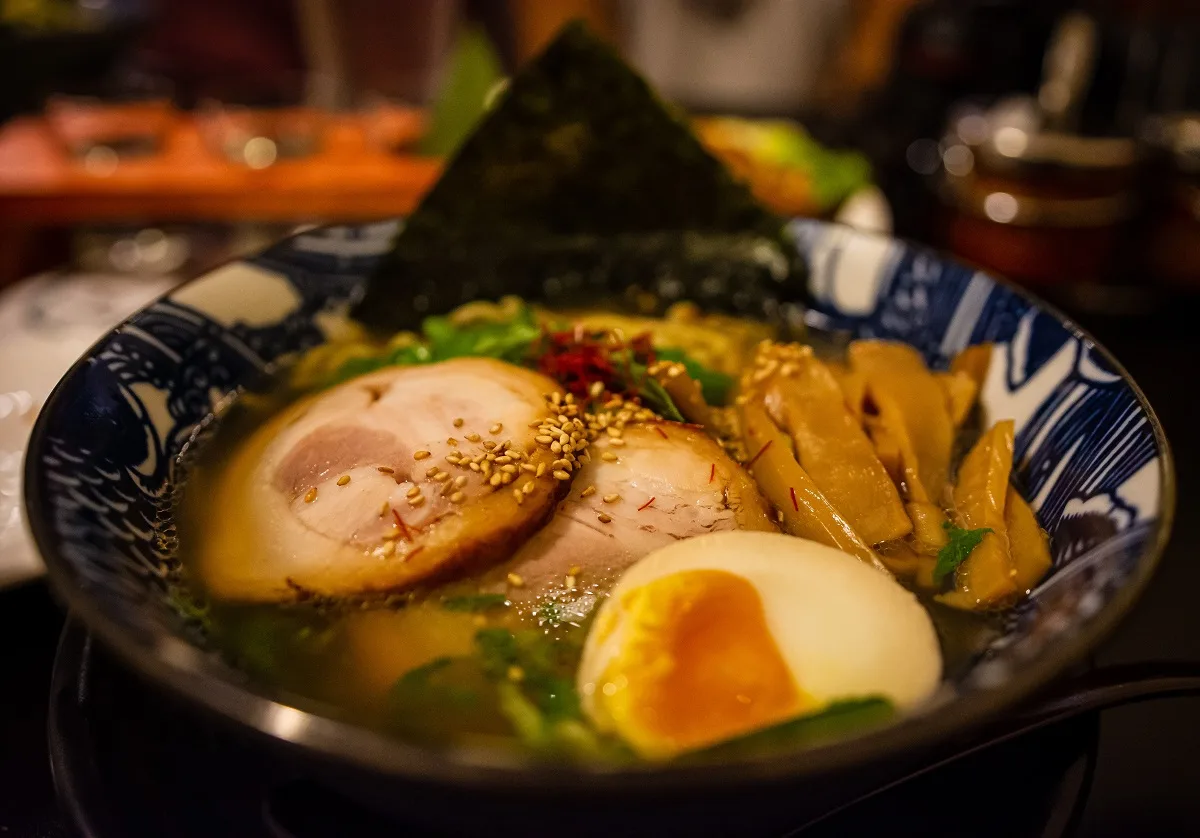
Food is where the myth collapses fastest. A bowl at a noodle counter, a set lunch near an office district, or a bento from a department store food hall all deliver real quality for little outlay. Convenience stores also stock fresh rice balls and salads that locals eat daily. As a result, eating well rarely strains a trip.
A dish that shows the value
Hot noodle pots appear on winter menus at modest counters across the country. The version below is easy to make at home, and it explains why a simple meal in Japan can feel complete.


Nabeyaki Udon — the one-pot noodle supper
Stir three and a third cups of dashi with two tablespoons each of mirin and soy sauce and a teaspoon of salt, then divide the broth between two small pots. Slice two pieces of fish cake per bowl, a fried tofu pouch, two shiitake and a length of leek, and cut a few stalks of komatsuna or spinach. Boil two portions of udon for a minute, drain them, and settle the noodles into the pots with the fish cake, tofu, mushrooms, leek and greens stems. Bring each pot to a boil over medium heat and simmer for two or three minutes. Crack an egg into each, cover, and cook until the white sets. Finish with the greens leaves and two pieces of shrimp tempura per pot, and serve with a pinch of shichimi. The pot keeps the broth hot to the last spoonful.
Furoshiki Wrapping Cloth — the bag that folds into a pocket
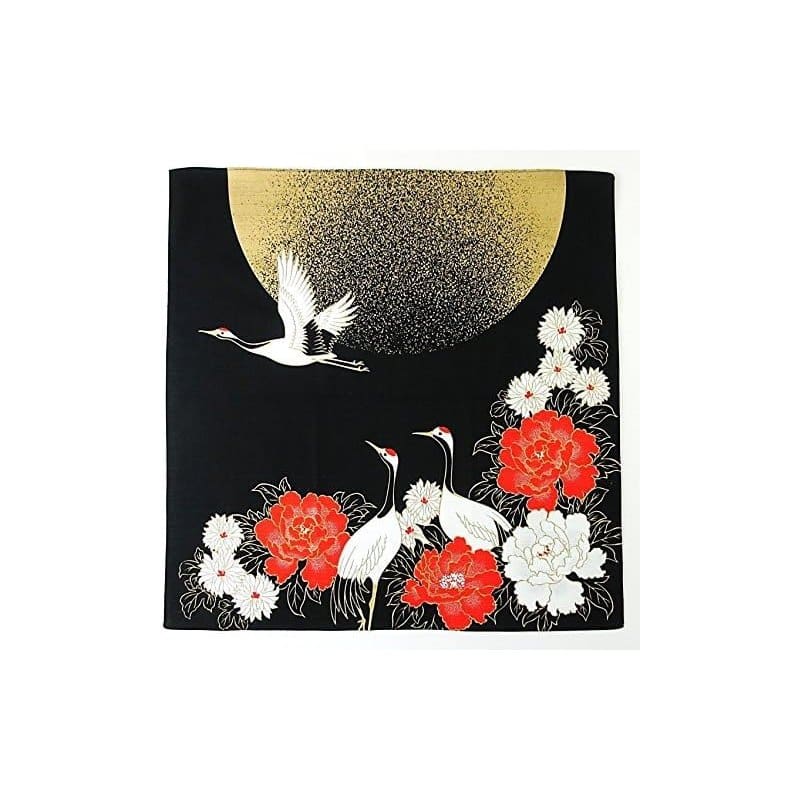
Since July 2020, shops across Japan must charge for plastic carrier bags. So a carry cloth earns its place in a day bag. This Japanese furoshiki wrapping cloth, printed in Japan with a moon and crane design, ties into a sturdy tote in seconds. It holds a bento, a bottle and a paperback, and then folds flat again. Many travelers also use it to wrap fragile souvenirs inside a suitcase. At home, it becomes gift wrap that can be reused for years. In short, it saves a small charge at every shop while carrying a little of Japan back with you. It also suits the local habit of carrying your own things, which keeps a counter tidy and a shopkeeper pleased. A traveler with a furoshiki rarely needs a plastic bag at all.
Myth: You Need Cash for Everything
Ten years ago, this was close to true. Today it is out of date. According to the Ministry of Economy, Trade and Industry, cashless payments reached 58 percent of household consumption in 2025. That figure has risen year after year, and cards now work in most hotels, department stores, chains and taxis.
Transit cards matter even more. A Suica or similar IC card pays for trains, buses, convenience stores and many vending machines with a single tap. Since March 2025, iPhone users can also download Welcome Suica Mobile from JR East before landing. As a result, many visitors rarely touch coins in the cities.
That said, keep some cash for the edges of the map. Small family restaurants, rural inns, festival stalls and coin lockers may still want notes or coins. Withdraw from convenience store ATMs, which usually accept foreign cards. Then carry a modest amount, and let the card handle the rest.
Kiss-Lock Coin Purse — for the coins you will still collect
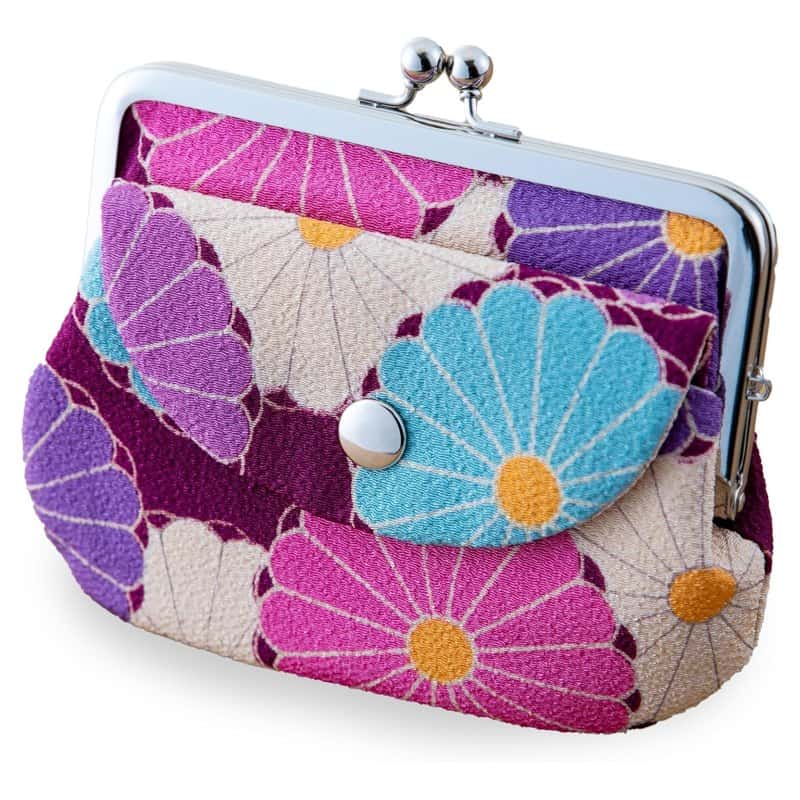
Japan still mints a lot of coins, and change piles up quickly after a few market stalls. This kiss-lock coin purse made in Japan keeps them in one place. The clasp design, called gamaguchi, has been a Japanese favorite for generations, and it opens wide enough to find the right coin fast. The chrysanthemum print looks smart enough for an evening bag. Better still, it frees your main wallet for cards. Use it for lockers, small food stalls and the odd rural bus. Then, when the trip ends, it becomes a small souvenir that you will actually use at home. It is a modest object, but it solves the one cash habit Japan has not yet lost.
You may also like
Myth: You Need to Speak Japanese
You do not, at least in the places most visitors go. Major stations show English signs and announcements. Trains display the next stop in English. Many restaurants in tourist areas now offer picture menus or tablet ordering with an English option. As a result, first-timers often manage a whole trip without a single full conversation in Japanese.
Rural areas are different, and so are small family businesses. There, a translation app with camera mode reads menus and signs instantly. Download the Japanese language pack before you fly, so it works offline. Meanwhile, the Japan National Tourism Organization runs a Japan Visitor Hotline in English, 24 hours a day, every day of the year.

A few words still change the tone of every exchange. Learn to say hello, thank you, excuse me and the check, please. People respond warmly to even a clumsy attempt. In fact, a single sincere thank you at a counter often earns a smile and a small extra kindness.
Japanese for Travelers Phrasebook — the phrases worth carrying
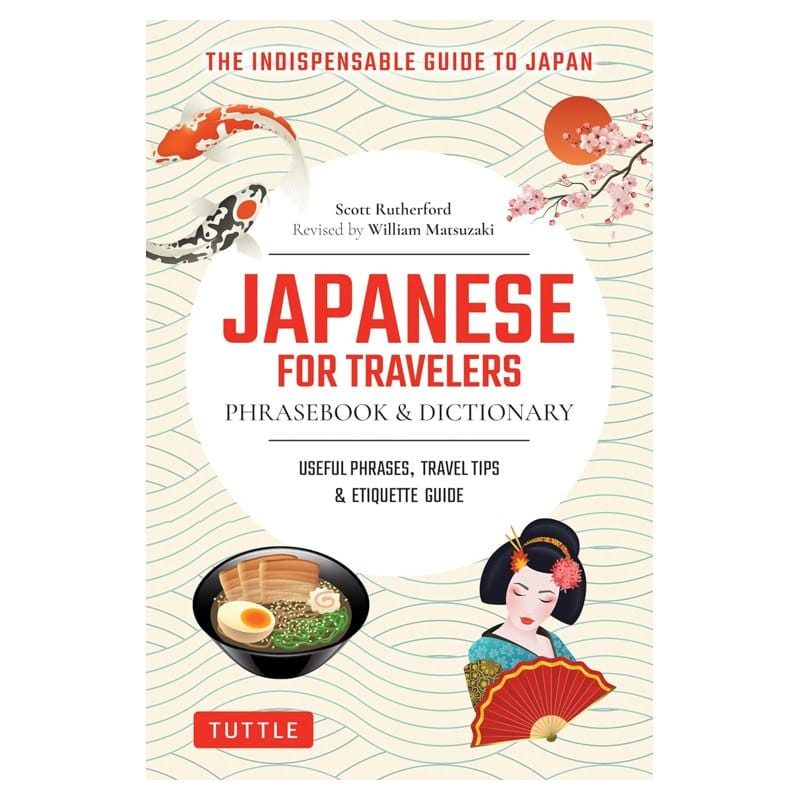
Apps translate words, but they rarely teach you what to say first. This Japanese for Travelers Phrasebook and Dictionary from Tuttle groups phrases by situation, from checking in to ordering at a counter. It adds short notes on etiquette and pronunciation, written for visitors rather than students. Read the greetings section on the flight, and you will already sound polite on arrival. The pocket format slips into a jacket, and it works without signal or battery. Above all, it builds the confidence to try. That small effort tends to change how a whole exchange unfolds, from a shop counter to a station office. It also makes a thoughtful companion for anyone traveling with you who prefers paper to screens.

Myth: You Should Tip as You Do at Home
This habit travels badly. As the official Japan National Tourism Organization guide to tipping explains, tipping is not common in bars, cafes, restaurants, taxis or hotels. Staff may chase you down the street to return money left on the table. Good service is simply part of the job.
There are narrow exceptions. A private guide or interpreter used to overseas customs may accept a gratuity as thanks. Even then, it should be discreet and placed in an envelope, never handed over as loose notes. Japan has a word for this kind of gift, kokorozuke, meaning from the heart.
So the better way to show thanks is in words and manners. Say thank you clearly, return trays where you see others do so, and leave a table tidy. Those gestures are noticed and remembered, while a tip may simply cause confusion.
Myth: The JR Pass Always Pays for Itself
The Japan Rail Pass was once an easy yes for almost any visitor. Then prices rose sharply on October 1, 2023. In April 2026, the JR Group announced another revision for passes bought through overseas agencies on or after October 1, 2026. Online prices stay unchanged for a limited time, according to the official notice.
Today, the pass pays off mainly for long routes packed into a short window. A Tokyo, Kyoto and Hiroshima loop in one week may still justify it. A trip based in Tokyo with one day out often does not. So price your actual route first, then compare. Our Japan Rail Pass guide and calculator does that comparison for you.
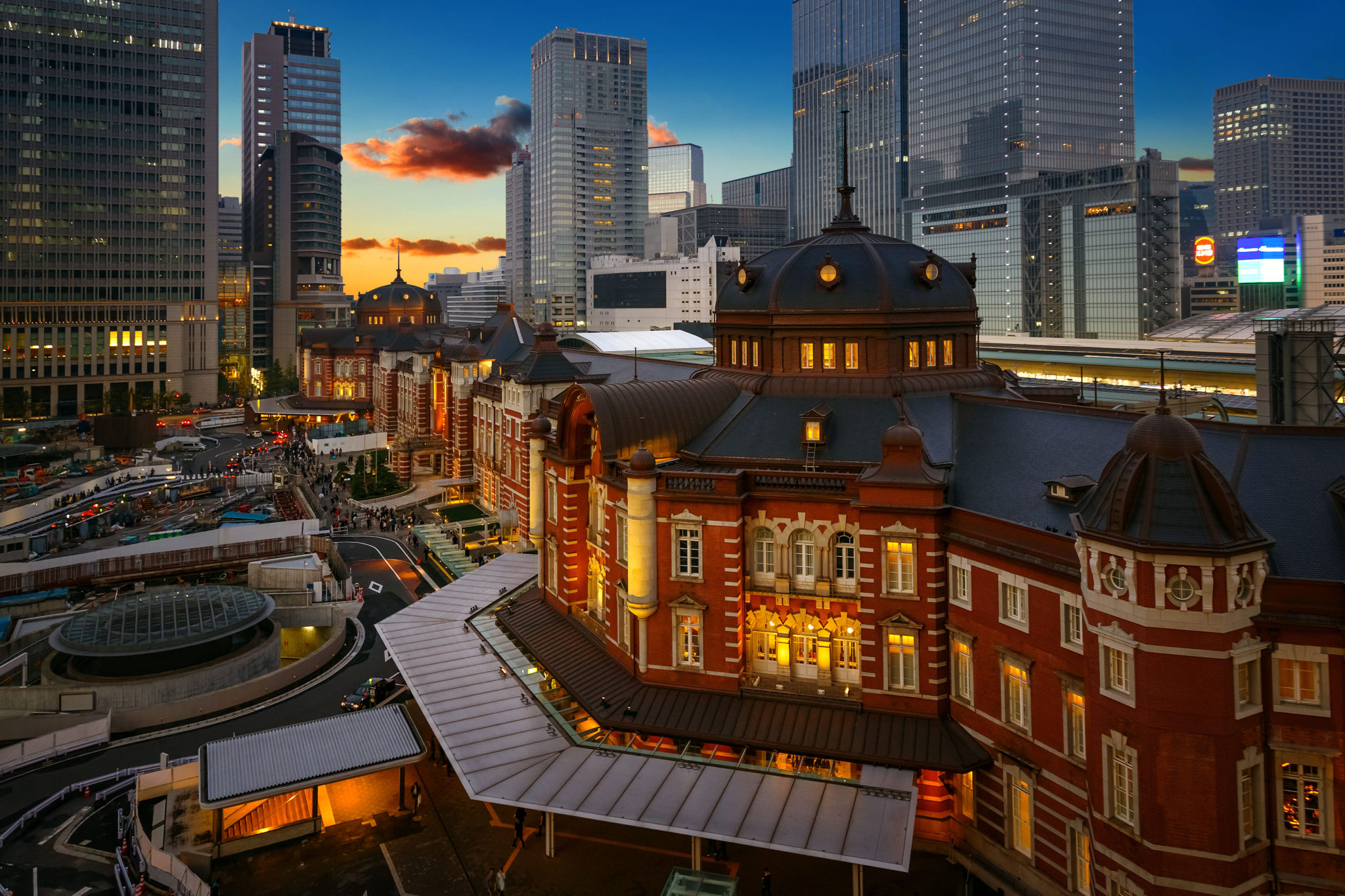
Regional passes are worth a look as well. Several JR companies sell area passes for Kansai, Hokkaido or the west, and they often suit a focused trip better. For a route that is already worked out, a custom Japan itinerary can set every rail day against the right ticket before you fly.
Myth: One Wrong Move Will Offend Everyone
Japanese etiquette has a fearsome reputation abroad. In practice, people extend real patience to visitors who are clearly trying. Nobody expects you to know every rule. What earns goodwill is attention, a willingness to watch and follow, and an apology when you get something wrong.
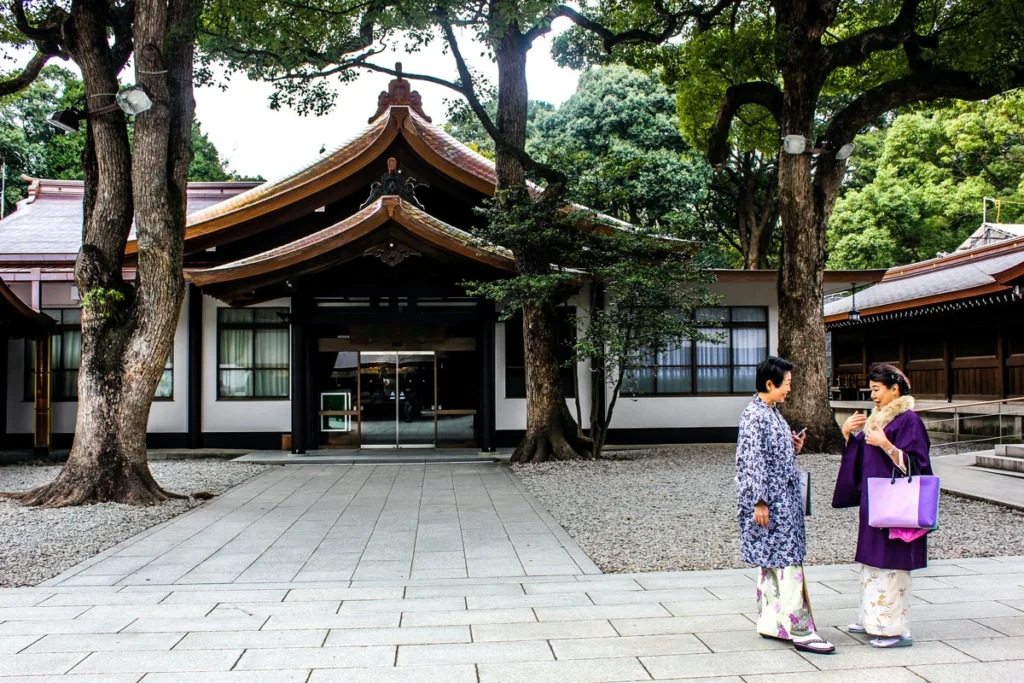
A handful of habits cover most situations. Remove shoes where you see a step up or a row of slippers. Keep voices low on trains, and skip phone calls aboard. Avoid eating while walking in busy streets. Our guide to Japanese etiquette for travelers explains the reasons behind each custom.
Some places are stricter than others, and that is worth knowing. In parts of Kyoto, private lanes now post rules against photographing residents and entering without permission. Respecting those signs matters more than any bow. Elsewhere, a relaxed but careful manner is enough to be welcomed almost everywhere you go.
Recommended
Etiquette Guide to Japan — the reasons behind the rules
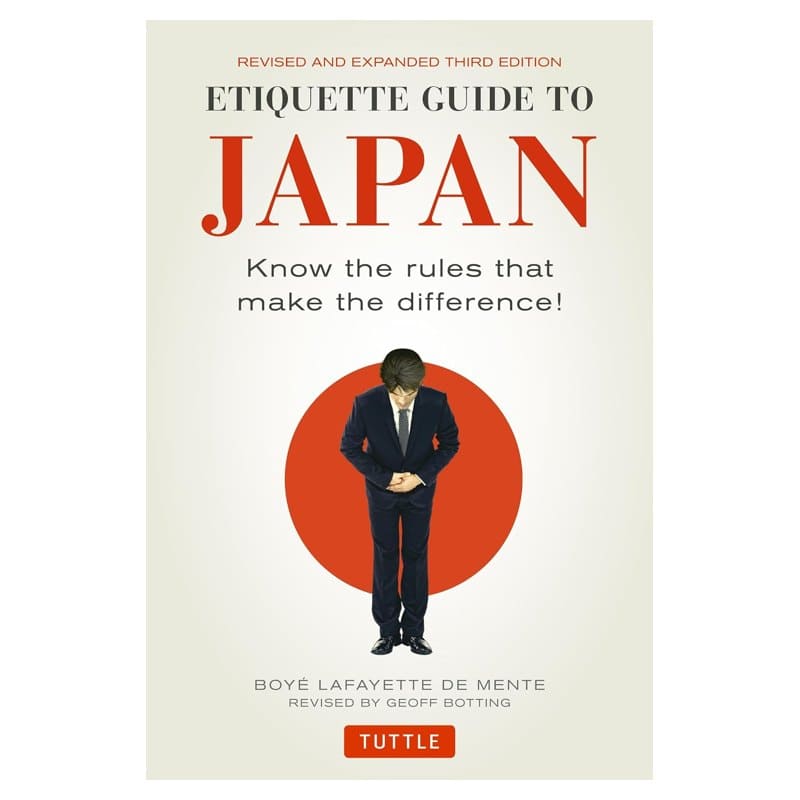
Rules are easier to follow once you know why they exist. This Etiquette Guide to Japan from Tuttle explains customs from bowing to gift giving in short, readable entries. It covers the situations visitors meet most, including meals, homes, baths and business cards. Each entry gives the reasoning, so you can handle cases the book never mentions. It reads well in one sitting before a trip, and it rewards a second look on the plane. Many returning travelers say it changed what they noticed on the ground. Rather than a list of warnings, it reads as an introduction to how people in Japan think about others. That shift, more than any single rule, is what makes a visit feel easy.
Myth: Tattoos Keep You Out of Every Onsen
Many public baths still restrict tattoos, and it is wise to check before you go. Still, the blanket ban is a myth. A growing number of hot springs now describe themselves as tattoo-friendly. In Kinosaki, a historic spa town in Hyogo, all seven public bathhouses welcome guests with tattoos.
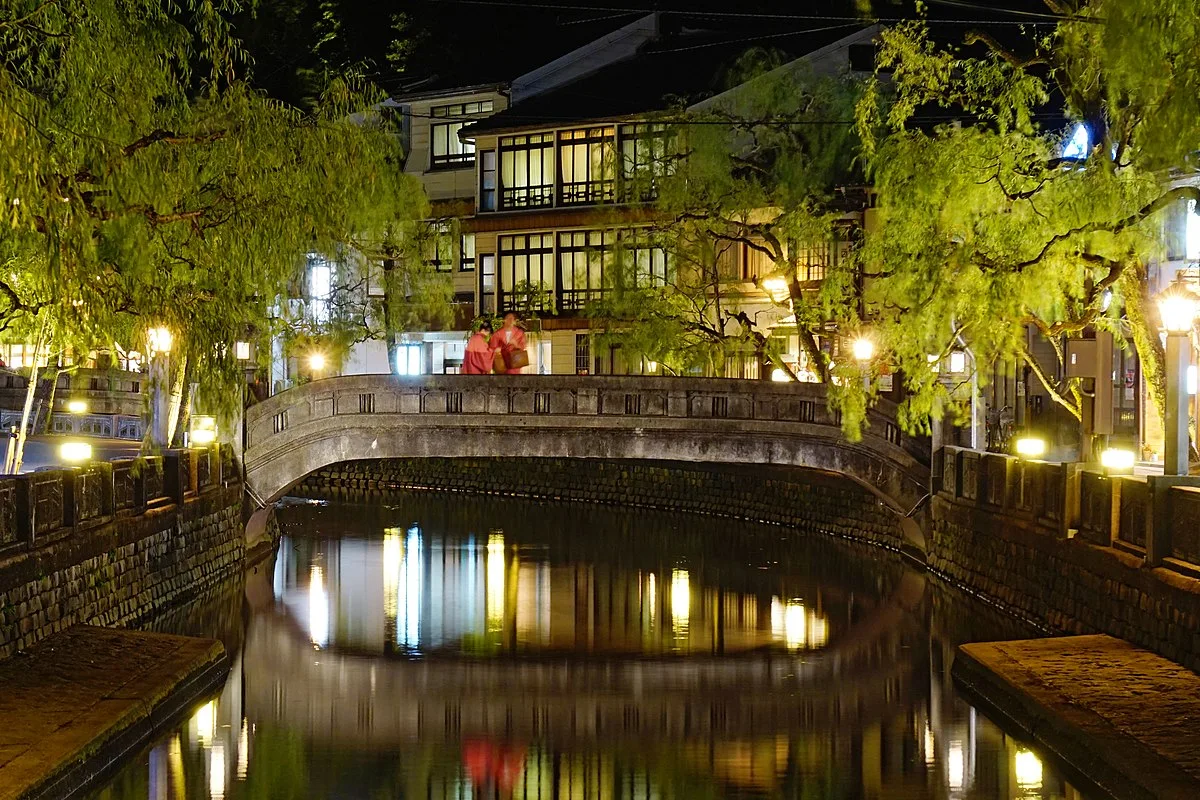
Two more routes help. First, small tattoos can often be covered with skin-tone patches, sold in drugstores and at some front desks. Second, private baths, called kashikiri, can be booked for your party alone. The official JNTO guide to tattoo-friendly onsen lists several options, and our guide to the ryokan experience explains how private baths work at an inn.
Whichever bath you choose, the basic etiquette is the same. Wash and rinse fully before you enter the water. Keep your small towel out of the bath, and tie up long hair. Finally, move slowly, because the heat is stronger than most visitors expect.
Kenema Tenugui Towel — the onsen towel locals actually use
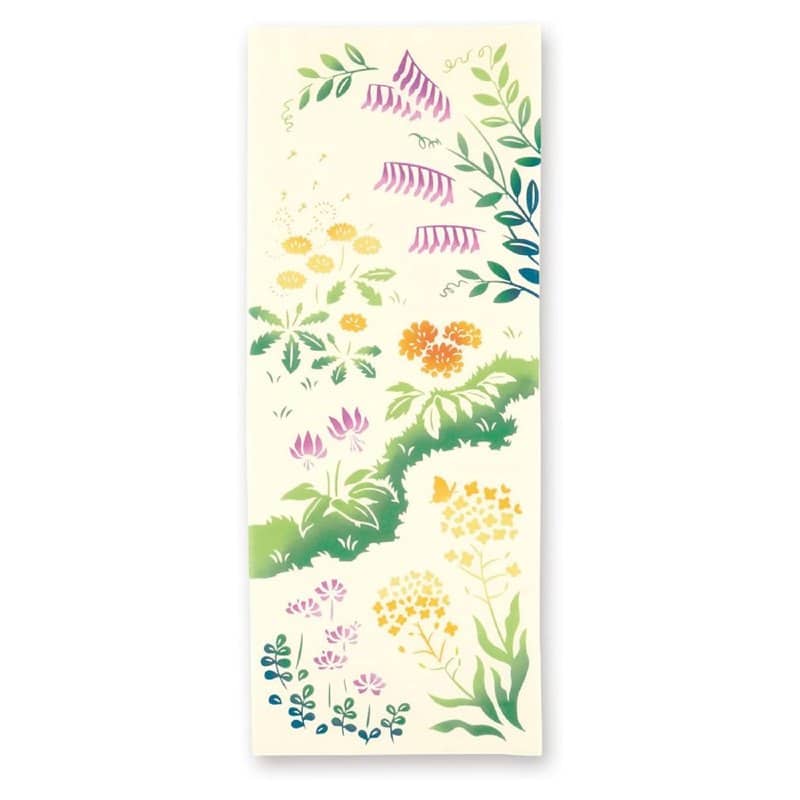
Every bath visitor needs a small towel, and the tenugui is the classic choice. This Kenema tenugui from Miyamoto is printed in Japan on thin, fast-drying cotton. Use it to wash at the shower stool, then fold it on your head while you soak, as locals do. It dries quickly on a hotel rail, which matters when you bathe twice a day. Between baths, it doubles as a handkerchief, a scarf or a wrap for a bento. Finally, its spring walk print makes it a gentle keepsake that never feels like a souvenir. It packs into almost nothing, so it earns a permanent place in any day bag.
Ten Proverbs to Carry With You
A printable folio of ten Japanese proverbs, each set in kanji with its reading and a line on where you will hear it.
Myth: Japan Is Crowded Everywhere
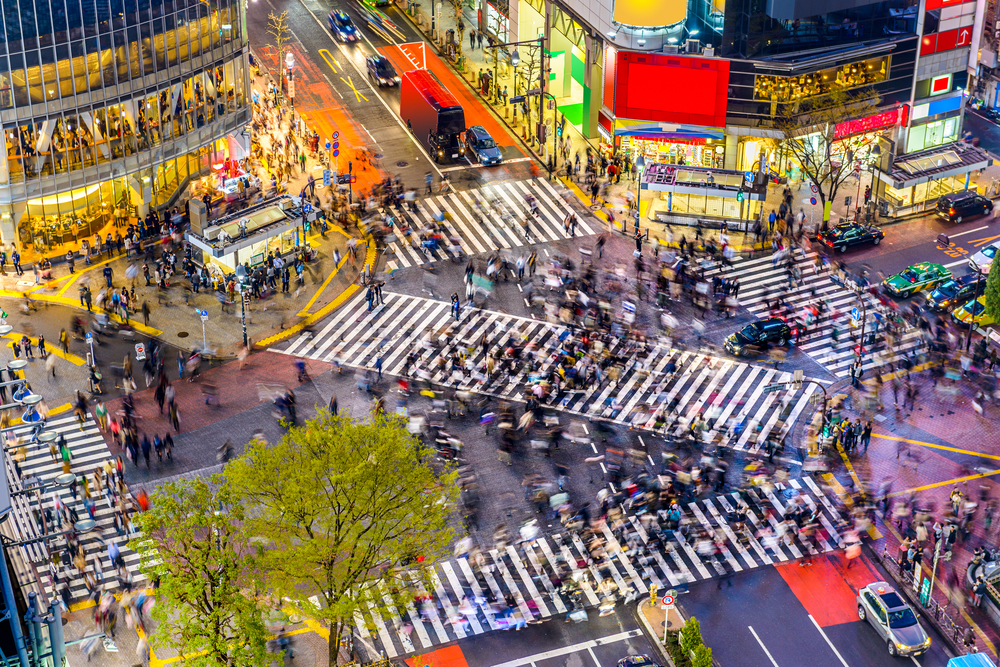
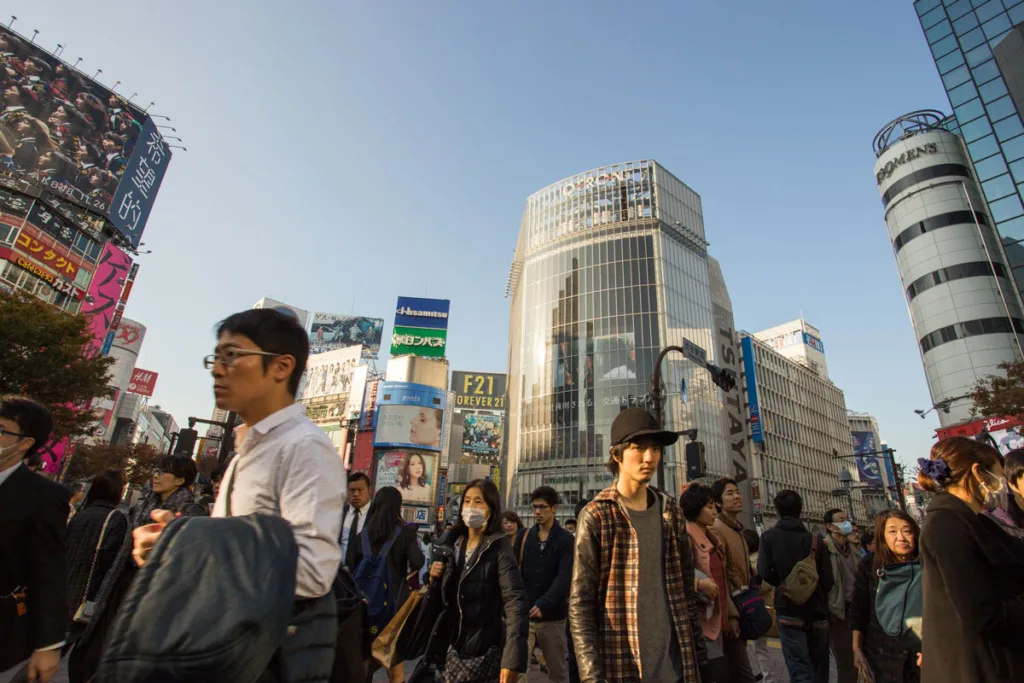
Japan welcomed a record number of international visitors in 2025, and some sights feel it. Fushimi Inari at noon, Shibuya Crossing at dusk and Arashiyama in November can be packed. Yet of all the myths about Japan travel, this one is easiest to beat, because crowds gather in a few famous places at predictable hours. Step a little away in time or distance, and the picture changes.
Timing is the simplest fix. Arrive at a landmark when it opens, or visit in the last hour before closing. Weekdays beat weekends, and early December often beats peak foliage. Meanwhile, Tokyo itself holds many calm parks, gardens and riverside walks that few visitors reach.
Distance helps too. Kanazawa, Takayama, Matsumoto and the Seto Inland Sea islands offer the same craft, food and scenery with far smaller crowds. Even within Kyoto, the northern and eastern districts stay noticeably calmer than the central sights. As a result, a few small changes can give you a very different trip. In other words, a crowd is usually a matter of schedule rather than place. Plan around the busy hours, and most of them simply disappear from your days entirely.
You may also like
Myth: Japan Is All Anime and Neon
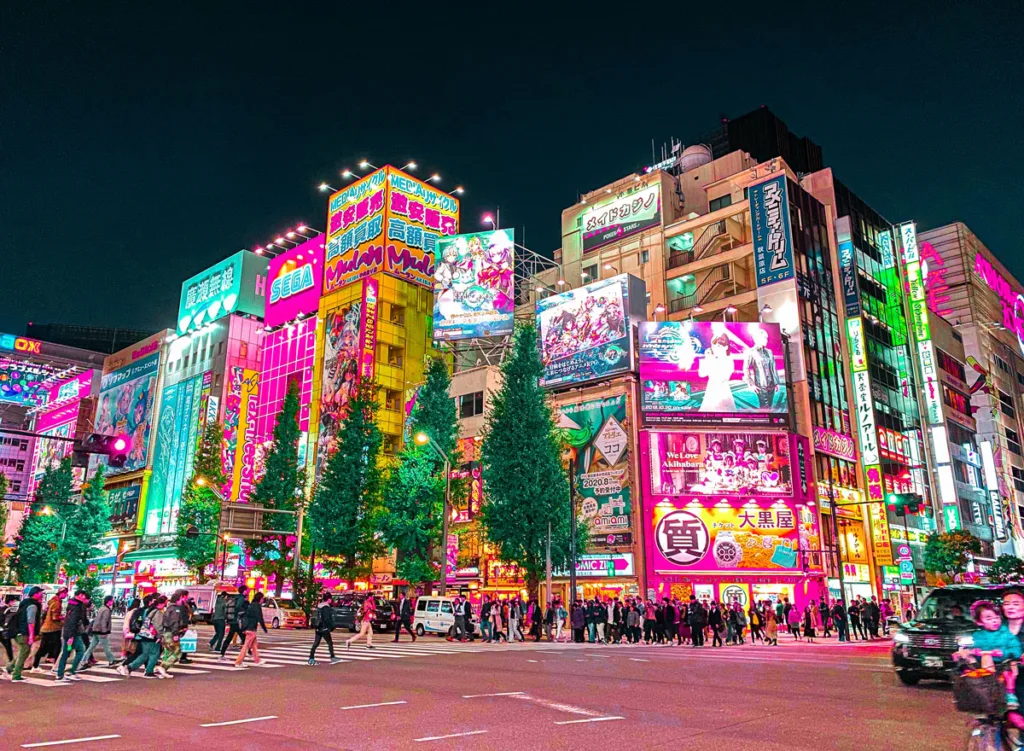
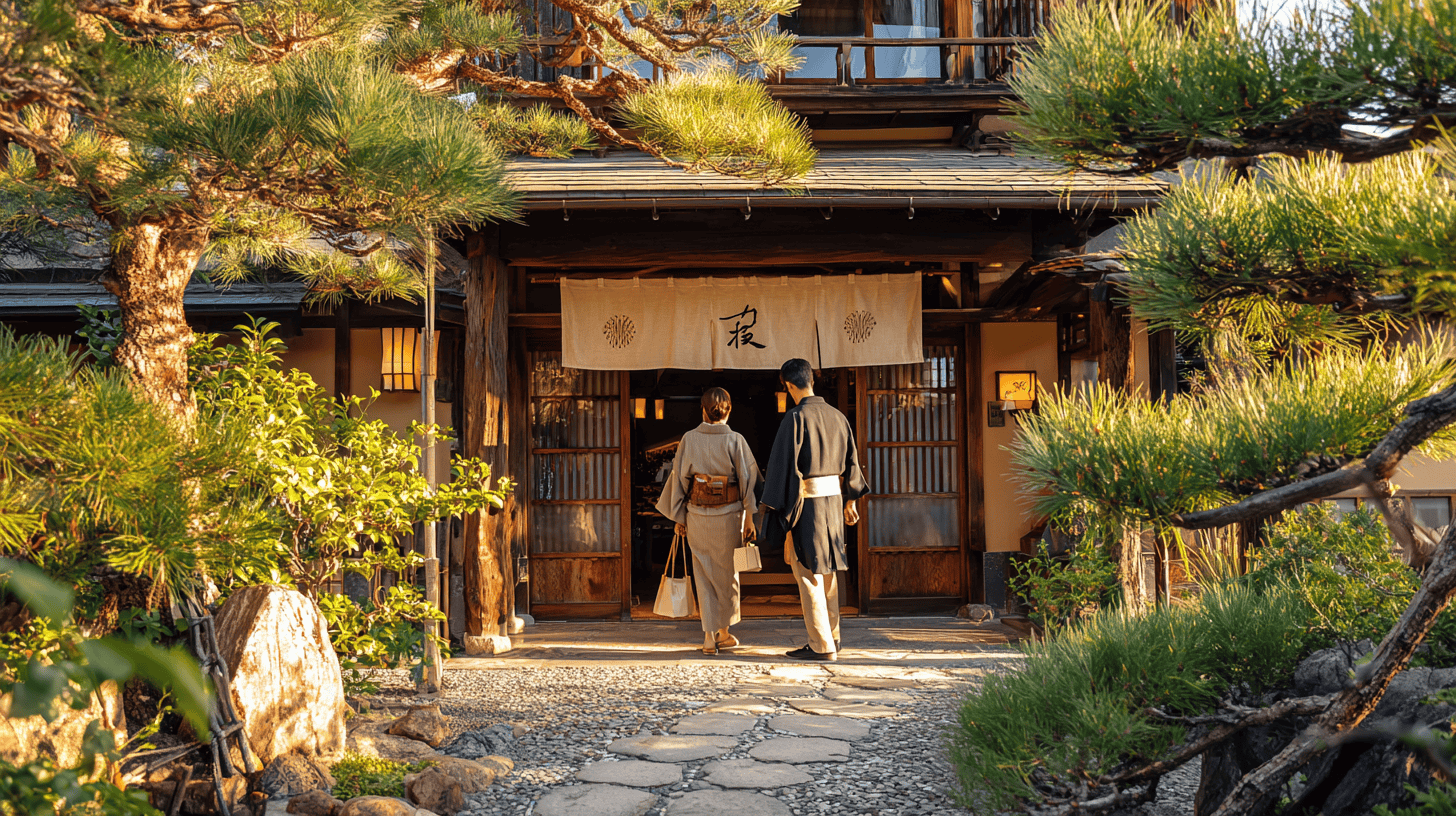
Pop culture is real, visible and a joy for its fans. Akihabara, Ikebukuro and Nakano Broadway deliver exactly what the posters promise. However, they are a small slice of a large country. Most of Japan runs on older rhythms of craft, seasons, food and family.
A short train ride shows the other side. Hakone offers mountain inns and open-air galleries. Nara and Kamakura hold centuries of history within easy reach of the big cities. Even central Tokyo keeps old neighborhoods of wooden houses and family shops between its towers.

The best trips mix both worlds on purpose. An afternoon in Akihabara pairs well with a kaiseki dinner. A morning of craft shopping balances a night of city lights. That contrast, more than either half alone, is what most visitors remember. It also explains why the country rewards curiosity in every direction rather than one obsession.
A Geek in Japan — both halves of Japan in one book
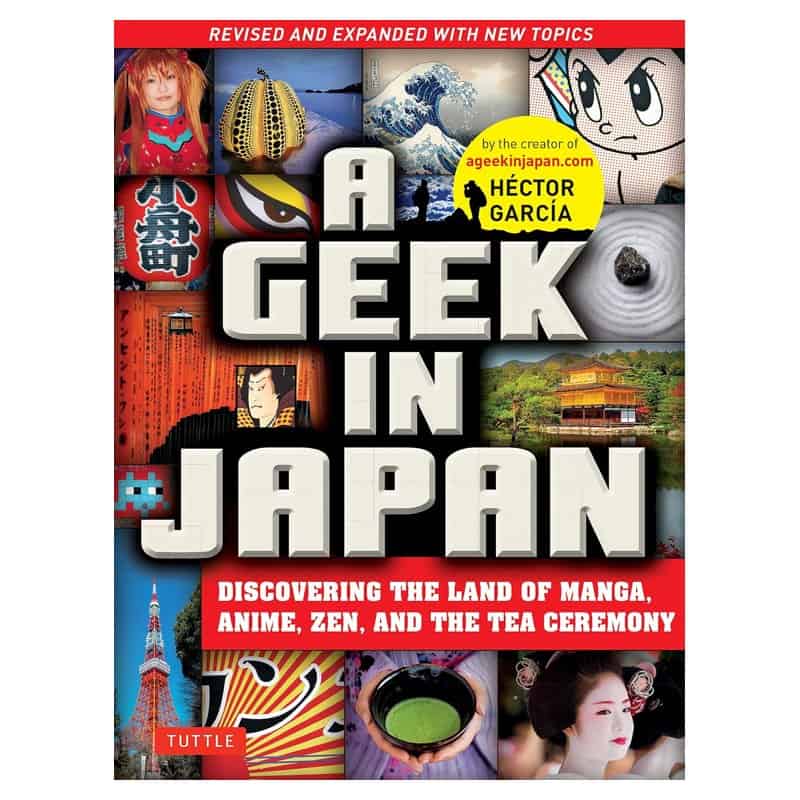
Few books cover modern Japan and its traditions as lightly as A Geek in Japan by Héctor García. The revised Tuttle edition moves from manga and video games to the tea ceremony, architecture and work culture. Short chapters and hundreds of photos make it easy to dip into before a trip. Above all, it shows how the neon and the old crafts belong to one culture rather than two. That makes it a fine gift for a teenager who loves anime and a parent who loves gardens. It also answers many first-timer questions before they arise. Read it on the flight over, and the streets will make more sense from the first morning.
Myth: Japan Is Hard to Travel Alone
Japan may be the easiest country in Asia for a first solo trip. Counters are built for single diners, and nobody looks twice at a table for one. Trains run to the minute. Meanwhile, hotels and ryokan increasingly accept single guests without a large penalty.
Safety is a large part of the appeal. Streets feel calm late at night in most cities, and lost wallets often come back intact. Smoking, once common in restaurants, has been restricted indoors since April 2020. Our guide to solo travel in Japan covers rooms, rail and meals in detail.
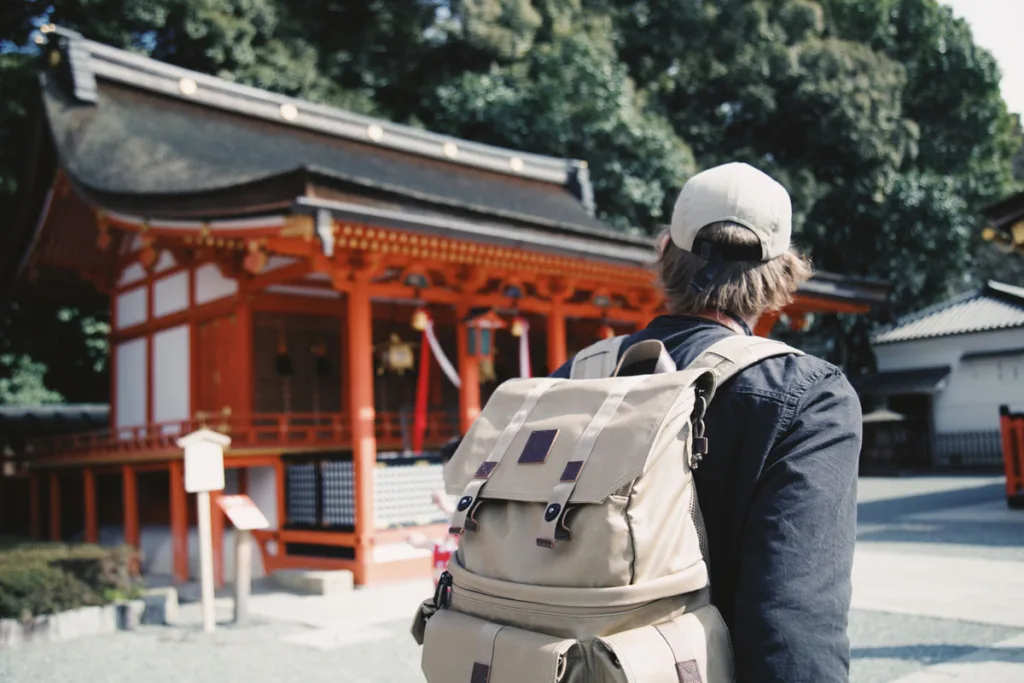
Evenings are where solo travelers often hesitate. In fact, they are a highlight. Standing bars, yokocho alleys and ramen counters welcome people alone. Our Tokyo nightlife guide lists the neighborhoods that suit a first night out.
Meeting people is easier than the stereotype suggests. Cooking classes, walking tours and guesthouse lounges gather solo travelers naturally. Counter staff often chat once the rush passes. So a trip alone rarely feels lonely unless you want it to. Many travelers find it the most sociable part of the trip.
Myth: You Can See Japan in One Week
Japan looks small on a map, and the trains make distances shrink. So many first itineraries try Tokyo, Kyoto, Osaka, Hiroshima and Mount Fuji in seven days. The result is usually a week spent in stations, which makes this the costliest of the myths about Japan travel. In reality, the country stretches roughly as far as the East Coast of the United States.
A better plan is two or three bases with time to settle. Spend four nights in Tokyo, three in Kyoto and one at a hot spring inn. Add a day trip from each base rather than another hotel change. That rhythm leaves room for long dinners and unplanned walks, which most visitors later call the best moments.

Seasons, first days and Mount Fuji
Seasons shape the plan as well. Cherry blossom weeks and autumn color bring beauty and the heaviest demand. Early summer and late winter offer clear trade-offs, with fewer visitors and lower rates. Whatever you choose, book the key nights early. Then leave one day open, because Japan rewards the traveler who can say yes to a good suggestion.
Finally, give yourself an easy first day. Jet lag from the United States usually lands hardest on the second afternoon. A light schedule, a bath and an early dinner nearby set the tone for everything after. Above all, resist the urge to see everything at once, since Japan is a place most visitors return to.
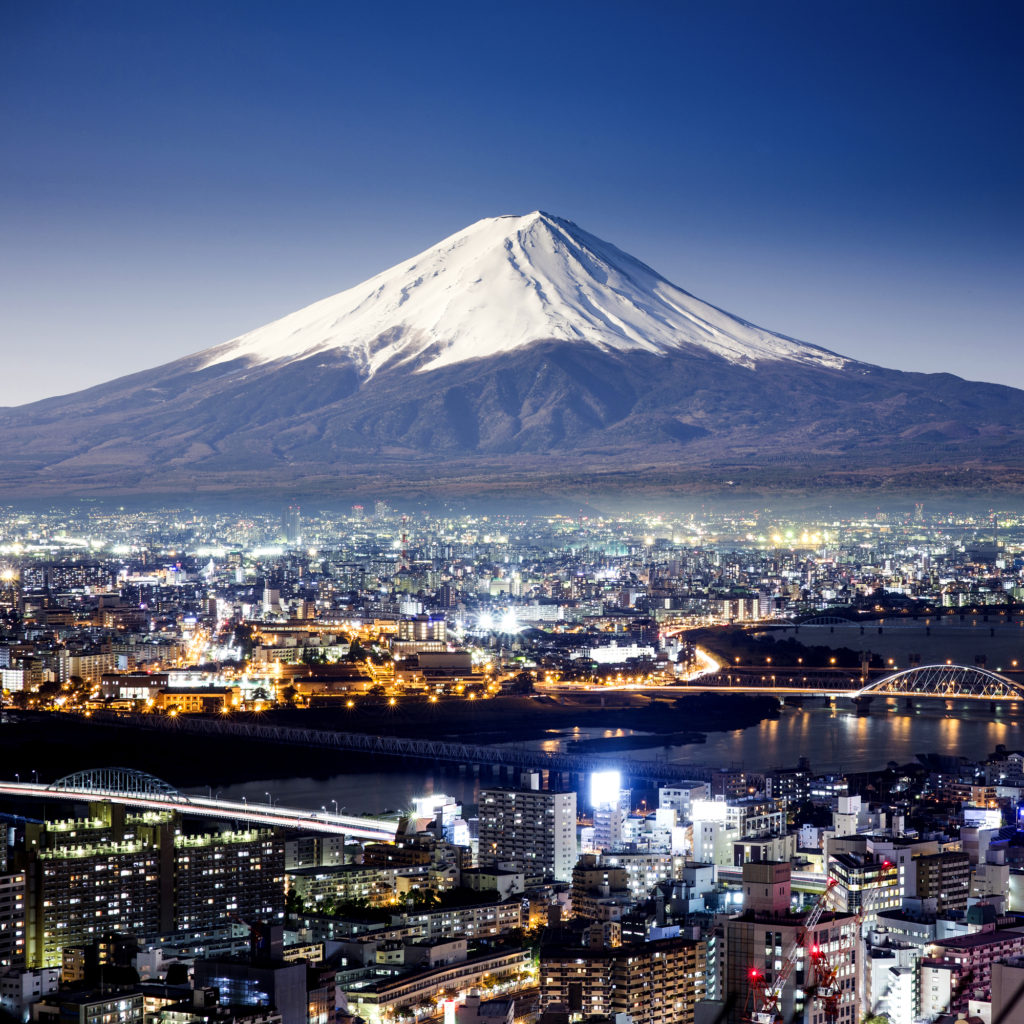
Mount Fuji shows how much timing matters. The mountain hides behind cloud for days at a time, especially in summer. Clear views come most often on cold mornings from late autumn to early spring. So a single rushed day trip often ends in fog, while a night at a nearby lake gives you two chances at sunrise. The same logic applies across the country. One more night in fewer places almost always beats one more stop on the map. Patience, more than speed, is what Japan rewards.
Traveling light between cities
Luggage is the last practical worry worth a word. Many visitors picture themselves dragging suitcases through every station. In fact, delivery services carry bags between hotels and airports, usually by the next day. Your hotel desk can arrange it in a few minutes. As a result, you can move between cities with only a day bag, which makes trains, stairs and busy platforms far easier. It is one of the small systems that make Japan feel effortless once you know it exists.
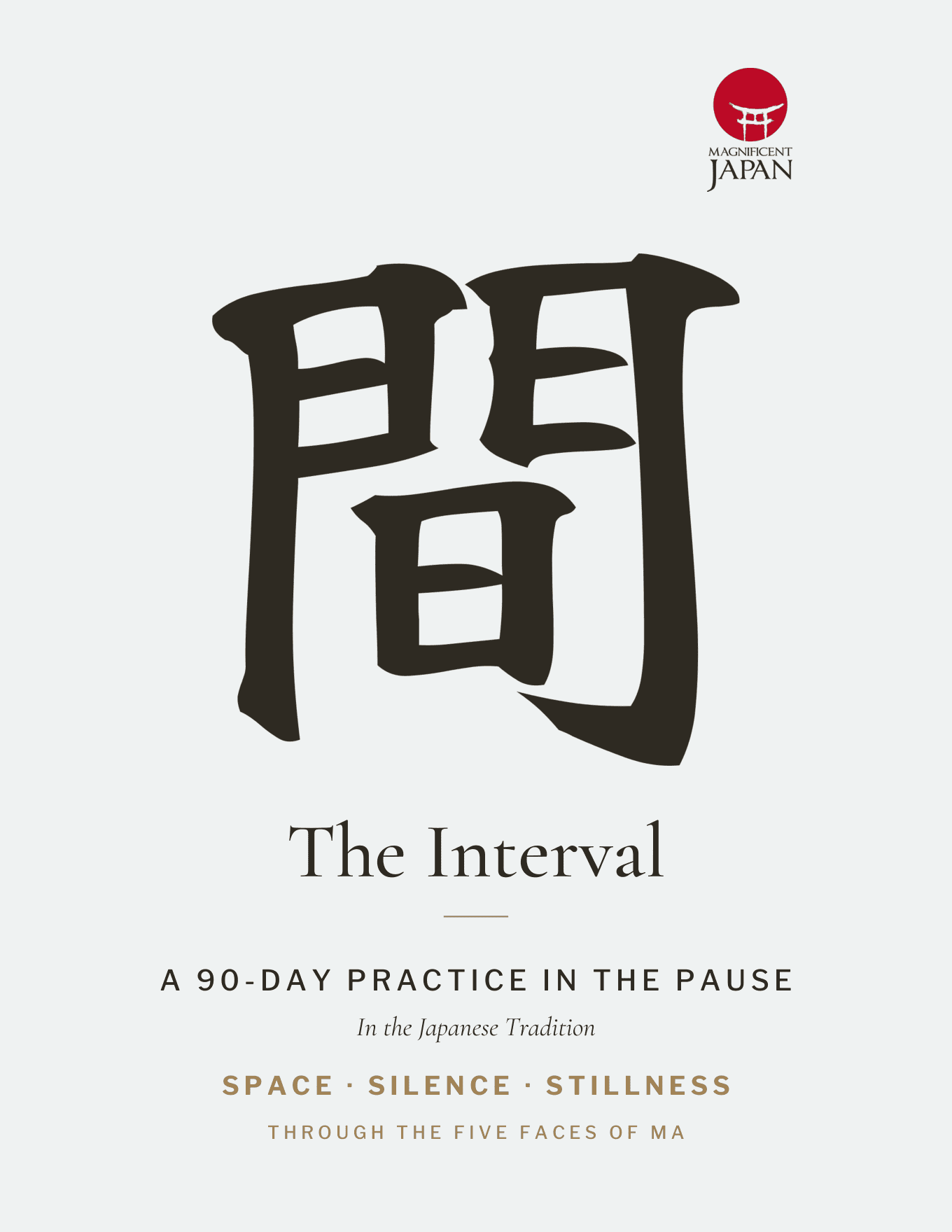
A 90-day practice in ma, the Pause, the space a first trip rarely leaves room for. One short prompt a day helps you notice the intervals between plans, trains and meals. Choose the digital edition for a tablet or the paperback for ink and paper. It is one of eight journals in the Cultural Reflection Collection, each built on a Japanese idea.
View The CollectionWhy Myths About Japan Travel Fade on Arrival
Most myths about Japan travel share one root. They describe Japan as rigid, distant and difficult, and the country rarely behaves that way in person. Instead, visitors meet patient staff, clear systems and a culture that values care in small things. The surprises tend to be pleasant ones.
So prepare for the facts that matter, and let the rest go. Carry a card, a transit pass and a little cash. Learn a few words, skip the tip, and check the bath before you book. Then plan fewer places, more slowly, and the old myths will not survive the first evening.

Above all, give Japan the benefit of the doubt. When something seems strange, a sensible reason usually sits behind it, from the hushed trains to the scarce trash bins. Ask a question, watch what others do, or look it up that evening. Over a trip, those small discoveries add up to an understanding no guidebook can hand you. In the end, that understanding is the souvenir most visitors value longest, well after the photos fade. That shift is what turns one visit into a habit.
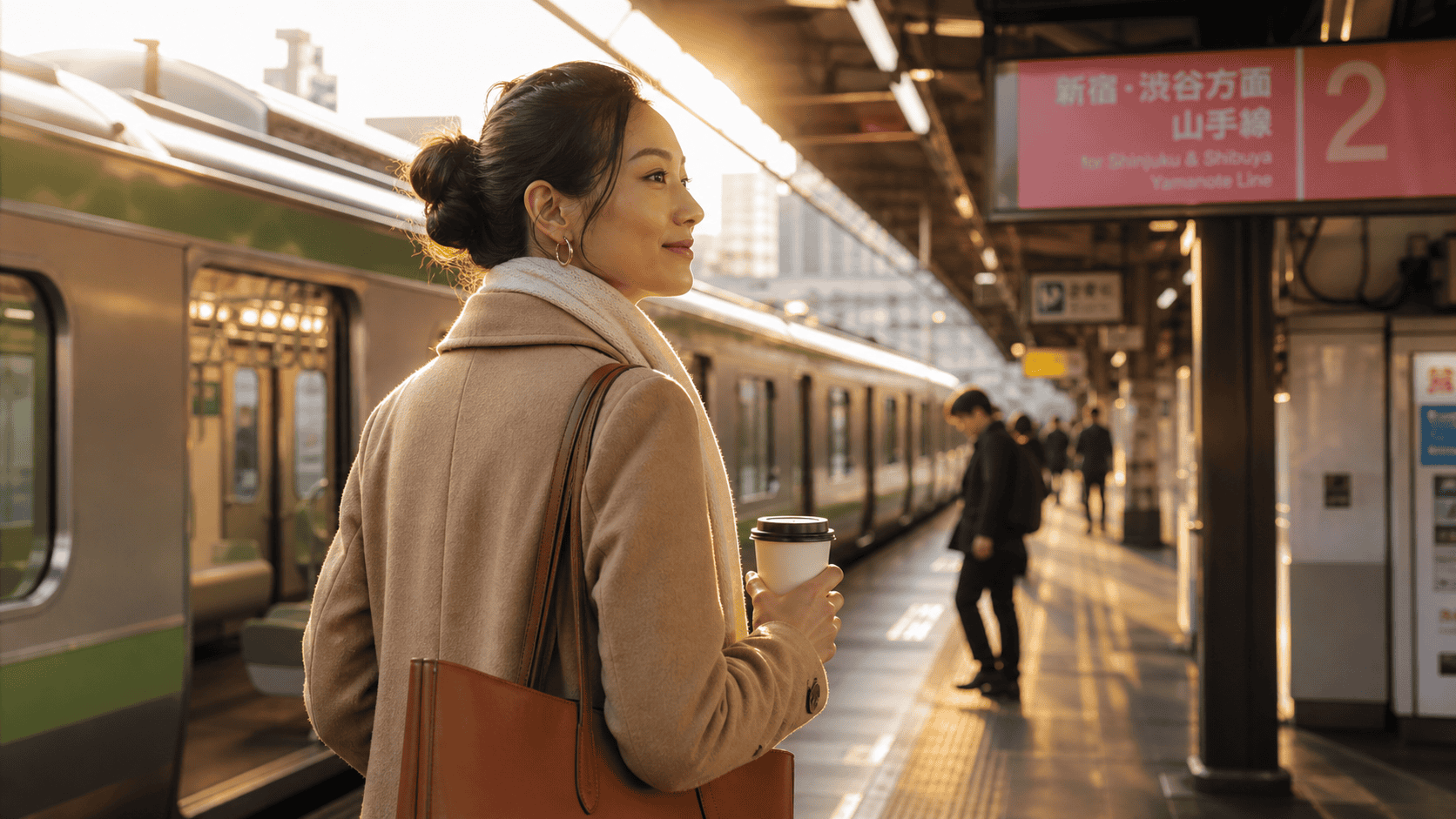

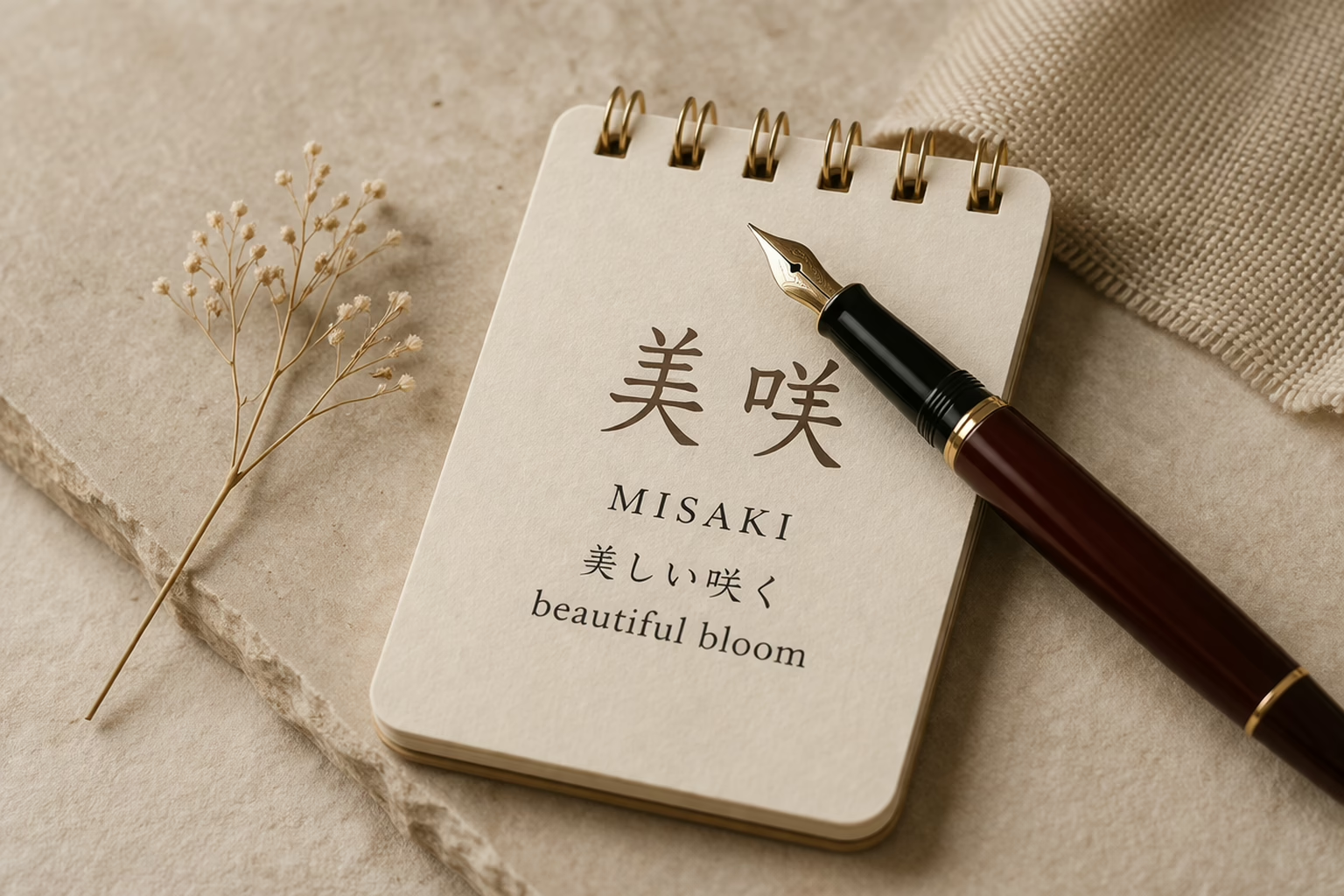
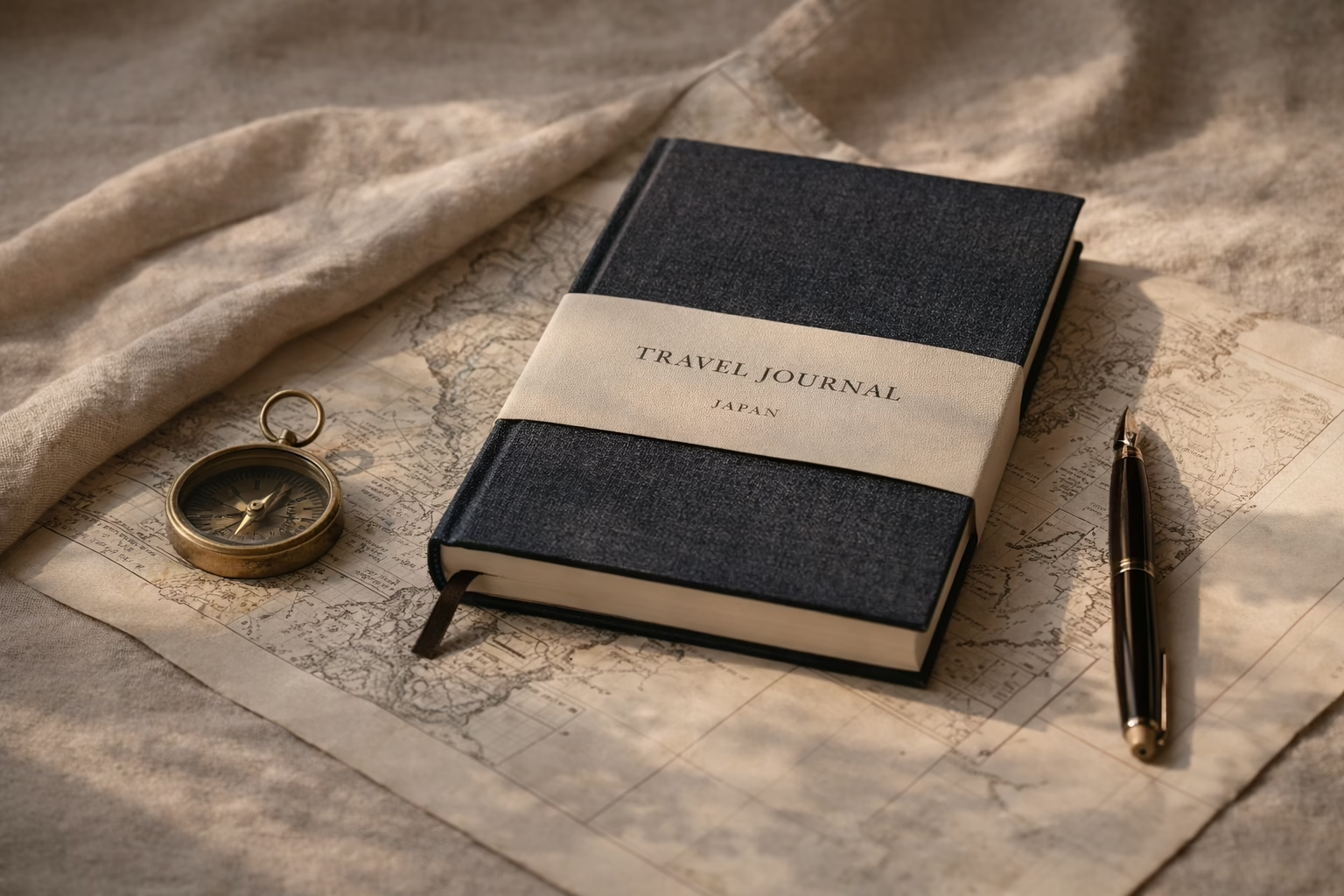
One last thought before you go. The travelers who enjoy Japan most rarely arrive with the most knowledge. Instead, they arrive curious and willing to be corrected. A counter cook, a station attendant or an innkeeper will usually teach the rest. Allow time for those exchanges, because they often become the stories you tell for years afterward. Then the trip becomes a conversation rather than a checklist. That is the version of Japan worth crossing an ocean for. Bring the curiosity, and the rest follows.
For the first-time traveler who wants the facts sorted before the flight: a custom itinerary that sets the rail route against the pass, places a tattoo-friendly bath where you want one, times the busy sights for early mornings and keeps the evenings open for a counter meal. Every day is matched to a neighborhood, with your hotel close by.
Plan Your Custom Japan ItineraryQuestions Worth Asking
Is Japan expensive to visit?
It depends where you spend. Central hotels in peak seasons and long bullet train routes cost the most. Food, local transit and many sights offer strong value, and favorable exchange rates have helped American visitors in recent years. Plan accommodation early and eat at counters and food halls.
Do I need cash in Japan?
Less than you might think. Cashless payments reached 58 percent of household consumption in 2025, and transit IC cards pay for trains, buses and convenience stores. Keep some cash for small restaurants, rural inns, stalls and lockers, and withdraw it at convenience store ATMs.
Should I tip in Japan?
No. Tipping is not customary in restaurants, bars, cafes, taxis or hotels, and staff may return money left behind. Private guides who work with overseas visitors may accept a discreet gratuity in an envelope. Otherwise, a clear thank you is the right gesture.
Is the JR Pass worth it in 2026?
Only for long routes in a short window. Prices rose sharply in October 2023, and passes bought through overseas agencies changed again from October 1, 2026, while online prices were held for a limited time. Price your actual route first, then compare it with the pass.
Can I go to an onsen with tattoos?
Often, yes, with planning. Many baths still restrict tattoos, but tattoo-friendly baths are growing, and all seven public bathhouses in Kinosaki accept them. Small tattoos can be covered with patches, and private baths called kashikiri can be booked for your party alone.
Do I need to speak Japanese to travel in Japan?
No. Major stations, trains and many restaurants offer English, and translation apps cover menus and signs. The Japan Visitor Hotline answers in English around the clock. Learning hello, thank you and excuse me still makes every exchange warmer.
The Editors, Magnificent Japan