Japanese Calligraphy Practice — Write 100 Kanji with Correct Stroke Order
Practice the 100 kanji every beginner needs, with animated stroke order and a brush canvas. It is a free online tool with no signup — a Japanese calligraphy practice space for beginners, built for kanji writing and stroke order. A write-on workbook for tablets carries the same characters onto paper.
Japanese calligraphy practice starts with one character, not with a shelf of equipment. The tool below opens on a blank canvas and an animated stroke sequence. You pick a kanji, watch the strokes appear in order, then trace over a faint guide. After that the guide disappears and you write the character yourself. Nothing installs, and no account is needed. The whole loop takes under a minute. So you can repeat one character a dozen times before your tea goes cold.
This free tool makes Japanese calligraphy practice something you can do in a browser tab. First you pick a character. Then you watch the animated stroke order, trace the guide, and write it from memory on the brush canvas. Because the sequence matches the order taught in Japanese classrooms, the habit you build here is the correct one. Kanji writing practice online works best in short daily sessions, so ten focused minutes will move you further than an occasional hour.
A tool gives you the reps. A structure gives you the finish. Once the strokes start to feel automatic, a daily plan is what carries most learners from the first character to the hundredth. Without one, practice drifts toward whichever character feels comfortable that morning, and the awkward ones never get written at all.
A hundred days sounds long until you divide it. One character, five minutes, and a recap at the end of each week. That is the whole shape of it. The pace is slow enough to survive a bad week and fast enough that the finish line stays visible. Most people who abandon kanji do not abandon it because it was hard. They abandon it because nothing told them what to do next.
The 100 Kanji Challenge
The kanji are the wall most beginners hit before JLPT N5. This takes it down one character at a time, without eating your week.
By day 100, you can read every one of the 100 characters on sight — because you have written each one by hand.
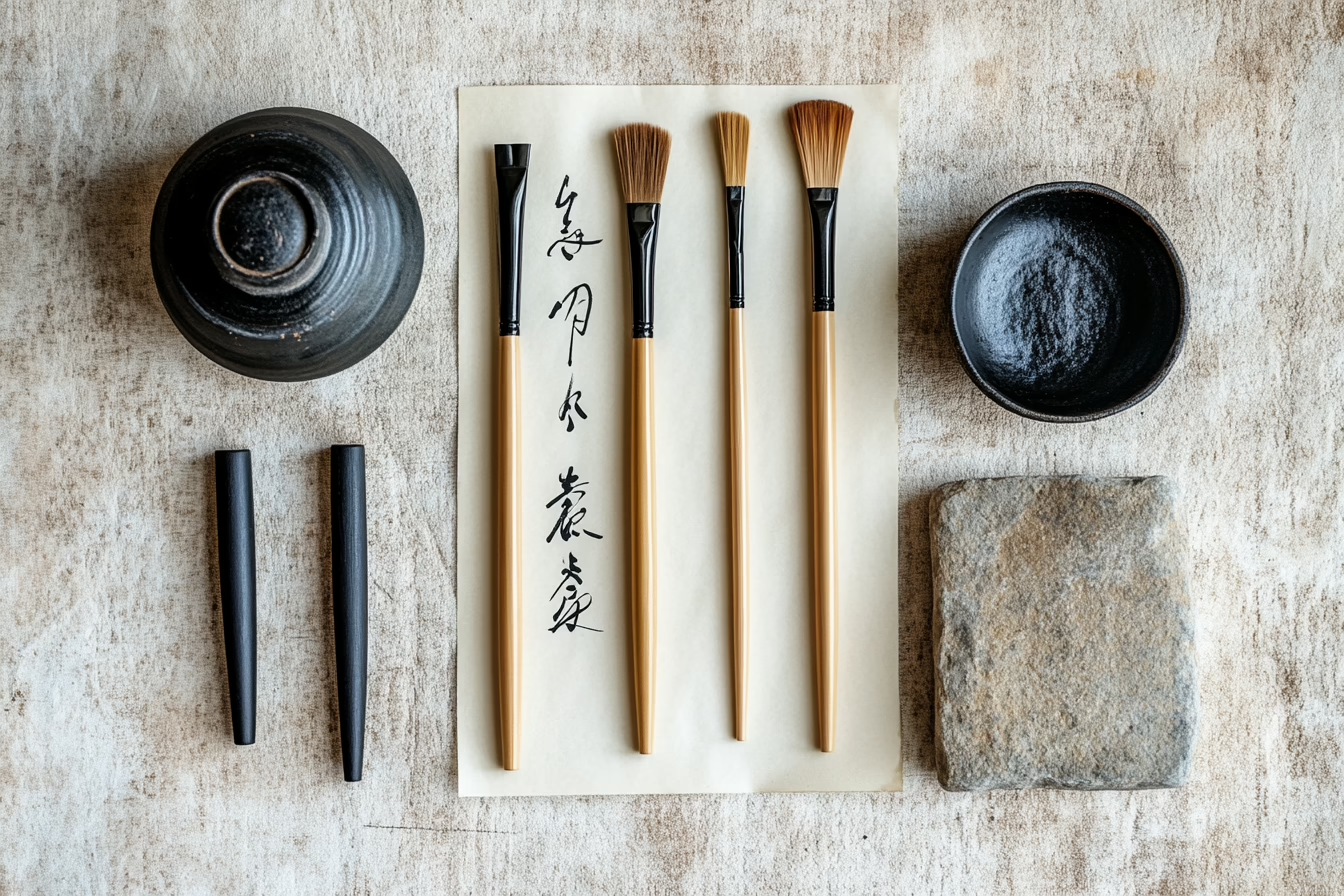
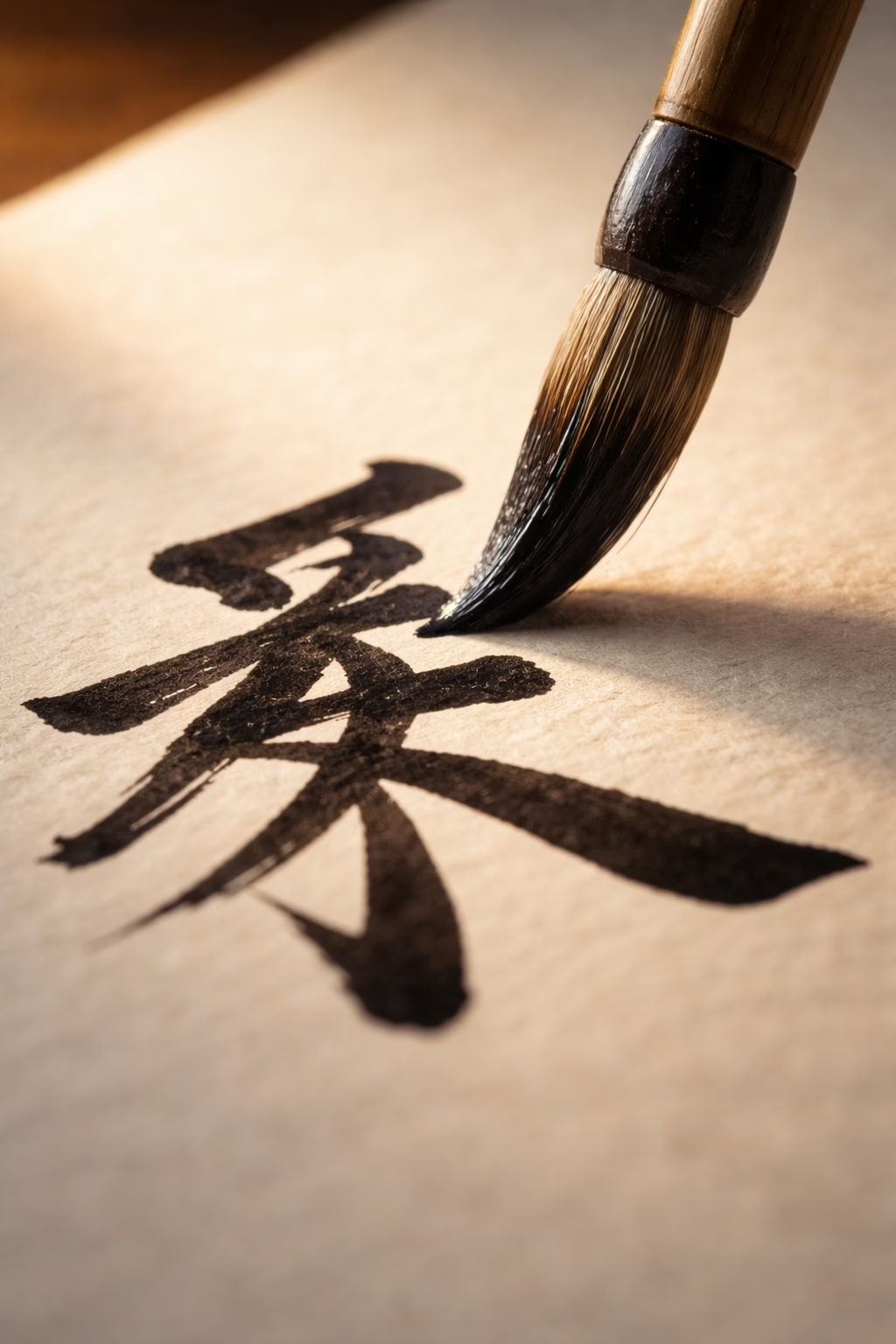
A screen teaches the sequence, although paper teaches the pressure. Sooner or later most learners want a real brush in hand, and that is where the questions start. Which brush, which ink, and how much of it actually matters at the beginning. The honest answer is less than the shops suggest. A single brush pen and a pad of practice paper will carry you through your first hundred characters. The pieces below are the ones worth owning first, and nothing here is a beginner trap.
Budget is worth a word too, since it stops people starting. A usable setup costs less than a paperback. Ink dries out slowly and paper lasts hundreds of sheets, so the first purchase tends to be the only one for a year. Buy the brush pen before the brush, and buy paper before anything decorative. Everything below is chosen on that basis rather than on how it photographs.
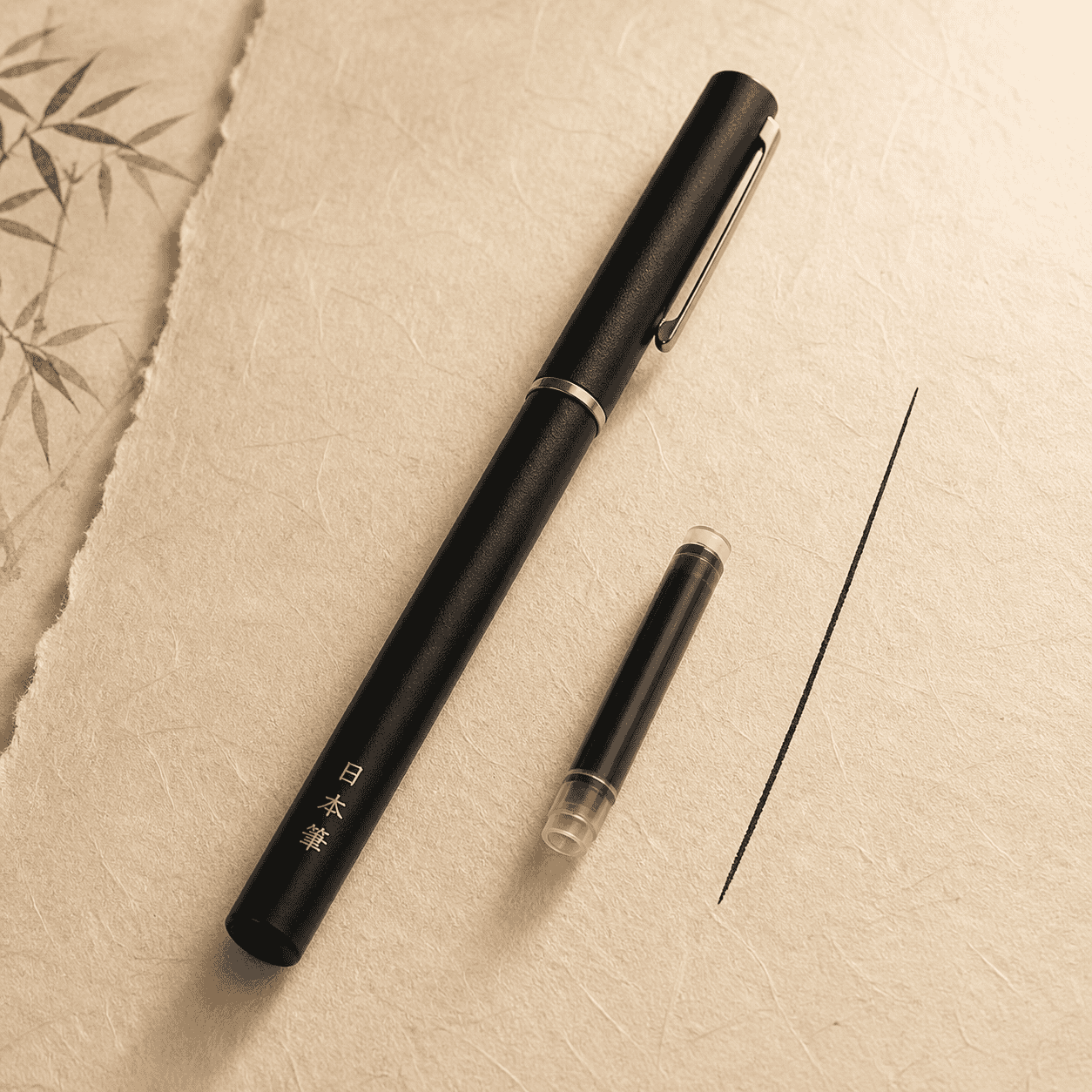

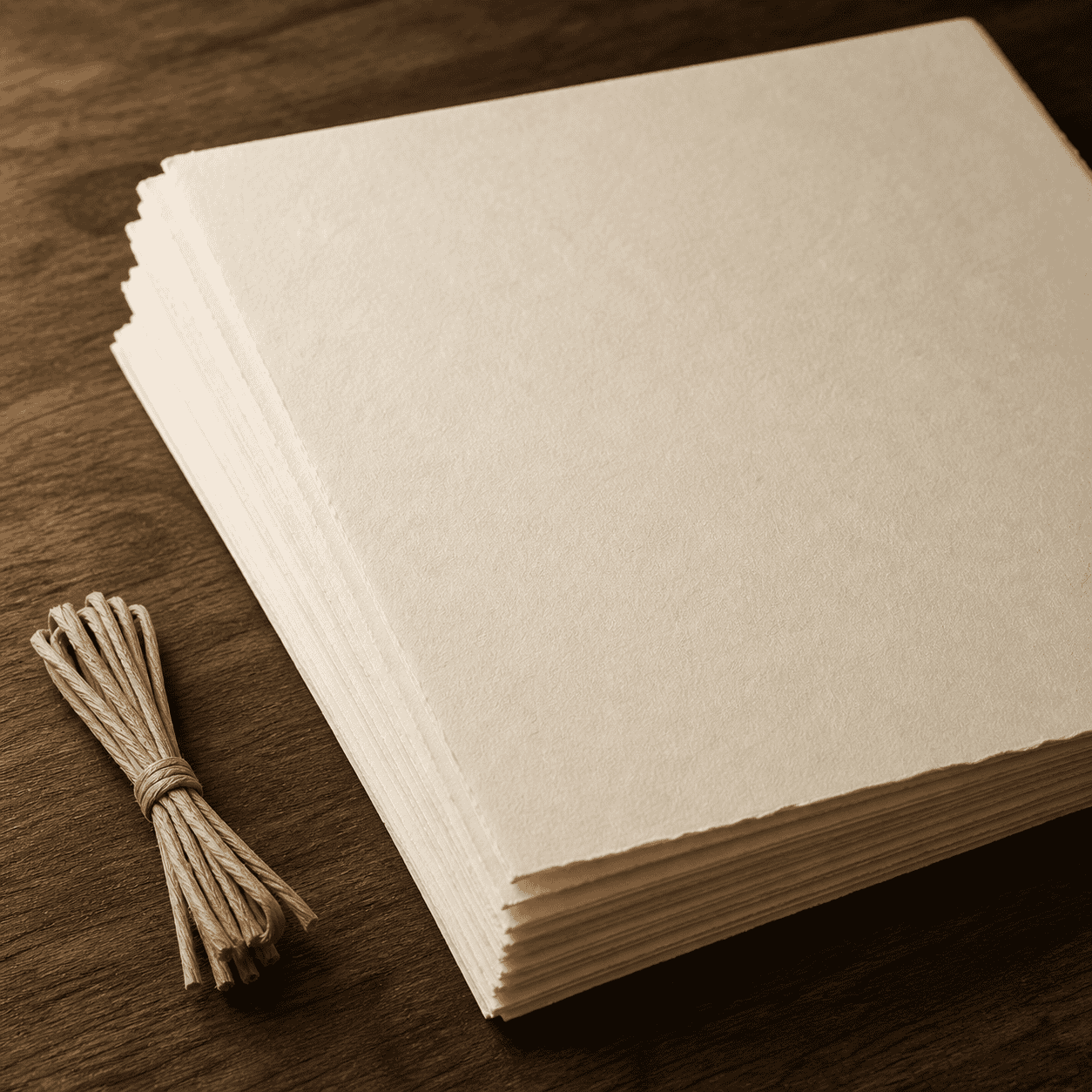
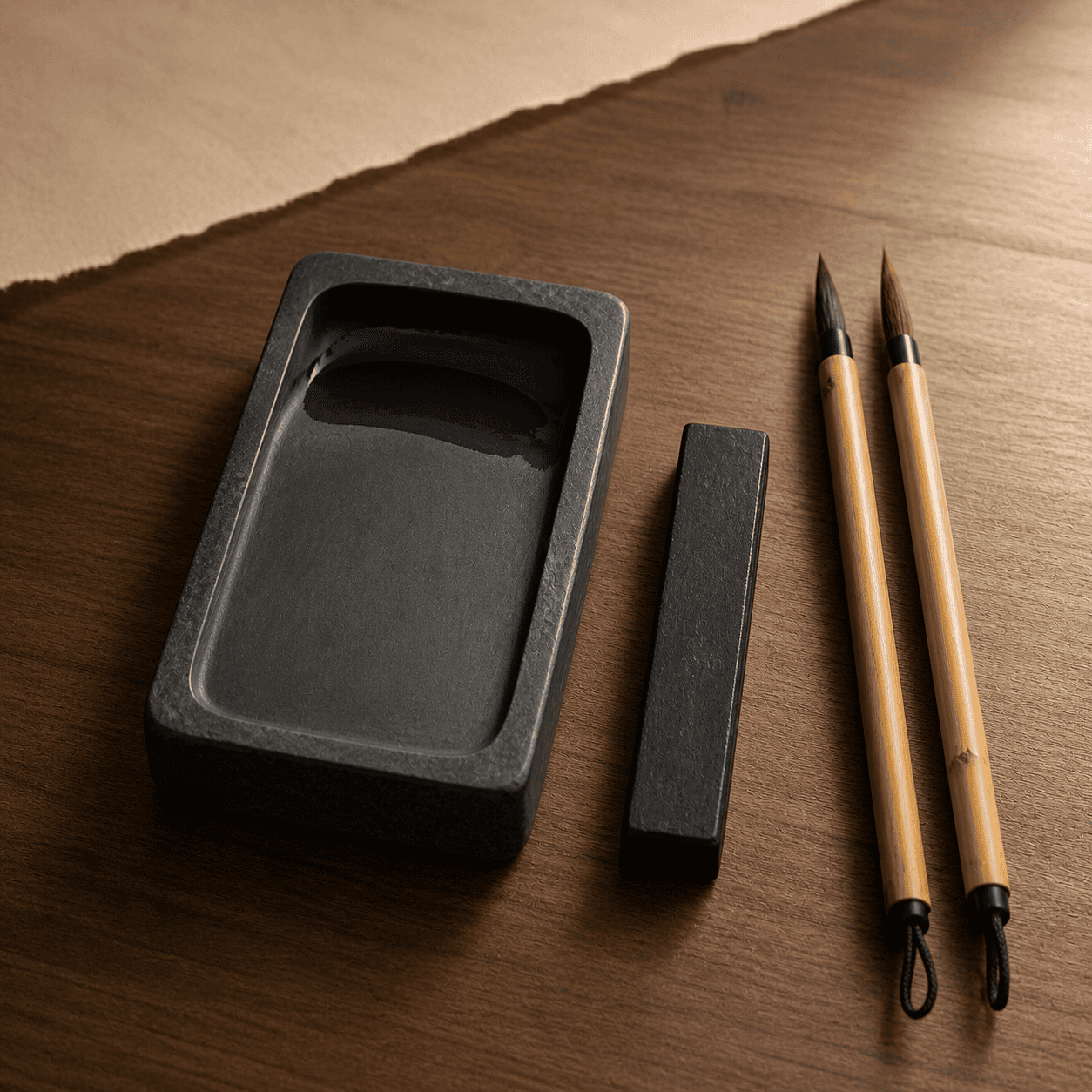
Two more sit slightly apart from the set above, because they answer different questions. A brush pen behaves like a pen and forgives a shaky hand. It suits daily drills at a desk. A full brush set behaves like a brush, which is harder and far more rewarding once the strokes settle. Most beginners start with the pen and graduate to the set within a few months. Neither choice is wrong, and owning both eventually is the common path.
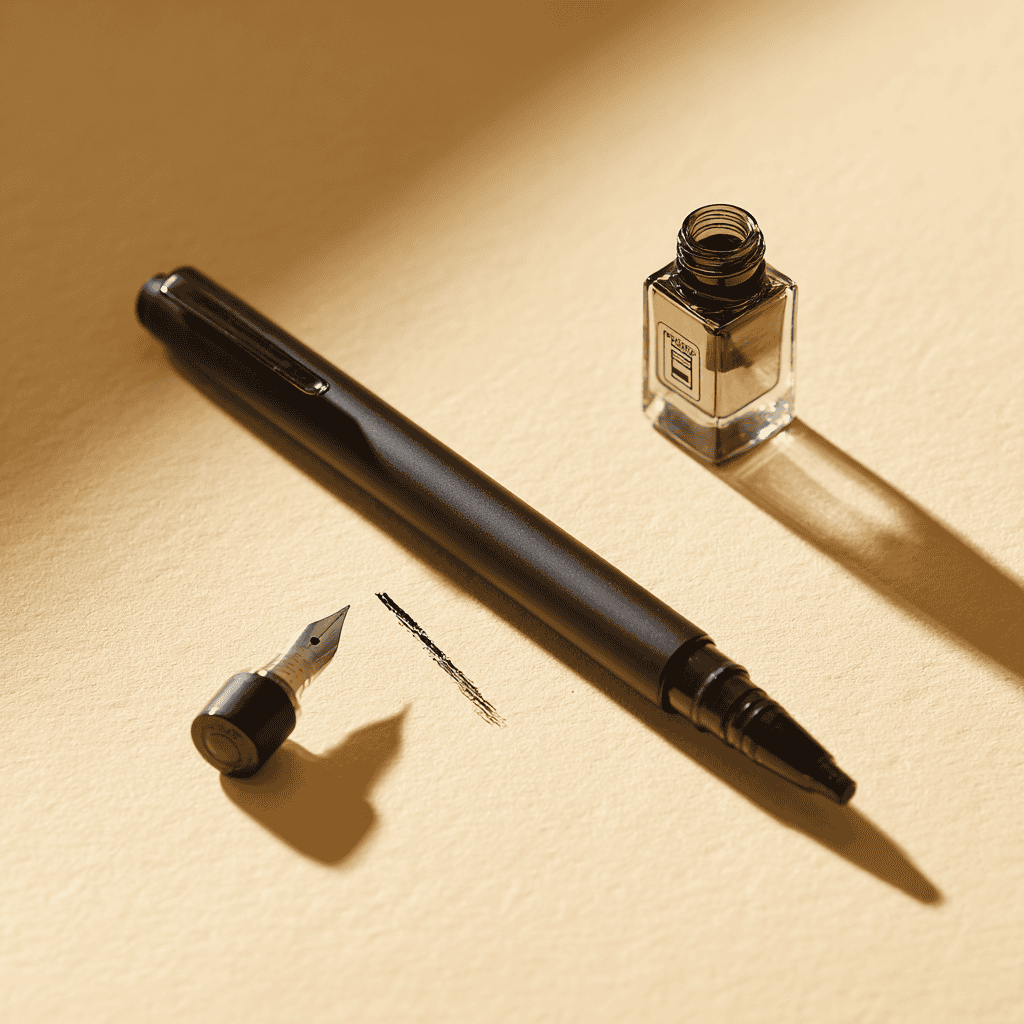
There is a reason the pen usually wins first. A brush loads ink unevenly until the hand learns to control it, and that unevenness reads as failure when you are three weeks in. The pen removes that variable so the only thing you are judging is the shape. Once the shapes are reliable, the brush stops feeling punishing and starts feeling expressive. That is the moment to upgrade, and not before.
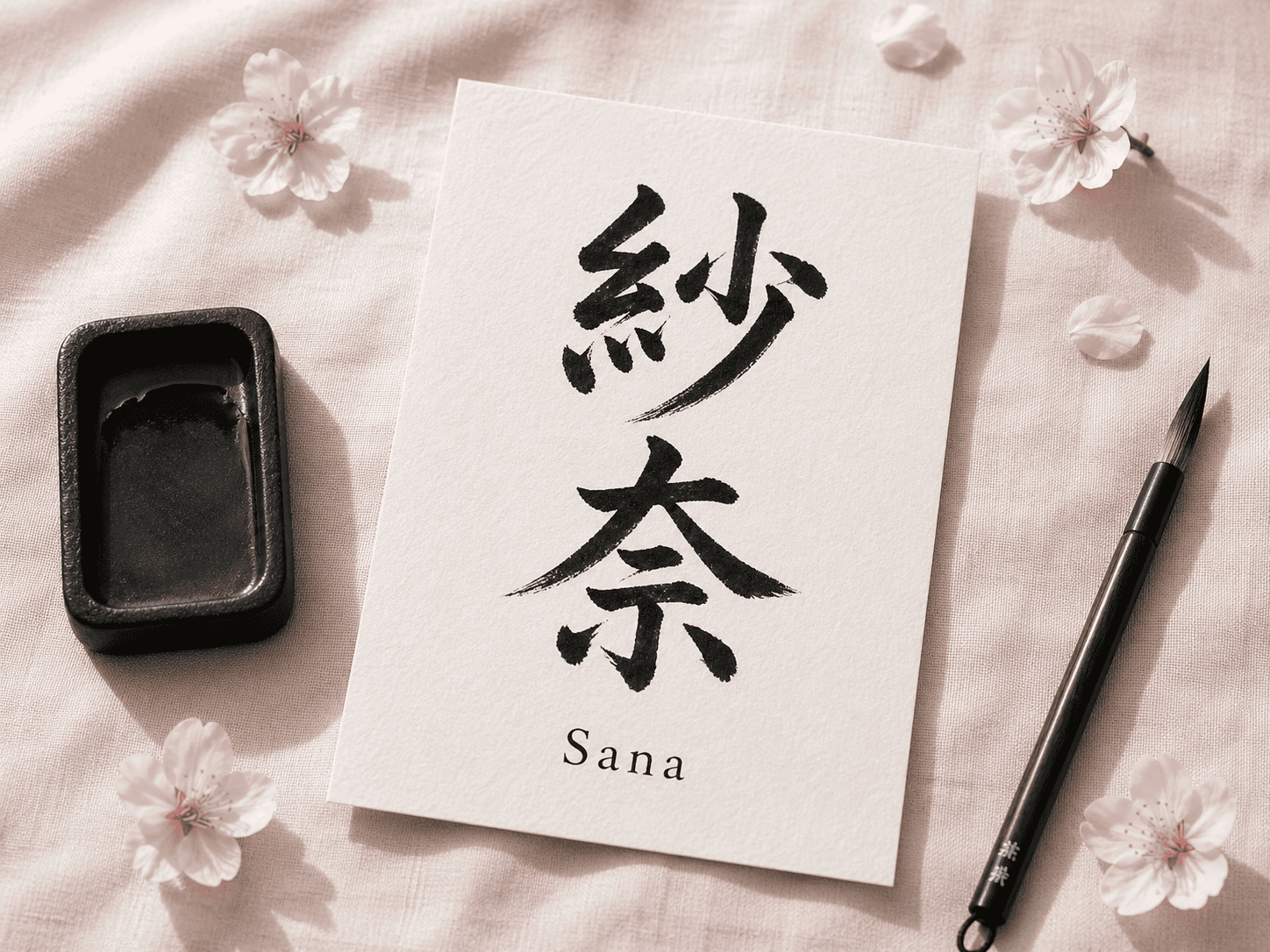
Writing is one half of a beginner’s routine. Recall is the other, and reflection is where it settles. A character you can write but cannot recognise on a menu is only half learned. Daily kanji flashcards handle the recall half, while the name generator turns the writing system into something personal. The journal collection carries the habit past study and into a record of it. Each runs in a browser, and each takes minutes rather than hours. Together they surround the practice above rather than competing with it.
Order matters here more than most learners assume. Recognition first, then writing, then reflection, because each stage makes the next one cheaper. A character you already recognise takes half the effort to write, and a character you can write is far easier to notice later in the wild. Run them in that sequence and the whole practice compounds instead of competing with itself.

Those three run in a browser and cost nothing, which makes them easy to keep up. Tools carry a habit, though they rarely hold a record of it. A page does that better than any screen. Writing a character teaches the hand, while writing about the practice teaches you where it is actually going. The books below take the same patient approach off the screen entirely. Guided journals for reflection, a philosophy series drawn from Japanese ideas, and the workbook that carries these hundred characters onto paper. Each one is made for slow use rather than fast consumption.
Paper also changes the pace, which is the part screens cannot copy. A page does not autocomplete, refresh, or move on when you pause. It waits. That waiting is where most of the thinking happens, and it is why a written line from six months ago still reads like you, while a saved screenshot rarely does. The books below are built around that difference rather than around volume.
Tools carry a habit, though they rarely hold a record of it. A page does that better than any screen. Writing a character teaches the hand, while writing about the practice teaches you where it is actually going. The books below take the same patient approach off the screen entirely. Guided journals for reflection, a philosophy series drawn from Japanese ideas, and the workbook that carries these hundred characters onto paper. Each is made for slow use rather than fast consumption.
A journal holds the day. A philosophy journal holds a question instead, and returns you to it for three months. That difference sounds small until you have done both. The series below builds on ideas already sitting under this practice. Presence, purpose, and unhurried attention. Each volume runs ninety days, one prompt at a time, delivered as a write-on PDF. The format suits a tablet, though it prints cleanly if you would rather hold paper.
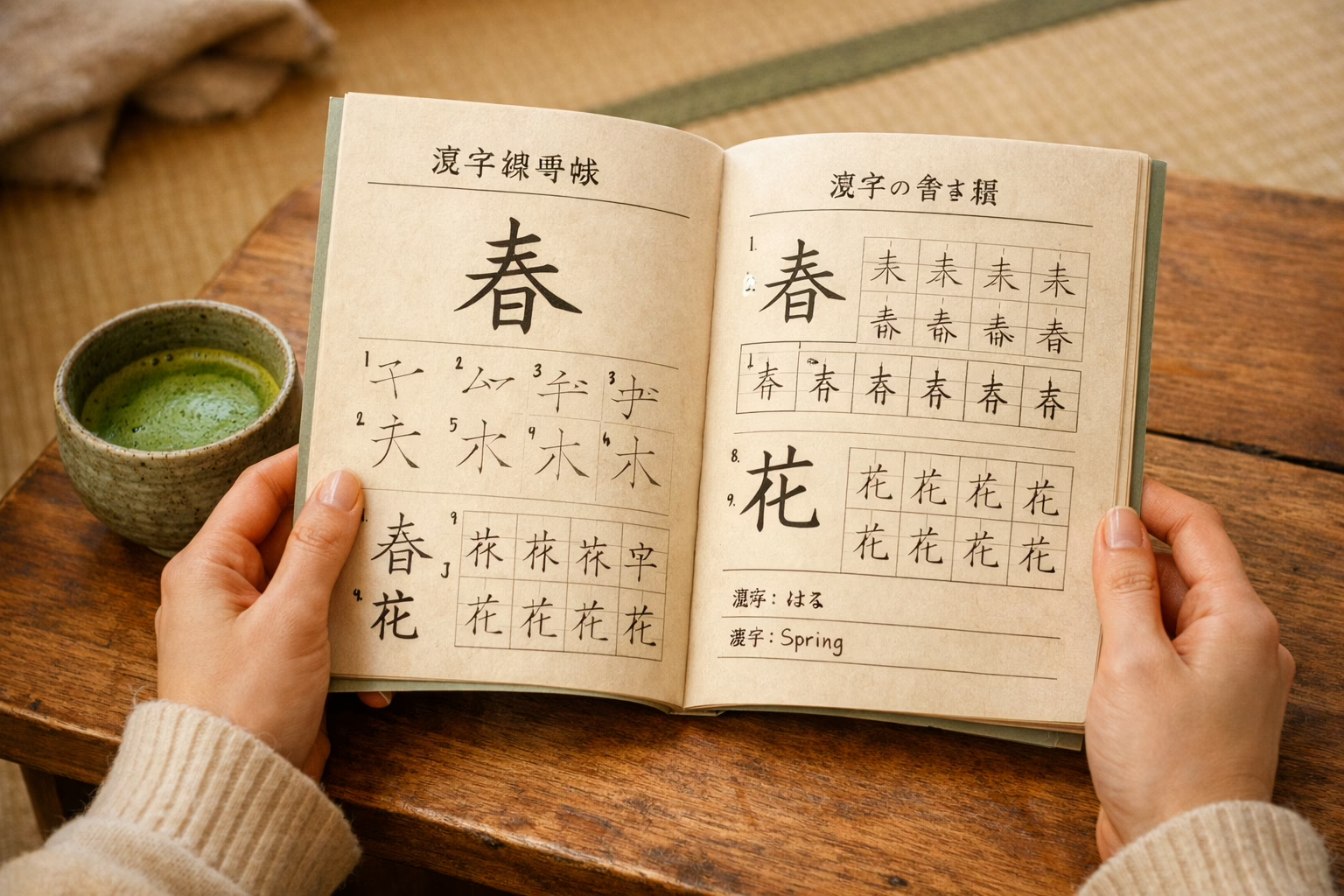
Reflection and repetition answer different needs, and a workbook is squarely the second. The hundred characters in the tool above appear again on guided paper, sequenced exactly as you met them. Boxes hold proportion while the hand is still learning it, and the tracing layer fades as the pages progress. By the last section there is no guide left, only a grid and the character you already know. That is the whole method compressed into one book.
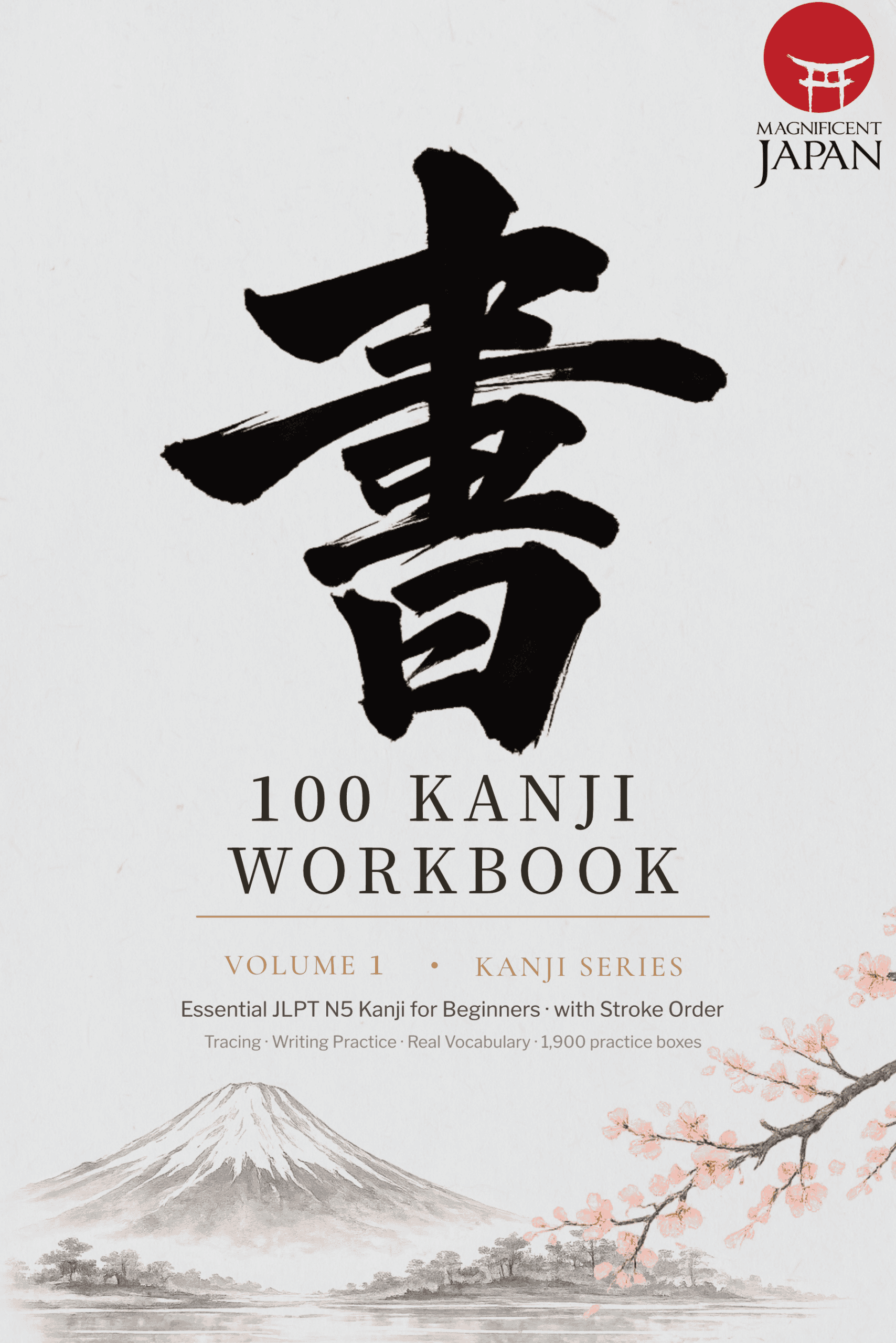
Screen practice builds speed. Paper practice builds permanence. When the shapes feel familiar on the canvas, the workbook takes over. It carries the same 100 kanji onto a page you write on by hand. Kanji practice paper matters more than beginners expect. Guided boxes hold proportion while the hand is still learning it. Freehand on blank paper comes later, once the shapes no longer drift. The workbook below moves through three stages in order: reference first, then tracing, then writing without support.
A few things we like for anyone settling into a daily kanji habit are gathered below. Brushes, ink, practice paper, and the small desk objects that make a session feel deliberate rather than squeezed in. The edit rotates, so it is worth a second look another week. Nothing here is essential to the tool above, which stays free and needs only a browser. Treat it as a shelf you are welcome to browse. Some of it is practical, and some is simply good to own.
How to Practice Kanji Stroke Order Online
Stroke order is easier to learn on screen than on paper, at least at first. The tool above animates each stroke in sequence, so you see exactly where a character begins and how it resolves. Then you trace the faint guide, and finally you write the kanji from memory. Because the tool removes the setup of ink and paper, you can repeat one character many times in a single minute. That volume is what fixes stroke order in the hand. Kanji stroke order practice rewards repetition above all, and a screen makes repetition almost frictionless.
Japanese Calligraphy Practice for Beginners: Where to Start
Beginners often ask whether to start with the brush or the characters. Start with the characters. Learn to write a small, essential set of kanji in the correct order, and the brush technique layers on top of a foundation that already feels natural. A good Japanese calligraphy practice starts here: the 100 characters in this tool are that foundation. They span JLPT N5 and early N4, and they appear constantly in everyday Japanese. Once the shapes are familiar, learning Japanese calligraphy as an art becomes a question of refining lines you can already draw, rather than meeting them for the first time.
Why Kanji Stroke Order Matters
Every kanji follows a stroke order refined over many centuries. This sequence is not arbitrary. Correct order builds balanced proportions, guides the flow between strokes, and produces characters that feel natural to read. The rules themselves are short: top to bottom, left to right, horizontal before vertical, and outside before inside. Master these four, and most characters fall into place. These 100 characters span JLPT N5 and early N4, and the test itself draws over 1.7 million candidates worldwide each year. Steady daily practice is the surest route through its reading and writing sections.
Kana vs Kanji: How Stroke Order Differs
Hiragana and katakana follow the same four directional rules as kanji. The difference lies in complexity. Kana characters carry far fewer strokes, so their patterns are quicker to absorb. Many learners begin with kana for exactly this reason. The habits built there — the order, the direction, the lift of the hand — then carry straight into kanji. Nothing is wasted. The muscle memory you build on か transfers cleanly to 海.
Radicals: The Building Blocks of Every Kanji
A radical is a component that recurs across many different characters. The water radical, for instance, appears in 海 (sea), 池 (pond), and dozens more. Learn the radical once, and a whole family of kanji becomes easier to read and write. This is how fluent learners actually work. They do not memorize 2,000 unrelated shapes. Instead, they recognize a few hundred parts and the ways those parts combine. For the deeper mechanics, our guide to learning 2,000 kanji in a year shows how the pieces stack.
The Four Treasures of Shodō
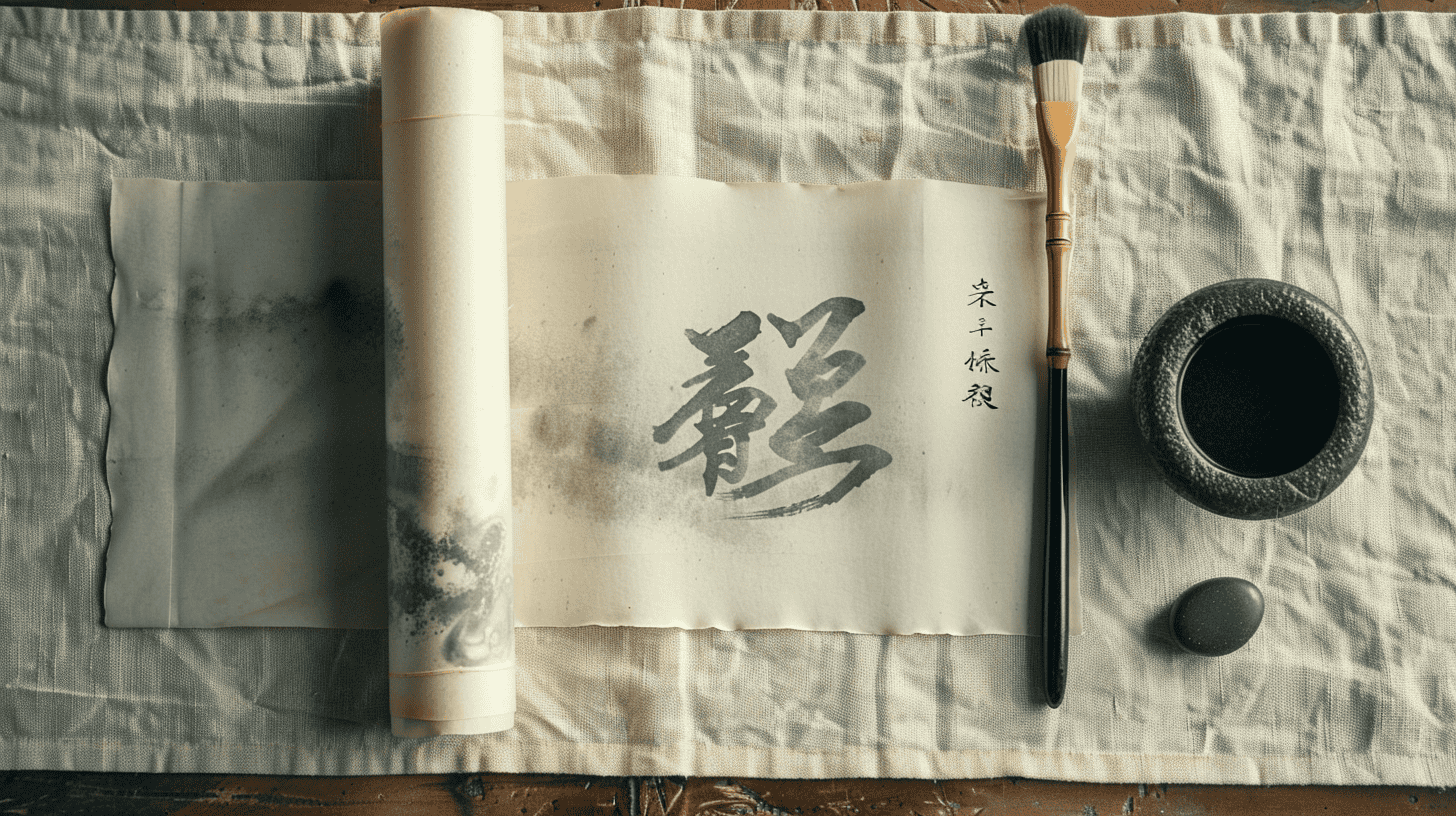
Traditional calligraphy rests on four treasures. They are the brush (fude), the ink stick (sumi), the ink stone (suzuri), and the paper (washi or hanshi). The brush is held upright, with the whole arm guiding the movement rather than the wrist. This posture feels strange at first. Within a few sessions, though, it becomes the source of every smooth, confident line. If you want to understand why handwriting outperforms screens for retention, our piece on the neuroscience of writing kanji by hand goes further.
Practicing Kanji Online Before Paper
Digital practice and paper practice are not rivals. They are two stages of one path. The tool above removes the friction of setup, so you can repeat a character many times in a minute. You see the stroke order, trace the guide, then write it from memory. Once the shape feels automatic, paper rewards you. The brush adds weight, texture, and the small imperfections that make a character your own. Move between the two freely, and let the screen do the heavy repetition first.
Taking a Calligraphy Class in Japan
Many travelers seek out a calligraphy workshop as part of a cultural itinerary. Studios in Kyoto and Tokyo offer private sessions with master calligraphers. There you can learn brush technique, write your own piece, and absorb the philosophy behind each character. The result is a rare kind of souvenir — a work of art you made yourself, carrying a word that matters to you. For a fuller introduction, explore our complete guide: The Art of Japanese Calligraphy — A Complete Guide to Shodō.
One email, then occasional kanji notes. Unsubscribe anytime.
Beginners tend to arrive with the same handful of questions, and most are practical rather than philosophical. Whether the tool costs anything. How stroke order actually works. Whether kana should come before kanji. The answers below stay short, because none of these deserve a lecture. Read whichever applies to you and skip the rest. If your own question is missing, try the tool higher up this page. It settles most of them faster than a paragraph. Practice first, then read on if anything still nags.
Is there a free kanji stroke order tool?
How do I practice kanji writing online?
Why does kanji stroke order matter?
Is this a good way to learn Japanese calligraphy for beginners?
How is kana stroke order different from kanji?
How many kanji are in JLPT N5?
Can I use it on a tablet or phone?
Four rules govern almost every character, which is why stroke order stops feeling arbitrary once you know them. Top before bottom. Left before right. Horizontal before vertical. Outside before inside. A handful of characters break these, though far fewer than beginners fear. Learn the four, apply them across the hundred characters below, and the next hundred will largely write themselves. That transfer is the reason stroke order is worth getting right early rather than correcting later. The habit compounds either way.
There is a practical reason to learn the four early rather than late. Stroke order is largely invisible in a finished character, so a wrong habit hides itself until you try to write quickly or read someone else’s handwriting. At that point the shortcut collapses. Fixing the habit later costs more than learning it correctly now, which is why the animation runs the sequence every single time.
The full set is listed below, grouped by theme rather than by stroke count. Nature, seasons, animals, people, body, actions, concepts, qualities, colors, direction, and travel. Grouping matters more than it sounds, because related characters reinforce each other in memory. Learning 山 alongside 川 and 田 costs less effort than learning any of them alone. Open the list, pick a group, and work through it across a week. Then return to the tool and write the whole group from memory.
Work through a group rather than a random handful and the meanings start to hold each other up. Nature characters share components. Direction characters share logic. Colour characters share a family resemblance you can feel before you can explain. That structure is doing real work in the background, and it is the reason a themed set of ten sticks better than ten characters picked at random.
View All 100 Kanji in This Tool — Tagged N5 or N4
Levels: each character is tagged N5 or N4. Of the 100 characters in this tool, 66 sit on the standard JLPT N5 list and 34 fall beyond it, into N4 territory. The Japan Foundation publishes no official kanji list, so these tags follow the widely used 103-character N5 reference rather than an exam document. Treat them as a guide to sequencing, not a syllabus.
Nature: 日 (Day/Sun) N5 · 月 (Moon/Month) N5 · 火 (Fire) N5 · 水 (Water) N5 · 木 (Tree) N5 · 金 (Gold/Money) N5 · 土 (Earth) N5 · 山 (Mountain) N5 · 川 (River) N5 · 田 (Rice Field) N4 · 空 (Sky) N5 · 海 (Sea) N4 · 雨 (Rain) N5 · 花 (Flower) N5 · 林 (Grove) N4 · 森 (Forest) N4 · 石 (Stone) N4 · 竹 (Bamboo) N4 · 草 (Grass) N4 · 星 (Star) N4 · 光 (Light) N4 · 風 (Wind) N4 · 雪 (Snow) N4
Seasons: 春 (Spring) N4 · 夏 (Summer) N4 · 秋 (Autumn) N4 · 冬 (Winter) N4
Animals: 犬 (Dog) N4 · 猫 (Cat) N4 · 鳥 (Bird) N4 · 魚 (Fish) N5 · 虫 (Insect) N4
People: 人 (Person) N5 · 大 (Big) N5 · 小 (Small) N5 · 子 (Child) N5 · 女 (Woman) N5 · 男 (Man) N5 · 父 (Father) N5 · 母 (Mother) N5 · 友 (Friend) N5 · 先 (Previous) N5 · 生 (Life) N5 · 王 (King) N4
Body: 手 (Hand) N5 · 足 (Foot) N5 · 目 (Eye) N5 · 耳 (Ear) N5 · 口 (Mouth) N5 · 心 (Heart) N4 · 力 (Power) N4 · 体 (Body) N4
Actions: 学 (Study) N5 · 見 (See) N5 · 行 (Go) N5 · 来 (Come) N5 · 食 (Eat) N5 · 飲 (Drink) N5 · 買 (Buy) N5 · 売 (Sell) N4 · 書 (Write) N5 · 話 (Talk) N5 · 語 (Language) N5 · 休 (Rest) N5 · 入 (Enter) N5 · 出 (Exit) N5 · 立 (Stand) N5
Concepts: 時 (Time) N5 · 年 (Year) N5 · 天 (Heaven) N5 · 気 (Spirit) N5 · 名 (Name) N5 · 文 (Writing) N4 · 本 (Book) N5 · 正 (Correct) N4 · 音 (Sound) N4 · 色 (Color) N4 · 道 (Path) N5 · 円 (Yen) N5 · 糸 (Thread) N4
Qualities: 高 (High) N5 · 安 (Cheap) N5 · 新 (New) N5 · 古 (Old) N5 · 早 (Early) N4
Colors: 青 (Blue) N4 · 赤 (Red) N4 · 白 (White) N5 · 黒 (Black) N4
Direction: 上 (Up) N5 · 下 (Down) N5 · 中 (Middle) N5 · 右 (Right) N5 · 左 (Left) N5
Travel: 国 (Country) N5 · 京 (Capital) N4 · 車 (Car) N5 · 電 (Electricity) N5 · 駅 (Station) N5 · 校 (School) N5
Practice holds better with company than it does alone. Progress shots, a character that will not settle, a small win on day forty. All of it is easier to sustain with company. We post work in progress, seasonal writing, and the occasional brush that turned out well. Follow wherever you already spend time. There is no obligation attached, and the tool above stays open regardless. Plenty of learners simply read along, which is entirely fine.
Magnificent Japan, Wherever You Are
When the strokes feel steady on screen, the next step is understanding the characters more deeply. How they are remembered, how the system is built, and how the art behind them actually works. Learning Japanese calligraphy is partly technique and partly context. The context is what keeps people going past month two. The reading below covers the neuroscience of writing by hand. It also covers a daily method that scales, and the history of shodō. Each stands alone, so start wherever your curiosity is.
None of the three needs to be read in order, and none of them takes an evening. Ten minutes with the neuroscience piece changes how you sit with the tool above. The daily method reframes what a realistic year looks like. The shodō guide gives the practice a history, which matters more than it sounds when motivation thins. Pick whichever answers the question you actually have today.
 How to Remember Kanji: The Neuroscience of Writing by Hand Why handwriting beats screen apps for kanji retention, backed by brain research.
 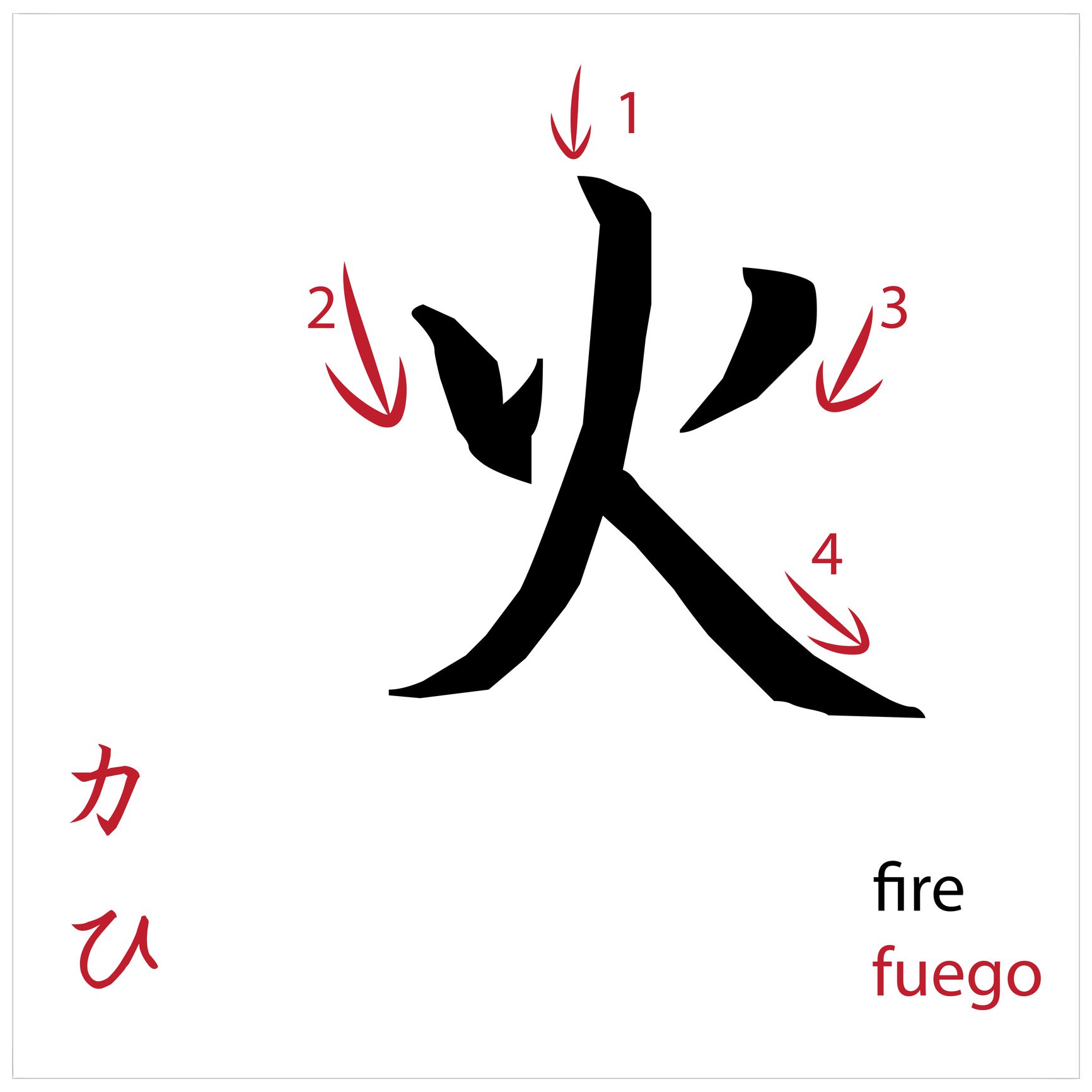 How to Learn 2,000 Kanji in a Year: The Daily Method The spaced, one-a-day system that makes 2,000 characters achievable.
  What Is Shodō? A Guide to Japanese Calligraphy The history, four treasures, and brush technique of Japanese calligraphy.
 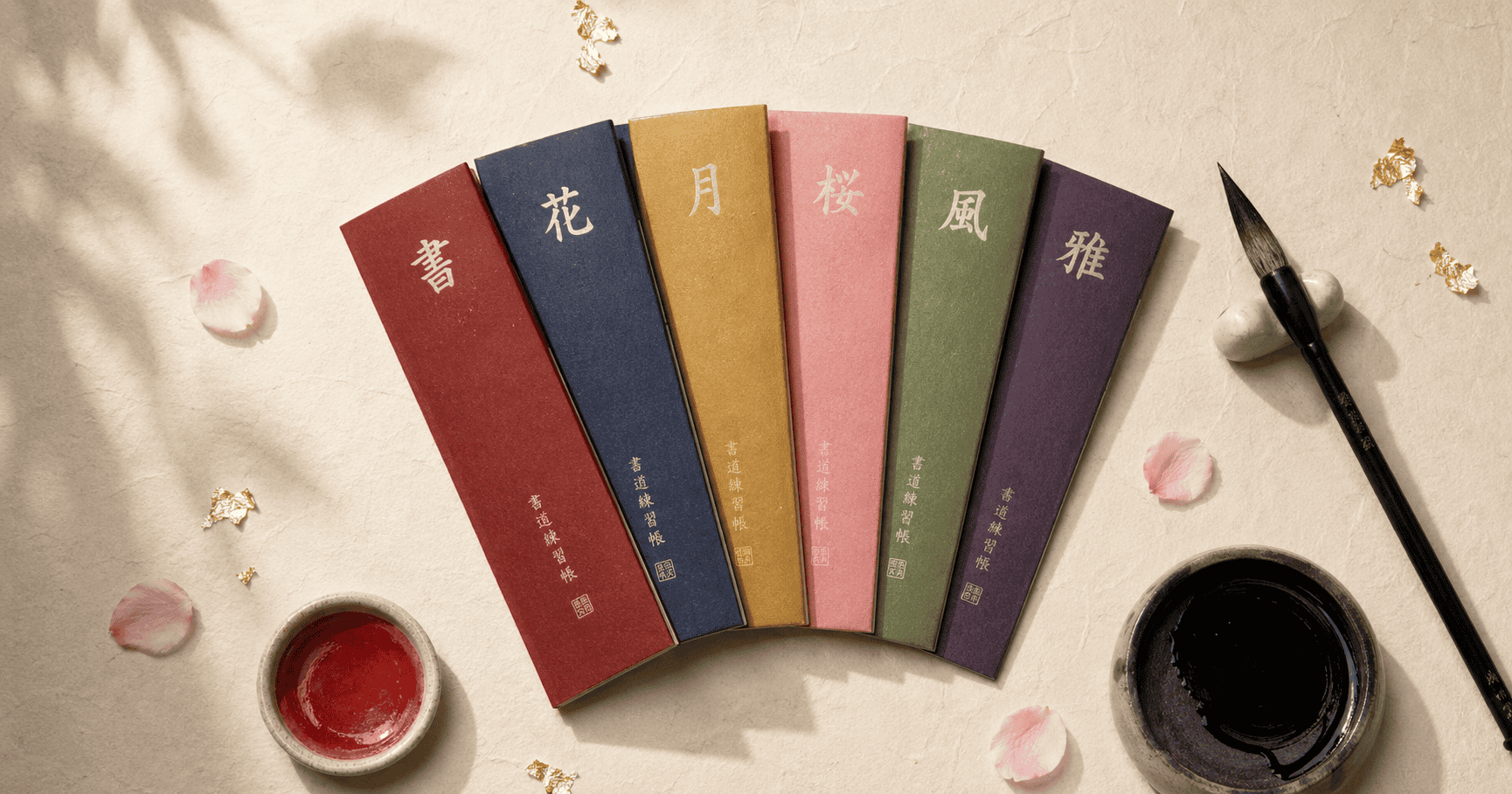 Japanese Calligraphy Workbooks for Handwriting Practice Guided brush-practice workbooks that take your kanji from screen to paper.
 Kanji study and travel tend to arrive together, usually in that order. A character learned at a desk turns up on a station sign, and the sign suddenly reads. That moment is what most learners describe when they explain why the practice was worth it. Japan rewards even a small amount of preparation, and calligraphy is among the most portable forms of it. A workshop in Kyoto or Tokyo sits within reach of anyone who has done the groundwork here.
Preparation also changes what a trip feels like from the inside. A traveller who can read a handful of characters stops being managed by signage and starts navigating by it. Menus open up. Station names resolve. None of that requires fluency, and all of it starts with the hundred characters on this page.
Every kanji you learn is a door to Japanese culture. When you are ready to walk through it, we craft the journey.
Begin a Custom Itinerary →