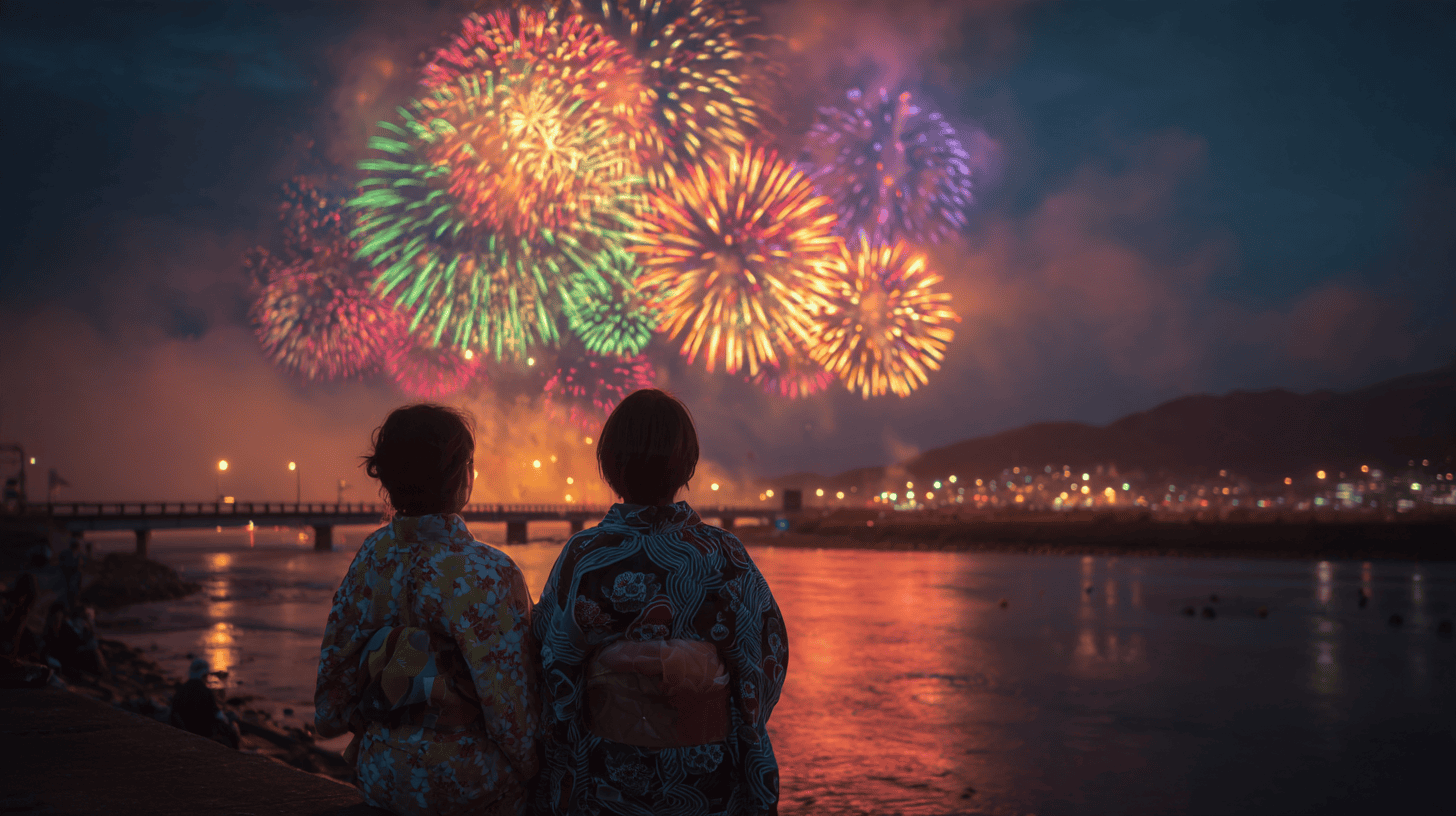
A Japan summer is two seasons in one. By day, the heat settles over the cities, and the cicadas never stop. By night, the same streets fill with lanterns, drums and cotton yukata. Then the fireworks begin over the rivers. Plan only for the heat, and you miss the evenings. Plan only for the festivals, and the afternoons wear you down. The art lies in shaping each day around both.
This guide therefore treats summer as a practice, not a list. It sets out July and August month by month, with the great festivals, the fireworks and Mt. Fuji. Every date below is the customary one, checked against the organizer or the official tourism body. None of the 2027 dates has been published yet, so treat each one as to be confirmed. For the wider picture of customs and etiquette, start with our guide to Japanese culture.
The best weeks for a Japan summer run from early July into early August. By then, the rainy season has ended in most regions, and the late-summer typhoon peak is still ahead. July brings Gion Matsuri and Hokkaido lavender. Early August brings Nebuta and the Nagaoka fireworks. Plan outdoor hours for morning and evening.
Japan Summer at a Glance: What the Season Asks of You
Summer in Japan runs from June to early September, but it is not one steady season. June is the rainy season, known as tsuyu, across most of the country. July is the turning point, and the rain gives way to full heat. August is the hottest month and the busiest one for travel. Then September softens the heat, although it also carries the highest typhoon risk.
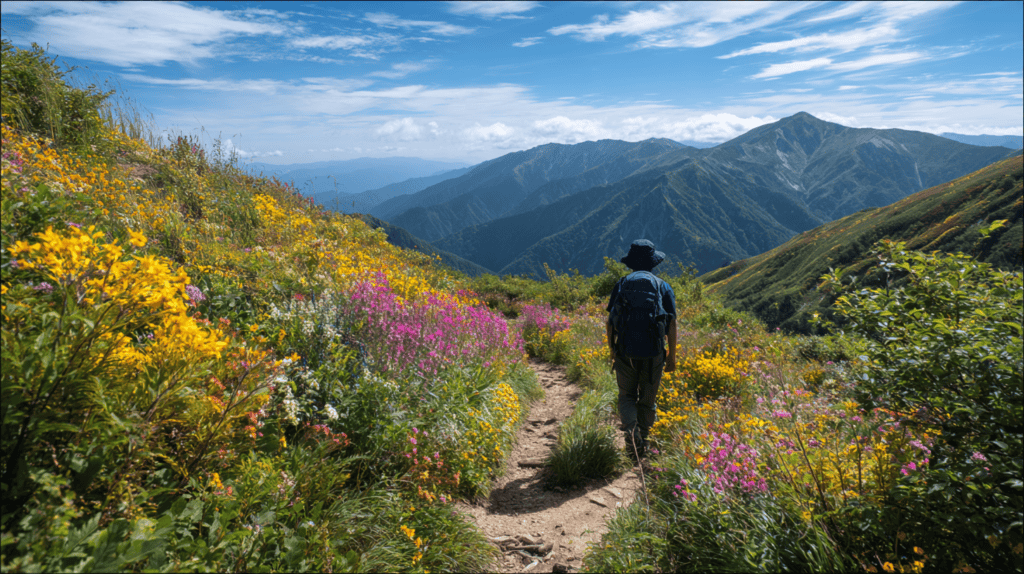
So the season asks for a different rhythm. Start early, when the air is still soft, and visit gardens and temples before nine. Then retreat indoors through the hottest hours, to a museum, a long lunch or a cool hotel room. Finally, come back out at dusk, when the festivals and fireworks begin. It also helps to know what is myth and what is fact before you go, and our piece on common myths about Japan travel clears up a few. A small kit also makes the midday hours far easier.
Three Pieces for a Hot Day
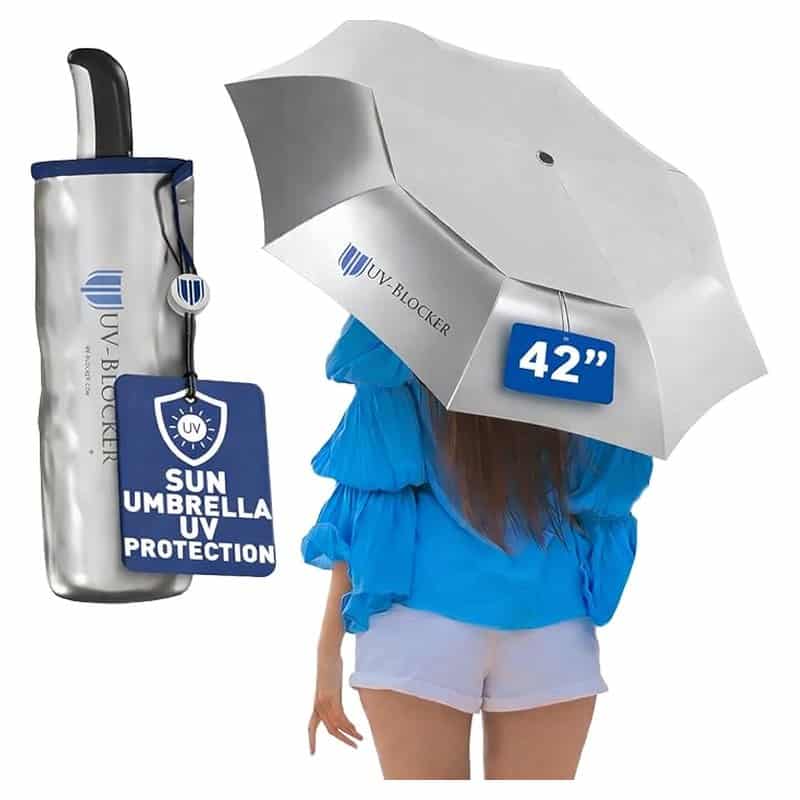
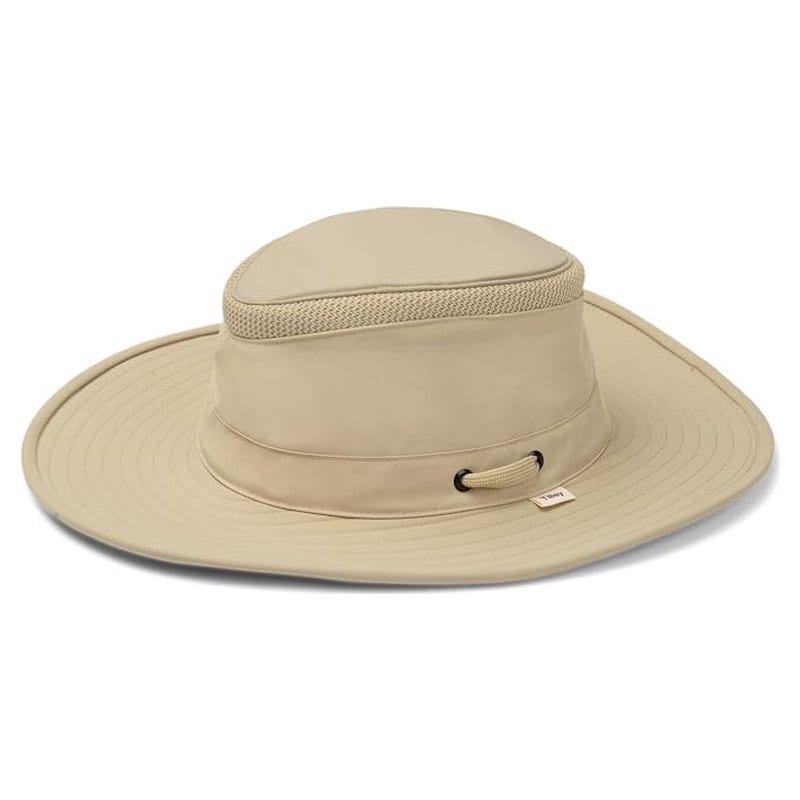
A compact, vented sun umbrella that blocks the midday glare.
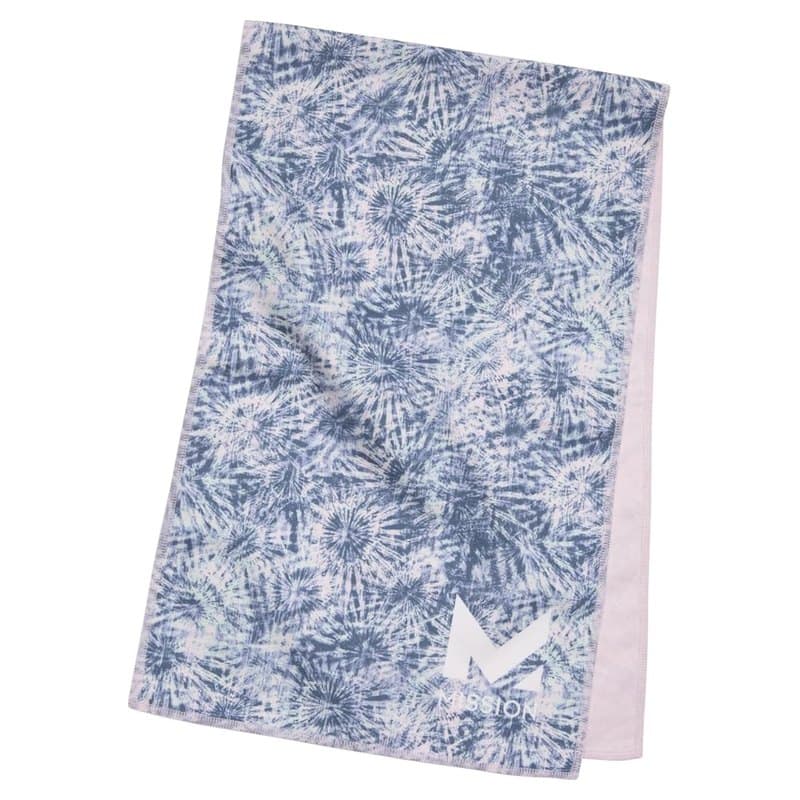
Soak, wring and drape it at the neck on a humid afternoon walk.
Japan in July and Japan in August, Month by Month
July: The Rain Lifts and the Festivals Begin
According to the official Japan travel guide to July, the rainy season is over in most areas by the end of the month. Kyoto spends all of July on Gion Matsuri. Osaka follows with Tenjin Matsuri on July 24 and 25. In Hokkaido, meanwhile, the lavender reaches its best through the month. The Mt. Fuji climbing season also opens on July 1 on the Yoshida Trail. For many travelers, the second half of July is the sweet spot of the whole summer.
August: Peak Heat, Obon and the Northern Festivals
August is hotter, and it is also busier. The official August guide calls the Obon period one of the busiest and most expensive times to travel. Obon falls in mid-August, typically between August 13 and 16. During that week, planes, trains and highway buses sell out in advance. Yet early August also holds Aomori’s Nebuta and the Nagaoka fireworks. Then comes Awa Odori in Tokushima. If you travel in August, therefore, book the first ten days and leave Obon week for a single, settled base.
The table sets out the customary calendar. Because no organizer has published its 2027 dates yet, check each one against the official source before you book.
| Event | Where | Customary dates | 2027 |
|---|---|---|---|
| Gion Matsuri | Kyoto | All of July; parades July 17 and 24 | To be confirmed |
| Tenjin Matsuri | Osaka | July 24 and 25 | To be confirmed |
| Sumidagawa Fireworks | Tokyo | A Saturday in late July | To be confirmed |
| Aomori Nebuta | Aomori | August 2 to 7 | To be confirmed |
| Nagaoka Fireworks | Niigata | August 2 and 3 | To be confirmed |
| Awa Odori | Tokushima | August 12 to 15 | To be confirmed |
| Obon | Nationwide | Typically August 13 to 16 | To be confirmed |
| Mt. Fuji (Yoshida Trail) | Yamanashi | July 1 to September 10 in 2026 | To be confirmed |
Japan Summer Festivals: Gion, Tenjin, Nebuta and Awa Odori
Every Japan summer brings festivals to almost every town, but four stand apart for scale and craft. Each one also asks for a different plan. Some reward a reserved seat, while others reward a good room and an early start.
Gion Matsuri, Kyoto
Gion Matsuri fills the whole of July in Kyoto. Its centerpieces are the Yamaboko parades on July 17 and July 24, according to the official Gion Matsuri page. The July 17 parade is the larger, with 23 floats, and the July 24 parade carries about half that number. At their tallest, the hoko floats rise up to 25 meters, about 82 feet, and weigh up to 12 tons.

The three evenings before each parade are called yoiyama, on July 14 to 16 and July 21 to 23. Then the floats stand lit in the streets, and the city strolls between them in yukata. For a calmer view of the parade itself, book reserved seating along the route. Better still, stay within walking distance of the center, so you can return to the cool between the morning parade and the evening stalls. Our guide to Japanese etiquette covers the small courtesies that matter in a crowd.
Tenjin Matsuri, Osaka
Osaka’s Tenjin Matsuri runs on July 24 and 25. On the evening of the 25th, about a hundred lit boats move along the river in the Funatogyo procession. Fireworks rise above them from 7:30 to 8:50 p.m., according to the official Osaka tourism page. Sakuranomiya Station is the popular viewing point, and the crowds there are large. So the best view belongs to a river-facing hotel room or a booked boat.
You may also like
Aomori Nebuta
Aomori’s Nebuta festival is held every August 2 to 7. Local teams spend a year building its 22 lit floats, many about nine meters wide and five meters tall, roughly 30 by 16 feet. The parades run at night, except on the last day, when the floats parade in the afternoon. The festival then closes with a fireworks show, according to the official Nebuta festival page.

Awa Odori, Tokushima
Awa Odori is a dance festival, more than four hundred years old. It is held every August 12 to 15 in downtown Tokushima, on the island of Shikoku. The official Awa Odori page puts the crowds at nearly a million people. Dance troupes move through closed streets to drums, flutes and shamisen, while spectator stands and food stalls line the river. Book Tokushima early, because rooms fill months ahead, and pair it with a few slower days elsewhere on Shikoku.
Fireworks in Japan: How to Watch Hanabi Well
Fireworks are serious work in Japan, and July and August are the peak months for them. The great displays last for hours. Families arrive in the afternoon to claim a patch of riverbank, and they stay until the final shell. Fireworks in Japan are called hanabi, literally fire flowers, and the name fits.

Tokyo’s Sumidagawa Fireworks Festival is held on a Saturday in late July. The 2026 show, the 49th, ran on July 25, according to the official Sumidagawa festival site. Nagaoka, in Niigata, is held every August 2 and 3 on the Shinano River. Its signature is the Phoenix, a five-minute display set to music written for the region’s recovery from earthquakes. The official Nagaoka fireworks page advises reserving paid seats as early as May.
So how do you watch hanabi well? First, choose comfort over proximity. A reserved seat, a restaurant terrace or a hotel room facing the river beats a crush at the water’s edge. Next, plan the journey home before you leave, because stations close their gates when crowds build. Finally, dress for the occasion. A yukata, a fan and a cold drink turn a long wait into part of the evening. Above all, leave a few minutes at the end to watch the smoke drift away.
Obon and the Slower Side of Summer
Obon is the mid-August week when families return to their hometowns to remember their ancestors. Many towns light lanterns and hold bon odori, circle dances around a raised drum stand. For visitors, Obon has two faces. On one hand, transport is crowded, and many smaller restaurants close. On the other, the countryside is at its most alive, and a village bon odori is often the warmest welcome of the trip.
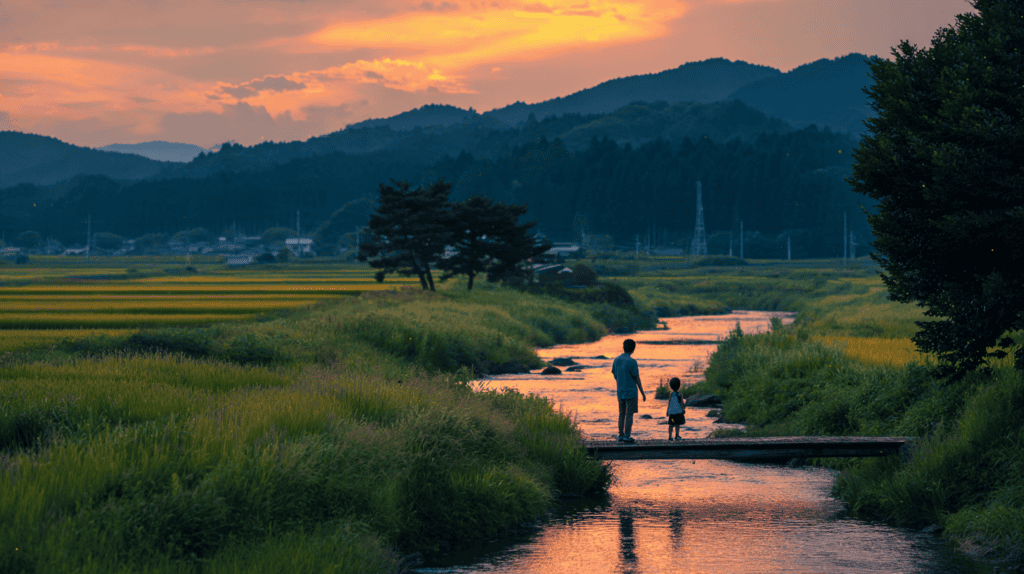
The official August guide also notes that major cities are far less crowded during Obon, as residents leave for home. That makes the week a good time to stay put in Tokyo or Kyoto. Alternatively, choose a ryokan in the countryside and let the town come to you. Our piece on rural Japan explains why those small towns matter so much in August. In either case, listen for the glass wind chimes, the furin, hung from eaves and verandas. Their bright ring is meant to make a hot afternoon feel cooler.
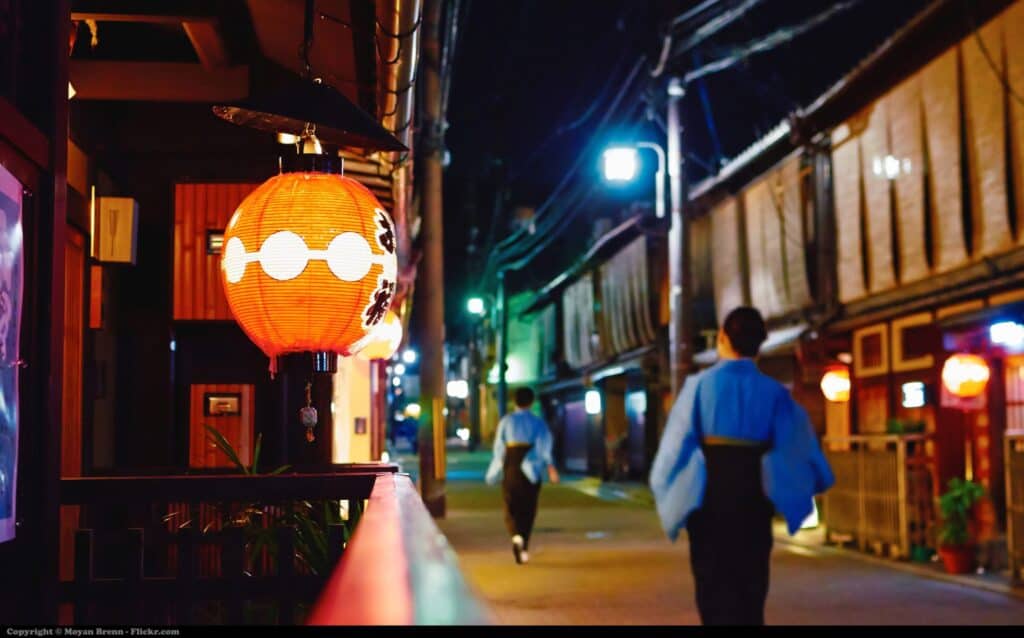
Yukata and What to Wear in the Heat
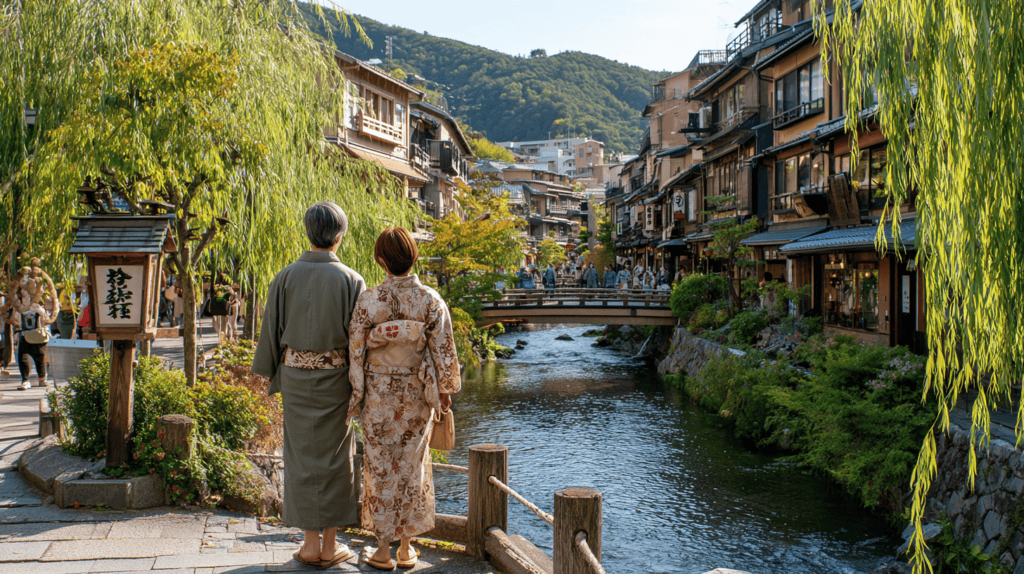
The yukata is the summer kimono, a light cotton robe tied with a soft sash. You will see it everywhere on festival and fireworks nights. Most ryokan also lay one out for guests. Renting a yukata for an evening in Kyoto or Asakusa is easy, and the staff will dress you properly. Wear it with wooden geta, carry a small cloth bag, and slow your pace to match.
By day, think light and covered rather than bare. Linen, loose cotton and breathable layers handle humidity best. Many Japanese women also carry a parasol and wear thin sleeves against the sun. Temples and some restaurants still expect modest dress, so pack something that covers your shoulders. A light scarf also helps, both against the sun and against the chill of air-conditioned trains.
For a wardrobe built on these lines, see our guide to Japanese minimalist fashion. Similarly, our Japanese Americana style guide shows how Japan reworks chambray and canvas for warm days. Footwear matters as much as fabric. You will walk more than you expect, often on hot stone. You will also slip your shoes off at temples, ryokan and some restaurants. So choose comfortable pairs that slide on and off easily, and carry light socks for tatami floors. On festival days, pack a fresh shirt in a day bag as well, since evenings run late and the air stays warm after dark. The one accessory nobody regrets, however, is a good folding fan.
Folding Silk Fan — a black sensu with phoenix and dragon
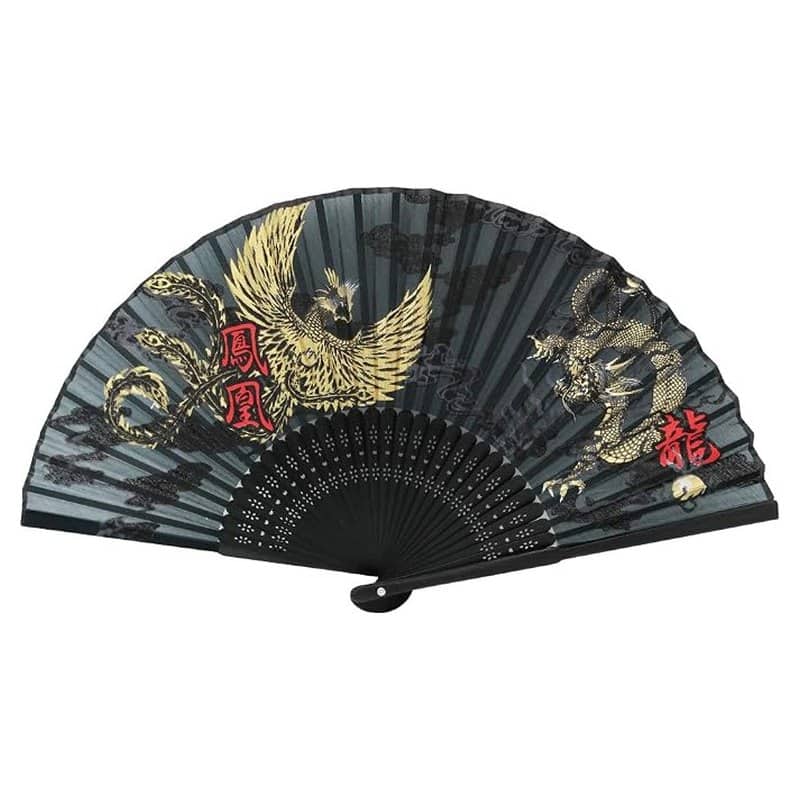
A sensu, or folding fan, is part of summer dress in Japan, carried by men and women alike. This folding silk fan is imported from Japan, with black silk stretched over a slim bamboo frame. Across it, a gold phoenix faces a dragon, finished with red characters. It folds to the size of a pen, so it slips into a pocket or a yukata sleeve. Open, it moves a surprising amount of air on a crowded platform. It also looks right with a yukata on a fireworks night. Afterward, it makes a handsome object on a desk at home, and a reminder of one warm night.
Climbing Mt. Fuji: The Official Season and the Rules
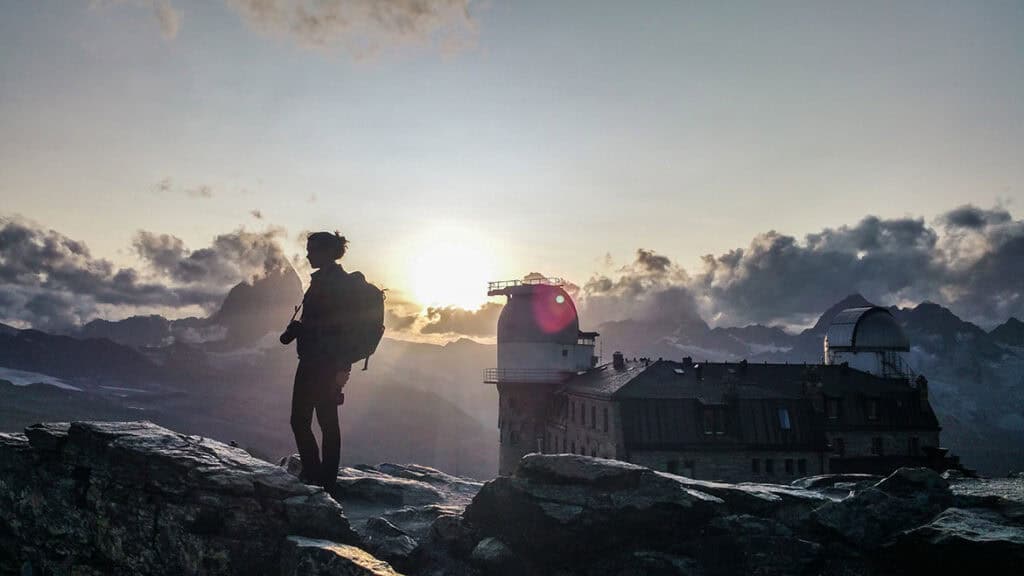
Mt. Fuji can only be climbed in summer, and the rules have tightened. In 2026, the Yoshida Trail opened from July 1 to September 10. Every climber paid a hiking fee of 4,000 yen in advance, about $25 at the European Central Bank rate of October 30, 2026. A daily cap of 4,000 climbers applies, and the trail gate closes from 2 p.m. to 3 a.m. Climbers with a mountain hut booking may still pass, but overnight climbs without a hut are banned. All of this comes from the official Mt. Fuji climbing website.
The season, fee and cap for 2027 have not been announced yet, so treat the 2026 figures as a guide only. Book a hut early, since that is what lets you climb by night and greet the sunrise. If a full climb feels like too much, there is a gentler option. Ride to the Fifth Station for the view and the cooler air, then spend the night at a lakeside hotel facing the mountain. For training ideas before you go, our guide to trail running in Japan is a good start.
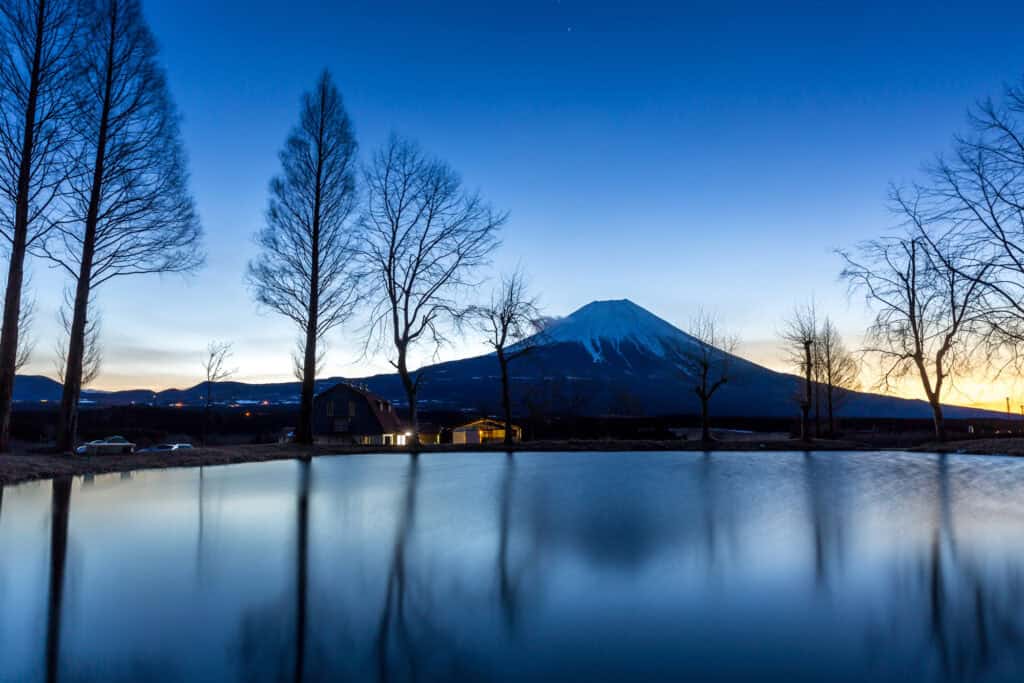
In short, Fuji is a mountain to plan for, not to improvise. Choose your trail, reserve your passage and your hut, and pack for cold at the summit even in August. Then watch the forecast, because the mountain closes its trails in bad weather. A climb that waits a day is still a good climb.
Ten Proverbs to Carry With You
A printable folio of ten Japanese proverbs, each set in kanji with its reading and a line on where you will hear it.
Hokkaido Lavender and Other Cool Escapes
When a Japan summer grows too hot in Tokyo, go north or go up. Hokkaido sees far less rain than the rest of Japan during the rainy season, according to the official guide to June. Its summers are also milder. Above all, July is lavender month. Farm Tomita in Nakafurano is best viewed from early to late July, as the official Farm Tomita page notes. It sits about two hours by car from Sapporo and an hour from Asahikawa.
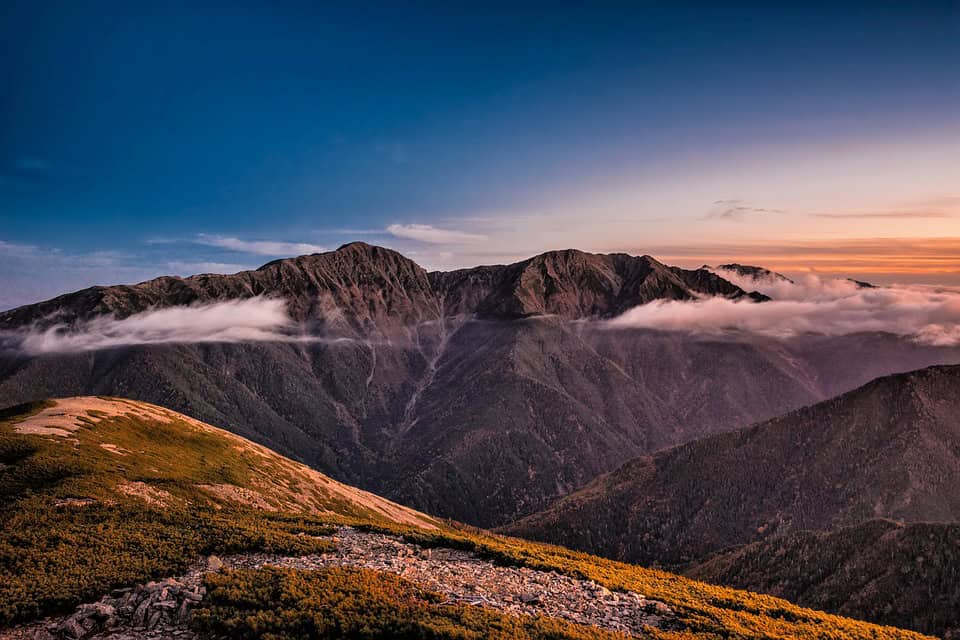
Go early in the morning, before the tour buses arrive and while the scent is strongest. Then spend the afternoon among the hills of Biei, or drive on to a hot spring town for the night. Meanwhile, the Japan Alps offer a second escape. The highlands of Nagano and Toyama stay pleasant through July, and their trails are open and green. A few nights in the mountains reset a trip that has spent too long in city heat.
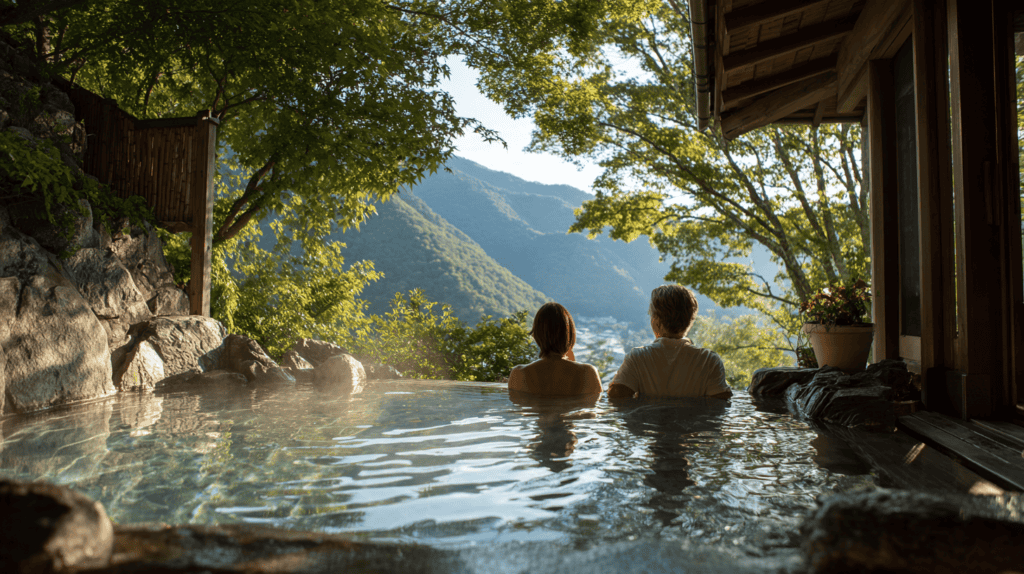
Wherever you head, the ryokan is the best place to sit out the hottest hours. A room with a garden view, a cool bath and a late kaiseki dinner make the afternoon feel deliberate. Our list of luxury ryokans in Japan covers the finest of them. Alternatively, read our guide to staying at an onsen ryokan for the etiquette.
Okinawa and the Islands in Summer
Okinawa runs on a different calendar. Its rainy season usually falls between mid-May and late June, according to the official Okinawa travel guide. Its typhoon window runs from June through September. So the islands are at their best in early July, after the rain and before the storms gather. The water is warm, and the reefs are clear.
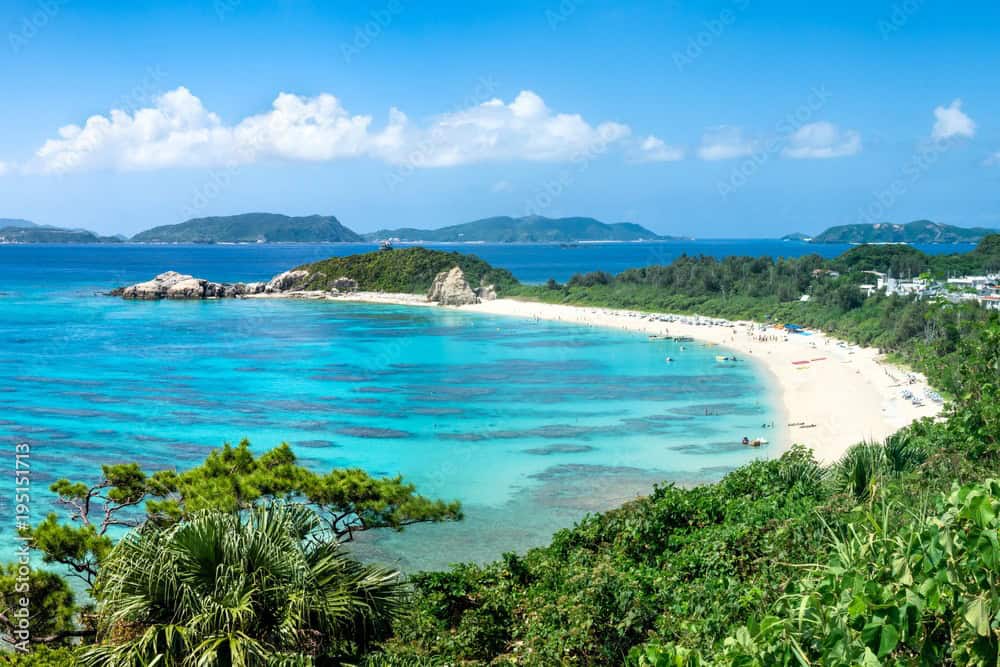
Base yourself on the main island for culture, or fly on to the outer islands for beaches and reefs. Either way, keep the midday hours for shade. Okinawa’s island diet and slower pace also lie behind its long lives, a story we follow in ikigai in Okinawa. For islands beyond the usual routes, our piece on Japan’s remote islands goes further.
You may also like

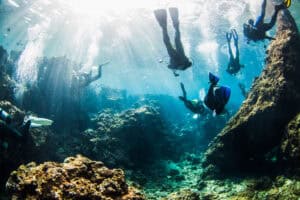
Above all, leave room in an island plan for the weather. A typhoon can cancel flights and ferries for a day or two. Insurance that covers weather delays is worth having, and one spare night costs far less than a missed connection home. Spend the last days slowly, in the water at dawn and on a veranda at dusk.
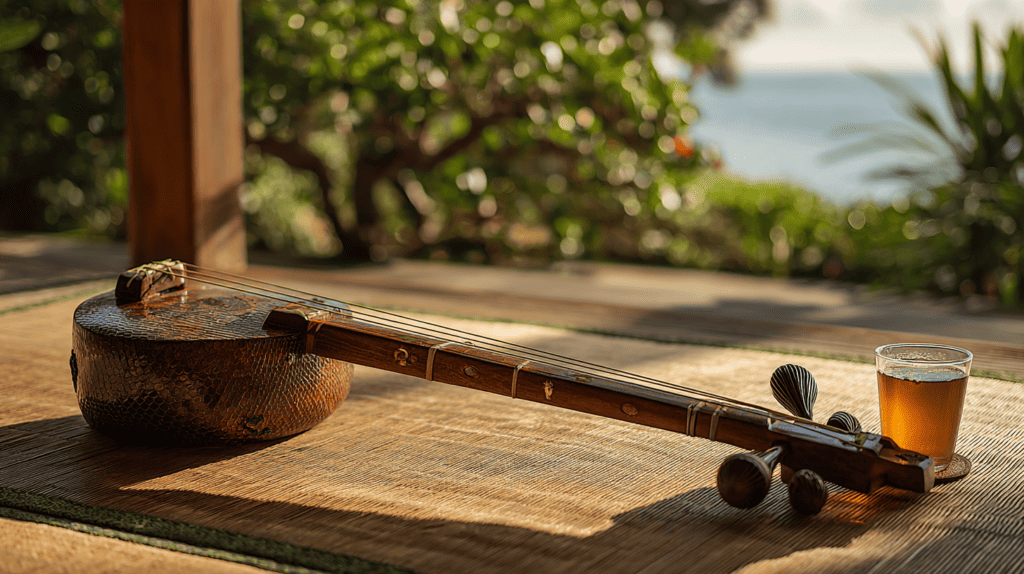
Summer Food: Kakigori, Cold Soba and Eel
Japanese summer food is built to cool you down, or to give you strength for the heat. Kakigori, shaved ice, is the classic. Today’s best versions are as soft as snow, flavored with matcha, fresh fruit syrups or sweet red beans. With the right machine, you can make a fine version at home.
Doshisha Shaved Ice Maker — fluffy kakigori at home
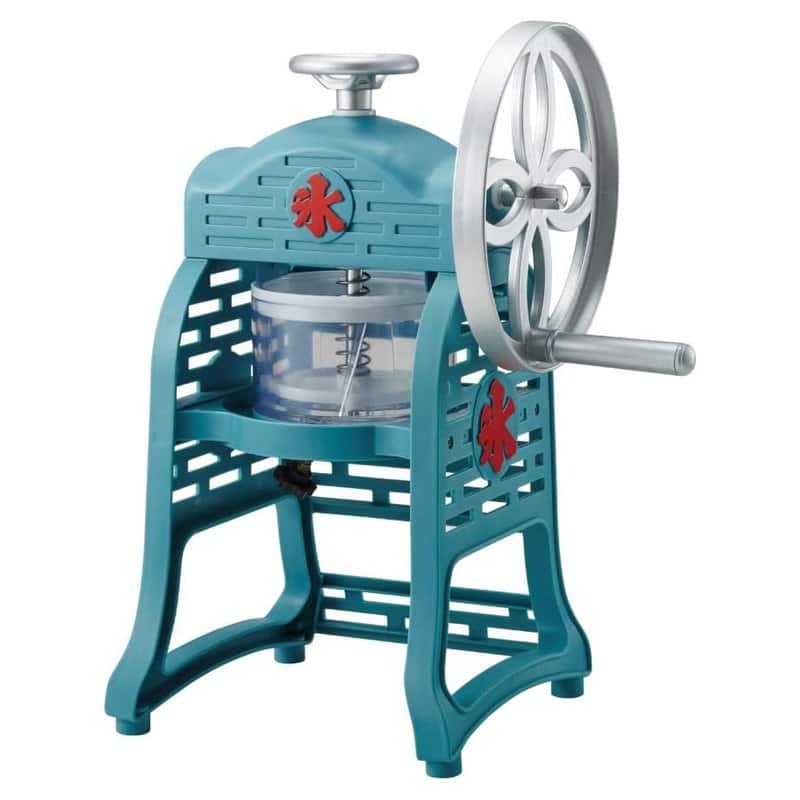
The Doshisha shaved ice maker brings real kakigori home. It comes from a Japanese maker and looks like an old shop machine, with a teal frame and a large hand-crank wheel. Turning the wheel shaves a block of ice into fine, fluffy flakes rather than crushed chips. That texture is the whole point of kakigori, because it lets syrup soak in without turning to slush. Top it with matcha syrup and sweet red beans, or with puréed summer peaches. It is a small ritual for a hot weekend at home, and a fine end to an eel supper.
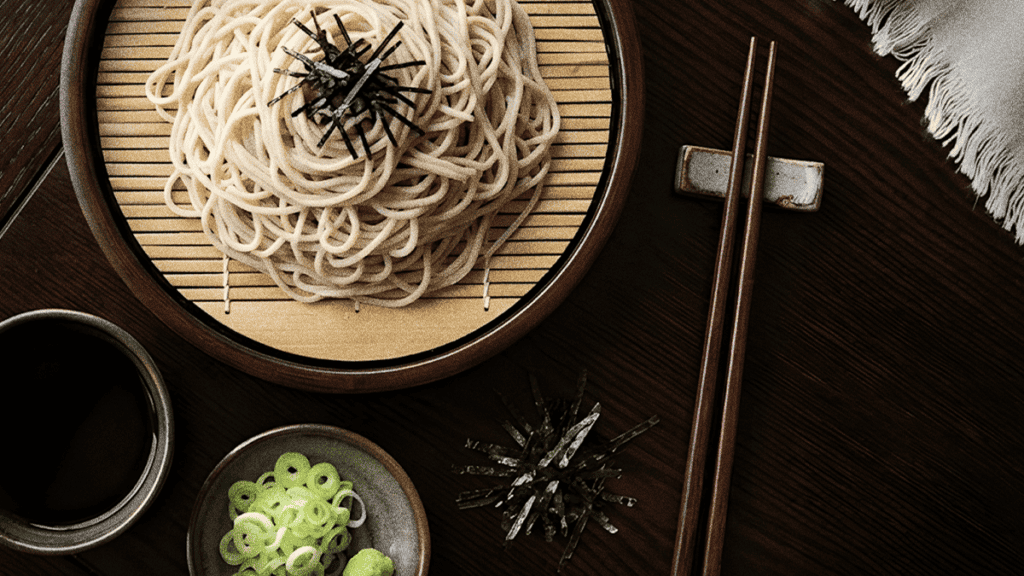
Cold noodles come next. Zaru soba, served on a bamboo tray with a chilled dipping sauce, is the lunch of choice on a hot day. Somen, thin wheat noodles served over ice, is its lighter cousin. Our guide to traditional Japanese food covers the wider table, region by region.
Then there is eel. Grilled eel is the dish of high summer, eaten on the Day of the Ox in late July to build stamina for the heat. The custom is said to date from the mid-1700s. Osaka, meanwhile, has its own summer street food, which our guide to Osaka food follows from stall to stall. At home, too, a bowl of eel over rice brings the season back with very little work.

Unadon — grilled eel over rice with a glossy tare
Simmer a quarter cup each of soy sauce and mirin with two tablespoons of sugar and a tablespoon of sake for about five minutes, until the tare thickens slightly. Warm a fillet of pre-grilled eel skin side down in a grill pan for two minutes, then brush it with the tare and turn it under a hot broiler for a minute or two until it glazes. Spoon a little tare over a bowl of hot short-grain rice, lay the eel on top, and brush on more tare. Finish with a pinch of sansho pepper and serve with clear soup.
The tare is the heart of the dish, and it keeps in the fridge for a week. Brush it on in thin coats, so it glazes rather than soaks the rice. Sansho pepper adds a bright, citrusy tingle that cuts the richness. Then finish the meal the Japanese way, with a bowl of shaved ice.
Planning Around the Rainy Season, Heat and Typhoons
Planning a Japan summer starts with the weather. The rainy season starts earlier in the south and later in the north. Okinawa’s begins in May, while Tohoku usually starts in mid-June. Typhoons follow later. Across 1991 to 2020, an average of 3.3 typhoons approached Japan in August and another 3.3 in September, compared with 2.1 in July. Those figures come from the Japan Meteorological Agency’s typhoon averages. As a result, July is the safest summer month for a tight schedule.
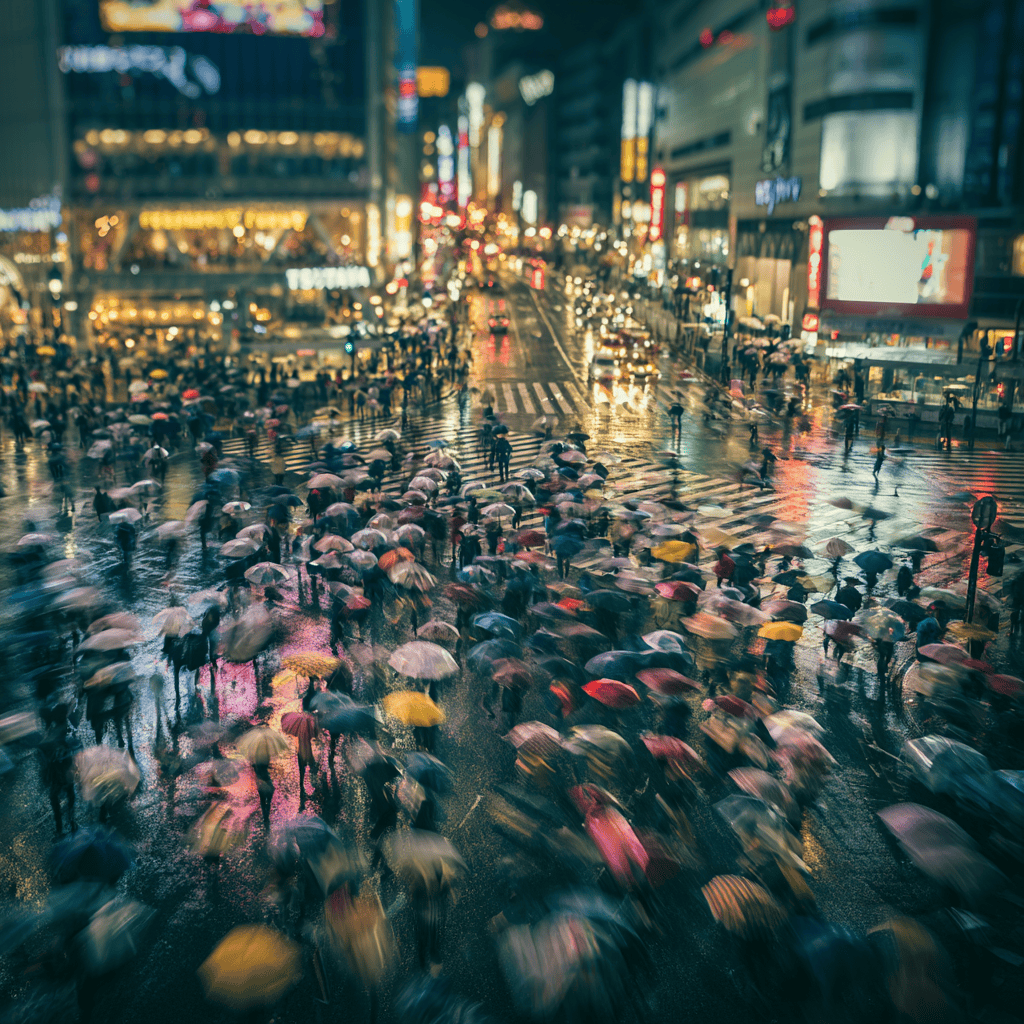
Heat is the second factor, and it is easy to underestimate. Drink more water than you think you need, and carry it. Plan one indoor stop for each afternoon. Similarly, take taxis for short hops in the midday sun, and save walking for the evening. For flights, book early for July and August, and avoid arriving during Obon week. Finally, keep one spare day in any plan that includes islands or Mt. Fuji. For more on traveling well in Japan, our guide to luxury travel in Japan goes deeper.
Recommended
The Other Half of the Year
Summer also pairs well with winter, and many travelers return in the cold months to see the same places under snow. Our companion piece on Japan in winter covers the other half of the year, from snow festivals to steaming outdoor baths. Seen together, the two seasons show how much the country changes.
Back in the present season, one habit pays off more than any other: write things down. Summer moments pass quickly, from a single shell over the river to a bowl of ice on a hot step. Our collection of guided journals is made for exactly that, with short daily prompts that take a few minutes.
A Japan summer, then, rewards those who shape their days around it. Mornings belong to gardens and temples, and afternoons to cool rooms and long lunches. Evenings belong to lanterns, drums and fireworks over the river. Choose one great festival and build around it, rather than chasing four. Leave white space in the plan as well, because the best summer evenings are rarely the scheduled ones. A neighborhood dance, a stall grilling corn or a sudden view of fireworks from a train window can be the memory that lasts. The season is hot and crowded, yes. Still, it is the time of year when Japan feels most alive.
Before You Book
Start with three questions. Which festival or sight matters most to you? How well do you handle heat and crowds? And how much of the trip can bend around the weather? Once you know those, the season sorts itself. A Kyoto and Osaka trip suits late July, while a northern route suits early August. Hokkaido and the Alps suit anyone who wants cooler days. Then fix the details early: the hotel room facing the river, the reserved festival seats, the Fuji hut and the spare day for a passing typhoon. Book these first, ideally in the spring, and the rest of a Japan summer trip falls into place around them.
A Japan Summer, Planned Around the Festivals and the Heat
A bespoke summer itinerary built around the evenings that matter: reserved seats for the parades, a room facing the fireworks, cool mornings in the north and a spare day for the weather.
Plan Your Custom Japan ItineraryQuestions Worth Asking
Is Japan too hot to visit in summer?
Not if you plan around the heat. July and August are hot and humid, so spend the mornings outdoors, the afternoons indoors and the evenings at festivals. Drink plenty of water and take taxis for short midday hops. Hokkaido and the Japan Alps stay milder, so they make an easy escape from city heat.
What are the best summer festivals in Japan?
Four stand out. Gion Matsuri fills July in Kyoto, with float parades on July 17 and 24. Tenjin Matsuri brings boats and fireworks to Osaka on July 24 and 25. Aomori Nebuta runs August 2 to 7, and Awa Odori fills Tokushima August 12 to 15. Confirm each 2027 date with its organizer.
When are the biggest fireworks festivals in Japan?
Fireworks peak in July and August. Tokyo’s Sumidagawa display is held on a Saturday in late July and ran on July 25 in 2026. Nagaoka in Niigata is held every August 2 and 3, with paid seats worth reserving from May. Organizers have not yet published 2027 dates, so check before you book.
What should I wear in Japan in July and August?
Choose light, breathable layers in linen or loose cotton, plus something that covers your shoulders for temples and smarter restaurants. A wide-brim hat or parasol helps in the midday sun. On festival nights, rent a yukata, the light cotton summer kimono. Comfortable sandals or geta suit evening walks, and a folding fan helps everywhere.
Can you climb Mt. Fuji without a reservation?
On the Yoshida Trail in 2026, booking passage was optional, but every climber paid the 4,000 yen fee, about $25. Once 4,000 climbers had entered that day, the gate closed, and it shut each day from 2 p.m. to 3 a.m. Rules for 2027 are not announced yet, so reserve early.
Is Japan crowded during Obon in August?
Yes, for transport. Obon typically falls between August 13 and 16, and planes, trains and highway buses sell out in advance. Yet big cities grow calmer as residents head home. So book travel early, avoid moving between cities that week, and enjoy a settled stay in Tokyo, Kyoto or a country ryokan.