Kyoto in 2 days is not enough time to know the city — but it is exactly enough time to meet it properly, if the route respects Kyoto’s geography instead of fighting it. The itinerary below is built on one rule. Each day stays on one side of Kyoto — east and south the first day, west and north the second. The crossings are what waste a short trip.
The short answer for Kyoto in 2 days. Day one takes Higashiyama at dawn: Kiyomizu-dera before the crowds, the preserved lanes, Gion, and lunch at Nishiki. Fushimi Inari follows in the late afternoon, then Pontocho after dark. Day two starts in the Arashiyama bamboo grove at 7:00, works through Tenryu-ji and the river, then crosses north for Kinkaku-ji, Ryoan-ji, and a tea ceremony. Trains and early starts do the rest.
A note on method before the clock starts, because doing Kyoto in 2 days well is a scheduling art more than a sightseeing one. Every timing below exists for one reason. Kyoto’s famous places are now defined by their crowds as much as their architecture. The difference between 7:30 and 10:00 at the same temple is the difference between a pilgrimage and a queue. The early starts are not optional extras. They are the itinerary.
Day 1 — Higashiyama, Gion, and the Ten Thousand Gates
7:30Kiyomizu-dera, before the city wakes
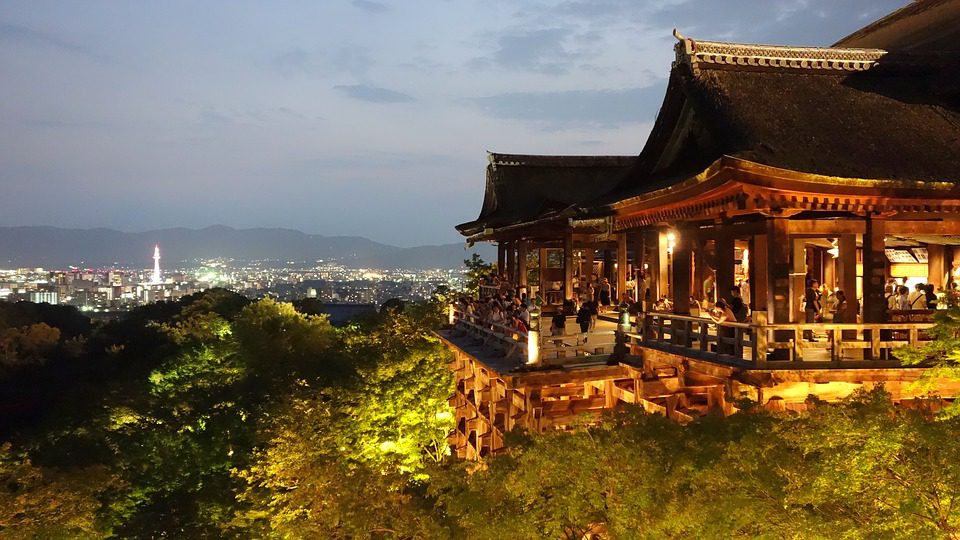
Begin at the top. Kiyomizu-dera opens at 6:00. Arriving by 7:30 buys you the great wooden stage over the valley, with only monks and joggers for company. The main hall’s veranda, held up by pillars joined without a single nail, is the picture everyone comes for. Take it slowly, because you will not be alone again today. Walk the full circuit down past Otowa Waterfall before leaving.
The temple has stood on this slope since 778, and the current stage dates from 1633. Its floor hangs thirteen meters above the hillside on a lattice of zelkova pillars, assembled with joinery alone. Below it, the three streams of Otowa Waterfall give the temple its name, which means pure water. Visitors choose one stream to drink from. Choosing all three is regarded as greedy. The architecture rewards the walk around it as much as the view from it.
9:00Sannenzaka and Ninenzaka
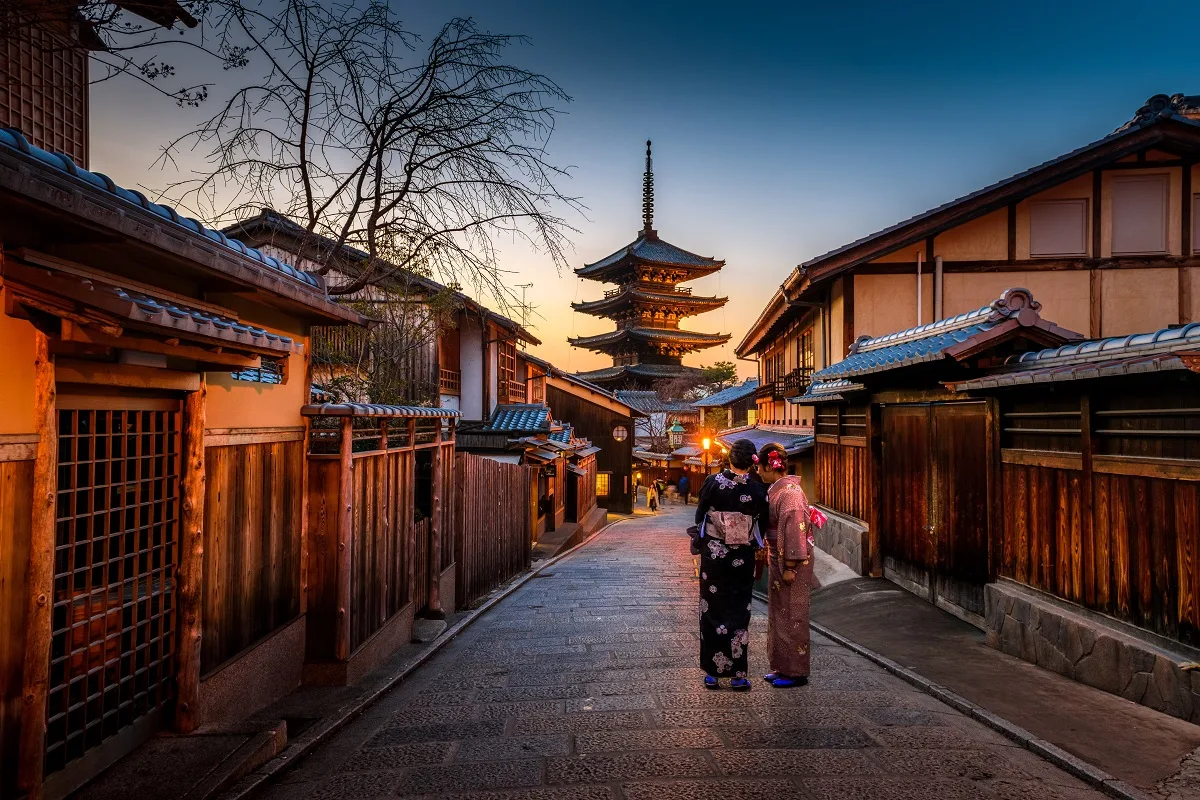
Descend from the temple into the two preserved lanes, Sannenzaka and then Ninenzaka. These stepped streets of wooden machiya are old Kyoto’s most photographed hundred meters. By mid-morning they are shoulder to shoulder. At 9:00 the shops are just opening and the light is still low across the tiles. Buy nothing yet; carry less, see more. The lanes end near Yasaka Pagoda, which photographs best from the street below it.
The lanes are working streets, not a museum set. The machiya here follow the old Kyoto formula of narrow frontage and deep interior. Taxes were once assessed on street width. Today they hold ceramics shops, tea sellers, and sweet makers whose recipes predate the tourism. Local legend says a stumble on Sannenzaka brings bad luck. Read that as the district’s polite request to slow down. The pottery shops open first; the crowds arrive with the coaches near ten.
11:00Gion, on the correct side of the street
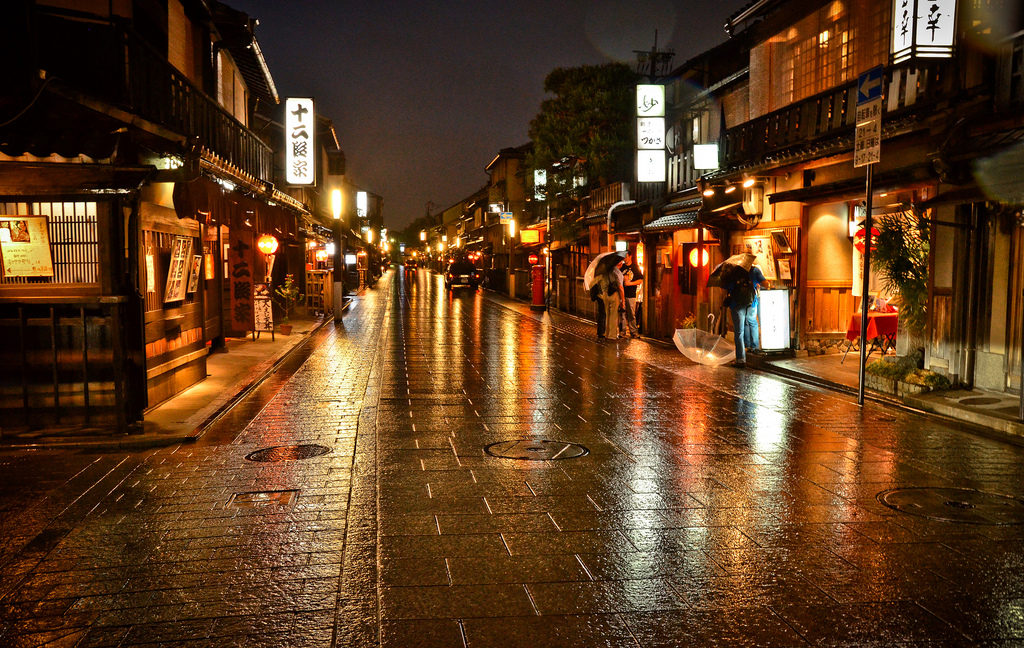
Cross Yasaka Shrine and its park into Gion. Hanamikoji Street is the postcard, but the parallel of Shirakawa Lane, along the canal under the willows, is the better walk. Geiko and maiko work here in the evenings. At midday you are looking at the architecture of their world: the tea houses, the bamboo screens, the discretion built into every facade. Photography rules are posted and enforced on the private lanes — Kyoto’s official visitor guidance spells them out. Respect them without being told twice.
What you are walking through is the ochaya system, and it explains the closed doors. The tea houses of Gion work by introduction. An establishment extends credit and discretion to known guests. Admission for strangers is not a snub but the structure of the trade. The geiko and maiko you may glimpse are artists in the strict sense, dancers and musicians in years-long training. The evening performances open a legitimate window into that world without disturbing it.

13:00Lunch at Nishiki Market
Nishiki is a covered lane of a hundred and thirty stalls, and it has fed this city for four centuries. Eat standing where it is welcomed — which is almost everywhere. Try tamagoyaki off the grill, yuba, skewered scallops, and a taste of narazuke pickles. The market is a meal in movement rather than a sit-down affair, which is exactly what a timed day wants. Leave room for dinner.
Four centuries of trade have sorted the lane into specialists. Aritsugu, near the western end, has forged kitchen knives since 1560. They will engrave a purchase while you wait — the single best functional souvenir in the city. The pickle stalls deserve a second pass. Narazuke cures in sake lees for years, and the vendors offer tastes precisely because the flavor cannot be guessed. Buy what you can carry and eat what you cannot.
15:30Fushimi Inari, when the tour buses leave
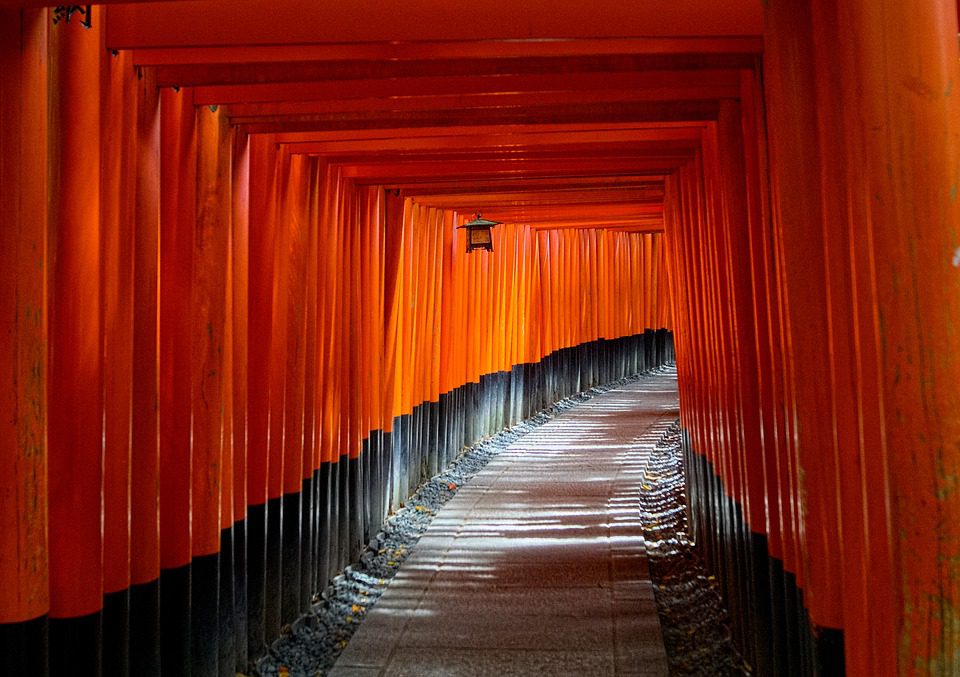
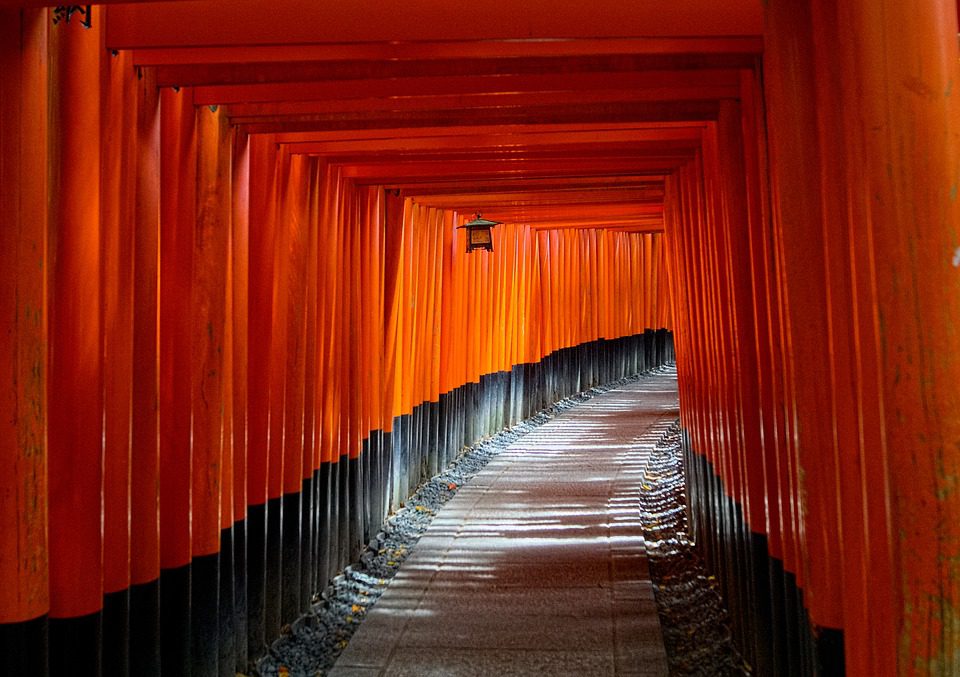
Take the Keihan Line south to Fushimi-Inari Station. The shrine of ten thousand torii runs on a different clock from the rest of Kyoto. The gates are open all night, and the crowds thin decisively after 15:00. Climb past the first two photo bottlenecks and the mountain empties out. You do not need the full two-hour summit loop. The Yotsutsuji intersection, forty minutes up, gives the view over the city and the honest version of the experience. Descending through the vermilion tunnels in the last light is the day’s best hour.
Inari is the kami of rice and prosperity, which is why the mountain belongs partly to Japanese business. Every vermilion gate is a donation. The black columns of text on each one name the company or family that gave it, so reading them as you climb is a census of commerce. The fox statues holding keys in their mouths are Inari’s messengers, and the keys open the rice granary. The shrine asks nothing of visitors but the climb itself.
19:00Pontocho after dark
Back north one stop, then dinner in Pontocho, the lantern-lit alley squeezed between Kawaramachi and the river. The alley rewards walking its full length once before choosing. There are yakitori counters, obanzai kitchens, and in summer the kawadoko river terraces built out over the water. Kappa Zushi remains the reliable mid-range sushi stop on the alley for travelers without a reservation. Beyond it, the counters that show a queue of locals are self-recommending. End the day on the Kamo riverbank with the lanterns behind you.
Two terms unlock the alley’s menus. Obanzai is Kyoto home cooking: small seasonal dishes, often vegetable-led. It is served the way a household would serve it, not a kitchen showing off. Kawadoko names the summer tradition of dining platforms built over the river. It runs May through September, when the alley’s east side effectively doubles in width. Reservations matter for the platforms; the counters inside are first come, and a short queue of locals is the most reliable review in the city.
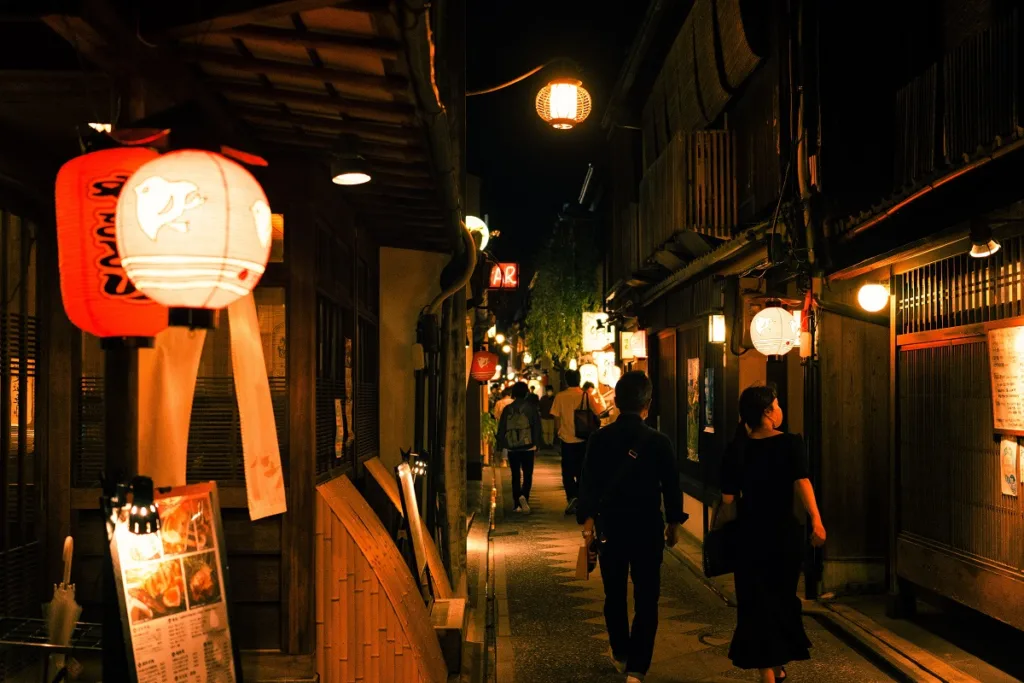
Day one covers the east in one continuous arc, and by Pontocho you will have crossed a thousand years of the city in twelve hours. A mountain temple, two preserved districts, a working market, a corporate shrine, and a dining alley older than its restaurants. The day pairs naturally with two deeper reads. The tea ceremony you may book for tomorrow changes how you will see every teahouse facade in Gion tonight, and the experiences guide goes further into the city’s interior world than a two-day clock allows.
A last word on pacing before day two. The first day works because it never doubles back: every stop sits on a line drawn south through the city’s east. If your energy runs low, the itinerary bends without breaking — drop the Fushimi summit section, never the dawn start. The order is the load-bearing part, and it is also the part travelers most often ask us to adapt. Families shift Fushimi to morning and cut the summit. Photographers invert the whole day for the light. Food-first travelers stretch Nishiki into two hours and surrender a temple for it. Every version works when the geography still runs one way.
This route, rebuilt around you
The itinerary above is the framework we start from when we design Kyoto by hand — shifted for your season, your pace, your interests, with the reservations and transit already solved before you land. If two days in Kyoto sits inside a longer Japan trip, that is exactly the work we do.
Begin a Custom ItineraryDay two of Kyoto in 2 days answers day one. Where the east is streets and steps, the west is gardens and water. The day feels calmer even at identical crowd levels, because the sites absorb people differently. The same two rules carry over unchanged: arrive first at the most famous place, and never cross the city in the middle of the day.
Day 2 — Arashiyama, the Golden Pavilion, and the Stone Garden
7:00The bamboo grove, at the only hour it works
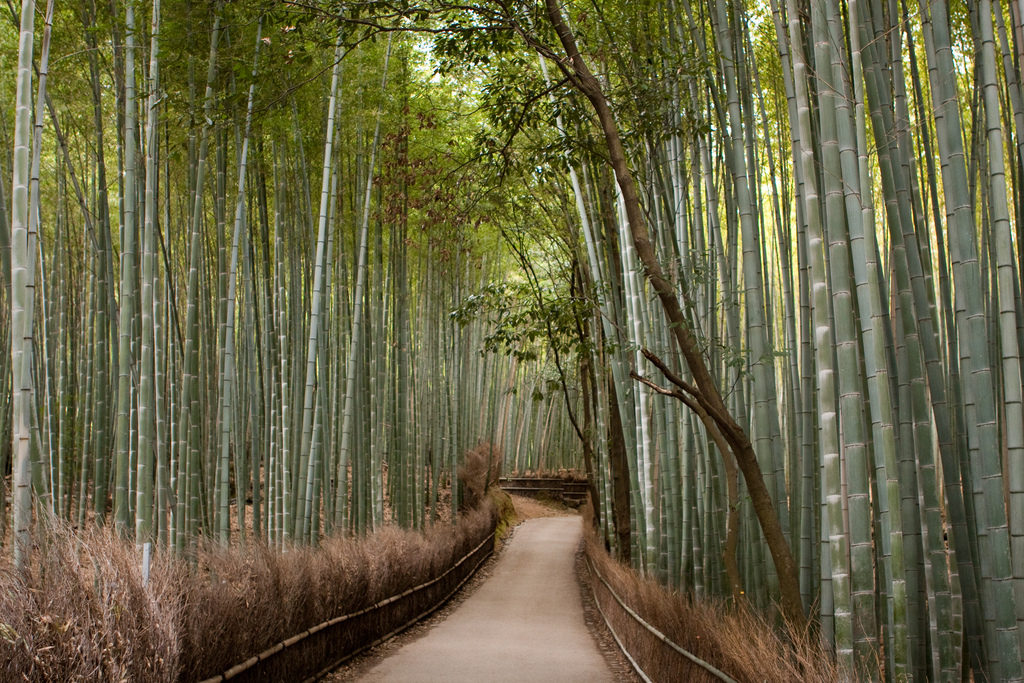
Take the JR Sagano Line from Kyoto Station to Saga-Arashiyama — fifteen minutes — and walk straight into the bamboo grove. At 7:00 the path is green light and wind sound. By 9:30 it is a corridor of phones. This is the single largest gap between the postcard and the reality anywhere in Kyoto, and the early train closes it completely. Continue past the grove’s end toward the Adashino paths if the morning is running ahead of schedule.
The grove is one of the few places in Japan protected for its sound. The knock and creak of the culms in wind is listed among the country’s official soundscapes. It is entirely inaudible over a crowd, which is the practical argument for 7:00 stated another way. If the morning runs ahead of schedule, the Okochi Sanso villa waits at the grove’s far end. A modest entry fee covers gardens, city views, and a bowl of matcha with the ticket.
8:30Tenryu-ji and the borrowed mountains
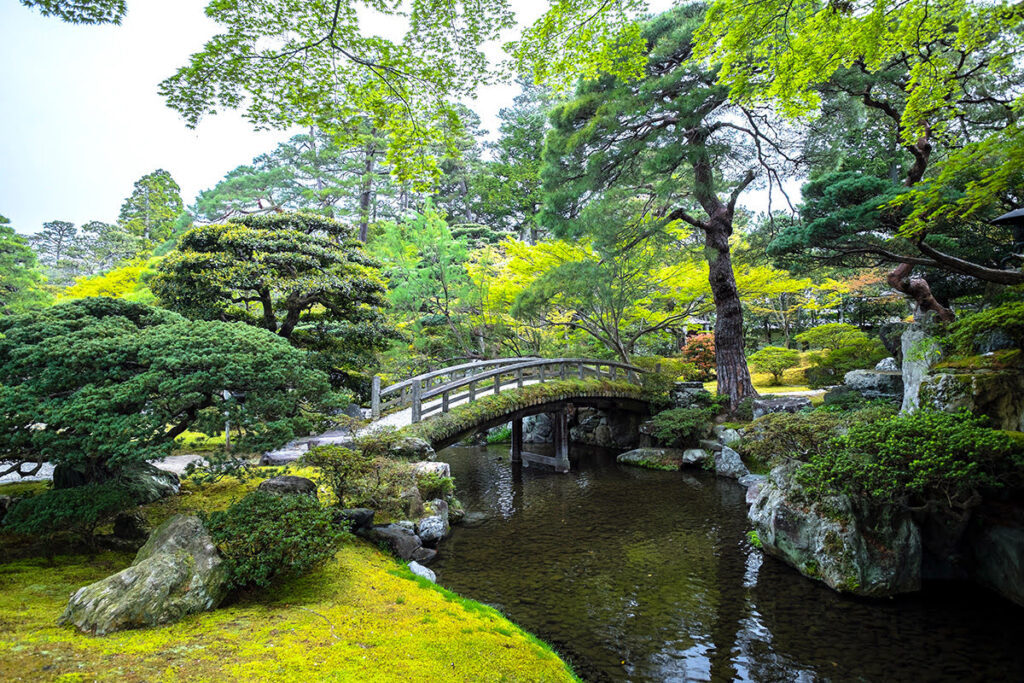
Enter Tenryu-ji through its north gate, directly off the grove. The garden here has survived since the fourteenth century while the buildings burned around it eight times. It demonstrates the principle of borrowed scenery better than anywhere in Japan — the Arashiyama mountains are composed into the garden as if the pond had commissioned them. Take the garden ticket rather than the buildings ticket if you are choosing.
The garden is the work of Muso Soseki, the fourteenth-century Zen master who effectively invented garden design as a profession in Japan. It is the reason Tenryu-ji anchors the district’s UNESCO listing. His pond composition survived every fire that took the buildings. That makes it one of the oldest intact designed landscapes in the country. Stand at the abbot’s hall and look west: the garden ends nowhere, because the mountains were always part of the plan.
10:30The river, the bridge, and a slow coffee
Walk down to the Katsura River and Togetsukyo Bridge. This is the itinerary’s one scheduled pause: a riverside coffee, the boats below, the mountain across. A short trip needs one interval left deliberately unfilled. This is where it belongs. Our essay on ma, the Japanese art of the pause, explains why the empty half hour is the one you will remember.
12:30Kinkaku-ji, managed correctly
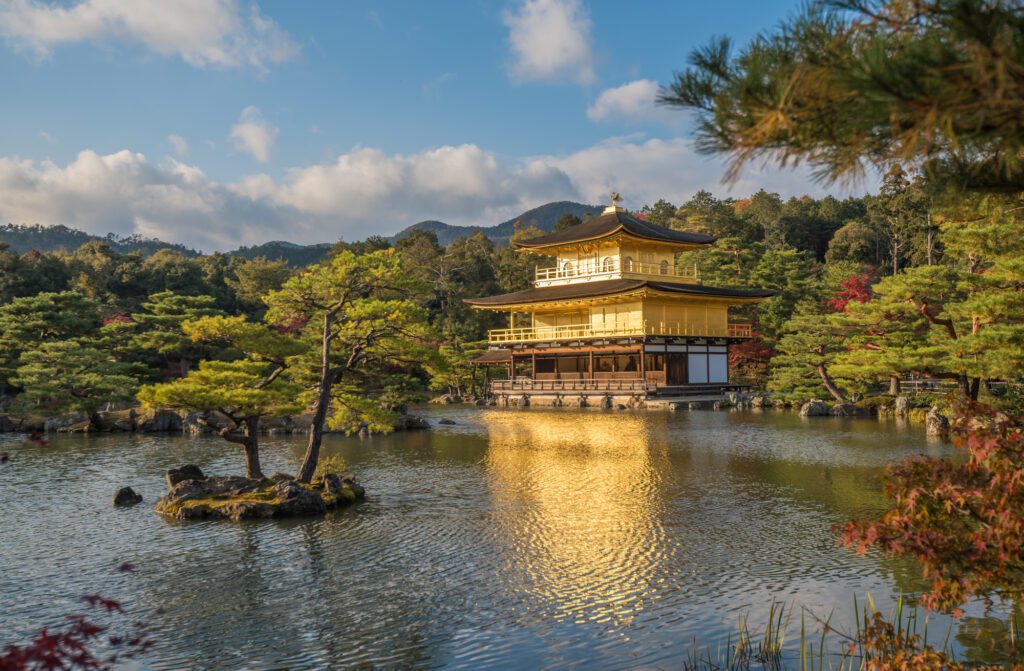
The Golden Pavilion is Kyoto’s most visited sight, and it cannot be beaten by timing — so beat it by expectation instead. The circuit is one-way, thirty minutes, and the first view across the pond is the entire event. Take it, hold it, and let the crowd carry you on. Lunch afterwards in the streets south of the gate, where the shops feed locals rather than lines.
The pavilion you see is younger than it looks. The original burned in 1950, set alight by a young monk — the event Mishima turned into a novel. The rebuild finished in 1955, and the gold leaf was renewed far more thickly in 1987. None of that diminishes the sight; it explains the shine. Each of the three floors uses a different architectural style, palace to samurai to Zen. They stack like a short history of the city that built it.
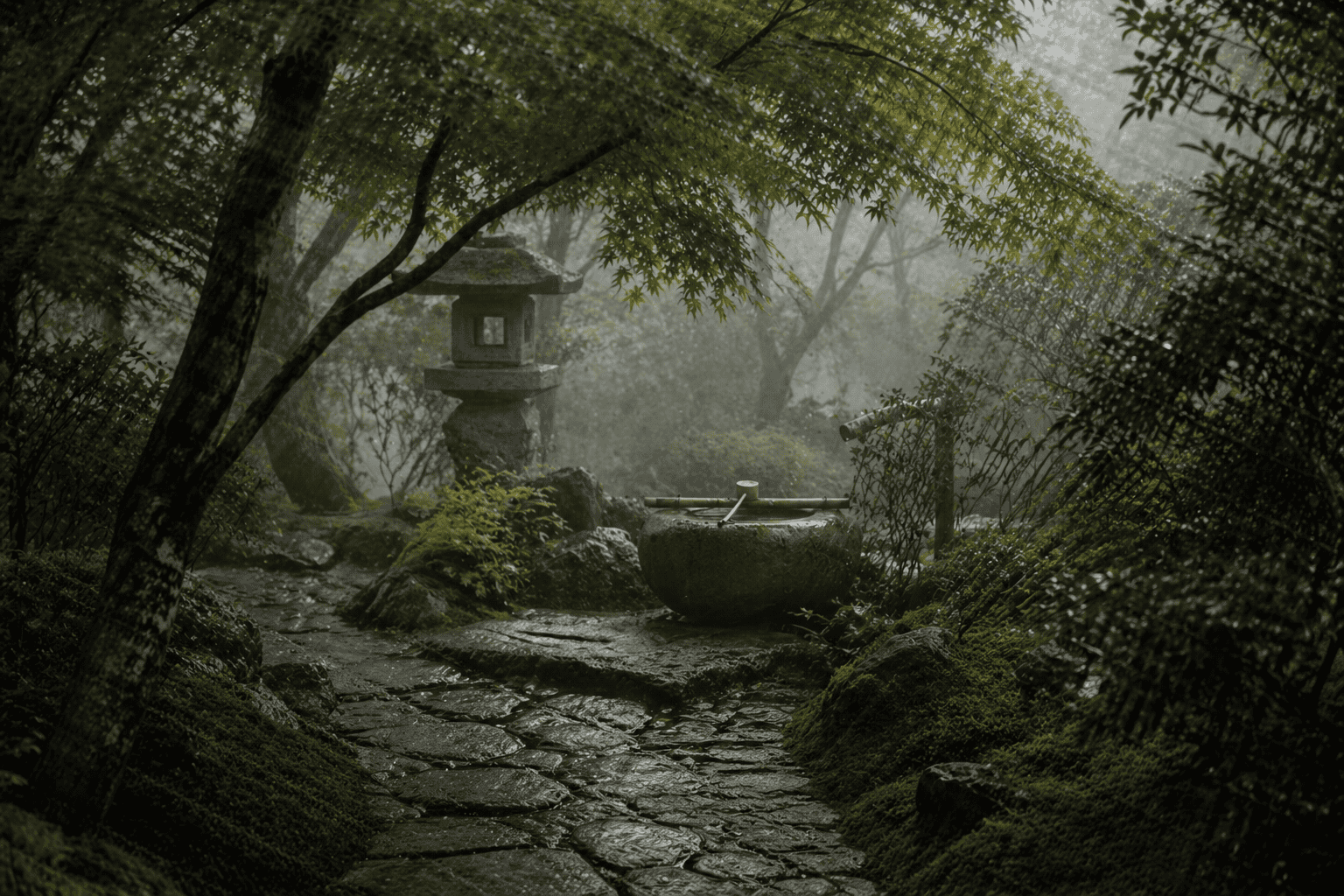
The northwest corner of this route rewards a little background reading. The stone garden ahead sits at the heart of Zen aesthetics, and the idea it embodies — that the space between things carries the meaning — runs through everything from the tea room to the itinerary’s own deliberate gaps. The two essays below carry that thread further than a caption can — one traces the idea itself across the arts, and the other walks you through the ceremony that will close the day, so the forty minutes on tatami arrive already legible.
14:00Ryoan-ji and fifteen stones
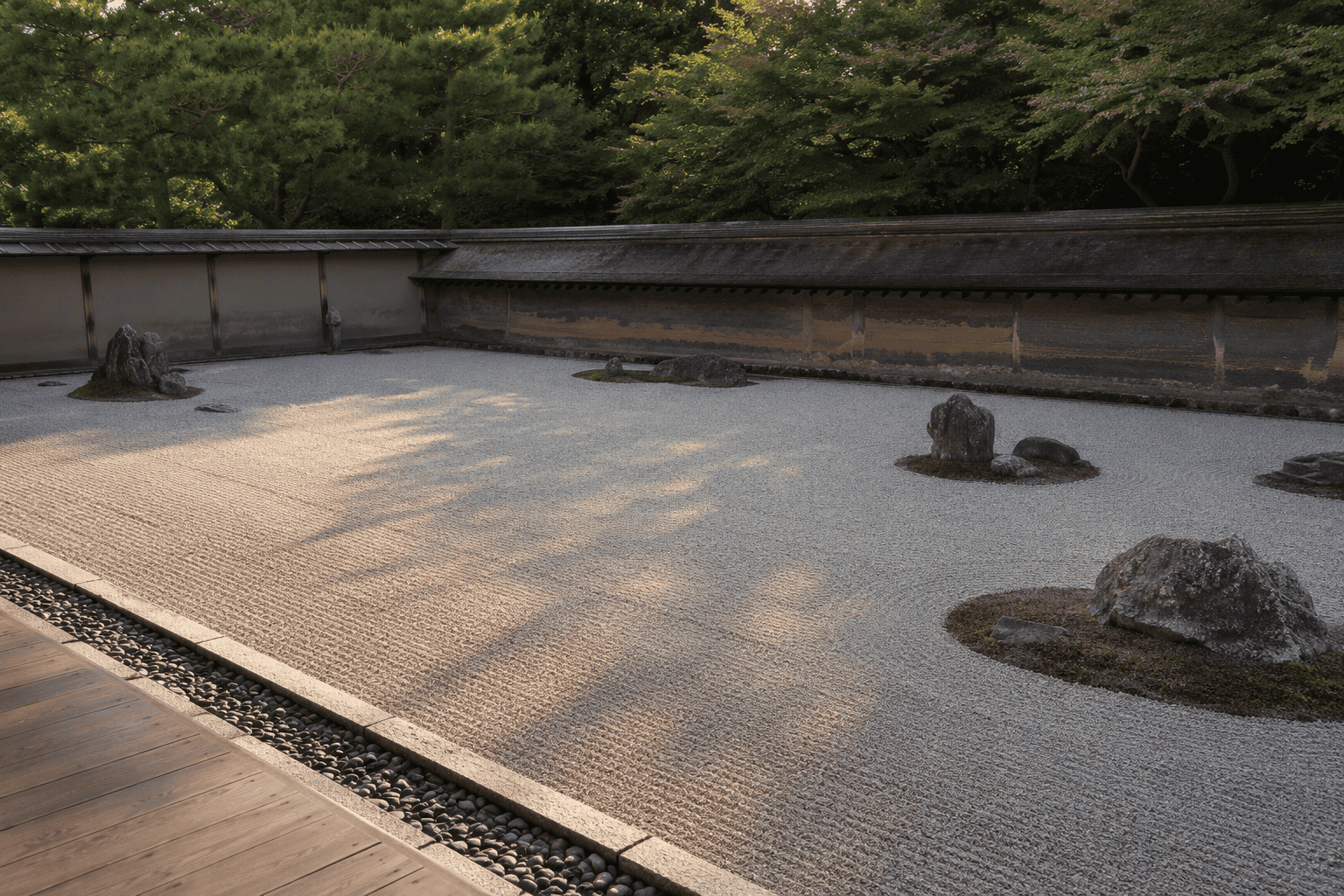
Ten minutes west sits the opposite argument. Ryoan-ji’s rock garden is fifteen stones in raked gravel. They are arranged so that one stone is always hidden from any seated viewpoint. Visitors sit on the veranda for half an hour looking mostly at the space between the stones. After the gold leaf of Kinkaku-ji, the restraint lands twice as hard. The pairing is the whole lesson of Kyoto in one afternoon.
Nobody knows who designed it, when exactly, or what it means. Five centuries of argument have settled nothing, which may be the point. The count is the famous puzzle: fifteen stones, arranged so no seated position reveals more than fourteen. Tradition says the fifteenth becomes visible only through enlightenment. Take a seat on the veranda, find your fourteen, and let the count go. The garden works on visitors who stop trying to solve it.
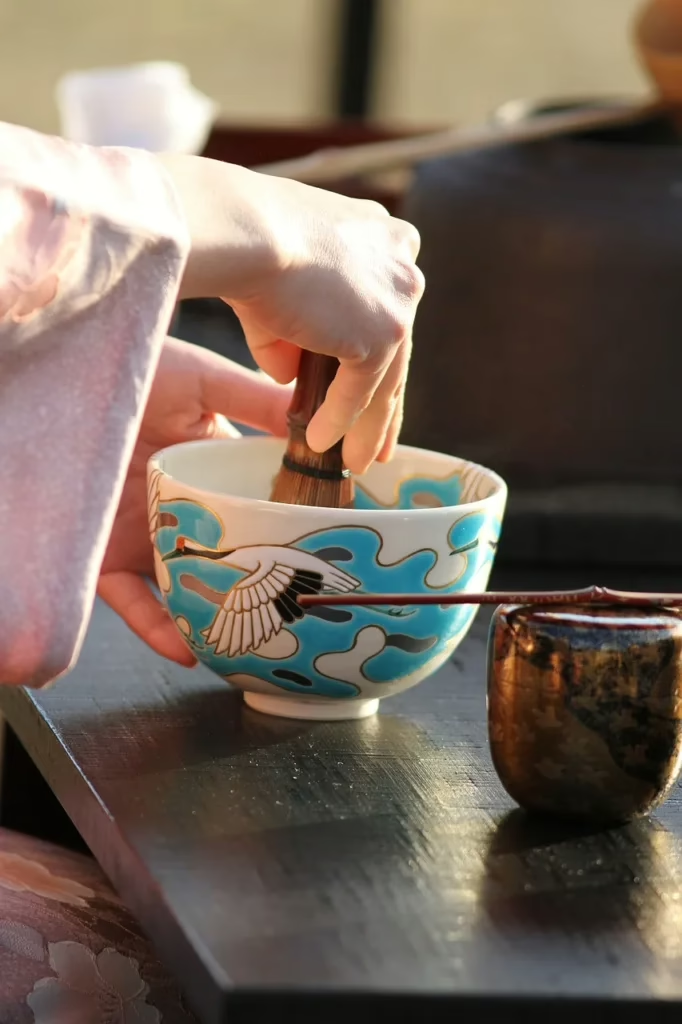
16:00A tea ceremony to close
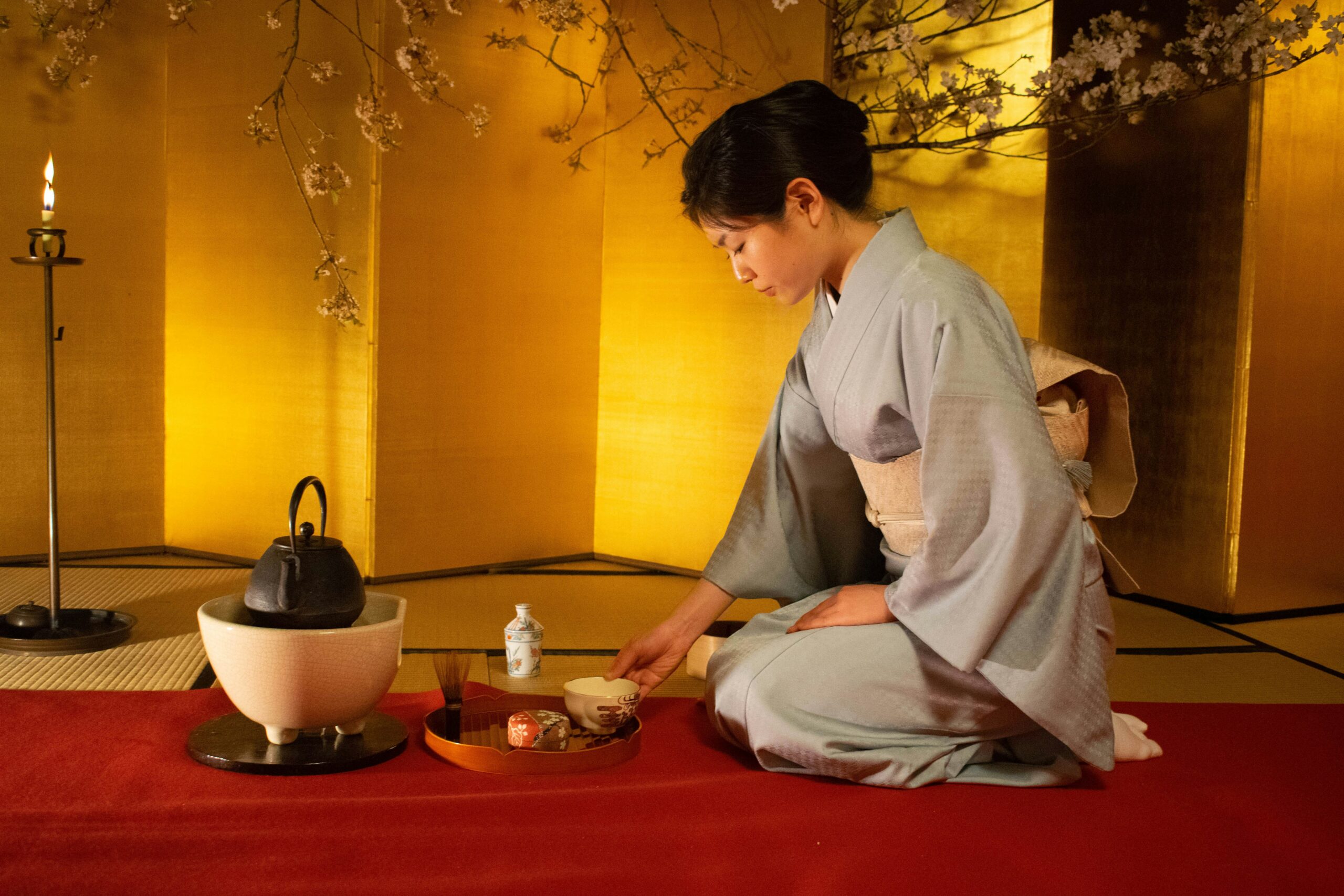
End the two days seated on tatami. A late-afternoon tea ceremony, bookable in Higashiyama or near the Nishijin district, compresses the whole itinerary into forty minutes of deliberate movement. The pause, the space, the attention — all of it, seated. Our guide to the tea ceremony covers what to expect and how to sit, and the beginner’s walkthrough of chanoyu goes deeper for the curious.
Booking is simpler than the formality suggests. Small studios across Higashiyama run sessions in English several times daily. Group sizes stay under ten, and a few days’ notice is usually enough outside peak season. Wear socks you are content to be seen in, arrive ten minutes early, and let the host set the pace. The ceremony’s forty minutes are choreographed down to the turn of the bowl. The guest’s only real duty is attention.
Kyoto in 2 days, drawn as one map
Held together, Kyoto in 2 days forms two clean arcs that never cross until the final evening. Screenshot the map below or hand it to whoever is navigating; every stop is reachable by the train lines and the two short taxi hops noted above, and the times are start times rather than suggestions. On a two-day visit, the clock is the itinerary — it is also the first thing our itinerary designers adjust when a traveler wants the same city at a different pace.
The two-day route: east and south on day one, west and north on day two.
Where to eat, decided fast
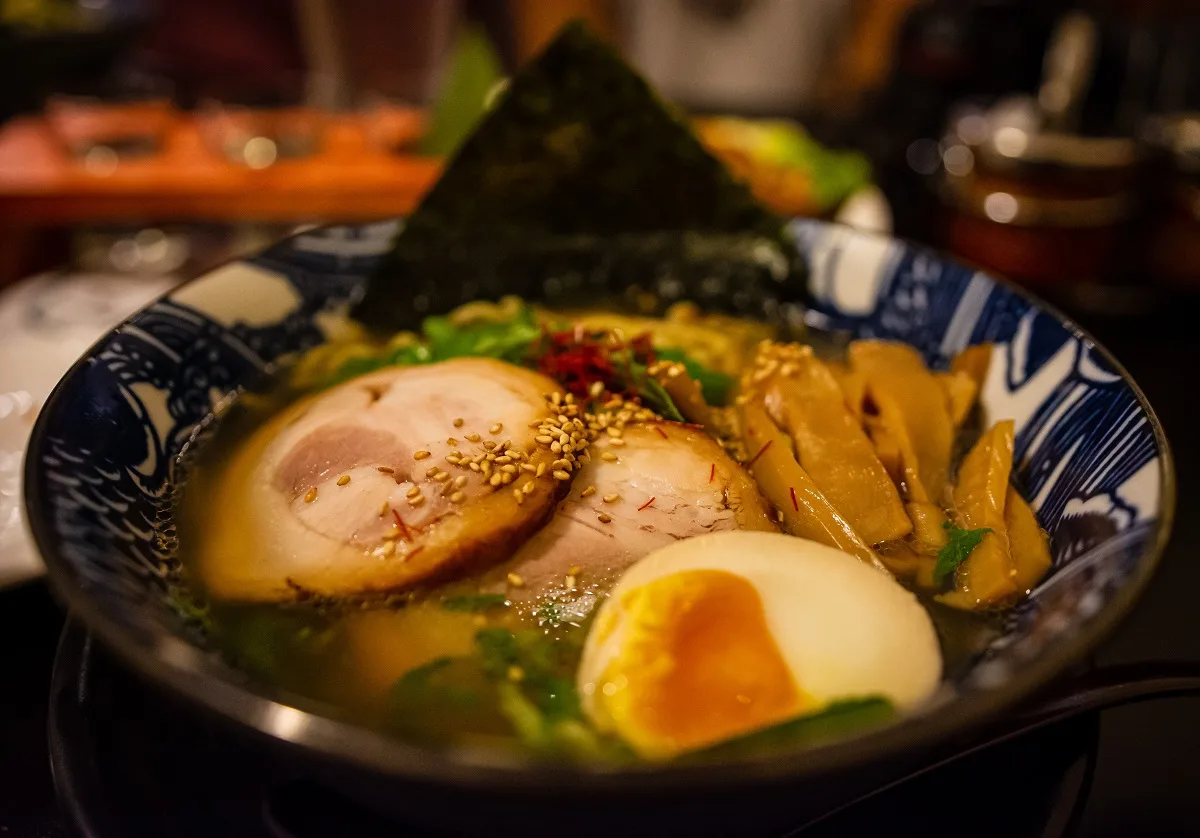
Eating well through Kyoto in 2 days means deciding in advance, because the city punishes indecision at mealtimes. Day one is stand-up grazing at Nishiki for lunch, then Pontocho for dinner with Kappa Zushi as the no-reservation fallback. Day two takes lunch in the local streets south of Kinkaku-ji. Have dinner near your lodging, because after a 7:00 start you will want it early. For the wider picture of what you are eating and why it matters, our guide to traditional Japanese food runs through all twenty-eight dishes worth knowing, and the dining experiences guide covers the reservations worth planning a trip around.
Kyoto’s food deserves more space than a two-day clock allows it, and the city is only one chapter of how Japan eats. The two guides below widen the frame — what the dishes are and where the reservations worth planning around actually live. Read them before the trip and the market stalls stop being guesswork.
Where to stay, and when to come
For two days, stay downtown between Karasuma and the Kamo River. Both mornings’ train lines leave from within a ten-minute walk, and Pontocho is your neighborhood after dark. Southern Higashiyama trades that convenience for machiya atmosphere, and the area around Kyoto Station suits anyone arriving late or catching an early shinkansen out. Book months ahead for spring and autumn. Those famous seasons are why the 7:00 starts in this itinerary are written in ink rather than pencil. Summer trades crowds for heat the dawn hours dodge, and winter gives you the temples nearly alone under occasional snow.
The crowd clock: the famous sites peak between 10:00 and 15:00. The route works around it.
Two extensions reward travelers with more time. The city they call little Kyoto delivers these textures at a fraction of the density, one train north. Our Kanazawa guide makes the case. And a night in a temple lodging is the deeper version of the same instinct that brought you to Kyoto at all; the shukubo guide explains how to book one and what the evening bell actually changes.
The Japan transport cheat sheet.
One printable page: the IC cards, the train lines that matter, and how to never stand at a ticket machine confused. Signing up also brings early access when new Japan guides launch.
One email with your printable. Occasional letters after that. Unsubscribe anytime.
One planning note the cheat sheet cannot carry for you: Kyoto rewards deciding the night before. Lay out the IC card, the route, and the first train time before sleeping. The whole architecture of this itinerary stands on leaving the hotel by 6:45. The travelers who see the empty stage and the silent grove are simply the ones who decided at night rather than at breakfast.
Two extensions earn a place in any Kyoto plan with spare days. Kanazawa delivers the preserved districts and crafts of this city at a fraction of its density, one train north along the coast. And a night in a temple lodging turns the itinerary’s discipline into an experience of its own — the evening bell, the morning service, the paced day. Both guides below cover the booking mechanics, the seasons that suit each, and the honest trade-offs — what a night away from Kyoto costs a short trip, and what each alternative gives back that the city cannot.
Questions Worth Asking
Kyoto in 2 days covers the essential arcs if you route them correctly: Higashiyama and Fushimi on one day, Arashiyama and the northwest on the other. You will not see everything, but you will see the city’s defining places without spending your trip in transit.
Start at 7:00 to 7:30 at the day’s most famous site, before tour groups arrive around 9:30. Kiyomizu-dera and the Arashiyama bamboo grove are different places at dawn. Save indoor and evening sights for the crowded middle hours.
Trains and a small amount of walking beat buses for this route. Use an IC card, the Keihan Line for Fushimi Inari, the JR Sagano Line for Arashiyama, and taxis for the short Kinkaku-ji to Ryoan-ji hop.
Downtown between Karasuma and the Kamo River puts both days’ starting stations within easy reach. Southern Higashiyama trades convenience for atmosphere, and Kyoto Station suits travelers arriving late or leaving early by shinkansen.
The route works year round. Spring and autumn are the famous seasons and the crowded ones, which makes the early starts essential. Summer rewards the dawn starts with cooler hours, and winter gives you the temples nearly alone.
Yes. This route is the framework we adapt in our customized itinerary service, adjusted to your season, pace, and interests, with reservations and transit worked out before you land.
One habit improves any short trip more than any packing decision: writing the days down while they are still warm. Two days this dense produce more than a camera roll can hold — the sound of the grove at seven, the taste of the market, the stone garden’s arithmetic. Give the days somewhere to land before they blur.
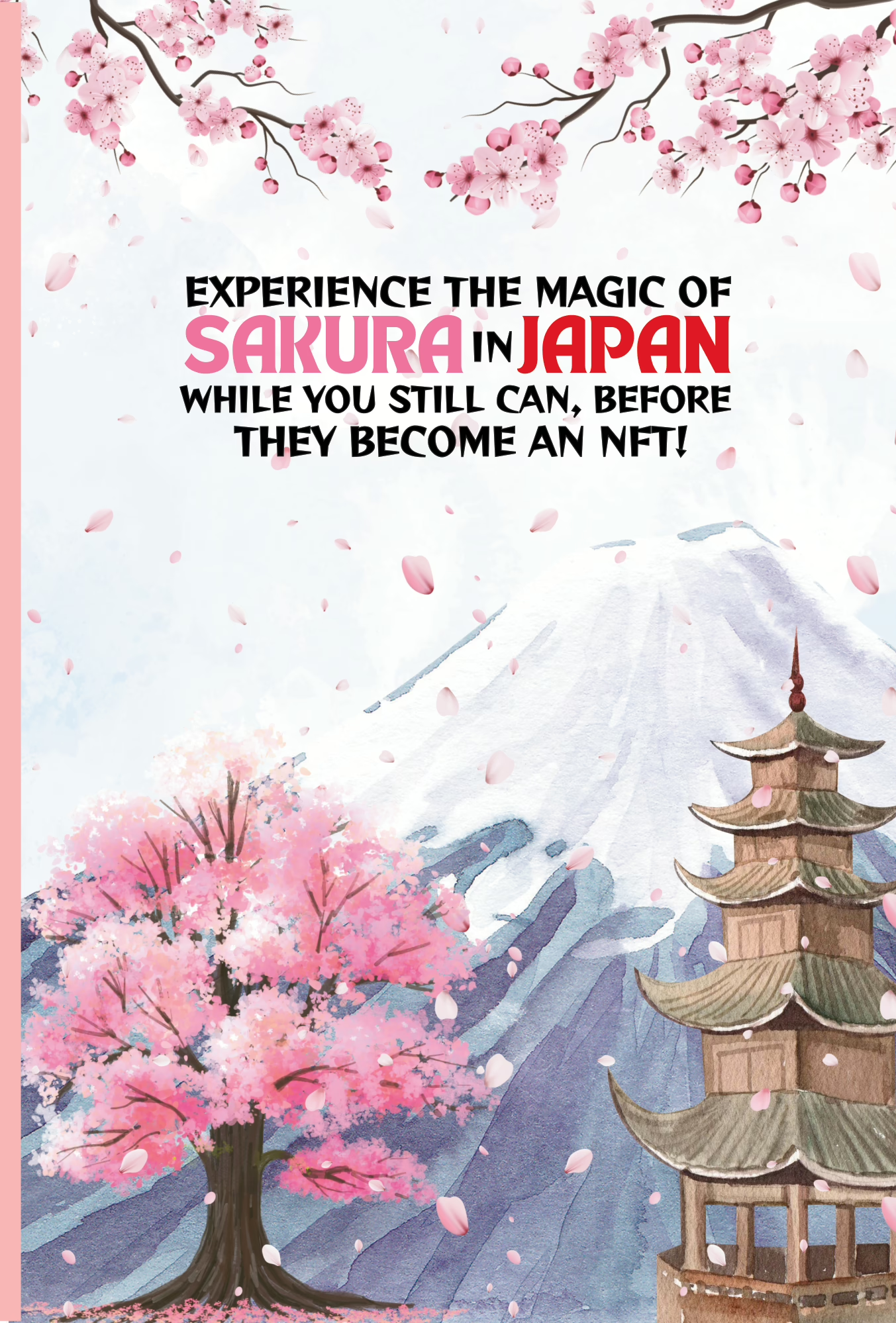
An illustrated Japan travel journal — 120 blank, unlined pages behind sakura cover art, made for itineraries, sketches, and the notes that outlast the trip. Part of the full travel collection.
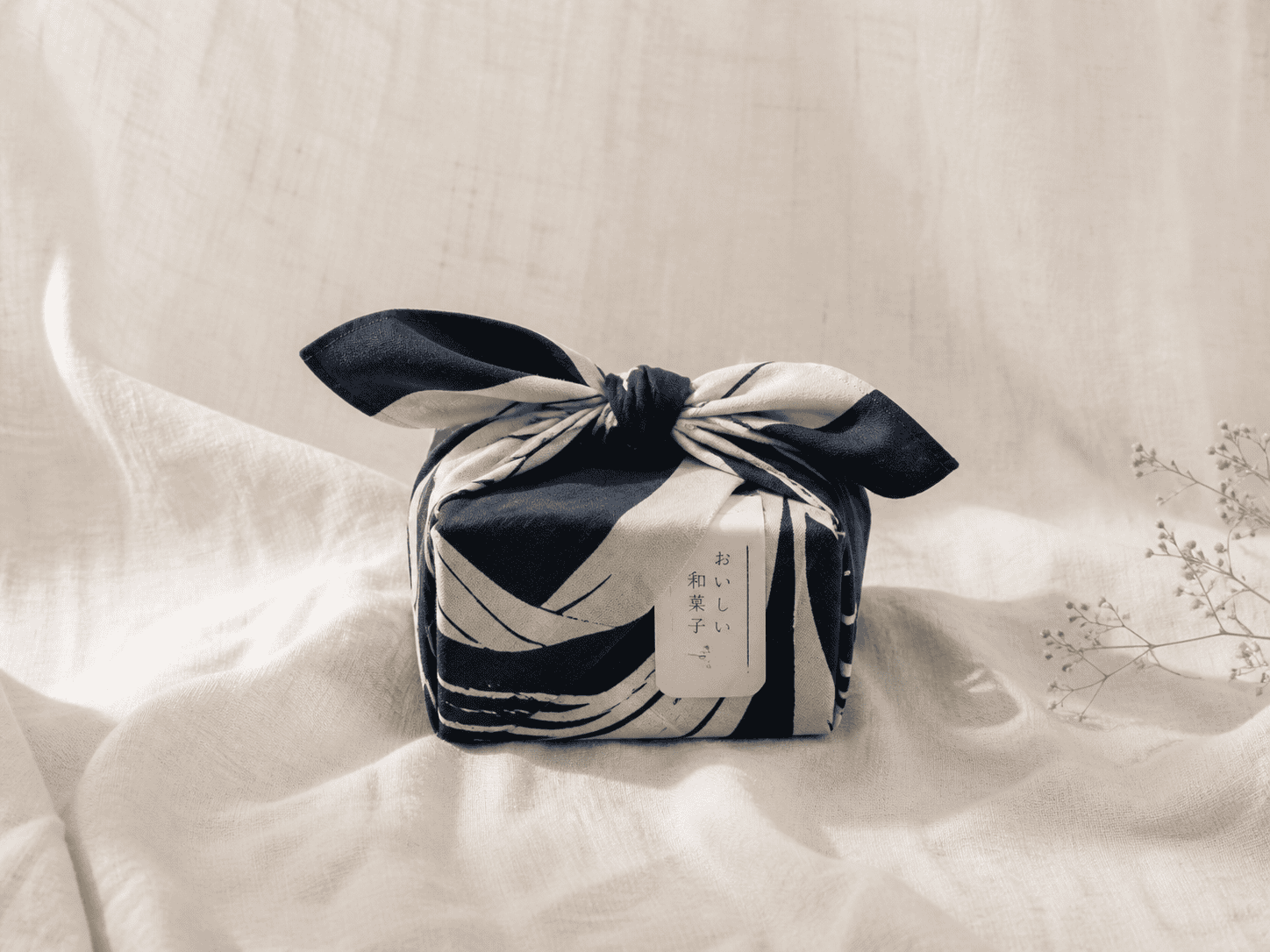
View The CollectionEvery trip generates its own small list of objects — the tea you drank and want again, the knife from Nishiki, the incense from a temple gate shop. Rather than a fixed gift list that ages badly, the gallery below stays current with pieces in the same spirit, and our full guide to gifts for the Japan lover handles everyone waiting for you at home.
Everything this itinerary teaches — the pacing, the reservations, the habit of writing the day down — connects to something Magnificent Japan makes or does. Below are the two shelves readers of this guide reach for next: the three browser tools that teach the language behind the temple names, and the three doors into the library — the journals that hold a trip and the workbooks that continue it at home. All six stand on their own, and all six were built for the same traveler this itinerary was written for.
The three tools share one design decision: they run in the browser, cost nothing, and meet you at whatever level the trip finds you. Most readers start with the flashcards on the flight over, trace their first characters the same week, and land in Kyoto able to recognise the kanji on a temple gate — which changes what the gate is.
The library is where the practice settles into paper.
What remains after the souvenirs are chosen is the question every good two-day visit ends on: what would this city be with five days, or ten, and a route built the same way — early, one-sided, and deliberately incomplete. That is a design problem more than a research problem, and it is the one we solve for a living. The two-day version you have just read is the compressed form of the same method. Geography first, clocks second, reservations third, and one deliberate gap left in every day. Applied to a week or a fortnight across the whole country, that method turns a list of places into a trip.
The route records the city. We design it.
If Kyoto is one chapter of a longer Japan itinerary, the difference between a good trip and the trip is design: pacing, seasonality, reservations, and the intervals left deliberately open. That is the work of our customized itinerary service, built by hand for every traveler.
Begin a Custom ItineraryKyoto in 2 days does not reveal the whole city, and it does not need to. What it gives a short, well-routed visit is a series of first meetings worth returning for. The stage at dawn, the gates at dusk, fifteen stones and the space between them. Take the early trains, keep the one empty half hour, and write it down. For a longer stay, continue with the ten Kyoto experiences worth planning a trip around, or read what is ma — the idea this whole city is built on.
Japan Photography Tours: The Traditional Culture GuideJapan photography tours promise access, timing, and cultural fluency — and this guide shows how to get all three without the group bus. Temple dawns, craft ateliers, festival routes, and the etiquette that opens doors, with the gear kit that has anchored the page for years. 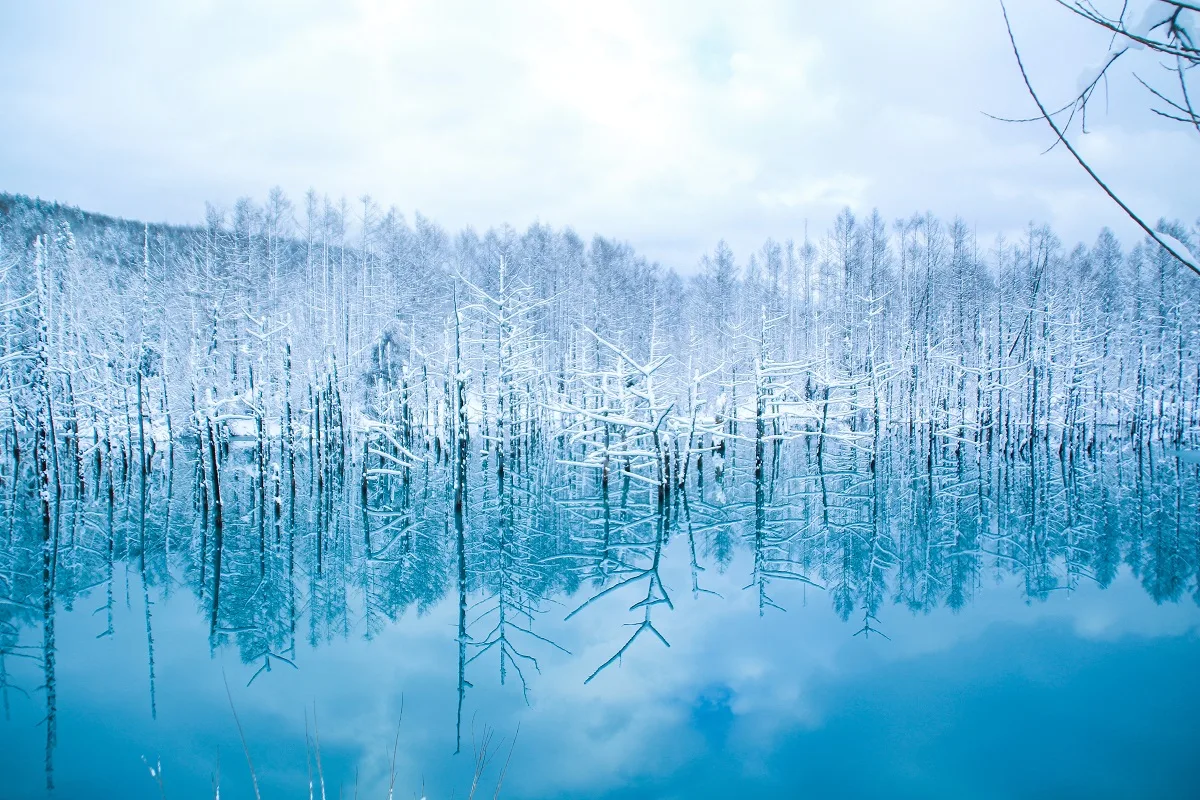 Japan’s Breathtaking Travel Landscape PhotographyJapan landscape photography starts where this itinerary ends: the mountains behind Arashiyama, the coastlines north of Kyoto, and the alpine seasons that frame every temple you just photographed. Locations, light, and the seasonal calendar for the country’s definitive views.
 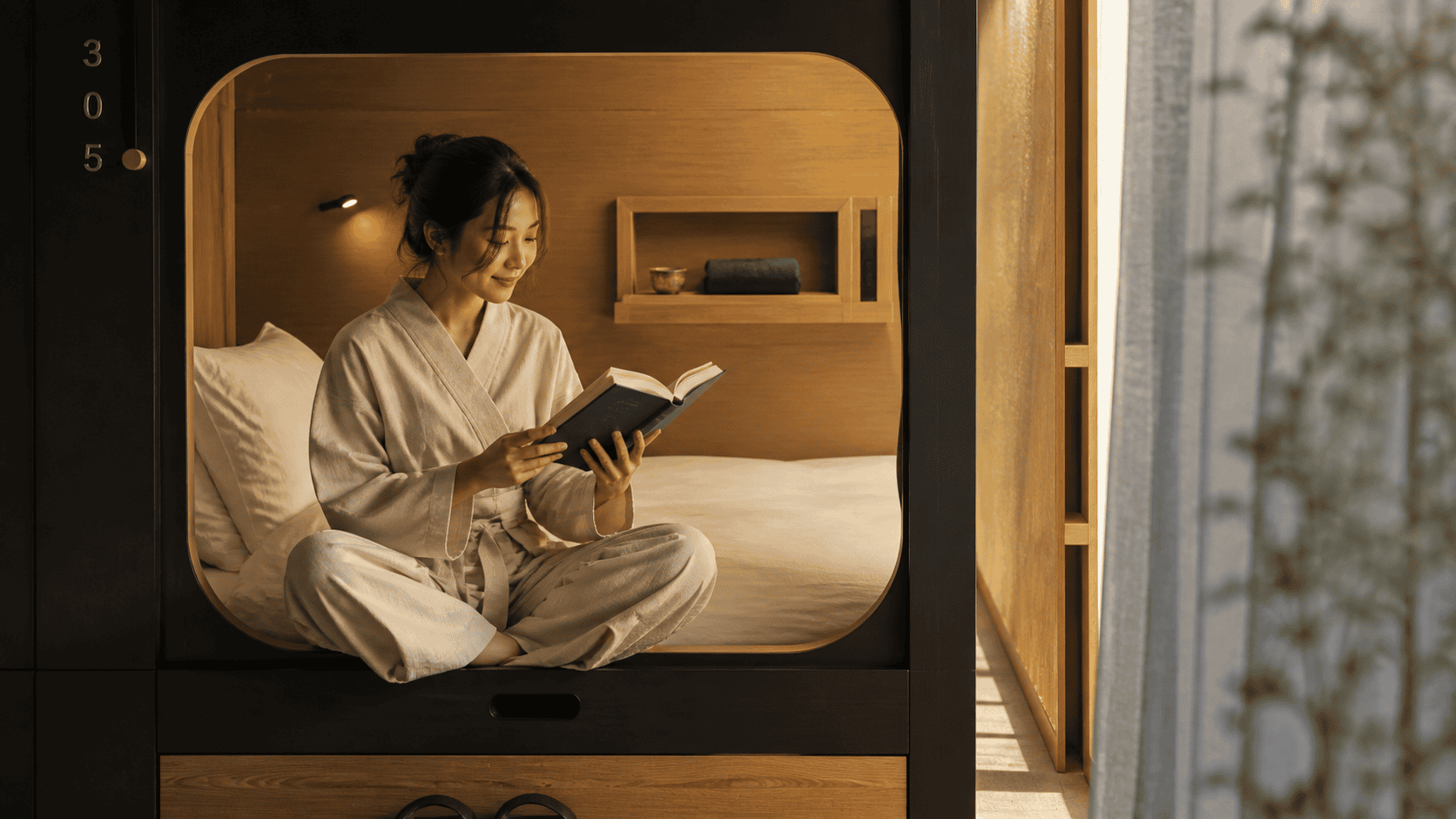 Solo Travel to Japan: An Adventure in Self-DiscoverySolo travel to Japan and this two-day route were made for each other: dawn starts nobody negotiates, one seat at the counter, and a city built safe and legible for the traveler alone. The full guide covers planning, lodging, and the etiquette of eating and onsen solo.