The 100 Kanji Challenge: Learn the JLPT N5 Kanji in 100 Days
One essential kanji a day, for one hundred days. Learn the full JLPT N5 set with two practice tools, a daily group, and a single weekly recap.
Magnificent Japan, Wherever You Are
Three Steps, a Few Minutes a Day
The challenge runs on a simple daily rhythm. You join the group, you practise one kanji, and once a week one email brings the set together. That is the whole commitment.

Join the Group
Each morning, the day’s kanji and its practice link are posted in the Magnificent Japan group. That is where the challenge lives.
Join the Group
Practise the Kanji
Study the day’s flashcard, then trace the character stroke by stroke. A few minutes is enough to make it stick.
Open the Tools
Get the Weekly Recap
Every Sunday, one email gathers the week’s seven kanji in one place, so nothing slips through the cracks.
Get the RecapStart the Challenge Today
Follow the page so the daily posts reach you, then join the group where each kanji goes live.
Why a 100-Day Kanji Challenge Works
Most people meet kanji as a wall. Two thousand characters, endless readings, and no obvious place to start. A challenge takes that wall apart one brick at a time, and the bricks are small enough to lift on any ordinary day.
One hundred kanji across one hundred days comes to roughly a single character each morning. That pace is gentle on purpose. You are not racing a syllabus or cramming for a test. You are building a quiet habit that holds long after motivation fades.
The set itself matters too. These are the one hundred essential JLPT N5 kanji, the foundation everything else in Japanese rests on. Learn them well, and the next level stops feeling like a wall and starts feeling like a staircase.
What Daily Practice Does to Your Brain
The old idea that the adult brain is fixed has not held up. It stays adaptable, reshaping itself in response to what you repeatedly ask of it. Learning a writing system as visually demanding as kanji asks a great deal at once. You hold a shape in memory, you read it, and you move your hand to draw it.
Research links sustained language study to measurable change in brain structure, including greater grey-matter density in regions tied to memory, attention, and language. Studies of adult learners of Chinese characters have found the same pattern, with the effect growing the longer the practice continues. The neuroscience of writing kanji by hand goes deeper on why brushwork outperforms screens alone.
There is an honest catch, and it works in your favour. These effects track with consistency, not occasional bursts of effort. A steady daily rhythm is what moves the needle, which is exactly what a one-a-day challenge is built to give you.
Why Doing It Together Helps You Finish
Solo study tends to stall. A streak starts strong, a few busy days arrive, and the habit dissolves quietly with no one to notice. Learning alone removes the one thing that keeps most people going, which is the sense that someone else is in it too.
A shared challenge restores that. The same kanji, the same morning, other learners turning up alongside you. That light social signal turns a chore into something closer to a standing appointment you actually want to keep.
It also makes the work more enjoyable. Questions get answered, small wins get seen, and the long middle stretch feels less lonely. The group is where that company lives, and it is the reason far more people reach day one hundred together than ever would apart.
The Tools You Will Use Each Day
Both tools sit on the site, open in a browser tab, and need no sign-up. The flashcard shows you the kanji; the practice page lets you write it.
When the screen practice starts to feel easy, paper is the natural next step.
Take It Further on Paper
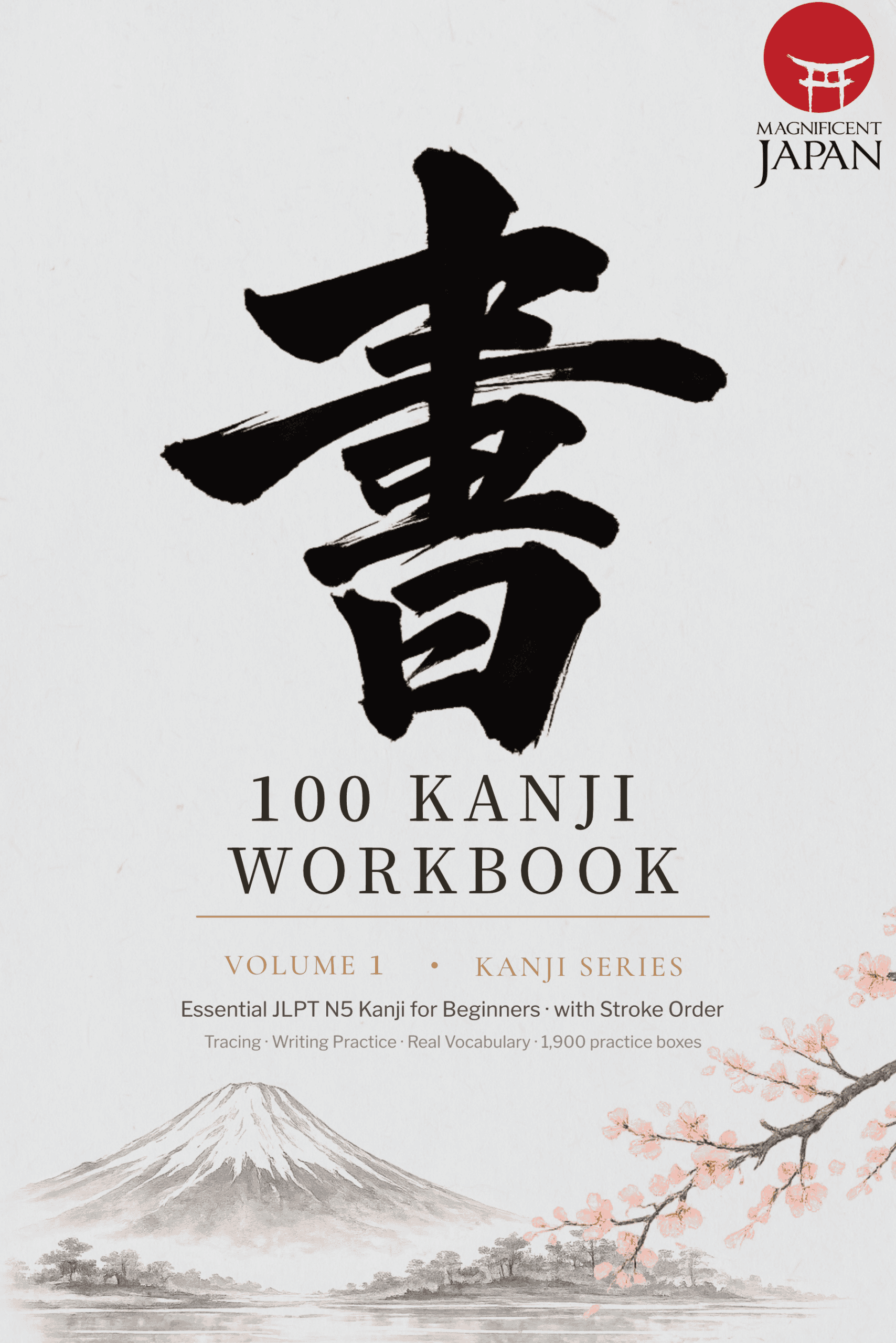

A few things we like for anyone settling into a daily study habit are gathered below.
If the daily group is the heartbeat of the challenge, the weekly email is the place it all comes together.
Seven Kanji, One Email, Every Sunday
One message a week, gathering the seven kanji from the days just gone, with their readings and a link back to practise. No daily inbox clutter, and nothing else to keep track of.
One email a week. Unsubscribe with one click, anytime.
Questions Worth Asking
No. Joining the group and the weekly recap email costs nothing, and the two practice tools are open to use on the site.
No. Everything you need to reach day one hundred lives on the site and in the group. A companion kanji workbook covering the same one hundred characters is available in a digital edition for anyone who wants deeper practice.
The Facebook group. One kanji and its practice link are posted there each morning, so the group is the daily home of the challenge.
Nothing breaks. The kanji stay in the group, and the weekly email gathers each set, so you can catch up whenever it suits you.
No. The challenge starts at the beginning with the first essential kanji, so a complete beginner can follow it from day one.
Yes. The challenge covers the one hundred essential beginner kanji Magnificent Japan teaches across its JLPT N5 materials.
A few minutes. You study one flashcard and trace one character, which is enough to build the habit without it feeling like work.
One hundred kanji is closer than it looks. It starts with one, tomorrow morning.
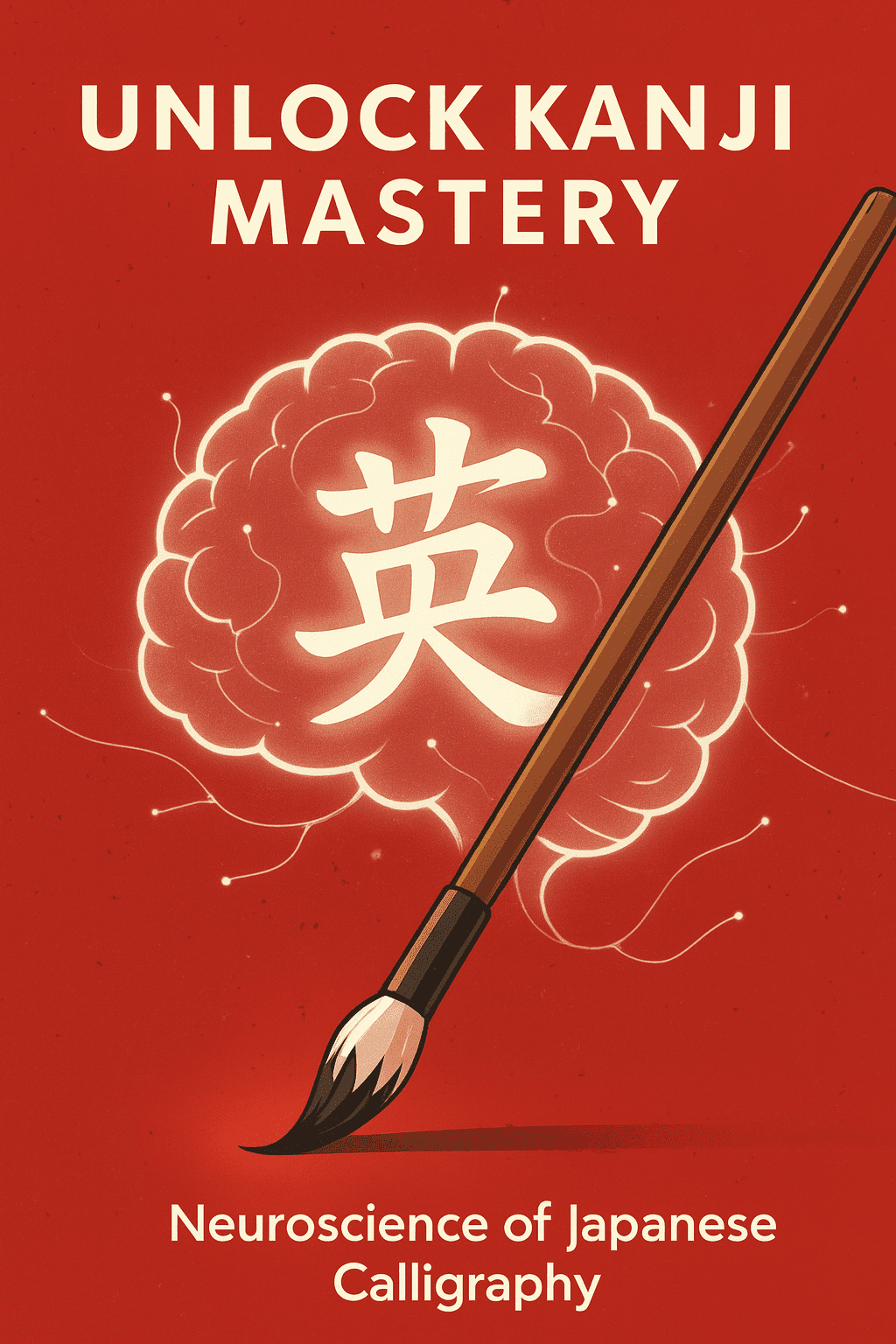 The Neuroscience of Japanese Calligraphy and Kanji Retention Why writing by hand outperforms screens alone for remembering kanji.
 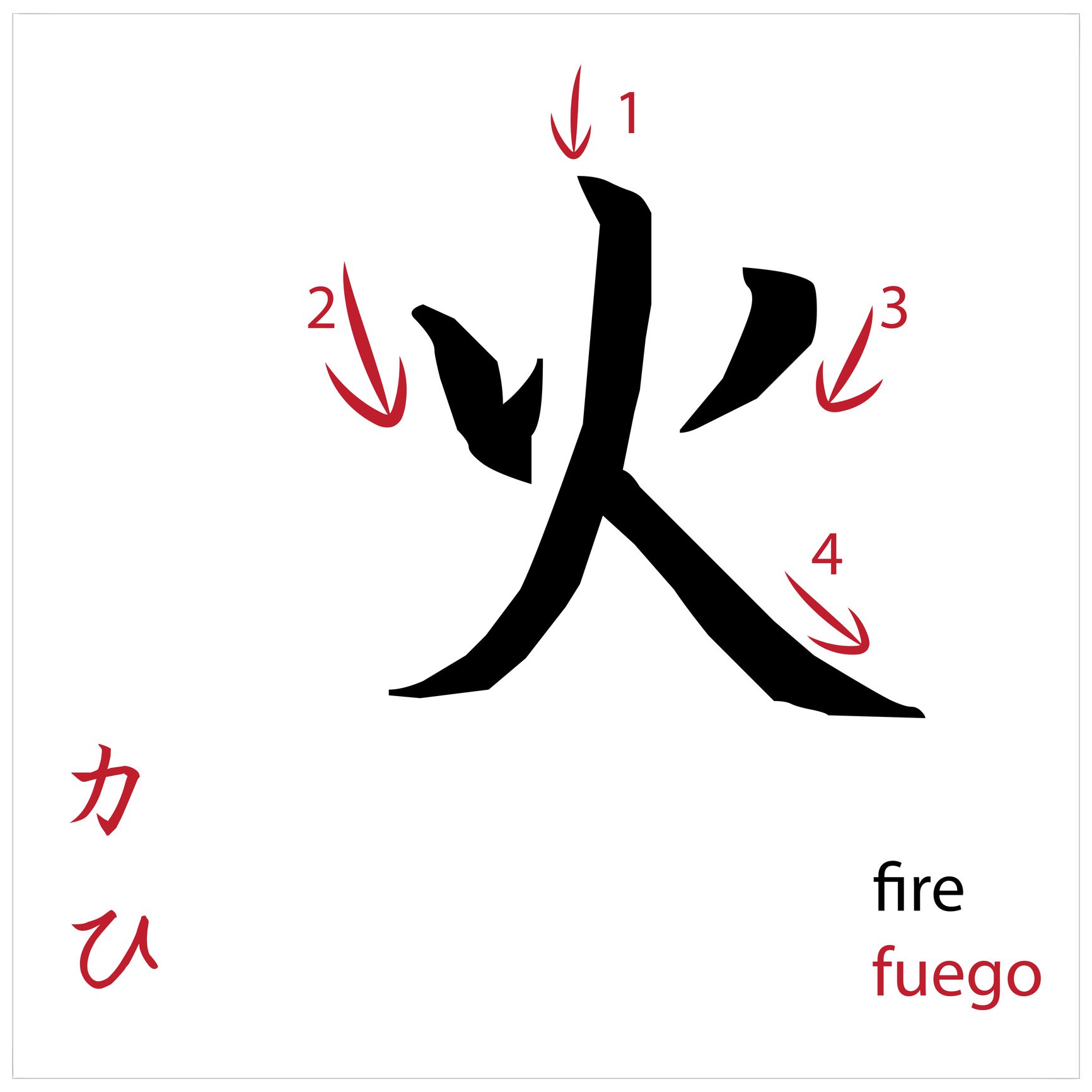 The Kanji Flashcard Method: How the Daily System Works The spaced, daily flashcard system the challenge is built on, explained in full.
  Shodō: The Art Behind the Strokes You Are Tracing The history, tools, and technique of Japanese calligraphy as fine art.
 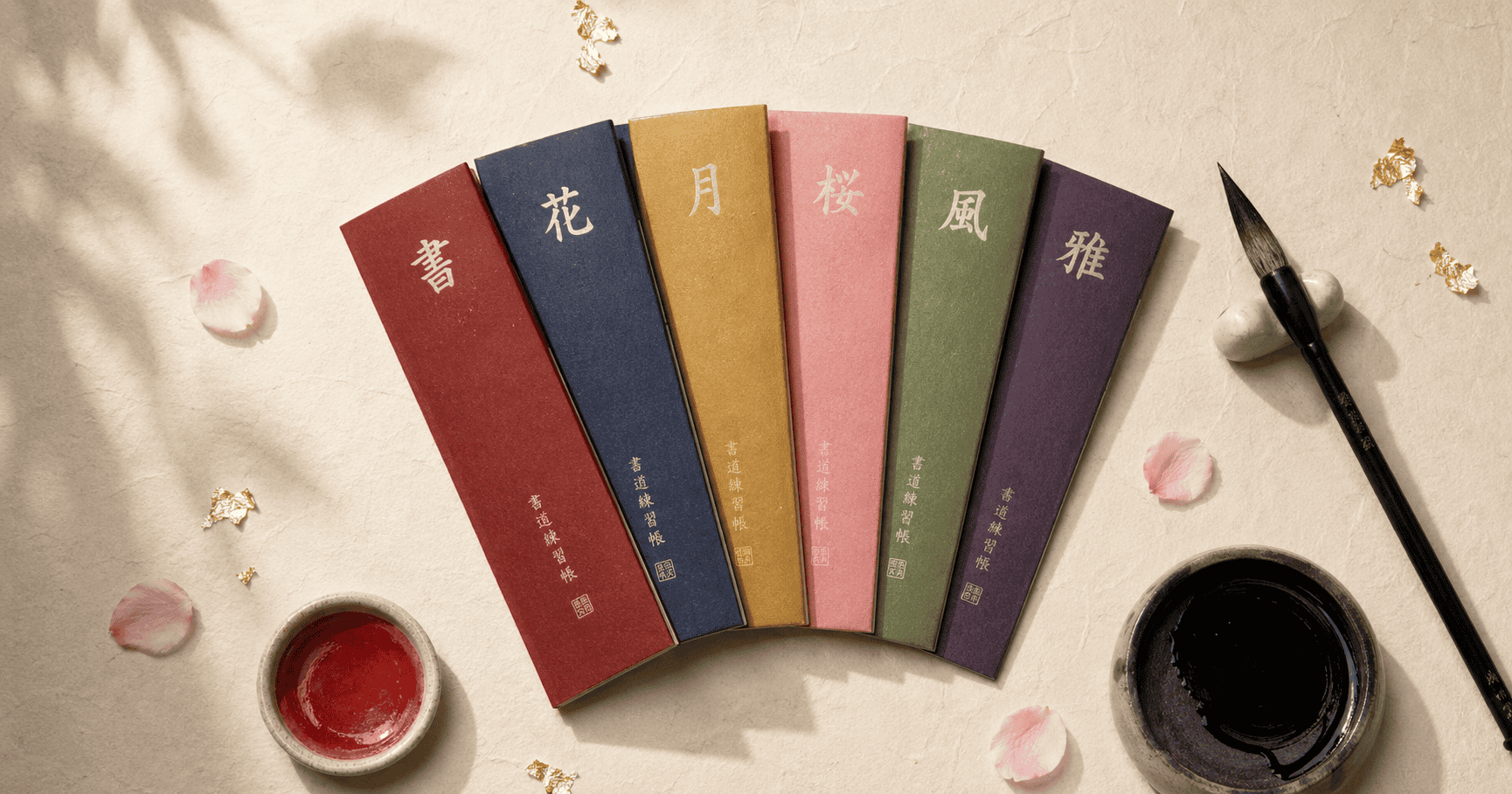 The Calligraphy Workbook Series for the Patient Hand When screen tracing feels easy, the workbook series takes the practice to paper.