A JR Pass looks like the obvious answer to a long trip through Japan. One purchase covers the rail network, and nobody counts fares at every gate. For many visitors it is the right answer. Yet for a sizeable minority it is not available at all, and many learn this only at the exchange counter. So this guide starts with eligibility, because that rule decides everything that follows.
After that, it turns to the real long-stay question. The national pass runs for seven, 14 or 21 days, while a long trip often runs for six weeks or more. Stacking passes, leaving gaps and choosing regional products is how the plan works out. For ordering, current prices and the calculator, see our Japan Rail Pass guide and fare calculator. This page covers the long trip.
Can you use a JR Pass for a long stay in Japan?
Yes, if you enter Japan as a Temporary Visitor, the status that allows stays of 15 or 90 days for sightseeing. The pass runs for seven, 14 or 21 days, so a longer trip means buying passes in sequence with no overlap. Residents cannot use it, but IC cards, commuter passes and the Seishun 18 Kippu stay open to them.
How the JR Pass Works on a Long Stay
JR sells the nationwide pass only to foreign tourists visiting Japan for sightseeing under the entry status of Temporary Visitor. Your passport must carry the stamp or sticker that shows it. Under Japanese immigration law, that status allows a stay of 15 or 90 days. Buying online in advance changes nothing, because no counter will exchange an order without the stamp.
That is the whole rule, and it leaves no room for discretion. JR names the statuses that fail it, including Trainee, Entertainer and Reentry Permit. Students, workers and spouses on residence status also fall outside the scheme. There is one narrow second route. Japanese nationals living abroad may qualify under conditions that JR publishes separately. Everyone else should read JR’s own eligibility page before building flights around a pass.

The airport stamp trap
Automated immigration gates at the airport do not stamp passports. Walk through one, and you arrive with no Temporary Visitor sticker. Then there is nothing to show the exchange counter later. The fix is simple, but it is easy to forget after a long flight. Use a manned gate, or ask a staff member to apply the stamp. Travelers registered under the Trusted Traveler Program can show their registered user card instead.
Check the passport page before you leave the immigration hall. It takes seconds there, and the exchange counter will look for it before anything else. Treat it as the opening step of the trip.


So the readership splits in two, and the rest of this guide serves both. If you are visiting as a Temporary Visitor for a long trip, the stacking strategy below serves you. If you live in Japan, skip ahead to the alternatives, where your answer sits. Mixing up the two groups is how a good deal of rail advice goes wrong. Where a rule applies to one group only, the text names that group first.
What the JR Pass Covers, and What It Leaves Out
Coverage is broad, but the exceptions matter more than the breadth. The pass works in ordinary cars on JR shinkansen, limited express, express and local trains. Green Car passes also work in Green Cars. Beyond rail, it covers JR buses, the Tokyo Monorail, the BRT services that replaced some coastal lines, and the JR West ferry to Miyajima. However, highway buses run by JR Group companies sit outside it, and so do some local bus routes.

Now the exception that catches long-stay travelers hardest. JR excludes NOZOMI and MIZUHO shinkansen, even their non-reserved cars. To board one, pass holders need a separate NOZOMI MIZUHO ticket, bought before boarding. Any journey time you have read that assumes NOZOMI does not apply to you. Instead, HIKARI and SAKURA serve the same corridors more slowly, and the pass covers them.
So plan the timetable around the service name rather than the route. A schedule built on the wrong train will not survive the first transfer. Over a long stay that rarely costs much, because you have the days. The slower train runs the same line, and you have already paid for it.
Seats, luggage and the extras that cost more
The pass does not guarantee a seat. Reserved seats come at no extra charge, from a ticket machine, a JR ticket office or JR’s online reservation service. Some trains have no non-reserved cars at all. Sleeping cars, Green Cars on an ordinary pass, Gran Class and private compartments all carry extra charges. That rule catches people who upgrade on the platform without asking.
Luggage needs a plan too. On the Tokaido, Sanyo and Kyushu shinkansen, a case whose length, width and height add up to more than 160 cm needs a reserved seat with an oversized baggage space. JR Central sets the outer limit at 250 cm, and its oversized baggage rules explain the booking. Without one, the conductor can charge a fee or ask you to take another train.
A light polycarbonate carry-on with twin-wheel casters and an adjustable handle. Its size lifts onto an overhead rack without a struggle, which matters on transfer days.
View the MUJI Suitcase →Mesh packing cases in two sizes that fold flat when empty. They keep a repack every few days down to a few minutes.
See the Gusset Case →A compact toiletry case that hangs from a hook, with a detachable pouch. It suits a new bathroom every few nights.
View the Hanging Case →Three administrative rules bite on long trips in particular. First, one passport cannot hold two passes with overlapping periods of use. Second, once a pass starts, JR will not extend its period or refund it after a suspension or delay, even one caused by a natural disaster. Finally, JR does not reissue a lost or stolen pass. Read the conditions of use before you commit.
Stacking a JR Pass Beyond 21 Days
This is where a JR Pass earns its place on a long trip. The national pass comes in seven, 14 and 21-day durations, in Ordinary and Green types. A trip longer than three weeks is therefore not one pass. Instead, it is a sequence of decisions about when to ride on a pass and when to pay as you go.
For the connection that worked, the platform with the better bakery, and the line you would ride again.
6 × 9 in · 120 unlined pages · matte softcover
Shop This Journal →The principle is simple. Pass windows belong to movement, and gaps belong to residence. A traveler based in Kyoto for eight days, taking local day trips, is not using a national pass well. The same traveler crossing from Kyushu to Hokkaido over ten days is using it about as well as anyone can. For the settled stretch, our timed Kyoto itinerary shows how much a base city holds.
So map the long legs onto pass windows, then let the stationary weeks fall outside them. Work backward from the distance. Put each window where the long journeys sit, then check that no two windows touch the same calendar day. JR applies the overlap rule strictly, so a deliberate gap with a stationary stretch inside it is the safer plan.
The 90-day ceiling
Temporary Visitor status runs to 90 days at the outside. That is the hard limit on every plan in this section, and it sits well above any single pass duration. A six-month sabbatical in Japan is not a long tourist trip. Rather, it is a residence question, and it has a different answer. So plan the rail inside the immigration window rather than the other way round.
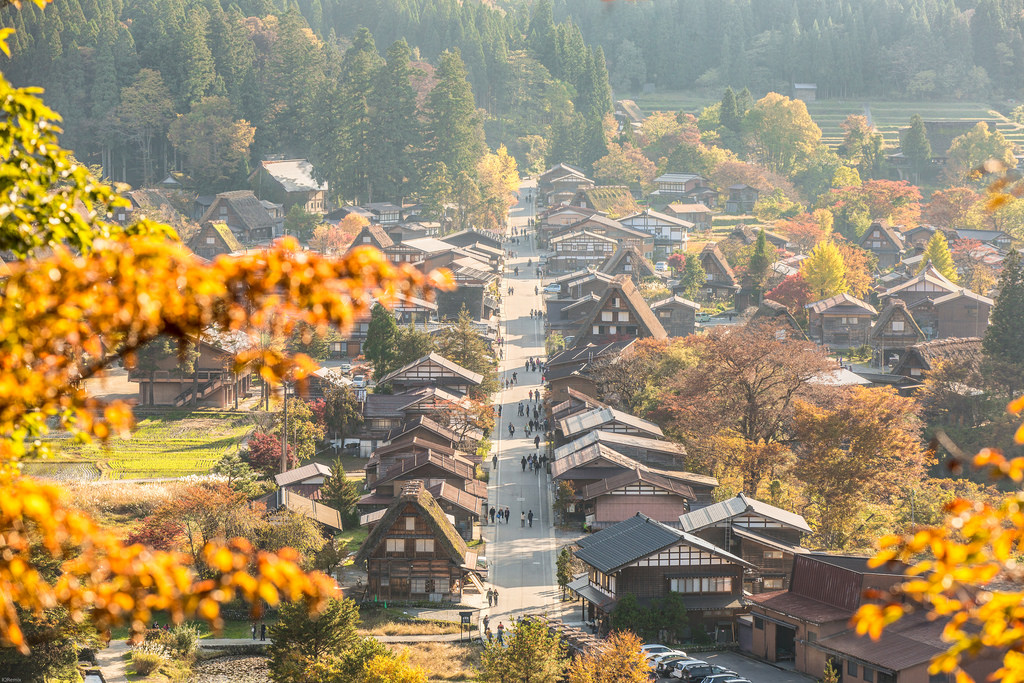
In practice, 90 days leaves room for several pass windows with real gaps between them. Two or three windows, each placed on a run of long journeys, usually cover the moving parts of a long stay. The weeks between them can run on IC cards and single tickets. Meanwhile, the stops worth several nights, like Shirakawa-go in the mountains, sit in the gaps where you need no pass. That is where the trip slows down enough to stay in memory, and where most long stays find their best weeks.
Not Eligible for a JR Pass? The Alternatives
Residents, students, workers and spouses need different tools than a JR Pass, and regional passes are not automatically among them. Many regional passes for visitors carry the same Temporary Visitor rule. JR West’s Kansai Area Pass, for example, requires a foreign passport and Temporary Visitor entry. So read each issuing company’s conditions before assuming a pass is open to you.
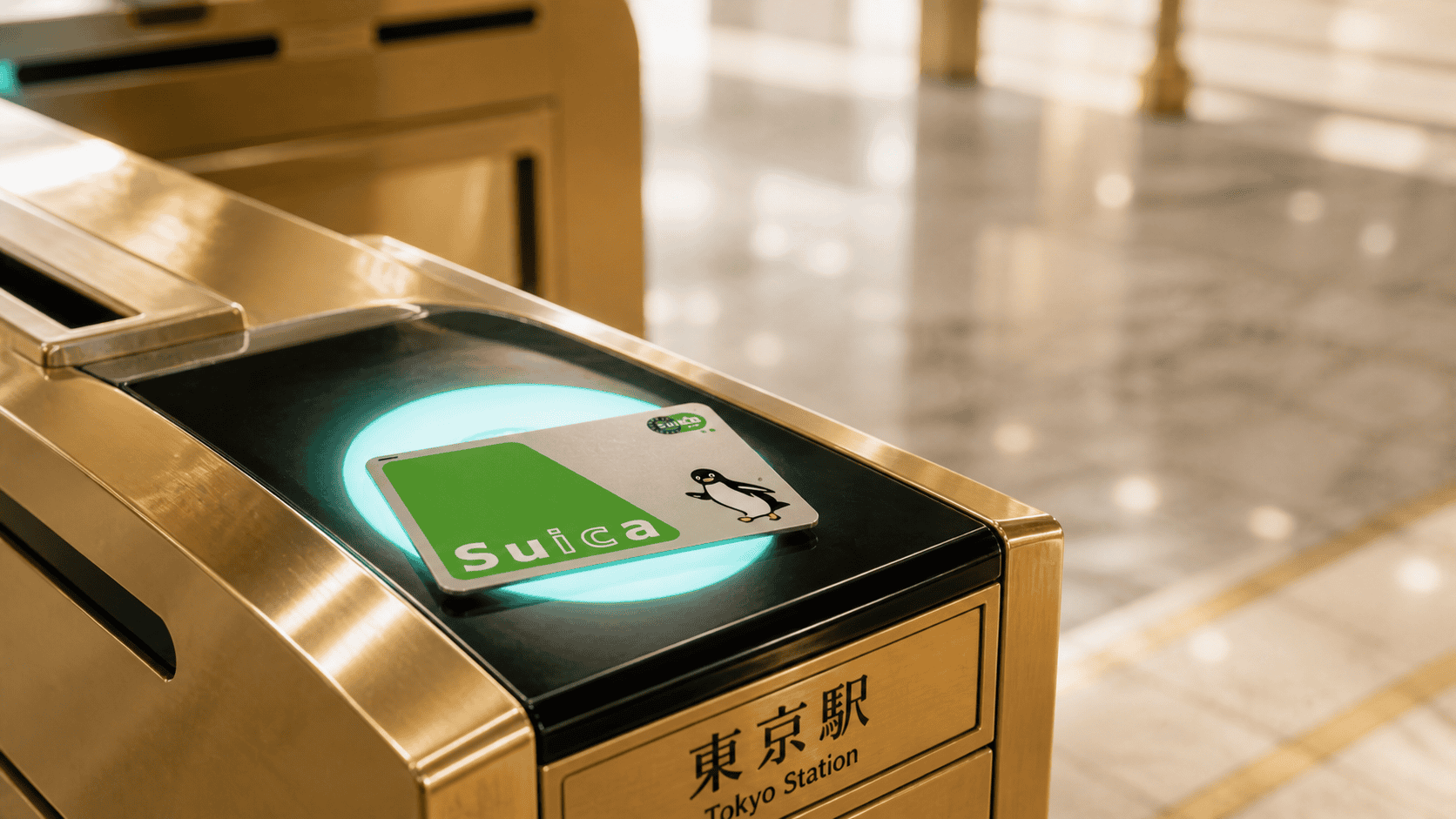
For people who live here, three tools do most of the work. IC cards such as Suica handle daily movement. Commuter passes cover the repeated leg. Seasonal tickets handle the occasional long, slow journey. None of this is a downgrade. It is simply the system working as designed for residents.
For visitors, regional passes open a second strategy. Two regional passes covering neighboring areas, bought back to back, often suit anyone moving inside one half of the country. The rules differ by issuing company, so read each one rather than assuming a common standard. Coverage areas overlap awkwardly at the edges, and validity periods differ. Our look at how the pass shapes regional economies explains why these regional products exist at all.
Regional passes also follow their own overlap logic. JR West, for instance, does not sell one customer several Kansai Area Passes for the same dates. Treat every regional window like a national one, placed end to end rather than on top of another.
Read the second column first: status decides the options before distance does.
| Option | Who can use it | Trains covered | Best for |
|---|---|---|---|
| Japan Rail Pass | Temporary Visitors | JR network except NOZOMI and MIZUHO | Weeks with several long legs |
| Kansai Area Pass | Temporary Visitors with a foreign passport | JR West lines around Kansai | Day trips from a Kansai base |
| Seishun 18 Kippu | Anyone, residents included | JR local and rapid trains | Slow travel in holiday seasons |
| IC card (Suica) | Anyone | Pay as you go on trains and buses | Settled weeks in one city |
| Commuter pass | Residents | One fixed route between two stations | A repeated daily leg |
Prefer to have the windows and gaps worked out for you? A custom Japan itinerary maps each pass against the weeks you intend to stay still.
The Seishun 18 Kippu and slow travel
The Seishun 18 Kippu is the interesting one, and its restriction is the whole story. Despite the name, anyone of any age can buy it, residents included. It works on JR local and rapid trains, while limited express services and the shinkansen are generally out. JR sells it only in spring, summer and winter holiday periods, valid for three or five consecutive days. Since late 2024, one ticket covers one person.
Slow travel is the trade, and on a long stay that is often the point rather than the penalty. The local lines pass through towns the shinkansen bypasses entirely. As a result, the travel days stop being transit and become part of the trip. Check each season’s dates with JR before planning around it, since JR fixes the windows.
A typeset printable: ten Japanese proverbs with kanji, romaji and meaning. Signing up also brings occasional letters on Japan and word when a new journal reaches print.
One email with your printable. Occasional letters after that. Unsubscribe anytime.
Residents also have time on their side. A resident can wait for the season when a ticket or a route makes sense, while the flight home fixes a visitor's dates. That flexibility is worth more than any single pass. It also means the slow route can be a weekend habit rather than a one-off.
Routes That Suit a Long Trip
Long trips reward a different route logic than two-week holidays. Instead of rushing the famous three cities, you move in long arcs and settle. The shape is closer to a series of short residencies than to a tour. Each move is deliberate, and each stay is long enough to unpack for.

A common shape runs from Tokyo north through Tohoku, then across to Hokkaido, where Sapporo in winter makes a natural base. It comes back down the Sea of Japan coast, through Kansai, to Kyushu. Each arc is a JR Pass window, and each settled stretch is a gap. The map stops being a checklist and becomes a rhythm.
Central Japan repays this approach. Limited express services through the mountains reach places a shinkansen itinerary never touches, and the pass covers them. Local lines along the Sea of Japan coast run slowly through small towns. Kanazawa sits on the way, and our guide to Kanazawa's old districts shows why it deserves four nights rather than one.
Recommended
Fix two or three dates first, such as a festival or a booked inn, and build the arcs around them. Everything else can move. A pass window slotted against a fixed date does more work than the same window floating loose in a month.
Mixing rail with everything else
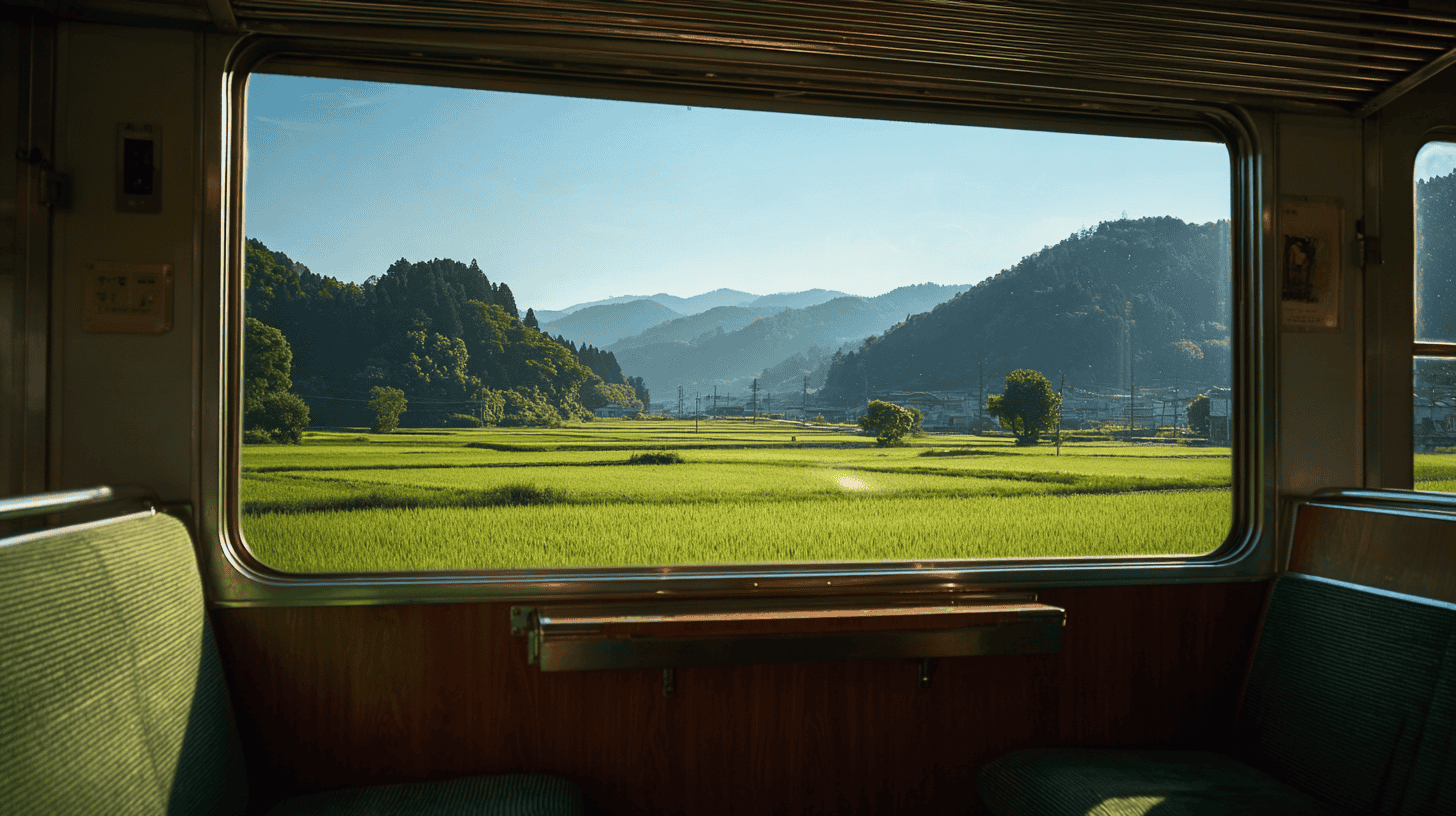
Shinkansen for distance, local lines for texture, IC cards for the rest. That mix suits almost every long stay, whatever the season. During a stationary week, a stored-value card and the occasional single ticket take less attention than a pass would. Overnight buses cover a few long legs the rail network handles awkwardly, and they sit outside the pass entirely.
Ferries also sit outside it, with one exception. The pass covers the JR West crossing to Miyajima, which is worth knowing before you buy a ticket you already hold. Luggage forwarding between hotels helps as well. It moves the heavy case on transfer days and leaves you with an overnight bag on the train. It also sidesteps the oversized baggage booking on the busiest shinkansen lines. Ask at the front desk a day or two before you move, and the case usually meets you at the next base on arrival.
Is a JR Pass Worth It on a Long Stay?
We publish no prices, and on this page that is a feature rather than a gap. Fares move, purchase channels change, and any number printed here goes stale within months. What does not go stale is the decision logic. So count your long-distance legs, not your days.
A JR Pass rewards distance and repetition. It pays its way on a handful of long journeys, but not on many short ones. One long leg followed by a settled base usually calls for a single ticket and an uncovered week. Day trips inside one region suit a regional pass or an IC card. Three or more long legs in a week suit a national window.
Coverage you do not use is the commonest waste on a long trip. It is invisible, because nothing goes wrong. The train you did not take costs nothing at the gate and everything at the point of purchase. For the arithmetic itself, run your actual legs through the calculator rather than trusting a worked example in prose.

Makunouchi bento began in the Edo period as a boxed meal eaten during the intervals of kabuki plays. Today it is the classic ekiben, sold at stations across Japan for long train journeys.
- 3 cups cooked short-grain rice, warm
- 1 tablespoon toasted black sesame seeds
- 2 umeboshi (pickled plums)
- 2 salmon fillets, about 4 ounces each
- 1 teaspoon kosher salt
- 3 large eggs
- 1 tablespoon sugar
- 2 teaspoons soy sauce, divided
- 1 teaspoon neutral oil
- 1 small carrot, sliced into rounds
- 4 dried shiitake mushrooms, soaked and stemmed
- 1/2 cup dashi
- 1 tablespoon mirin
- 4 slices takuan (pickled daikon)
- Salt the salmon fillets, rest them for 20 minutes, then pat dry and grill or broil for 8 to 10 minutes until cooked through and lightly charred.
- Beat the eggs with the sugar and 1 teaspoon soy sauce, then cook in thin layers in an oiled pan, rolling each layer to build a tamagoyaki; cool and slice.
- Simmer the carrot and shiitake in the dashi, mirin and remaining soy sauce for 12 to 15 minutes until tender and glazed.
- Press the rice into half of each box, sprinkle with sesame and set an umeboshi in the center.
- Fill the other half with salmon, tamagoyaki, simmered vegetables and takuan, and let everything cool before closing the lid.
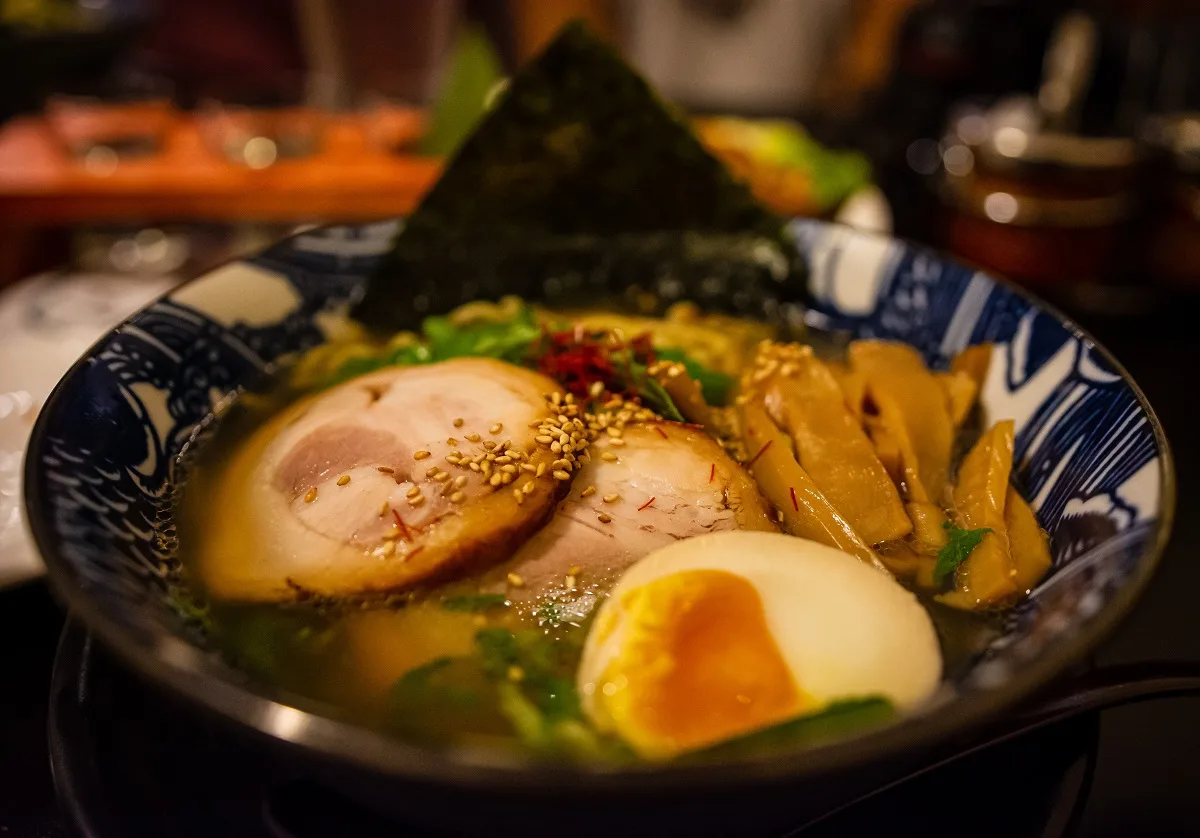
Long rail days also have their own food. Ekiben, the boxed meals sold at stations, are part of the trip rather than a stopgap. The makunouchi bento above is the classic format, with rice, grilled fish and small sides, and it travels well. Buy one on the platform before a long leg, and the window seat becomes lunch.
Practical Notes for Long Rail Weeks
Book reserved seats early on the days that matter, and treat the machines as the default rather than the counter. That entitlement goes unused more often than any other. One pass can issue reserved-seat tickets for up to 110 trains, a ceiling no ordinary traveler meets. Carry your passport at all times, since station staff and conductors may ask to see it.
A zippered case with clear pouches for a passport, pass and seat tickets. You must carry the passport while using the pass, so it earns its place.
See the Passport Case →A microbead cushion with a strap that also works as a pillow, backrest or footrest. It makes a long run down the Sea of Japan coast easier.
View the Neck Cushion →Roll-up bags that press the air out by hand, with no vacuum needed. They shrink a week of small clothes before a long transfer.
View the Compression Bags →What you can lift onto a rack should decide your luggage, not what fits in a wardrobe. On a stacked itinerary you move it every few days, often up stairs and sometimes in snow. A case that is a pleasure at the airport but a burden on a platform is wrong for this trip. Packing cubes help with the repacking rhythm that pass windows impose.
Planning tools, and one that no longer works
Hyperdia still turns up in rail advice across the internet, but it no longer does the job. In April 2022 it stopped showing detailed timetables, and it now returns approximate travel times rather than real connections. Use a current route planner instead, and filter out NOZOMI and MIZUHO by hand if it cannot do so itself. Then check the service name on every leg.
If one leg makes the time saving worth paying for, JR sells the NOZOMI MIZUHO ticket to pass holders. It goes on sale one month before the travel day, at ticket machines and ticket offices, and you need a new one for each ride. Across a long stay, that calculation rarely favors the faster train. You have the days, and the slower service runs the same corridor.
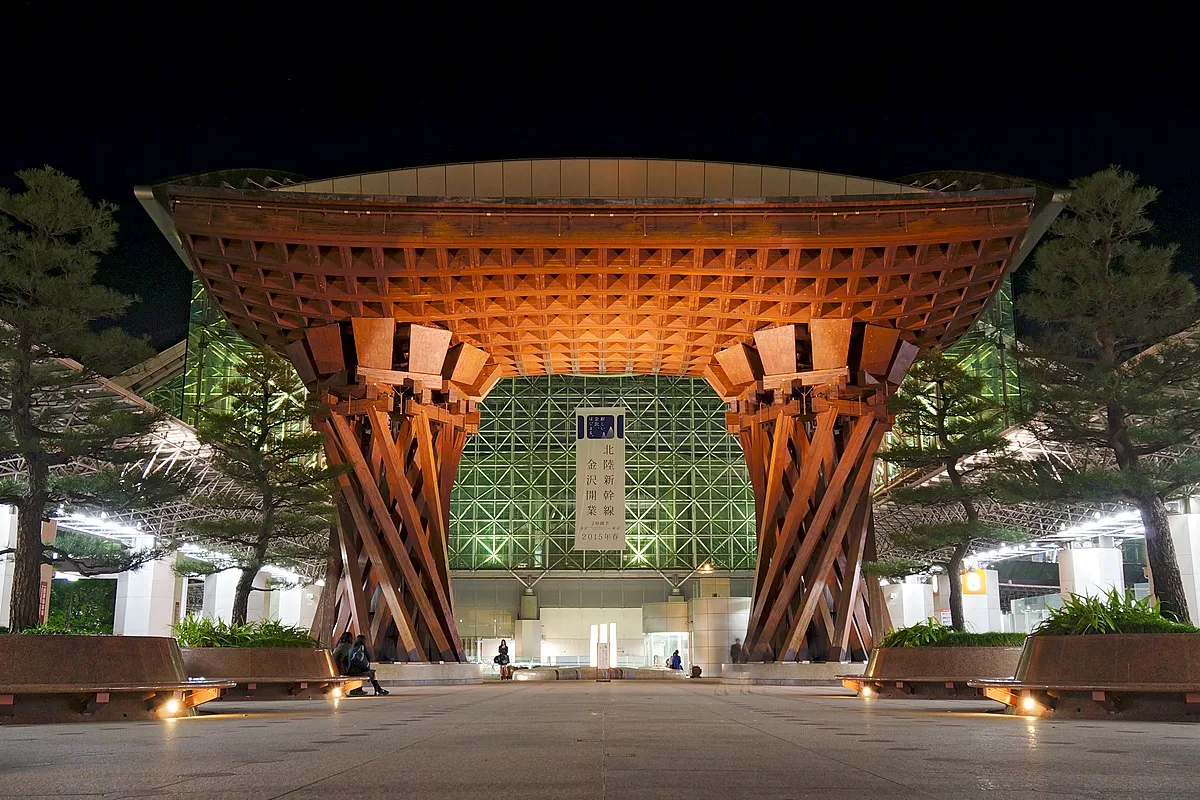
Stations on the inland arcs reward the slower services too. Kanazawa's wooden station gate is one of several reasons to arrive on a limited express, look up, and take the slower line rather than hurry through.
The settled weeks are the point
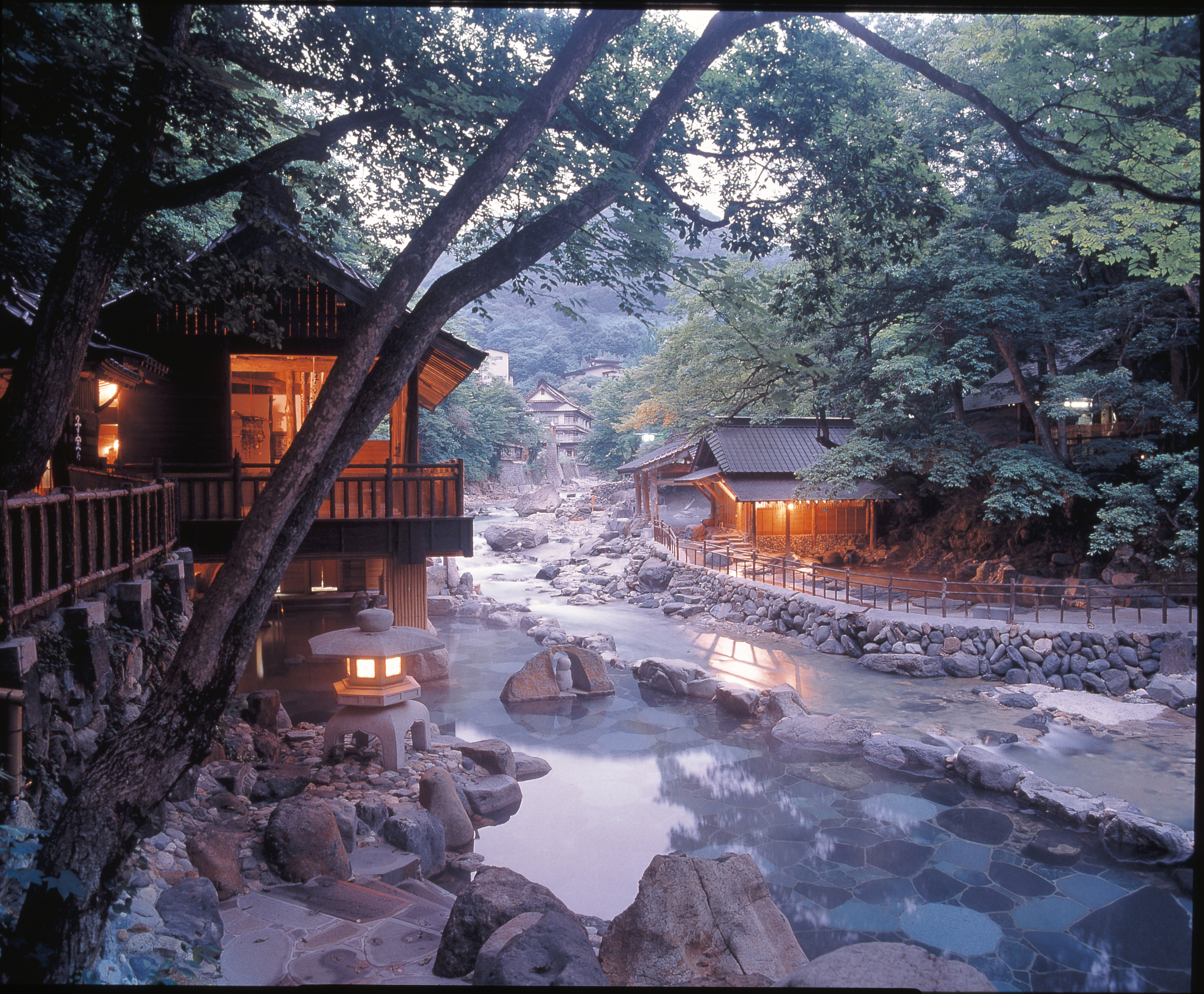
The settled weeks are where a long stay separates itself from a holiday. Four nights in one town changes what you notice: which bakery opens at seven, which platform the local line leaves from, a hill worth climbing twice. Rail passes suit the opposite behavior. That is why the gaps in a stacked plan matter as much as the windows do. A plan made of nothing but windows produces an exhausting month. It is also a costly one, since the coverage runs whether you board a train or not. On the rail map those weeks look empty, but on the calendar they are the trip.
Those weeks also change what you pack and how you move. A base for four nights means laundry, a local supermarket and perhaps a bicycle rather than a suitcase on a platform. The rail planning matters at the seams between bases. That is a small share of a long trip but almost all of its stress. So spend the effort there, and let the settled weeks arrange themselves once you arrive. Book the first and last nights of each base, and leave the days between unplanned. A long stay is the one trip shape where improvising the middle is a feature rather than a risk.
Questions Worth Asking
Can you use a Japan Rail Pass if you live in Japan?
No. JR limits the nationwide pass to visitors entering Japan under Temporary Visitor status, which covers stays of 15 or 90 days for sightseeing. Residents and holders of student, work or spouse status cannot exchange or use it, even if they have already paid online. IC cards, commuter passes and seasonal tickets remain open to them.
How long can you stay in Japan as a Temporary Visitor?
Japanese immigration law allows a stay of 15 days or 90 days for sightseeing under that status. For rail planning, 90 days is the outer bound on any long-stay itinerary built around the national pass. Anything beyond it is a residence question rather than a tourism one, and the answer changes accordingly.
Can you buy more than one JR Pass for a long trip?
Yes, in sequence. What you cannot do is hold two passes whose periods of use overlap on the same passport information. Stacked windows therefore sit end to end or with a deliberate gap between them. Planning a stationary stretch inside that gap is what turns stacking from a trick into a strategy.
Does the JR Pass cover the NOZOMI shinkansen?
No. The pass excludes NOZOMI and MIZUHO, including their non-reserved seats. Pass holders who want one can buy a separate NOZOMI MIZUHO ticket from one month before the travel day, at ticket machines or ticket offices. HIKARI and SAKURA serve the same corridors more slowly, and the pass covers them.
What rail options exist if you are not eligible?
IC cards for daily movement, commuter passes for a repeated leg, and the Seishun 18 Kippu, which anyone can buy in its spring, summer and winter seasons. Many regional passes require Temporary Visitor status too, so check each company's conditions. For residents, this mix usually matches how they actually travel.
How do you handle luggage on long rail trips?
Move less of it. On the Tokaido, Sanyo and Kyushu shinkansen, a case over 160 cm in total dimensions needs a seat booked with an oversized baggage space, and anything over 250 cm cannot board. Luggage forwarding between hotels handles the big case on transfer days, leaving an overnight bag for the train.
Is a JR Pass worth it for a month in Japan?
Only for the weeks you move. A month usually mixes long journeys with settled stretches, and a pass pays its way on the long legs alone. Cover the travel-heavy weeks with one or two windows, then use IC cards and single tickets for the rest. The calculator on our pass guide runs the numbers.
What a Long Stay Actually Needs
A JR Pass is a good product misapplied more often than it is misunderstood. It rewards distance and repetition, while a long stay usually rewards the opposite. That is why the honest advice is to cover the arcs and leave the rest uncovered. Start with eligibility, because that question has a yes or no answer. Everything else is a judgement built on top of it.
Then plan the sequence. Book the reserved seats you care about early, and keep a record as you go, which is part of why the Magnificent Japan journal collection exists. Six weeks of rail blur together otherwise, and the details that make a long stay worth doing are the ones that fade first.
The gaps between pass windows are their own kind of ma; this journal gives ninety days to notice them.
View the Journal →If the sequencing reads like more work than the traveling, that is because it is. Eligibility, pass windows, stationary weeks, reserved seats and a luggage plan all have to fit together. Settle them before departure, and the month itself becomes the part worth keeping.
Pass windows mapped against the weeks you intend to stay still, the eligibility question settled before anything is bought, and the arcs routed so the slow lines fall where you have time for them. We place the long journeys first, then build the settled weeks around them.
Plan Your Custom Japan Itinerary