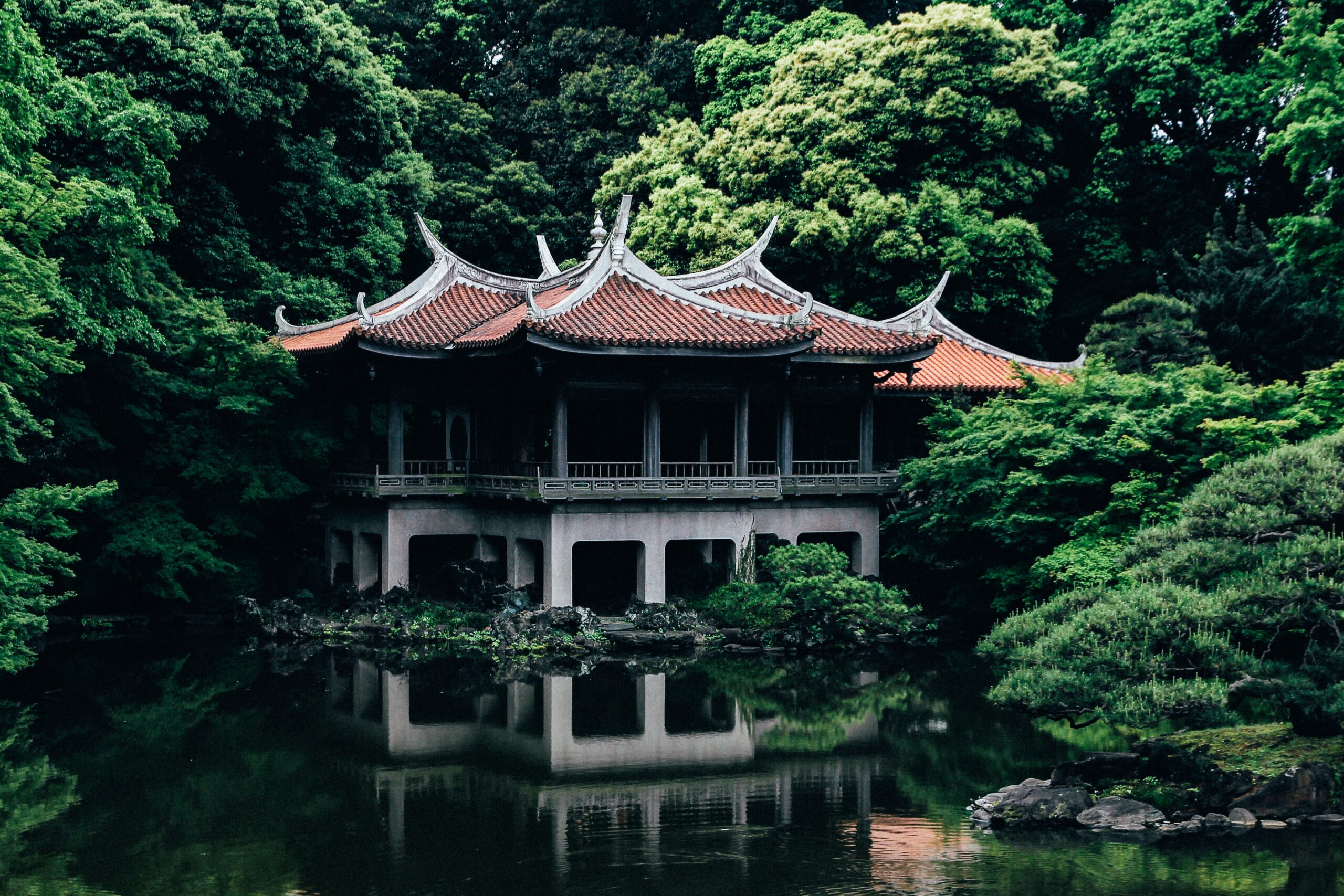
Tokyo does not hand over its beauty on the first afternoon. The beautiful places in Tokyo rarely announce themselves. The city reads as concrete and signage at street level, and the guidebook circuit tends to confirm that impression. Then the light drops behind the Shinjuku towers. Or a garden gate opens onto three hundred years of borrowed scenery, and the arithmetic changes entirely.
What follows is a working list rather than a ranking. Twenty-seven beautiful places in Tokyo, grouped by the kind of beauty each one offers. Every entry carries the station, the hours and the cost. Each also gives the hour of the day, and the week of the year, when the place actually delivers. Tokyo rewards timing more than any other capital. The same garden feels crowded and ordinary at two on a Saturday. At nine on a Tuesday it becomes a different proposition.
The short answer: the most beautiful place in Tokyo is Rikugien in the third week of November, an hour after opening. The close second is the Meguro canal at Nakameguro in the eight days it blooms. Everything else on this list depends on the hour and the month, which is what each entry below gives you.
Building four days around light and season is what the customised itinerary service does from your dates.
Because the list runs long, it is worth saying at the outset how it is organised. Gardens come first, because they are the most reliable and the least understood. Landmarks and old neighbourhoods follow. Then the elevated views, which divide sharply into the ones worth paying for and the one that costs nothing. After that come the night streets, then the water and green edges most visitors never reach. Finally, the avenues that photograph far better than their reputations suggest. A timing table near the end collects the whole set into one page.
How to Choose Among the Beautiful Places in Tokyo
The most beautiful place in Tokyo is Rikugien garden in the third week of November, an hour after opening. Three hundred years of designed landscape, a pond that holds the maple colour twice over, and few enough people that the borrowed views still read as the designer intended. Timing carries the answer more reliably than the address does.
That framing matters, because the honest constraint on a Tokyo trip is not choice but daylight. Most visitors have four days and a list of thirty items. So the practical question is not which of the beautiful places in Tokyo are worth seeing. It is which ones repay the hour you give them, and at what hour. A garden at opening and the same garden at three in the afternoon are barely the same experience.
Three filters do most of the work. First, decide whether you want designed beauty or found beauty. The gardens and landmarks are composed, while the alleys and river edges are accidental. Second, check the season, because roughly half this list changes character completely between April and November. Third, look at where a place sits on the map. Tokyo punishes zig-zagging more than it punishes early mornings. Our guide to thirty-seven Tokyo experiences worth planning around covers the wider set if you have longer.
You May Also Like
Readers who want architecture rather than sights should know the Wallpaper* City Guide to Tokyo. It organises the city the same way this article does, by what is worth looking at rather than what is famous. For opening hours and access on any attraction named below, check the city’s own official Tokyo attractions directory. Seasonal hours shift more often than most guides update.
Tokyo’s Most Beautiful Gardens
Tokyo’s gardens are the city’s most underrated asset. Several predate the modern city by centuries. They survived the 1923 earthquake and the 1945 firebombing in some form. Now they sit surrounded by towers their original designers could not have imagined. That contrast is the point rather than a compromise.
1. Shinjuku Gyoen
Fifty-eight hectares sit directly behind one of the busiest stations on earth. Inside are a Japanese landscape garden, a formal French section and an English lawn. The scale is what surprises people. You can lose an hour here without repeating a path.
Nearest station: Shinjuku-gyoemmae, five minutes. Hours: from 9am, closed Mondays. Entry: about $3.50 (¥500). Best hour: opening, before the lawn fills. Best season: late March into April, then again in November. Confirm current hours at the Ministry of the Environment garden page, which is the operator.
2. Hama-Rikyu Gardens
A former shogunal duck-hunting estate on Tokyo Bay, with tidal ponds that rise and fall with the sea. The teahouse sits on an island reached by two bridges, and the Shiodome skyline stacks up directly behind it.
Nearest station: Shiodome, seven minutes. Hours: from 9am. Entry: about $2 (¥300). Best hour: late afternoon, when the towers catch the light. Best season: February for plum, or late autumn.
3. Kiyosumi Garden
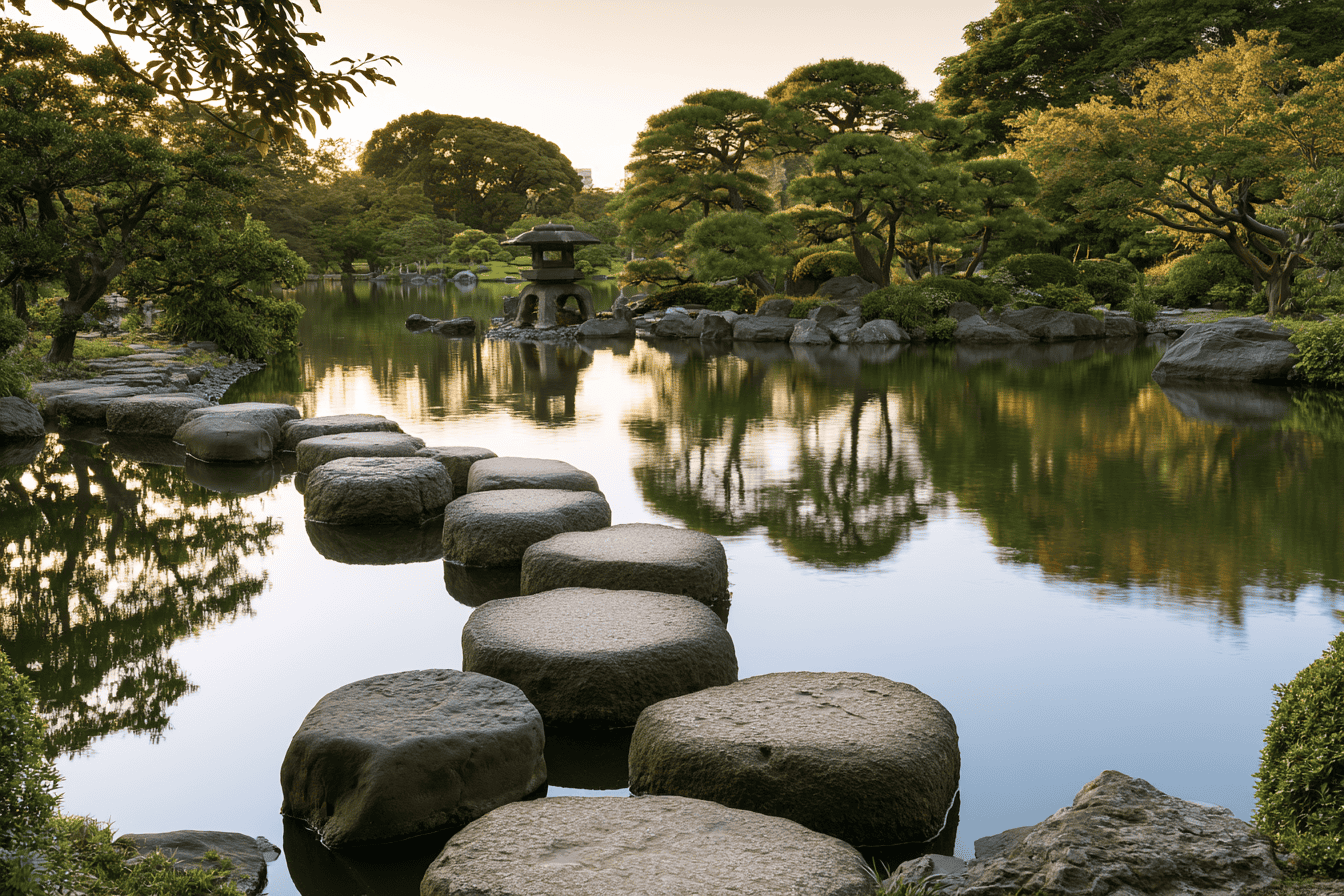
A stroll garden built around a pond edged with stones brought from across the country. A path of stepping stones crosses the water at ankle height. Turtles, herons, and almost no crowd on a weekday.
Nearest station: Kiyosumi-shirakawa, three minutes. Hours: from 9am. Entry: about $1 (¥150), the best value on this list. Best hour: mid-morning. Best season: June for iris, November for maple.
4. Rikugien
The most complete Edo-period stroll garden in the city. It is built around a central pond with eighty-eight designed viewpoints, each referencing classical poetry. Autumn illuminations extend the hours into the evening, and the maple reflections are the single best colour display Tokyo produces.
Nearest station: Komagome, seven minutes. Hours: from 9am. Entry: about $2 (¥300). Best hour: opening in autumn, or the first evening slot during illumination. Best season: mid to late November. Illumination dates are announced each October and sell out on weekends, so book the first weekday slot you can.
5. Koishikawa Korakuen
Older still, and calmer than Rikugien because it sits beside a baseball stadium and most visitors assume that ruins it. It does not. The garden turns its back on the modern city and reproduces landscapes from China and Kyoto in miniature.
Nearest station: Iidabashi, eight minutes. Hours: from 9am. Entry: about $2 (¥300). Best hour: any weekday morning. Best season: late November, when the maples over the water turn.
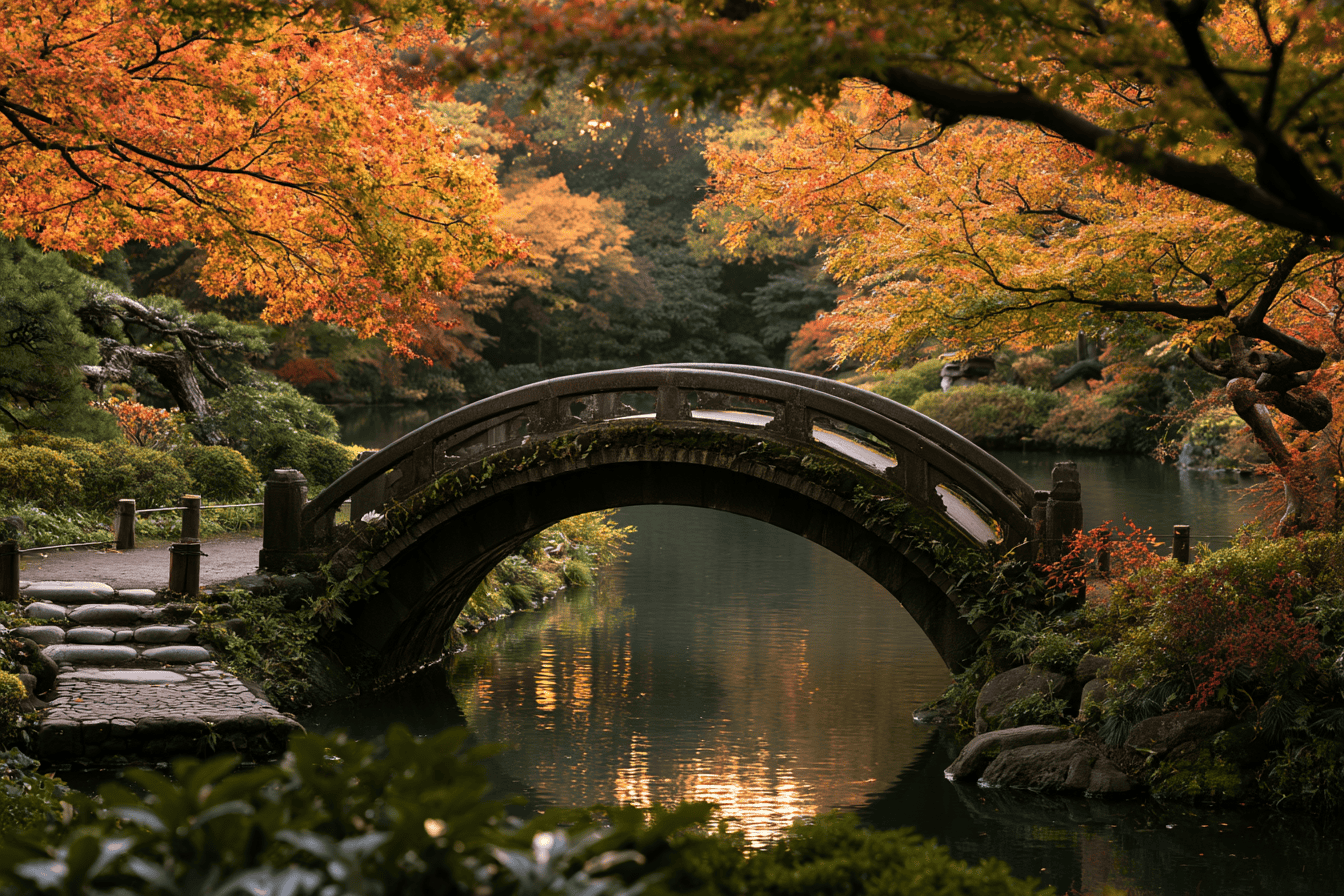
If you have time for only one garden, the choice depends entirely on the month. Rikugien in November is unmatched, and the illumination evenings justify planning a day around them. Shinjuku Gyoen wins in early April on sheer variety of cherry, since its late-blooming trees extend the season past the point where most parks have finished. Kiyosumi is the one to choose in June, and the one to choose whenever the day has already turned crowded elsewhere. Gardens are the category that most rewards a second visit.
You May Also Like

Gardens reward repeat visits in a way landmarks rarely do, and a second morning in the same garden usually beats a first morning in a lesser one. Still, the buildings and older neighbourhoods carry the other half of the city’s character, and several sit close enough to the gardens above to pair into a single walking morning. The following group covers the landmarks that hold up under scrutiny, along with the one district where the pre-war street pattern survived more or less intact.
Landmarks and Old Tokyo
Two of the entries below are among the most visited sites in the country, which cuts both ways. The architecture and the grounds justify the visit. Your chosen hour determines whether you experience them or simply queue through them. The other two are barely visited at all, and that is their entire appeal. Between the four, this section covers the widest spread of foot traffic in the guide. Read the timing lines carefully. In this group they matter more than anywhere else, because the gap between a good hour and a bad one is measured in thousands of people rather than dozens.
6. Meiji Shrine and Yoyogi Forest
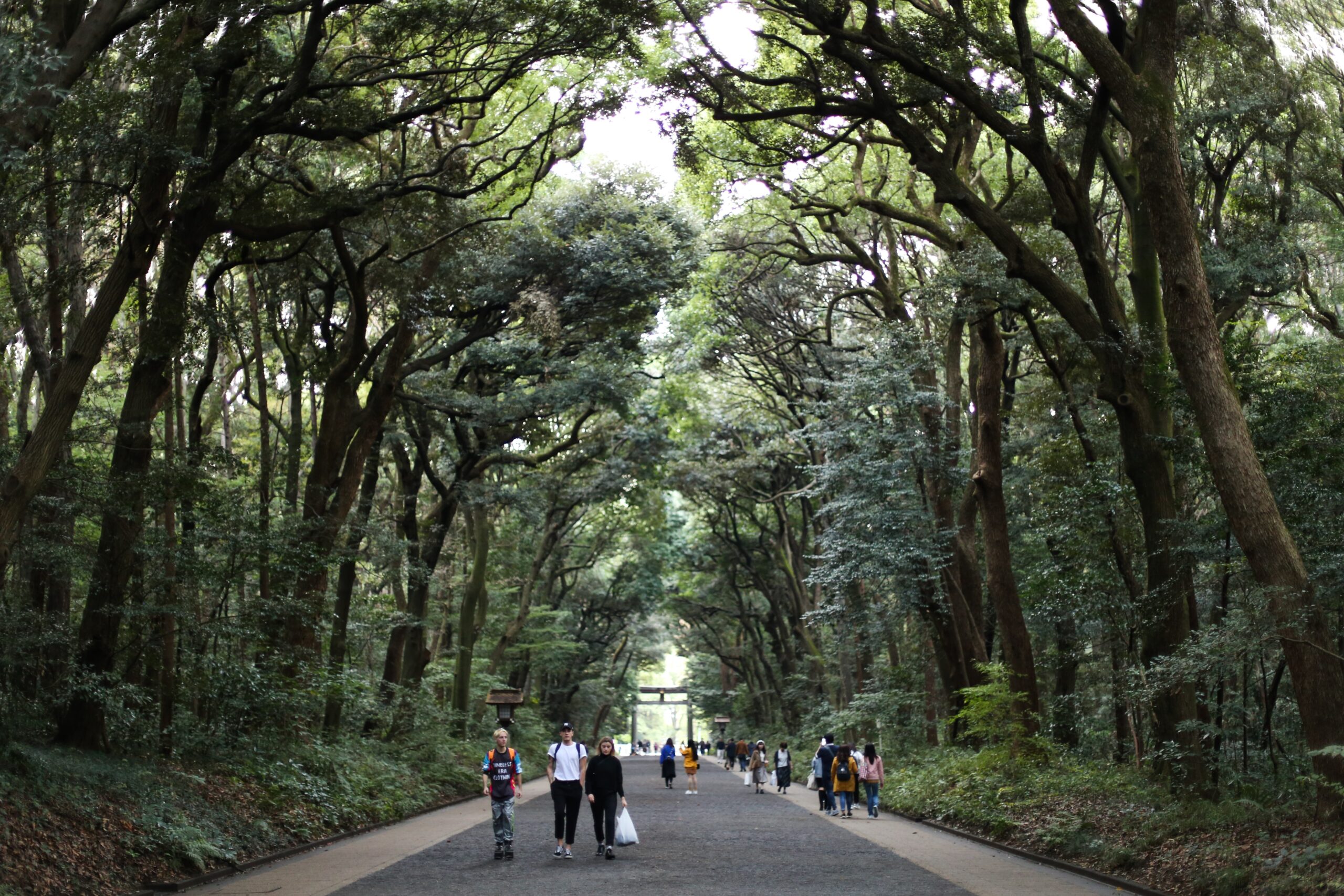
The building matters less here than the approach. A hundred thousand trees were planted in the 1920s to create the forest around it. The wide gravel path under that canopy is one of the calmest stretches of ground in central Tokyo. The timber gates at the entrance are the largest of their kind in the country.
Nearest station: Harajuku, two minutes. Hours: sunrise to sunset, which shifts monthly. Entry: no charge for the grounds. Best hour: within thirty minutes of sunrise. Best season: any, though the canopy is best in deep summer.
7. Sensoji and Asakusa
The oldest temple site in Tokyo, rebuilt in concrete after the war. It is approached through a shopping street that has operated for centuries. The architecture reads best at night, when the gates and the five-storey pagoda are lit and the day crowds have gone entirely.
Nearest station: Asakusa, one minute. Hours: main hall from 6am; grounds open at all times. Entry: no charge. Best hour: before 7am or after 9pm. Best season: winter, for clear air and low sun.
8. Yanaka
The district that survived. Wooden houses, a long shopping street, workshops still trading, and a cemetery avenue that becomes a corridor of cherry in spring. It is the closest thing Tokyo has to a continuous pre-war streetscape. It rewards aimless walking more than any itinerary.
Nearest station: Nippori, four minutes. Hours: streets always open; shops from around 10am. Entry: no charge. Best hour: late morning, when the workshops are working. Best season: early April, or late autumn.
9. Nezu Shrine
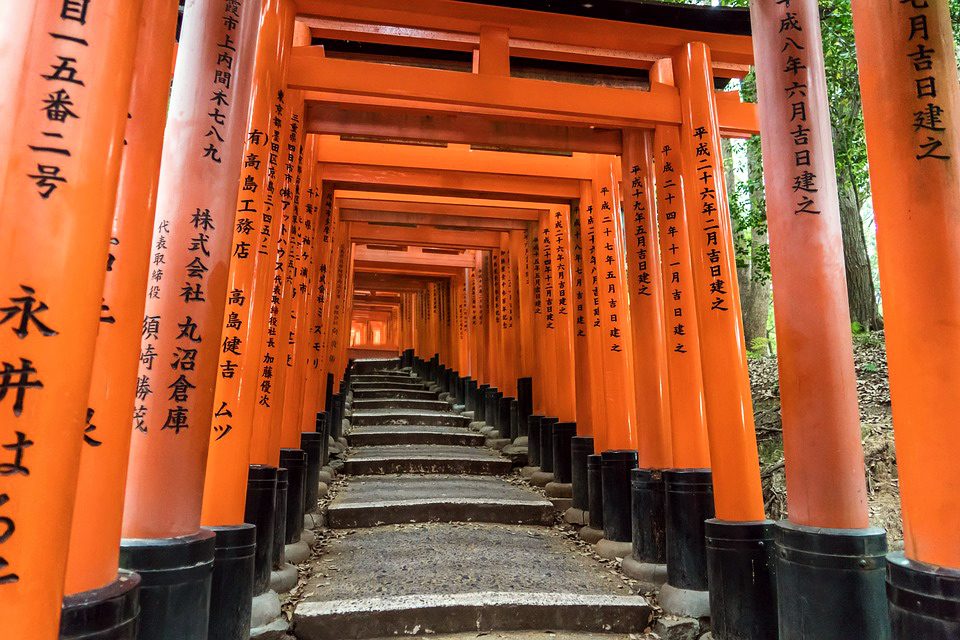
Small, early eighteenth century, and largely overlooked. A tunnel of closely spaced vermilion gates climbs the slope behind the main buildings. A pond garden below fills with azalea in spring. It offers the same visual grammar as far more famous sites, at a fraction of the attendance.
Nearest station: Nezu, five minutes. Hours: from around 6am. Entry: no charge for the grounds; the azalea garden charges in season. Best hour: early morning. Best season: mid-April to early May.
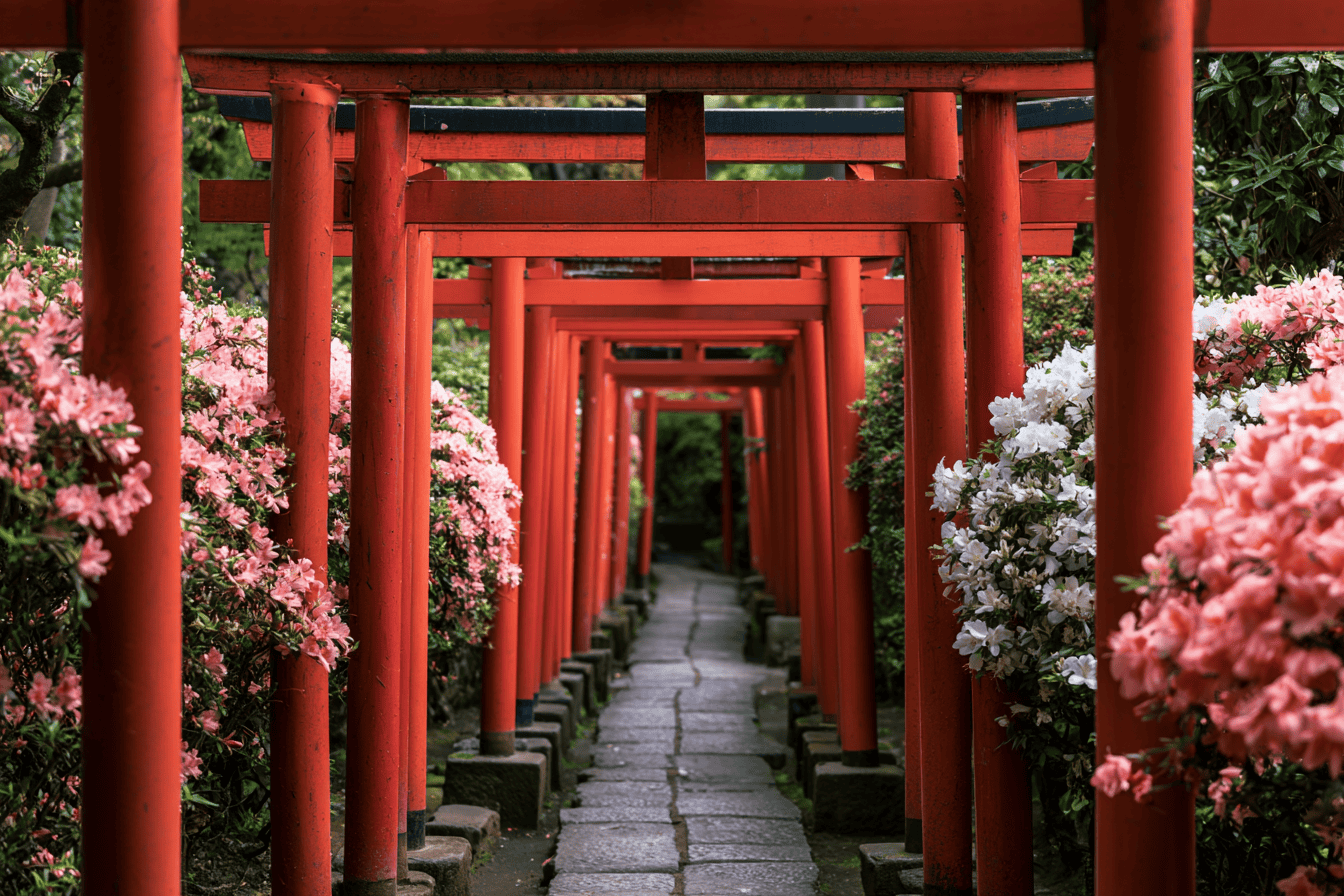
Yanaka deserves a longer look than the paragraph above can give it, and the walk from Nippori down through the cemetery and along the shopping street fills a comfortable half-day. Our fuller account of Yanaka’s surviving pre-war streets maps the route in detail. Pairing it with Nezu Shrine and Rikugien makes a strong northern morning, since all three sit within a short ride of one another and none draws the volume Asakusa does. Take Rikugien at opening, then Nezu, then Yanaka. The cemetery avenue still holds its morning light by the time you reach it, and the workshops on the shopping street are open by then rather than shuttered.
Scenic Skyline Views in Tokyo: Which Decks Repay the Ticket
Tokyo has more elevated viewpoints than any city needs, and they vary enormously in value. The distinction that matters is whether the platform faces something worth facing. A tower overlooking undifferentiated grey sprawl costs the same as one framing Fuji at sunset. So the scenic spots in Tokyo that sit above ground level deserve more scrutiny than they usually get. Five make the list below. Two are ticketed and worth it, one costs nothing and is the best value in the city, and one is better looked at than looked from. A fifth is an open rooftop that changes the whole proposition.
10. Tokyo Skytree
The tallest structure in the country, with two decks at 350 and 450 metres. The upper deck is a spiral ramp rather than a floor, which handles crowds better than most. On a clear winter afternoon the view reaches Fuji. The transition from daylight to city lights is worth timing deliberately.
Nearest station: Tokyo Skytree, direct. Hours: from 10am to late evening. Entry: tiered by deck and by advance booking; current tiers are listed on the official Skytree site. Best hour: forty minutes before sunset. Best season: December through February, for air clarity.
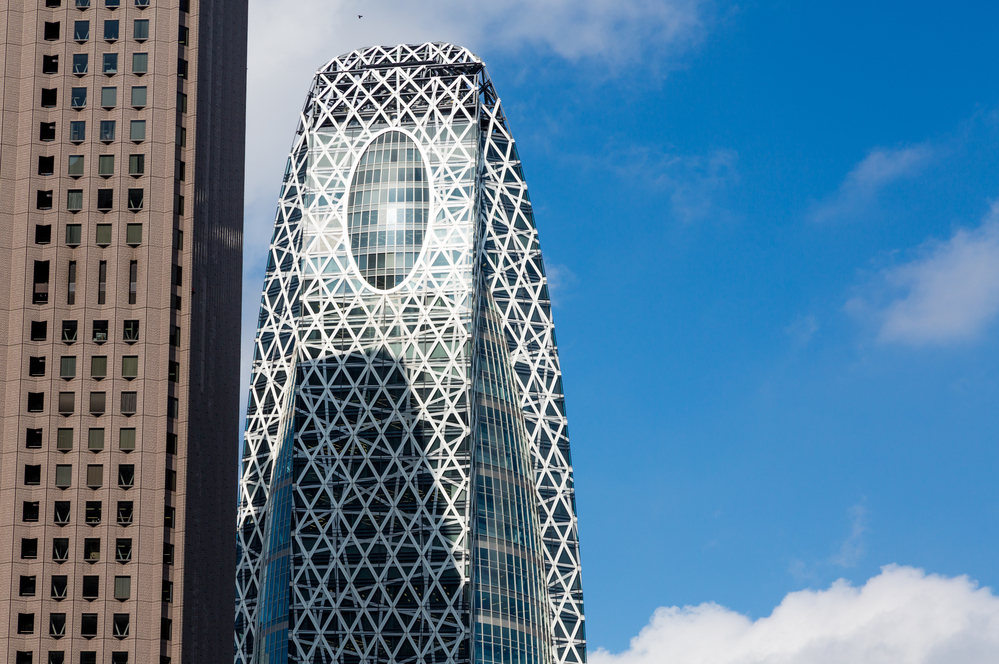
11. Tokyo Metropolitan Government Building
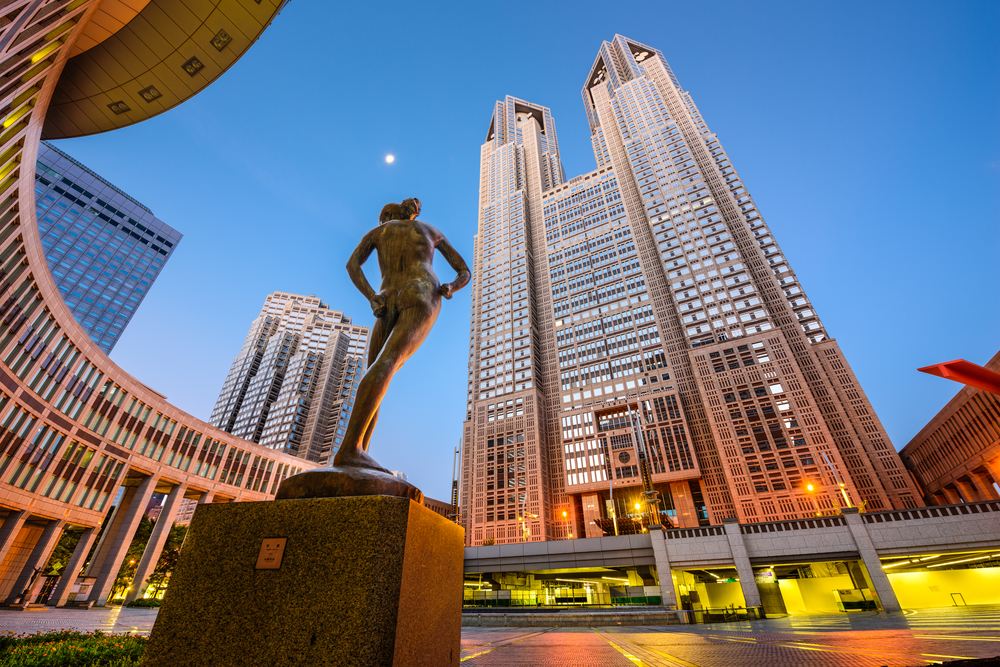
The best value view in the city by a wide margin, because there is no admission charge at all. Two towers, observatories at 202 metres, and a straight sightline to Fuji on a clear morning. The queue moves quickly and the building itself is worth seeing from the plaza below.
Nearest station: Tochomae, direct. Hours: from 9:30am, one tower usually open. Entry: no charge. Best hour: the first hour, for morning clarity toward Fuji. Best season: winter. The two towers alternate closure days, so check which one is open before you ride up.
You May Also Like
12. Shibuya Sky
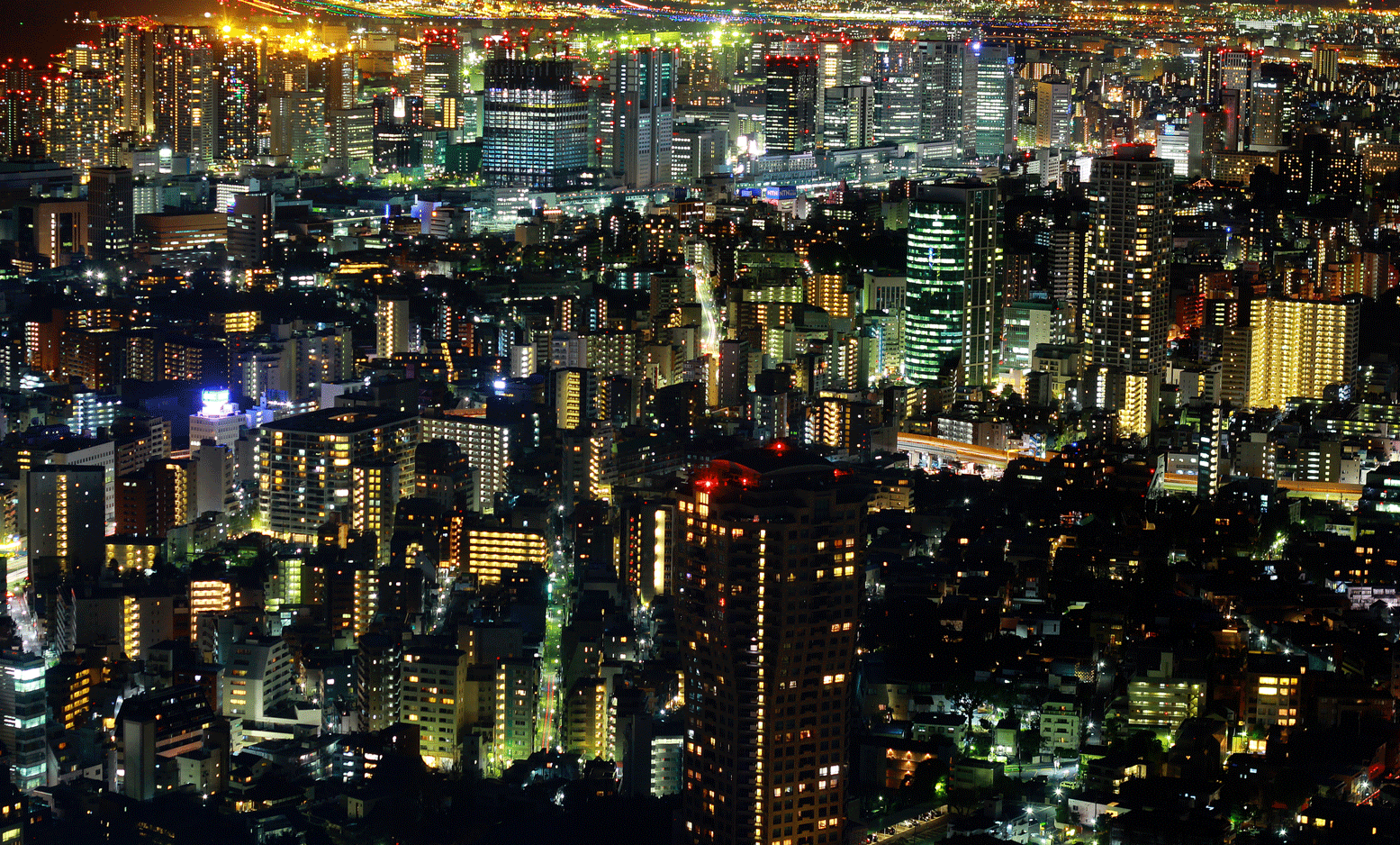
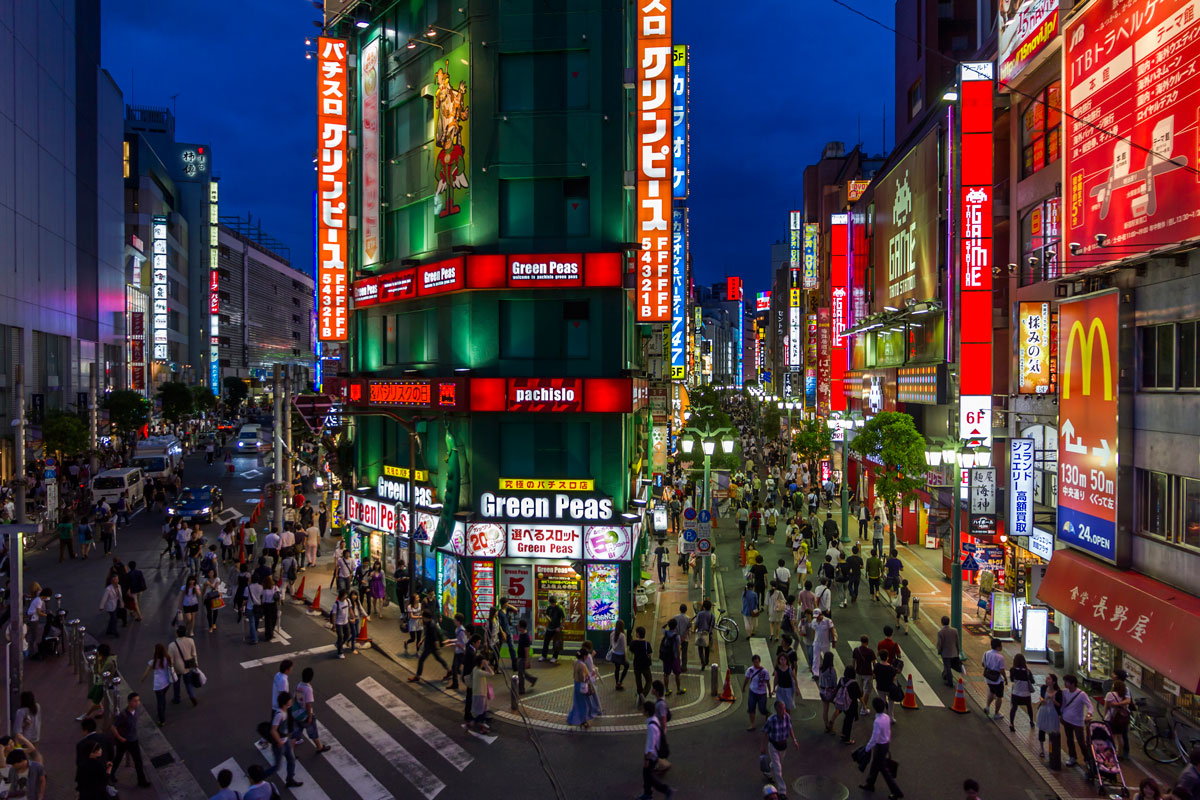
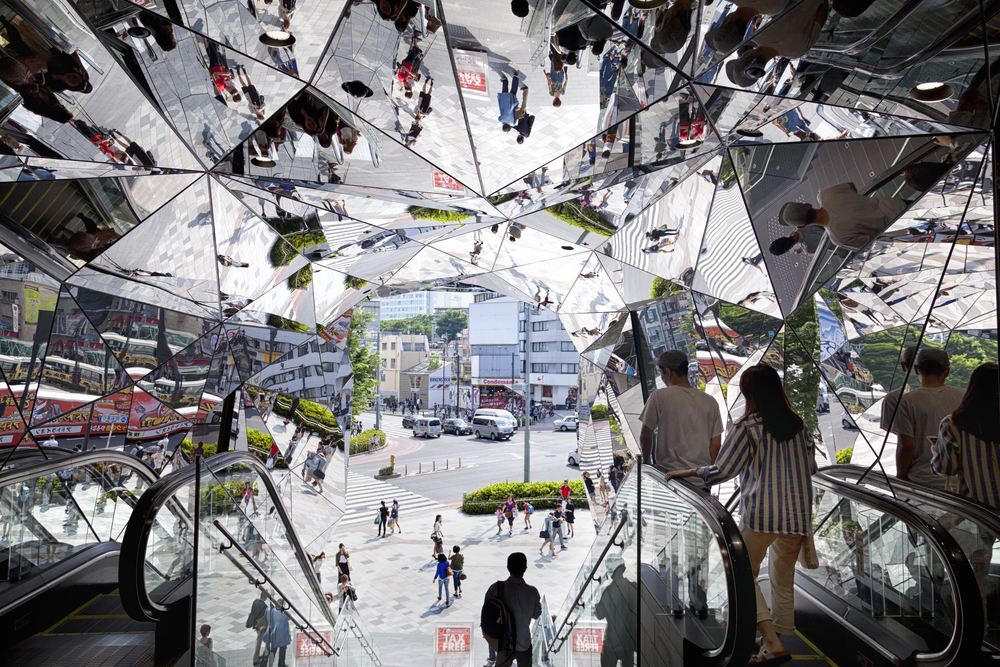
An open rooftop rather than a glazed deck, which changes the experience completely — wind, sky, and a direct downward view onto the crossing. Sunset slots book out well ahead, sometimes by a fortnight in autumn. The approach through the escalators and the sound installation forms part of the design, and it is worth not rushing.
Nearest station: Shibuya, direct. Hours: from 10am to late. Entry: tiered, higher for sunset slots. Best hour: the slot beginning thirty minutes before sunset. Best season: autumn, for stable evenings.
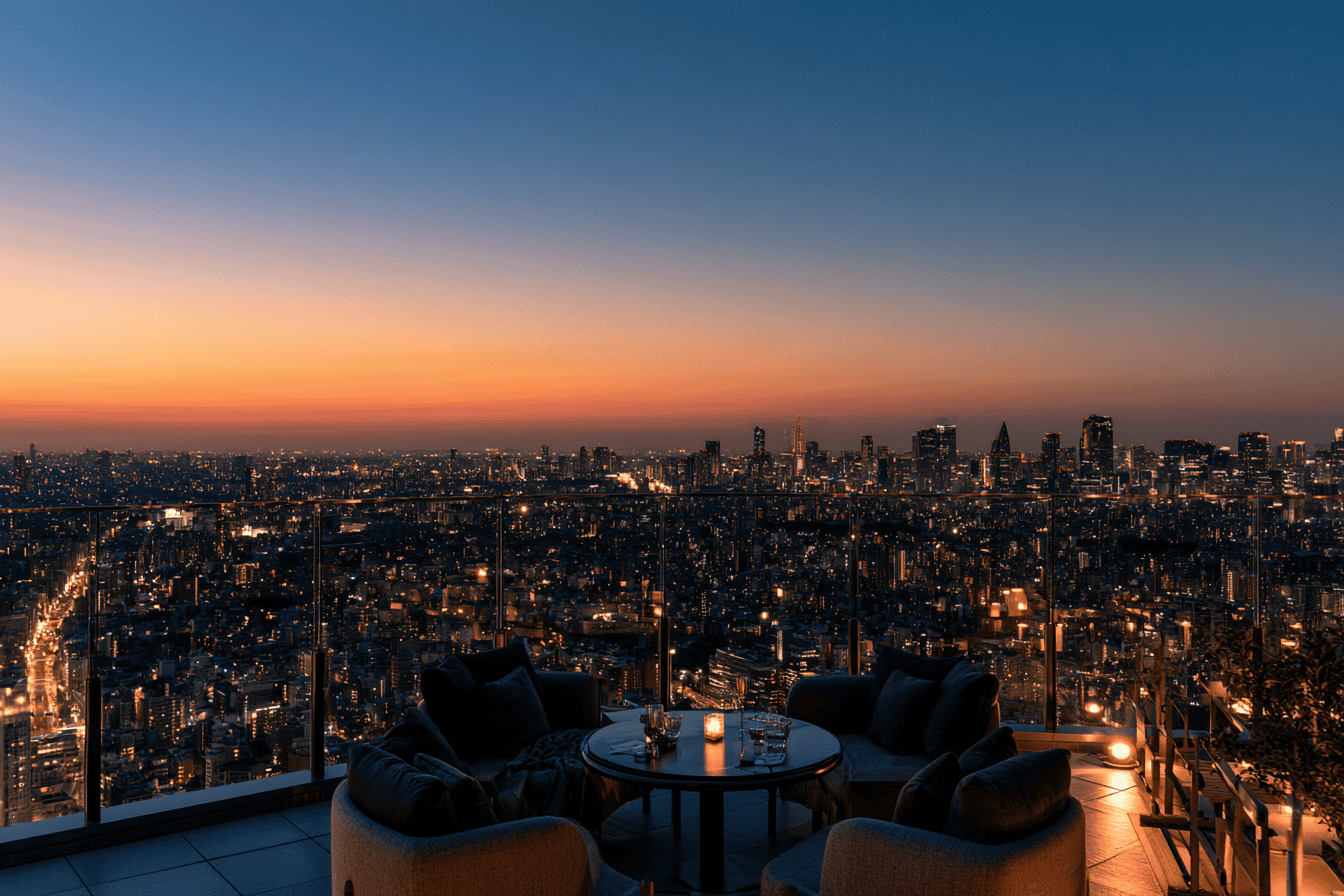
13. Mori Tower City View, Roppongi
The one view that includes Tokyo Tower in the frame, which is why it appears on more postcards than any other. An indoor deck at 250 metres with an open rooftop above it in fair weather, and an art museum on the same ticket structure.
Nearest station: Roppongi, three minutes. Hours: from 10am. Entry: tiered; the rooftop is a supplement. Best hour: blue hour, roughly twenty minutes after sunset. Best season: any. The rooftop closes in wind and rain without notice, so treat it as a bonus rather than the reason to go.
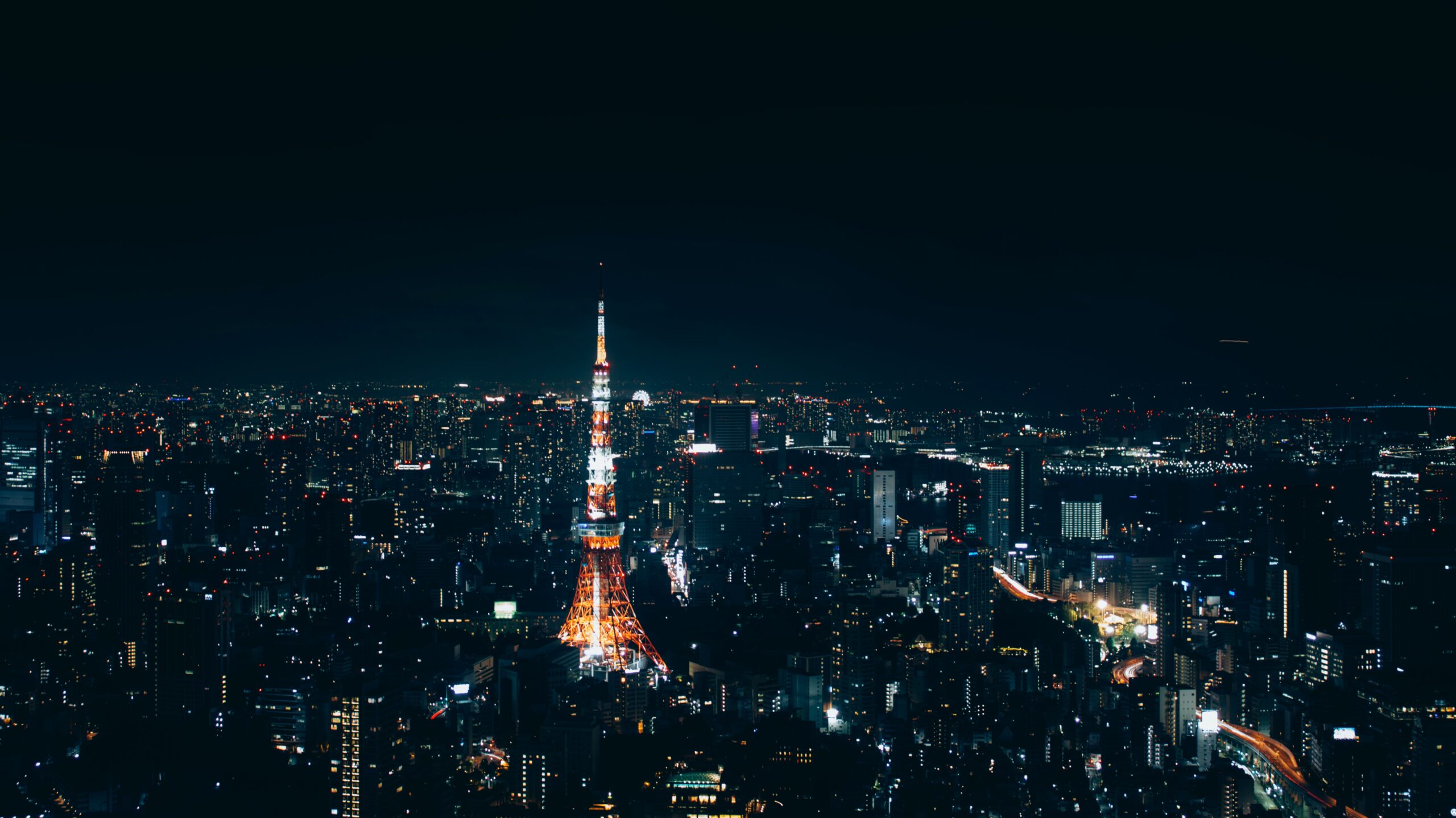
14. Tokyo Tower
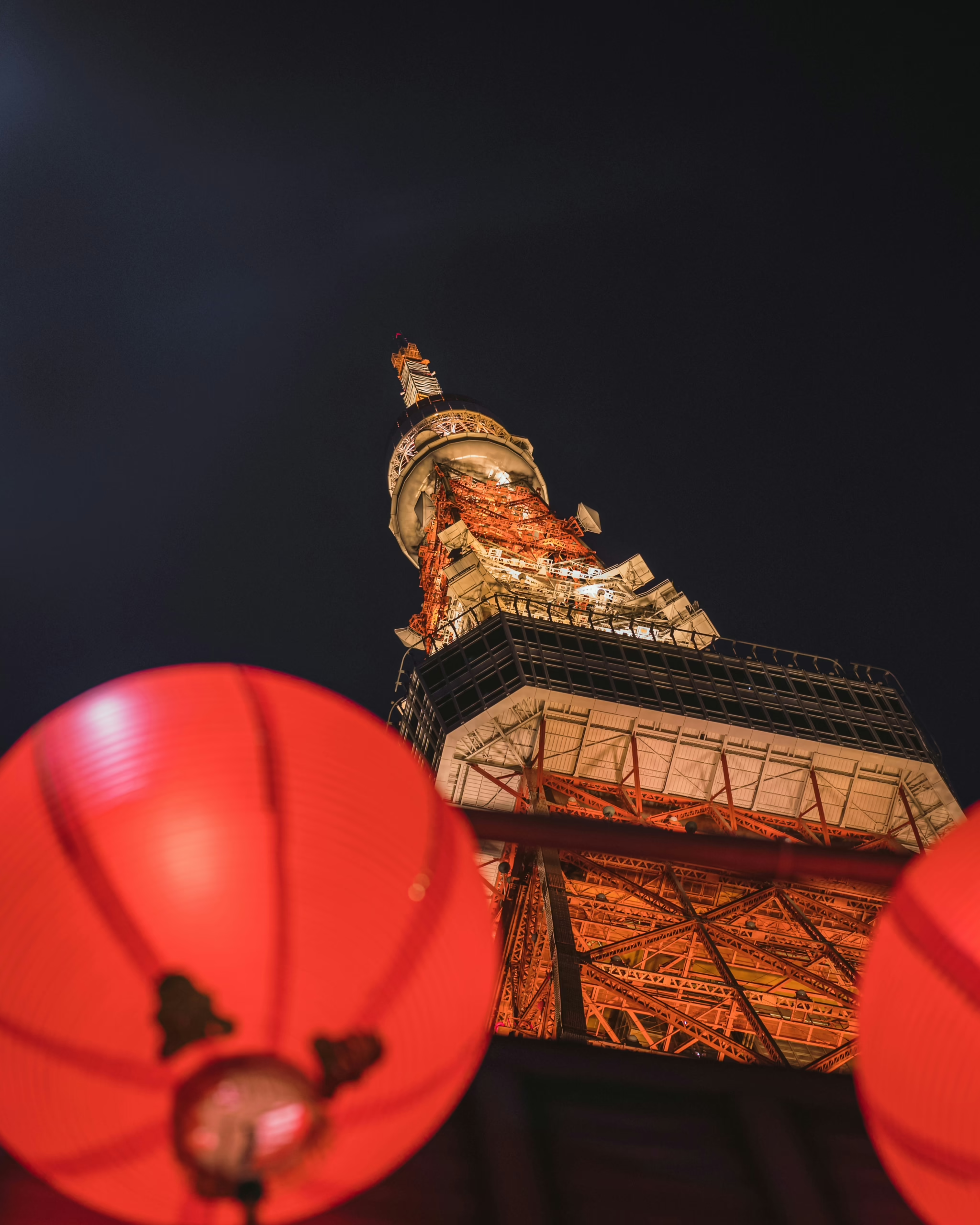
Better looked at than looked from. The 1958 lattice structure, painted international orange, remains the most photogenic object in the skyline, and the view of it from Roppongi or the Zojoji approach beats the view from inside it. Visit the deck only when the queue is short.
Nearest station: Akabanebashi, five minutes. Hours: from 9am. Entry: tiered by deck. Best hour: after dark, from outside. Best season: any; winter for clarity.
Between them these five cover every angle the city offers, and there is no need to do more than two. The pattern that works is one daylight view for orientation and one after dark for the lights, ideally on different evenings. Anyone building a night-photography route through the western wards should start elsewhere. Our guide to neon night photography in Shibuya and Shinjuku fits the task better than a viewing deck does. The streets below reward the same hours for far less money.
Beautiful Tokyo After Dark
Night is when Tokyo stops resembling other cities. The scale drops, the alleys light up from inside, and a district that felt like an office quarter at noon turns into something else entirely by eight. These four are the most reliable. Each sits within a short walk of a major station, each is open to anyone at no charge to enter the street, and each photographs better in cold weather than warm. Two are in Shinjuku and pair naturally. The other two pull toward the bay and toward Shibuya, and rarely fit the same evening.
15. Golden Gai
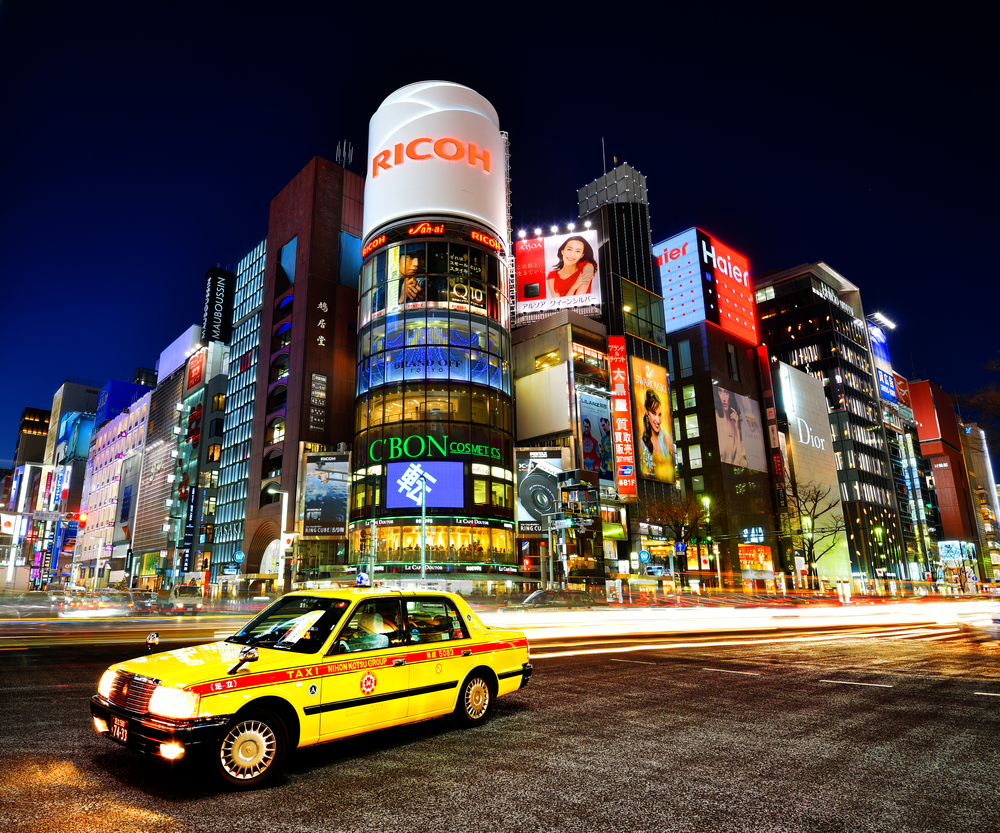
Six alleys of tiny two-storey bars in Shinjuku, most seating six people, many charging a cover. The architecture is the draw whether or not you drink. It is a surviving fragment of post-war Tokyo that redevelopment has repeatedly failed to remove. The lanes are narrow, dim and hostile to a phone sensor, which is why a pocketable APS-C camera such as the Ricoh GR IIIx has become the default tool for this kind of street work.
Nearest station: Shinjuku, six minutes. Hours: most bars from 8pm. Entry: street access at all hours; bars charge covers. Best hour: 9pm to 11pm. Best season: any; winter light is best.
16. Omoide Yokocho
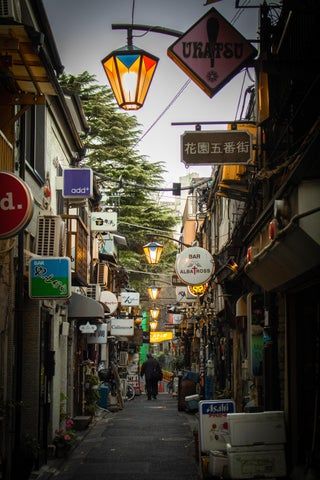
A narrower, smokier lane on the other side of Shinjuku station, given over almost entirely to grilled skewers. The visual signature is the low canopy of signage and the steam beneath it. Photographers should note that several stalls now prohibit photography.
Nearest station: Shinjuku, two minutes. Hours: from around 5pm. Entry: no charge to walk. Best hour: 6pm to 8pm, when the grills are going. Best season: autumn and winter.
17. Odaiba and Rainbow Bridge
The waterfront view back toward the city, with the bridge lit across the foreground. It is the only vantage point that shows Tokyo as a bay city rather than an inland sprawl. The walk across the bridge itself is open in daylight hours and is the better version of the experience.
Nearest station: Odaiba-kaihinkoen, three minutes. Hours: promenade always open. Entry: no charge. Best hour: the hour after sunset. Best season: winter, for clear horizons.
18. Shibuya Crossing
Included with reservations. It is genuinely striking after dark in the rain, when the umbrellas and reflected signage do something no other intersection manages. In daylight it is simply a busy crossing, and the elevated views of it are now largely ticketed.
Nearest station: Shibuya, direct. Hours: continuous. Entry: no charge. Best hour: 8pm to 10pm, ideally wet. Best season: rainy weeks in June, unexpectedly.
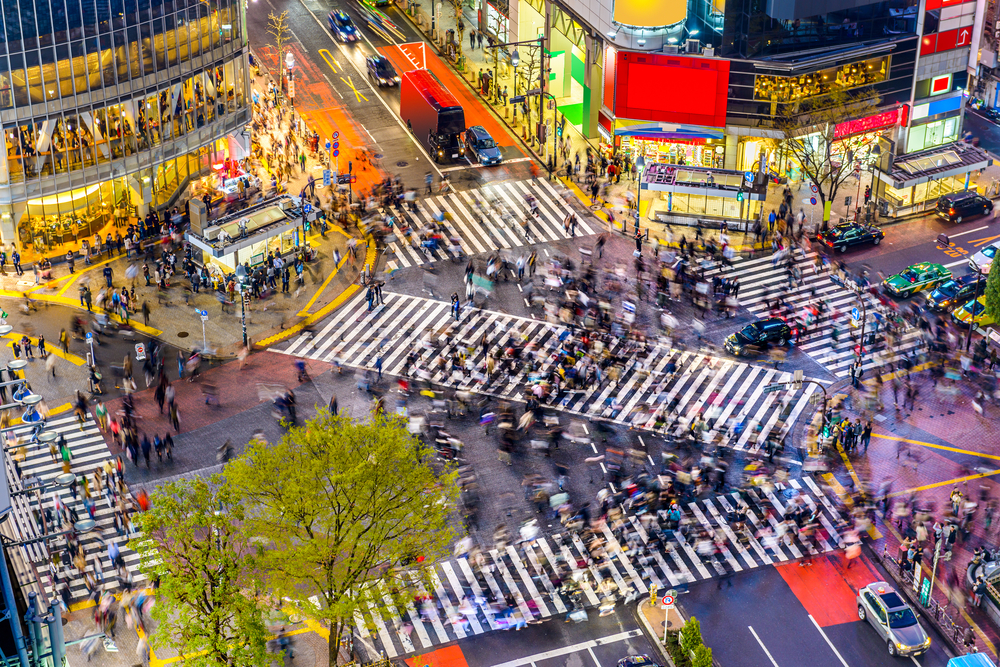
Four night locations is more than most trips need, so choosing two is the real decision. Golden Gai and Omoide Yokocho sit ten minutes apart on either side of Shinjuku station, which makes them the natural pair. Odaiba and Shibuya pull in opposite directions across the network and rarely combine well in one evening. Trains thin out after midnight rather than stopping outright. Even so, the last useful connection back to most central hotels leaves before one, and taxi fares climb steeply after that.
If sequencing four evenings across two ends of the network is the part you would rather hand over, a Tokyo route planned around your dates starts from exactly that problem.
The Tokyo Timing Card
A single printable card listing every place in this guide with its station, its opening hour, and the month it peaks — ordered so you can build a day without backtracking across the city. Occasional letters on Japan follow.
One email with your printable. Occasional letters after that. Unsubscribe anytime.
Getting Back After Midnight
Before the water and green edges, one more note on the night circuit. Every location above is reached by the last trains, but the return is where visitors get caught. Check the final departure from your nearest station before you set out, not after. Golden Gai in particular sits far enough from the platforms that a ten-minute margin is not enough, and the taxi rank outside the east exit is the busiest in the city after midnight. Budget for it, or leave by half past eleven and keep the evening whole. The same warning applies in reverse to Odaiba, where the last Yurikamome line runs earlier than the central lines and strands the unwary on the wrong side of the bay.
You May Also Like
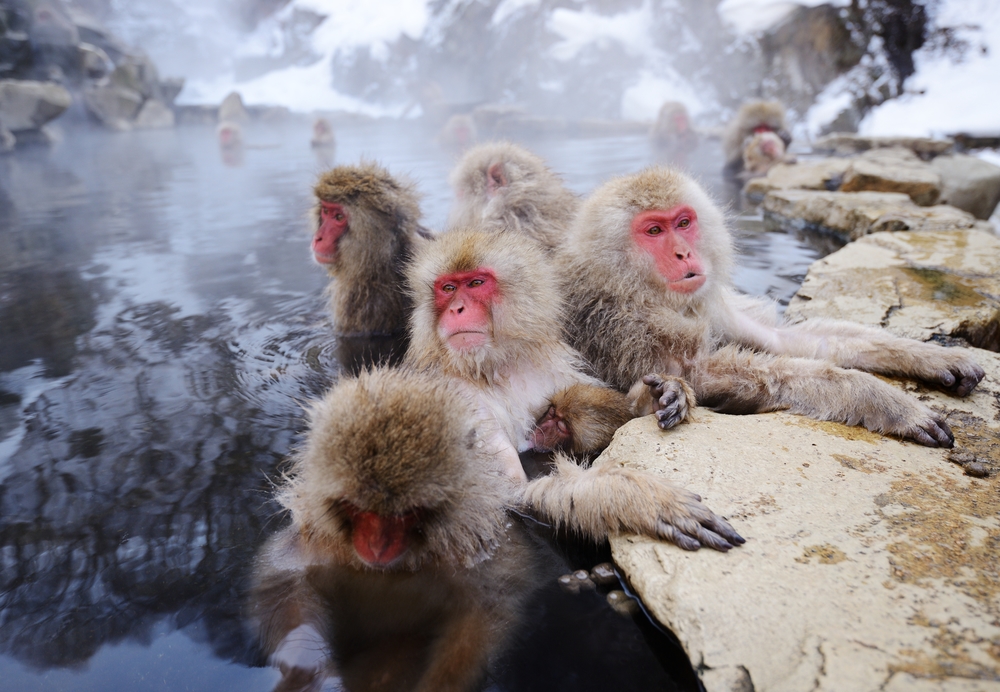
The night list stays short deliberately, because two evening locations is the practical maximum before fatigue undoes the benefit. What the night circuit misses entirely is the other Tokyo — the valleys, canals and park ponds on the western and eastern edges, which most four-day itineraries never reach. They are calmer, greener, and in several cases more beautiful than anything in the central wards. The next group is where the city stops feeling like a capital and starts feeling like a series of villages that grew together.
Recommended
Scenic Spots in Tokyo Beyond the Centre: Water, Valleys and Green Edges
These five sit outside the standard circuit, and each requires a deliberate decision to travel. That filter is exactly why they stay pleasant. None is more than forty minutes from Shinjuku. Together they hold the Tokyo scenery that photographs least like a capital city. A ravine with a stream at the bottom, a park pond that vanishes under cherry, a canal and a palace moat that do the same, and a river promenade that stays empty a block from the crowds. Give each one a half day rather than an hour, and go in shoes built for it.
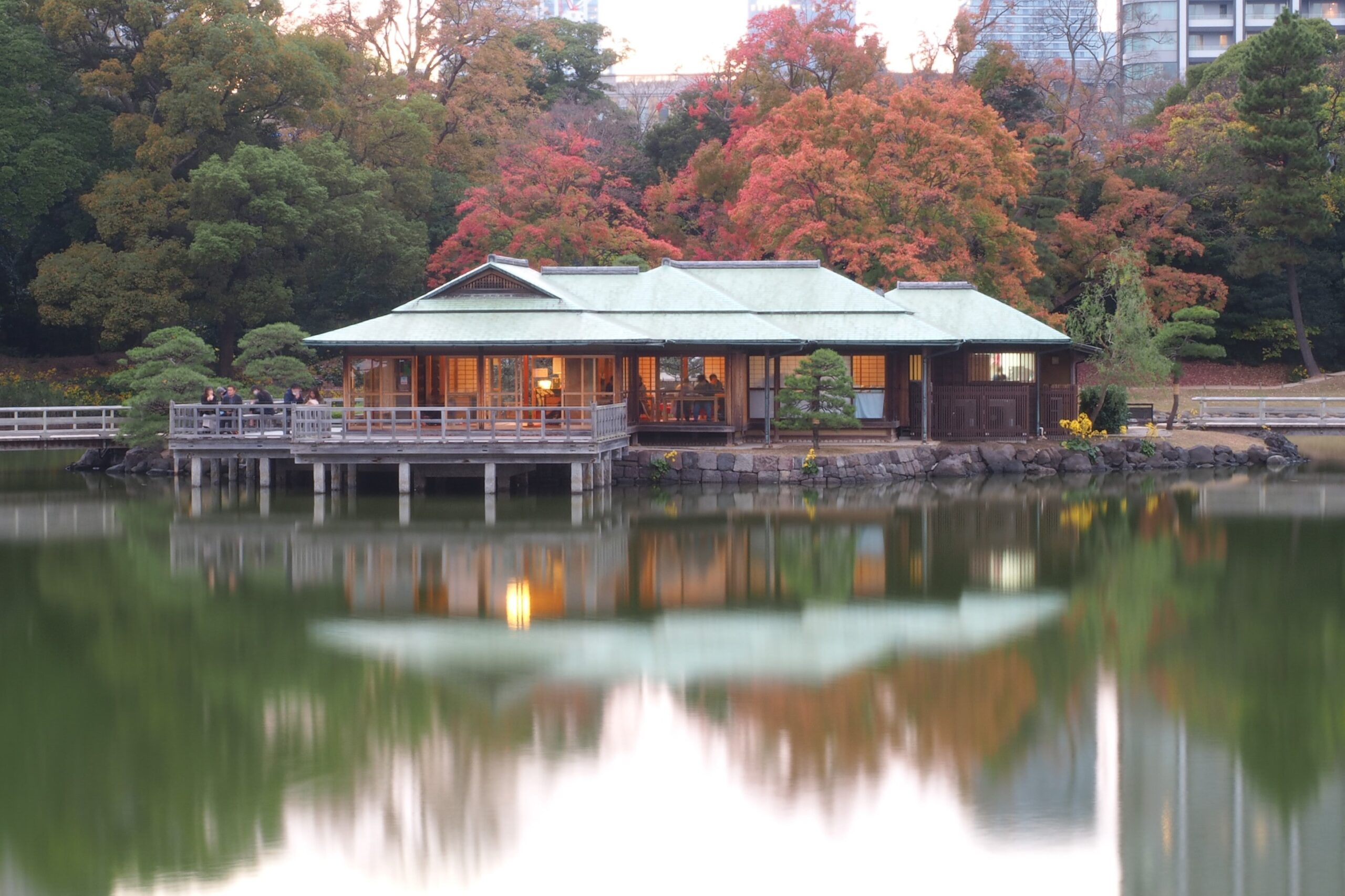
19. Todoroki Valley
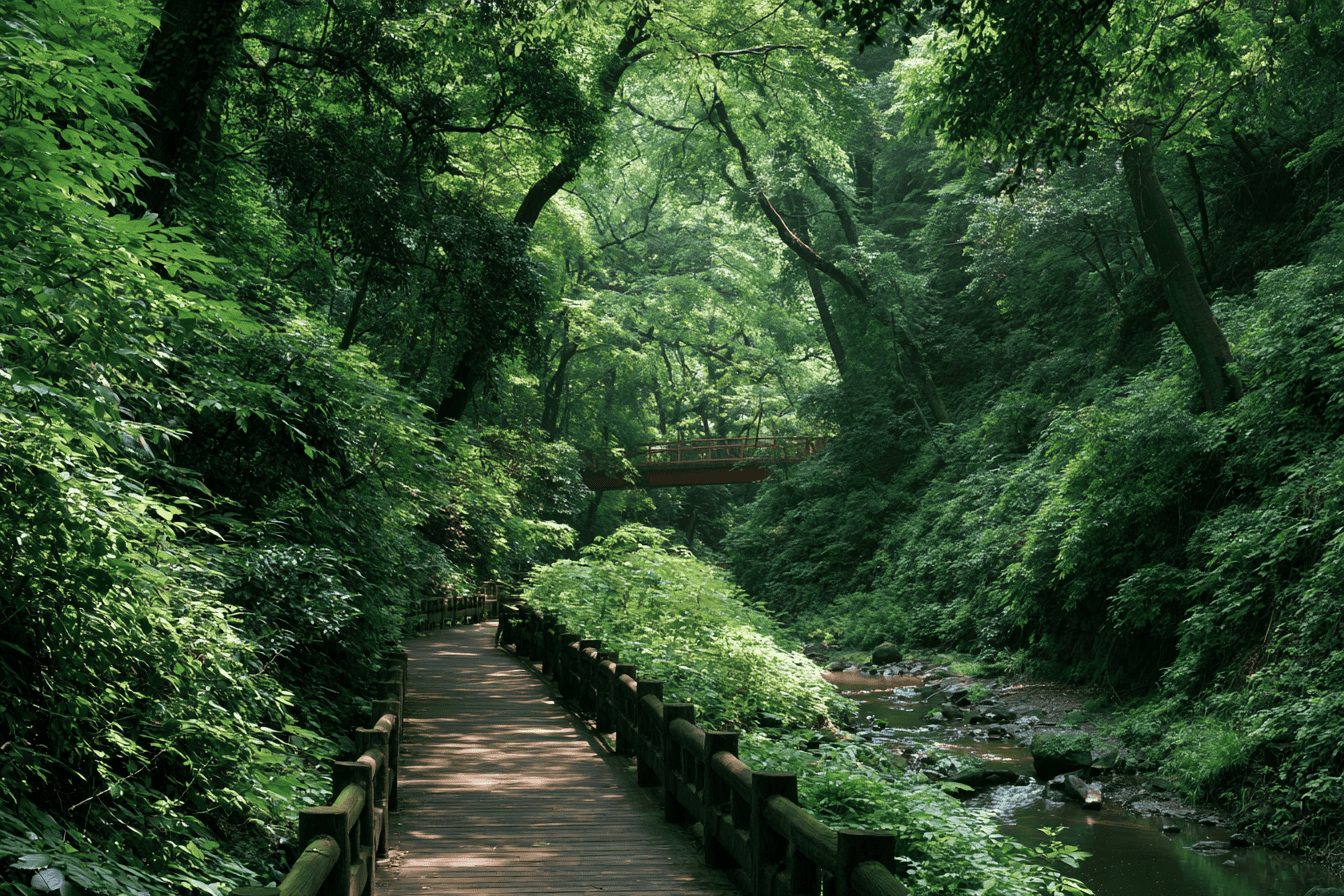
A one-kilometre ravine inside the city limits, with a stream at the bottom and a temperature noticeably lower than the streets above. Red footbridges cross it at intervals. The whole walk takes half an hour and feels implausible given the address. There is a small teahouse near the far end, and the path continues past it to a garden and a set of steps back up to street level.
Nearest station: Todoroki, three minutes. Hours: daylight. Entry: no charge. Best hour: mid-morning. Best season: late November, or high summer for the cool.
20. Inokashira Park
A large pond with rowing boats, ringed by cherry that leans out over the water. In early April the surface disappears entirely. Kichijoji, the neighbourhood attached to it, is one of the most liveable districts in the city and worth the extra hour.
Nearest station: Kichijoji, five minutes. Hours: always open. Entry: no charge; boats charge by the half hour. Best hour: early morning in blossom season. Best season: the first week of April. Outside cherry season it is a pleasant neighbourhood park rather than a destination, which is a fair reason to visit only when the dates line up.
21. Nakameguro
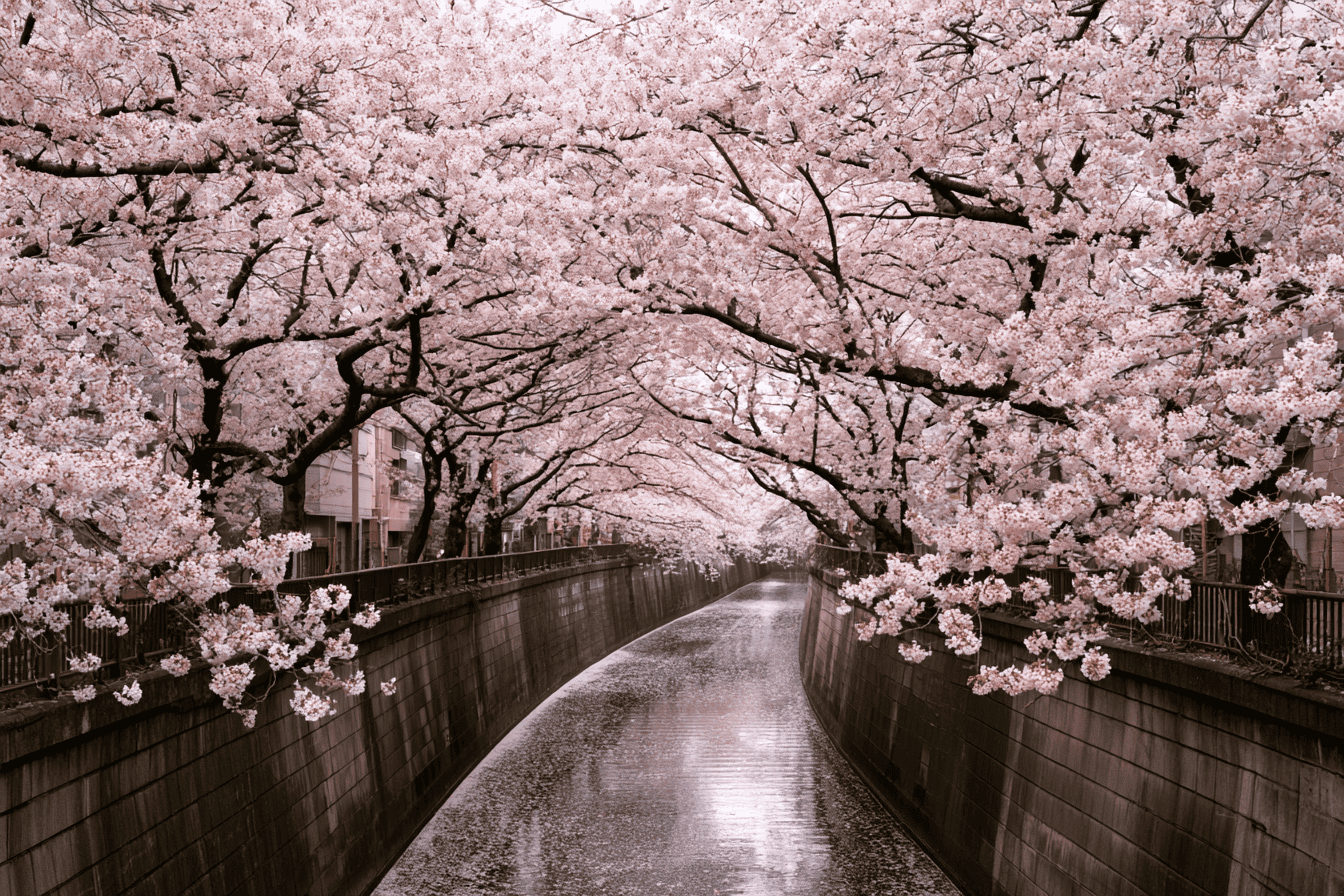
Four kilometres of canal lined with cherry. In the eight days it blooms, it is arguably the most beautiful place in Tokyo. Outside that window it is a pleasant low-rise neighbourhood of coffee shops and small stores, which is a different and much calmer proposition.
Nearest station: Nakameguro, direct. Hours: always open. Entry: no charge. Best hour: early morning in season, evening otherwise. Best season: late March to early April.
22. Chidorigafuchi and the Imperial Moat
The north-western moat of the Imperial Palace, where a kilometre of cherry leans over the water and rowing boats drift beneath it. It appears on almost every published list of Tokyo scenery, and for the eight days of bloom the reputation is earned. Outside that window it is a calm, tree-lined path with the palace stonework across the water, which most visitors walk past without a glance. Come early. The boat hire queue forms before nine in season, and the evening illumination draws the largest crowd of any cherry site in the city.
Nearest station: Kudanshita, five minutes. Hours: path always open; boats from around 9am in season. Entry: no charge to walk; boats charge by the half hour. Best hour: early morning in bloom, or the first hour of evening illumination. Best season: late March to early April; a calm second look in late November.
23. Sumida Riverside
The eastern river, walkable for kilometres, with the Skytree on one bank and Asakusa on the other. Bridges from the 1920s reconstruction each carry a distinct design. The promenade beneath them stays almost empty compared with the streets a block inland.
Nearest station: Asakusa, two minutes. Hours: always open. Entry: no charge. Best hour: sunset, walking north. Best season: any; late March for the bank cherry.
All five reward slow movement, and all five are better in shoes chosen for four hours of walking rather than two. That is the practical difference between the edge locations and the central ones, because you cannot shorten a valley walk or a canal walk without losing the reason you came. If the forecast is uncertain, the river and the canal both hold up in light rain, while the valley becomes slippery and is better postponed to another morning.
Streets That Photograph Better Than They Sound
Four avenues that arrive on most itineraries as shopping destinations and stay in memory as architecture. Each is worth walking end to end rather than emerging from a station and turning back. Together they are the pretty places in Tokyo that most reward a camera at eye level. None needs a ticket, none needs a booking, and all four hold up in light rain. What they need is the right hour: early for the buildings, evening for the light, and Sunday afternoon for the one avenue that closes to cars.
24. Omotesando
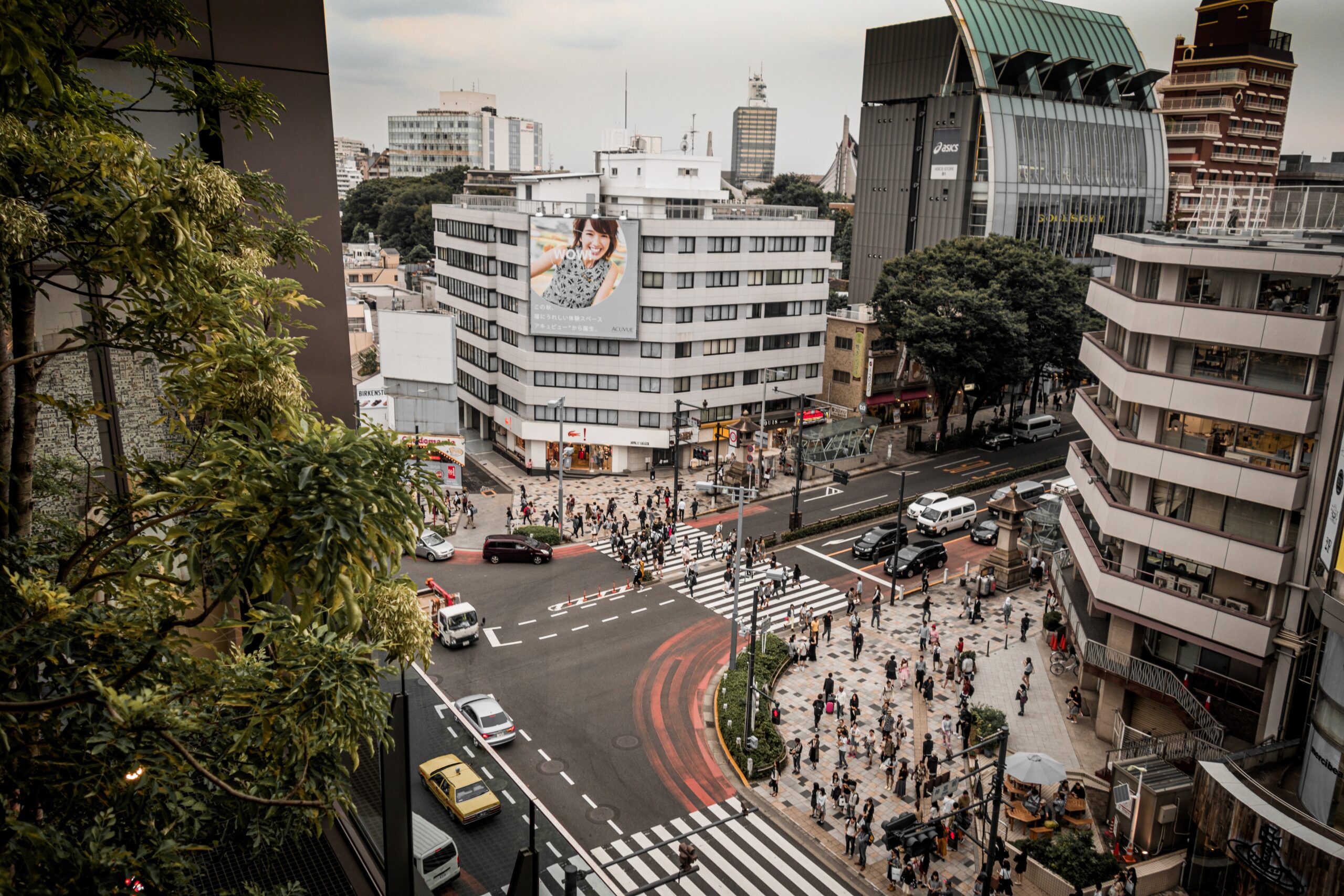
A zelkova-lined avenue running down from Meiji Shrine. Flagship buildings by an unusual concentration of major architects line its length. Read it as an outdoor architecture gallery and it becomes one of the finest streets in Asia. Winter illumination runs through December.
Nearest station: Omotesando, direct. Hours: continuous; stores from 11am. Entry: no charge. Best hour: early morning for the buildings, evening in December. Best season: December, or May for the canopy.
25. Harajuku and Takeshita Street
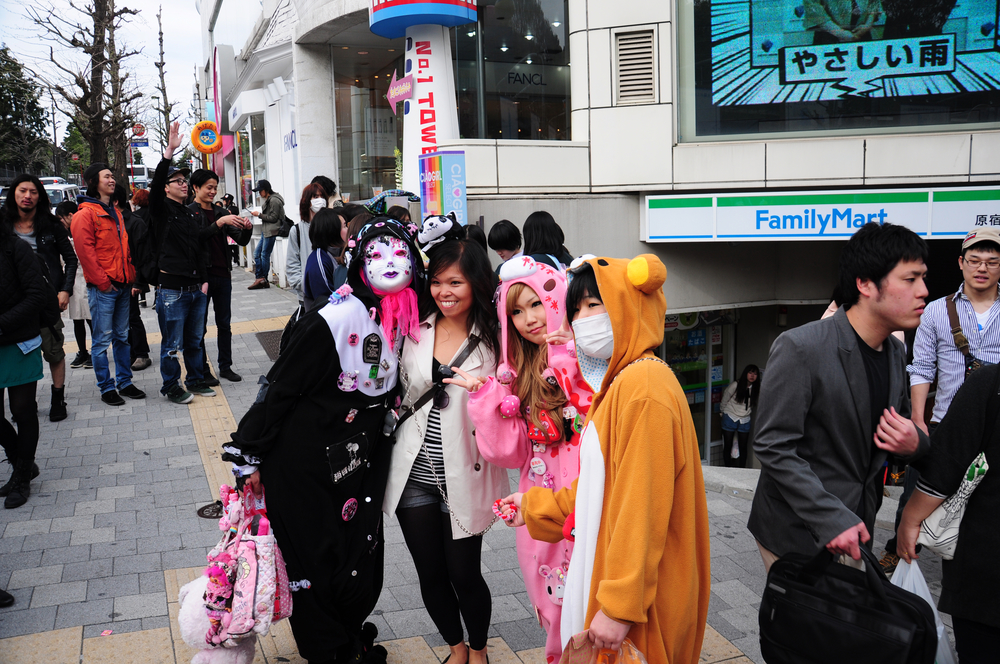
Two entirely different experiences a hundred metres apart. Takeshita is dense, loud and worth ten minutes. The back streets of Ura-Harajuku behind it are calm, low-rise, and where the interesting shops actually sit. Most visitors do the first and miss the second.
Nearest station: Harajuku, direct. Hours: shops from 11am. Entry: no charge. Best hour: before 11am for empty streets. Best season: any, avoiding weekend afternoons.
26. Ginza
Ginza is best on a Sunday afternoon, when the main avenue closes to traffic and people walk down the middle of it. The mid-century and contemporary facades along Chuo-dori are the draw. The side streets hold older buildings that survived redevelopment.
Nearest station: Ginza, direct. Hours: pedestrian closure on weekend afternoons. Entry: no charge. Best hour: Sunday between noon and 5pm. Best season: any.
27. Yurakucho
The arches under the elevated railway are occupied by small restaurants. Trains pass directly overhead every few minutes. It is loud, lit from below, and one of the most distinctive urban spaces in the city. The wider 28mm GR III Street Edition suits the arches better than a longer lens, since there is rarely room to step back.
Nearest station: Yurakucho, direct. Hours: restaurants from 5pm. Entry: no charge. Best hour: 6pm to 9pm. Best season: any; best in cold weather. Several counters seat six or eight and turn tables quickly, so a queue of a dozen people usually clears in a quarter of an hour.
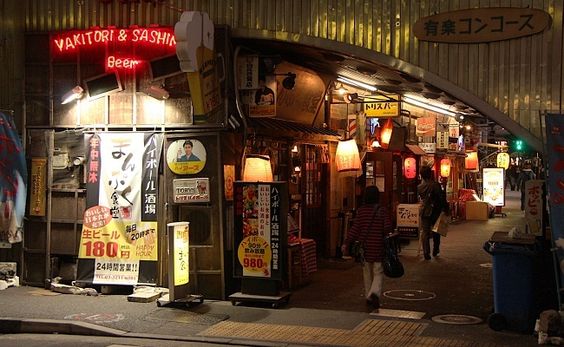
The four above sit close enough together that Omotesando, Harajuku, Ginza and Yurakucho can be strung into a single long afternoon with one train transfer. That said, the shopping streets and the photogenic corners overlap only partly. Anyone prioritising images over walking will get more from our guide to Tokyo’s most photogenic corners. It weights the list differently and includes several interiors this article leaves out.
When Each Place Is at Its Best
This is the table that matters. Nearly every entry above changes character across the year, and several are transformed by the hour alone. Read down the season column first if your dates are fixed, and down the hour column if they are not. It is the fastest way to sort the list into a workable order. Where an entry lists two seasons, the first is the stronger. Where it lists a specific hour, treat it as a hard recommendation rather than a preference. The difference between the listed hour and any other is usually the difference between the place described above and a queue.
Grouped by the season each place peaks. Route: N northern, E eastern, W western, S southern day, as laid out in the route section below.
| Place | Route | Go at | Peaks |
|---|---|---|---|
| Spring · late March to early April | |||
| Nakameguro | W | First light | Eight days of bloom |
| Chidorigafuchi | N | First light; illumination | Bloom week |
| Inokashira Park | W | Early morning | First week of April |
| Shinjuku Gyoen | W | Opening | Late trees extend the season |
| Yanaka | N | Late morning | Cemetery avenue in bloom |
| Autumn · mid to late November | |||
| Rikugien | N | Opening; illumination evenings | Maple over the pond |
| Koishikawa Korakuen | N | Weekday morning | Late November |
| Kiyosumi Garden | E | Mid-morning | Also June for iris |
| Todoroki Valley | W | Mid-morning | Also summer for shade |
| Hama-Rikyu | S | Late afternoon | Also February plum |
| Shibuya Sky | W | Sunset slot | Stable evenings |
| Omoide Yokocho | W | 6–8pm | Autumn into winter |
| Winter · December to February · clear air | |||
| Metropolitan Gov’t Building | W | First hour | Fuji on clear mornings |
| Tokyo Skytree | E | 40 min before sunset | Fuji at dusk |
| Tokyo Tower | S | After dark, from outside | Any clear night |
| Golden Gai | W | 9–11pm | Cold light |
| Odaiba | S | Hour after sunset | Clear horizons |
| Sensoji | E | Before 7am / after 9pm | Low sun, no crowds |
| Yurakucho | S | 6–9pm | Cold weather |
| Omotesando | W | Early; December evenings | Illumination |
| Any season · timing is the whole trick | |||
| Meiji Shrine forest | W | Sunrise | Deep summer canopy |
| Nezu Shrine | N | Early morning | Azalea mid-April |
| Mori Tower City View | S | Blue hour | Any |
| Shibuya Crossing | W | 8–10pm, in rain | June rain |
| Sumida Riverside | E | Sunset, walking north | Late March for bank cherry |
| Harajuku back streets | W | Before 11am | Weekdays |
| Ginza | S | Sunday noon–5pm | Pedestrianised afternoons |
One pattern stands out across the whole table, and it reorders the most beautiful places in Tokyo by month rather than by merit. Roughly a third of these places peak in November. That makes it the single strongest month to visit when the choice is open. A smaller cluster peaks in the eight days of early April, when the cherry holds. Winter is the reliable third option, because air clarity determines whether the elevated views deliver anything at all, and December through February is when Fuji actually appears. Summer is the weakest month for this particular list, though the forest and valley entries improve in it.
The Most Beautiful Places in Tokyo, By Season
If your dates are fixed, read this section instead of the table. Each paragraph names the entries that peak in that season and the one to build the trip around. It is the fastest route from a booked flight to a workable list, and it is where the scenic spots in Tokyo separate most sharply from one another.
Spring, meaning the last week of March into the first of April, belongs to the water. Nakameguro, Chidorigafuchi and Inokashira are transformed for about eight days, and Shinjuku Gyoen extends the season a week past them with its late trees. Yanaka’s cemetery avenue turns at the same time. Build around Nakameguro at first light and accept that the towers can wait.
You May Also Like
Summer is the weakest season for this list. Haze empties the observation decks of their view, and the streets are hard going by noon. What improves is the shade: Meiji Shrine’s forest canopy, Todoroki’s ravine, and Kiyosumi’s stones under full leaf. Go early, go green, and save the rooftops for another trip.
Autumn, mid to late November, is the strongest month overall. Rikugien, Koishikawa Korakuen, Kiyosumi and Todoroki all peak, Hama-Rikyu holds colour against the towers, and the air is clear enough for Skytree and Shibuya Sky to deliver. Roughly a third of the entries above sit in this window. If the choice is open, choose it.
Winter is for the views and the night streets. December through February is when Fuji actually appears from the Metropolitan Government Building and Skytree, when Golden Gai and Omoide Yokocho photograph best, and when Omotesando’s illumination runs. Sensoji and Yanaka are at their calmest. Gardens are bare, but the plum at Hama-Rikyu arrives in February and is the first sign the cycle is starting again.
What to Skip, and Why
A guide that recommends everything is useless. Several widely promoted locations do not repay the time, and saying so is more valuable than adding another entry to the list.
Skip the paid observation decks in summer unless the forecast is unusually clear. Haze reduces the view to grey in every direction, and the ticket price is identical to a February afternoon when Fuji is visible. This is the most common wasted expense on a Tokyo trip.
Skip Shibuya Crossing in daylight. It photographs as an ordinary intersection, and the ticketed vantage points above it charge for something the rain and the night provide at no cost. Come back after eight instead.
Skip Takeshita Street on a weekend afternoon. The density stops being interesting and becomes a shuffle, and the back streets a hundred metres away offer the same neighbourhood without the compression. Rain changes this calculation, however, so pack for it. Tokyo showers arrive without much warning between June and mid-July. A packable shell such as Uniqlo’s pocketable parka for men folds into a bag pocket rather than occupying it.
Skip Asakusa between ten and four entirely. The site genuinely justifies a visit. Its approach, however, becomes a queue in both directions. Early morning and late evening are far better. The middle of the day is not a compromise so much as a different and worse place.
Finally, skip any attempt to combine the eastern river with the western valleys on one day. They sit at opposite ends of the network, and the transit time between them consumes the daylight that made either one worth visiting.
Planning a Tokyo Route Around These Spots
The mistake that costs the most daylight is geographic. The beautiful places in Tokyo cluster into four workable groups, and building days around those clusters rather than around a ranked list changes how much you actually see.
A northern day covers Rikugien, Nezu Shrine and Yanaka, finishing at Nippori. In cherry week, add Chidorigafuchi at first light before Rikugien opens. An eastern day runs Sensoji at dawn, the Sumida promenade, and Skytree before sunset. A western day takes Meiji Shrine at opening, then Omotesando, Harajuku and Shibuya Sky for the evening slot. A southern day pairs Hama-Rikyu with Ginza and Yurakucho, ending under the railway arches at Yurakucho.
That leaves Todoroki, Inokashira and Nakameguro as deliberate half-day excursions rather than additions, which is the honest way to treat them. Each of the four clusters involves several kilometres on foot, so the same weather logic applies — the women’s cut of the pocketable parka carries the identical rating and packs to the same size. Anyone travelling with children should read our notes on seeing Tokyo with children before committing to those distances.
Season overrides all of this. If your dates fall in the first week of April, rebuild the entire itinerary around Nakameguro, Inokashira and Shinjuku Gyoen, and accept that the towers can wait for another trip. Cherry lasts eight days and observation decks last forever. Our account of when cherry blossom season actually peaks is worth reading before booking flights. The Japan Meteorological Corporation bloom forecast is the source to watch. Bloom dates move by more than a fortnight between years. Most published forecasts give regional averages rather than Tokyo figures.
What to Carry, and Why It Decides the Day
Whatever you carry, one principle guides the rest. Tokyo is a walking city disguised as a train city. A good day and an exhausting one differ by two things. What sits on your feet, and whether your bag handles weather that changes twice in an afternoon. Both are worth settling before you leave the hotel. Everything above assumes you are moving on foot between stations rather than taxi to taxi, which is also how the city reveals the parts of itself that no itinerary lists.
A few questions come up repeatedly from readers planning a first visit, and they deserve direct answers rather than being left buried in the entries above. The short versions follow. Each one assumes a four-day trip and no fixed dates, which describes most first visits. Each errs toward the choice that survives bad weather, rather than the one that photographs best in a brochure. Where two answers were defensible, the entry that stays open in rain wins, because a wet afternoon in Tokyo is far more likely than a perfect one and planning for it costs nothing.
The Four-Cluster Route Sheet
The northern, eastern, western and southern day-routes from this guide, sequenced with transfer times and opening hours. One page, printable.
One email with your printable. Occasional letters after that. Unsubscribe anytime.
Questions Worth Asking
What is the most beautiful place in Tokyo?
Rikugien in mid to late November, within an hour of opening. The Edo-period stroll garden holds its maple colour in the pond as well as overhead, and the eighty-eight designed viewpoints still read as intended when the paths are empty. Nakameguro in early April is the close second.
What is the prettiest area of Tokyo to walk around?
Yanaka, for continuous streetscape rather than single sights. Wooden houses, working shops and a cemetery avenue that turns to cherry in April survived the war and the redevelopment that flattened most of the old city. Allow half a day and no fixed route.
Where are the best skyline views in Tokyo, and which cost nothing?
The Tokyo Metropolitan Government Building observatories charge no admission and reach 202 metres, with a clear sightline to Fuji on winter mornings. Among ticketed options, Shibuya Sky offers an open rooftop and Mori Tower is the only one framing Tokyo Tower.
When is the most beautiful time of year in Tokyo?
Mid to late November, on balance. Roughly a third of the places in this guide peak then, the air is clear enough for elevated views, and the crowds are lighter than in spring. Early April is more spectacular but lasts about eight days.
How many of these places can you see in one day?
Three or four, if they share a cluster. The four groups in this guide — northern, eastern, western and southern — are each built to fill a day without backtracking. Attempting more than four means spending the daylight on trains rather than on the places themselves.
Are Tokyo’s beautiful places worth visiting in the rain?
Several improve. Shibuya Crossing after dark is at its best wet, the covered lanes at Omoide Yokocho and Yurakucho are unaffected, and garden foliage reads richer under cloud. Postpone Todoroki Valley, which gets slippery, and the observation decks, which lose the view entirely.
Those six cover what readers ask before booking. What they do not cover is the part that only shows up once you are walking. Notes taken at the time. A station you got off at by mistake. The garden gate you found closed and came back to. Tokyo is a city that rewards a record, partly because so much of what makes it beautiful is seasonal and will not be there next time you visit. The maple week shifts by a fortnight between years, and the cherry week by rather more than that.

Unlined pages built for recording a place rather than filling a form — room for the station you got off at, the hour the light was right, and the garden worth returning to in a different month. The collection runs to twenty-seven covers, each one made for a different kind of trip.
View The CollectionBeyond a notebook, most readers arrive at one practical question. Do you build the trip yourself? Or hand the routing to someone who knows which garden gates open at nine and which close on Mondays? Both are reasonable answers. The clusters in this guide are enough to build four strong days without help. The timing card covers the rest of the sequencing. What a built itinerary from Magnificent Japan adds is the ordering across a longer trip, and the reservations that need placing weeks ahead of arrival.
From the Browser to the Page
Those three run in a browser and cost nothing to try, which makes them the natural first stop for anyone who came back from Tokyo wanting to read the signs they photographed. The written practice sits alongside them. A guided kanji workbook does what the flashcards do on paper, and the reflection journals turn the habit of noticing, which this guide has been arguing for since the first garden, into a daily page. Both formats print, and both ship as write-on-tablet editions for GoodNotes and Notability.
Building the Days Yourself, or Handing Them Over
None of those tools will plan a route for you, and that is the gap worth naming before the end. Sequencing four days across a city this size is the part that takes local knowledge rather than a list, particularly when a single booked sunset slot or a Monday closure can unpick an entire afternoon. If you would rather hand that over than solve it yourself, the option below exists for exactly that reason and starts from your actual dates.
Four days sequenced by cluster rather than by list — northern gardens at opening, the eastern river at dusk, a sunset rooftop slot booked ahead, and the cherry or maple week timed to your actual dates rather than a regional average.
Plan Your Custom Japan ItineraryTokyo repays a second visit more than most capitals, and the reason sits in the timing table above. Almost nothing on this list is a fixed object to be ticked off. The garden you found ordinary in August is the one that stops you in November, and the crossing that looked like any other intersection at noon becomes the image you keep from a wet evening in June. Come back with different dates, and the city gives you a different set of beautiful places in Tokyo entirely.
The Editors, Magnificent Japan