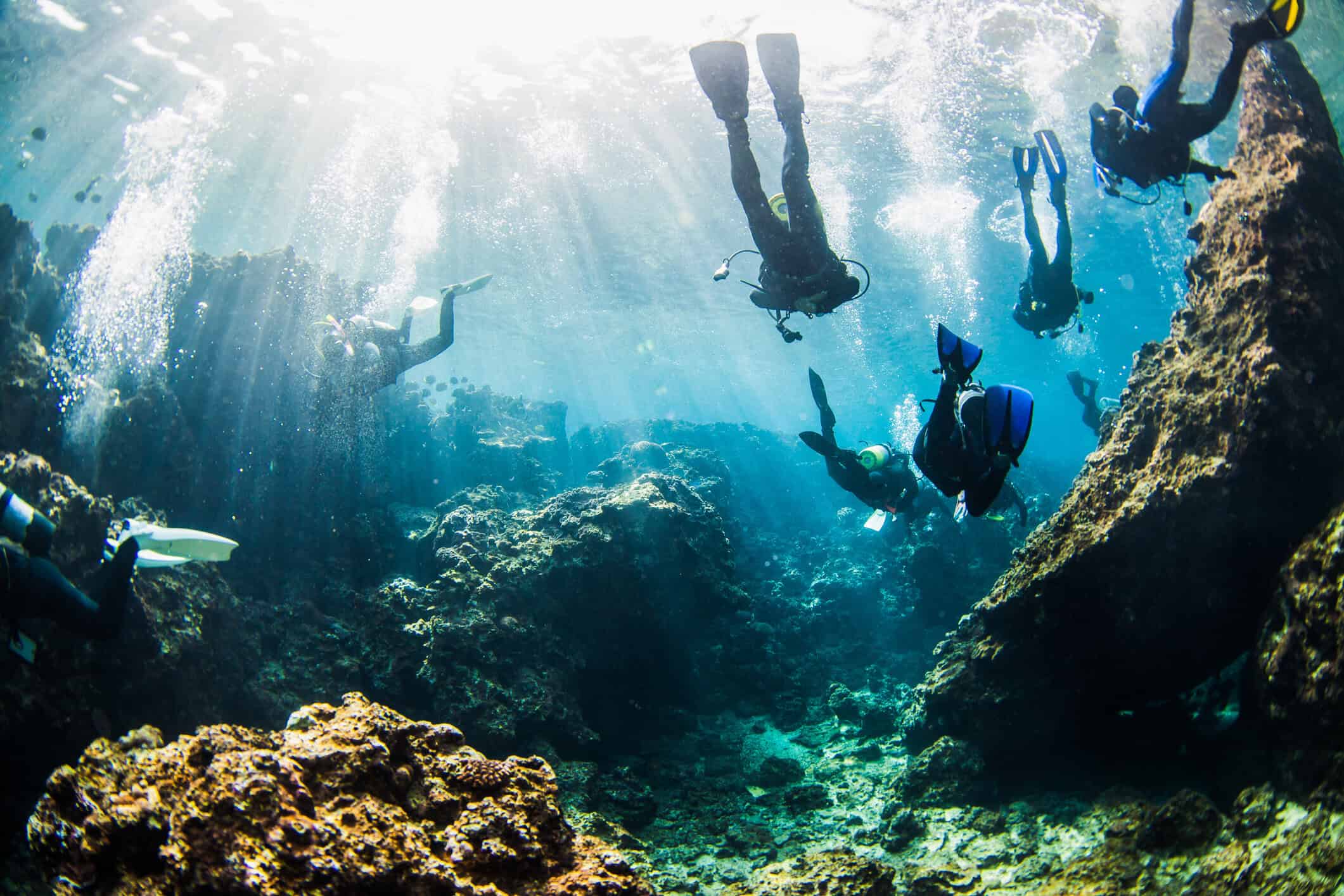
Most travellers never think to dive in Japan. They come for the cities, the food, the temples, the trains. The ocean stays an afterthought. That gap is the opening. Japan holds more than 14,000 islands and a coastline longer than the United States. Below the surface, scuba diving in Japan ranks among the most varied in Asia, with far fewer divers than the Caribbean or the Red Sea.
This guide covers the country as a whole. The regions worth flying for, the marine life you can expect, the seasons that govern each area, the certification and logistics, and the gear that earns a place in a Japan-bound bag. For Okinawa specifically — the Blue Cave, the manta cleaning stations, the per-site profiles — the in-depth Okinawa dive-sites guide goes further than a single section can.
Japan dives in two registers. The subtropical south — Okinawa, the Kerama Islands, Ishigaki, Yonaguni — brings warm water, manta rays, and healthy coral. The temperate mainland runs cooler and stranger. It covers the Izu Peninsula, the Sea of Japan, and the remote Ogasawara archipelago, and most visitors never consider it. Plan around water temperature and season. Treat the country as several destinations rather than one.
Where to Scuba Dive in Japan, by Region
Japan’s dive map divides cleanly by latitude. Go south, and the water turns warmer and clearer, the marine life more tropical, the diving closer to the postcard. Go north toward the mainland, and it turns cooler and greener. That is diving for people who already know they like it. Each region below answers a different question, so the first decision is what you want from the water.
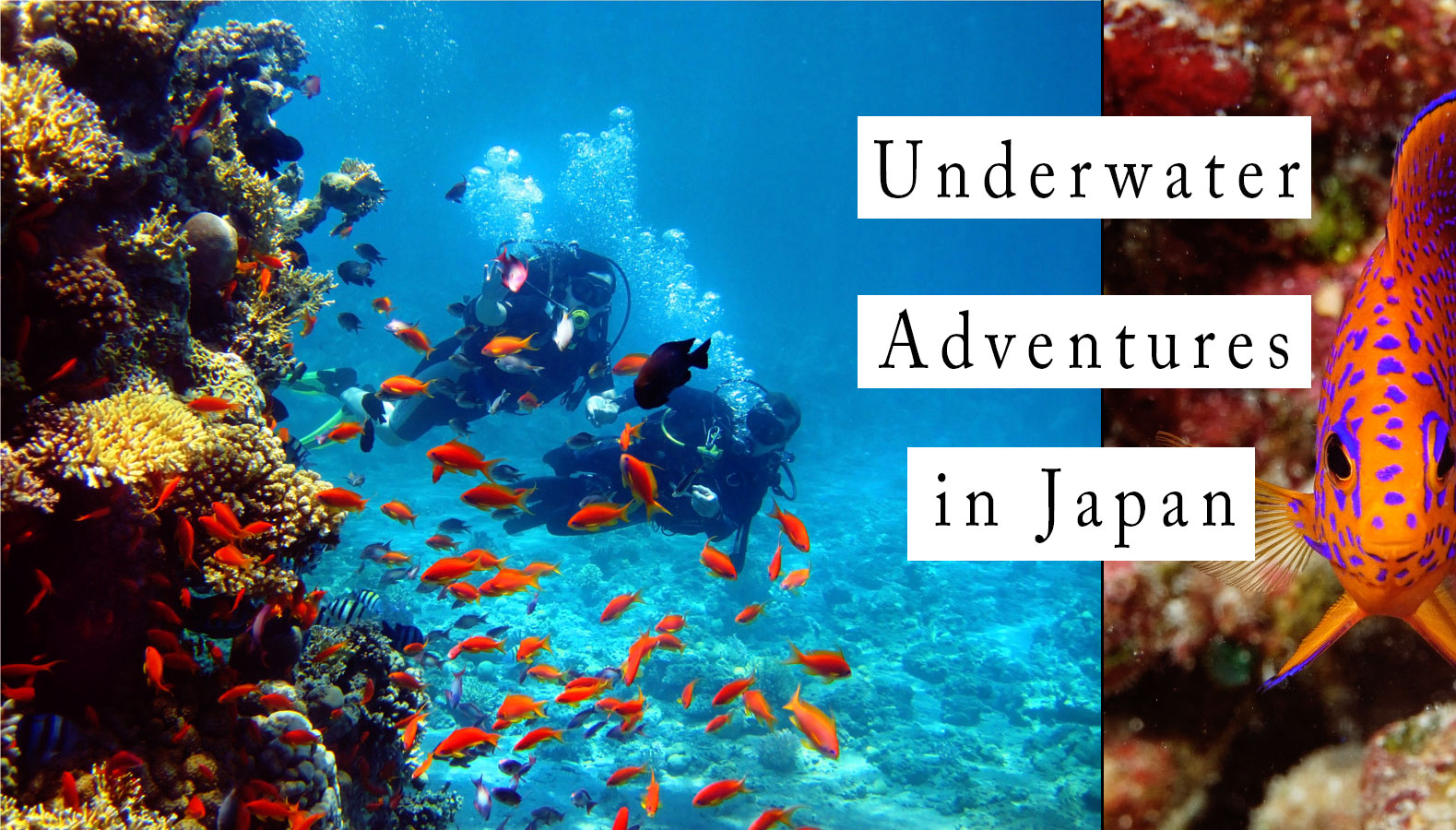
Okinawa and the Kerama Islands
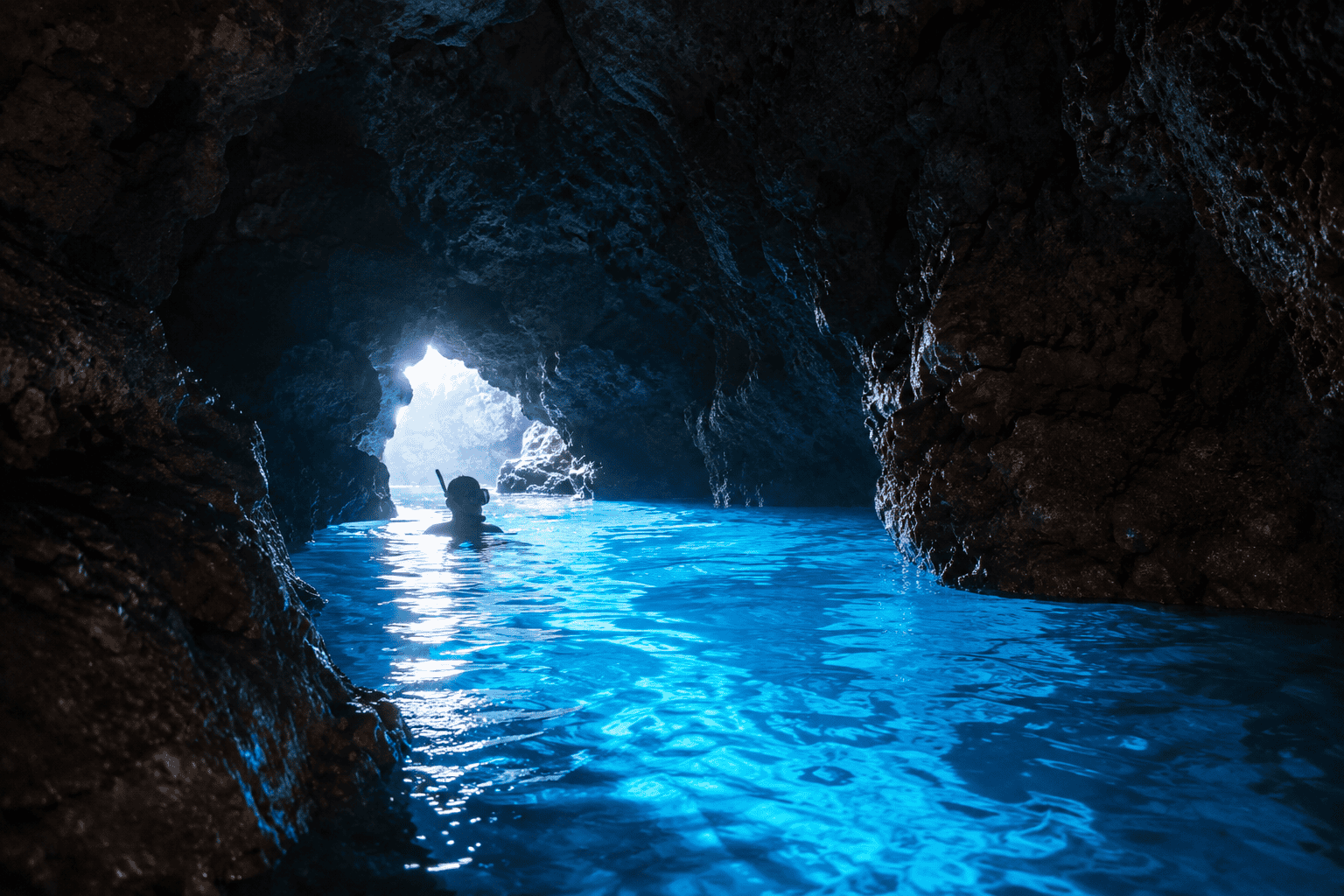
Okinawa is where most Japan diving begins, and rightly so. The water stays warm from spring through autumn. Visibility regularly passes thirty metres. The Blue Cave at Cape Maeda is the signature site on the main island, a half-submerged sea cave where light through the underwater mouth turns the interior an unreal sapphire. It suits snorkellers and certified divers alike, which is part of why it stays busy. Most Okinawa main-island sites are shallow, in the five-to-eighteen-metre range, which makes the area forgiving for newer divers and generous on bottom time.
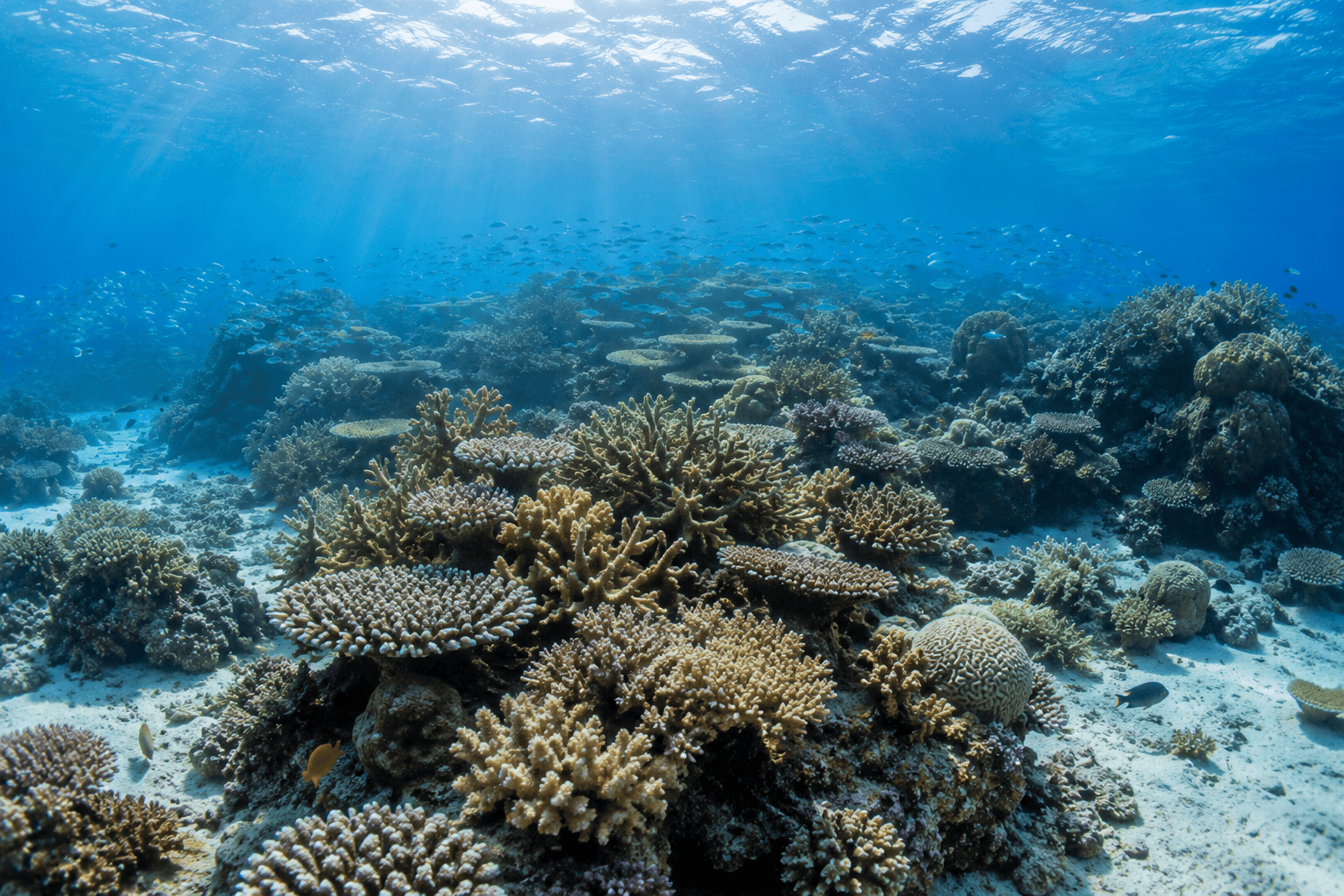
The Kerama Islands sit a short boat ride from the main island and hold the postcard side of Okinawan diving. Their coral gardens are healthy enough that the surrounding waters were designated a national park in 2014, and the visibility through the channels between islands routinely exceeds thirty metres. The Okinawa dive-sites guide covers each named site individually, including the per-site depth, certification, and marine life.
Ishigaki and the manta cleaning stations
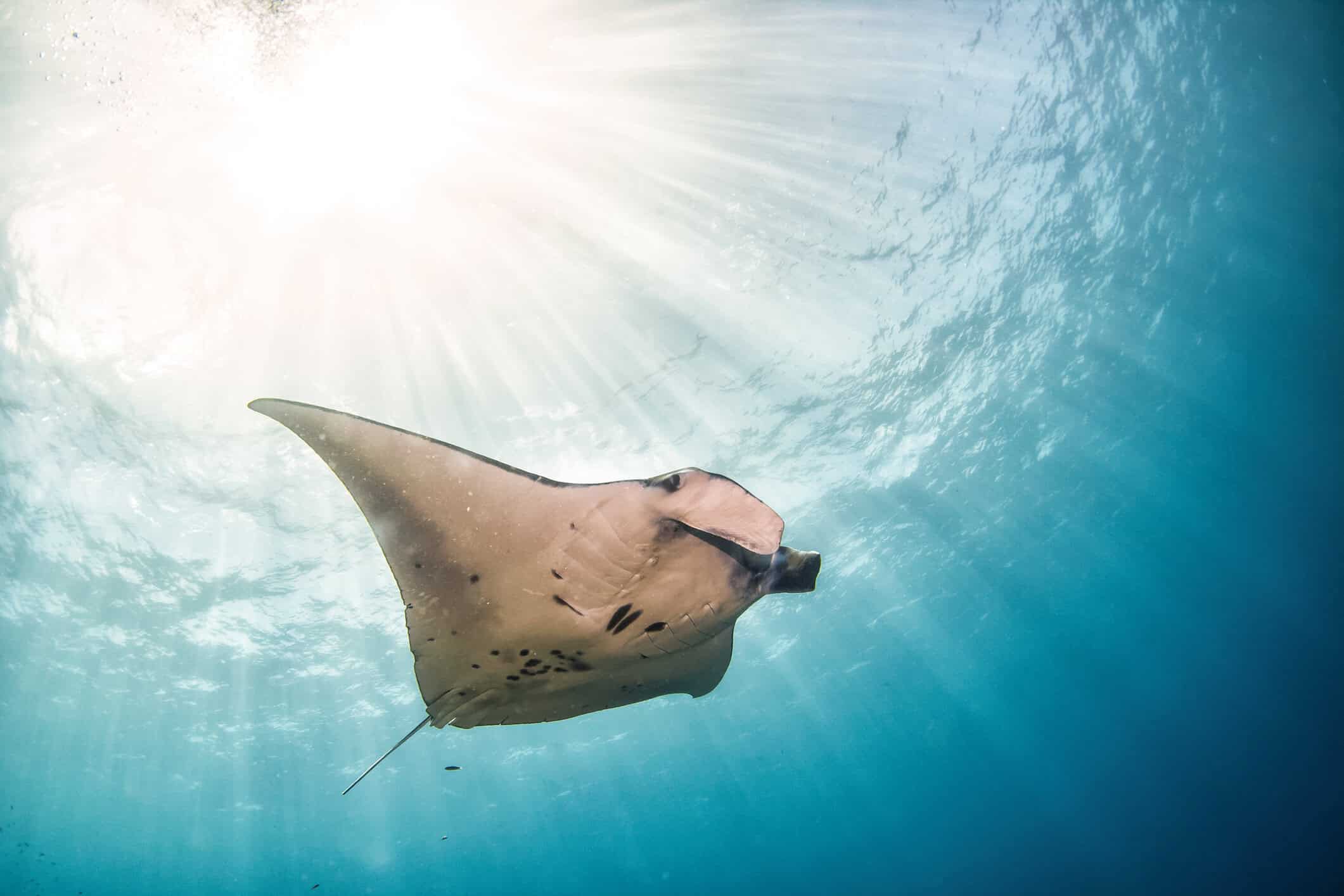
Further south in the Yaeyama Islands, Ishigaki is known above all for one thing. Manta Scramble is a cleaning station where manta rays gather in numbers that make a sighting close to reliable in season. Hovering beneath a manta as it circles a coral bommie, wings spread, is the kind of encounter divers travel years to arrange. The manta window runs strongest from summer into autumn. Ishigaki delivers it within a short boat ride of a town with proper hotels and restaurants, which makes it a rare combination of world-class diving and easy comfort.
Yonaguni and the underwater monument
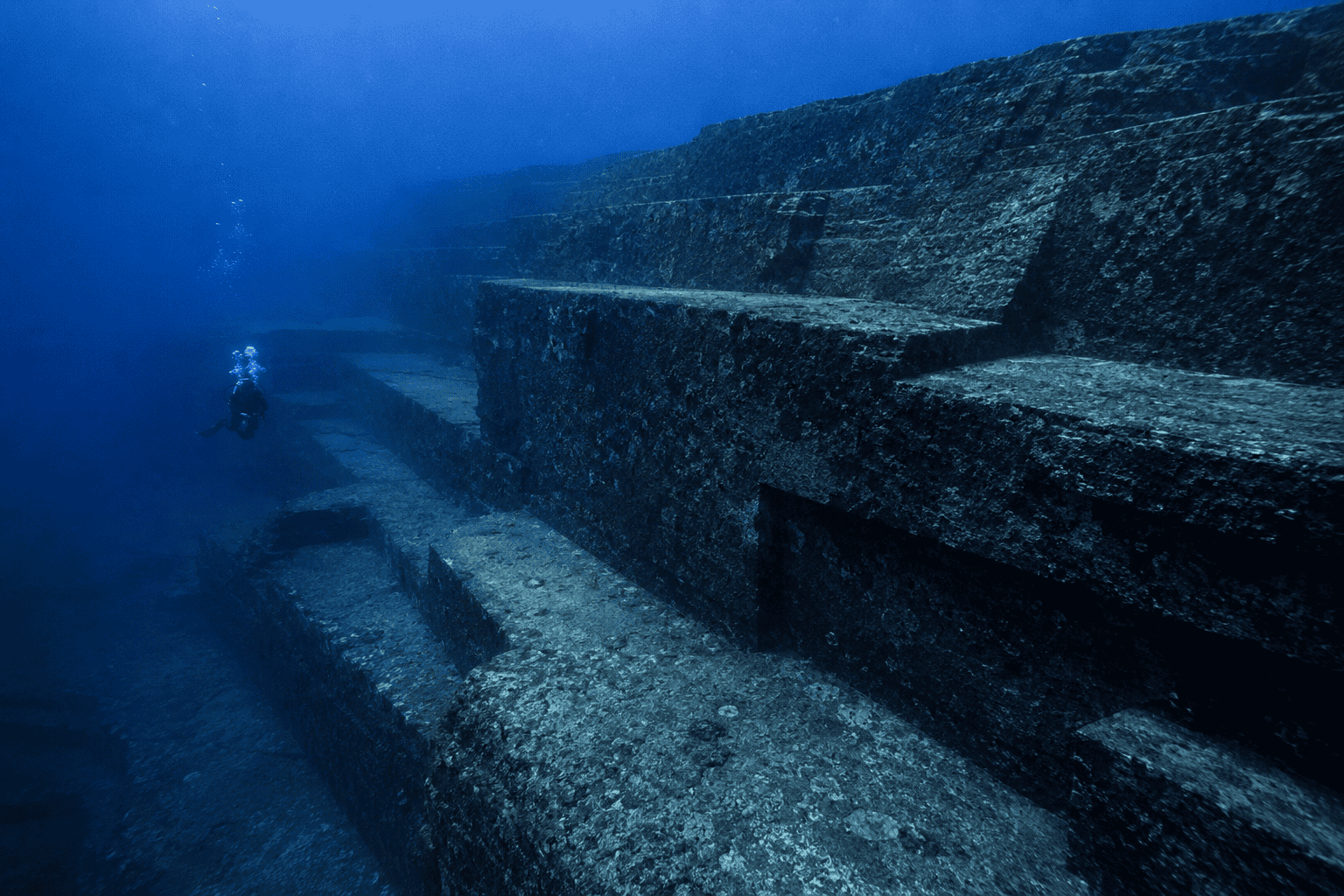
At the far western edge of Japan, closer to Taiwan than to Tokyo, Yonaguni holds the country’s strangest dive. The Yonaguni Monument is a vast formation of flat terraces and sharp right angles. Whether its origins are natural or man-made remains genuinely disputed among geologists. The site demands experience. Currents run hard and the depth is real, reaching past twenty-five metres. It is not a beginner’s dive. For those drawn to the eerie and the unresolved, nothing else in Japan compares.
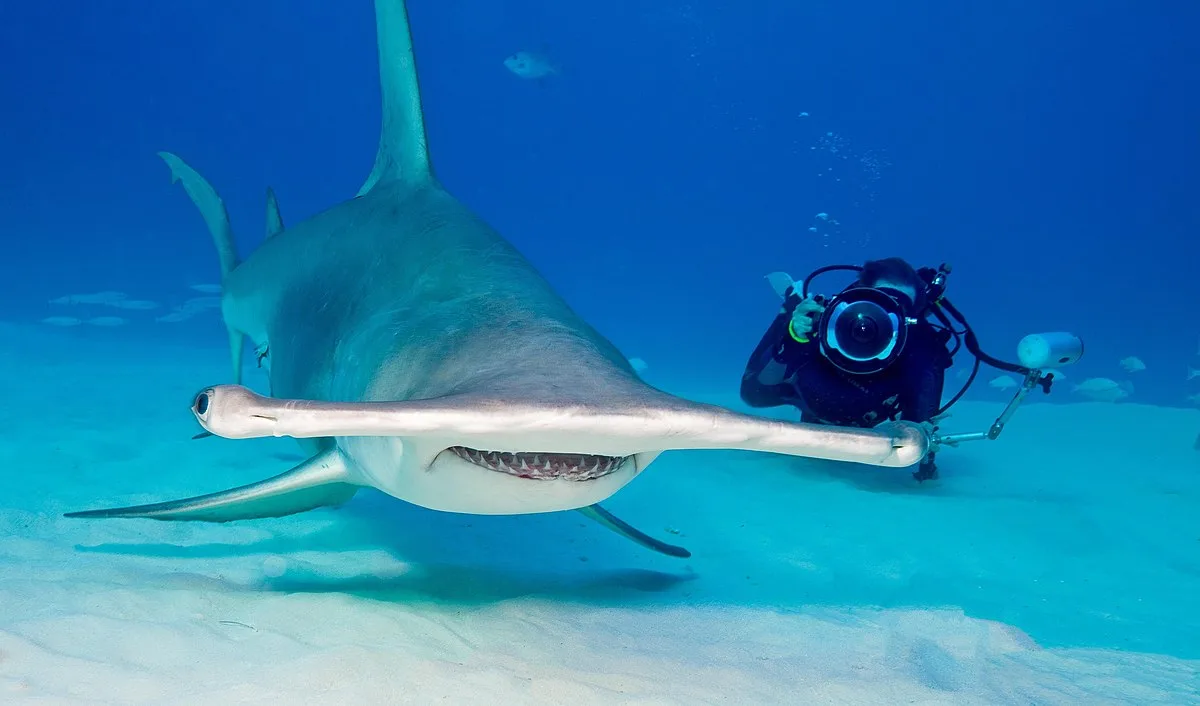
In the winter months, the same waters draw schooling hammerheads — a separate trip for advanced divers entirely. Conditions are colder and rougher than the warm-season monument dives, and the operators that run them are selective about who they take. Booked right, it is one of the rarest sights in Japanese waters: dozens of hammerheads passing through deep blue at the country’s western edge.
Izu Peninsula and the temperate mainland
Mainland diving is a different proposition. The Izu Peninsula sits two hours from Tokyo. It offers cooler green-blue water over volcanic rock, with kelp, schooling fish, and a moodier palette than the tropical south. Sites cluster around Atami, Ito, and the offshore Izu Oceanic Park, with the volcanic Izu Islands further out for those who want more. It is the country’s most accessible serious diving, popular with Tokyo divers precisely because it needs no flight. The water demands more exposure protection, which shapes what you pack.
Ogasawara, the islands at the end of the ferry
The Ogasawara Islands sit a twenty-four-hour ferry ride south of Tokyo. There is no airport and no shortcut. That remoteness is the appeal. Dolphins, exceptional clarity, and open-ocean diving come with a sense of isolation almost impossible to find elsewhere in a country this populous. The islands are a UNESCO World Heritage site, with marine life found nowhere else. Ogasawara suits divers who treat the journey as part of the dive rather than an obstacle to it.
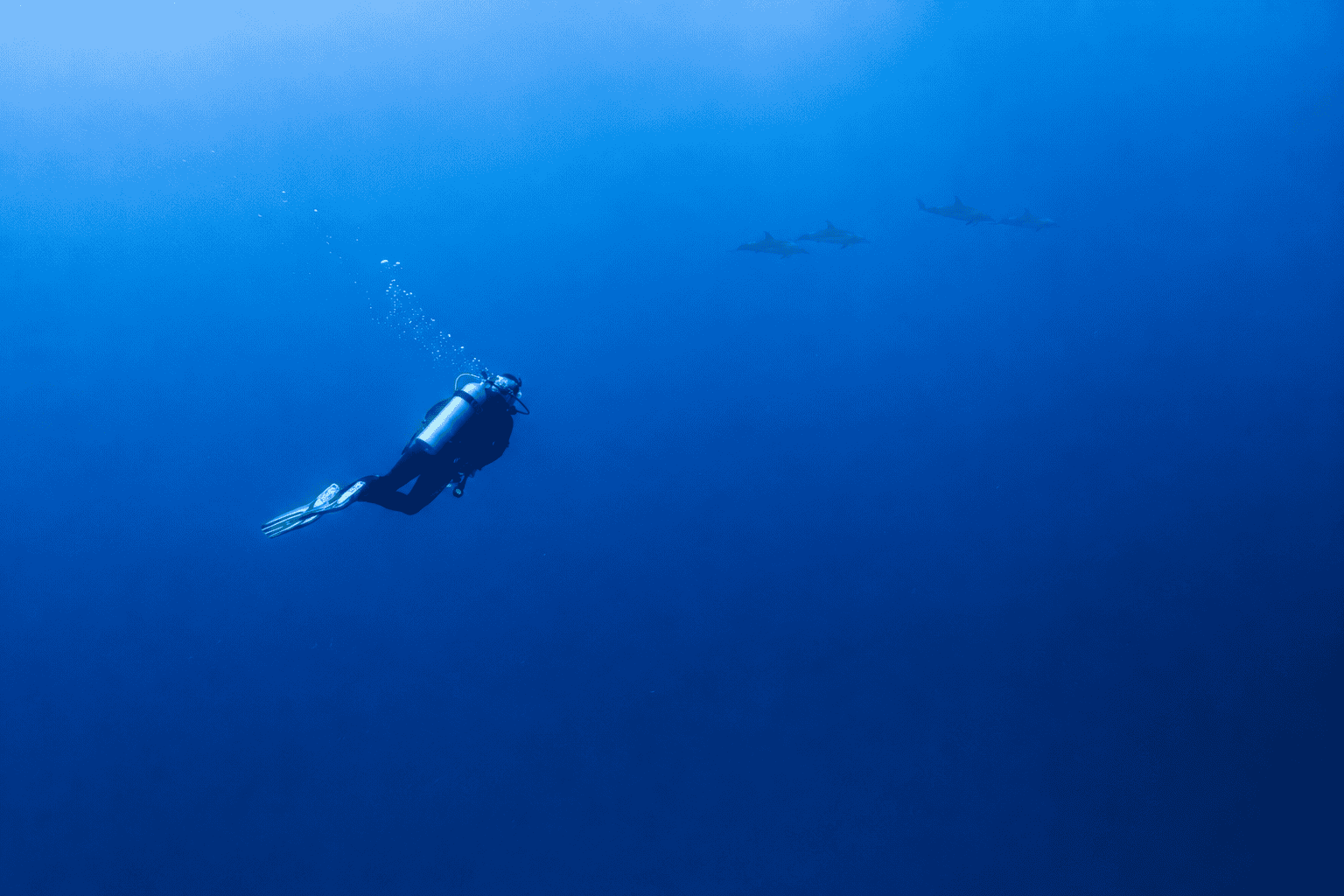
Six regions, one country, six different days underwater. The right choice depends as much on the time of year you can travel as on the kind of diver you are — which the next section makes literal, animal by animal.
What you will see underwater
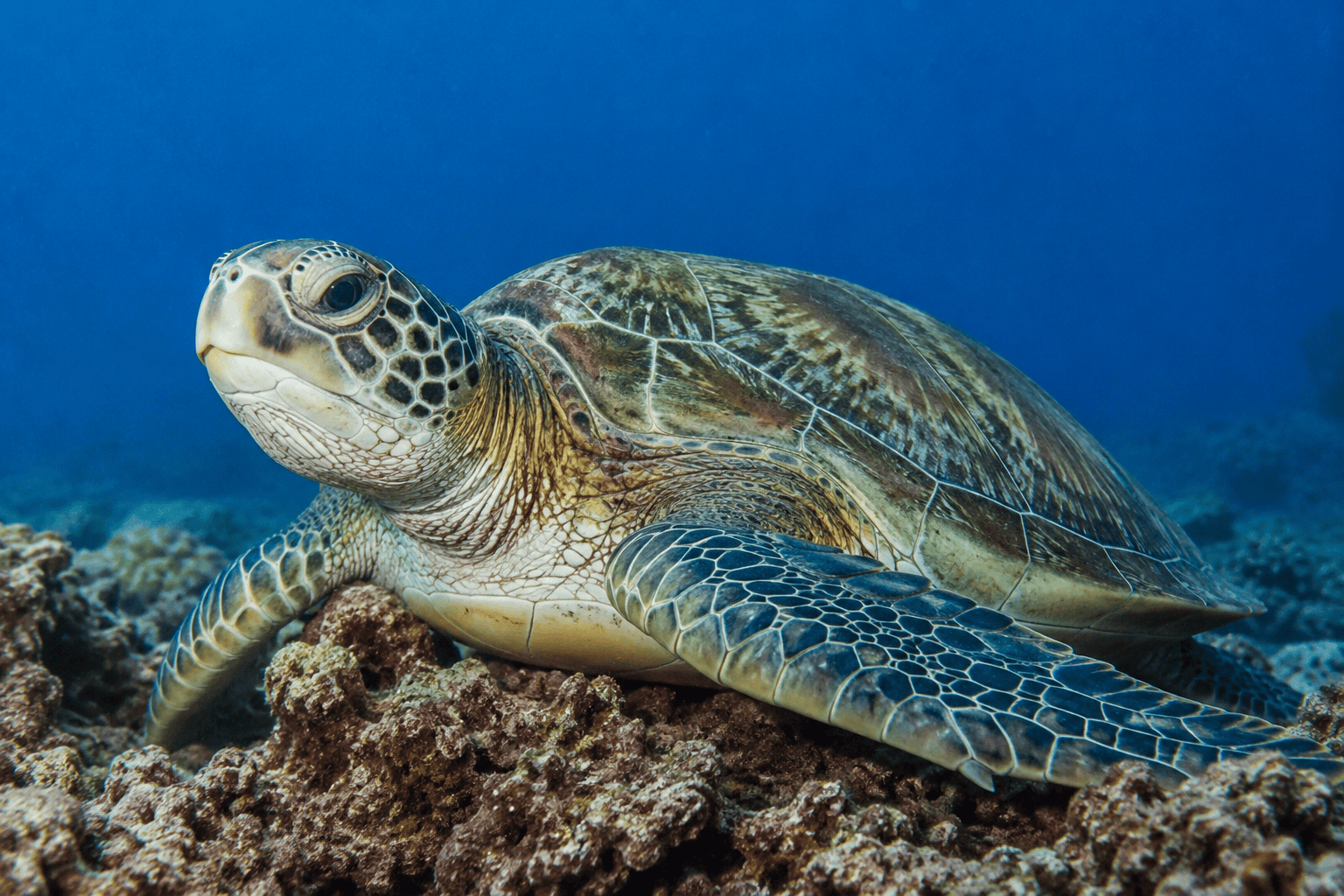
The marine life follows the same north-south logic as the water. In the subtropical south, the headline animals are the ones divers cross oceans for. Manta rays gather at Ishigaki’s cleaning stations. Whale sharks pass through Okinawan waters in the warmer months, and a handful of operators run encounters with them. Green sea turtles are close to a guarantee on the Kerama reefs, unbothered enough to photograph at eye level. Hawksbill turtles appear too, grazing the coral.
Take the warm-water animals first. The whale shark is the headline draw of the south’s warm-season window — the largest fish in the ocean, harmless, plankton-feeding, and increasingly reliable on a handful of Okinawan boats from late spring through autumn.
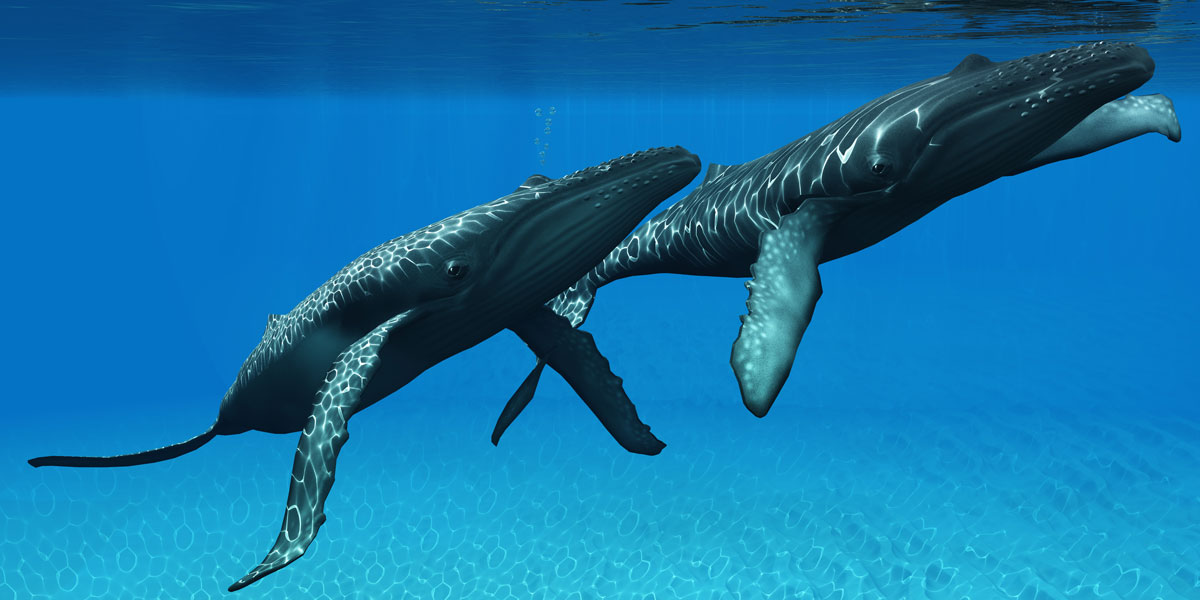
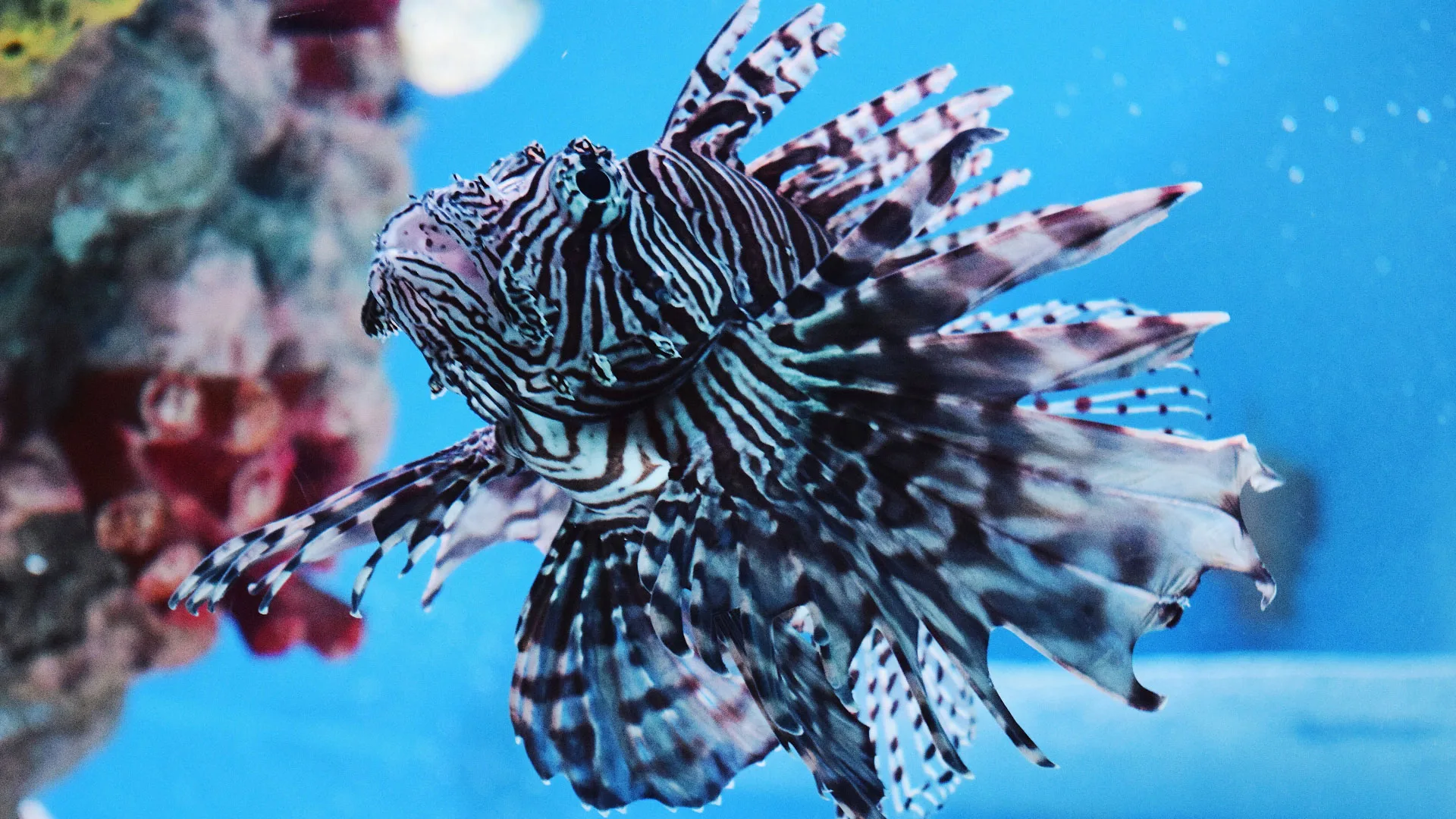
The reefs hold their colour in a way that surprises divers expecting bleached, struggling coral. The Kerama gardens stay healthy under national-park protection. The fish life fills out the picture, with schooling jacks, parrotfish, anthias clouding the bommies, and the occasional reef shark. Hammerhead schools appear seasonally at Yonaguni in winter, for divers willing to handle the current. Clownfish in their anemones, lionfish hanging under ledges, and cuttlefish along the sand round out a typical southern dive.
Move north and the cast changes entirely. The temperate sites off Izu and the Sea of Japan trade coral for kelp. The animals become subtler, with nudibranchs, frogfish, seahorses, and schooling sardines that pulse in great silver walls. This is macro life that rewards a slow eye and a good torch. It is less immediately spectacular, and for many experienced divers, more interesting. A single rock face off Izu can hold a dozen species of nudibranch for the diver patient enough to look.
Design-led guides to the country’s culture, coast, and craft. For travellers who choose depth over checklists.
Seasons and water temperature
Season is the single decision that shapes a Japan dive trip, and it works differently for each region. In Okinawa and the southern islands, the prime window runs from late spring through autumn. Water temperatures sit in the high twenties Celsius through summer, easing to the mid-twenties by autumn, and visibility peaks. Summer brings the warmest water and the manta season at Ishigaki. It also brings typhoons, which can cancel boat days at short notice. Late spring and early autumn are the wiser choice, warm enough, clear enough, and with calmer seas. Even at the height of summer, a thin wetsuit is worth wearing against coral and sun.
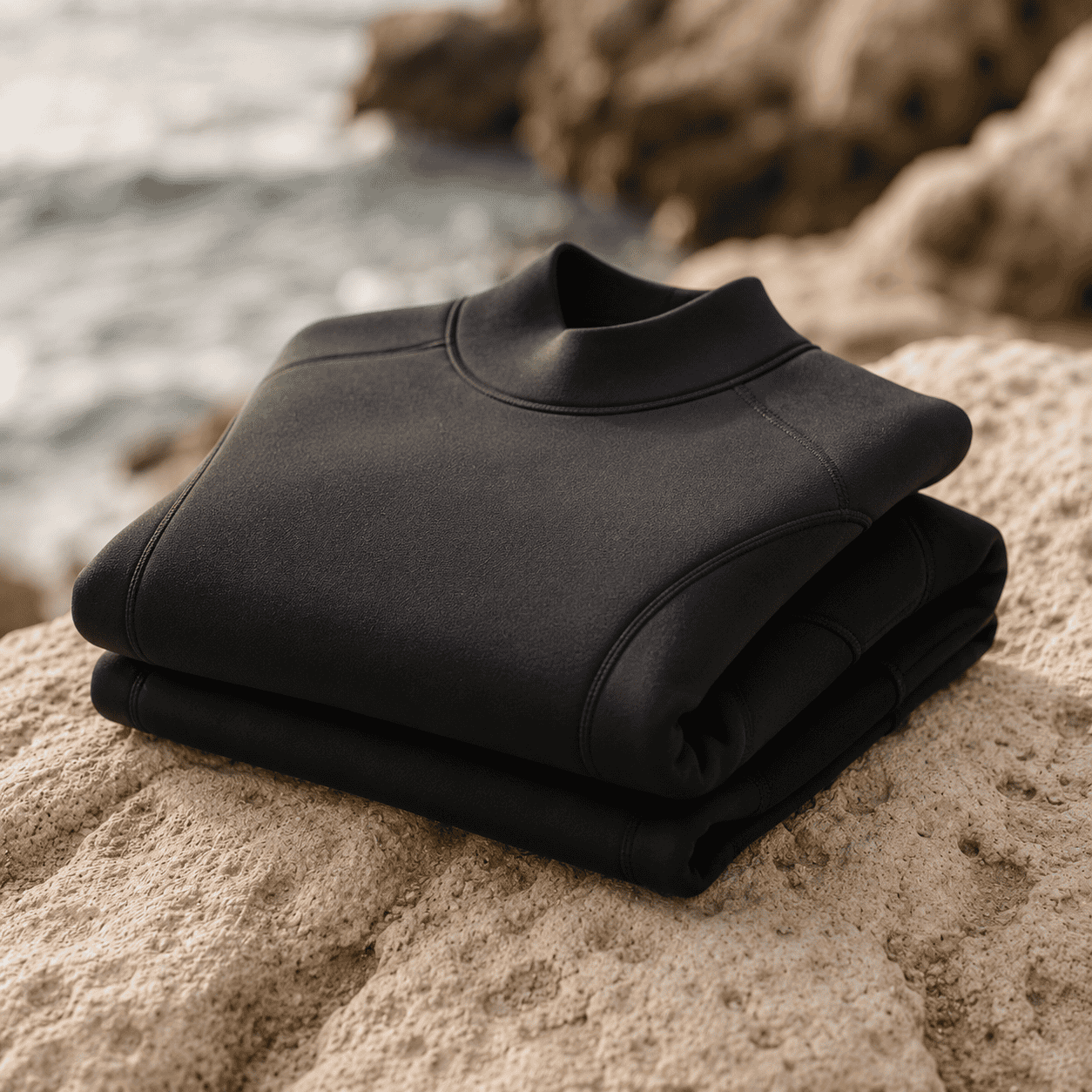
The mainland is colder and the season shorter. Izu diving is best from summer into autumn, when the water climbs from the mid-teens into the low twenties Celsius and turns pleasant in a proper wetsuit. In winter it can drop toward fourteen degrees, the territory of dry suits and committed locals. For warm-water diving where the water still cools between dives, a packable thermal layer such as the Fourth Element Thermocline top adds the equivalent of a couple of millimetres of neoprene without the bulk in your luggage.
For mainland and shoulder-season diving where the water turns genuinely cool, a full wetsuit is not optional. This is where gear quality shows. The Fourth Element Proteus II 5mm is widely regarded as one of the warmest recreational wetsuits made. It extends the number of weeks a year you can comfortably dive Izu or the Sea of Japan. It is an investment piece for divers who expect to return.
Certification and operators
You need an open-water certification to dive most Japanese sites, and you should bring physical proof of it. Japanese operators are conscientious about documentation. The major agencies are all recognised here, with PADI and SSI the most common, alongside NAUI and others. Discover-scuba experiences exist for the uncertified, particularly at the Blue Cave, where shallow, sheltered conditions suit a first time in the water under close supervision. For anything beyond that, certification is expected. At sites like Yonaguni, advanced certification and logged experience are genuinely required rather than nominal.
Two practical points are worth settling before you go. Dive insurance that covers recreational diving, such as a DAN membership, is sensible anywhere and inexpensive against the cost of a chamber. And nitrox is widely available at the larger Okinawa operators if you are certified for it, which extends bottom time across a day of repetitive dives. Bring your certification card, your logbook, and a note of any prior depth and air-integration experience.
The language question is real but manageable. In Okinawa and the major tourist sites, English-speaking or multilingual instructors are common. Many operators provide English dive briefings and manuals. Off the main circuit, English thins out quickly. Booking through an operator that explicitly advertises English support saves friction. A guided experience removes the language barrier entirely, which is part of why first-time visitors lean on them.
Getting there and logistics
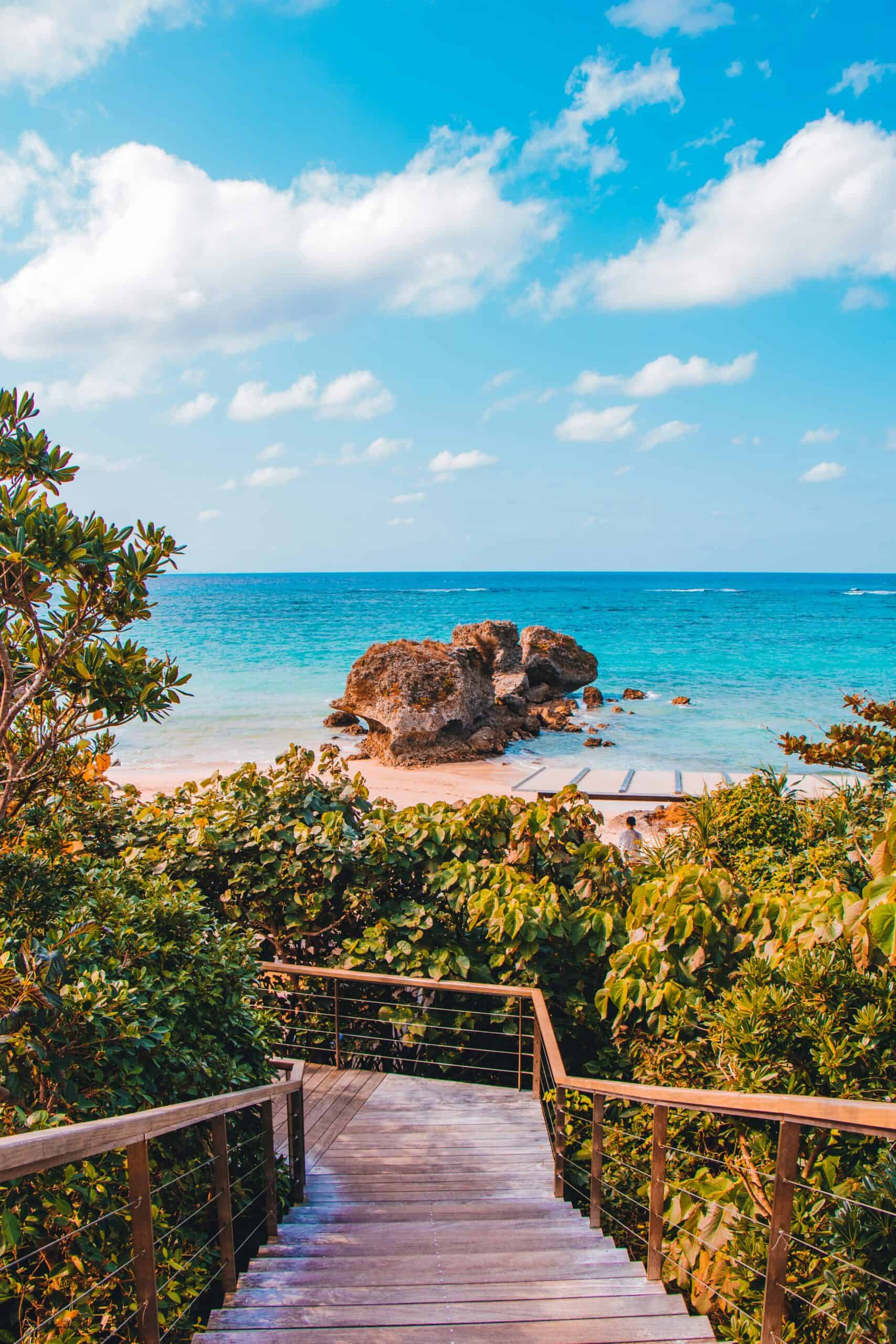
The diving sits at the edges of the country, so a Japan dive trip is partly a transport puzzle. Okinawa’s main island is reached by a short flight to Naha from Tokyo, Osaka, or several Asian hubs. Ishigaki and the other Yaeyama islands have their own airports, with direct flights from the mainland and connections through Naha. Once on the islands, dive operators usually collect divers from their hotels, so a rental car is convenient but not essential for diving alone.
The mainland is simpler. The Izu Peninsula is a train and short transfer from Tokyo, which is what makes it the default for a weekend in the water. The Ogasawara Islands are the exception that proves the rule, reachable only by a ferry that runs every few days and takes twenty-four hours each way, which turns a dive trip there into a full week.
The deeper logistical question is how to combine the diving with the rest of Japan. Few people fly to the other side of the world only to dive. A well-built trip threads a few days underwater in the south together with the cities, the food, and the mountains on the mainland, timed so the flights and the season line up. That sequencing is exactly the kind of thing worth handing to someone who builds it for a living.
What to dive with
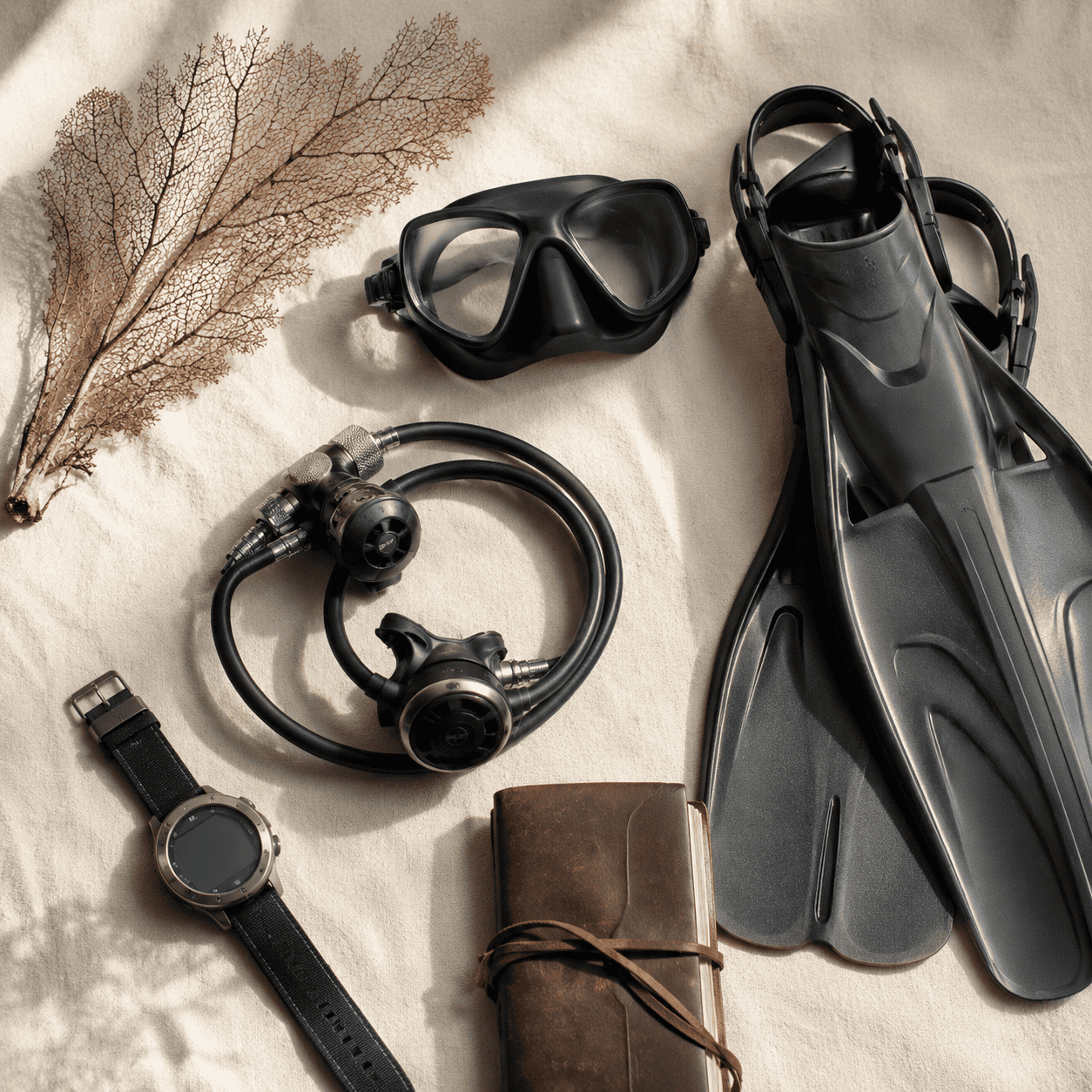
Most operators rent the bulky kit. Tanks, weights, BCDs, and regulators are usually provided, so you do not need to fly your full setup to Japan. What experienced divers bring is the gear that fits the body and the gear that records the dive. The mask that seals on your face, the computer you trust, the fins you know, and the camera you already use. The pieces below are the ones worth owning rather than renting.
The computer and the instruments
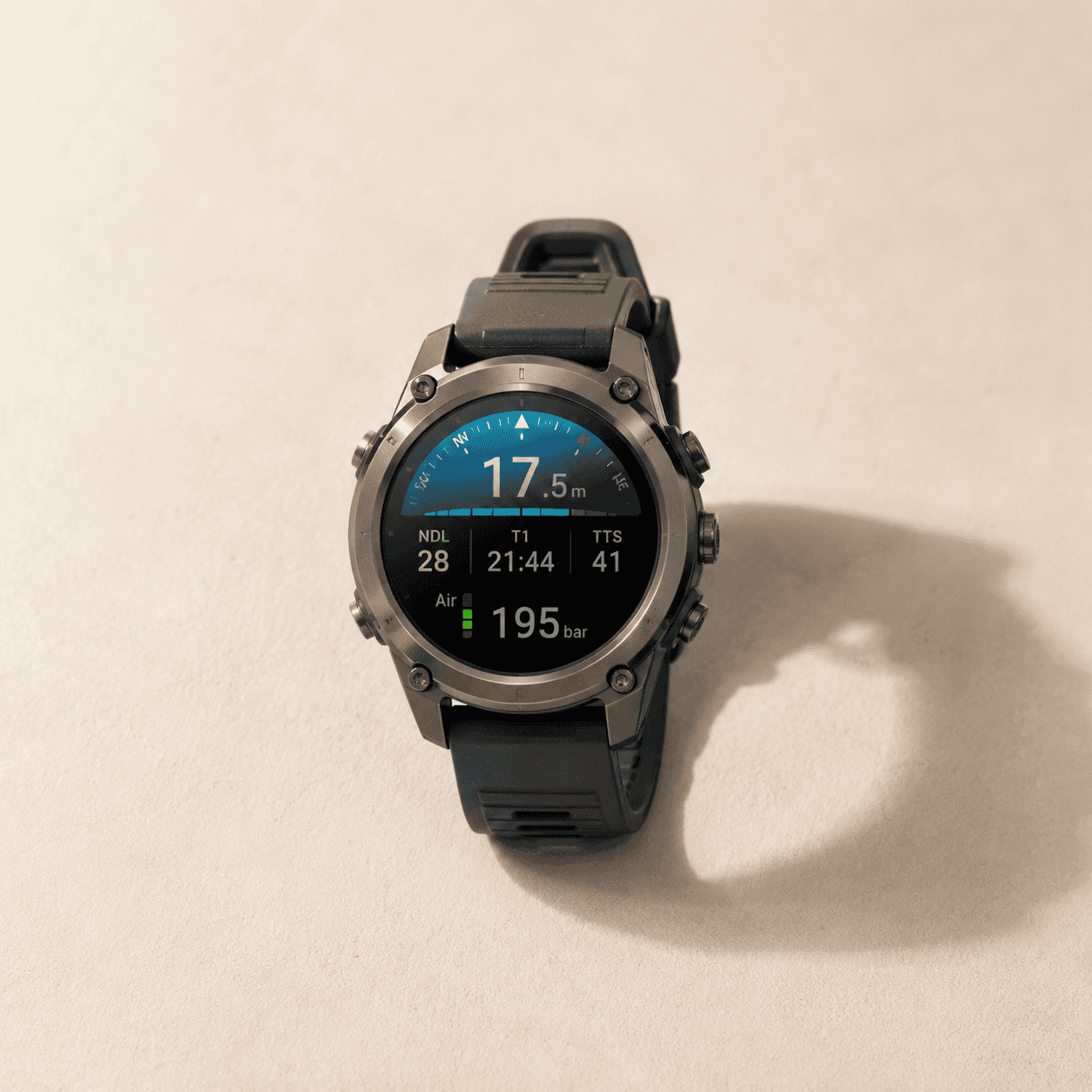
The one piece worth owning outright before you fly is a dive computer you trust. The Garmin Descent Mk3i is the natural pick for a trip that mixes diving with cities and hiking. It is a full dive computer with air integration that also works as a daily watch, with maps and fitness tracking. For divers who want a dedicated, no-frills option, the Shearwater Peregrine is the recreational standard, with a bright display readable at a glance and a forgiving two-button interface that works in gloves.
Mask, fins, and exposure
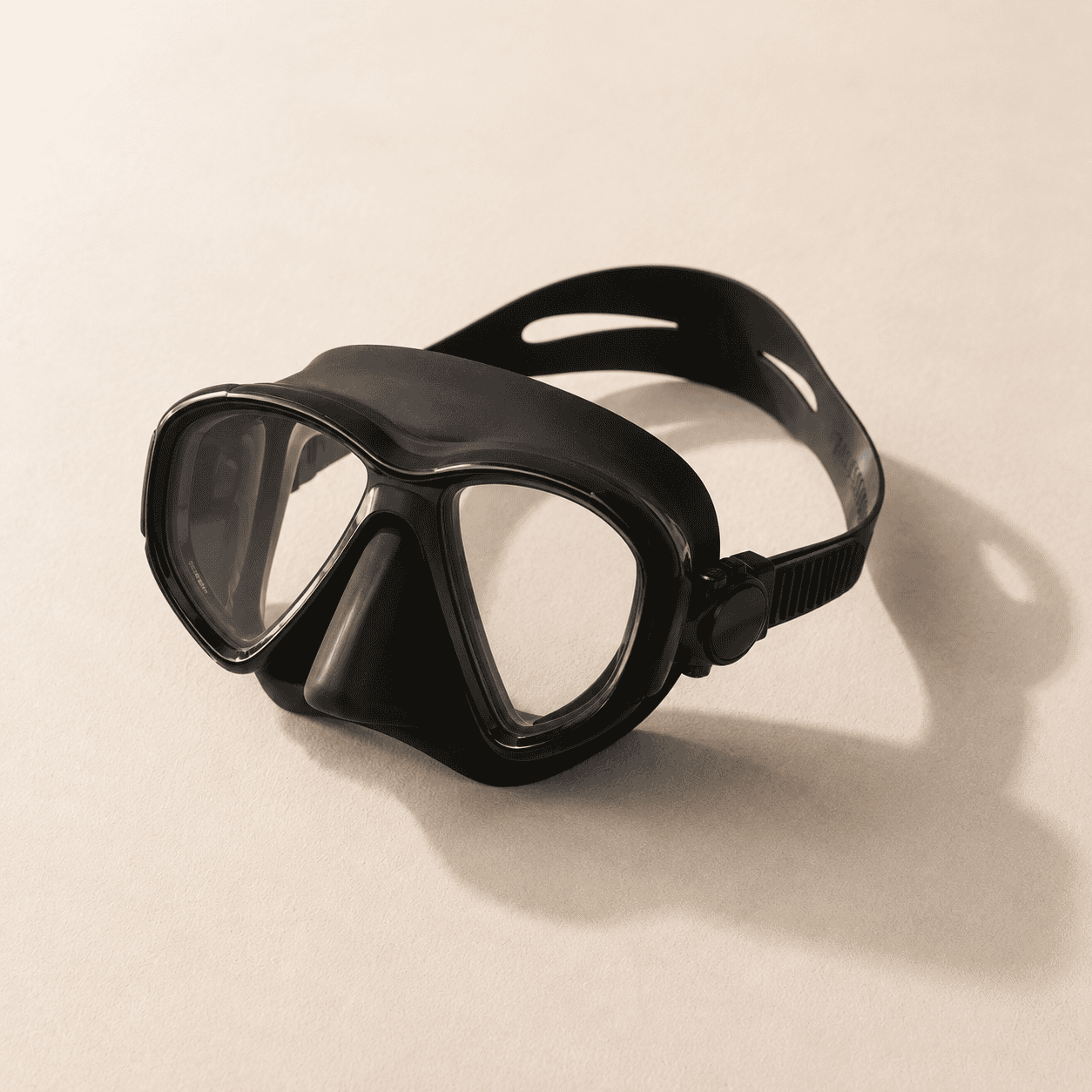
A mask that seals is the difference between a dive and an ordeal. The Atomic Aquatics Venom sits at the premium end of the category, with German Schott glass and a dual-density silicone skirt. It is the piece most worth fitting to your own face rather than borrowing from a rental bin.
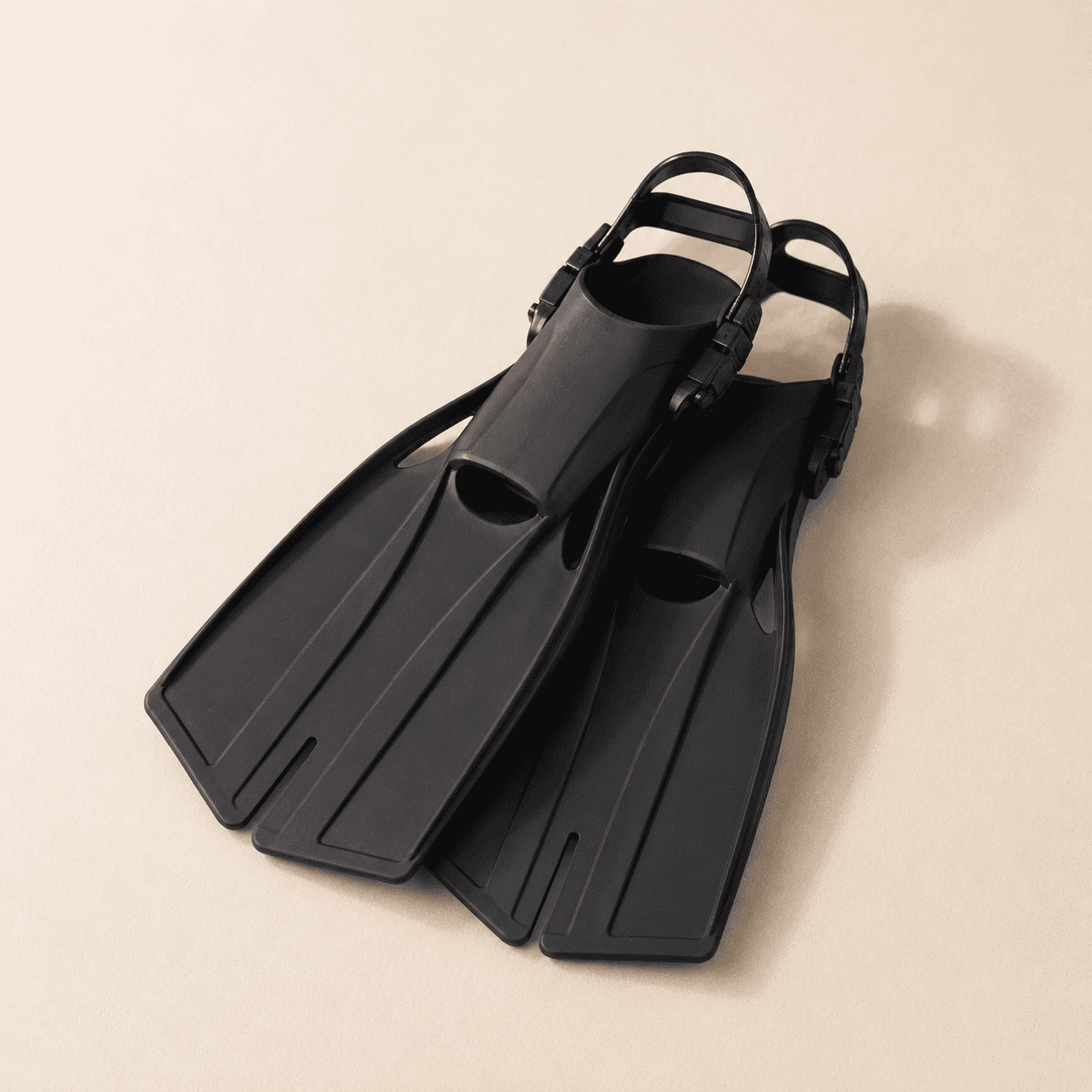
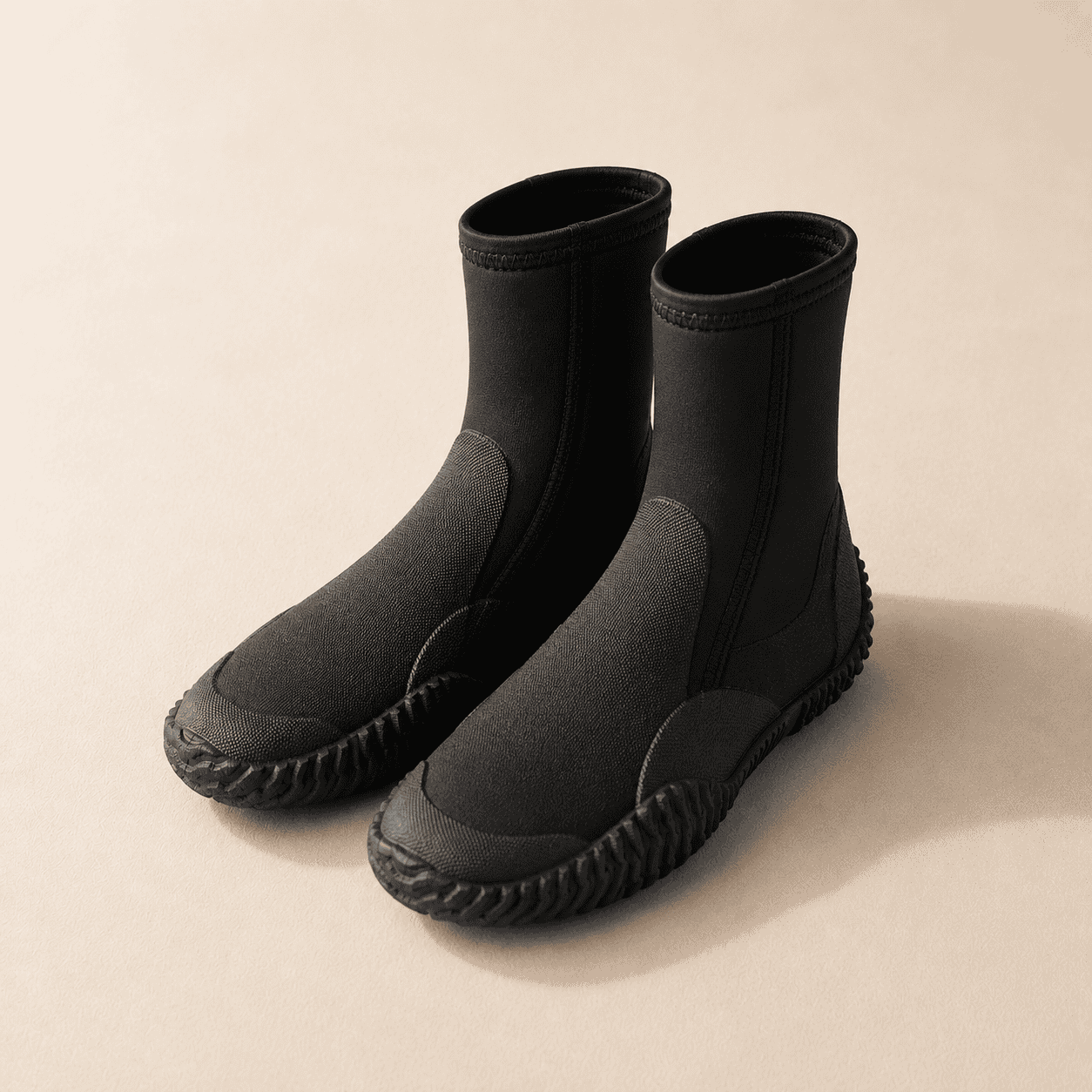
Travel fins earn their place in carry-on. The Scubapro GO Travel packs flat thanks to its interlocking design and still drives a real kick across Okinawa’s gentle drift. Open-heel rental fins need boots, and shore entries over volcanic rock make a hard sole worth having. A pair of Cressi 5mm dive boots covers both warm and cooler-water diving across the country’s regions.
Light, camera, and record
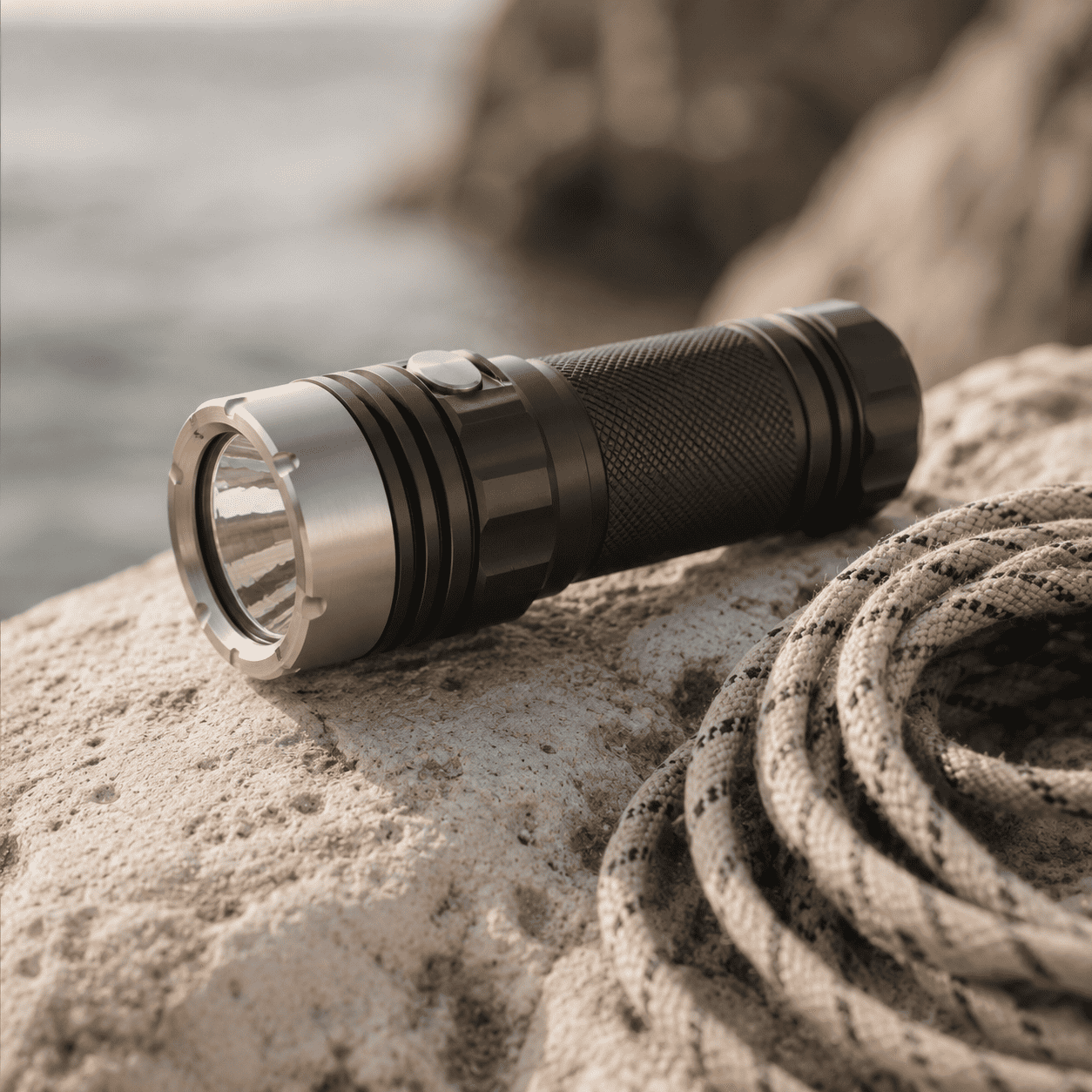
Colour disappears with depth, and a torch brings it back. A compact dive light such as the Light and Motion Sola restores the reds inside the Blue Cave and pins a nudibranch on a kelp blade off Izu. It doubles as a signalling tool and a way to peer under ledges where the shy animals hide.
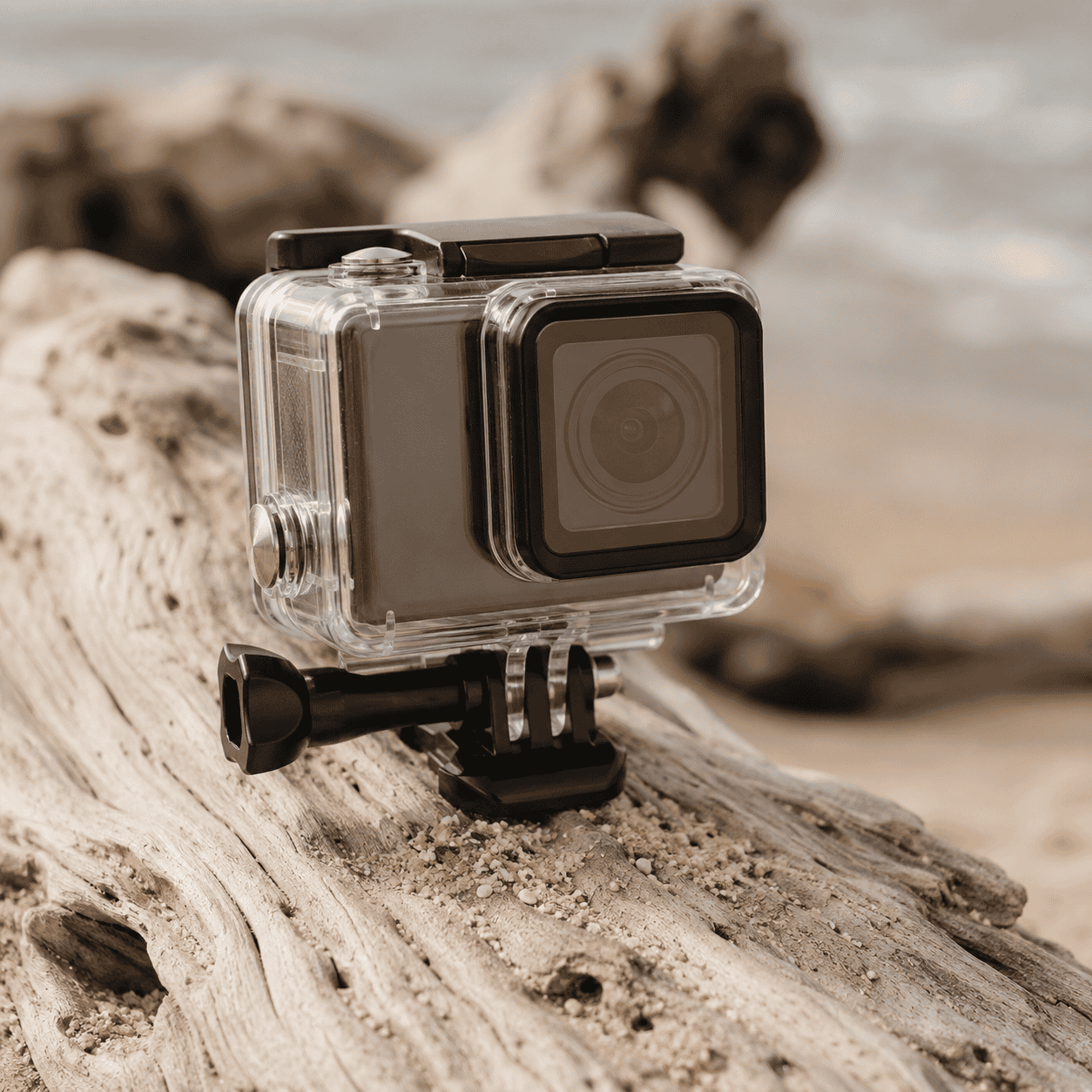
For the encounters worth recording, a GoPro HERO13 dive kit pairs the camera with a housing rated past recreational depth and a red filter that corrects the blue cast at depth. It is small enough to clip off and forget until the manta arrives.

And the record outlasts the trip. A durable dive log book holds your depths, times, and sites in a form that survives a flooded phone, and a stamped logbook is what an advanced operator wants to see at the dock.
One piece travels particularly well for the Japan-bound diver. A mini cylinder such as the SMACO S300Plus mini tank packs into a carry-on and serves as redundant air for shallow, short dives. It suits the snorkel-to-dive transition at sheltered sites like the Blue Cave, with the firm caveat that it is a backup and shallow-water tool, never a replacement for a certified setup at depth.
Diving responsibly in Japanese waters
Okinawa’s reefs are fragile and increasingly protected, and the diving community there takes conservation seriously. The single most useful thing a visiting diver can do is keep chemical sunscreen out of the water. A non-nano mineral formula such as the Stream2Sea mineral sport sunscreen keeps oxybenzone and octinoxate off your skin and out of the reef. Both are linked to coral damage. Beyond sunscreen, hold neutral buoyancy, keep fins clear of coral, and take only photographs.
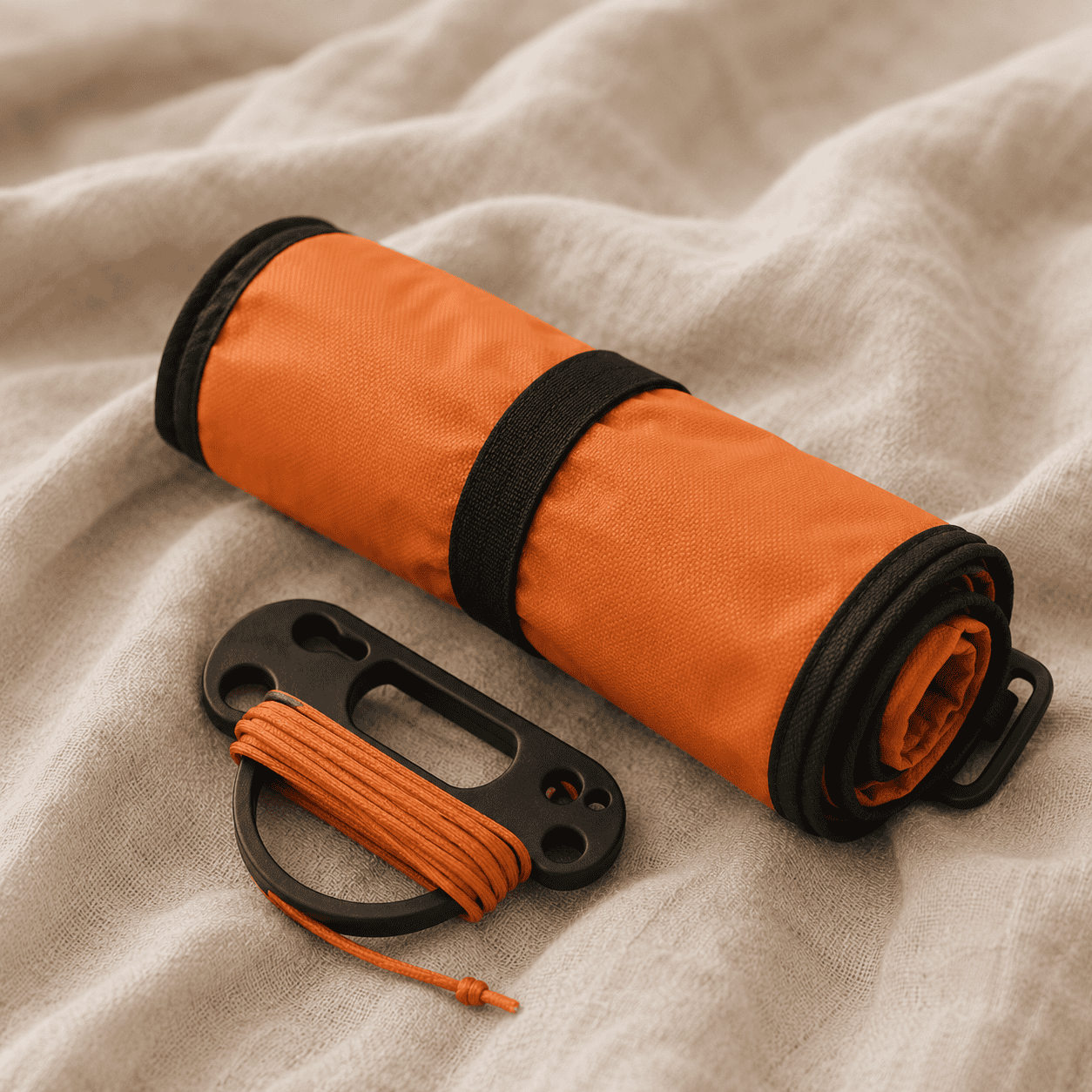
At current-prone sites like Yonaguni, a surface marker buoy is genuine safety equipment rather than optional courtesy. A 7-foot surface marker buoy with reflective tape makes you visible to boats from a distance when you surface away from the entry point. Deploy it before you ascend, not after, and the boat finds you rather than the other way around.

Keeping kit organised matters when you move between sites and hotels across several islands. A ventilated mesh bag such as the Cressi Gorilla Pro lets you wash gear with the bag still packed and drains through a dedicated cap. It is a small thing that earns its place over a week of multi-stop diving, when a soaked, sandy bag of neoprene is otherwise the price of every island hop.
Planning the trip
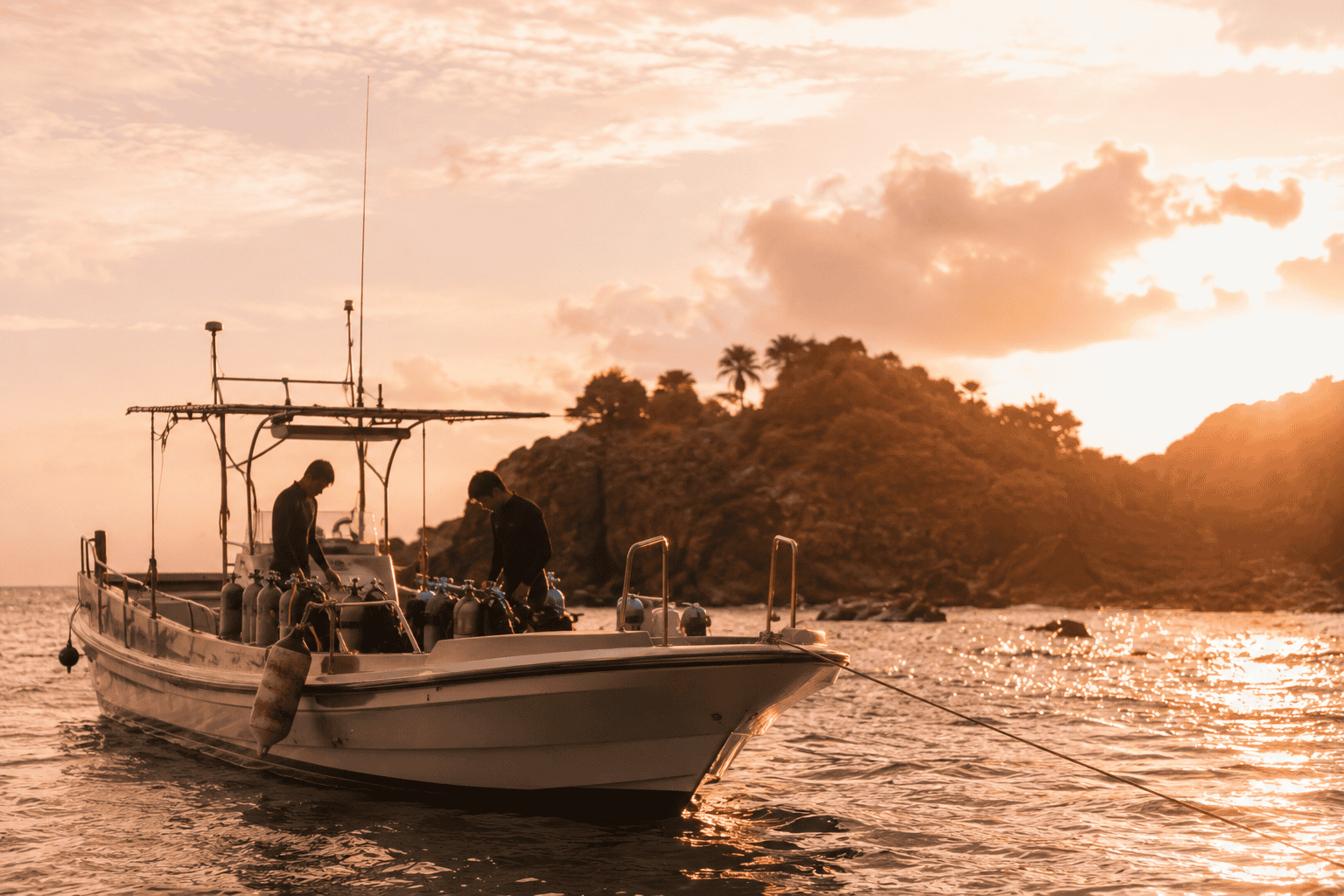
The simplest way into Japanese diving is a guided experience that handles transport, gear, and the language at once. At the Blue Cave, the Onna Village guided dive covers exactly that, for both first-timers and certified divers, with the option of a shore entry that suits anyone wary of boats or seasickness.
If you are travelling with a partner who does not dive, the encounter does not have to leave them on the beach. A combined Blue Cave and Churaumi Aquarium day pairs the dive or snorkel with one of the finest aquariums in Asia. It works as common ground for a mixed group.
A bespoke Japan itinerary built around the diving you want. The right islands, the right season, the nights and meals between dives. Designed from a single conversation, not a packaged route. Quote within 24 hours, no commitment.
Begin a Custom ItineraryThe hours between dives are worth planning for as much as the diving itself. The evenings after a day in the water, when the dive is still settling and the next is a morning away, are when a notebook earns its place over a phone. Three from the Magnificent Japan collection suit a diving trip in particular.
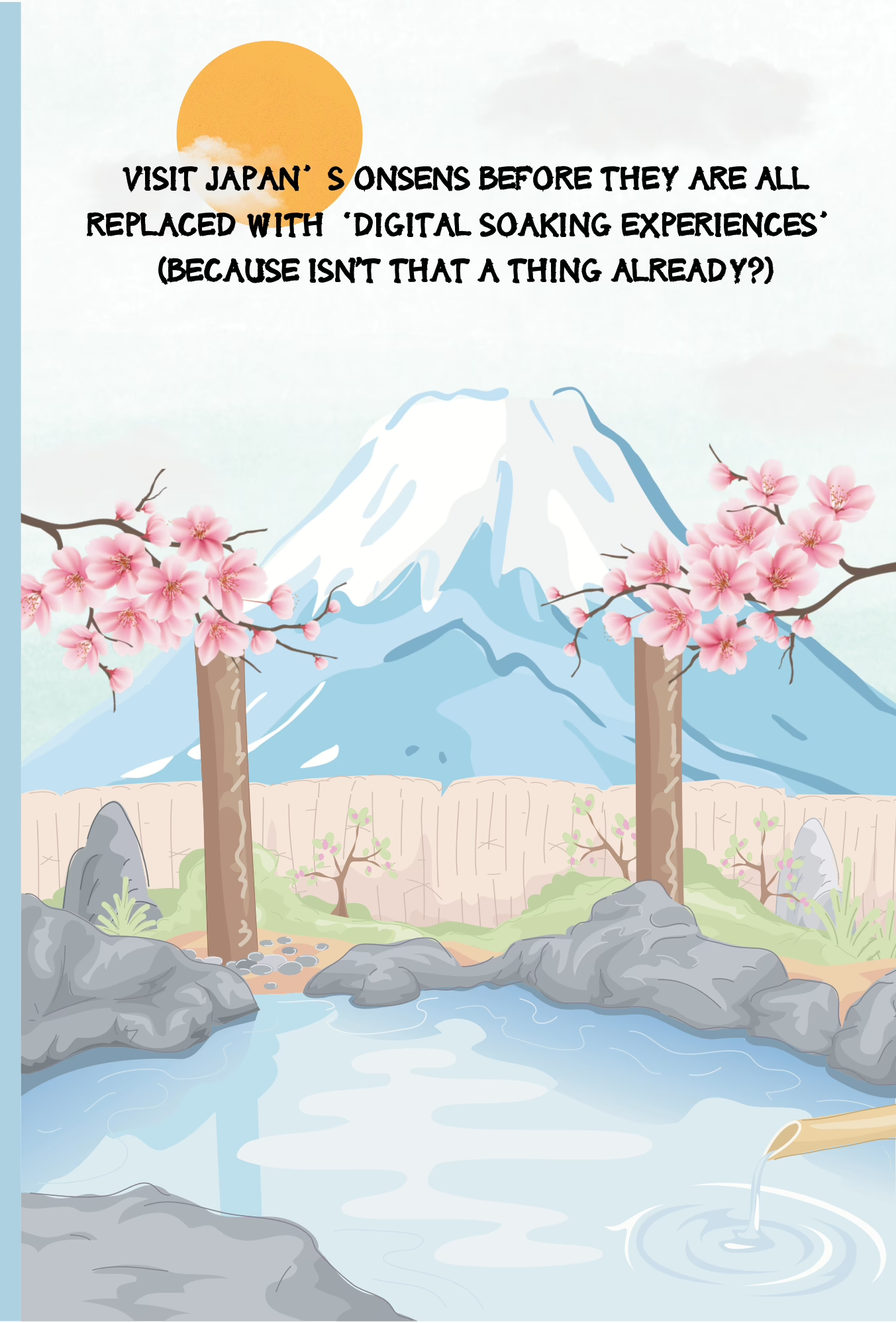
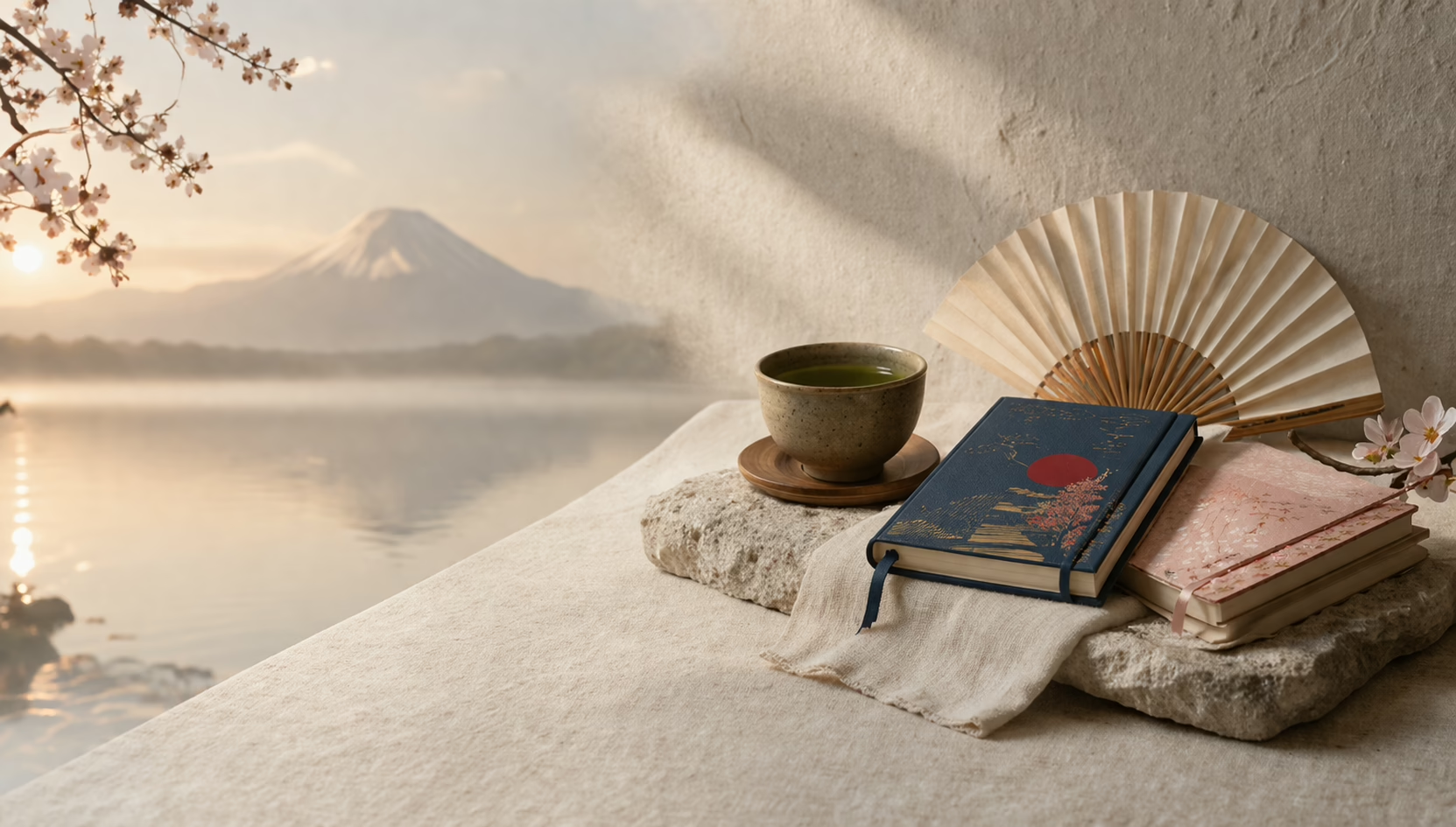
For the recovery evening after a day in the water, with hot springs and views of Fuji-san. Blank, unlined, themed art throughout. 6×9 in, 120 pages, matte softcover.
View the journal →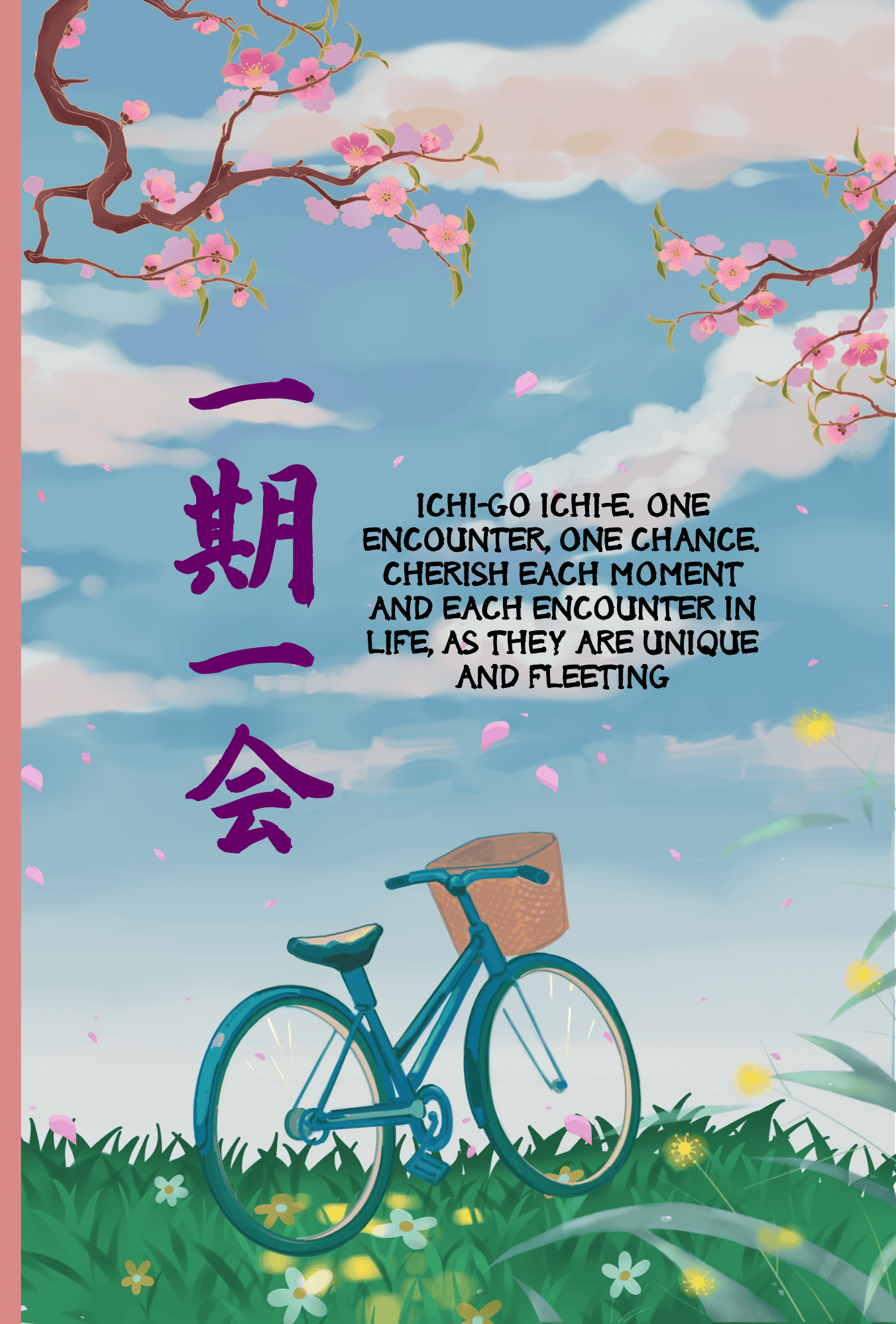
一期一会 — one encounter, one chance. The idea a single dive with a manta makes literal. Blank, unlined, themed art throughout. 6×9 in, 120 pages, matte softcover.
View the journal →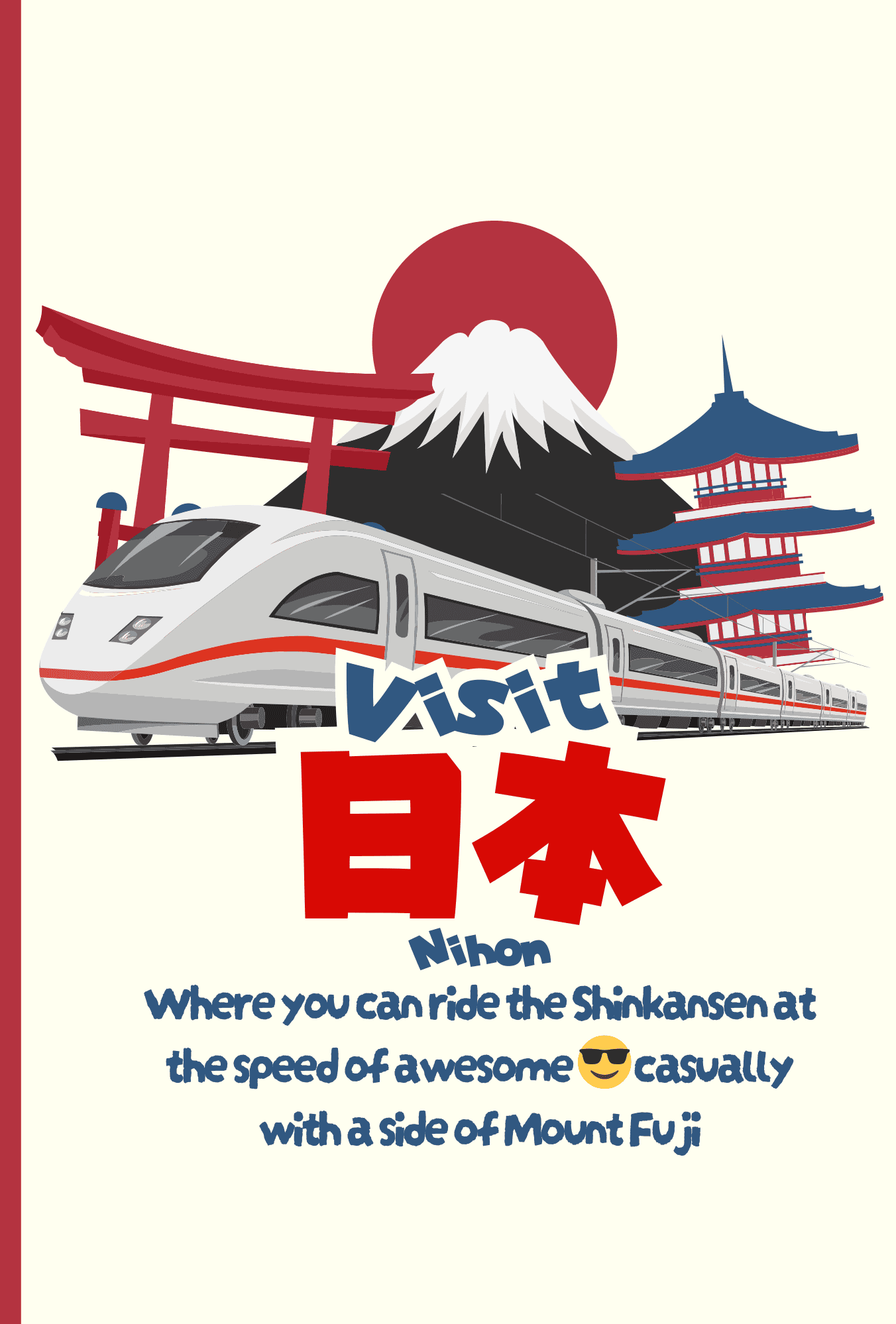
For the getting-there. The bullet train running south toward the islands, and Mount Fuji. Blank, unlined, themed art throughout. 6×9 in, 120 pages, matte softcover.
View the journal →The full collection runs to more than twenty-five titles. You can browse the journals here.


The five questions below come up most often. The answers stay close to what an operator would tell you on the boat, in case the answer matters more than the search ranking.
Questions worth asking
Yes, and more varied than its reputation suggests. The subtropical south rivals established Pacific destinations for warm water, coral, and large marine life. The temperate mainland offers cooler, macro-rich diving that experienced divers often prefer. Because Japan sits outside the usual dive-travel circuit, most sites stay comparatively uncrowded.
For warm water and large animals, Okinawa, the Kerama Islands, and Ishigaki lead. For a singular, eerie dive, Yonaguni’s underwater monument. For accessible diving from Tokyo without a flight, the Izu Peninsula. For remoteness and open-ocean encounters, the Ogasawara Islands. The right choice depends on season and how far from the circuit you want to travel.
In Okinawa and the south, late spring through autumn. Late spring and early autumn give the best balance of warm water and calm seas, before and after typhoon season. On the mainland, summer into autumn, once the water warms enough for comfortable diving in a proper wetsuit.
For most sites, yes. Bring physical proof of your open-water certification, as Japanese operators are conscientious about documentation. Discover-scuba experiences are available for the uncertified at sheltered sites like the Blue Cave, under close supervision. Advanced sites such as Yonaguni genuinely require advanced certification and logged experience.
Manta rays gather reliably in season at Ishigaki’s cleaning stations. Whale sharks pass through Okinawan waters in the warmer months, and a small number of operators run encounters. Green sea turtles are close to a guarantee on the Kerama reefs.
Prices vary by operator and season. As an indication, a guided Blue Cave dive or discover-scuba experience in Okinawa typically runs around 60 to 110 US dollars per person. A two-tank boat dive at Ishigaki or the Kerama Islands usually sits around 120 to 180 dollars including gear. Remote and liveaboard diving costs considerably more. Confirm current rates directly with the operator.
It depends on what you want. Okinawa offers warm water, healthy coral, and reliable large animals such as manta rays and turtles, with the most beginner-friendly sites. The mainland, chiefly the Izu Peninsula, is colder and more macro-focused, but reachable from Tokyo without a flight. Most first-time visitors choose Okinawa; experienced divers often prefer the mainland’s subtler sites.
For travellers who would rather have the planning handled, the Luxury Adventure Starter covers the first days of a Japan trip professionally. The full luxury ryokan list is the companion piece for the nights between dives, and the Okinawa dive-sites guide goes further on the south’s named sites, including Miyakojima’s caverns and the per-site profiles.
The Editors, Magnificent Japan