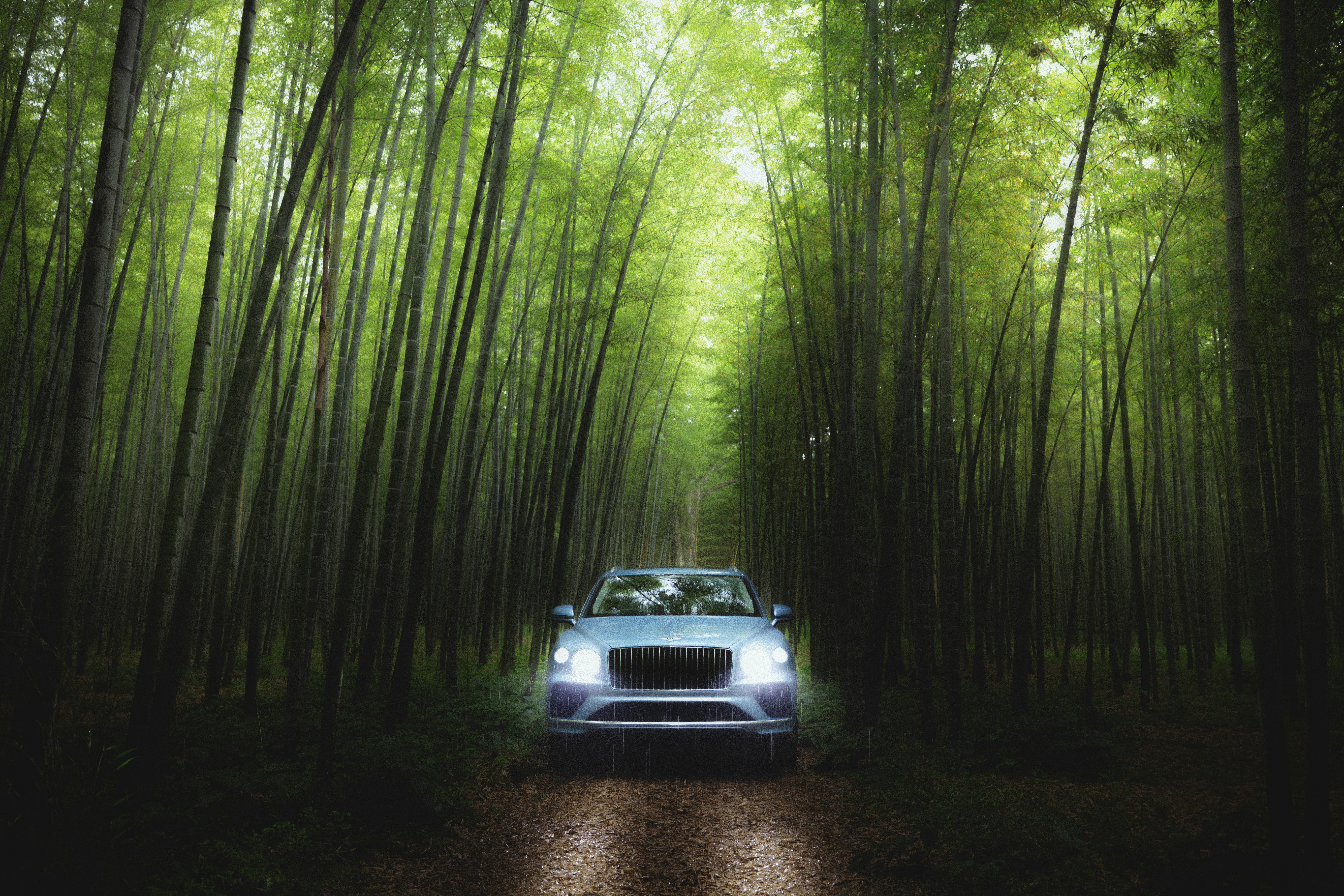
Luxury travel in Japan is measured in service, craft, and restraint, not gilt. It lives in the anticipatory care of a fine ryokan, the lifetime mastery behind a single meal, and access to the quiet rather than the loud. This guide is the map to all of it. Where to stay and how to move. How to eat and what to bring home. When to go, and how to plan a trip that rewards depth over a checklist.
Luxury Japan travel is often sold as a package of marquee names and a packed itinerary. The finest version of it is closer to the opposite. It is unhurried, deeply deliberate, and built around a handful of experiences done properly rather than a dozen done at speed. Japan rewards that restraint more than almost any country, because its idea of luxury was never about excess in the first place.
Understanding that distinction is the whole game. Once it lands, the choices become clearer. Which nights belong in a ryokan and which in a city suite. When a private guide changes everything and when it does not. What is worth bringing home, and how to plan a route that breathes. This pillar gathers the full cluster, with a dedicated guide behind each decision. Begin with the idea, then follow the threads that matter to your trip.
What luxury means in Japan
Three ideas shape the Japanese sense of luxury, and none of them is about price. The first is omotenashi, a hospitality that anticipates rather than responds. In a fine ryokan, the slippers face the right way. The bath is drawn before you ask, and the staff seem to know your rhythm by the second evening. Nothing is announced. Everything is felt.
The second is shokunin, the spirit of the master artisan. It is the chef who has shaped the same dish for forty years. It is the potter whose family has fired the same clay for generations, and the gardener who prunes by instinct. Luxury here means proximity to that mastery. You are not buying a product so much as a lifetime of devotion to a single craft.
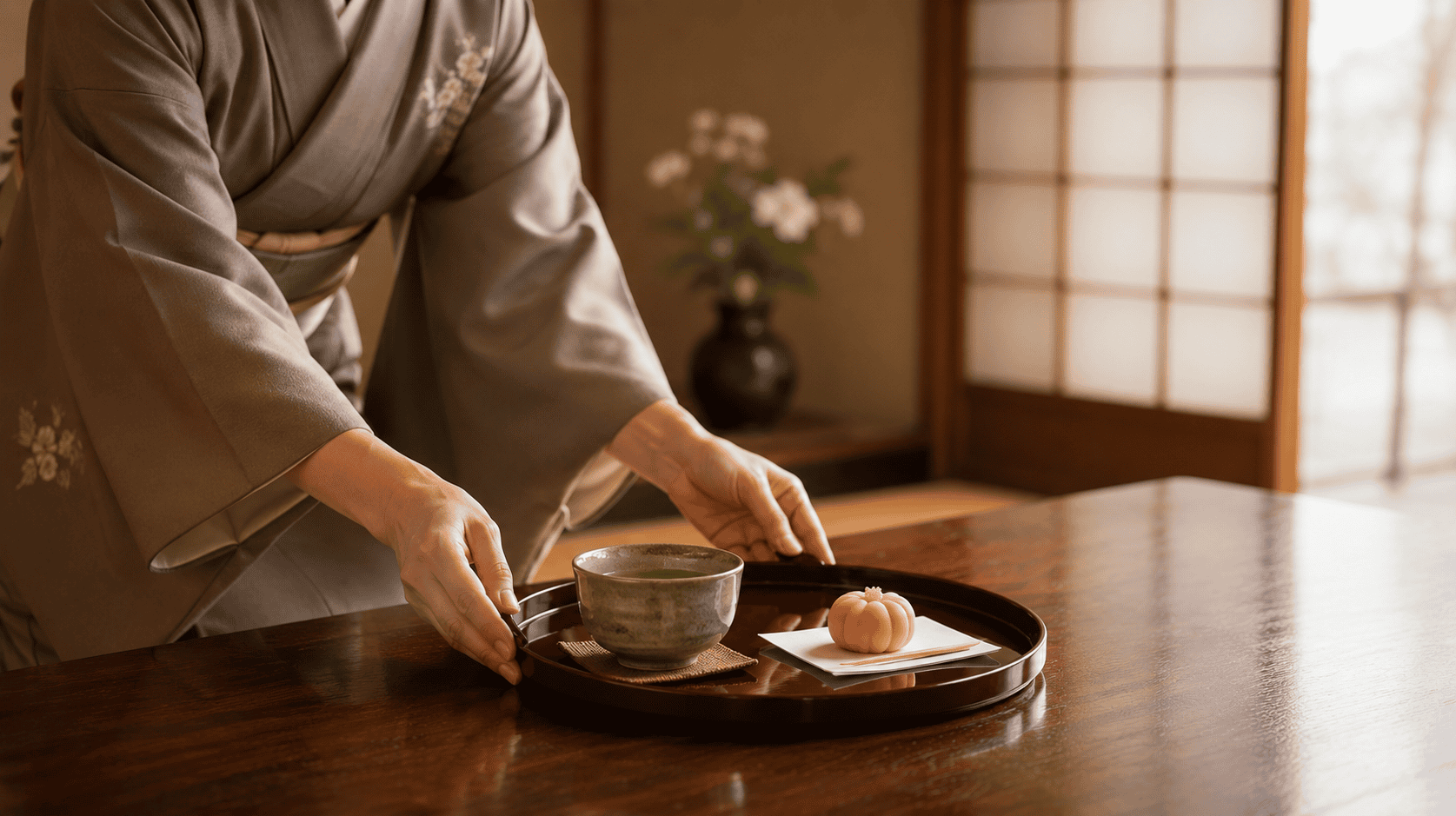
The third is restraint. The most refined rooms are often the plainest, the finest meals the most seasonal, the best experiences the least crowded. Western luxury tends to add; Japanese luxury tends to remove until only the essential remains. Once you read luxury this way, the marquee-name checklist starts to look like the cheaper option, and the tailored trip reveals itself as the richer one.
A small moment illustrates it. At a fine ryokan in Hakone, a guest mentions in passing that the morning light woke them early. The next day, without a word, the staff have shifted breakfast later and drawn the blinds the evening before. No transaction occurred, no request was logged. That quiet anticipation is the thing the best travellers pay for, and it cannot be bought by the room rate alone.
Where to stay: the two grammars of luxury
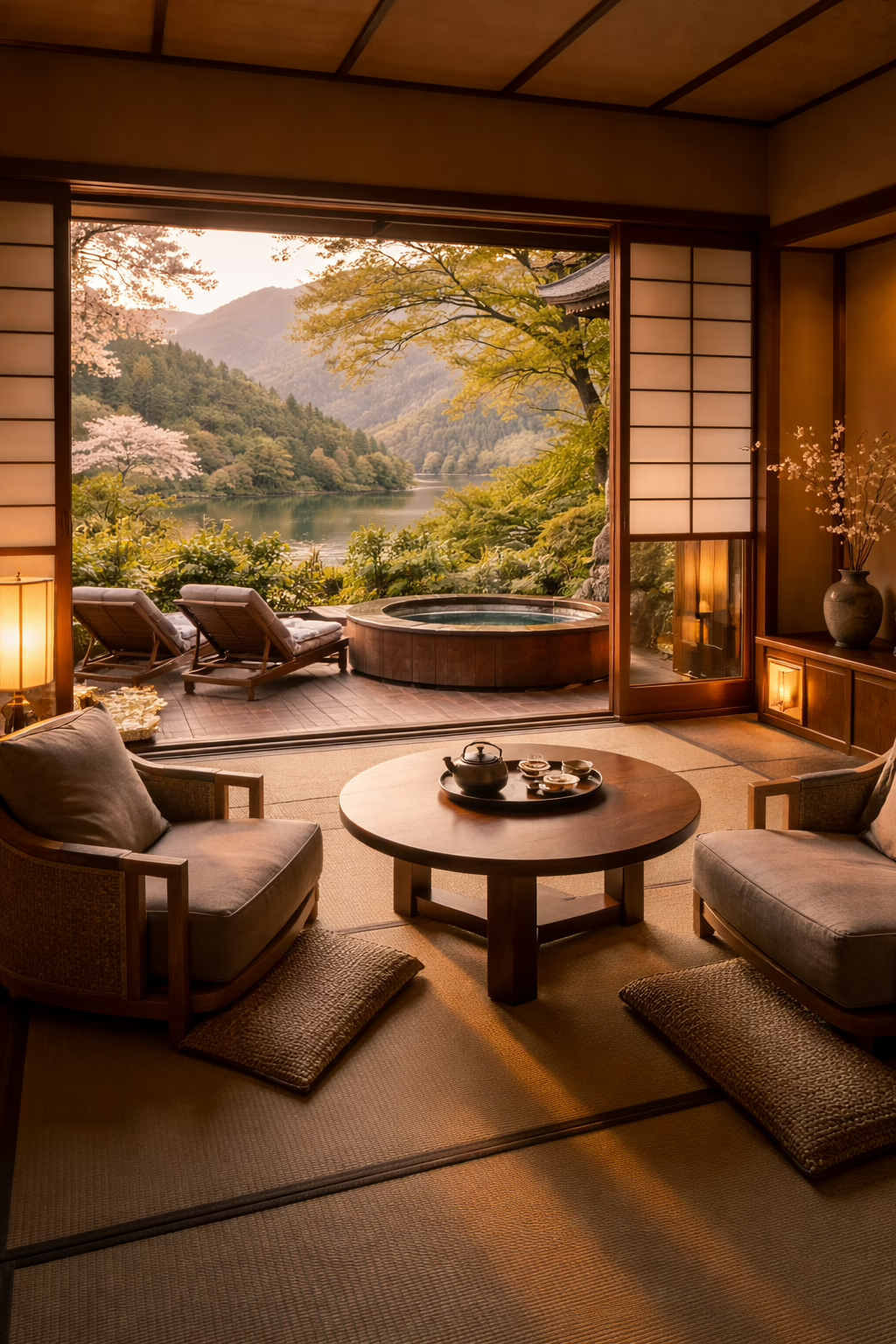
Japan offers two distinct languages of fine accommodation, and the discerning traveler uses both. The first is the ryokan, the traditional inn. Here luxury is total and ritual: tatami rooms, private or shared onsen, and a multi-course kaiseki dinner served in your room. The service is so attentive it feels familial. Our guide to the finest ryokan in Japan covers how to choose one and what to expect from the best.
The second is the Western-style luxury hotel: Aman, Four Seasons, the Bvlgari and Janu arrivals, and the wave of 2026 openings in Kyoto. These offer larger rooms, spa sanctuaries, city convenience, and a polish that suits the urban half of a trip. The full case for each, and how the two compare, lives in our guide to the finest hotels in Japan. The short answer: ryokan for the countryside and the soul of the trip, hotels for the cities and the comfort.
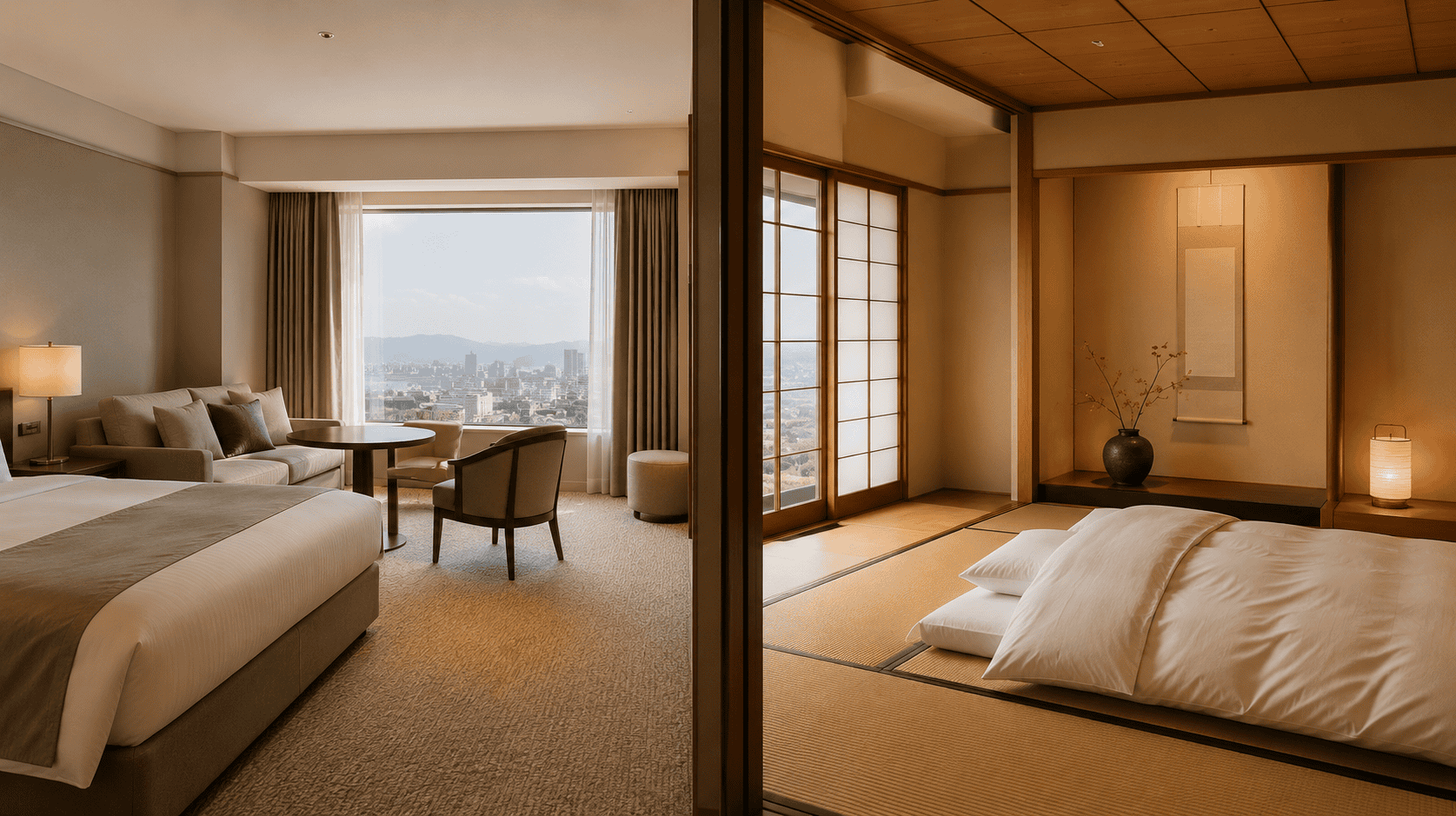
Japan’s hotel landscape is shifting fast. Kyoto alone gains the Capella and a new Imperial Hotel landmark, while Tokyo welcomes Janu, the Bvlgari, and a maturing Aman and Four Seasons scene. Hoshino Resorts continues to bridge both worlds, pairing ryokan ritual with contemporary design at its Hoshinoya properties. Choosing among them is less about a ranking than about the kind of luxury that suits the night: polished and Western, or quiet and Japanese.
How to move through the country
Getting around is where Japan quietly outclasses every rival. The Shinkansen is the backbone, and in Green Car or the first-class Gran Class it is a serene way to cross the country at speed. For most luxury trips, reserved premium seats plus private transfers at each end strike the right balance of efficiency and ease.
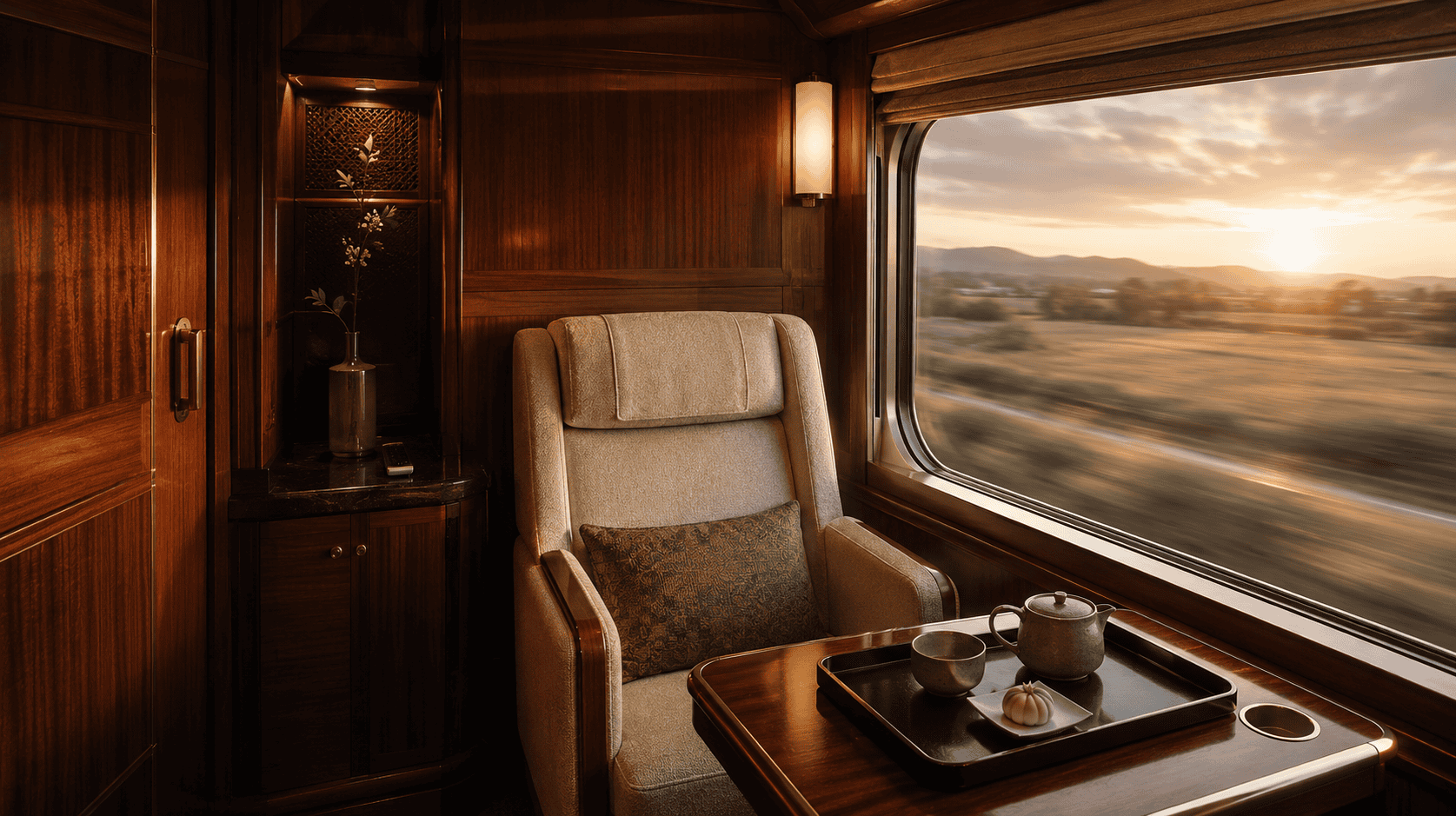
Then there is the rarer pleasure: Japan’s luxury sleeper trains. The Seven Stars in Kyushu, the Shiki-Shima, and the Twilight Express Mizukaze are journeys rather than transport, with cabins like small suites and dining to match. They sell out a year ahead and reward the planning. Our guide to luxury rail travel in Japan covers each train and how to approach them. Arranging these, along with private drivers and seamless transfers, is part of what a Customized Itinerary handles directly.
One detail elevates the whole experience and few first-time visitors know it: takkyubin, the overnight luggage-forwarding service. Send the large cases ahead to the next ryokan and travel between cities with only a small bag. It is inexpensive, utterly reliable, and the quiet hallmark of someone who knows how to move through Japan well.
How to eat well
Dining is where a luxury trip to Japan earns its memory. At the summit sit kaiseki, the seasonal multi-course art form, and the ryotei, the discreet traditional restaurants that often take no direct bookings. Below them runs a deep field of exceptional omakase counters, where the chef leads and the guest follows.
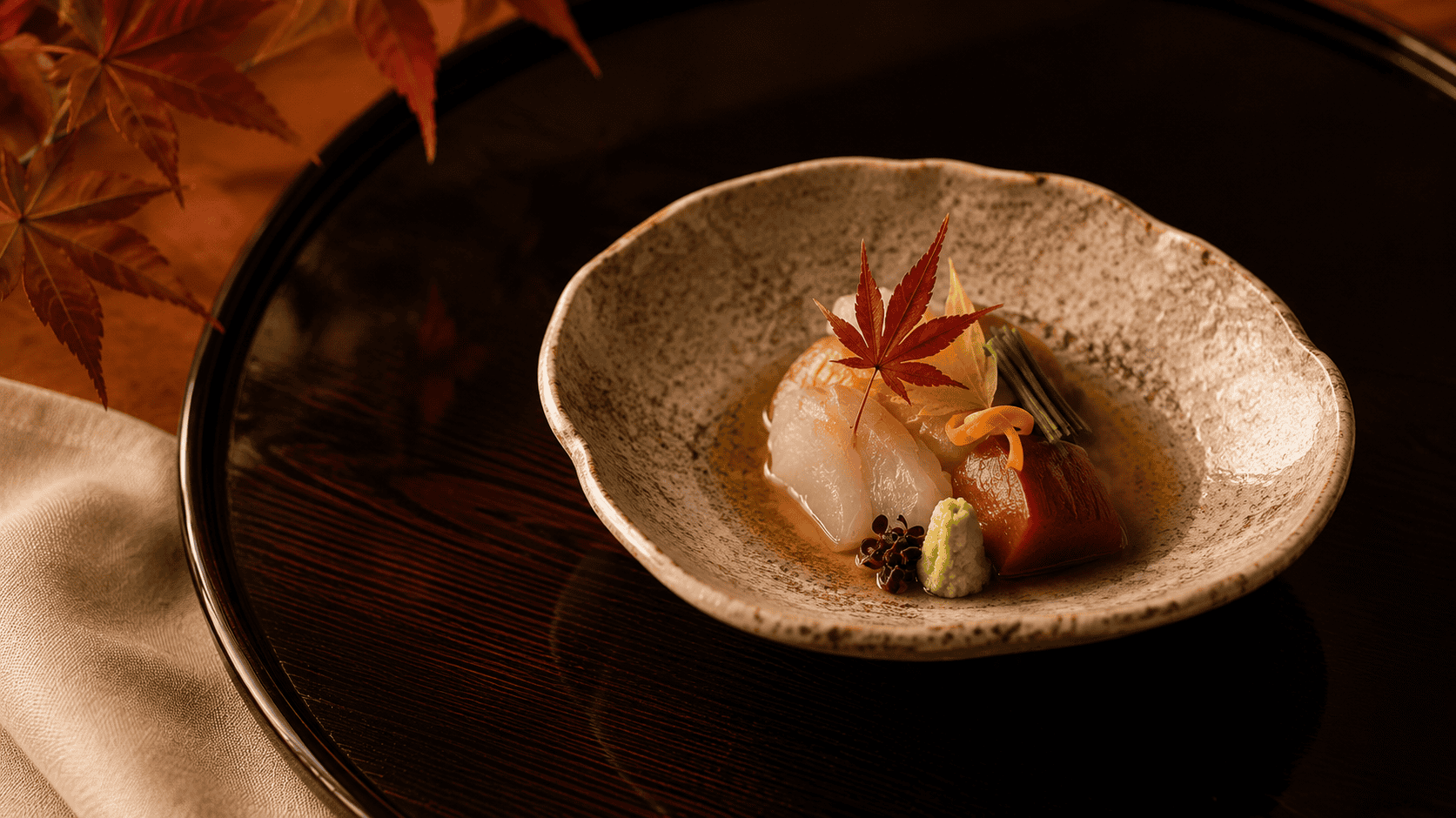
The fluency matters as much as the reservation. Knowing how a kaiseki progresses and how to conduct yourself at an omakase counter matters. So does knowing how the finest tables are actually secured. That fluency is the difference between a good meal and a great evening. Our guide to dining well in Japan walks through all of it, including the tableware and sake ware worth bringing home so the experience continues at your own table.
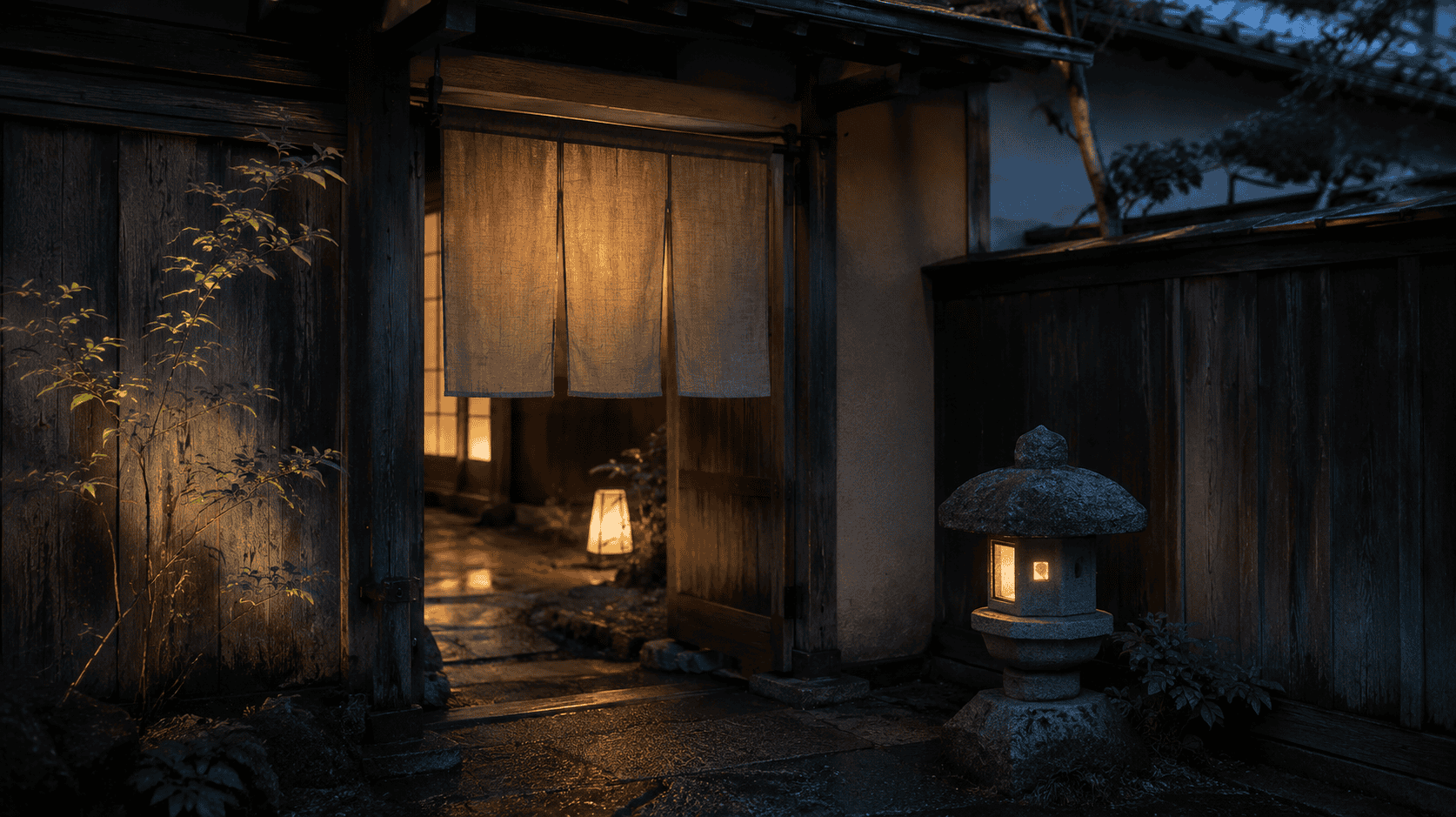
The drinking deserves the same care as the eating. A serious sake list rewards a little curiosity, and the best counters will pour by region and season to match the meal. Japanese whisky has its own depth, from the celebrated houses to small distilleries worth seeking. A guide or a well-briefed sommelier turns a fine dinner into a memorable one. The bottles you discover often become the souvenir you most regret not buying more of.
Timing is the other half of dining well. The most coveted counters and ryotei open their books one to three months ahead, and many accept new guests only through introduction. This is precisely where local relationships earn their keep, securing a seat that no booking platform lists. Plan the meals you care about as early as the stays, because in Japan the table is often harder to reserve than the room.
A quiet dispatch on travelling Japan well — ryokan worth the detour, tables worth the planning, and the seasons worth waiting for. Sent occasionally, never in volume.
One quiet email at a time. Unsubscribe anytime.
What to bring home
The finest souvenir of Japan is rarely a souvenir. It is an object made by hand to last a lifetime: a ceramic tea bowl, a forged knife, an indigo-dyed textile, a piece of lacquerware. Buying well here means buying from the maker’s tradition rather than the airport shelf, and understanding what separates the genuine from the mass-made.
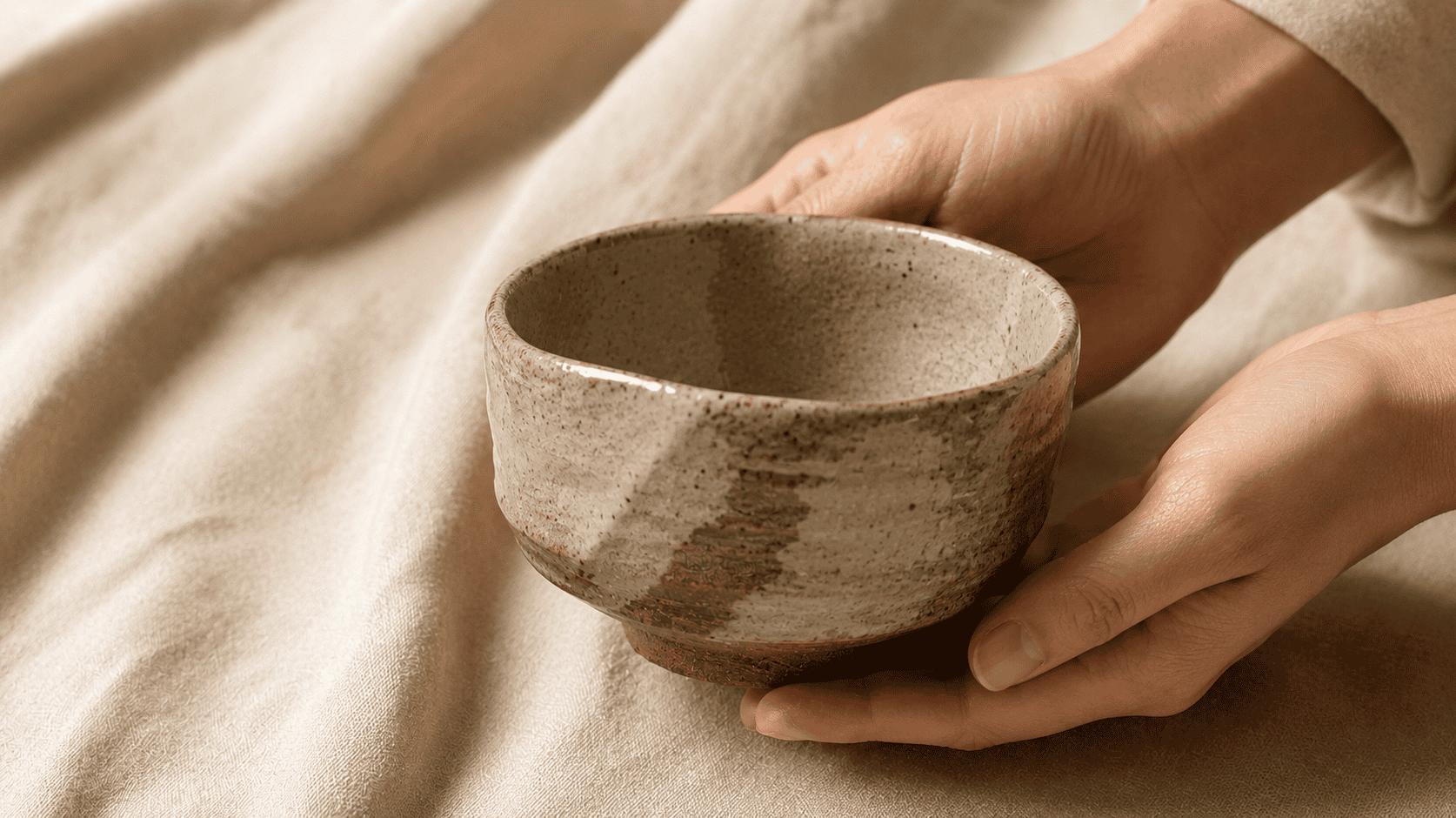
Our guide to buying well in Japan covers the crafts worth seeking, how to recognise quality, and the tax-free mechanics that make the finest pieces more attainable than they look. The edit below gathers a few Japanese-made objects in that spirit, for the table and the home.
A few traditions reward the search above the rest. Arita and Mino porcelain carry centuries of refinement in a single cup. Echizen and Sakai forge kitchen knives that outlast their owners. Indigo-dyed textiles from Tokushima deepen with use, and Wajima lacquerware turns an everyday bowl into an heirloom. Buy one piece properly rather than a shelf of trinkets, and it becomes the object that carries the trip home.
When to go
Season shapes a luxury trip more than any other variable. Late spring and mid-autumn bring the finest weather and the most demand, with the best suites booked months ahead. For the same refinement and fewer people, the quiet luxury windows are early June, before the rains, and late November, after the foliage peak.
The headline seasons reward precision. Cherry blossom moves north over several weeks. It reaches Tokyo and Kyoto in late March to early April, and Hokkaido weeks later. The date matters as much as the month. Autumn colour runs the reverse, from northern and mountain regions in October down to Kyoto by late November. Around both, the finest ryokan release their best rooms first. They fill quietly through trade and repeat guests. Early planning is itself a form of access.
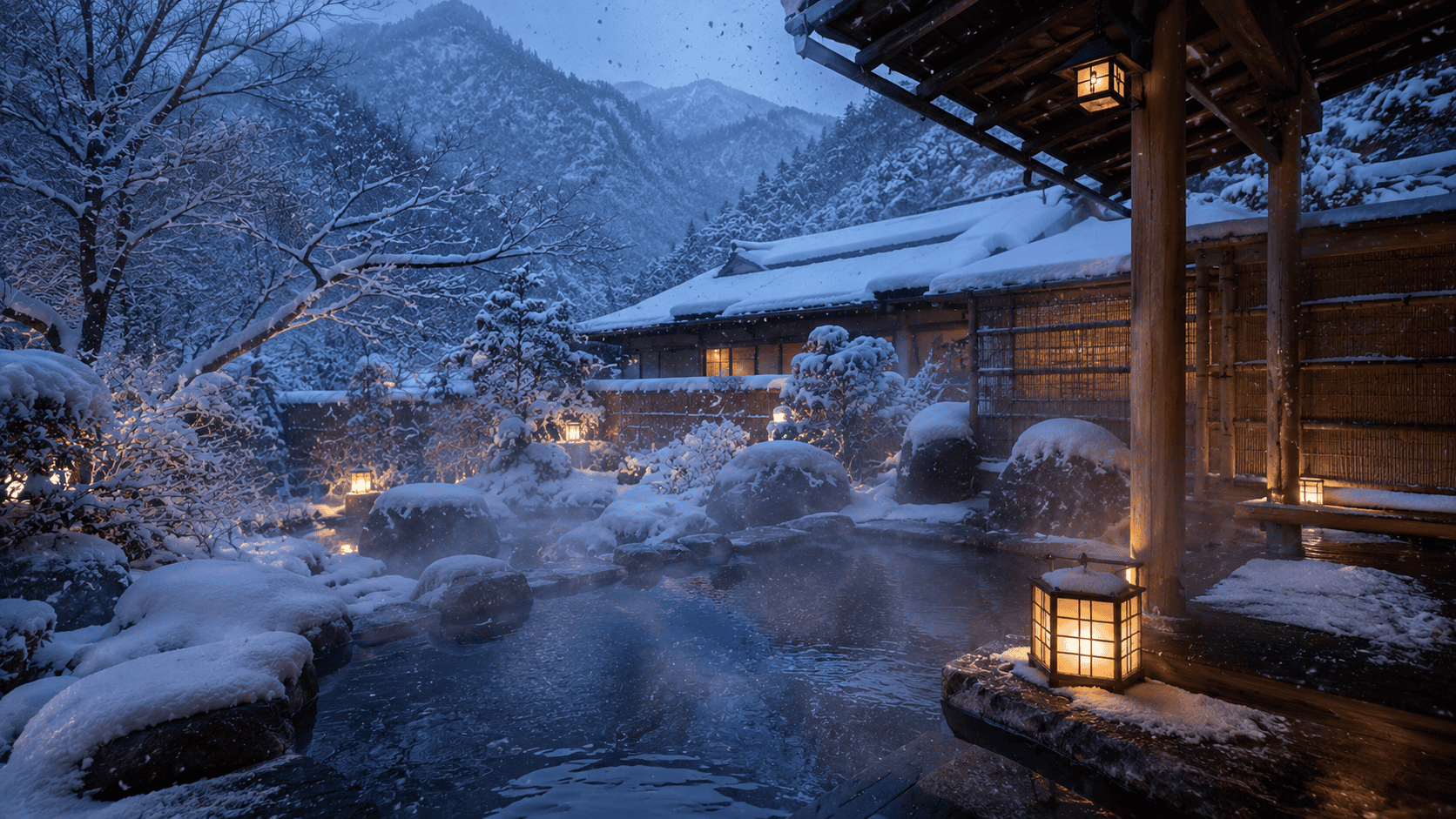
Winter belongs to Hokkaido and the snow-country ryokan, where powder and steaming onsen sit side by side. It is also the season for the right outerwear and gear. Summer belongs to the Okinawan islands and their luxury beach resorts. Our guide to Japan by season for luxury travel maps each window, including what to pack and which experiences peak when.
How to plan it
The single most common mistake in a luxury trip to Japan is too many stops. The instinct is to see everything; the result is a blur of stations and lobbies. A curated itinerary does the opposite. It chooses fewer places, stays longer, and leaves room for the unplanned afternoon that often becomes the best memory of the trip.
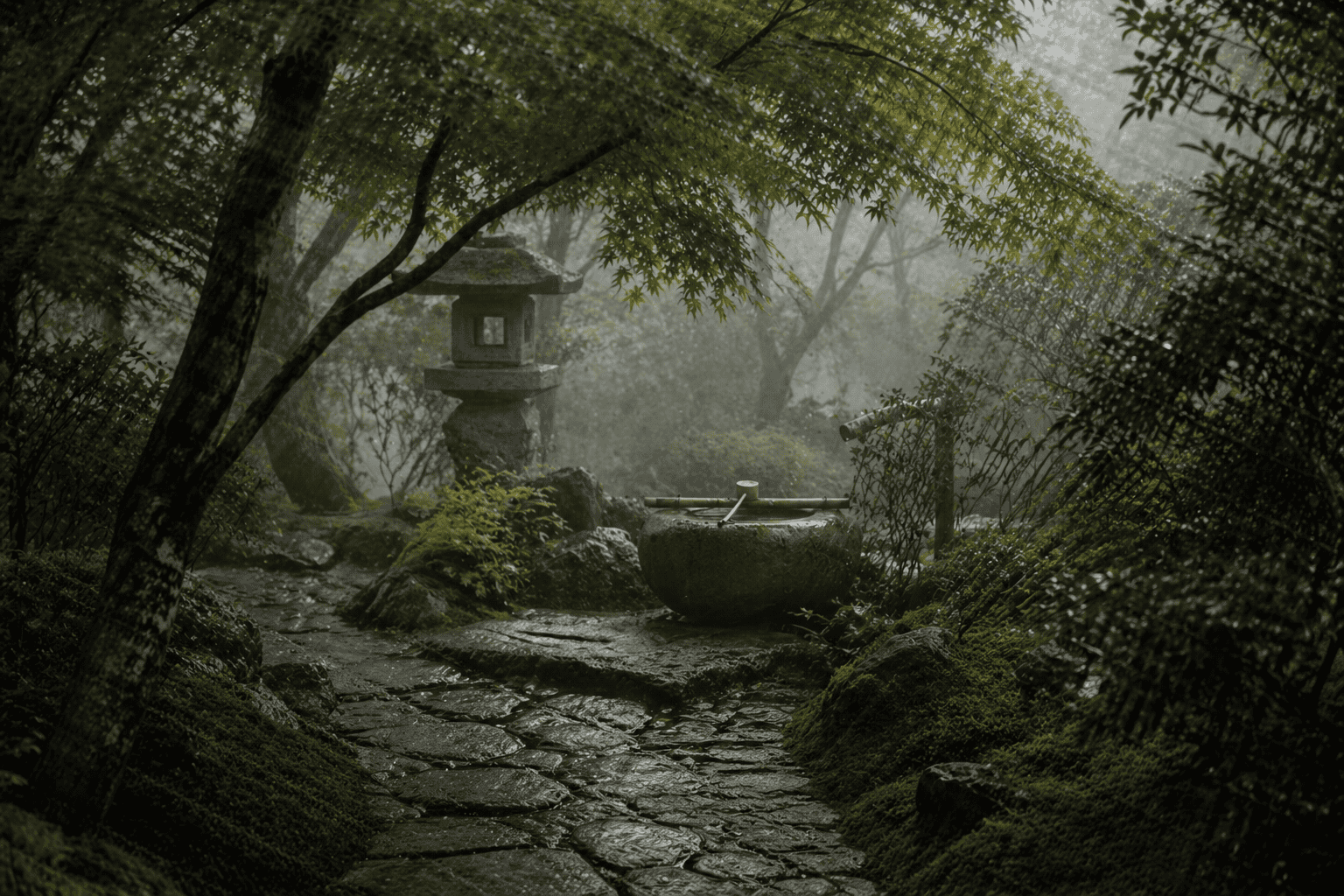
There are two routes to a trip like that. You can build it yourself, guided by our curated Japan itinerary, which lays out a slow luxury route and the reasoning behind it. Or you can have it built for you. The case for a bespoke private trip over a fixed package is simple. Every element bends to you, rather than the reverse. Either way, the principle holds. Depth beats distance.
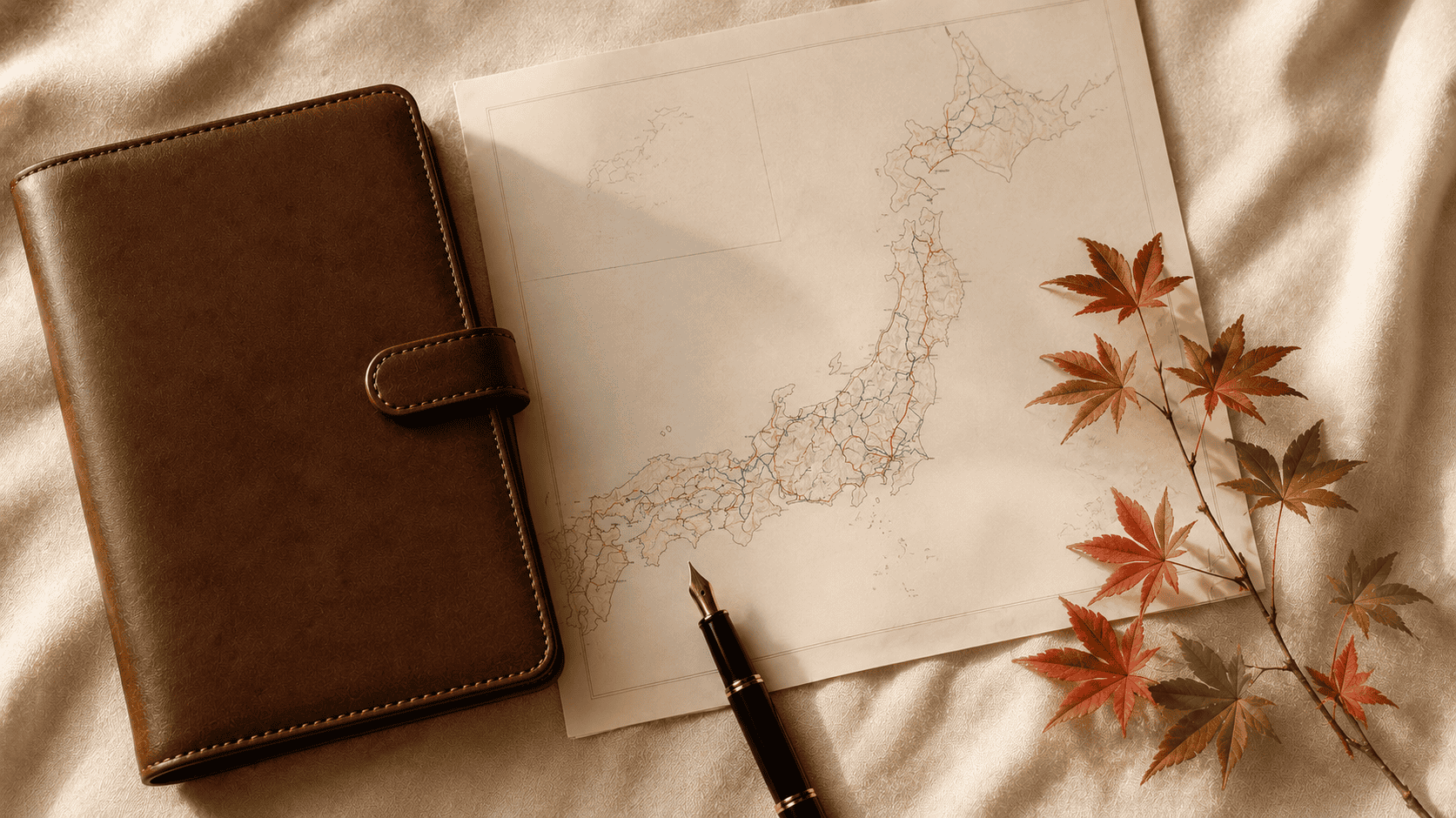
A workable shape for a first luxury trip looks like this: three or four nights in Tokyo, two in a countryside ryokan, three in the Kyoto region, with a slow day built in wherever the trip needs to breathe. Add a luxury rail leg or a night in Kanazawa or Naoshima only if the time genuinely allows. The discipline is in what you leave out, and that is exactly the part a good planner protects you from getting wrong.
Access is the dimension that separates a fine trip from an exceptional one. Consider what that looks like. A private tea ceremony with a working master. An after-hours garden viewing before the gates open. A studio visit with a potter or a swordsmith. A seat at a counter that takes no public bookings. These are the moments travellers remember for years. None of them appears on a standard package, because each depends on relationships rather than reservations. Building a trip around two or three of them, rather than a dozen ordinary stops, is the surest route to a journey that feels singular.
Sample itineraries to picture the trip
Every trip we plan is built from scratch around the traveller, so these are illustrations rather than fixed packages. They show the shape a curated Japan itinerary tends to take, and the rhythm of fewer places and longer stays in practice. Each can be lengthened, shortened, or redrawn entirely; think of them as starting points for a conversation.
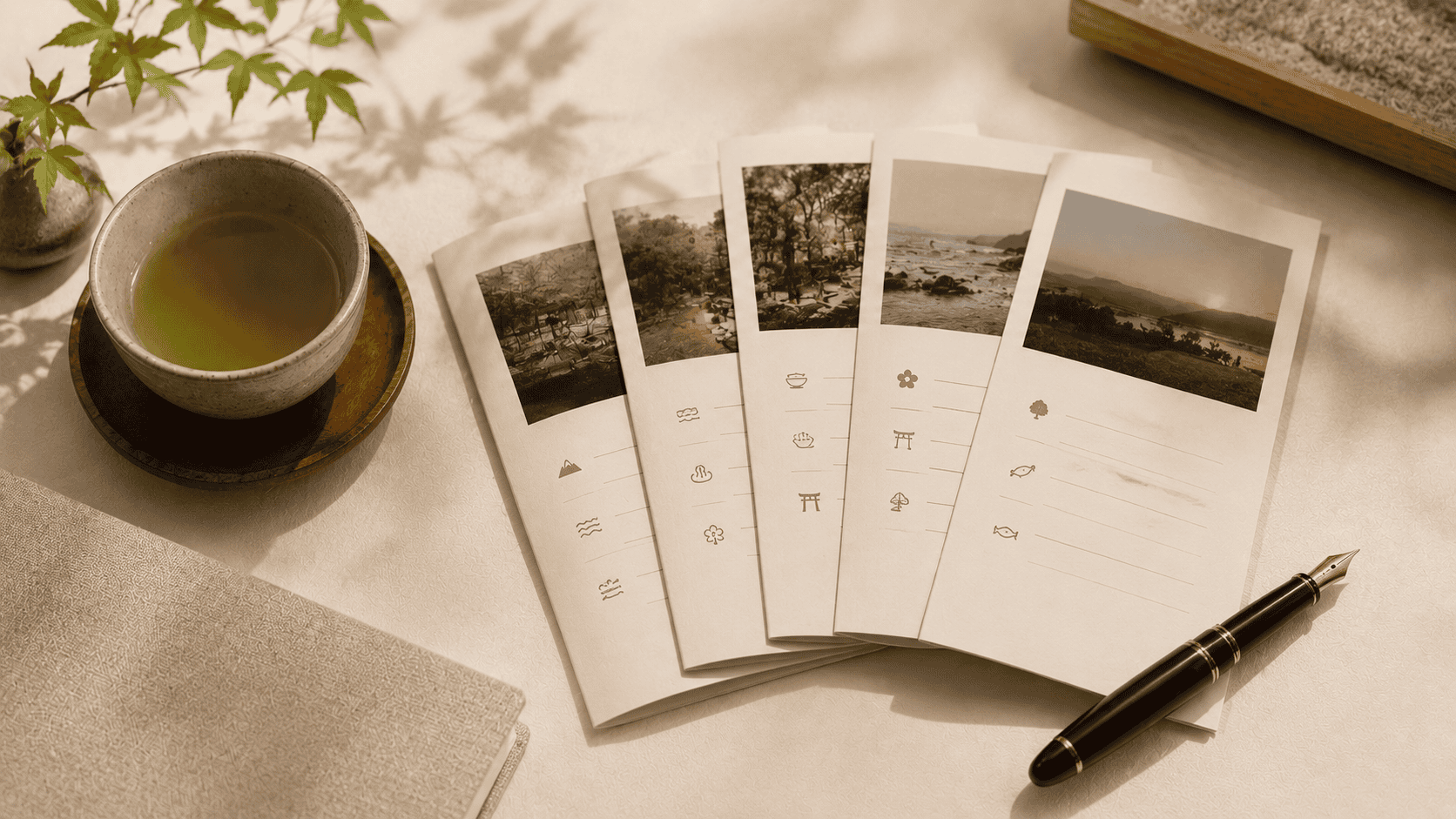
Eight days: Tokyo, Hakone, and Kyoto
The classic first visit, unhurried. Three nights in Tokyo with a private guide for one of them, a slow move to Hakone for a ryokan night and a private onsen, then three nights in Kyoto for temples, tea, and a kaiseki dinner. It is the gentlest introduction to both grammars of Japanese luxury, the city hotel and the countryside inn, without rushing.
Eleven days: art, craft, and cuisine
For the returning or the curious, a deeper cultural arc. Tokyo and Kyoto anchor it, with a detour to the Hokuriku coast for a family-run ryokan and the craft city of Kanazawa, and a day given over to a workshop with a maker. Dining is the spine, from an omakase counter to a ryokan kaiseki, and the pace stays slow throughout.
Thirteen days: ryokan and the countryside
The slowest and most restorative shape. It threads several of the finest ryokan across regions, from a Hakone forest to the Hokuriku coast and a snow-country inn, with the cities kept to brief, deliberate visits. This is the itinerary for a traveller who has seen the highlights and now wants the quiet, the onsen, and the seasons.
None of these is a product to buy off the shelf. They are sketches of how we think, and the trip we design for you would carry your own interests, pace, and timing. When one of them sparks something, the next step is simply to begin a Customized Itinerary, and we build from there.
What luxury Japan is not
It helps to name the traps, because the marketing rarely will. Luxury in Japan is not a packed itinerary of marquee sights, which leaves no room for the country to surprise you. It is not the largest suite for its own sake, when the finest experience may be a small tatami room with a private cypress bath. And it is not loud spending on the obvious, when the real privilege is access to the quiet.
The travellers who get the most from Japan tend to want the least to be visible. They prize discretion over display, mastery over novelty, and a perfectly judged afternoon over a full one. Hold that standard and the choices on this page become simple. Each one asks the same question: does this add depth, or only more.
What it costs, honestly
Few guides will tell you plainly, so here it is. The finest ryokan and hotel suites generally start near 1,000 US dollars a night and climb well beyond. Private guiding adds a few hundred dollars a day. Exceptional meals run from 150 to 500 US dollars a head, and the rare experiences, a private tea ceremony, a luxury sleeper train, cost accordingly.
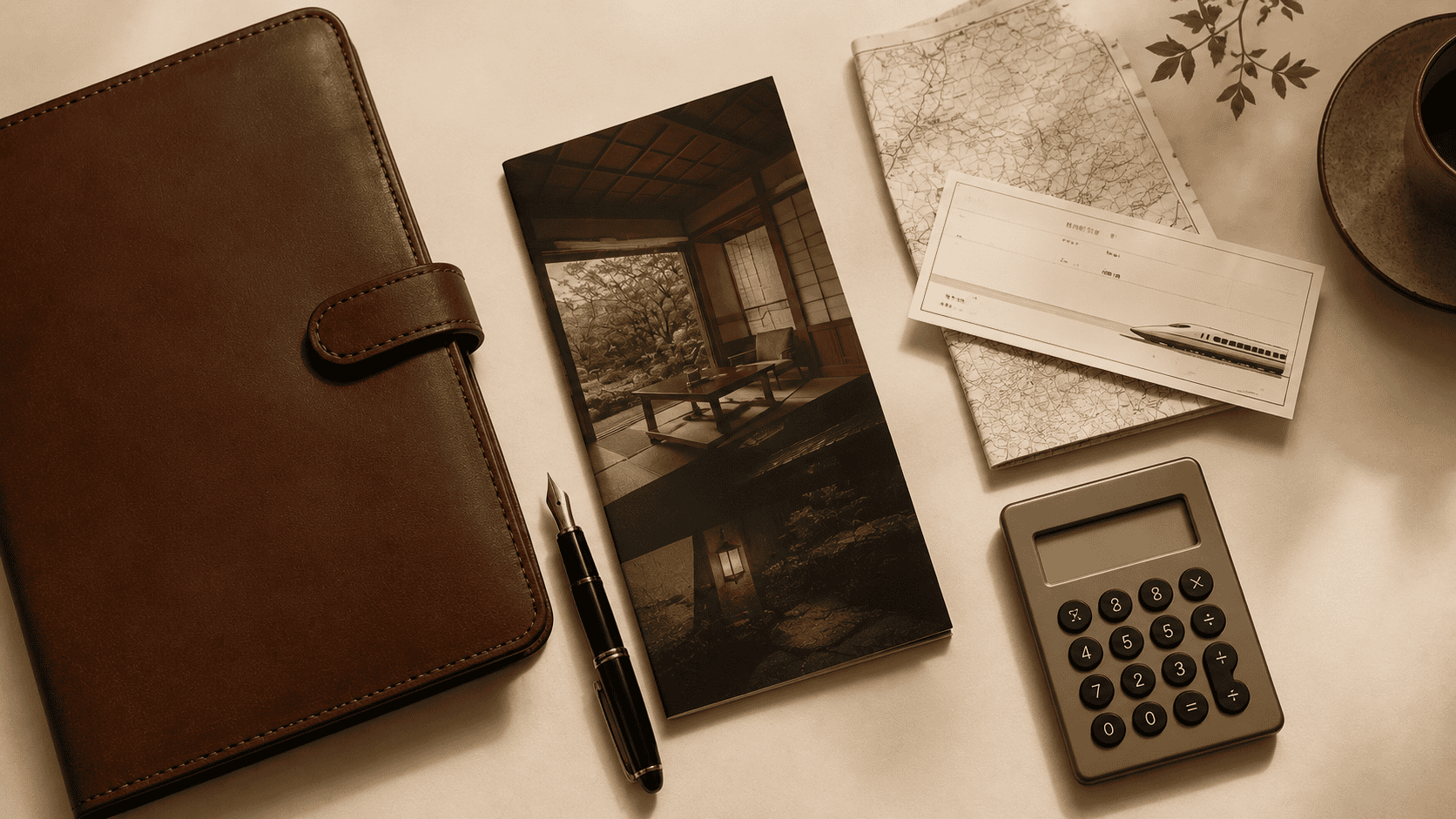
For a fortnight built around fine stays, private transfers, and a handful of remarkable meals, two travellers commonly spend between 25,000 and 60,000 US dollars. The honest counsel is the same one Japan keeps teaching. Spend on fewer things done exceptionally rather than spreading a budget thin across a long list. A trip with three perfect nights and one unforgettable meal beats a fortnight of uniform comfort.
To set rough expectations per traveller, per day: an entry to true luxury sits around 1,500 to 2,500 US dollars, with fine stays and the occasional private touch. A fully bespoke tier, with private guiding throughout, exclusive access, and the best suites, runs 3,000 to 6,000 US dollars and beyond. The figures sound steep at first. Weigh them against what they buy in Japan, though, and the logic shifts. This is not excess. It is the removal of every friction between you and the country at its best.
Questions worth asking
In Japan, luxury is defined by service, craft, and restraint rather than gilt. It shows in omotenashi, in the lifetime mastery of shokunin, and in access to the quiet rather than the loud. The finest trips feel deliberate, not crowded.
A well-planned luxury trip generally runs from about 1,000 US dollars per night for a top stay, with private guiding adding several hundred a day. A fortnight for two commonly lands between 25,000 and 60,000 US dollars, driven by the tier of stay and how much is privately arranged.
Late spring and mid-autumn offer the finest weather and the most demand. For the same refinement with fewer people, early June and late November are the quiet windows. Winter suits Hokkaido and snow-country ryokan; summer suits the Okinawan islands.
They are two grammars of luxury. A ryokan offers Japanese hospitality at its most complete; a hotel offers Western polish and city convenience. The finest itineraries use both, matching each to the place and the moment.
Not for everything, but a private guide unlocks reservations that take no direct booking, fluent negotiation, and seamless logistics. For first visits and trips with exclusive access, private arrangement is where the real difference lies.
Yes. A Customized Itinerary is built around the traveller, from the tier of stay to private dining, transfers, and access, designed to remove friction and deliver depth. A quote follows within 24 hours, with no obligation.
Ten to fourteen days is the ideal range, enough for Tokyo, a countryside ryokan, and the Kyoto region without rush. Japan rewards fewer stops and longer stays over a sprint between cities.
A well-planned trip deserves a fine notebook. Our cloth-bound journals hold the route, the reservations, and the small notes that make a journey your own.
View the JournalsEverything on this page, arranged around one traveller. The stays, the tables, the transfers, the access — deliberate, unhurried, and entirely yours. A quote follows within 24 hours, with no obligation.
Begin a Custom Itinerary