
The trail running Japan offers surprises most first-time visitors. Behind the neon of Tokyo sits a country that is about two-thirds forest and mountain. Cedar paths climb straight from train stations. Old stone roads cross mountain passes, and alpine ridges run for days above the clouds. For a runner, world-class trails sit within an hour of a bullet-train platform.
This guide covers where to run, from Mount Takao to the Kumano Kodo and the Japan Alps. It also covers the races worth entering and the seasons that work. Then it turns to trail etiquette, which keeps Japanese paths open to runners. Finally, it shows how to plan a running trip with comfort built in. Think luggage sent ahead, and an onsen at the end of every day.
The classic choices are Mount Takao and Okutama near Tokyo, Hakone, the Kumano Kodo, Kamikochi and the Hakuba Valley. Autumn, from October to mid-November, is the most reliable season.
Why the Trail Running Japan Offers Is Different
Japanese trails feel unlike those in the Alps or the Rockies. First, they are steep. Many paths began as walking routes between villages and mountain shrines. So they climb directly rather than in long switchbacks. Expect stone steps, wooden stairs and roots, often for long stretches. These test your calves more than your lungs. As a result, a short loop in Japan can take as long as a much longer one at home.
Second, the trails are woven into daily life. A path may start beside a station and pass a tea house and a small shrine. Then it may finish in a hot-spring town. That rhythm makes running in Japan unusually rewarding. Every route has a story and a place to rest at the end. It also means you share the trail with walkers of every age. That shapes the etiquette covered later in this guide.

Third, the logistics are easy. Trains reach most trailheads, so a car is rarely needed. Luggage services carry bags between inns. Convenience stores sell water, rice balls and electrolyte drinks near almost every station. For a visiting runner, that mix is rare. You can run point to point and sleep somewhere comfortable. Meanwhile, you never carry more than a small vest. In short, the trail running Japan offers depends as much on the network around the trails as on the trails themselves.
Six Trails Worth Running
The routes below cover a range of distance, height and character. Most work as day trips from a city base. The longer ones suit a few nights in mountain towns. Each rewards a runner differently, so choose by season and by the kind of day you want. A crowded summit at dawn and an empty ridge by noon can sit on the same map.
Mount Takao and Okutama
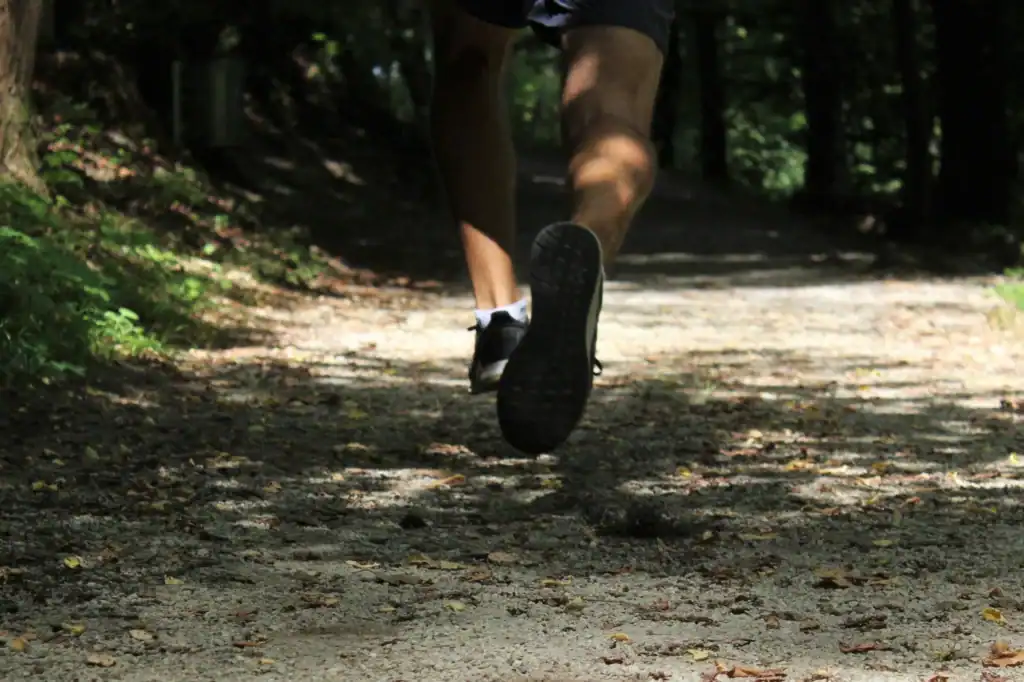
Mount Takao, at 599 meters, is Tokyo’s home mountain. It sits about an hour from Shinjuku by train. Several numbered trails climb from the base station to the summit. Takao is busy, especially on weekends and in autumn. So treat the main paths as walking routes. Trail running is banned on Trail 6, with signs in Japanese and English at both ends. Instead, the less crowded paths heading west toward Mount Jinba suit runners much better.

Farther west, the Okutama hills offer longer and emptier routes through cedar forest. Trains from central Tokyo reach the valley in under two hours. Trailheads start a short walk from the platforms. Many Tokyo runners train here for mountain races. Start early, and carry more water than you expect to need. Also, plan to catch the train home from a different station than the one you arrived at.
Hakone
Hakone mixes running with some of Japan’s finest hotels and hot springs. The old Tokaido road once linked Edo and Kyoto. Between Hatajuku and Moto-Hakone it keeps stone-paved sections under tall cedars. Mount Kintoki, at 1,212 meters, rises above the caldera. On clear days it gives views of Mount Fuji. Together they make a superb day: a morning climb, a run on the old road, then an onsen.
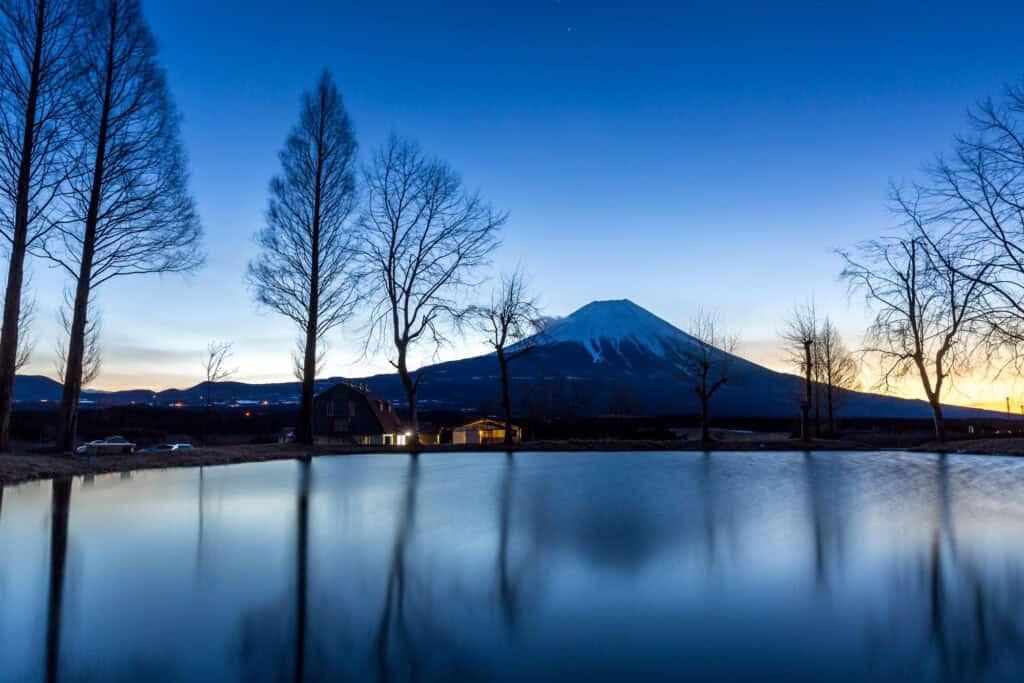
Because Hakone is popular, weekday mornings are the best time to run here. The stone paving turns slippery after rain. So slow down on the descents and watch your footing. Afterward, book a ryokan with a private bath. It is the finest recovery plan in Hakone. That ease is one reason the area suits a running trip with a slower second half.
The Kumano Kodo
The Kumano Kodo is a network of old walking routes on the Kii Peninsula, south of Osaka. The best-known route is the Nakahechi. It runs about 38 kilometers from Takijiri-oji to Kumano Hongu Taisha. Most people walk it over two or three days. It is a heritage trail first, with steep stone steps, mossy forest and small inns. A fit runner can cover it faster, at a steady jog on the gentler stretches.
Treat it as a fast hike rather than a race course, and give walkers the trail. Luggage transfer between inns lets you run light. You carry only water and a jacket. That is the heart of the Kumano experience for a runner. You spend hours alone in the cedars. Then comes a hot bath, a long dinner and a futon in a family-run inn. For many visitors, it becomes the most memorable run of the trip.
You may also like

Kamikochi and the Northern Alps
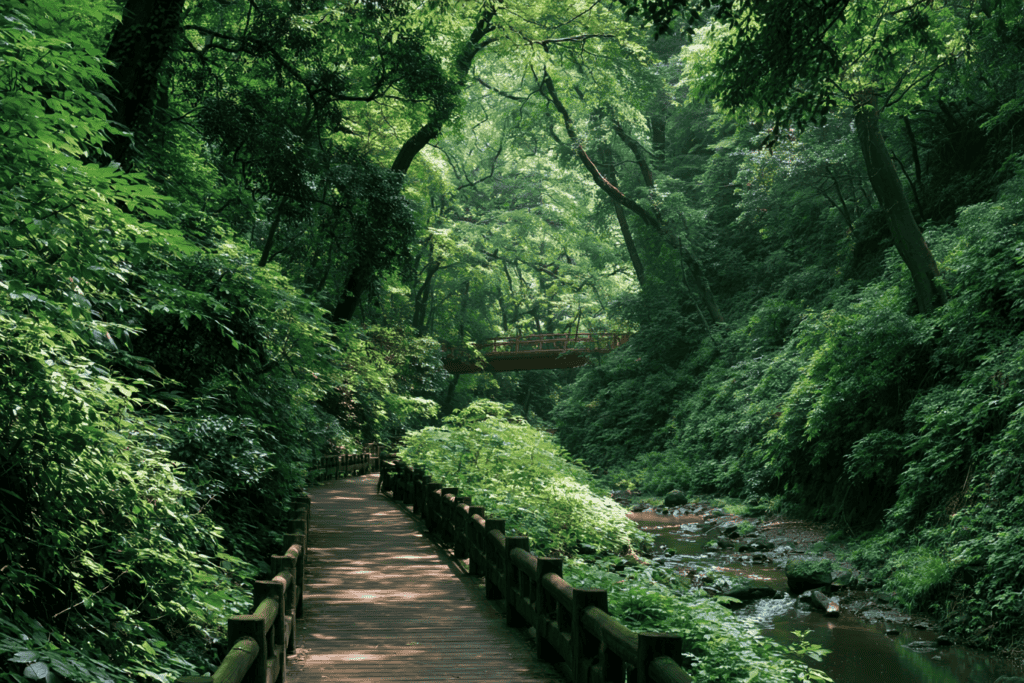
Kamikochi is a high valley in the Northern Alps. It opens from mid-April to mid-November and is closed to private cars. Flat paths follow the Azusa River beneath granite peaks. So it suits easy recovery runs as well as long days. From here, trails climb toward the high ridges. Huts there offer meals and beds in summer. These routes are serious mountain terrain, with fast weather changes and real exposure.

For most visiting runners, the valley paths and lower trails are the right choice. Higher routes demand mountain skills, proper gear and a margin for weather. If you want to go higher, hire a local guide and start at dawn. Plan to be off the ridges by early afternoon, when summer storms tend to build. Then return to the Kamikochi lodges, some of the most beautifully placed in Japan.
The Hakuba Valley
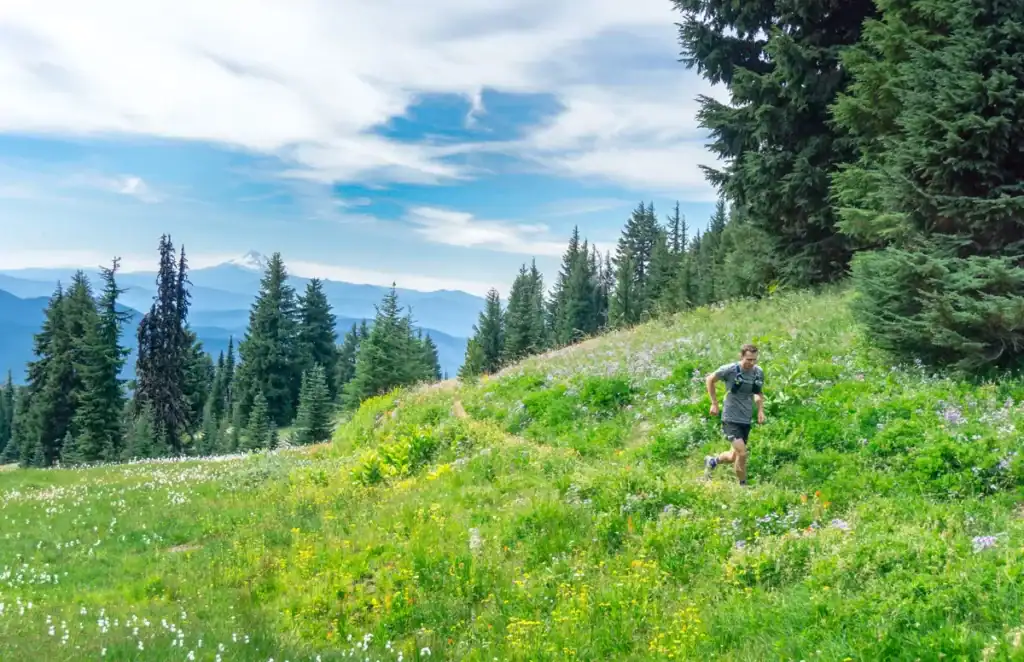
Hakuba is best known for skiing. In summer and autumn, though, its slopes become running country. Lifts carry you to the high meadows. From there, trails follow ridges with views across the Northern Alps. The valley hosts a September trail race, so routes are well marked. Lodging ranges from simple pensions to stylish chalets. Many runners stay several days and add mountain biking or hiking.
Yakushima
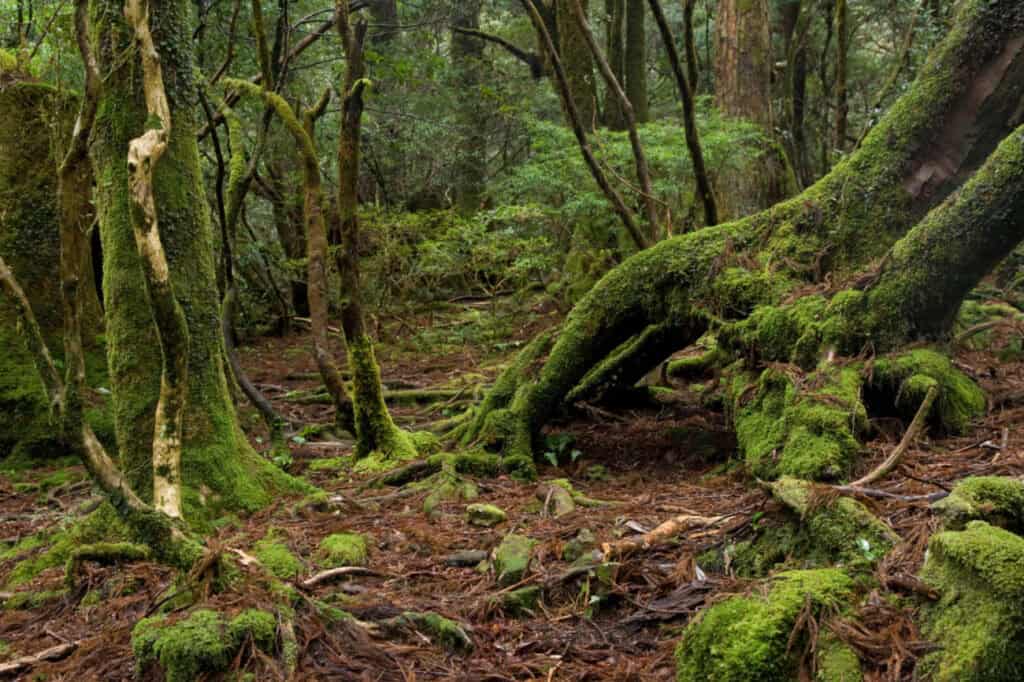
Yakushima, an island off southern Kyushu, is famous for ancient cedars and deep moss forest. It is one of the wettest places in Japan. Trails are often slick, and streams rise quickly after rain. Running here is about the setting rather than speed. Even so, a long day in that forest is unlike anything else in the country. Mist hangs in the trees, and the ocean shines far below.
Races Worth Entering
Japan’s race calendar has grown fast. The biggest events now draw international fields. Entries often open months ahead and fill quickly, so check the official sites early. Most of the longest races also ask for qualifying points from the international ITRA system. For a first race here, try a shorter distance at a major event. You get full support and a festival atmosphere at the finish.
Mt. FUJI 100
Mt. FUJI 100, formerly Ultra-Trail Mt. Fuji, is the country’s flagship ultra. The 2026 edition ran from April 24 to 26. Its main race, FUJI100mi, covered about 165 kilometers. Runners climbed roughly 6,461 meters between Fuji City and Lake Kawaguchi. Shorter races, the KAI70k and the ASUMI40k, shared the weekend. The cutoff for the long course was 44 hours and 30 minutes.

Shinetsu Five Mountains Trail and Hakuba
The Shinetsu Five Mountains Trail crosses the highlands around Myoko each September. Myoko sits on the border of Niigata and Nagano. The 110-kilometer and 100-mile courses cross five mountains. Entries are famously hard to secure. Hakuba International Trails, also in September, belongs to the Golden Trail National Series. In 2025 it offered a 29-kilometer race. Both make a good reason to visit the Japan Alps in early autumn.
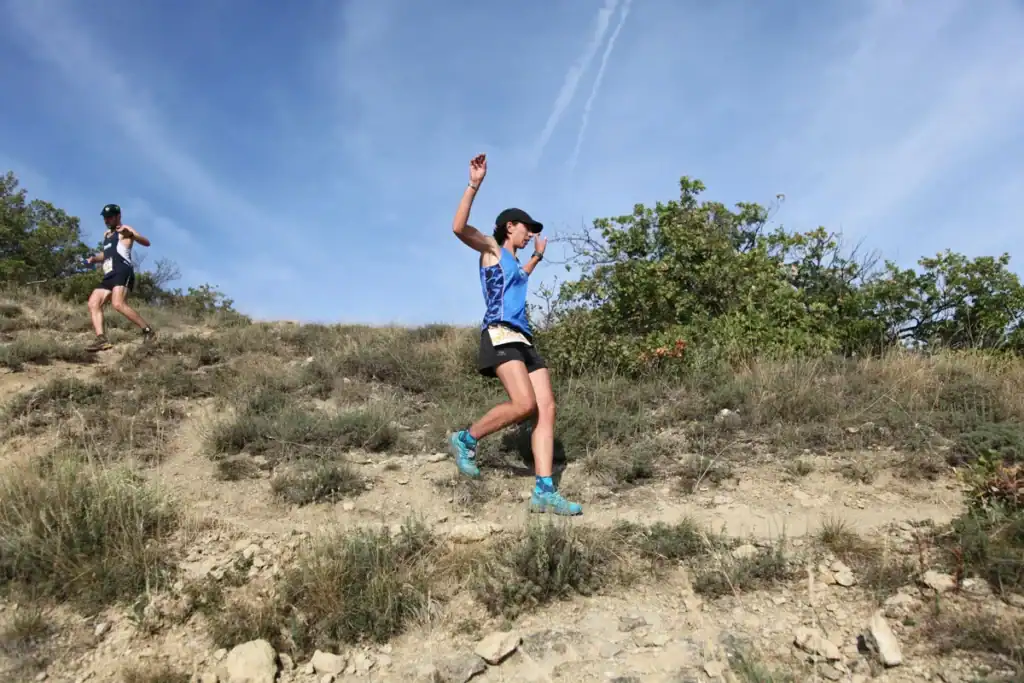
Whichever race you choose, arrive a few days early. Time zones, unfamiliar food and steep terrain all take adjustment. A couple of easy runs on the course will help. So will long baths and early nights. Together they do more for your result than any last-minute training. Afterward, stay on. The days after a race are the best time to explore the region at an easy pace.
When to Go
Season shapes every running trip to Japan. Autumn, from October to mid-November, is the most reliable choice. The air is cool, the trails are dry, and the maples turn red. Spring is a close second, especially from April to May. However, high routes in the Alps still hold snow then. Early summer brings the rainy season. It covers most of the country from early June to mid or late July.
High summer is hot and humid at low elevation. So most runners head for the mountains, where the huts are open and the ridges are cooler. Late summer and early autumn also bring typhoons. These can close trails and stop trains, so keep a spare day in your plan. Winter suits the coastal hills of the Pacific side. Meanwhile, the northern mountains and the Alps lie under deep snow until spring.
You may also like

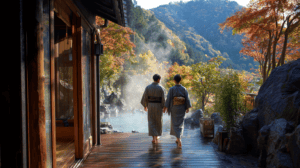
For a first visit, aim for late October. The light is soft, the air is cool, and the forests are at their finest. Book hot-spring inns early for that window, because autumn is the busiest season in the mountains. If your dates are fixed, let the season choose the region. Spring favors the warm south, while autumn favors the Alps and the north.
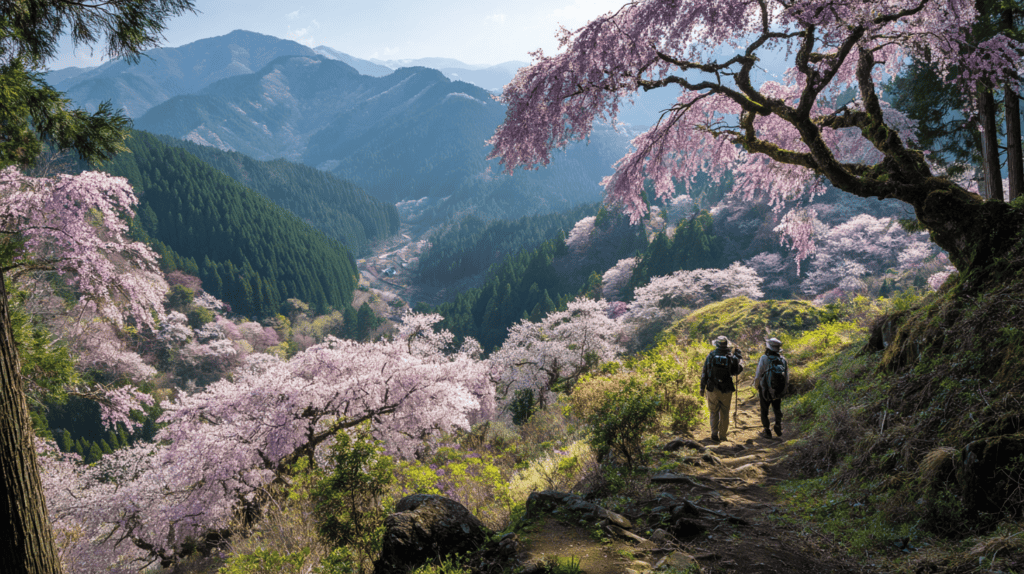
Trail Etiquette in Japan
Good manners keep Japanese trails open to runners. Hikers always come first. Slow down when you meet walkers, offer a brief greeting, and pass only where the path is wide. On narrow sections, step aside and let others go by. Groups of runners should spread out rather than move as a pack. A pack can feel overwhelming on a busy path.
Leave no trace, and take every scrap of rubbish home. Many trails have no bins at all. Stay on marked paths, because the plants on popular mountains are fragile. In the mountains, carry a bell or talk as you move. Asian black bears live across Honshu. The Ministry of the Environment advises making noise in their habitat, so bears hear you coming. Finally, respect closures and check local rules, as at Takao.
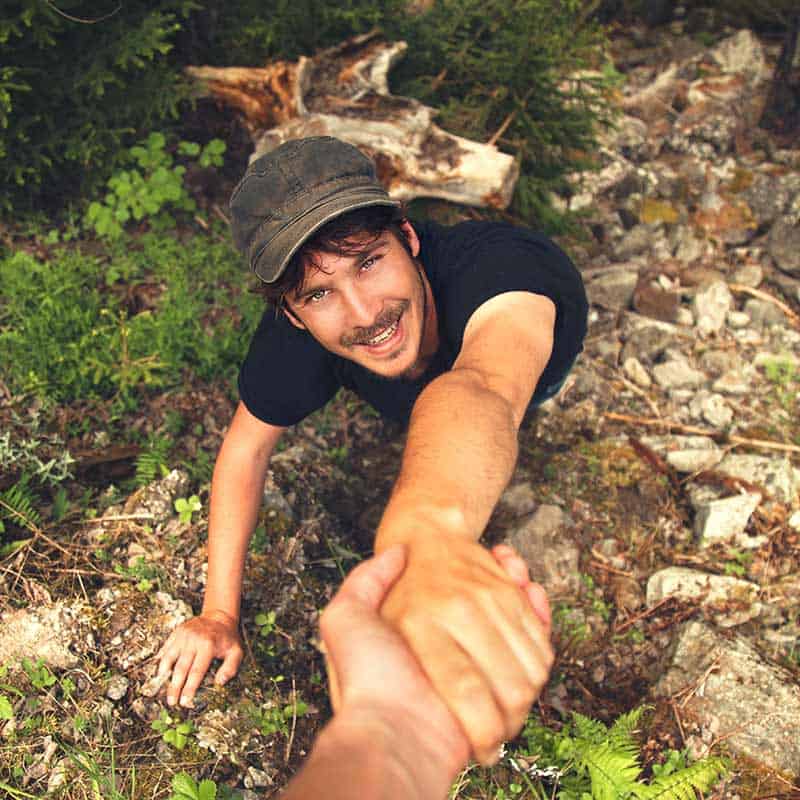
After the run, the onsen has its own etiquette. Wash and rinse well at the shower stations before you enter the bath. Keep your towel out of the water. Some public baths still refuse tattoos, so check ahead or book a private bath. It is a small effort for one of the great pleasures of running in Japan.
Gear That Earns Its Place
Japanese trails reward light, reliable gear. Steep stairs and wet roots call for shoes with real grip. The weather changes fast in the mountains, so a rain shell belongs in every vest. Beyond that, a few pieces make a long day easier and safer. These are the ones we would pack for a week of trail running Japan-style. They cover everything from the cedar forests near Tokyo to the high Alps.
Salomon ADV Skin 12 — a running vest that carries a full mountain day
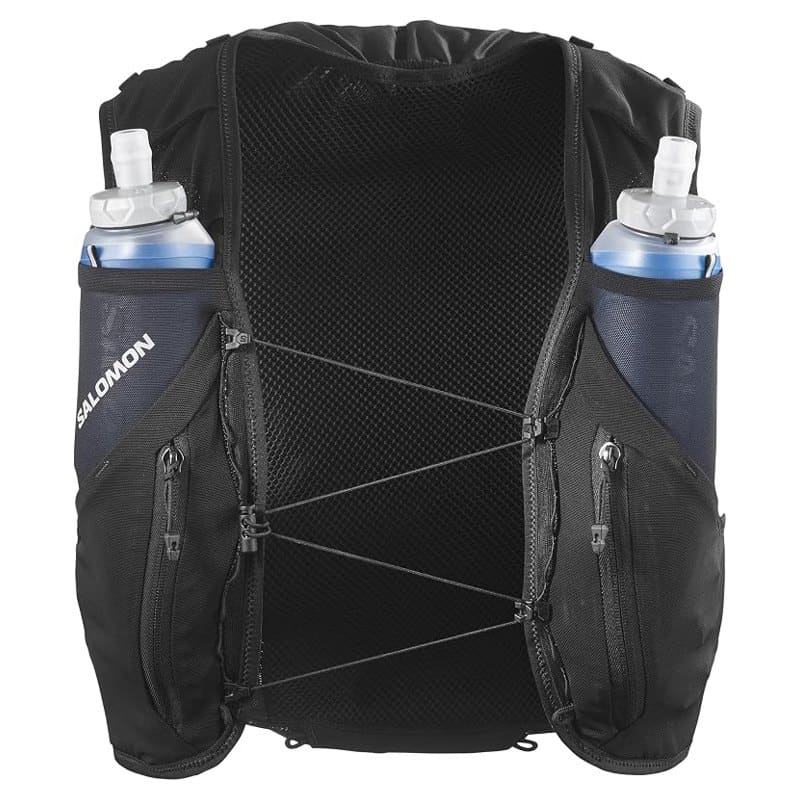
The Salomon ADV Skin 12 is a vest built for long mountain days. Its 12 liters hold a rain shell, a warm layer, food and a first-aid kit. Soft flasks sit on the chest within easy reach. The fit is close, so it stays still on steep descents. That matters more than it sounds. A bouncing pack wears you down over hours of stairs. On a point-to-point run between inns, it carries all you need and nothing more. It also meets the gear lists of most Japanese ultra races. Two front pockets keep a phone and a rail pass dry and close at hand.
Navigation is the next priority. Trail signs are good near popular summits but sparse on the long ridges. Many are in Japanese only. A watch with offline maps keeps you on route without stopping for your phone. It also tracks climb and time, which helps you pace a long day. In races, it shows the distance to the next aid station. That small detail makes the second half far easier. For a runner in an unfamiliar country, it also brings peace of mind on every junction. On a long ridge in cloud, that calm is worth more than any spare gel. It lets you keep moving, instead of stopping at each fork to guess the way down.
Garmin Forerunner 965 — maps on the wrist for unfamiliar trails

The Garmin Forerunner 965 pairs a bright AMOLED screen with full-color maps. That makes a junction easy to read at a glance. Load your route at home, and the watch guides you turn by turn. It works even where trail signs are only in Japanese. Battery life covers long training days and most races. It also records climb and heart rate. So you can see how the steep terrain affects your effort. For a visiting runner, that confidence on unfamiliar ground is the real value. You spend less time checking a phone and more time looking at the mountains around you.
Three smaller pieces round out the kit. A light headlamp belongs in every vest. Autumn days end early, and a delayed finish can leave you in a dark forest. Folding poles help on the long stairs Japanese trails are known for, especially on descents. Finally, a good guide to day hikes helps you choose routes and plan transport. You will use it long after the trip. Together, these three cost little and solve the problems that most often spoil a mountain day. None of them weighs much in a vest. Yet each one turns a possible bad moment into a minor detail, whether that is a late finish, a steep descent or a missed train connection.
Three Pieces for the Mountains
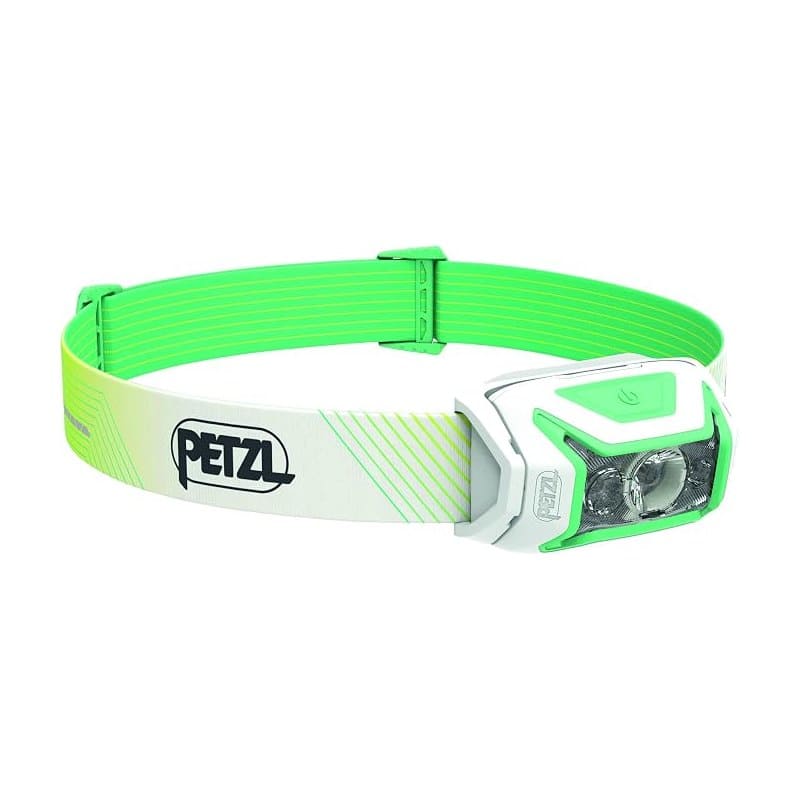
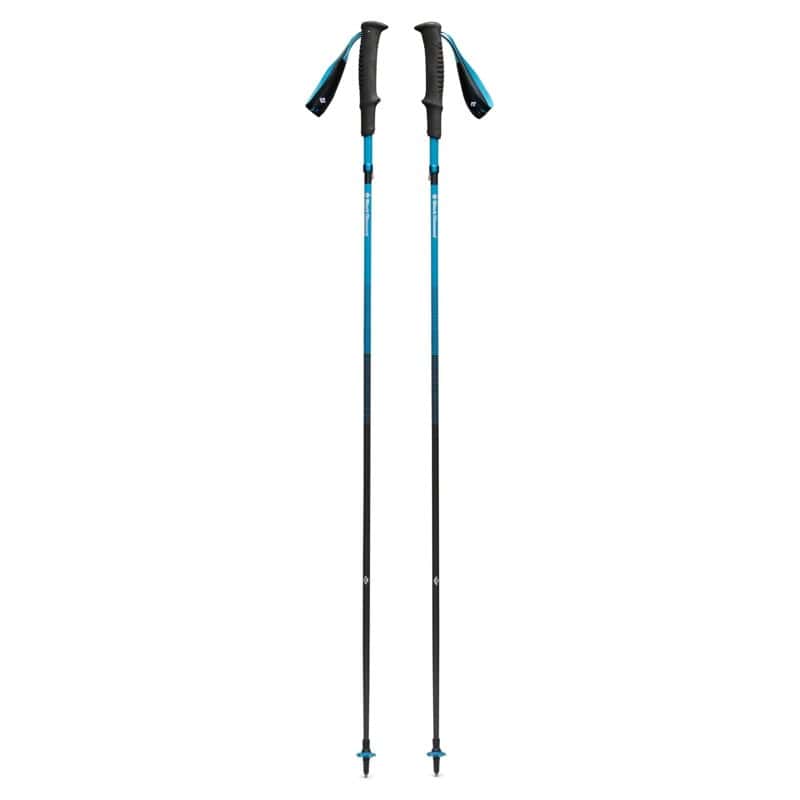
Fold small, then help on long stone stairs.
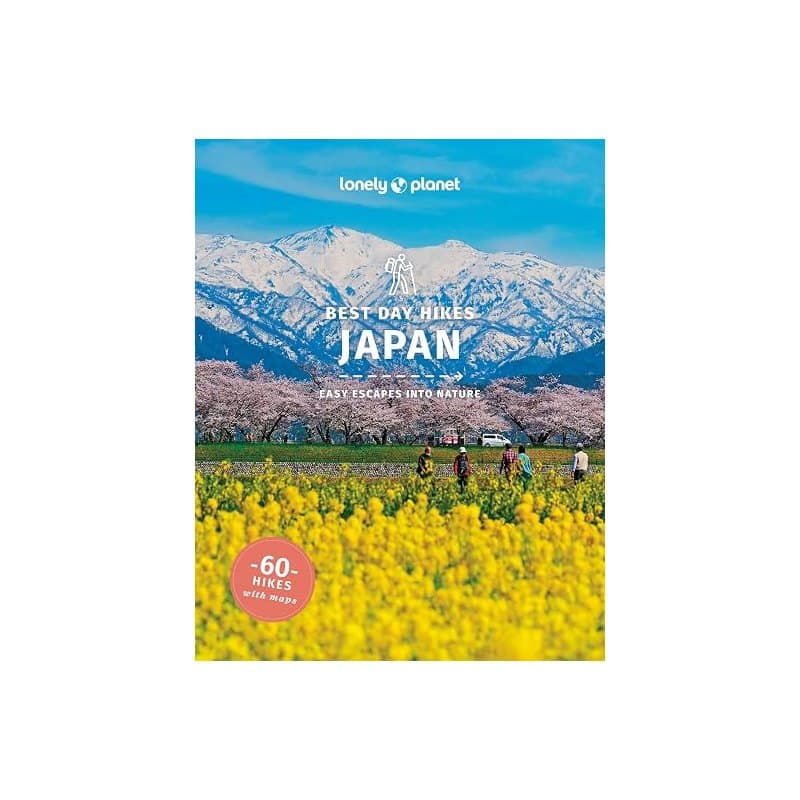
Day routes across Japan, with transport to each trailhead.
Pack Light
Leave the rest at home. Convenience stores cover food and drink, and inns provide towels and robes. A small vest with a shell, a warm layer, a headlamp and water covers almost every day out. The less you carry, the more the trails feel like running. Those long stone staircases get easier too. If you need anything else, mountain towns usually have an outdoor shop near the station. Staff there know the local trails well. They can tell you which paths are muddy after rain and which huts are open. That advice is often more current than any guidebook, so it is worth a short stop before you set out on a new route.
Recovery the Japanese Way
Recovery may be the best part of running in Japan. Almost every mountain area has hot springs. A long soak after a hard day eases tired legs like nothing else. Many ryokan serve multi-course dinners of local fish, vegetables and rice. These refuel a runner far better than a sports bar could. Early nights on a futon and an early breakfast set up the next day perfectly.
At home, you can bring a little of that ritual into your own training. A slow-cooked dinner the night after a long run is one way. Buta no kakuni is pork belly braised until it falls apart. It is a classic of Japanese home kitchens and inns. It takes time but very little effort, so it suits a rest day. Here is how to make it.
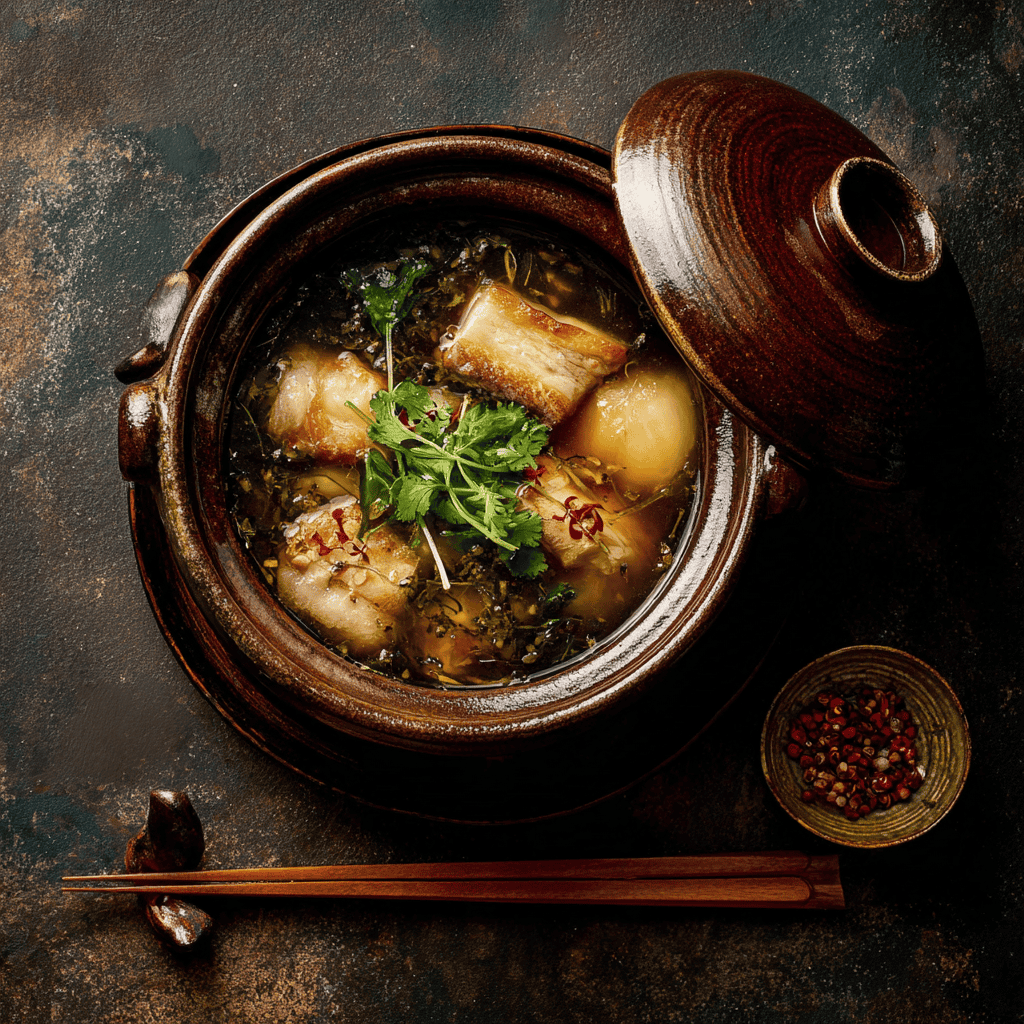
Buta no kakuni — pork belly braised in soy and mirin
Cut a pound and a half of pork belly into two-inch blocks and sear them golden in a dry pan. Cover with water, add sliced ginger and two green onions, and simmer gently for an hour, then drain the pork and return it to a clean pot with a cup and a half of dashi. Add a third of a cup each of soy sauce and mirin, plus three tablespoons of sugar. Cover with a drop lid and simmer on the lowest heat for about ninety minutes, until the liquid turns to a glossy glaze. Slip in four peeled boiled eggs for the last twenty minutes. Serve with the glaze and a dab of karashi.
The long simmer is the point. The fat melts into the sauce, and the meat turns tender enough to cut with chopsticks. Meanwhile, the eggs take on a deep amber color. Serve it with rice and a simple salad. Save the leftovers for the next day’s lunch. It is the kind of meal that makes a hard week of training feel well spent.
Ten Proverbs to Carry With You
A printable folio of ten Japanese proverbs, each set in kanji with its reading and a line on where you will hear it.
Sleep matters just as much as food. Japanese inns settle early, and that rhythm suits a runner well. Turn in soon after dinner and rise with the light. Then you reach the trail in the cool of the morning, when the forests are at their best. Over a week, that simple pattern can leave you fitter and more rested than when you arrived.
Guided Running Trips in Japan
A guided running trip removes the hardest parts of planning. A good guide chooses routes to match your fitness. They handle transport between trailheads and book the inns along the way. Luggage moves ahead each day, so you run with a light vest. The best trips add the details that make Japan special. Think of a private bath at the end of a ridge, or a dinner built around local produce.
For many visitors, a guided week is the best way to discover the trail running Japan has to offer. It removes the stress of timetables and trail signs. It also opens routes that are hard to reach alone. Examples include the emptier ridges of the Kii Mountains and the high paths above Kamikochi. Our luxury adventure starter shows how an active trip can follow your pace. For the wider picture of life beyond the cities, read our guide to rural Japan.
Whether you go guided or alone, keep a record of the miles. A journal of split times, trail notes and summit views makes a better keepsake than a list of results. Years later, those pages bring the trails back. You remember the smell of cedar after rain. You recall the bath at the end of the day. And you remember the long staircase you finally ran without stopping.

Where to Start
If this is your first time running in Japan, start near Tokyo. Try a day on the ridges west of Mount Takao, or in the Okutama hills. It will teach you the rhythm of Japanese trails. Expect steep climbs, long stairs and a hot bath at the end. Then add a few days in Hakone or on the Kumano Kodo. There, the running is finer and the inns are better. A Japan Rail Pass can tie the regions together.
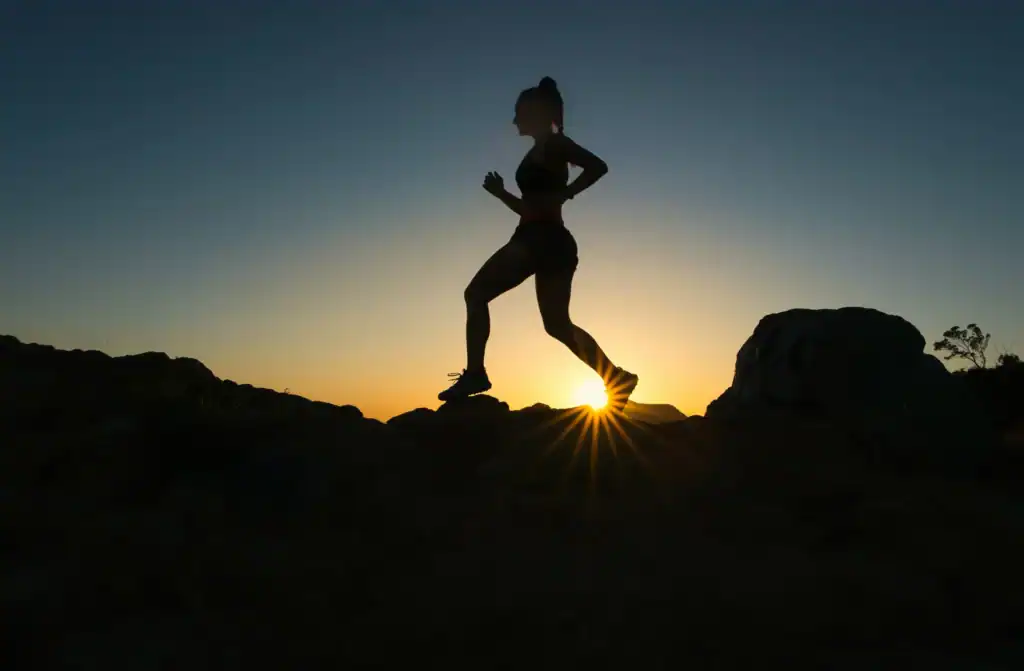
With more time, head for the Alps in summer or early autumn. Kamikochi and Hakuba offer some of the finest mountain running in Asia. Both reward a slow visit. Whatever the plan, the trail running Japan offers is about balance. You trade hard miles in beautiful places for rest that is just as memorable. For more ideas, our guides to solo travel in Japan and onsen wellness pair well with a running trip.
Recommended
A last word on pace. Japanese trails are steep, and the best days are rarely the fastest. Slow down on the climbs and look around at the top. Leave time for a tea house on the way down. You will cover fewer miles than at home. Yet you will remember far more of them.
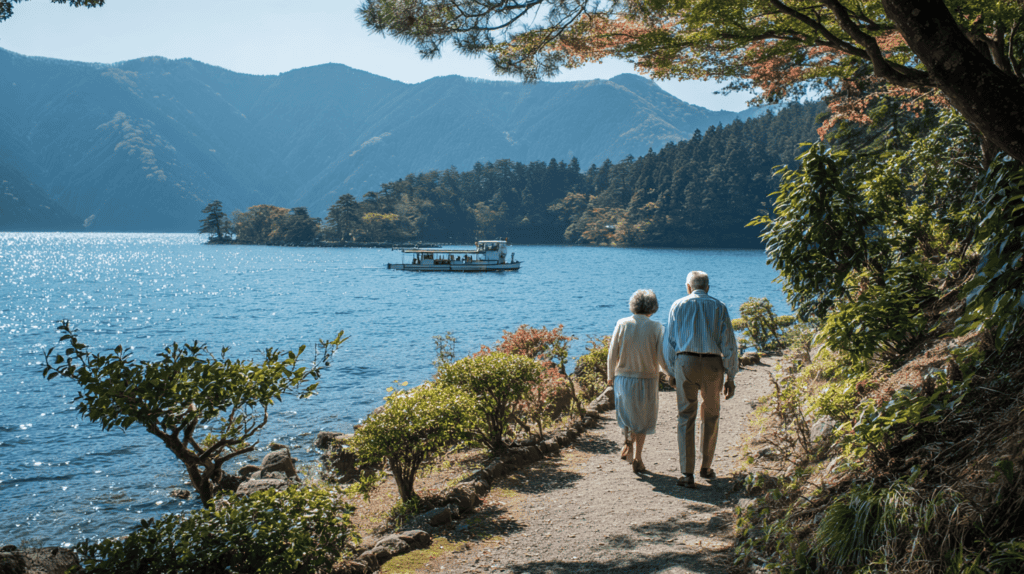
Plan the days with the same patience. Leave a spare day for weather. Keep the first run short while your legs adjust to the stairs. Save the longest route for the middle of the trip. Then end with an easy morning on a lakeside path or a valley trail. Finish with a last long soak before the journey home.
Let the Logistics Disappear
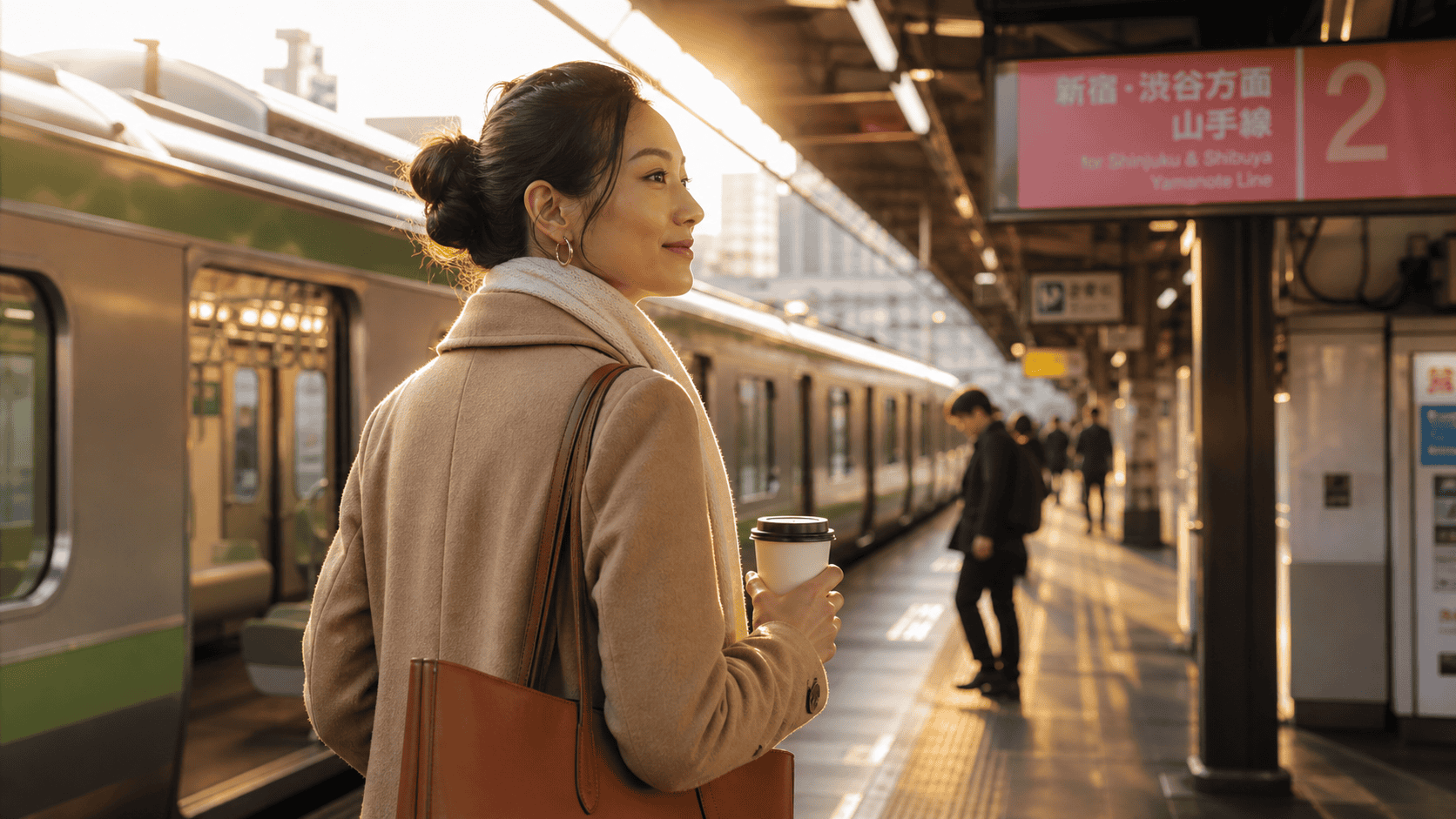
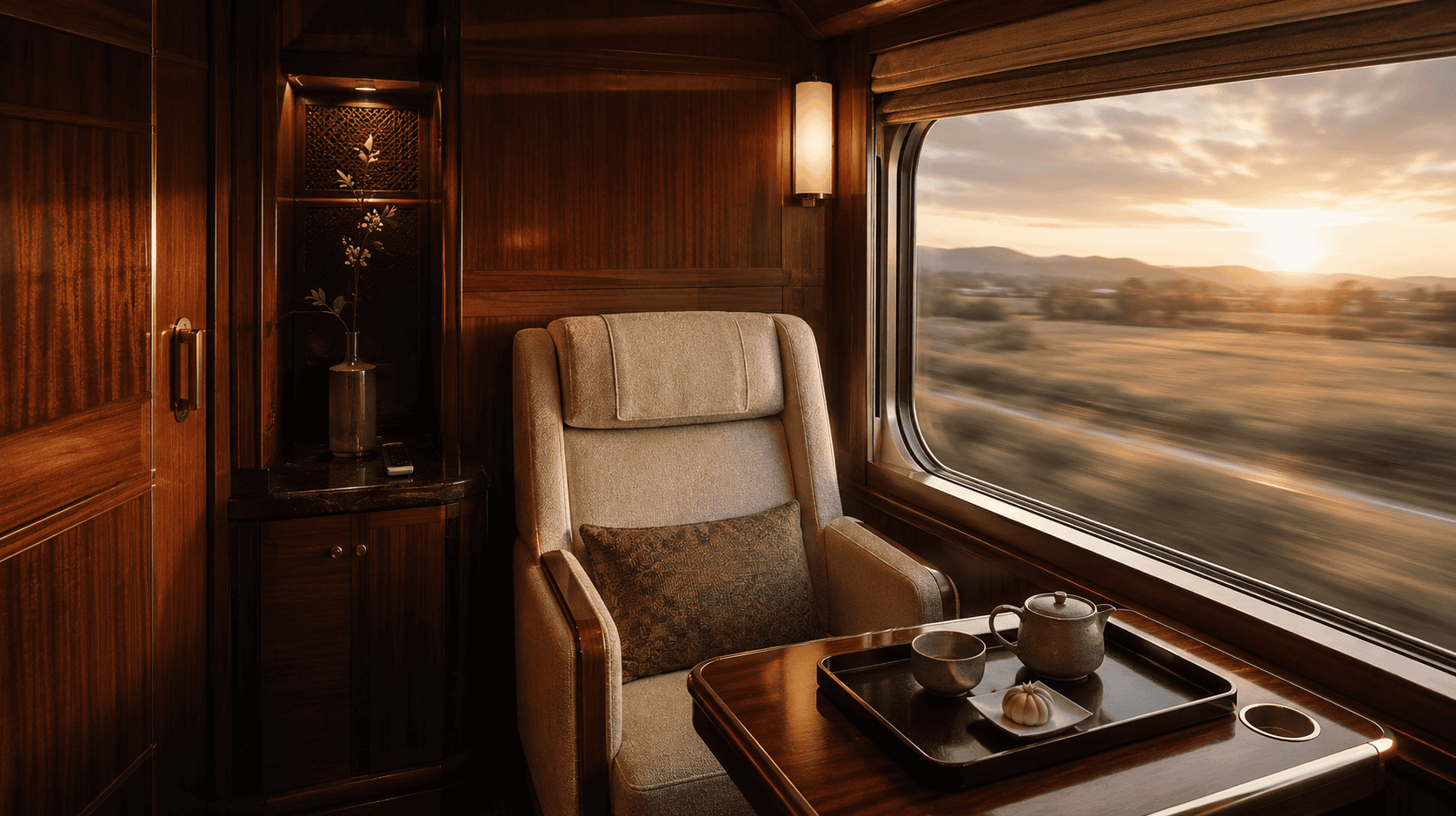
A running trip to Japan works best when the logistics disappear. Trains need to line up with trailheads. Inns need to sit at the end of the right ridge. Luggage needs to arrive before you do. With those pieces in place, every day becomes simple: run, bathe, eat and sleep. That rhythm turns a good week of running into an unforgettable one. It is also exactly what a custom plan can deliver. Each day starts with a clear route and ends at an inn that is already expecting you, with dinner and a hot bath waiting. All you have to bring is the energy to run, and the curiosity to see where each trail goes next.
A Running Journey Through Japan’s Mountains
We plan running trips around your pace: trails matched to your fitness, luggage sent ahead each day, and inns with private baths at the end of every route. Each itinerary is built around the seasons and the experiences you want.
Plan Your Custom Japan ItineraryQuestions Worth Asking
Is trail running popular in Japan?
Yes. Trail running has grown fast in Japan over the past two decades. Races such as Mt. FUJI 100 now draw international fields. On busy weekend trails near Tokyo, though, hikers still outnumber runners. So courtesy matters more than pace on those paths.
Where can I go trail running near Tokyo?
Mount Takao and the Okutama hills are the classic starts. Both are about an hour from central Tokyo by train. Hakone, slightly farther, adds old stone-paved roads and views of Mount Fuji. Check which Takao trails allow running before you set out.
When is the best season for trail running in Japan?
Autumn, from October to mid-November, is the most reliable season, with cool air and dry trails. Spring is a close second. The June rainy season and the humid peak of summer are hard going. High routes in the Alps hold snow until early summer.
Do I need special gear for trail running in Japan?
Bring trail shoes with real grip, a light rain shell and a small hydration vest. Many runners also carry a bear bell in the mountains, as black bears live across Honshu. Poles help on the long, steep stairs common on Japanese trails.
Can I run the Kumano Kodo?
You can jog gently on parts of the Nakahechi route. Still, it is a heritage walking trail with steep stone steps and many walkers. Treat it as a fast hike rather than a race course. Send your luggage ahead between inns and run light.
How do I enter a Japanese trail race as a foreigner?
Most large races publish English pages and open entries several months ahead. The longest distances often ask for qualifying points from the ITRA system. Popular races fill quickly, so watch the official site and register the day entries open.