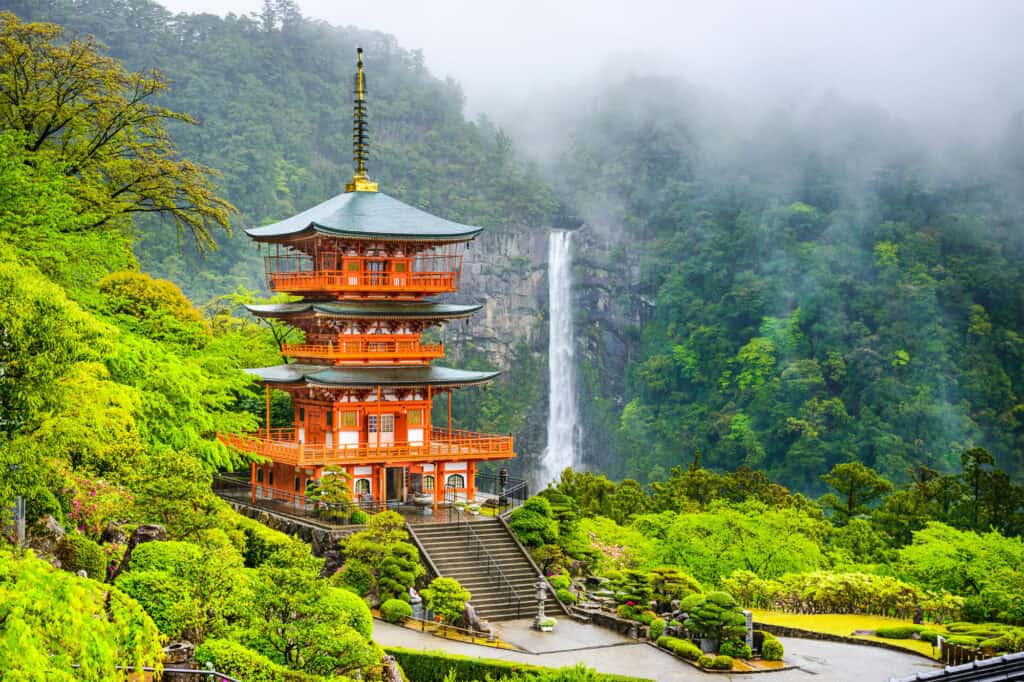
Rural Japan is changing in ways that reach far beyond tourism. As the government pursues regional revitalization, backs satellite offices and welcomes remote workers, something unexpected is happening. The countryside is producing remarkable places to stay, offering cultural immersion and a gentle, far-from-the-crowds kind of luxury.
This revival is not only reshaping regional economies. It is also opening doors for curious travelers, often before those places reach the guidebooks. From restored inns in Shimane to shared workspaces in Tokushima, these destinations sit where economic policy meets genuine travel. Our guide to planning luxury travel in Japan well covers the wider picture. In the sections below, we look at the policies behind the change. Then we visit six places where it shows most clearly, with the practical habits that make a rural trip easy. Each stop rewards an overnight stay rather than a quick visit.
Why is rural Japan becoming a travel destination?
Rural Japan is becoming a travel destination because national policy now funds its revival. Regional revitalization grants, satellite offices, remote work and new inns are bringing life back to shrinking towns. As a result, travelers can stay in restored houses, meet craftspeople and walk old trails with far fewer crowds than in the cities.
The Economic Engine Behind the Countryside’s Renaissance
Japan’s regional revitalization strategy, known as chiho sosei, began in 2014. Its aim is to slow the decline of rural towns by funding local projects, new businesses and tourism. The effort has gained new momentum recently. For fiscal 2025, the government doubled the total available for regional revitalization grants under a plan it calls Regional Revitalization 2.0. The idea is simple. Instead of drawing everyone to Tokyo, the plan funds jobs, housing and visitor experiences in the regions. That way, towns can keep young people and welcome travelers at the same time.
The pandemic gave the policy an unexpected boost. Remote work showed that many jobs no longer needed a Tokyo desk. Towns responded with satellite offices, shared workspaces and short residency programs. Officials describe a real shift in how people see the countryside, with policy now shaping new models of sustainable tourism and cultural exchange.
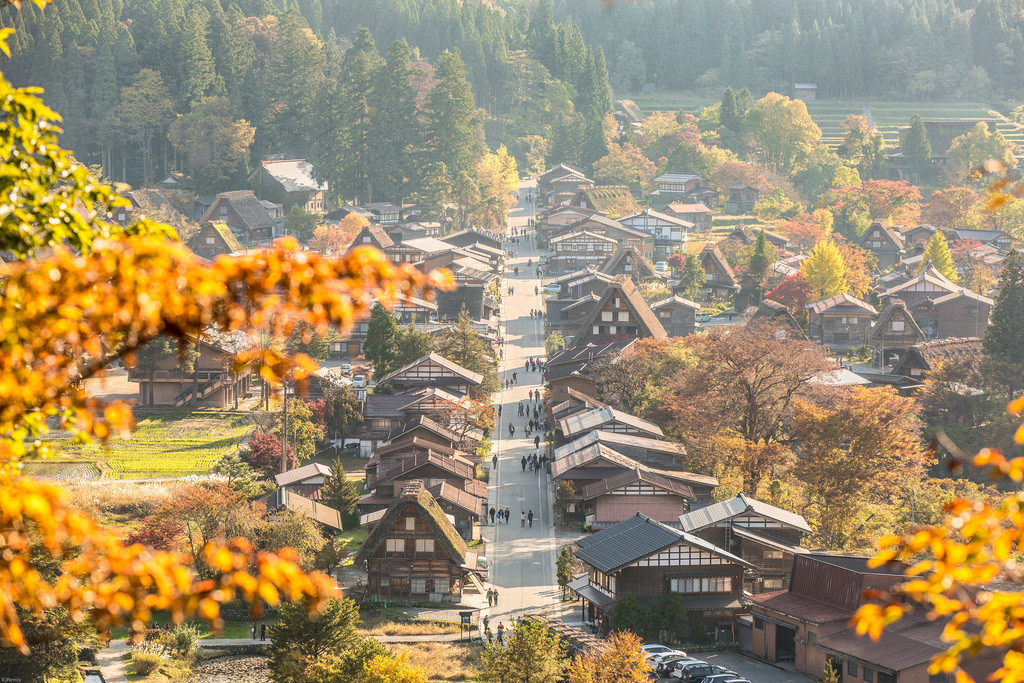
Kamiyama, a small mountain town in Tokushima Prefecture, became the model. In 2010, the software company Sansan opened a satellite office there. Other firms followed, drawn by fast internet, old houses and a valley of cedar forests. Then, in April 2023, a new college of design, engineering and entrepreneurship opened in the town, bringing students into its streets.
Today, visitors can stay in carefully renovated houses and try local crafts. They can also eat farm-to-table food that rivals the cities, all against the mountains of Shikoku. The town shows how a decline can turn around when work, education and hospitality move in together. Our essay on new roots in Japan’s old towns explores who is arriving. For travelers, Kamiyama works best as a two-night stop. Plan a morning walk along the river, an afternoon with a local maker and dinner at one of the town’s small, ingredient-led restaurants.

Reading Before You Go
Planning a trip into these regions takes a little background. Many of the most interesting places sit inside larger cultural landscapes, from pilgrimage trails to island art routes. Several are now UNESCO World Heritage sites, which helps explain why they receive so much investment. A well-researched guide to those sites gives a strong starting point for a rural route, long before you book a single room. It also helps you decide which regions deserve two nights instead of a single rushed one.
Guidebooks still matter in the countryside, even with good apps. Signal can fade in deep valleys, and many small sites have little information online in English. A printed book fills those gaps, explains the history behind each place and suggests how the sites connect into a route you can actually travel.
Japan’s World Heritage Sites by John Dougill — a guide to every site
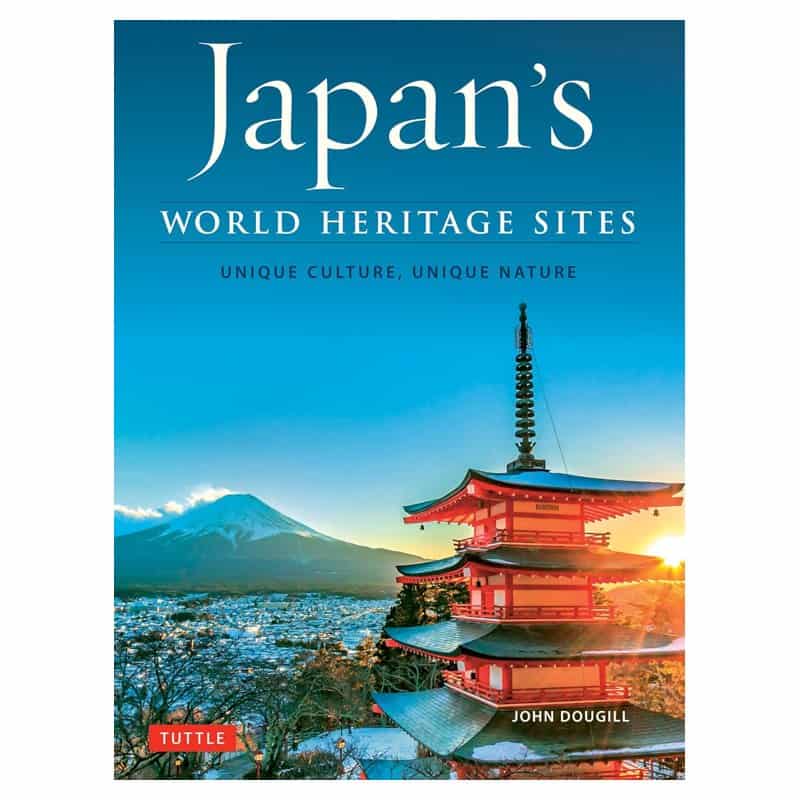
John Dougill traveled to each of Japan’s UNESCO sites to write Japan’s World Heritage Sites. The book covers gardens, castles, historic villages and natural wonders, from the islands of the far south to the forests of Hokkaido. This newer edition adds recent designations and comes in a handier size.
It is especially useful for rural routes. Many of the sites sit far from the big cities, in exactly the regions that revitalization funds now support. Read a chapter before each stop, and the landscape will make far more sense. It is a good reference to keep for future trips, too.
Heritage and Balance
World Heritage status brings both benefits and pressures to small places. On the one hand, it attracts funding for roads, signs and conservation, and it gives local people pride in their history. On the other hand, it can bring sudden crowds that small towns struggle to absorb. Visiting midweek, staying overnight and booking with local inns helps keep that balance healthy for the people who live there all year. It also makes your own visit far more pleasant, with emptier paths and more time to talk.
The same balance applies to every destination in this guide. Each one is still small enough to feel personal, and each depends on visitors who travel thoughtfully. The related reading below explores two sides of that story: who is moving to Japan’s rural regions, and how luxury travel there can stay sustainable.
You may also like

Policy and investment explain why rural Japan is changing. Yet travelers mostly feel the change through the places they stay and the people they meet. Across the country, new lodgings mix modern comfort with old buildings, and new technology supports traditional crafts. The next section looks at a few of the most striking examples, from a community guesthouse in Nara to a remade art island. Together, they show how quickly the countryside is changing, and how much of that change happens house by house, inn by inn.
Where Technology Meets Traditional Culture
The meeting of modern technology and old Japanese culture is creating experiences that did not exist a few years ago. In Yoshino, a mountain town in Nara famous for its cherry trees, one guesthouse shows the idea well. Yoshino Cedar House was designed by the architect Go Hasegawa with Airbnb and built from local cedar.
Residents run the house as a cooperative, taking turns to host guests upstairs while neighbors use the ground floor as a gathering place. Booking income goes back into the town. In short, technology fills the rooms, while the community keeps the welcome personal. It is a small model of how platforms can support a place instead of draining it.

The numbers support what travelers notice on the ground. In October 2025, international guest nights in regional areas rose about 14 percent on the year, while the three big metropolitan areas dipped slightly. Over 2025 as a whole, the fastest growth came from Tottori, Niigata and Mie. The national target is 130 million foreign guest nights in regional Japan by 2030. Reaching it would mean far more visitors outside the big cities than today. Investment in rural lodging and transport is therefore likely to continue for years.
Researchers point out what makes this growth unusual. It preserves the character of each place while adding world-class comfort. Travelers can now enjoy Japanese hospitality in settings that once lacked the roads, rooms or staff to welcome them. Better transport, new inns and investment in training all play a part.
Naoshima, an Island Remade by Art
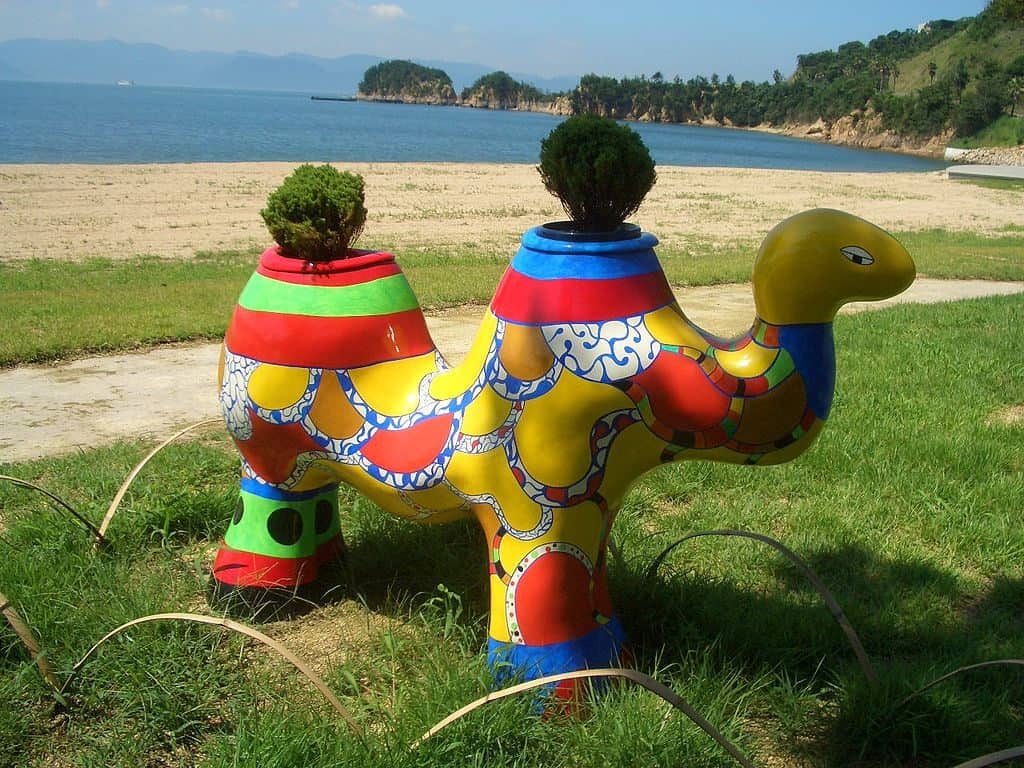
Naoshima, in the Seto Inland Sea, shows the same pattern at island scale. Once a fishing and industrial island, it is now known worldwide for art. In May 2025, the Naoshima New Museum of Art opened on a hill near the Honmura district. It is the tenth building there by Tadao Ando, and it focuses on contemporary art from Japan and Asia. Its galleries sit partly below ground, in Ando’s familiar style, so light and approach matter as much as the works themselves.
Investment has also widened what the island offers. Visitors can join craft workshops in the morning, explore installations in the afternoon and finish with a dinner built on local ingredients. Our profile of Ando’s buildings on Naoshima covers the route in detail.

Ferries link Naoshima with Uno on the mainland and Takamatsu on Shikoku, so the island fits easily into a wider route. Many travelers combine it with neighboring Teshima and Inujima, which hold more art in even smaller settings. Bicycles and small buses connect the main sites on each island, and the unhurried pace is part of the pleasure. Two or three nights let you see all three islands without rushing. Besides, the evening light over the Inland Sea is worth staying for.
The island’s outdoor works make every walk a small discovery. Sculptures sit on beaches, piers and hillsides, and many are best seen early, before the first ferries arrive. Stay a night or two to enjoy them at your own pace. To understand why Japanese design feels the way it does, from these museums to a simple bamboo basket, one book explains it beautifully.
WA: The Essence of Japanese Design — 300 objects, one way of seeing

Published by Phaidon, WA: The Essence of Japanese Design gathers some 300 objects, from packaging to lighting and furniture. Instead of ordering them by date or designer, the authors group them by material: wood, bamboo and lacquer, paper, metal, textiles and ceramics.
That structure suits a rural trip, because so many regions are defined by a single material. The designer Kenya Hara contributes to the book, which links everyday objects to tradition and experiment alike. Read it before visiting a craft town, and the workshops will feel far more familiar. It also makes a handsome book for a coffee table.
The Thread of Material
Material is the thread that runs through regional Japan. Each region built its crafts from what grew or lay nearby. Think of cedar in the Kii mountains, bamboo in the warm south, indigo in Tokushima and clay wherever good deposits appeared. When you visit a workshop, ask where the material comes from. The answer usually leads to a forest, a field or a riverbank only a few miles away. It also leads to a family that has worked it for generations. That is the logic of Japanese regional craft.
That link between place and material is also why rural revival matters for craft. When young people move back, workshops find apprentices, and techniques survive another generation. Buying directly from makers supports that process in a very practical way. It also gives you a story to tell about every object you bring home.
Art islands and design books show one side of rural revival. The other side is gentler in feel but just as rich: deep valleys, old trails and inns that have welcomed walkers for generations. Here the luxury is space, silence and seasonal food rather than galleries. The next section turns to two places where sustainable travel and genuine comfort now go hand in hand. In both, a single night changes how you see the whole region and its people. Bring walking shoes.
Comfort in these places looks different from a city hotel. It means a hot bath after a long walk and a dinner built on what grew nearby. It also means a room that opens onto trees or water. Service is personal rather than polished, and hosts often know every guest by name.
A Different Kind of Comfort
Japan’s regional revival has arrived just as global demand for sustainable travel is rising. Rural prefectures are using their landscapes and crafts to create premium experiences that rival the cities, often at gentler prices. They also tend to spread visitor spending more widely. A night in a valley inn supports farmers, cooks and makers in a way a city chain hotel rarely can. For travelers, the reward is a more personal stay, with hosts who share their valley’s stories and kitchens that cook what the season brings.
Sustainable Luxury in Unexpected Places
The Iya Valley in Tokushima is counted among Japan’s three most hidden regions. Its gorges are so steep that the area stayed isolated for centuries. Today, it draws travelers who want nature, old houses and a slower pace. The writer Alex Kerr restored a thatched farmhouse here decades ago, and similar restorations now welcome guests across the valley.
Above all, the valley is known for its vine bridges. The Iya Kazurabashi spans about 45 meters, some 14 meters above the river, and local craftspeople rebuild it every three years using traditional methods. Crossing it is a little unnerving and entirely memorable. Nearby, high villages cling to the slopes, and the stays perched on ridges offer views that few city hotels can match. Spring brings fresh green and mountain greens on the table, while autumn turns the gorges red and gold. Winter is cold but peaceful.
Visitor spending supports places like this. Across Japan, international visitors spent a record amount in 2025, and accommodation was the largest share of it. In valleys like Iya, that money flows to small inns, local guides and farmers. It is then reinvested in preserving traditions and improving the visit. The valley’s food tells the story, too.
The Food of the Valley
Rice was hard to grow in the steep Iya Valley, so families relied on buckwheat instead. Local tradition says the defeated Heike clan settled here after their war and planted it, because buckwheat grows quickly. The result is a simple, warming dish that still appears on tables across the valley, especially on cold days and at New Year. Unlike soba noodles, which use milled flour, the dish keeps the buckwheat grains whole, so it is nutty, filling and easy to digest.
Many inns in the valley still serve it, often beside river fish grilled over charcoal and wild mountain vegetables. If you see it on a menu, order it. It is the taste of a place that had to make do with very little, and made something lasting.

Sobagome Zosui — buckwheat porridge from the Iya Valley
The night before, soak twelve dried sardines in four cups of water. Next day, simmer the broth for two to three minutes and lift the fish out. Meanwhile, boil about two-thirds of a cup of buckwheat in plenty of water for ten to fifteen minutes, then rinse and drain. Cut a small chicken thigh into cubes and rub it with a splash of sake. Add the chicken, diced carrot, konnyaku strips, sliced chikuwa and two shiitake to the broth. Simmer for ten minutes, then season with light soy sauce and mirin. Finally, stir in the buckwheat and scatter chopped green onion on top.
The recipe follows the version published by Japan’s agriculture ministry, which notes that the grains are boiled, hulled and dried before cooking. Tokushima’s supermarkets still sell them. Farther east, on the Kii Peninsula, another rural region has turned its ancient routes into one of Japan’s great walking journeys.
The Kumano Kodo
The Kumano Kodo is a network of old pilgrimage trails through the forested mountains of the Kii Peninsula. In July 2004, the routes were inscribed on the UNESCO World Heritage list, together with sites in Mie, Nara and Wakayama. New and restored inns along the way now let walkers enjoy the trails in real comfort. Luggage transfer services carry bags between inns, so you walk with only a daypack. Most walkers spend three to five days on the Nakahechi route, the most popular choice for a first visit.

The trails pass through cedar and cypress forests, tea fields and small farming villages, with stone steps worn smooth over centuries. Along the way, small teahouse ruins and roadside markers recall the travelers who came before, from nobles to farmers. The scenery changes with every ridge, and the forest is cool even in early summer. Walkers often say the real luxury is the silence between villages, broken only by birdsong and running water. It is a very different Japan from the cities, and it stays with you.
These inns employ local staff, cook with regional ingredients and offer cultural programs on the history and landscape of the routes. Many have hot spring baths, which are welcome after a long day on stone steps. Book well ahead in spring and autumn, when the walking is best. A specialist guide makes planning far easier.
Japan’s Kumano Kodo Pilgrimage by Kat Davis — the Cicerone guide
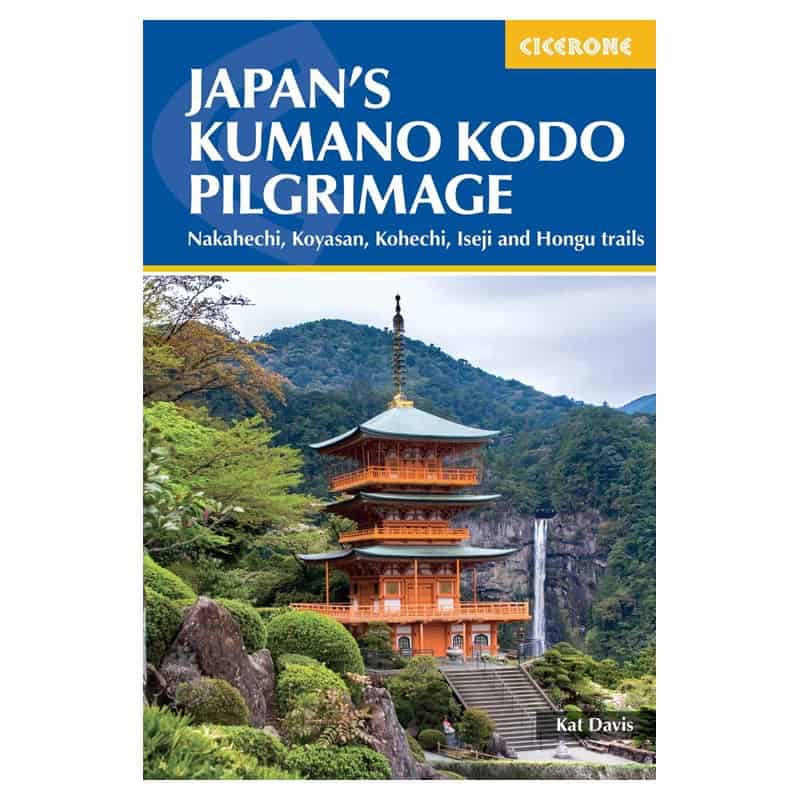
For walkers, the Cicerone guide to Japan’s Kumano Kodo is the most practical companion. Kat Davis covers the classic Nakahechi route, the demanding Kohechi and the Koyasan trail, plus highlights of the Iseji and a loop around Hongu.
Each route comes with maps, stage descriptions and advice on where to stay. Most routes suit walkers of moderate fitness, while the Kohechi is best for experienced hikers. The guide also usefully notes that spring and late autumn bring ideal conditions. Pack it alongside good rain gear, because the Kii Peninsula is one of Japan’s wettest regions, even in the drier months.
The Kumano Kodo also shows how rural tourism can support a whole region. Inns, guides, bus companies and farmers along the routes all depend on walkers, and many villages now run small cafes and shops for them. Local guides, some trained through regional programs, lead small groups and explain the history behind each stretch of trail. Booking a guide for at least one day adds context you would miss alone, and the fee goes straight into the local economy. Many guides also speak excellent English.
For more ideas on combining walking, hot springs and culture, see the related guides below. They look at Naoshima’s art and at Japan’s World Heritage Sites. Both pair well with a few days on the trails, and both suggest where to rest before or after the walk.
You may also like

Weather and Seasons
Weather shapes every rural trip in Japan. The rainy season usually arrives in June across much of the country, while late summer can bring typhoons to the Pacific coast. Spring and autumn are the most reliable seasons for walking, with mild days and clear views. Winter brings snow to the mountains and the Sea of Japan side, which suits onsen towns but closes some trails. Check the forecast each evening, and keep a flexible day in the plan so a storm never ruins the trip.
Rain gear matters on any trail in the Kii mountains. Showers can arrive quickly, even on bright mornings, and the stone paths turn slick. Most walkers carry a light jacket and a compact umbrella, which also helps in towns between trailheads. A Japanese outdoor brand makes one of the best small umbrellas for the job, light enough to forget until you need it.
Snow Peak Ultralight Umbrella — compact rain cover for the trail

Snow Peak began in Niigata more than 60 years ago, and its gear is known for careful design. This Snow Peak ultralight umbrella weighs only a few ounces and folds small enough for a daypack pocket. Its aluminum frame keeps the weight down without feeling flimsy.
On the Kumano Kodo, it shelters you during sudden showers at rest stops and in villages. It also suits rainy city days, when you want to walk rather than hail a taxi. The fabric is resilient, and the frame is built to handle wind. It is a small, practical piece of thoughtful Japanese design.
Gear That Lasts
Japanese outdoor brands have grown alongside rural travel. Companies such as Snow Peak, founded in Niigata, design gear with the same care that Japanese craftspeople bring to lacquer or ceramics. Their products tend to be light, durable and understated in form, and many are built to be repaired rather than replaced. That approach fits the spirit of sustainable travel in the countryside. Buy fewer things, choose them well and keep them for many seasons. That habit travels well beyond Japan.
Good gear also makes it easier to say yes to a detour. That might be a side trail, a village festival or an unplanned night in a riverside inn. In the countryside, those detours are often where the best memories begin, so pack light and leave room in the plan.
Rural Japan is not only for short visits. A growing number of people now stay for weeks or months, working online while living in a small town. That shift is changing how villages think about visitors. Instead of day-trippers, they welcome temporary residents who shop locally, join community events and often return. The next section explains how this slow, working form of travel has developed. It also suggests where to find programs that welcome visitors for a week or more, even without a long-term visa.
The Remote Worker’s Countryside
Remote work has created a new kind of rural destination. Many towns now offer fast internet, shared workspaces and community programs that welcome temporary residents into local life. Since spring 2024, Japan has also offered a digital nomad visa. It allows stays of up to six months for high earners who work remotely for companies outside Japan.

People who try these stays often extend them or return. The result is a new form of slow tourism that benefits both visitors and the towns. Shirahama, a hot spring resort in Wakayama, offers a clear example. From 2014, technology firms from Tokyo began moving teams into the town’s IT business office. In 2016, NEC Solution Innovators opened a satellite office there. Today, the town mixes beach hotels and hot spring baths with shared offices, so remote workers can swim before a morning call.
Wakayama Prefecture has promoted workations since 2017, inviting company teams to combine work with the beaches and baths. Elsewhere, towns offer longer programs that pair a traditional house with craft lessons, such as pottery or bamboo weaving. Participants keep their jobs while learning a skill, which blends productivity with cultural education.
Settling In
Longer stays change the rhythm of travel. Instead of moving every night, you settle into one place, learn the bus times and greet the same shopkeepers each morning. Neighbors start to recognize you, and invitations follow, perhaps to a festival, a rice harvest or a community dinner. Many towns now offer houses rented by the week or month, often restored with help from regional grants. Ask the local tourism office, which can usually connect you with hosts and short programs open to visitors.
The programs keep spreading across the country, each with its own appeal. Some towns offer hot spring access in Gunma, while others focus on organic farming in Shimane or fishing culture on the coast. Choose a place for its character rather than its internet speed, since most connections are now good. Then let the craft of the region shape your days, perhaps starting with something as simple as a bamboo basket.
Yamasita Craft Bamboo Basket — a small handwoven tray

Bamboo weaving is one of the crafts many rural programs teach, and this Yamasita Craft bamboo basket shows the result in everyday form. It is handmade in Japan, about four inches across, and made to the standard Japanese restaurants use for serving.
Use it for rice crackers, small seasonal fruit or a few neatly folded hand towels. The natural bamboo brings warmth to a table, and the weave shows the patience behind it. After a workshop of your own, you will look at it with new respect. It also makes a light, simple gift to carry home in a suitcase.
Supporting the Makers
Crafts like bamboo weaving depend on the very rural communities that revival programs support. Bamboo grows quickly and abundantly in western Japan, and baskets, trays and whisks have been made from it for centuries. Many of today’s makers are older, and towns are working hard to train successors. Some offer short classes to visitors, which helps fund the work and spreads appreciation for it. Buying a well-made piece, even a small one, is another way to support that effort.
Before you go, a little reading helps. The printable below collects Japanese proverbs, several of which grew from village life and the patience of farming. They make good companions for a slow trip. Each comes with a short note on how it is used in everyday Japanese life today.
Ten Proverbs to Carry With You
A printable folio of ten Japanese proverbs, each with a short note on where it shows up in daily life. Several speak to patience and village life. Leave your email and the printable arrives in your inbox, followed by an occasional letter on Japan.
Finding these places takes a little more effort than booking a city hotel. The rewards, however, are worth it: more space, more conversation and a deeper sense of the country. A few simple habits help you choose well and travel smoothly. The tips below come from the details most often missed, followed by the mistakes that trip up even experienced visitors. Read them before you book, since several affect how you plan transport and how many nights you give each region.
Tips for Discovering the Countryside’s New Destinations
- Research revitalization projects. Look at regional revitalization announcements and local tourism sites to find areas receiving investment. They often combine better infrastructure with genuine experiences.
- Follow remote-work programs. Many workation and residency towns offer short programs for travelers, with community events and local guides you would not otherwise meet.
- Time your visit. Plan around local festivals and seasonal produce. Spring bamboo shoots in the hills around Kyoto, or the winter brewing season in Niigata, offer real insight.
- Meet local artisans. Many revival projects include craft workshops. Booking ahead often means time with a master and private demonstrations.
- Bring good references. A thorough guide to the regions adds cultural context to every stop.
Craft workshops are often the highlight of a rural trip. In Mie, artisans still cut Ise katagami, the paper stencils once used to dye kimono fabric. In Tokushima, indigo dyeing has deep roots. A short session gives you a feel for the skill. A small dyed cloth then makes a perfect, useful souvenir for the rest of the journey.

Regional cities make good bases between rural stays. Kanazawa, for example, sits on the bullet-train line and offers gardens, crafts and fine food. The Noto Peninsula and the Japanese Alps are within reach, too. Similar cities include Matsue in Shimane, Takamatsu on Shikoku and Morioka in the north. Each has good hotels, reliable transport and day trips into the countryside. As a result, you can mix comfort with rural discovery without changing rooms every night. They also have the best restaurants outside the big three cities.
In many ways, a tenugui is the traveler’s version of that craft. These thin cotton cloths dry quickly, fold flat and serve as a towel, a scarf or a wrapping. In onsen towns, many people carry one into the bath area. On a trail, it keeps the sun off your neck. Look for one made with a traditional dyeing method, which ties it to a specific place and technique.
Anbo Ise Katagami Tenugui — a hand-printed cotton cloth

This Anbo Ise katagami tenugui carries a fine pattern based on the stencils of Ise katagami. Craftsmen dye it by hand at a Japanese dyeing works, and the result looks both traditional and modern. It is 100 percent cotton, made in Japan and about a meter long.
As with traditional tenugui, the ends are cut rather than sewn. Use it as a hand towel at an onsen, a sweat cloth on the Kumano Kodo or a wrap for a small gift. It washes easily and dries very fast, which makes it ideal for a long rural trip with few laundries.
Souvenirs With a Story
Small, useful souvenirs like a tenugui suit rural travel well. They pack flat, support local makers and remind you of a specific place each time you use them. Look for items that name their maker or region, and ask about the technique if you buy in person. In craft towns, shopkeepers are usually happy to explain how a piece was made, and that conversation often becomes part of the memory. It also helps you tell genuine local work from mass-produced imports.
The recommendations below gather more ideas for objects and gear that suit a trip into the Japanese countryside. Each pick is chosen for usefulness on the road, and many are made by Japanese companies with long histories in their regions.
Recommended
Even well-prepared travelers can stumble in rural Japan. Most problems come from planning as if the countryside worked like Tokyo, with trains every few minutes and help on every corner. A few adjustments avoid nearly all of them. The short list below covers the three most common mistakes, followed by where to read more about the regions themselves. None is difficult to avoid once you know about it, and each fix makes the trip smoother, especially in remote valleys.
Common Mistakes to Avoid
- Assuming a language barrier. Many new destinations have invested in English support as part of their tourism plans. Still, a few Japanese phrases go a long way.
- Overlooking seasonal access. Some rural areas are hard to reach in certain seasons. Check weather and transport schedules before you go.
- Underestimating travel time. Rural routes often need extra connections. Allow time for them, or rent a car for flexibility.
For more on traveling in the Japanese countryside, read our guide to World Heritage Sites in Japan. Then try our itinerary for a hot spring trip through the countryside. Both help you choose a region and time it well. They also suggest where a guide adds the most.
Transport is the one detail worth planning most carefully. Rural trains can run once an hour or less, and the last bus may leave in the late afternoon. Check each connection the day before, and keep a local taxi number in your phone. Many inns will collect you from the nearest station if you ask in advance. Some also arrange guides who know which roads stay open in each season. A rental car helps too, especially in Shikoku and the Kii Peninsula.
Above all, stay overnight. Day trips show you a place at its busiest, while an evening and a morning show you its rhythm. The light is softer, the paths are empty and the inn’s dinner reveals the local food at its best. That single extra night often becomes the most memorable part of a rural trip, long after the photos fade.
You may also like

A Journal for Slow Days
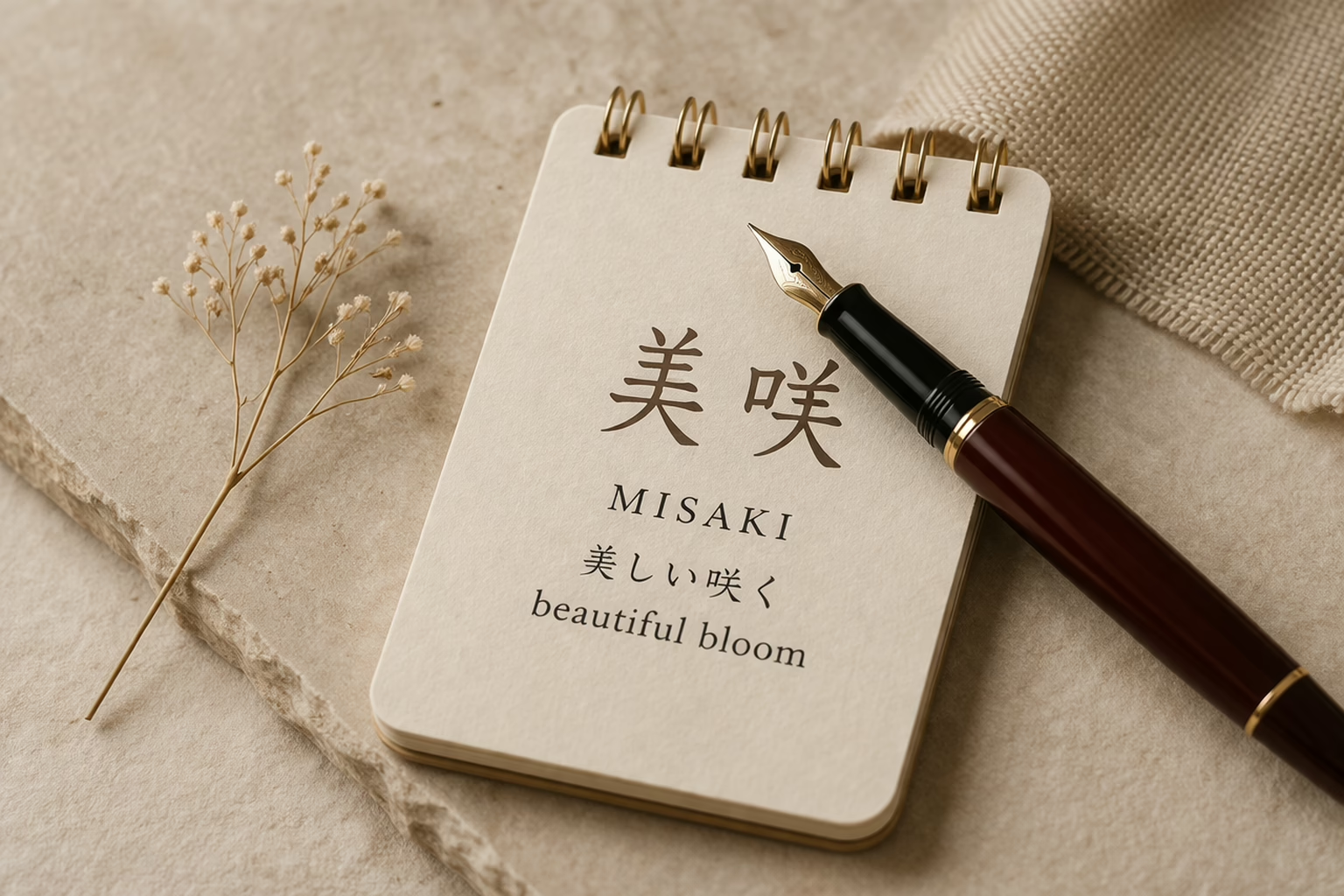
Many travelers find that a simple journal helps them hold on to these slower, fuller days in the countryside. A few lines each evening about the host, the food or the path can become a richer record than any photograph. Even ten minutes before dinner is easily enough to capture a day. The journal below grew from a Japanese idea about harmony and balance. It suits a trip spent among small communities, long meals and unhurried mornings in the countryside.
Writing also slows the trip down in a good way. Instead of rushing to the next sight, you pause. Then you notice the host’s greeting, the smell of cedar or the sound of a river at night. Those small details are what you will want to remember most, and they fade fastest if you do not write them down.
The idea behind that journal is nagomi, a sense of calm harmony with the people and places around you. The countryside is full of it. You find it in a shared meal, a greeting on a village lane or a host who walks you to the bus stop. Writing a few lines about such moments helps them last. It also helps you notice them while they are happening, which is the real gift of a slow rural journey. Try it for a week.
Many readers keep the same journal across several trips, so each visit adds to the last. Over time, it becomes a personal map of the places, people and moments that mattered most. It also becomes a useful record when you plan the next trip and want to return to a favorite inn.
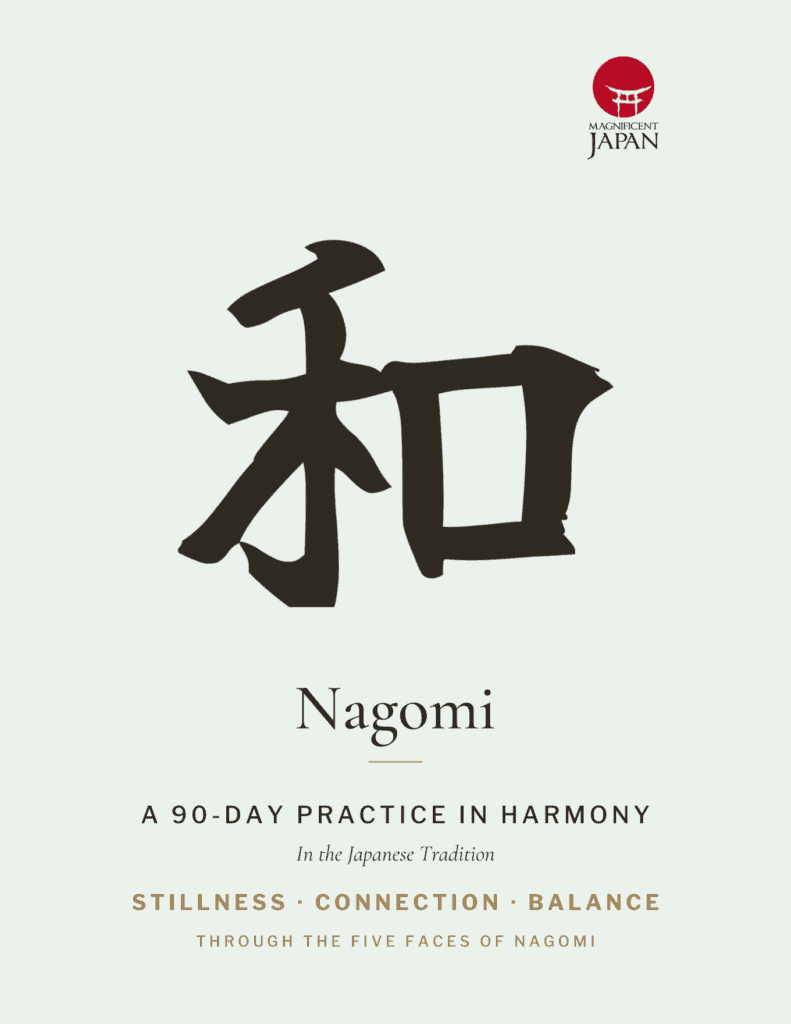
Nagomi is the Japanese idea of harmony, the ease that comes from balance with the people and places around you. This 90-day guided journal turns it into one short prompt a day. It is available as a write-on digital edition for a tablet, and it is one of eight journals in the Cultural Reflection Collection.
View The CollectionBeyond This Guide
The countryside rewards curiosity more than any checklist. The places in this guide are only a beginning. Every prefecture has valleys, islands and small towns working to welcome visitors, many with programs funded by the same regional policies. Ask hosts where they would go on a day off. You will often hear of a hot spring, a festival or a viewpoint that no guidebook mentions. Follow those tips, and the trip becomes your own, shaped by people who know the place best.
For deeper reading on the regions, the links below collect our guides to rural revival, sustainable travel, Naoshima, Japan’s World Heritage Sites and hot spring journeys. Each one adds practical detail on where to stay, when to go and how to travel between regions with ease.
The Countryside’s Revival, and Your Part in It
Japan’s regional revival is more than economic policy. It is creating a new kind of travel experience. By understanding the change and taking part, travelers can find genuine cultural immersion, sustainable comfort and lasting memories while supporting local communities and their traditions. Each stay in a restored house helps. So does each meal at a family inn and each workshop booked with a local maker, keeping that countryside alive for the next visitor. Small choices like these add up quickly.
Travelers also carry stories home. A good word about a small inn or a village workshop can bring the next visitor. That matters a great deal to places that depend on each guest. A short review or a recommendation to a friend can help a family inn far more than you might expect.
Ten Proverbs to Carry With You
Our printable folio of ten Japanese proverbs, each with a note on where it appears in daily life. Leave your email and it arrives in your inbox, with an occasional letter on Japan.
Proverbs are a fitting souvenir of the countryside, where many of them began. Sayings about patience, seasons and community grew from farming villages, fishing towns and mountain hamlets. Hearing one from a host, perhaps over dinner, opens a small window into how people think about time and effort. Many travelers find that a single phrase sums up a whole trip, and they carry it home long after the photos are filed away. A proverb also makes a thoughtful line to write on a postcard to a host after you return home.
Others simply capture the spirit of a slow day in the countryside, which is reason enough to keep a few close. Read one each evening of the trip, and see which fits the day you just had in the village, the valley or on the trail.
Traveling With Care
Seeing these places before they become crowded is both a privilege and a responsibility. Thoughtful travelers can embrace both, building real connections with a changing Japan. Stay longer, spend locally and leave room for conversation. Then the countryside will repay the effort many times over. It offers experiences no city can match and hosts who remember you long after you leave. Many travelers find that their favorite memory of Japan comes from a village they had never heard of before the trip.
Planning Your Route
To plan your own route, start with the tools below. They help you sketch an itinerary, check rail options and choose a journal for the road. Use them together, and a first draft of your rural route can take shape in an afternoon.



The best rural trips are carefully arranged. Our travel designers can pair a Kyoto stay with nights in Yoshino, the Iya Valley or the Kii mountains. They book the small inns that fill first, arrange private craft sessions and handle the trains, buses and transfers that make remote regions easy. That way, every day is spent enjoying the countryside rather than planning it, with a local contact on call if the weather changes. Your only job is to enjoy it.
Every itinerary is built around your interests, pace and dates, from a long weekend in Yoshino to two weeks across Shikoku and the Kii Peninsula. Our designers know the small inns, guides and makers personally, so each stay feels welcoming from the first evening.
For the traveler who wants to see Japan’s revival up close: a custom itinerary through Kamiyama, the Iya Valley, Yoshino and the Kumano Kodo, with restored inns, private workshops and every connection arranged in advance.
Plan Your Custom Japan ItineraryQuestions Worth Asking
What is regional revitalization in Japan?
Regional revitalization, or chiho sosei, is a national policy launched in 2014 to slow the decline of rural towns. It funds local projects, new businesses and tourism. For fiscal 2025, the government doubled the total available for regional revitalization grants.
Is the Japanese countryside easy to visit without speaking Japanese?
Yes, increasingly so. Many towns that receive tourism funding now offer English signs, maps and booking. Even so, a few basic phrases help, and a guide or a well-planned itinerary makes the most remote areas far easier.
Can foreigners work remotely from the Japanese countryside?
Japan began a digital nomad visa in spring 2024. It allows stays of up to six months for remote workers employed by companies outside Japan who meet a high income threshold and carry private health insurance. Extensions are not allowed.
What is Kamiyama known for?
Kamiyama, a mountain town in Tokushima, is known for attracting satellite offices of technology companies, starting with Sansan in 2010. In April 2023, a new college of design, engineering and entrepreneurship opened there, drawing students into the valley.
When is the best time to walk the Kumano Kodo?
Spring and late autumn usually bring the best walking weather on the Kumano Kodo. Summer is hot and humid, and the Kii Peninsula sees heavy rain, so pack waterproof gear in any season and book trailside inns well ahead.
Are more international visitors heading to the countryside?
Yes. In October 2025, international guest nights in regional areas rose about 14 percent year on year, while the three big metropolitan areas dipped slightly. For all of 2025, Tottori, Niigata and Mie posted the fastest growth.
The Editors, Magnificent Japan