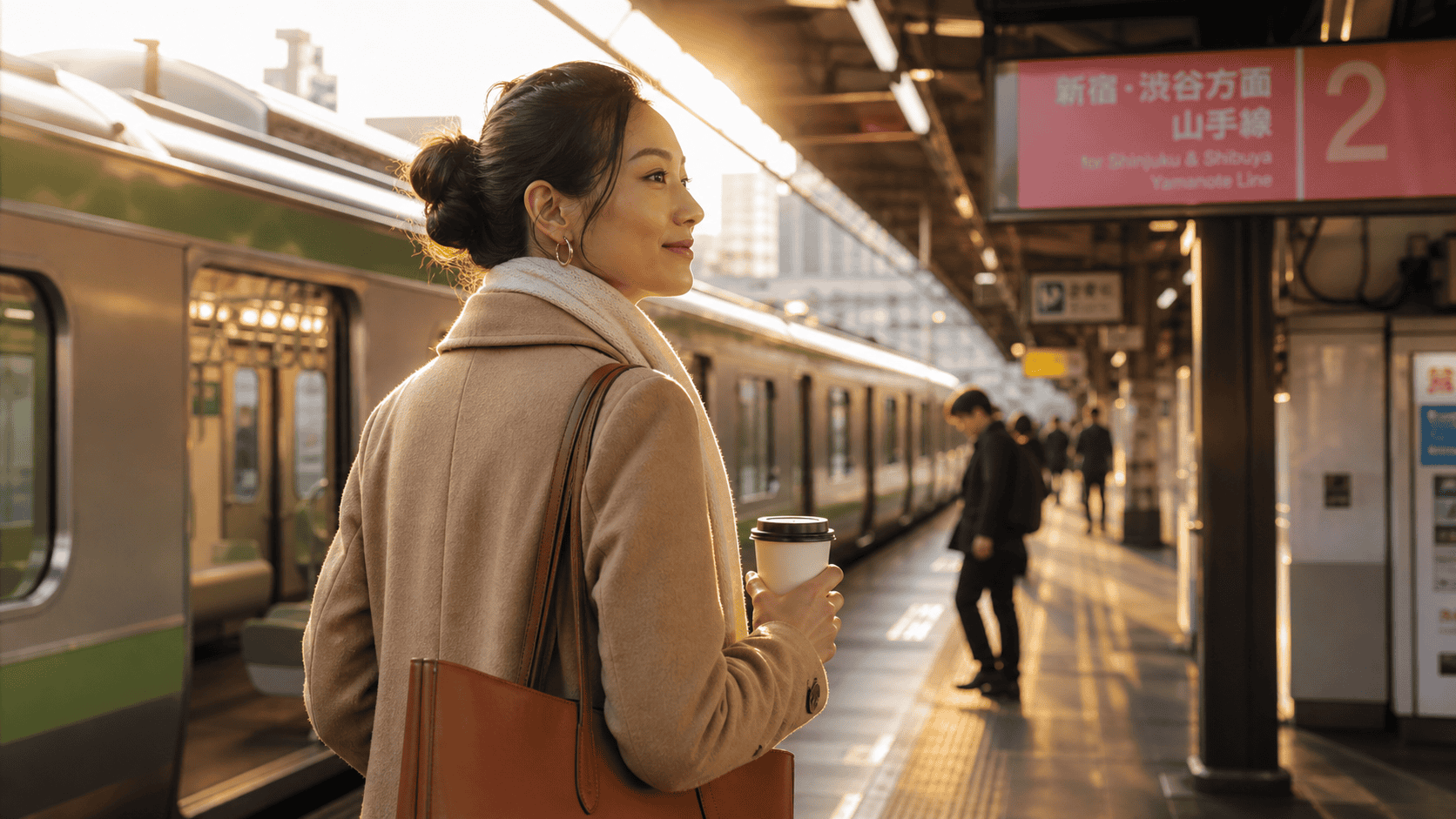
Japan solo travel suits a particular kind of traveler. Group logistics tire them, and they would rather spend a slow Tuesday in a Yanaka side street than collect another headline sight. The country fits that temperament almost by accident. Trains run to the minute. Public order is real rather than performed. A single place setting at a long cypress counter is an ordinary part of the dining culture, not an apologetic exception. So the conditions are generous. What to do with them is the harder question, and this page answers it.
The common mistake is to plan the trip like a European rail circuit, with two nights here and three there. That works on paper. However, it leaves no room for what the country does best. A better plan treats one or two cities as anchors and lets the days breathe between them. Before any of it, read our guide to Japanese etiquette and manners. Shoes, queues, voice level and bathing all run through the sections below.
Is Japan good for solo travel?
Yes. Japan suits travel alone unusually well. Civic safety is high, and the rail network is dense, punctual and signed in English on major lines. Eating alone is normal, and Japanese even has a polite word for a party of one, ohitorisama. Language gaps are manageable in any major city, especially with a translation app.
Why Japan Solo Travel Works
Japan solo travel works because four conditions remove the usual friction of going alone. Safety lowers the risk calculation after dark. A dining culture built for one removes the awkward table. Dense rail makes moving between cities simple. Finally, a culture of unhurried attention rewards the traveler who has nobody waiting. Together they make going alone the easier choice, not the braver one.
Safety and the civic baseline
Start with safety, because it stops most trips before they begin. The US Department of State places Japan at Level 1 on its travel advisory scale, the lowest of four tiers. That level means exercise normal precautions. It is the formal version of what visitors notice within a day. You can sit alone over coffee in Shimokitazawa at eleven at night without the watchfulness some cities demand. Still, that does not mean nothing goes wrong.
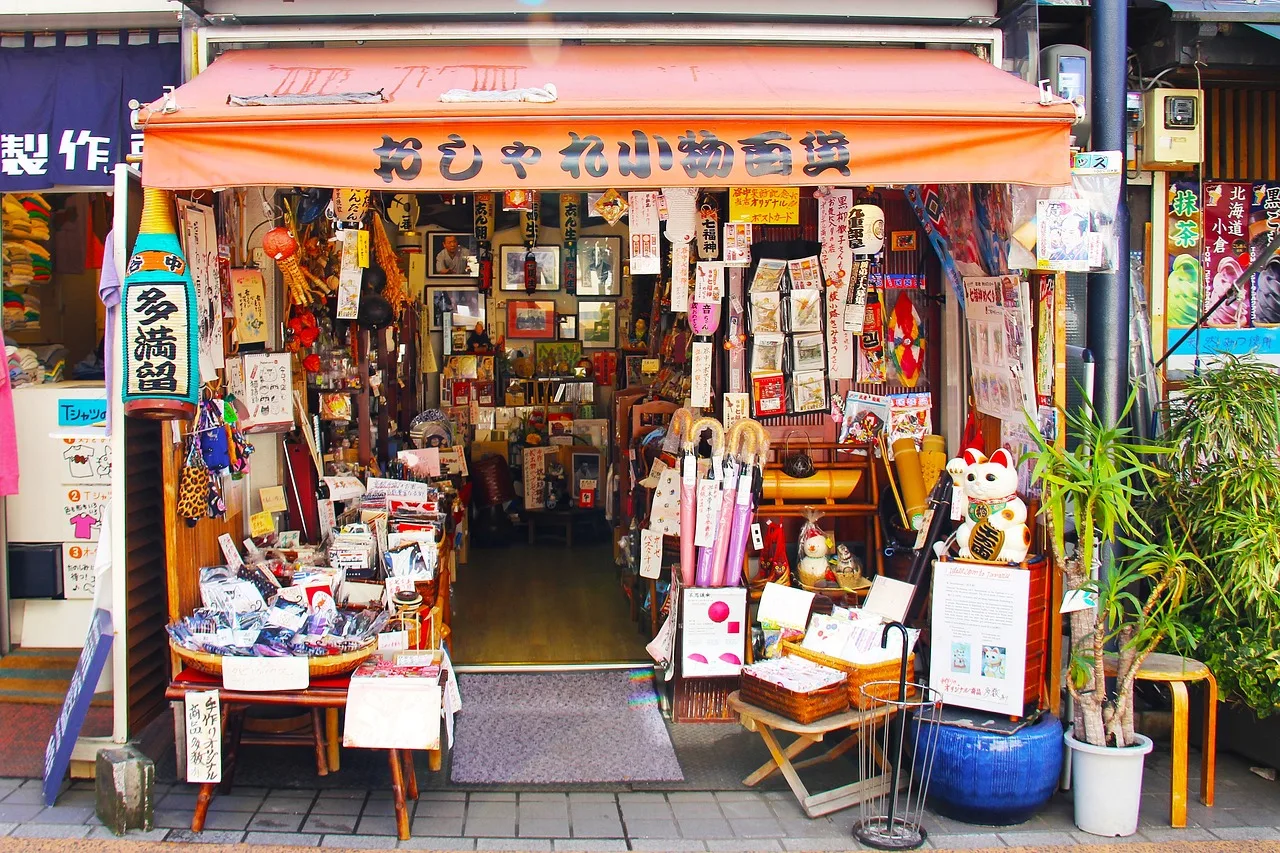
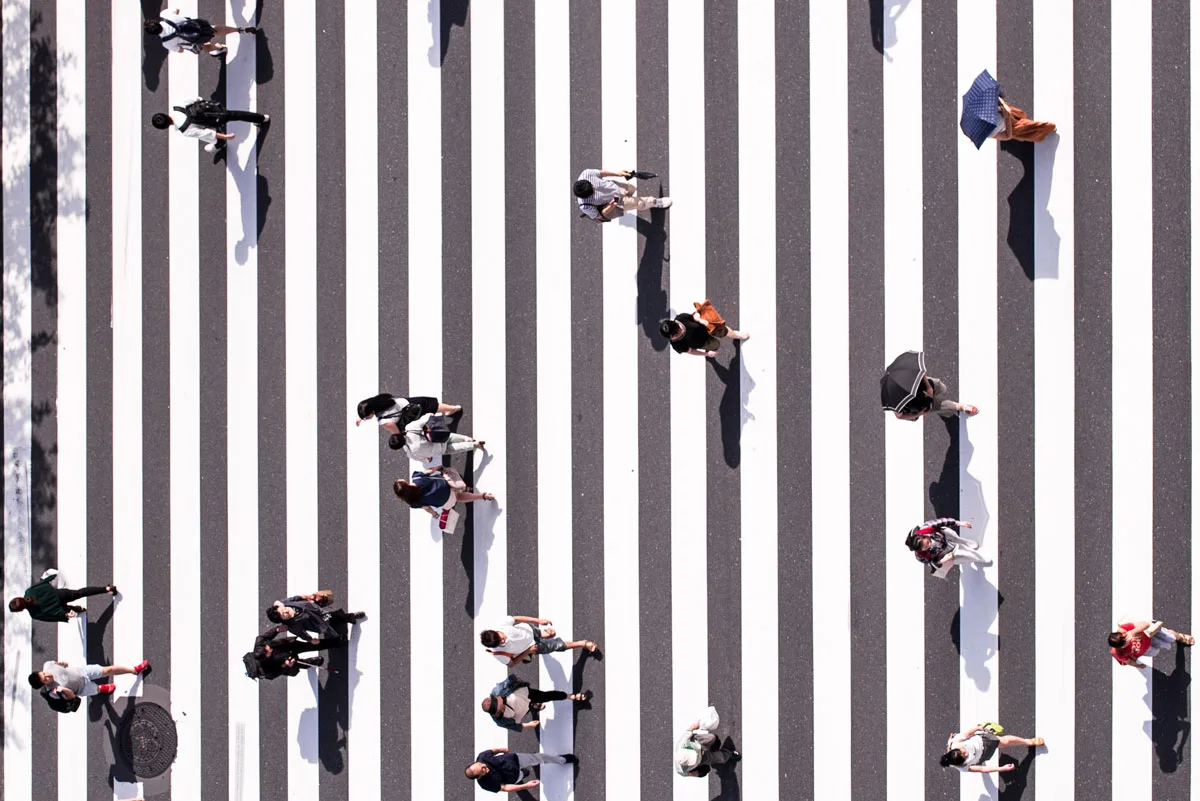
The specific risks are narrow and worth knowing. Touts and bar scams work the late-night districts, Kabukicho and parts of Roppongi among them. Groping happens on some crowded rush-hour trains, so many lines run women-only carriages at peak times. A bag left alone in a busy temple precinct can still walk. Beyond that, the baseline simply differs from most large cities. Read the current advisory before you book, then trust your instincts, which work the same way everywhere.
Ohitorisama, rail and unhurried attention
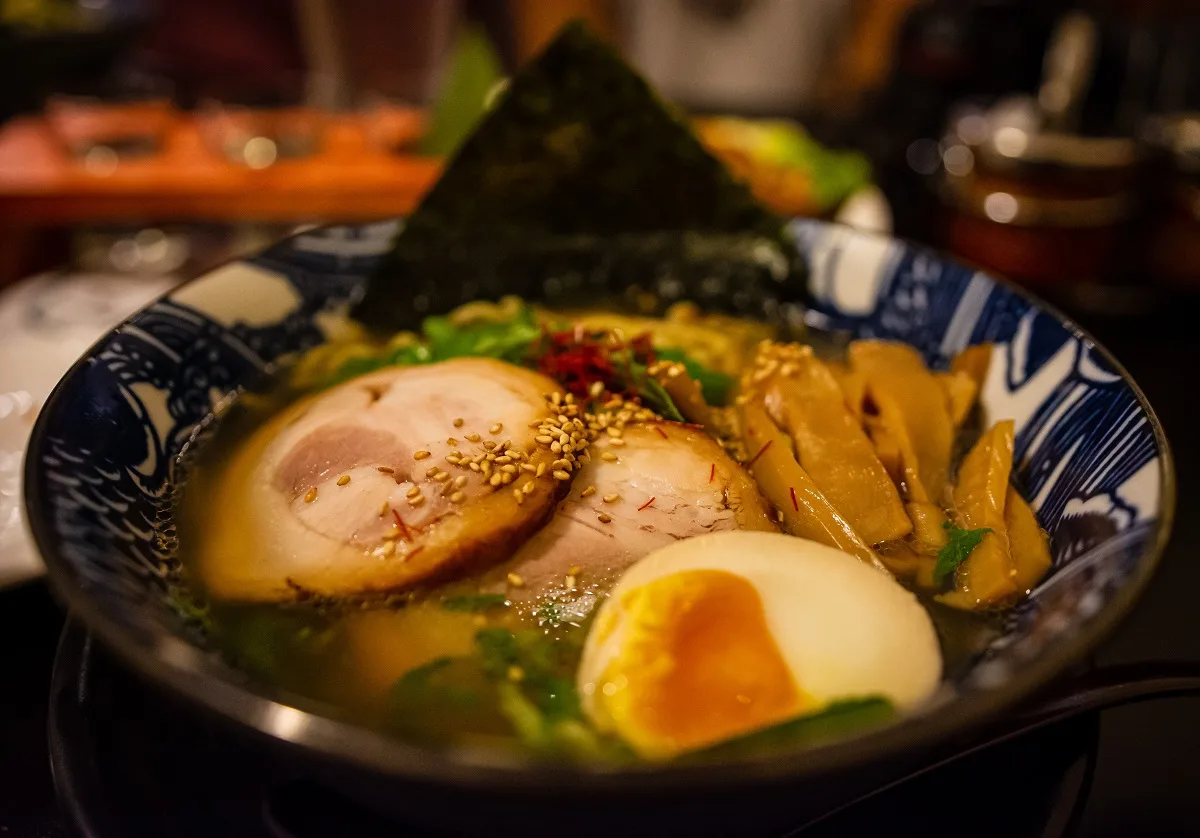
Japanese has a polite everyday word for the party of one: ohitorisama. It joins the honorific o-, hitori, meaning one person, and the respectful suffix -sama. A restaurant uses it without a flicker, and there is no apology anywhere in it. The infrastructure follows the vocabulary. Conveyor-belt sushi, ramen shops with a single row of stools, standing bars and coffee houses with tables sized for one are all ordinary. Nobody has to hunt for them, because they are the default.
The full country guide, in a 2026 edition. Strong on regional logistics, rail connections and where to base yourself.
See the Japan Guide →A guide built around experiences rather than checklists. It suits a traveler planning fewer places, more slowly.
View Experience Japan →A pocket phrasebook with a two-way dictionary. Useful at counters, ticket gates and anywhere a translation app stalls.
See the Phrasebook →Then there is the rail and metro network, which removes most of the friction that pushes travelers into groups. With a transit card and a working data plan, you can move between Tokyo, Kyoto, Osaka, Kanazawa and Hakone without speaking to anyone except whoever sells the food. The network is dense, signed in English on major lines and reliable to a degree most visitors find faintly comic. Before you buy a pass, run your route through our Japan Rail Pass cost calculator.
The last condition is the hardest to describe. Japan rewards the traveler willing to sit in one tea house for forty minutes, or to linger over a bowl of soba rather than photograph it. The formal version of that habit is the Japanese tea ceremony, where the whole point is attention paid slowly. Travel alone grants that posture easily, because nobody is waiting on you. That is also why the route below favors fewer places over more.
For the counter seats, the train times and the mornings you kept open.
6 × 9 in · 120 unlined pages · matte softcover
Shop This Journal →Where to Go: A Japan Solo Travel Route
The strongest routes rest on two principles. First, choose a register rather than a list of cities. Second, leave one full day in every five completely open. The sequence matters more than the selection: a city, then a slower city, then one night somewhere forested, then back. That shape gives a trip rhythm, and rhythm is what people remember afterwards. It also suits a traveler who would rather know a few places properly than pass through many.
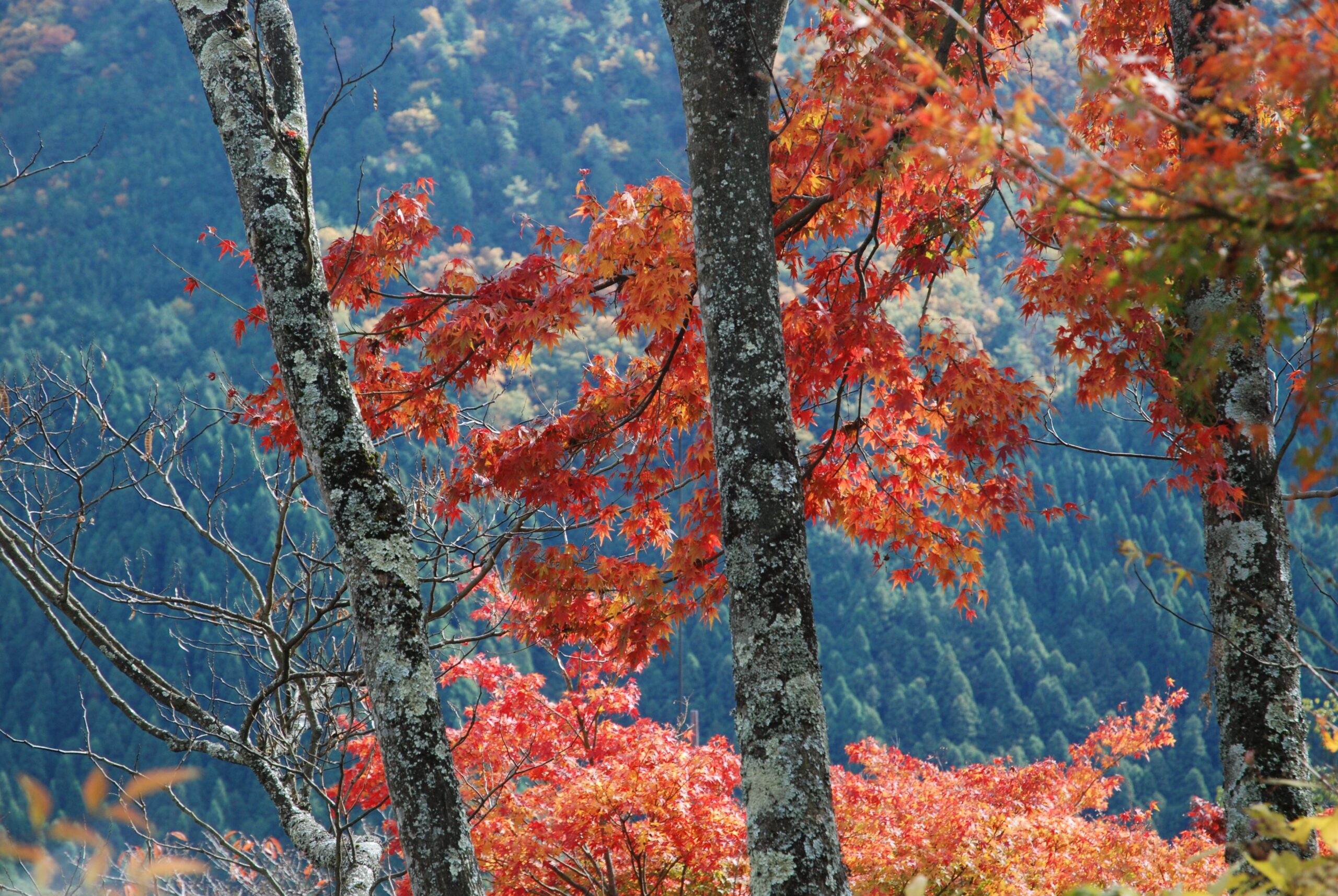
Timing shapes all of it. Late October through November and mid-May into early June are the strongest windows. Autumn brings color, low humidity and crowds that thin the moment you step away from Kyoto’s headline temples. Late spring offers the calm after the cherry blossom and before the summer rains. In contrast, blossom season and Golden Week raise the difficulty sharply. Rooms book out months ahead, trains run full and single rooms grow scarce.
Tokyo and Kyoto
Tokyo is the obvious opening, and it works best as a base for four to six nights. Its scale absorbs you, so nobody is the only person eating, walking or browsing alone. Neighborhood logic matters more than famous sights. Try Yanaka and Nezu in the old shitamachi, and Shimokitazawa for vintage racks and long afternoons. Daikanyama and Nakameguro come alive after dark, while Kichijoji has the parks. Base yourself near a major line, such as the Yamanote loop, and every one of those districts sits within a short ride. Our list of Tokyo experiences worth your time fills in the rest.
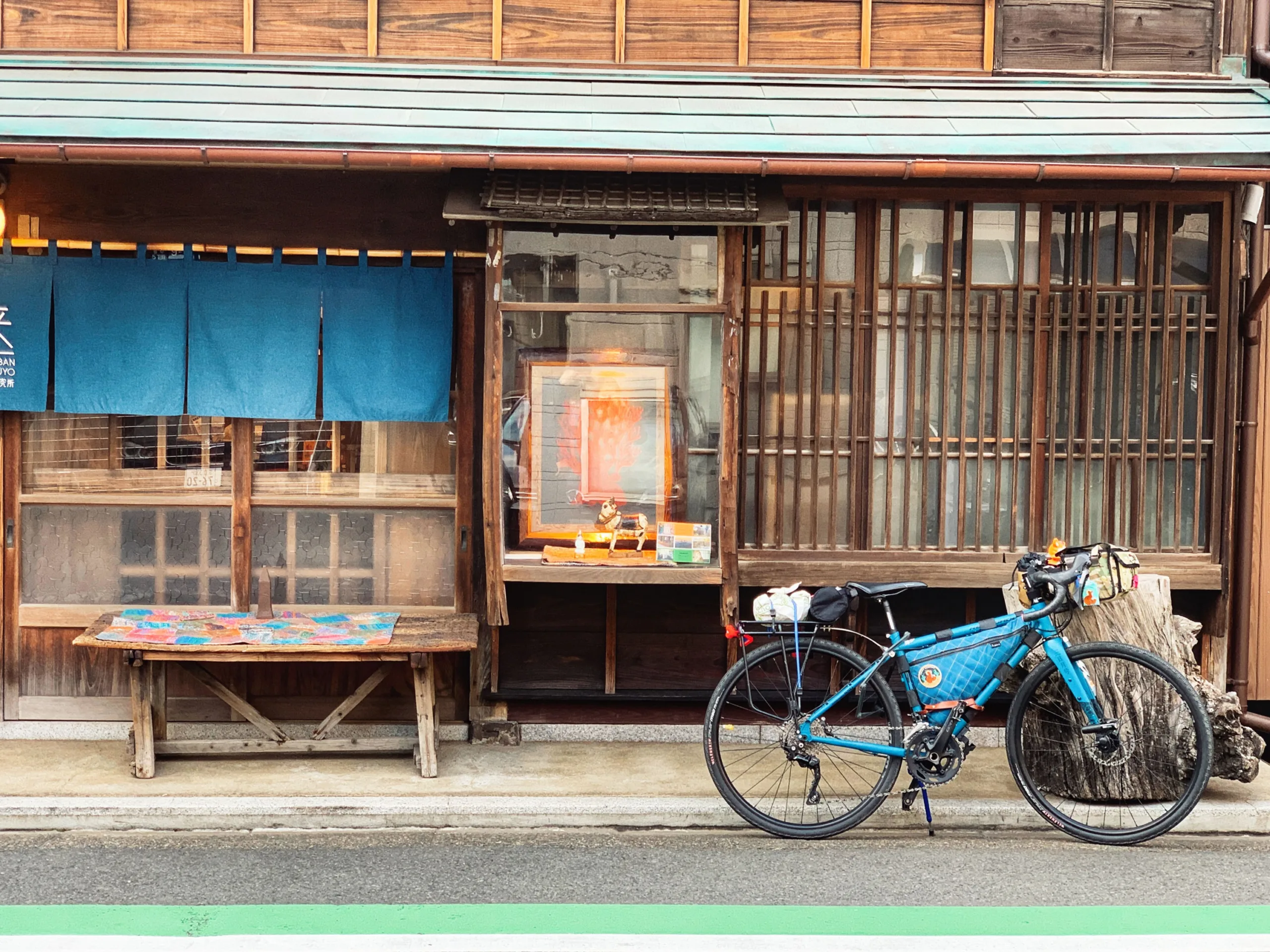
Kyoto sits at the other end of the register. It is slower, more compressed and more demanding of the attention that travel alone grants. Three nights is a workable minimum for a first visit, and five rewards better. Most first-timers chase the headline temples on a tight cycle. As a result, they see the famous gates and miss the city. The less-trafficked precincts repay a solo visitor at almost any time outside peak blossom and peak autumn color. Instead, walk northern Higashiyama, sit in the Murin-an garden and climb the slope to Honen-in. Our two-day Kyoto itinerary is the practical companion for timing each stop.
Kanazawa and the onsen night
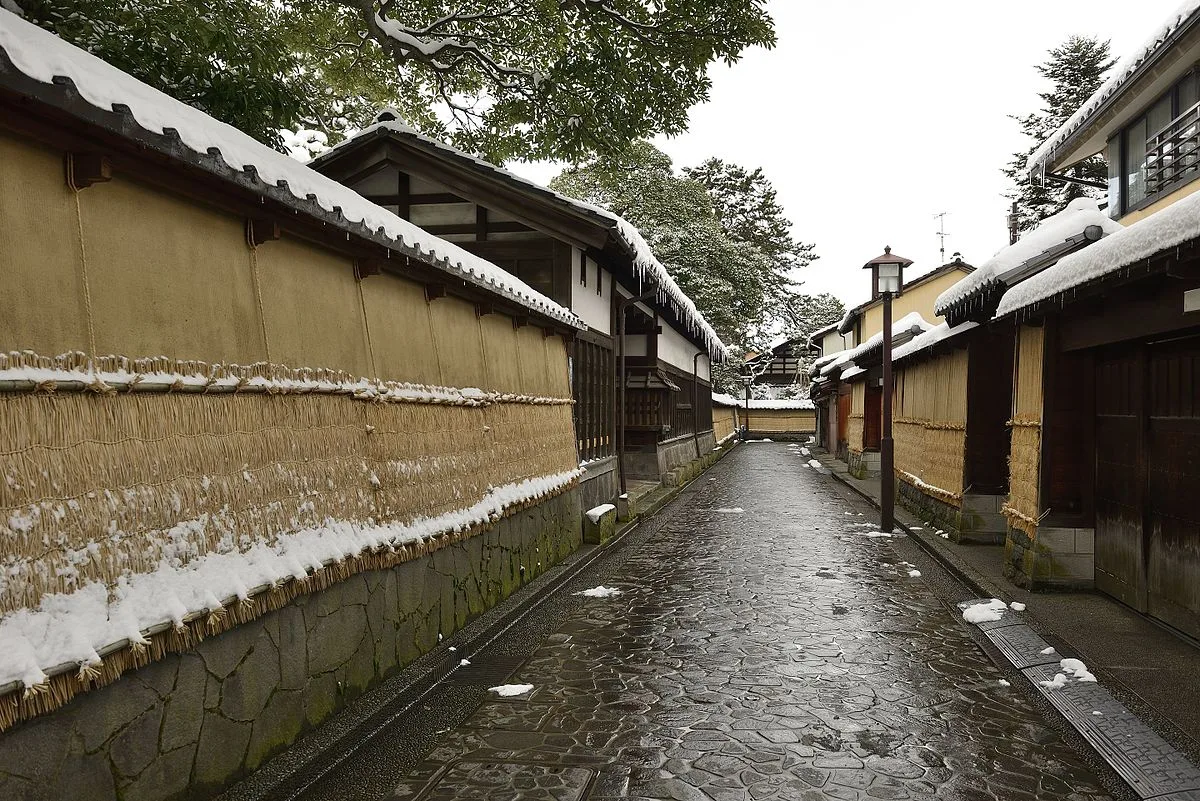
Kanazawa is the secondary city most often skipped and most often regretted afterwards. It is small and walkable, with intact samurai and geisha districts and the great garden of Kenroku-en. It also has one of the country’s most admired contemporary art museums. Two nights is enough for a first stay. Moreover, it complements a Tokyo and Kyoto axis rather than competing with it. The sea-facing food differs enough from either city to justify the detour on its own. Start the day early at the garden, then walk the old lanes of Nagamachi before the tour groups arrive. In the evening, the teahouse streets of Higashi Chaya take on a slower light.
One full day in a forested hot-spring town changes the tempo of a trip more than another city stop would. Hakone, Kinosaki and Kurokawa each work for a single mid-trip night. Expect sulfur in the air, wet stone underfoot and a bath at six in the morning with nobody else in it. Read our primer on onsen bathing etiquette before you go. Getting the bath wrong is the one social misstep that genuinely embarrasses people. The rules are simple once you know them: wash fully before you enter, keep your towel out of the water and keep your voice low. After that, the bath is yours.
Each stop asks for a different pace, and the mix is what gives the trip its rhythm.
| Stop | Nights | Pace | Best for |
|---|---|---|---|
| Tokyo | Four to six | Brisk, absorbing | Neighborhood walks, counters, day trips |
| Kyoto | Three to five | Slow, compressed | Gardens, northern Higashiyama, tea houses |
| Kanazawa | Two | Small, walkable | Samurai and geisha districts, Kenroku-en |
| Onsen town | One | Unhurried | A mid-trip ryokan night and an early bath |
Where to Stay on a Japan Solo Travel Trip
Where you sleep shapes the rhythm of a trip alone more than any other decision. Three registers are worth weighing, and most strong plans combine two. A week of city hotels flattens into sameness. Meanwhile, a week of ryokan nights grows formal when nobody shares the room. Alternating gives the trip texture. It also gives you somewhere easy to come back to after the long day that was meant to be the memorable one. For Japan solo travel, that contrast matters more than any single property.
Prefer to have the route and the rooms built for you? A custom Japan itinerary starts with how you like to travel alone.
A typeset printable: ten Japanese proverbs with kanji, romaji and meaning. Signing up also brings occasional letters on Japan and word when a new journal reaches print.
One email with your printable. Occasional letters after that. Unsubscribe anytime.
The city hotel and the ryokan
The strongest solo bases in Tokyo are smaller, design-led houses rather than headline towers. Hoshinoya Tokyo, Aman Tokyo and Trunk Hotel Yoyogi Park sit at the top end. Hotel K5 and the Hamacho Hotel in Nihonbashi are a step down and just as pleasant. In Kyoto, ryokans such as Yoshikawa and Hiiragiya suit a single traveler who wants privacy. So do Aman Kyoto and Park Hyatt Kyoto, where dinner sits downstairs and you never need to go out again after a long day. In both cities, choose a smaller house over a larger one. Staff remember a single guest faster, and a front desk that knows your name makes a trip alone feel looked after.
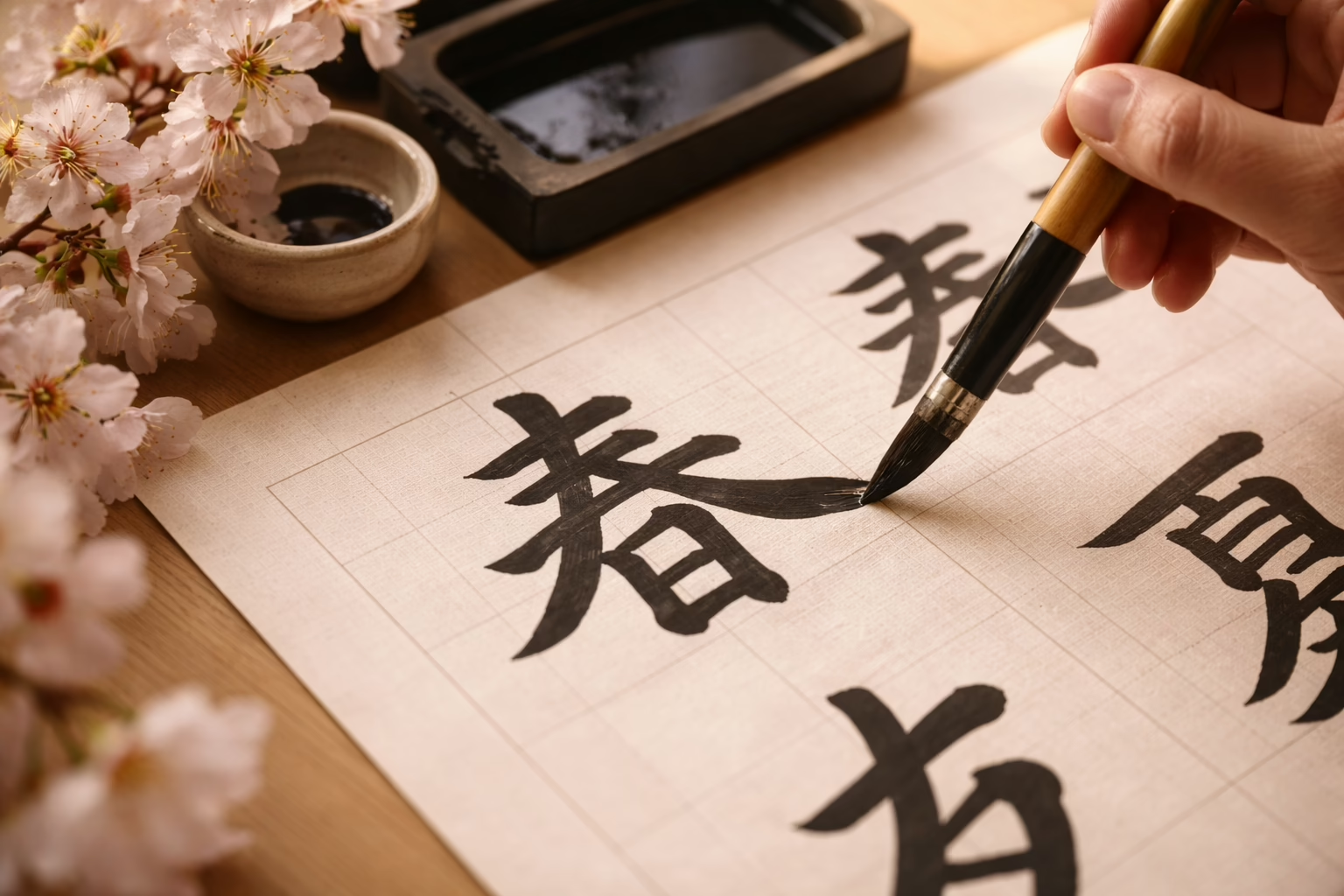
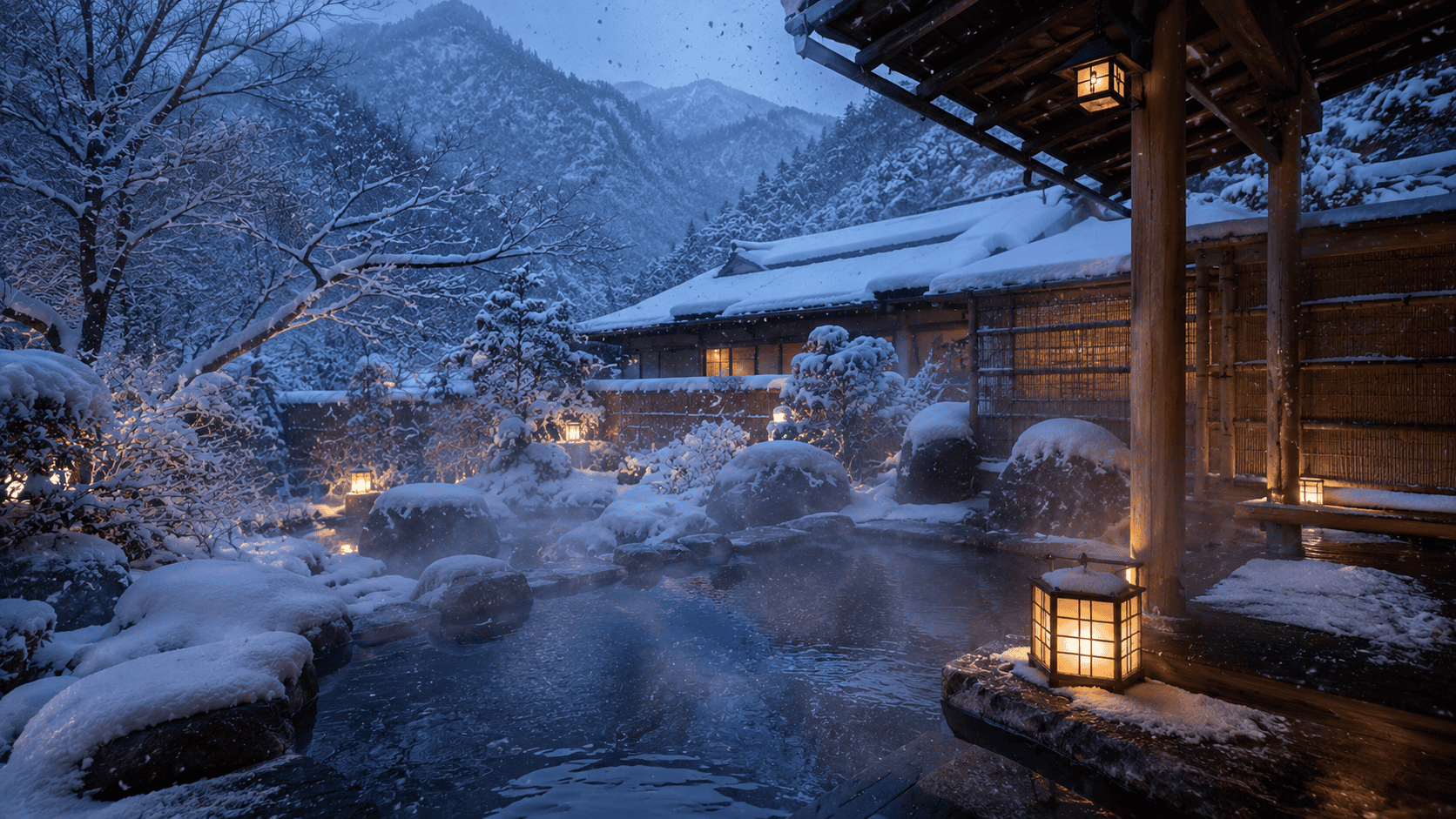
A single night at a forested ryokan, mid-trip, is the move that most often turns a good trip into one you describe for years. Hakone, Kinosaki, Kurokawa and the Izu Peninsula are all within reach of Tokyo or Kyoto. Most ryokans charge a single-occupancy supplement, and it is worth paying. After all, you are buying the room, the meal service and the bath, not a share of them. Our list of luxurious ryokans in Japan covers the upper end. Book it first, before the city nights, because rooms that accept one guest are few, and the best of them go months ahead.
The capsule hotel
Capsule hotels have moved a long way from their 1980s reputation. Nine Hours and First Cabin work as a one-night experiment. At the upper end, The Millennials Shibuya runs 120 SmartPod units six minutes from Shibuya Station, with a coworking space for the morning after. Treat the capsule as a deliberate experience rather than a default. One night near a major station, after a late arrival, is the right way to use it. Bring earplugs and a small bag, because lockers and the pods themselves leave little room. Then, in the morning, you can be on the first train out before the city wakes up.
Recommended
None of the three registers beats the others outright. City hotels handle the nights before an early train. A ryokan handles the one night meant to be remembered. A capsule handles the awkward transit night nobody plans in advance. Decide the mix before you land, because ryokans and the better capsules take single bookings in small numbers and fill weeks ahead of a popular window.
Japan Solo Travel and the Art of Eating Alone
Eating alone is the part most Western travelers worry about. It is also the part that resolves fastest on the ground. The dining culture treats a meal for one as an ordinary civic act, and much of the restaurant world is designed around it. So lean into counter seating. A stool at a ramen shop, a soba bar, a sushi counter or an izakaya puts you in front of the cook. The pressure of a table for one disappears, and the small theater of watching food made replaces it.
Standing bars, izakaya and kaiseki
For the early evening, the tachinomi standing bar suits drinkers on their own. Yurakucho, Shimbashi and Kanda are the strongest stations for it. A standing bar is also one of the easiest ways to taste local sake while trading a few words with your neighbor. Izakaya are more sociable and still entirely workable alone. Our izakaya guide to ordering and etiquette covers shared dishes, which is where a first-timer most often hesitates. A good rule is to order one or two plates at a time and add more as you go. The staff will keep pace, and nobody minds a slow evening at the end of the counter.
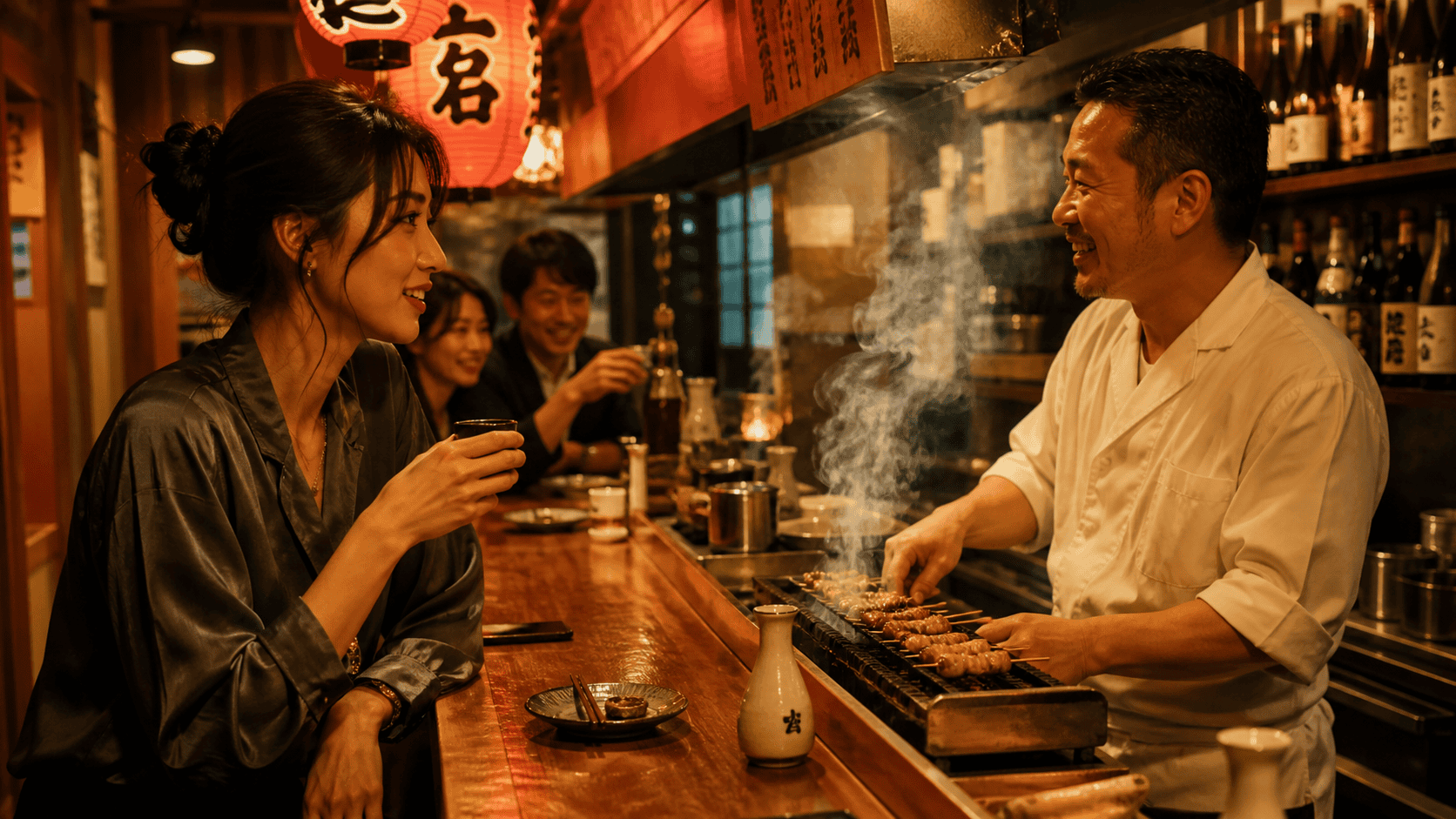
High-end kaiseki is the one format where eating alone works less well. The meal runs on shared rhythm and pacing, so a kaiseki dinner for one can feel ceremonious rather than warm. A counter kappo restaurant is the better substitute: the same craft, less formality and seating made for a single guest. At lunch, a soba counter does the same job in miniature. Chilled noodles, a cup of dipping sauce and ten unhurried minutes make a fine midday reset. It is also one of the easiest dishes to make at home after the trip, as the simple recipe below shows, with no special tools needed.
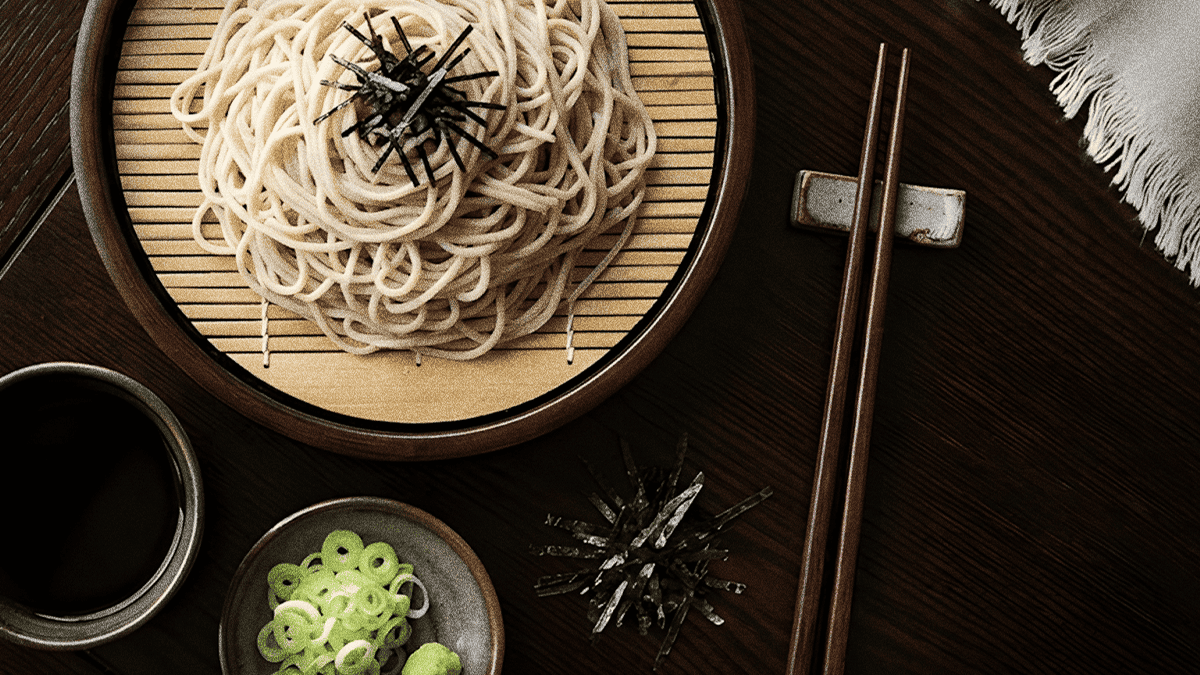
Zaru soba takes its name from the bamboo tray, or zaru, it is served on. It is a standard of soba counters across Japan and a classic lunch for one.
- 7 ounces dried soba noodles
- 1/2 cup dashi
- 2 tablespoons soy sauce
- 2 tablespoons mirin
- 2 green onions, thinly sliced
- 1 teaspoon wasabi
- 1 sheet nori, cut into thin strips
- Simmer the dashi, soy sauce and mirin together for one minute, then cool the sauce and chill it.
- Bring a large pot of water to a boil and cook the soba according to the package, usually four to five minutes.
- Drain the noodles and rinse them under cold running water, rubbing gently to remove the starch.
- Drain well, then mound the noodles on a bamboo tray or plate and scatter the nori on top.
- Pour the chilled sauce into small cups and serve with green onions and wasabi on the side for dipping.
Japan Solo Travel Practicalities: Transit, Data and Cash
A few practical decisions hold a trip alone together. None is hard, and all are easier to make at home than at Narita arrivals at eleven at night with a dead phone. The first is the transit IC card. It replaces ticket-buying for almost all rail and metro travel, and it works in convenience stores too. Make that decision on day one, because the card you choose sets the tone for your first morning. For Japan solo travel in particular, the card matters more than it seems. With nobody to share the navigation, a smooth first hour through the gates makes the rest of the day easier.
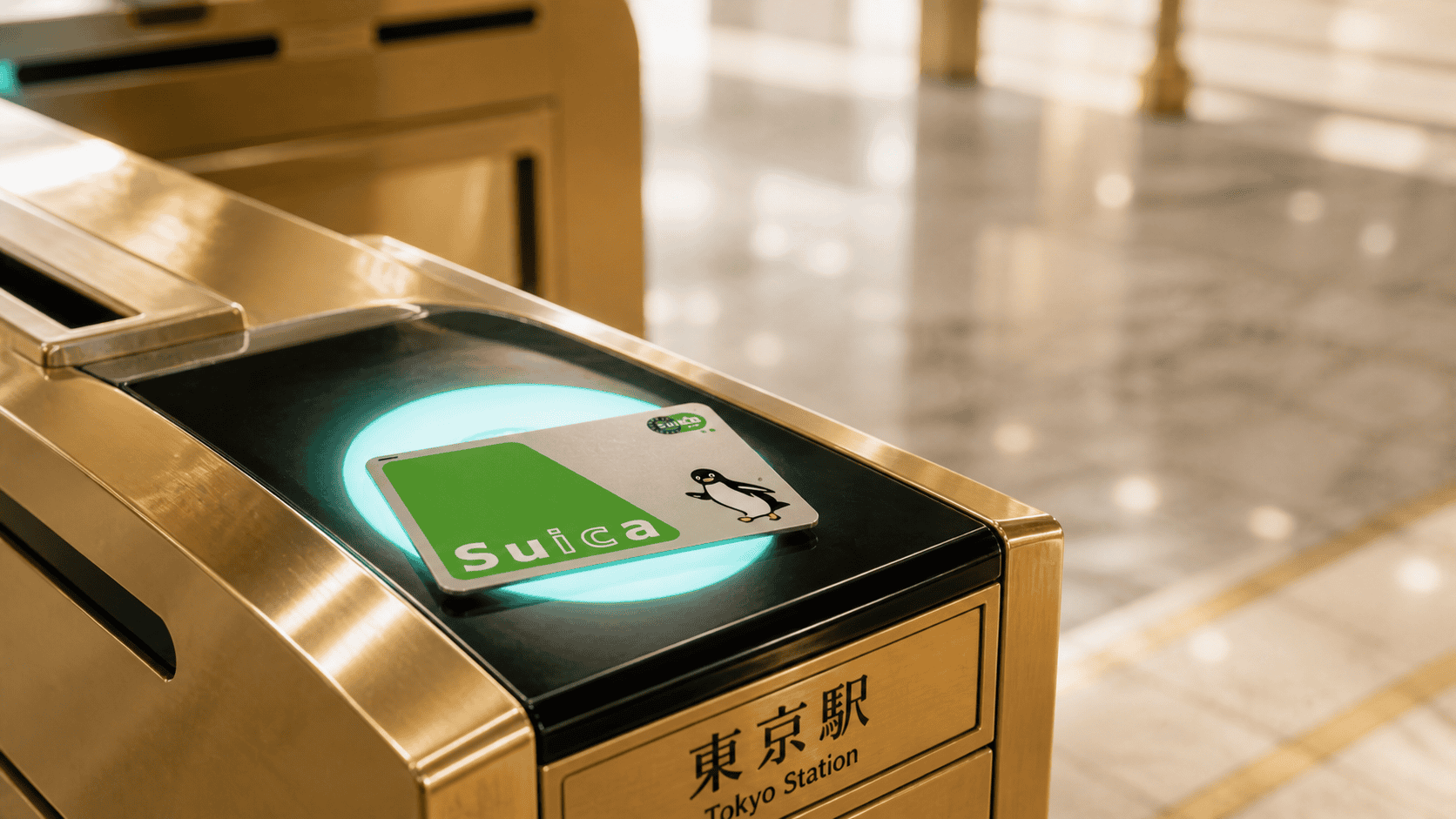
Welcome Suica, card or app
JR East released the Welcome Suica Mobile app in March 2025, and for most visitors it now beats the plastic. The app carries an expiration date 180 days from issuance. By contrast, the physical Welcome Suica card runs for 28 days, including the day you buy it. Note one trap on the card itself. The GOOD THRU date printed on the back is not the expiration date, so do not plan around it. If your phone supports it, the app is simpler.
If you want the physical card anyway, know where to find it, because common advice gets this wrong. Not every major station sells it. Instead, JR East lists specific Welcome Suica sales points, including Travel Service Centers at Narita, Haneda and big Tokyo stations, plus dedicated machines at the airports. As a rule, each person may buy one card. Plan the first twenty minutes after customs around that list.
Rail passes, data and cash
Pass economics shifted on 1 October 2023, when JR Group raised Japan Rail Pass prices. As a result, the pass no longer pays back automatically on a short or single-region trip. The same change opened Nozomi and Mizuho trains to pass holders who buy an extra ticket. So do the arithmetic rather than assume it. For longer stays, our JR Pass guide for extended travel walks through the routes.
Next, buy an eSIM before departure. It removes the worst twenty minutes of the trip, the ones spent at arrivals with no data and no plan. Public Wi-Fi gets patchy once you leave stations and chains. If your phone is locked to a carrier, check that before you leave. Cash still matters, too, for small restaurants, temples, ryokans and rural areas. Draw money at a convenience-store ATM on arrival, then top up as you go. Use a card wherever there is a terminal, and cash wherever the menu is handwritten.
Packing when nobody carries the spare
A solo bag differs from a group bag in one way that matters. Nobody else carries the spare adapter or the second battery. A slim adapter, one spare battery and a way to keep documents under a coat cover most of it. Packing cubes also earn their keep alone. You will repack five or six times across two weeks without a second pair of hands, so anything that keeps the case ordered pays off. Leave one square empty on the way out.
A zippered organizer for passport, cards, tickets and cash. Its clear refills keep everything visible in one place.
View the Passport Case →A light mesh packing case that folds flat when empty. The mesh shows what is inside, which helps on repacking days.
See the Gusset Case →A leather-covered notebook with a Japanese MD Paper refill. It holds tickets and maps as well as notes.
View the Notebook →Finally, book the fixed points before you fly. The ryokan night and any counter restaurant you truly care about both take single bookings in small numbers, and both fill early. Everything else can wait for the morning of. That asymmetry is worth taking to heart: two or three fixed points per week, and the rest left open. It is the opposite of how most first plans get built, and it is why most of those plans feel like work by day five. Keep the plan light, and the country fills the gaps for you, often with the best day of the trip.
Studying Japanese or Moving for Work
Some readers plan a trip alone as research rather than tourism. There is the language student who wants a fortnight of unfiltered input. There is the professional weighing a Tokyo posting, and the career-changer testing whether daily life here would suit them. Travel alone is the right format for all three. A group amplifies tourism, while going alone lets the country answer for itself. For a learner, a fortnight of ordering, asking directions and reading signage gives more usable input than a year of textbook study. Build the trip around exposure rather than fitting exposure around the trip, and say yes to every small conversation.
For the prospective resident, the question shifts from what you can see to how you would live. Walk the wards you would seriously consider, such as Setagaya, Bunkyo and Meguro in Tokyo. Ride the trains at commute hours rather than at noon. Eat lunch where you would eat it twice a week. Before you fly, our Japan residency assessment sharpens your read on what draws you and what would test you. A guide to starting a business in Japan as a foreigner covers the work track. Read both on the plane, before the romance of arrival makes everything look easier than it is.
Questions Worth Asking
Is Japan safe for solo travelers?
Yes. The US State Department places Japan at Level 1, the lowest tier of its four-step advisory scale, meaning exercise normal precautions. Standard urban care still applies in late-night districts such as Kabukicho and Roppongi, where touts and bar scams operate. Read the current advisory before you book.
Is it awkward to eat alone in Japan?
Far less than in most Western countries. Counter seating at ramen shops, soba bars, sushi counters and izakaya suits a single diner, and Japanese has a polite word for a party of one, ohitorisama. The main exception is high-end kaiseki, which runs on shared pacing and suits a group better.
How long should a first solo trip to Japan be?
Ten to fourteen nights is a realistic floor for a first trip that takes in Tokyo, Kyoto and one secondary stop such as Kanazawa or an onsen town. Anything shorter forces a checklist pace. Travelers short on time do better with a single region than a sprint between cities.
What does ohitorisama mean?
Ohitorisama is the polite Japanese term for a person doing something alone. It joins the honorific o-, hitori, meaning one person, and the respectful suffix -sama. Restaurants use it as the everyday phrase for a party of one, and the word carries no apology or pity in it.
Should I get the Welcome Suica card or the app?
For most visitors the Welcome Suica Mobile app is the better choice. JR East gives the app an expiration date 180 days from issuance, while the physical card lasts 28 days including the day of purchase. The card is also sold only at specific counters and machines, not at every station.
Is the Japan Rail Pass worth it for solo travel?
It depends on your route. JR Group raised pass prices on 1 October 2023, so the pass no longer pays back automatically on short or single-region trips. Price your actual route with individual tickets first, then compare. Long trips with several Shinkansen legs are where the pass still tends to earn its keep.
What is the best time of year for solo travel in Japan?
Late October through November and mid-May into early June are the strongest windows. Autumn brings color and low humidity, and late spring brings calm before the summer rains. Cherry blossom season and Golden Week are harder for anyone alone, because rooms book out early and trains run full.
The Japan Solo Travel Plan Worth Building
At its best, Japan solo travel returns someone slightly different from the person who left. The country grants the conditions, and your planning grants the time to use them. A good plan is not a list of cities but a register. It decides when the days run slow, where the meals stay unhurried, which mornings remain open and which night belongs to the ryokan. Get those four right and the rest organizes itself. Japan solo travel rewards that kind of planning more than any amount of extra sights. For a slower first chapter, our guide to Kanazawa, the Little Kyoto is a fine place to begin.
Ninety days of guided pages for the beginner's mind a trip alone tends to wake.
View the Journal →A trip alone is at its best when the plan is thin enough to be interrupted and firm enough that the two or three things you truly wanted are already booked. If you would rather hand that balance to someone who builds it for a living, start the conversation below.
For the traveler going alone: a city base in Tokyo, slower days in Kyoto or Kanazawa, one forested ryokan night with its bath at dawn, and the counter reservations that take single bookings, sequenced so one day in five stays open.
Plan Your Custom Japan Itinerary