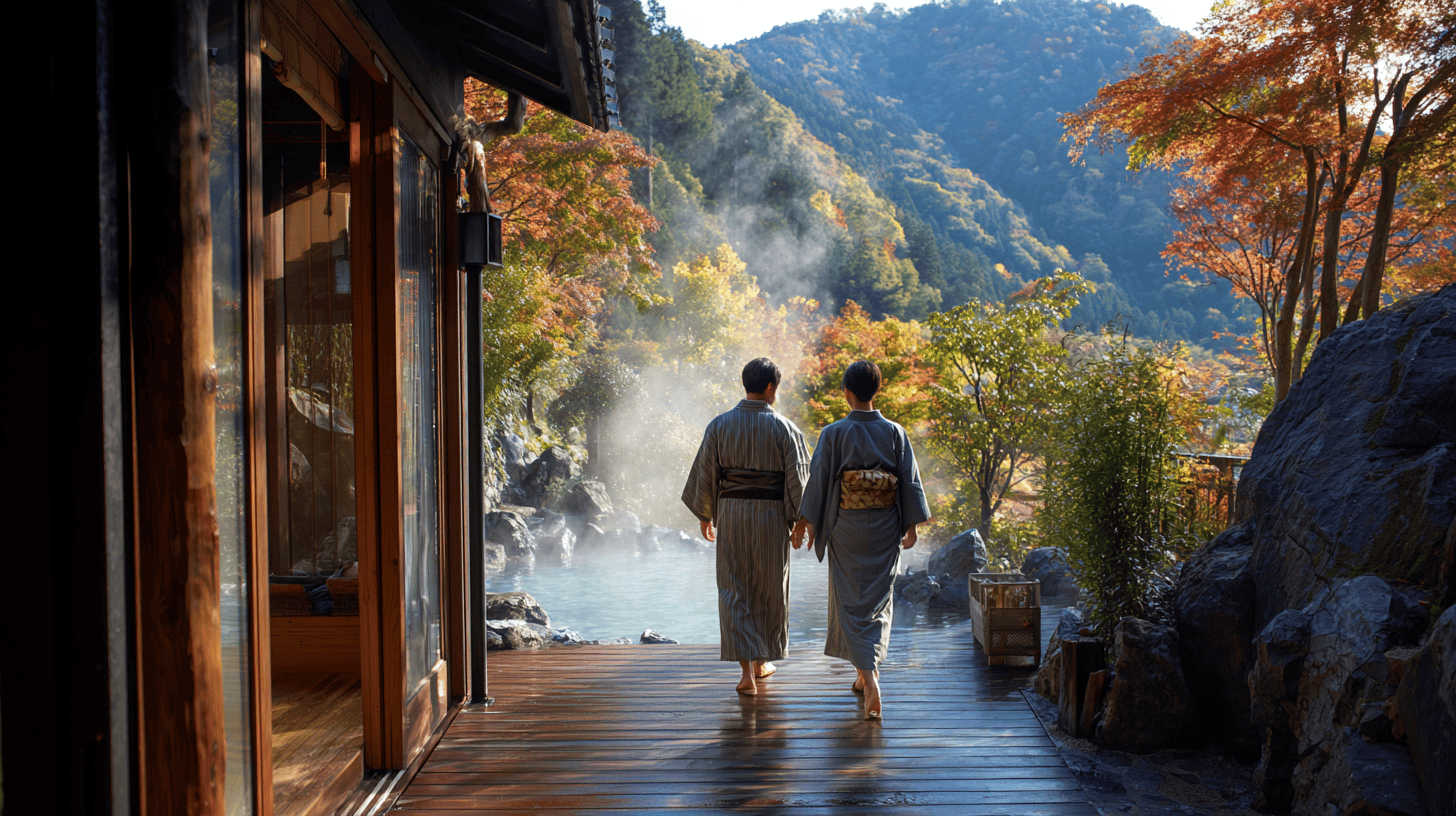
An onsen wellness itinerary is a trip planned around the bath rather than the sights. It moves between hot-spring towns at a slow pace, with two nights in most places and short transfers between them. Done well, it leaves you more rested on the last day than on the first. Done badly, it becomes a week of trains with wet hair. This page shows how to choose the towns, put them in order and match them to the season.
It belongs to our wider guide to luxury Japan travel, and it leaves two questions to its sister pages. For what the water may do for your body, read what the research says about onsen benefits. For choosing between inns, resorts and structured programs, see the retreat guide linked further down. Here the subject is the route itself: which towns, in what order and in which month.
How many days does an onsen trip need?
A first onsen wellness itinerary works best over five to eight nights. Spend two nights in each town, so every stay includes one full day without travel. Choose two to four towns, start with the busiest and finish with the most remote. Then end within easy reach of your departure airport.
How to Build an Onsen Wellness Itinerary
Four rules shape every good route. First, stay two nights per town, because the first night is mostly arrival. Second, limit transfers to one every two or three days. Third, move from busy to remote, so the trip slows down as it goes. Finally, finish close to your airport, since a long transfer on the last morning undoes the rest. These rules sound simple. Yet most rushed itineraries break at least two of them, usually by adding one town too many.
Luggage changes the experience more than people expect. Spring towns are walkable, and inns often sit up narrow lanes. So travel light between towns, and send the large suitcase ahead to your last hotel. Many inns and hotels can arrange this at the front desk. Meanwhile, a small bag with two nights of clothes covers most stays, because the inn supplies robes, towels and toiletries. That one decision makes every transfer shorter and every arrival calmer. It also means you can walk from the station to the inn rather than queueing for a taxi.
Those two pages sit on either side of this one. The first reads the health claims against the evidence, so this page can stay practical. The second explains the ryokan routine of bath, dinner and futon that shapes every evening of the trip.
Choosing the Onsen Towns That Anchor the Route
Five towns anchor most routes, each with a distinct character. Hakone is close to Tokyo and varied. Kinosaki is a classic walking town near Kyoto. Kurokawa sits in a Kyushu gorge, and Ginzan holds the snow-country image of a winter bath. Kusatsu and Beppu add strength and variety for longer trips. Pick two or three that share a region, because crossing the country between baths costs a full day. Then build outward from the town you most want to see.
A photographed guide to ryokan and onsen across the country. It helps you pick the towns and the splurge nights.
View This Book →An older guidebook that still maps where the water rises. Read it alongside a current source for details.
View This Book →A close study of one inn in Kurokawa Onsen. It shows how a gorge town runs behind the bath.
View This Book →Hakone, the natural first stop
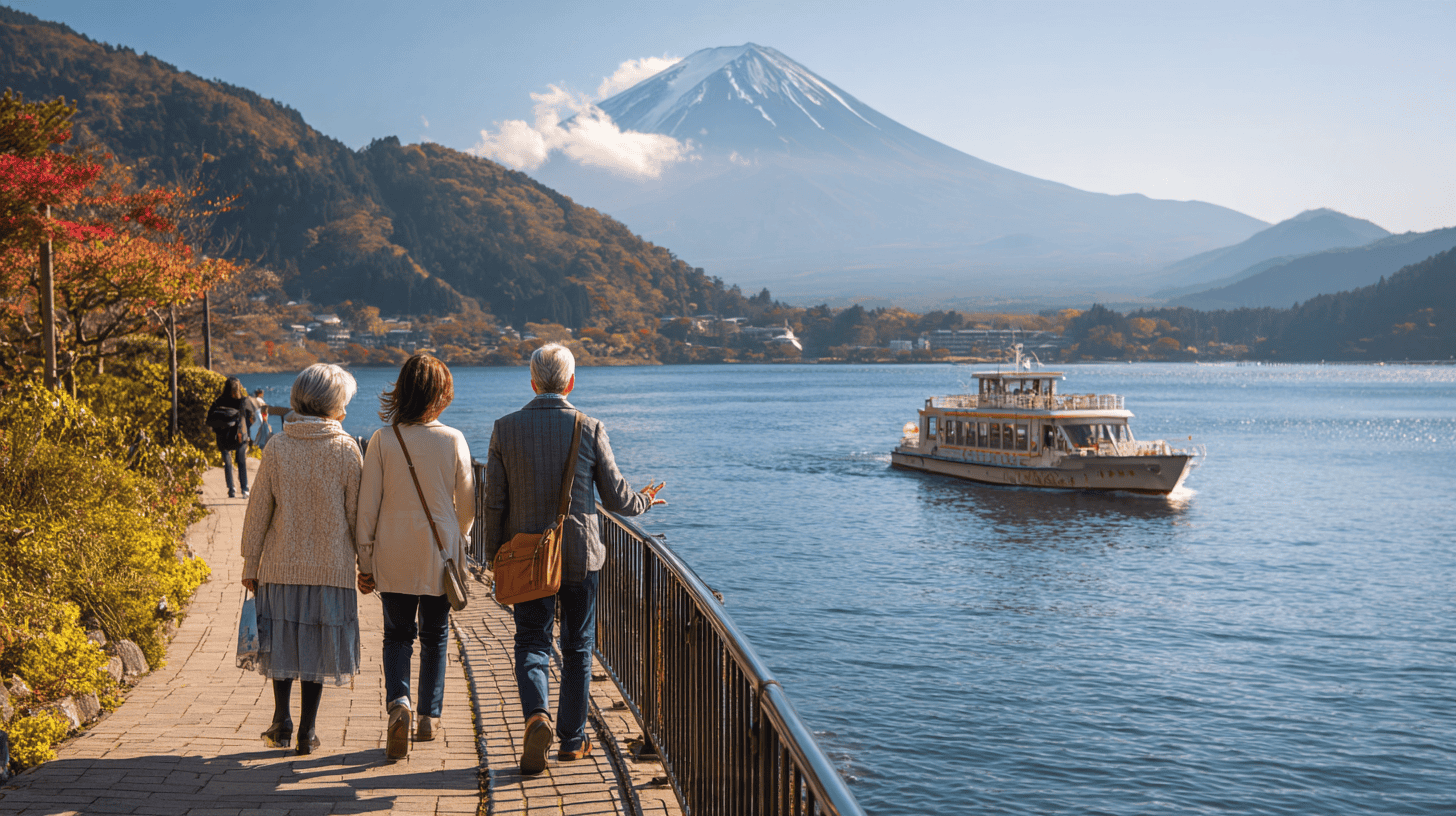
Hakone suits the opening nights because it is close to Tokyo and easy to navigate. The Hakone Freepass covers the mountain railway, cable car, ropeway, lake cruise and designated buses. It also includes one return trip on the Odakyu Line from Shinjuku or Odawara. For a two-night stay, it pays for itself on the first full day of exploring. Most visitors loop the area in a single day, by train, ropeway and then a boat across Lake Ashi. On the second day, stay at the inn instead, and let the bath set the schedule. That rhythm makes Hakone an easy start to any onsen wellness itinerary.
Kinosaki, the walking town
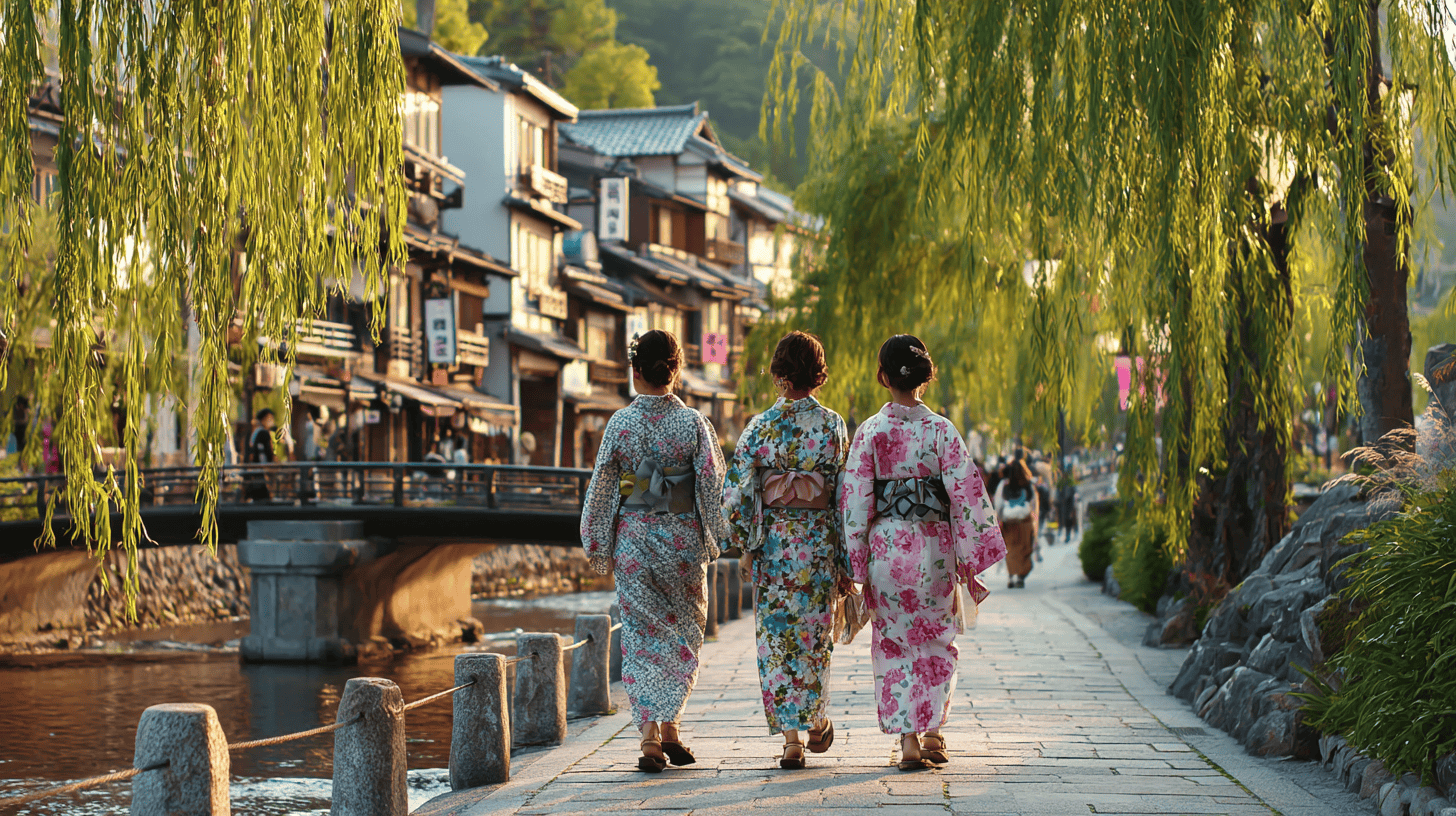
Kinosaki is the town most people imagine when they picture onsen travel. Seven public bathhouses line a willow-edged canal, and guests walk between them in robes. According to japan-guide.com, a Yumepa day ticket covers all seven for day visitors. However, overnight inn guests receive a pass to all seven baths as part of their stay. That makes two nights here excellent value, and it rewards staying rather than visiting for the day. The town also sits within easy reach of Kyoto by train, so it fits neatly into a Kansai route. Evenings are the best time to walk the canal, once the day visitors leave.
Kurokawa, the gorge
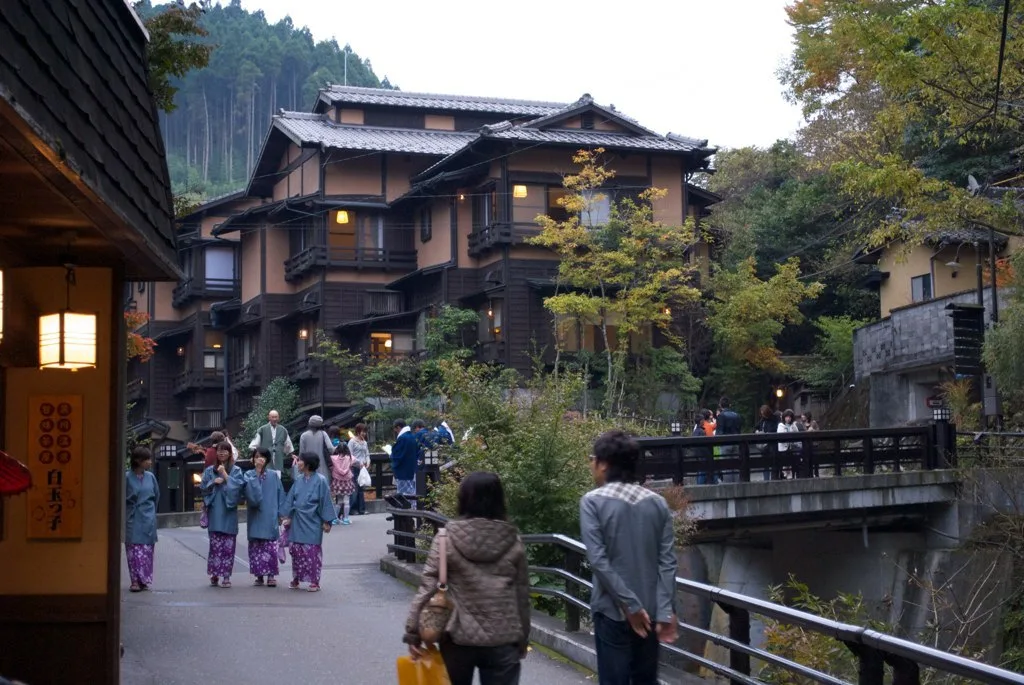
Kurokawa, in Kumamoto, packs its inns into a narrow river valley. Many inns open their outdoor baths to non-guests by day. A wooden Nyuto Tegata pass, according to Jeepe Japan, admits you to three open-air baths of your choice. It also stays valid for six months, so you can spread the three baths across your stay. Hours vary by inn, so check before setting out. Kurokawa works best as the last stop of a Kyushu route, because it is the most remote and the slowest. Plan to arrive in daylight, since the final stretch is a winding mountain road with few buses.
Ginzan, the winter town
Ginzan Onsen, in Yamagata, is small, wooden and famous for its snow. Its popularity brought rules. For winter 2024 to 2025, Japan Travel reported evening caps of 100 visitors per hour between 5pm and 8pm. Day visitors also needed timed tickets. After 8pm, only staff, residents and overnight guests could enter. Check the current season’s rules before you go. In either case, staying the night is the way to see Ginzan as it should be seen.
Kusatsu and Beppu complete the list for longer trips. Kusatsu, in Gunma, is known for highly acidic water and the steaming Yubatake spring field at its center. Beppu, in Oita, offers steam baths and sand baths, and it pairs well with Yufuin and Kurokawa.
For logging each town, each inn and each bath along the route.
6 × 9 in · 120 unlined pages · matte softcover
Shop This Journal →Three Sample Onsen Wellness Itineraries
The routes below show how the rules work in practice. Each one starts with the busiest town and ends with the most remote, and each keeps transfers short. Use them as templates, and add a night anywhere you feel tired.
Five nights from Tokyo, in winter
Begin with two nights in Hakone, using the Freepass for the lake and the ropeway. Return to Tokyo for one night, which breaks up the longest transfer. Then take the train north to Yamagata for two nights at Ginzan, timed for snowfall. Fly home from Tokyo after a final morning bath. This route suits a first winter trip, because it pairs an easy opening with a dramatic finish. It also keeps every transfer to a single journey of a few hours.
Seven nights through Kansai
Start with two nights in Kyoto, since many travelers arrive there anyway. Next, take the train to Kinosaki for two nights of walking between bathhouses. Then continue to Arima, in the hills above Kobe, for one night. Finish with two nights at a luxury inn within reach of Kansai airport. This route blends city and spring towns well.
Eight nights in Kyushu
Fly into Fukuoka and head to Beppu for two lively nights. Move inland to Yufuin for two more, where the town is walkable and the inns are comfortable. Then continue to Kurokawa for two nights in the gorge, using the Tegata pass by day. Return toward Fukuoka for a final night or two before flying out. Spring and late autumn suit this route best.
Pick towns that share a region, then let the season choose between them.
| Town | Region | Character | Best season |
|---|---|---|---|
| Hakone | Kanagawa, near Tokyo | Varied, easy first stop | Autumn leaves |
| Kinosaki | Hyogo, near Kyoto | Walking town, seven public baths | Autumn |
| Kurokawa | Kumamoto, Kyushu | River gorge, open-air baths | Spring or late autumn |
| Ginzan | Yamagata, Tohoku | Small wooden snow town | Winter |
| Kusatsu | Gunma | Highly acidic water | Winter |
| Beppu | Oita, Kyushu | Steam and sand baths | Spring or late autumn |
All three routes share one feature: rest days. On each, at least one day in every town involves no travel at all. That day is where the trip happens. You bathe before breakfast, walk in the afternoon and bathe again before dinner. Travelers who skip rest days to see more usually leave tired, which defeats the purpose. So protect those days first, then fit sightseeing around them. If a route has no room for rest, it has one town too many.
Prefer to hand over the sequencing? Our custom Japan itinerary builds the route, the rooms and the transfers for you.
MJ's Luxury Japan Edit, a curated planning edit for luxury travel in Japan, sent to you by email. Letters on Japanese travel and culture follow, roughly monthly.
One email with your printable. Occasional letters after that. Unsubscribe anytime.
Testing a route before you book
The Edit above covers the wider planning picture. For the route itself, test it on paper first. Write in the towns, count the transfers and mark the rest days. If the count shows more than one transfer every two days, remove a town. If a town has no full day without travel, add a night.
Matching the Season to the Onsen Route
Season changes both the scenery and the choice of towns. Winter suits snow country, so Ginzan, Kusatsu and the mountain inns come into their own. Spring suits Kyushu and Kansai, while early summer is green and calm before the August heat. Autumn brings leaves to Hakone and Kinosaki and the strongest seasonal dinners. A Kyushu route in August, by contrast, means humid air and crowded trains.
Winter deserves special planning. Snow can close mountain roads and delay buses, so allow a spare night in any snow-country town. Book early, because the best winter rooms go first. Also dress for the walk between buildings, since even a short stroll feels sharp after a hot bath. Despite the effort, winter is the season most bathers prefer. Cold air and hot water make the contrast that defines the experience.
Summer, meanwhile, needs the opposite approach. Choose highland towns where the air stays cooler, and bathe early in the morning or late in the evening. The Northern Alps and the higher parts of Tohoku suit this season well. Keep sessions short and drink plenty of water.
Recommended
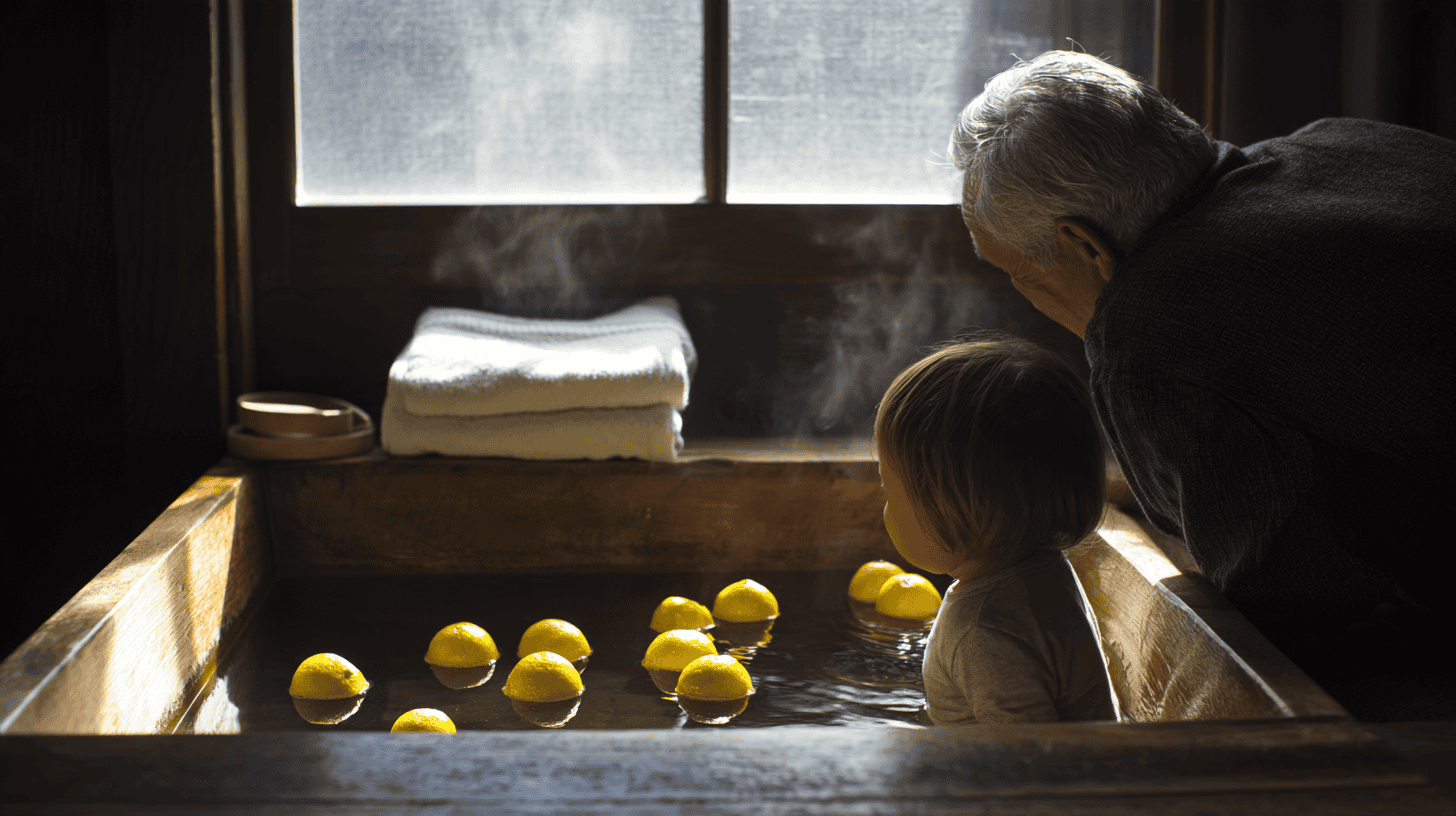
Some inns also mark the season inside the bath itself. In winter, a few float whole yuzu in the water around the solstice, which scents the steam with citrus. In May, others add iris leaves. These small touches cost nothing to enjoy, and they are a good reason to ask the inn what the bath holds that week. They also make a strong argument for timing a stay around a seasonal custom rather than a public holiday. Ask when you book, because the inn will know its own calendar. Then, if the dates are flexible, build the onsen wellness itinerary around that week.
Pacing the Days Between Baths
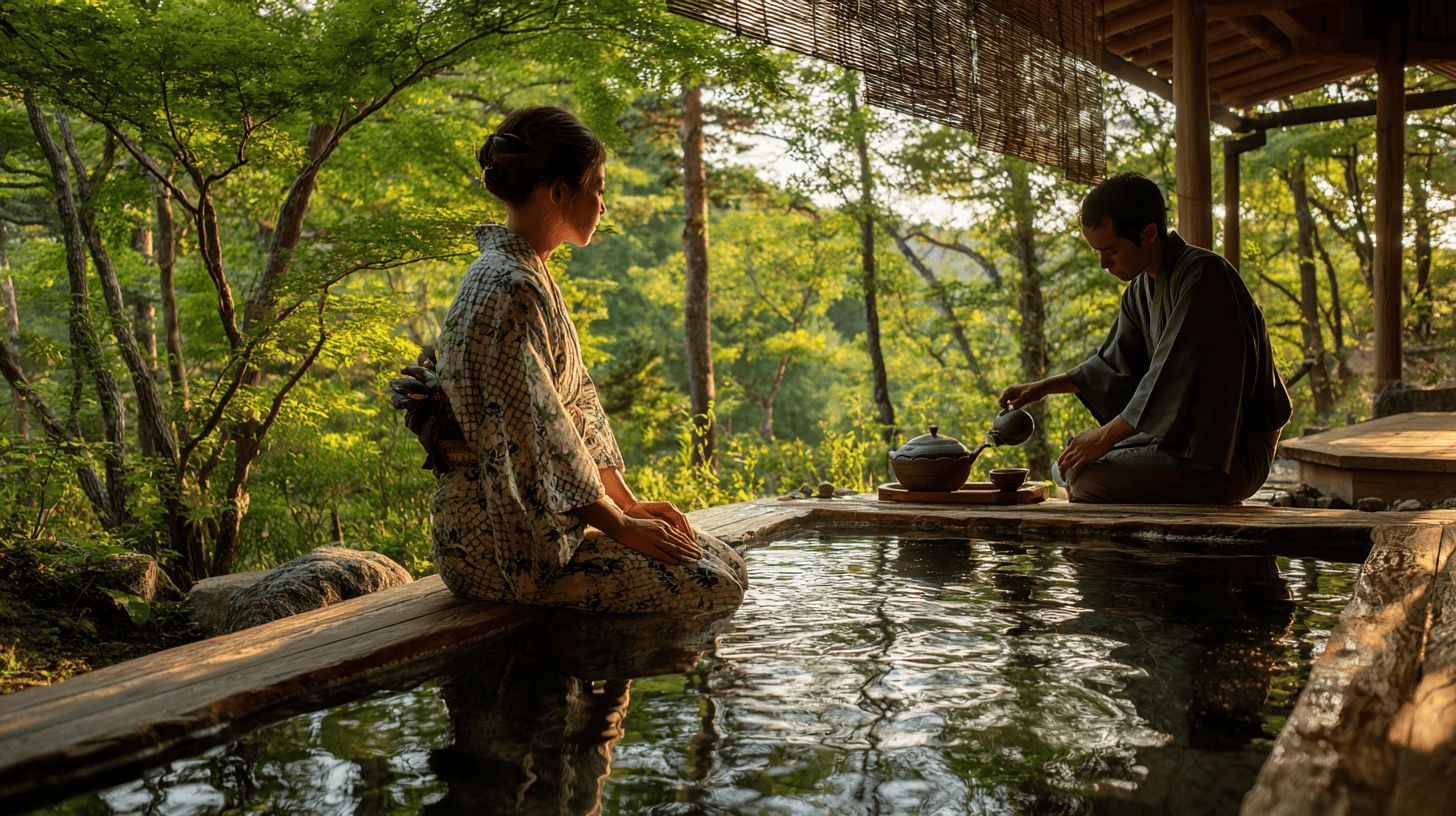
Within each town, the day follows a simple rhythm. Bathe before breakfast, while the outdoor pool steams in the cold. Eat a Japanese breakfast, then walk the town or the nearby forest. Return for lunch or a nap, and bathe again in the late afternoon. Dinner arrives early, often at six, and a final bath follows before the futon. The schedule leaves most of the day open, yet it gives the day a clear shape. That shape is what makes rest feel easy. It also explains why two nights matter so much, because one night gives you only the evening half of this rhythm and none of the open middle.
The case for a full rest day
A rest day means no transfers and no tickets. It sounds indulgent, but it does the most work. On travel days, the body spends energy on stations, bags and new rooms. On rest days, it simply recovers. Many inns offer massage in the evening, which suits a rest day well. If your route allows only one rest day, place it in the most remote town, because that is where the stillness is deepest. Keep that day clear even if the weather is poor, since a wet afternoon in a bath is no hardship. Rain on an outdoor pool is, for many bathers, the best weather of all.
A cold soba lunch on a rest day
Lunch on a rest day should stay light, because dinner at the inn is long and generous. Cold soba suits that gap well. The buckwheat noodles arrive chilled on a bamboo tray, with a small cup of dipping sauce beside them. Many mountain towns serve it, and Nagano is famous for it. It also travels home easily. The version below follows a classic home method, so you can make it after the trip. That way, a little of the rest-day rhythm comes back with you. Make the dipping sauce first, since it needs time to cool, and then the noodles take only minutes.
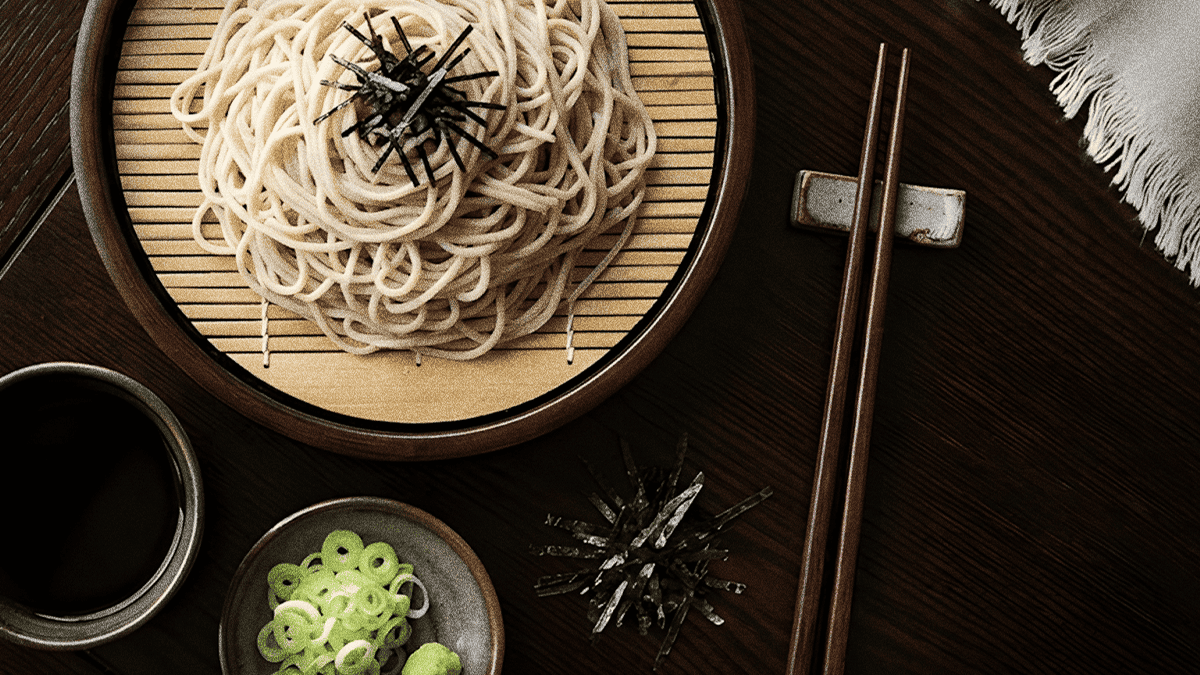
Zaru soba takes its name from the bamboo tray it is served on. Mountain regions such as Nagano, where buckwheat grows well, are famous for it.
- 14 oz dried soba noodles
- 1/4 cup sake
- 1/2 cup mirin
- 1/2 cup soy sauce
- 1 small square kombu
- 1 handful bonito flakes
- 1 sheet nori, shredded
- 2 spring onions, finely sliced
- Wasabi, to serve
- Boil the sake and mirin in a saucepan to cook off the alcohol.
- Add the soy sauce, kombu and bonito flakes, simmer for five minutes, then cool and strain.
- Cook the soba in a large pot of unsalted boiling water for four to five minutes, or as the packet says.
- Rinse the noodles under cold running water, chill them in iced water for thirty seconds and drain.
- Pile the noodles on bamboo trays under the shredded nori.
- Dilute six tablespoons of sauce with just over a cup of iced water and serve with spring onion and wasabi.
Packing and Etiquette for a Multi-Town Onsen Trip
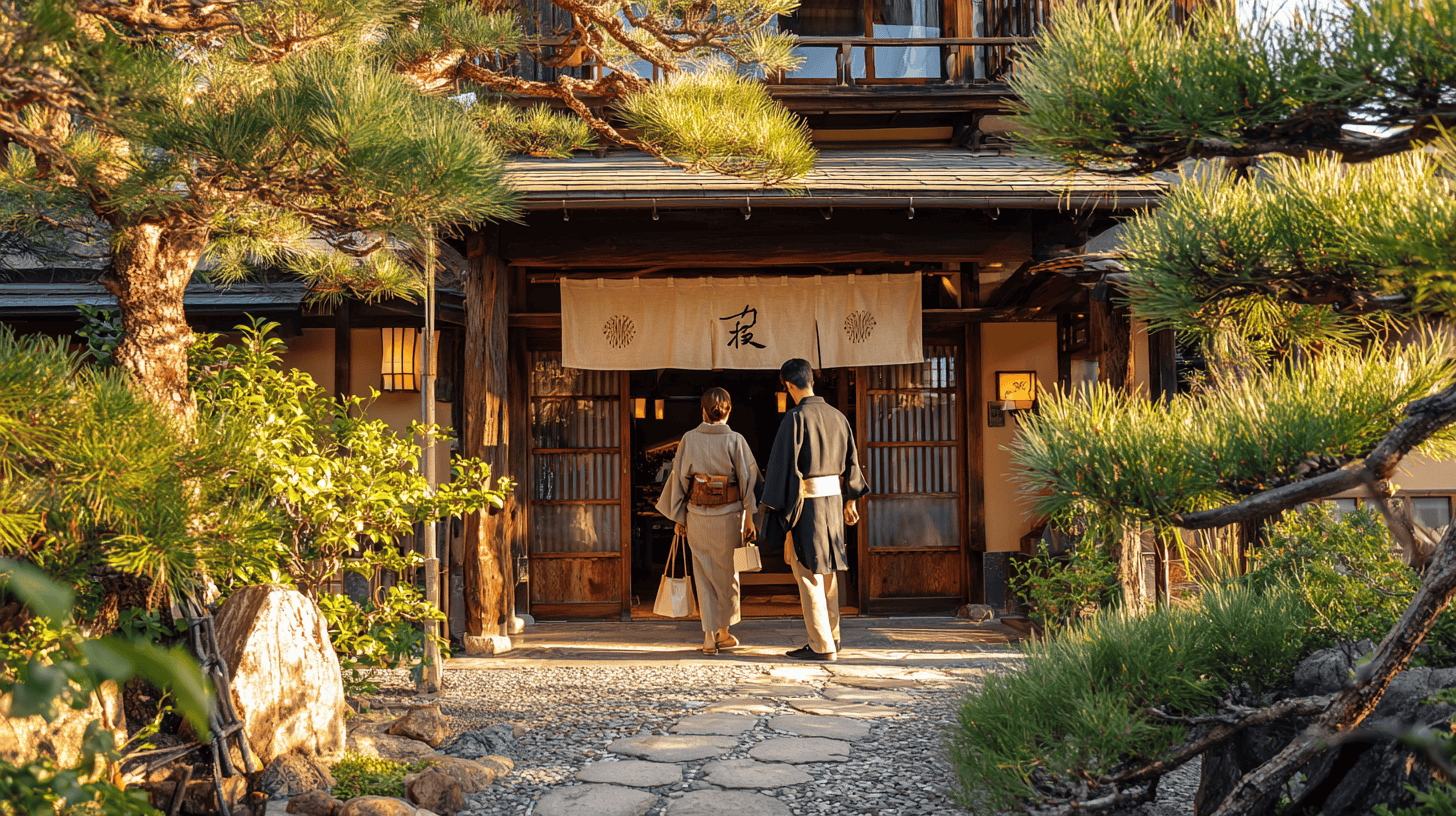
Pack less than you think. Inns supply robes, towels and toiletries, so a small bag covers two nights. Bring a light layer for the evening walk and a reusable bottle for water between baths. That matters on a trip where you drink water after every bath. A compact cabin case also helps, since it rolls easily up the narrow lanes and fits the luggage racks on regional trains.
A face-size towel earns its place too, since you will carry one between bathhouses in walking towns. Imabari towels from Shikoku dry quickly and pack flat. Etiquette stays the same in every town. Wash fully before entering the water, keep the small towel out of the bath and bathe without swimwear. Tattoo rules vary by town and by inn, so ask ahead. Kinosaki's public baths, for example, now accept tattoos.
Soft Imabari cotton that dries quickly. A face-size towel is the one you carry between bathhouses.
View the Product →A Japanese-made cabin case for a two-night bag. It rolls easily up the lanes of a spring town.
View the Product →Single packets styled on named hot springs. They bring the evening bath home after the trip.
View the Product →Back home, the habit can continue. Single-packet bath salts let you revisit the towns in miniature, with milky and clear styles named after real hot springs. None of it replaces a spring, of course. Yet a packet named after a town you visited brings back the evening walk and the steam. That memory is part of why the next onsen wellness itinerary gets planned at all, often within a few weeks of the last one ending.
Booking the Itinerary in the Right Order
Once the towns and the season are chosen, the booking order matters. Secure the hardest room first, usually a small inn or a private-bath suite. Then fit the easier nights around it. Check rail connections before confirming, because some valleys have few buses. If you plan to cover long distances, our JR Pass guide for longer trips explains when a pass makes sense.
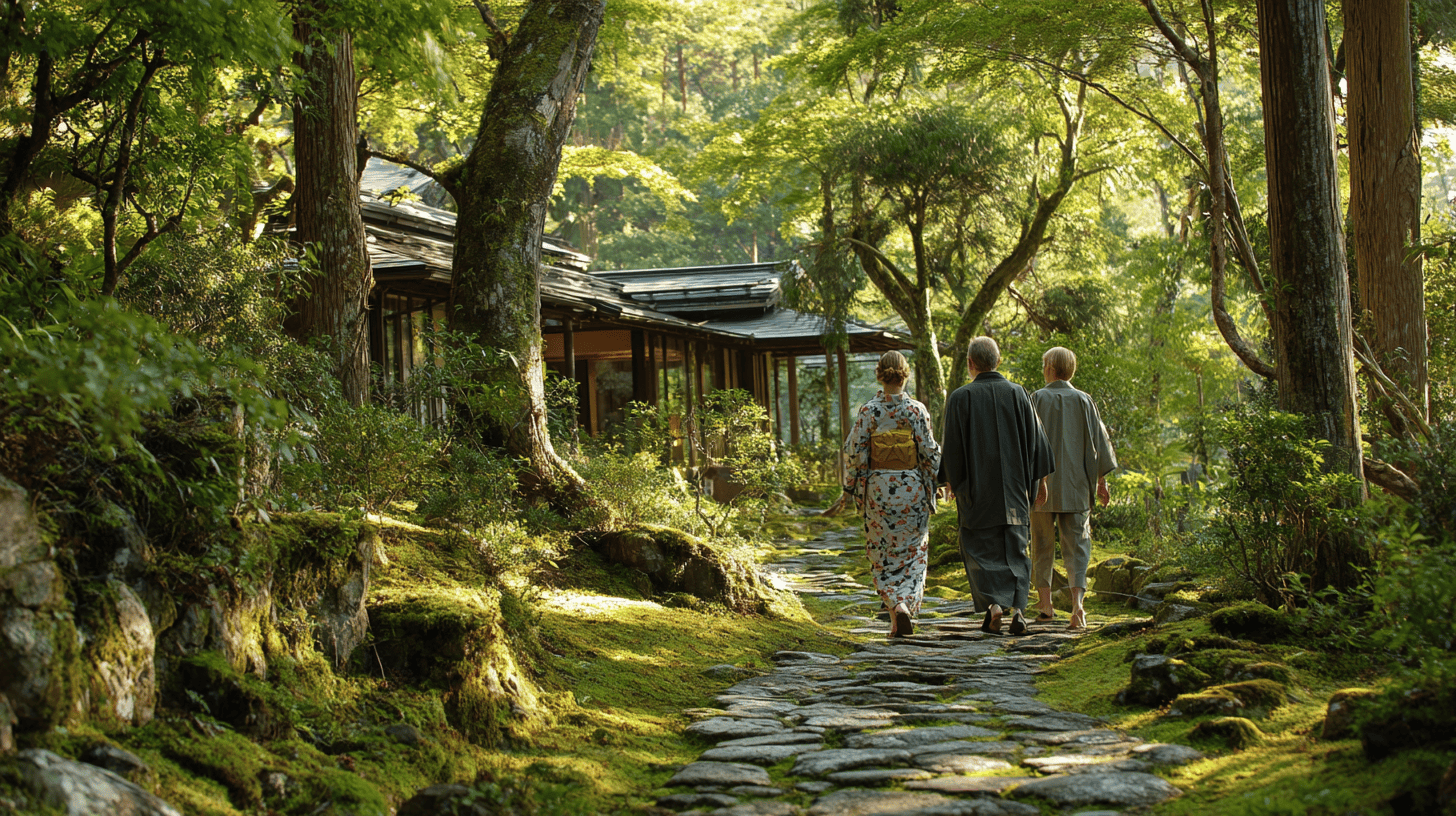
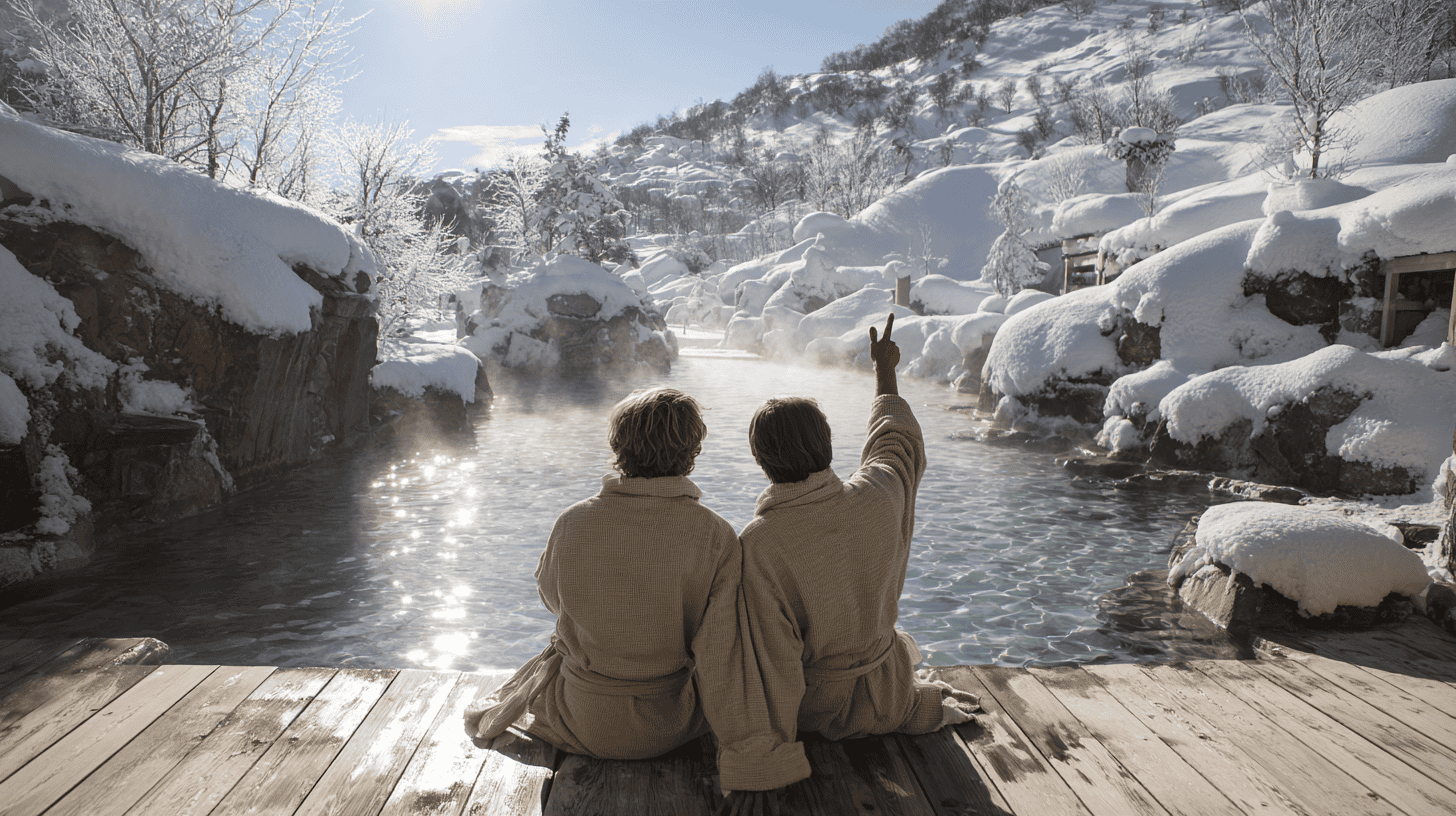
Those pages cover the two choices a route depends on. The first compares the inns most worth a splurge night, many with private baths. The second sets out the retreat formats, from onsen towns to a structured wellness retreat with daily programs. If you want a timetable rather than a route, the program format may suit you better. Otherwise, the itinerary approach gives more freedom.
Choosing rooms by format
For the rooms, the range is wide, so plan by format rather than by town. A walking town like Kinosaki offers good inns at moderate rates, because the public baths do much of the work. A luxury inn with a private open-air bath is a major splurge. Plan one or two of those nights rather than a whole trip of them. Our guide to the luxury ryokan worth building a route around covers the strongest properties.
For a broader planning framework, the Luxury Adventure Starter covers route logic and pacing for first trips. Whichever tool you use, keep the rules in view: two nights per town, one transfer at a time, busy to remote and a short final journey. Those four rules are the whole method. Before you book, a few practical questions tend to come up, about length, transport, tattoos and the order of towns. The answers below are brief, and they point back to the relevant section above where more detail helps. For health questions, the research page linked near the top remains the right place to look.
Questions Worth Asking
How many days do you need for an onsen trip in Japan?
Five to eight nights suits a first trip. Spend two nights in each town, so every stay includes a full day without travel. A weekend in Hakone works as a taster, but a proper route needs at least two towns and one rest day each.
Which onsen towns should a first itinerary include?
Choose two or three towns in one region. Hakone and Ginzan pair well from Tokyo. Kinosaki and Arima suit Kansai. Beppu, Yufuin and Kurokawa make a strong Kyushu route. Start with the busiest town and finish with the most remote.
What is the best season for an onsen itinerary?
Winter suits snow-country towns such as Ginzan and Kusatsu. Spring and late autumn suit Kyushu and Kansai. Autumn also brings the strongest seasonal dinners. Avoid humid August routes in the south, and allow a spare night for snow in winter.
How should you plan rooms for an onsen trip?
Rooms shape the trip more than anything else. A ryokan quotes per person and includes dinner and breakfast, so compare it with a hotel only after adding meals. Walking towns like Kinosaki offer good inns at moderate rates. Save private-bath inns for one or two splurge nights, ideally on rest days.
Can you visit onsen towns with tattoos?
It depends on the town and the inn. Kinosaki's seven public baths now accept tattoos of any size, while many other baths still refuse them. Ask each inn ahead, or book rooms with private baths, which avoid the question entirely.
Do you need a rail pass for an onsen itinerary?
Only if the route covers long distances, such as Tokyo to Yamagata and back. Regional routes in Kansai or Kyushu often cost less with individual tickets. Local passes, such as the Hakone Freepass, usually offer better value within one area.
Which onsen town is best near Tokyo?
Hakone is the easiest choice from Tokyo. The Hakone Freepass covers the mountain railway, cable car, ropeway, lake cruise and designated buses, plus a return trip on the Odakyu Line. Two nights leave one full day to loop the lake and one to rest at the inn.
The Route Is the Rest
An onsen wellness itinerary works because it removes decisions. You know where you sleep, when you bathe and how you travel, so the mind has nothing to manage. The towns do the rest. Choose them by season, order them from busy to remote and give each one two nights. Then protect the rest days above everything else. By the last morning, the pace will feel natural, and the trip home will feel like leaving a habit rather than ending a holiday. Most travelers find that the second trip is easier to plan than the first, because they already know which water and which season suit them.
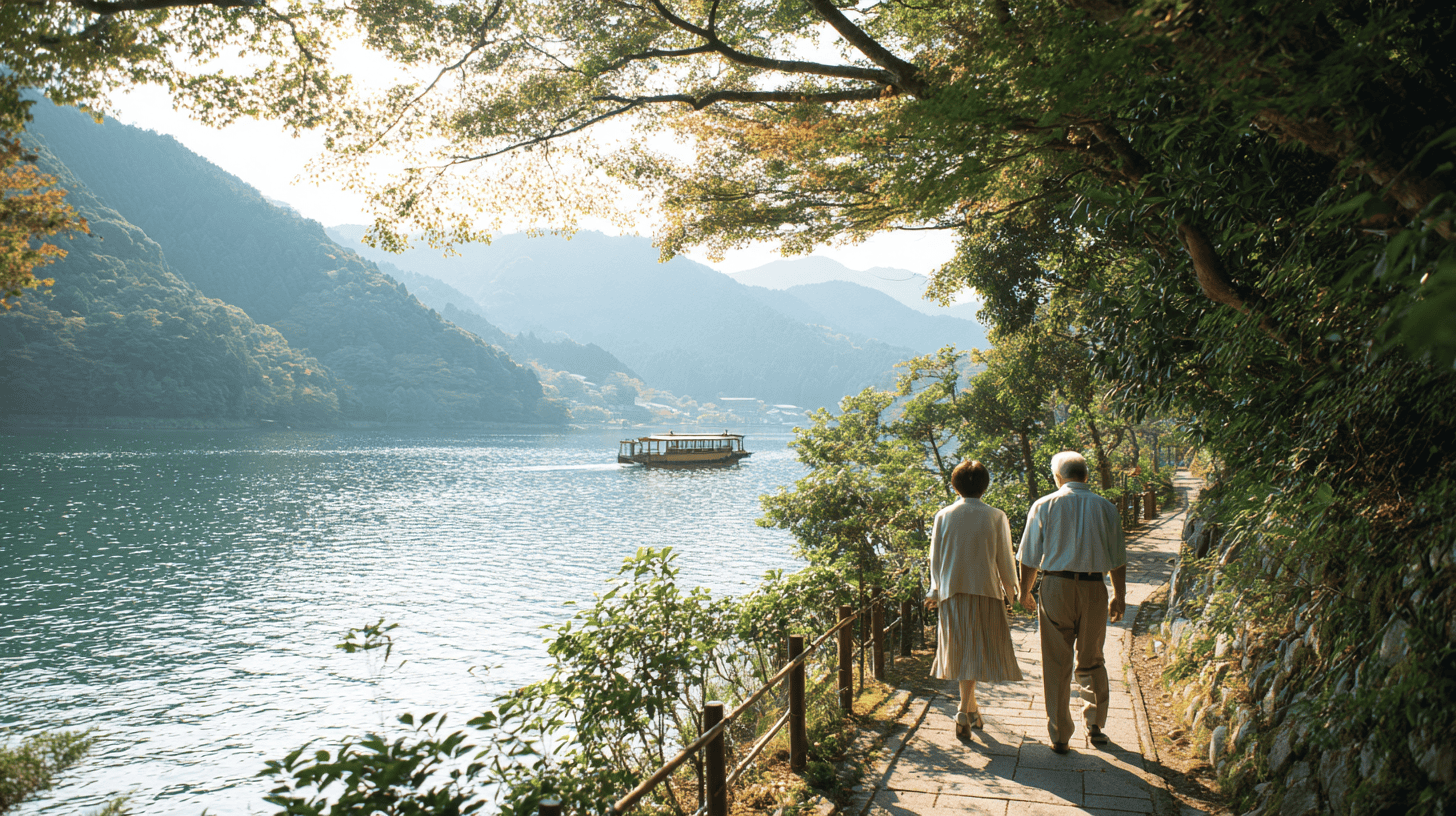
A route like this is easier to repeat when you write it down. Note each town, the inn, the bath you liked best and how you slept. After two or three trips, the notes become your own guide. You will know which water suits you, which season you prefer and how many nights each place needs. For help turning a route into rooms, our Luxury Japan planning service works with inns that rarely sell abroad. Start with two towns and one season, and build from there. The springs will still be there next year, and so will the towns that suited you best.
For keeping the pause between baths once the trip is over.
View the Journal →When the towns are chosen and the season is set, all that remains is the booking order, the trains and the timing of each arrival before dinner. Those details decide whether the route feels easy, and they are worth getting right.
The Editors, Magnificent Japan
For the traveller who wants the towns in the right order: a custom itinerary that sequences Hakone, Kinosaki, Kyushu or the snow country by season, forwards your luggage between inns and times every transfer to arrive before dinner.
Plan Your Custom Japan Itinerary