The Shoshin Journal, a 90-Day Practice in Beginner’s Mind
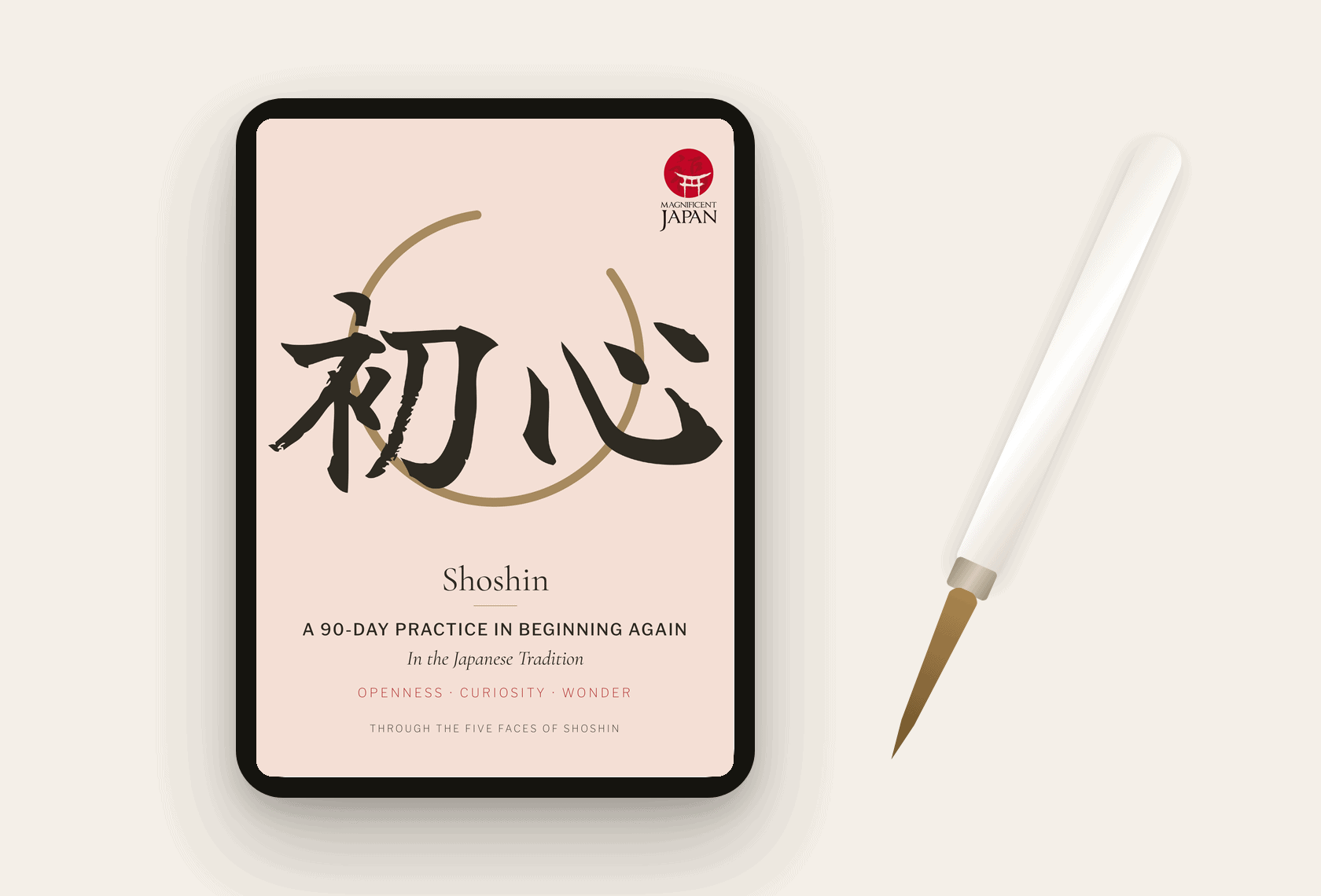
A ninety-day practice for iPad and tablet — one prompt a day, drawn from shoshin, the Japanese beginner’s mind, meeting each thing as if for the first time.
The shoshin journal is a write-on PDF kept in your favourite annotation app. It is a guided practice in openness and curiosity — a way to loosen what you think you already know, and meet it again with fresh eyes. Ninety prompts follow, sequenced so the practice deepens week by week.
Instant download · works in every major tablet app
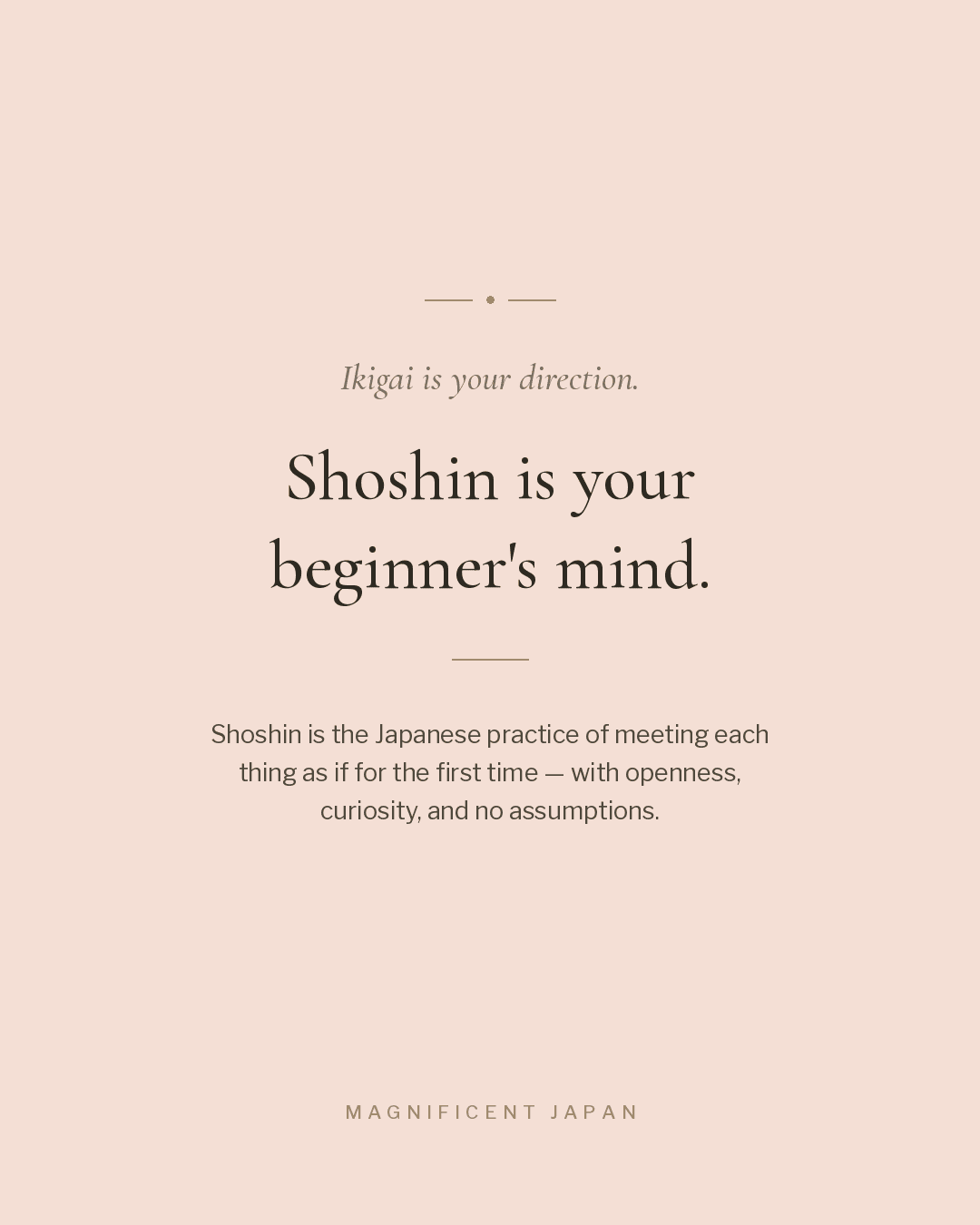
The world says become an expert, and be certain. Shoshin says stay a beginner, and stay open.
Shoshin is the Japanese beginner’s mind — the openness to meet each thing as if for the first time, even when you already know it well. As Suzuki put it: in the beginner’s mind there are many possibilities; in the expert’s, there are few. It is the state that keeps you learning long after you have stopped being a beginner.
The certain, the finished, the mastered — what most of modern life rewards. We accumulate answers, and stop asking questions.
The fresh, the open, the not-yet-known — met with curiosity, and held a little more loosely. A practice not in forgetting what you know, but in loosening its grip. This is where the ninety days sit.
This is not a practice in ignorance. It is a practice in openness — a way of meeting what you know that sits within the wider Cultural Reflection Collection.
What shoshin means
Shoshin 初心 joins two characters. 初 (sho) means beginning, or first; 心 (shin) means mind, or heart. Together, the mind one has at the very start — before it fills with its own certainties.
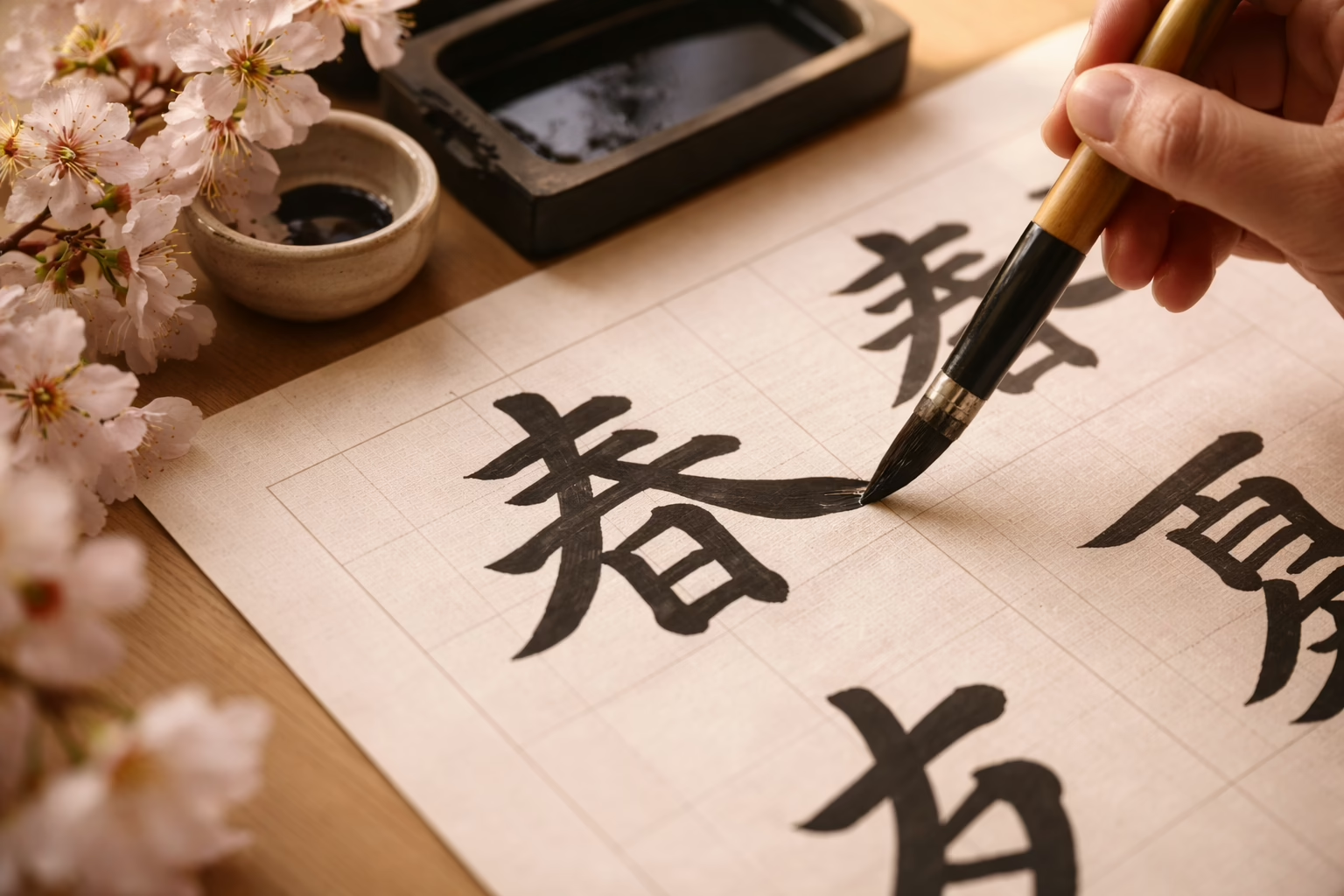
The thirteenth-century Zen master Dōgen taught it; Shunryū Suzuki brought it to the West in Zen Mind, Beginner’s Mind. It is prized too in the martial arts and in calligraphy, where each stroke is made as if by a beginner — a state of mind, not a level of skill.
Five faces, ninety days
The prompts move through five faces of shoshin — five ways the beginner’s mind shows itself. You do not study them; the prompts teach them, asking each in turn and deepening as the weeks go on.
Prompts that ask the right question
Most reflection prompts ask you to draw conclusions, or to prove what you know. These ask you to hold your certainties loosely — to catch the moment your mind says “I already know this,” and look again. The ninety days are sequenced so the practice compounds in a way a flat list never could.
The early prompts are small, the kind you can answer before the tea goes cold. The later ones assume you have been looking anew, and ask a little more.
What the shoshin journal includes
A write-on PDF for your tablet, sequenced across ninety days and kept in GoodNotes, Notability, Noteshelf, or any annotation app.
- Ninety daily prompts — one a day, across three months
- Weekly syntheses — a look back at the close of each week
- Three monthly reviews — the longer view across each month
- Two Beginning pages — revisited on Day Ninety, to measure the distance
- Tap-through navigation — side tabs and links to any day or section
- Research foundations — the sources, and where to read further
Begin the practice
The shoshin journal is one file, yours to keep, reusable as often as you like. It is built to be returned to, not read through.
Instant download · every major tablet app · part of the Cultural Reflection Collection
Look inside
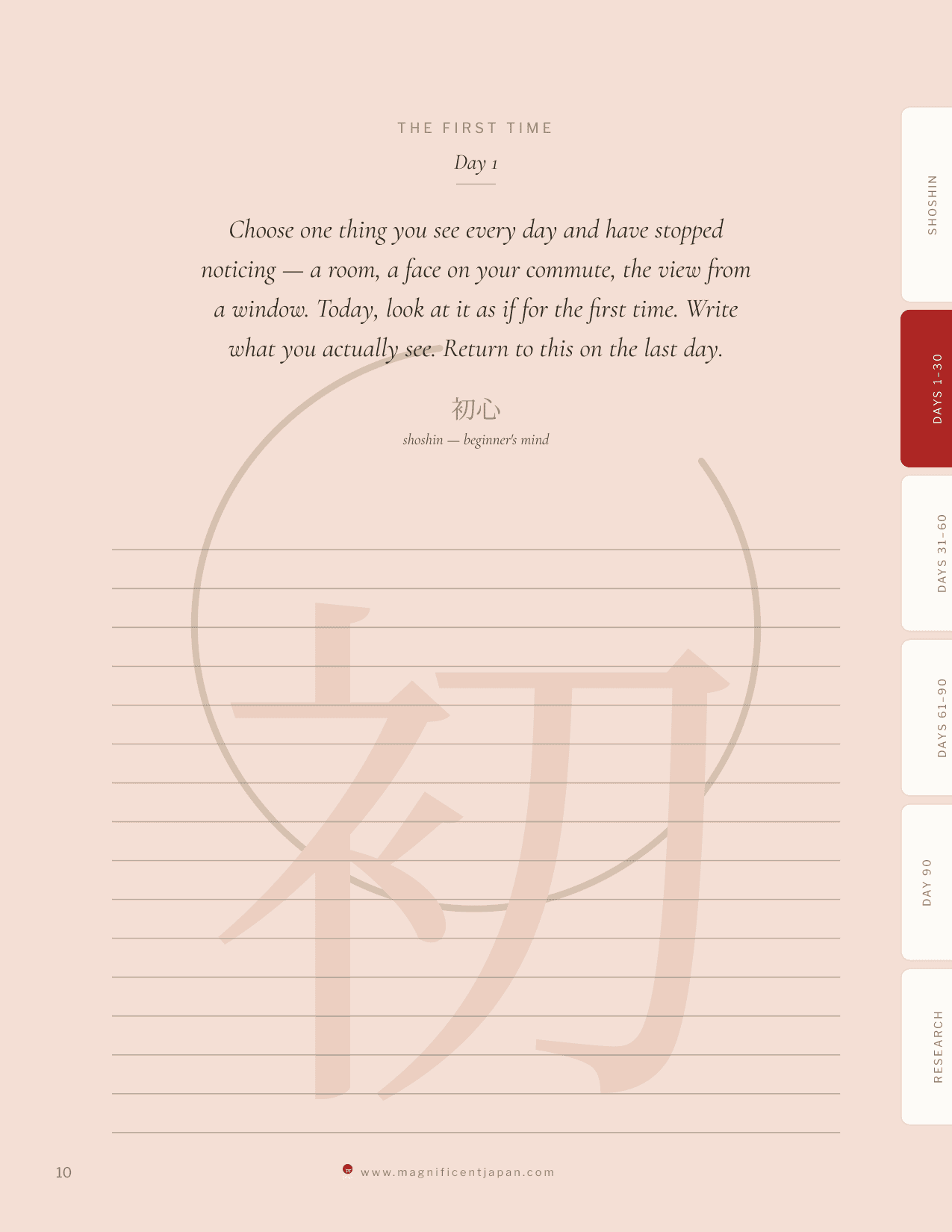
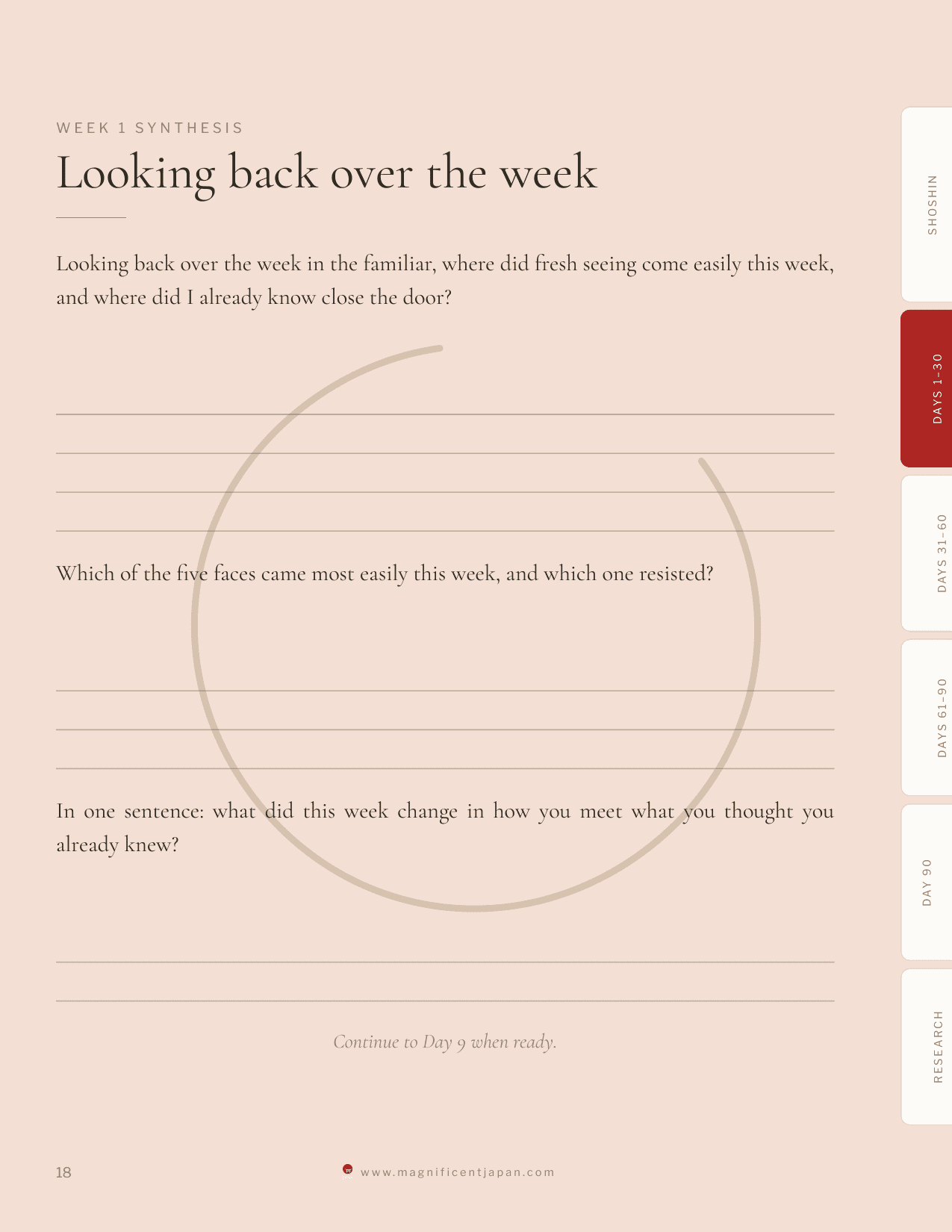
Three real pages, shown full size — a Beginning page you return to on Day Ninety, a daily prompt, and a weekly synthesis. Tap any page to open it larger.
How it works
What ninety days does
A single prompt rarely changes much. Ninety of them, in sequence, do something a list never could. The early weeks ask small questions — the thing you are sure you understand, the answer you reached too quickly, the person you have stopped really seeing.
By the second month the prompts assume you have been looking anew, so they ask a little more. On Day Ninety you return to the two pages you began with, and the distance between them is the whole point.
Try seven days first
The seven-day sampler is the real first week of the shoshin journal, as a write-on PDF for your tablet. Leave your email and it arrives the moment it is ready.
One email a fortnight. Unsubscribe any time.Where the practice comes from
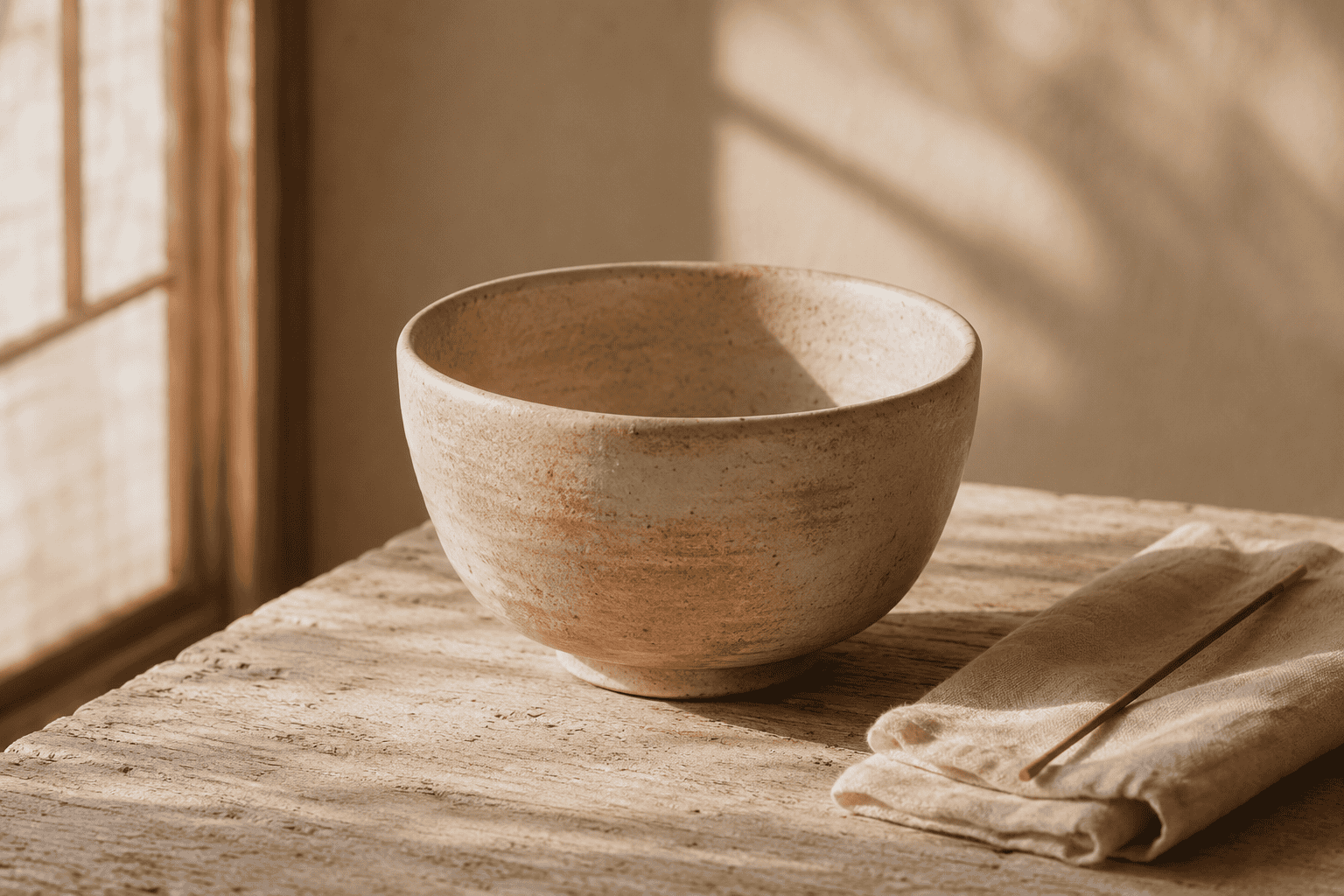
The eye the shoshin journal trains — for meeting the known as if it were new — runs through Japan itself. A calligrapher making a first stroke after fifty years. A tea master setting a bowl as if for the first time. A garden that rewards the hundredth looking.
The practice works wherever you sit with it. Yet once it settles, some readers want to stand inside the Japan it draws from — and that is a journey worth shaping with care.
A temple where a monk sweeps the same path each dawn, a studio where calligraphy is met fresh each morning, a ryokan seen anew with each day. When you would like to step into the Japan this practice draws on, we shape the journey around how you want to travel.
Begin a Custom ItineraryQuestions Worth Asking
Is this a printable or a paper book?
It is a digital PDF made for tablet annotation apps. You write on it with a stylus rather than printing it.
Which apps does it work in?
GoodNotes, Notability, Noteshelf, Penly, Xodo, and Samsung Notes. The side tabs and links work in any app that opens annotatable PDFs.
Do I have to journal every day?
No. The practice is built around returning to it, not around a perfect streak. You can move at your own pace.
How is this different from the other journals in the collection?
They are companions in the same format, part of one collection. Ikigai is about direction; nagomi is about balance; wabi-sabi is about the imperfect; kintsugi is about repair; mono no aware is about impermanence; shoshin is about beginner’s mind — meeting what you know with openness and curiosity. Each stands on its own, and none repeats another’s prompts.
Can I print it?
It is designed for tablet annotation. The side-tab navigation and day-to-day links only work inside an app, so printing loses the structure.
Will there be more journals?
Yes. Shoshin is part of the Magnificent Japan Cultural Reflection Collection, alongside the Ikigai, Nagomi, Wabi-Sabi, Kintsugi, and Mono no Aware journals, with further practices to follow.
Part of a longer practice
The Cultural Reflection Collection gathers guided practices rooted in single Japanese concepts. The shoshin journal sits alongside The Ikigai 90-Day Journal — each a single concept, met a day at a time, until it becomes something you have lived rather than read.
Begin the Practice — $27