A destination wedding in Japan asks for more planning than a beach resort abroad, and it repays every hour of it. The country offers garden hotels in the middle of Tokyo, wooden townhouses in Kyoto and inns beside hot springs. It also brings a culture of hospitality that treats a wedding as a craft.
This guide follows the decisions in the order you will meet them. First comes the legal question, which surprises many couples. Then come the venues, the seasons, the clothing and the meal. Finally, we cover your guests, who will need the most help of all.
Treat it as one part of a wider trip. Most couples stay on for a week or two, and the wedding becomes the start of a longer stay. Our guide to luxury travel in Japan covers the pace and booking habits that suit that kind of visit.
What does a destination wedding in Japan involve?
A legal marriage in Japan happens only by registering at a city or ward office. Hotel and garden ceremonies are celebrations, not legal acts. So most couples marry legally at home and hold the ceremony in Japan. Popular settings include Tokyo garden hotels, Kyoto, hot-spring inns, Okinawa and Hokkaido.
Why a Destination Wedding in Japan Works
Japan does weddings at a level few countries match. Hotels here have run wedding departments for decades, and many host ceremonies every weekend of the year. As a result, the staff know the choreography by heart. They time the entrances, dress the bride and plate a banquet for two hundred without fuss.
The setting helps as well. Within a single trip, you can move from a Tokyo skyline to a Kyoto garden to a mountain inn. Each place feels distinct, yet trains link them quickly and reliably. That makes it easy to marry in one city and celebrate in another.

A culture that values ceremony
Japanese hospitality, known as omotenashi, also suits the occasion. It means anticipating a need before the guest voices it. At a wedding, that shows up in small ways: a warm towel at the right moment, or a car waiting when the rain starts. Guests notice, even when they cannot name it.
Finally, Japan rewards couples who care about design. Paper, wood, ceramics and textiles are made here with unusual care. Those materials can shape invitations, table settings and gifts. Even a small wedding can feel cared for in every detail without becoming fussy or loud.

The Legal Side: Registration and Ceremony
Start with the rule that shapes everything else. In Japan, a marriage becomes legal only when it is registered at a municipal office. The US Embassy’s guide to marriage in Japan says this plainly. Ceremonies held by hotels or other bodies are not recognized as legal marriages.
So you have two routes. Most couples marry legally at home, then hold the celebration in Japan. Others register in Japan itself, which takes more paperwork and some patience. Either way, the ceremony you plan with a venue is a celebration rather than a legal act.
Registering in Japan
If you do register in Japan, the form is called the kon-in todoke. It needs the signatures of two witnesses over eighteen, of any nationality. You file it at the city or ward office where you intend to marry. Afterward, the office can issue a certificate of acceptance, which is your proof of marriage.
However, the paperwork for Americans changed recently. Since September 1, 2025, the embassy no longer notarizes the affidavit of competency to marry. Instead, it offers a statement explaining that the US issues no such document. Some offices accept that statement, while others want a notarized version, so call the office before you book flights.
Also note that the US government issues no marriage certificate for marriages abroad. The Japanese document is your only record, so keep it safe. For use at home, a notarized translation can help.
You may also like
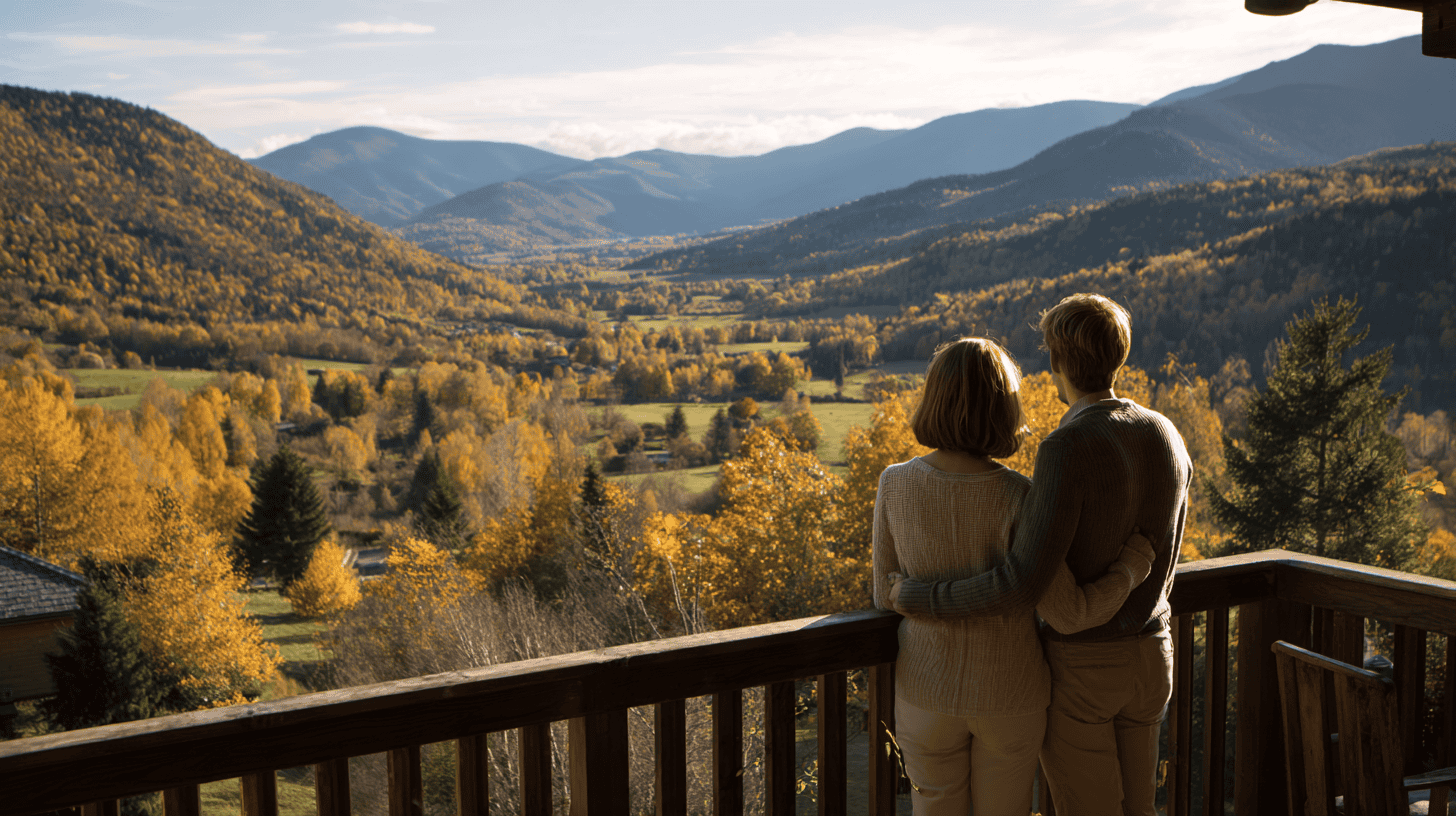
With the legal route settled, the choice of setting becomes the fun part. Japan offers more variety than most couples expect, from city towers to snowfields. The right venue depends on your guest count, your season and the mood you want. A party of twelve suits an inn, while two hundred guests need a hotel ballroom. Think, too, about how far your guests will travel after the main event, since a central base makes the following days far easier.
Choosing a Venue: Five Settings
Venues for a destination wedding in Japan fall into five broad settings. Each has its own season, scale and practical limits. Below, we name a few verified examples in each, so you can start your search with real places.
Tokyo garden hotels
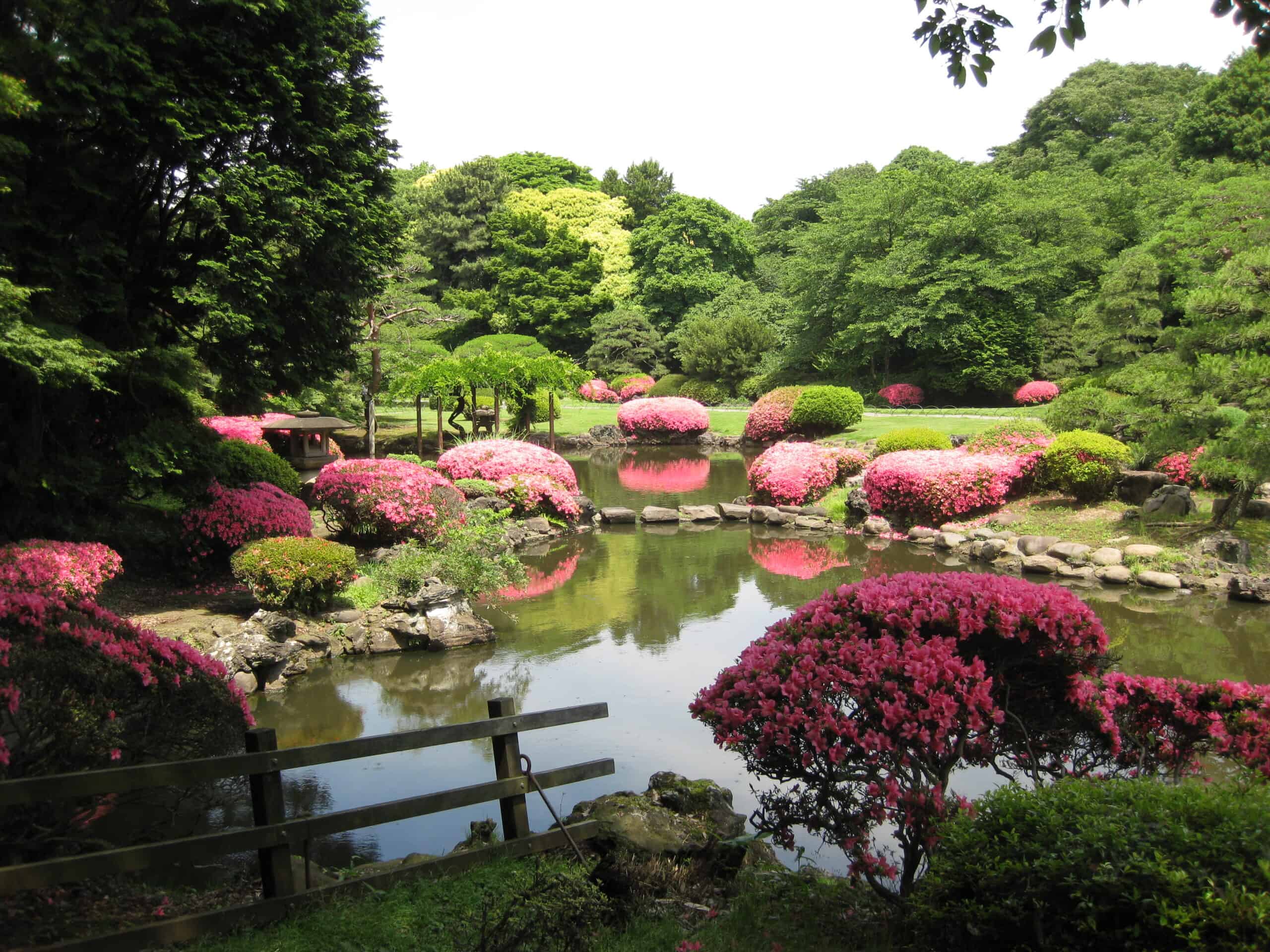
Tokyo’s great wedding hotels hide inside large gardens. Hotel Chinzanso Tokyo, in Bunkyo, sits within gardens preserved for more than 150 years. It says it hosts more wedding ceremonies than any other venue in Japan. On some evenings, mist rolls through its grounds in a display called the Tokyo Sea of Clouds.

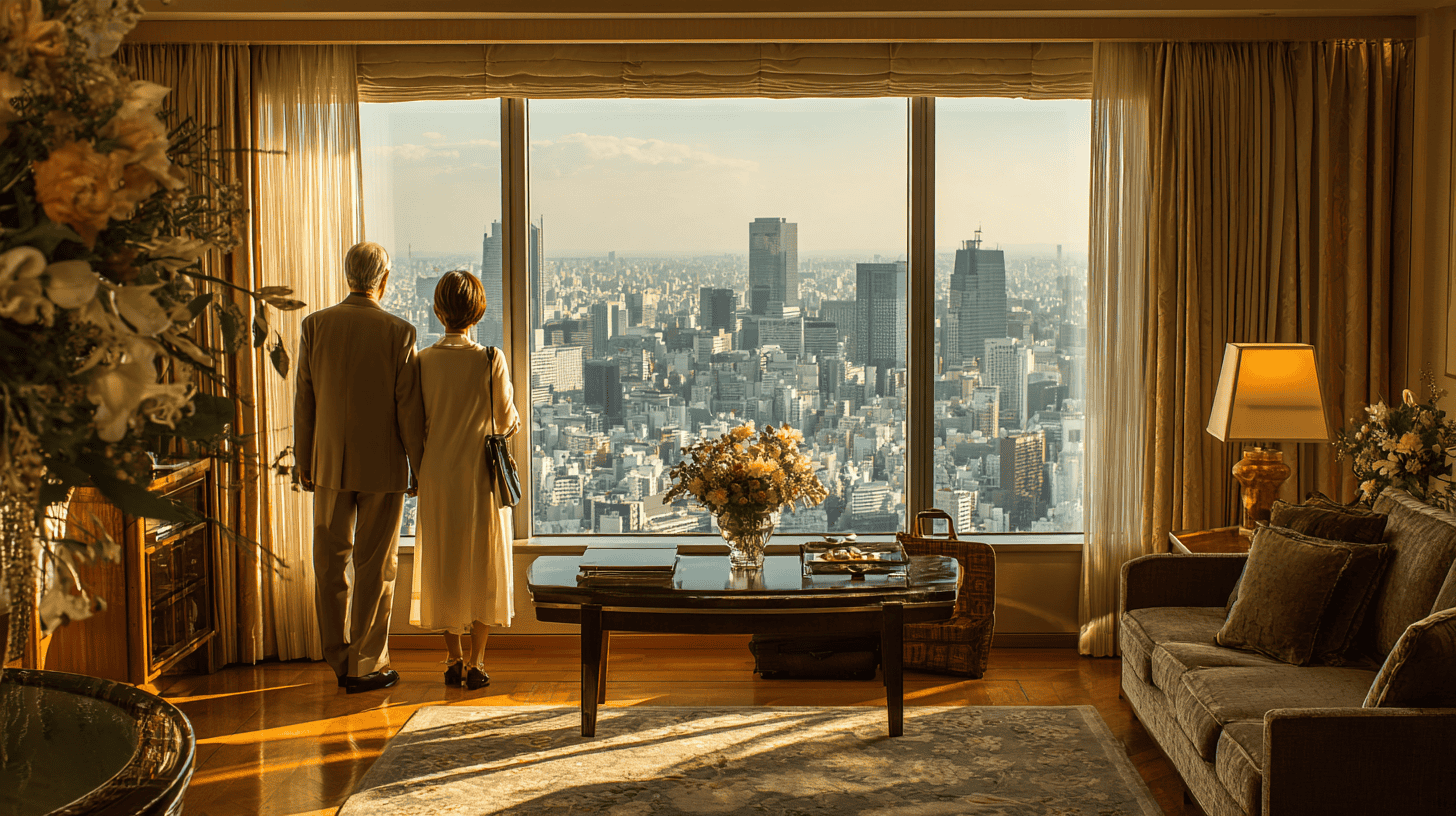
Happo-en, in Shirokanedai, is another favorite. Its garden dates to the early seventeenth century, and it is best known today as a wedding venue. In May 2025, it opened a new freestanding hall set around the garden. A minute’s walk from the subway, it suits guests who want Tokyo without a long transfer.
Kyoto townhouses and riverside hotels
Kyoto offers the most atmosphere per square foot. On the Kamogawa river, The Ritz-Carlton, Kyoto runs a full wedding service in a building that recalls Meiji-era design. It welcomes destination and same-sex weddings. For smaller groups, restored machiya townhouses offer a more intimate frame.
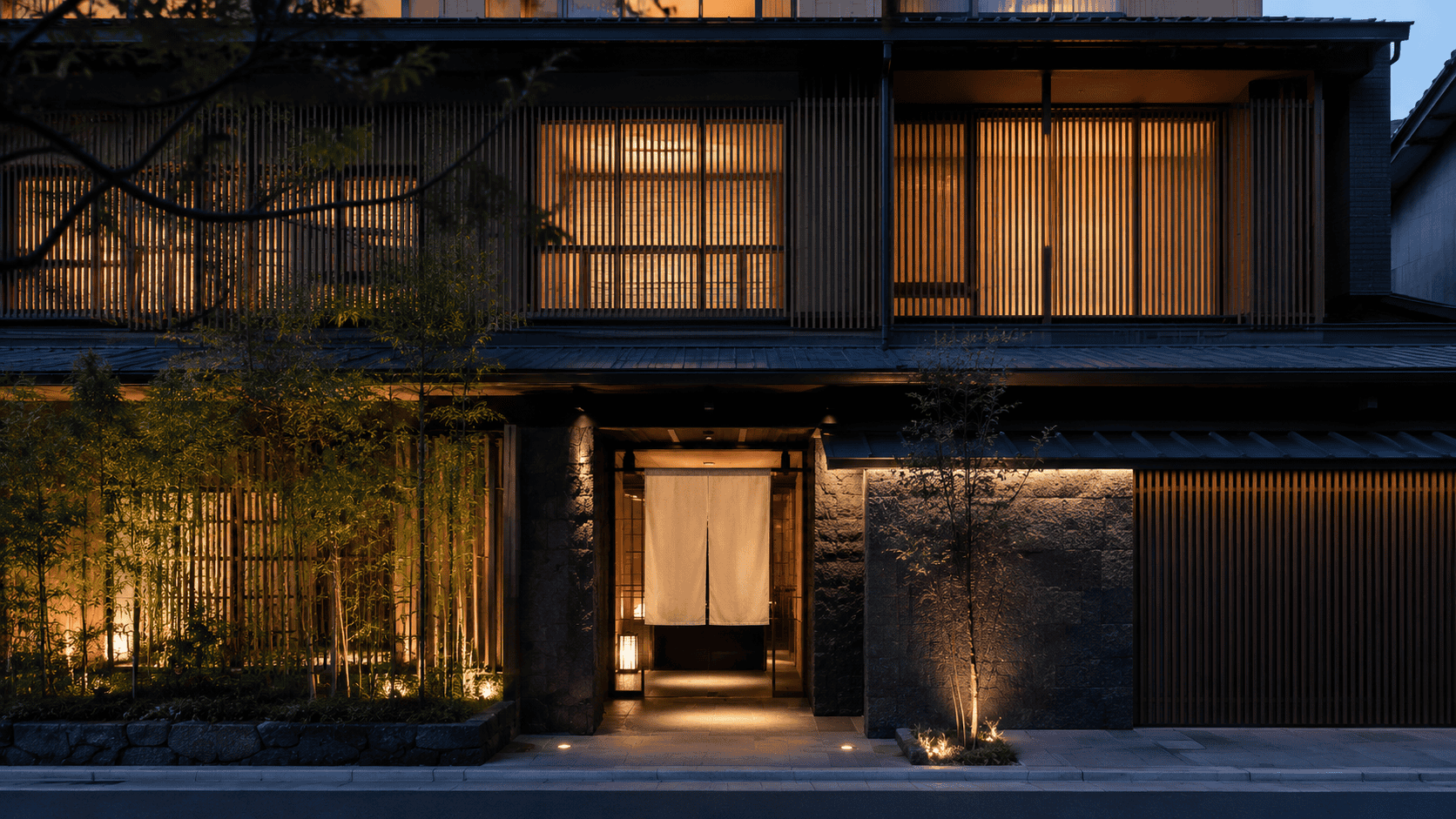
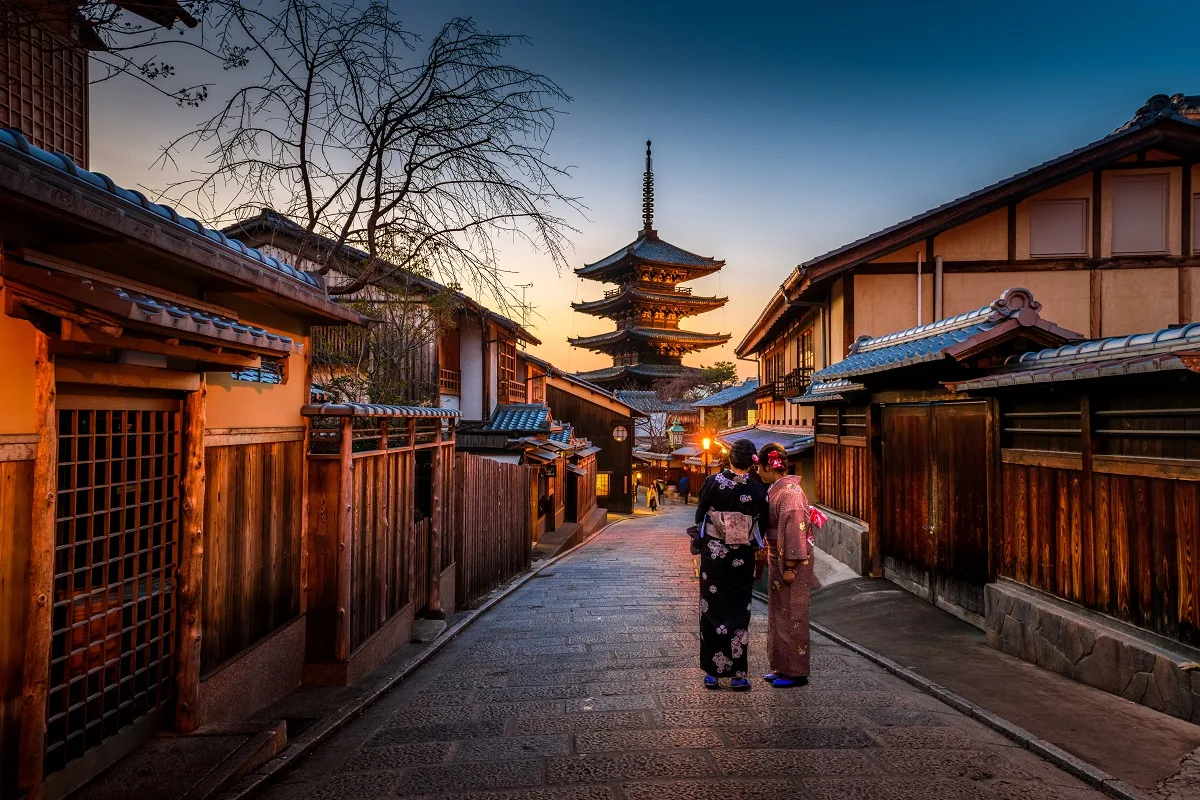
Because Kyoto is compact, photographs can move between settings in one morning. A bamboo grove, an old merchant street and a garden can all fit before lunch. Still, popular spots fill with visitors by nine, so start at dawn. Our two-day Kyoto itinerary helps guests plan the days around the event.
A ryokan in the hills
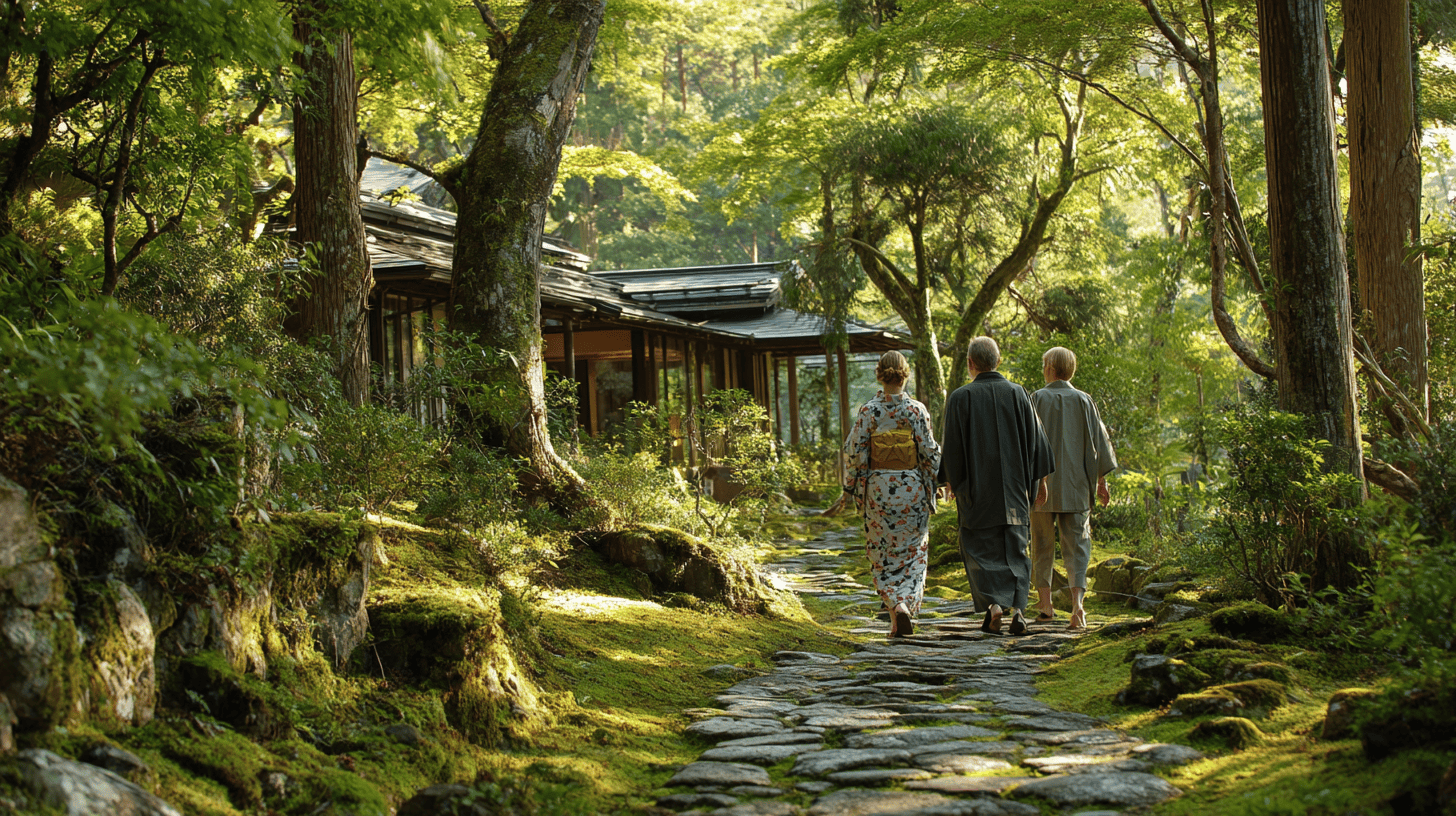
A ryokan, or traditional inn, suits a wedding of family and close friends. Guests sleep under one roof, bathe in hot springs and eat a long kaiseki dinner together. Most inns cannot host a large ceremony. However, many will arrange a private dinner and a photographer for a small party.
Hakone and the Fuji lakes are the easiest choice from Tokyo. On clear days, Mount Fuji rises over Lake Ashi, and the inns sit within two hours of the city. Our guide to the best luxury ryokan lists the inns that do private dining well. Book the whole inn if you can, because a private buyout gives your party the baths, the garden and the dining room to itself. Smaller inns often agree to this midweek, outside the autumn peak.

Okinawa by the sea
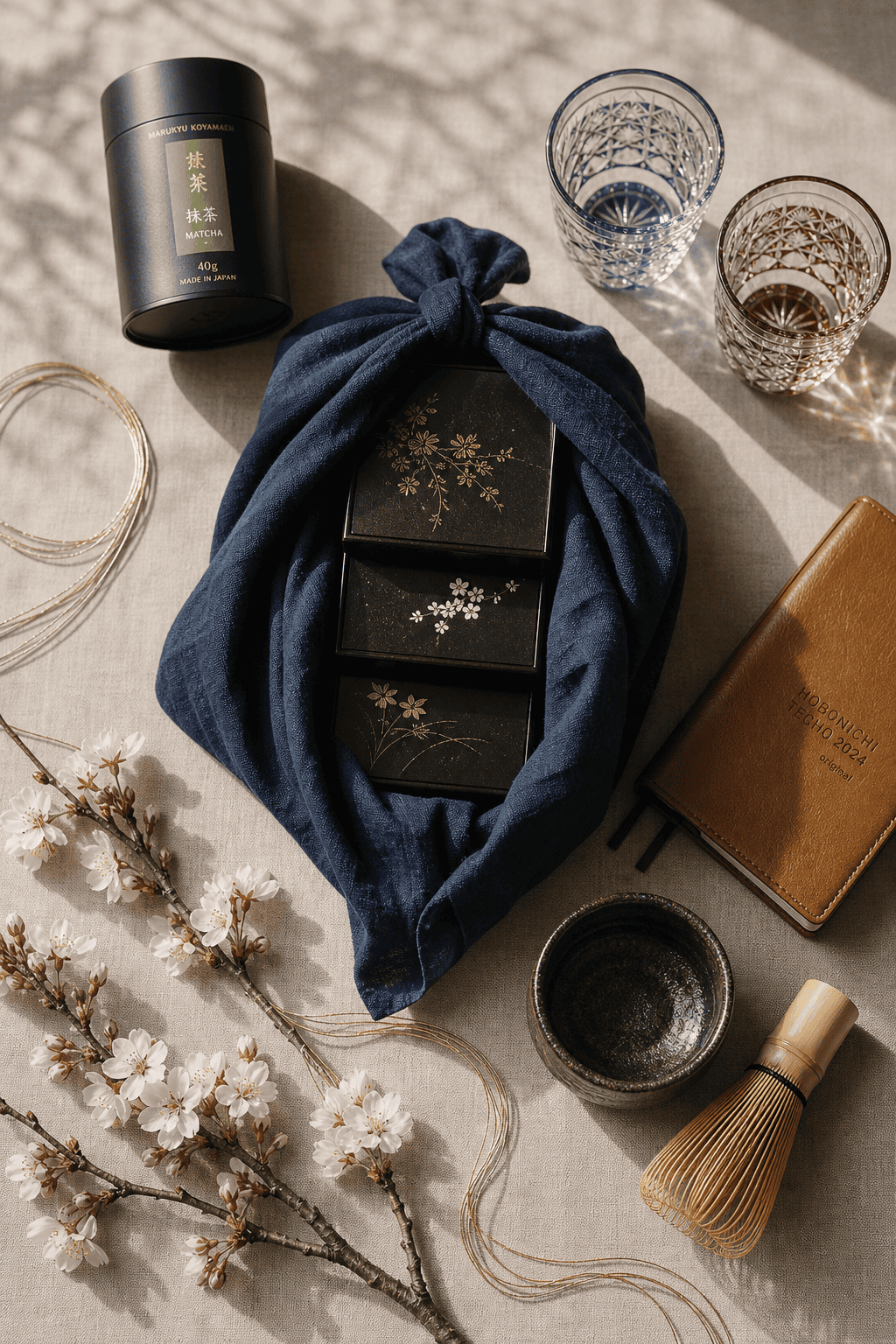
Okinawa is the classic beach option for a destination wedding in Japan, and it is the easiest place to marry by the sea. Its resorts have hosted overseas couples for years, and chapels face the water. A new example, the Courtyard by Marriott Okinawa Resort, opened on Kise Beach in Nago on June 15, 2026. It holds ceremonies in a second-floor chapel and receptions in a tenth-floor room called Coral. Book a morning ceremony, when the light is softer.

Hokkaido in snow or summer
Hokkaido gives you two weddings in one island. Winter brings powder snow and white forests, while summer brings cool air and lavender fields. In Niseko, Park Hyatt Niseko Hanazono has an 84-square-meter chapel set in the mountains. Meanwhile, The Windsor Hotel Toya overlooks Lake Toya from a ridge.
Hokkaido does ask more of your guests. Flights into New Chitose Airport fill early in ski season, and road transfers can slow in heavy snow. Therefore, build a spare day into the schedule. If you would rather hand that planning to someone who knows the roads, our custom Japan itinerary service can build the week around your date. Summer weddings avoid the snow entirely, and the island stays pleasantly cool when Tokyo is at its most humid.
You may also like
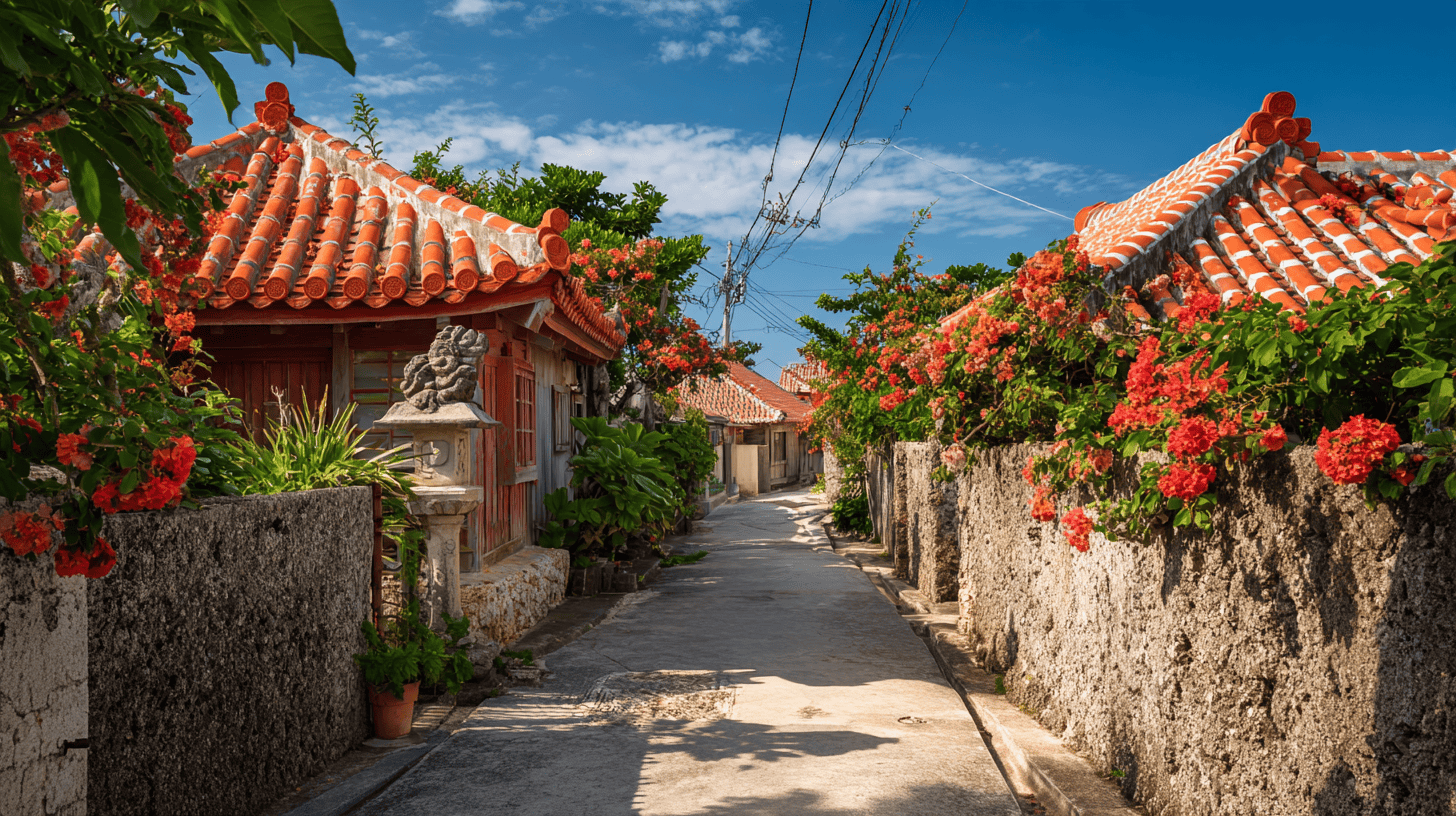
Hokkaido also suits couples who want space. Guest numbers stay small, so the whole party can share a lodge or a block of chalets. Dinners lean on local seafood, dairy and vegetables, and the menus change sharply with the season. For a winter date, plan indoor photographs as a backup, since blizzards can close the lifts. In summer, by contrast, long evenings give photographers soft light until well after seven. Either way, the island rewards couples who stay for a week.
Recommended
When to Marry: Japan’s Wedding Seasons
Season matters more in Japan than in most destinations. Spring and autumn are the favorites, and venues book a year ahead for both. Late March and early April bring cherry blossoms to Tokyo and Kyoto. November brings red maples and clear, mild days. Our guide to cherry blossom season explains how the bloom moves north each spring.
Summer is harder. June brings the rainy season to most of Japan, and July and August turn hot and humid. Typhoons also reach Okinawa most often in late summer and early autumn. If you must marry in summer, choose Hokkaido or a mountain inn instead.

Winter is underrated. Skies are often clear in Tokyo, and Fuji shows itself on most mornings. Hotels also have more open dates, so you can choose your favorite room for the reception and the dinner after. In Hokkaido, the snow makes its own decorations. Prices for flights and hotels also soften outside the holidays. For a small wedding, a crisp winter weekend can be the most beautiful choice of all. Hokkaido then turns into a snow wedding destination of its own.
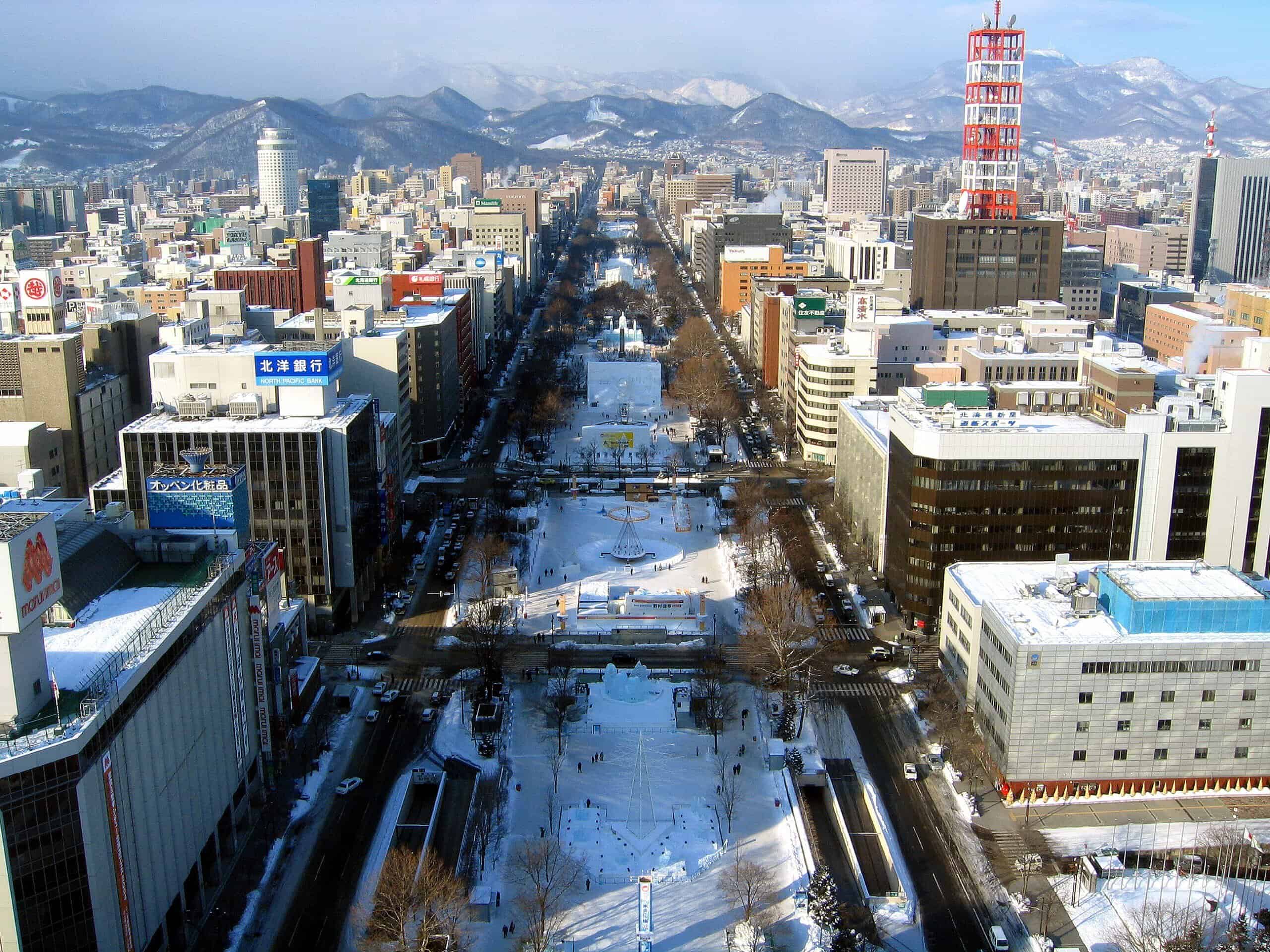
Whatever the season, avoid Golden Week, from late April to early May. Japanese families travel then, and hotels and trains fill. The same applies to the New Year holiday and the mid-August Obon break. Your guests will thank you for the extra rooms and calmer stations. Check the school holidays, too, which fill resorts in late March. Then confirm the dates with your venue before you send a single invitation, since a clash can cost you the room you wanted.
Ten Proverbs to Carry With You
A printable folio of ten Japanese proverbs, each set in kanji with its reading and a line on where you will hear it.
Kimono, Photographers and the Look
Many couples wear Japanese dress for at least part of the day. The classic bridal outfit is the shiromuku, an ensemble of white kimono, white obi and white accessories. According to the government’s Highlighting Japan magazine, a colorful iro-uchikake robe is also popular now. Brides often cover the head with a white wataboshi hood or a tsunokakushi headdress.
For the groom, the formal outfit is the black kimono, striped hakama trousers and black haori jacket with five family crests. Patterns on wedding kimono carry meaning, too. Cranes stand for long life, and wave patterns stand for lasting peace. Ask your stylist to explain the motifs, because guests love the story.

Hiring kimono and a photographer
Bridal kimono are usually rented, since a full ensemble costs a fortune to buy. Rental studios include dressing, a wig or hairstyling and the accessories. Dressing takes an hour or more, so plan the morning around it. Above all, book the dresser and photographer together, as most studios work as a team.
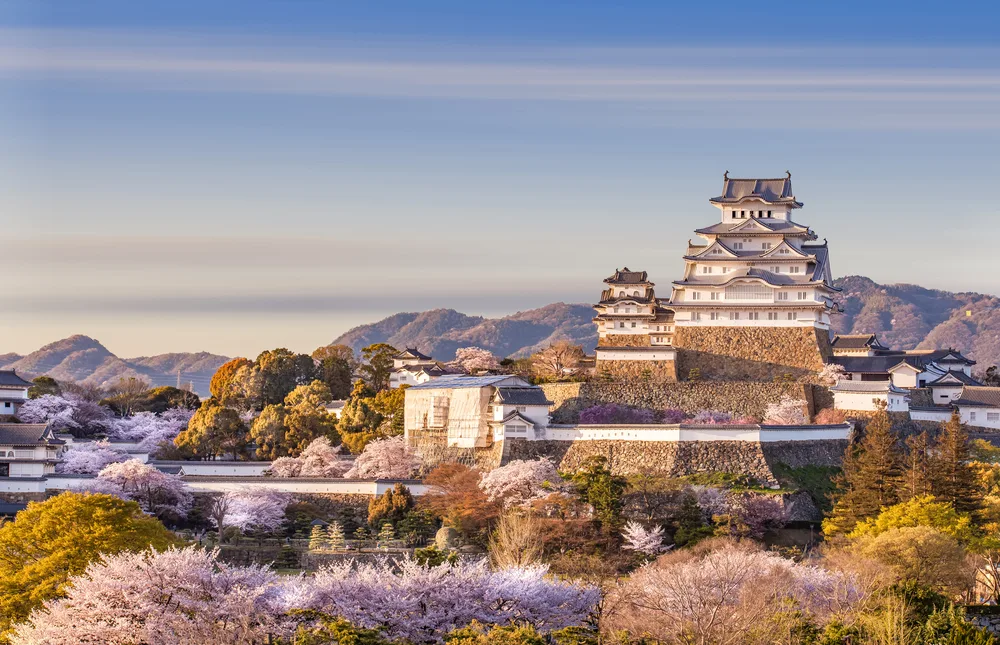
Photography deserves its own budget and its own day. Many couples book a separate portrait session, often in Kyoto or at a castle. Himeji Castle, west of Osaka, makes a striking white backdrop in spring. Expect permits or visiting-hour rules at some sites, which your photographer should handle.
Kyoto Folding Fan — a bridal accessory you keep
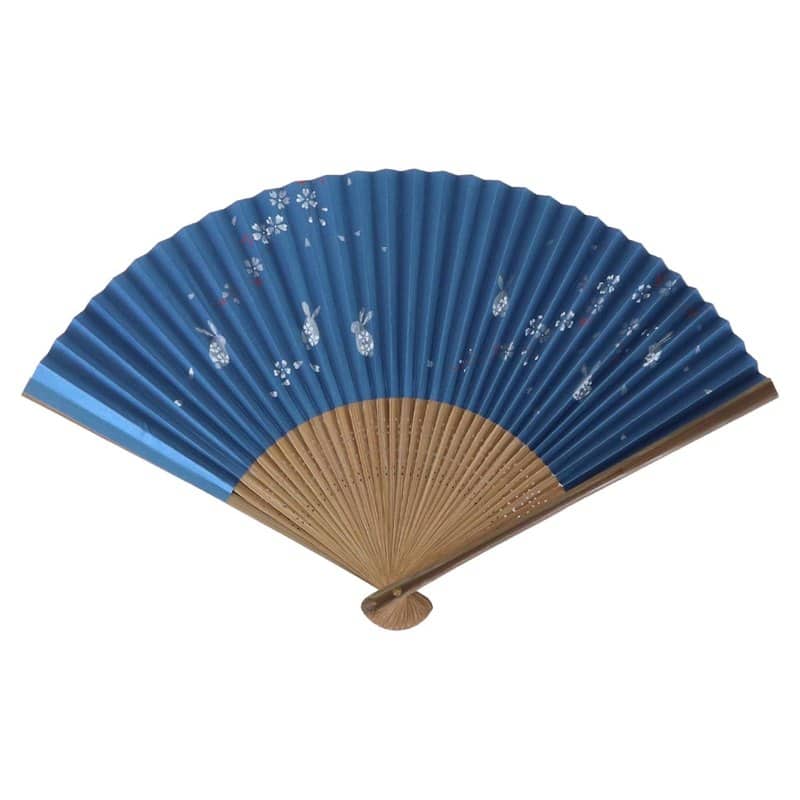
A folding fan is part of the traditional bridal kit, tucked into the folds of the kimono. Even with a Western gown, a fan makes a graceful prop for portraits. This Kyoto folding fan is handcrafted in Kyoto, with bamboo ribs and a paper leaf printed with rabbits and cherry blossoms. It folds small enough for a clutch bag, and it carries a faint traditional scent. Afterward, it makes a lasting keepsake of the day. You can also give fans to bridesmaids, since they suit both a summer garden ceremony and a long reception. Order early, as stock of each design tends to run low.
You may also like
Once the look is settled, turn to the meal. In Japan, the banquet carries as much weight as the ceremony itself. It is where speeches happen, where gifts change hands and where families finally relax. Japanese hotels plan it with real precision, from seating to the order of toasts. Yet the best receptions still feel warm rather than formal, and a good planner will help you strike that balance.
The Banquet, the Gifts and the Guests’ Customs
A Japanese wedding reception usually follows a set rhythm. Guests are seated by family and friendship circle, and speeches come between courses. Kaiseki, the seasonal multi-course meal, works beautifully for a small party. For larger groups, hotels serve a French-Japanese menu that suits every palate.

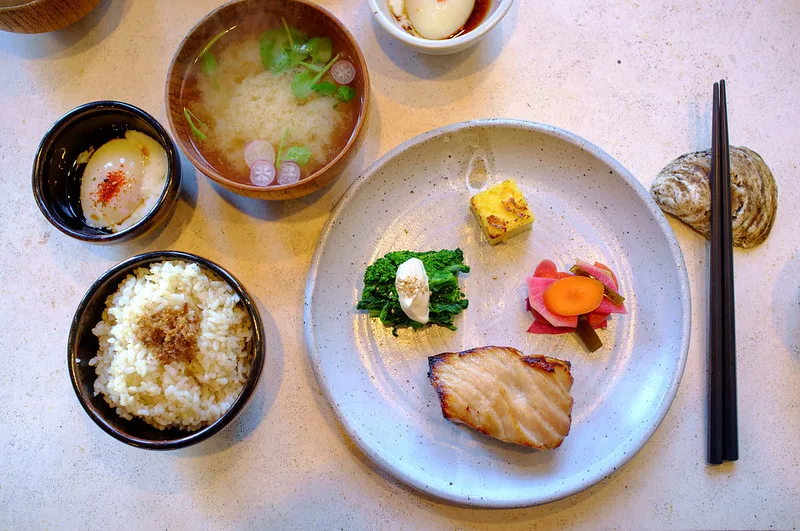
Food also carries symbols. Sea bream appears at celebrations because its name, tai, echoes the word for joy. Red and white, called kohaku, mark happy occasions. Our list of traditional Japanese dishes explains many of the plates your guests will meet.
Sakura tea instead of green tea
One small custom deserves a place at your table. At engagements and weddings, hosts often serve sakurayu, a tea of salt-pickled cherry blossoms, instead of green tea. As the flowers open in the cup, they suggest a blossoming future. Serve it at the welcome or with dessert.

Sakurayu — salted cherry blossom tea
Allow two or three salt-pickled cherry blossoms for each cup, bought ready-made from a Japanese grocer. First, place the blossoms in a small bowl of warm water for about five minutes to draw out most of the salt. Meanwhile, bring the kettle to a boil and let it rest for a minute. Then lift the blossoms into each cup with a pinch of their soaking water. Pour hot water slowly over them, and watch the petals unfold within a minute or two. Taste first, and add more plain water if it seems too salty. Serve at once, while the flowers float open, and invite your guests to make a wish for the couple.
The tea tastes faintly salty and floral, with a soft cherry scent. It pairs well with simple sweets after the meal. For a bigger tea moment, our guide to the Japanese tea ceremony shows how a matcha service can join the reception.
KUDOS.JP Crane Mizuhiki Envelope — for gifts of money
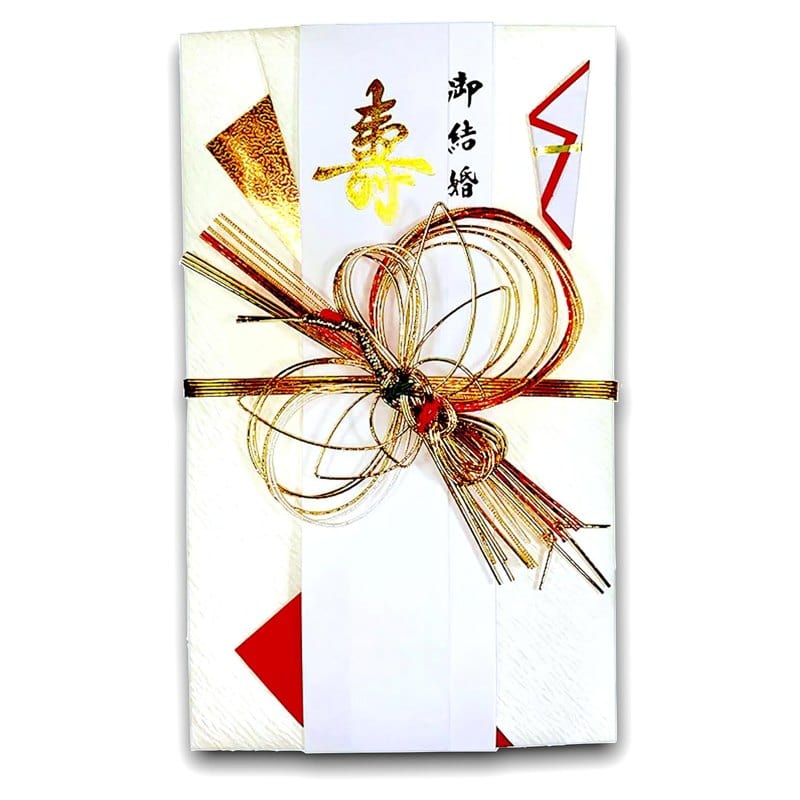
Japanese guests give money rather than objects, presented in a special envelope called goshugi-bukuro. The envelope is tied with mizuhiki, a cord knotted in a shape that cannot easily be undone. That knot expresses the hope that a marriage happens once and lasts. If you have Japanese friends attending, expect envelopes at the reception desk. Equally, international guests may want to follow the custom. This crane mizuhiki wedding envelope from KUDOS.JP pairs washi paper with a gold and red crane knot. It arrives with instructions printed on the back, and it looks lovely framed afterward as a keepsake of the day.
Oshima Meoto Chawan — a pair of lacquered cups
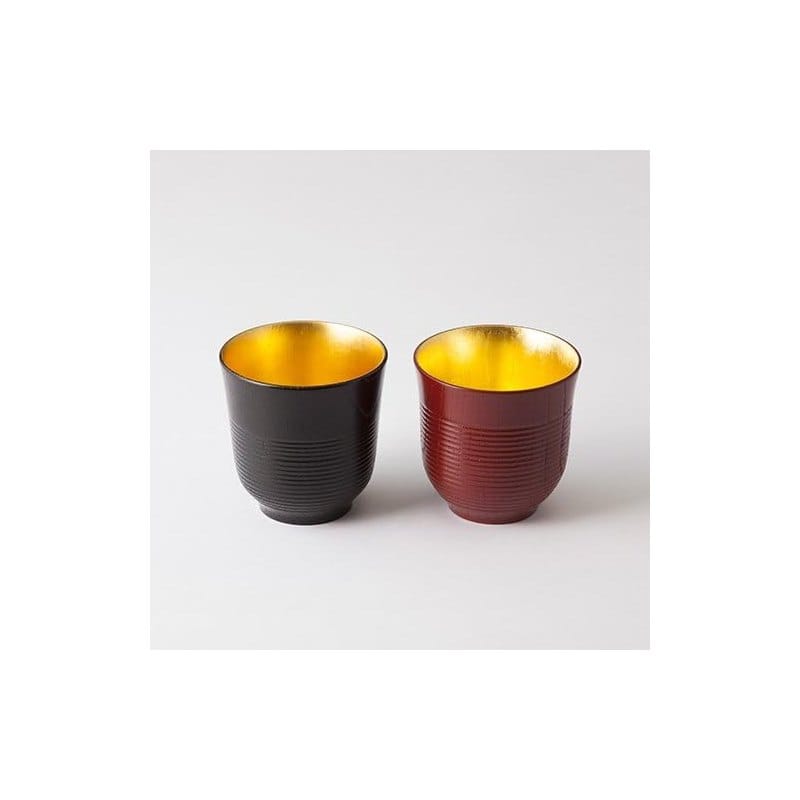
Meoto means husband and wife, and paired cups are one of Japan’s classic wedding gifts. Traditionally, one cup is slightly larger than the other. This Oshima meoto chawan set is lacquerware from Ishikawa, with two outer colors and gold inside. It ships from Japan, so allow extra days for delivery. Also, the pair works as a thank-you for parents, who often hosted much of the planning. Give it at the reception, or bring it home and use it for tea on your first slow morning together. Because lacquer is light and warm to the touch, it suits daily use as well as display. Finally, it fits easily in a suitcase.
Ishida Couple Chopsticks — a pair in a paulownia box
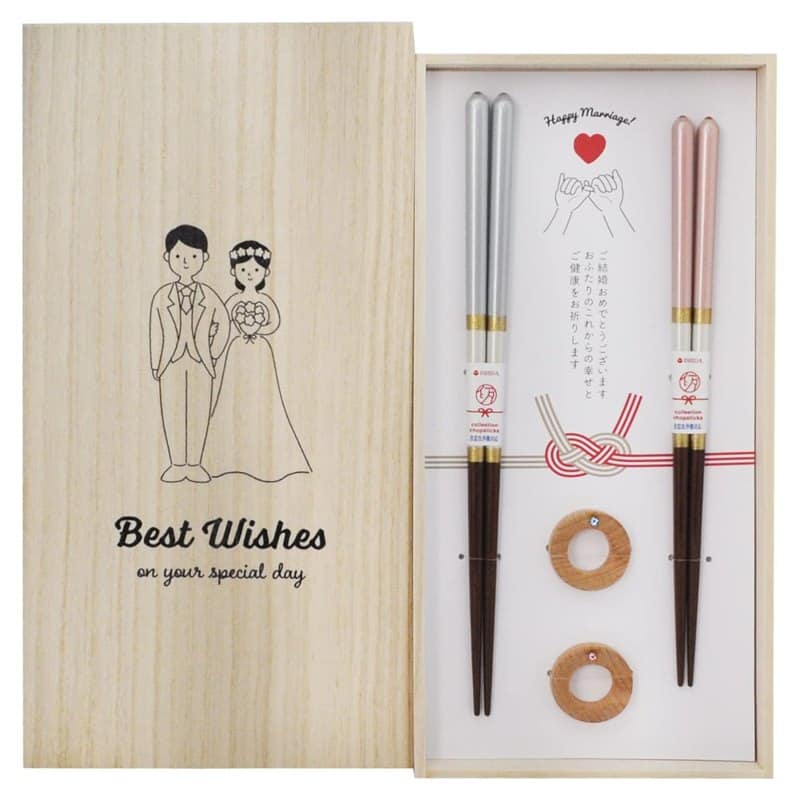
Chopsticks come in pairs, which makes them a natural wedding symbol. Couple chopsticks, or meoto-bashi, include one longer and one shorter pair. These Ishida couple chopsticks are made in Japan from natural wood, with a champagne finish and matching rests. They arrive in a paulownia box, the wood Japanese families use for treasured objects. As a result, the set looks finished without extra wrapping. Give one set to each set of parents, or keep one for yourselves. The chopsticks go in the dishwasher, although the rests do not. In addition, a small card explaining the meaning makes the gift memorable for guests from abroad.
Guests also leave with a gift of their own. In Japan, couples hand out hikidemono, return gifts that thank each guest for coming. Traditionally, these were sweets or tableware, packed in a branded bag. Today many couples choose catalogs or small crafted objects. For an international wedding, a thoughtful Japanese object works best, wrapped in a way that guests will remember long after they unpack at home. Plan one gift per household rather than per person, as Japanese couples do, and order early.
Bringing Guests: Travel, Rooms and Timing
Your guests carry the real logistics load of a destination wedding in Japan. Most will fly into Tokyo, so give them at least six months’ notice. Share a simple travel page with the hotel, the dates and the dress code. Then add a note on etiquette, since a few small habits help visitors feel at ease. Our guide to Japanese etiquette covers shoes, bowing and tipping.
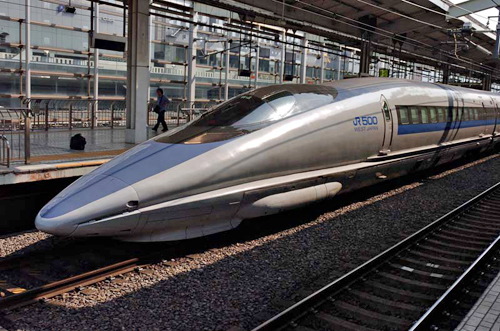
Next, reserve a block of rooms at or near the venue. Japanese hotels release blocks firmly, so confirm the deadline in writing. For guests who want more, our list of the finest hotels in Japan covers stays in each region. Trains then link the cities, and the shinkansen makes Tokyo to Kyoto a short ride.

Furoshiki Moon and Crane Cloth — wrapping that guests keep
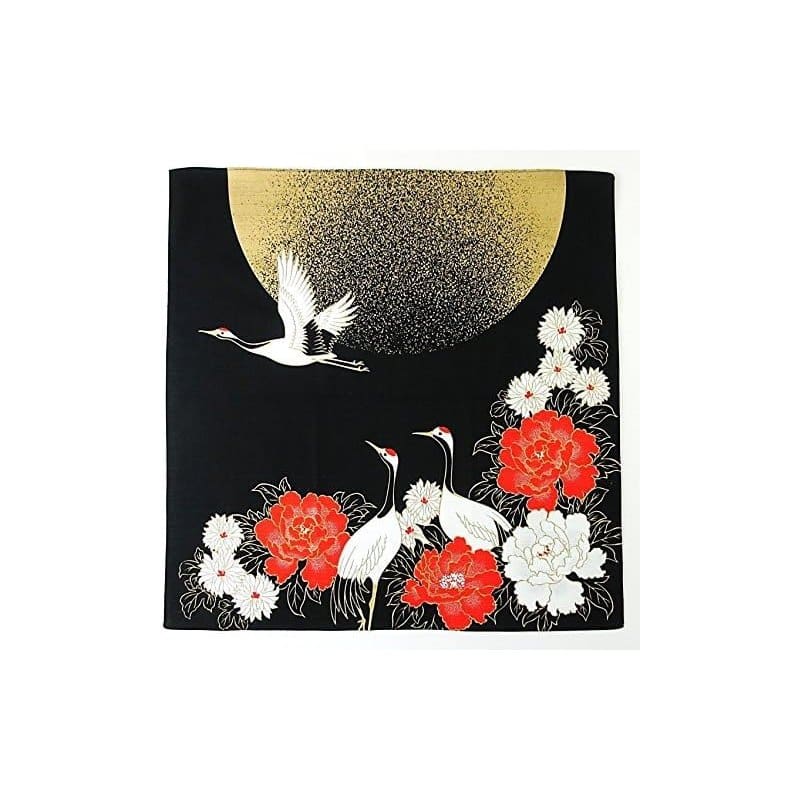
Welcome bags are a kind gesture for guests who crossed an ocean to attend. Instead of paper bags, wrap each gift in a furoshiki, the square cloth Japanese families use to carry and present objects. This moon and crane furoshiki is made in Japan from washable cotton, about twenty inches square. Cranes signal long life, so the print suits a wedding. Inside, add a travel card, a few local sweets and a note. Afterward, guests can use the cloth as a scarf, a tote or a small wall hanging. That way, the wrapping becomes a lasting part of the gift itself.
Usaburo Nakayoshi Kokeshi — a carved pair for the table
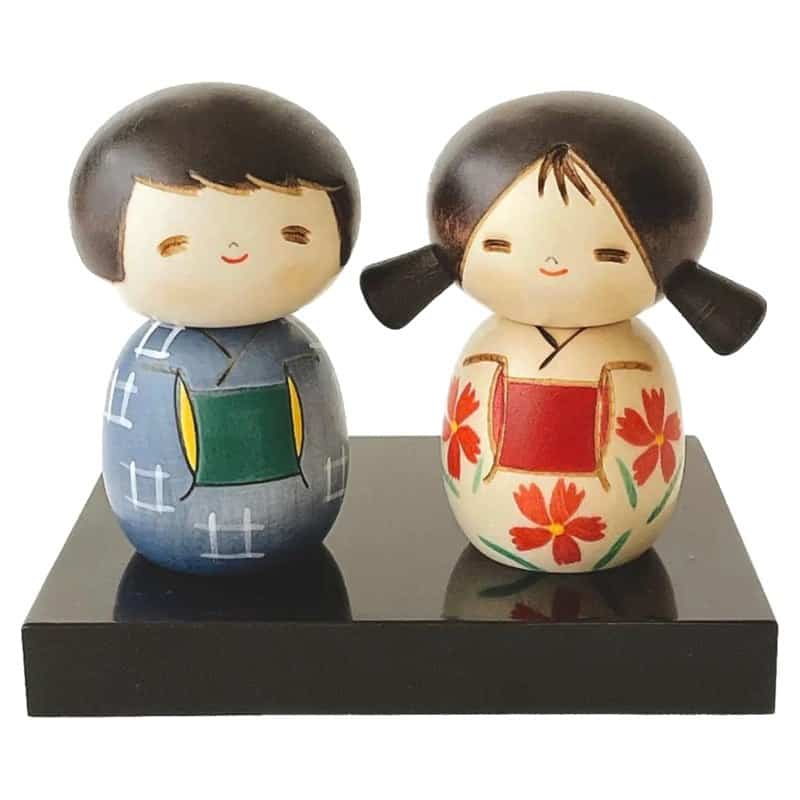
Kokeshi are turned wooden dolls, first made for visitors at hot-spring towns in the north. This Usaburo Nakayoshi kokeshi pair comes from Gunma, where the Usaburo workshop has carved them for decades. Nakayoshi means close companions, and the pair shows a girl in white and a boy in blue. Each face is painted by hand. Set them on the sweetheart table, then take them home as a small record of the day. They also make a gentle gift for a flower girl or ring bearer. Because the dolls stand only about three inches tall, they travel easily in hand luggage.
Finally, plan what guests will do after the wedding. Many will stay on to see Kyoto, soak in an onsen or head to the coast. A short list of ideas, with a rail map, saves them hours of research. You might also suggest a ryokan night, which our guide to the ryokan experience explains step by step.
A destination wedding in Japan works best when the whole trip feels unhurried. Leave a day between arrival and the ceremony, so jet lag fades before the photographs. Leave another day after it, for the brunch and the goodbyes. That rhythm turns a single event into a week your guests will remember. It also gives you room to absorb a delayed flight, a late fitting or a sudden storm without stress. Above all, it lets you enjoy the place you chose.
What Stays After the Last Toast
In the end, a destination wedding in Japan is about connection. The Japanese word en describes the ties that bring people together, sometimes across great distance. A wedding gathers those ties in one room, then sends them home changed. Our essay on en, the Japanese word for connection explores the idea further.
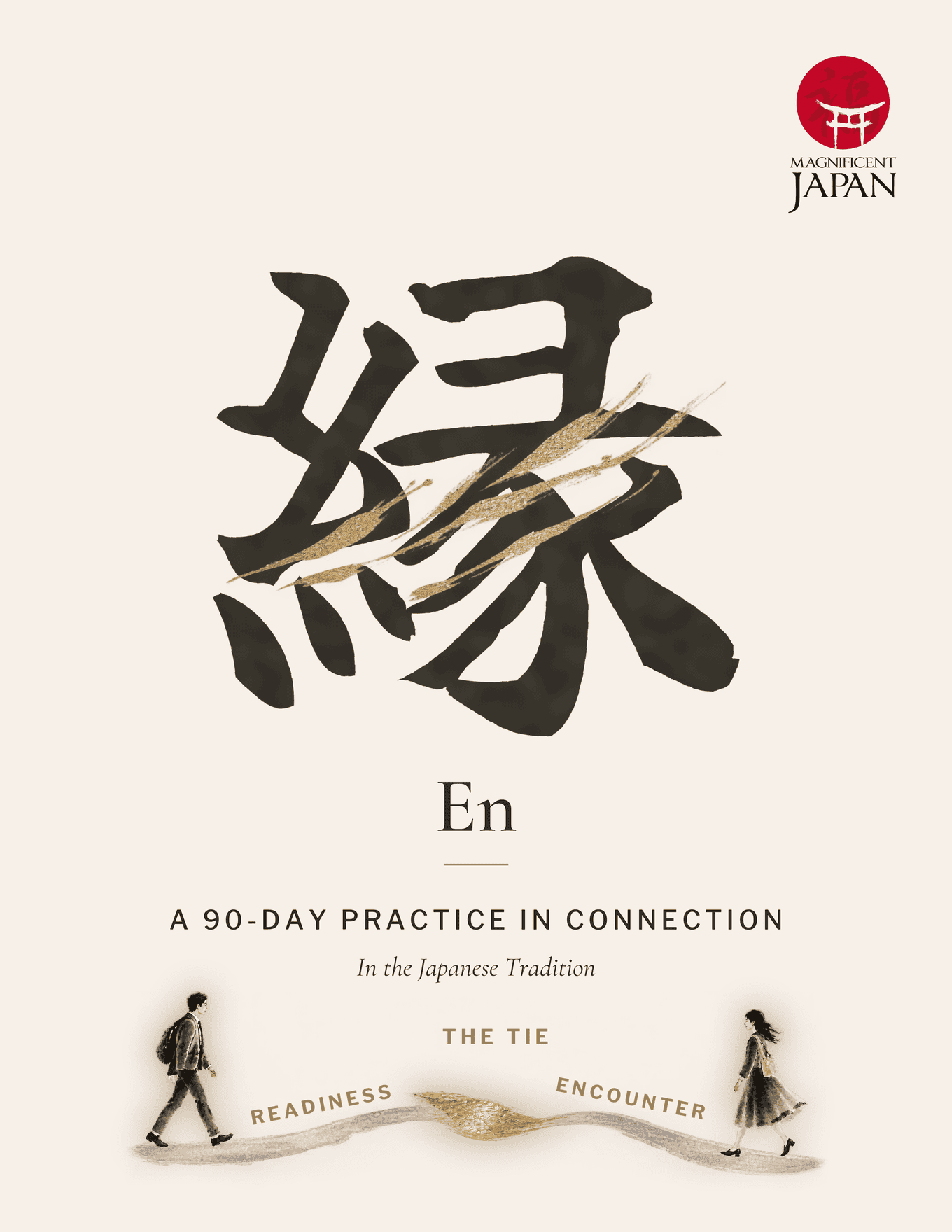
A 90-day practice in en, Connection, the ties that bring two people and two families together. One short prompt a day helps you notice the bonds that shape your life, a fitting companion for a first year of marriage. Choose the digital edition for a tablet or the paperback for ink and paper. It is one of eight journals in the Cultural Reflection Collection, each built on a Japanese idea.
View The CollectionSo plan the paperwork early, choose a season with care and trust local experts with the details. Then let Japan do what it does best. The gardens, the tea, the folded paper and the patient attention of every host will carry the day. Years later, a pair of cups or a folded fan will bring it all back. Keep a small notebook through the week, too, because the details fade faster than you expect. A line about the light, the meal or a guest’s speech will matter far more than any photograph.

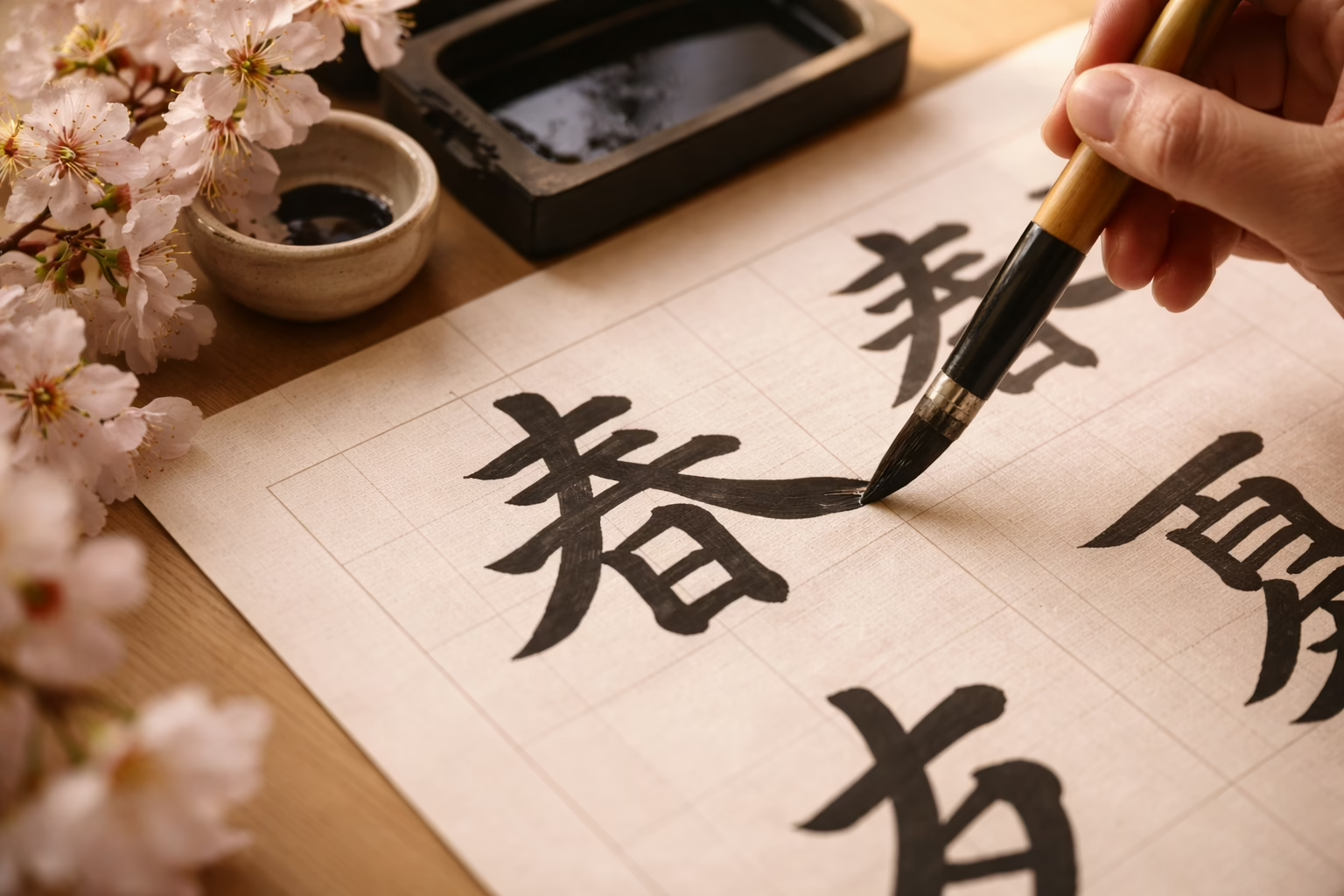
A wedding abroad rewards careful planning more than any other trip. Venues book a year ahead in peak season, kimono studios need fittings and guests need clear directions. Our team can match your date to the right venue, arrange photographers and dressers, and plan the days before and after. Tell us how many guests you expect and the setting you picture. Some couples want a full hotel celebration in Tokyo. Others prefer a small dinner at an inn and a long honeymoon to follow.
For couples marrying in Japan: a venue matched to your season and guest list, dressers and photographers booked together, room blocks and rail plans for your guests, and a honeymoon route that begins the morning after.
Plan Your Custom Japan ItineraryQuestions Worth Asking
Can foreigners get legally married in Japan?
Yes. A marriage becomes legal in Japan only when you register it at a city or ward office, using a form called the kon-in todoke with two adult witnesses. Ceremonies at hotels or other venues are not legal marriages. Americans should confirm document rules with the local office first.
Is a wedding ceremony in Japan legally binding?
No. Hotel, garden and chapel ceremonies are celebrations rather than legal acts. Most international couples marry legally at home before or after the trip. Others register at a Japanese municipal office, which then issues a certificate as the only proof of the marriage.
What are the best wedding venues in Japan?
Popular choices include Tokyo garden hotels such as Hotel Chinzanso Tokyo and Happo-en, riverside hotels and restored townhouses in Kyoto, hot-spring inns in Hakone, beach resorts in Okinawa and mountain hotels in Niseko and Lake Toya in Hokkaido.
What is the best season for a wedding in Japan?
Spring and autumn are the favorites. Late March and early April bring cherry blossoms, and November brings red maples and mild weather. Avoid the June rainy season, Golden Week, the New Year holiday and mid-August, when trains and hotels fill.
Can a foreign bride wear a wedding kimono in Japan?
Yes. Rental studios dress foreign brides and grooms every week, with the white shiromuku or a colorful iro-uchikake for the bride and a crested black kimono for the groom. Book dressing and photography together, and allow at least an hour for dressing.
Do Japanese wedding guests give money?
Yes. Japanese guests usually give cash in a special envelope called goshugi-bukuro, tied with a mizuhiki cord. Couples thank them with return gifts called hikidemono. International guests may follow the custom, though it is not expected of them.
The Editors, Magnificent Japan