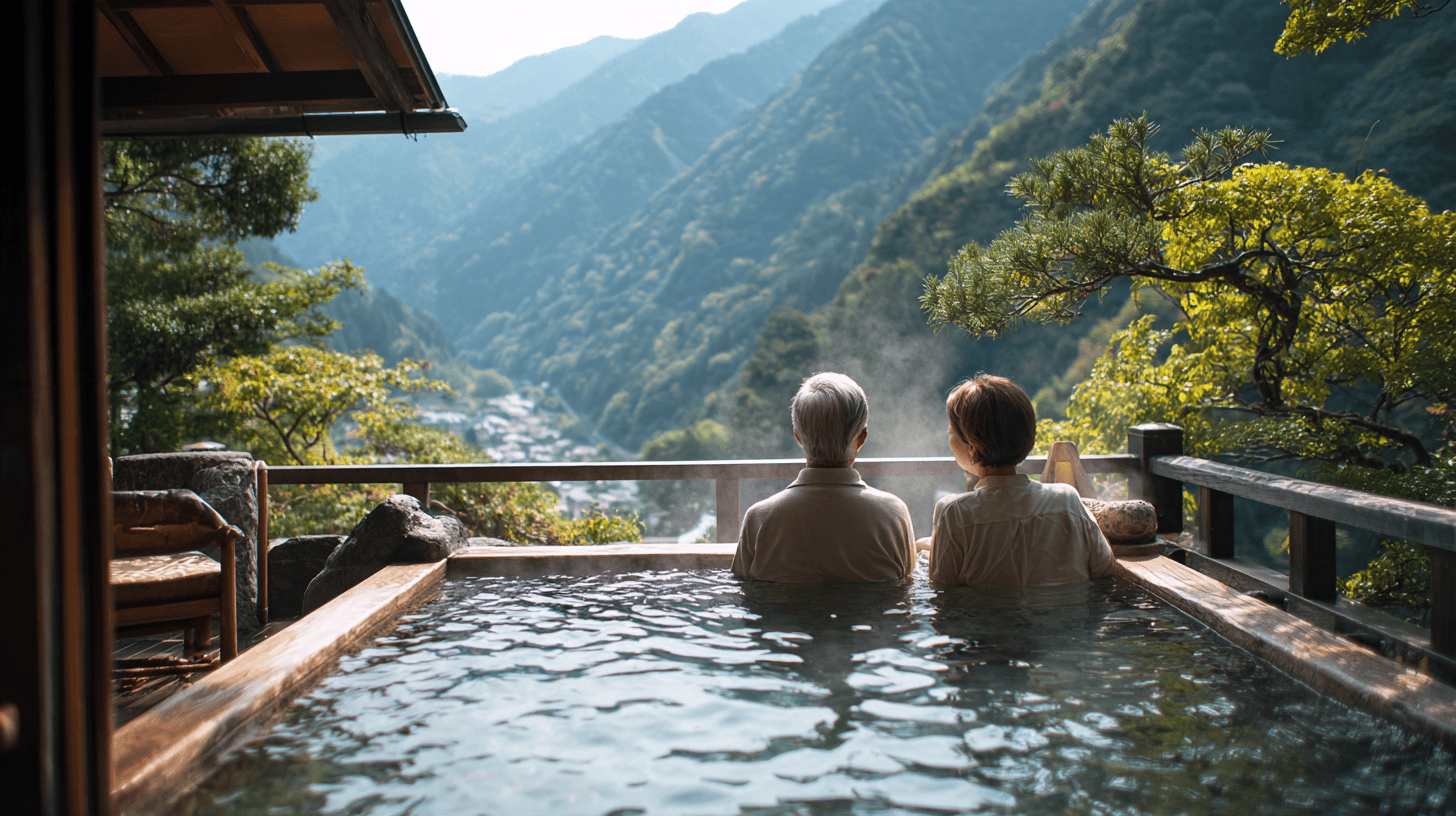
Private tours in Japan sell one thing above all: a day shaped around you rather than a group. Your guide waits while you linger over a single room. A car appears when the rain does. Even the ryokan knows your arrival time before you do. That freedom comes in several forms, and each one solves a different problem.
The sections below explain how each form works, what a guide day really includes, and how to choose well. They also show where a private guide earns the fee and where you will manage happily alone. Above all, they treat guiding as one part of a well-planned route. This piece sits within our wider guide to luxury travel in Japan, which covers the stays and seasons around it.
How do private tours in Japan work?
Most follow one of three models. First, a private guide leads you for a half or full day, usually on public transport. Second, a guide-and-driver day adds a vehicle. Third, a custom itinerary plans the whole trip, from hotels and trains to guides in each city. Guide fees rarely include transport, entry tickets or meals.
The Three Models Behind Private Tours in Japan
Most of what operators sell as Japan private tours falls into three shapes. First comes a guided day on foot and public transport. Next, a guide-and-driver day adds a car. Finally, a fully planned trip lets a planner design the route. Guides then appear only where they help. Each solves a different problem, so the right choice depends on where your friction lies.
The guided day
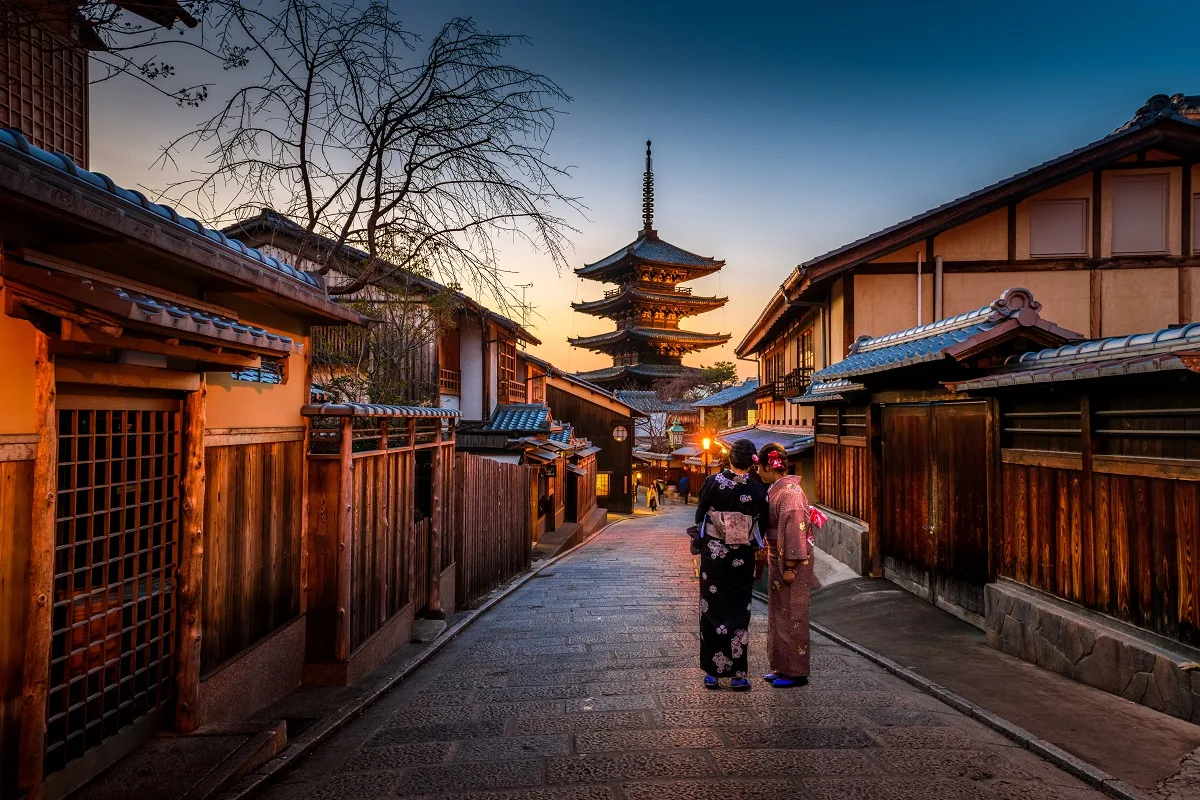
A guided day is the classic private tour. You meet your guide at the hotel, then travel together by train, subway and taxi. Half days run about four hours, and full days about eight. This model suits a first morning in Tokyo, when the city still feels opaque. It also suits Kyoto, where a good guide turns old streets into a coherent story. Because you ride public transport, the day stays flexible and relatively easy to arrange.
The guide-and-driver day
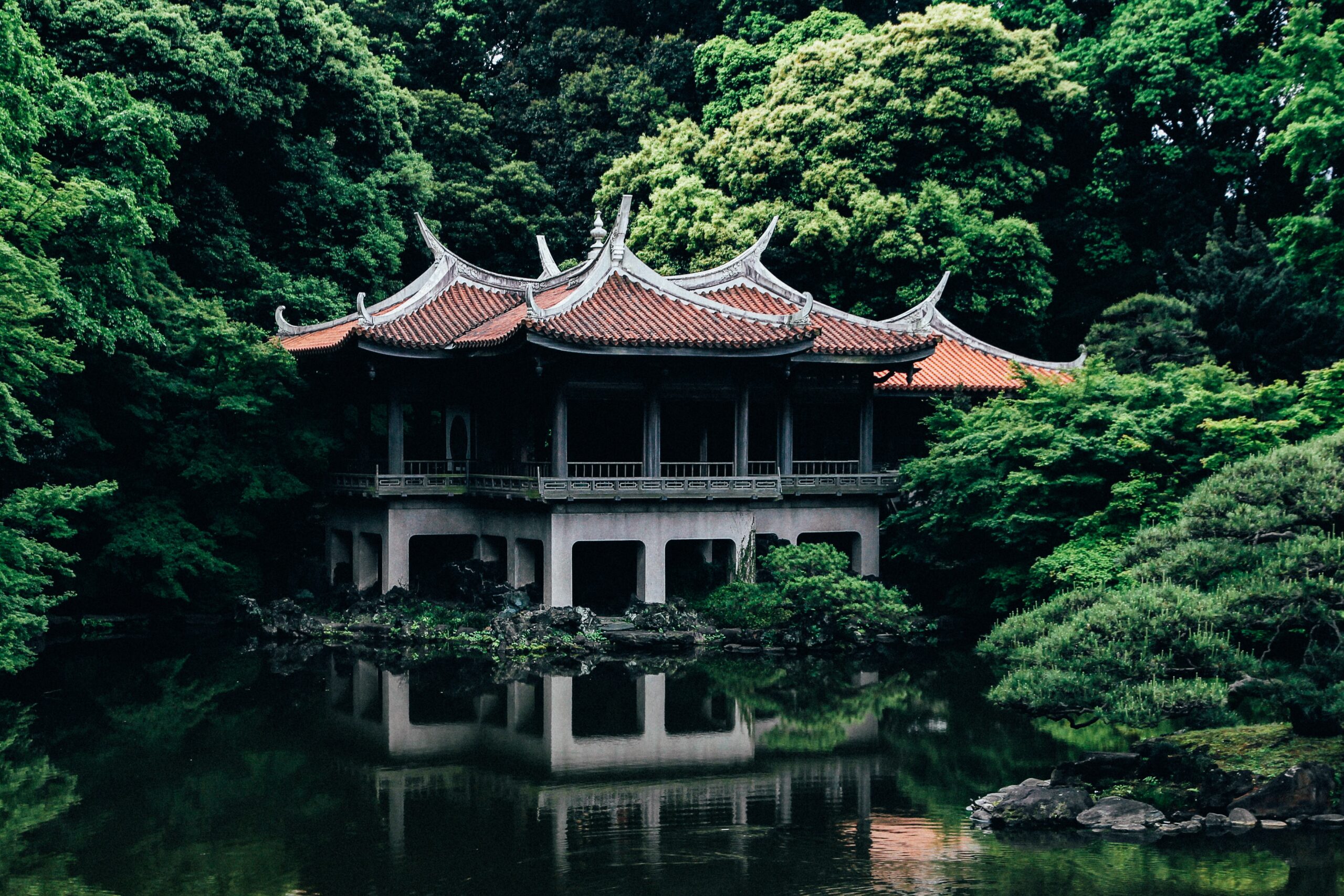
A guide-and-driver day adds a private vehicle. It costs more, yet it changes what a single day can reach. Rural craft villages, gardens outside the rail network and mountain inns all become practical. It also helps older travelers and anyone carrying camera gear. However, Japanese cities reward walking, so a car often slows you down in central Tokyo or Kyoto. Where it does help, the driver waits between stops. The car then doubles as a moving base for coats, cameras and shopping.
The custom itinerary
The third model is planning rather than guiding. A planner builds the whole trip around your dates, pace and interests. That plan then decides which days need a guide, which need a driver, and which you enjoy alone. For a first trip of ten days or more, this is often the better investment. After all, a strong guide cannot rescue a route that zigzags across the country.
What a Private Guide Day Includes
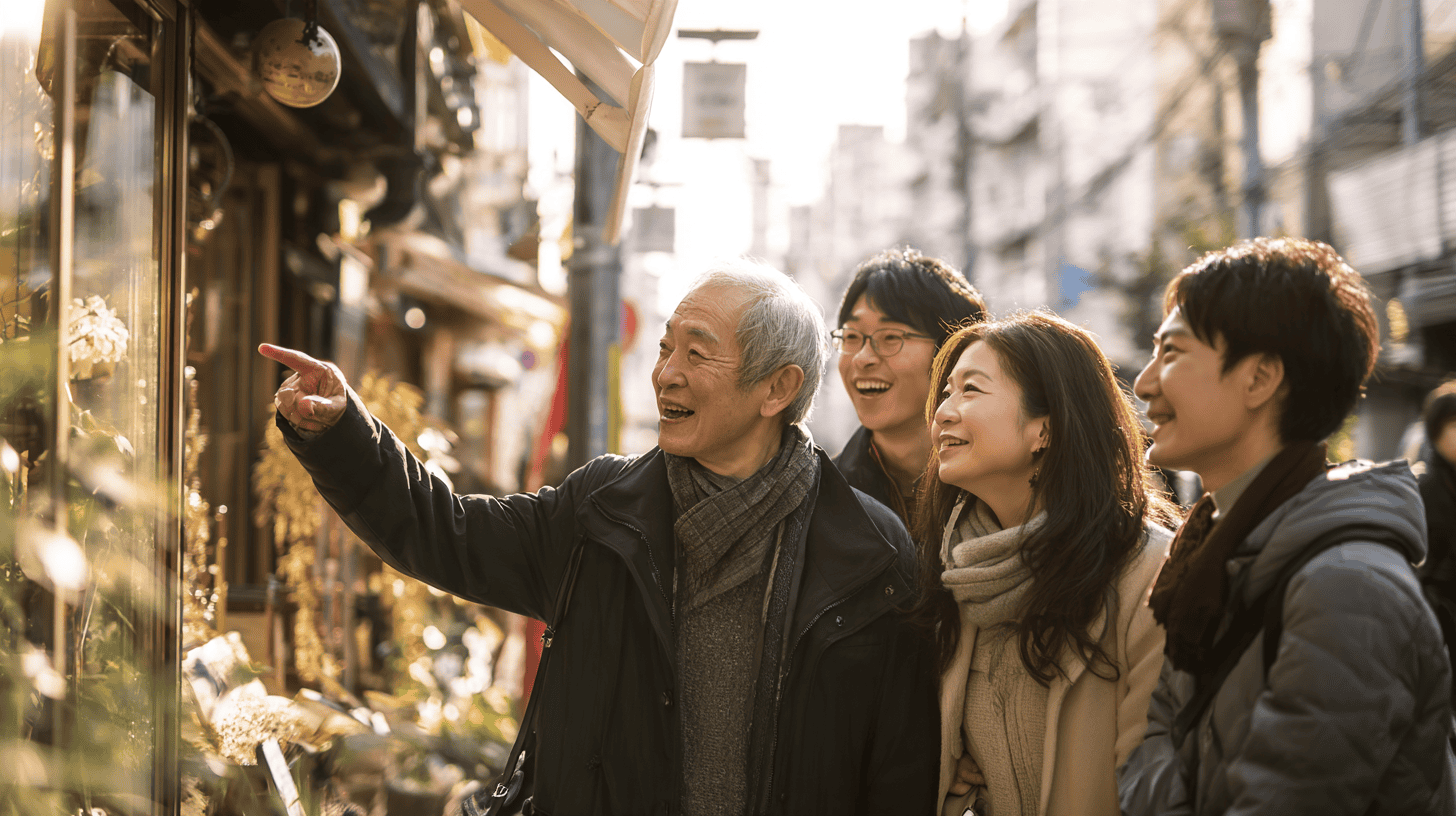
Rates for private tours in Japan vary with experience, language and specialism. A June 2026 survey of guide fees by Unseen Japan shows the pattern clearly. Independent generalists sit at the lower end, while experienced specialists charge noticeably more. Half days cost less than full days, although rarely half as much. Niche experts, for instance in architecture or ceramics, sit at the top of the range.
What the fee leaves out
The fee normally covers the guide alone. You still pay your own trains, taxis, entry tickets and meals. In most cases you also cover the guide’s fares and lunch for the day. Therefore, a realistic plan adds transport and food on top of the quoted rate. A guide-and-driver day bundles the vehicle instead, so ask what that includes. Tolls, parking and overtime are the usual extras.
A few words of Japanese
Language is the other half of the relationship. Your guide will translate, yet a few courtesy phrases change the tone of a day. Shopkeepers and hosts respond warmly to a simple greeting and thanks. A slim course such as Japanese for Busy People covers the basics in two evenings. That small effort makes the guide’s job easier and the encounters warmer. On the open days without a guide, a pocket translator fills the remaining gaps.
A pocket voice translator for the open days between guides. It handles a shop question or a taxi address calmly.
View the Product →A slim course that covers greetings and thanks in a couple of evenings. Hosts notice the effort, and so will your guide.
View This Book →A Japanese-made cabin case that lifts easily onto a train rack. It suits the ryokan night while the main bags travel ahead.
View the Product →Why group size changes the math
Group size matters too. Many guides quote one rate for a small party. So a family of four often pays much the same as a couple. As a result, private guiding often costs less per person than people expect. The real premium is not the guide at all. Instead, it is the car, the specialist and the peak-season date.
Multi-generational families gain especially well from a private day. Grandparents set the pace, children get breaks, and nobody waits for strangers. A driver helps when walking distances grow long. Ask the guide to plan rest stops around cafés and gardens. That way the day stays generous for everyone, whatever their age.
Tipping and thank-yous
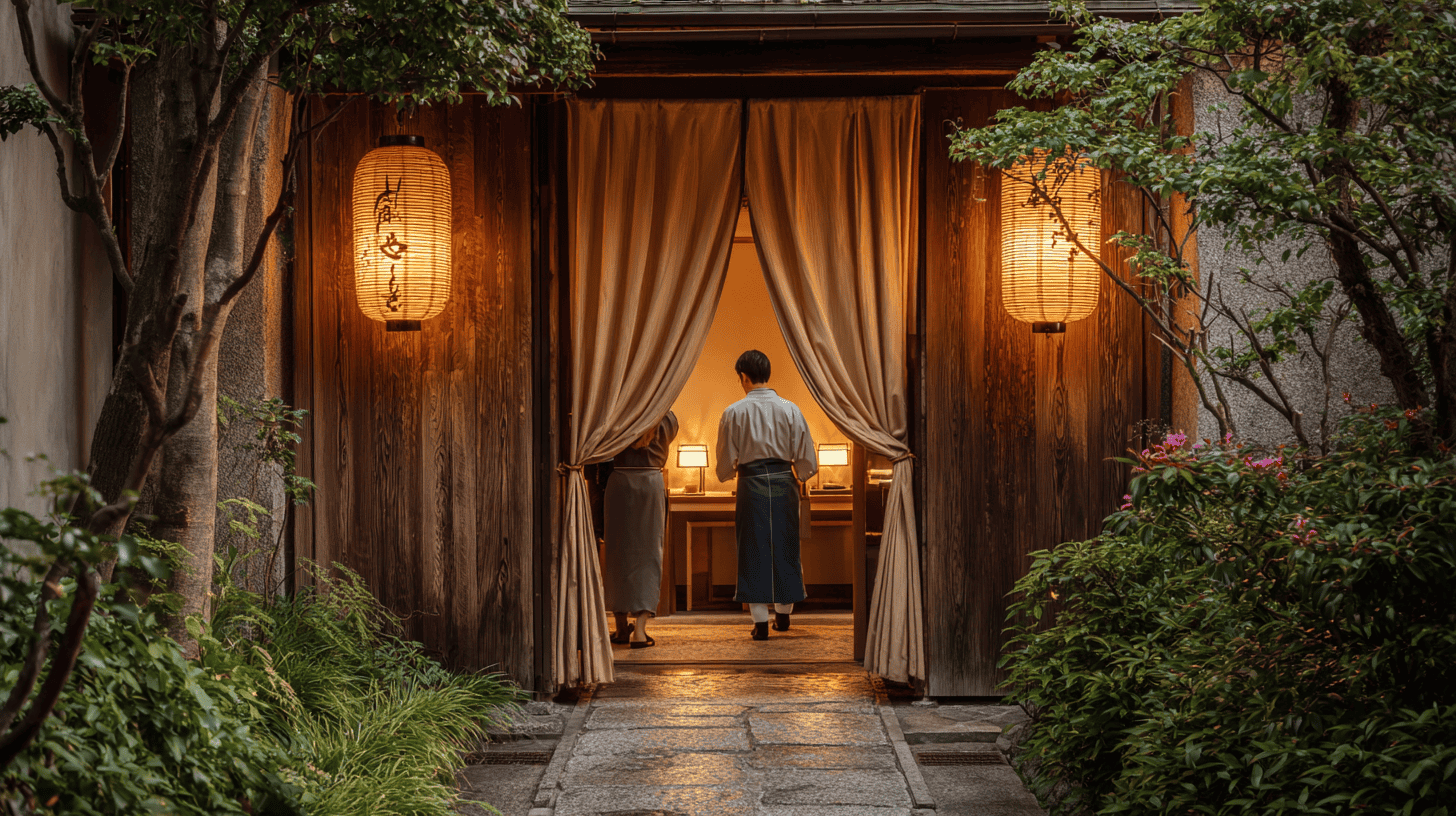
Tipping is not common in Japan, and guides do not expect it. However, JNTO notes that a private guide used to overseas customs may accept one as thanks. A handwritten note or a small gift from home often lands just as well. If you do tip, place it in an envelope rather than handing over bare notes. That small courtesy matters more than the amount.
Season pushes demand and availability in the same direction. Spring blossom and autumn color fill the strongest calendars first. Therefore, book those months well ahead, and confirm the final plan in writing. Outside those peaks, you gain choice as well as calmer streets. A November day in Kyoto and a January day in Tokyo are very different propositions for the same fee.
For the guide's recommendations, the tea house name and the platform you nearly missed.
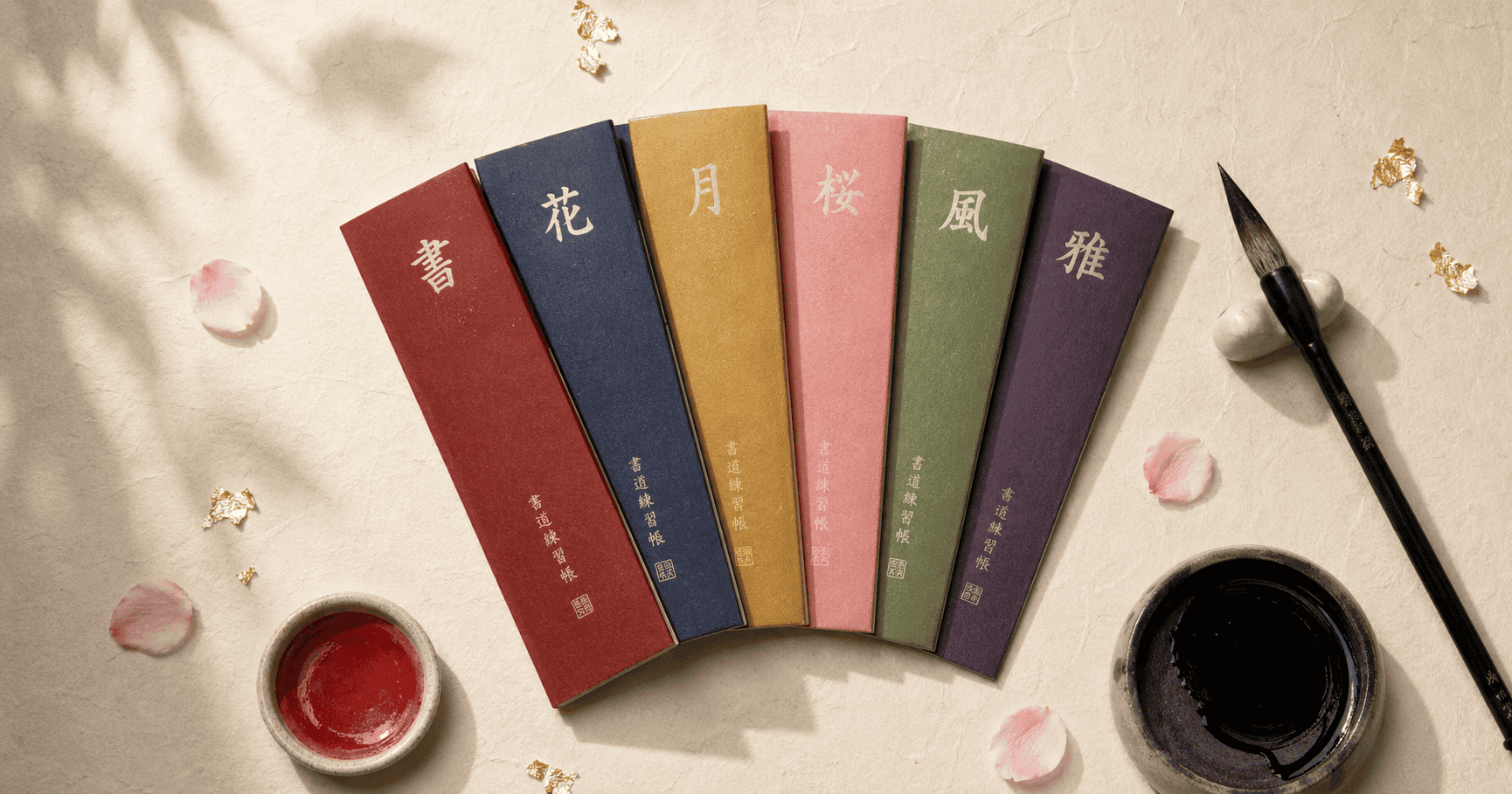
6 × 9 in · 120 unlined pages · matte softcover
Shop This Journal →Licensed and unlicensed guides
Japan once required paid guides for foreign visitors to hold a national license. That changed when an amended law took effect on 4 January 2018. Since then, guides without the national license may lead international travelers. The license still exists, and many experienced guides hold it. It remains a useful signal, although it is not the only one.
In practice, judge a guide on three things. First, look for a real specialism that matches your interests. Second, ask for references or reviews from travelers like you. Third, notice how clearly they answer practical questions before you book. A guide who explains inclusions, timing and a rain plan in writing will usually run a calm day.
What a Custom Itinerary Includes
A custom itinerary is the layer above the guide. At Magnificent Japan, it starts with a conversation about your dates, pace, fellow travelers and priorities. From there, a planner designs the journey around those answers rather than a template. You receive a written, day-by-day itinerary. Then you review it and decide how to proceed.
Match the model to the trip rather than the spend. A short city break needs one or two guided days and nothing more. A first trip of a week or longer benefits most from a planned route. Meanwhile, travelers with a deep interest, such as ceramics or gardens, gain most from one specialist day. Many good trips mix all three, and that mix is where planning earns its keep.
Match the model to where your friction lies, not to the spend.
| Model | Format | Best for | Where it shines |
|---|---|---|---|
| Guided day | Half or full day on foot, train and taxi | First mornings and city orientation | Tokyo and Kyoto streets |
| Guide-and-driver day | A guide plus a private vehicle that waits between stops | Older travelers and camera gear | Craft villages and inns beyond the rail network |
| Specialist day | One expert guide on a single subject | Deep interests such as ceramics or gardens | Workshops, gardens and food counters |
| Custom itinerary | The whole trip planned around your dates and pace | First trips of ten days or more | Routes that mix guided and open days |
A strong itinerary answers questions that a guided day cannot. Which nights belong in a ryokan, and which in a city hotel? Which train should carry you, and where should luggage go ahead? It also decides where a guide earns the fee.
Prefer to hand over the whole plan? Our customized Japan itinerary service builds the route around your dates and pace, with guides placed only where they help.
Stays as anchors
Stays shape the itinerary as much as sights do. For example, HOSHINOYA Kyoto in Arashiyama has 25 rooms, and guests arrive by private boat from Togetsukyo Bridge. A plan built around that arrival changes the whole afternoon. Likewise, our guide to the best luxury ryokans shows how much a single night can anchor a route.
Magnificent Japan's Luxury Japan Edit is a curated planning edit for luxury travel in Japan, sent by email. It suits the reader comparing private tours in Japan and planning the route around them. Letters on Japanese culture and travel follow, roughly monthly.
One email with your printable. Occasional letters after that. Unsubscribe anytime.
A ryokan evening also rewards a little reading. Tanizaki's essay In Praise of Shadows explains why old Japanese rooms are lit the way they are. It takes an hour to read, and it changes how you see lacquer, paper and lamplight. Many guides quote it, so arriving with it in mind gives your conversations a shared reference.
The best itineraries also leave space. Two guided days in a row can feel like a seminar, however good the guide. Therefore, alternate guided days with unhurried ones. Use the guided days for orientation, specialist access and difficult logistics. Keep the open days for long lunches, gardens and the shop you noticed the day before.
Moving Between Cities in Private
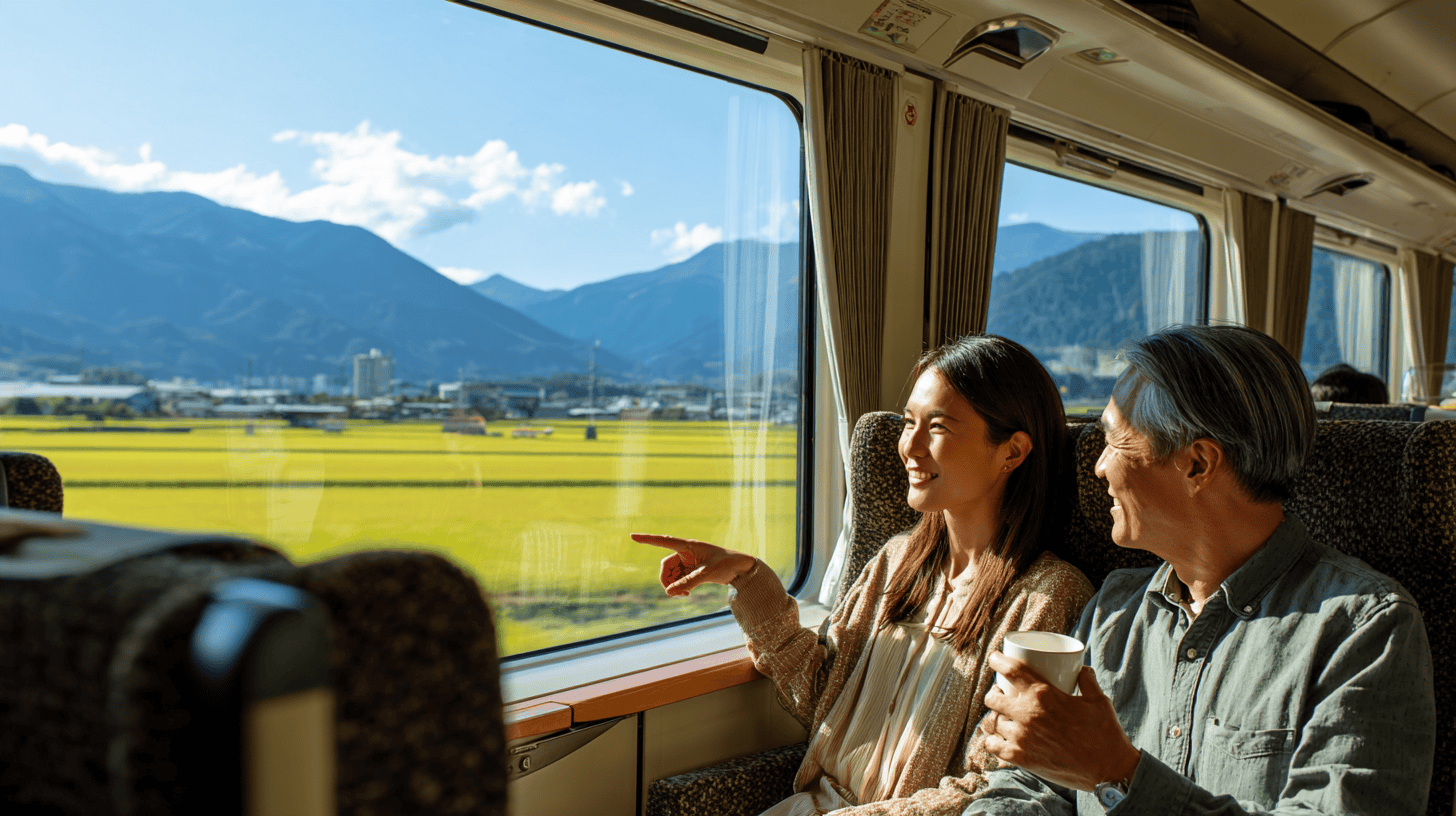
Japan's trains are fast, punctual and comfortable, so most private trips use them between cities. On the Hokuriku Shinkansen, the Gran Class car offers 18 reclining leather seats. On Kagayaki services, attendants also serve light meals and drinks. The fastest Kagayaki trains link Tokyo and Kanazawa in two hours and twenty-five minutes. For many travelers, that car is the most private seat in the country.
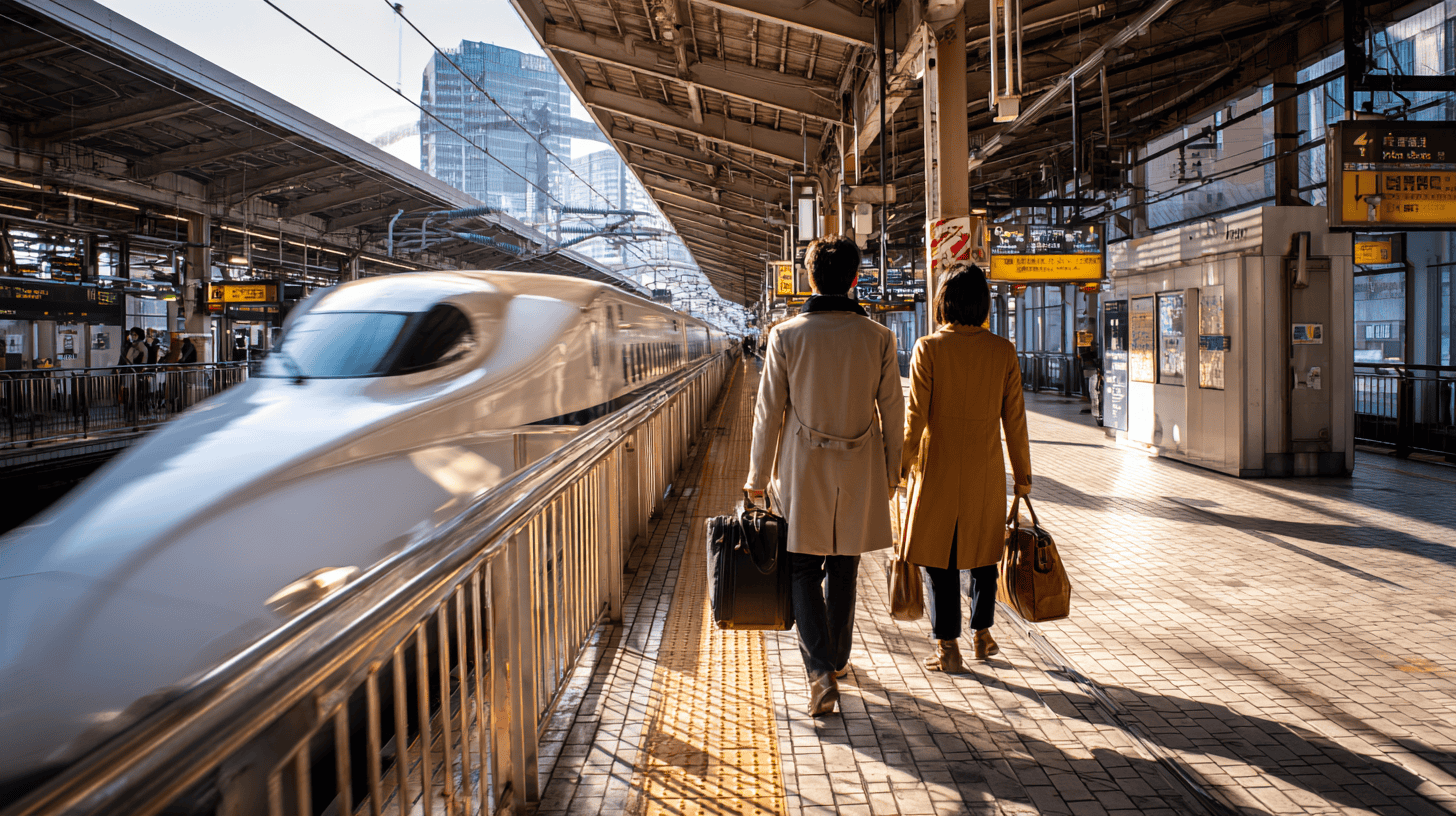
Luggage is the hidden logistics problem. Large cases are awkward on station stairs and crowded platforms. Instead, most planners forward big bags between hotels and travel with a small case. A ryokan night in between often means one night without the main bag. So it pays to pack a carry-on that holds two days of clothes and toiletries.
A compact case keeps that plan simple. The MUJI Hard Shell Suitcase 36L, for instance, lifts easily onto a train rack and rolls on a wheel stopper. Meanwhile, the large bags travel ahead and wait in your next room. Your guide or planner can arrange the forwarding at the hotel desk.
Arrival day deserves its own thought. After a long flight, a car or a reserved seat into the city saves energy. Some planners arrange a meeting at the arrivals hall. Others simply book the train and forward the bags. Either way, keep the first evening light, with dinner close to the hotel.
Recommended
Inside that case, order matters on a ryokan night. A MUJI Polyester Hanging Case With Pouch hangs from a hook and keeps toiletries together. In a tatami room with little furniture, that small detail helps. It also means your guide never waits while you search a bag in the lobby.
A Sample Week of Private Touring
A week shows how the three models combine. The outline below suits a first visit in spring or autumn. It assumes two travelers, a central Tokyo hotel and one ryokan night mid-week. Adjust the order to your flights, then let a planner tighten the timing. Notice that guided hours fill less than half the week.
Days one to three: Tokyo
Day one starts with a half-day guide, ideally the morning after you land. Your guide shows you the station, the trains and a neighborhood worth returning to. Day two stays open for galleries, gardens and long lunches. On day three, a food specialist takes you through a market and a standing bar. By then the city feels legible, and you no longer need a hand.
Days four and five: the ryokan night
Next, forward the main bags and take a carry-on to the mountains or the coast. A driver helps here when the inn sits beyond the rail network. Arrive by mid-afternoon, bathe before dinner and let the evening run on the inn's schedule. The following morning, travel on toward Kyoto with the bags already waiting.
Lunch on a travel day is often simple, because the schedule matters more than the table. Onigiri from a station kiosk or a convenience store make an easy choice. These salted rice balls, wrapped in crisp nori, travel well and eat neatly by a train window. Fillings range from salted salmon to pickled plum and kelp. As a result, the day keeps its pace, and the spending goes to the dinner that counts. They are also easy to make at home in the week before you leave. In fact, a practice batch is a pleasant way to start tasting the trip early.
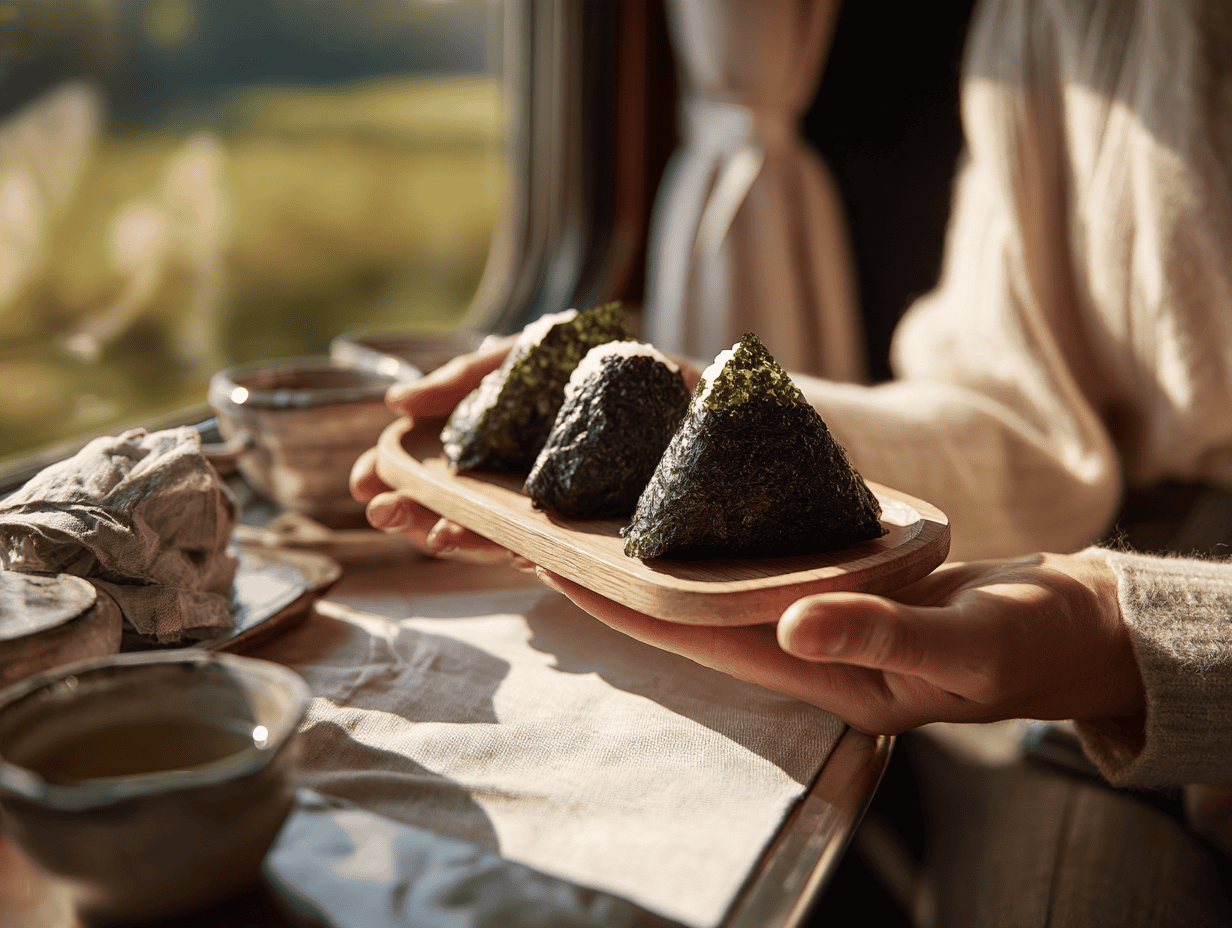
Onigiri have long been Japan's portable meal, packed for travel, work and school. Today every station kiosk and convenience store sells them, and salted salmon is a classic filling.
- 2 1/4 cups Japanese short-grain rice
- 2 1/2 cups water
- 1 salted salmon fillet
- Fine salt, for the mold and your hands
- 3 sheets toasted nori, cut into strips
- Rinse the rice until the water runs almost clear, then cook it with the water and let it cool until just warm.
- Grill the salted salmon fillet, then flake it.
- Soak an onigiri mold in water, shake it dry and salt the inside lightly.
- Fill the mold halfway with rice, add a teaspoon or two of salmon, cover with more rice and press the lid down firmly.
- Flip the rice ball out, then press it into a triangle with wet, salted palms, turning it three to five times.
- Wrap each ball in a strip of nori just before eating, so it stays crisp.
Days six and seven: Kyoto
In Kyoto, book a guide for one early morning, before the streets fill. Choose a specialist in gardens, craft or architecture rather than a generalist. Keep the afternoon for a workshop visit your planner arranged ahead. The last day stays open, because private tours in Japan work best with a little slack at the end.
How to Choose and Brief a Private Guide
Start with the subject, not the city. A guide who loves architecture will see a different Tokyo from one who loves food. So decide what you want to understand better, then search for that specialism. Next, compare three guides by email. Their replies tell you more than any profile, because clarity and tone carry straight into the day.
The short essay many guides quote on light, lacquer and paper. Read it before the ryokan night and the rooms make more sense.
View This Book →The Kikunoi chef explains kaiseki course by course. It gives a guided counter dinner far more context.
View This Book →A clear guide to ryokan and onsen stays. It helps when you choose the night that anchors your route.
View This Book →Then send a short brief before you book. Include your interests, walking pace, dietary needs and any mobility concerns. Ask what the fee includes, how transport works, and what happens if it rains. Also ask how many hours the day really covers, including travel to the meeting point. Finally, confirm the plan, timing and inclusions in writing a week before the day.
Keep all of this in one place. A refillable TRAVELER'S notebook from the Tokyo stationer TRAVELER'S COMPANY suits the job well. Its MD Paper is made in Japan. Write the brief on the first page, then add the guide's recommendations as the trip unfolds. By the last day, it becomes the most useful record of the journey.
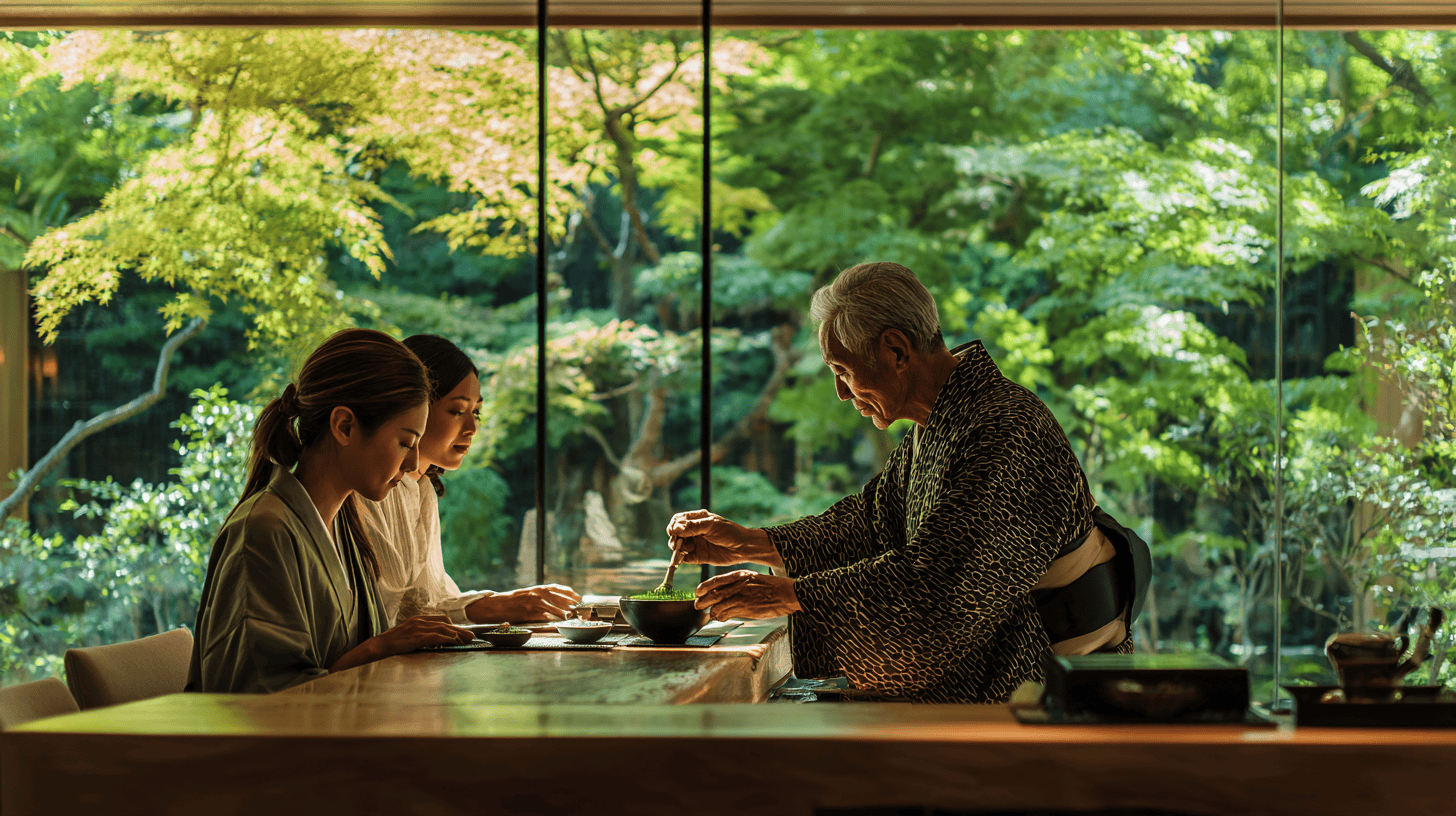
One more test separates good guides from great ones. Ask what they would cut from your plan. A great guide will say so plainly, because they know which crowds and transfers waste a morning. They will also suggest one thing you had not thought of. That honesty is worth more than a longer list of stops, yet few guides advertise it.
Where Private Tours Are Worth It
A private guide is not equally useful everywhere. On well-signed routes between major sights, many travelers manage happily alone. The value rises sharply where friction is high. That means the first day in a large city and regions with thin public transport. It also means subjects that reward expertise. Food belongs here too, since reservations and ordering defeat even confident travelers.
Food and introductions
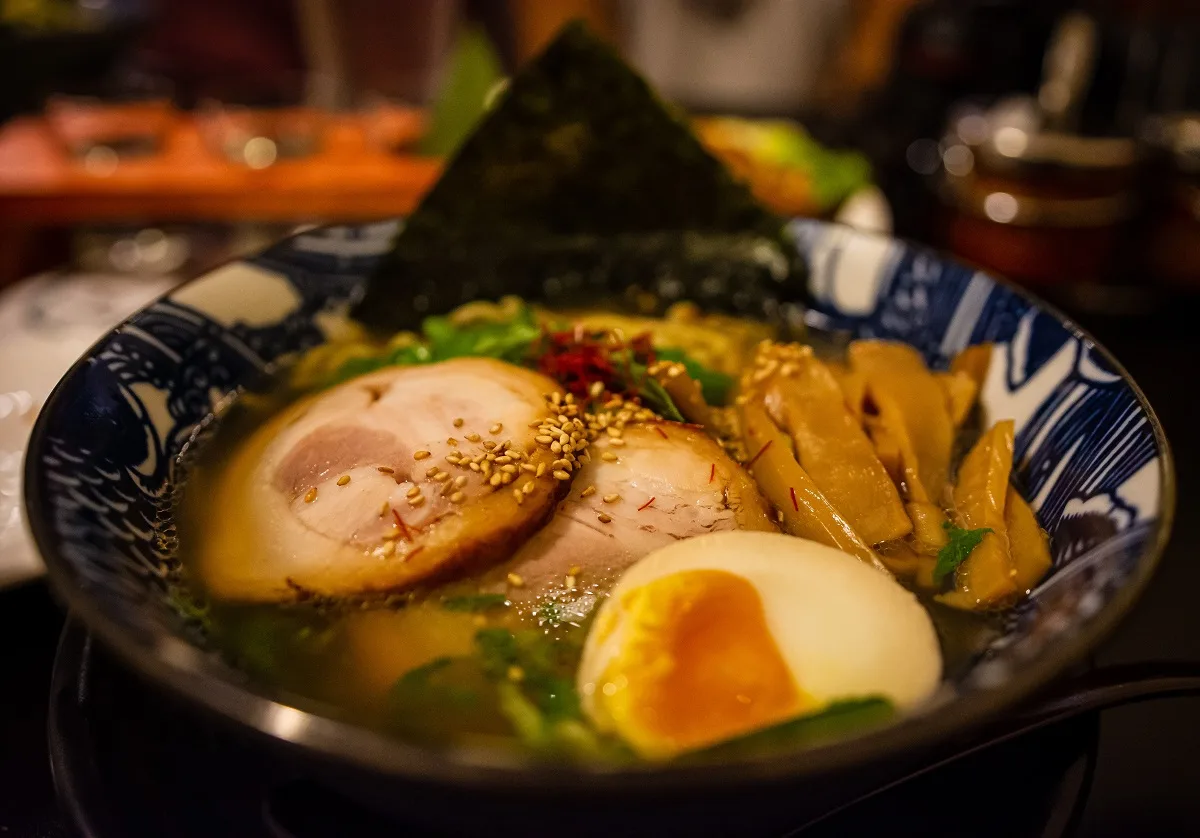
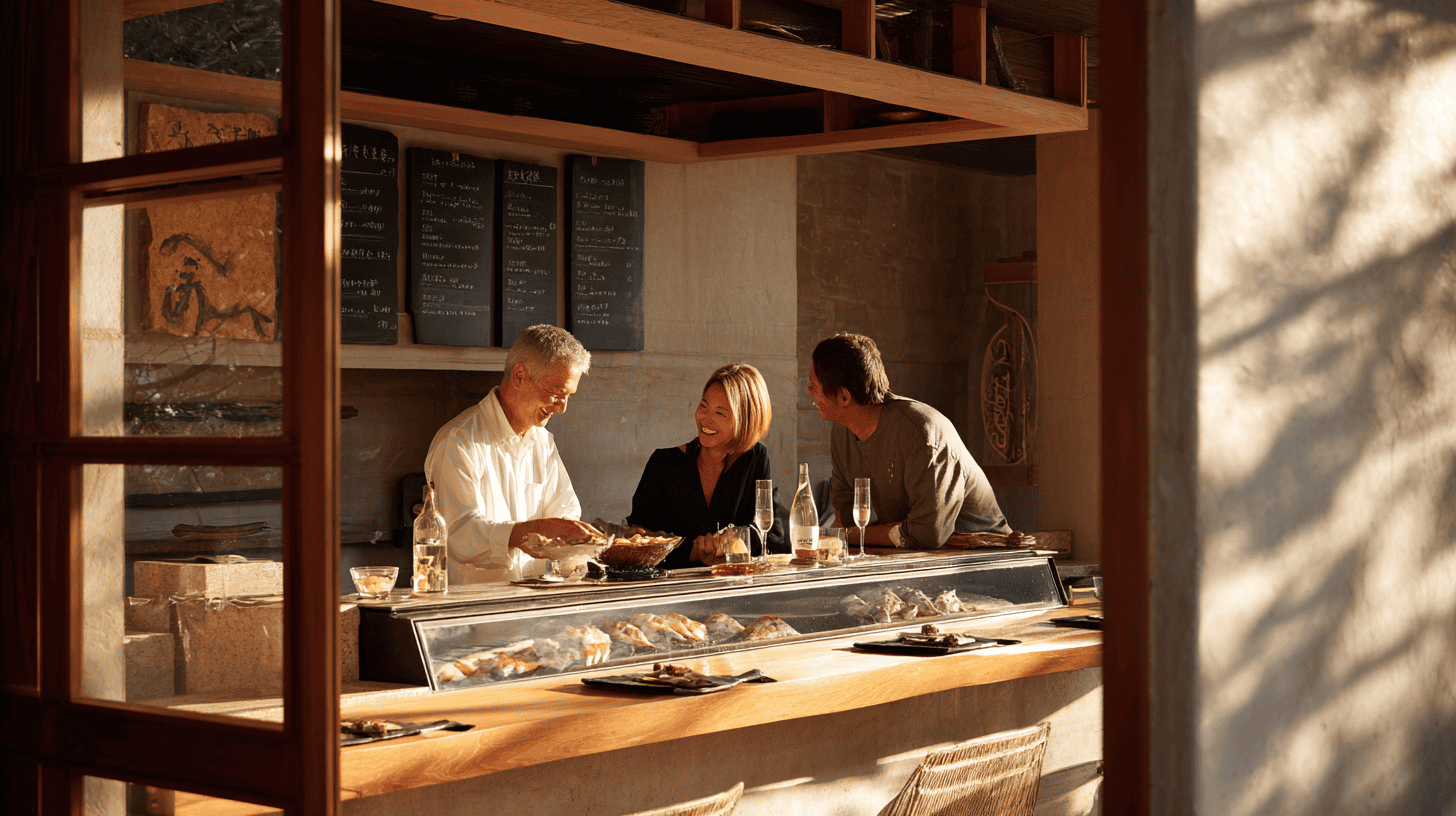
Food is where many private tours in Japan earn their fee fastest. A guide can read a menu, explain a counter's etiquette and secure a table that never appears online. Our guide to unique dining experiences in Japan covers the formats worth planning around. Kaiseki, omakase and kappo counters each reward a little context before you sit down.
Specialist subjects
Finally, private guiding shines with specialist subjects. Gardens, ceramics, textiles, woodwork and modern architecture all hide most of their meaning in plain sight. With the right guide, a workshop visit becomes a conversation with the maker. Without one, it can be a polite ten minutes. That difference is the clearest case for paying more for the right person. So when a subject matters to you, book the specialist first and build the day around them.
Stays and seasons
Where you sleep shapes the guided days around it. A central city hotel makes early starts painless, while a ryokan asks you to arrive by late afternoon. Our guide to the finest luxury hotels in Japan helps balance the two. Plan the guided days around those check-in times, and the rest of the trip falls into place.
Seasons change the equation once more. Winter brings shorter days and snow in the mountains, so a driver becomes far more valuable there. Summer heat favors early starts and long midday breaks. Spring and autumn bring crowds, which a guide can route around with timing alone. In each case, the best guide plans around the season rather than against it. Ask early how they handle heat, snow or a typhoon warning, because a good answer shows real experience. Then build the plan around that answer.
Walking days need a little preparation too. Kyoto and Tokyo reward long stretches on foot, and weather changes quickly in spring and autumn. A light layer that folds away into a day bag keeps the day moving. The UNIQLO Pocketable UV Protection Parka, for example, packs into its own pouch and repels light rain. It weighs little, so it never becomes the reason to cut a walk short. Shoes matter as much as layers. Temples, ryokan and many restaurants ask you to remove them at the door, so a comfortable slip-on pair saves real time on a long guided day.
Questions Worth Asking
How do private tour guide fees work in Japan?
Fees depend on experience, language and specialism. Independent generalists sit at the lower end, while experienced specialists charge more. Half days cost less than full days, though rarely half as much. Most fees cover the guide only, so you add your own transport, entry tickets and meals, plus the guide's fares.
Do I need a licensed guide in Japan?
No. Since a 2018 change to the law, guides without the national license may lead international visitors for a fee. The national license still exists, and many experienced guides hold it. Treat it as one useful signal, then weigh specialism, references and how clearly the guide answers your questions.
Is a private tour in Japan worth it?
It is worth it where friction is highest. That means a first day in a large city and regions with thin transport. It also covers subjects such as craft or food. On simple, well-signed routes many travelers do well alone. A mixed plan, with guided days placed carefully, usually gives the best value.
How far ahead should I book a private guide in Japan?
Book two to three months ahead for spring and autumn, when the strongest guides fill early. For other seasons a few weeks is often enough. Specialist guides for craft, gardens or food may need longer. Confirm the day's plan, meeting point and inclusions in writing a week before you travel.
Do private guides include transport and entry fees?
Usually not. Most guide fees cover the guide's time only. You pay your own trains, taxis, tickets and meals, and generally the guide's fares too. A guide-and-driver day bundles in the vehicle. Before you confirm, ask whether the quote covers tolls, parking and waiting time.
What is the difference between a private tour and a custom itinerary?
A private tour is usually a single guided day or half day. A custom itinerary plans the whole trip. That covers the route, hotels, trains, restaurants and which days need a guide. Many travelers book both, using the itinerary to decide where a private guide earns the fee.
Should I tip a private guide in Japan?
Tipping is not common in Japan, and guides do not expect it. A guide used to overseas customs may still accept one as thanks. A handwritten note or a small gift from home often lands just as well. If you do tip, place it in an envelope rather than handing over bare notes.
A Private Tour Built Around You
Private tours in Japan work best as part of a plan, not instead of one. Decide first what you want to understand, then where friction will slow you down. Place guided days there, and leave the rest open. Couples can see the same principles at work in our luxury honeymoon in Japan guide. For a guided, fully planned journey, Luxury Japan by Magnificent Japan shows the shape it can take.
The result should feel effortless, although it rarely is behind the scenes. Trains meet their connections, bags arrive before you do, and the guide knows when to stop talking. That is the real luxury of a private trip. Above all, it is time spent on Japan rather than on logistics. Begin with the route, then add the people who make it come alive.
A beginner's mind is the best companion on a guided day, when every street becomes a question.
View the Journal →If the planning reads like a second job, that is because it can be one. Dates, rooms, trains, forwarded bags and the right guide in each city all have to align. Each decision affects the next, and peak seasons leave little slack. Miss one booking window and the best ryokan night or specialist guide may simply be gone. A planner takes that layer off your hands. You then decide only what matters: the pace, the subjects and the nights worth staying put.
For the traveler who wants private days without the planning: a route across Tokyo, Kyoto and beyond, with Gran Class rail where it fits, luggage forwarded ahead, a ryokan night timed to its check-in, and a specialist guide booked only for the days that need one.
Plan Your Custom Japan ItineraryThe Editors, Magnificent Japan