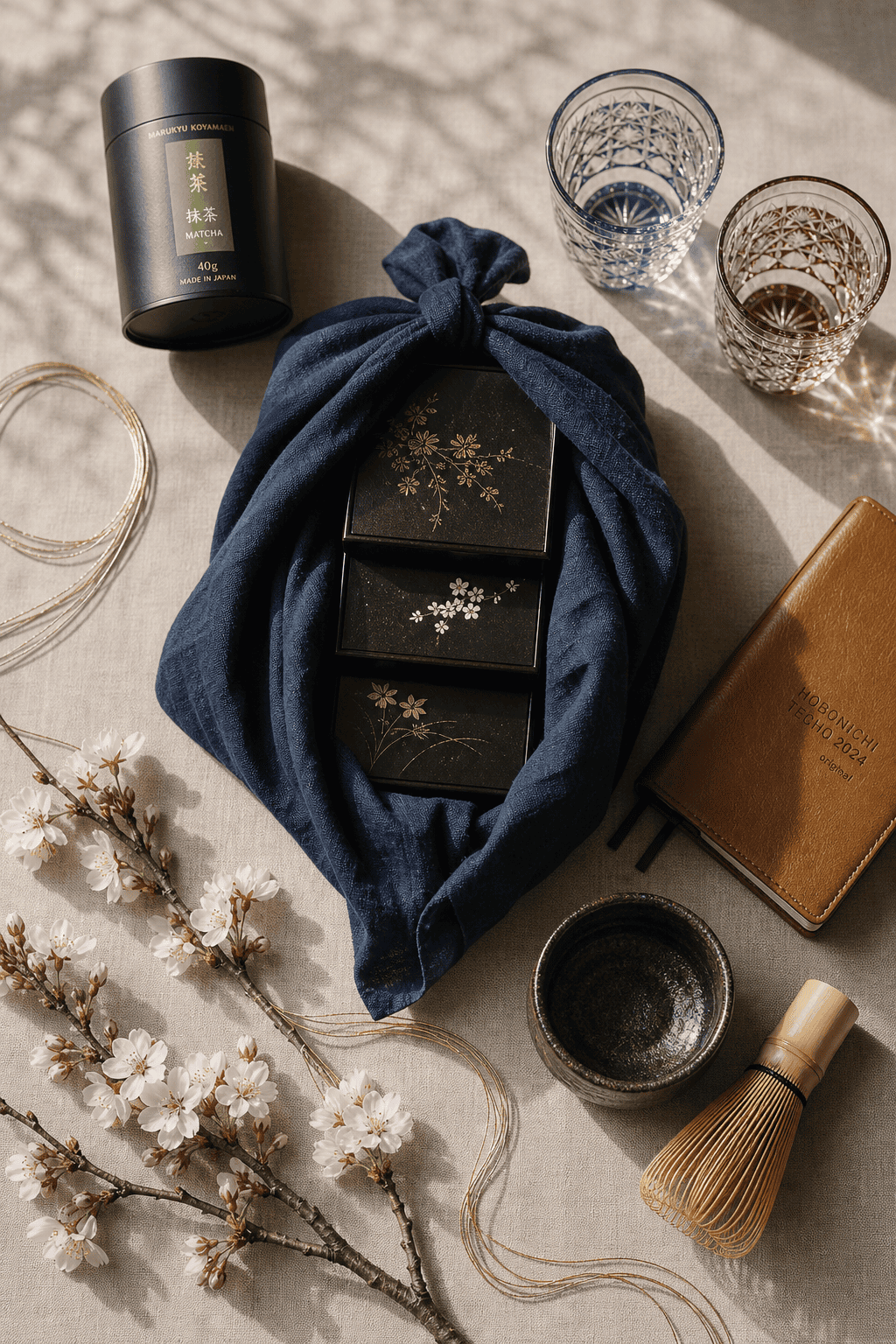
In a Kyoto tea shop on Shijō street, a tin of matcha is wrapped twice. Once in a cream paper bag with the brand seal. Then again in a square of indigo cotton tied at two corners. The customer holds the bundle in both hands. The shopkeeper bows. The wrapping is part of what was bought.
The phrase “Japanese gift” covers a lot of ground. At one end, it means a tin of ceremonial matcha from a Kyoto house that has dried tea since 1688. At the other, it is a Tokyo design house’s leather card holder that signals taste without signaling brand. Between those poles sits a category most American gift guides handle clumsily — usually with a list of generic Hello Kitty merchandise, a few bottles of sake, and the kind of “Japan-themed” items that bear no actual relationship to Japan.
This guide is built differently. Every single product on this list is verifiably Made in Japan, Japanese-owned, or designed by a Japanese house. Chinese-made knives stamped with Japanese kanji, Korean-made cookware borrowing Japanese aesthetics, generic “Asian-inspired” homeware — all excluded. The 55 picks are sorted by category — tea, sake, knives, textiles, ceramics, stationery, calligraphy, wellness, anime, fashion, pantry — and budget tiers run from under fifty dollars to milestone gifts.
One more filter applies. Every item on this list ships internationally to the United States, Canada, Australia, and the United Kingdom — meaning the recipient receives the gift without you needing to fly to Tokyo first. For the recipient already going to Japan, see our Omiyage guide. For the milestone-tier editorial picks — Kaikado, Postalco, Bizen ware — see Heirloom Japan.
The best made-in-Japan gifts to send internationally are tea from Marukyu Koyamaen (Kyoto, since 1688), Japanese kitchen knives from Tojiro (Sanjō), Edo Kiriko cut glass from Kagami Crystal, Pilot Iroshizuku fountain pen ink, Hobonichi Techo planners, Imabari cotton towels, Yamaroku barrel-aged shoyu, and Comme des Garçons leather wallets. All ship to the US, Canada, Australia, and the UK.
The Japanese Way of Giving — Why the Wrap Matters as Much as the Gift
Japanese gift culture has more granularity than the English word “gift” allows. Four words cover what Anglophones lump into one. Omiyage are travel souvenirs — the boxes of regional sweets a colleague brings back from Hokkaido for the office. Temiyage are the gifts brought when visiting someone’s home — wine, sweets, flowers, never empty-handed. Ochūgen in mid-summer and oseibo at year-end are the formal gift seasons when Japanese workplaces and families exchange seasonal gifts. The category for each is different. The wrapping is different. The price tier is different.
The wrapping itself is part of the object. Furoshiki, the square cloth used for wrapping in Japan, turns the unwrapping into part of the gesture. Department stores in Tokyo and Kyoto offer professional gift-wrapping for any item purchased in-store, with pre-printed paper specific to each store and a ribbon that signals the price tier without ever stating it. The handover uses both hands. The recipient often does not open the gift in front of the giver, which sidesteps any awkwardness if the gift is mismatched.
The number etiquette matters too. Avoid gifts in fours: the kanji for four is read “shi,” the same as the word for death. Avoid nines: “ku,” the same as the word for suffering. Sets of three, five, or seven are auspicious. Pairs are also acceptable, particularly for weddings and anniversaries. The sender who picks a five-piece sake set over a four-piece one signals fluency in the conventions without saying anything at all.
1. Tea & Matcha

Japanese tea is the gateway most Japan lovers pass through first. The matcha latte at the corner café, the green tea bag in the hotel room, the slim ceramic cup at the sushi restaurant — these are softer, mass-market versions of a culture that, at its source, is one of the most disciplined and aesthetically rigorous in the world. Tea ceremony has been practiced in Japan since the twelfth century, codified by the Zen Buddhist priest Sen no Rikyū in the sixteenth, and built around four principles that still govern its modern practice: harmony, respect, purity, and tranquility.
For gift-giving purposes, tea sits in a useful place. It works at every budget. A small tin of ceremonial matcha is a hostess gift. A Hario glass teapot is a thoughtful birthday present. A Marukyu Koyamaen ceremonial tin from the Kyoto-Uji house is a milestone object for the recipient who already drinks matcha lattes daily. Two practical notes before the picks. First, matcha grade matters enormously. Ceremonial-grade is meant to be whisked into water and drunk straight; culinary-grade is for lattes and baking. Second, a chasen — the bamboo whisk — is a wear item, not a permanent fixture. The fine bristles wear down over six to twelve months of regular use.
The maker geography matters as much as the grade. Marukyu Koyamaen has dried Uji matcha since 1688, when the founder set up shop in what is now Kyoto’s neighbouring city. Hario, the everyday teapot maker, runs the only borosilicate glass factory in Japan, founded in Tokyo in 1921 as a laboratory glassware maker. A chasen from Takayama, Nara, is hand-cut by one of the small number of master craftspeople still producing the whisks at scale — a craft that has continued in the same village since the sixteenth century.
1. Marukyu Koyamaen Tenju — the ceremonial milestone
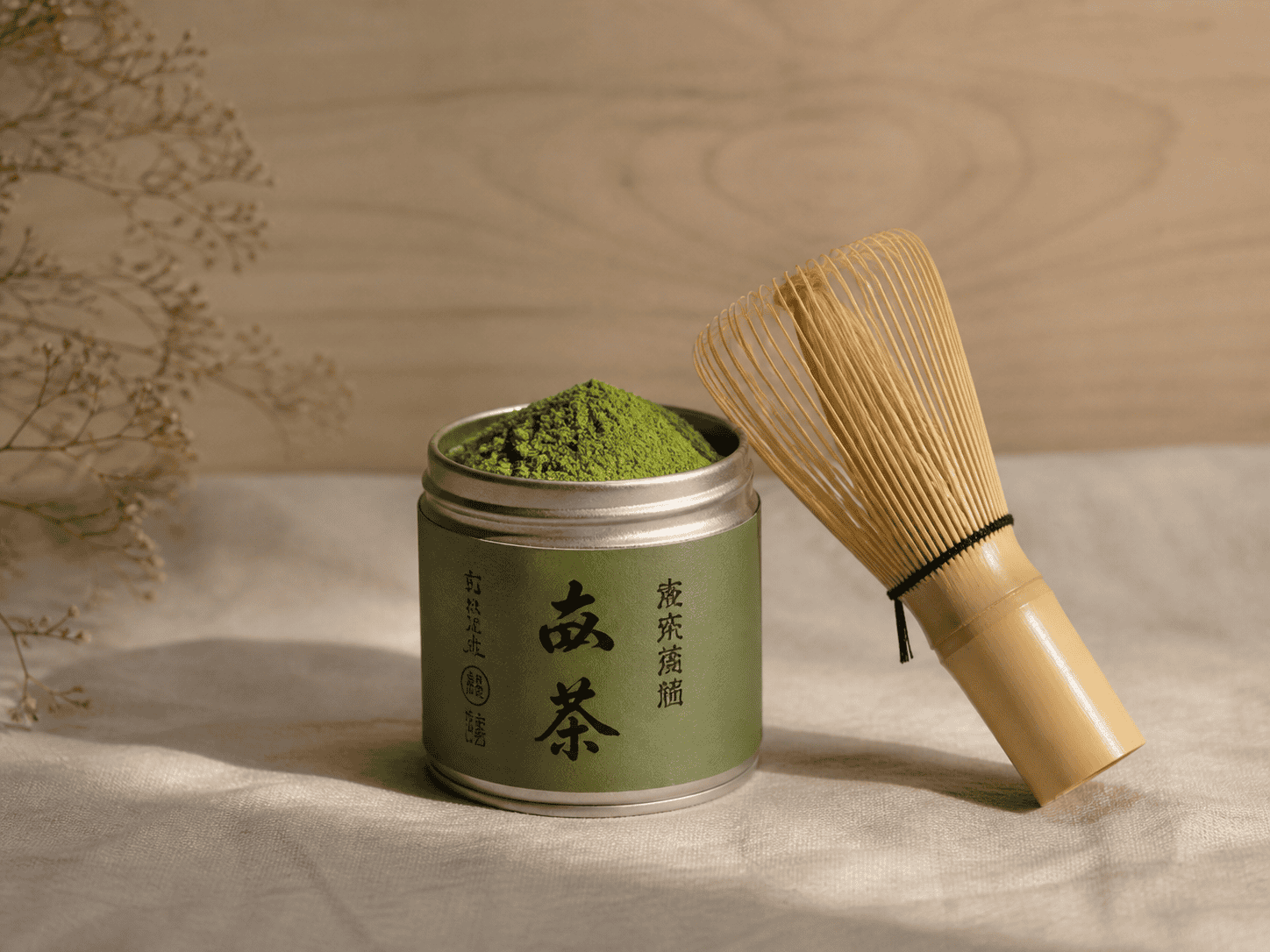
Tenju sits at the top of the Marukyu Koyamaen range, a Kyoto-Uji house that has dried tea since 1688. It has taken first place at Japan’s National Tea Competition, and the cup shows it: a deep, almost sweet umami with none of the grassy bite of cafe-grade powder. This is the tin for the recipient who already drinks ceremonial matcha and knows the difference between houses. The Marukyu Koyamaen Tenju matcha is the gift that ends the debate over which one to send.
2. Marukyu Koyamaen Aorashi — the everyday pour
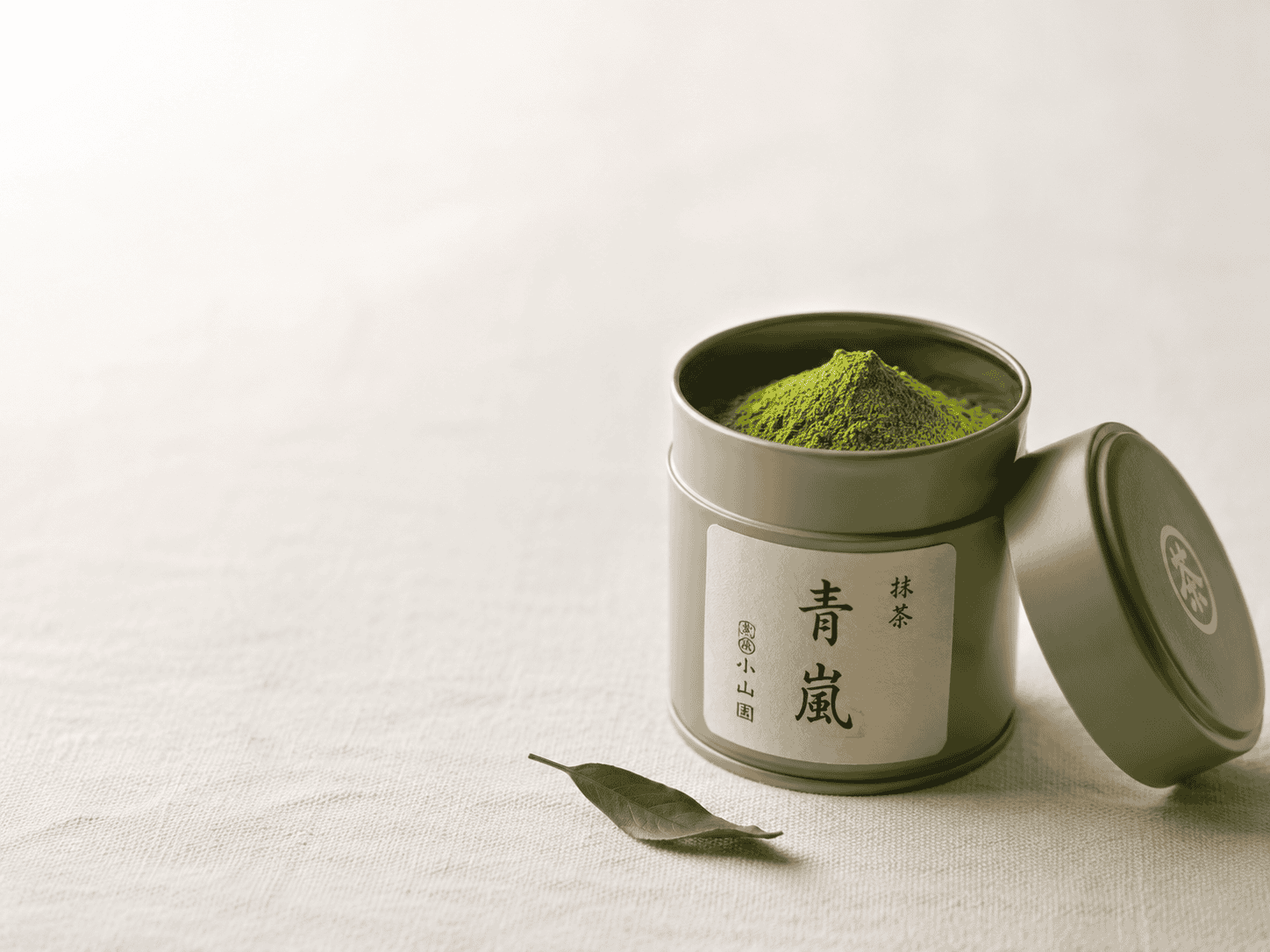
Aorashi is the same house’s everyday blend, with the same craft behind it at a gentler price. The flavour is brighter and lighter than Tenju, built for the daily bowl rather than the special one. It suits the recipient who has been drinking supermarket matcha lattes and is ready to graduate to the real thing. The Marukyu Koyamaen Aorashi is where most serious matcha drinkers begin.
3. Marukyu Koyamaen Wako — the mid-tier daily matcha
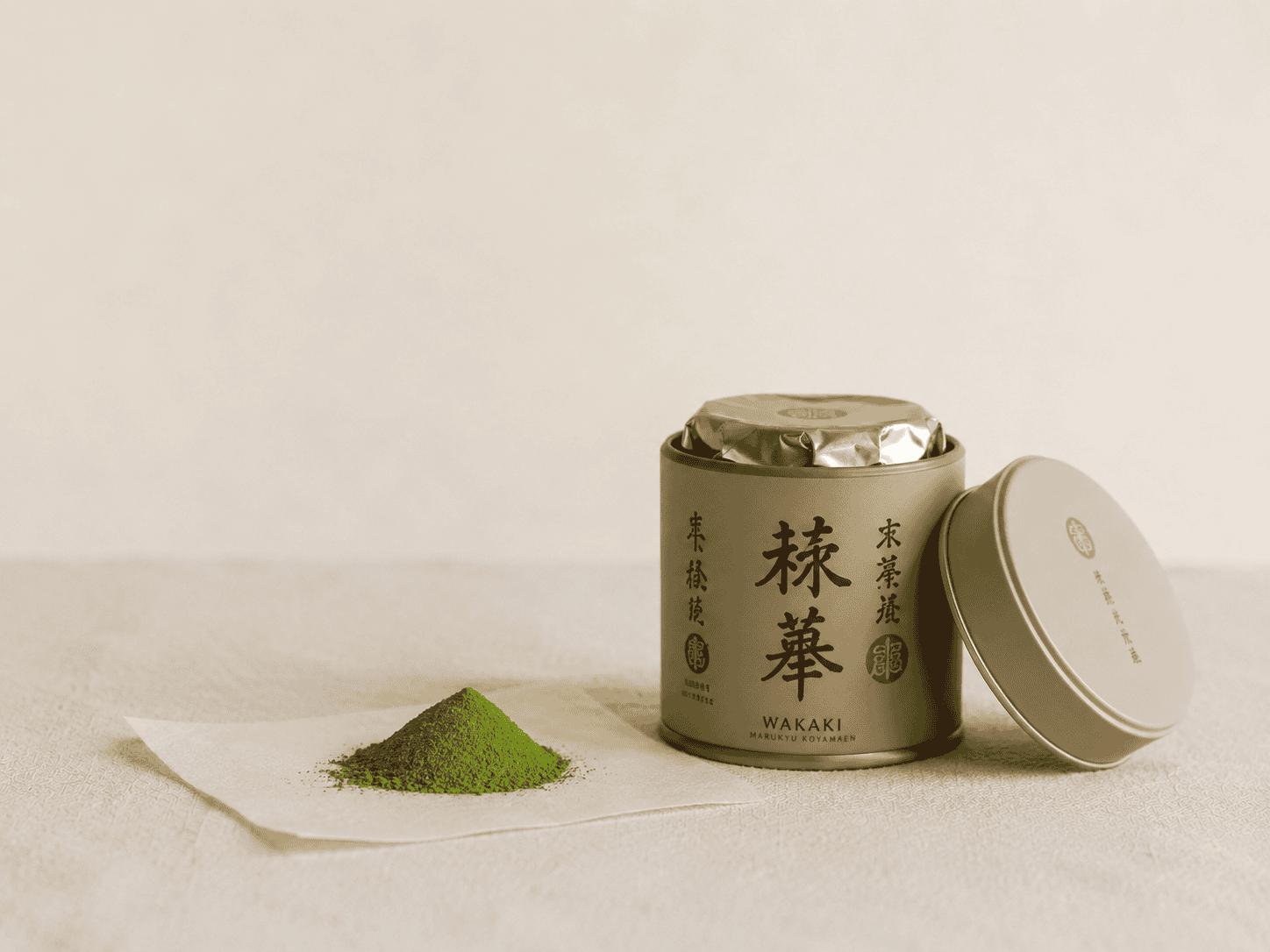
Wako sits between Tenju and Aorashi, a refreshing, light, smooth grade recommended for usucha, the thin tea of a daily ceremonial pour. The aroma is gentler than the milestone tins, the finish clean. It is the right choice for a recipient settling into a morning matcha habit who wants Kyoto-Uji quality without the milestone price. The Marukyu Koyamaen Wako matcha is the everyday ceremonial tin.
4. Hario Cha Cha — the everyday glass teapot
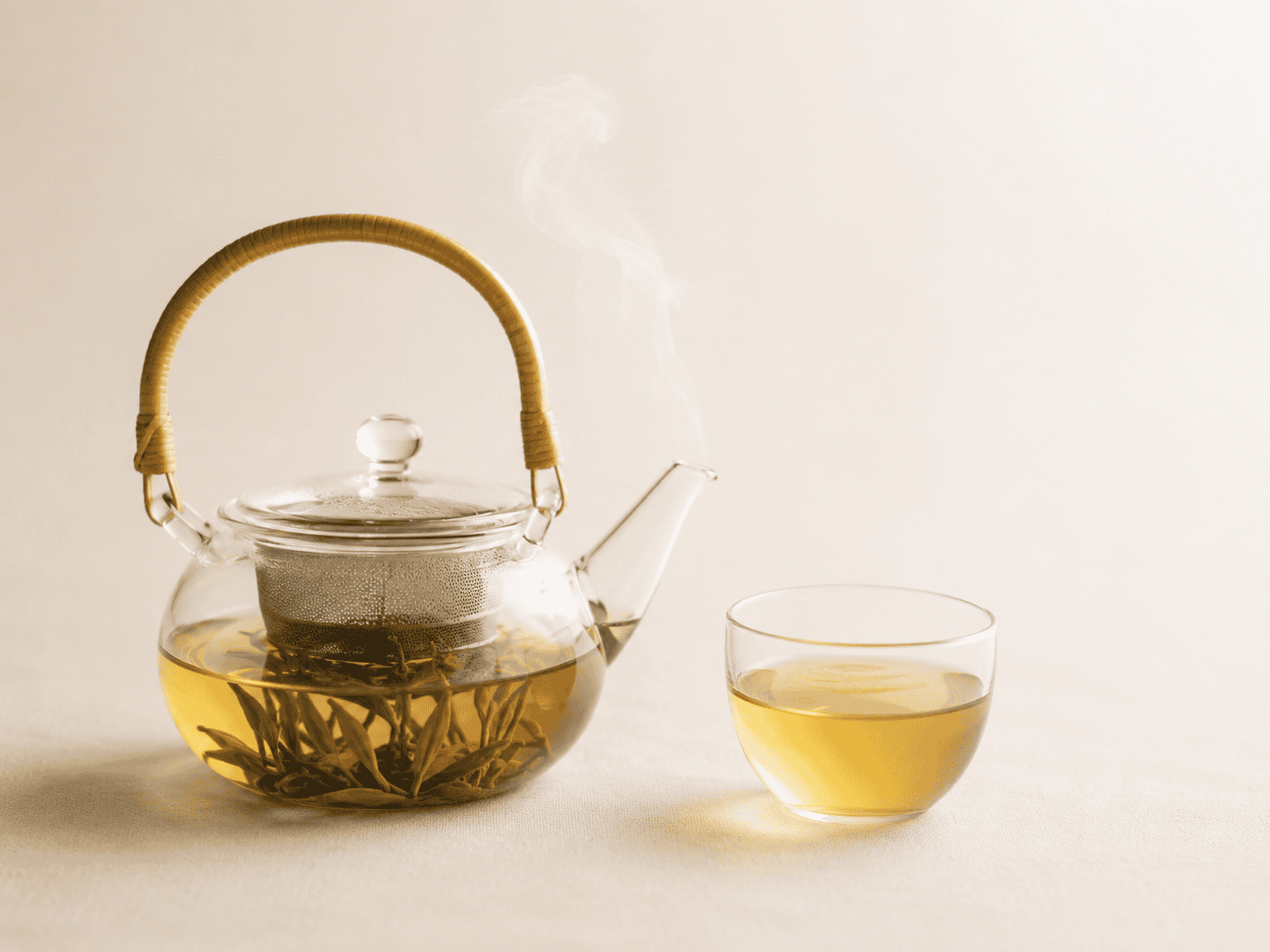
Hario runs Tokyo’s only borosilicate glass house, founded in 1921 as a laboratory-glass maker. The Cha Cha teapot has a wide steel filter that lets sencha, hojicha, or bancha leaves open fully, and clear glass that shows the colour of the brew. It is the everyday pot for the recipient who already owns ceremonial-grade tea and wants something for the loose-leaf afternoons. The Hario Cha Cha glass teapot is the daily workhorse.
5. Mino-yaki Aka Shino chawan — the matcha bowl
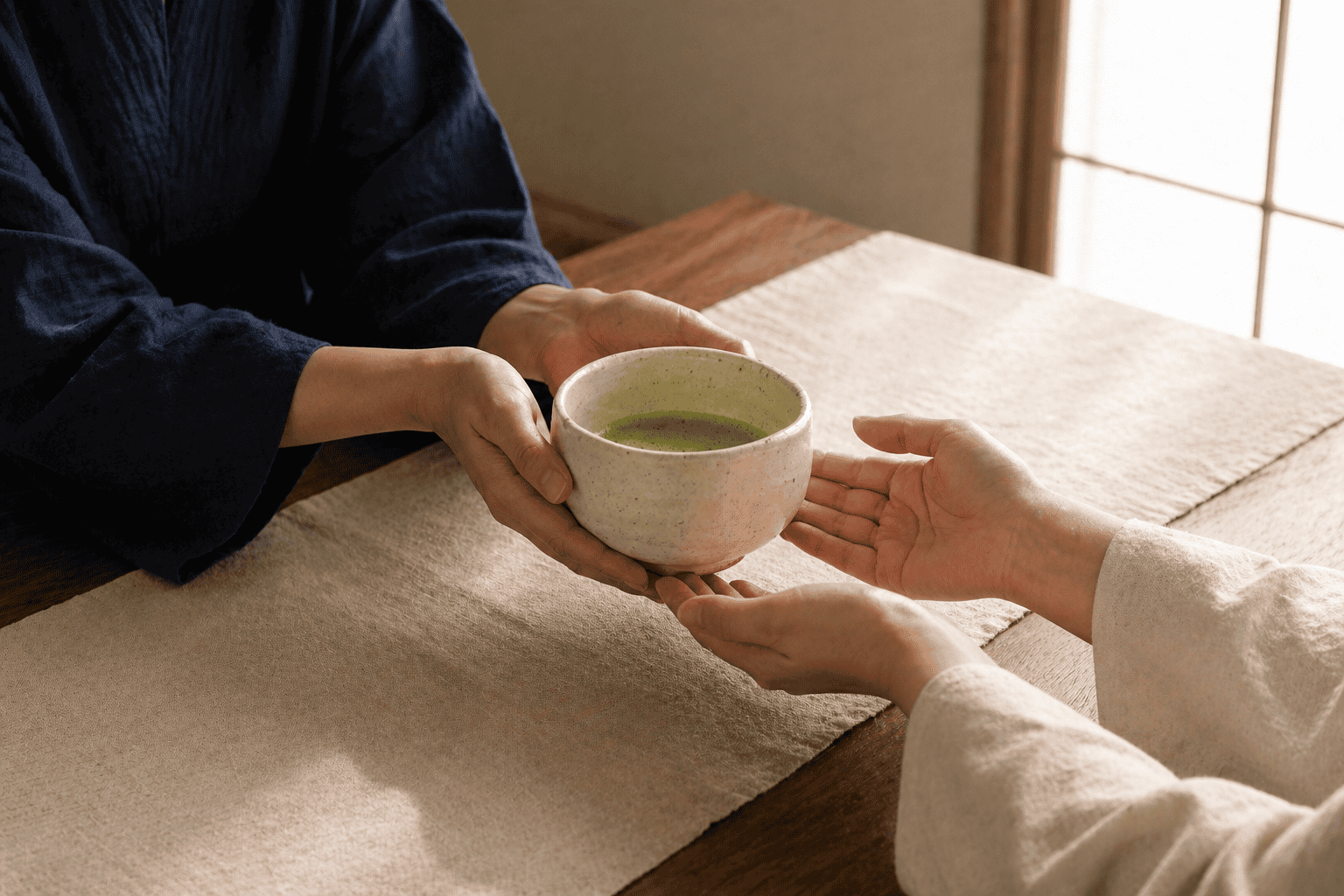
The chawan is the bowl matcha is whisked in, and a good one signals ritual the moment it arrives. This one wears the soft red-and-cream Aka Shino glaze of the Mino tradition, an aesthetic dating to the late sixteenth century. The wide, slightly irregular form gives the chasen room to move and holds heat through the drinking. The Mino-yaki Aka Shino chawan is the surface every whisk returns to.
6. Takayama chasen — the hand-cut bamboo whisk
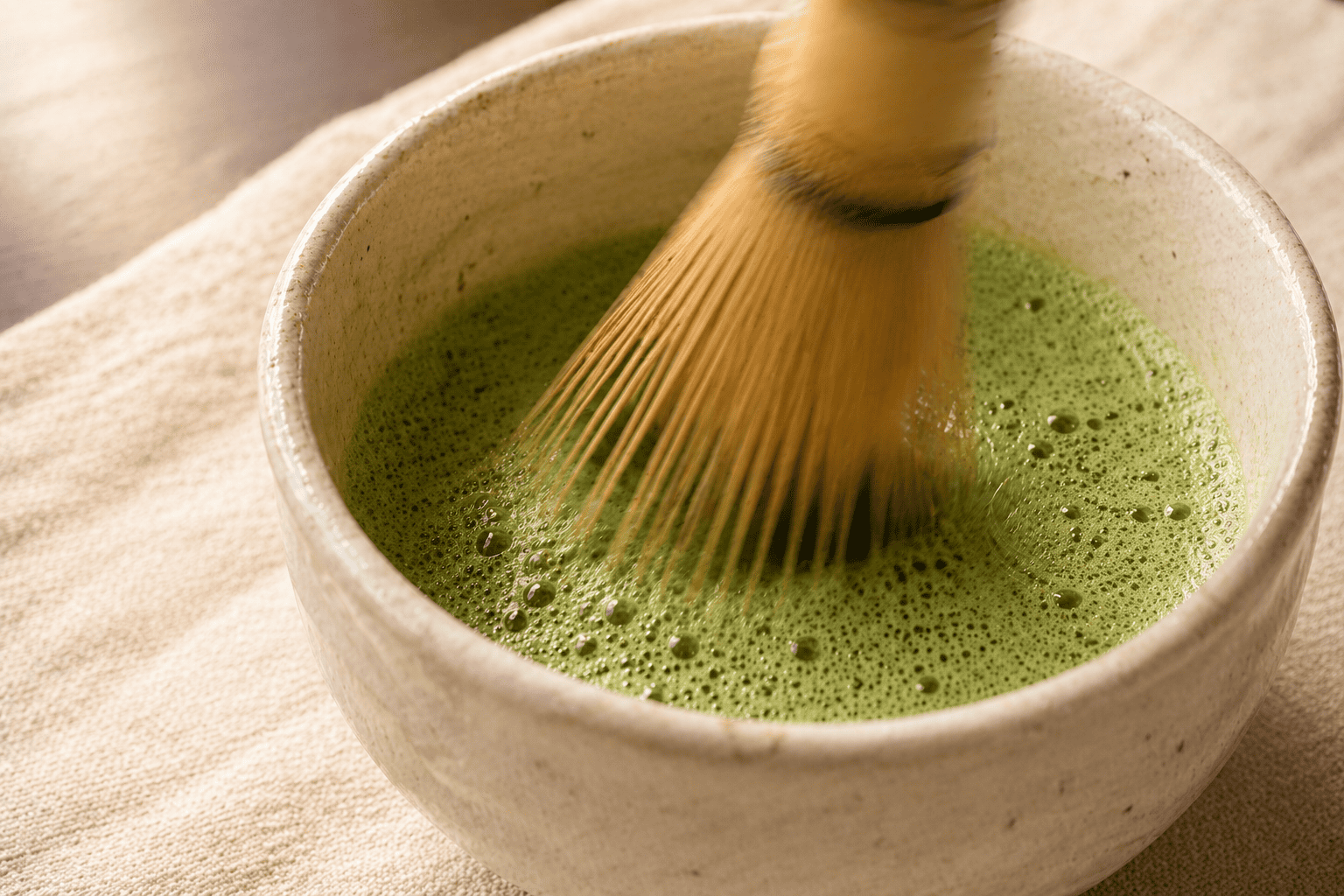
The chasen is the bamboo whisk that turns matcha and hot water into foam, and the best are still hand-cut in Takayama, Nara, the one village producing them at scale since the sixteenth century. This one is made by Inoue Wakasa, a third-generation master craftsman recognised by the Japanese government, each whisk split from a single node of bamboo. It is a wear item, good for six to twelve months of daily use, which makes it the ideal companion to a tin of matcha. The Takayama chasen by Inoue Wakasa is the tool that makes the ritual possible.
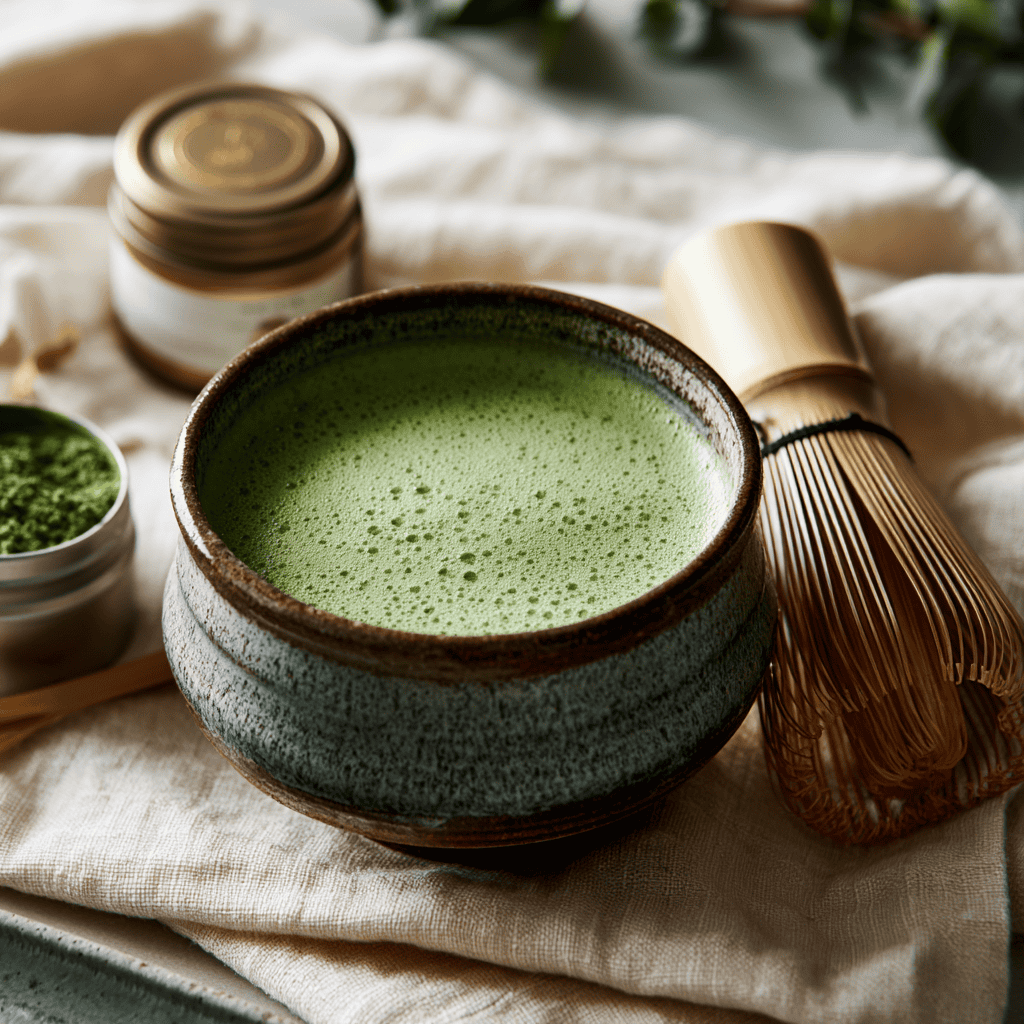 Ritual · Three minutes
 How to whisk a bowl of matcha
Sift one teaspoon (1.5g) of ceremonial-grade matcha into a chawan. Pour 70ml of hot water at 80°C — not boiling, the heat scorches the leaf. Whisk briskly with the chasen in a ‘W’ or ‘M’ pattern, wrist loose, for fifteen to twenty seconds. The surface becomes a fine even foam, the green darker than expected. Drink immediately, in two or three sips, before the foam settles. Rinse the chasen in warm water, never soap. Stand it on the kusenaoshi holder to dry the bristles back into their cone shape.
2. Sake & Drinking Ware
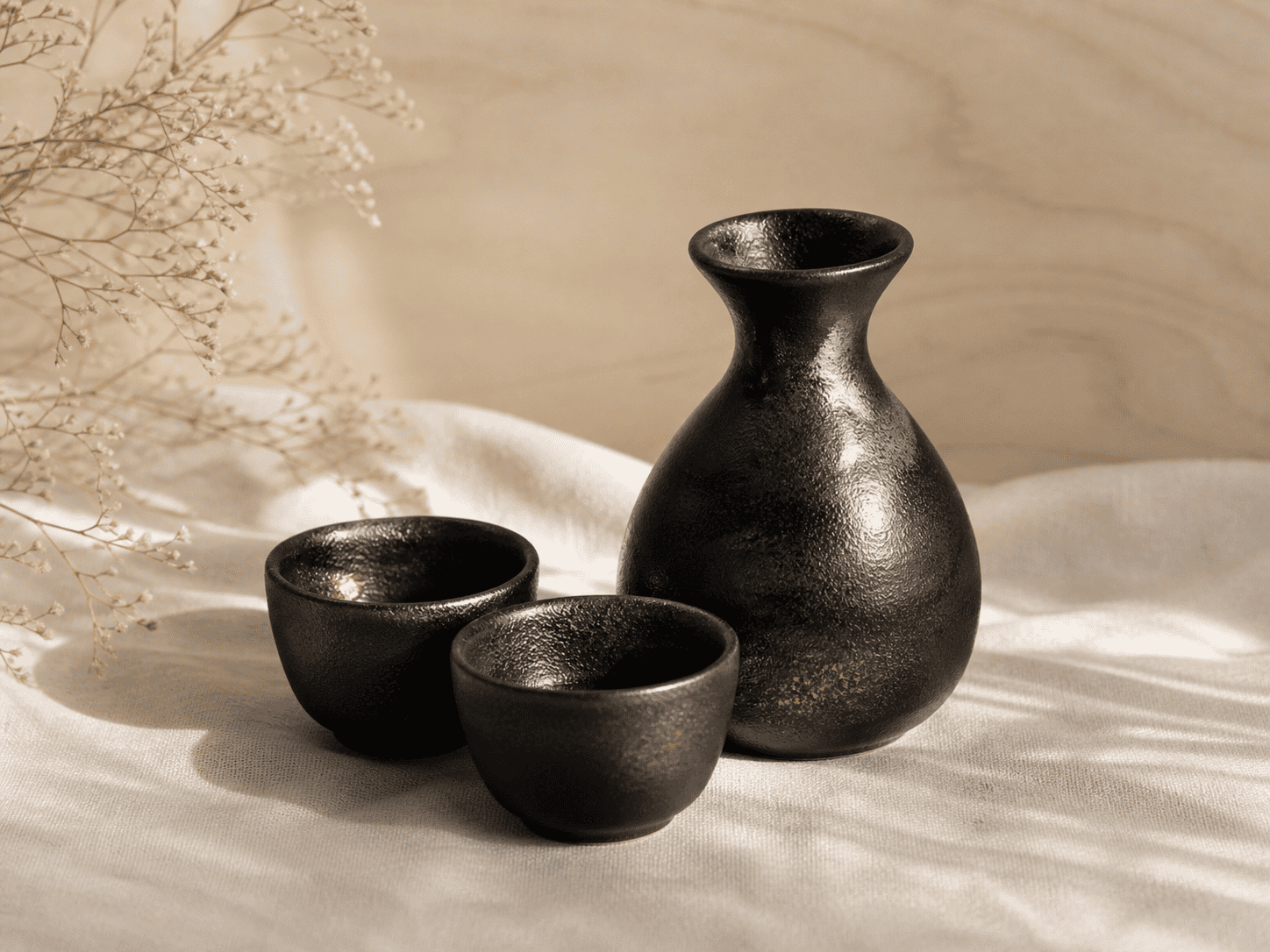
Sake culture sits closer to wine than to whiskey, and the recipient who appreciates one will likely recognize the parallels. Regional rice, regional water, regional master brewers — Japan has more than 1,200 active sake breweries spread across the archipelago, with each prefecture producing identifiable styles tied to its geography. Niigata’s snowmelt produces the lean, dry style. Hyogo’s Yamada Nishiki rice produces the round, fruit-forward Daiginjo. Yamagata’s mountain water produces the crisp, mineral-driven sakes that have won most of Japan’s national competitions in the past decade.
The drinking ware matters as much as the bottle, which is something most American gift guides miss. A premium junmai daiginjo poured into a coffee mug loses half its character. The same sake poured into a Kagami Crystal Edo Kiriko cup — Tokyo cut glass that the Imperial Household Agency uses for state receptions — refracts into prisms, releases its aroma differently, and turns a pour into a moment. This is part of why sake sets, rather than sake itself, are often the better gift for the international recipient: the bottle is enjoyed and gone within weeks, but the set lives on the shelf for decades.
Three regional traditions dominate the drinkware tier. Mino-yaki from Gifu Prefecture is the everyday standard, accounting for over half of all Japanese pottery production. Hasami ware from Nagasaki has produced everyday porcelain since the seventeenth century, with checkered indigo-and-gold patterns now defining its modern register. Edo Kiriko, designated a national craft, is the cut-glass technique developed in Tokyo since 1834, with Kagami Crystal as its most prestigious modern producer.
7. Mino ware tokkuri set — the warm-sake set
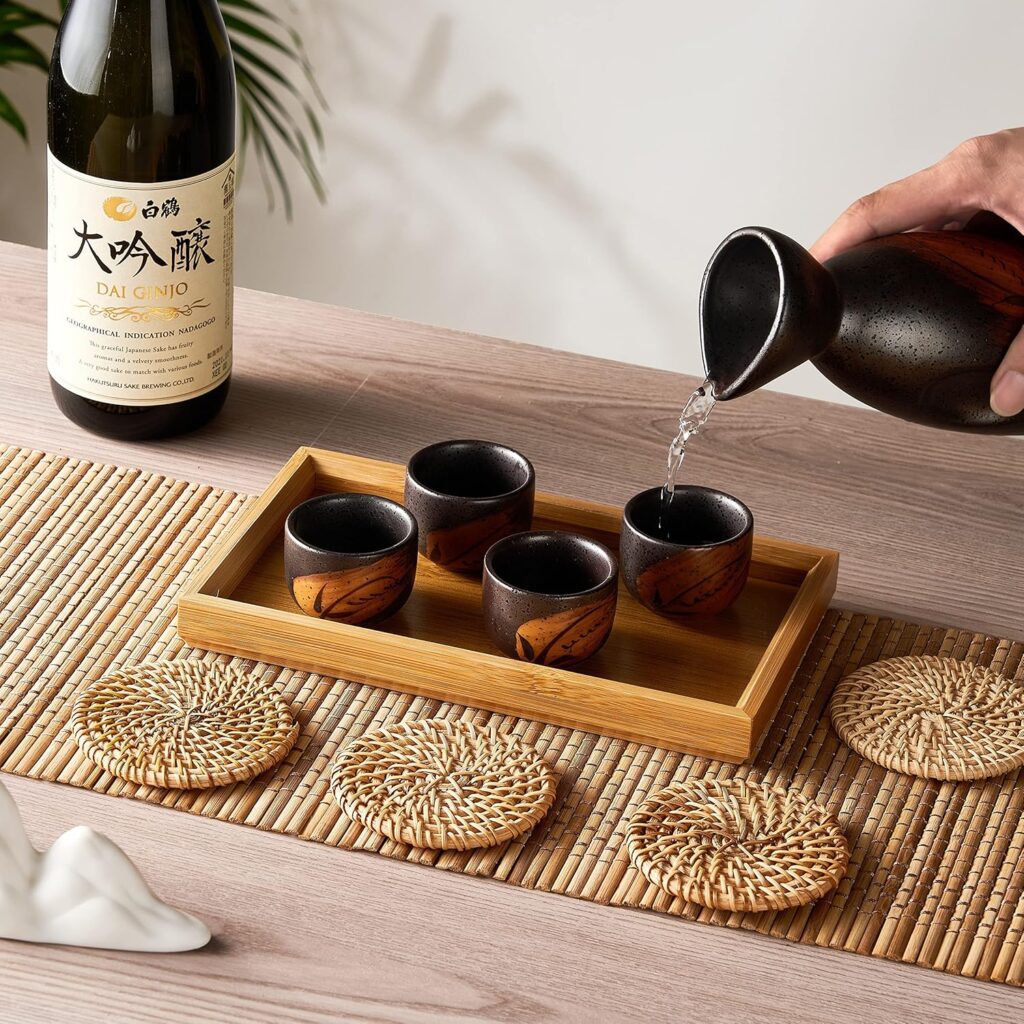
Mino-yaki from Gifu accounts for over half of all Japanese pottery, and this matte-black set is its everyday standard: one tokkuri carafe and two guinomi cups. It is microwave-safe, which means sake can be warmed the traditional way to atsukan or the gentler hitohada-kan without a water bath. The dark glaze flatters the pale gold of a warmed junmai. The Mino ware tokkuri and guinomi set is the entry into serving sake properly at home.
8. Mino Kuro Oribe — the five-piece sake set
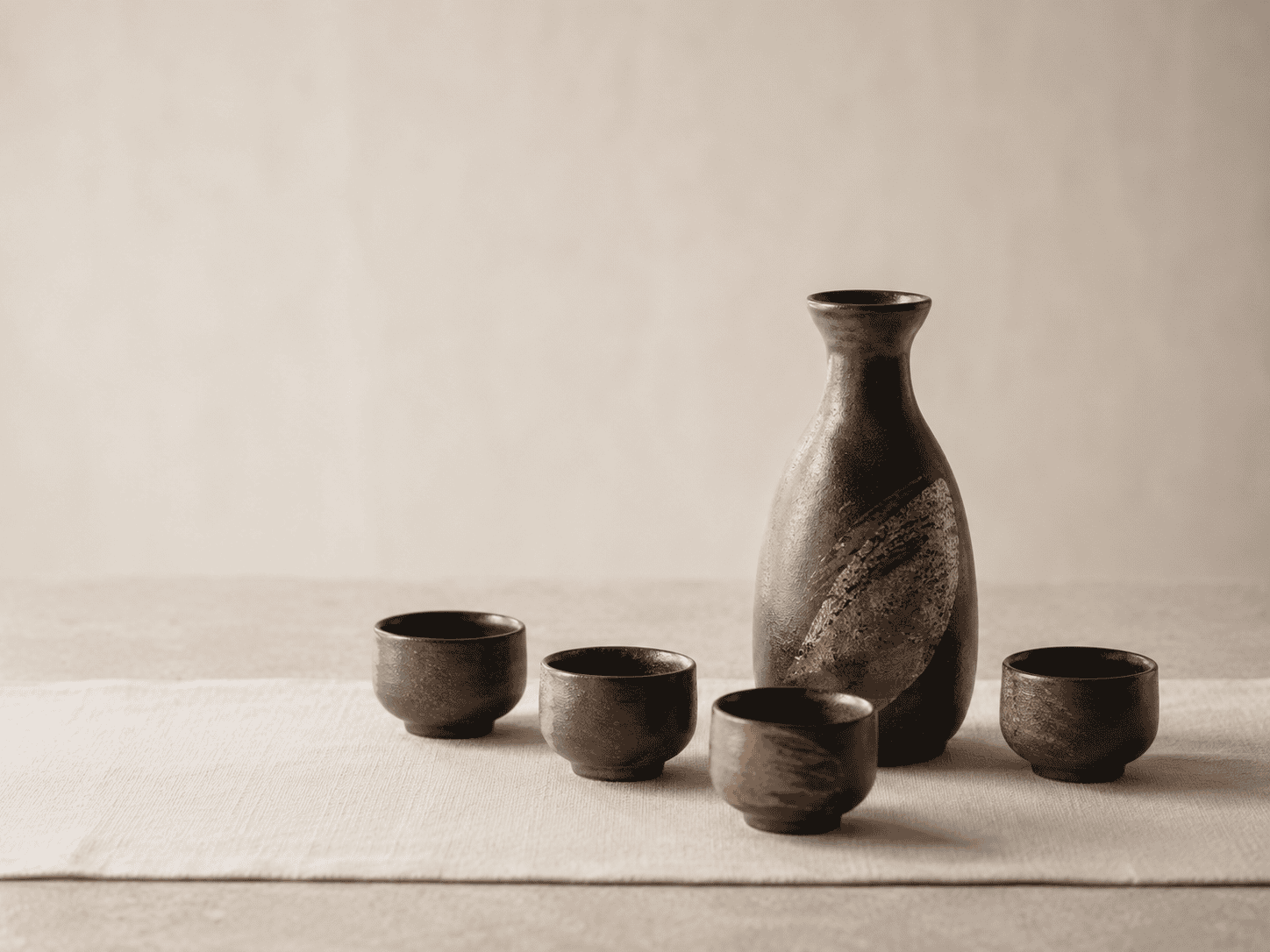
This Mino set wears deep matte black with rust-red Oribe detailing, an aesthetic traced to the sixteenth-century tea master Furuta Oribe. Five pieces, a carafe and four cups, make it the set for a table rather than a single pour. The irregular, deliberately imperfect forms are central to the Oribe sensibility. The Mino Kuro Oribe sake set is built for the evening that earns a second round.
9. Toyo Sasaki Mt. Fuji glass — the cold-sake glass
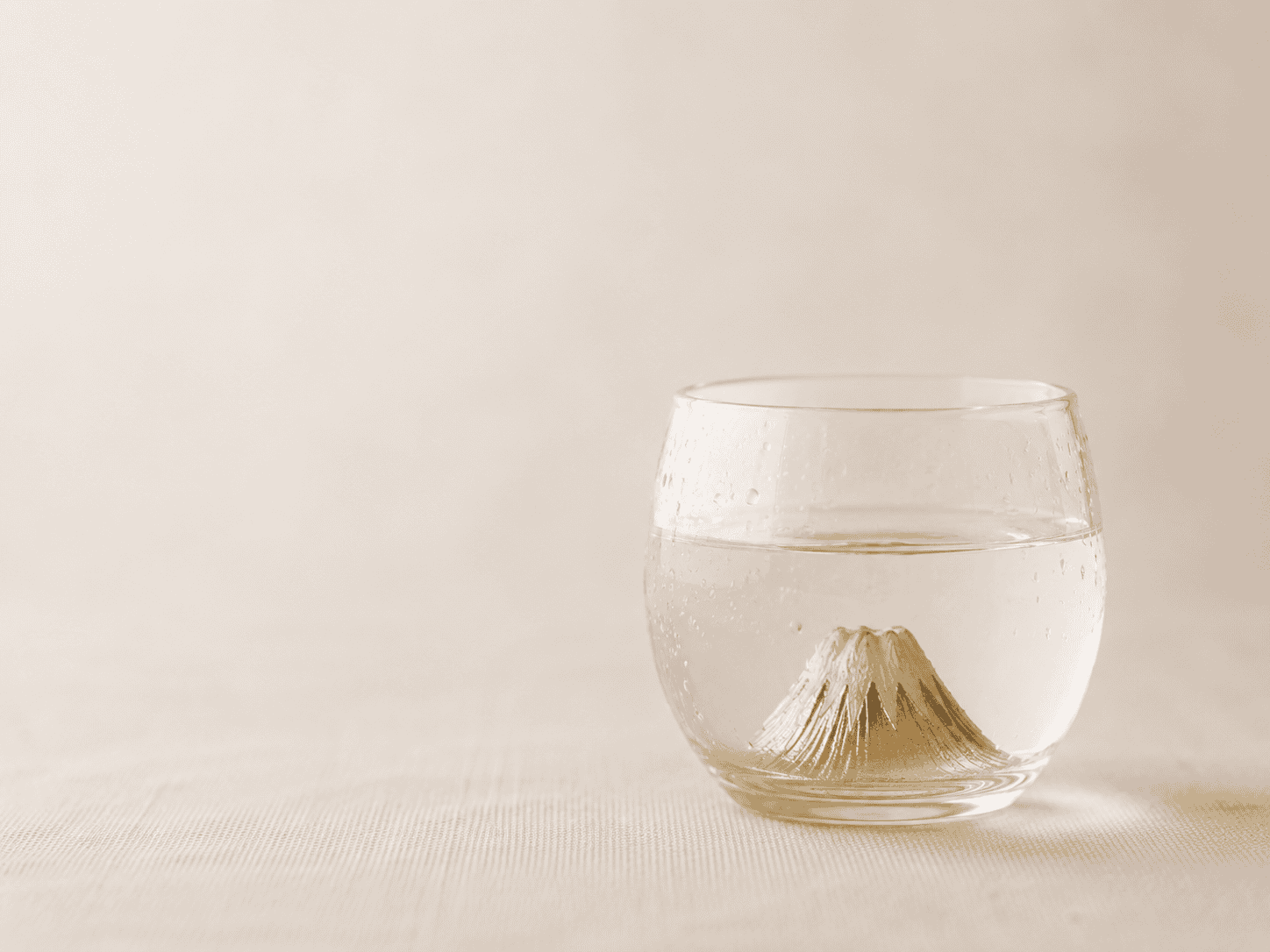
Toyo Sasaki paints a Mount Fuji silhouette into the base of this glass and finishes it with gold leaf, so a pour of chilled junmai refracts the mountain up through the liquid. It is the kind of object that earns a permanent shelf spot rather than a place in the dishwasher rotation. The shape concentrates the aroma of a cold daiginjo. The Toyo Sasaki Mt. Fuji cold sake glass is a small piece of Japan in glass.
10. Hasami checkered sake set — the gourd carafe
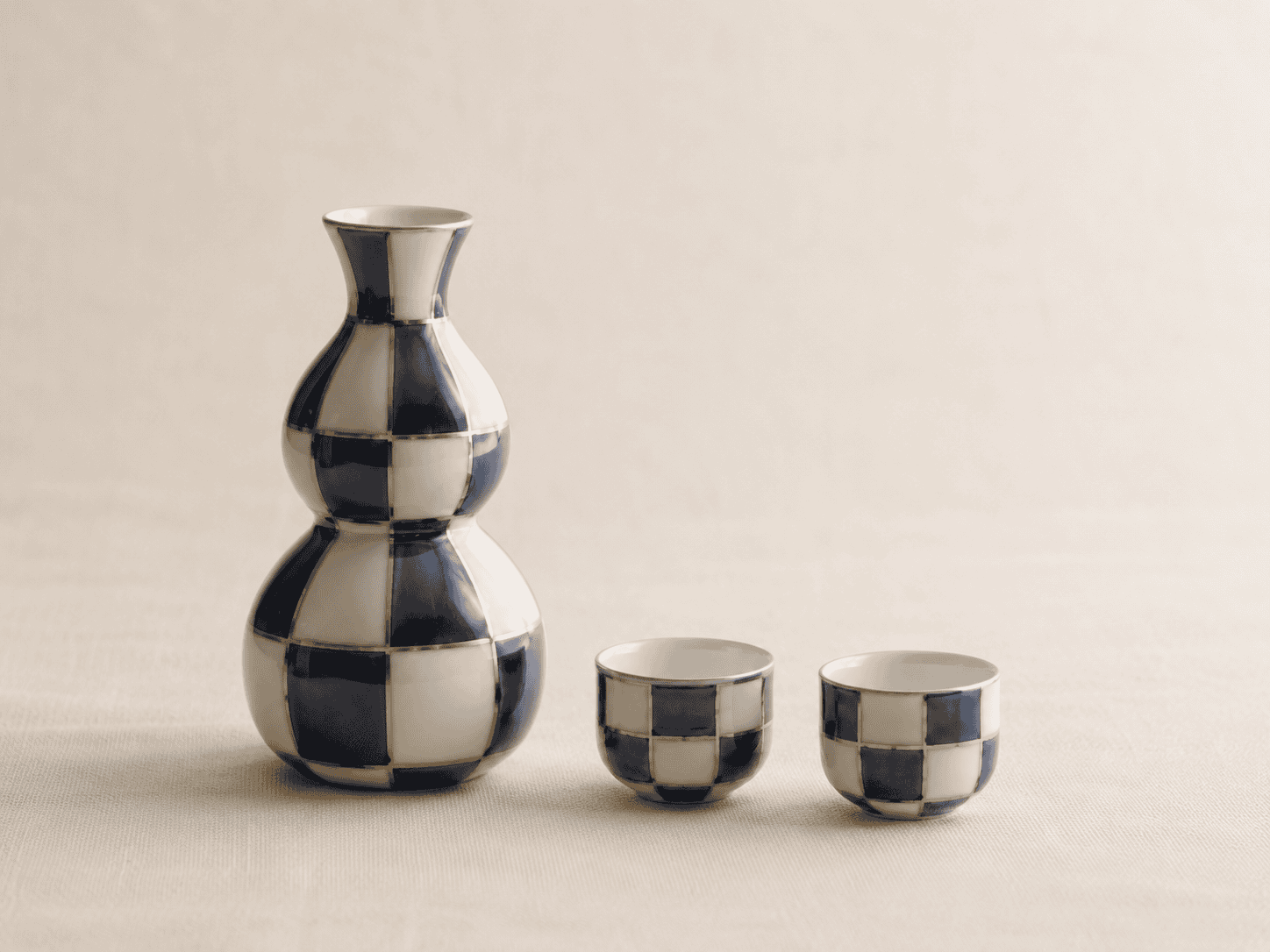
Hasami ware from Nagasaki has made everyday porcelain since the seventeenth century, and its modern register is this indigo-and-gold check. The gourd-shaped (hyotan) carafe pours into two matching cups, the pinstriping fine enough to read as luxury rather than novelty. It is curated by JOC Goods directly from the kiln. The black checkered Hasami ware sake set brings a contemporary Japanese table into the gift.
11. Kagami Crystal Edo Kiriko — the cut-glass sake cups
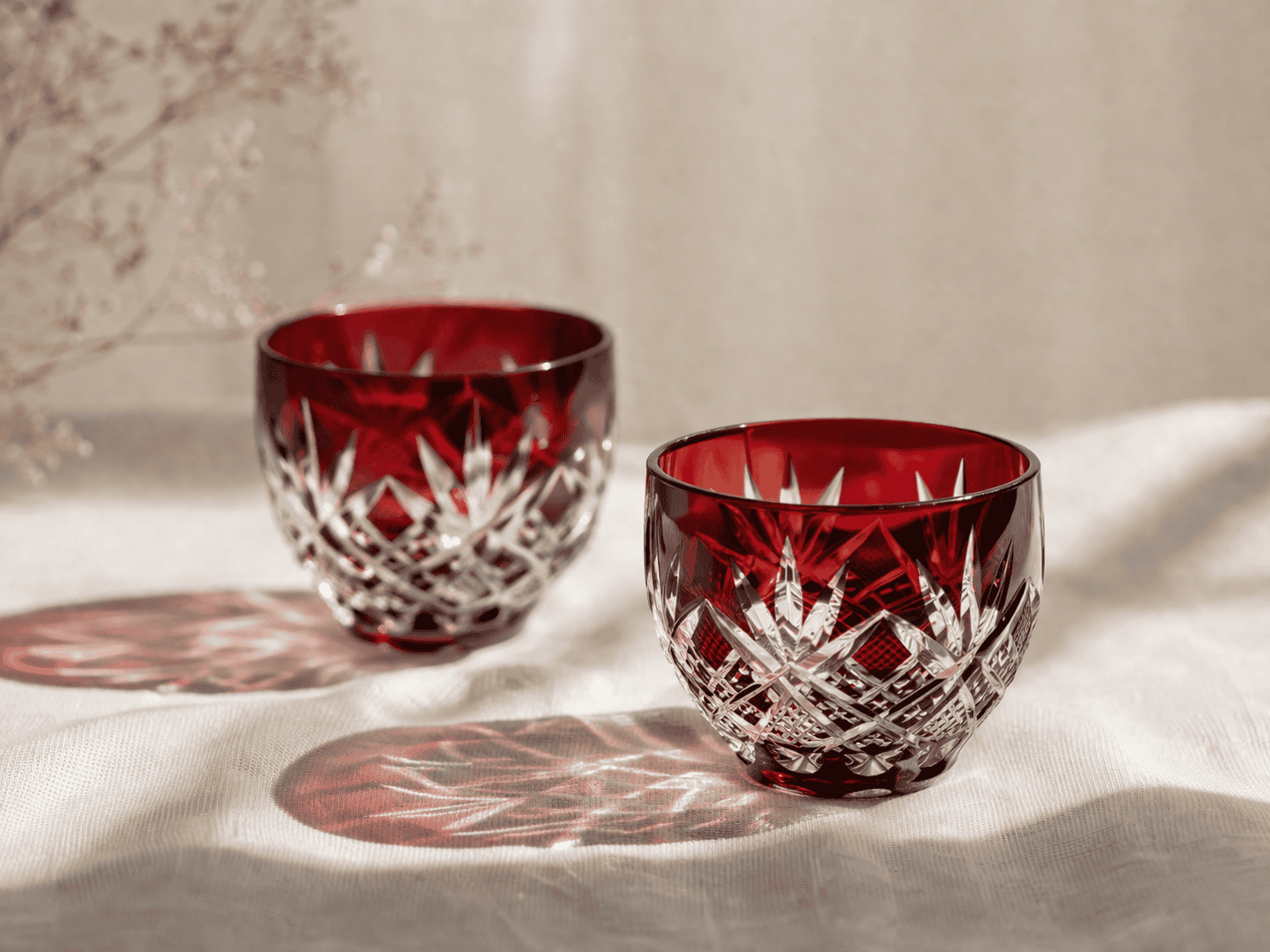
Kagami Crystal has supplied the Japanese Imperial Household Agency since 1934, and Edo Kiriko is Tokyo’s traditional cut-glass technique, designated a national craft. The faceted patterns refract sake into prisms, releasing aroma differently than plain glass and turning a pour into a moment. This is the milestone object in the sake category, enjoyed for decades after the bottle is gone. The Kagami Crystal Edo Kiriko sake cups are the cut-glass heirloom.
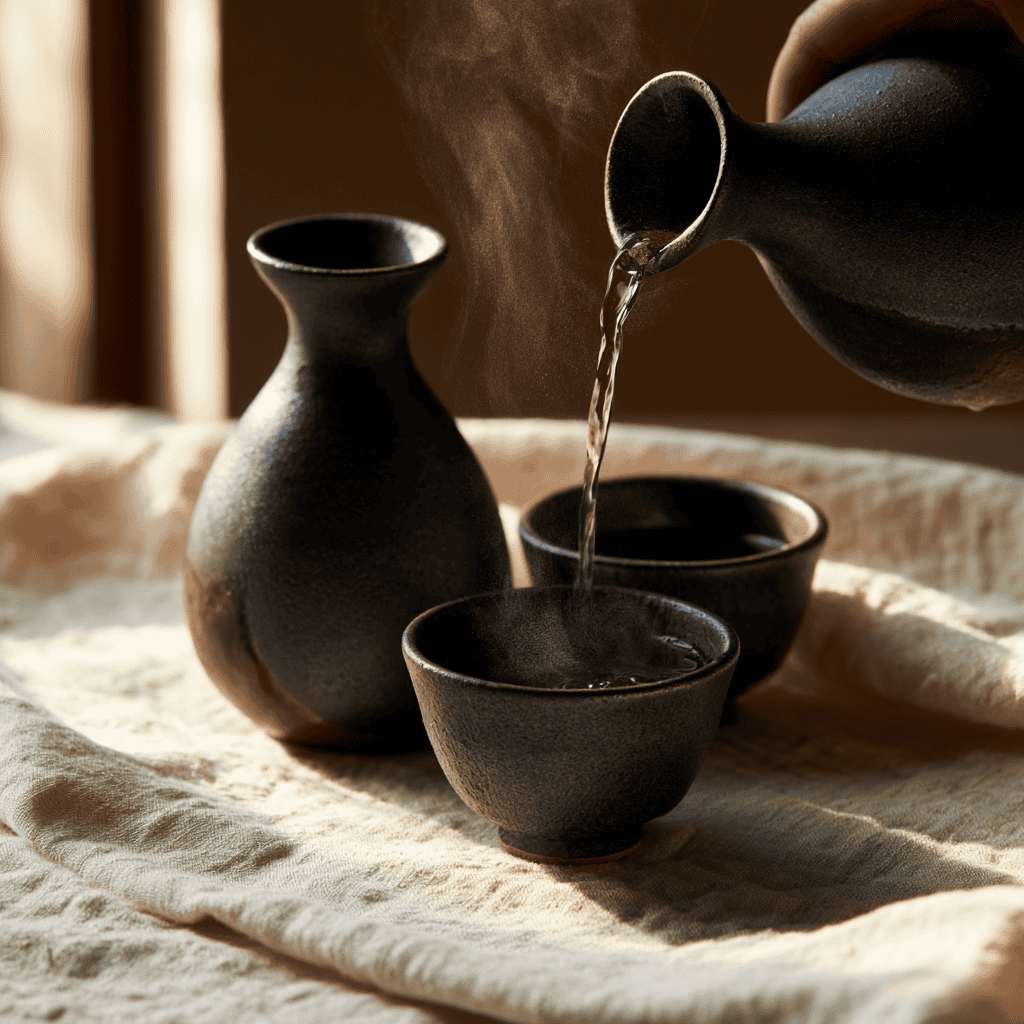 Ritual · Five minutes
 How to pour sake — warm or chilled
For warm sake (atsukan), fill a tokkuri three-quarters full and set in a saucepan of just-simmering water for two minutes. The carafe should be warm to grip, never hot. For chilled sake (reishu), refrigerate the bottle for an hour before pouring — never freeze. Pour for others first, never for yourself; hold the tokkuri with both hands, the receiver lifts the cup with both hands. Warm flatters dry junmai. Cold preserves the fruit notes of daiginjo. Room temperature suits namazake. Match the temperature to the style, not the season.
3. Knives & Kitchen
Japan’s blade tradition runs through three towns. Sanjō in Niigata Prefecture has been called the ‘town of blacksmiths’ since the seventeenth century. Sakai in Osaka has produced single-bevel knives for sushi chefs since the fourteenth century, with a craft lineage that traces back to sword-making for samurai. Tsubame, on the Sea of Japan coast and adjacent to Sanjō, evolved from copper hammering to high-precision metalwork and now produces some of the world’s finest stainless cutlery. The recipient who has cooked with a German Wüsthof and switched to a Japanese knife rarely goes back.
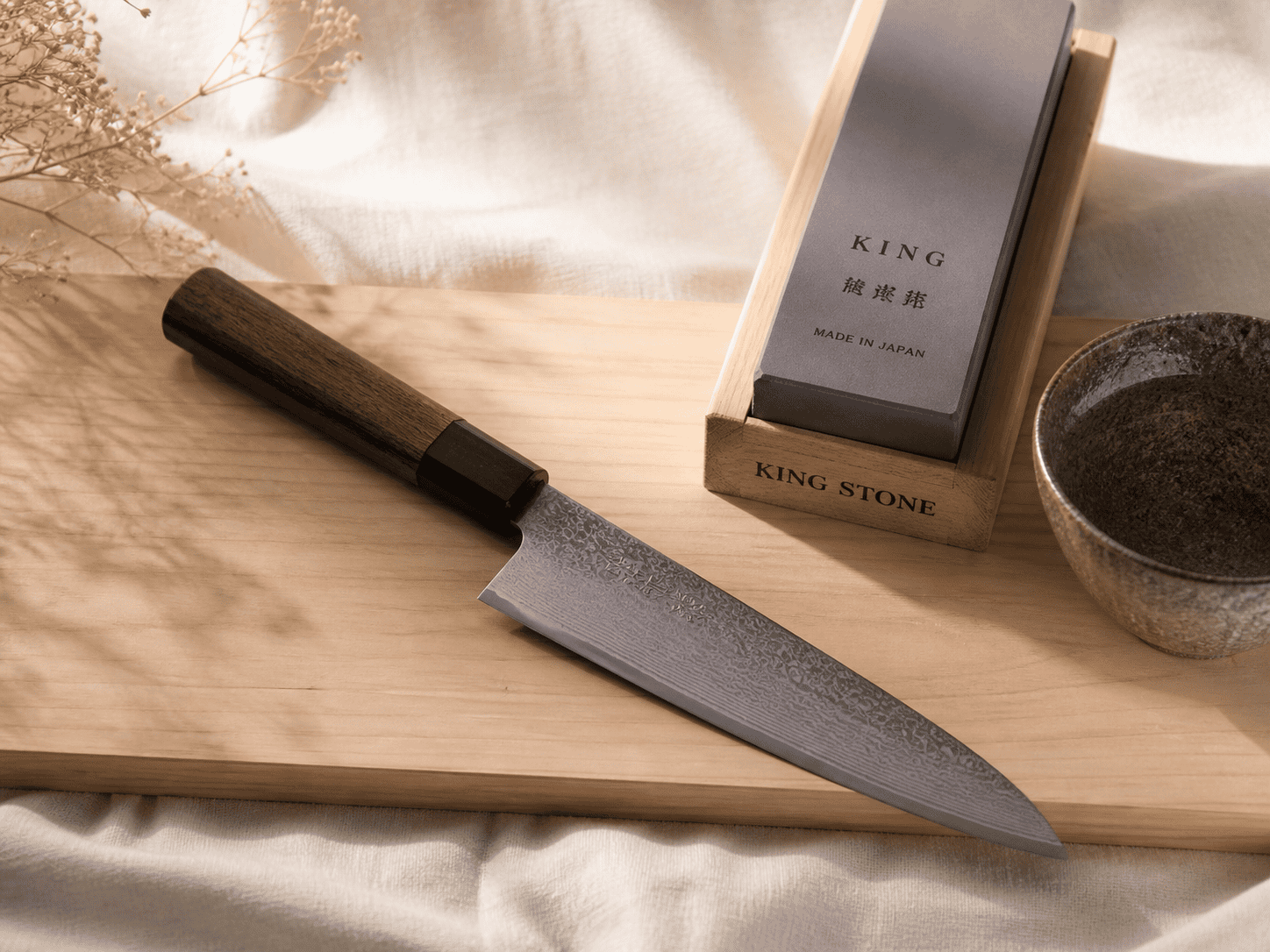
For gift-giving, the Japanese knife category breaks into clear tiers. Tojiro DP — VG10 cobalt steel core sandwiched between softer stainless — is the everyday workhorse, the first Japanese knife serious cooks recommend. Yoshihiro carries the single-bevel sushi tradition. Two pieces of supporting equipment matter as much as the knives themselves: KING whetstones, made in Aichi since 1899, are the standard sharpening stone, and a hinoki cypress cutting board protects the blade edge that a hardwood like maple would damage. Both belong in any knife gift package.
One detail most gift-givers miss: a Japanese knife sharpens differently than a German one. The blade edge is harder (60–62 HRC vs 56–58 in European steel) and thinner. A Western pull-through sharpener destroys it within weeks. A whetstone keeps it sharp for months. Pairing a knife with a stone is not a luxury upgrade — it is the difference between a gift that earns daily use and one that ends up in the back of a drawer within a year. The Sori Yanagi flatware closing the category is a different kind of object — not for cutting at the chef’s pace but for the table itself, the only mid-century Japanese flatware in MoMA’s permanent collection.
12. Tojiro DP gyuto — the everyday chef’s knife
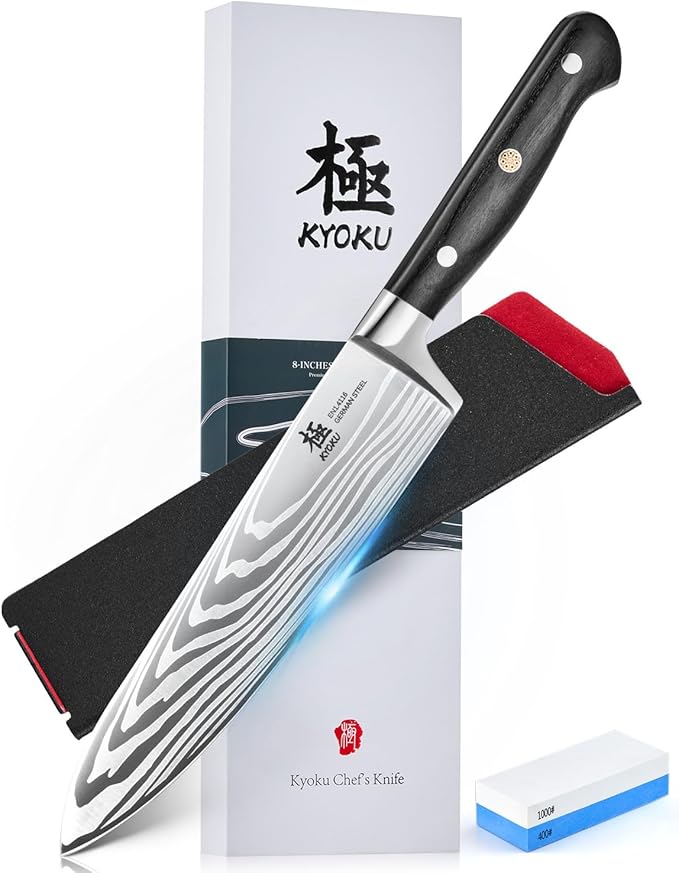
Tojiro is a Tsubame-Sanjo maker, and the DP line sandwiches a VG10 cobalt-steel core between softer stainless for an edge that holds and a body that forgives. The gyuto is the Japanese answer to the Western chef’s knife, lighter, thinner, harder, and the 210mm is the right starting length for most cooks. This is the blade serious cooks name first when asked which Japanese knife to give. The Tojiro DP cobalt gyuto is the everyday workhorse.
13. Tojiro DP santoku — the vegetable workhorse
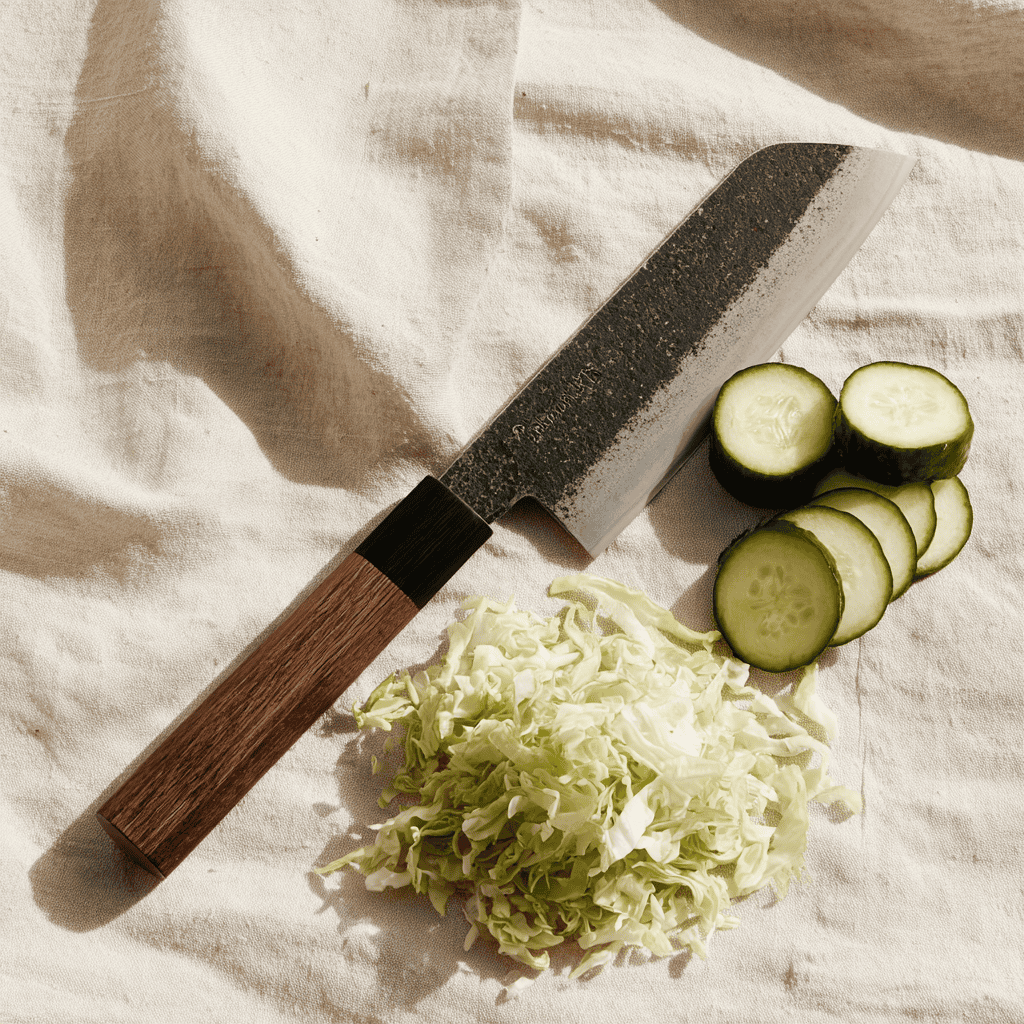
The santoku is the flatter, shorter Japanese kitchen blade, built for vegetable dicing and the straight up-and-down chop most home cooks already use. This one shares the DP line’s VG10 core and forging: the same steel as the gyuto, a different geometry. It is forgiving, and often the first Japanese knife a recipient reaches for. The Tojiro DP santoku handles the daily board.
14. Yoshihiro yanagi — the sashimi slicer
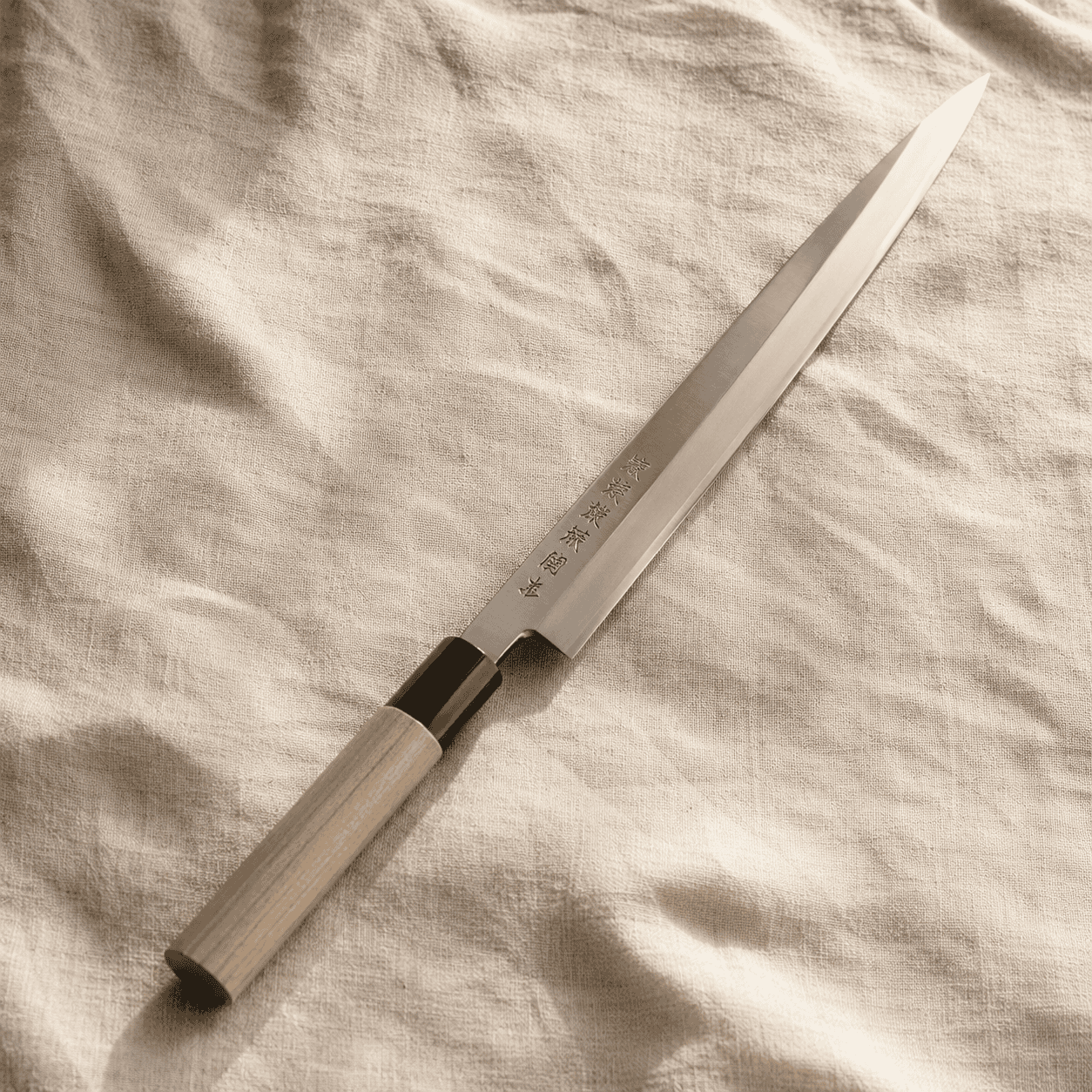
The yanagiba is the long, single-bevel knife that draws a clean cut through raw fish in one pull, the edge designed not to bruise delicate flesh. Yoshihiro is among the most respected single-bevel makers working outside Sakai itself, and this Inox stainless 240mm is the home-cook standard length. It is the gift for the recipient who has started slicing their own sashimi. The Yoshihiro Inox yanagi is the blade behind a proper plate of fish.
15. KING whetstone — the sharpening stone
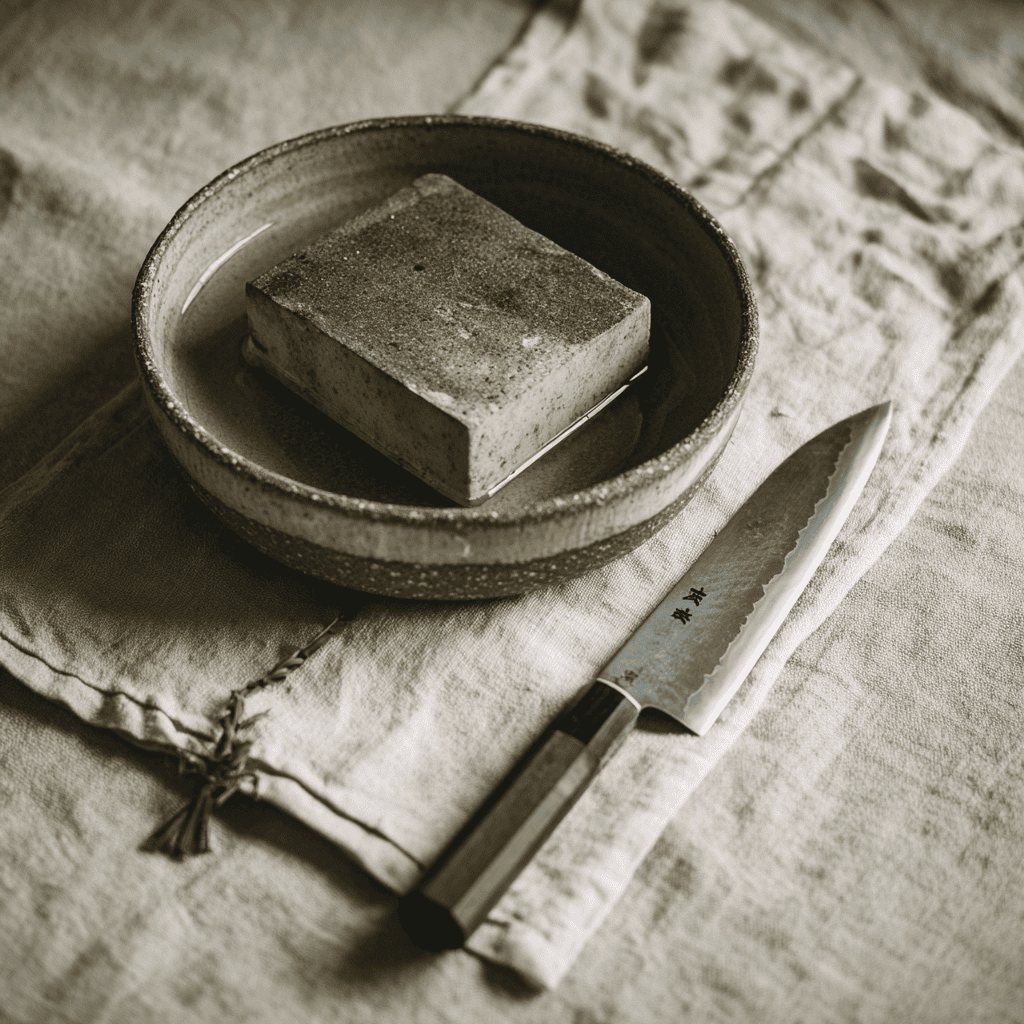
A Japanese knife is harder than a German one, and a Western pull-through sharpener destroys its edge within weeks while a whetstone keeps it sharp for months. KING has made the standard starter water stone in Aichi since 1899, and this 1000/6000 combination resets a dull edge and then polishes it. Pairing a stone with a knife is the difference between a gift used daily and one lost in a drawer. The KING whetstone starter set is the companion every blade needs.
16. YAMASAN hinoki board — the cutting board
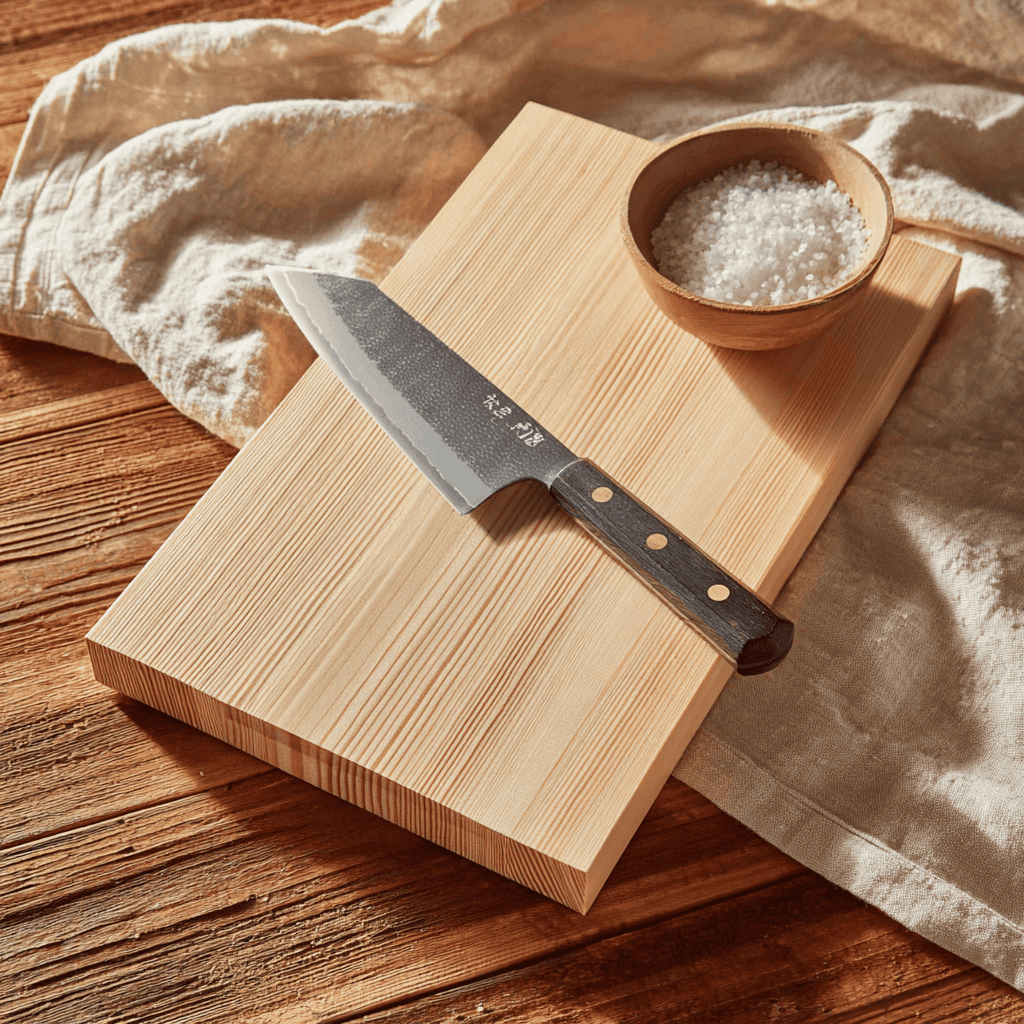
Japanese cypress is soft enough to flex under a hard blade and heal as it absorbs and releases moisture, which is why it protects an edge a maple board would roll. It carries natural antibacterial oils and a faint citrus scent that survives years of use. This is the surface that lets a good knife stay good. The YAMASAN Kyoto Uji hinoki cutting board outlasts a stack of plastic ones.
17. Iwachu tetsubin — the cast iron kettle
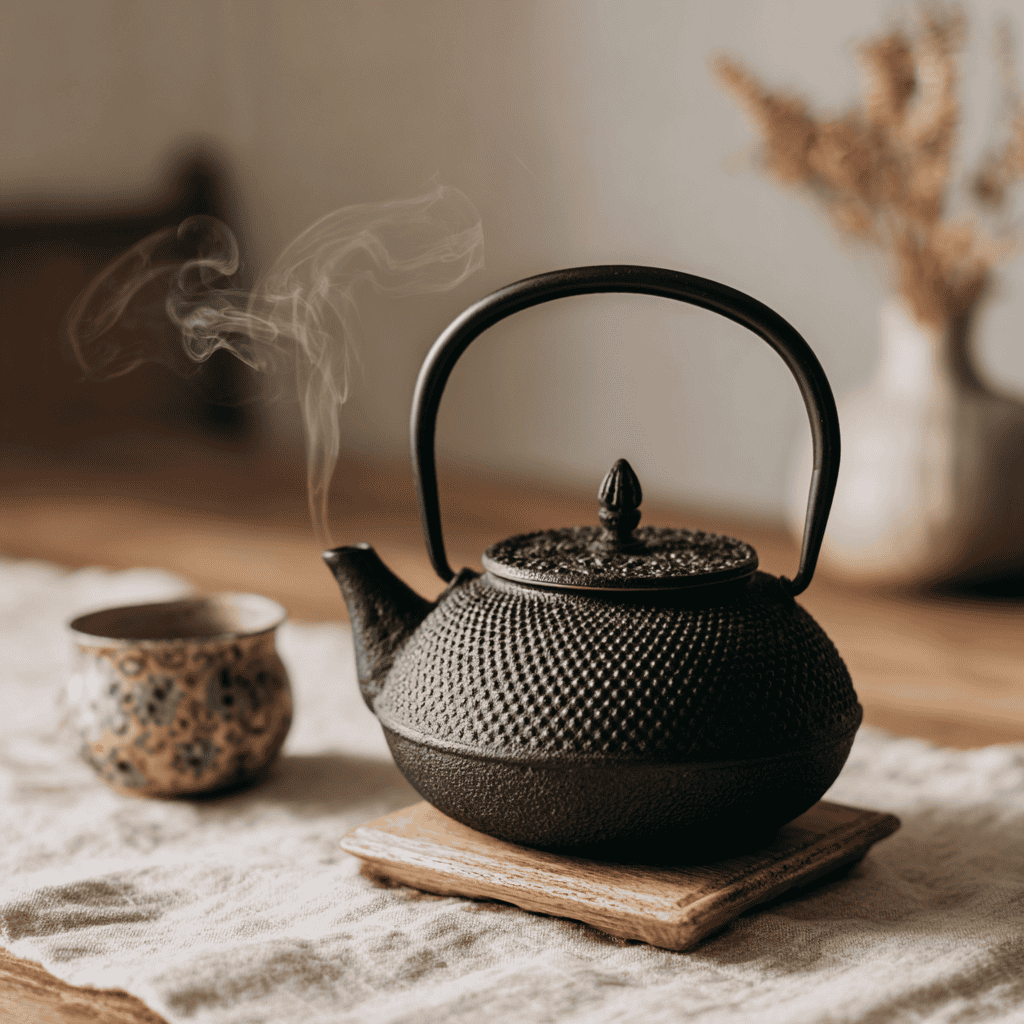
Iwachu’s Iwate workshop has made nambu tekki cast iron since 1902, and a tetsubin boils water directly over heat while the unlined iron softens it and adds a faint mineral character. That shift is perceptible in a cup of green tea, and the kettle itself is a generational object. It is the heirloom end of the tea category. The Iwachu tetsubin cast iron kettle is built to outlive its first owner.
18. Sori Yanagi flatware — the table set
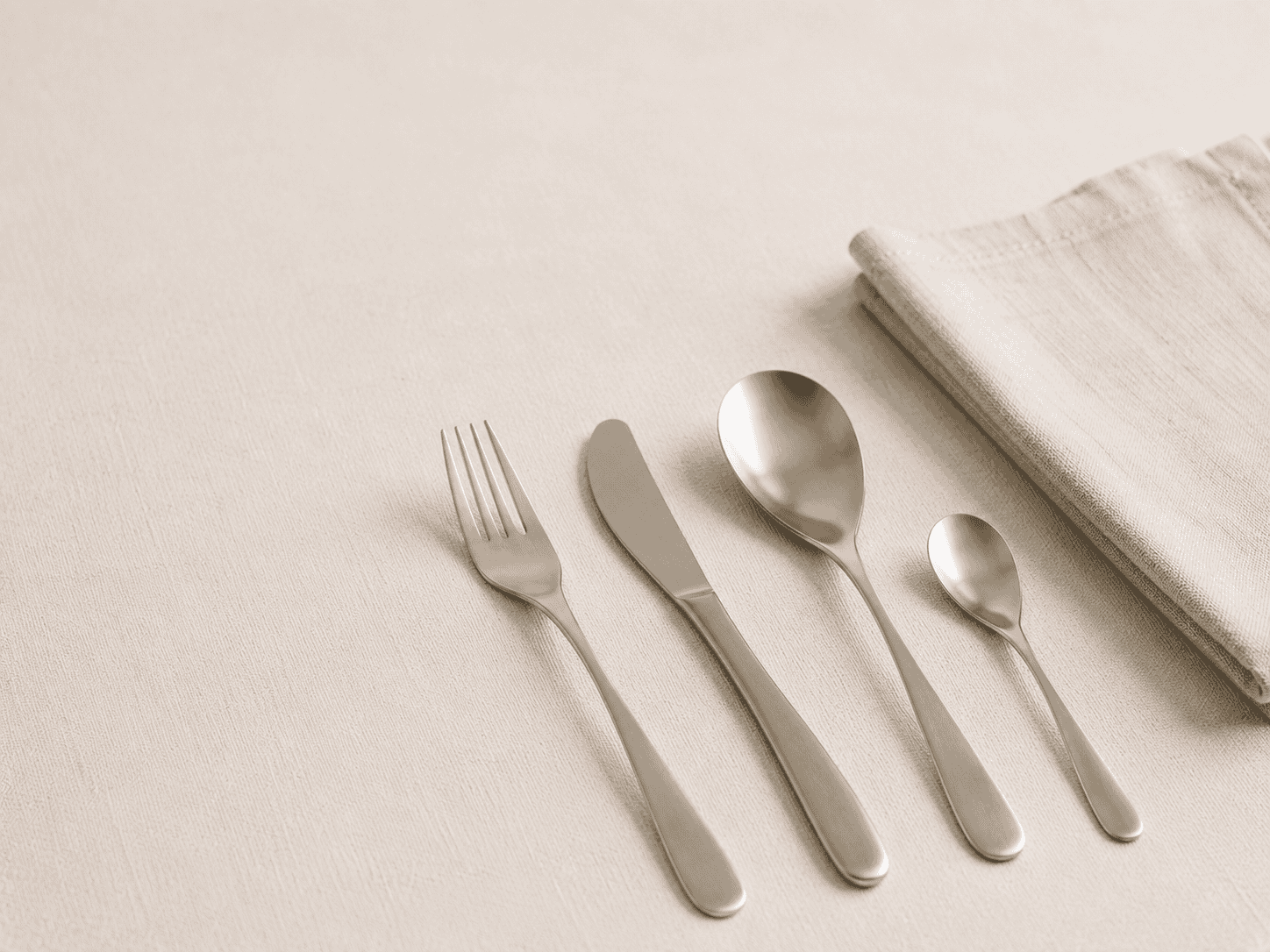
Sori Yanagi is the mid-century Japanese designer whose work sits in MoMA’s permanent collection, and this five-piece place setting, dinner fork and knife, soup spoon, salad fork, teaspoon, is made in Niigata from 18/8 stainless. The forms are restrained, balanced, and dishwasher-safe, designed for the table rather than the chef’s pace. It is curated by the MoMA Design Store. The Sori Yanagi flatware set is design-museum craft for everyday meals.
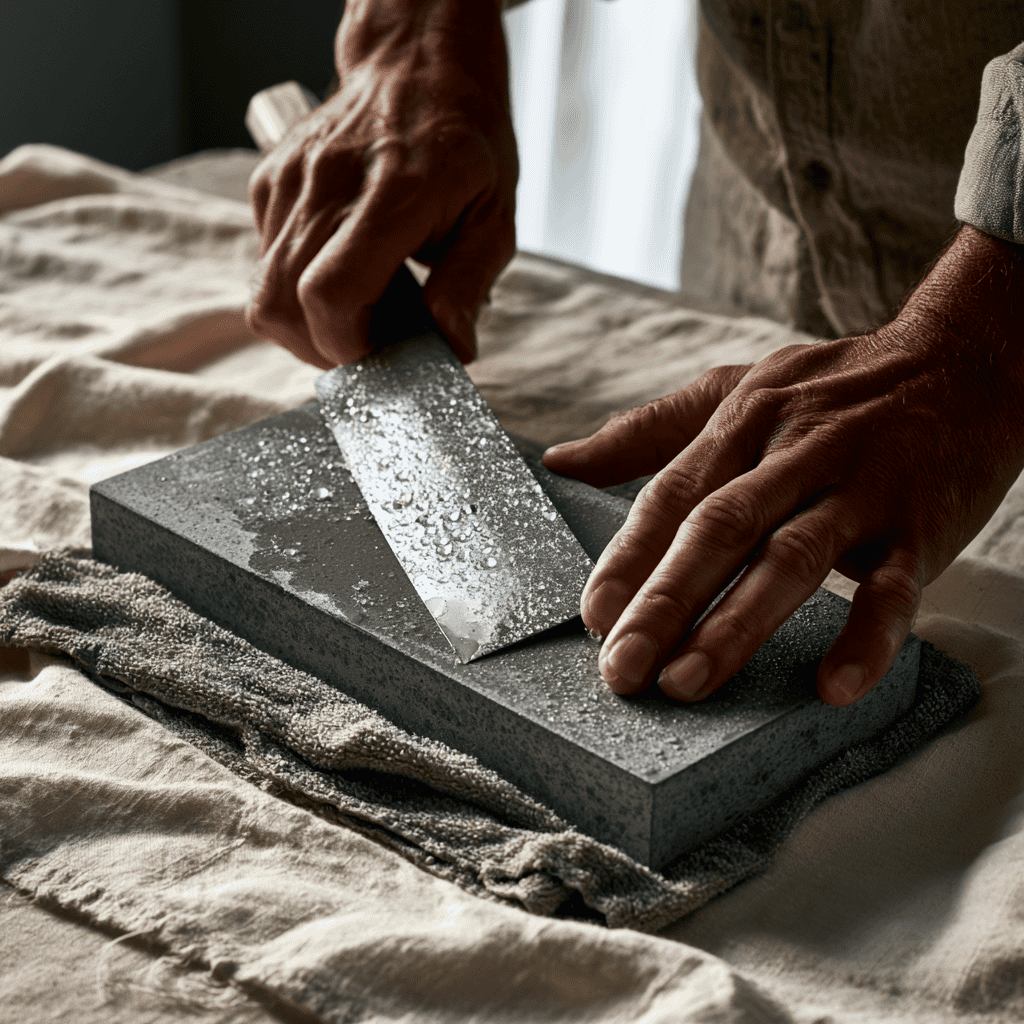 Ritual · Ten minutes
 How to sharpen a Japanese knife on a whetstone
Soak the stone in water for ten minutes, until the bubbles stop rising. Set it on a damp cloth so it will not slide. Lay the blade on the coarse 1000-grit side at a fifteen-to-twenty-degree angle, fingers resting lightly over the edge. Push the knife away from you along the stone, then draw it back, holding the angle constant; rhythm matters more than force. Work one side until a fine burr forms along the whole edge, then flip and repeat. Move to the fine 6000-grit side and repeat with lighter pressure to polish the edge to a mirror. Wipe the blade, rinse the stone, and test on a sheet of paper: a sharp edge slices clean, with no tearing.
4. Stationery & Books
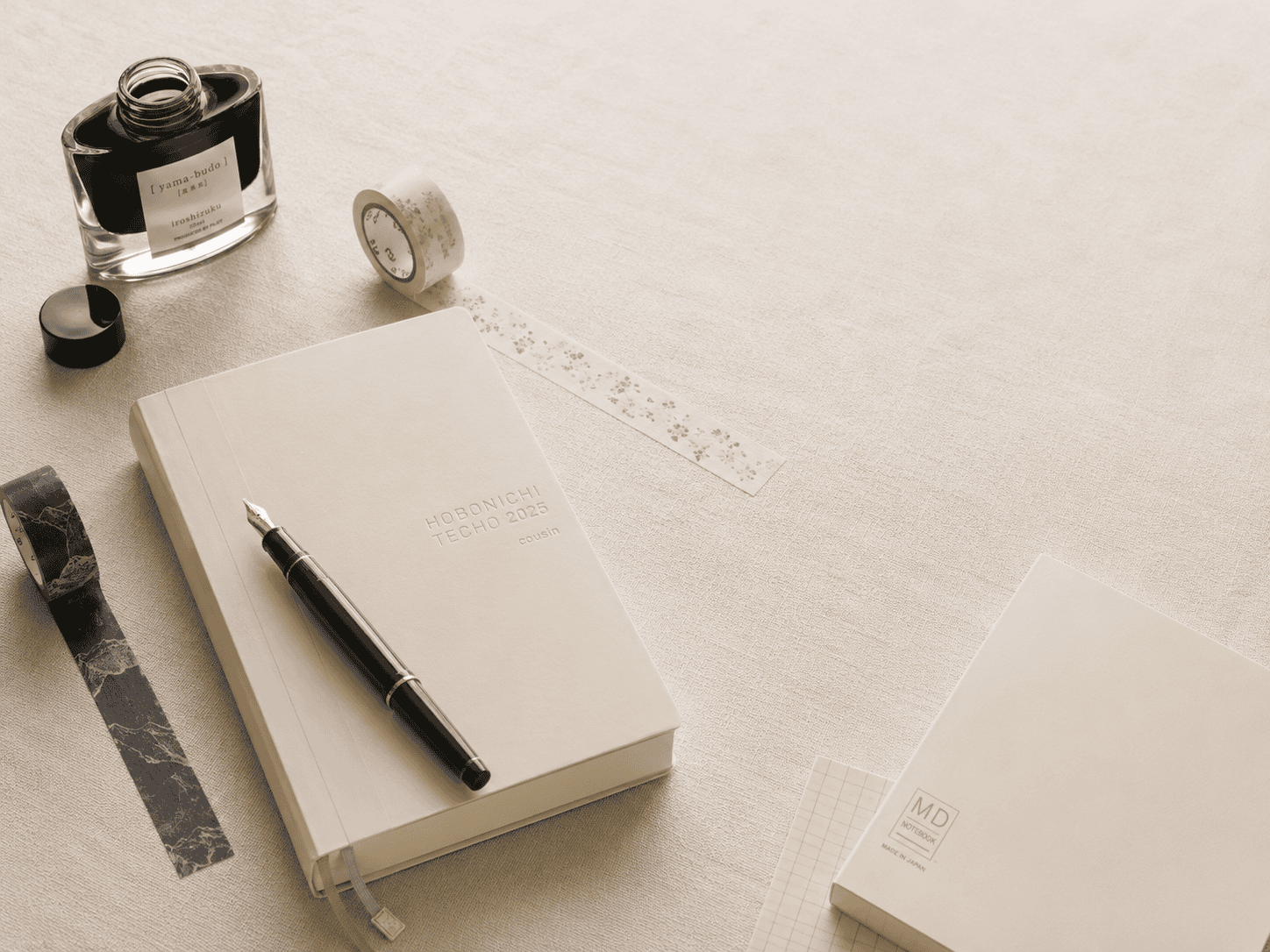
Japan invented most of the modern stationery category, and most of the world buys it without realizing the origin. Pilot’s Iroshizuku ink line, named after Japanese landscapes and dyed in colours that earn comparison to single-malt whiskey, is the default fountain pen ink in collector circles. Hobonichi Techo, the Tokyo-published planner that uses Tomoe River paper, sells almost a million copies a year worldwide and has built a global cult following. Midori, mt washi tape from Kamoi Kakoshi, Sailor fountain pens — the names anyone serious about stationery already knows.
For gift-giving, this category is among the most reliable. Stationery is small, light, mailable, beautiful out of the box, and almost universally well-received by anyone who writes by hand. The book picks deserve their own paragraph. Ikigai: The Japanese Secret to a Long and Happy Life, by Héctor García and Francesc Miralles, has sold more than five million copies and been translated into fifty-seven languages. It is the entry book for the Japanese philosophy of purpose, and the gift that opens conversations the recipient continues for weeks.
Tomoe River paper is the technical anchor of this category. Made by a single mill in Shizuoka Prefecture, the paper is roughly half the weight of standard journal paper but absorbs fountain pen ink without bleeding through. Hobonichi built its planner around it. Midori’s MD line uses a similar lightweight cream stock. The recipient who tries Tomoe River paper for the first time understands within a page why fountain pen users pay a premium for it.
19. Pilot Iroshizuku Yama-Budo — the crimson ink
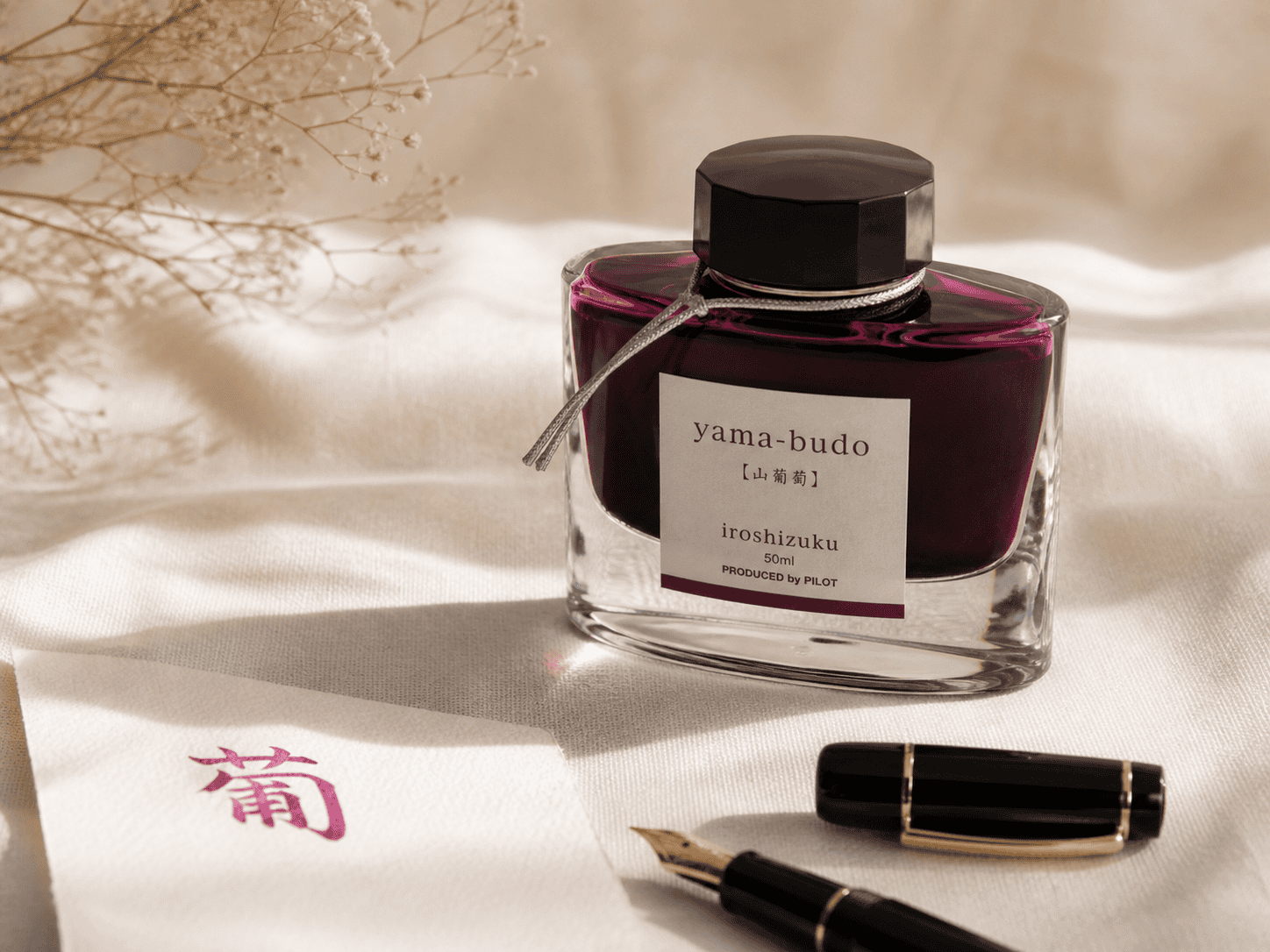
Pilot’s Iroshizuku line names its inks after Japanese landscapes and dyes them in colours that earn comparison to single-malt whisky. Yama-Budo is the deep crimson-purple of mountain grapes, a colour that shades from wine-red to violet as it dries. It is small, light, beautiful out of the box, and almost universally welcomed by anyone who writes by hand. The Pilot Iroshizuku Yama-Budo ink is the collector’s crimson.
20. Pilot Iroshizuku Kon-Peki — the signature blue
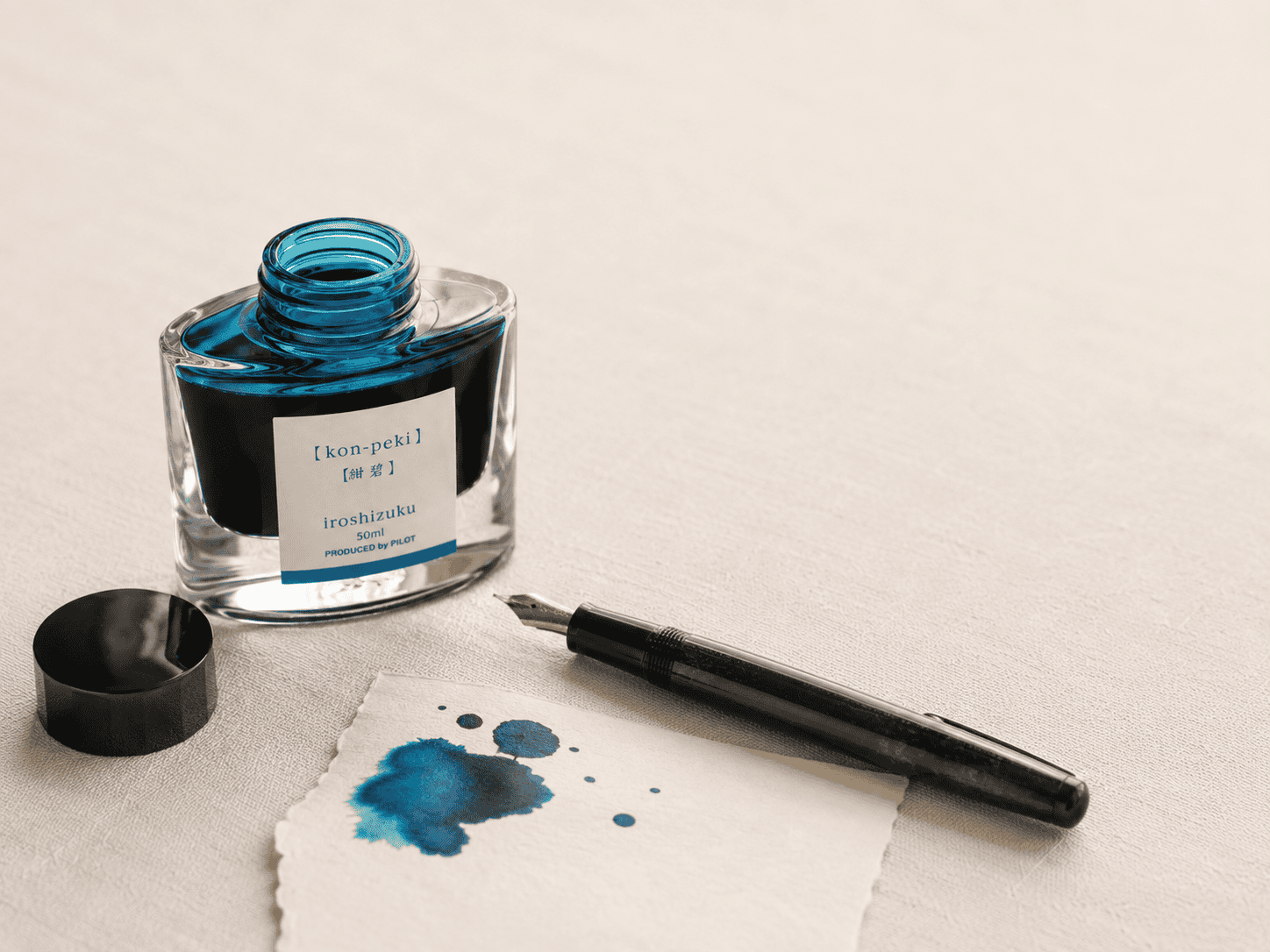
Kon-Peki is the Iroshizuku line’s signature blue, a deep, almost turquoise shade named after the colour of the deep sea. It is the bottle most people open first and the one that converts a recipient into a collector. Like the rest of the line, it flows cleanly and shades beautifully on good paper. The Pilot Iroshizuku Kon-Peki ink is the entry point to the range.
21. Hobonichi Techo — the cult planner
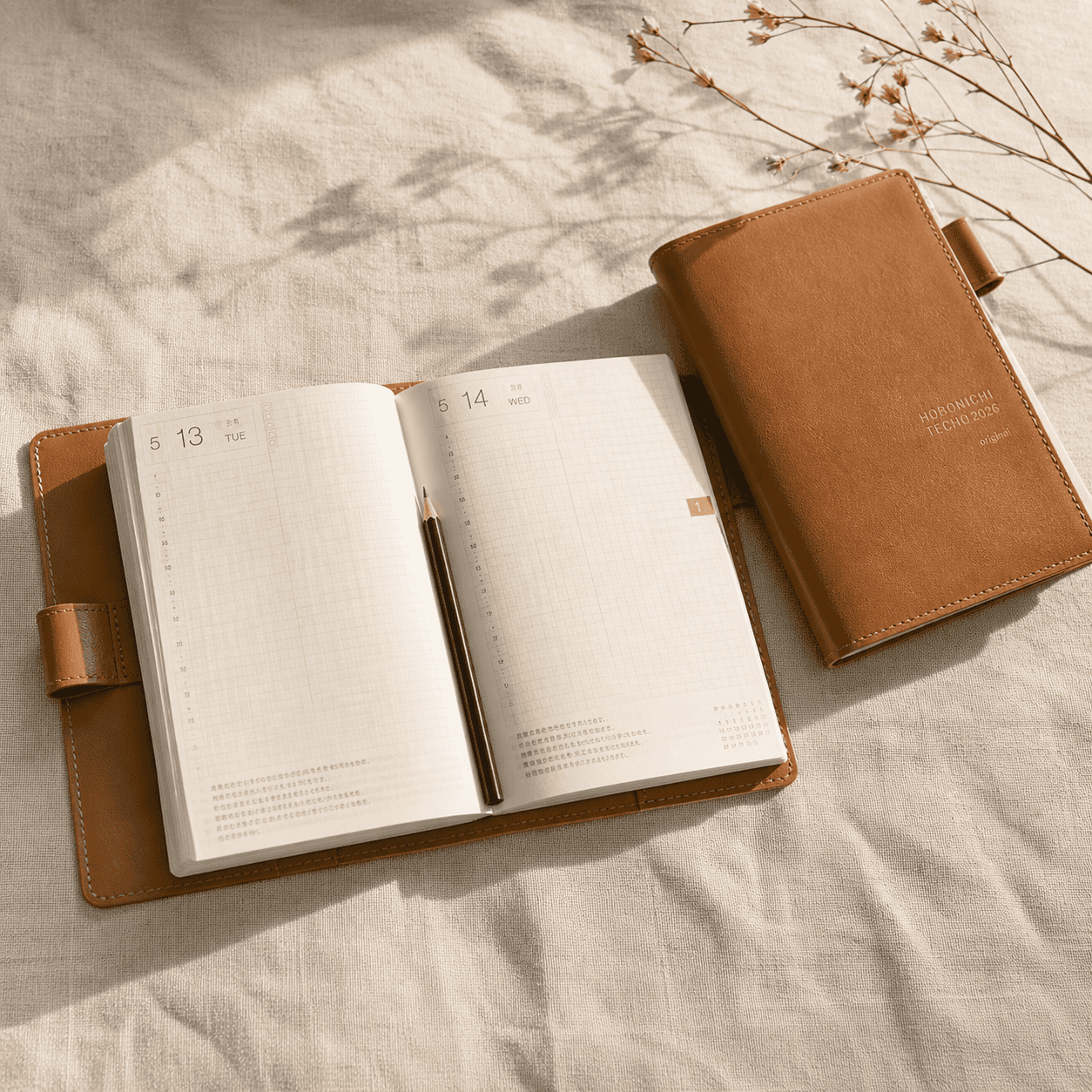
The Hobonichi Techo has been a global cult object since 2002, built on Tomoe River paper that absorbs fountain pen ink without bleeding through. It lays completely flat, carries a daily quote from the Hobonichi web magazine, and sells nearly a million copies a year worldwide. For anyone who plans on paper, it is the planner that ends the search. The Hobonichi Techo Original A6 is the journaler’s gift.
22. Midori MD Notebook — the everyday journal

Midori’s MD line is the cult fountain-pen-friendly notebook, with cream lightweight paper, lay-flat binding, and no branding on the cover. It is the notebook that gets used for years rather than admired and shelved. A recipient who tries its paper for the first time understands within a page why people pay a premium for it. The Midori MD Notebook A5 is the blank book worth filling.
23. mt washi tape — the desk gift
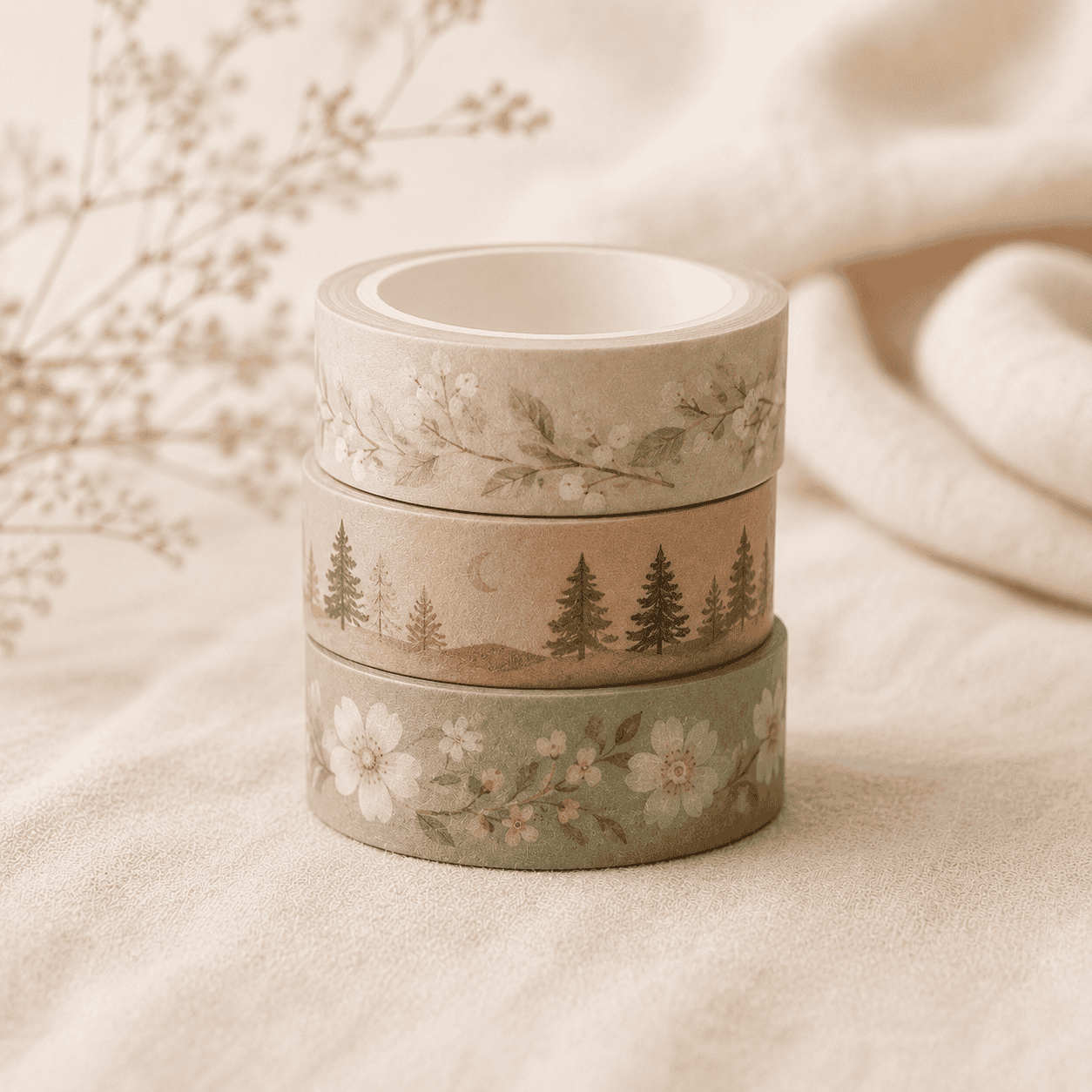
Kamoi Kakoshi created the global washi tape category from Okayama in 2008, and mt remains its standard-bearer. The patterns run from minimalist solids to seasonal florals, and the tape is matte, tearable, and repositionable. It is the small gift that takes over a recipient’s whole desk within a week. The mt washi tape set is the inexpensive object that earns disproportionate use.
24. Ikigai — the entry book
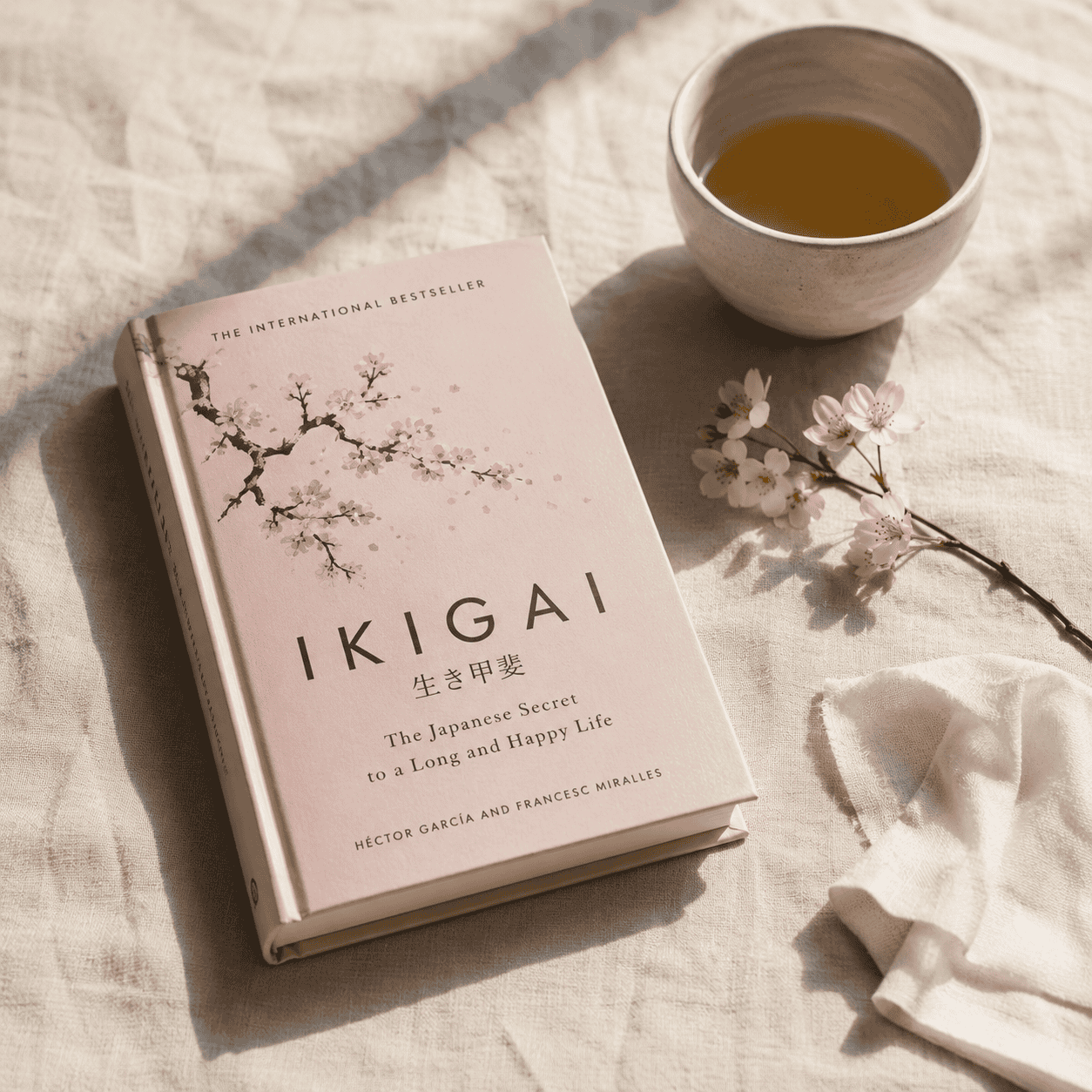
Garcia and Miralles’ Ikigai has sold over five million copies in fifty-seven languages, and it remains the entry book to the Japanese philosophy of purpose. It is short, warm, and conversational, the kind of book a recipient finishes in a weekend and references for weeks. For a Japan-curious giftee, it opens a door the rest of this list walks through. The Ikigai book is the gift that starts the conversation.
 Ritual · Two minutes
 How to fill a fountain pen from a bottle
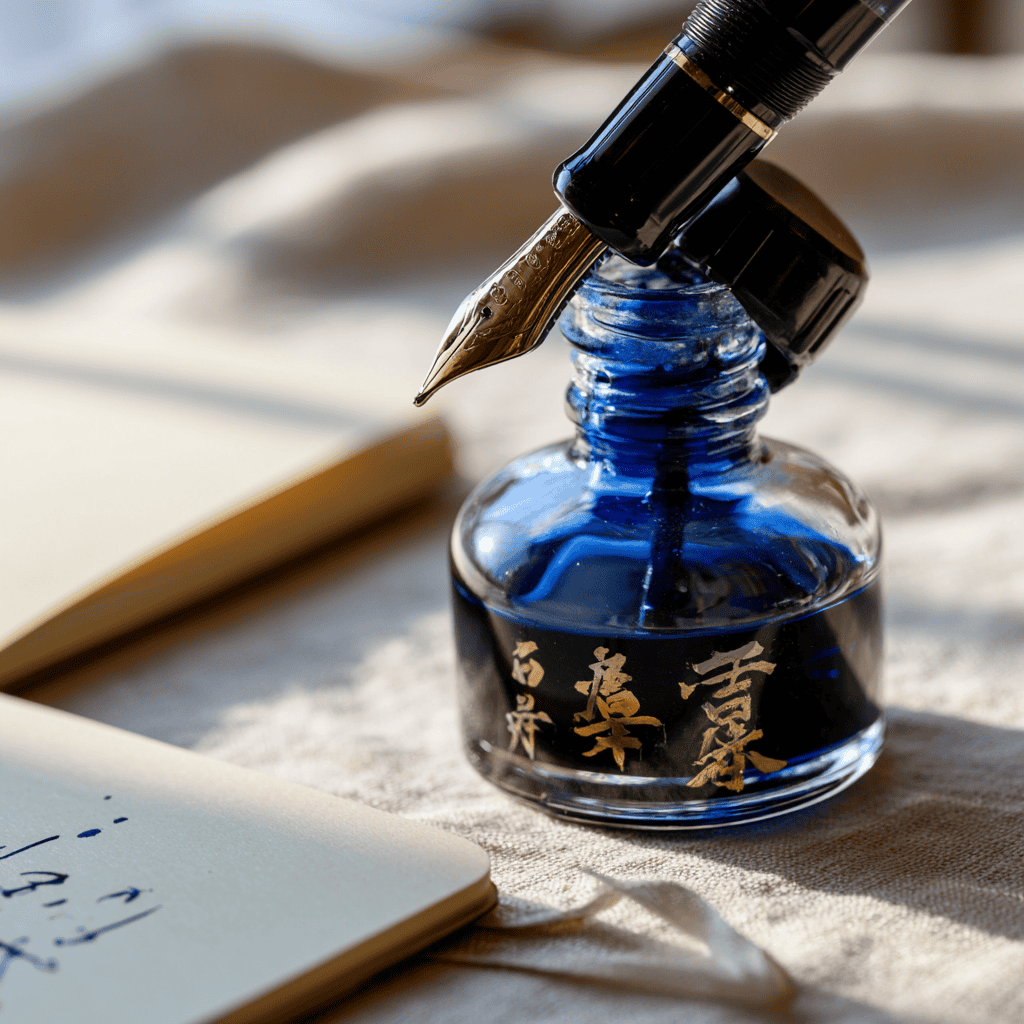
Unscrew the barrel and check that a converter is fitted rather than a spent cartridge. Lower the nib fully into the ink, past the breather hole, so the feed is covered. Twist the converter knob all the way down to push out the air, then slowly back up to draw ink in; you will see it rise. Repeat the down-and-up once to clear any trapped bubble, then top up. Lift the nib clear, hold it over the bottle, and twist down a half-turn to release a single drop back. Wipe the nib and section with a paper towel until clean. Cap the pen, then write a few lines to start the flow; a new colour always reads richer on the first page.
5. Calligraphy
Shodo, the Japanese practice of brush calligraphy, is one of the meditative arts that has survived almost untouched by digital culture. Children in Japanese schools still practice it. Buddhist temples still use it for sutras. Department stores in Tokyo and Kyoto still stock entire floors of calligraphy supplies. Unlike most traditional crafts, shodo does not require a teacher to begin — a kit, an hour of focus, and a willingness to make ugly first strokes is enough to start.
Kuretake, the Nara company founded in 1902, makes most of the kits, ink sticks, brushes, and ink stones that take a beginner from first stroke to confidence. Boku-undo, also Nara-based and founded roughly four centuries earlier (circa 1518), supplies the reference-tier ink sticks themselves — pine soot bound with animal glue, hand-shaped and dried into blocks that are ground on a suzuri stone with water. For recipients who want a structured way into the practice, MJ’s Japanese Calligraphy Practice Tool pairs naturally with any of these kits.
25. Kuretake calligraphy set — the shodo kit
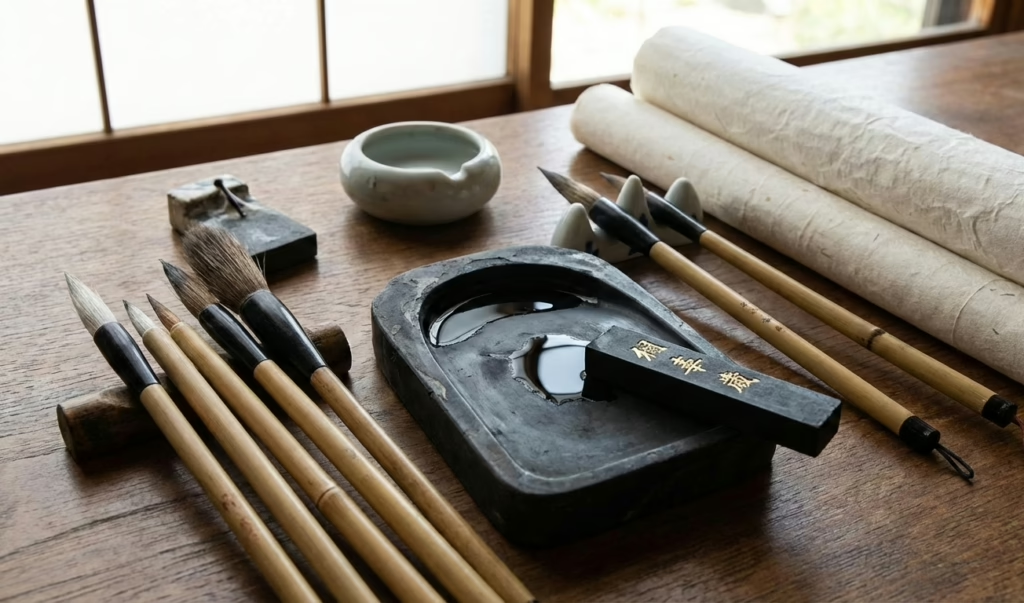
Shodo, Japanese brush calligraphy, needs no teacher to begin: only a kit, an hour, and a willingness to make ugly first strokes. Kuretake, founded in Nara in 1902, makes the complete kit, brushes, a sumi ink stick, a natural inkstone, water dropper, paperweight, brush wrap, felt mat, and an artwork folder. It takes a beginner from first stroke to confidence. The Kuretake calligraphy set is the way in.
26. Kuretake brush pen — the portable gateway
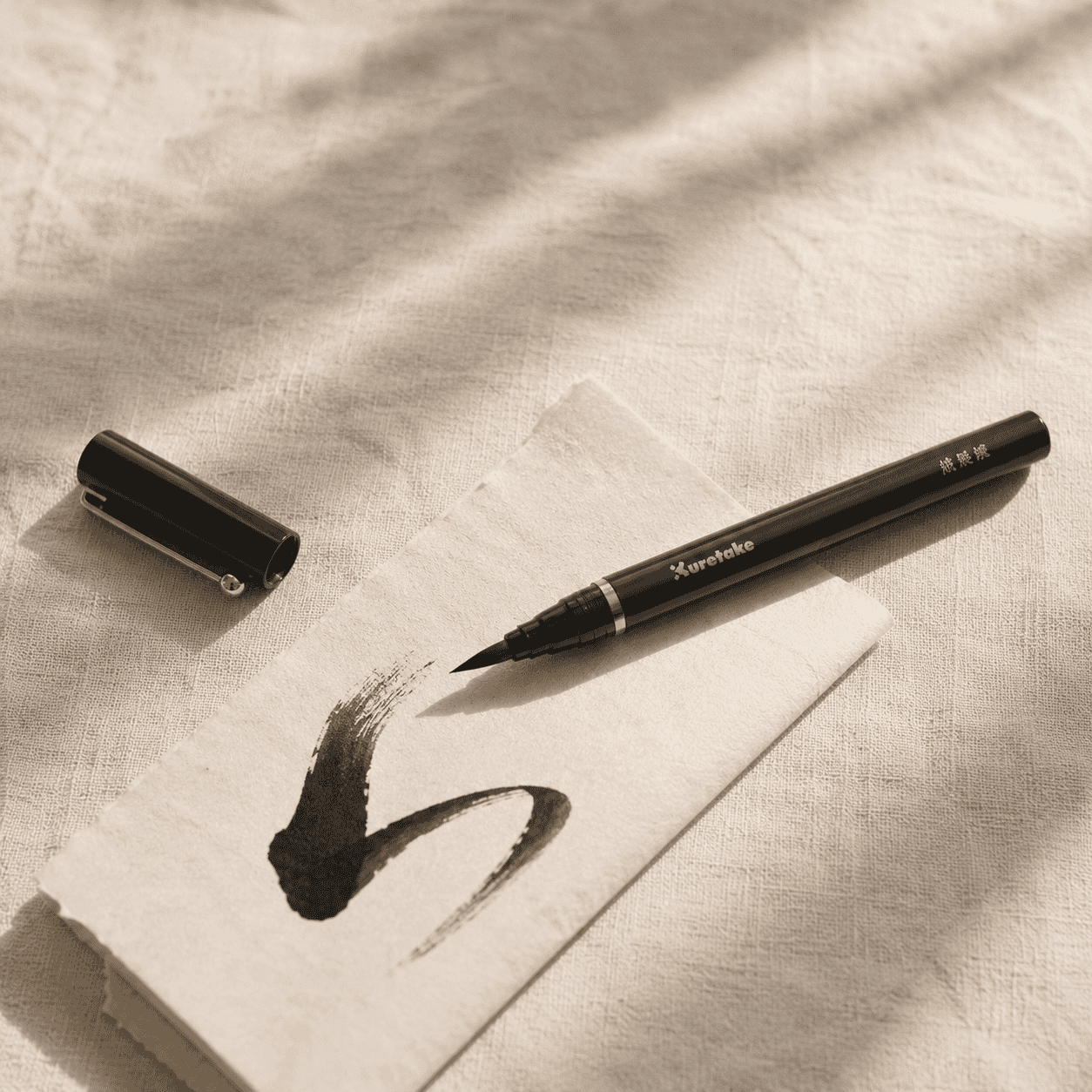
The fude pen is the portable entry to shodo: sumi ink in a refillable brush-pen body, no inkstone required. It is the everyday tool the recipient pulls out at a desk between meetings to keep a hand in. The brush tip behaves like a real brush, which makes it a genuine practice instrument rather than a novelty. The Kuretake brush pen is the daily-carry version of the craft.
27. Akashiya Sai brush pens — the colour set
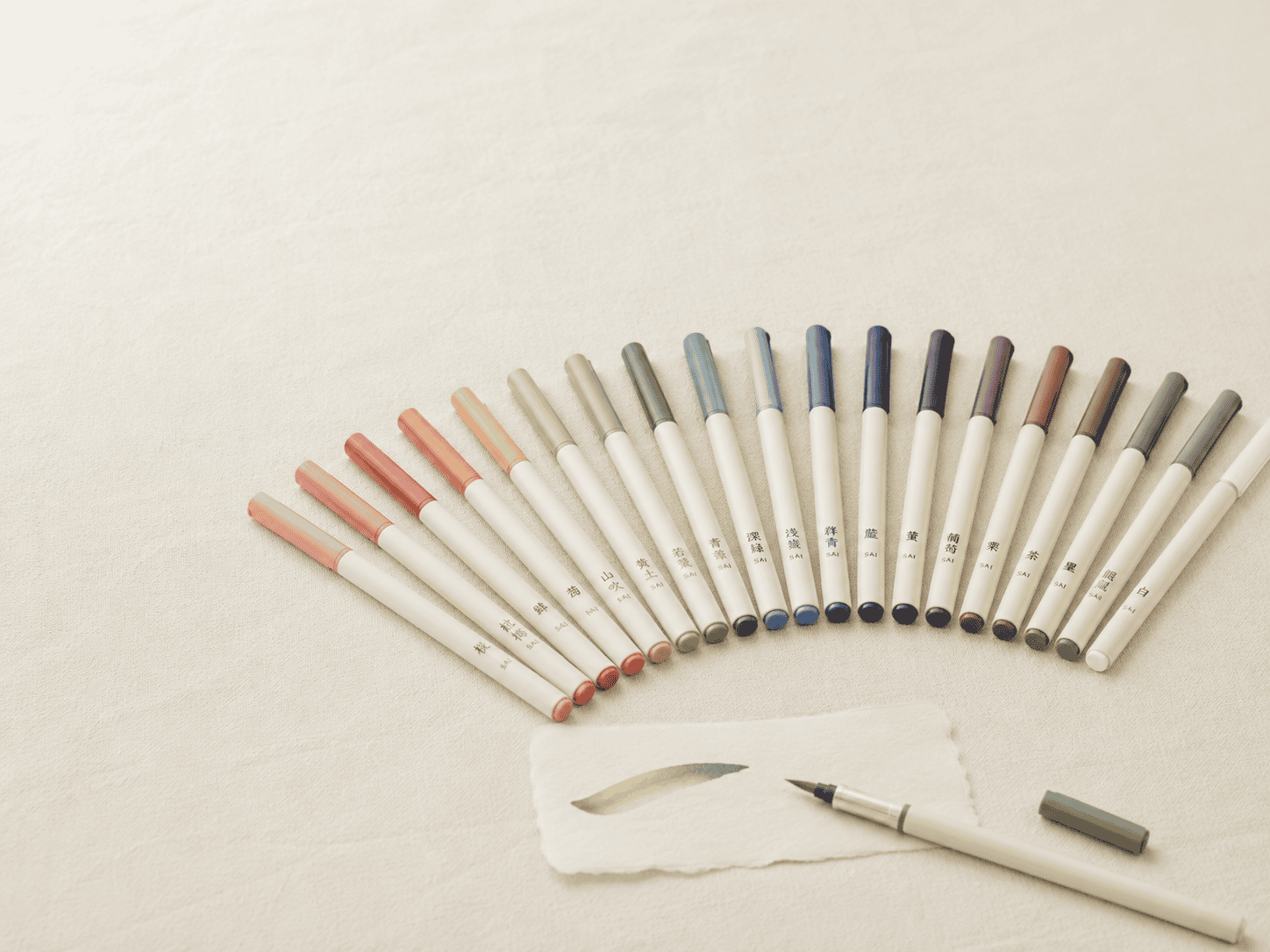
Akashiya has made brushes in Nara since 1624, four hundred years of the craft, and the Sai set carries twenty colours named after seasonal Japanese hues. It is the crossover between calligraphy and illustration, equally at home lettering a card or sketching. The water-based ink lays down like watercolour from a brush tip. The Akashiya Sai watercolour brush pen set bridges writing and drawing.
28. Awagami washi paper — the calligraphy paper
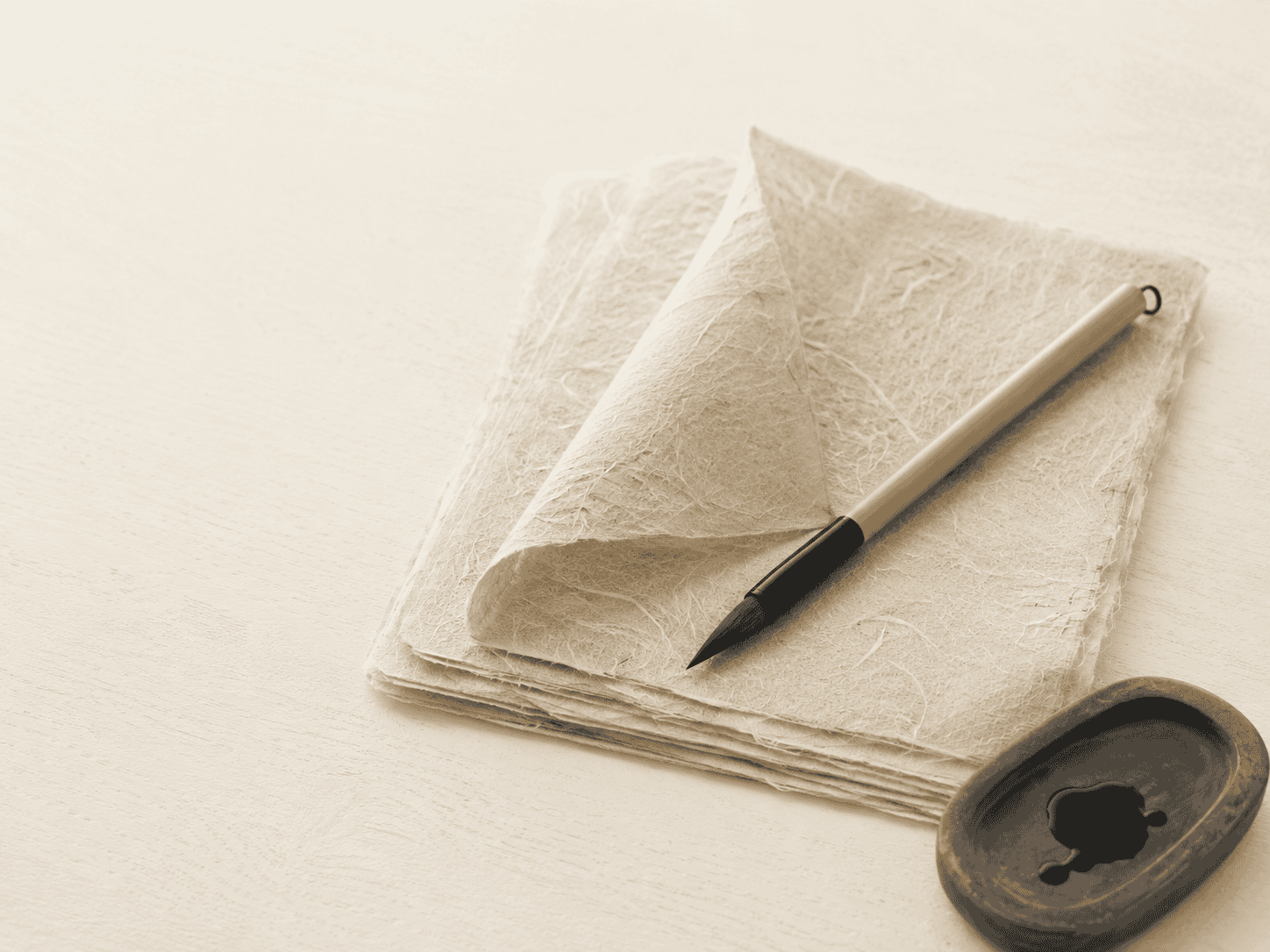
Awagami, in Tokushima, is one of the few remaining traditional washi makers, and its paper is made for calligraphy, sumi-e, and printmaking. The mulberry fibre is visible at the deckle edge, and the surface takes ink with a softness machine paper cannot match. It is the surface a serious practice deserves. The Awagami Factory washi calligraphy paper is the ground the brush meets.
29. Boku-undo sumi ink stick — the reference ink
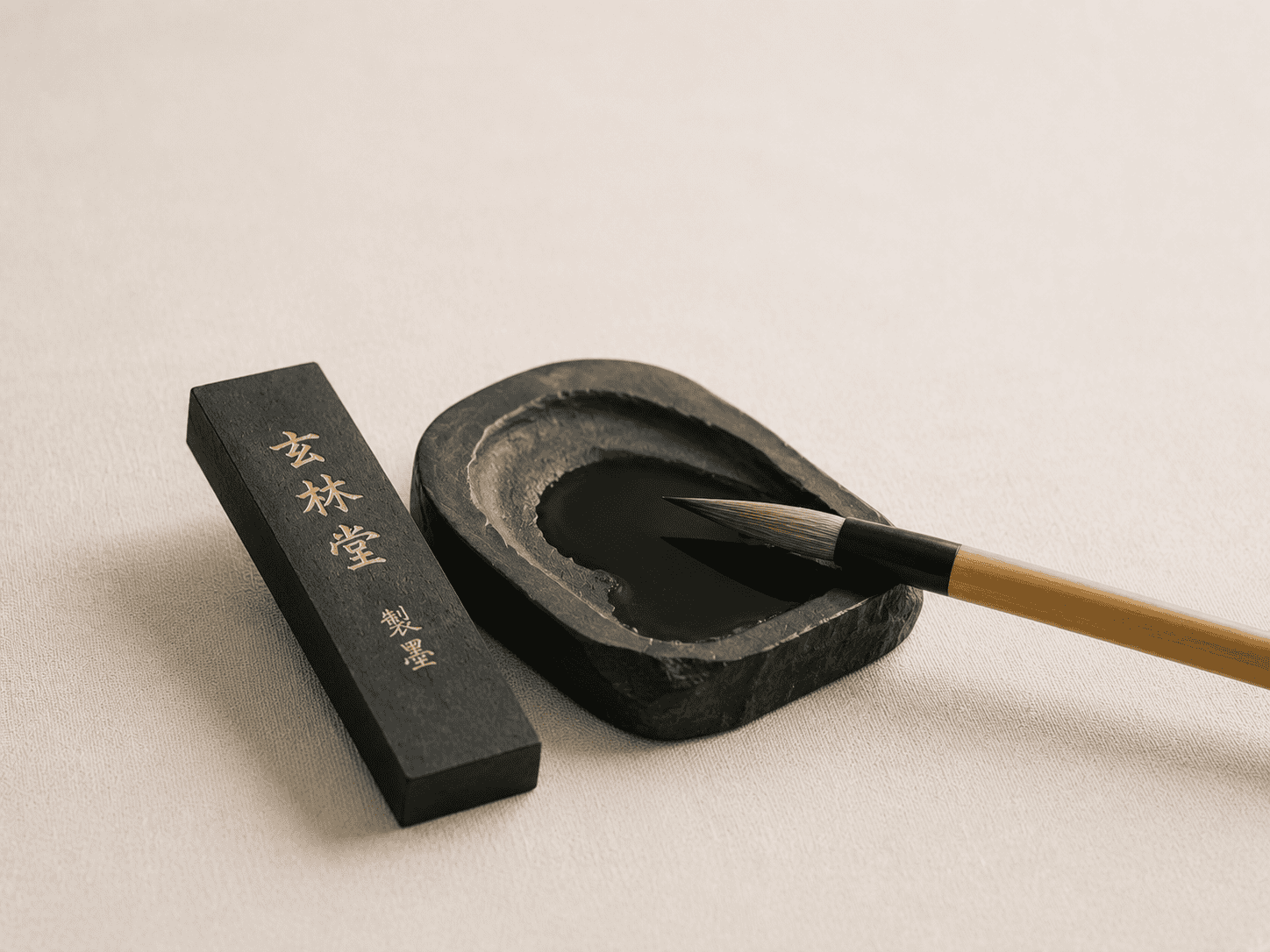
Boku-undo, also in Nara, was founded around 1518, five centuries of sumi-making. The reference-tier ink stick is pine soot bound with animal glue, hand-shaped and dried into a block, then ground on a suzuri stone with water to make ink produced the same way for a millennium. The grinding itself is part of the meditative practice. The Boku-undo premium sumi ink stick is the ink behind the tradition.
 Ritual · Fifteen minutes
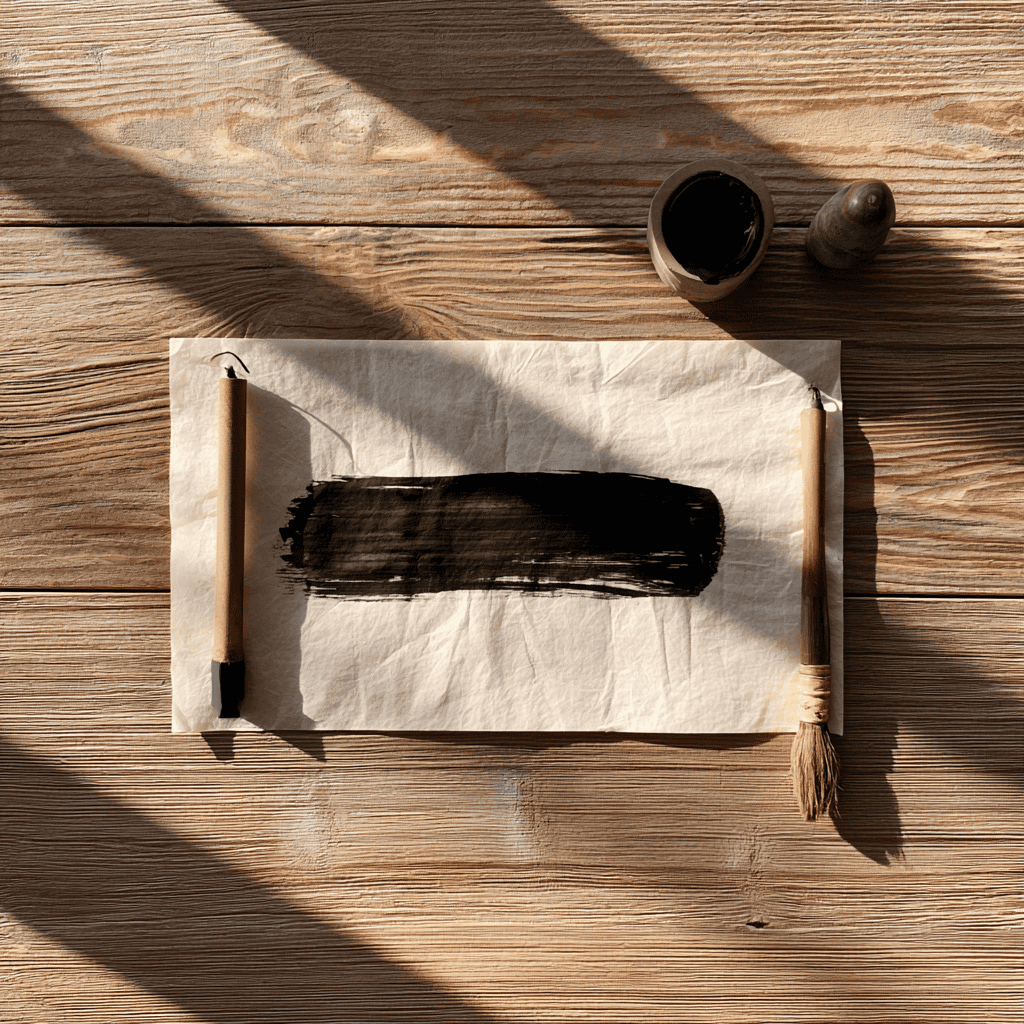
 Your first calligraphy stroke — ichi, the number one
Sit straight, both feet on the ground, elbows clear of the table. Hold the brush vertical between thumb and index finger, the wrist loose. Dip the brush in the ink, pull off the excess against the inkstone edge — saturated but not dripping. Place the tip on the paper, press for one breath, draw a single horizontal line from left to right with steady pressure. Lift cleanly. The stroke is called ichi — the number one. Practice ichi twenty times before attempting any character. The breath, the wrist, the pressure: these are what the practice teaches, not the kanji themselves.
Omiyage versus temiyage, number etiquette, the wrap that matters, what never to gift. Sent to your inbox the moment you sign up.
6. Wellness & Bath
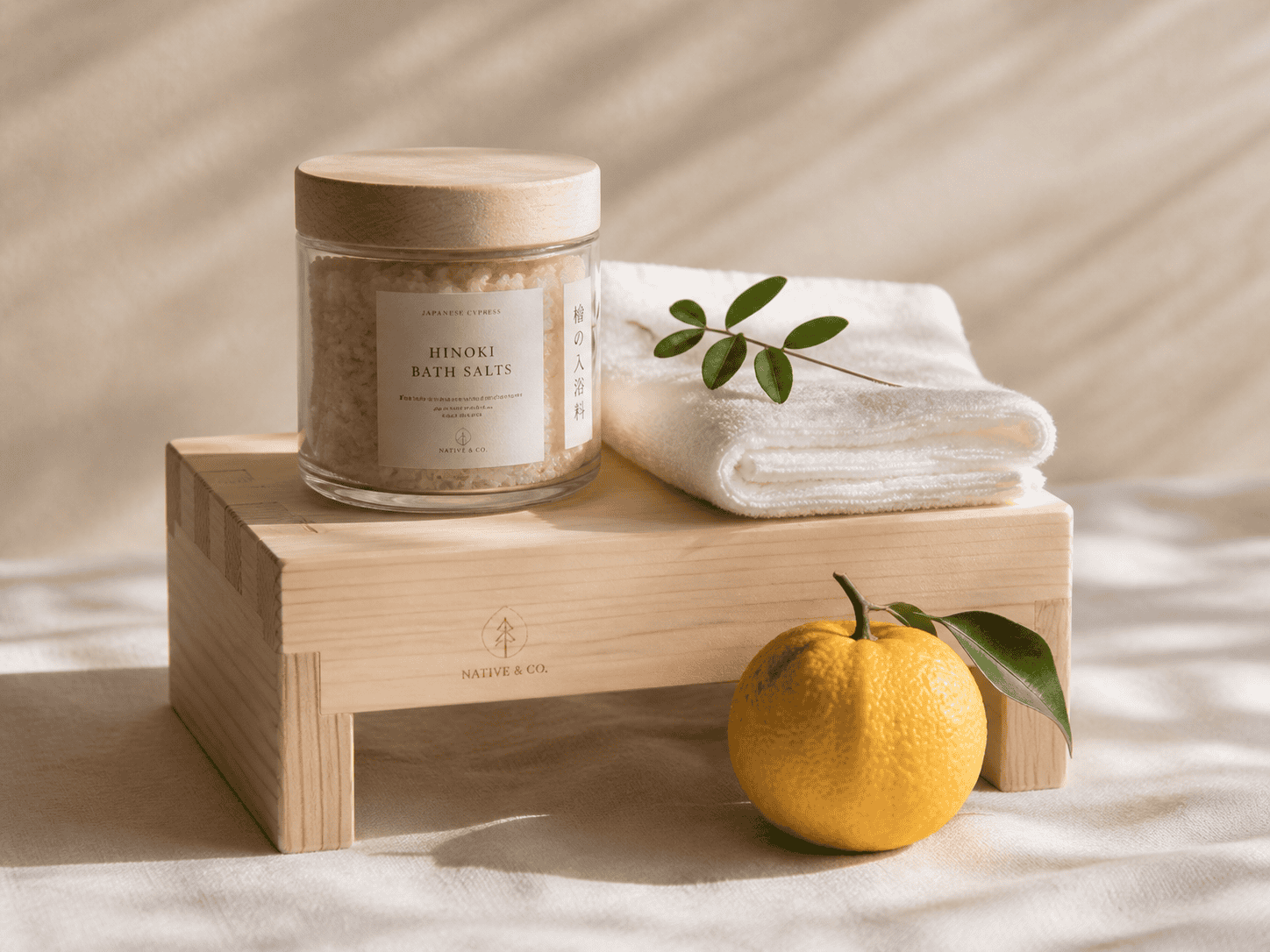
Japanese bath culture is one of the country’s most exported aesthetic traditions — the onsen, the hot spring resort, the cypress-lined bathhouse — and yet most American bathroom routines never approach what makes the original work. Three ingredients carry the category. Hinoki, Japanese cypress, has been used in temple construction and bath buildings for over a thousand years; the essential oil is the scent of a traditional onsen bathhouse. Imabari, the cotton textile tradition from Ehime Prefecture, produces the towels that have been the gold standard since 1894. And yuzu, the Japanese citrus, scents winter solstice baths in Japanese tradition.
The luxury Japanese skincare houses anchor the higher tier of this category. SK-II’s Pitera, the brand’s signature ingredient, was discovered in a Japanese sake brewery in the 1970s; the Facial Treatment Essence has earned its reputation across two generations. Tatcha builds on the traditional Japanese geisha skincare formulas — rice, green tea, algae — bridging Kyoto ingredient stories with US distribution.
The Japanese bath ritual itself differs from the Western shower in ways that explain why the products feel different. Cleansing happens before the soak, not in it — the bath itself is for relaxation, not washing. Water temperature runs higher (40–42°C is standard). Soaking time is measured in minutes, not seconds.
30. Imabari cotton towel — the onsen towel
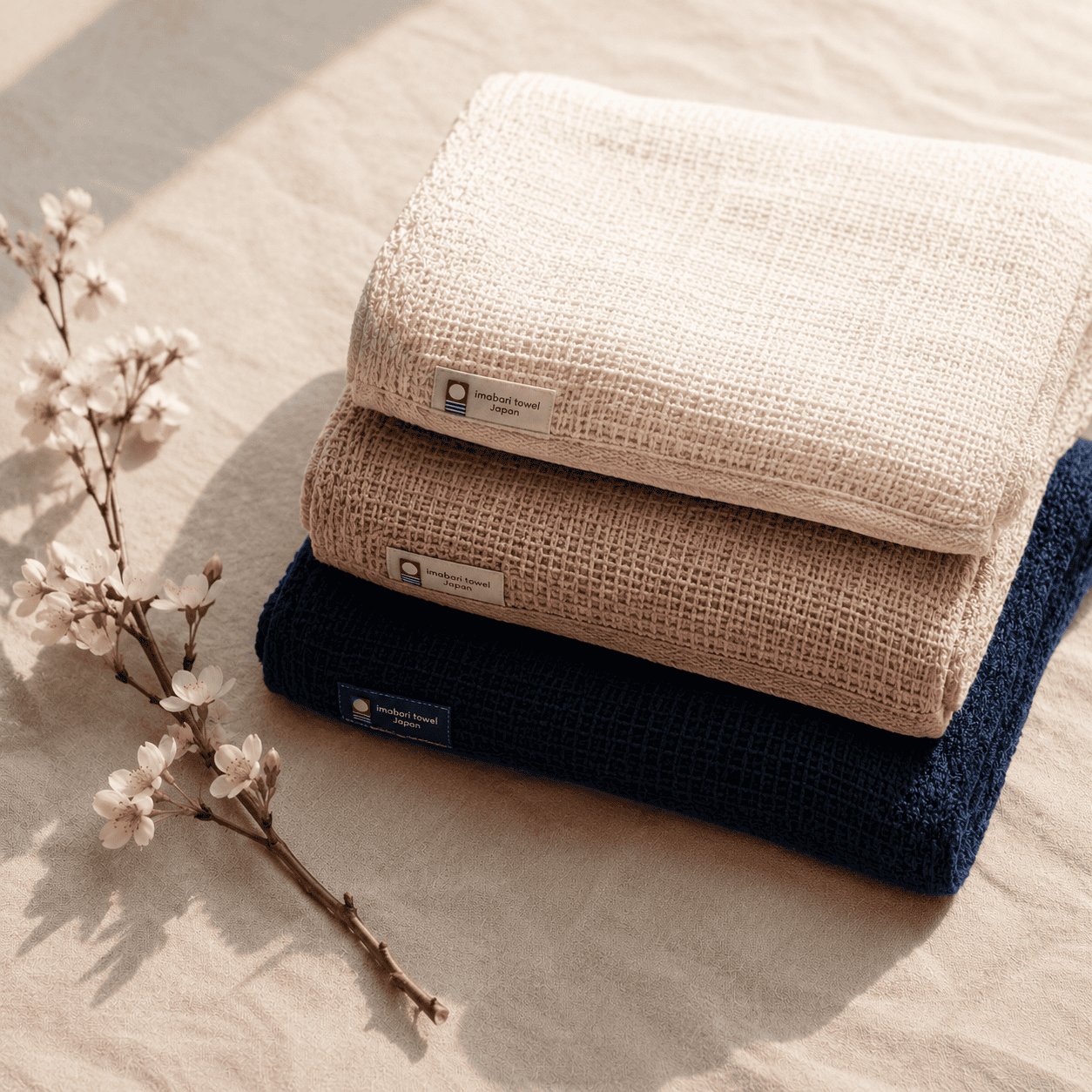
Imabari, in Ehime Prefecture, has set the standard for Japanese cotton since 1894, its absorbency owed to the soft mineral water of the Soja River. The towel is the object a yukata-after-onsen ritual is built around: light, fast-drying, and softer with every wash. It travels home from a bathhouse and stays in daily use. The Imabari cotton bath towel is everyday Japanese luxury.
31. Hinoki cypress bath soak — the onsen scent
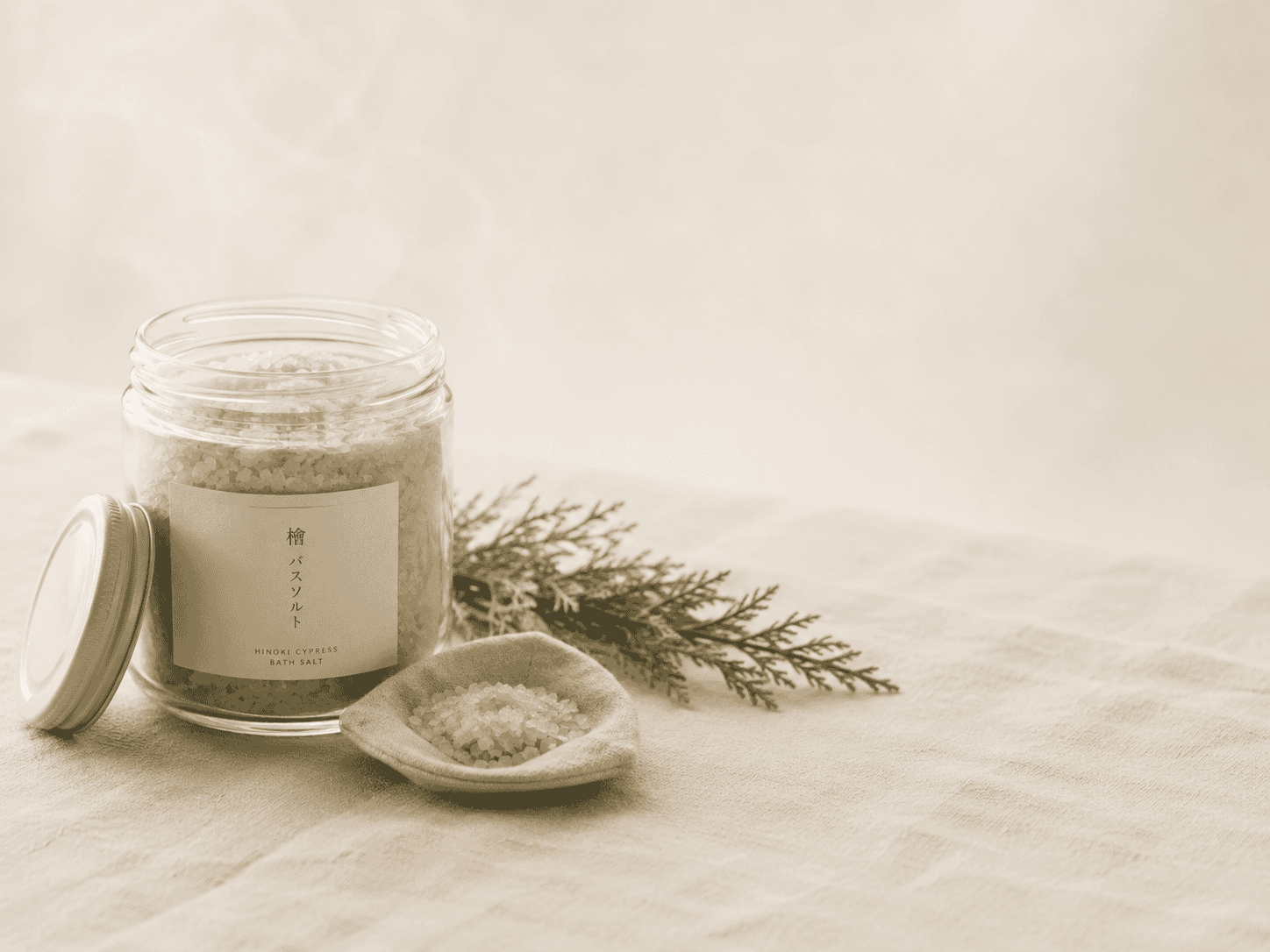
Hinoki essential oil is the scent of a traditional onsen bathhouse, woody and clean, and this soak turns a Western tub into a memory of cypress-lined bathing. It is the gift that travels home with a recipient who fell for the baths in Japan. A capful is enough to scent the whole room. The hinoki cypress bath soak carries the onsen back to the bathroom.
32. Yuzu bath products — the winter-solstice citrus
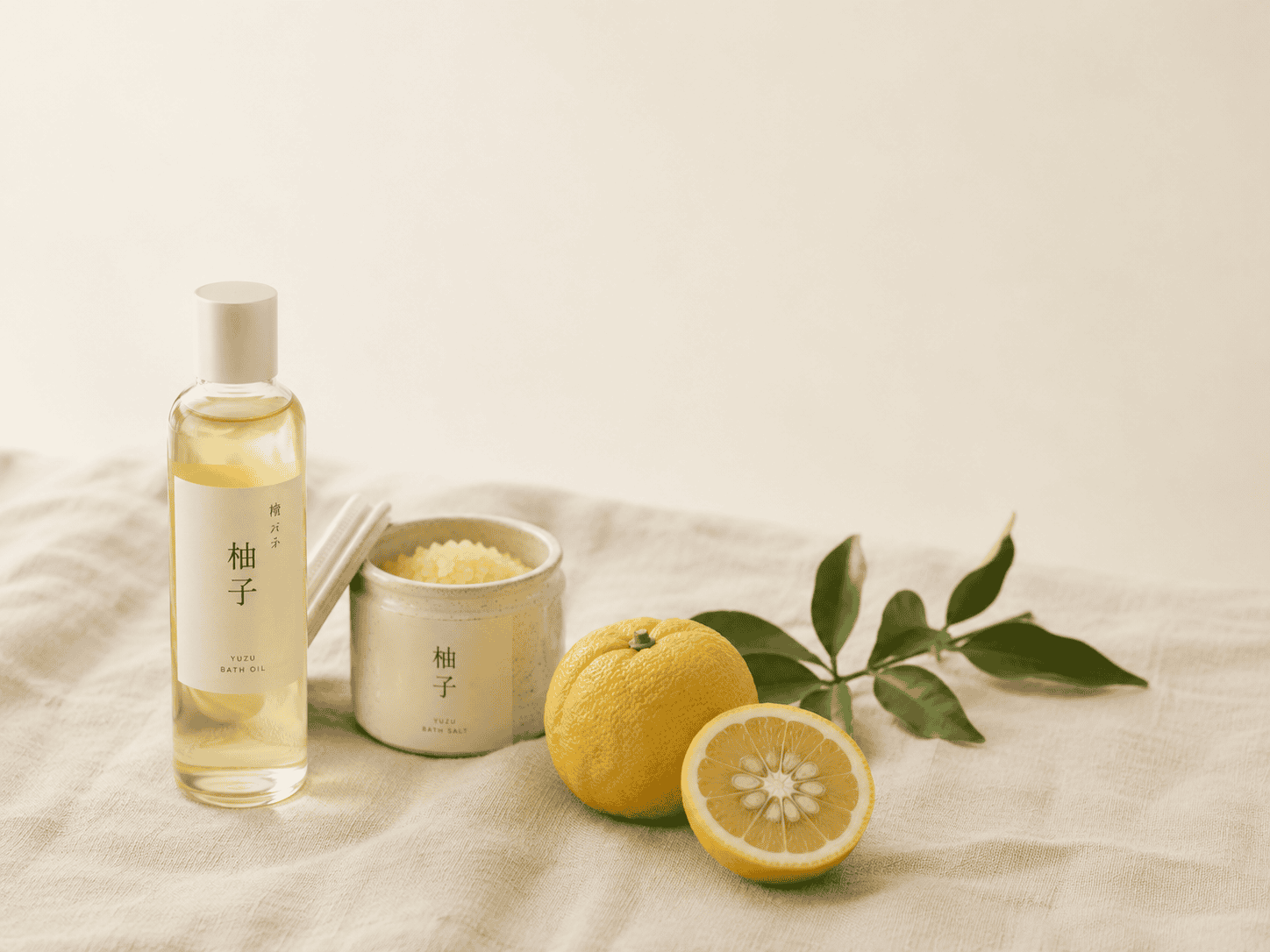
Yuzu is the Japanese citrus that scents winter-solstice baths, bright and slightly bitter, the antithesis of a generic floral soak. The fragrance is sharp and uplifting rather than sweet, which makes it read as Japanese rather than spa-aisle. It is a small, sensory gift that lands with anyone who has bathed in Japan. The yuzu bath products bring the solstice ritual home.
33. Tatcha The Essence — the Kyoto-ingredient skincare
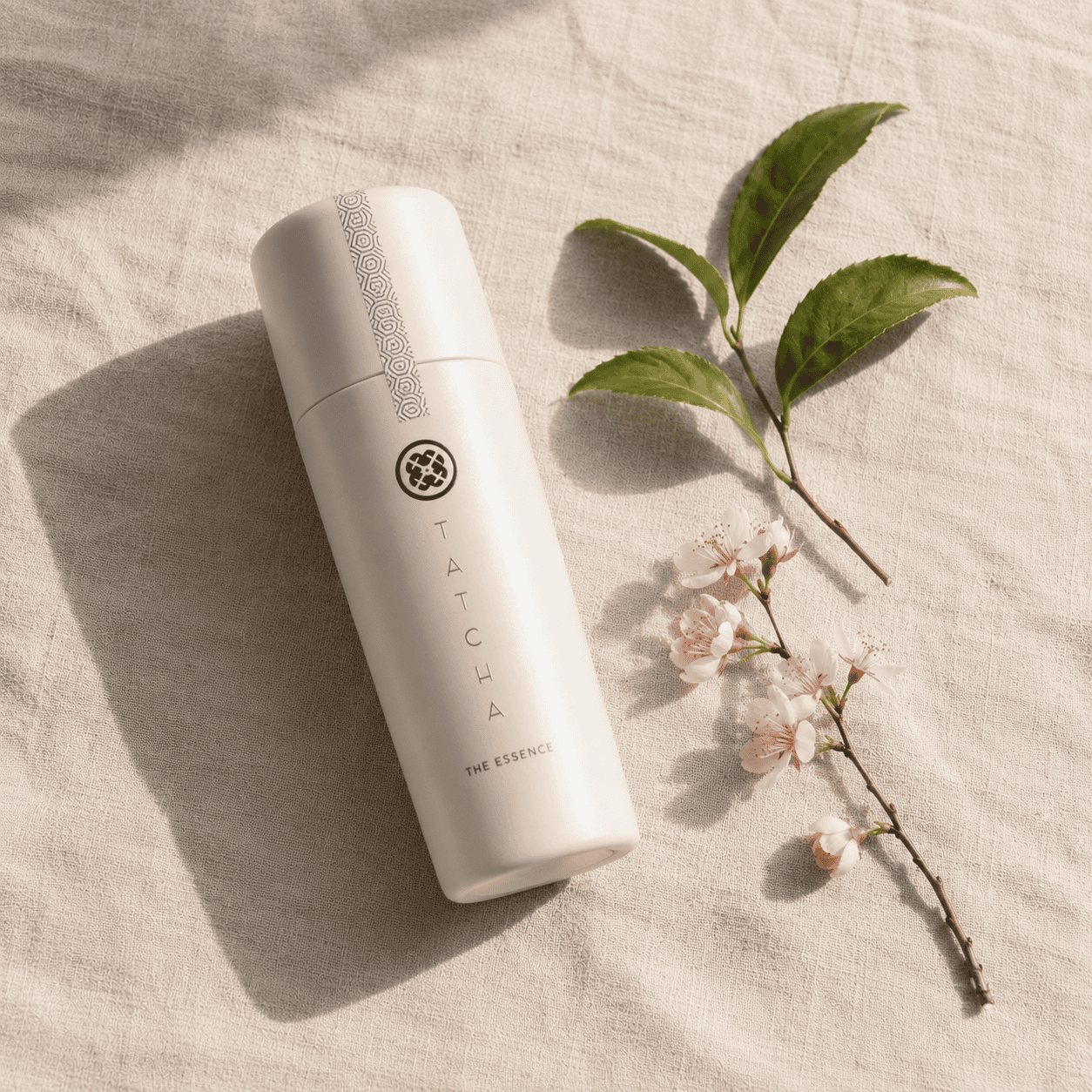
Tatcha builds on traditional Japanese geisha skincare ingredients, rice, green tea, algae, and brings the Kyoto-ingredient story into US distribution. The Essence is its foundational step, a treatment water that preps the skin for everything after. It is the luxury-tier gift for a recipient who already takes their routine seriously. The Tatcha The Essence, at Bergdorf Goodman is the entry to the line.
34. SK-II Facial Treatment Essence — the cult bottle
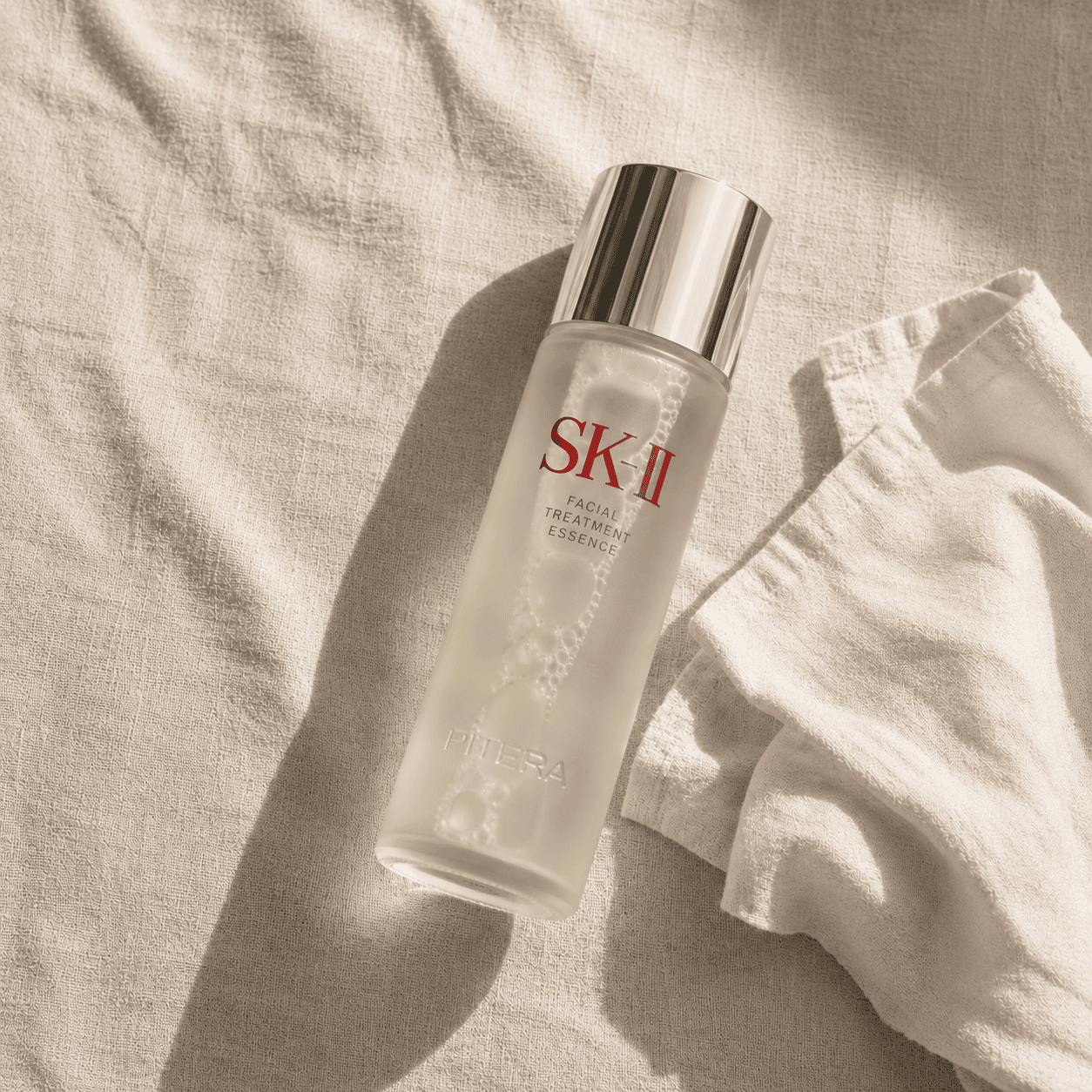
SK-II’s Pitera, the brand’s signature ingredient, was discovered in a Japanese sake brewery in the 1970s, and the Facial Treatment Essence has earned its reputation across two generations. It is the cult Japanese skincare object, the bottle a devotee keeps repurchasing. For a milestone gift to someone who loves Japanese beauty, it is the safe, serious choice. The SK-II Facial Treatment Essence, at Bergdorf Goodman is the icon of the category.
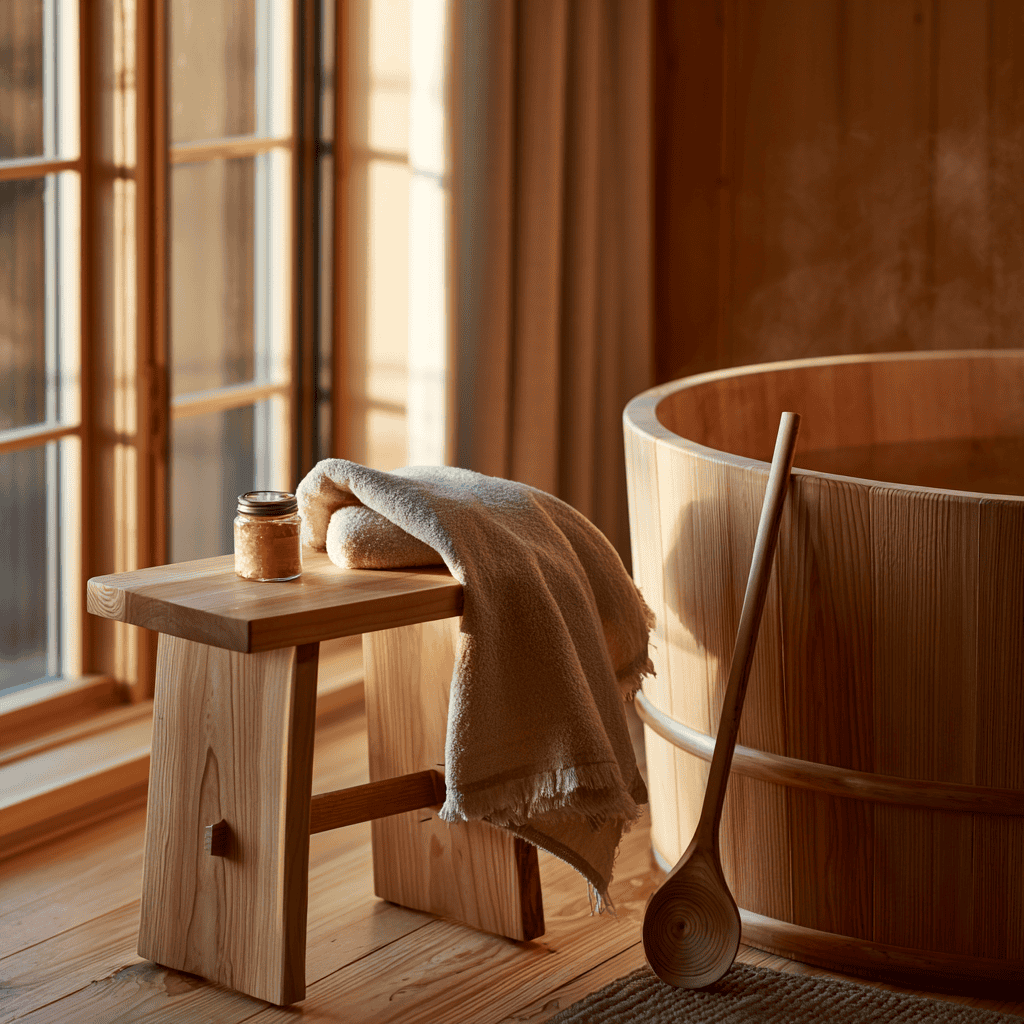 Ritual · Twenty-five minutes
 The Japanese bath — cleanse, then soak
Cleanse before soaking. Sit on a low bath stool, not the edge of the tub. Wet a cotton towel, lather Japanese soap into it, scrub from neck to feet, rinse fully with warm water from a wooden ladle or shower head. Only then enter the tub. Water temperature should run forty to forty-two degrees Celsius — hotter than a Western bath. Soak ten to fifteen minutes, no more, no less. The mind clears, the muscles release. Step out, towel dry with an Imabari cotton towel, wear a yukata or robe, drink barley tea or water within ten minutes. The ritual is the cooling-down as much as the heat itself.
7. Home & Ceramics
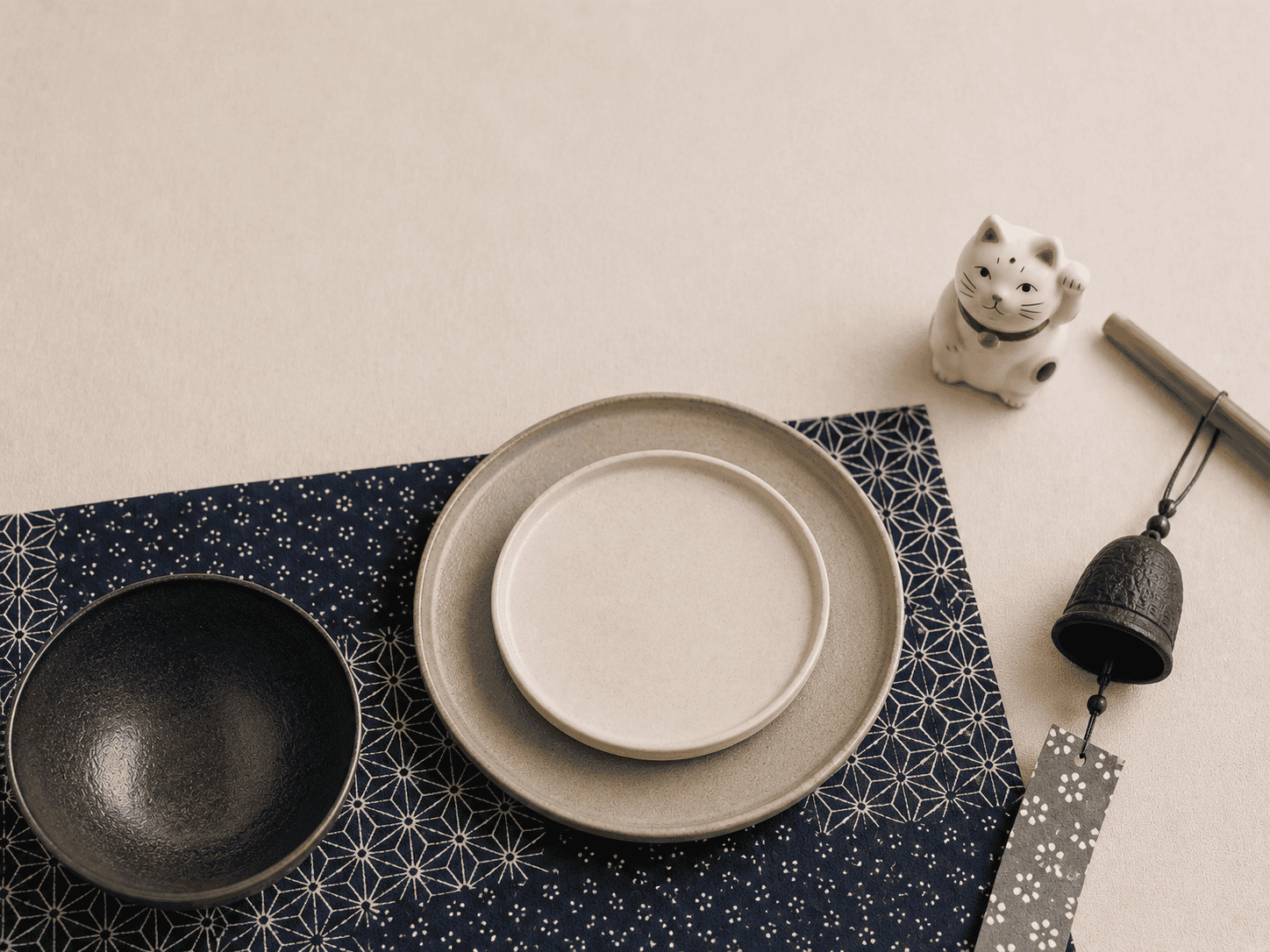
Japan’s ceramic tradition is one of the deepest in the world — and one of the most regional. Every prefecture has its kiln. Mino ware from Gifu accounts for over half of all Japanese pottery production. Hasami Porcelain from Nagasaki defined modern Japanese tableware with its modular stacking dishes. Tokoname-yaki, the kiln tradition near Nagoya, produces the classic ceramic Maneki Neko that survives mass reproduction. Beyond ceramics, the home decor category covers the objects most Japan travelers bring back: a hinoki cypress wind chime that sounds the change of season, a cast iron furin chime hung at the summer window, a Nambu tekki skillet that lasts generations.
Two registers run through the category — modular and heirloom. Hasami Porcelain’s stacking line is the gateway: dishes designed by Takuhiro Shinomoto in 2010, modular, dishwasher-safe, the dishes that pass for sculpture between meals. At the heirloom end, Iwachu’s Iwate cast iron has been made for over four hundred years; an Iwachu furin chime or skillet enters a household and does not leave. Beams Japan, the Tokyo lifestyle house, sits between the two — modern in form, regional-craft in material.
The objects below are arranged with that split in mind — starting with everyday Mino donburi bowls, moving through the Hasami modular line, surfacing Tokoname-yaki and the Tokyo curator’s lens at Beams Japan, and finishing with the two Iwachu cast-iron pieces that will outlive everyone in the room they sit in.
35. Mino donburi bowls — the ramen set

The donburi is the wide-rimmed, deep-bellied Japanese bowl built for shoyu, miso, or tonkotsu ramen, and Mino-yaki is its everyday home. The form elevates even instant ramen into the ritual it should be, and it opens the door to the rice-bowl dishes, gyudon, katsudon, the recipient never thought to make. A set turns a weeknight bowl into something composed. The Mino ware ramen donburi bowl set is the vessel the meal deserves.
36. Hasami Porcelain — the stacking dishes
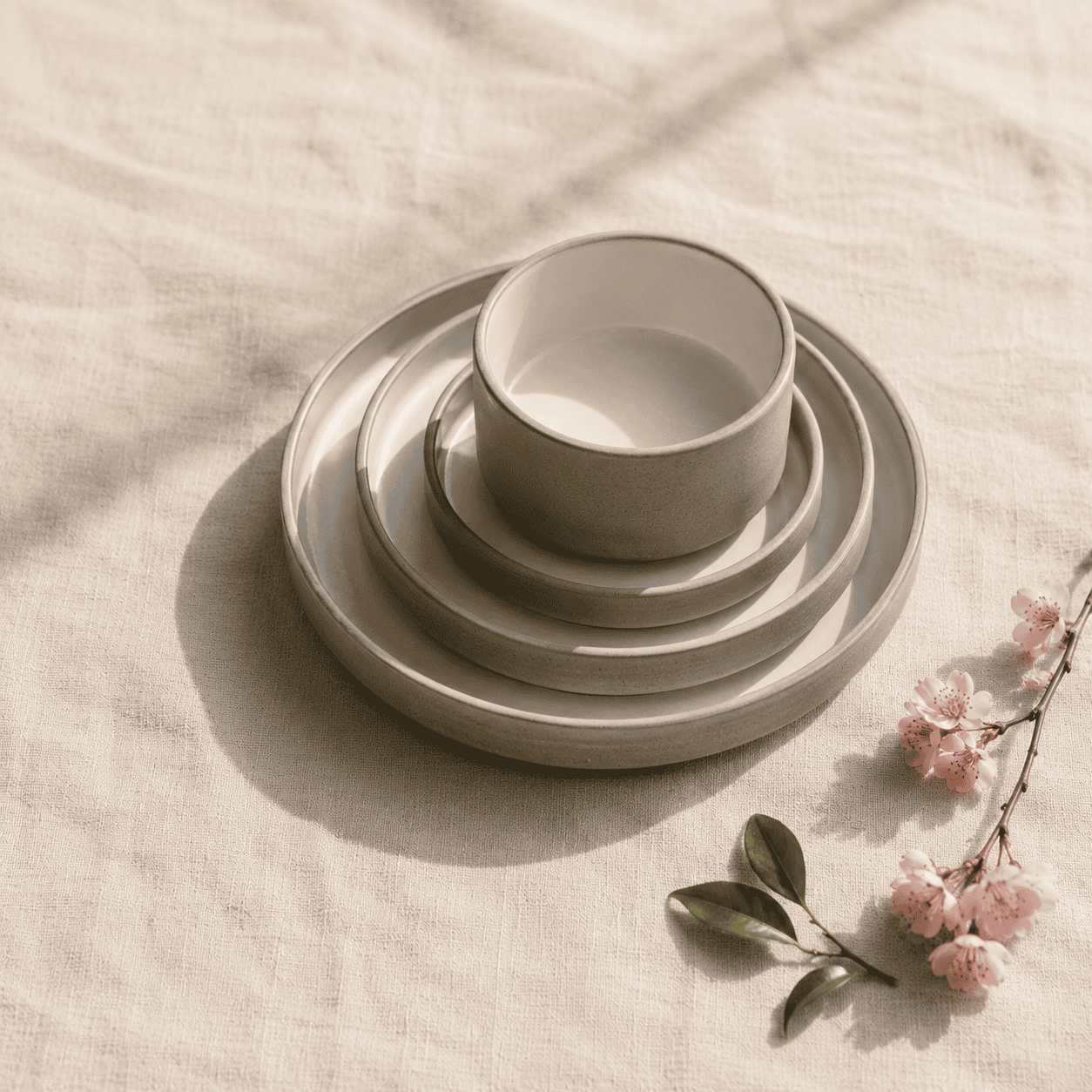
Takuhiro Shinomoto designed the Hasami Porcelain line in 2010, drawing on the Nagasaki kiln tradition and Japan’s jubako tiered boxes. The dishes are modular and dishwasher-safe, stacking into small towers that pass for sculpture between meals. They are the gateway piece for a recipient building a modern Japanese table. The Hasami Porcelain stacking dishes are tableware that doubles as object.
37. Tokoname-yaki maneki neko — the beckoning cat
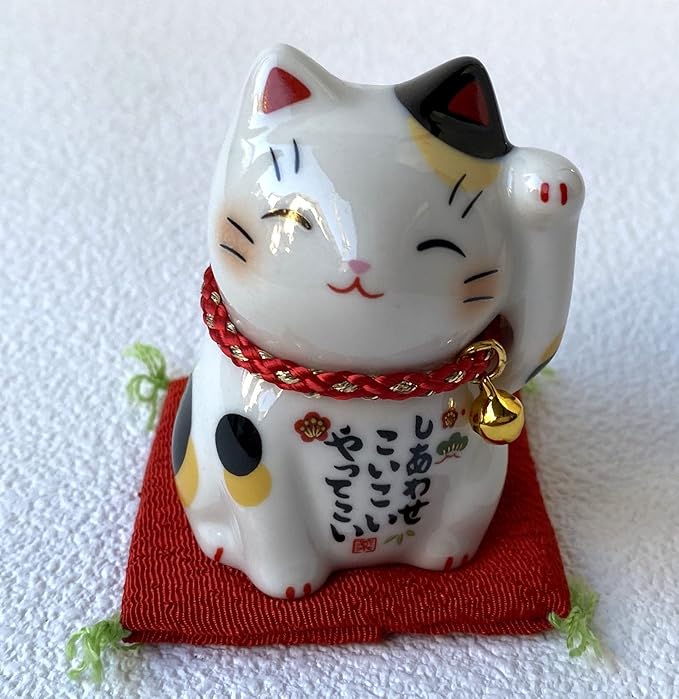
The maneki neko raises its right paw to invite money and its left to invite people, and the classic ceramic form survives every mass reproduction. White is for purity, gold for wealth, black for protection, and the Tokoname kiln near Nagoya is the canonical maker. It is a gift that carries meaning a recipient can read. The Tokoname-yaki ceramic maneki neko is the genuine article behind the souvenir.
38. Beams Japan — the curator’s drinkware

Beams Japan is the Tokyo lifestyle house that surfaces Japan’s regional crafts, Gifu sake vessels, stacking cups, design-led drinkware that walks the line between heritage and modern. The pieces read as contemporary while carrying real provenance, which makes them the curator’s choice for a design-conscious recipient. The Beams Japan drinkware, at SSENSE is regional craft through a Tokyo lens.
39. Iwachu furin — the wind chime
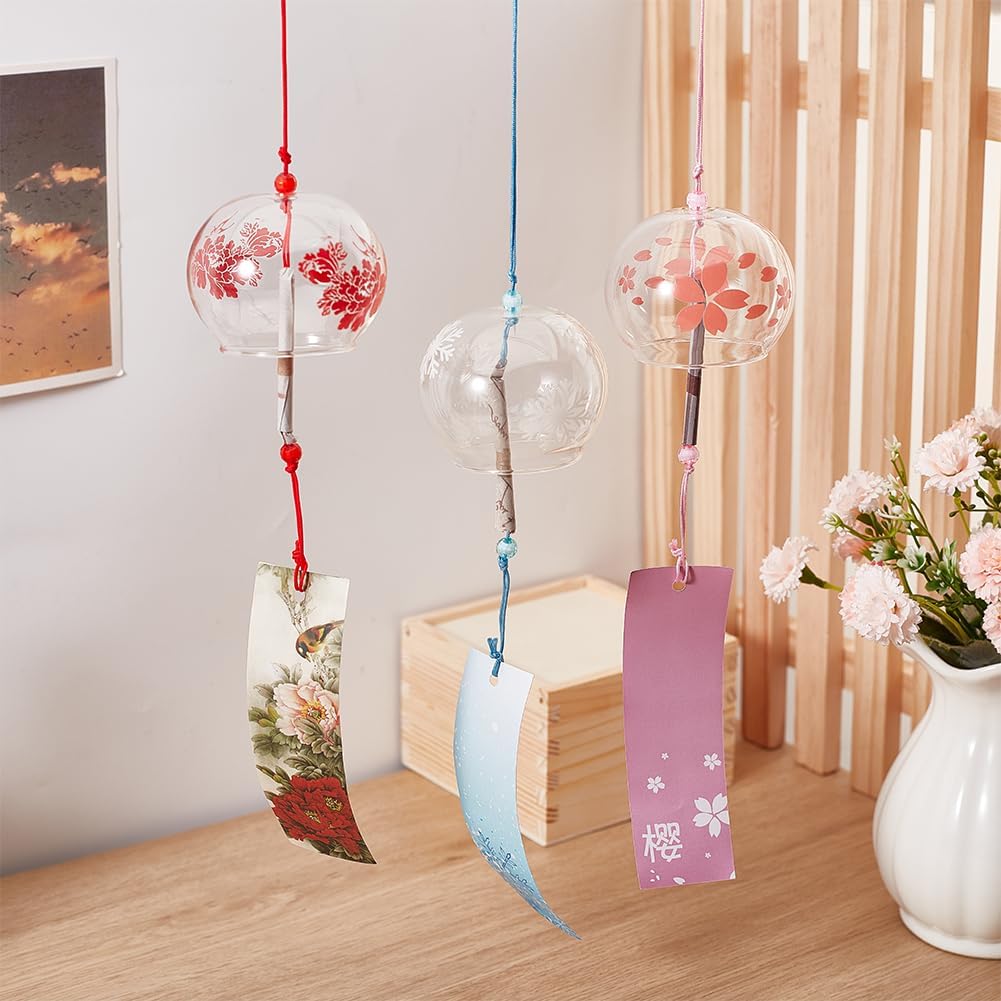
The furin is the cast iron wind chime that hangs at summer windows across Japan, its sound paired in cultural memory with the cool of the season. Iwachu has cast iron in Iwate since 1902, and the chime carries the same generational durability as its kettles and skillets. It is a small, evocative gift that brings a Japanese summer into a home. The Iwachu cast iron furin wind chime is the sound of the season, in iron.
40. Iwachu nambu tekki skillet — the cast iron pan
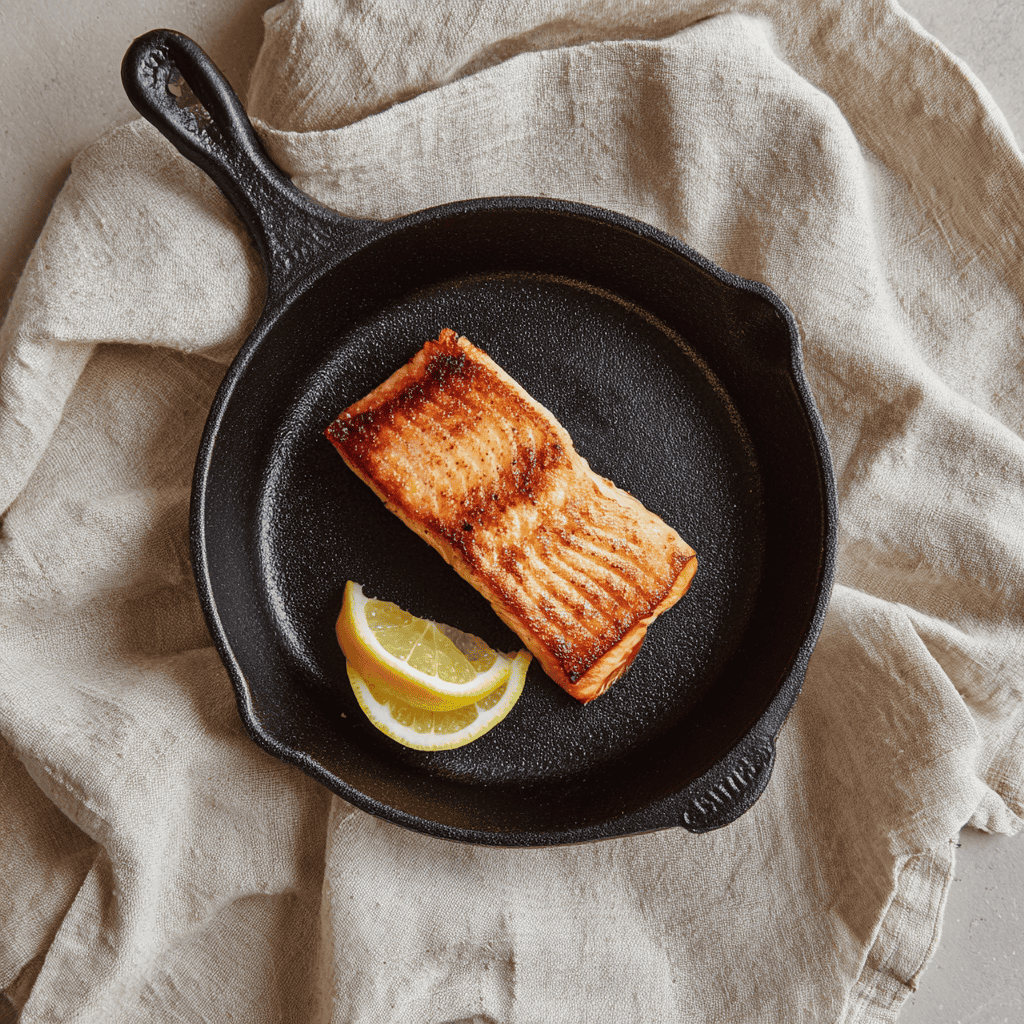
Nambu tekki is the cast iron Morioka has made for over four hundred years, and this 9.5-inch Iwachu skillet heats evenly and holds heat for the slow finish. It sears fish, finishes steaks, and roasts vegetables with the even surface only good cast iron gives. With seasoning and care, it lasts generations. The Iwachu nambu tekki cast iron skillet is the heirloom pan.
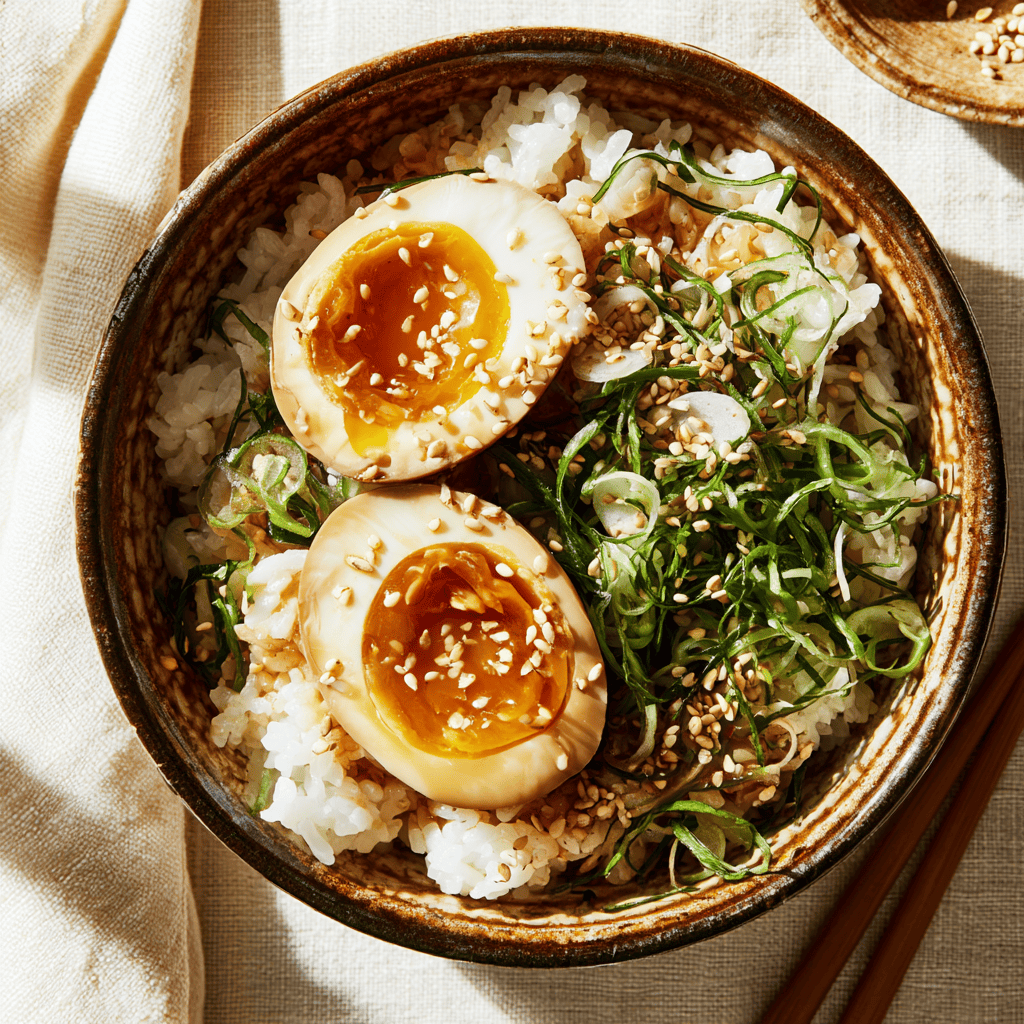 Recipe · Twenty minutes
 Donburi rice with shoyu tamago
Soft-boil four eggs for six minutes thirty seconds. Plunge into ice water for two minutes; peel carefully. In a small saucepan, simmer 60ml soy sauce, 60ml mirin, 60ml water, 2 tsp sugar, and a piece of kombu for two minutes, then cool. Submerge the peeled eggs in the marinade for four hours minimum, ideally overnight, turning once. Halve each egg lengthwise. Mound steamed short-grain rice in a Mino-yaki donburi bowl, drizzle two tablespoons of the marinade over the rice, place two egg halves on top yolk-up. Finish with thinly sliced spring onion and toasted white sesame. Serves four.
8. Anime & Pop Culture

The recipient who grew up with Studio Ghibli, Pokémon, or Sanrio in the 1990s and 2000s is now a design-conscious adult, often with a curated home and an eye for craft. The gift that lands is not the cheap mass-produced licensed object. It is the piece that fits a thoughtful adult aesthetic: an official Sun Arrow Totoro plush in light grey, a Pokémon Center exclusive that the US market does not carry, a Casio G-Shock Hokusai limited edition with the ukiyo-e master’s Thirty-Six Views of Mount Fuji design embedded in the dial.
The collector tier matters here in a way it does not for tea or knives. Bandai Tamashii Nations sits at the top — articulated, photorealistic, the figures that earn shelf space rather than packing-box storage. Pokémon Center exclusives, made for the Tokyo, Osaka, and Kyoto stores, ship internationally and represent the pieces non-collectors do not see in US retail. Sanrio’s premium homeware line — ceramics, glassware, textiles — sits in the gift register that fits an adult home. The wrong adult-anime gift is the licensed mass-merchandise object. The right one is the piece a collector will recognize and a non-collector will simply find beautiful.
One crossover deserves a paragraph of its own. The Casio G-Shock Hokusai limited edition — DW-5600KHSH25-1JR — embeds Hokusai’s White Rain Under the Mountains from Thirty-Six Views of Mount Fuji into the watch dial, with the kanji for Japan engraved on the case back. It works as a watch, an art object, and a Japan reference all at once.
41. Studio Ghibli Totoro plush — the grown-up fandom gift
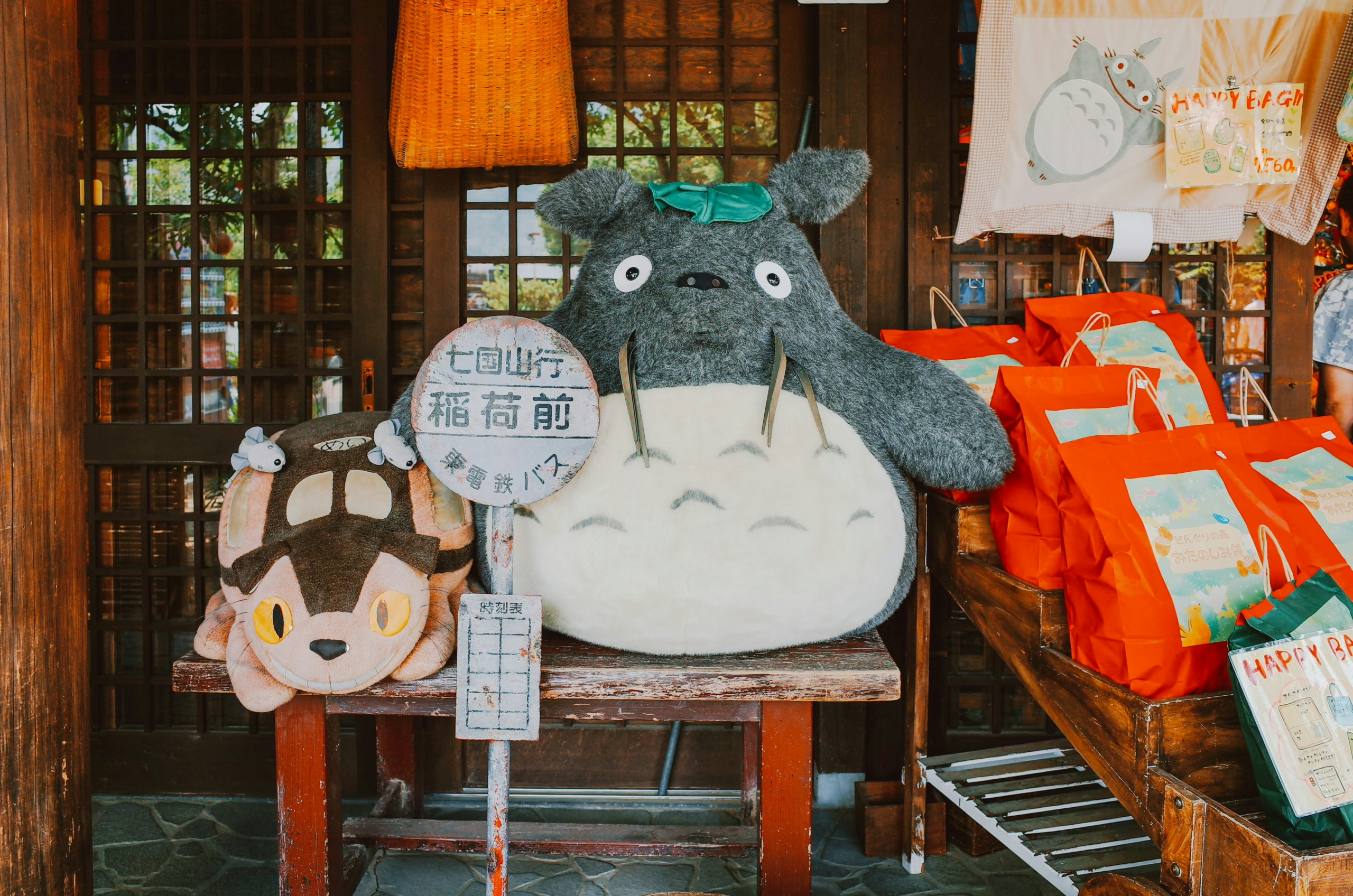
The official Sun Arrow Totoro plush has earned a permanent place in millions of adult homes, the rare licensed object that fits a curated room. Larger sizes hold the character’s proportions correctly; smaller sizes are softer to carry. For the recipient who grew up with Ghibli, it lands without tipping into dorm-poster territory. The Studio Ghibli My Neighbor Totoro plush is the grown-up version of the fandom.
42. Sanrio premium homeware — the adult-home register
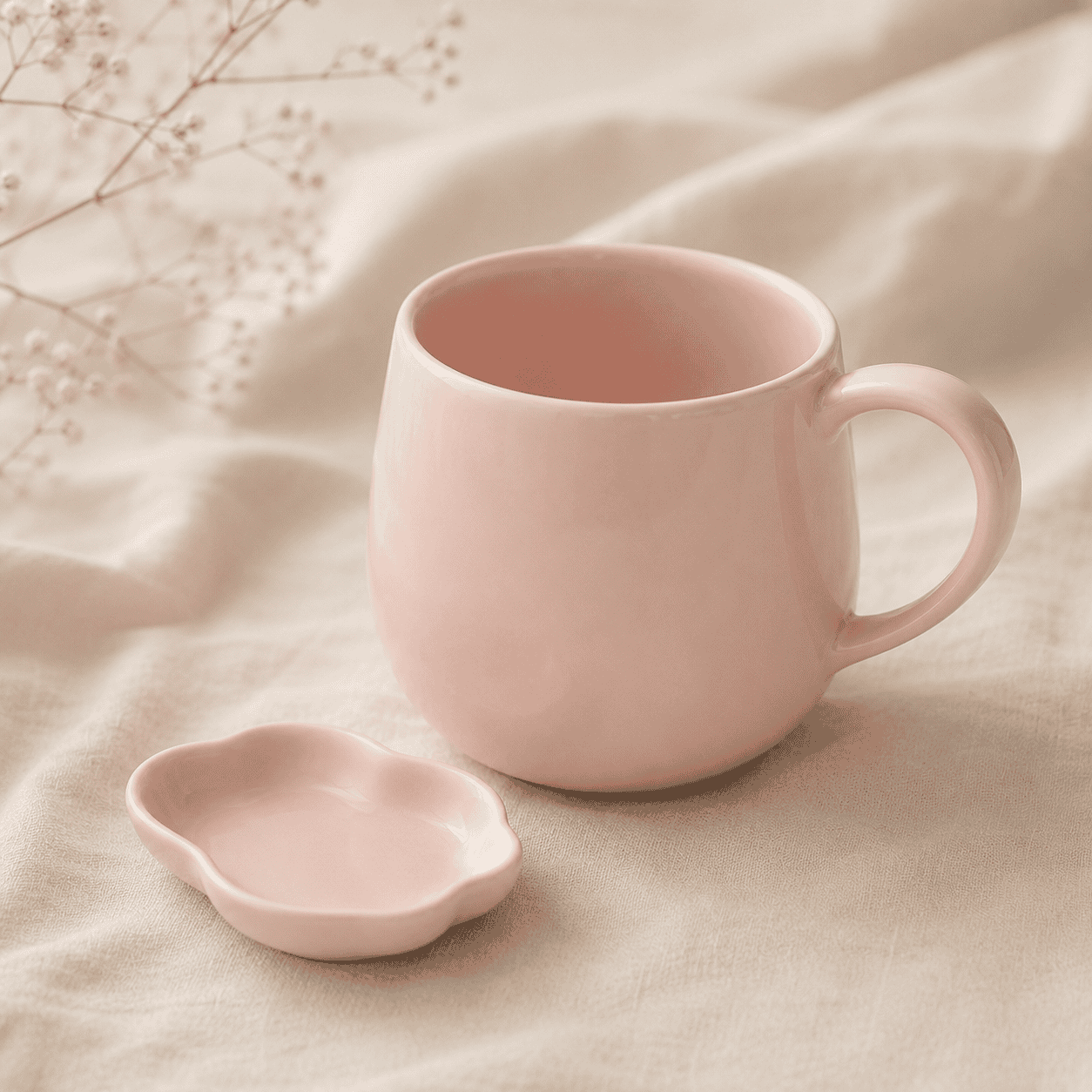
Sanrio’s premium homeware line, ceramics, glassware, textiles, sits in the gift register that fits an adult home rather than a teenager’s bedroom. The pieces carry the character lightly, as a motif rather than a billboard. For a design-conscious fan, this is the way the affection shows up at home. The Sanrio premium homeware is understated fandom for the kitchen shelf.
43. Pokemon Center exclusives — the Japan-only pieces
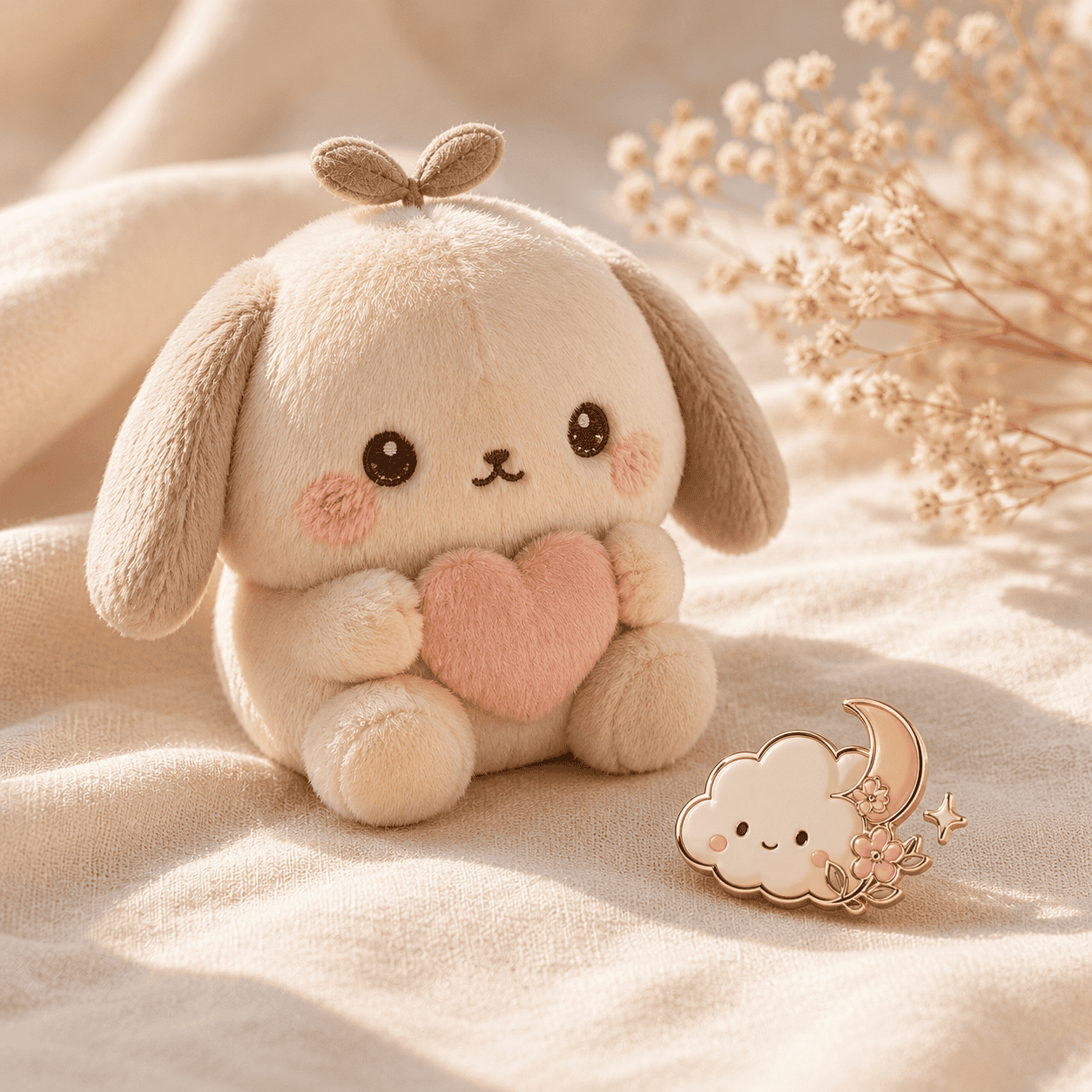
Pokemon Center exclusives are made for the Tokyo, Osaka, and Kyoto stores, and they are the pieces non-collectors do not see in US retail. They signal a Japan trip even years after the trip itself, which makes them a meaningful gift for the right recipient. The quality sits above mass-market licensed merchandise. The Pokemon Center exclusive merchandise is the collector’s tell.
44. Bandai Tamashii Nations figure — the collector tier
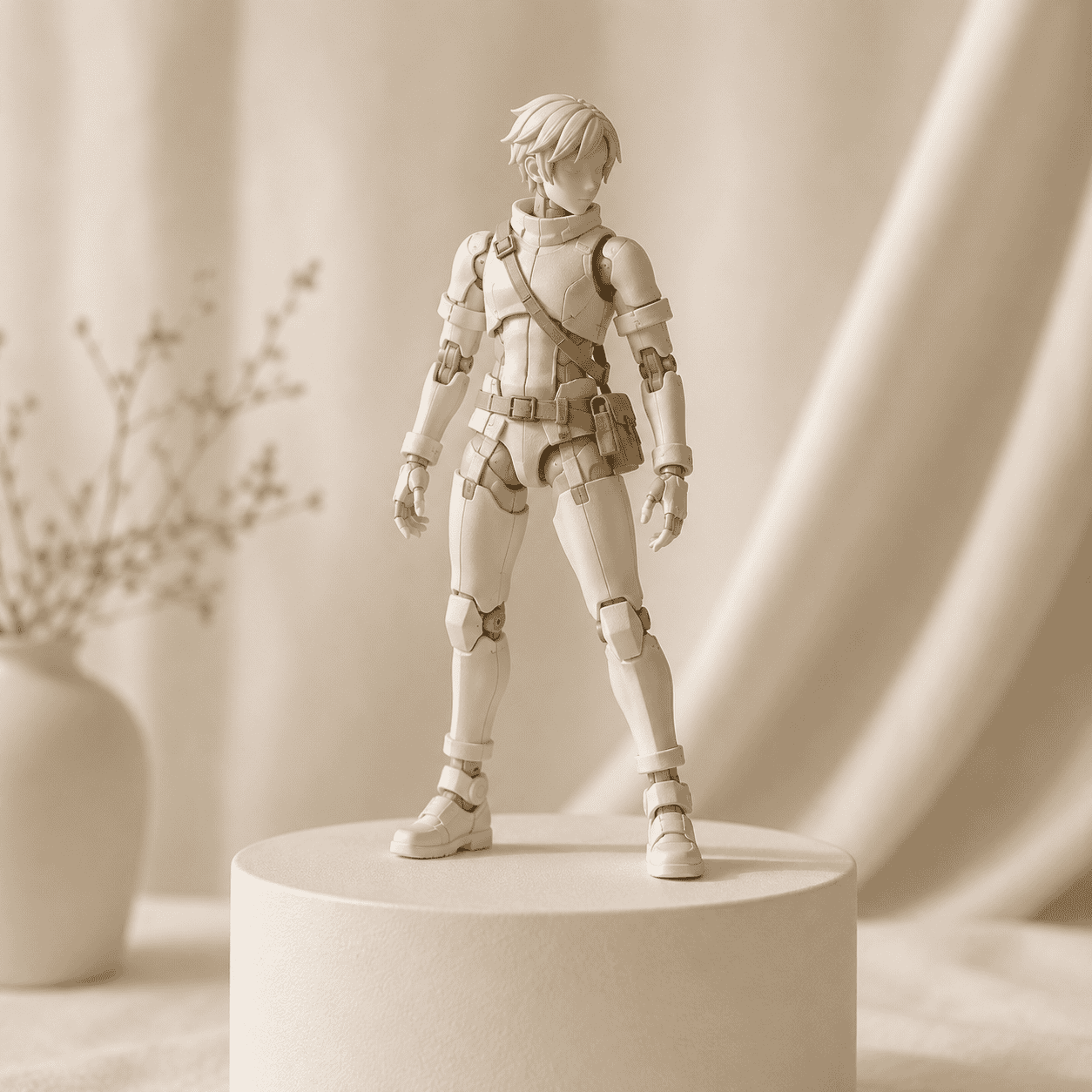
Bandai’s Tamashii Nations line is the premium articulated figure tier: collector-grade, photo-realistic, the figures that earn shelf space rather than packing-box storage. The articulation and finish put them in a different class from blister-pack toys. For an adult collector, this is the gift that signals you understand the hobby. The Bandai Tamashii Nations premium figure is the shelf piece.
45. Casio G-Shock x Hokusai — the art-object watch
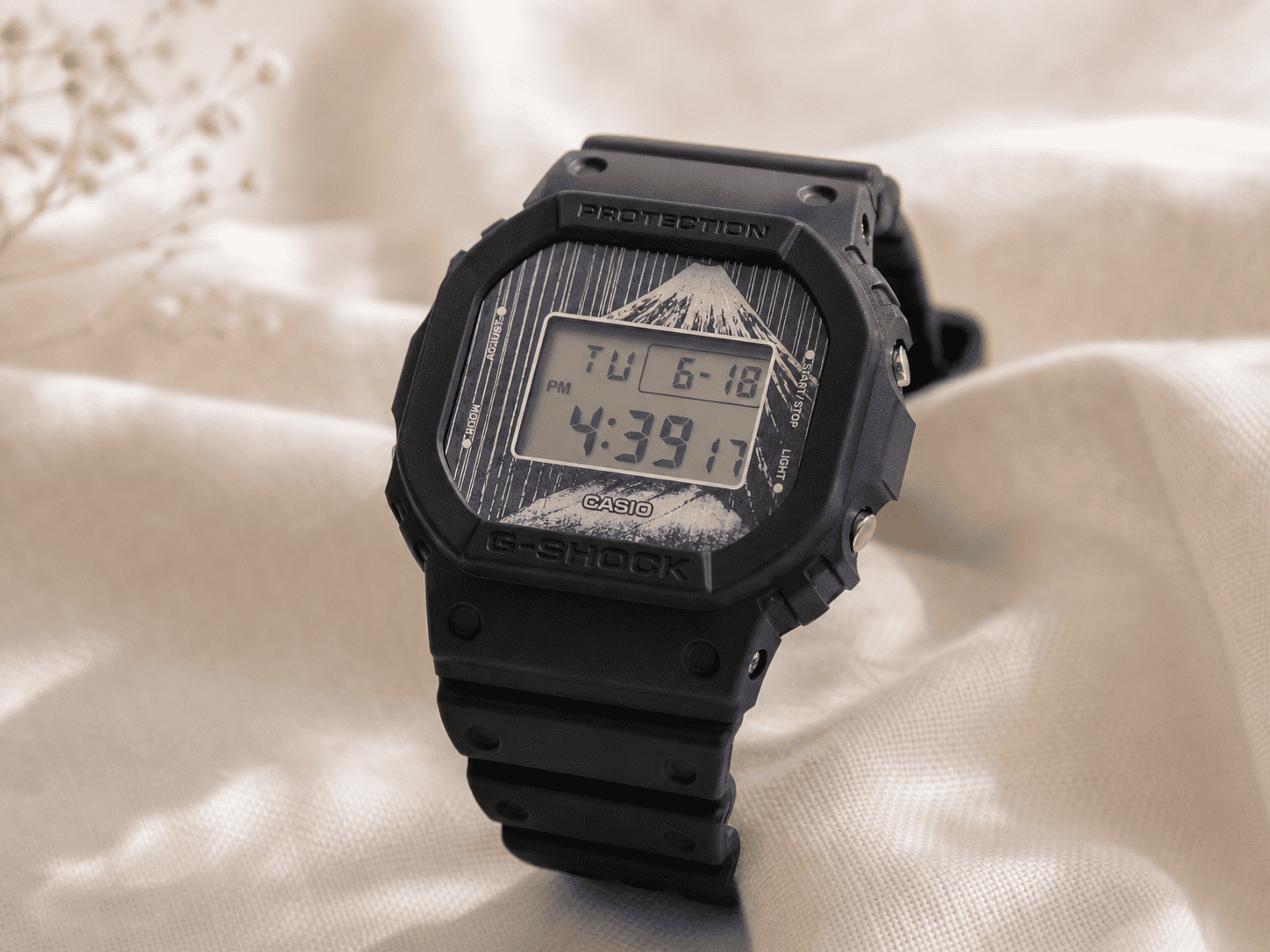
Casio launched the G-Shock in 1983, and this Made-in-Japan limited edition embeds Hokusai’s White Rain Under the Mountains, from Thirty-Six Views of Mount Fuji, into the dial, with the kanji for Japan engraved on the case back. It works at once as a watch, an art object, and a Japan reference. It ships direct from Japan. The Casio G-Shock Hokusai limited edition is ukiyo-e you can wear.
 Ritual · Fifteen minutes
 How to display Japanese collectibles in a grown-up home
Choose one shelf, not a wall. A single edited row reads as a collection; a crowded surface reads as storage. Set the largest piece, a Bandai figure or a Totoro plush, slightly off-centre as the anchor, then balance it with two or three smaller objects and leave clear space between them. Keep a consistent material thread, ceramic with ceramic, vinyl with vinyl, so the group looks chosen rather than accumulated. Turn boxed figures so the sculpt faces out and the packaging faces the wall. Add a small warm lamp nearby; side light gives a figure depth that overhead light flattens. Rotate one or two pieces each season and keep the rest boxed. The shelf should look like it belongs to someone with taste who happens to love this, not like a shop.
9. Fashion & Accessories
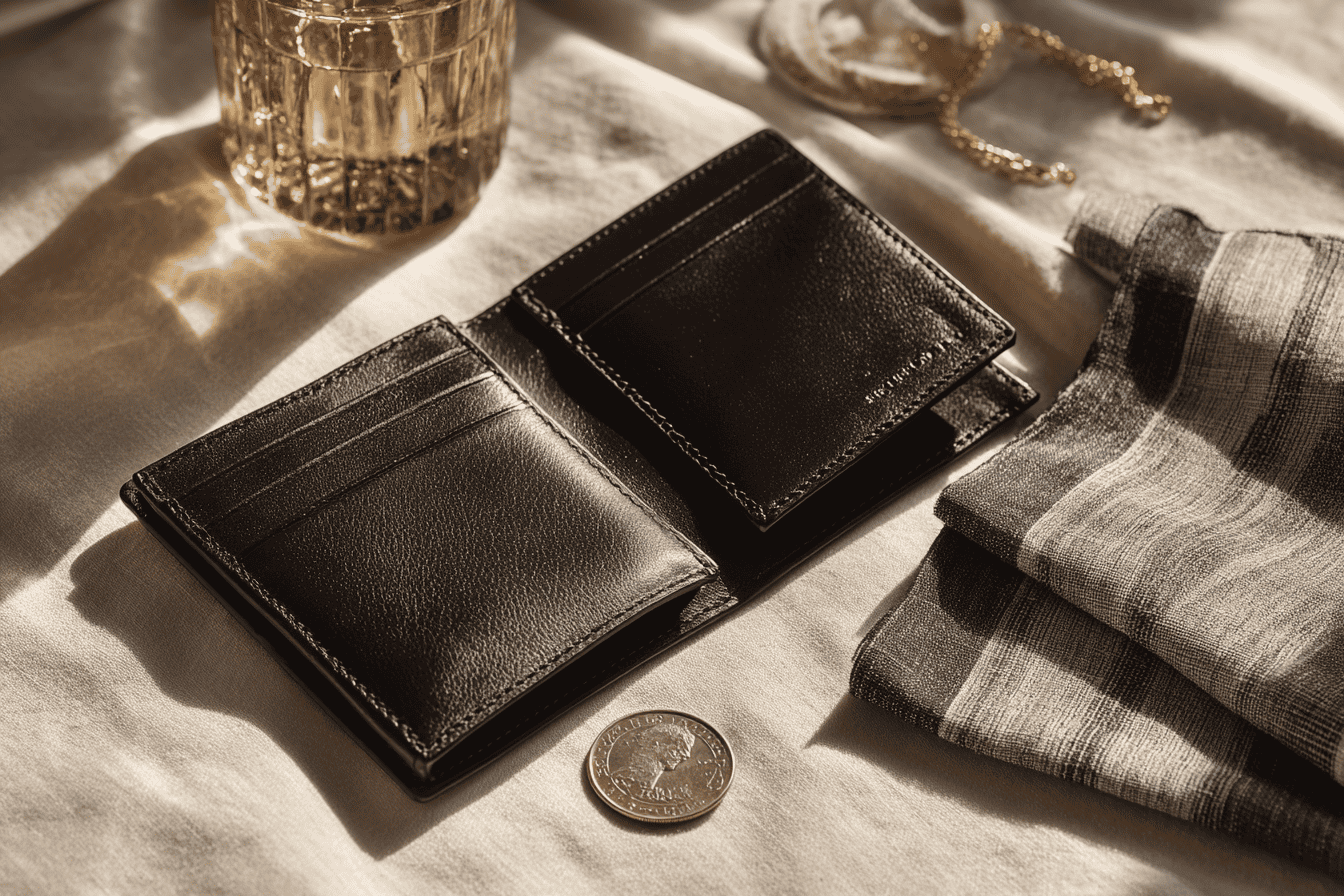
Tokyo’s foundational fashion houses defined Japanese fashion’s global reputation between 1969 and 1972: Comme des Garçons (Rei Kawakubo, 1969), Issey Miyake (1970), Yohji Yamamoto (1972). Those three Tokyo houses deconstructed Western tailoring conventions and rebuilt them around volume, pleat, and silhouette in ways that influenced two subsequent generations of designers. For gift-giving, accessory pieces from these houses signal taste without signaling brand — a Comme des Garçons wallet, an Issey Miyake scarf, a Yohji Yamamoto leather card holder. Furoshiki, the Japanese gift-wrapping cloth, anchors the everyday register.
Why accessory tier and not garment tier? Three reasons. First, fit. A Comme des Garçons jacket needs the recipient present for sizing; a leather wallet does not. Second, register. A bifold wallet from Kawakubo’s house signals the buyer knows the brand without the brand being announced; a logo-prominent garment does the opposite. Third, longevity. An Issey Miyake Pleats Please scarf, with its heat-set polyester pleats holding their structure through twenty years of wear and washing, is built for the gift register the houses themselves understand.
Furoshiki sits at the everyday end of the same logic. The cloth folds bento boxes, wraps wine bottles, ties around handbags. The pattern coding matters: the Isa Monyo motifs on the picks below trace to the 1940s, with each motif coded for a specific celebration.
46. Honjien furoshiki XL — the reusable wrap
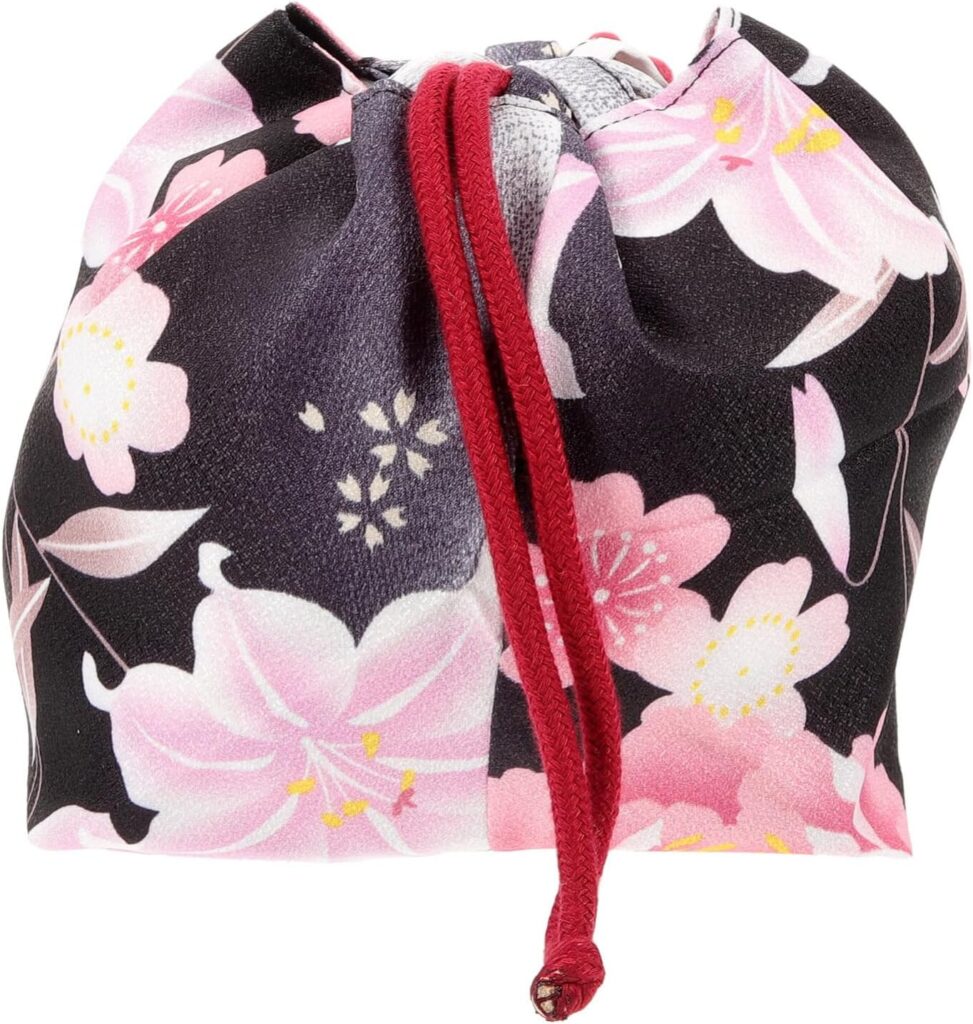
Furoshiki is the square cloth Japan wraps gifts in, and the XL size handles everything from sake bottles to handbags. This Honjien cloth is reversible and carries the Isa Monyo pattern, which traces to the 1940s with each motif coded for a specific celebration. It is the wrap that becomes a second gift. The Honjien reversible furoshiki XL turns the wrapping into part of the present.
47. Reversible furoshiki — the everyday cloth
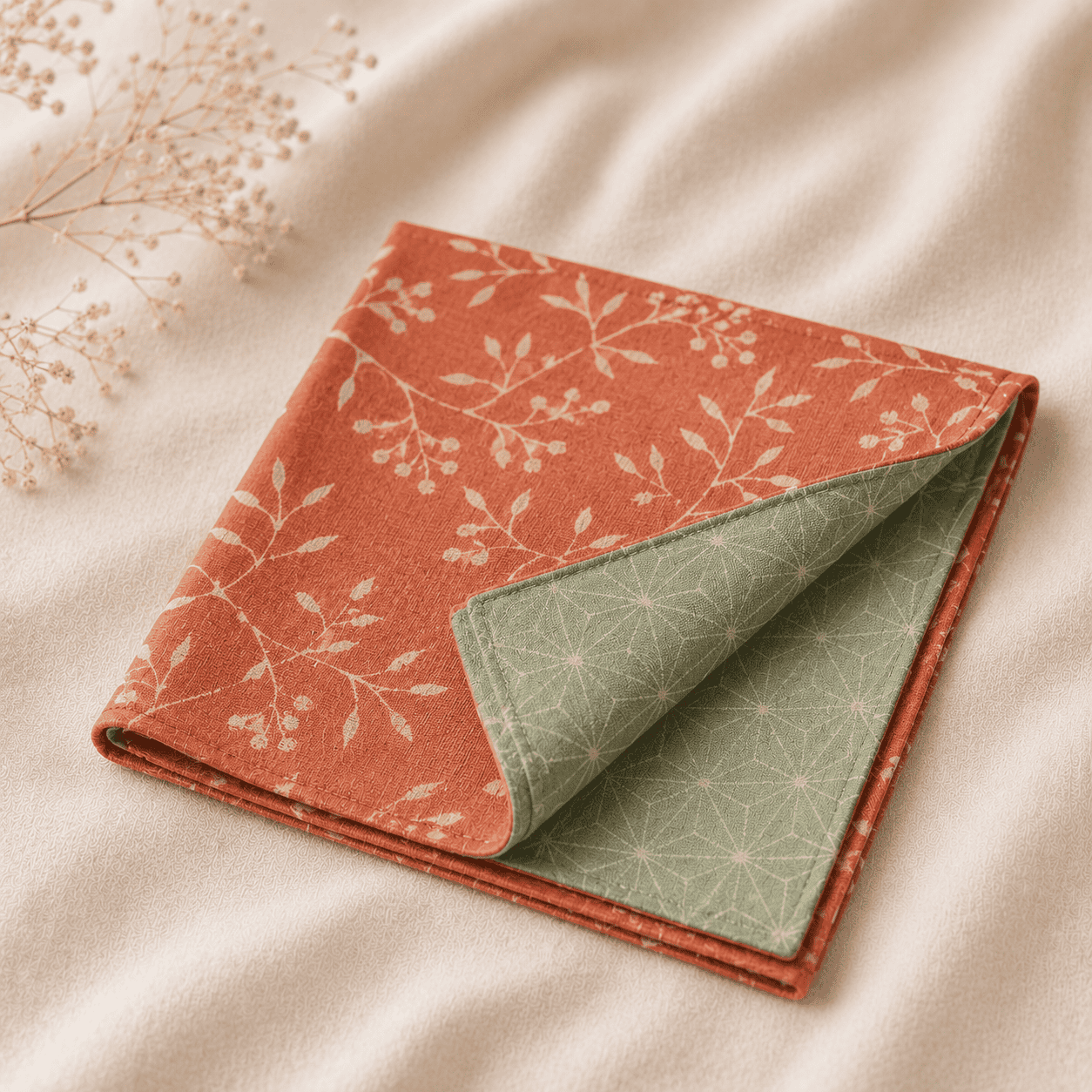
The smaller reversible furoshiki is the everyday version: sized for a bento or a wine bottle, with two patterns in one cloth. It folds around a gift and is kept afterward as a bag, a scarf, or a wall hanging. For a recipient learning the wrapping tradition, it is the practical first cloth. The reversible apricot-and-green furoshiki is the gift inside the gift.
48. Comme des Garcons wallet, black — the taste signal
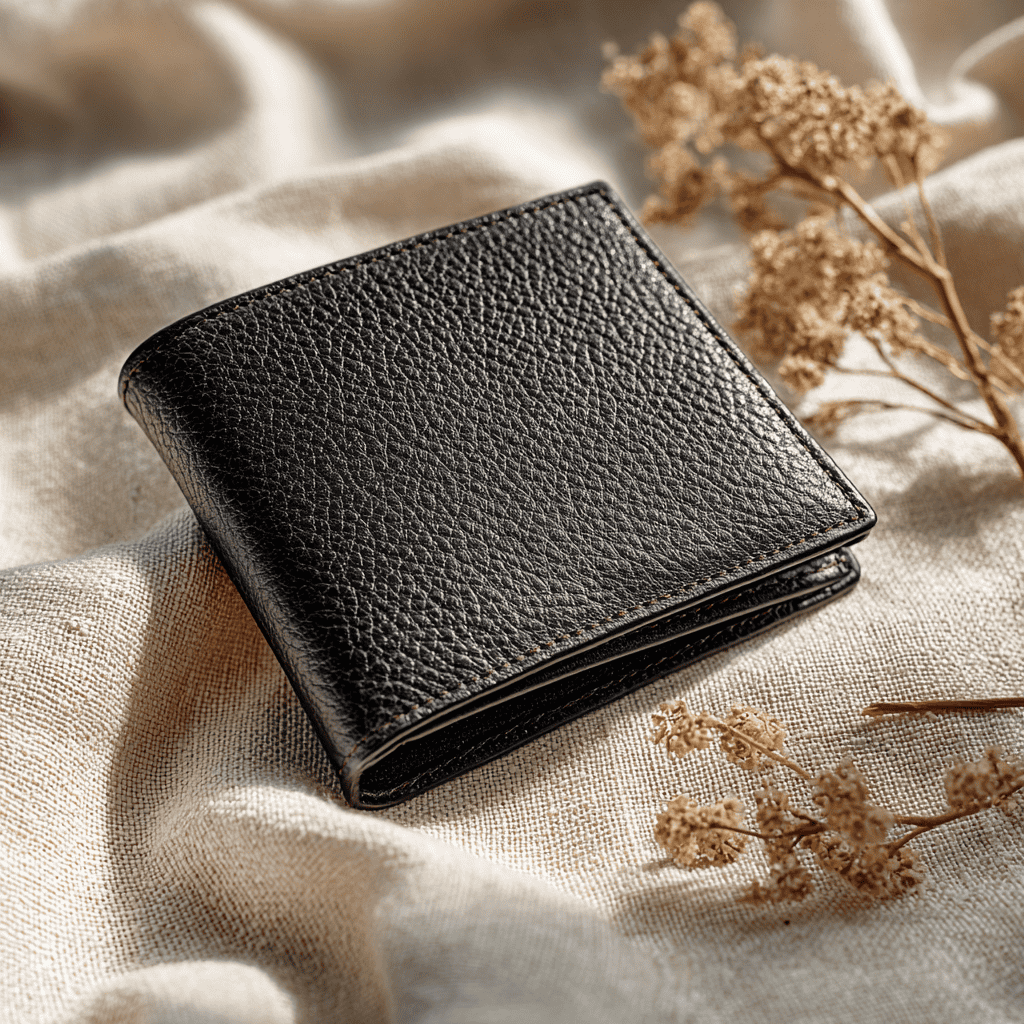
Rei Kawakubo founded Comme des Garcons in Tokyo in 1969, and the house’s leather goods signal taste without announcing a brand. This black bifold has two card slots and a note slot, the design discipline visible in the restraint rather than a logo. It is the accessory-tier gift that reads as fluent. The Comme des Garcons black classic wallet is carried through SSENSE.
49. Comme des Garcons wallet, brown — the warmer counterpart
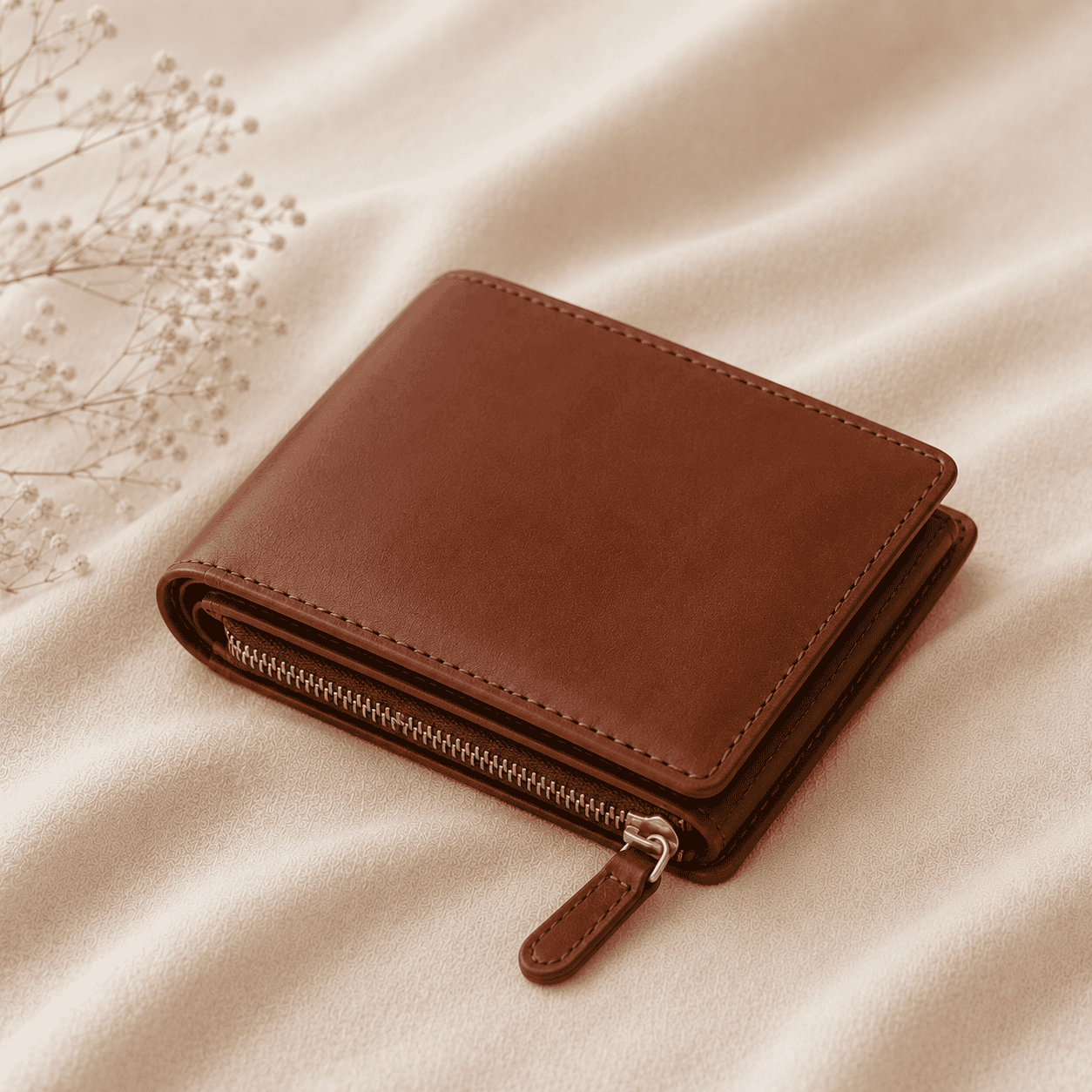
The brown small classic is the masculine counterpart: buffed leather, gold-tone hardware, a zip closure, the same Kawakubo discipline at a different temperature. It is compact enough for a front pocket and finished well enough to last. For a recipient who wants Tokyo design without the announcement, it is the more restrained pick. The Comme des Garcons brown small wallet, at SSENSE is the warmer half of the pair.
50. Issey Miyake Pleats Please — the twenty-year scarf
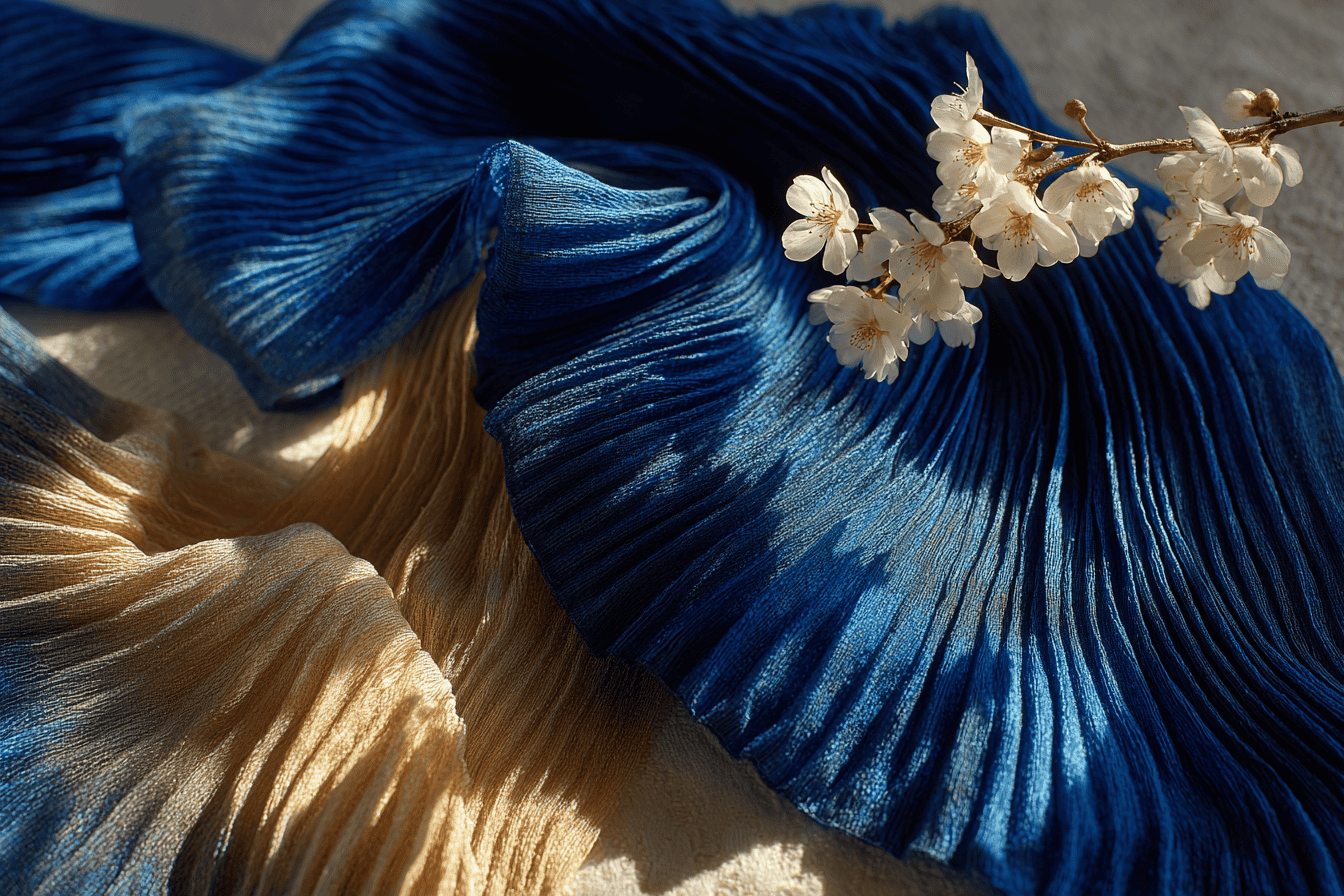
Issey Miyake founded his Tokyo house in 1970, and Pleats Please is its daily-wear branch, the heat-set polyester pleats holding their structure through twenty years of wear and washing. At scarf scale it is the gift that improves with handling rather than wearing out. The engineering is the luxury. The Issey Miyake Pleats Please scarf is carried through SSENSE.
51. Yohji Yamamoto card holder — the canon completer
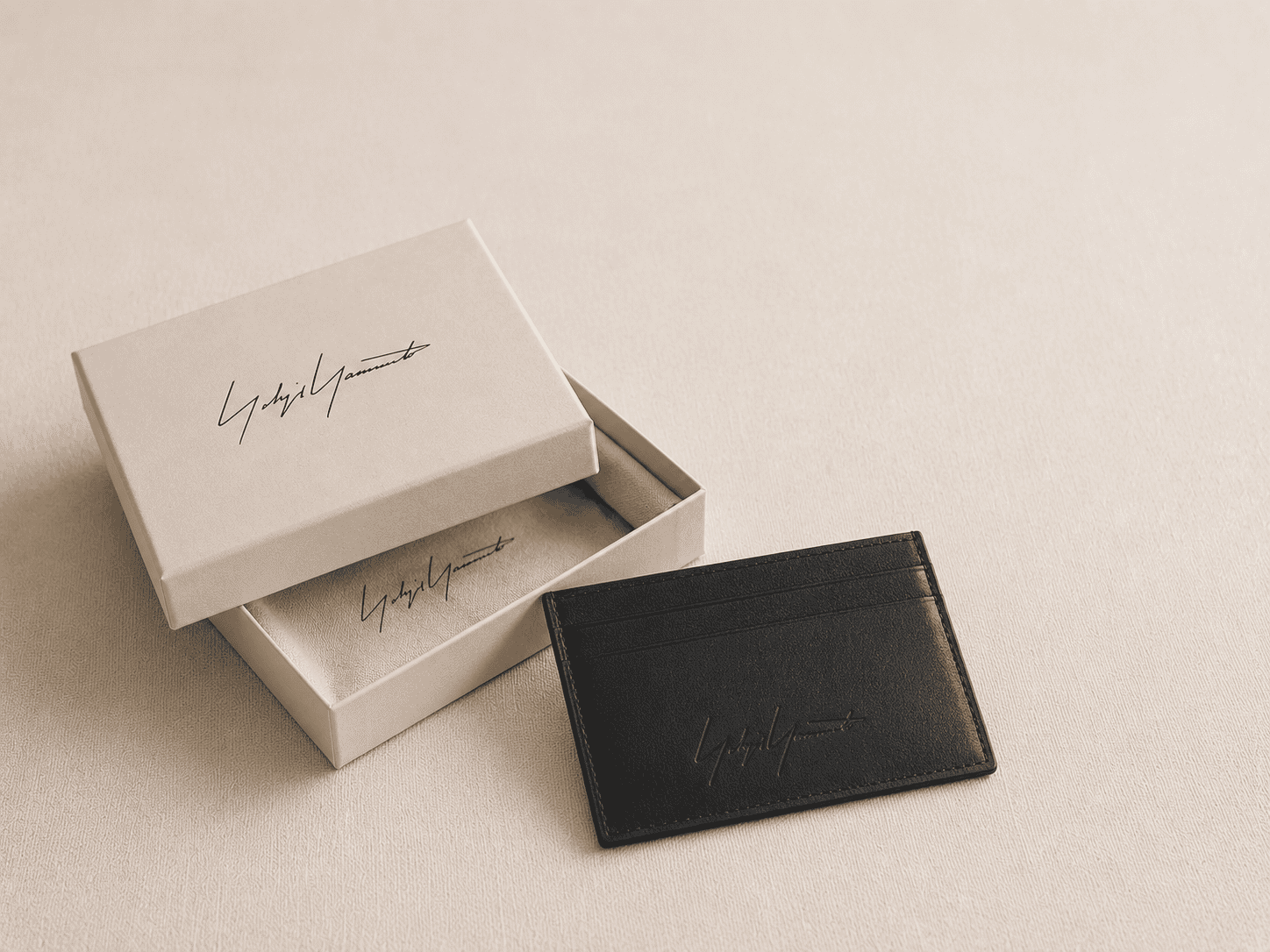
Yohji Yamamoto founded his house in 1972, completing the trio of Tokyo designers, with Comme des Garcons (1969) and Issey Miyake (1970), who rebuilt Western tailoring. This matte black leather card holder carries an embossed signature mark and no visible branding, the bifold that signals fluency in the canon. It is the accessory for someone who knows the names. The Yohji Yamamoto leather card holder is at SSENSE.
 Ritual · Two minutes
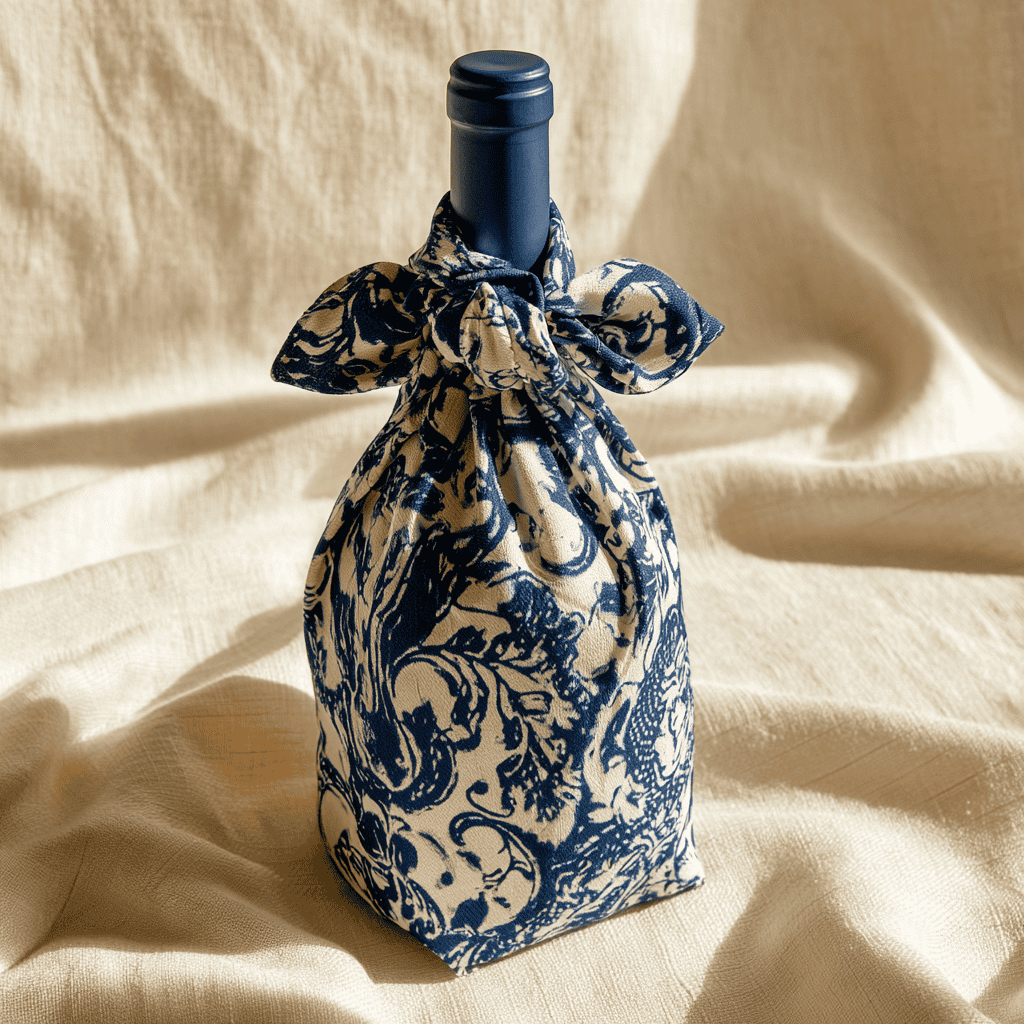
 How to wrap a bottle in furoshiki (bin-tsutsumi)
Lay the furoshiki flat in a diamond orientation, pattern-side down. Place the bottle on its side in the centre. Roll the bottom corner up over the bottle and continue rolling until the bottle is fully enclosed in a long cylinder. Stand the bottle upright. Take the two long ends extending from the top, cross them around the neck of the bottle, then tie them in a square knot above the cap — a small carry-loop forms. The recipient unties the knot, lifts the bottle out, and keeps the cloth as a bento bag, wall tapestry, or scarf. The wrapping is the second gift inside the first.
10. Food & Drink Gifts from Japan

The Japanese pantry has a depth most Western home cooks never approach — and a small handful of imported items can change a recipient’s cooking for years. Four objects carry the category at gift scale. A barrel-aged shoyu changes every dish it touches. A jar of yuzu kosho turns plain grilled meat into something the recipient cannot replicate from a supermarket condiment. A set of Hokkaido konbu gives a home cook the dashi base every Japanese broth depends on. And a bag of Uonuma Koshihikari rice — less than 0.003 percent of all Koshihikari grown — closes the package with the most prized short-grain in Japan.
The maker geography here matters as much as the produce itself. Yamaroku has fermented shoyu in century-old cedar kioke barrels on Shodoshima Island since 1907 — the saishikomi double-brew method, three to five years aged, is what separates a $40 bottle from the $8 supermarket equivalent. Yakami Orchards is one of the few yuzu kosho producers exporting at scale to the United States, capturing the Kyushu specialty before it ages out in transit. Kawashimaya curates Hokkaido kombu by varietal — Rausu for high-class umami, Rishiri for elegant clear soups, Hidaka for everyday — and the variety set is the way to introduce a home cook to the difference. Uonuma rice from Niigata, where snowmelt and mineral-rich soil produce Japan’s most prized grain, is the closing flourish.
Two practical notes. First, all four ship shelf-stable internationally; no refrigeration, no special handling. Second, the four together build a complete Japanese-pantry starter package — the shoyu, the heat-element, the dashi base, the grain. The recipient who receives the set has the foundation to cook from Just One Cookbook, Maangchi, or Nami Hirasawa Chen at home from week one.
52. Yamaroku barrel-aged shoyu — the four-year soy

Yamaroku has fermented shoyu in century-old cedar kioke barrels on Shodoshima Island since 1907, using the saishikomi double-brew method aged three to five years. That is the difference between a forty-dollar bottle and the eight-dollar supermarket equivalent: a rich, mellow depth a recipient will drizzle on sashimi, grilled fish, and, surprisingly, vanilla ice cream. It ships shelf-stable. The Yamaroku Kiku Bisiho barrel-aged soy sauce is the pantry upgrade that changes every dish.
53. Yakami yuzu kosho — the Kyushu paste

Yuzu kosho is the Kyushu specialty paste of yuzu zest, red chili, sea salt, and kombu, and Yakami Orchards is one of the few Japanese producers exporting it at scale to the United States. A small spoon on grilled meat or sashimi changes the dish entirely: bright, hot, citrus-sharp in a way no supermarket condiment reaches. It captures the specialty before it ages out in transit. The Yakami Orchards red yuzu kosho is the jar that earns a permanent fridge spot.
54. Kawashimaya Hokkaido kombu — the dashi set

Kawashimaya curates Hokkaido kombu by varietal, and this three-piece set covers the range: Rausu for high-class umami, Rishiri for elegant clear soups, Hidaka for everyday. It is the dashi gift for a recipient who has started cooking Japanese at home and needs the base layer right. Tasting the three side by side is the lesson. The Kawashimaya Hokkaido kombu set is the foundation under every Japanese broth.
55. Uonuma Koshihikari rice — the prized grain

Less than 0.003 percent of all Koshihikari is grown in Uonuma, Niigata, where pristine snowmelt and mineral-rich soil produce Japan’s most prized short-grain rice. It is the rice top sushi chefs serve and home cooks rarely encounter: sweet, glossy, and distinct from any supermarket bag. As the close of a pantry gift, it is a genuinely indulgent grain. The ultra-premium Uonuma Koshihikari rice is the flourish at the end of the list.
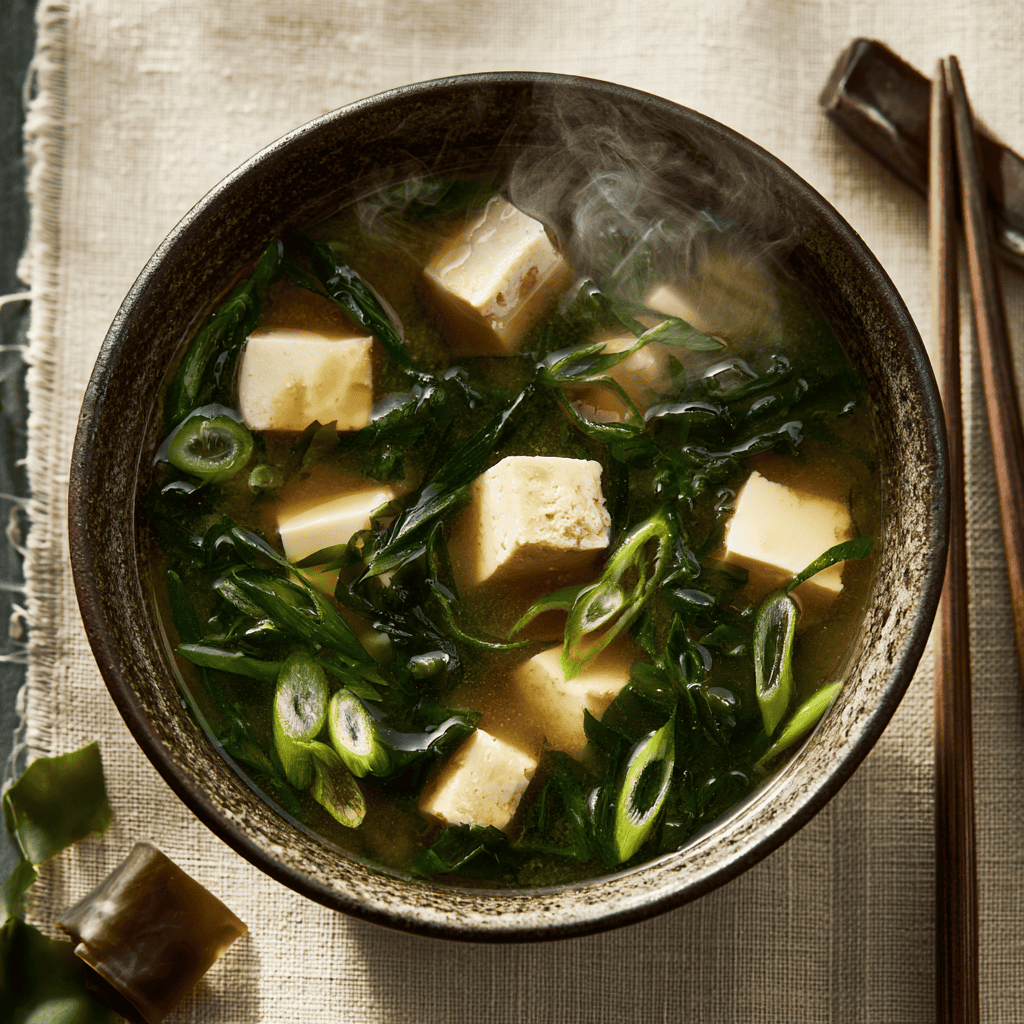 Recipe · Eight minutes
 Three-minute miso soup from the pantry
Bring 600ml of dashi (or water with a teaspoon of dashi powder, or a 10g piece of Hokkaido kombu steeped for thirty minutes then removed) to a gentle simmer in a saucepan. Tip in a handful of cubed silken tofu, a small handful of dried wakame seaweed soaked thirty seconds in cold water, two thinly sliced spring onions. Reduce heat to low. In a small bowl, mix two tablespoons of red or white miso with a ladle of the hot broth until smooth — never add miso to boiling water, the heat kills the flavour. Stir the miso paste back into the pot. Serve immediately. Serves two.
Where to Buy Authentic Japanese Gifts
Five sources cover most gift-giver needs without travel to Japan.
The first is curated Anglophone-distributed Japanese houses. Major US online retailers carry Marukyu Koyamaen, Tojiro, Iwachu, Pilot Iroshizuku, Hobonichi, Midori, mt washi tape, Yamaroku, Yakami Orchards, Kawashimaya, and most major Japanese kitchen, stationery, and pantry brands. The shipping is fast. The trade-off: listings can mix authentic Japanese-made items with Japan-style replicas. Check the country of origin in the listing detail.
The second is the luxury department-store register. Bergdorf Goodman, Saks Fifth Avenue, and Neiman Marcus carry the Japanese skincare houses — SK-II, Tatcha — at full retail. SSENSE carries the Tokyo fashion houses (Comme des Garçons, Issey Miyake, Yohji Yamamoto) and Beams Japan homeware with global shipping. MoMA Design Store carries the Sori Yanagi flatware that earned its place in the MoMA collection.
The third is direct from Japan. Discovery Japan Mall carries roughly 37,000 products across categories, including Casio limited editions, Seiko Japan-domestic models, Iwachu cast iron, and traditional Japanese craftware. Shipping from Japan takes longer; the provenance is direct.
The fourth is the curated US-Japan bridge. JOC Goods is run by Nami Hirasawa Chen of Just One Cookbook, bringing artisan Japanese knives, donabe, ceramics, and tableware directly from small Japanese kilns and workshops to your door. Their Hasami ware sake set sits in §2 of this guide.
The fifth is travel itself. Tokyo’s department stores and specialty shops in Ginza, Omotesando, and Asakusa cover the full register, with complimentary professional gift-wrapping included. If a trip is on your horizon, this is part of what to plan around. A custom itinerary can build the right shops into the trip.
Questions Worth Asking
The strongest categories at gift scale are tea and matcha (Marukyu Koyamaen, Hario teapots), Japanese kitchen knives (Tojiro, Yoshihiro), sake sets (Mino-yaki, Edo Kiriko), Japanese stationery (Pilot Iroshizuku, Hobonichi), Japanese pantry foods (Yamaroku shoyu, Uonuma rice), and Japanese fashion accessories (Comme des Garçons, Issey Miyake, Yohji Yamamoto). Match the gift to what the recipient already enjoys — a tea drinker wants tea, a home cook wants knives or pantry, a journaler wants a Hobonichi.
Three reliable sources cover most of the inventory. Major US online retailers carry Marukyu Koyamaen, Tojiro, Iwachu, Pilot Iroshizuku, Hobonichi, and the Yamaroku/Yakami/Kawashimaya pantry brands. Bergdorf Goodman and Saks carry the luxury beauty houses (SK-II, Tatcha). SSENSE carries the Tokyo fashion houses and Beams Japan homeware. MoMA Design Store carries the Sori Yanagi flatware. Avoid generic Asian-inspired listings — look for brand names tied to specific Japanese makers and regions.
Every product on this list is verifiably Made in Japan, Japanese-owned, or designed by a Japanese house. Chinese-made knives stamped with Japanese kanji, Korean-made cookware borrowing Japanese aesthetics, and generic Asian-inspired homeware are all excluded. The product descriptions identify the specific maker, region, and tradition behind each item.
The traditional wrap is furoshiki — a square cloth. Lay it flat in a diamond orientation, place the gift in the center, fold one corner over, then the opposite, then tie the remaining two corners in a square knot at the top. The recipient keeps the cloth and uses it afterward — bento bag, wall tapestry, scarf. Several furoshiki are included in this list specifically because the cloth is the gift inside the gift. The recipe in §9 walks through the bottle-wrap (bin-tsutsumi) fold step by step.
The 55 picks on this list all ship to the United States, Canada, Australia, and the United Kingdom. Major US retailers handle most Japanese-brand inventory. SSENSE, Bergdorf Goodman, MoMA Design Store, and other Sovrn-routed luxury retailers ship globally. JOC Goods ships internationally. Discovery Japan Partner ships from Japan worldwide for the Japan-domestic-only items (Casio Hokusai G-Shock). Always confirm shipping availability at checkout.
Carry the List Off-Screen
The right gift earns reflection. The Cherry Blossoms reflection journal carries that spring palette into a 120-page softcover — a fitting companion to the Japan trip a recipient hopes to take next.
A list, a wrap, a long lineage
The 55 picks above will not turn a gift-giver into a Japanese department-store wrapping specialist. What they will do is open a door. They open it onto a different relationship with gift-giving — one where the wrapping matters as much as the contents, where the count of three or five carries meaning, where a tin of matcha or a fountain pen ink or a bifold wallet from Tokyo signals that the sender chose with care.
Start with one. A small tin of Marukyu Koyamaen Wako. A Honjien furoshiki. A Hobonichi Techo for the journaler. The recipient understands, on receipt, that the gift was chosen — not bought, not sent because something had to be sent. From there, the rest of the list builds itself, gift by gift, season by season, as the relationship between sender and recipient deepens around the objects that pass between them.
For more on the cultural lineage these objects belong to, our Japan culture guide is the place to start.
If the recipient on this list is the person you would give a trip to Japan if you could, MJ builds custom Japan itineraries for travellers who want depth over checklists.
Plan Your ItineraryMore from the Library
- Omiyage: A Guide to Bringing Japan HomeFor travelers — what to actually buy in Japan, from Tokyo Station to Kyoto markets.
- Heirloom Japan: 30 Single-Workshop Japanese GiftsFor the recipient who already has good things — Kaikado, Postalco, Bizen ware, Yoshida Bag PORTER.
- Japanese Gifts for the Men in Your LifeFor Father’s Day, husband, boyfriend — knives, watches, leather goods, whisky glassware.