
The best Japanese gifts for mom are the ones she keeps for years. Japan has a long habit of making everyday objects beautiful, from a clay teapot to a cotton towel. So a gift from a Japanese workshop tends to earn a place in her home rather than a drawer. This guide gathers twelve picks around the rituals she already loves. For other people on your list, our hub of gifts for the Japan lover sorts gifts by recipient.
Each pick was in stock for US delivery when we checked it, and each is made in Japan or by a Japanese company. We also share five recipes, from a hojicha latte to sakura mochi, so the gift can come with an afternoon together.
What is a good Japanese gift for mom?
A good Japanese gift for mom fits a ritual she already enjoys. For a tea lover, choose a Tokoname clay teapot and Ippodo hojicha. A kintsugi kit or an ikebana kenzan suit a maker, while camellia oil and Kayuragi incense suit an evening of rest.
Japanese Gifts for Mom: Choose by Ritual
Start with how she spends her slow hours. Some mothers guard a morning cup of tea. Others unwind with a craft, a long bath or a new recipe. Once you know her ritual, the right gift becomes obvious, and Japan has a refined version of almost every one.
Japanese craft also rewards a mother who notices details. A teapot from Tokoname has a fine mesh filter built into the clay. Tenugui towels are dyed by hand, and kintsugi kits use real lacquer and gold. The Japan Traditional Craft Industries Association lists hundreds of these regional crafts, many still made by small family workshops.

Finally, think about how the gift will be used together. Many of these picks invite company, such as a pot of tea for two or an afternoon of sashiko. As a result, the gift becomes time spent with her, which most mothers value more than any object. That idea runs through every one of these Japanese gifts for mom.
For Her Tea Ritual
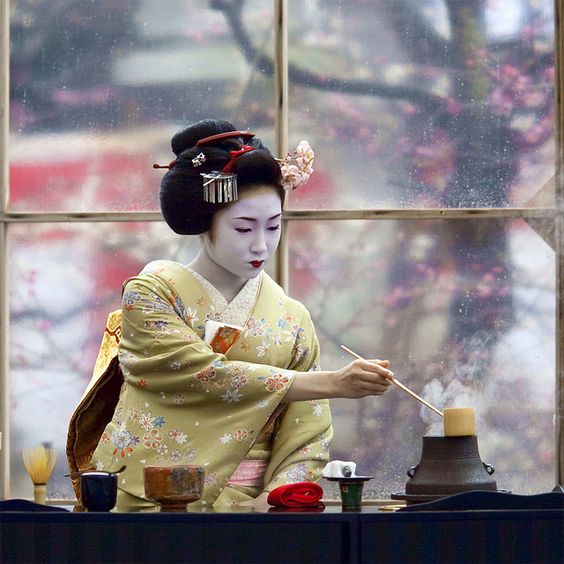
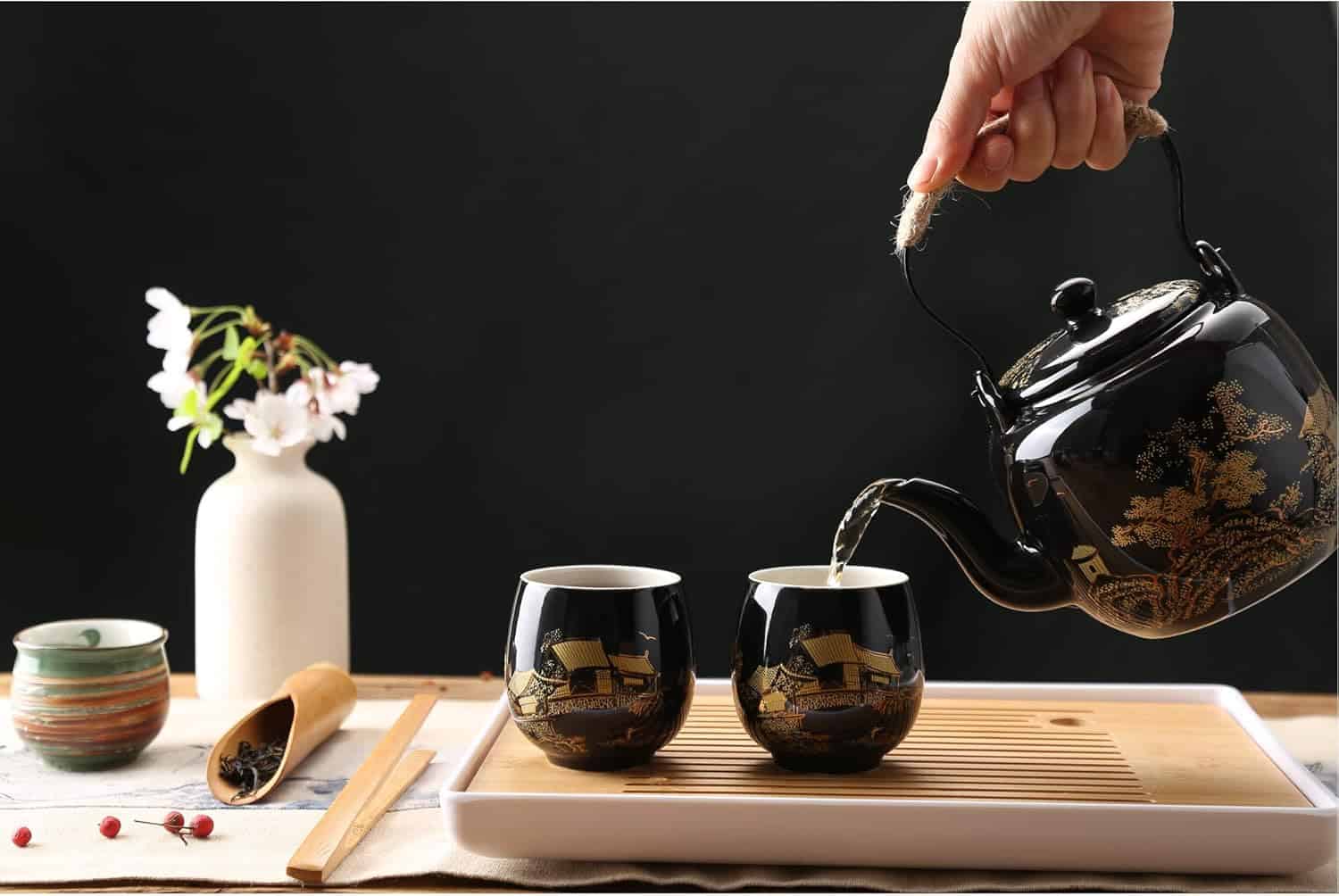
Tea is the gentlest way into Japanese craft, and it suits almost every mother. Many of the best Japanese gifts for mom start with a teapot. A good pot, a good leaf and a pair of handmade cups turn a daily habit into a small ceremony. These three picks work together, though each also stands alone.
1. Tokoname Youhen Kyusu — the clay teapot
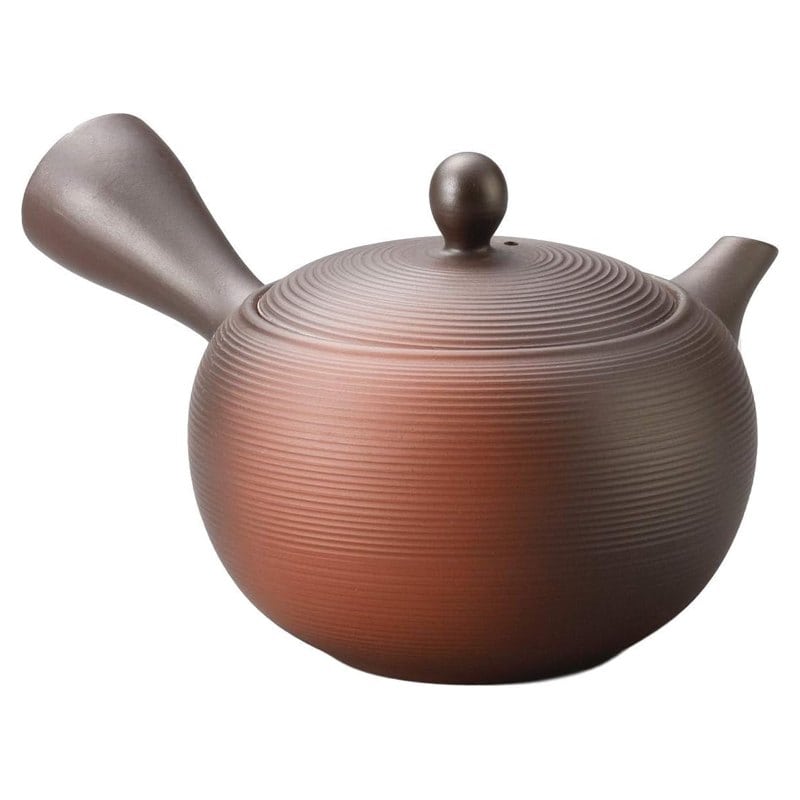
Tokoname, a town near Nagoya, has made pottery for centuries, and its red clay teapots are famous across Japan. This Tokoname youhen clay kyusu teapot has the classic side handle that lets her pour with one smooth turn of the wrist. The youhen finish comes from the kiln, so each pot carries slightly different shading. Inside, a fine ceramic mesh holds back the leaves without a separate strainer. Many tea lovers say unglazed clay softens the taste of green tea over time. It holds about twelve ounces, which suits one or two cups. Tokoname’s tourism office also runs a pottery walk, should she ever visit the town.
2. Ippodo Hojicha — the roasted green tea
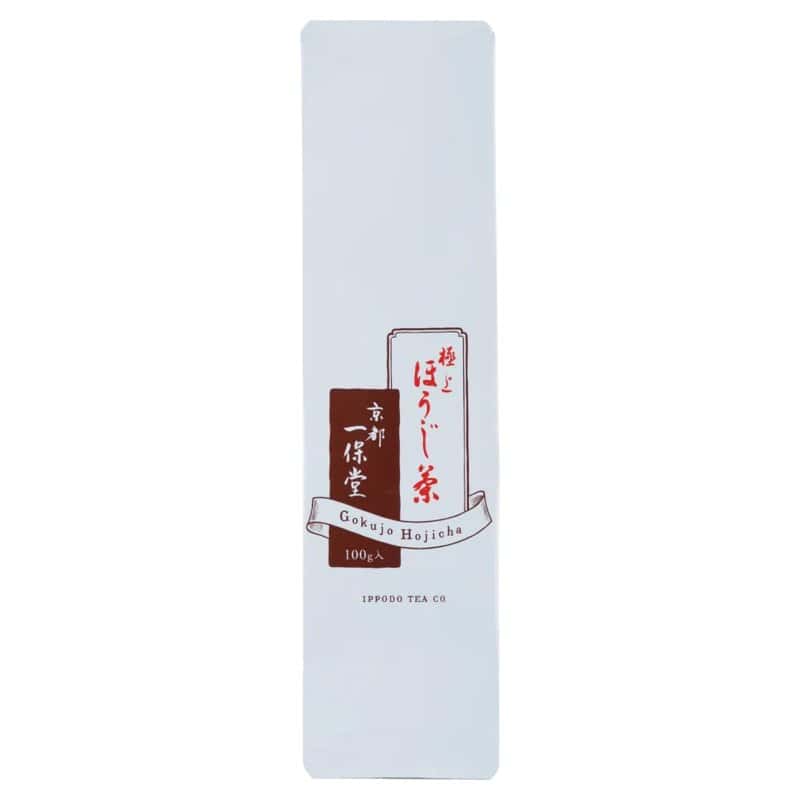
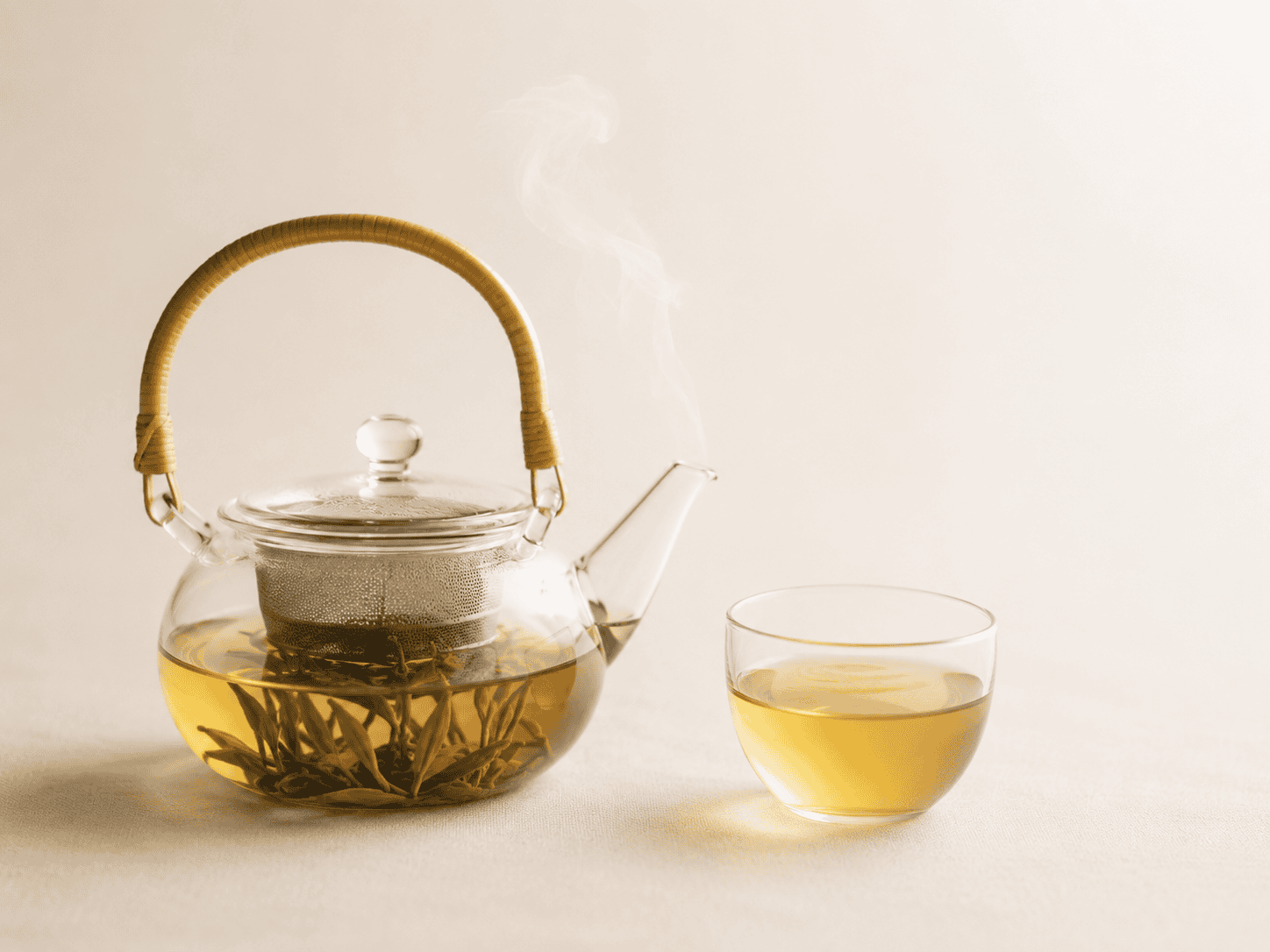
Ippodo has sold tea in Kyoto since 1717, and its shop on Teramachi Street still draws a line. This Ippodo hojicha roasted bancha is green tea roasted until it turns a warm brown. As a result, it tastes toasty and sweet, with very little bitterness or caffeine. That makes it a lovely evening tea, and it suits mothers who find green tea too grassy. Brew it with boiling water for about thirty seconds. Alternatively, steep it strong and mix it with milk for a latte, as in the recipe below. The hundred-gram bag lasts for weeks of daily cups. It pairs perfectly with the Tokoname pot above.

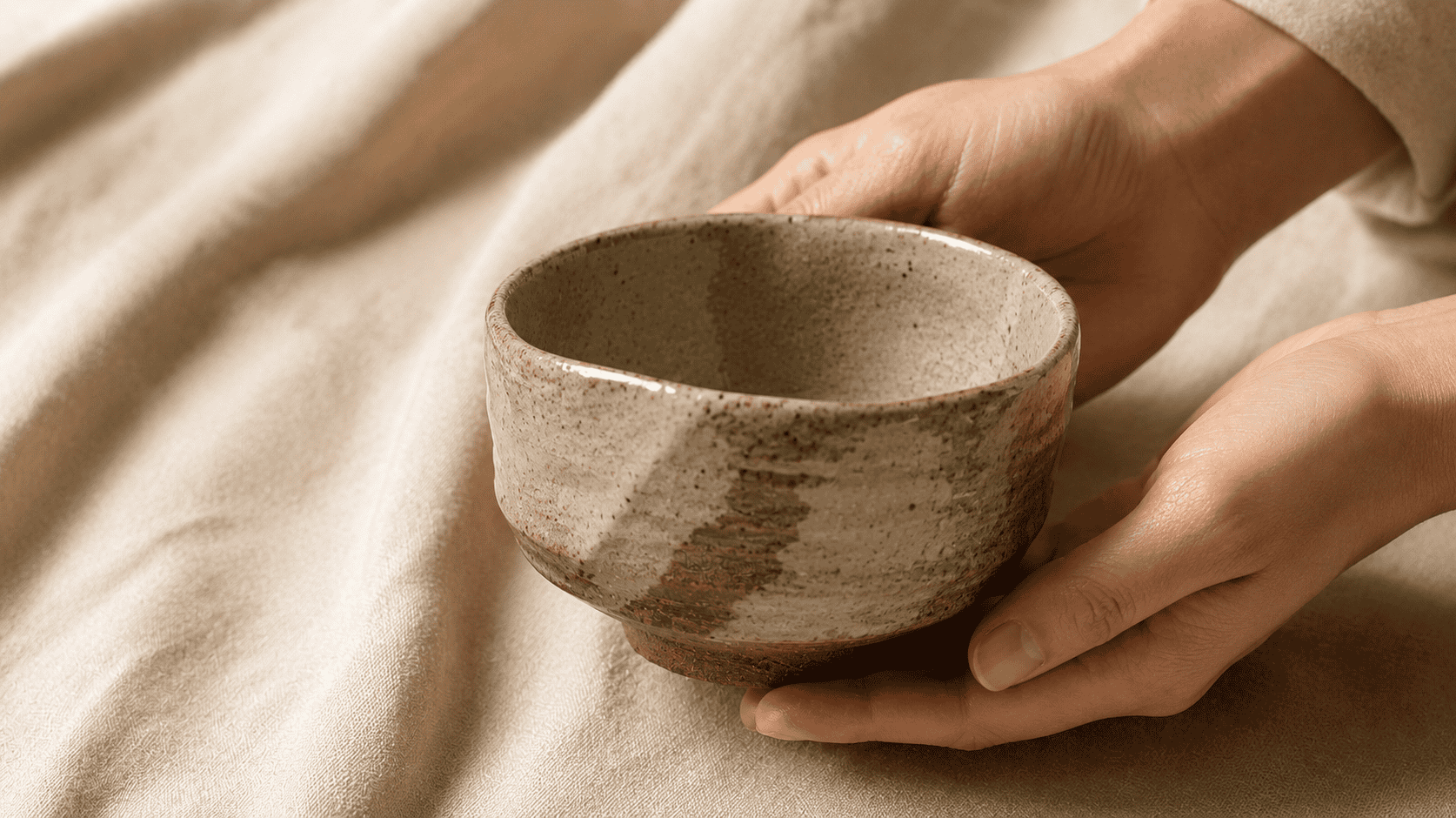
3. Arita Imari Yunomi Pair — the full moon cups
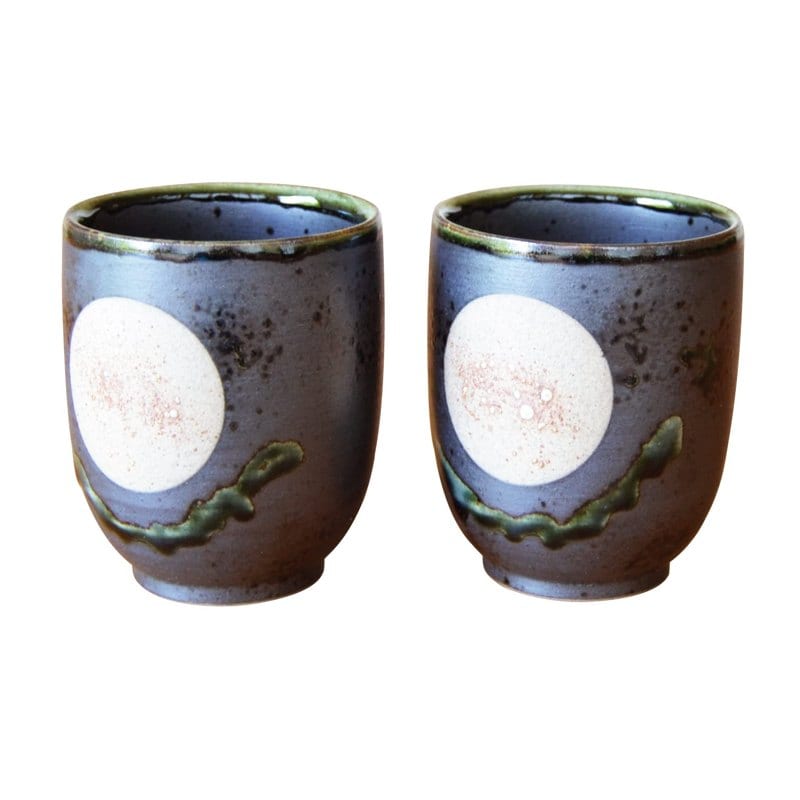
Arita, in Saga Prefecture, is the birthplace of Japanese porcelain, and its wares have been prized for four centuries. This Arita Imari yunomi pair shows a pale full moon rising over a smoky glaze. Yunomi are tall cups without handles, made for everyday green tea. Because the walls are thick, the cups stay warm in the hands without getting too hot to hold. Two cups make the gift about sharing, so she can pour one for a friend or for you. They also look striking on an open shelf when not in use. Together with the teapot, they form a simple set she will use every day.

A hojicha latte is low in caffeine, so she can enjoy one after dinner. Indeed, it has become a favorite in Kyoto cafés. Our guide to Japanese tea explains the other leaves worth trying.
You may also like

Flowers, Repair and Slow Crafts
Many mothers love to make things with their hands, and craft kits are among the most personal Japanese gifts for mom. Japan offers crafts that are calm and absorbing, yet easy to start at a kitchen table. These three picks need no special studio, only an afternoon and a little patience.
4. Wazakura Ikebana Kenzan — the flower frog
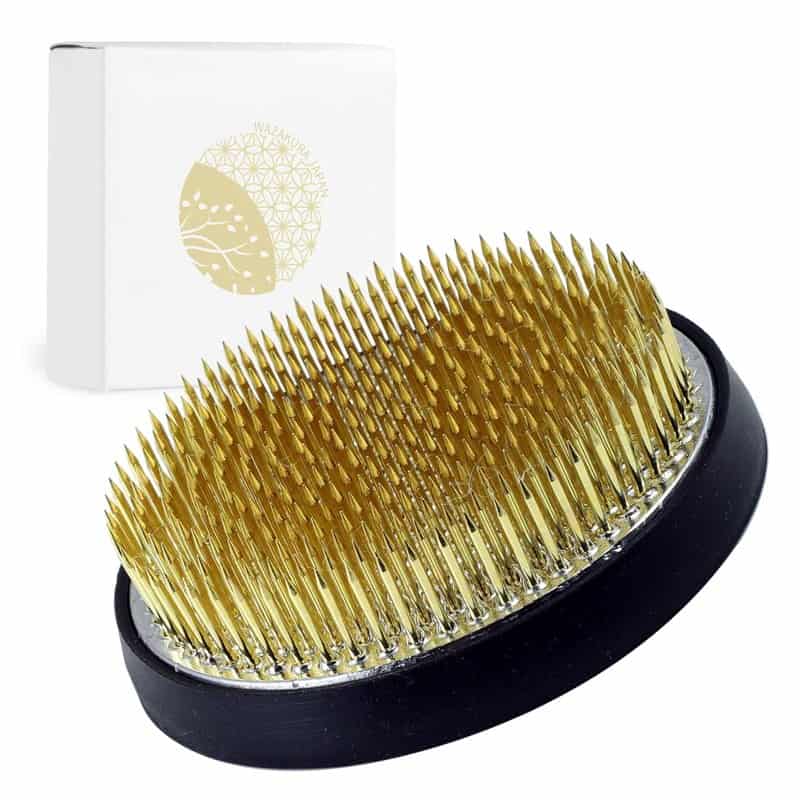
A kenzan is the heavy pin holder that sits at the bottom of an ikebana vase. This Wazakura brass ikebana kenzan is made in Japan, with brass needles set in a weighted base. Stems press onto the pins, so even a few branches stand upright at any angle. As a result, she can arrange flowers in a shallow bowl or a wide dish she already owns. A kenzan also makes garden clippings look deliberate, which suits a mother with roses or a flowering tree. It lasts for decades and needs only a rinse after use. For her first steps, a single branch and one bloom are enough.
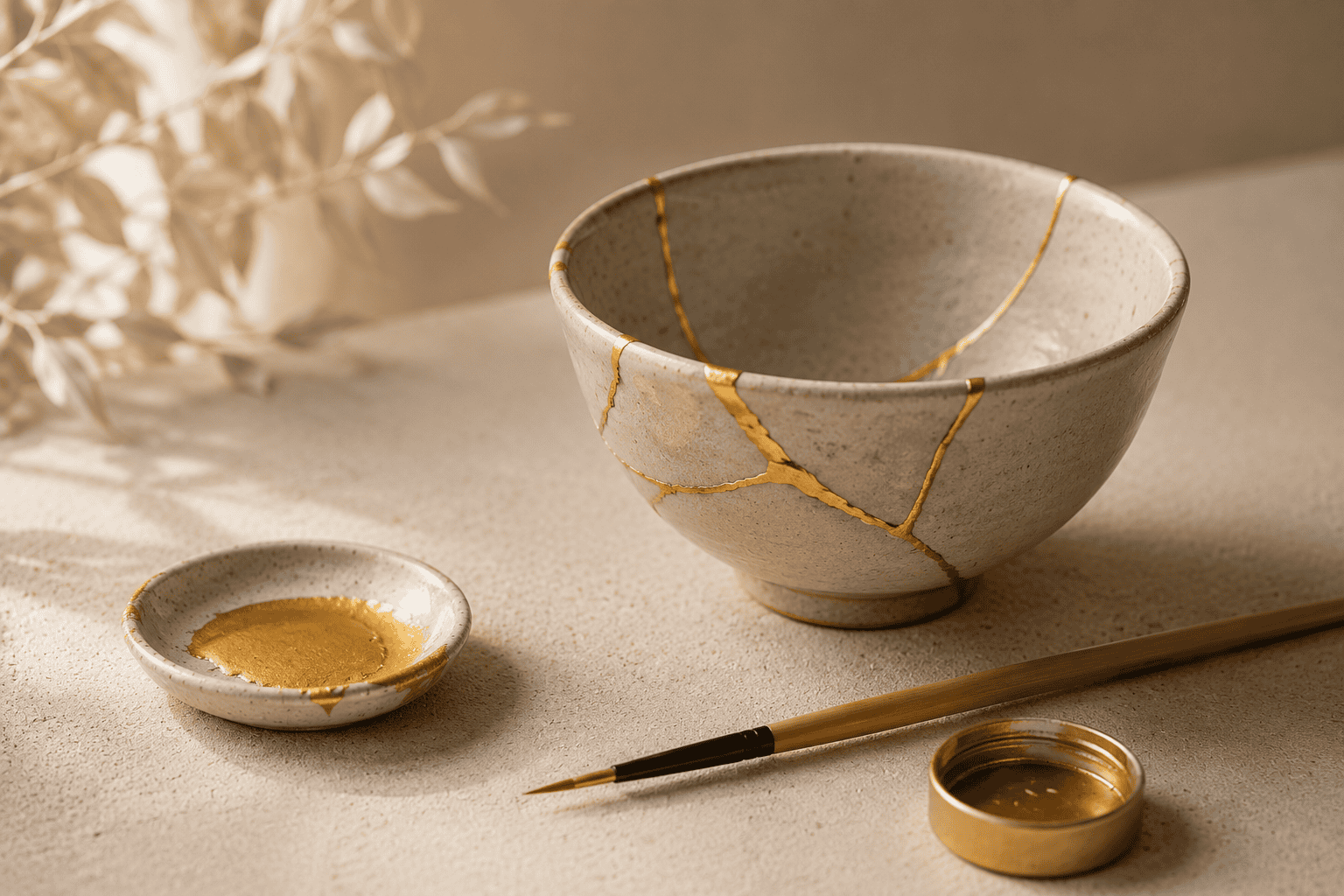
5. Chimahaga Kintsugi Repair Kit — mending with gold
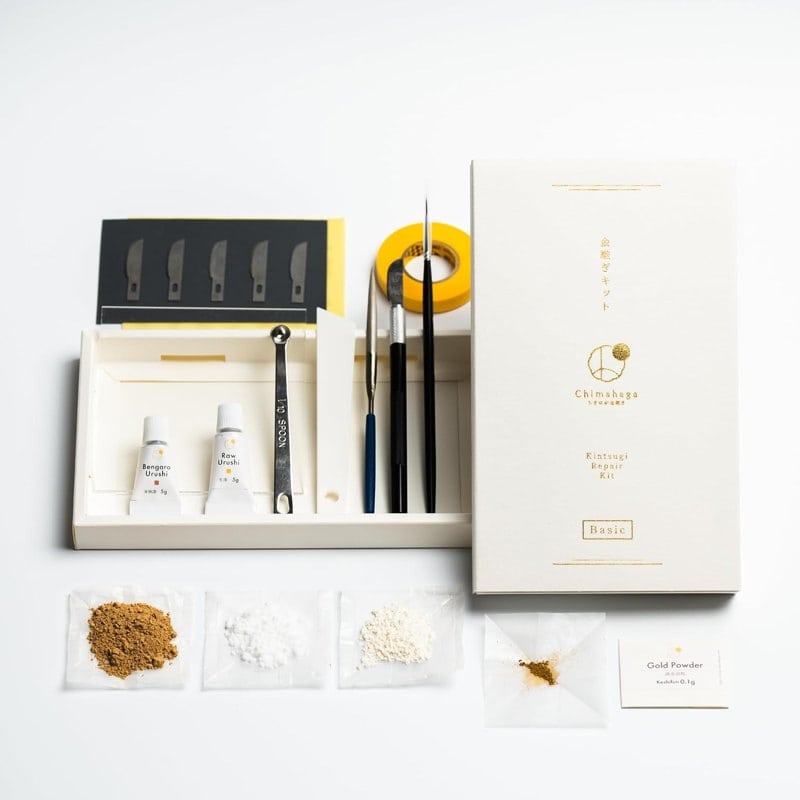
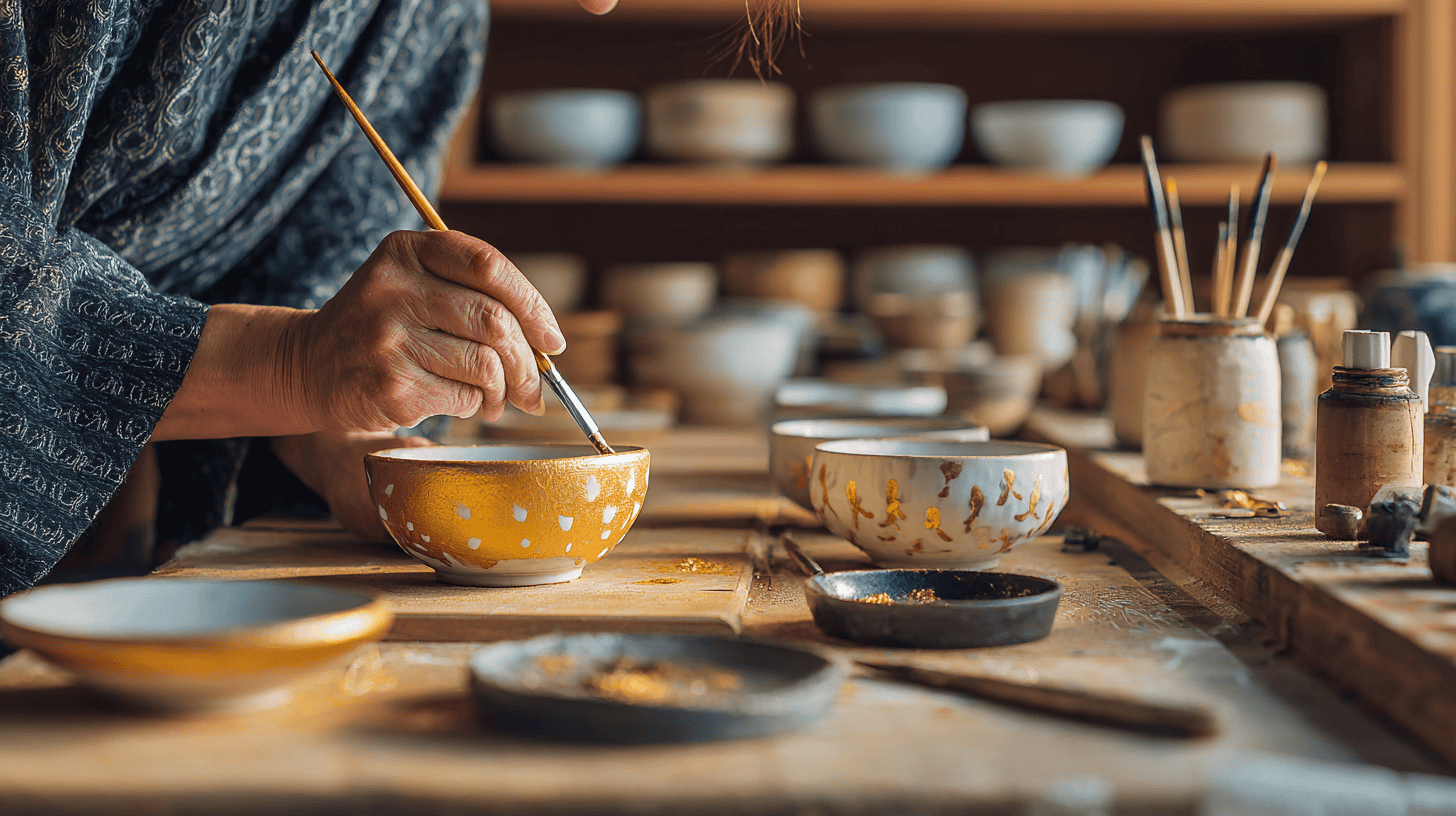
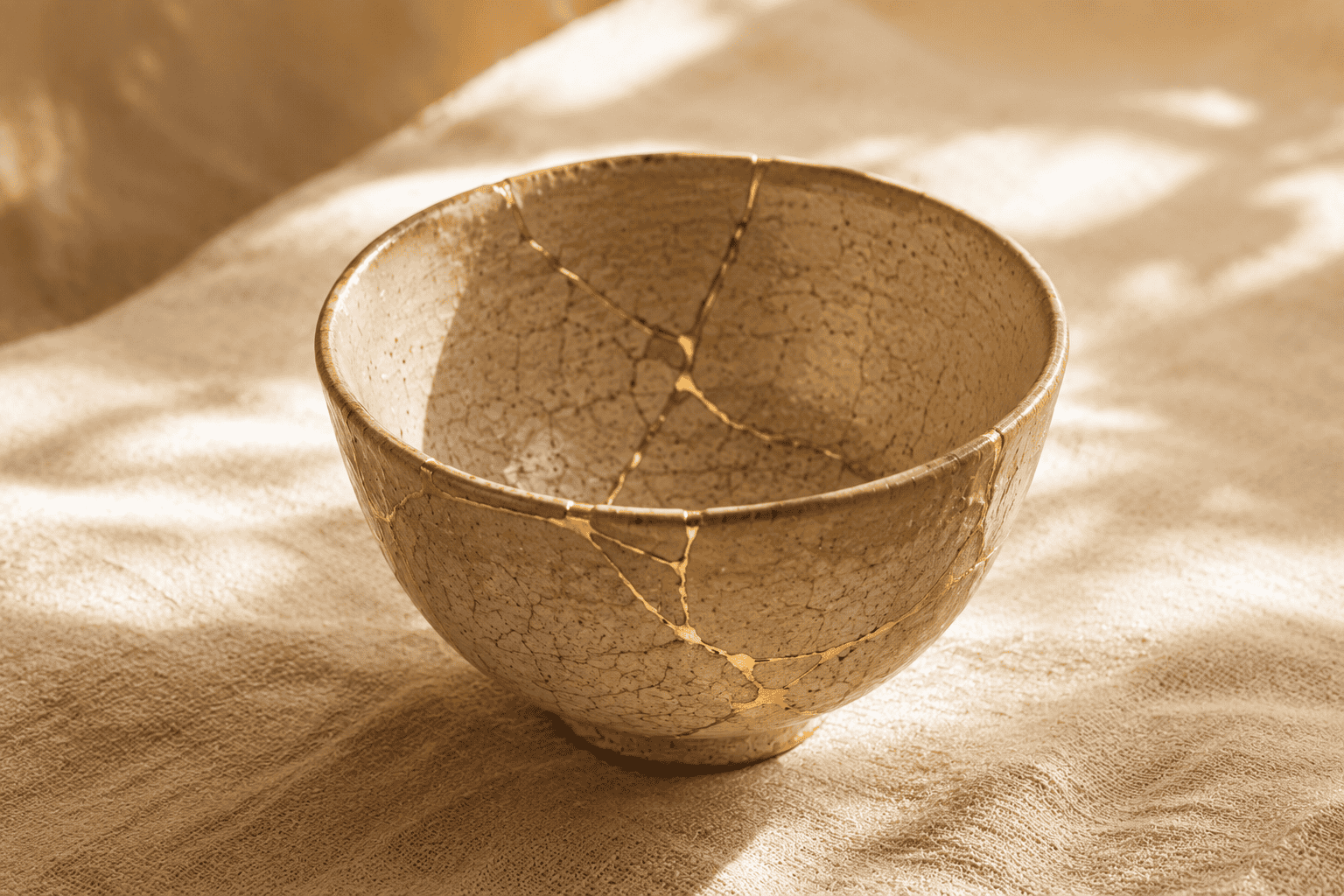
Kintsugi is the Japanese art of mending broken pottery with lacquer and gold. Rather than hiding the crack, the repair makes it shine. This Chimahaga traditional kintsugi repair kit uses real urushi lacquer and genuine gold powder. It also includes English instructions for a first project. The process takes patience, since urushi cures slowly over several days. However, that slow pace is part of the pleasure. For a mother with a chipped favorite bowl, it turns a small loss into a beautiful repair. Because the lacquer is food safe once cured, she can keep using the mended piece afterward, for tea or flowers.
6. Olympus Sashiko Kit, Great Wave — stitching by hand
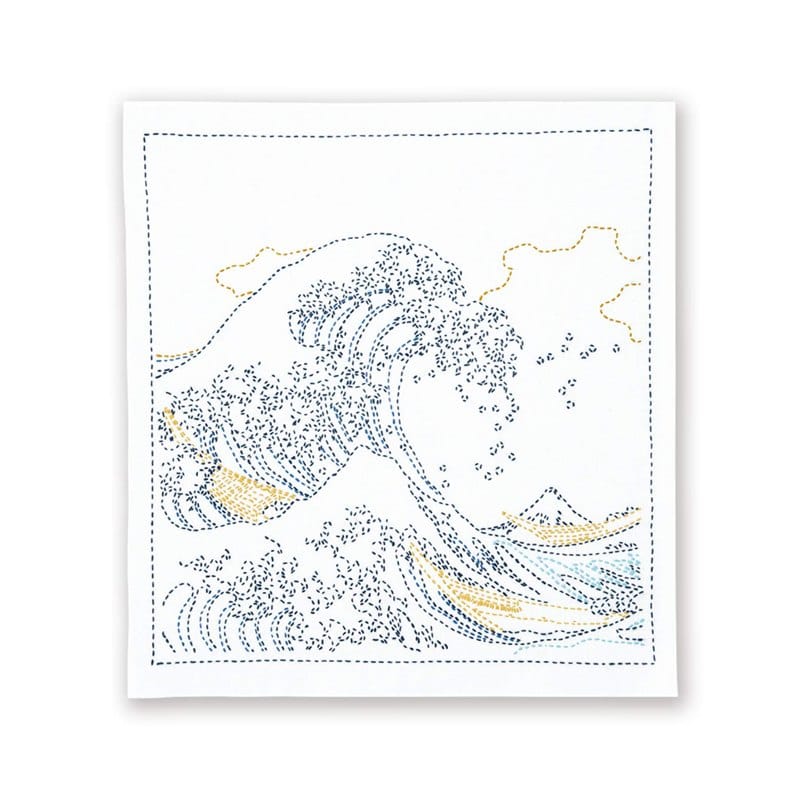
Sashiko is a style of running stitch that farm families once used to reinforce work clothes. Today it is loved as a calming craft. This Olympus sashiko kit comes printed with Hokusai’s Great Wave, so she simply follows the lines. It includes the cloth, sashiko thread, a long needle and English instructions. Olympus Thread has made sashiko supplies in Nagoya for decades. The finished cloth becomes a dish towel or a framed panel. Moreover, the rhythm of the stitching helps many people unwind after a busy day. It suits mothers who knit, quilt or embroider, and it makes a thoughtful first project for beginners.
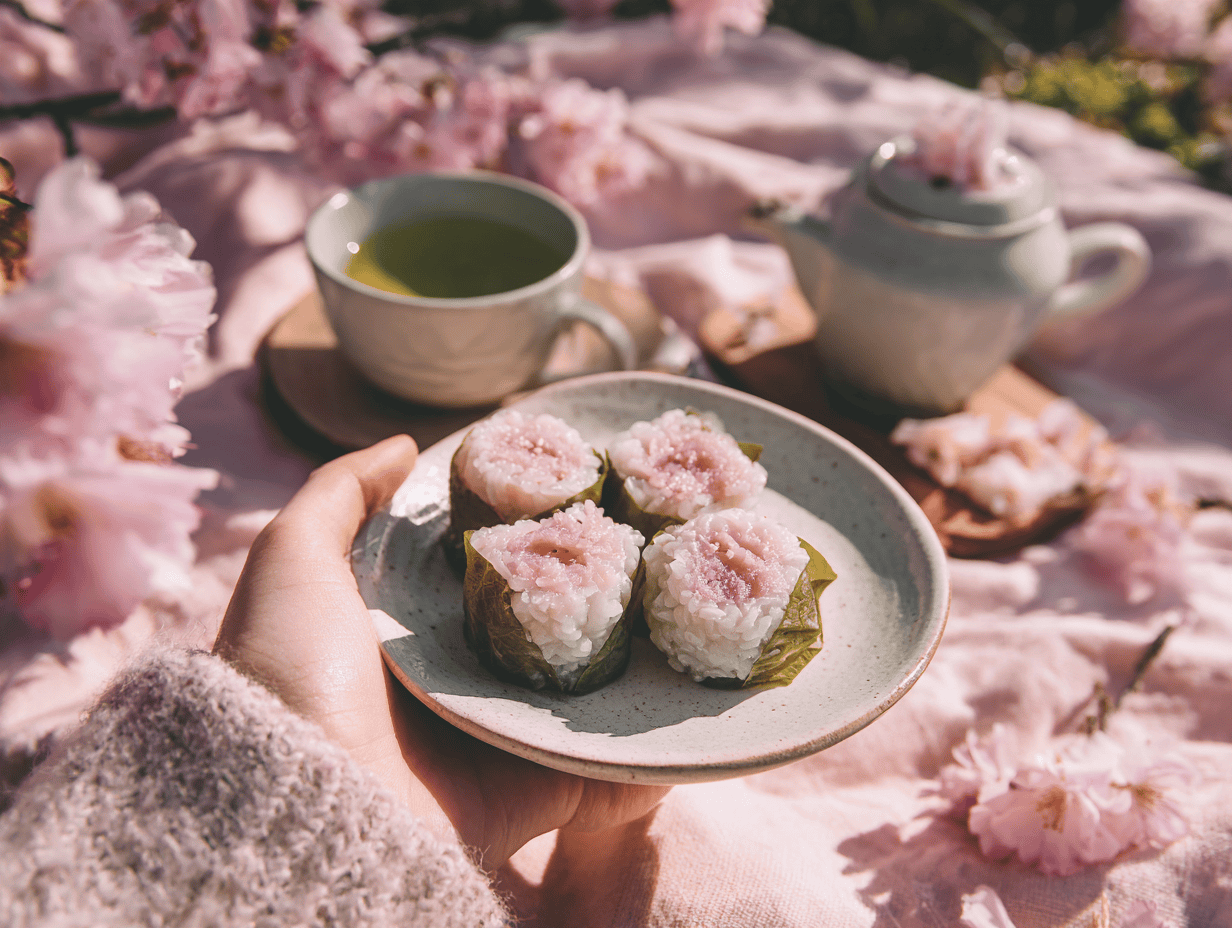
Sakura mochi — cherry blossom rice cakes
Mix sweet glutinous rice with water and a drop of pink food coloring, then soak it for about an hour. Microwave or steam the rice until it turns soft and sticky, then pound it lightly with a spatula. Next, divide the rice and the sweet red bean paste into equal portions. Flatten each piece of rice, wrap it around a ball of bean paste and shape it into an oval. Finally, wrap each cake in a salted cherry leaf, rinsed and patted dry. Serve them the same day with green tea.
Sakura mochi is the classic spring sweet, so it suits a Mother’s Day tea in May. Make it together, and the afternoon becomes the gift.
For Rest and the Evening Routine
A mother’s evening is often the only time that belongs to her. Japanese self-care is gentle and ingredient-led, built on camellia, hinoki and green tea. These picks turn the last hour of the day into something to look forward to.
7. Shiseido Ultimune Power Infusing Serum — the red bottle
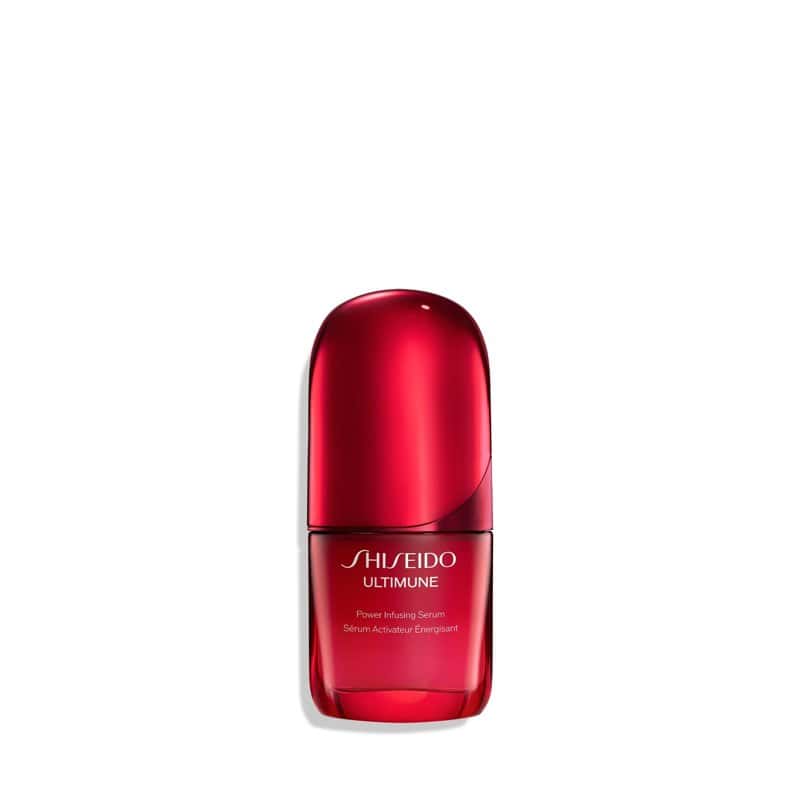
Shiseido was founded in Tokyo’s Ginza in 1872 as a pharmacy, and it remains Japan’s leading beauty house. The Shiseido Ultimune Power Infusing Serum is its best-known treatment, used before moisturizer. It is lightweight and absorbs quickly, so it suits mothers who dislike heavy creams. Shiseido designs it to support skin’s natural strength and glow over time. A few drops each morning and evening are enough. The red bottle also looks lovely on a dresser, which matters in a gift. For a mother who already has a routine, it is a confident step up rather than a whole new regime.

8. Oshima Tsubaki Camellia Hair Oil — the yellow box
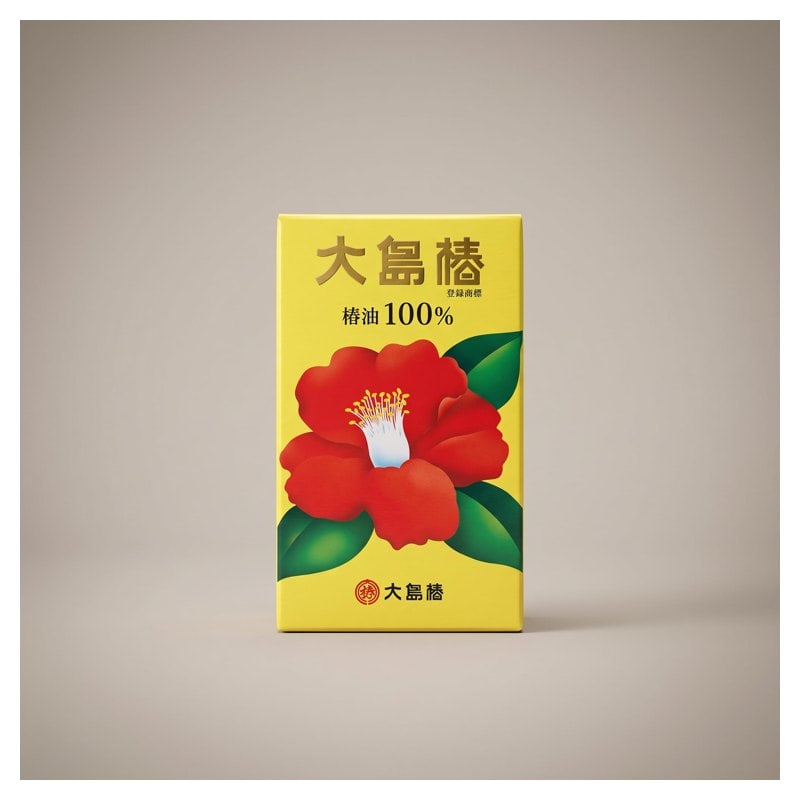
Camellia oil has been used by Japanese women for centuries, and Oshima Tsubaki is the classic brand. The Oshima Tsubaki camellia hair oil is pure camellia oil from the Izu Islands, with nothing added. A few drops smooth dry ends and add shine without feeling greasy. It also softens cuticles and dry hands, so it lives happily by the sink. The retro yellow box has barely changed in decades, which gives it a charming, old-fashioned look. Because it lasts for months, it is a small gift that keeps giving. Pair it with the serum above for a complete Japanese beauty gift.
You may also like

9. Nippon Kodo Kayuragi Sandalwood Incense — the evening scent
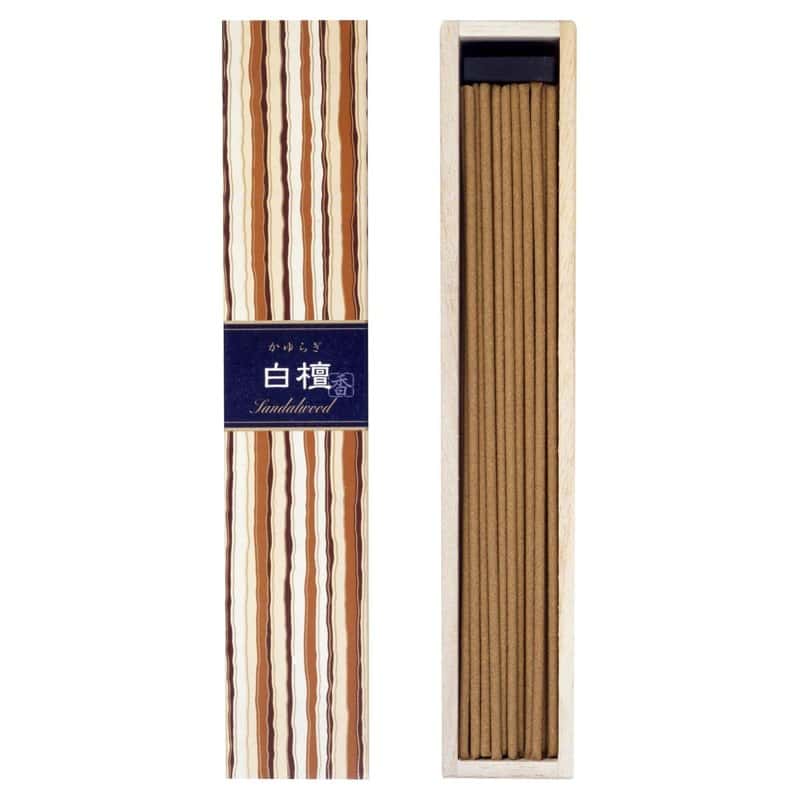
Nippon Kodo traces its craft back to the sixteenth century and remains one of Japan’s leading incense makers. Its Kayuragi sandalwood incense burns cleanly with a soft, woody scent. Japanese incense uses fine natural powders, so it smells gentler than many Western sticks. As a result, one stick scents a room without overwhelming it. The Kayuragi line was designed for modern homes, and the box holds forty sticks. Light one while reading, or let it burn during a bath. For a mother who loves candles, it is a new way to change the mood of a room. It also suits a guest room or a reading nook.
Ten Proverbs to Carry With You
A printable folio of ten Japanese proverbs, each set in kanji with its reading and a line on where you will hear it.
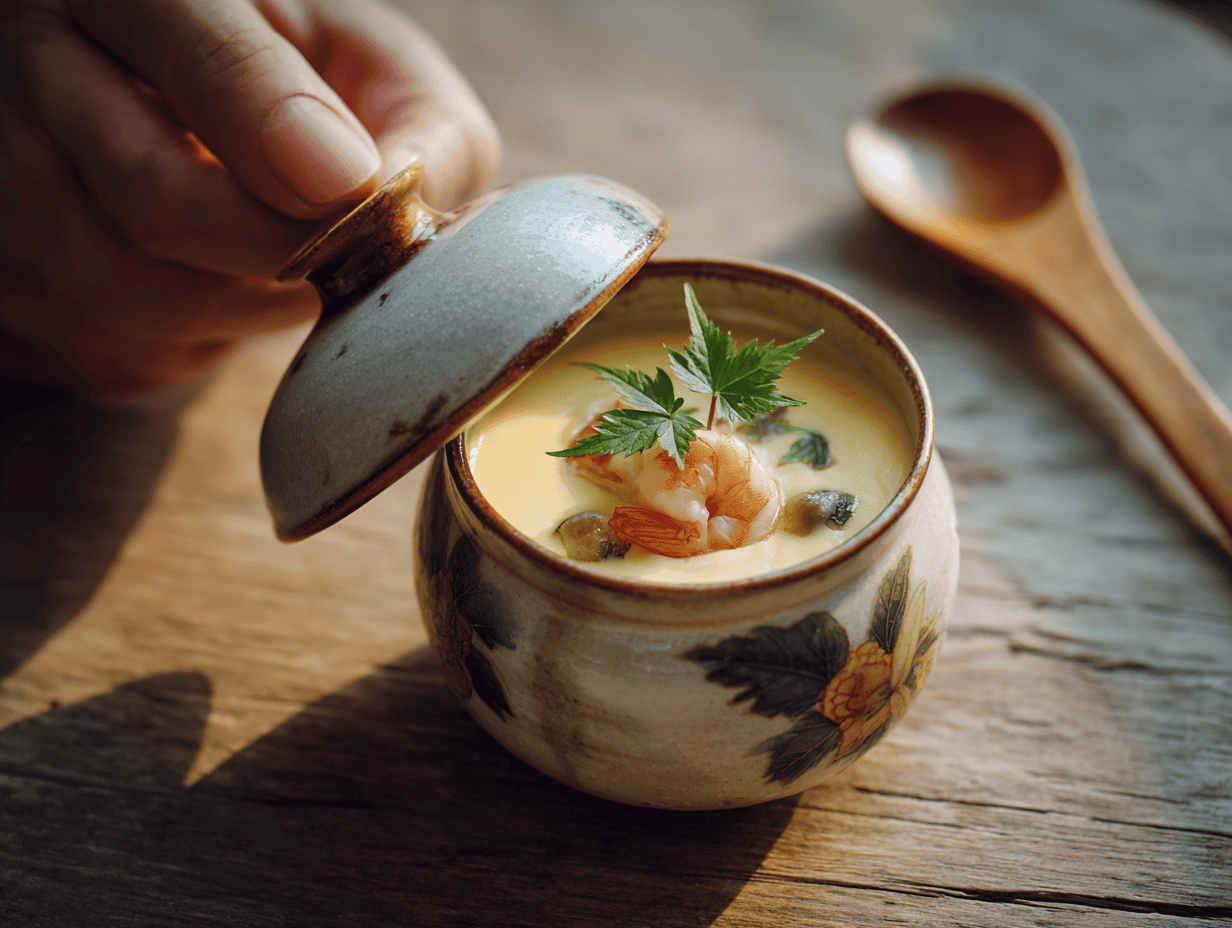
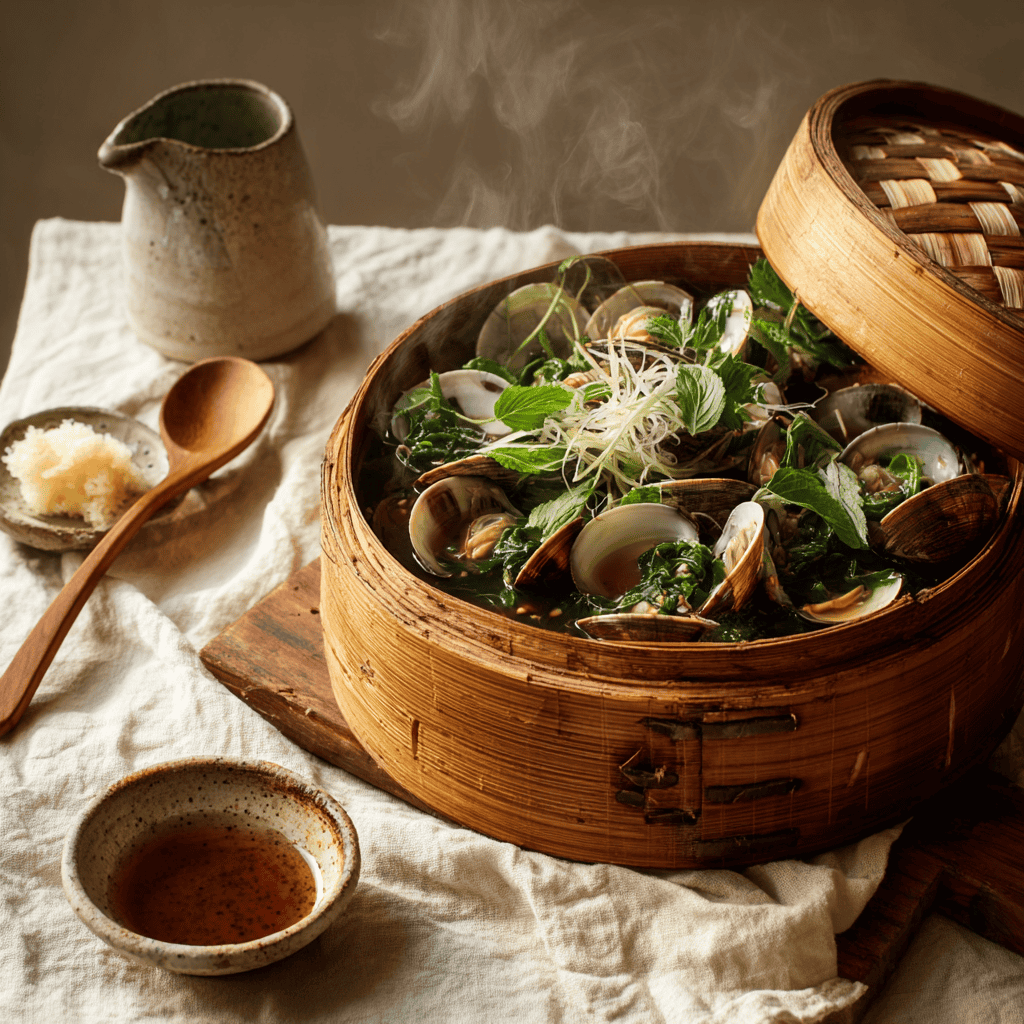
Chawanmushi — savory steamed egg custard
Whisk eggs gently with cooled dashi, soy sauce and mirin, then strain the mixture through a fine sieve. Divide small pieces of chicken, shrimp and shiitake among the cups. Pour in the egg mixture and skim off any bubbles. Cover each cup with foil. Steam over low heat for about fifteen minutes, until the custard just sets but still wobbles. Finally, top with a sprig of mitsuba or a slice of green onion and serve warm.
Chawanmushi is gentle and comforting, a dish many Japanese mothers make for family. It also tastes lovely made by someone else, which is the point on her day.
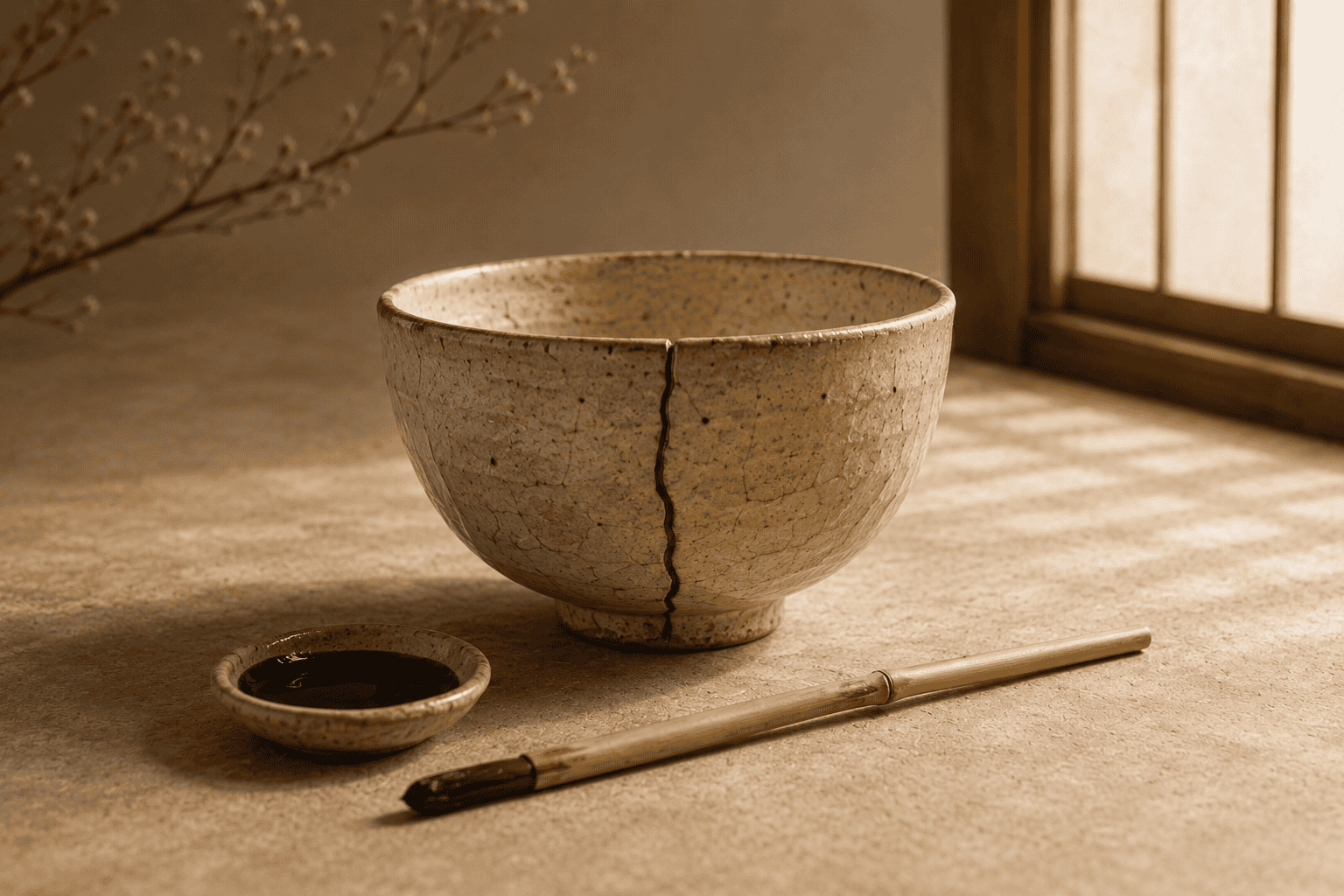
Rest also means letting go of the pressure to be productive. Japanese homes often keep a still corner, called a tokonoma, for a single flower or scroll. Your gift can create a small version of that space. A teapot on a tray, a stick of incense or one branch in a kenzan is enough. Moreover, these objects remind her to pause each day. That reminder may be the most valuable part of the gift, and it costs nothing to add a note that says so.
Recommended
The kitchen is the heart of many family homes, and Japanese cooking is gentle, seasonal and surprisingly simple. The last group brings that spirit to her everyday routine. A good cookbook, a set of tenugui and a folding fan cover cooking, cleaning and the hottest days of summer. Each one is easy to use from the first day. Furthermore, each one carries a little of Japan’s eye for beauty into the most ordinary moments.
For the Kitchen and Every Day
10. Japanese Home Cooking by Sonoko Sakai — the cookbook
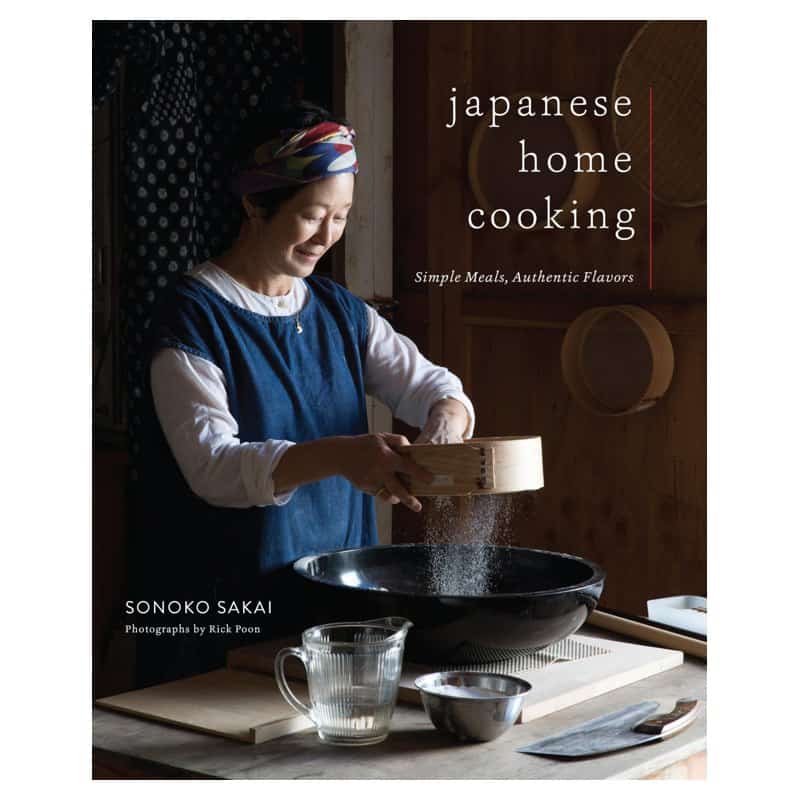
Sonoko Sakai grew up between Japan and the US and now teaches Japanese cooking in Los Angeles. Her book, Japanese Home Cooking: Simple Meals, Authentic Flavors, starts with pantry basics such as dashi, rice and miso. Then it builds to everyday dishes, noodles and sweets. The recipes suit an American kitchen and use ingredients she can find. Clear photographs and a warm voice make it a pleasure to read, not only to cook from. For a mother who loves to cook, it opens a new cuisine. It also pairs naturally with the recipes on this page. She may well cook one of them first.
11. Komesichi Irodori Tenugui Set — five cotton towels
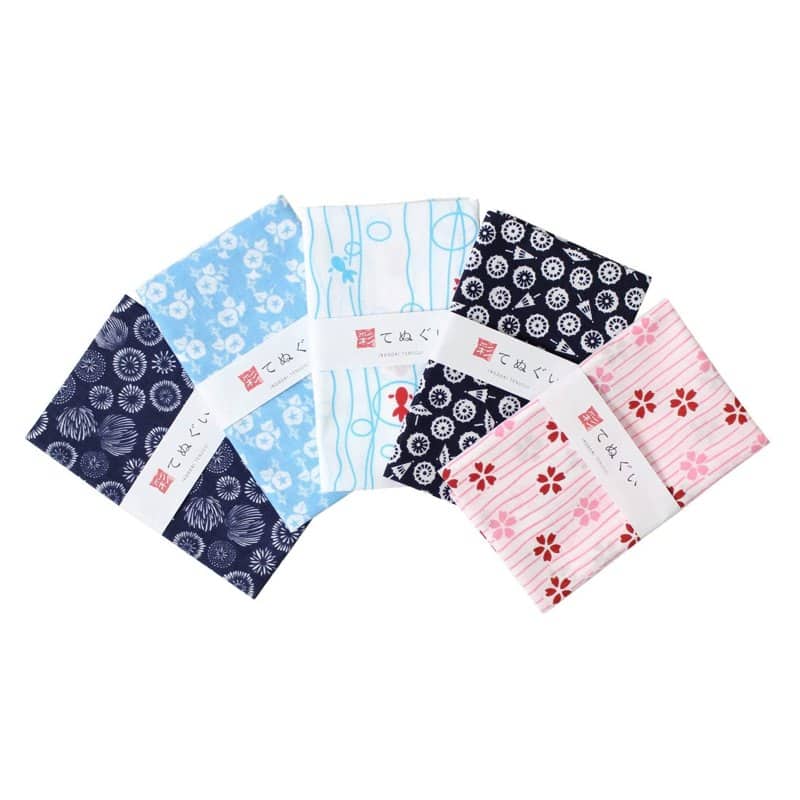
A tenugui is a thin cotton towel, about a yard long, that Japanese families use for almost everything. It dries hands, wraps bento, covers bread dough and even hangs as art. This Komesichi irodori tenugui set includes five towels in traditional patterns. Each edge is treated to resist fraying, and the set comes with an English guide to folding and uses. Because cotton tenugui dry quickly, they stay fresh in a busy kitchen. Five towels let her keep some for herself and share the rest. For a practical mother, this may become her most used Japanese gift. Expect to see them everywhere in her kitchen.
12. kore-iiwa Kyoto Folding Fan — cherry blossoms in gold
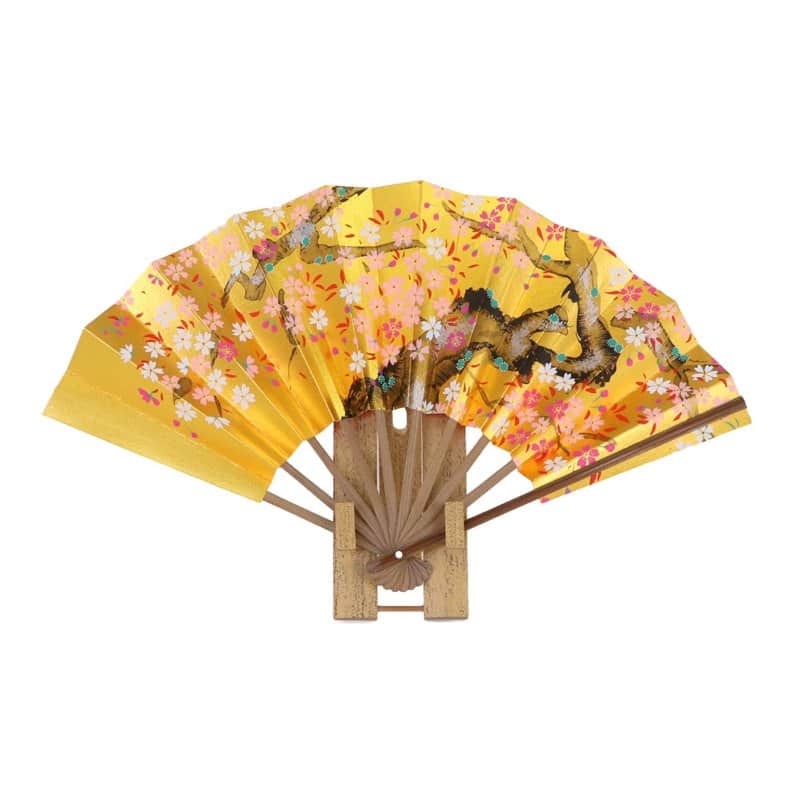
Kyoto has made folding fans, called sensu, for more than a thousand years. This kore-iiwa Kyoto folding fan is made in Japan from bamboo ribs and washi paper. Cherry blossoms are painted over gold, and the fan arrives with a small stand for display. On hot summer days, it is genuinely useful. The rest of the year, it brightens a shelf or a desk. A fan also carries a happy meaning in Japan, since its opening shape suggests a widening future. For a mother who loves beautiful things, it is a lovely keepsake from Kyoto. It also fits neatly in a handbag for summer outings.
An Autumn Table
Autumn also brings a simpler dish that suits a family supper. Kabocha simmered in dashi is sweet, soft and quick, and it pairs well with the chestnut rice. Many Japanese grandmothers make it from memory. It suits a mother who prefers light, seasonal cooking, and it reheats beautifully the next day.
Mother's Day in Japan, and How to Give the Gift
Japan celebrates Mother’s Day on the second Sunday of May, as the US does. Children often give red carnations, and families share a meal. Practical, beautiful gifts are the norm, so the picks above fit naturally. A handwritten card matters too, since Japanese gift giving values thought over expense.
Wrapping also counts. A furoshiki cloth tied around the box makes the wrap part of the present. Alternatively, a tenugui from the set above can serve as the wrapping, which she can then keep. Either way, a neat and simple presentation suits these gifts.

If you are buying for the whole family, our guides to Japanese gifts for dad and Japanese gifts for her follow the same approach. Our list of Japanese gifts for grandparents suits the older generation too. Each pick is made in Japan or by a Japanese company and chosen for daily use.
Before you decide, picture the moment she unwraps it. A teapot or tea set suits nearly every mother. Meanwhile, the kintsugi and sashiko kits suit a mother who loves to make things. For rest, the serum, camellia oil and incense make a lovely trio. When in doubt, choose the ritual she already loves and give her the best Japanese version of it. That rule works for all these Japanese gifts for mom.
Gifts She Will Keep
A good gift becomes part of her day, and that is how she remembers who gave it. In a year, the teapot will sit by the kettle and the tenugui will hang in the kitchen. The fan may rest on her desk. Japanese objects suit that kind of long life, because they are made to be used gently and often. Our essay on the Japanese tea ceremony explores the care behind these everyday rituals, from the way water is poured to how a cup is offered.
In the end, Japanese gifts for mom work because they honor the time she spends caring for others. They invite her to slow down and enjoy a ritual of her own. The best ones also carry a story, about a clay town, a Kyoto tea house or a family of fan makers. Share that story in your card. A line about where the teapot was made turns it into a keepsake she will show her friends and family for years.
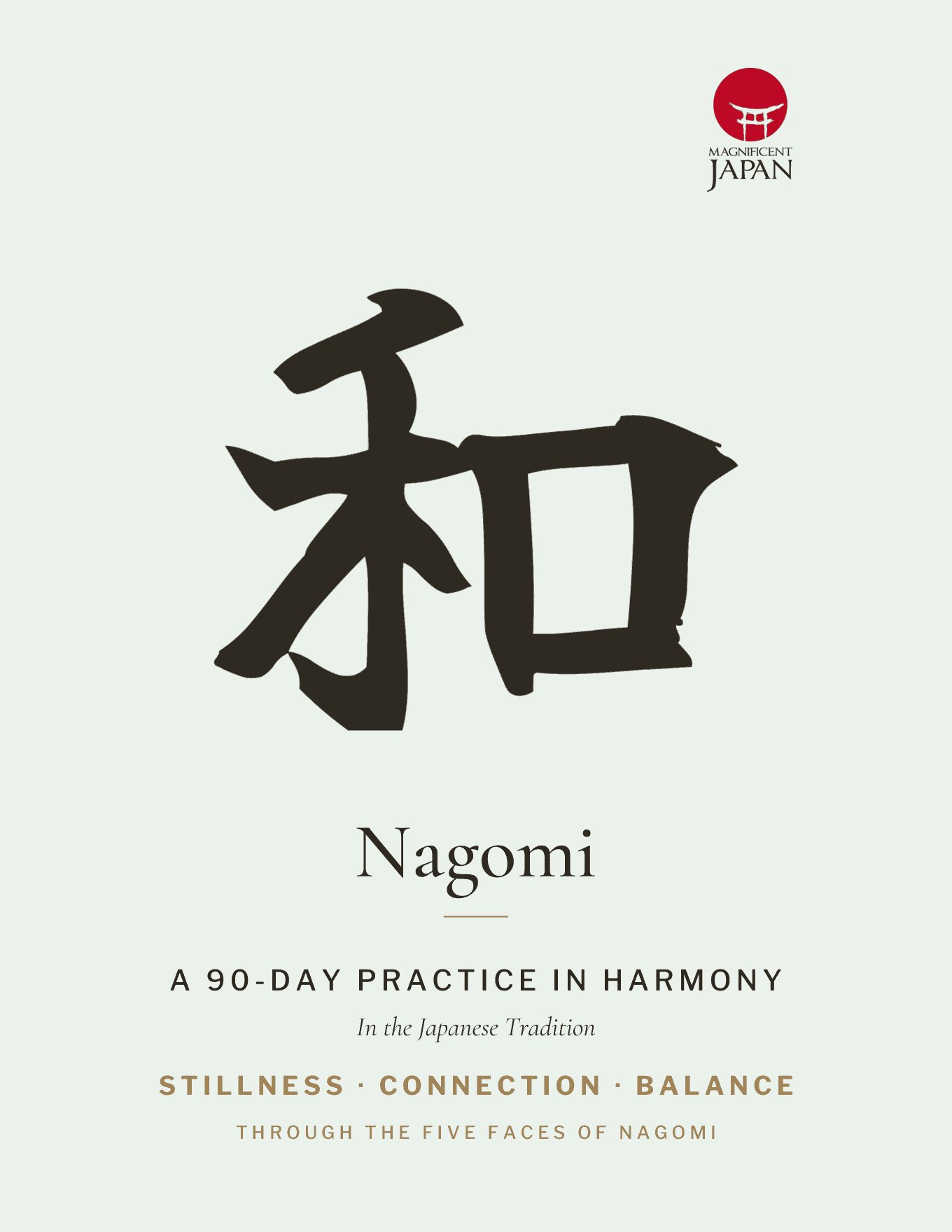
For a mother who holds the family together, the Nagomi Journal is a 90-day practice built on nagomi, the Japanese idea of harmony and calm between people. One short prompt a day helps her notice the moments of balance in a busy life. Choose the digital edition for a tablet or the paperback for ink and paper. It is one of eight journals in the Cultural Reflection Collection.
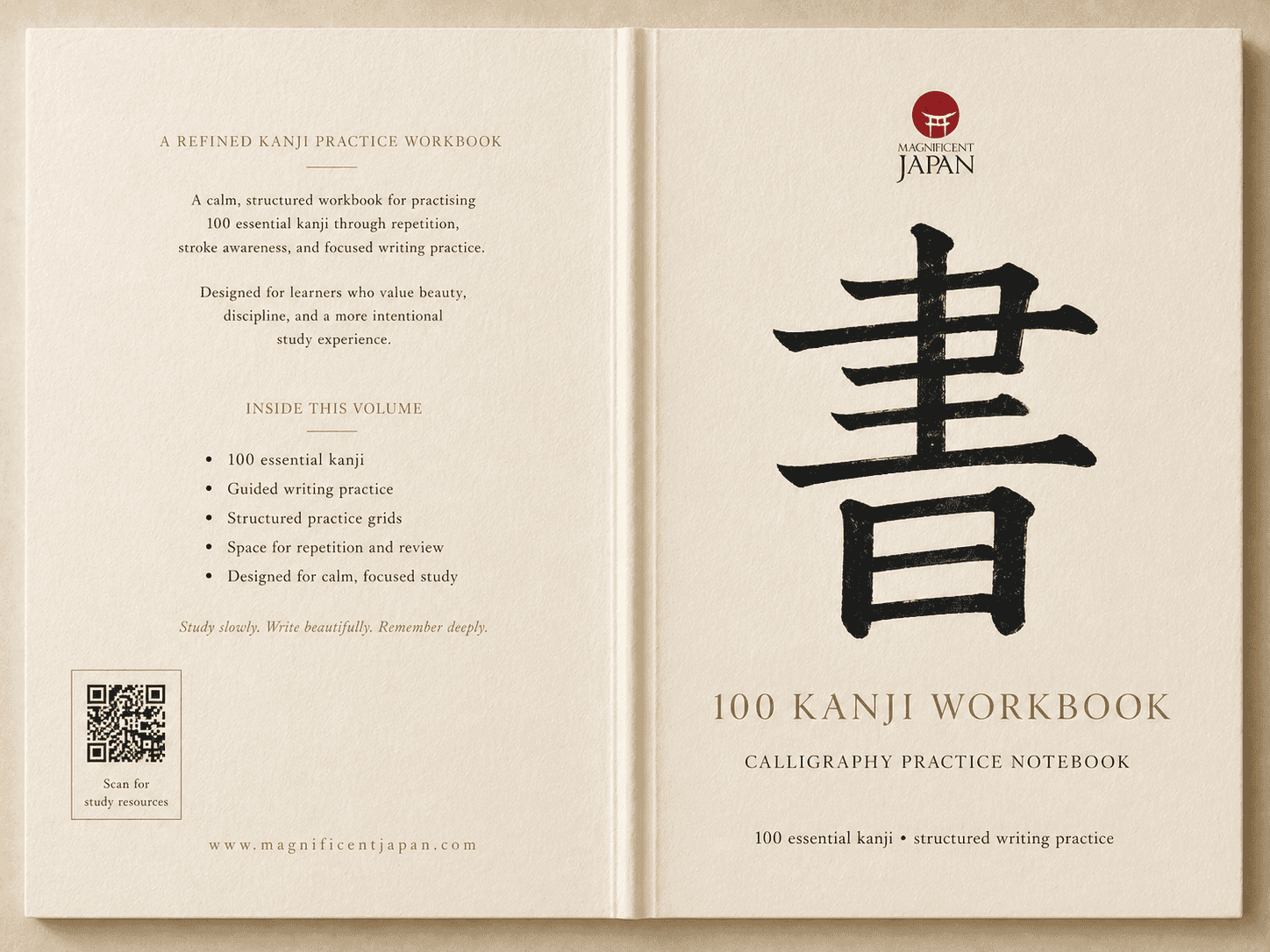
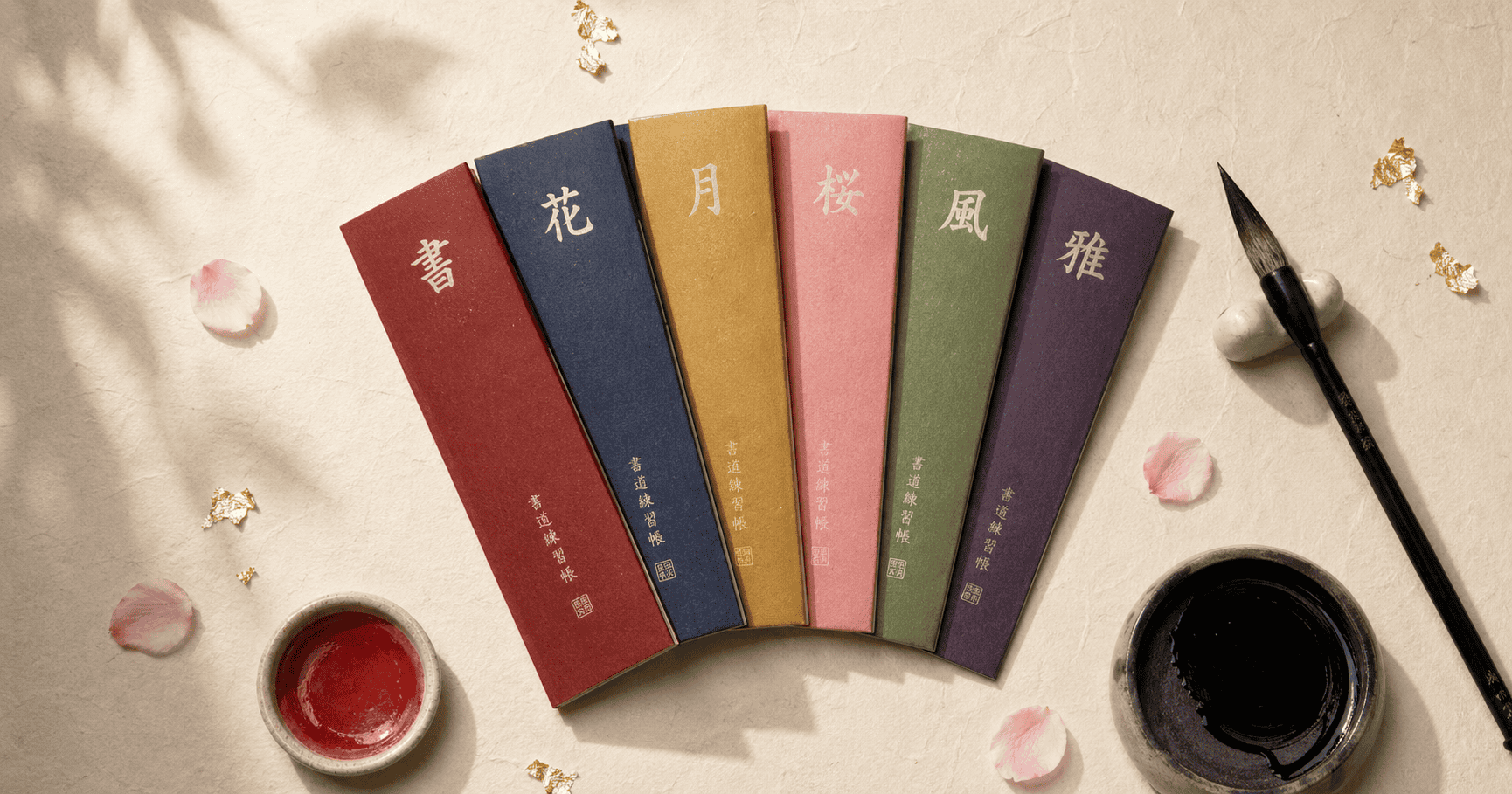
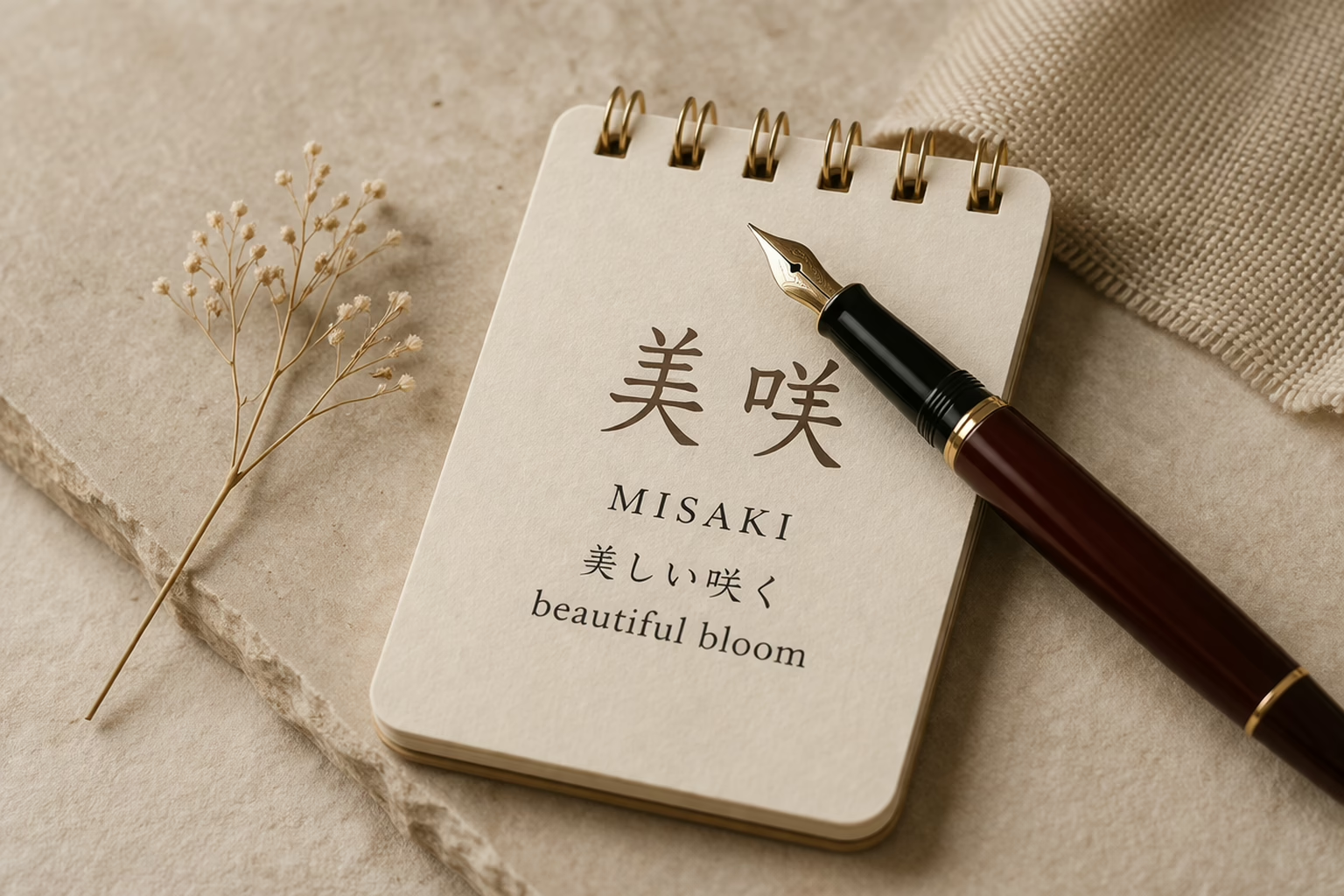
View The CollectionFor a curious mother, Japanese gifts can open a new hobby too. Some mothers want to read the characters printed on a teapot or a tea bag. Others enjoy brush writing on a slow afternoon, or planning a trip in a notebook. Our workbooks, journals and name tools below suit exactly that kind of mother. Each one is made by Magnificent Japan, and each pairs well with the picks above. Choose one as a small extra beside the main gift.

Seeing Japan Together
Many mothers who love Japanese craft dream of seeing it at the source. Our team plans private trips around exactly these interests. Picture a morning with a Tokoname potter, tea at a Kyoto shop that has poured since the eighteenth century and an evening at a ryokan with a hot spring bath. Mother and daughter trips are among the journeys we plan most often. Tell us about her pace, and we will sketch a route that fits it, from the first cup of tea to the last night.
For mothers who love tea, craft and calm: a private morning with a Tokoname potter, tea tasting in Kyoto, a kintsugi workshop and a ryokan night with a hot spring bath, all planned at her pace.
Plan Your Custom Japan ItineraryQuestions Worth Asking
What is a good Japanese gift for mom?
A good Japanese gift for mom fits a ritual she already enjoys. A Tokoname teapot with Ippodo hojicha suits a tea lover, a kintsugi or sashiko kit suits a maker, and camellia oil or Kayuragi incense suits an evening of rest.
When is Mother's Day in Japan?
Japan celebrates Mother’s Day on the second Sunday of May, the same day as the United States. Children often give red carnations, and families share a meal or a small, practical gift.
What do Japanese women like to receive as gifts?
Many Japanese women appreciate useful, beautifully made gifts. Quality tea, ceramics, skincare, cotton tenugui and seasonal sweets are common choices. Neat wrapping and a handwritten card matter as much as the gift itself.
Is a kintsugi kit a good gift for mom?
Yes, if she enjoys crafts and has a little patience. A kit with real urushi lacquer, such as the Chimahaga set, lets her repair a broken bowl with gold. The lacquer cures over several days, so it suits a slow, absorbing project.
What is a good Japanese gift for a mom who loves tea?
Pair a clay kyusu teapot from Tokoname with a bag of Ippodo hojicha and two Arita yunomi cups. Together they form a simple tea set she can use every day, and each piece is made in Japan.
How should I wrap a Japanese gift for mom?
Wrap it in a furoshiki cloth or a tenugui towel, which she can keep and reuse. Otherwise, use plain paper and a handwritten card. Japanese gift wrapping favors simple, neat presentation.
The Editors, Magnificent Japan