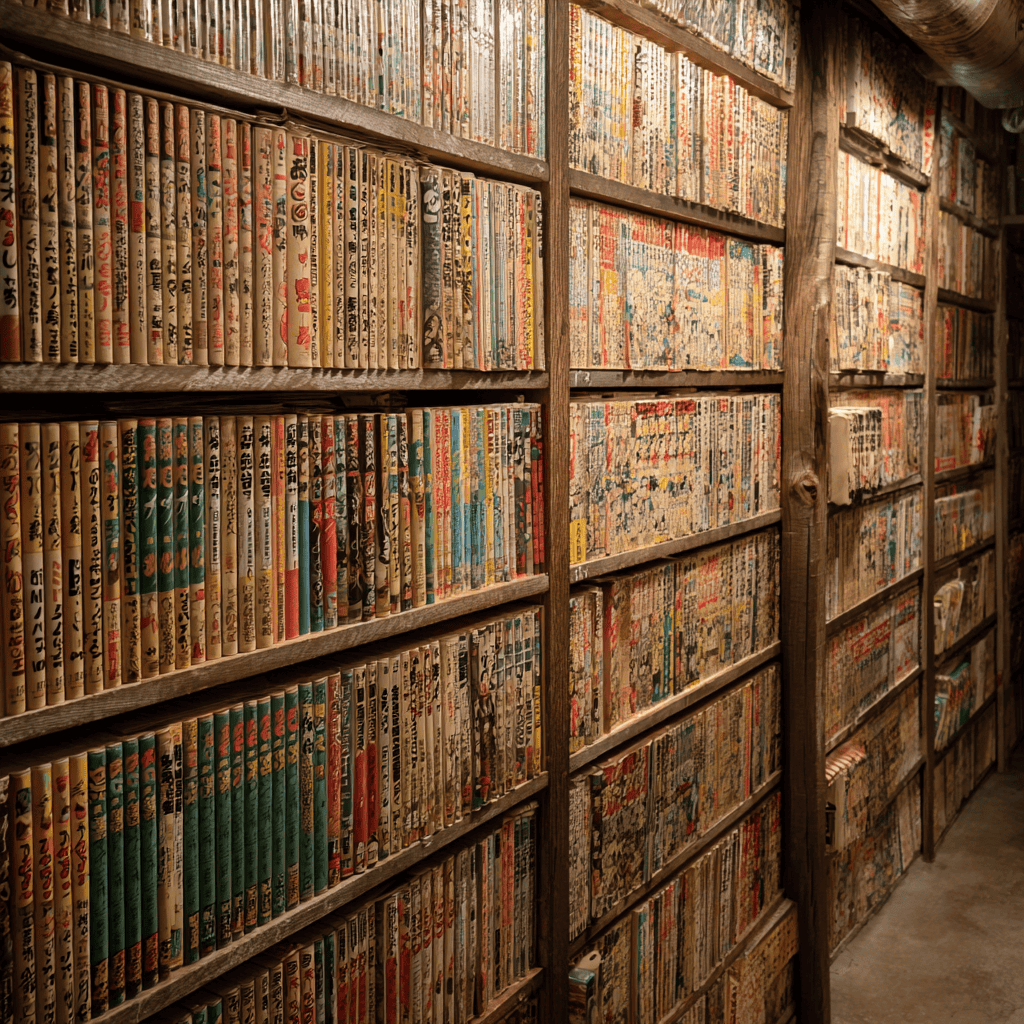
Manga shopping in Japan splits into two journeys that rarely meet. One runs on foot, through upper floors in Nakano and Book Off branches in residential streets. The air there smells faintly of old paper and floor wax. The other runs through a browser, a customs form and a courier band. Most guides pick one and ignore the other.
This guide covers both, because the same carton gets chosen in one journey and carried through the other. First, the route maps Tokyo, then what changes in Osaka and Kyoto. After that, it turns to the part search results keep skipping: which Japan-direct retailer suits which format, how the shipping bands trade speed against weeks, and where customs now draws its line. For the wider culture around the shelves, start with the Anime in Japan hub, which gathers the whole cluster in one place.
Is it worth shipping manga home from Japan?
Usually only for the rare pieces. Manga is dense and heavy, so shipping tracks weight rather than volume, and a full box often outweighs the saving on the books. Carry what you will read soon. Ship what you cannot replace: out-of-print volumes, large box sets and signed editions, ideally on a slow, low-cost postal band.
How Manga Shopping in Japan Works — The Deep Circuit
It runs on two tracks. In person, the deep circuit moves from Akihabara and Nakano Broadway to Book Off branches, Ikebukuro and Kansai. From home, it runs through Japan-direct retailers, a shipping band and your own customs rules. The route comes first here, and the shipping decision follows, because it only makes sense once you know what you are likely to find.
Depth is what separates the tourist route from the collector route. A visitor buys from the front table of the largest store. A collector, by contrast, reads the same floor as a working archive of postwar popular culture.
Slowing down changes what you see. The eye needs several minutes to resolve a wall of spines into a catalog. Rush it and the shelves stay a blur.
What comes home is not only a stack of books. It is also a working map of Japanese specialty retail: which chain holds depth, which holds breadth, and which will ship abroad without argument. That map keeps paying long after the trip ends, since most later buying happens online. The purchases are the visible half. Knowing where to point a browser at two in the morning is the half that lasts.
Akihabara and Nakano Broadway — Manga Shopping in Tokyo
Akihabara has drifted toward themed cafés over the past decade, though the retail underneath is intact. The eight-floor Mandarake Complex, about six minutes on foot from the station, handles figures, model kits and modern collectibles with archival discipline. Meanwhile, Animate holds new releases across a wide range, and the side streets keep the specialist supplies.
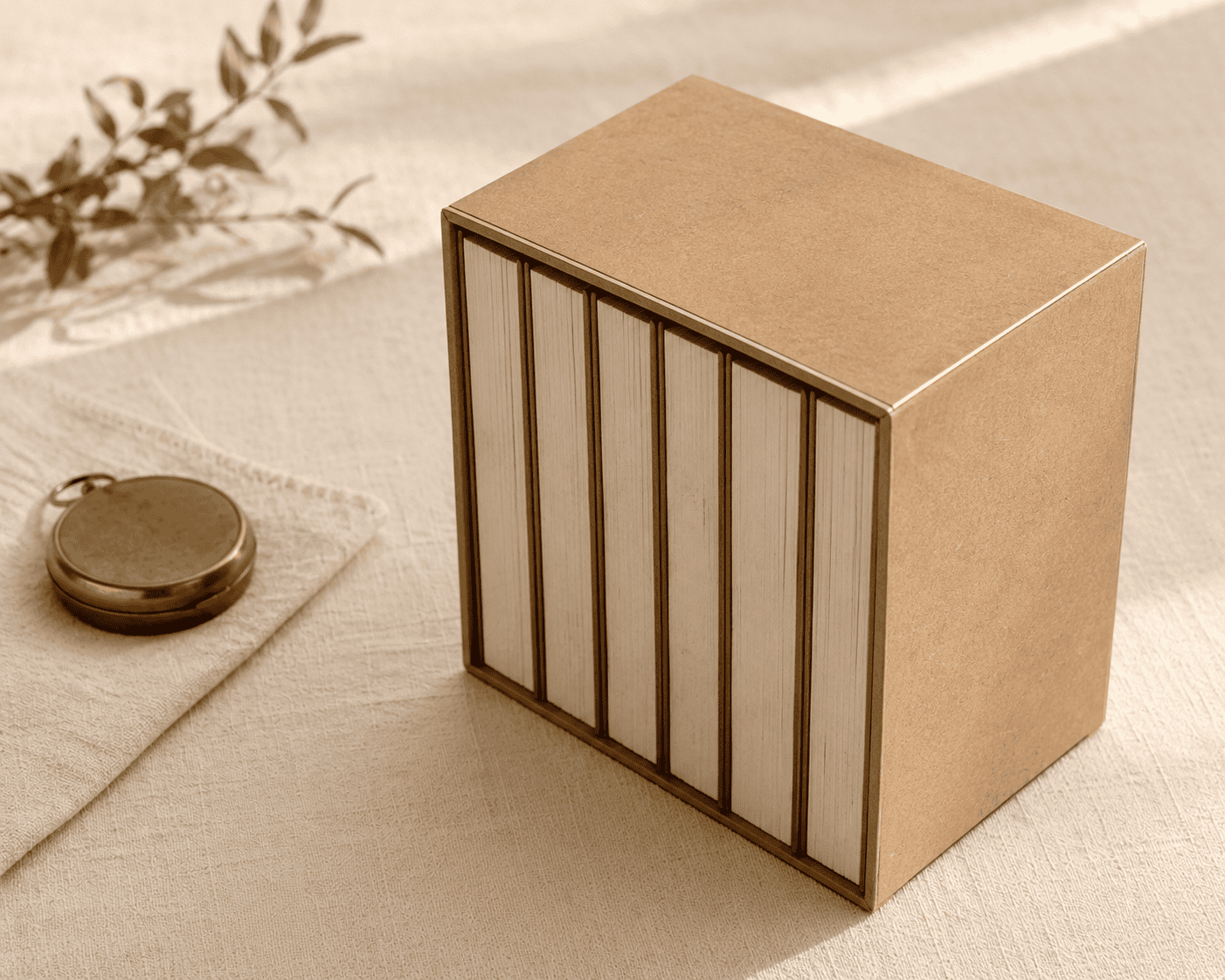
Go on a weekday morning if you can. The elevators are empty then, and the floor staff have time to talk. What Akihabara offers is breadth. Current production runs, recent releases and the whole commercial spread sit within a few blocks. The wider retail picture sits in our guide to famous Tokyo shopping districts, which earns its place once the day runs past the anime blocks. On the new-release floors, a current series is easiest to buy whole, often as a slipcased box set. That is why manga shopping in Akihabara works best with a short list of current titles in hand.
The contemporary end of the new-release floors, gathered in one slipcase with a poster.
View the Chainsaw Man Set →The reference edition of the Neo-Tokyo saga in hardcover, kept in the original right-to-left format.
See the Akira Hardcovers →The kind of long shonen run Book Off shelves hold in depth, collected in a single carton.
View Naruto Box Set 1 →The district rewards vertical reading. Shops stack floor on floor in narrow buildings, and the elevator directory is the only map you get. Ground floors go to whoever pays the most rent, so they carry gacha machines and volume merchandise. The specialists sit higher up, where rent falls and the stock gets stranger. Ride to the top and walk down.
Timing matters almost as much as altitude. Weekends fill the sidewalks, and the best staff spend the day at the register. Early afternoon on a weekday suits questions. Also, bring the title written in Japanese, since a transliteration rarely survives a busy counter. And carry a bag with a flat base, because the boxes here are square.
Nakano Broadway, the archive
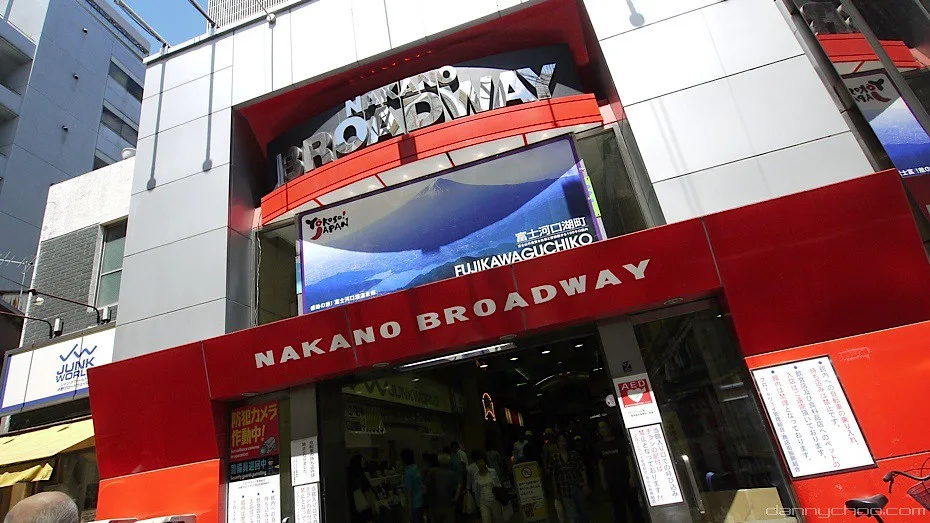
Nakano Broadway is the foundation of any serious circuit. It sits five minutes on foot from the north exit of JR Nakano Station. Mandarake began here in 1987 as a secondhand comic dealer. Today it runs over thirty separate shops inside the complex, each given to one category: vintage first editions, animation cels, retro toys, kits and doujinshi.
For the branch names, shelf finds and editions that made it home.
6 × 9 in · 120 unlined pages · matte softcover
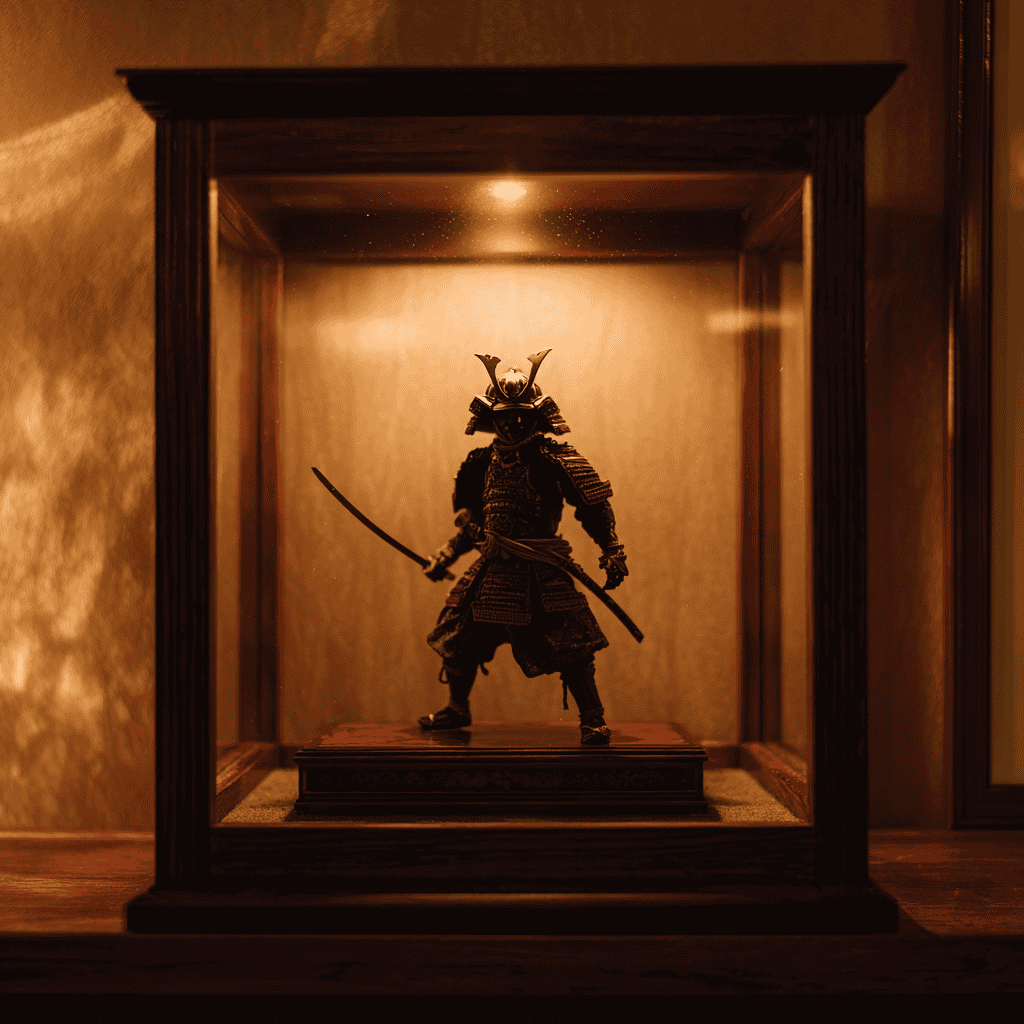
Shop This Journal →The cataloging is properly archival. Rarity sets the value rather than general appeal, and the staff know the material well enough to argue about it. Mandarake’s own Nakano store page lists the shops and the floor guide, so read it before you arrive, since the names give little away. Doors open at noon, which makes Nakano a natural afternoon after an Akihabara morning. For the cabinet-grade end of the market, our field guide to premium anime statues picks up where these shelves stop. What makes the complex essential is the depth of the record. Cels from decades-old properties sit beside editions out of print since before the buyer arrived in the world.
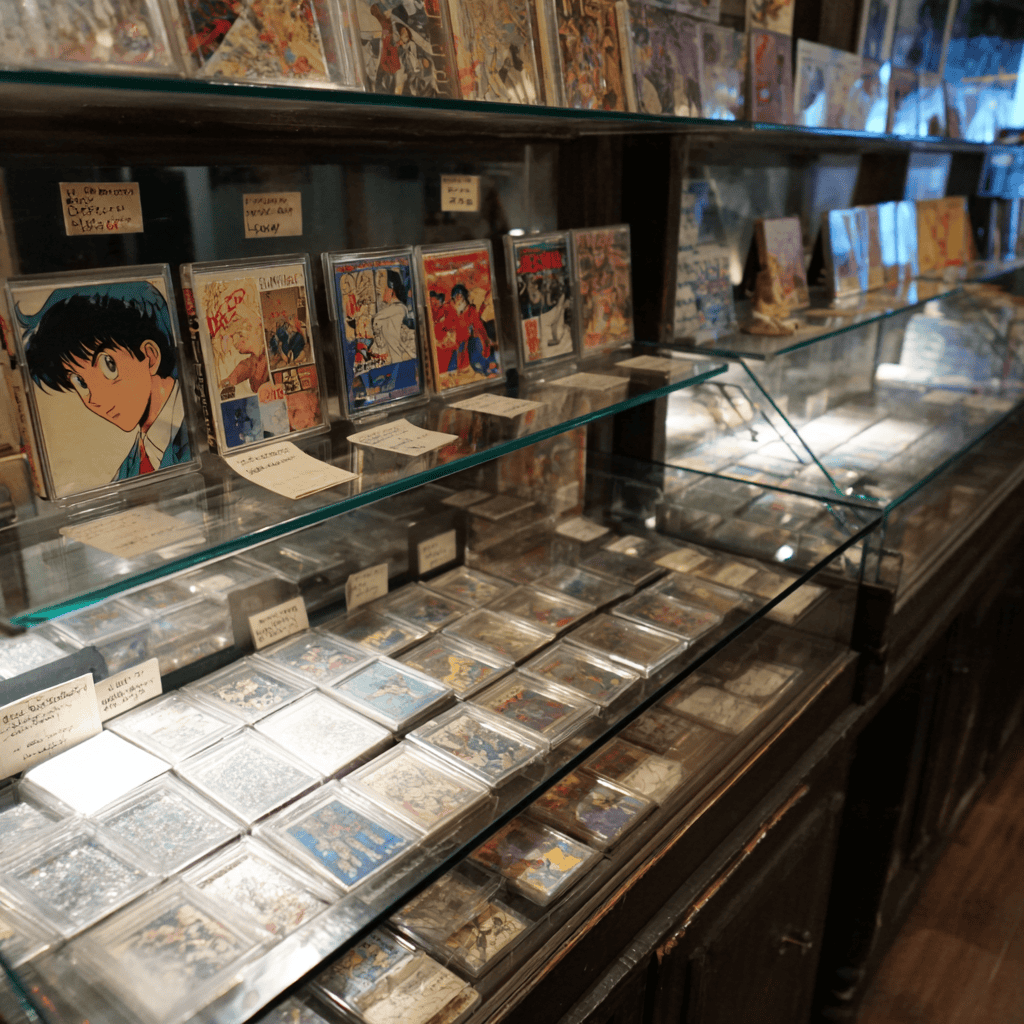
Merchandise from franchises that no longer exist fills whole cases. If one book explains this archive instinct, it is Katsuhiro Otomo’s Akira. The 35th anniversary hardcover set keeps the original right-to-left format and Otomo’s hand-drawn sound effects. Treat it as a reference edition, then read the Nakano shelves against it.
Book Off and Ikebukuro — The Secondhand Side of Manga Shopping
Book Off is the plainest stop on the circuit, and the one most visitors undervalue. The group opened its first store in Sagamihara in May 1990 and now runs more than 800 stores. Most sit in residential neighborhoods rather than tourist districts. The stock is secondhand, the shelves are bright and orderly, and turnover keeps recent releases moving alongside older runs.
Cataloging discipline separates this chain from the ordinary secondhand model. Stock sits by series, by creator and by publication date. Condition grades stay consistent across branches, so two focused hours in a large store will build most of a run. Target the Ikebukuro and Shinjuku-area branches first, since both carry depth. Then widen outward once you know what a good shelf looks like under that flat white light.
Branches in Kichijoji, Shimokitazawa and Yokohama pair well with a neighborhood walk. None is a destination in itself. A long shonen run is what these shelves hold in depth, and hunting it secondhand in Japan differs from buying it collected at home.
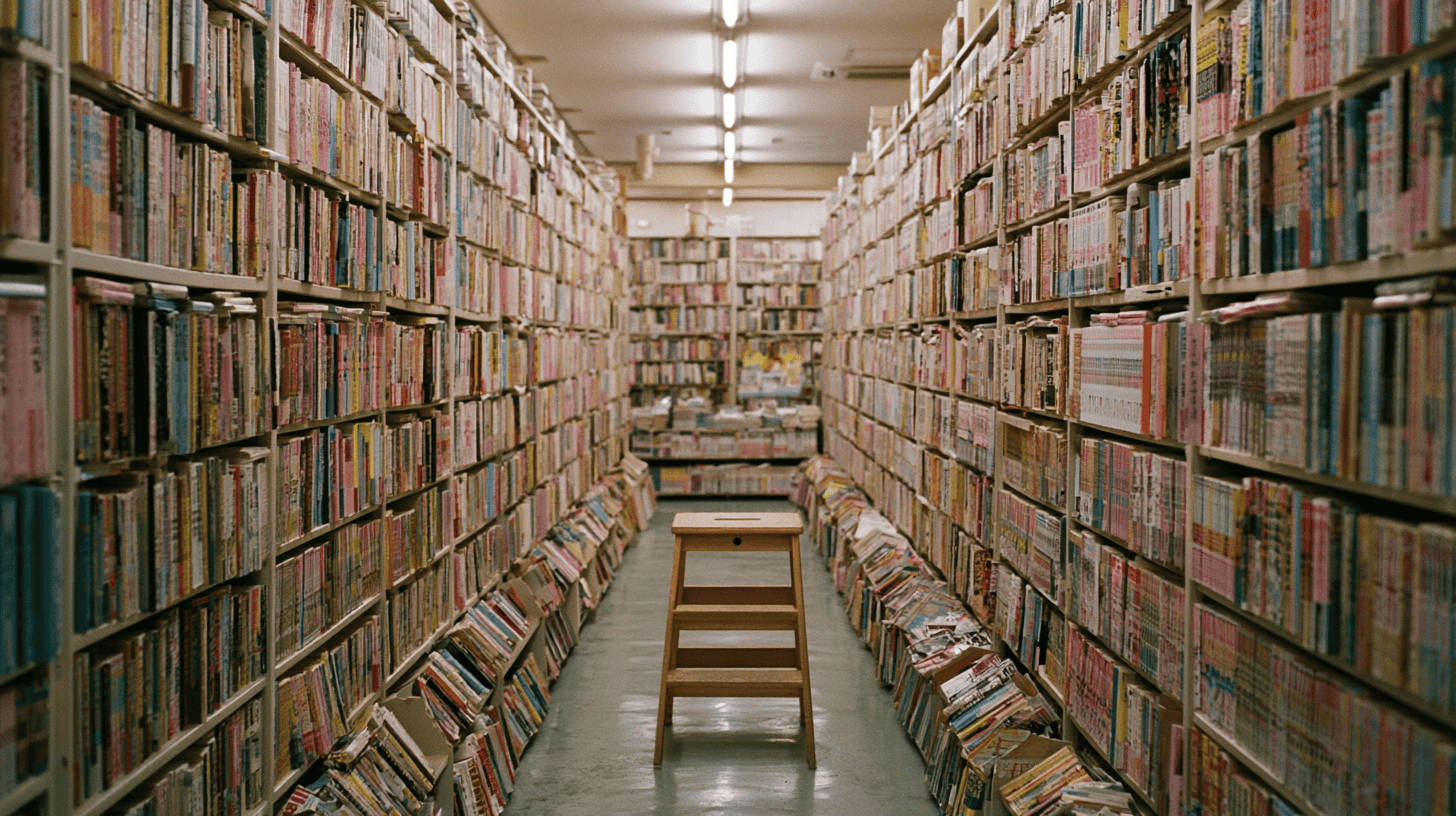
One route rewards patience and a strong bag. The other arrives in a single carton. That comparison drives the second half of this guide, so walk the secondhand route before you decide. The wider resale scene, from clothing to cameras, sits in vintage shopping across Japan.
Ikebukuro and Otome Road
Ikebukuro is the essential counterpart, and the one standard guides underplay. The streets around Otome Road center on women’s fandom culture. Doujinshi, character goods and specialist shops serve a readership the Akihabara circuit overlooks. Animate’s Ikebukuro flagship anchors the district, while the Sunshine City complex adds a Pokémon Center and a dense cluster of character stores. For anyone whose interests run past the shonen mainstream, this is the more rewarding day.
Breadth in Akihabara, depth in Nakano, volume at Book Off, and a different stock entirely in Kansai.
| District | Best for | Stock character | Pair with |
|---|---|---|---|
| Akihabara | New releases, kits, figures | Breadth across current runs | An early weekday start |
| Nakano Broadway | Out-of-print volumes, cels, retro toys | Archival, cataloged by specialists | An afternoon after Akihabara |
| Book Off branches | Building a long run secondhand | Sorted by series and creator | A neighborhood walk |
| Ikebukuro and Otome Road | Doujinshi, character goods, shojo | Consignment stock that turns over fast | Sunshine City |
| Den-Den Town, Osaka | Kits, figures, a large Mandarake | Regional collections | A shinkansen day from Tokyo |
| Sanjo and Teramachi, Kyoto | Secondhand volumes and art books | Smaller shops in covered arcades | A morning in Kawaramachi |
Otome Road grew around secondhand doujinshi rather than new merchandise, so many shops work on consignment. Stock turns over on what local readers sell back. As a result, the same title can be plentiful on one visit and absent on the next. Scarcity here is local, not global, so check an absent title online before you write it off. Condition grading also runs stricter than most buyers expect, so a volume marked as used is often close to new.
Prefer to have the route built for you? A custom Japan itinerary can set the Nakano, Ikebukuro and Kansai days in the right order, with the shop hours and rail legs already worked out.
A typeset printable: ten Japanese proverbs with kanji, romaji and meaning. Signing up also brings occasional letters on Japan and word when a new journal reaches print.
One email with your printable. Occasional letters after that. Unsubscribe anytime.
Shibuya rounds out the Tokyo days for a browser moving between fashion and culture. Tower Records covers music, soundtracks and artist merchandise across several floors. Village Vanguard, meanwhile, covers the odder end of character goods and design objects. Neither is a specialist destination, and neither pretends to be. Both suit a buyer who wants an hour of manga shopping folded into a broader day, rather than a morning given to one building. Shibuya is also the easiest district to share with a travel companion who does not collect, since the streets around both stores hold plenty else to fill an afternoon.
Osaka and Kyoto — Manga Shopping in Kansai
Nothing about the Tokyo circuit prepares you for how differently Kansai stocks the same trade. Regional buying teams take in regional collections, so the shelves hold what people in that part of the country happened to own. That is the whole case for the second leg. If the trip has a spare day, this is where it should go. A shinkansen run west takes less of the day than a full morning inside one Tokyo complex.
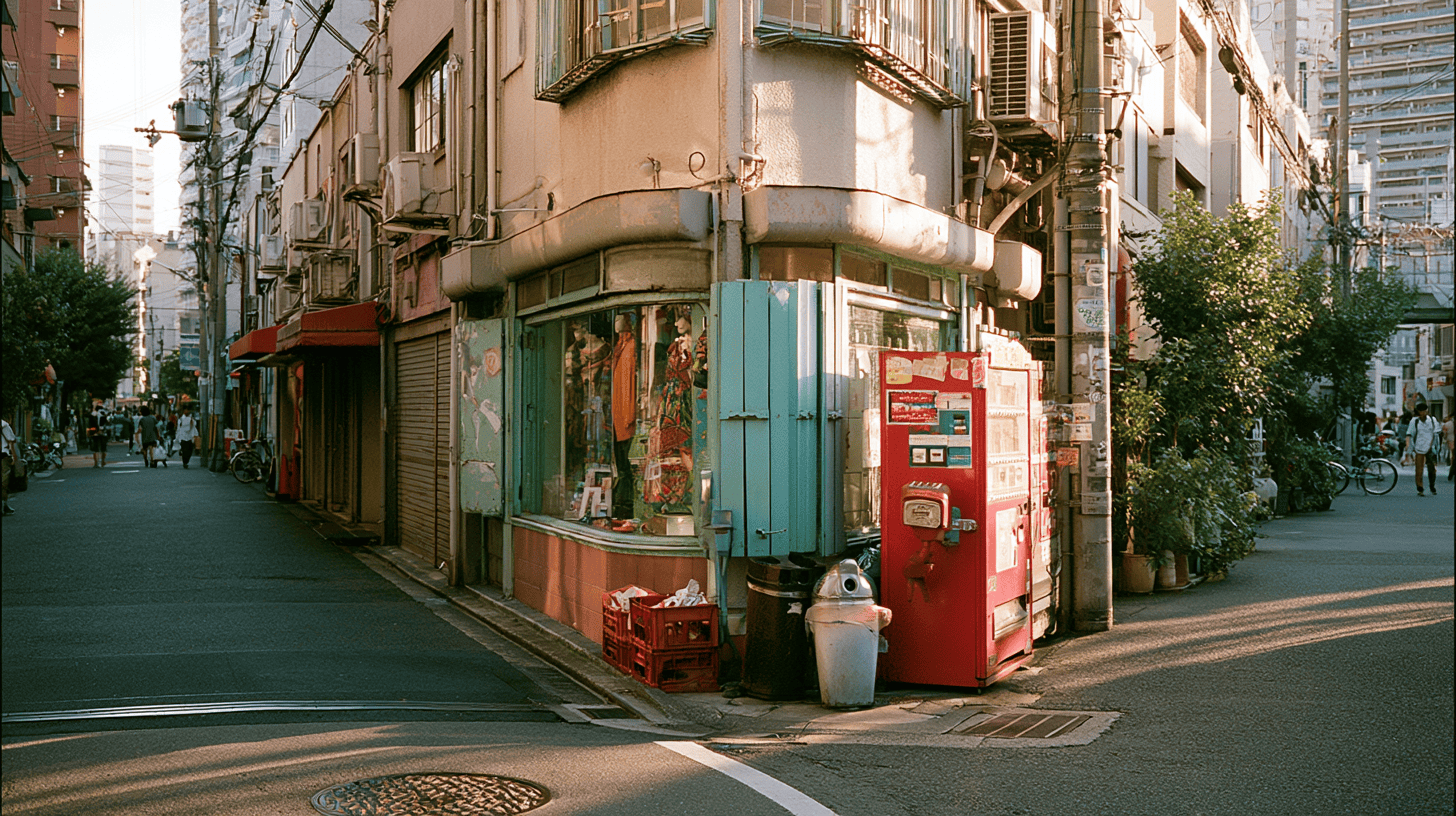
Osaka's Den-Den Town, in Nipponbashi, is the western counterpart to Akihabara. It holds a large Mandarake and a dense run of kit and figure shops, and the streets feel less crowded with visitors.
Recommended
A focused day there turns up different finds, because stock rotates differently across the regional network. Moving between cities is fastest by shinkansen, so a Japan Rail Pass can earn its place on a multi-city circuit. Kyoto, in turn, concentrates its shops in the Sanjo and Teramachi covered arcades, with smaller ones scattered through Kawaramachi. The Mandarake inside the Kyoto Takashimaya complex, on Shijo-dori by the Teramachi corner, is the anchor stop there. Secondhand values there tend to run gentler than in Tokyo. For anyone in the country a week or more, a Kyoto specialty-shopping morning changes the trip, and it pairs neatly with a slower Tokyo anime itinerary at the other end of the line.
Art books, and the format that punishes a carry-on
The Kansai art-book shelves are a strong part of that circuit, and the format decides your luggage plan. Studio art books run oversized and heavy, printed on stock that does not forgive a crushed corner. Books shaped like this are exactly what the shipping section is for. Buy one in Kyoto and you will feel the argument in your shoulder before you reach the station. So plan the Kansai leg with shipping in mind, and leave room in the schedule for a post office or a courier counter. After a long day of manga shopping, a bowl of katsudon is the classic reset.
Katsudon belongs to this kind of day for good reason. It is a fixture of the small shokudo diners around every shopping district, and a bowl anime returns to again and again. Students traditionally eat it before an exam, since katsu sounds like the verb for winning. Better still, it comes together at home in under an hour. The version below fries the cutlet at home, then simmers it with onion and egg in a light dashi broth. Any supermarket in Japan sells ready-made cutlets for a shortcut, and most grocers abroad with an Asian aisle stock the panko, dashi and mirin it needs.
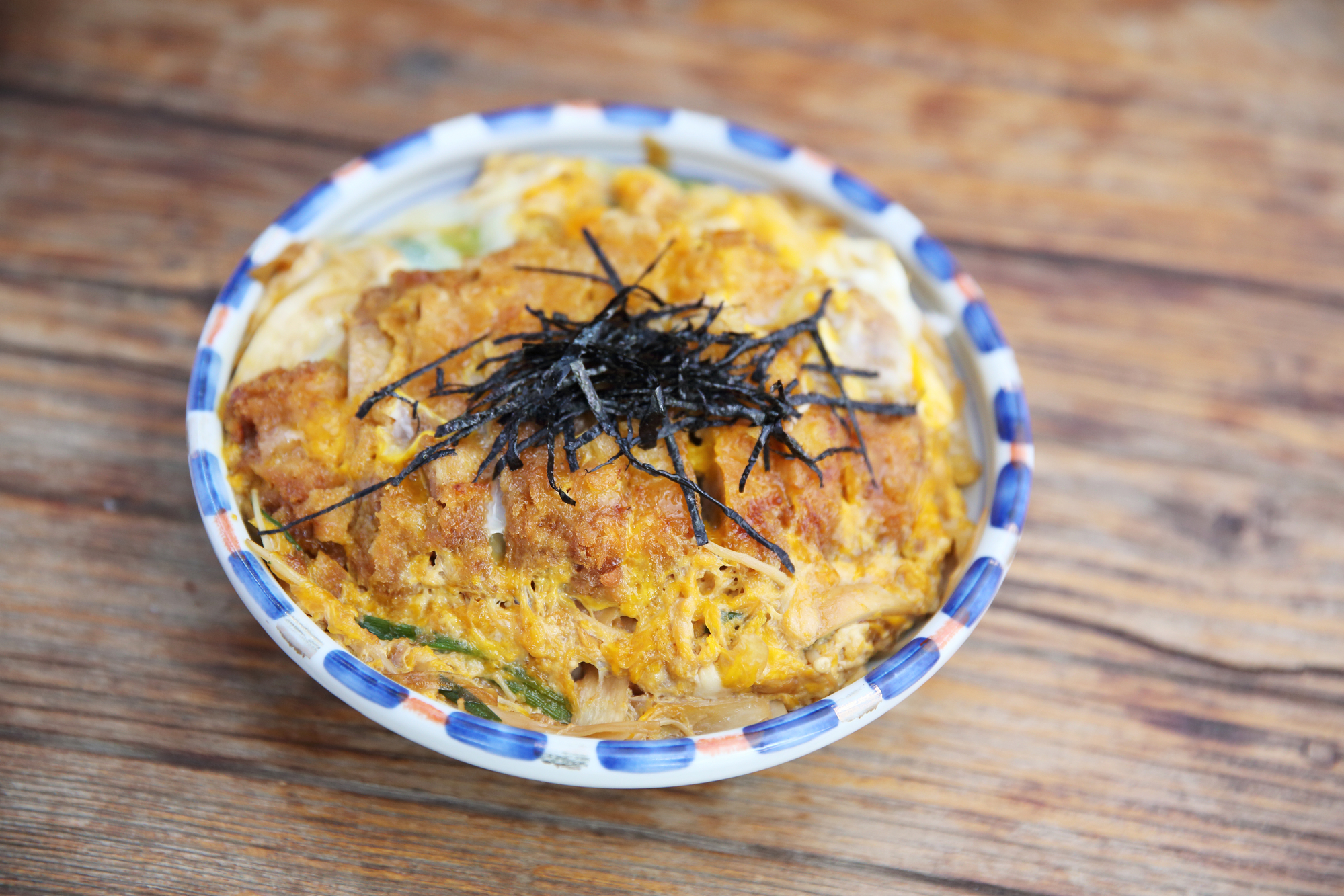
Katsudon pairs tonkatsu, the breaded pork cutlet Japan adapted from Western cooking, with a donburi rice bowl. It is a staple of neighborhood diners and a traditional meal before exams, since katsu echoes the verb for winning.
- 2 boneless pork loin chops, about 1/2 inch thick
- Salt and black pepper
- 1/4 cup all-purpose flour
- 3 large eggs, divided
- 1 cup panko breadcrumbs
- Vegetable oil, for frying
- 2/3 cup dashi stock
- 2 tbsp soy sauce
- 2 tbsp mirin
- 1 tbsp sugar
- 1 small onion, thinly sliced
- 2 cups cooked short-grain rice
- 2 scallions, thinly sliced
- Season the pork with salt and pepper, then coat it in flour, one beaten egg and panko.
- Fry the cutlets in 1 inch of oil at 340°F for about 3 minutes a side until golden, then drain and slice.
- Simmer the dashi, soy sauce, mirin, sugar and onion in a small skillet for 4 minutes until the onion softens.
- Lay half the sliced cutlet in the pan, pour over one beaten egg and cover for about 1 minute until just set.
- Slide it over a bowl of hot rice, scatter with scallions, and repeat for the second bowl.
Buying From Home — Online Manga Shopping, Shipping and Customs
This is where most readers actually live. You are not in Japan, the edition you want is specific, and your own border may take a cut. Moving the box takes time, money and a little planning. Most manga shopping by readers outside Japan happens in a browser, and the shops above still matter, because the online catalogs draw on them. The retailers differ more than their front pages suggest. The shipping bands differ in weeks. And customs has changed sharply in the past year, which makes older advice misleading. So take the retailers first, then shipping, then customs, because each one narrows the next decision.

The retailers, compared, and when a proxy pays
AmiAmi is the strongest general choice for figures and kits. The interface works well, orders consolidate, and every shipping method sits side by side. Mandarake's online store is the archive extended worldwide; it wins on out-of-print material and loses on interface polish. Solaris Japan covers a similar catalog to AmiAmi with strong English support. CDJapan sits closer to music and media, so check it when a release comes bundled with a disc.
Edition availability is the real difference, and it rarely follows the title. The same story often exists in several formats at several publishers. Check which retailer carries which printing before you assume two listings are the same object.
The whole series in one box, and a clear case for surface mail over express.
See the Demon Slayer Set →Twenty-three volumes in one carton: heavy, common and easy to replace, so a courier carries it best.
View One Piece Box Set 1 →An oversized studio art book of the kind that punishes a carry-on and rewards a rigid outer box.
See the Totoro Art Book →Proxy services exist for shops that will not ship abroad at all, which in practice means auctions and a long tail of specialist sellers. Buyee and ZenMarket both bid, receive, consolidate and forward on your behalf. Each adds a service fee and a domestic leg. For a common box set, that is waste. For a volume that surfaces once a year on a Japanese auction site, it is the only route.
The sensible rule is a proxy for scarcity and a direct retailer for availability. Consolidation matters more than the fee, since several small parcels always cost more to send than one heavy one. And customs does not change because a forwarder handled the box. Whatever your authority charges, it charges on arrival, whoever packed the carton.
Shipping and customs, by destination
Weight decides everything with paper. Japan Post's own comparison of shipping types sets out the choice plainly. EMS is the top-priority service; it carries up to 30 kg to over 120 countries and territories, in roughly two to four days. Airmail runs three to six days. Economy air runs six to thirteen and covers a limited list of destinations. Surface mail takes one to three months and is the lowest-cost option, which is why paper travels well on it.
Retailers quote their own bands on top of the postal ones, and courier options such as DHL Express sit alongside EMS. Set a twenty-three-volume box set against those timelines and the trade becomes concrete. The books do not spoil, they do not expire, and nothing about them rewards paying for express. For a full run, slow is usually the right answer.
The United States has indefinitely suspended its de minimis exemption for low-value goods arriving outside the postal network; the interim final rule took effect on 24 June 2026. Japan Post had already stopped accepting most goods-bearing parcels to the United States in August 2025, so sellers now route American orders by courier. Check what your retailer actually uses before you assume EMS is available.
From 1 July 2026, the European Union applies a temporary flat per-item customs duty on low-value consignments, a measure that runs until 1 July 2028. Britain, Canada and Australia each set their own tax and duty thresholds. Because these rules now move with trade policy, screenshot your own authority's page on the day you order and keep it with the receipt.
What to Carry and What to Ship
Every strand of this guide meets at one moment, at a register in Nakano or Nipponbashi. The basket is full, the flight leaves in three days, and someone has to decide what goes in the case. The instinct is to carry everything, because carrying feels easy and shipping feels like an admission. Weight, fragility and replaceability are the three variables, and only one of them is obvious.
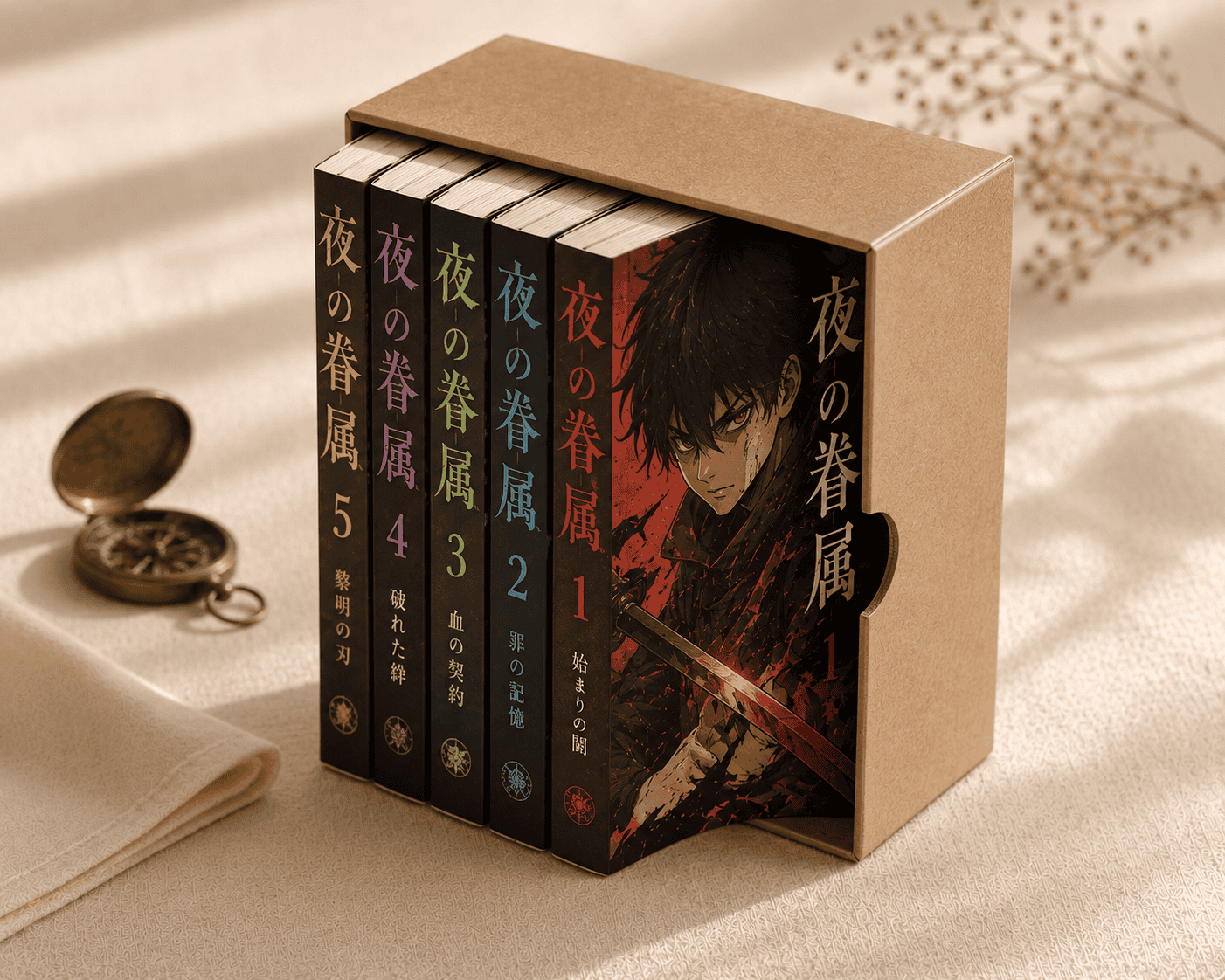
Paperback volumes, thin art books, short boxed runs and sealed kits ride home fine in a padded bag. Anything you will start reading on the flight belongs in the cabin. A twenty-three-volume carton is the opposite case: heavy, common and easy to replace, so it is the first candidate for a courier. Lift one in the shop and the answer usually arrives on its own.
The counter-case is the single deluxe hardcover, the signed copy or the first edition from a Nakano cabinet. Those go in the cabin bag, wrapped, and they do not leave your sight. Replaceability settles it. If the object sits in a warehouse and you can reorder it next month, let a courier take the risk. If it does not, carry it. Shipped boxes also travel better than checked luggage, since a retailer's carton arrives squared, filled and insured.
Receipts, tax refunds and gifts
Finally, keep the receipts together in one envelope. Japan's tax exemption for visitors moves to a Refund Method for purchases from 1 November 2026. You pay the tax at the register, then reclaim it after a customs check on departure, with the goods in hand rather than checked in. The Japan Tourism Agency page for travelers sets out the steps in full.
Gifts follow different rules from a personal haul. People judge a shipped present by how it arrives, so format and packaging matter more than edition or rarity. A sealed set makes a safer parcel than a rare one, and it arrives looking like a gift rather than an errand. Our guide to anime gifts chosen for a grown-up shelf works through that separately. Either way, ask the retailer for extra padding or a rigid outer box on anything with a slipcase. Insurance covers loss and breakage rather than a crushed corner, so the packing note does work no policy will.
Questions Worth Asking
Where is the best place to shop for anime and manga in Japan?
Nakano Broadway holds the deepest Mandarake operation and is the foundational stop for collectors. Akihabara covers model kits, figures and new releases. Book Off branches across residential Japan hold the secondhand volume. For buyers who cannot travel, AmiAmi, Solaris Japan and Mandarake all ship Japan-direct.
What is the difference between Akihabara and Nakano Broadway?
Akihabara offers breadth: current production runs, new releases and the full commercial spread. Nakano Broadway offers depth: archival material, animation cels and out-of-print volumes that no new-release floor carries. A collector's Tokyo takes in both, and the hours you give each matter more than the order.
Is it worth shipping manga home from Japan?
Usually only for the rare pieces. Manga is dense and heavy, so shipping tracks weight rather than the number of volumes. Carry what you will read soon. Ship what you cannot replace, such as out-of-print volumes, large box sets and signed editions, ideally on a slow postal band.
How long does it take to ship manga from Japan?
It depends on the band you choose. Japan Post quotes EMS at roughly two to four days, airmail at three to six days, economy air at six to thirteen days and surface mail at one to three months. The slow bands cost the least and suit paper, which does not spoil.
Do I pay customs duty on manga shipped from Japan?
It depends on where the box lands. The United States has suspended its low-value exemption, so parcels face assessment. Since July 2026 the European Union charges a flat per-item duty on low-value consignments. Britain, Canada and Australia each set their own thresholds, so check your customs authority first.
How do I avoid bootleg anime and manga merchandise in Japan?
Buy from established retailers such as Mandarake, AmiAmi, Animate and Book Off. Check the licensing marks on packaging, including holograms and publisher barcodes. Treat anything far below the usual market value with suspicion. Vendors working outside the official retail channels carry the highest risk of counterfeit stock.
Can I get a tax refund on manga bought in Japan?
Visitors can, at participating shops. For purchases from 1 November 2026, Japan uses a Refund Method. You pay the consumption tax at the register, then claim it back after a customs check when you leave, with the goods in your hand luggage. Keep every receipt together.
Are there good manga shops outside Tokyo?
Yes. Den-Den Town in Osaka's Nipponbashi district is the Kansai counterpart to Akihabara, with a large Mandarake and a dense figure and kit scene. Kyoto's shops in the Sanjo and Teramachi arcades hold secondhand material. Regional stock rotates differently, which is the point of going.
What the Circuit Finally Rewards
The circuit rewards the buyer who treats a trip as research as much as acquisition. A slow afternoon at Mandarake, a Book Off morning in a residential neighborhood and a Den-Den Town day in Osaka each build a different relationship to the material than a hurried sweep with a list. And the shipping question, answered properly once, keeps paying every time you order from home.
In the end, manga shopping in Japan is a logistics problem wearing a cultural coat. The shops are the pleasure, though the box on the counter is the decision. Get the weight right, keep the receipts, and read your own customs authority rather than a forum. For the history behind the shelves, the reader's guide to manga and anime in Japan fills in the background.
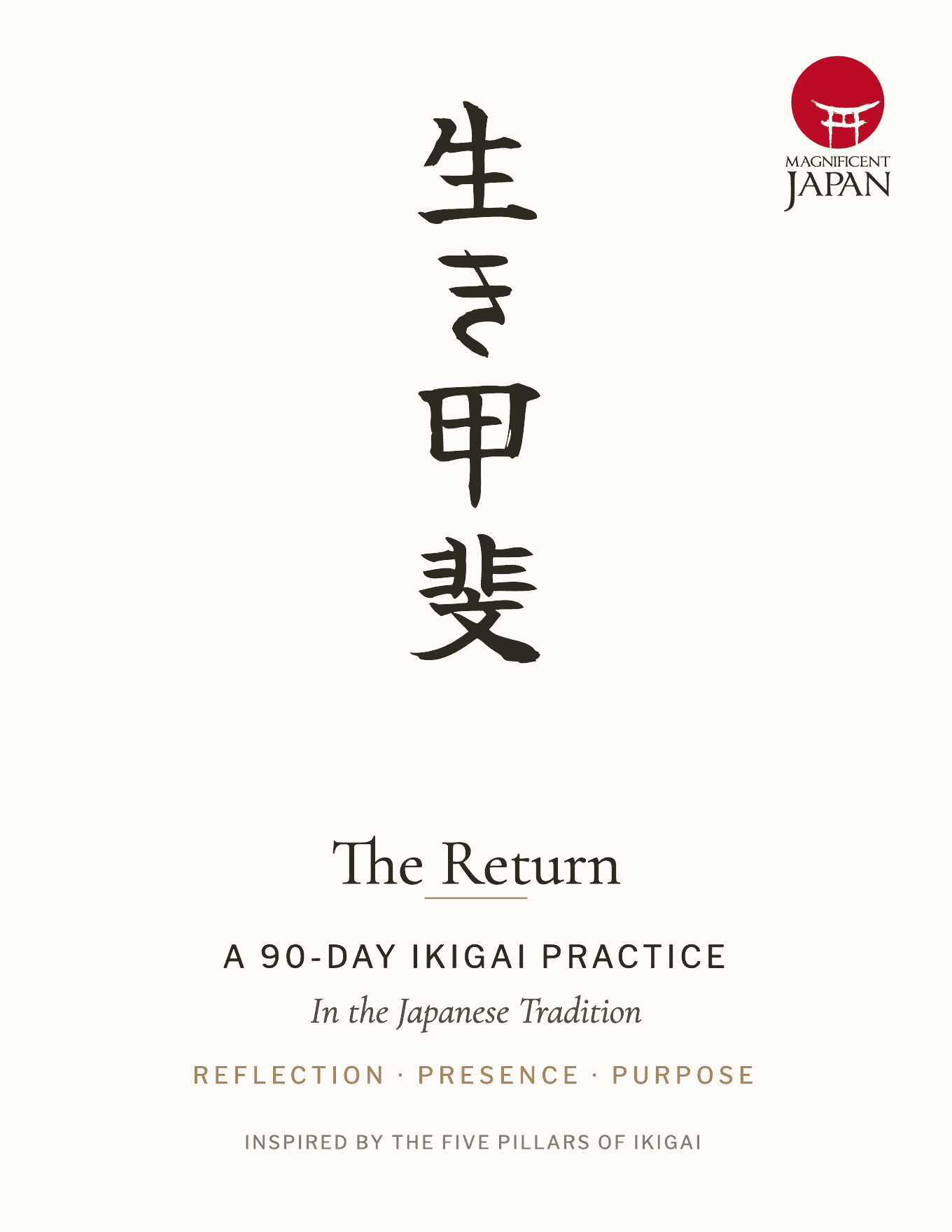
A 90-day practice for noticing what you keep returning to, on the shelf and beyond it.
View the Journal →If the route matters more than the reading list, the last step is dates and trains. The shops keep different hours, the strong branches sit off the tourist axis, and a Kansai leg only works if the rail booking supports it. Tell us what you collect and how long you have.
From the Mandarake floors in Nakano to Den-Den Town in Osaka, we build collector routes with the right shops in the right order, the opening hours checked, the rail legs booked and the shipping plan settled before you land.
Plan Your Custom Japan Itinerary