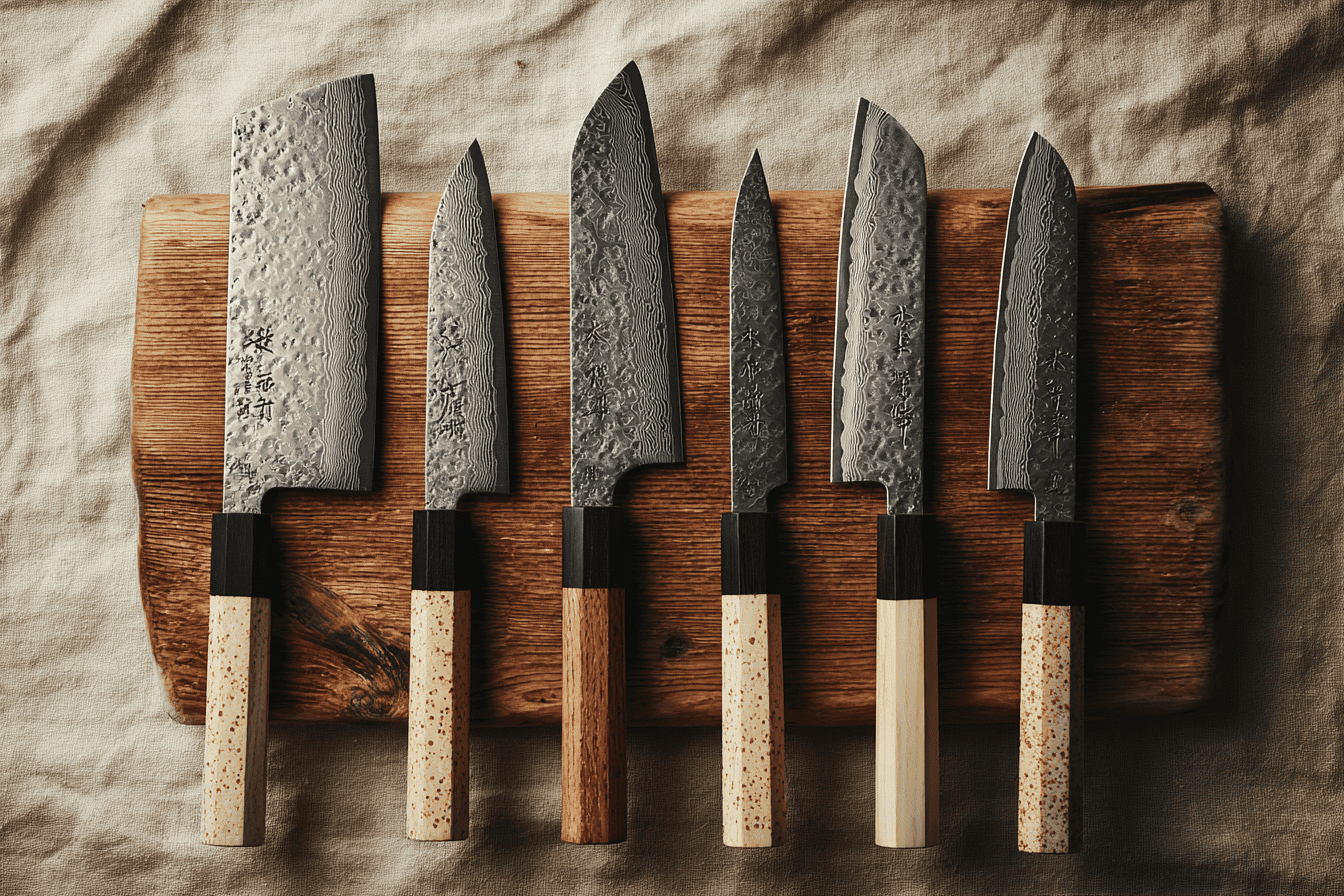
A good Japanese kitchen sounds different from most. A hinoki board knocks softly under a knife, and rice hisses as it finishes under a clay lid. Japanese cooking tools make those sounds because each one does a single job well. Smiths grind a knife for one cut. Potters shape a pot for one kind of heat, and a strainer suits one texture of miso.
That single-purpose thinking runs through washoku, the traditional cuisine these tools serve. This guide gathers seventeen pieces worth owning, from Sakai knives and an Iga clay pot to hinoki onigiri molds from Kiso. Each entry names the maker and links to a page where you can buy it. Five recipes sit beside the tools they use, so every object earns its place on a weeknight. Start with a few, then add the rest as your cooking asks for them.
What Japanese cooking tools should a beginner buy first?
Start with a gyuto knife and a hinoki cutting board, then add a whetstone to keep the edge. Next, a yukihira pot handles dashi, miso soup and blanched greens. A clay donabe covers rice. Add a hinoki rice paddle and long cooking chopsticks, and most weeknight Japanese dishes are within reach. Build outward from there as your cooking grows.
Why Japanese Cooking Tools Each Do One Job
Japanese cooking tools are built for one task each, because washoku judges a dish on precise textures. A nakiri only cuts vegetables, and a yanagiba only slices raw fish. Grinding is the suribachi’s one job. As a result, a Japanese kitchen holds fewer generalists and more specialists. Each one works with less friction.
In 2013, UNESCO added washoku to its intangible heritage list as a social practice built on skills and knowledge about food. The tools belong to that knowledge. Most still come from the towns that always made them. Sakai forges knives, Iga fires clay, and Tsubame-Sanjo shapes steel into pots and strainers.
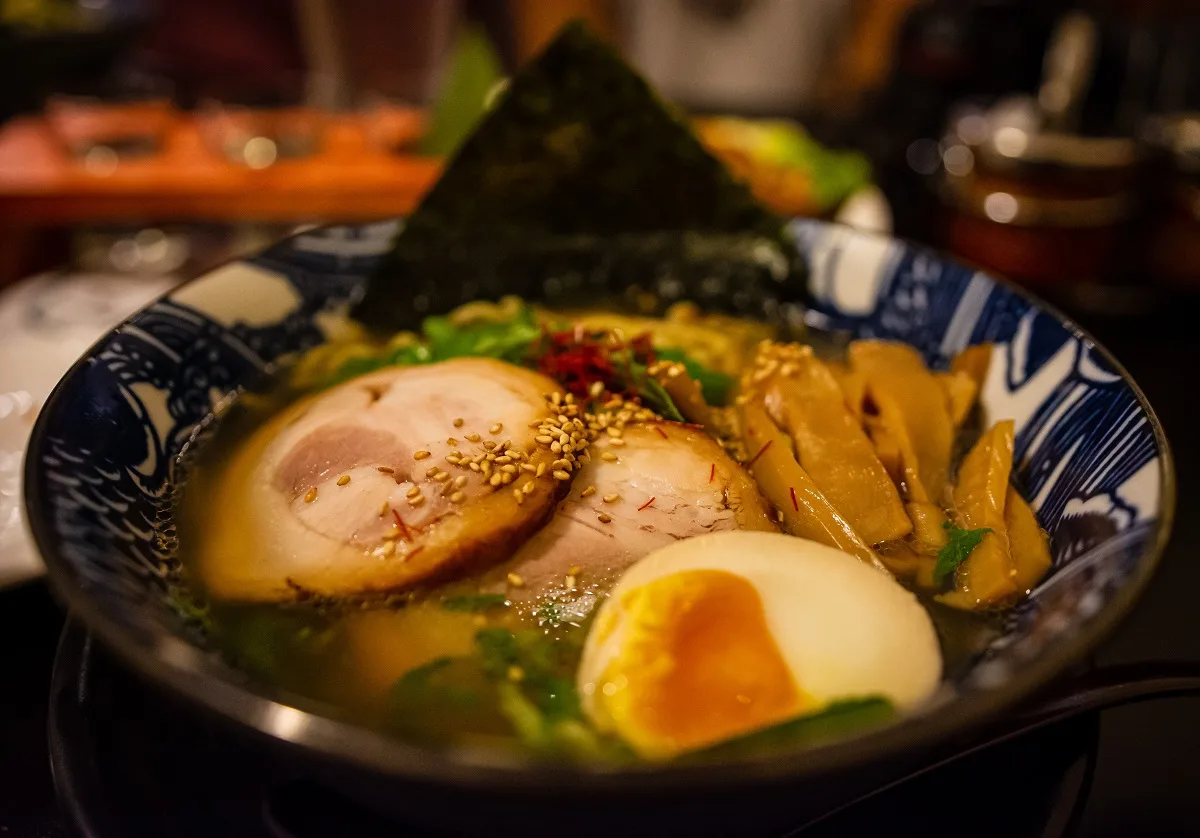
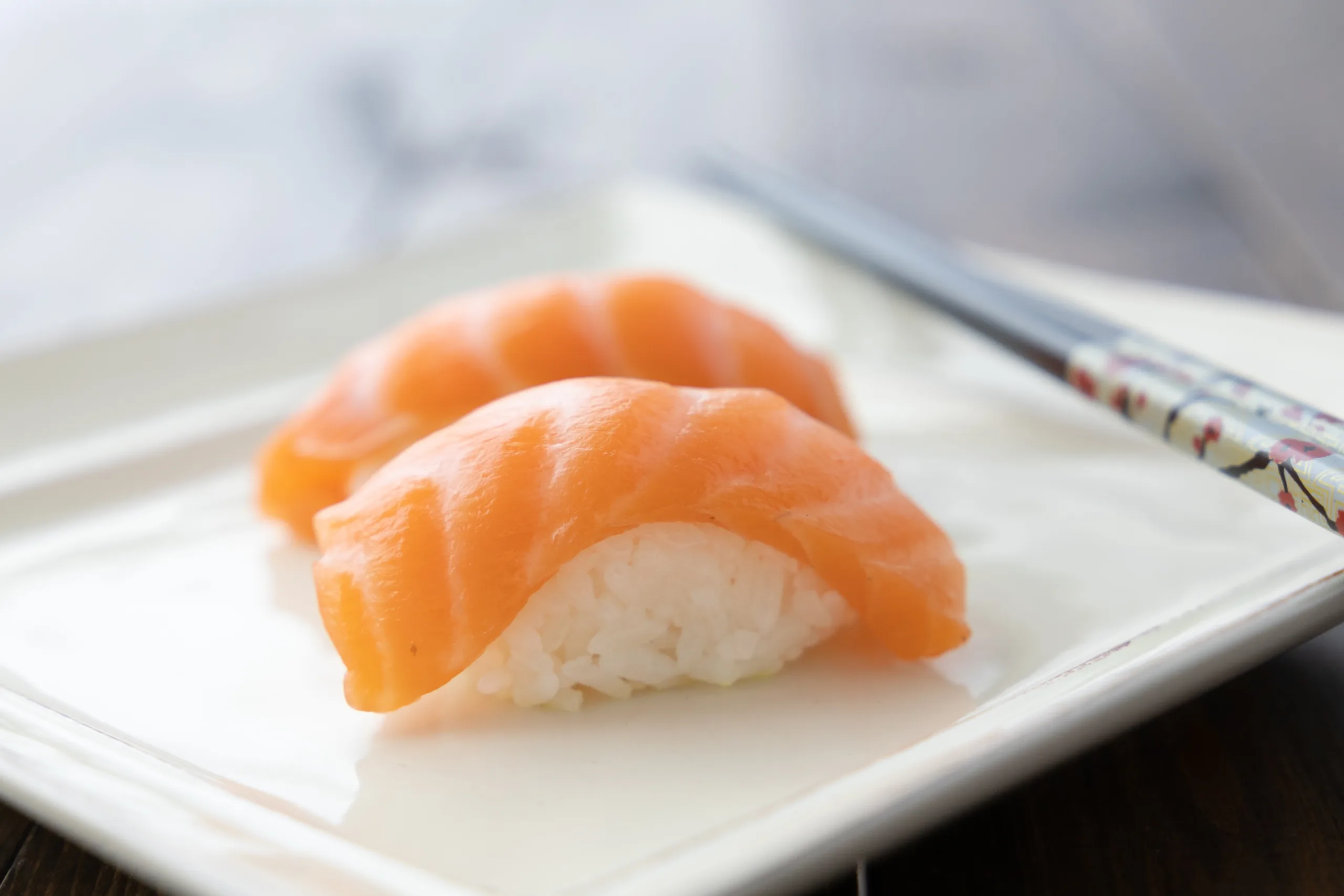
That provenance is practical rather than sentimental. A donabe fired from Iga clay holds heat differently from a thin metal pot, because the clay itself differs. Likewise, a forged blade tapers in ways a stamped one cannot. So every tool below comes from a named Japanese maker, and every link goes to a specific product page. Where a tool needs care, the entry says how to give it. The seventeen pieces fall into four groups: cutting, heat, texture and rice. Each recipe card sits under the tool it puts to work. Read straight through, or jump to the group you need.
Japanese Cooking Tools for Cutting: Knives, Stone and Board
Japanese blades feel different in the hand. The steel usually runs harder, the edge angle narrower and the blade lighter. That means a thinner, cleaner cut. However, a hard edge chips rather than rolls if you twist it through bone. Sakai has made such knives since the late 16th century, when its smiths began by forging tobacco knives. Today most professional chef’s knives in Japan come from Sakai. These four Japanese cooking tools cover the cut, the edge and the surface.
1. Tojiro DP Gyuto — the all-purpose chef’s knife
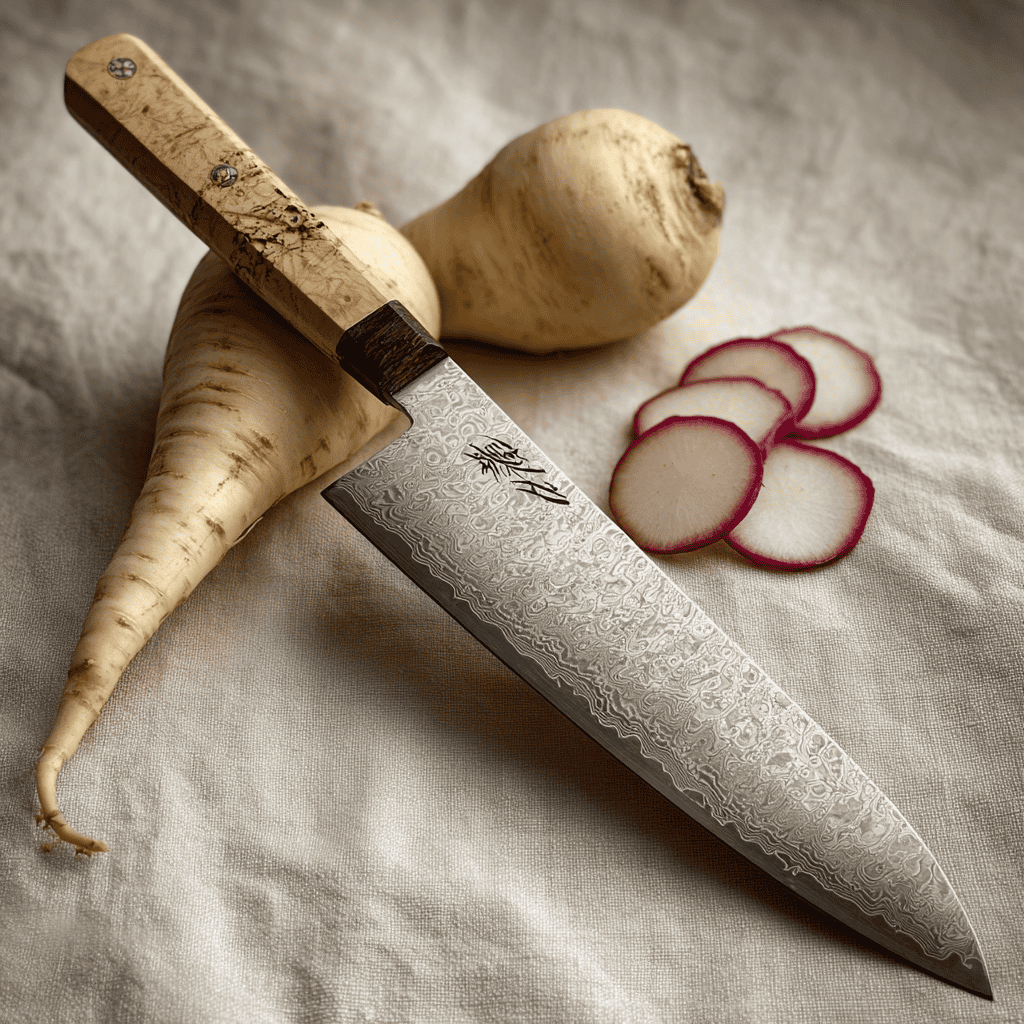
The gyuto is the closest Japanese pattern to a Western chef’s knife, and the sensible first blade for most cooks. The Tojiro DP Gyuto pairs a VG-10 stainless core with outer layers of softer stainless steel. That way the hard edge sits inside tougher cladding. Tojiro makes it in Niigata. It handles onions, chicken and herbs with equal ease, and it holds an edge through far more prep than a soft blade. Wash it by hand and dry it at once.
Santoku — the shorter everyday blade
Santoku means “three virtues”: meat, fish, vegetables. The blade’s flatter profile and shorter length suit a smaller cutting board, and a cook who works close to the board rather than rocking the blade. It is the pattern most often recommended to someone replacing a single all-purpose Western knife for the first time.
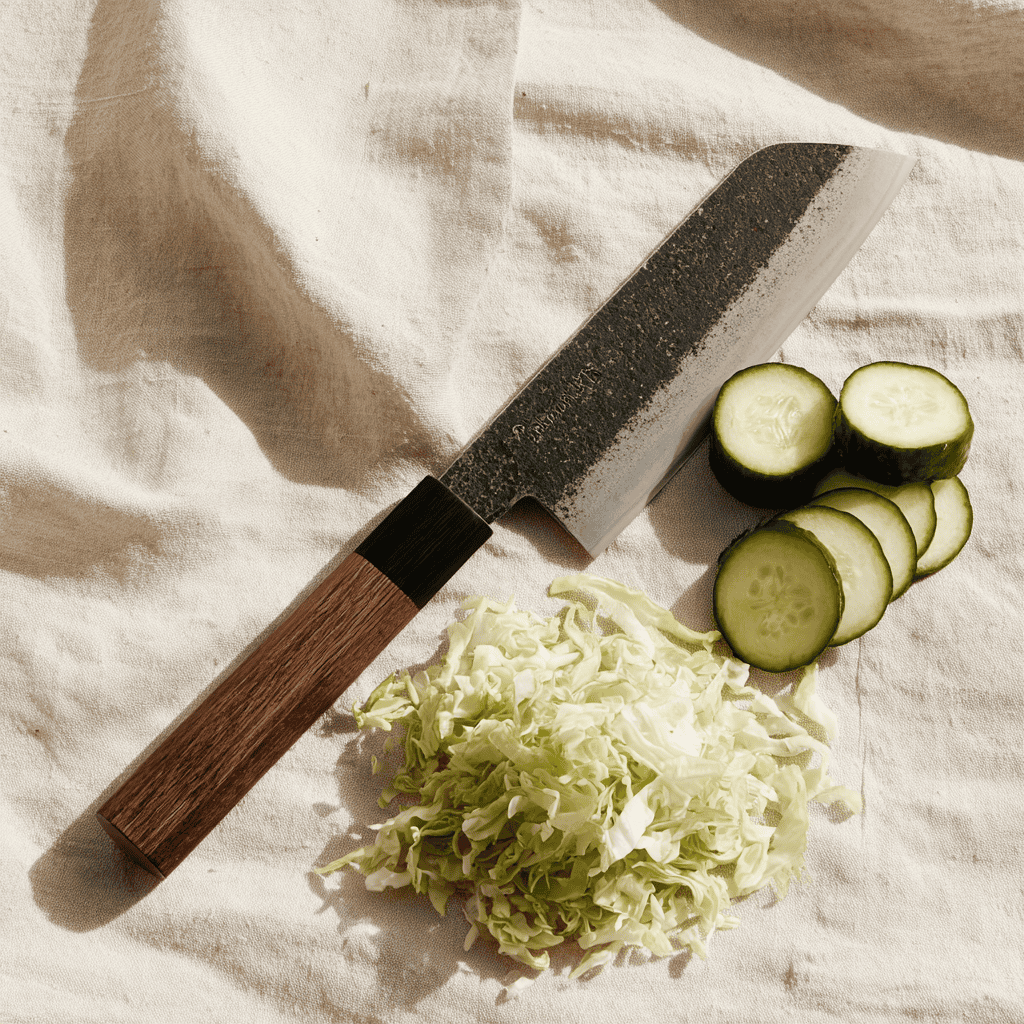
Nakiri — the vegetable specialist
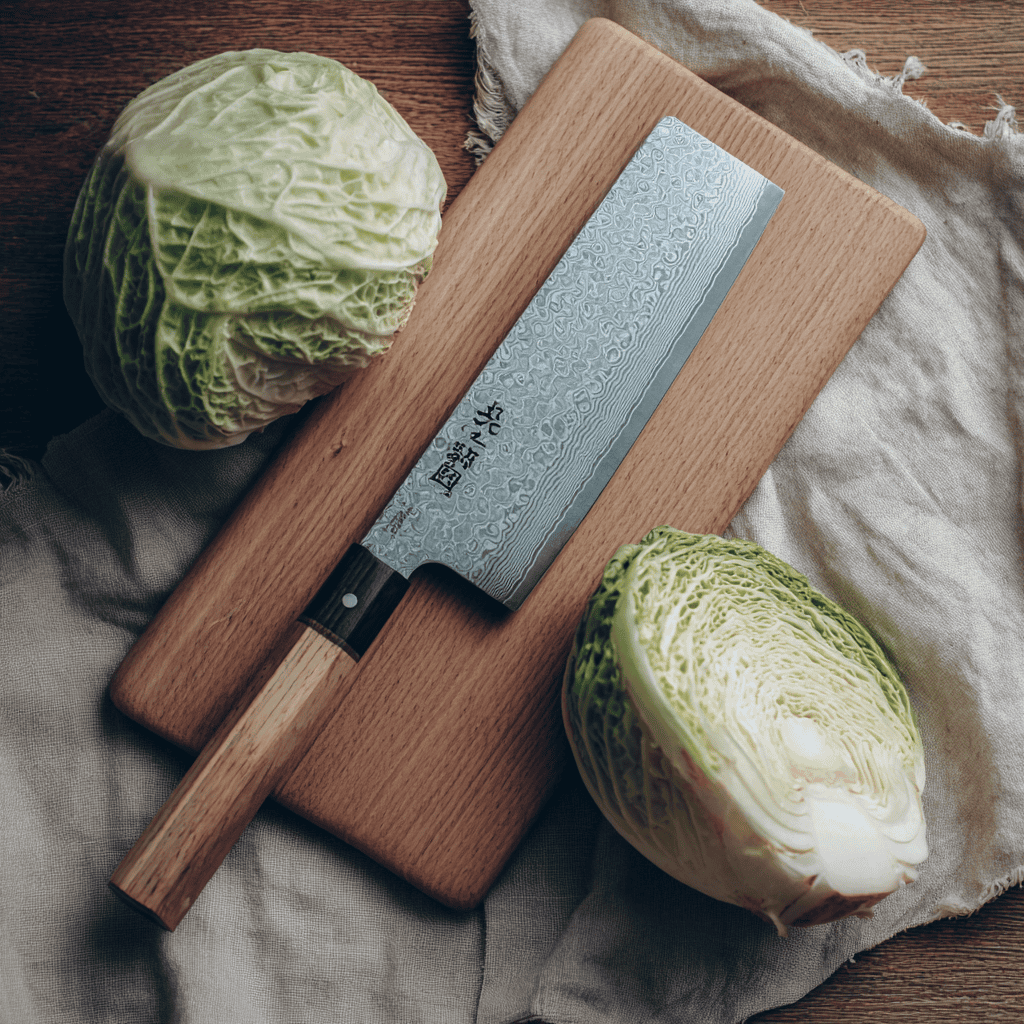
The nakiri’s straight edge and squared-off tip exist for one reason. It makes a clean push cut straight down through a daikon or a stack of cabbage, no rocking motion required. Cooks who prep vegetables daily often reach for it before the gyuto.
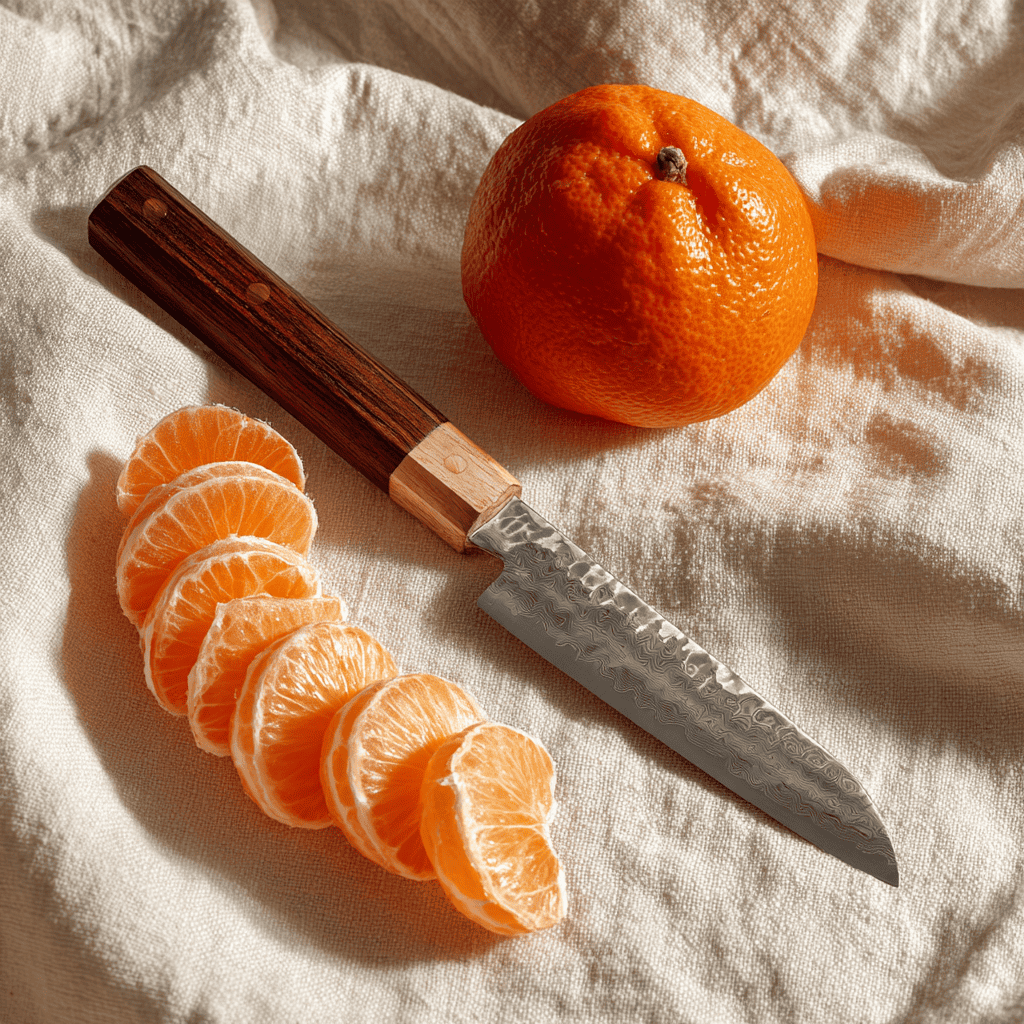
Petty — the paring companion
A petty knife is the small-format cousin of the gyuto. It is made for peeling, trimming, and the close work a full-size blade makes awkward.
2. Sakai Takayuki Stainless Yanagiba — the single-bevel sashimi knife
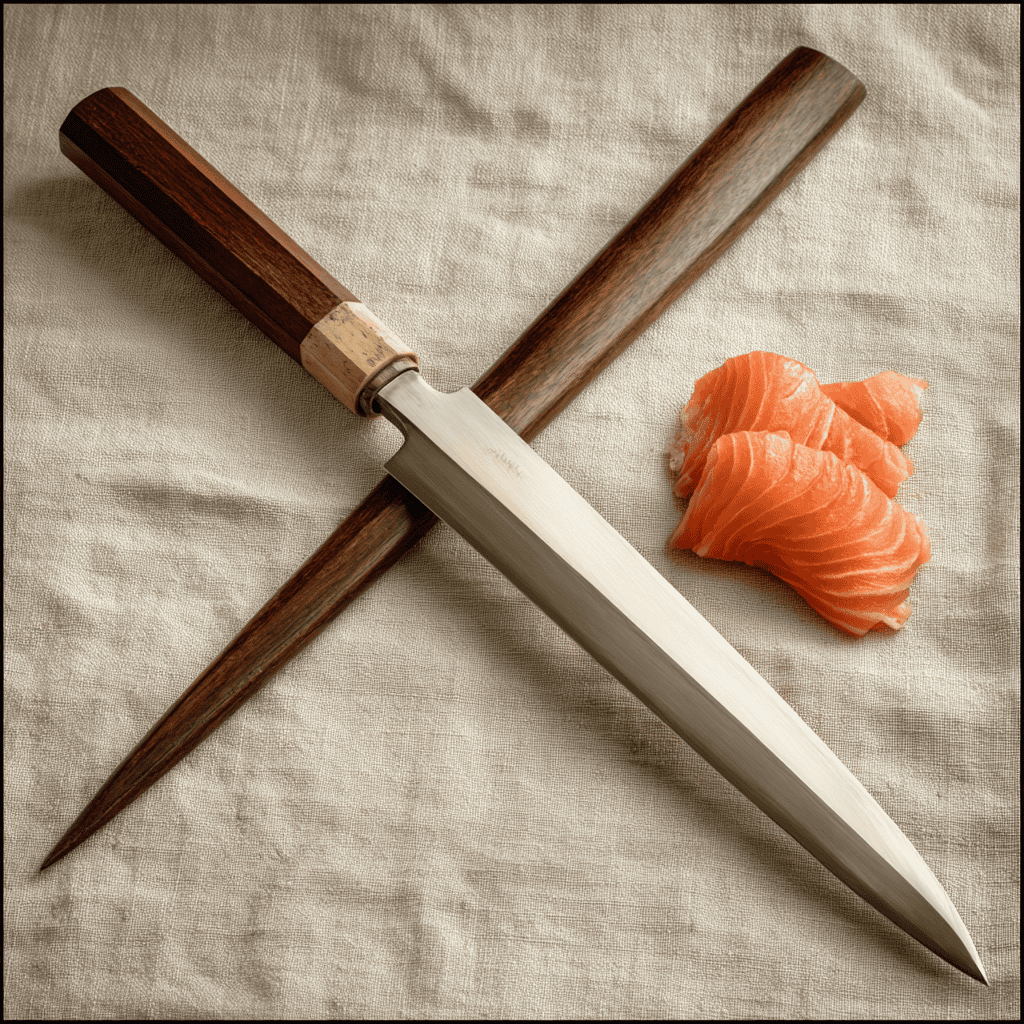
A yanagiba has an edge on one side only. That single bevel lets it draw through raw fish in one long stroke, so the slice stays clean instead of torn. The Sakai Takayuki Stainless Yanagiba comes from Aoki Hamono in Sakai, made by hand with a magnolia handle and a buffalo horn bolster. Its steel resists rust, which suits a home cook who slices fish now and then. For the cuts it makes, see our guide to sushi and sashimi.
The Hitohira FJ VG-1 Yanagiba, 240mm with a Pakka handle, is forged in Sakai. It ships direct from Japan, from the same district that has trained single-bevel knifesmiths for centuries.

For the cook who will one day walk Tsukiji's stalls: a place for the knives, the fish and the dishes worth making at home.
6 × 9 in · 120 unlined pages · matte softcover
Shop This Journal →Deba — the fish-butchery knife
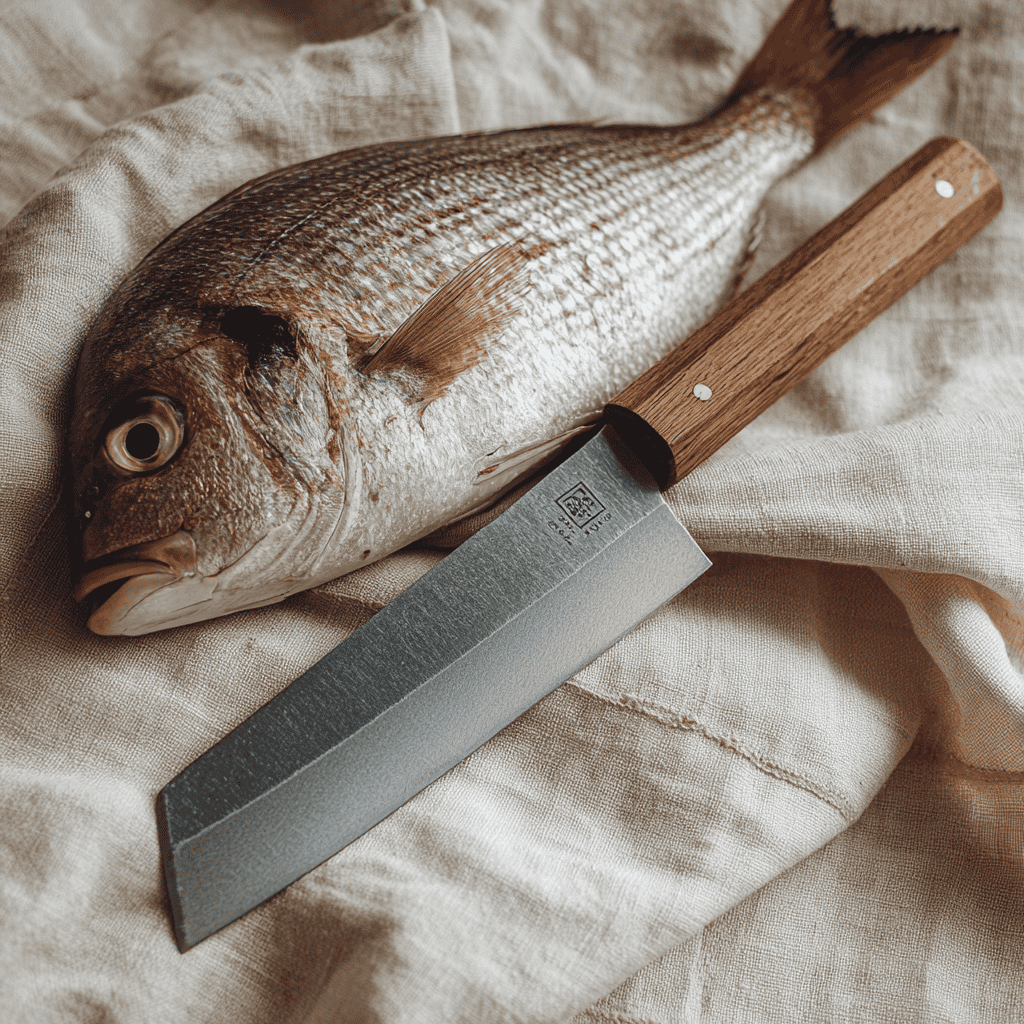
Where the yanagiba slices, the deba breaks a whole fish down. It is heavier at the spine, single-bevel, and built to cut through small bones rather than around them. It is a specialist’s tool, one most home cooks add only after the first four knives are already earning their keep.
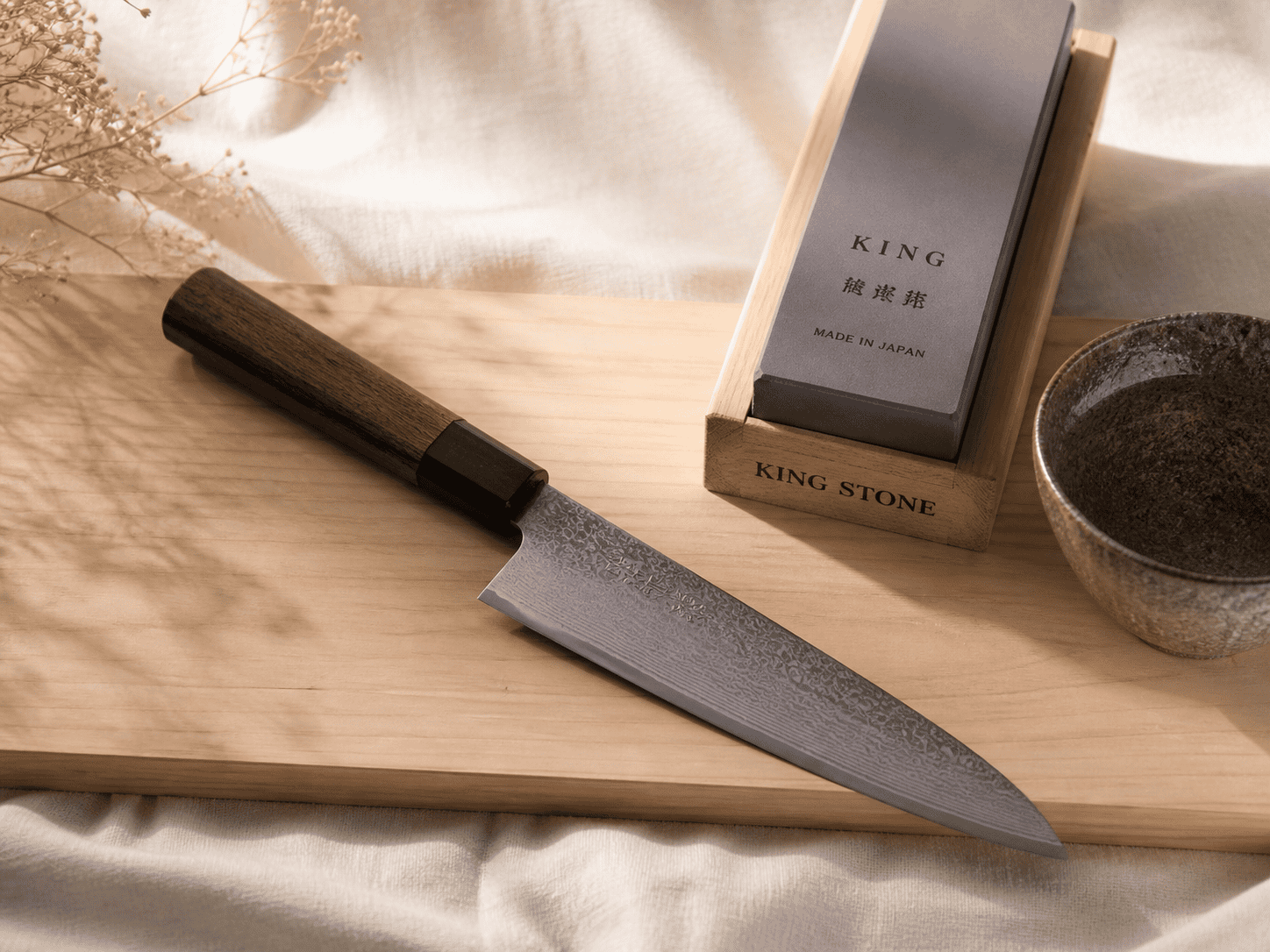
3. King Deluxe Sharpening Stone 1000 — the everyday whetstone
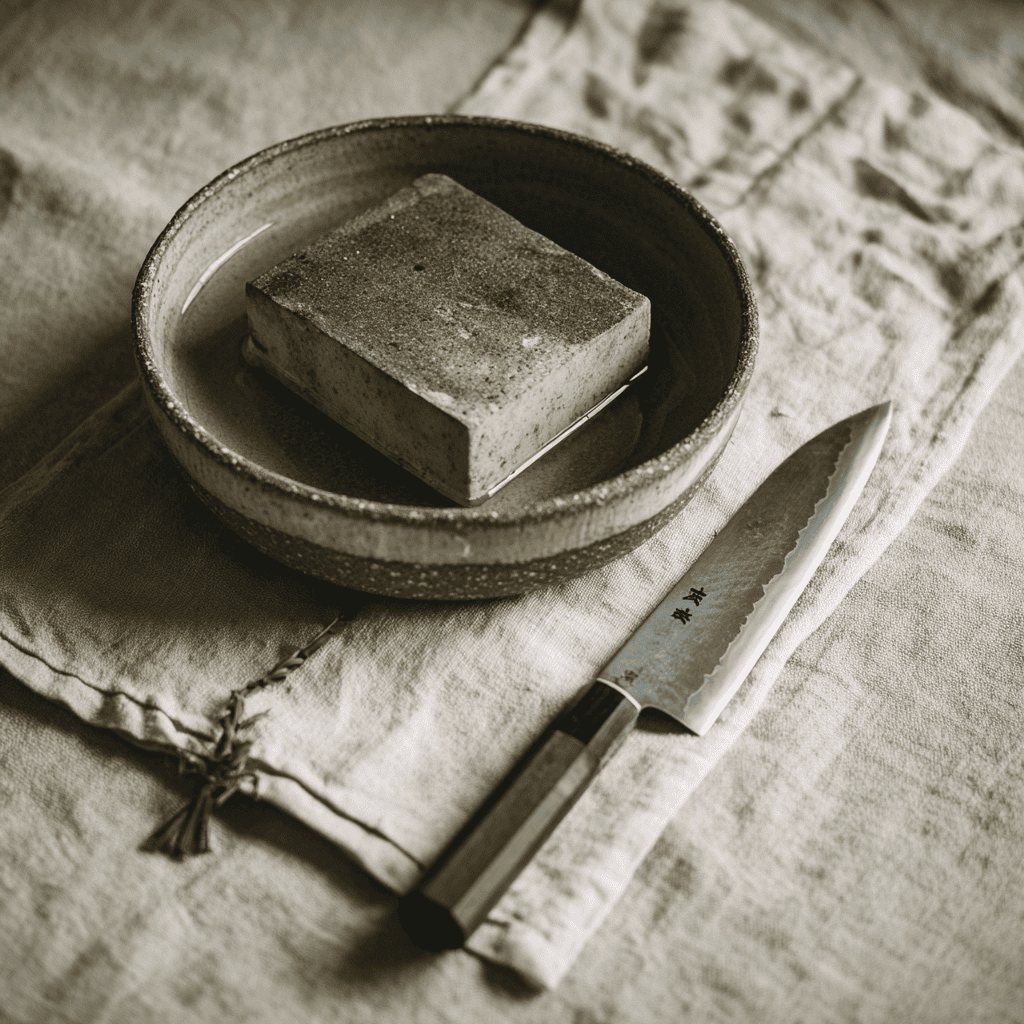
A pull-through sharpener grinds away the thin geometry that makes a Japanese knife worth owning. A water stone keeps it. The King Deluxe Sharpening Stone 1000 is a medium-grit stone made in Japan, the grit most cooks use for routine sharpening. First soak it in water. Then hold the blade at a low, steady angle and work the whole edge in even strokes. Rinse the stone and let it dry. A few minutes every few weeks keeps a hard edge cutting cleanly for years.
Wet sharpening on a graduated Japanese whetstone is the only method that respects a hard, thin edge. A coarse grit resets a damaged blade; a fine grit polishes it back to a mirror. It takes longer than a pull-through gadget, and it rewards the knife every time.
4. Tosaryu Round Hinoki Cutting Board — soft cypress for a hard edge
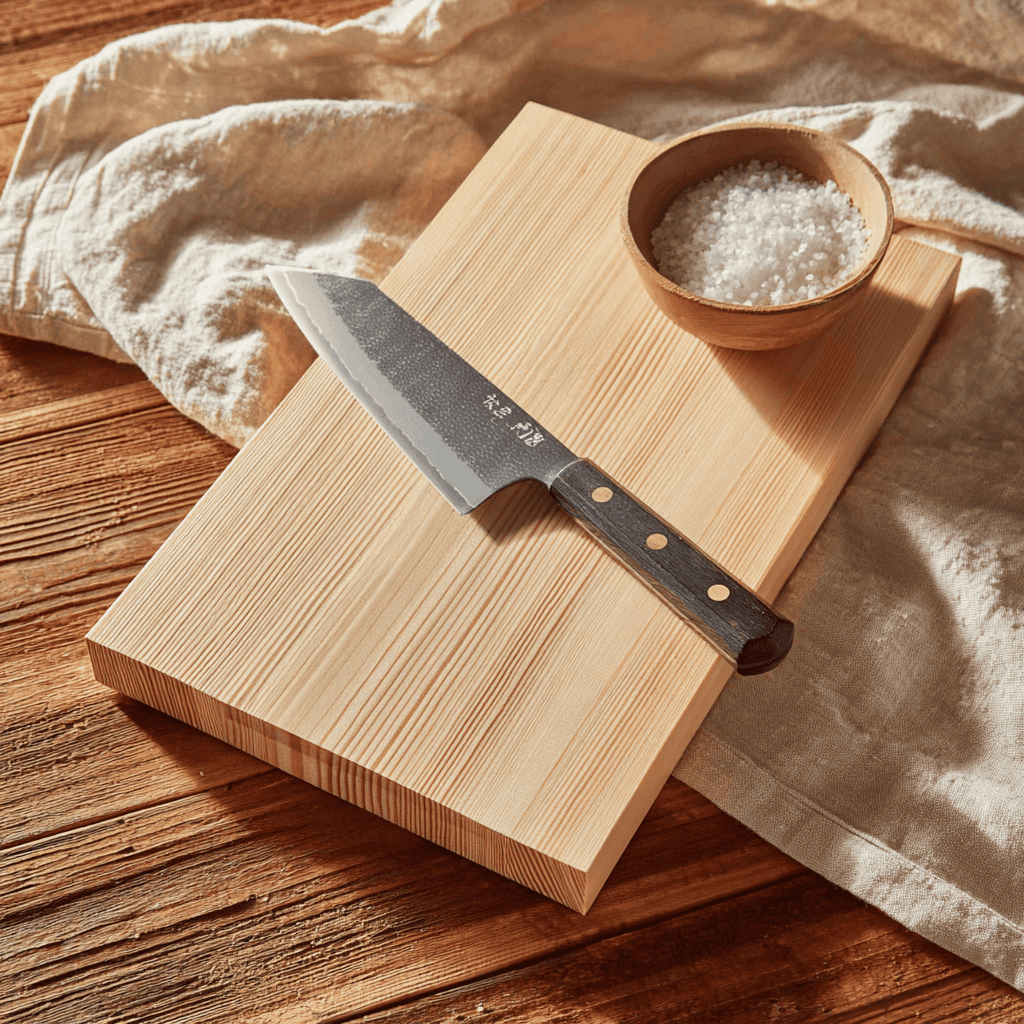
Hinoki cypress is soft enough that a hard edge sinks into it rather than dulling against it. It also gives off a faint, clean scent under a warm knife. The Tosaryu Round Hinoki Cutting Board comes from Kochi. Tosaryu cuts it from a single plank of Shimanto cypress grown for seventy to eighty years. Its round shape lets the knife move freely on a small counter, and a hanging hole helps it dry. Rinse it, wipe it and hang it up after use.
Caring for the set
A few habits protect all four tools. Never leave a Japanese knife loose in a drawer, where blades knock against forks and chip. Instead, keep it on a magnetic strip or in a sheath. Avoid glass and stone boards, since they dull an edge in a few strokes. Let the hinoki board dry in the air so both faces breathe. Finally, sharpen little and often rather than waiting for a dull blade. A knife cared for this way still cuts cleanly after five years. One left to a drawer and a pull-through sharpener rarely lasts that long. Good care costs a few minutes a week.
Japanese Cooking Tools for Heat: Clay, Copper and Steel
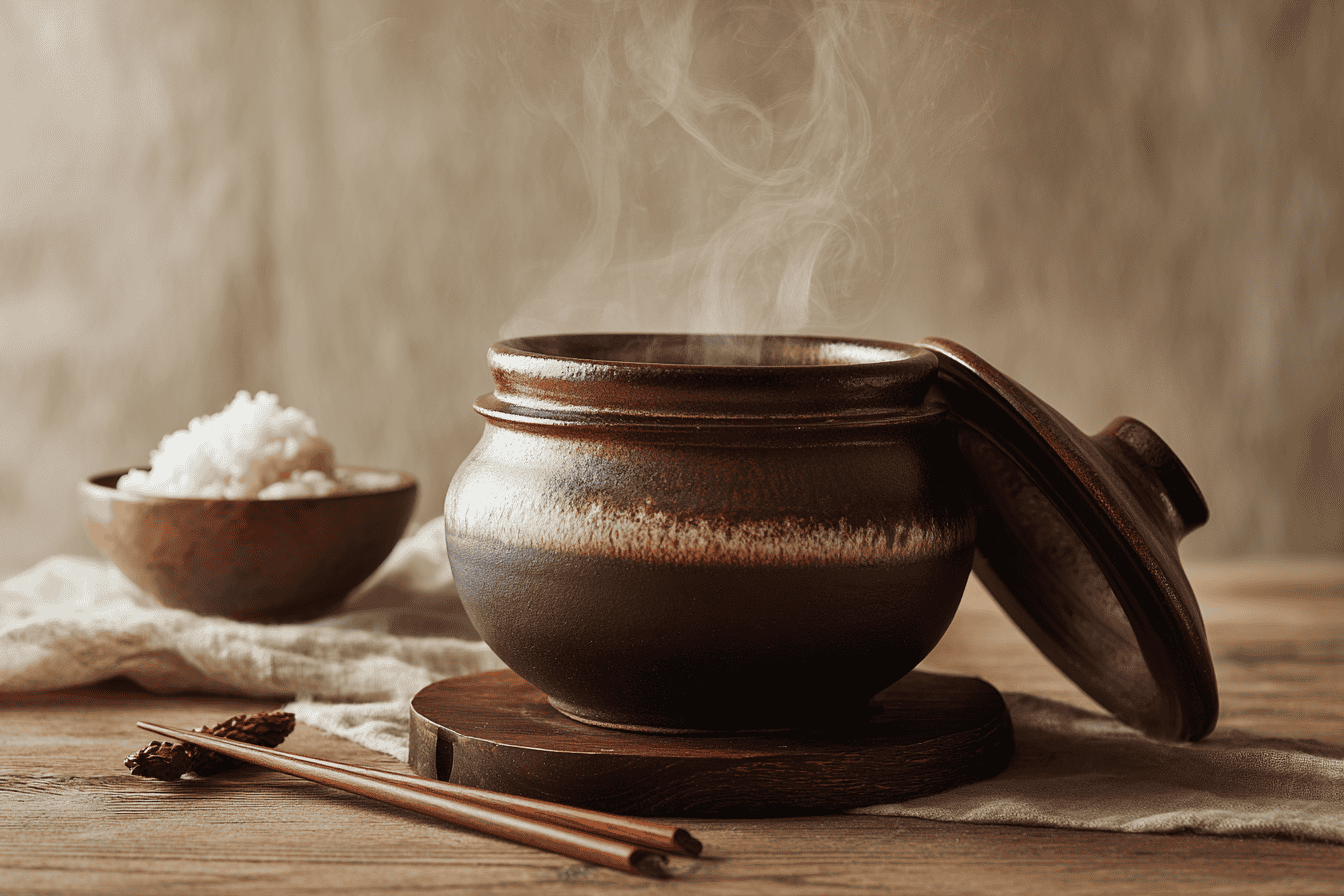
A Western kitchen often settles on stainless steel for everything. A Japanese kitchen, by contrast, chooses the material by the dish. Clay holds and releases heat slowly. Copper answers the flame almost at once, while thin steel heats fast for a quick simmer. Iga, in Mie Prefecture, fires pottery from highly heat-resistant local clay, and donabe are among its staple wares. These five pieces rarely overlap, and that is the point.
5. Nagatani-en Kamado-san — the double-lid donabe for rice
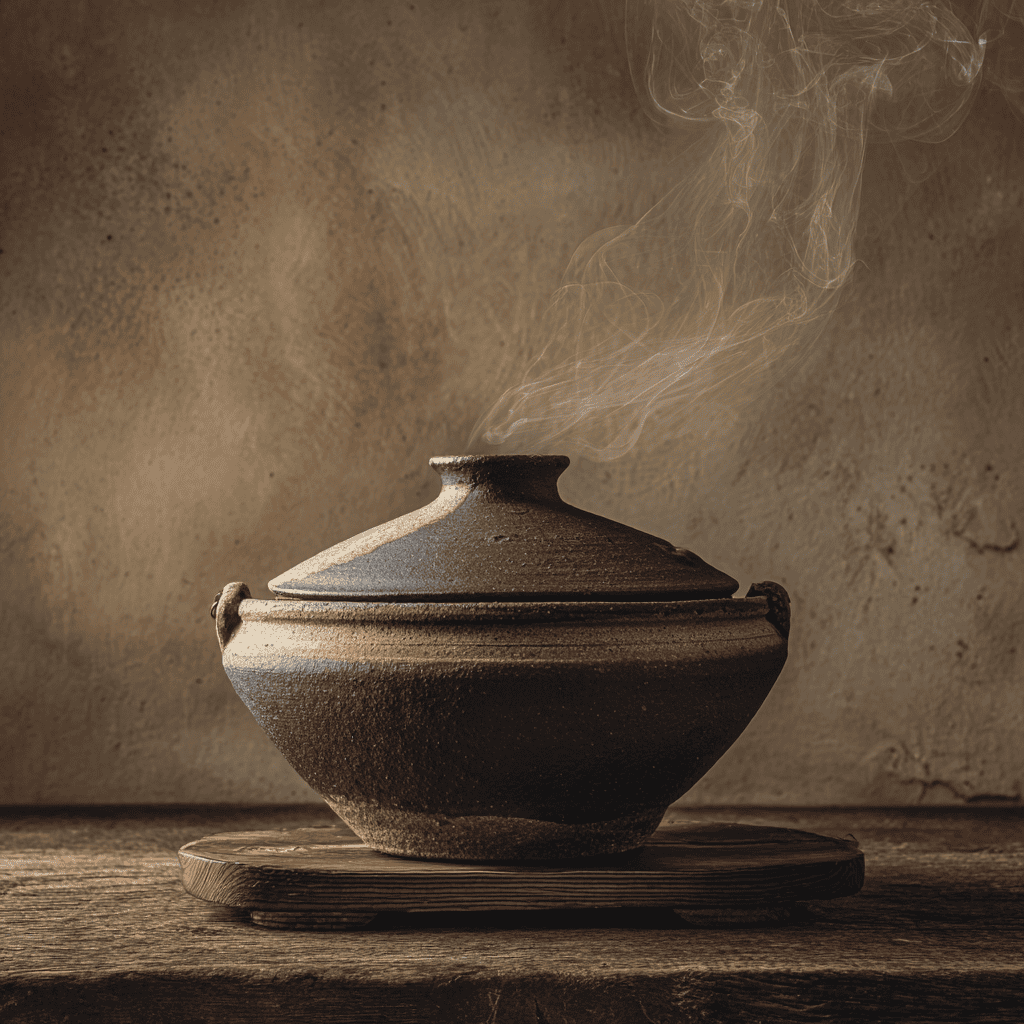
A donabe is thick-walled clay, built to warm gradually rather than all at once. That gentle climb cooks rice evenly, and the pot keeps it hot at the table long after the flame is off. The Kamado-san is made in Iga by Nagatani-en, a family pottery working since 1832. Its double lid traps steam and helps stop the pot from boiling over. It has been the workshop’s best seller since 2000. Choose the size by the number of rice cups you cook most often.
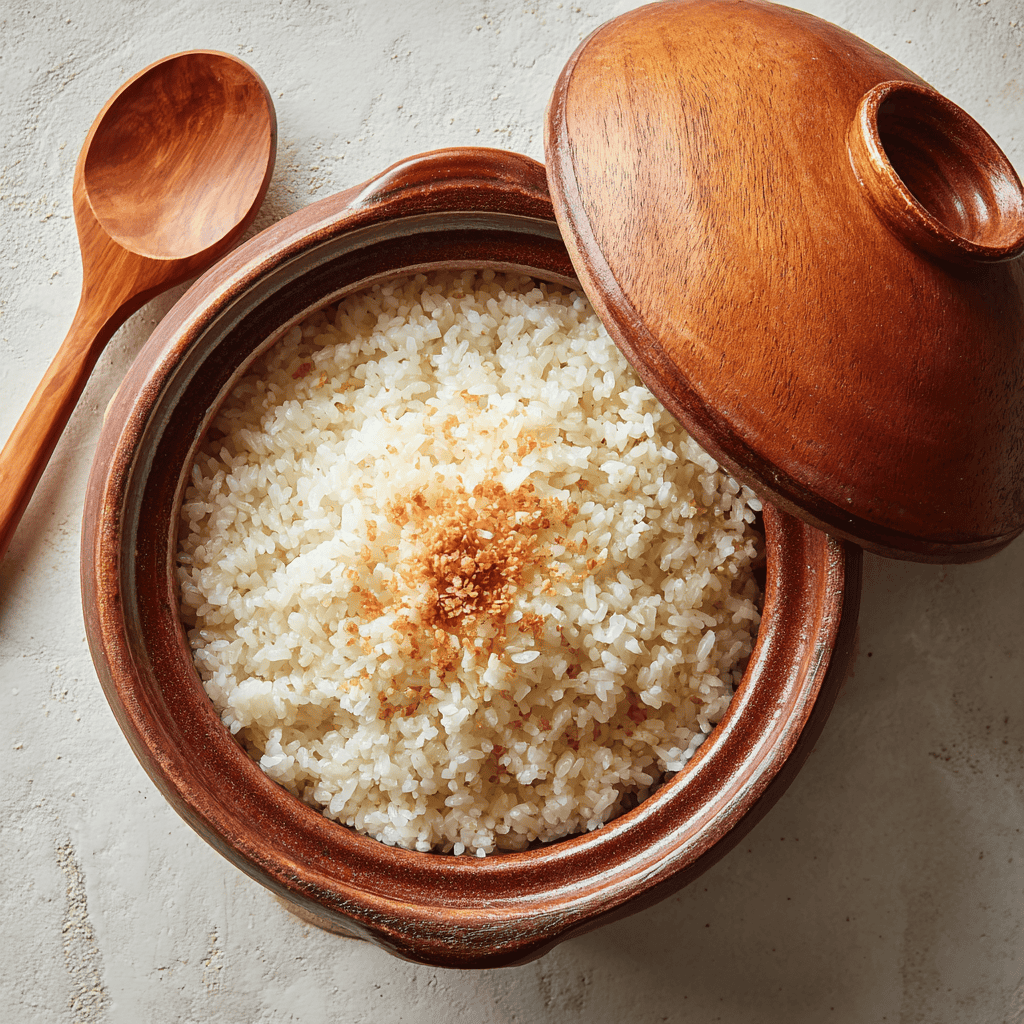
Rice cooked in a donabe is the older Japanese way of making gohan, before electric rice cookers. The slow heat of the clay gives each grain an even texture.
- 2 cups Japanese short-grain rice
- 2 1/4 cups water
- Cold water for rinsing
- Rinse the rice in cold water, swirling and draining, until the water runs almost clear.
- Soak the rice in the measured 2 1/4 cups of water in the donabe for 30 minutes.
- Cover the pot and bring it to a boil over medium-high heat until steam pushes from the lid.
- Turn the heat to its lowest setting and cook for 12 minutes, then turn off the heat.
- Let the pot rest, covered, for 10 minutes, then fluff the rice with a rice paddle using a cutting motion.
6. Maruyama Giken Yukihira Pot — the everyday saucepan
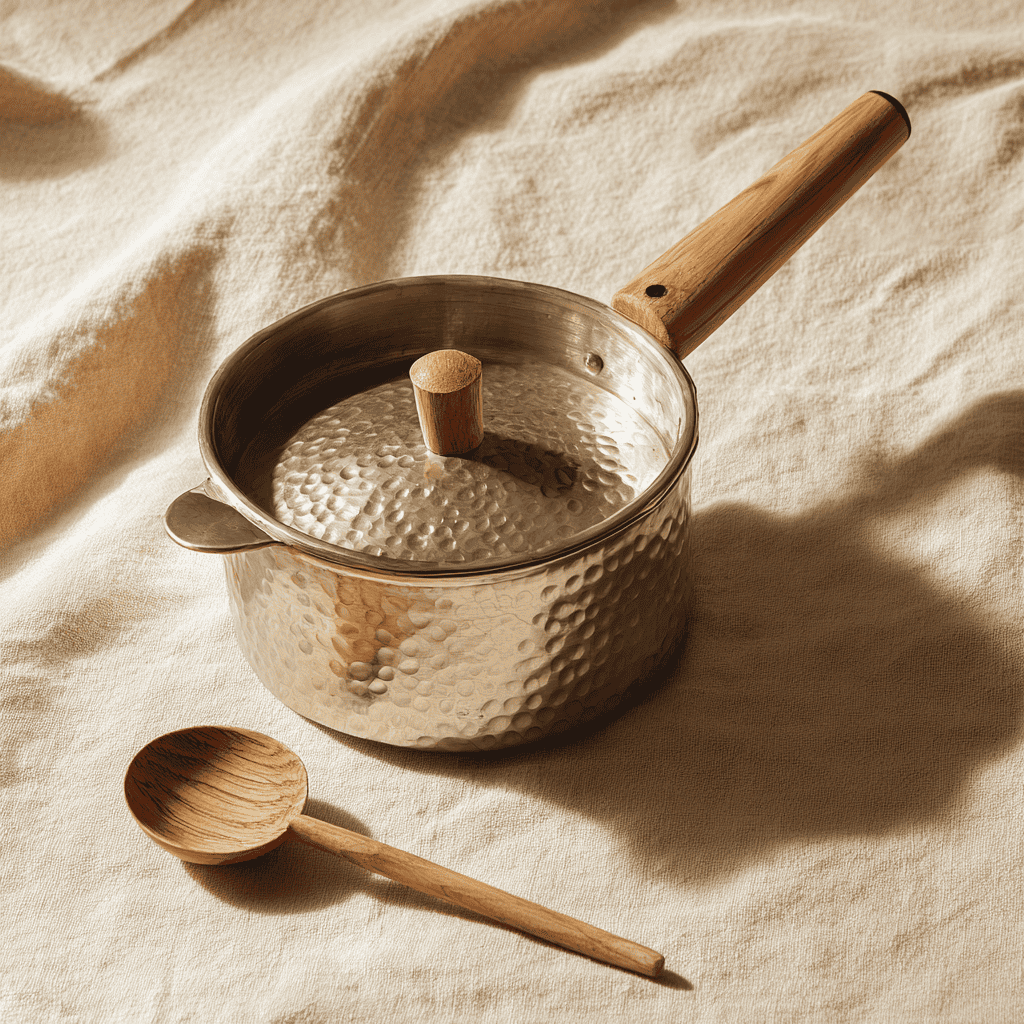
Recognizable by its hammered surface and long wooden handle, the yukihira nabe is the pot you reach for most. It simmers dashi, blanches greens and warms miso soup. The Maruyama Giken Stainless Steel Yukihira Pot comes from Tsubame-Sanjo, the metalworking district of Niigata. It has pour spouts on both sides and volume marks inside, so you can measure as you go. The thin steel heats quickly on gas or induction. Meanwhile, the wooden handle stays cool to the touch. If you buy one pot from this section, make it this one. It will earn its hook within a week, and it lasts for years.
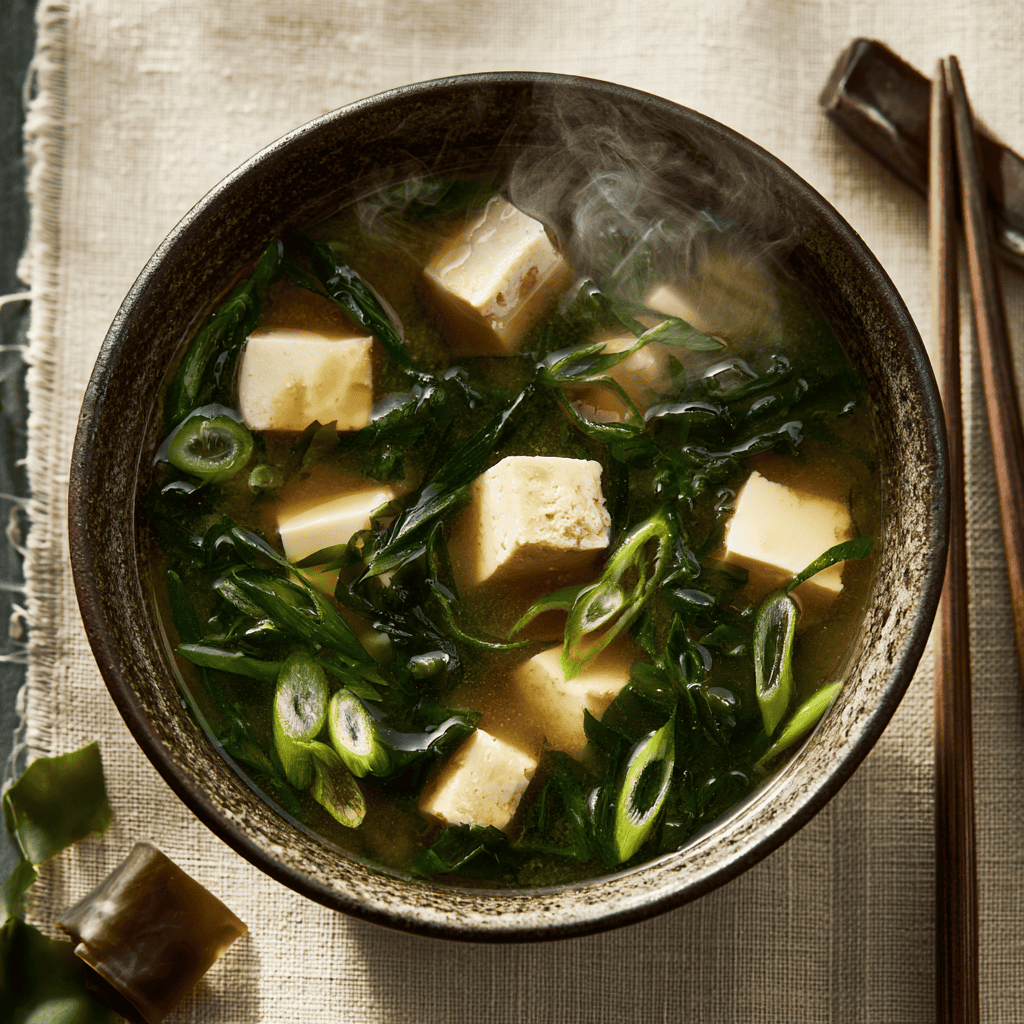
Miso soup is served with rice at Japanese meals from breakfast to dinner. It pairs dashi stock with fermented soybean paste.
- 3 cups dashi
- 2 to 3 tbsp miso
- 7 oz silken tofu, cubed
- 1 tbsp dried wakame
- 2 green onions, thinly sliced
- Warm the dashi in a saucepan over medium heat until it steams, without letting it boil.
- Put the miso in a ladle, add a little hot dashi and stir with chopsticks until smooth, then stir it into the pot.
- Add the tofu and wakame and warm them through for 1 minute, keeping the soup below a boil.
- Ladle into bowls, scatter with green onion and serve at once.
7. Marushin Douki Copper Tamagoyaki Pan — the rolled-omelet rectangle
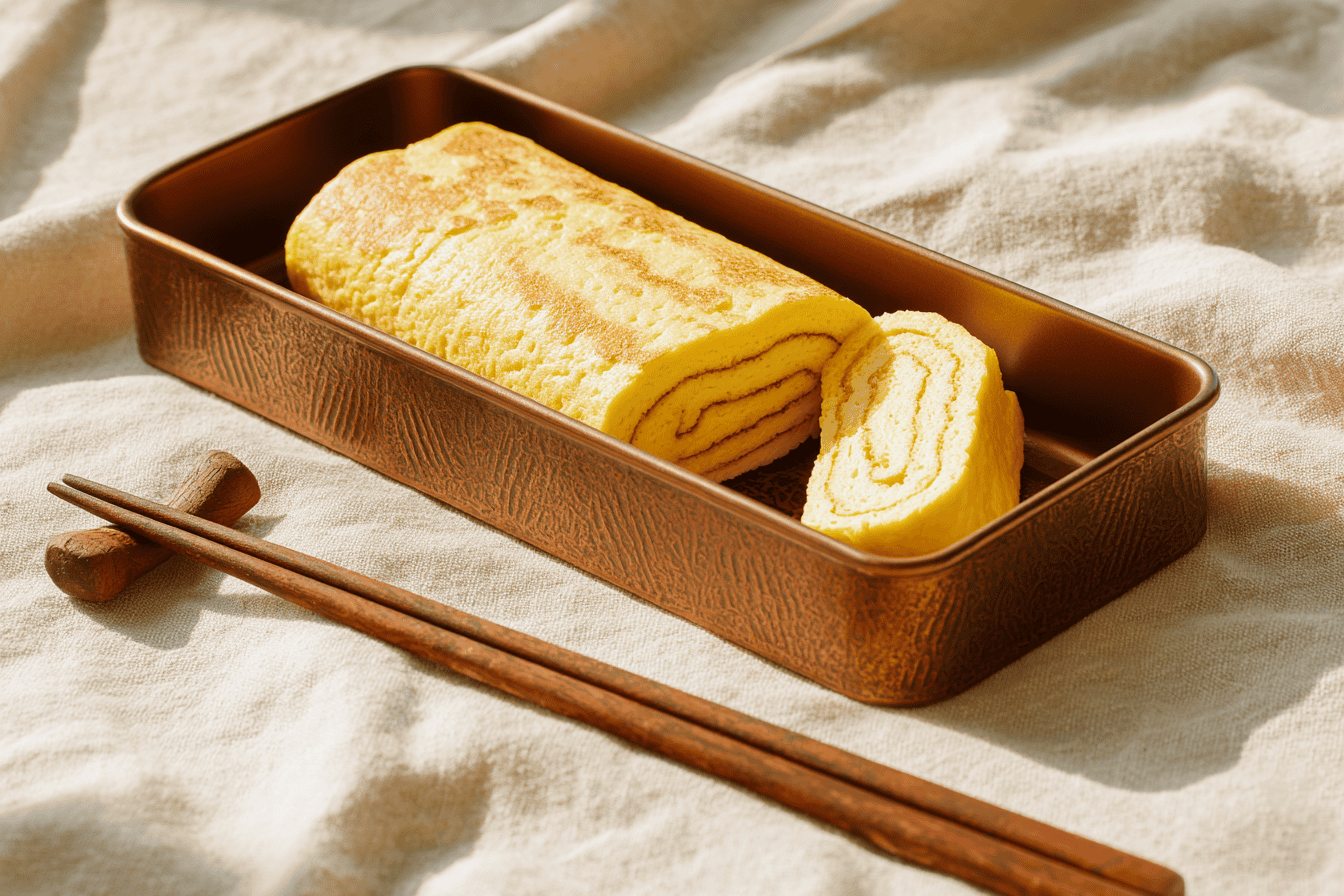
This rectangular pan exists for one dish. It layers thin sheets of seasoned egg into a rolled block with clean corners that a round pan cannot produce. Marushin Douki makes the Copper Tamagoyaki Pan in Japan in the Kansai style, the longer shape that suits repeated folding. Copper spreads heat evenly across the base, so each layer sets at the same pace. Heat it gently and oil it between layers. Then let the straight sides do the shaping, and press the roll briefly in a bamboo mat to square it. A kitchen that makes tamagoyaki twice a month rarely regrets owning one.
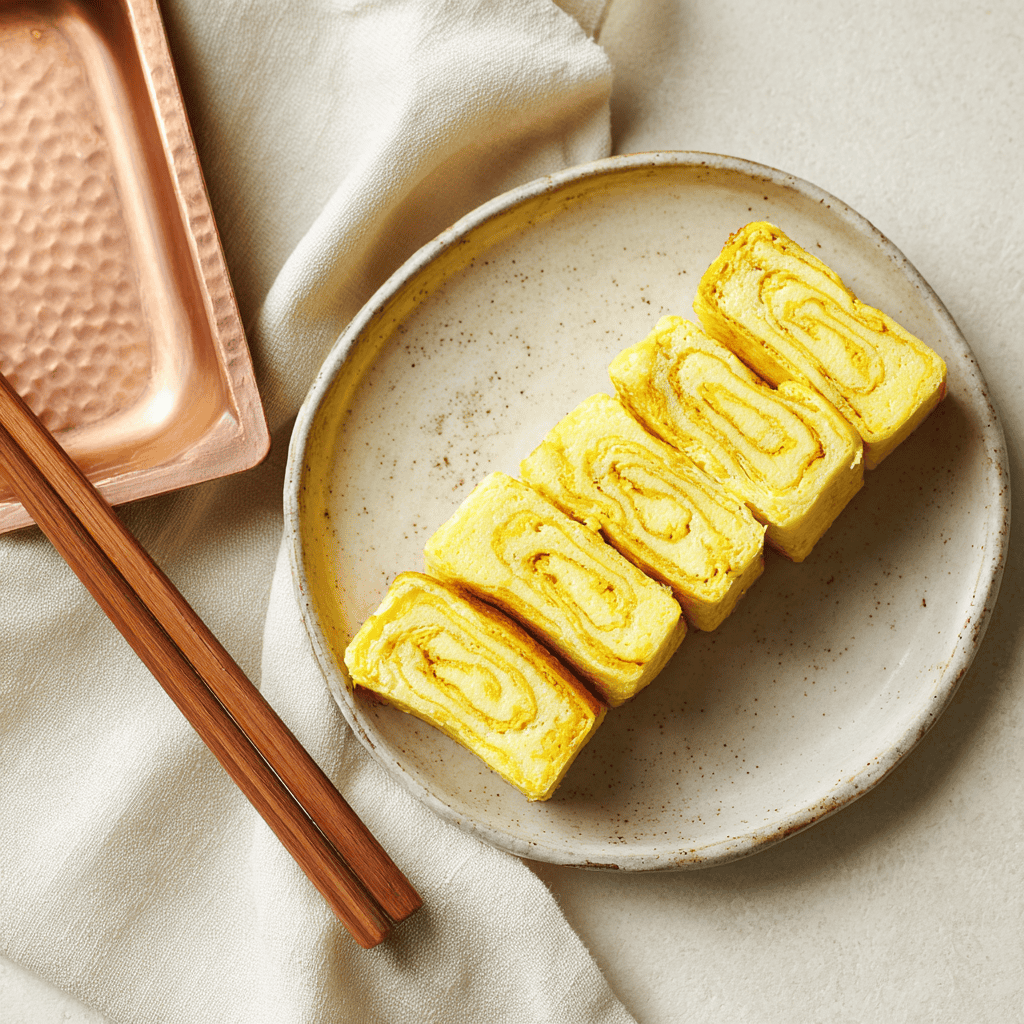
Tamagoyaki is a layered rolled omelet served at breakfast, in bento and at sushi counters. It is cooked in a rectangular pan, one thin sheet of egg at a time.
- 4 large eggs
- 1 tbsp dashi
- 1 tsp soy sauce
- 1 tsp sugar
- 1 tsp neutral oil, for the pan
- Whisk the eggs with the dashi, soy sauce and sugar until smooth.
- Heat the tamagoyaki pan over medium-low heat and wipe it with a little oil.
- Pour in a thin layer of egg, and when it is almost set, roll it toward you with chopsticks.
- Push the roll to the far end, oil the pan again and pour in another thin layer, lifting the roll so egg flows under it.
- Roll again and repeat until the egg is used up, then rest the omelet for a minute and slice it.
8. Shimomura Kogyo Adjustable Drop Lid — an otoshibuta for simmering
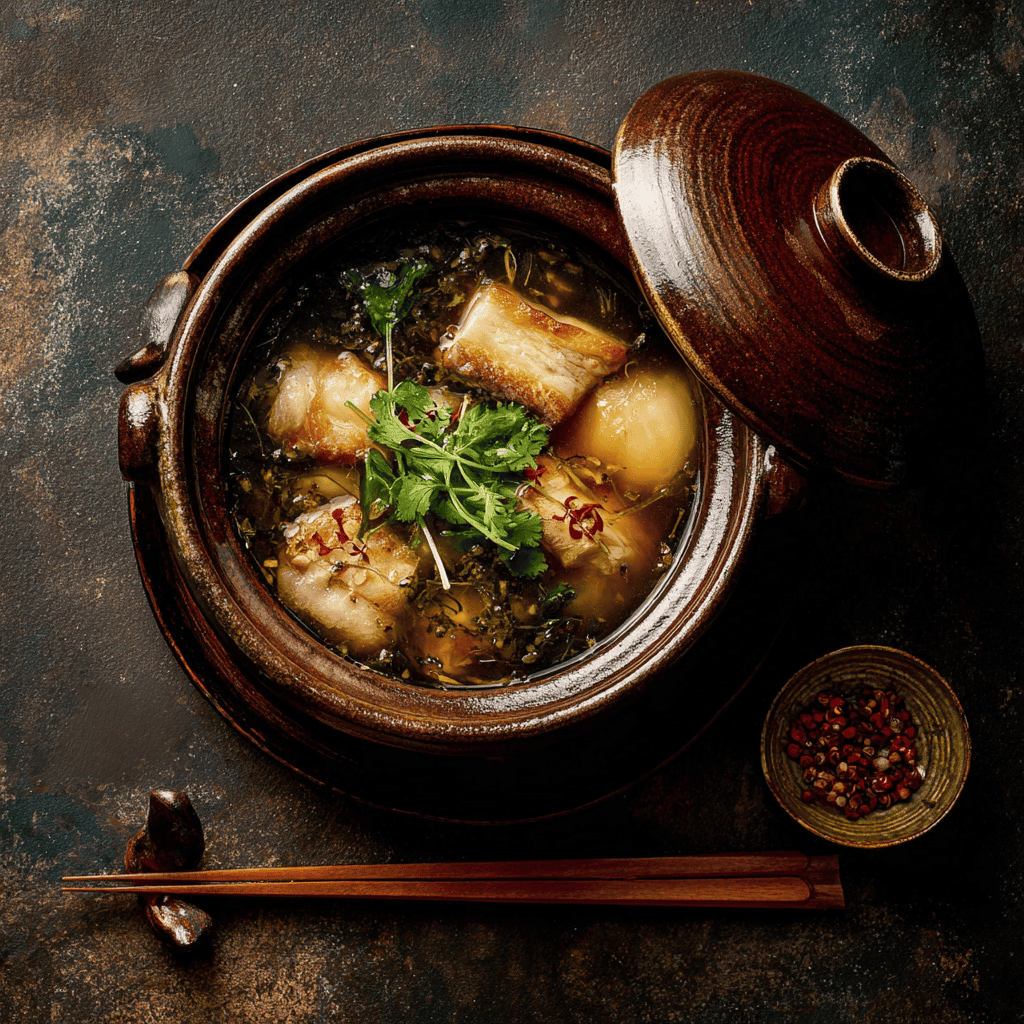
An otoshibuta rests directly on the food rather than on the rim of the pot. It presses simmering liquid back over the ingredients, so braised daikon or pork belly cooks evenly in less stock. It also stops delicate pieces from tumbling and breaking. The Shimomura Kogyo Adjustable Drop Lid is stainless steel from Tsubame-Sanjo. It opens from about six to nine inches across, so one lid fits several pots. When you finish, it folds flat and hangs on its own hook. A wooden otoshibuta works too, but steel never soaks up the smell of fish or soy sauce, and it rinses clean in seconds.
Group the kitchen by the work each tool does, then start with one piece from each row.
| Job | Tools on this page | Where they are made | Start with |
|---|---|---|---|
| Cutting | Gyuto, yanagiba, whetstone, hinoki board | Niigata, Sakai, Kochi | Gyuto and board |
| Heat | Donabe, yukihira, tamagoyaki pan, drop lid, seiro | Iga, Tsubame-Sanjo | Yukihira pot |
| Texture | Takoyaki pan, suribachi, shokupan loaf pan | Iwate, Gifu, Tsubame-Sanjo | Suribachi |
| Rice | Rice paddle, sushi mat, onigiri mold, ohitsu, cooking chopsticks | Kiso, Kochi | Rice paddle |
Nambu tekki — the cast-iron skillet and kettle
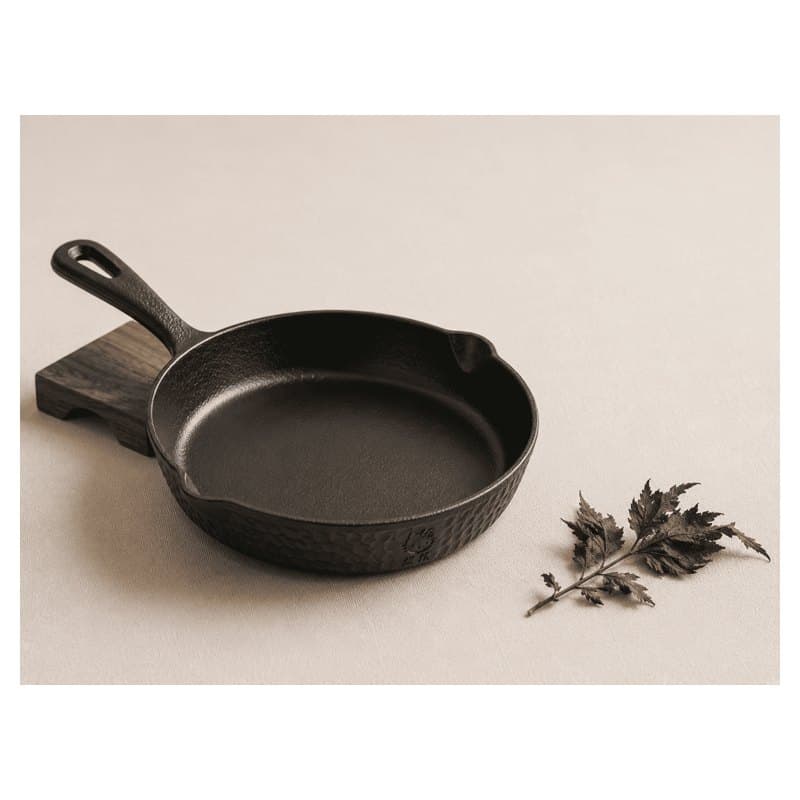
Nambu tekki is cast iron from Morioka, a craft with more than four hundred years of history behind it. Iwachu, founded in 1901, remains one of the houses still working in that tradition. The Iwachu 23-type southern-skin iron kettle holds heat with the same stubbornness a skillet from the same foundry does. That is why both the pan and the kettle earn a place in this guide.
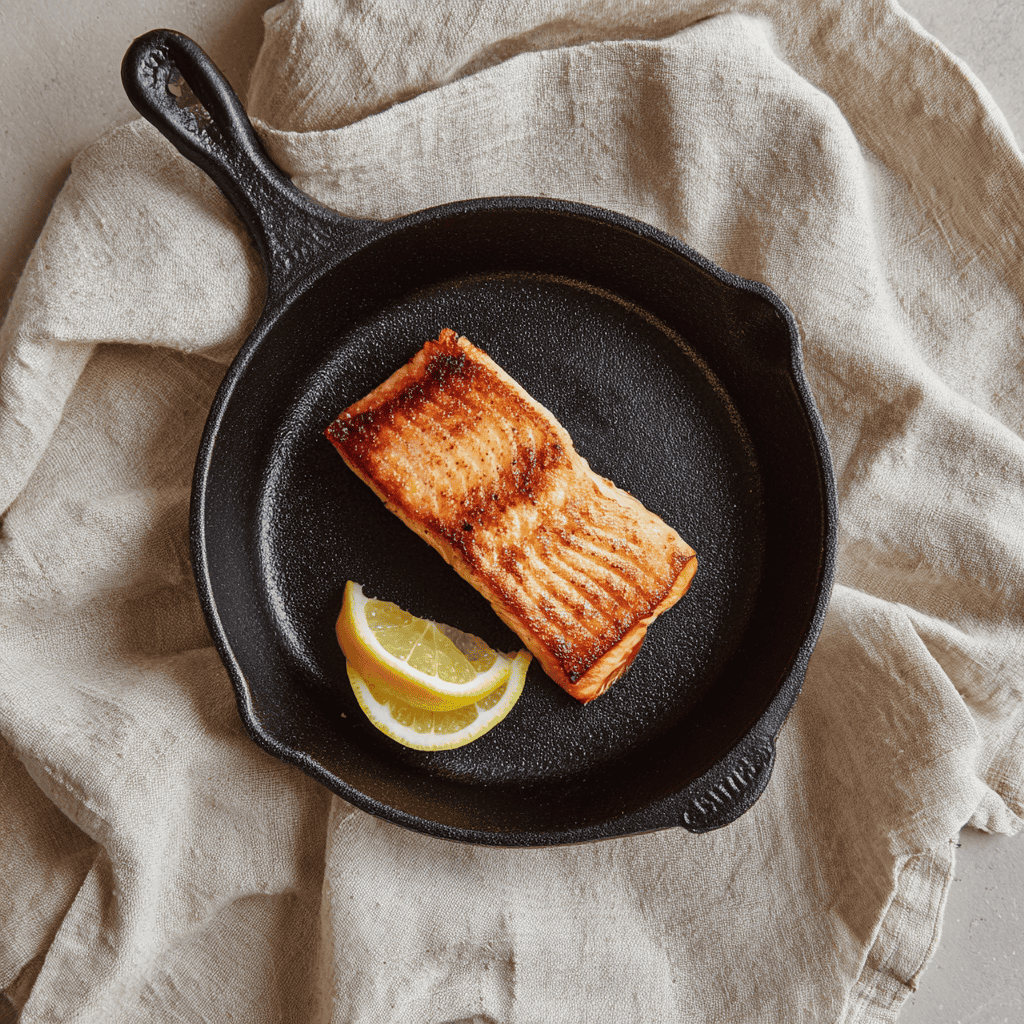
Tempura nabe — the deep-frying pot
A dedicated tempura nabe carries thicker walls than a general stockpot. That holds oil temperature steadier through repeated batches. Most versions also clip a wire draining rack directly to the rim, so finished pieces never sit in their own oil.
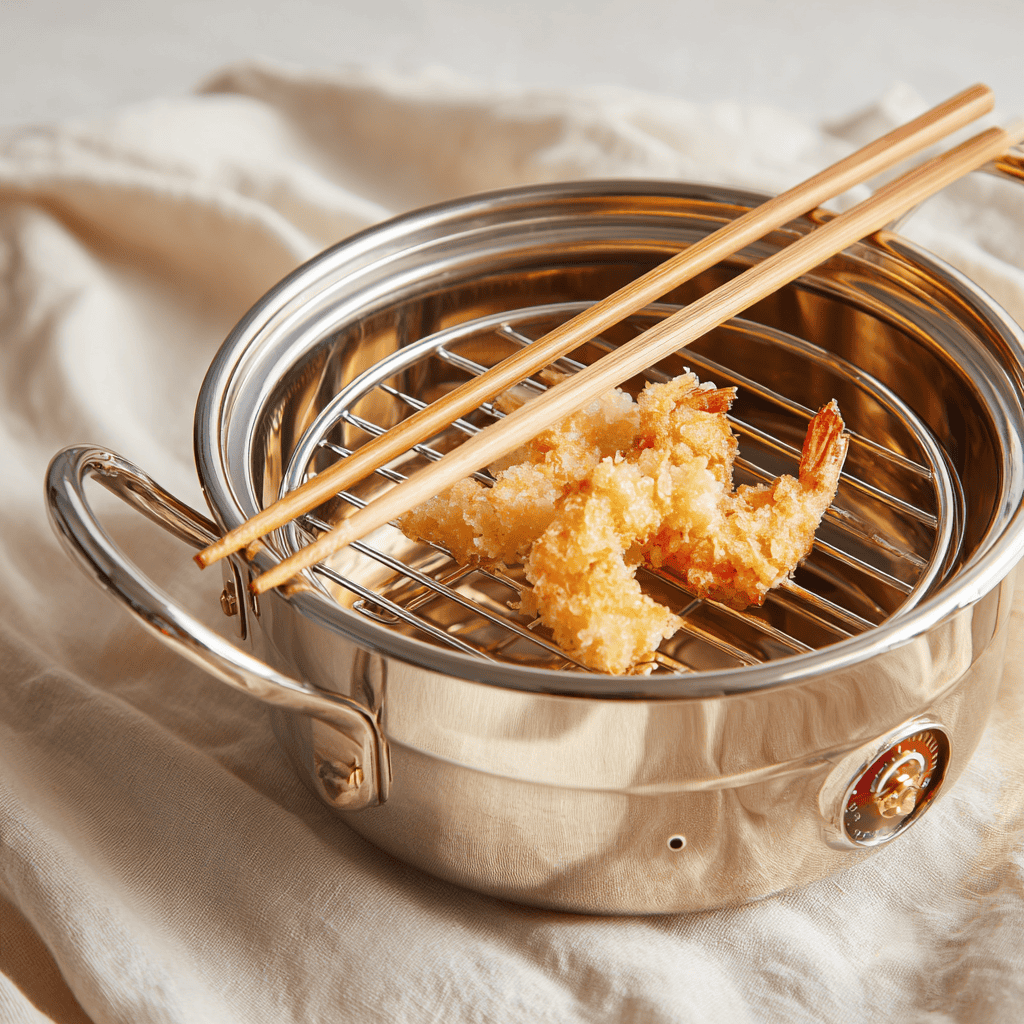
9. EBM Hinoki Seiro Steamer Basket — steam over any pot
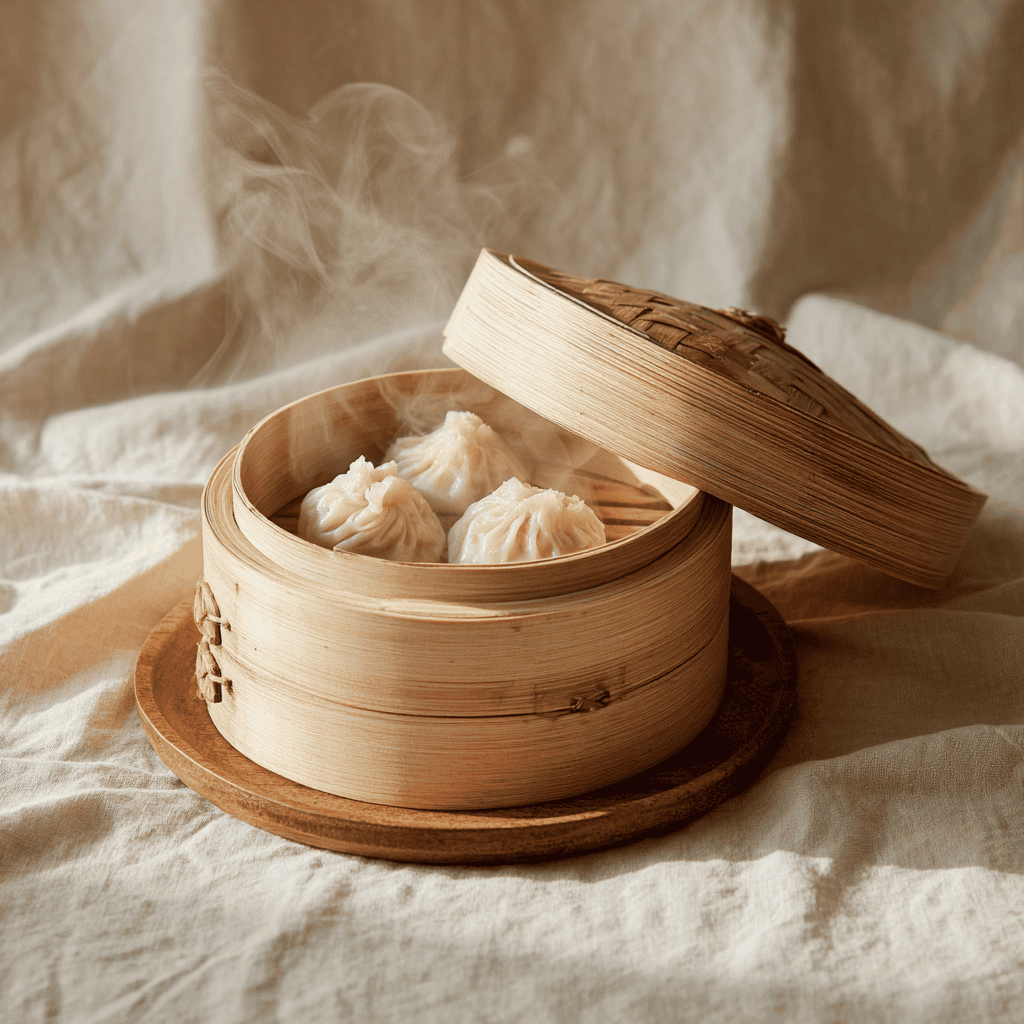
Steaming keeps texture and color in a way frying cannot, and Japanese kitchens lean on it often. A wooden seiro lets steam rise freely, while the wood absorbs condensation that would otherwise drip back onto the food. The EBM Hinoki Cypress Seiro Steamer Basket is made by EBM in Tsubame and sized to sit on a pot. Its slatted base lifts out for cleaning. Use it for chawanmushi, okowa sticky rice or a piece of white fish.
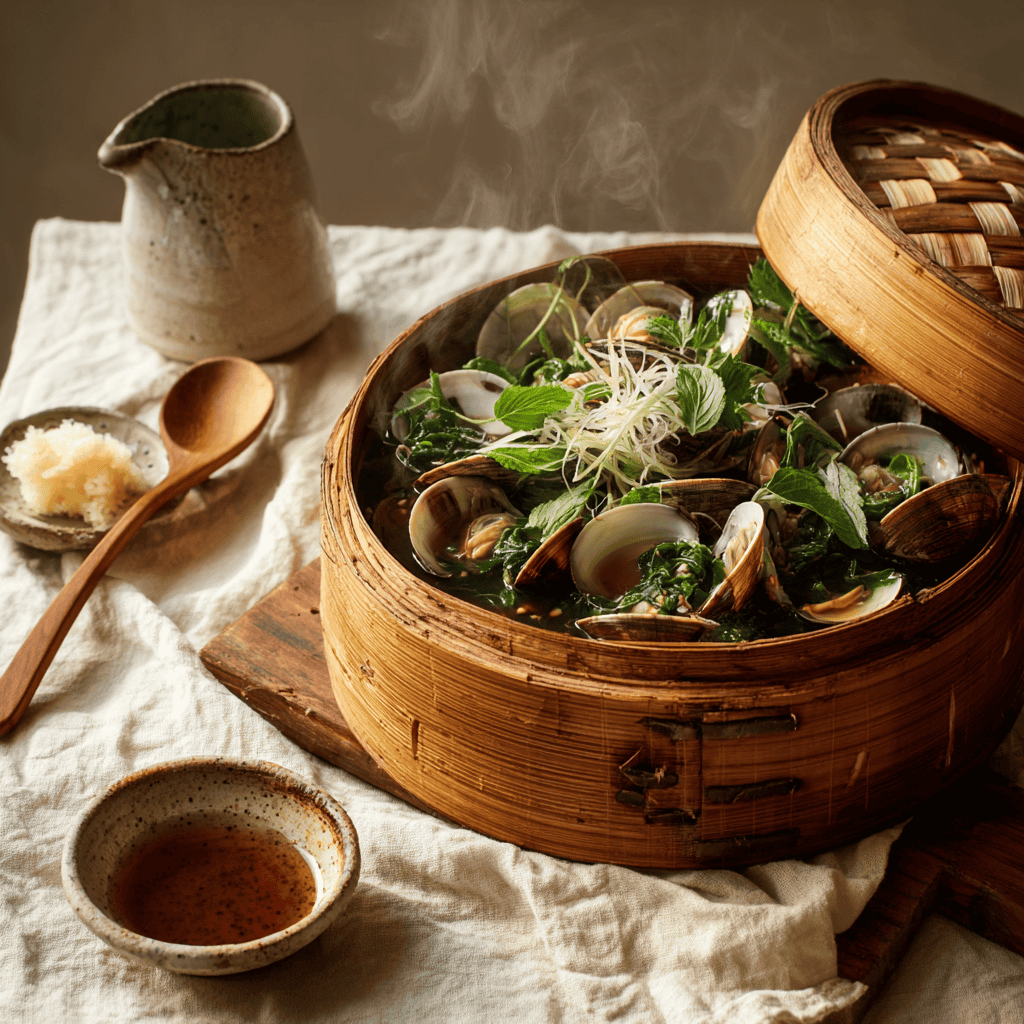
Tools: mushiki · yukihira nabe · saibashi
- Purge a pound of small clams in salted water for thirty minutes so they release any grit.
- Rinse well and arrange them in a single layer inside the mushiki.
- Bring an inch of water to a simmer in the yukihira nabe below, then set the steamer on top.
- Pour two tablespoons of sake and a few thin coins of ginger directly over the clams.
- Cover and steam for six to eight minutes, just until every shell has opened, and discard any that stay shut.
- Lift the basket straight to the table and finish with a scattering of scallion.
- Serve the clams from the steamer itself, so the last of the sake-and-ginger broth stays warm underneath.
Prefer to see these tools in person first? A custom Japan itinerary can build a day around Kappabashi, Tokyo’s kitchenware street, then add Sakai or Iga.
A typeset printable: ten Japanese proverbs with kanji, romaji and meaning. Signing up also brings occasional letters on Japan and word when a new journal reaches print.
One email with your printable. Occasional letters after that. Unsubscribe anytime.
Matching the pot to the dish
Rice wants the slow climb of clay. Miso soup and dashi want the quick heat of thin steel, and rolled eggs want copper's even base. Braises need a drop lid to keep the liquid moving. Custards and fish need wood above boiling water. So if you cook mostly rice and soup, start with the donabe and the yukihira. Add the copper pan when tamagoyaki becomes a habit, and the steamer when you want gentler dishes. The drop lid takes almost no space and fits every pot you own. Together, these five cover most of what a Japanese stove does in a week.
Japanese Cooking Tools for Griddling, Grinding and Baking
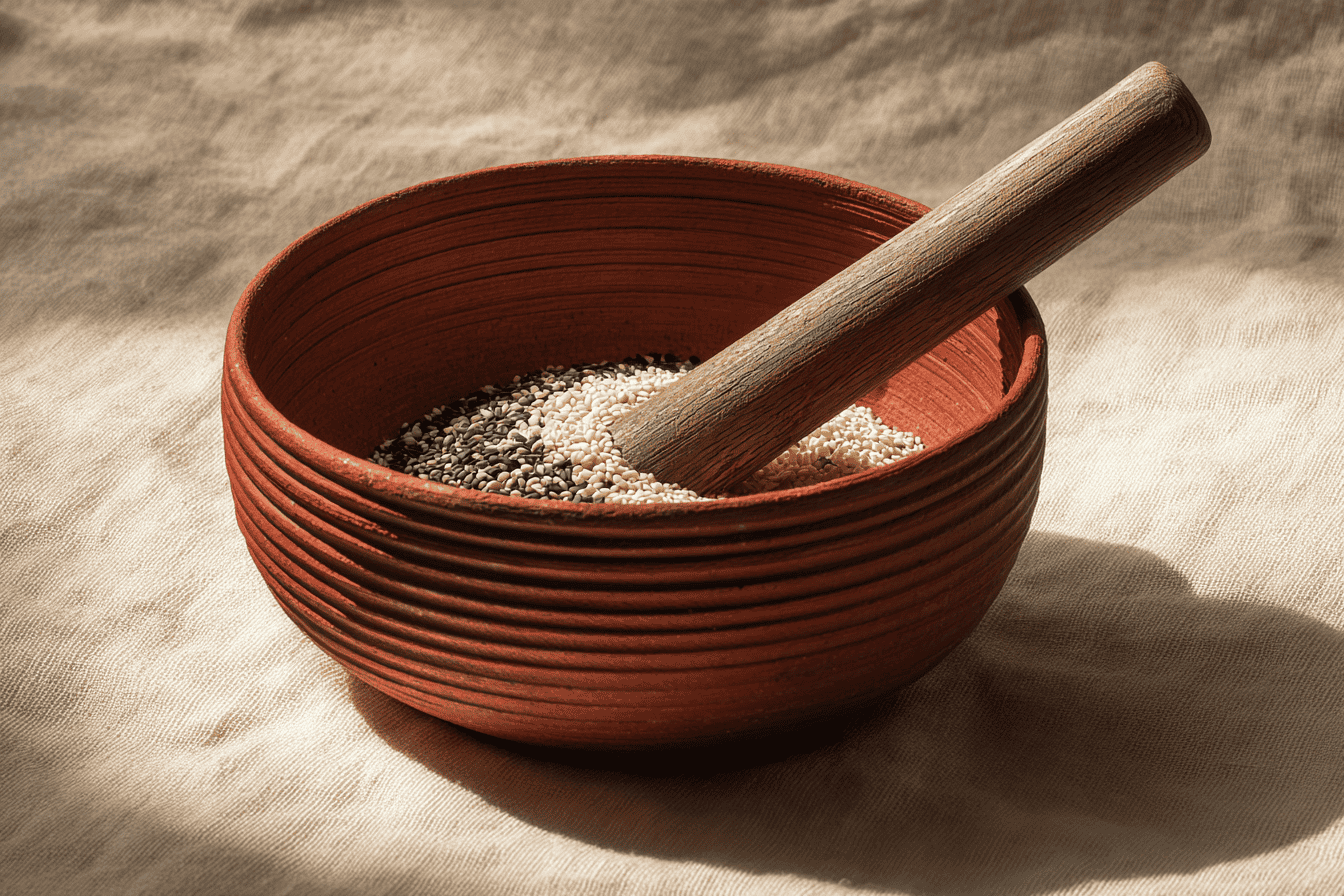
A food processor purées everything to the same consistency. These Japanese cooking tools, instead, earn their place by the texture they leave behind: a crisp shell, a coarse grind, a soft square crumb. That texture is often the whole point of the dish. None of the three below needs power, and each one does a job no other pan in the kitchen can.
10. Iwachu Cast Iron Takoyaki Pan — fourteen wells of Nambu iron
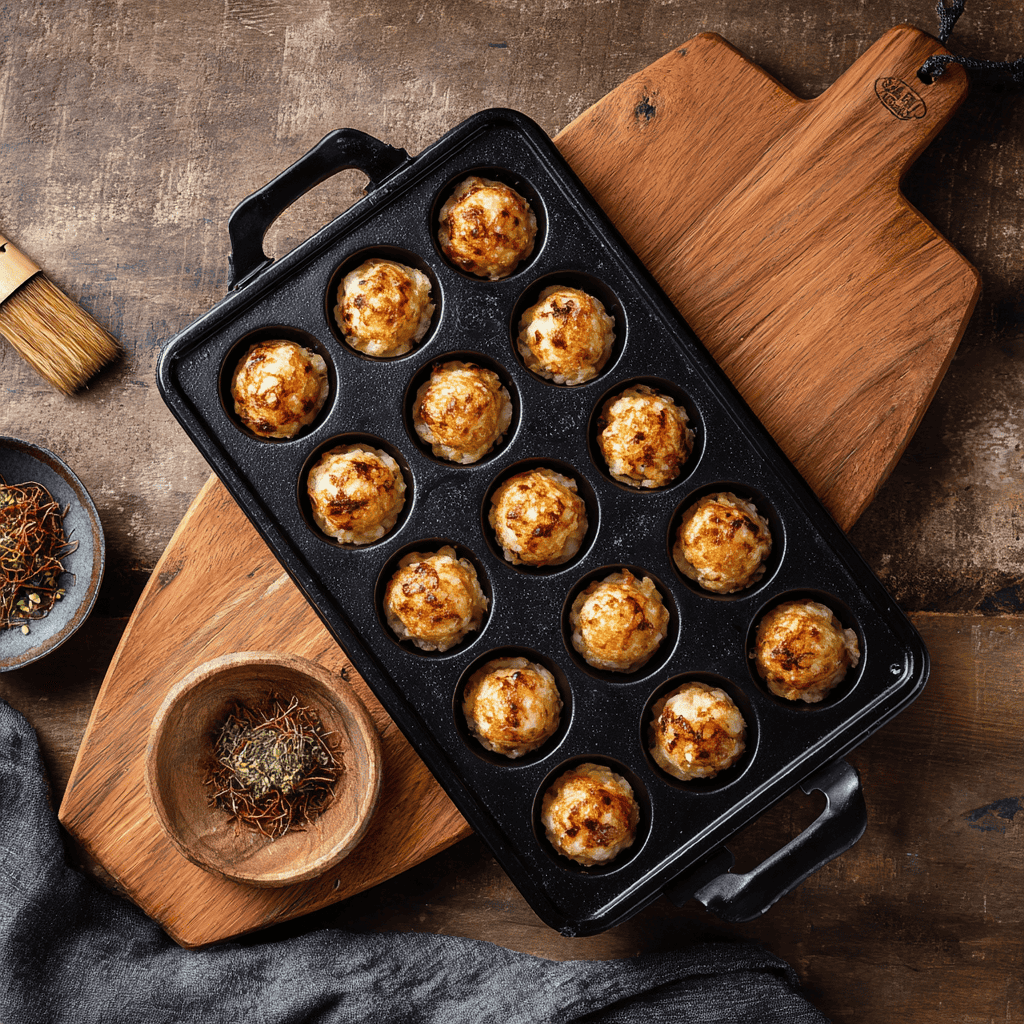
A takoyaki pan has rows of round wells cast into the metal. That shape gives the batter a crisp shell and a soft center at once, which no flat pan can manage. The Iwachu Cast Iron Takoyaki Pan 14-Ball is Nambu ironware with a heat-resistant wooden handle. It holds heat well and works on gas or induction. Wash it in hot water without soap, dry it at once and wipe on a thin coat of oil. For the dish in its home city, read our guide to Osaka's food culture.

Tetsuki yakiami — the hand-woven grill net
Nothing else on this list is quite so easy to overlook and so hard to replace. The Tsujiwa Kanaami Tetsuki Yakiami is a copper wire grill net woven by hand, one strand at a time. The technique traces back to the Heian period. It is a fundamentally different object from a stamped metal grate, one that toasts mochi or nori with a gentleness a machine-made net cannot manage.
Tofu mold
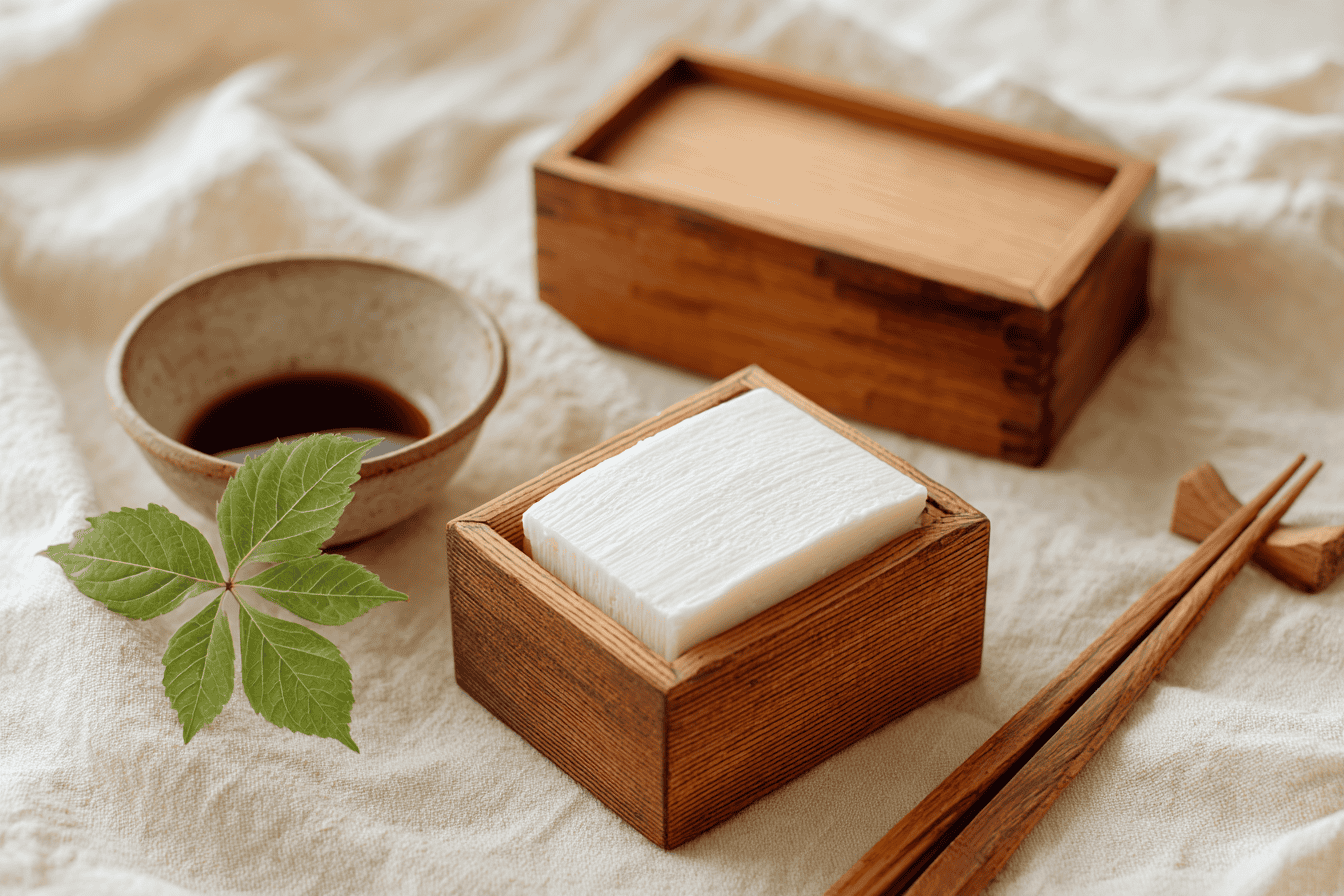
A perforated wooden or plastic tofu mold is a specialty purchase, useful only to a cook set on pressing fresh tofu from soy milk and nigari at home. For that specific project, though, nothing else does the job of draining whey evenly while holding the curd's shape.
11. JOC Goods Black Crystal Mortar and Hinoki Pestle — a Mino ware suribachi
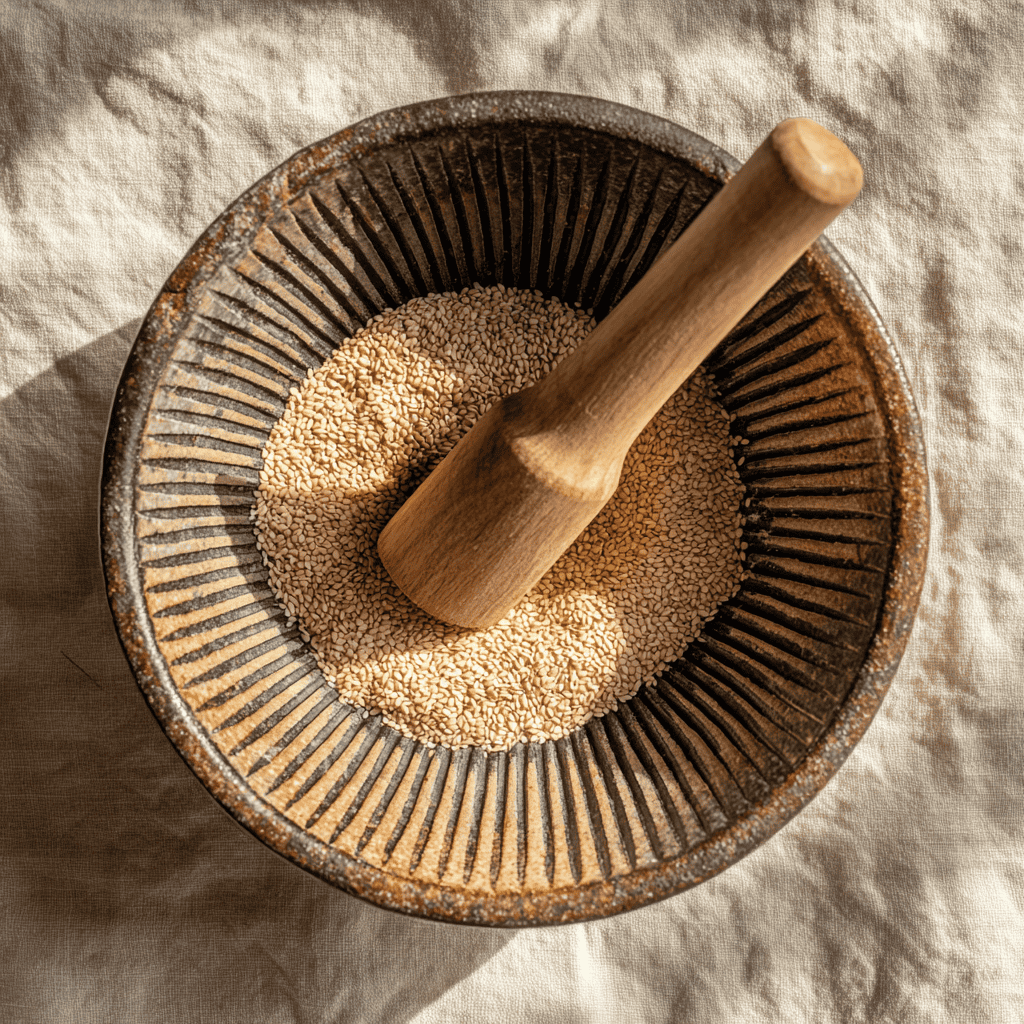
A suribachi has fine ridges cut into the clay on its inside. Those ridges catch and grind sesame seeds or miso far better than a smooth mortar does. Paired with a wooden pestle, it makes a coarse, fragrant paste rather than a smooth one. The Black Crystal Mortar and Hinoki Wood Pestle Set is Mino ware from Gifu Prefecture, finished in a charcoal glaze. Its hinoki pestle is light, and a pouring spout tips the ground seeds straight into the dish. Grind toasted sesame in it for the spinach recipe below, and you will taste the difference from jarred paste.
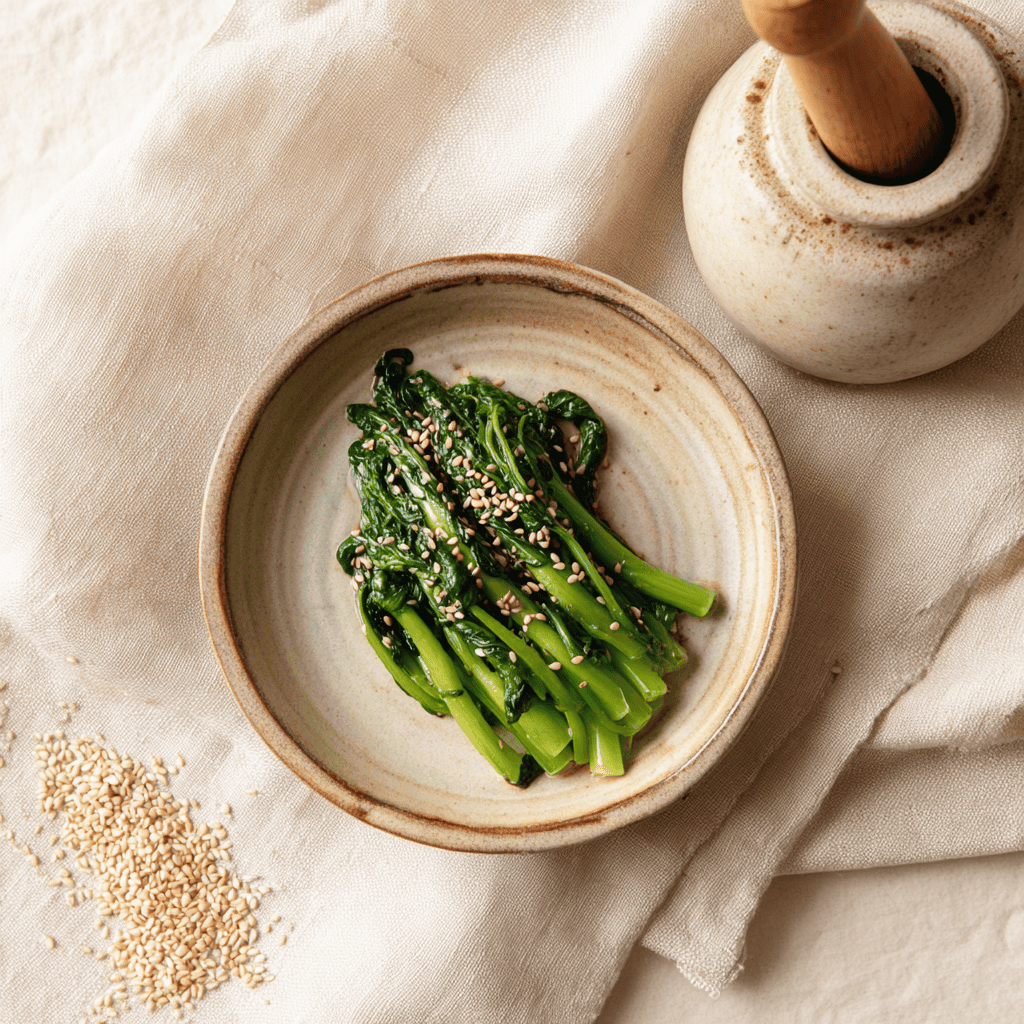
Goma-ae is a classic Japanese side dish of vegetables tossed with ground sesame. It is a home-cooking staple and a common part of bento and set meals.
- 1 bunch spinach (about 8 oz)
- 3 tbsp white sesame seeds
- 1 tbsp soy sauce
- 2 tsp sugar
- Pinch of salt for the cooking water
- Blanch the spinach in salted boiling water for about 1 minute, then plunge it into cold water.
- Squeeze the spinach firmly to remove the water and cut it into 1 1/2-inch lengths.
- Toast the sesame seeds in a dry pan until fragrant, then grind them in the suribachi until about half are crushed.
- Stir the soy sauce and sugar into the ground sesame to make the dressing.
- Toss the spinach with the dressing just before serving.
Oroshigane — the fine grater
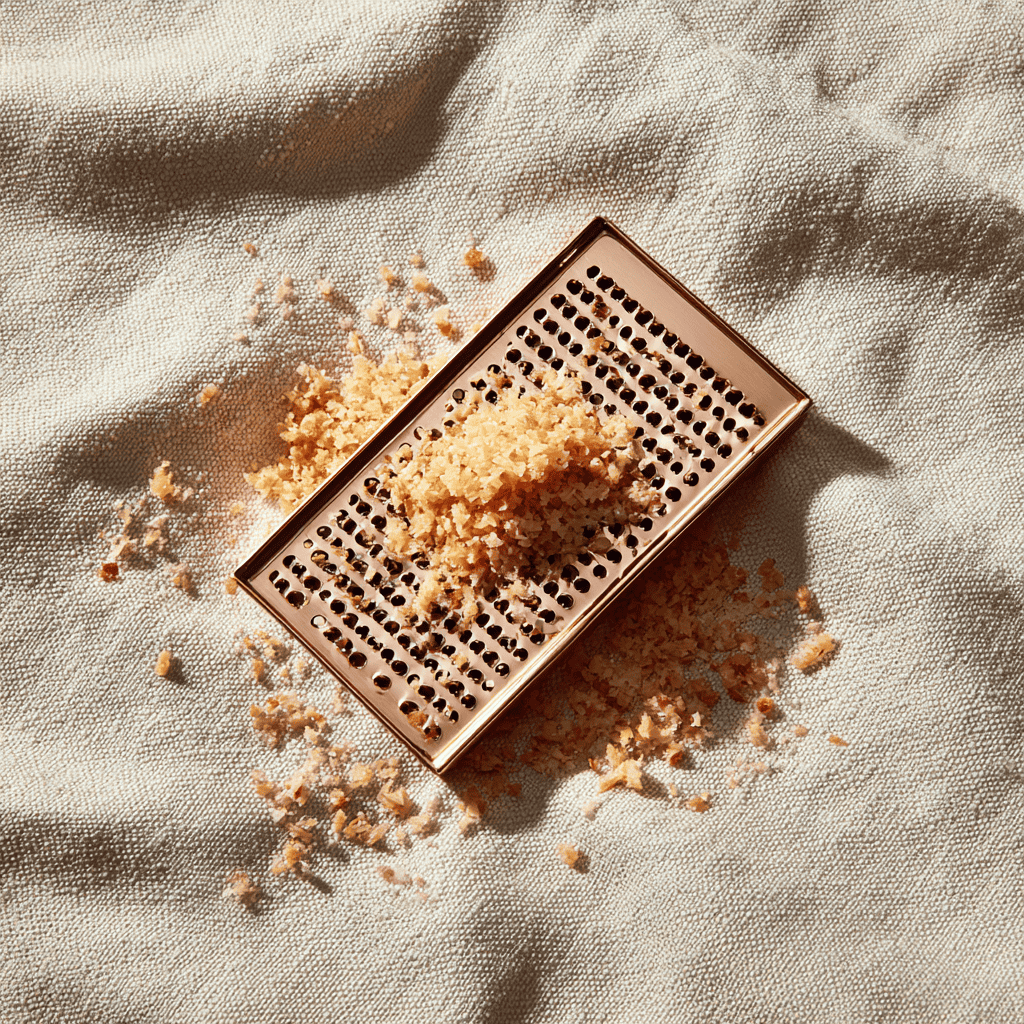
An oroshigane's teeth are set finer and closer together than a Western box grater's. That turns daikon, ginger, or wasabi into a wet, fine pulp instead of coarse shreds. It is the texture nearly every Japanese condiment recipe assumes the cook already has on hand.
Misokoshi — the miso strainer
A misokoshi is a fine wire-mesh strainer sized to sit inside a saucepan. It lets a cook dissolve a spoonful of miso paste smoothly into hot dashi without leaving stray lumps behind. It is a small object, but the difference between a clean bowl of soup and a gritty one.
Kona furui — the fine sieve
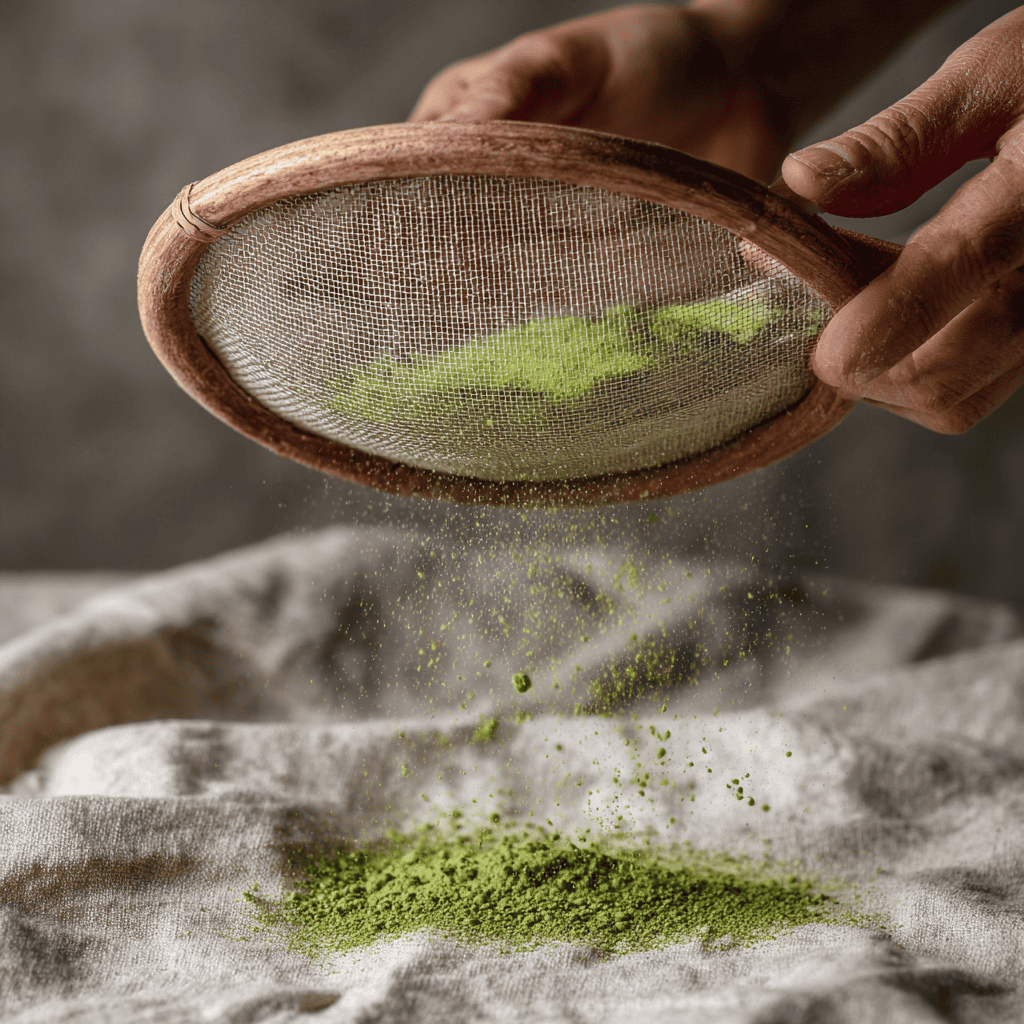
A bamboo-framed kona furui sifts flour, matcha, or katakuriko starch fine enough to catch every clump before it reaches the batter. It is a small step, and it keeps delicate baked goods and thickened sauces from turning grainy.
12. Tiger Crown Shokupan Loaf Pan — a lidded tin for milk bread
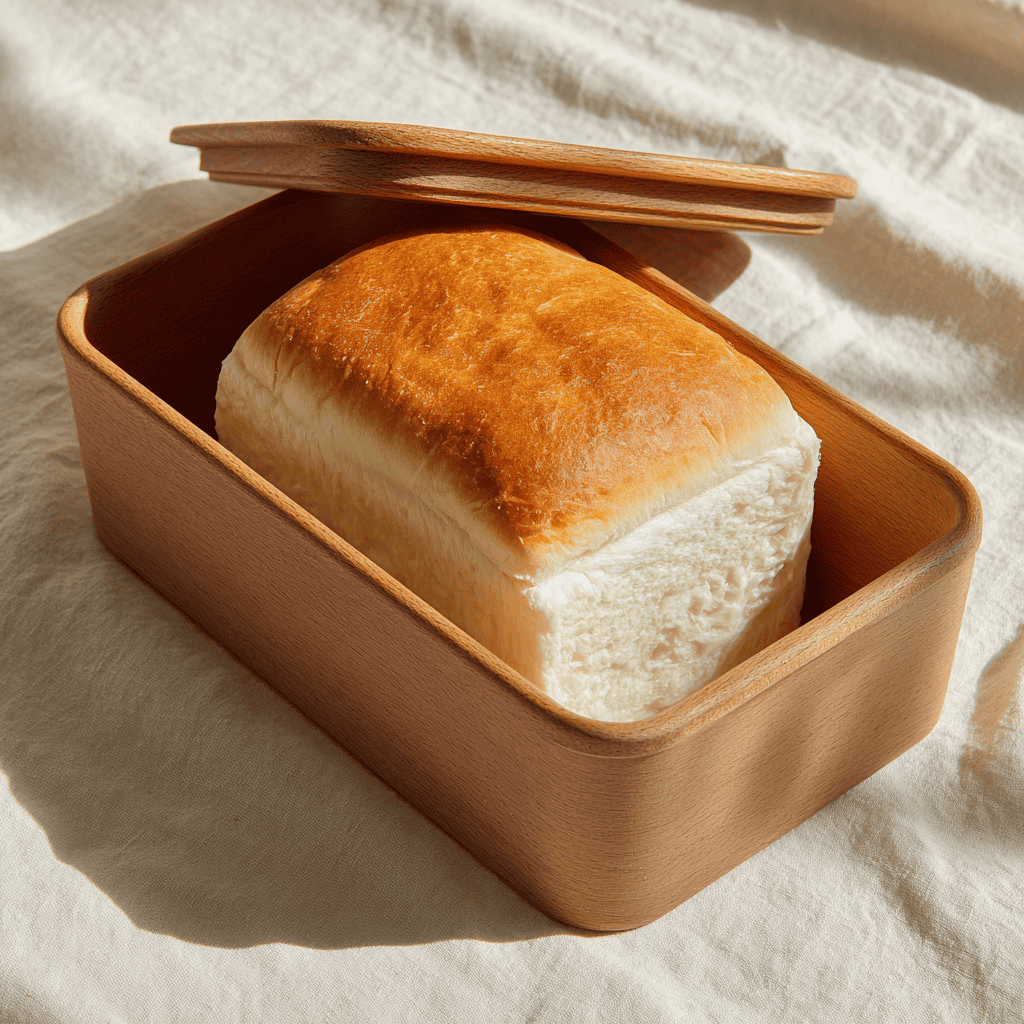
Japanese milk bread owes its flat top and square slices to a lidded pan. The lid stops the dough from doming, so it rises into the corners instead. The Tiger Crown Japanese Shokupan Loaf Pan with Lid is made in Tsubame-Sanjo by a firm founded in 1959. Its aluminized steel walls spread heat evenly, so the crust browns on every side. The tin bakes a one-and-a-half loaf size. Wash it by hand and dry it well before you store it. A soft loaf from this tin makes thick toast or the classic Japanese fruit sandwich, cut into neat, crustless squares.
Recommended
Why these shapes matter
Each of these three tools controls something a flat pan or a machine loses. The takoyaki wells turn batter into rounds with a crisp outside and a molten middle. The suribachi leaves some sesame seeds whole and crushes others, so the dressing has body. Meanwhile, the loaf lid forces dough into a square, so the crumb stays soft and even. Use them often and they improve. Cast iron darkens and grows more nonstick with every batch, and the hinoki pestle smooths with use. Dry the pestle standing up so the end does not stay damp.
Before moving on to rice, one practical note ties this section together. Sesame turns up again and again in Japanese home cooking, and the suribachi is how it reaches the bowl. Toast the seeds in a dry pan, grind them, then season greens, tofu or noodles with them. The takoyaki pan, by contrast, is a weekend tool, best used with friends around the table. The loaf pan sits between the two, a slow project for a weekend morning. Once these feel natural, the rice tools that follow complete the set.
Rice and Sushi Tools for the Japanese Table
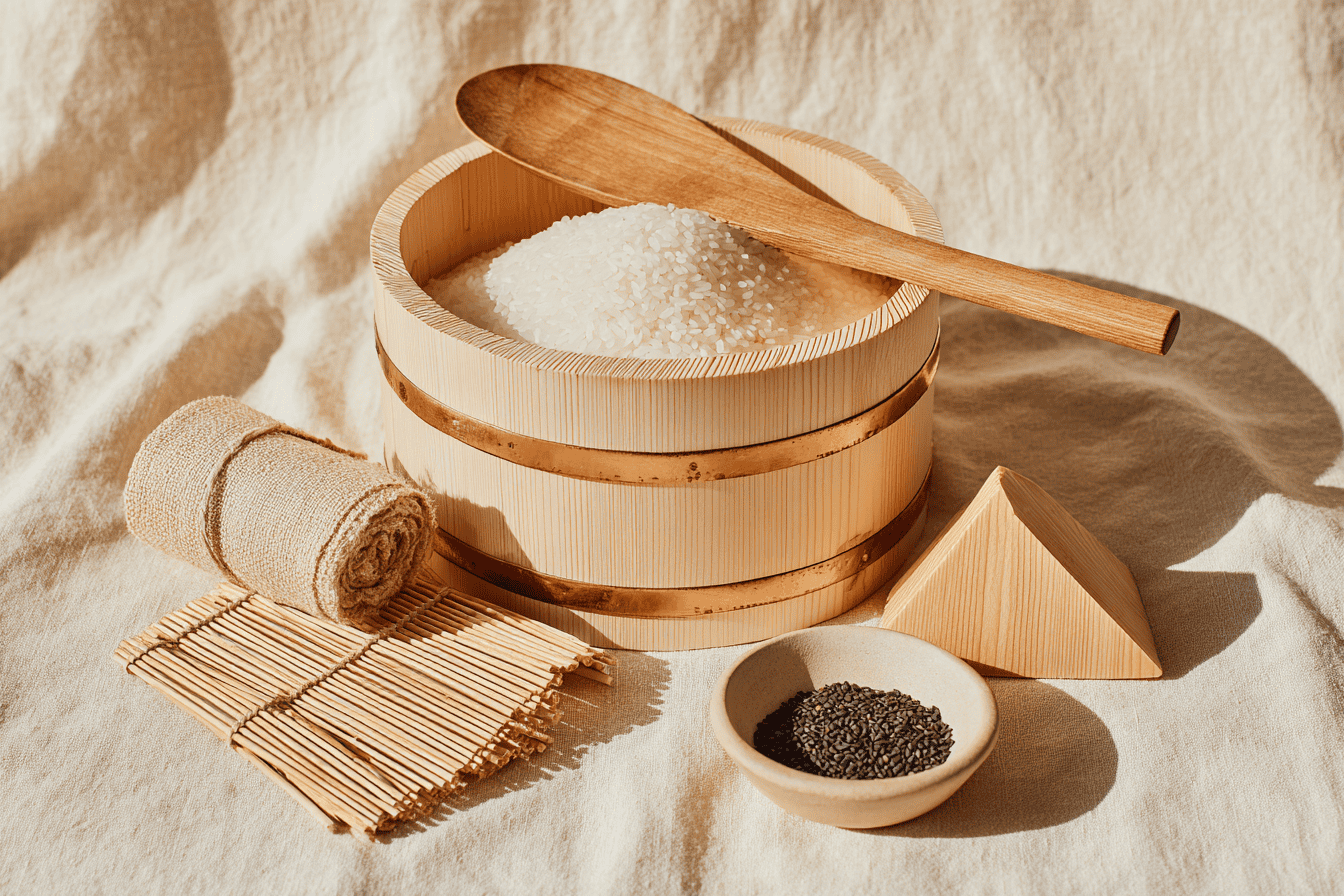
Rice sits at the center of the Japanese table, and a whole family of tools gathers around it. Some serve the cooked grain, some shape it, and some prepare it before it reaches the pot. Most are wood or bamboo, because both absorb surface moisture and keep rice from turning sticky. Our list of traditional Japanese dishes shows how many of them start here.
13. Yamaichi Hinoki Rice Paddle — a shamoji that folds, not crushes
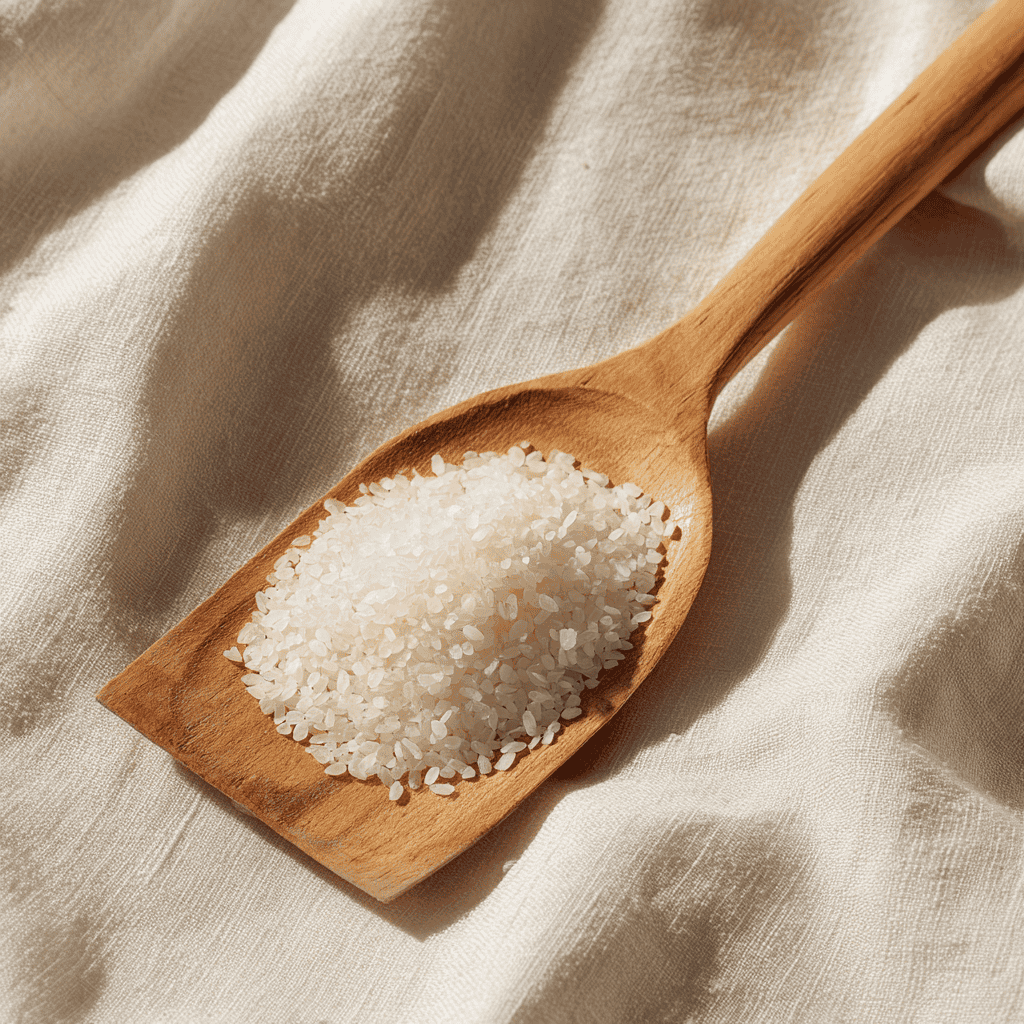
A shamoji's flat face lets you fold rice without crushing the grains. That is why the motion is a cut and a turn rather than a stir. The Yamaichi Hinoki Rice Paddle is handmade in Japan from hinoki cypress. The wood is light and resists water, and it carries a faint forest scent. Use it to serve from a donabe, a rice cooker or a wooden tub. Dip it in water first so the grains slide off, and wash it by hand.
Hangiri — the sushi rice tub
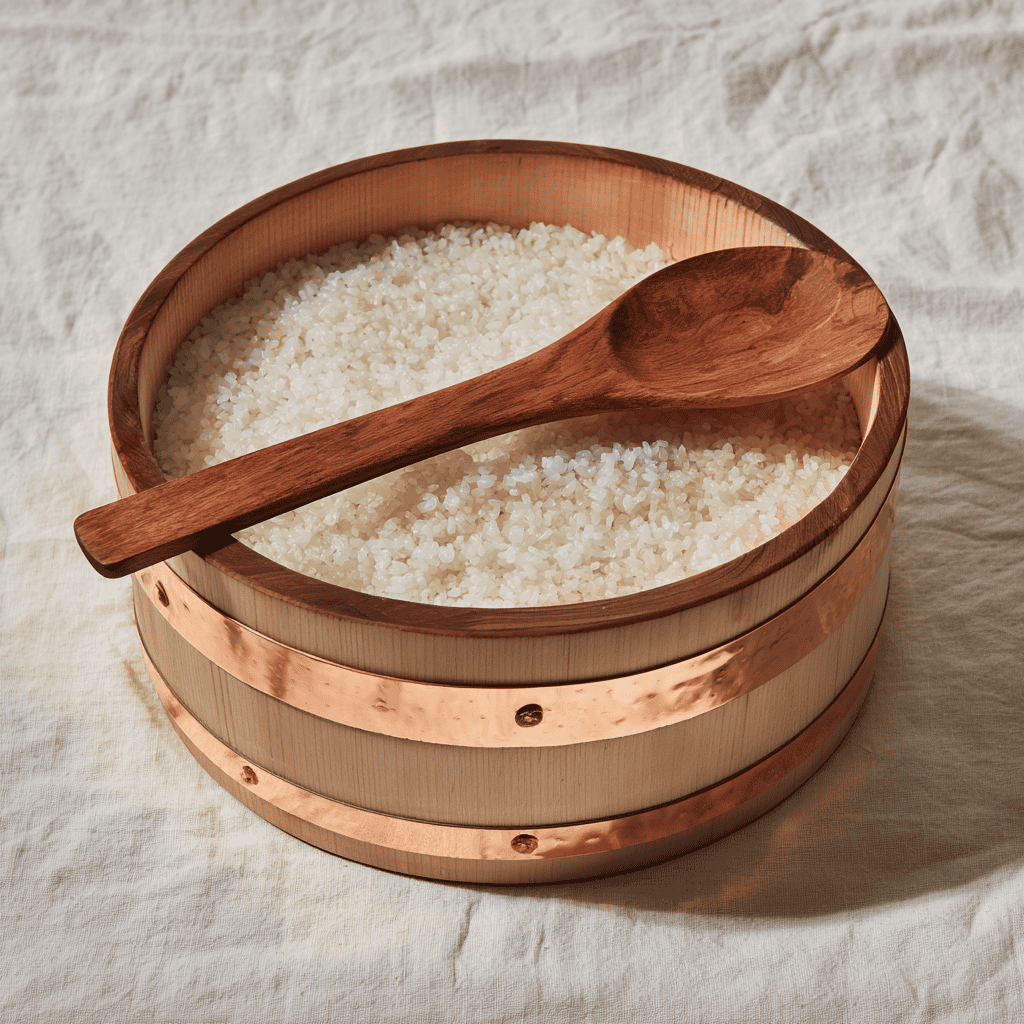
A hangiri's wide, shallow shape exists to cool sushi rice quickly while a cook folds in seasoned vinegar. Its unfinished cedar also absorbs excess moisture in a way a bowl never could. That is why properly made sushi rice looks glossy rather than wet.
14. Yamaichi Bamboo Sushi Rolling Mat — a makisu from Kiso
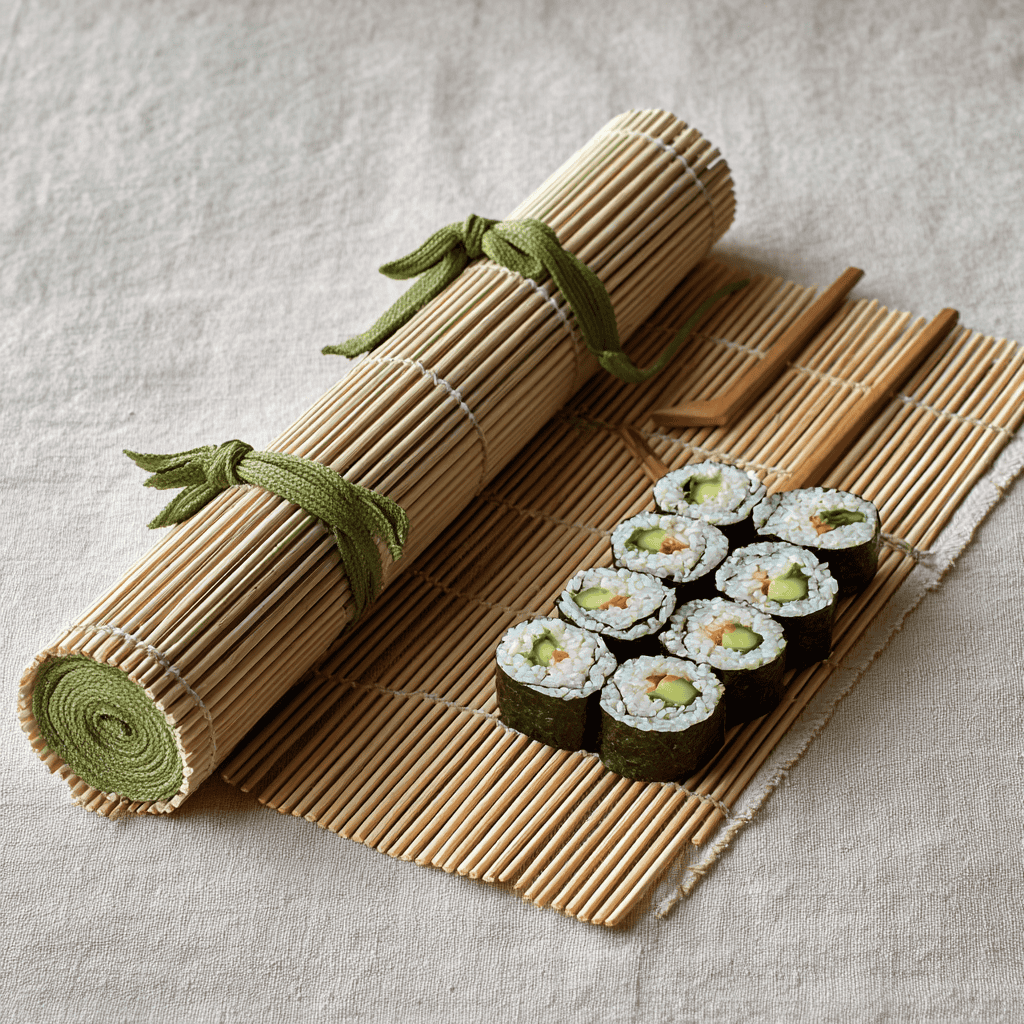
A makisu's thin bamboo slats flex in one direction. That lets you press firmly and evenly while rolling maki, so the roll holds without crushing the filling. The Yamaichi Bamboo Sushi Rolling Mat is made in the Kiso region of Nagano. Its finely split slats are tied by hand with cotton thread. It comes in two sizes and dries quickly between uses. Wrap it in plastic film for rolls with rice on the outside, then rinse and stand it up to dry.
15. Yamaichi Hinoki Double Triangle Onigiri Mold — two rice balls at once
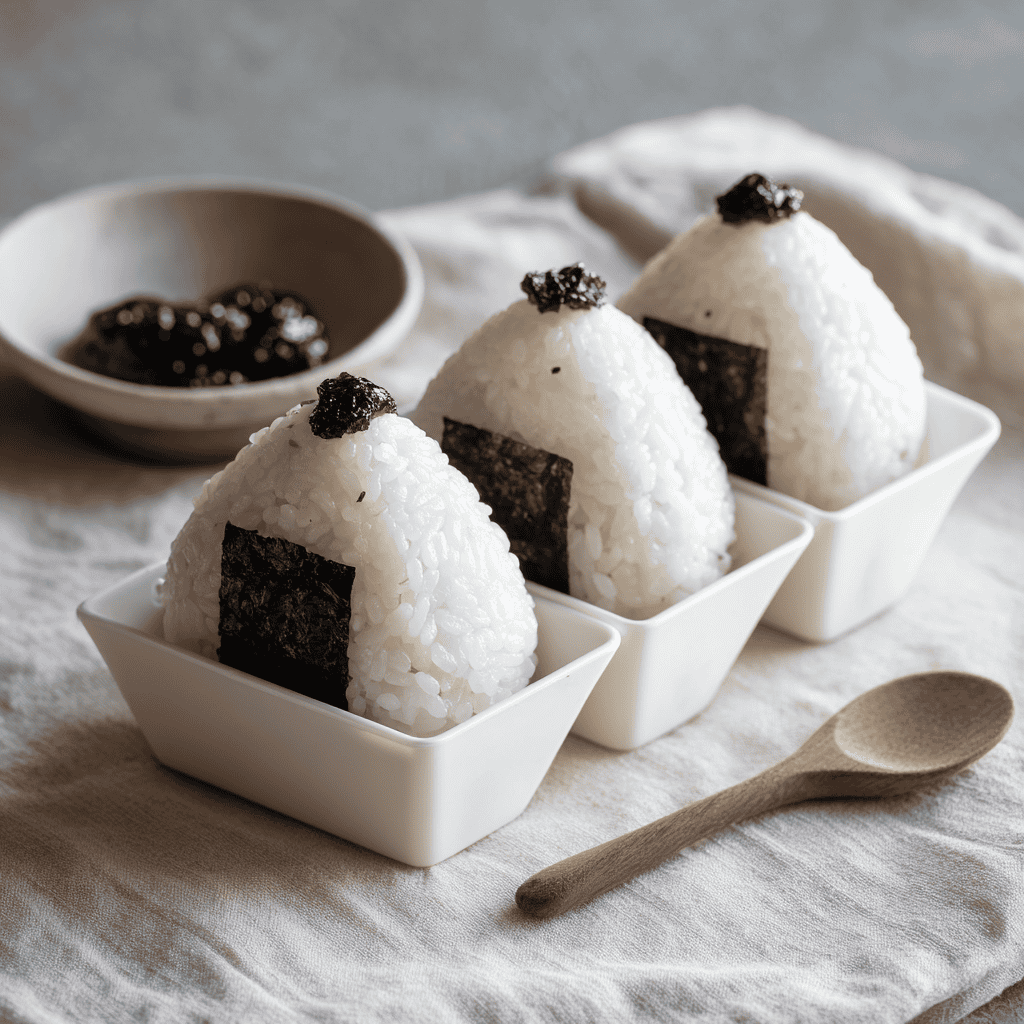
A mold shapes rice balls to a steady triangle far faster than hands alone. That matters most when you pack lunches on a schedule. The Yamaichi Hinoki Wood Double Triangle Onigiri Mold is handmade in Kiso, Nagano, and shapes two onigiri at a time. The cypress absorbs excess moisture, so the rice stays fluffy rather than soggy. Wet it before use and fill it with warm, freshly cooked rice. It is not dishwasher-safe, so rinse it by hand.
Tools: onigiri mold · shamoji · zaru
- Cook two cups of short-grain rice and let it cool just enough to handle, still warm rather than hot. Season lightly with salt.
- Press a portion into the onigiri mold and tuck a small spoonful of salted salmon or pickled plum into the center.
- Press again until the mold releases a clean, even shape.
- Wrap a strip of nori around the base only, leaving the top rice visible. That way the seaweed stays crisp until the moment it is eaten, rather than softening in a packed bag.
- Rinsed rice grains draining in a zaru beforehand keep the finished onigiri from turning gummy, a small step that decides whether the shape holds through an afternoon.
16. Yamako Wooden Ohitsu — a cypress tub for cooked rice
An ohitsu holds cooked rice between the pot and the bowl. The wood draws off excess steam, so the grains stay light rather than wet as they wait. The Yamako Wooden Storage Bowl for Cooked Rice is made in Japan with a sawara cypress body and a hinoki lid. Stainless steel bands sit in carved grooves to hold it together. It takes about two cups of uncooked rice once cooked. Wash it by hand, and leftover rice from it makes the ochazuke below.
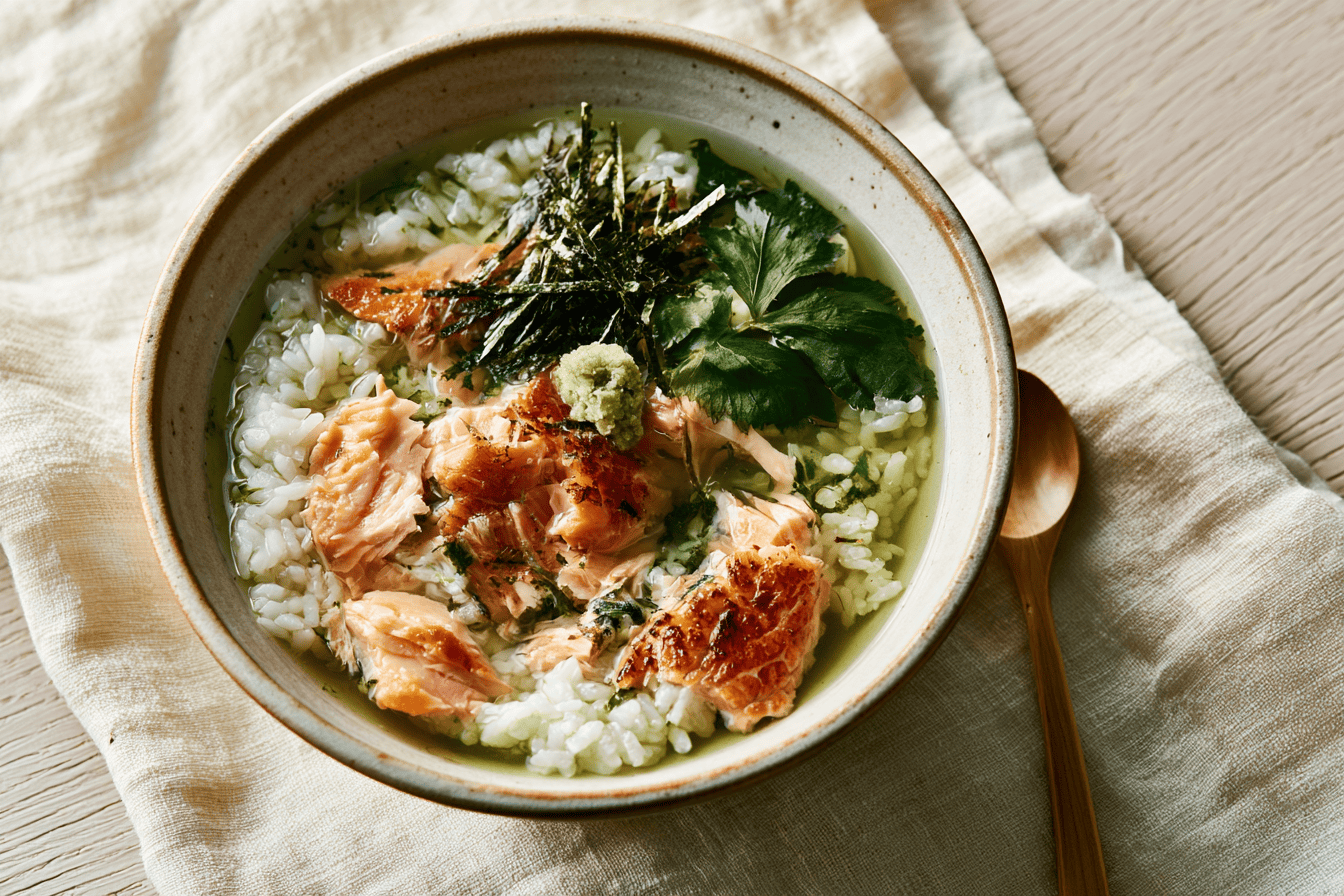
Ochazuke is cooked rice with hot green tea or dashi poured over it. It is a classic Japanese way to finish leftover rice, often topped with salted salmon.
- 2 cups cooked short-grain rice
- 1 salted salmon fillet (about 3 oz)
- 2 cups hot green tea or dashi
- 1/4 sheet nori, cut into thin strips
- 1 tsp toasted white sesame seeds
- Wasabi, to taste (optional)
- Grill the salted salmon until cooked through, then flake it and remove any bones.
- Divide the rice between two bowls and top with the flaked salmon.
- Pour the hot green tea or dashi over the rice until it comes about halfway up.
- Scatter with nori and sesame seeds, add a little wasabi if you like, and eat at once.
Rice cooker
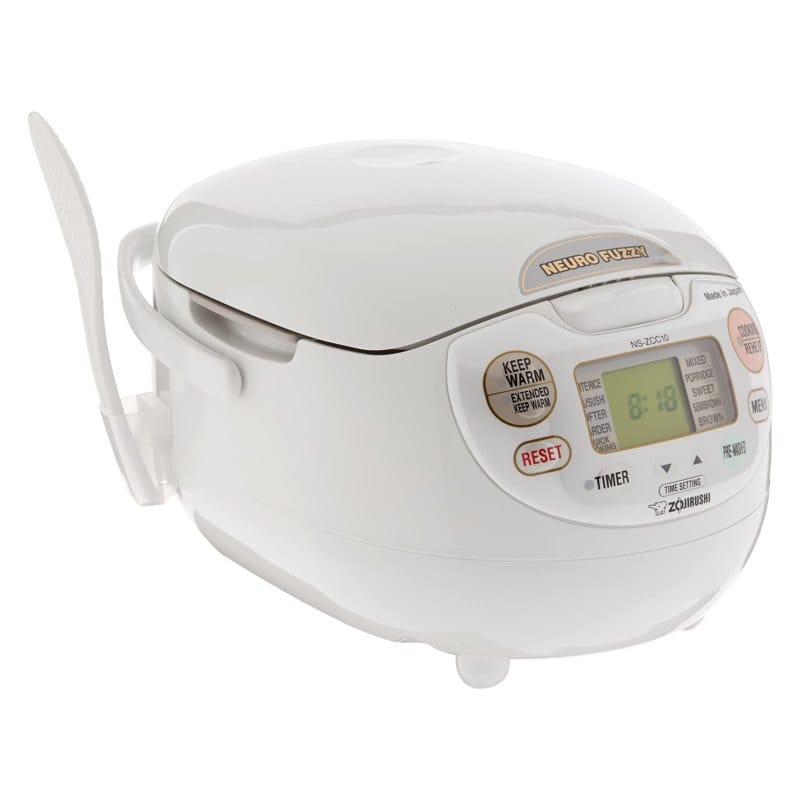
Not every household wants to manage a donabe's timing every night. A good rice cooker is the modern answer. The Zojirushi NS-ZCC10 uses induction heating to hold a steadier temperature curve than a basic model. That steadier curve is the difference most people actually taste.
Zaru — the bamboo colander
A woven bamboo zaru drains rinsed rice, noodles, and vegetables without the metallic edge a wire colander can leave behind. Its open weave also lets rice grains dry slightly at the surface, a small detail that keeps onigiri from turning gummy.
17. Tosaryu Hinoki Cooking Chopsticks — saibashi for the stove
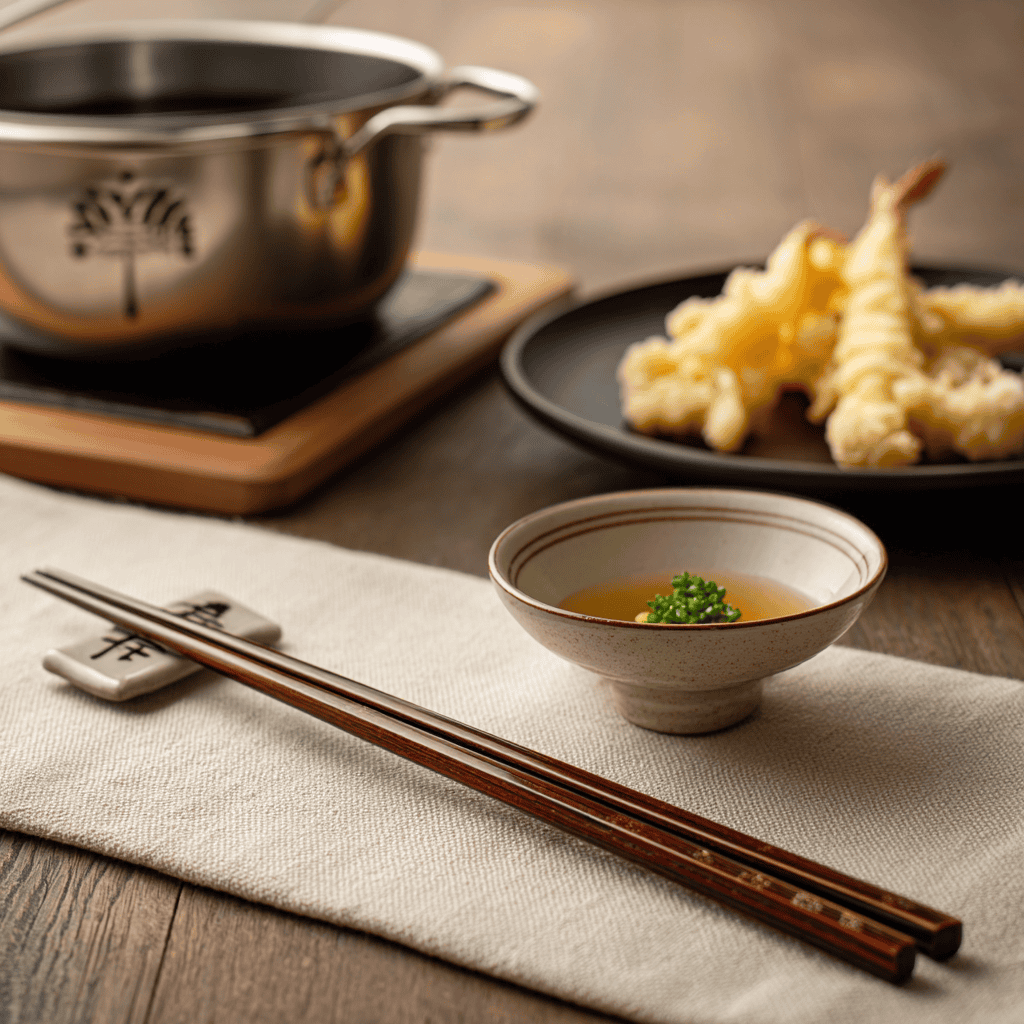
Saibashi are longer than table chopsticks. They reach into a pot of frying oil or turn fish in a hot pan, so your hand never comes close to the heat. The Tosaryu Hinoki Cooking Chopsticks Set uses hinoki grown in Kochi, made from reclaimed offcuts. Square tips give extra grip on noodles and slippery pieces. The wood repels water and dries fast. You will use them for almost every recipe on this page, from rolling tamagoyaki to flaking salmon for ochazuke. Keep a spare pair, since wooden tips darken with frying oil over time. When they do, they still work; they simply show their years.
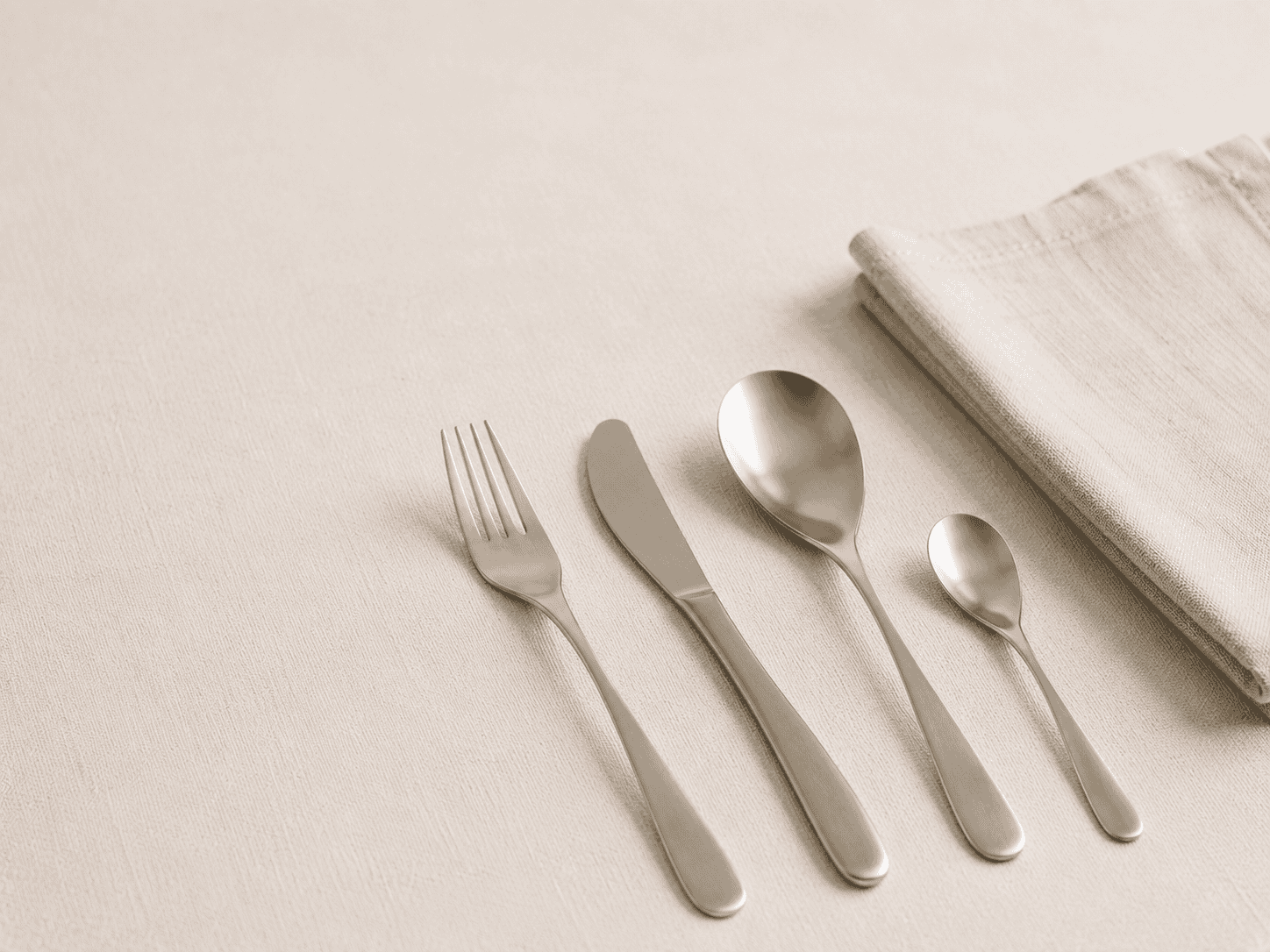
Stainless flatware, for the table this kitchen sets
Not every meal made in this kitchen ends up eaten with chopsticks. A pared-back stainless flatware set rounds out the table for the dishes above that call for a fork or a spoon. It does this without competing visually with the rest of the kitchen's warmer materials.
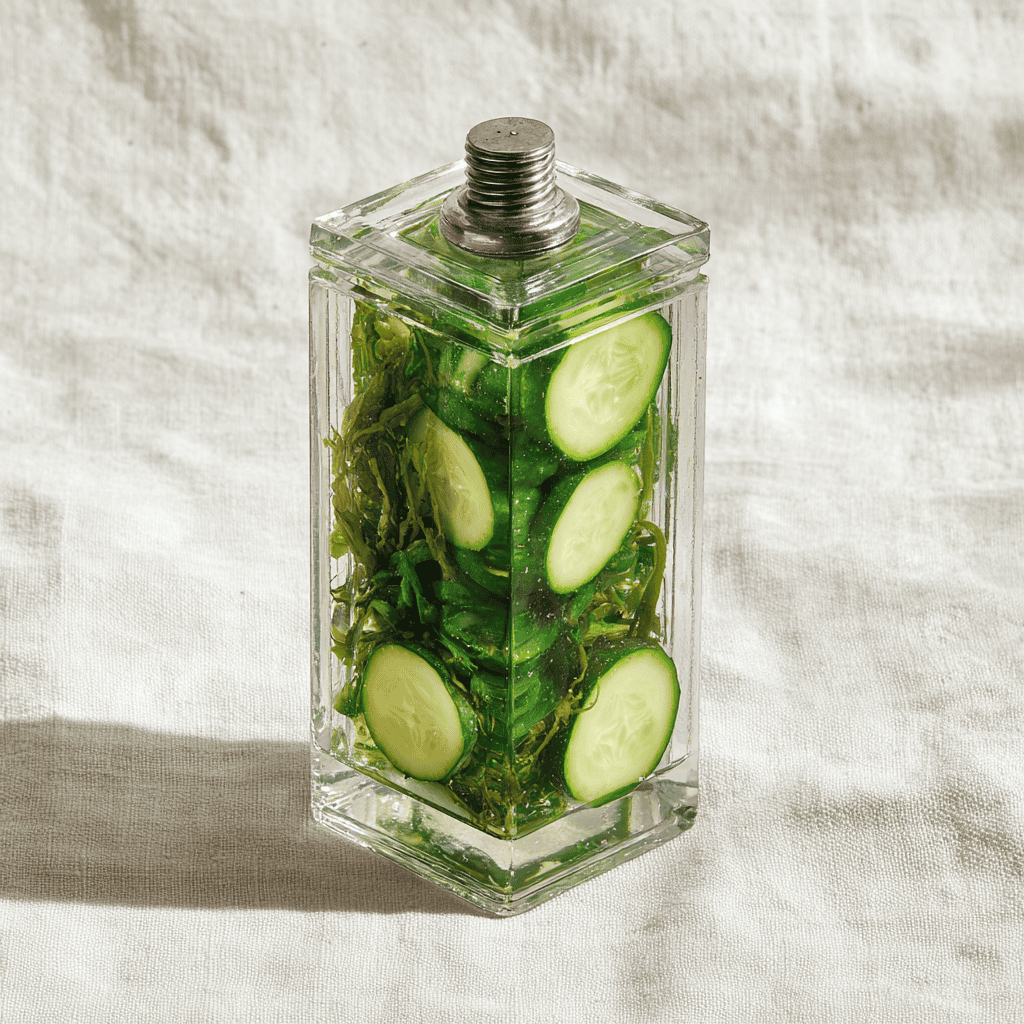
Tsukemono press
A screw-top tsukemono press applies steady, even weight to vegetables packed with salt. It draws out liquid faster and more evenly than a plate and a can ever could. It is the fastest route to a genuinely crisp quick pickle.
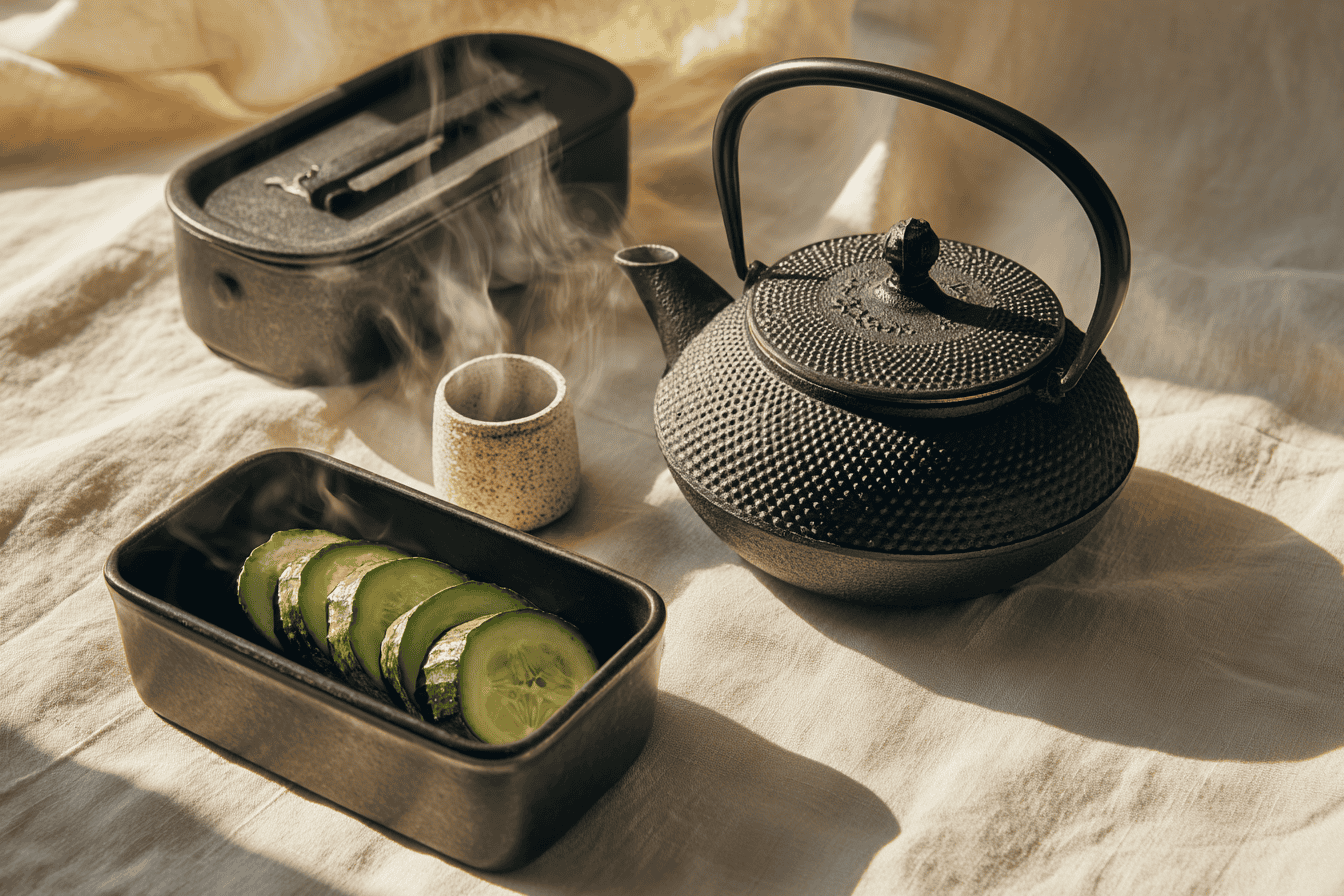
Tetsubin — the cast-iron kettle
A tetsubin holds heat long after it leaves the stove, keeping a pot of tea at a steadier temperature through a whole sitting. That same nambu tekki ironwork, the craft behind the nambu tekki entry above, shapes most of the well-made versions still sold today.
Where to Buy Japanese Cooking Tools in Japan and Online
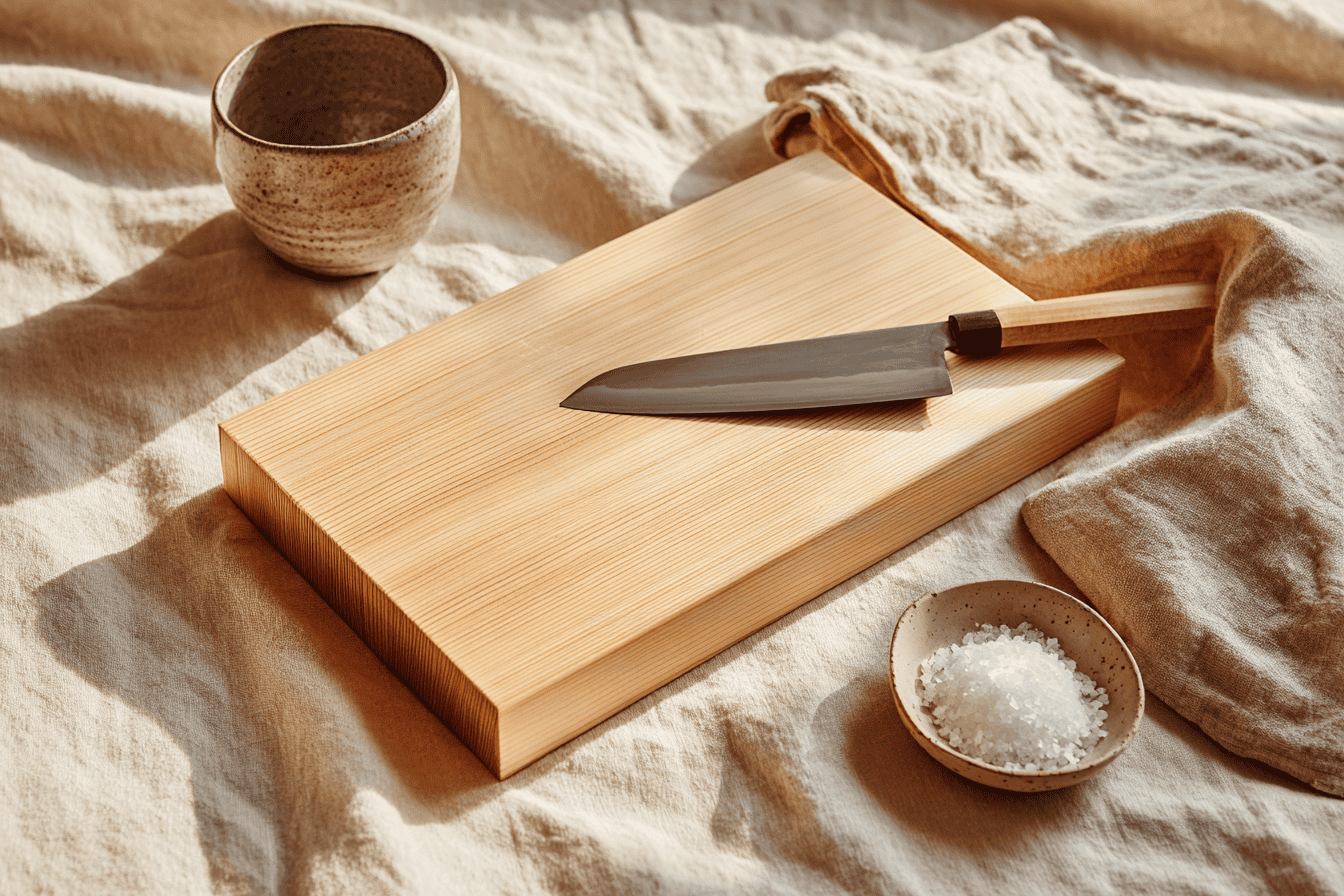
In Tokyo, start at Kappabashi Dougu Street. It runs about 800 meters between Ueno and Asakusa and holds more than 170 shops. Merchants began gathering there around 1912. Today you can compare knives, donabe, graters and rice tools side by side, then carry the winners home. Go early on a weekday, when the shopkeepers have time to talk. Ask to hold a knife before you buy it, and check the balance in your own grip. Compare two or three blades of the same length before you choose. Bring a list, because the choice can be dizzying, and note which shop sold you what.
Buying online
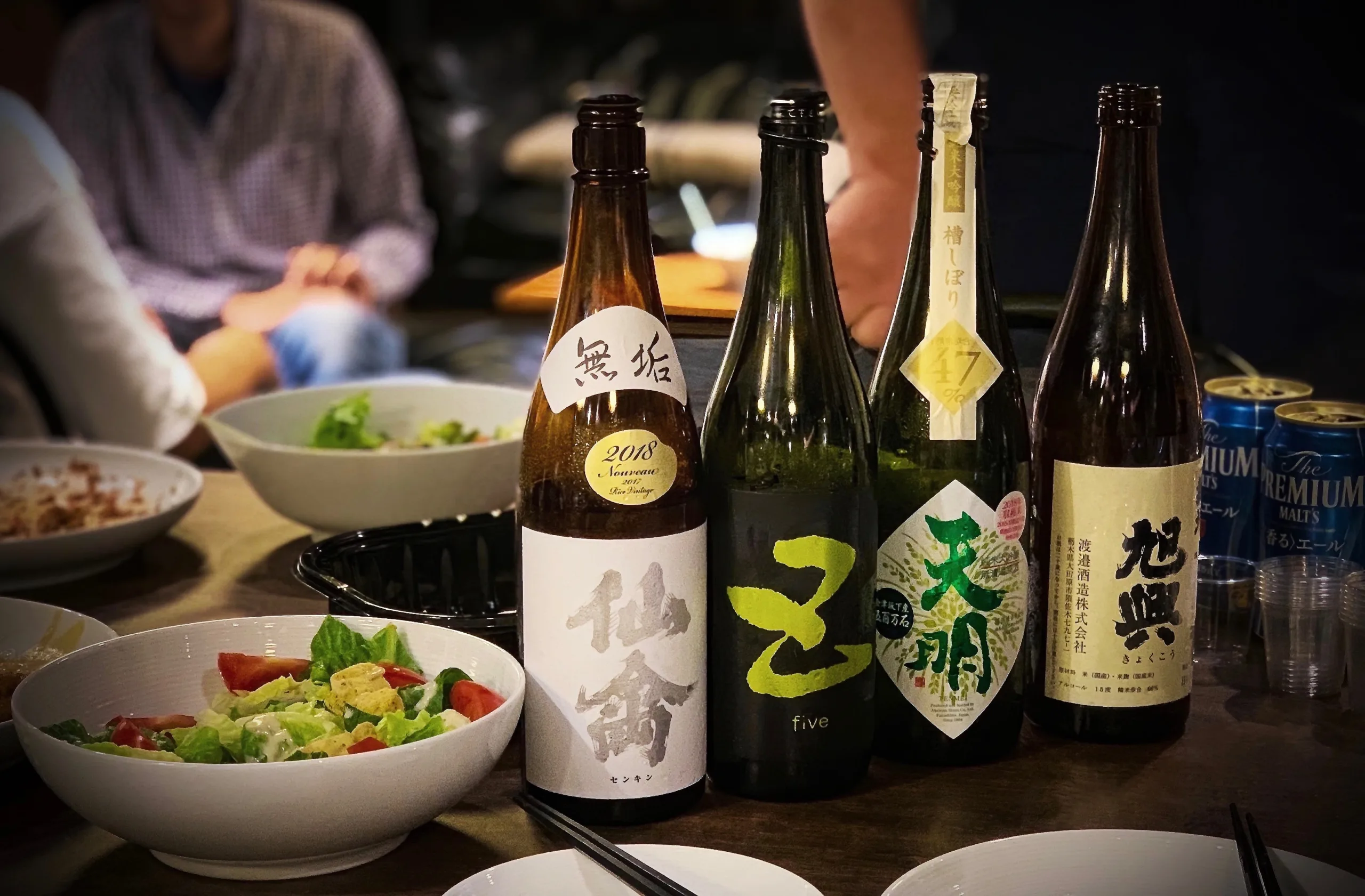
Online, three routes cover this list. First, specialist importers such as JOC Goods curate tools from Tsubame-Sanjo, Kiso and Kochi, with the maker named on every listing. The stainless kitchen shears in their current lineup are exactly the kind of daily-use pick the curator has already tested. Second, Japan-based shops such as Globalkitchen Japan send knives, stones and copper pans directly from Japan. Third, maker-direct sites like Toiro Kitchen sell a single workshop's pieces, with care notes from the people who make them. Order the knife and the board first. Then add tools as your cooking needs them, and Japanese cooking tools will fill the kitchen at a sensible pace. Keep the receipts and care cards together in one drawer, so you can find them later.
Before you buy
Gift buyers can widen the search with our made-in-Japan gift picks, which include tableware and tea tools. Whatever the route, check two things before you buy. Look for the maker's name and the region on the listing, since both tell you who stands behind the piece. Then read the care notes, because wood, carbon steel and clay each ask for a different habit. A tool you can care for is a tool you will keep. Handmade items sell out, so if a page shows nothing in stock, wait for the maker rather than buying a copy. A good tool is worth the wait.
Questions Worth Asking
What Japanese cooking tools does a beginner need?
Start with a gyuto knife and a hinoki cutting board, then add a whetstone to keep the edge sharp. A yukihira pot handles dashi, miso soup and blanched greens, and a donabe or rice cooker covers rice. Add a rice paddle and long cooking chopsticks. Those pieces cook most weeknight Japanese dishes.
What makes Japanese knives different from Western knives?
Most Japanese blades use harder steel ground to a thinner edge angle, so they cut more cleanly and hold their edge longer. The trade-off is that a hard edge can chip if you twist it through bone. Many traditional patterns, such as the yanagiba and deba, are also sharpened on one side only.
How do you care for a Japanese knife?
Wash it by hand and dry it at once, especially if the steel is carbon. Sharpen it on a water stone rather than a pull-through sharpener, which grinds away the thin edge. Use a wooden board such as hinoki, and store the knife on a magnetic strip or in a sheath, never loose in a drawer.
What is a donabe used for?
A donabe is a glazed clay pot built for slow, even heat. Japanese cooks use it for rice, hot pot, simmered dishes and steamed vegetables. The thick clay keeps the food warm long after the flame goes off, so it often goes straight to the table. Double-lid models such as the Kamado-san are designed for rice.
Do you need a special pan to make tamagoyaki?
You can roll an omelet in a small round pan, but a rectangular tamagoyaki pan makes it far easier. The straight sides square the layers into an even block with clean corners. Copper pans spread heat evenly so each layer sets at the same pace, while coated pans suit cooks who want easy release.
Why use a hinoki cutting board?
Hinoki cypress is soft enough that a hard Japanese edge sinks into the surface instead of dulling against it. The wood also resists water and has a clean, light scent. Rinse the board after use, wipe it dry and let it air out on its edge or on a hook, so both faces dry evenly.
Where can you buy Japanese cooking tools?
In Tokyo, Kappabashi Dougu Street between Ueno and Asakusa has more than 170 kitchenware shops. Online, specialist importers such as JOC Goods, Japan-based shops such as Globalkitchen Japan and maker-direct sites such as Toiro Kitchen sell named pieces. Look for the maker and region on each listing before you buy.
Are these tools worth the investment?
Judged by longevity rather than sticker shock, yes. A well-kept Japanese knife or a seasoned donabe is built to be resharpened, reseasoned, and handed down rather than replaced. That changes the arithmetic for anyone who cooks often enough to notice.
A Small Kitchen, a Long Lineage
None of these seventeen pieces was designed to impress anyone. Each one took shape over generations to solve one narrow problem well. A knife cuts one way, a pot holds heat one way, a strainer catches one texture. Owning every one of them is not the goal. Start with the knife, the board and the yukihira. Add the next piece only once the last one has earned daily use. Then the kitchen fills in on its own schedule, and every tool in it gets used. That is how most Japanese home cooks built theirs, one useful piece at a time over many years.
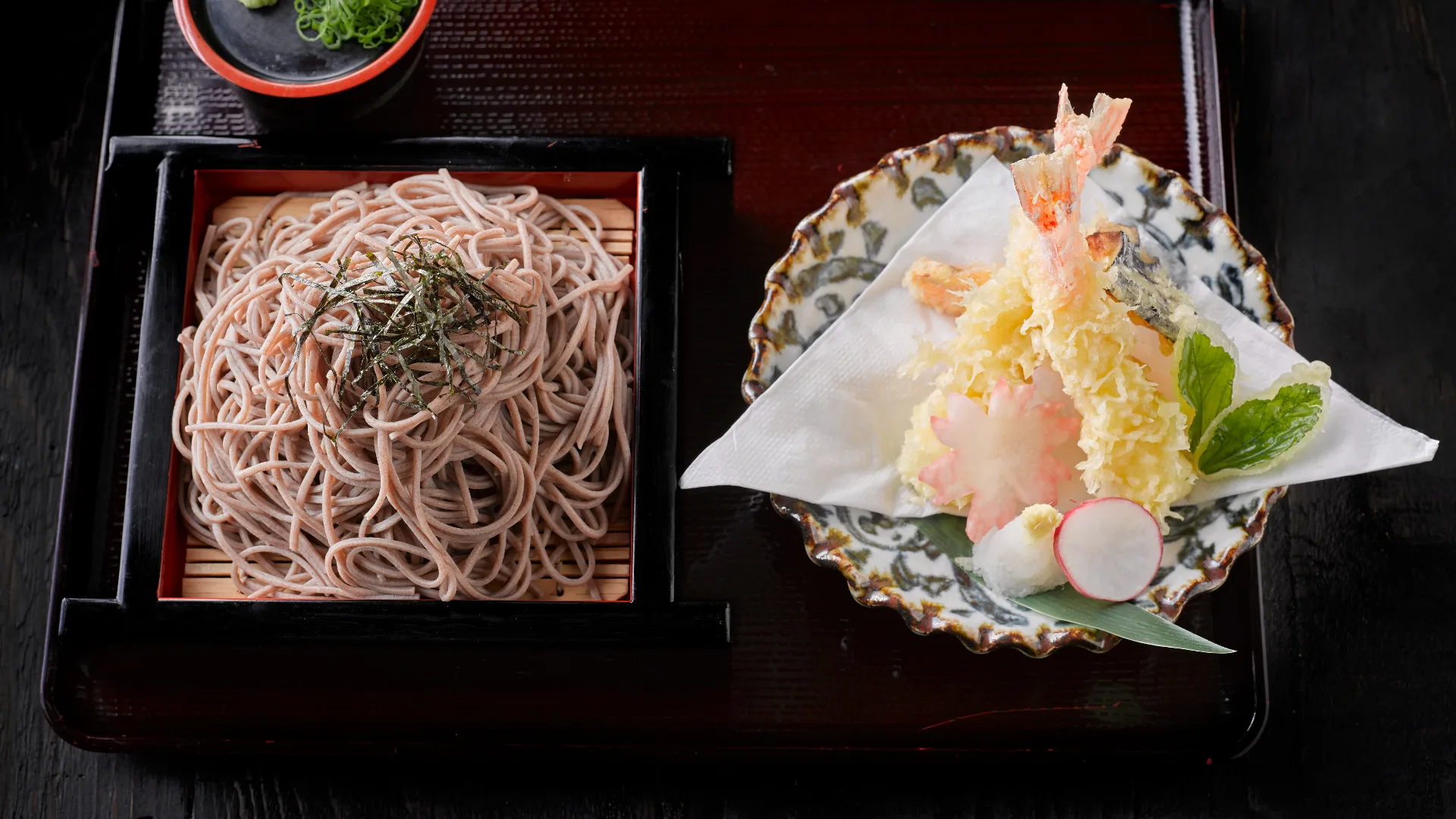
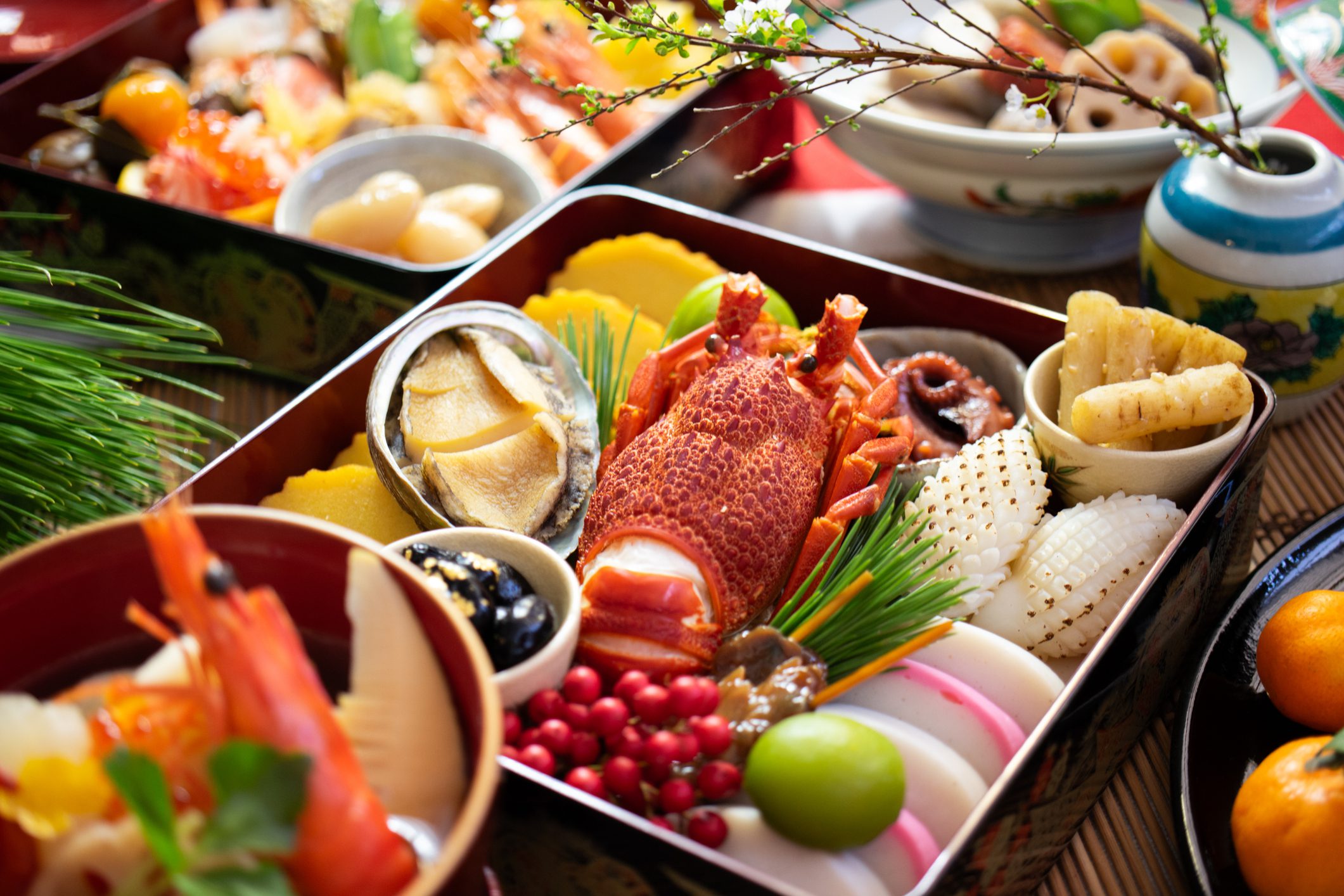
That patience is the same quality washoku asks of a cook. It is also what a good evening at an izakaya rewards, where small plates arrive one at a time. If that pace appeals, our guide to izakaya culture and food shows it at work. Japanese cooking tools are built to support that slower kind of cooking and eating, rather than rush it. Cook one recipe from this page this week, and let the tools teach the rest. Begin with miso soup, since it needs only the yukihira and a spoon. Then try the rolled omelet on a slow Sunday morning, when nobody is in a hurry.

Ninety days on ma, the pause between things, for the cook who lets the rice rest under its lid before lifting it.
View the Journal →Some cooks keep a notebook beside the stove for the dishes that worked and the ones that did not. Others plan a trip around the places where these tools are made. Either way, the record and the route grow from the same curiosity about how good food is made.
A route built around the tools on this page: a morning comparing knives, pots and rice paddles along Kappabashi Dougu Street in Tokyo, a day in Sakai, where most of Japan's professional chef's knives are forged, and a stop in Iga, where potters fire donabe from heat-resistant local clay, paced around meals worth cooking once you are home.
Plan Your Custom Japan Itinerary