
The best Japanese gifts for grandparents fit the rhythm of an unhurried day. Japan honors its elders with a national holiday, and its crafts suit long afternoons of tea, gardening and games. So a gift from a Japanese maker can feel both useful and respectful. This guide gathers twelve Japanese gifts for grandparents who seem to have everything. For other people on your list, our hub of gifts for the Japan lover sorts gifts by recipient.
Each pick was in stock for US delivery when we checked it, and most are made in Japan. Five gentle recipes, from miso soup to tsukimi dango, make the gift an excuse for a visit and a shared meal.
What are good Japanese gifts for grandparents?
Good Japanese gifts for grandparents suit slow, everyday pleasures. Yamamotoyama gyokuro and a Kutani teacup suit a tea drinker. Wazakura bonsai scissors suit a gardener, a Hanayama shogi set or a yosegi puzzle box suits a puzzle lover, and Basho’s haiku suit a reader.
Japanese Gifts for Grandparents: Gifts for Unhurried Days
Start with how your grandparents like to spend an afternoon. Some brew tea and read. Others tend a garden or play a game with friends. Japanese crafts serve each of these habits with care, and they rarely add clutter. A good teacup or a pair of scissors earns its place quickly.
Respect also shapes Japanese gift giving to elders. A gift should feel considerate rather than extravagant. Food, tea and well-made everyday objects are the classic choices. As a result, many of these Japanese gifts for grandparents are consumable or small, which suits a home that is already full of memories.

Finally, think about sharing. The best Japanese gifts for grandparents often bring the family together. A shogi set invites a game, while sweets and tea invite a visit. Therefore, choose something you can enjoy with them, and the gift becomes an afternoon together rather than an object on a shelf.
For the Tea Table
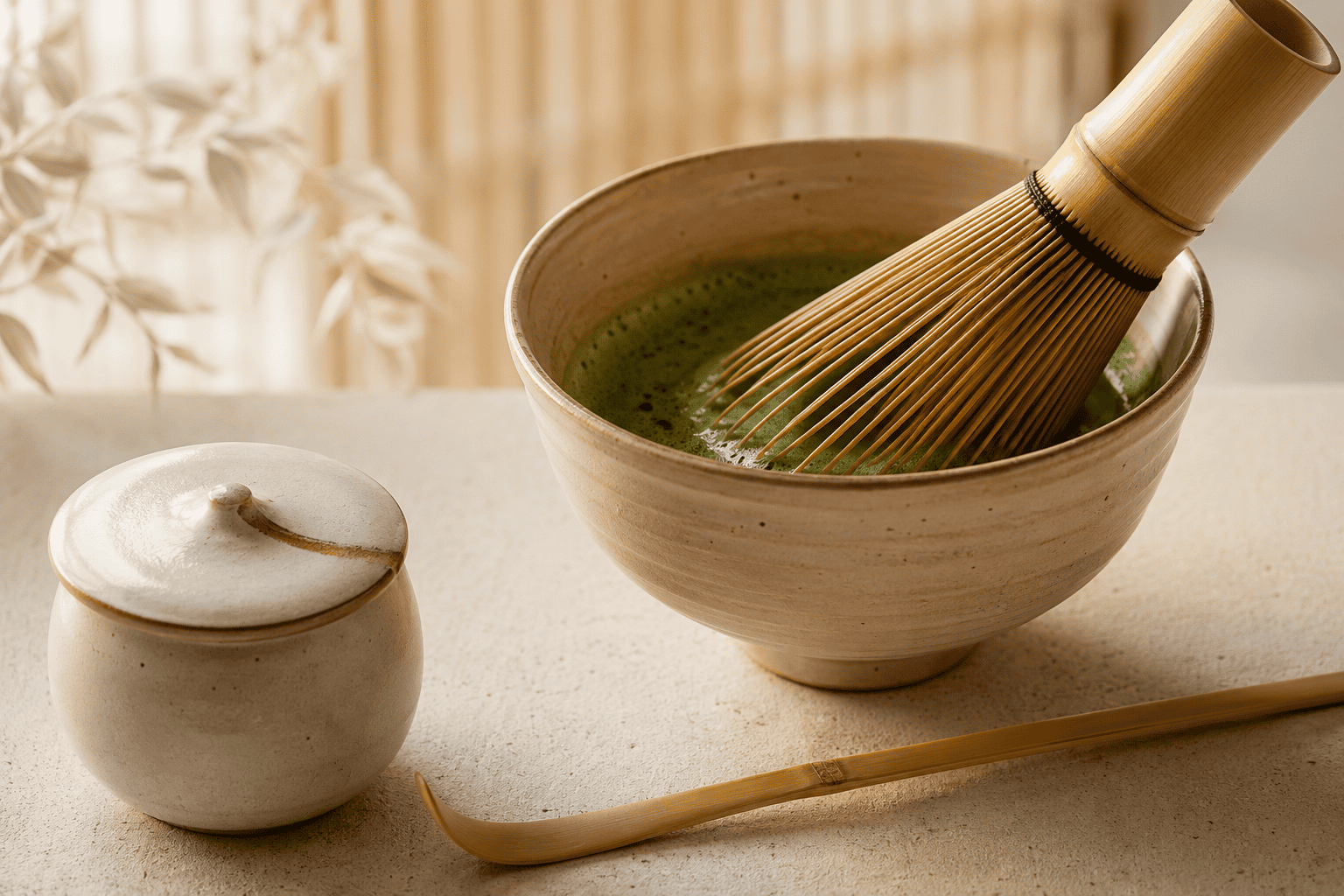
Tea is central to daily life in Japan, especially for older generations. A fine leaf, a beautiful cup and a sweet to go with it make a complete gift. These three picks work together or alone.
1. Yamamotoyama Gyokuro Pyramid Tea Bags — the finest green tea
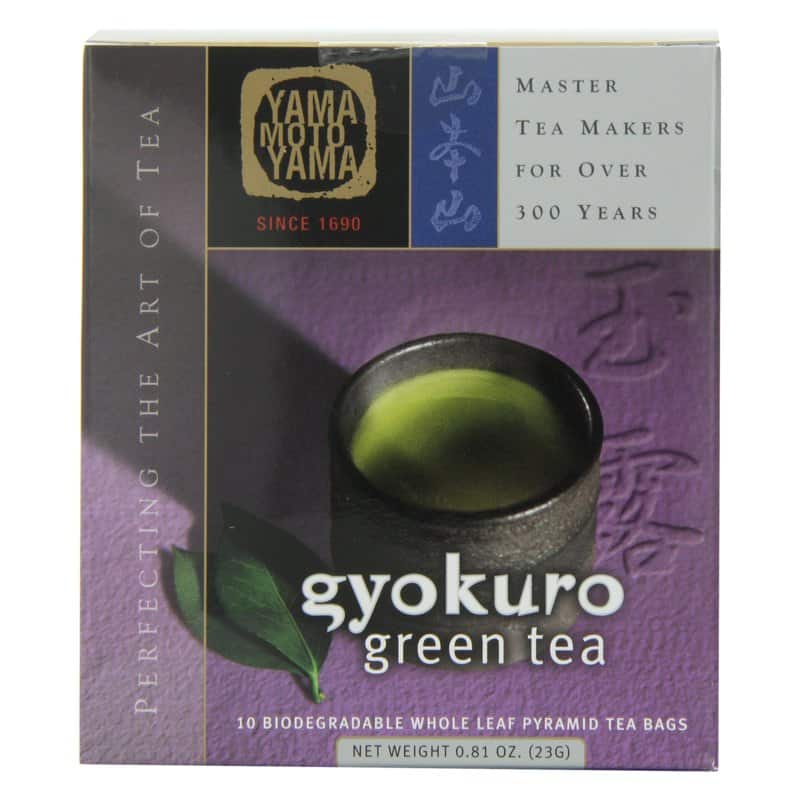
Yamamotoyama has sold tea in Tokyo since 1690, which makes it one of the oldest tea merchants in Japan. Gyokuro is its finest everyday green tea. The leaves are shaded from the sun for weeks before harvest, so they taste sweet and rich. This Yamamotoyama gyokuro pyramid tea bag box makes gyokuro easy, since each bag brews a cup without measuring. Brew with water that has cooled a little, for about a minute. The two boxes hold twenty bags, so the gift lasts for weeks of afternoon cups. For a grandparent who loves tea, it is a small luxury they will savor.
2. Kutani Gold Plum Teacup — the painted cup
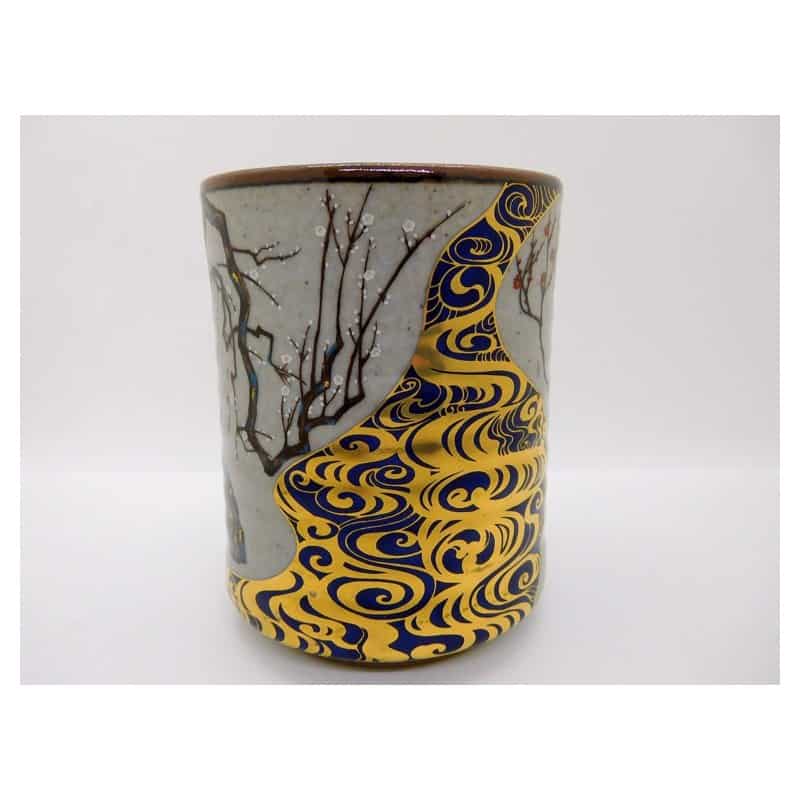
Kutani ware comes from Ishikawa Prefecture and is famous for bold color and gold detail. This Kutani gold plum teacup shows plum blossoms painted in gold over a deep glaze. Plum flowers bloom in late winter, so in Japan they suggest resilience and a long life. That makes the motif a thoughtful choice for an elder. The cup has thick walls that stay warm without burning the hand. It is the right size for green tea or gyokuro. Moreover, it looks lovely on a shelf when not in use. Pair it with the gyokuro above for a complete tea gift.
3. Yamasan Kyoto Uji Yokan — the bean jelly
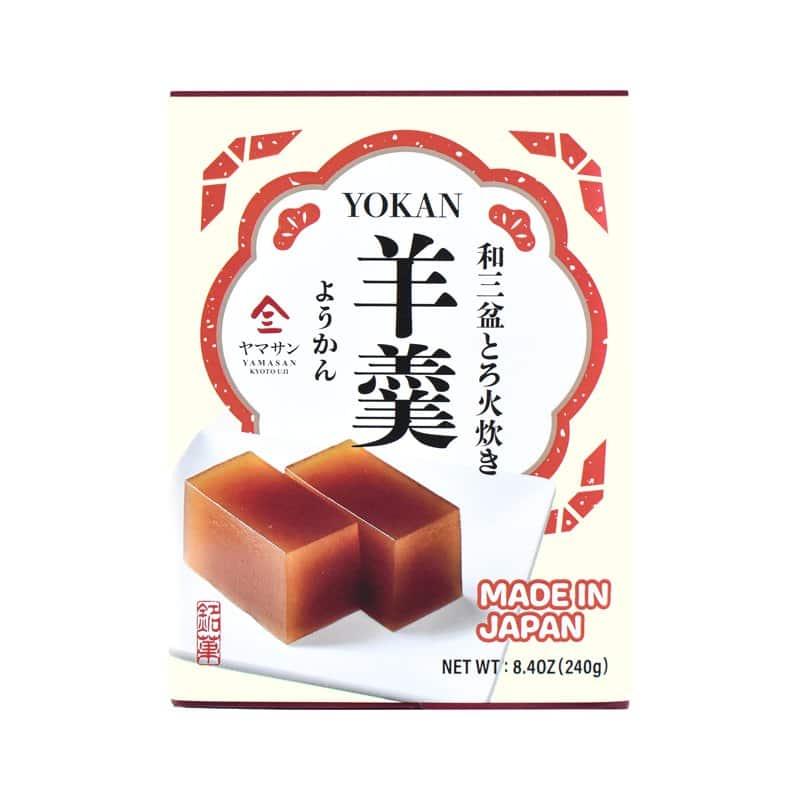
Yokan is a firm jelly made from red bean paste, sugar and agar, and it is a classic partner for green tea. This Yamasan Kyoto Uji yokan comes from a Kyoto company in Uji, the famous tea district. It is smooth and sweet, with a deep bean flavor. Because it keeps well, it suits a gift that travels. Slice it thin and serve two or three pieces with tea. Many older Japanese people grew up with yokan as a special treat. As a result, it often brings back happy memories. It also suits grandparents who prefer gentle sweets to rich chocolate.
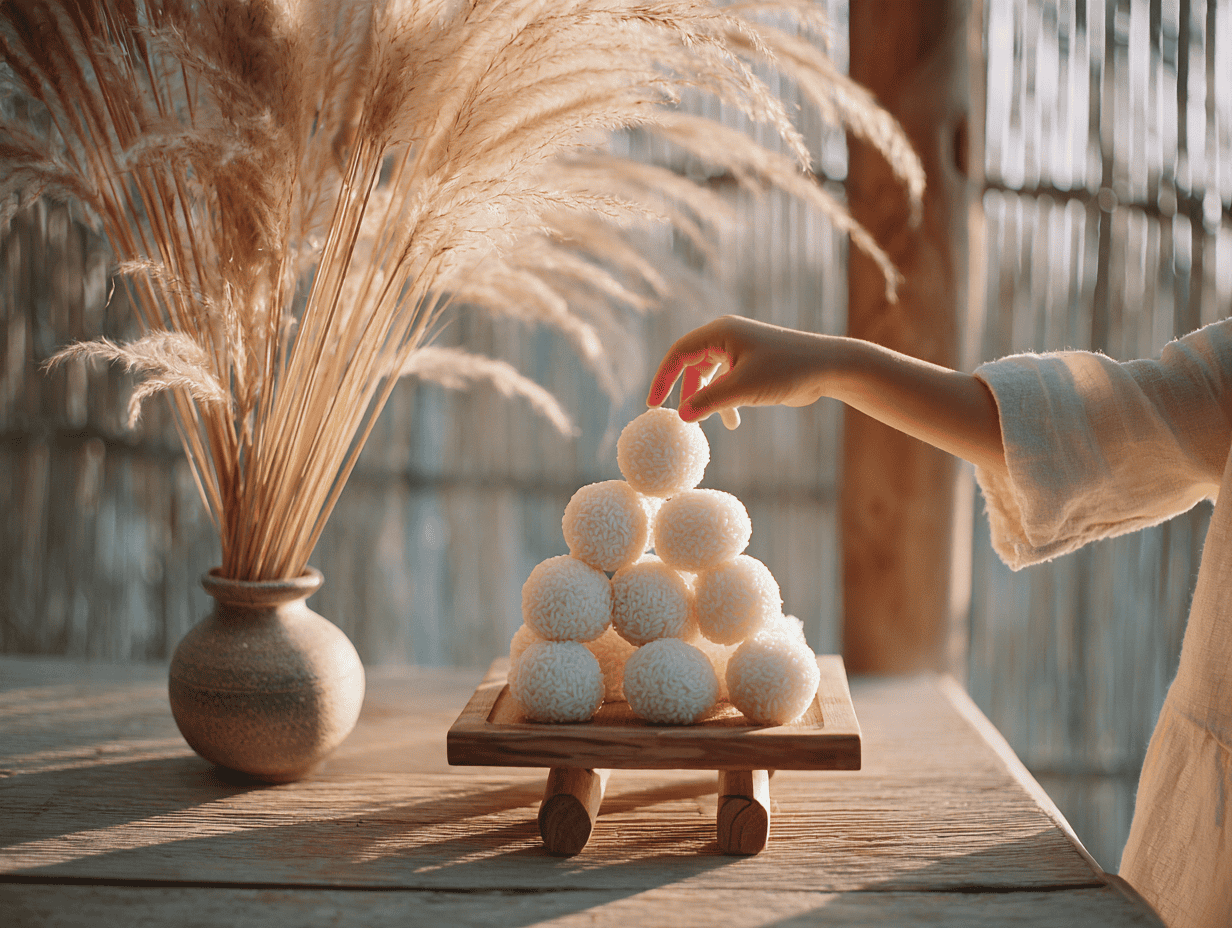
Tsukimi dango — moon-viewing rice dumplings
Mix dango flour or shiratamako with silken tofu or water until the dough feels like an earlobe. Roll it into small balls of equal size. Drop the balls into boiling water and cook until they float, then cook one minute more. Next, chill them in ice water and drain well. For moon viewing, stack them in a small pyramid on a plate. Serve with sweet soy glaze, kinako or red bean paste.
Tsukimi dango are made for the autumn moon, which falls near Keiro no Hi. Indeed, many families make them together each September.
You may also like
For the Garden and the Game Table
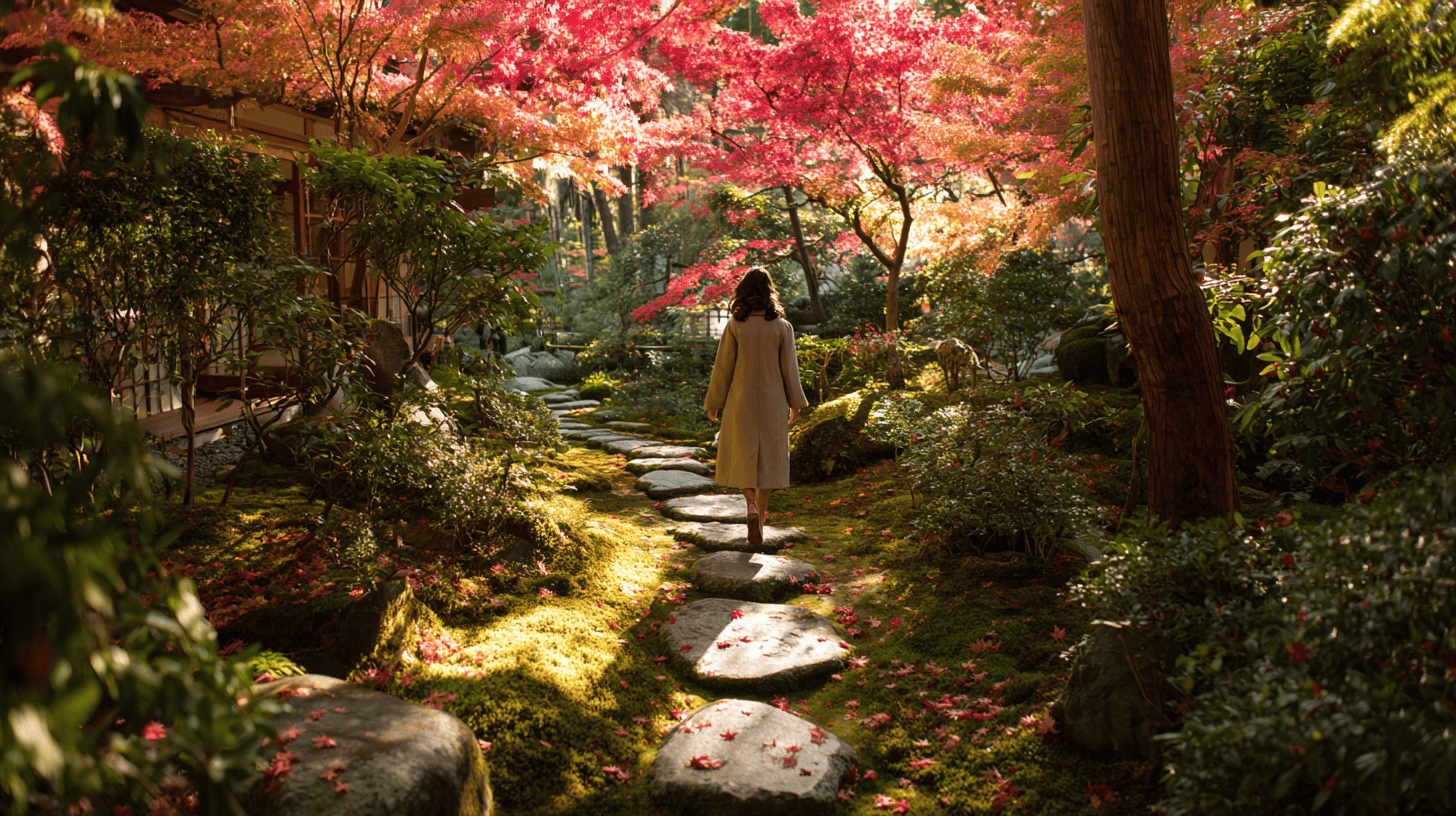
Gardening and board games keep many grandparents active and social. Japan offers fine tools for both. These three Japanese gifts for grandparents suit a green thumb or a strategic mind.
4. Wazakura Traditional Bonsai Scissors — the gardener's shears
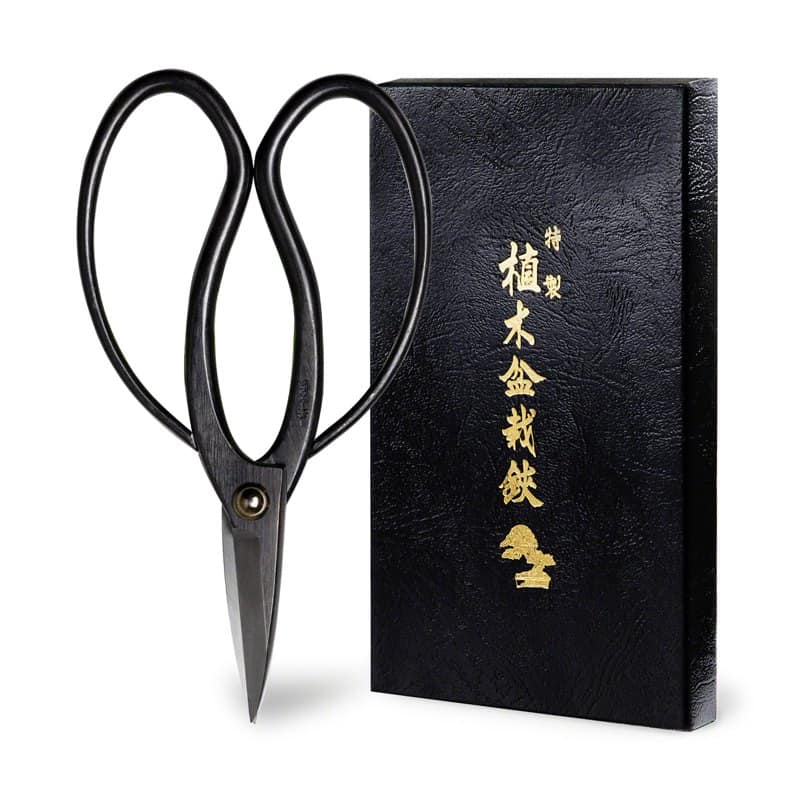
Bonsai scissors have large loop handles and short, sharp blades for precise cuts. These Wazakura traditional bonsai scissors are forged from carbon steel in Japan. They suit bonsai, of course, yet they are just as useful for houseplants, herbs and flowers. Because the handles are wide, they are comfortable for hands with less grip strength. That makes them a considerate choice for an older gardener. A light wipe with oil keeps the blades in good condition. For a grandparent who loves plants, they make daily trimming a pleasure rather than a chore. They also come in a gift box, ready to give.
5. Japanese Garden Design by Marc Peter Keane — the book
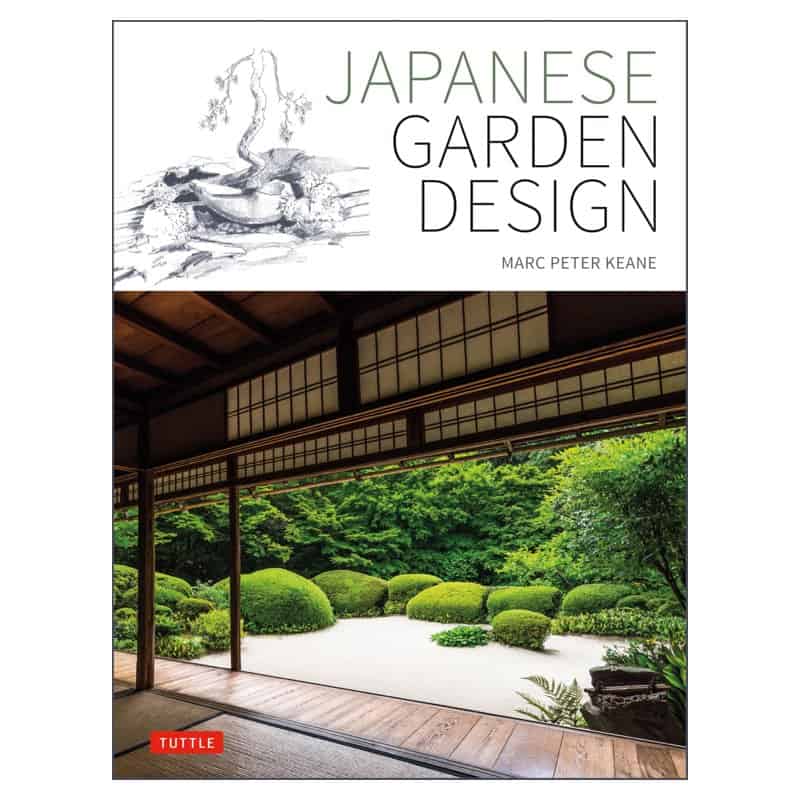
Marc Peter Keane is an American landscape architect who has designed gardens in Kyoto for decades. His book, Japanese Garden Design, traces Japanese gardens from early palace grounds to modern courtyards. Beautiful photographs by Haruzo Ohashi fill every page. Moreover, the text explains why stones, water and plants are placed as they are. For a grandparent who gardens, it offers ideas for even a small backyard. For one who no longer gardens, it is a pleasure to browse with tea. It also makes a lovely coffee-table book for the living room. Many readers keep it beside a favorite chair and return to it often.
6. Hanayama Honkaku Shogi Set — Japanese chess
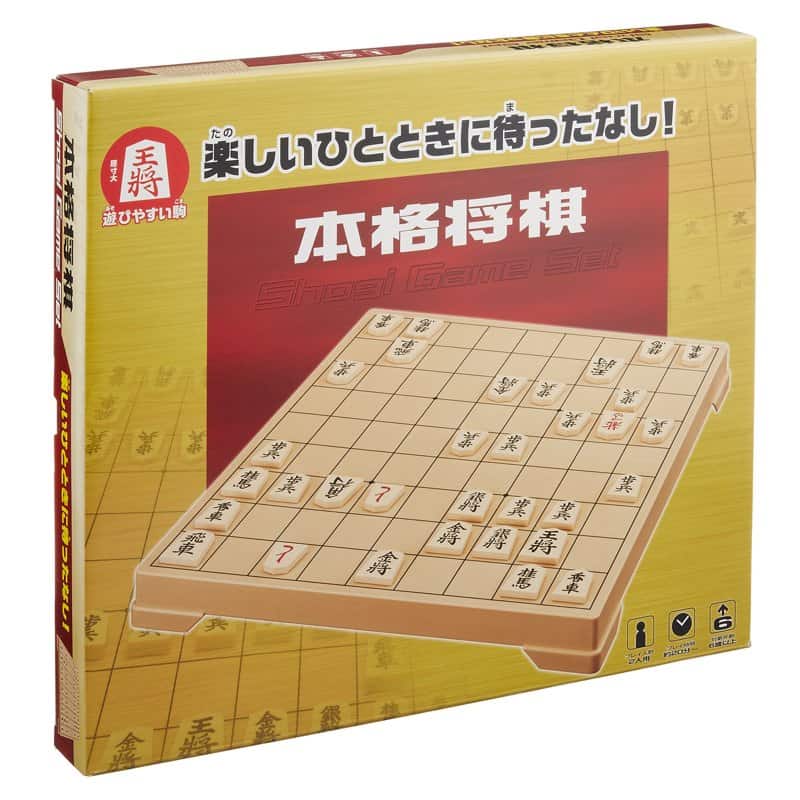
Shogi is Japanese chess, played on a nine-by-nine board with wedge-shaped pieces. Its twist is that captured pieces can return to play on your side. This Hanayama classical honkaku shogi set comes from a long-established Japanese games company. It includes a folding board and a full set of pieces. For a grandparent who loves chess, shogi is a fresh challenge with familiar logic. For grandchildren, it is a great game to learn together. Therefore, it suits family visits well. English guides and videos make the rules easy to pick up. Within a few games, most families are hooked.
Tamagoyaki suits a weekend breakfast with grandparents, and it packs well in a bento. It also takes a little practice, which makes it fun to learn together.
Puzzles, Reading and Scent
Long afternoons call for something to occupy the mind. These three picks offer a puzzle, a book of poems and a gentle scent for the room. Each one rewards patience.
7. Hakone Yosegi Puzzle Box — the secret box
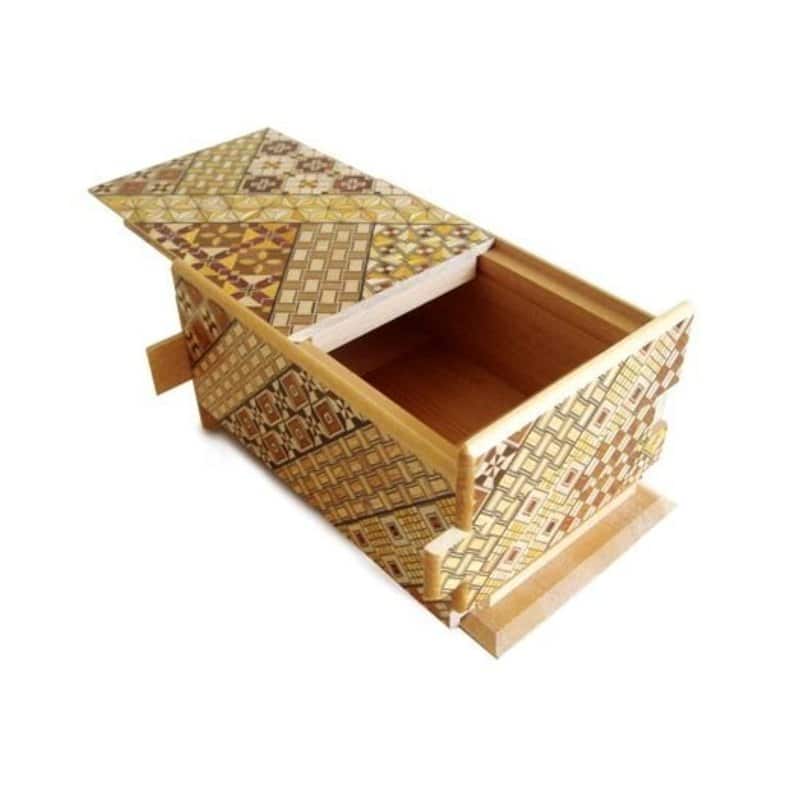
Yosegi is a marquetry craft from Hakone, where artisans glue thin strips of different woods into geometric patterns. Puzzle boxes made with yosegi open only by sliding hidden panels in the right order. This Hakone yosegi puzzle box takes twenty-one moves to open. As a result, it is a satisfying challenge for a grandparent who loves puzzles. Once solved, it becomes a lovely keepsake box for small treasures. The natural wood colors make it look handsome on any table. Moreover, it makes a great game with grandchildren, who love the mystery. Hide a small note or a coin inside before you wrap it.
8. Basho: The Complete Haiku — the poems
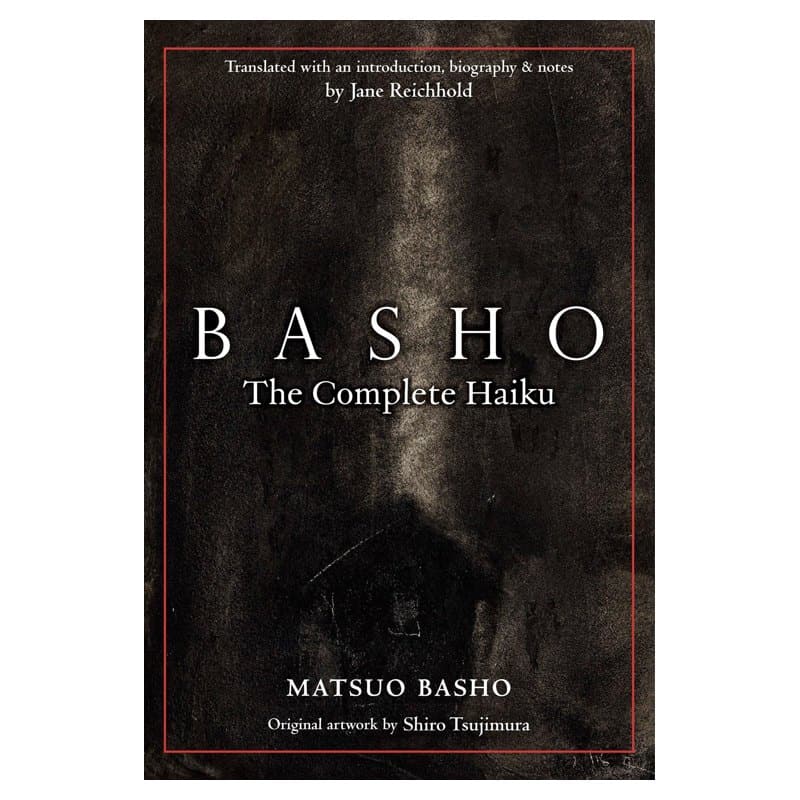
Matsuo Basho is Japan’s most famous poet, and his haiku capture a moment in seventeen syllables. This edition of Basho: The Complete Haiku includes every one of his roughly one thousand poems in English translation. Jane Reichhold adds notes that explain the seasons and places behind them. Ink paintings by Shiro Tsujimura accompany the text. For a grandparent who loves poetry, it offers a poem for every day of the year and more. Furthermore, short poems suit readers whose eyes tire easily. It also invites reading aloud together. A poem a day becomes a gentle ritual, and the book lasts for years.
You may also like

9. Shoyeido Baika-ju Incense — the plum blossom scent
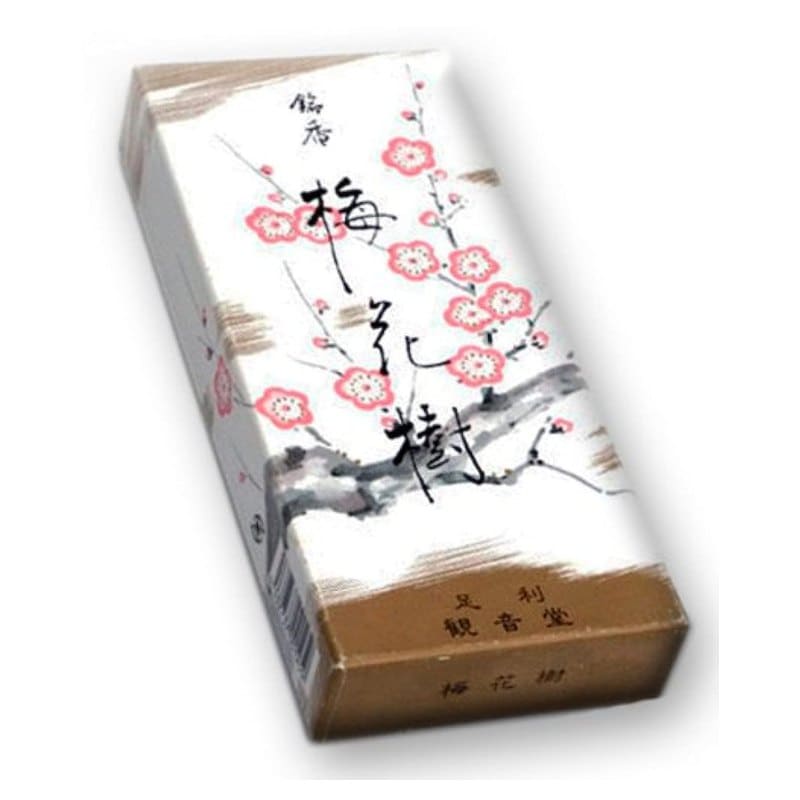
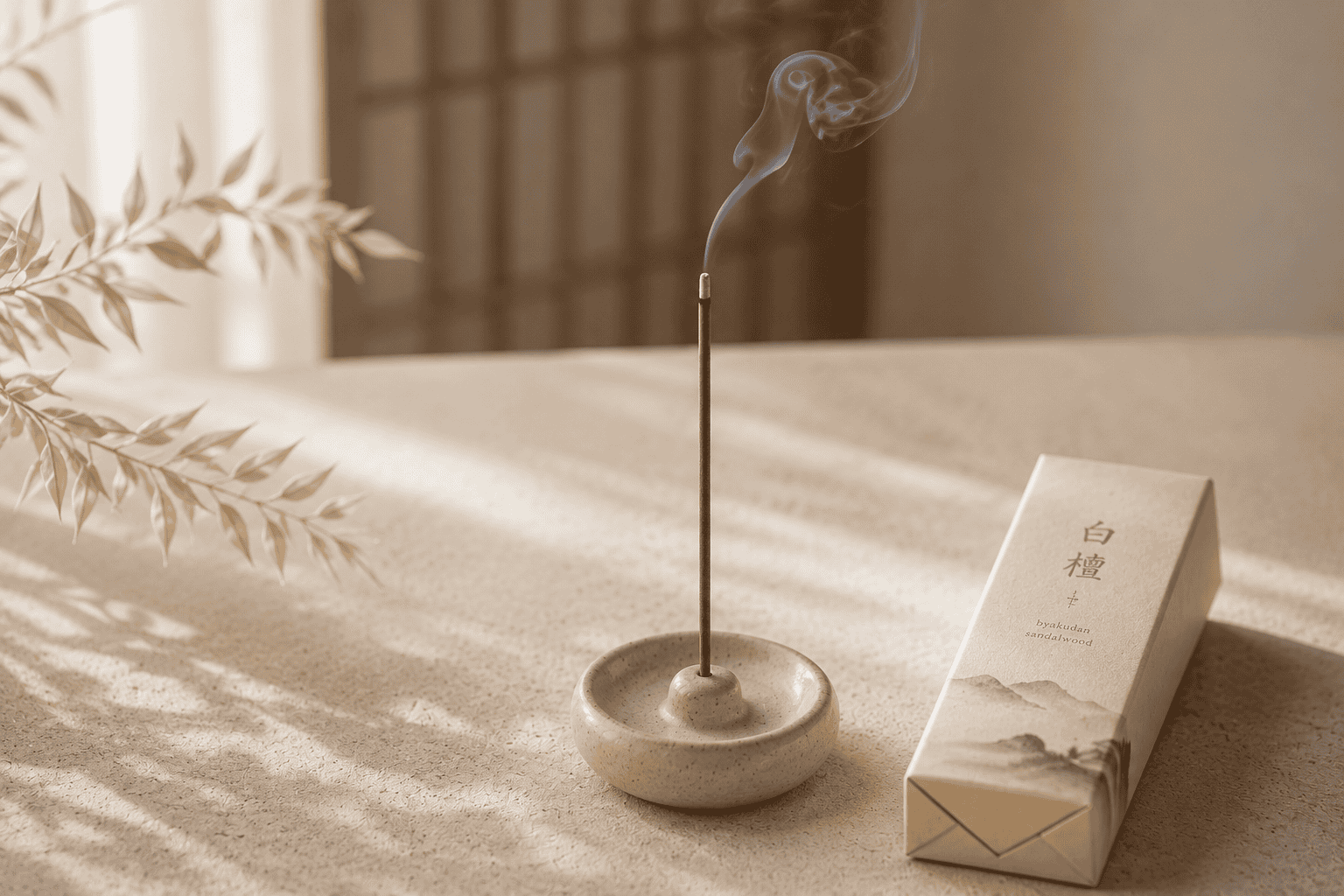
Shoyeido has blended incense in Kyoto since 1705, and the company is still family run. Its Shoyeido Baika-ju plum blossoms incense carries a soft, sweet floral scent. Japanese incense uses natural woods and spices, so it smells gentler than many sticks sold elsewhere. One stick scents a room without being heavy. As a result, it suits a reading chair or an afternoon nap. The box holds one hundred and fifty sticks, which lasts for months. For a grandparent who enjoys fragrance, it is a gentle daily pleasure. It also pairs well with the haiku above. Light a stick, open the book and the afternoon slows down.
Ten Proverbs to Carry With You
A printable folio of ten Japanese proverbs, each set in kanji with its reading and a line on where you will hear it.
Amazake is naturally sweet and has no added alcohol when made from rice koji. Many older Japanese people drink it in winter for warmth.
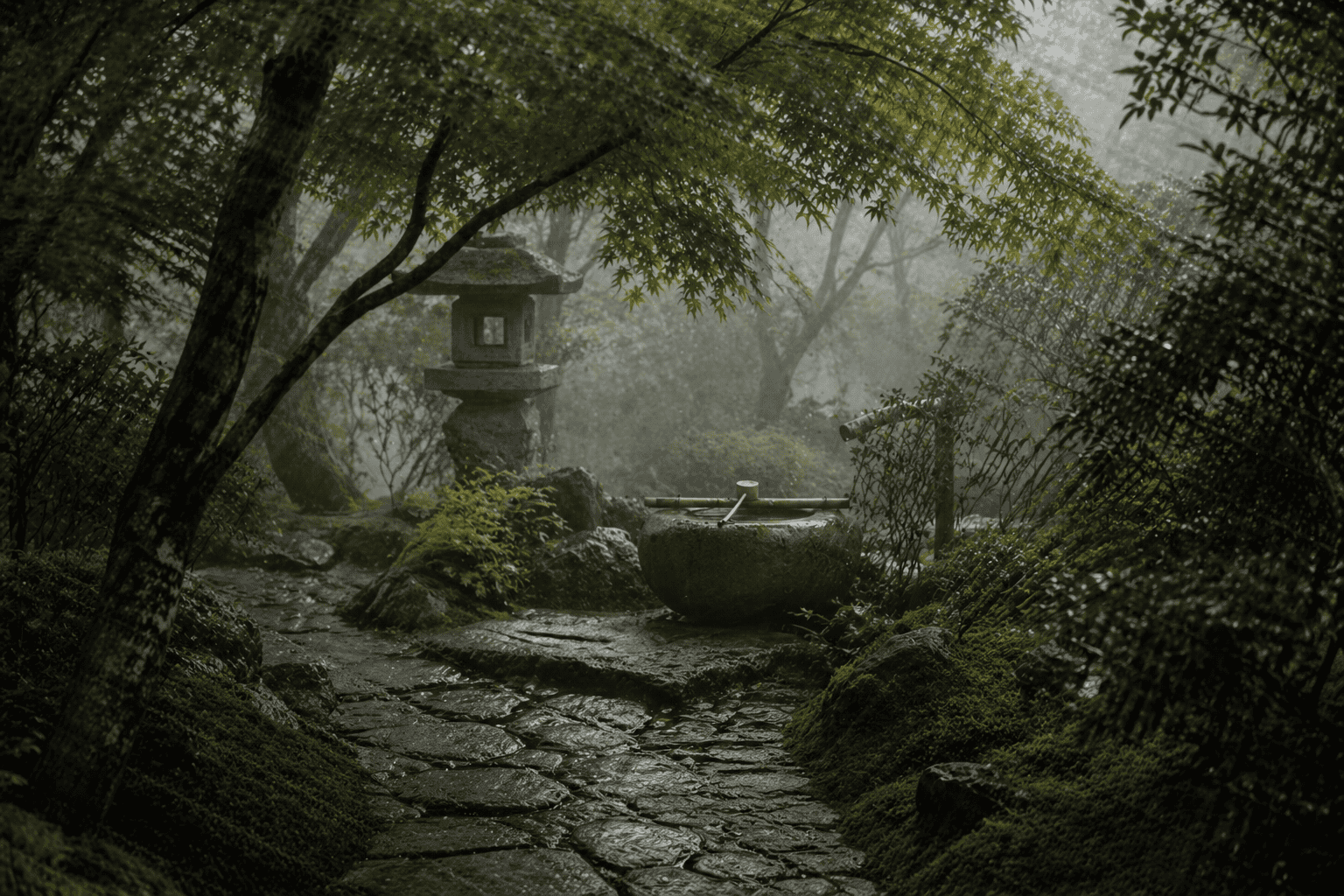
Small Japanese gifts for grandparents matter too, perhaps more than big ones. A handful of snacks, a doll for the shelf or a pair of chopsticks shows that you thought about their daily life. Japan has a long culture of these modest, meaningful gifts. Moreover, they are easy to bring on a visit. The final group gathers three of them, each with a story worth telling when you hand it over. Tell that story as you give the gift, and it will be remembered.
Recommended
Sweets, keepsakes and tableware close the list. These are the kinds of gifts that sit on a kitchen table or a display shelf for years. They also make fine Japanese gifts for grandparents who say they need nothing. Indeed, many of the best Japanese gifts for grandparents are small things like these, chosen with care.
Sweets and Keepsakes
10. Kameda Seika Kakinotane — the rice cracker snack
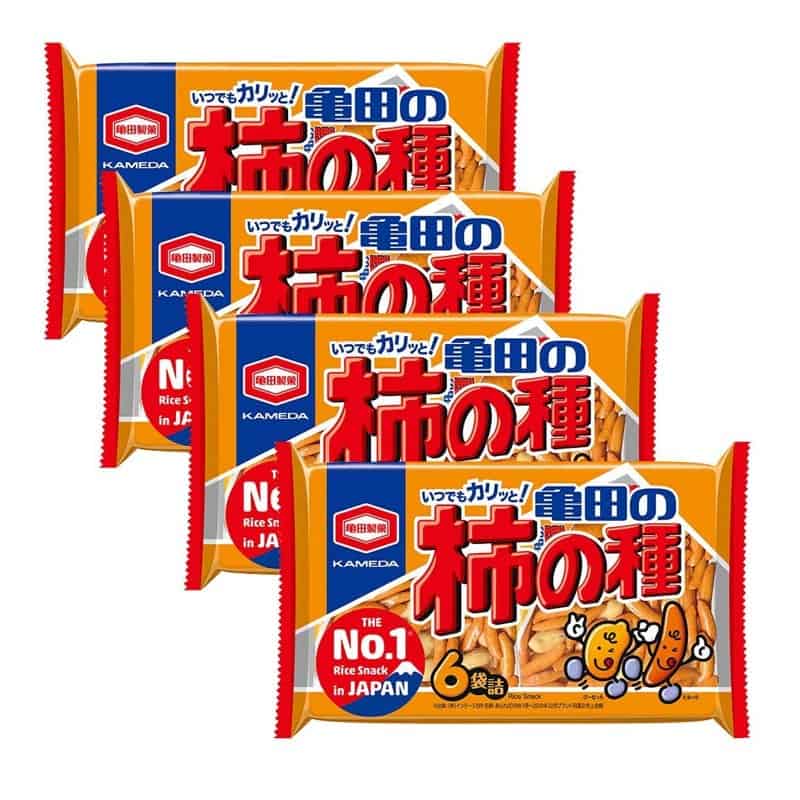
Kameda Seika, based in Niigata, is Japan’s best-known rice cracker maker. Kakinotane are small crescent rice crackers seasoned with soy sauce and chili, mixed with peanuts. This Kameda Seika kakinotane four-pack holds individual portions, so they stay fresh. The flavor is savory with a gentle kick. Many Japanese grandparents keep a bag by the television for snacking with tea. As a result, it is a familiar and well-loved treat. It is also one of the fun Japanese gifts for grandparents who have never tried Japanese snacks. Pair it with the gyokuro for an afternoon break. It is also a fine snack for watching sports together.

11. Usaburo Kokeshi Doll, Fujiyama — the keepsake
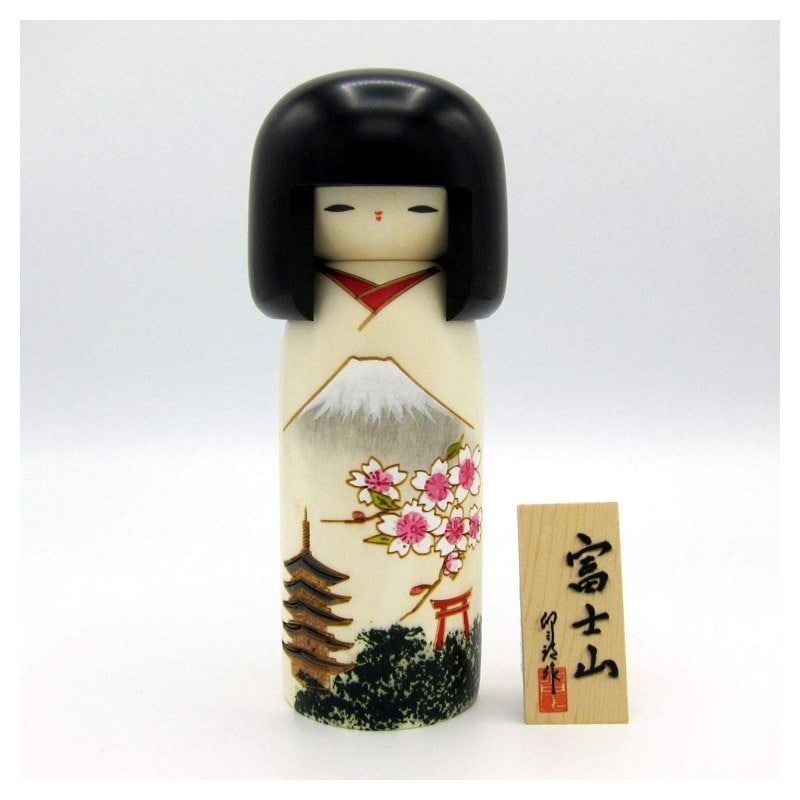
Kokeshi are wooden dolls with a round head and a simple body, first made in northern Japan. Usaburo Kokeshi, in Gunma Prefecture, is one of the best-known workshops. This Usaburo sosaku kokeshi Fujiyama is painted with Mount Fuji and cherry blossoms. Each doll is turned on a lathe and painted by hand. Kokeshi are often given as gifts of friendship and good wishes. For a grandparent who collects small treasures, it is a charming addition to the shelf. It also comes with a small name tag, which adds to its charm. Many families pass kokeshi down through generations, so it may one day return to you.
12. Lacquered Crane and Turtle Chopsticks — the pair
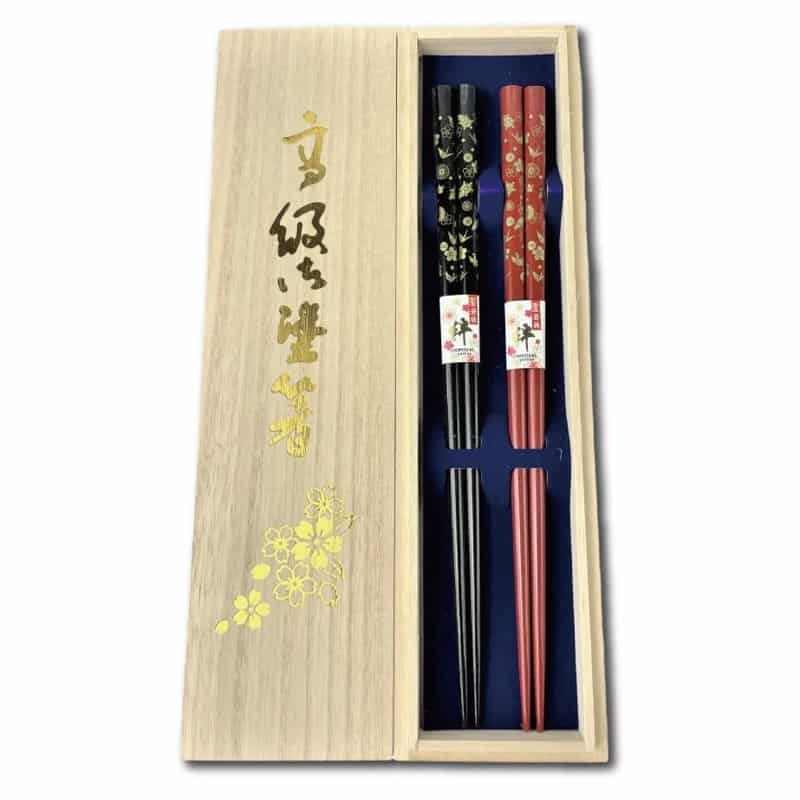
In Japan, the crane and the turtle are symbols of long life and happiness. This crane and turtle lacquered chopstick pair shows the two motifs in traditional lacquer art. The set includes two pairs, one in black and one in red, presented in a wooden box. Matching pairs, called meoto-bashi, are a classic gift for a long-married couple. Because they are lacquered, they are smooth and pleasant to hold. Hand washing keeps them beautiful for years. For grandparents who share every meal, it is a thoughtful and symbolic gift. It also makes a fine anniversary present for a long marriage.
Ochazuke — tea over rice
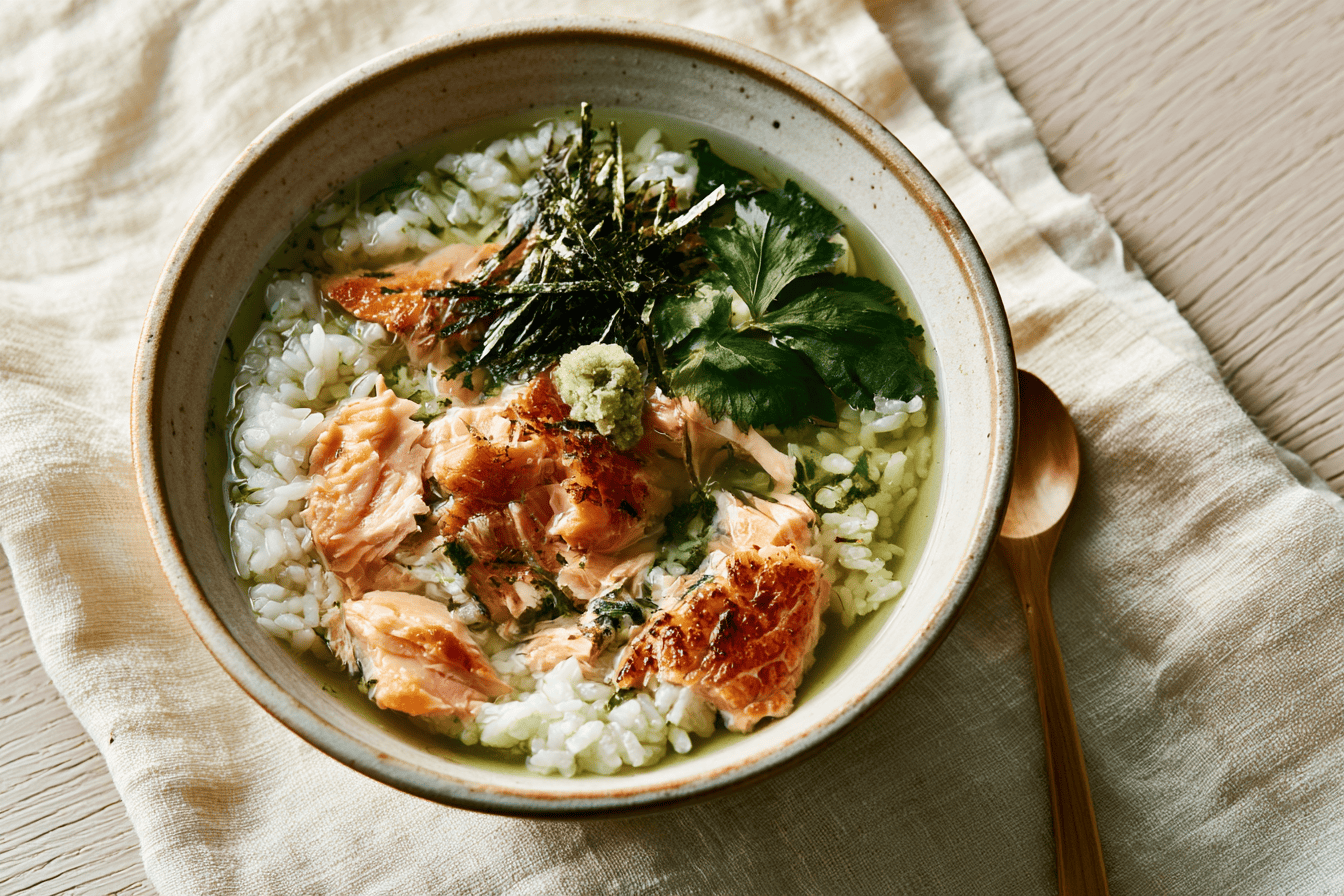
Place a bowl of warm cooked rice on the table. Top it with flakes of grilled salted salmon or a pickled plum, then add nori strips and a little wasabi. Brew hot green tea or dashi. Pour it gently over the rice until it is half covered. Finally, sprinkle with sesame seeds and eat at once with a spoon or chopsticks. It is the classic late supper after a long day.
Ochazuke is light, warm and simple, a favorite late meal in Japan. Miso soup is just as easy, and it suits every family table. The recipe below uses dashi, tofu and wakame for a classic bowl. Together, the two dishes make a gentle supper for grandparents.
Keiro no Hi, Respect for the Aged Day
Japan sets aside a public holiday to honor its elders. Keiro no Hi, or Respect for the Aged Day, falls on the third Monday of September, as listed by the Cabinet Office. Families visit, share a meal and give small Japanese gifts for grandparents. Towns also celebrate residents who reach milestone birthdays, and schools invite elders to share their stories with children.
The holiday is a lovely model for American families too. A visit with a gift in September, timed to the same day, adds a cultural touch. Better still, it creates a family tradition. Bring tea and sweets, and spend the afternoon together.

If you are shopping for the whole family, our guides to Japanese gifts for mom and Japanese gifts for dad follow the same approach. Each pick is made in Japan or by a Japanese company and chosen for daily use, so nothing gathers dust in a cupboard.
Before you decide, think about their daily routine. A tea drinker will love the gyokuro and Kutani cup. Meanwhile, a gardener will use the bonsai scissors every week, and a puzzle lover will treasure the yosegi box. When in doubt, choose something you can enjoy together on your next visit. That rule works for all these Japanese gifts for grandparents.
Gifts That Honor Them
Good Japanese gifts for grandparents say thank you without saying it out loud. It honors their habits and their time. In a year, the teacup will sit by the kettle, and the kokeshi will still smile from the shelf. If they enjoy Japanese ideas, our essay on mono no aware explores the gentle sense of time that runs through these gifts and through Japanese life. It makes a thoughtful read to share with them over tea, and it may spark stories from their own youth.

In the end, Japanese gifts for grandparents work because they respect the life they have built. They are modest, useful and full of meaning. Share the story behind each one in your card, such as the crane and turtle or the plum blossom. Grandparents often treasure that note as much as the gift itself, and many keep it for years. Add a recent family photo, and the gift becomes even more personal. Many grandparents frame the photo and keep it beside the gift for years to come.
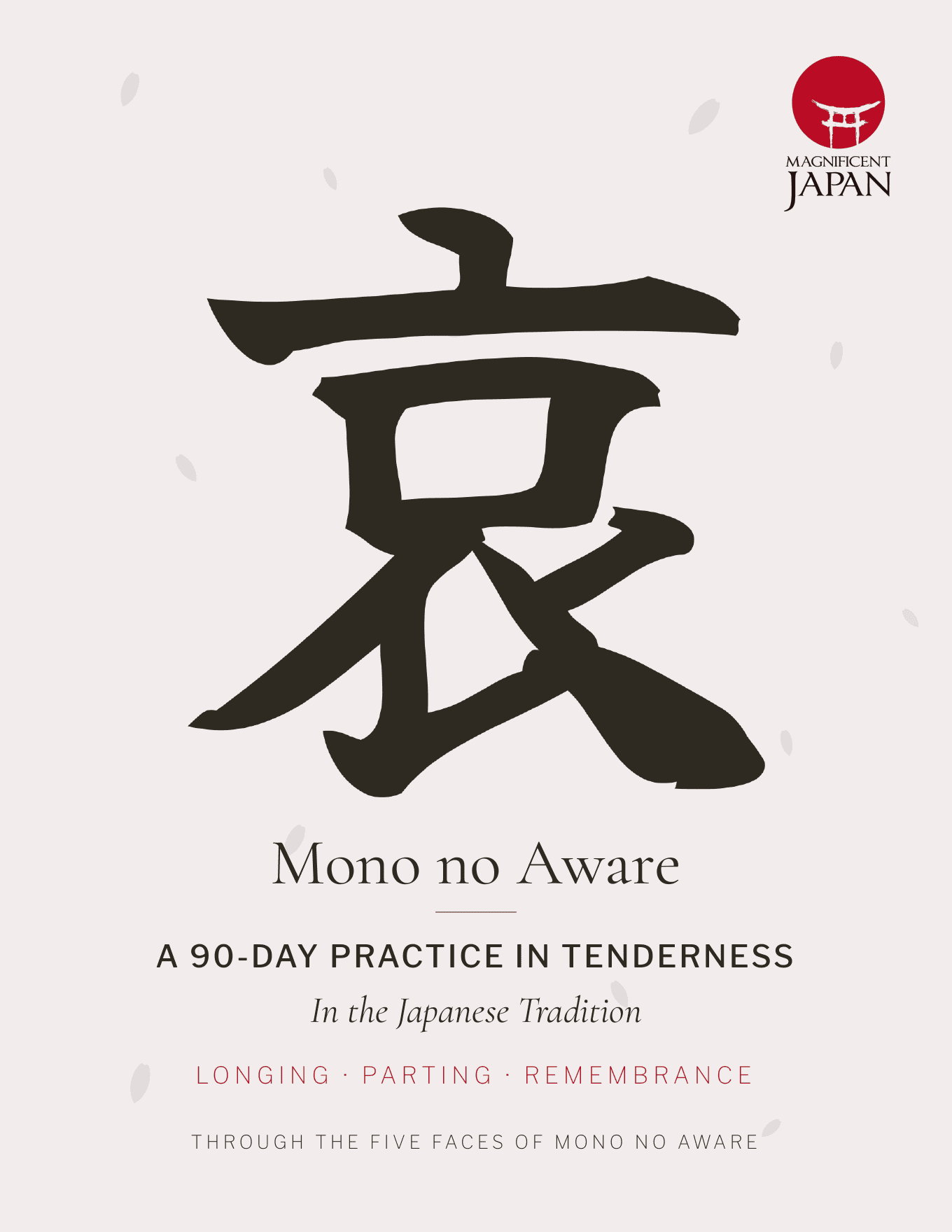
For a grandparent who treasures memories, the Mono no Aware Journal is a 90-day practice built on mono no aware, the Japanese tenderness for passing things. One short prompt a day helps them notice and record the moments worth keeping. Choose the digital edition for a tablet or the paperback for ink and paper. It is one of eight journals in the Cultural Reflection Collection.
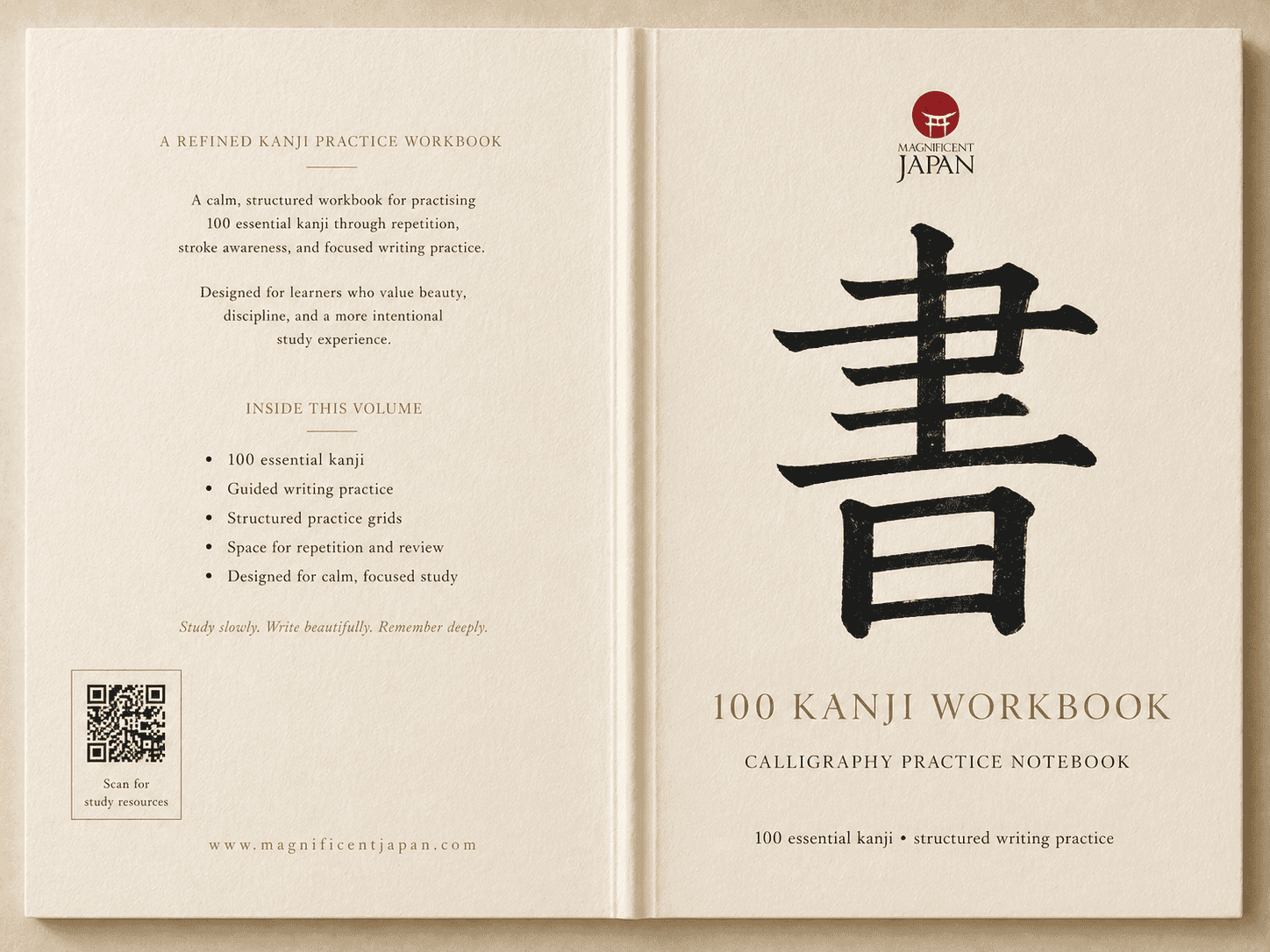
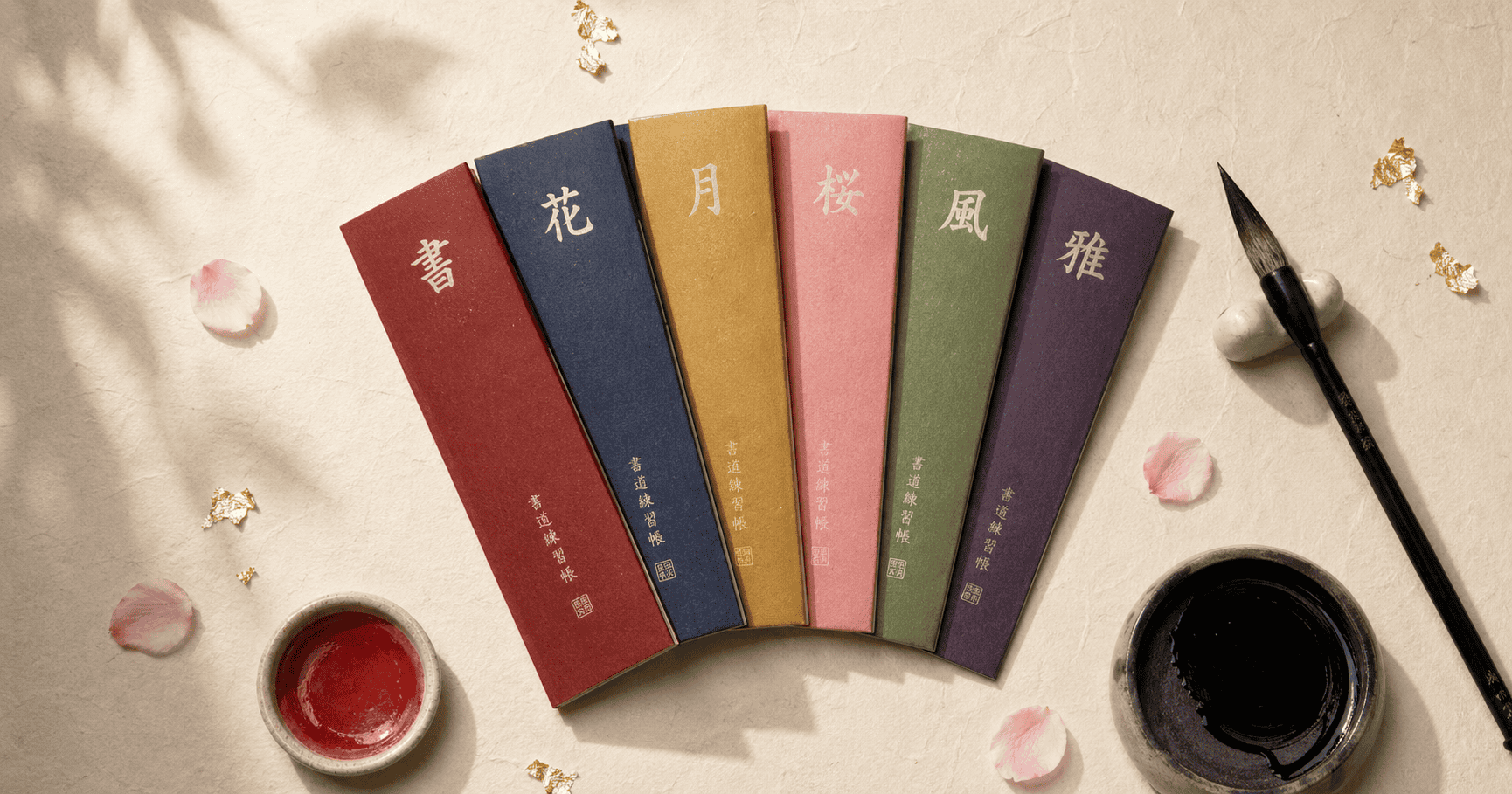
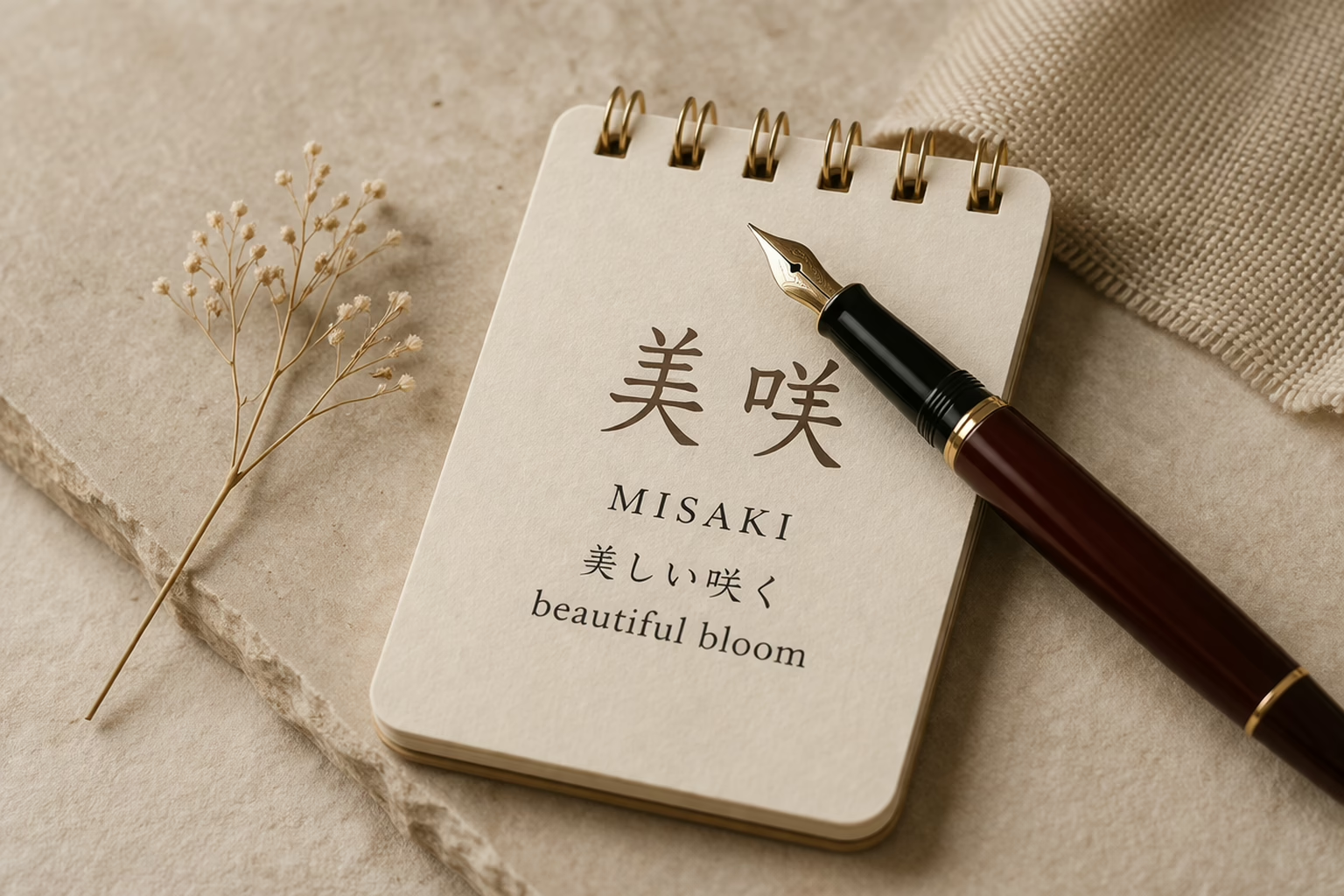
View The CollectionFor curious minds, Japanese gifts for grandparents can also open a new hobby. Some want to read the characters on a teacup or a box of sweets. Others enjoy brush writing as a calm daily practice. Our workbooks, journals and name tools below suit exactly that kind of curiosity. Each one is made by Magnificent Japan. Our guide to Japanese calligraphy explains why brush writing appeals at any age. Many people take it up after retirement and find it deeply absorbing. It suits grandparents who enjoy a calm task with their hands.
Seeing Japan Together
Many families now plan a multigenerational trip to Japan, and grandparents often love it most. Our team plans private trips with an easy pace, short transfers and comfortable hotels. Picture tea in a Kyoto garden, a gentle walk through Hakone and an evening at a ryokan with a hot spring bath. Our two-day Kyoto itinerary shows how to pace the city. Tell us about your family, and we will plan a route that suits every generation, with rest days built in.
For families traveling with grandparents: a gentle pace, private transfers, tea in Kyoto gardens, Hakone's lakes and a ryokan night with a hot spring bath, all planned so every generation enjoys the trip.
Plan Your Custom Japan ItineraryQuestions Worth Asking
What are good Japanese gifts for grandparents?
Good Japanese gifts for grandparents suit slow, everyday pleasures. Gyokuro tea and a Kutani teacup suit a tea drinker, Wazakura bonsai scissors suit a gardener, and a shogi set or yosegi puzzle box suits a grandparent who loves games.
What is Keiro no Hi?
Keiro no Hi, or Respect for the Aged Day, is a Japanese public holiday on the third Monday of September. Families honor their elders with visits, meals and small gifts, and towns celebrate residents who reach milestone ages.
What do older Japanese people like as gifts?
Many older Japanese people prefer modest, useful gifts. Quality tea, seasonal sweets, ceramics and symbolic items such as crane and turtle designs are classic choices. Consumable gifts are popular because they add no clutter.
What does the crane and turtle mean on a Japanese gift?
In Japan, the crane and the turtle symbolize long life and happiness. They often appear together on gifts for elders and long-married couples, such as lacquered chopsticks, ceramics and wrapping cloths.
Is a shogi set a good gift for a grandfather?
Yes, especially if he enjoys chess or strategy games. Shogi is Japanese chess with a twist, since captured pieces return to play. It is also a great game to learn with grandchildren during visits.
What Japanese sweets suit grandparents?
Yokan, a firm red bean jelly, is a classic choice because it keeps well and pairs with green tea. Rice crackers such as kakinotane and soft dango are also popular with older Japanese people.
The Editors, Magnificent Japan