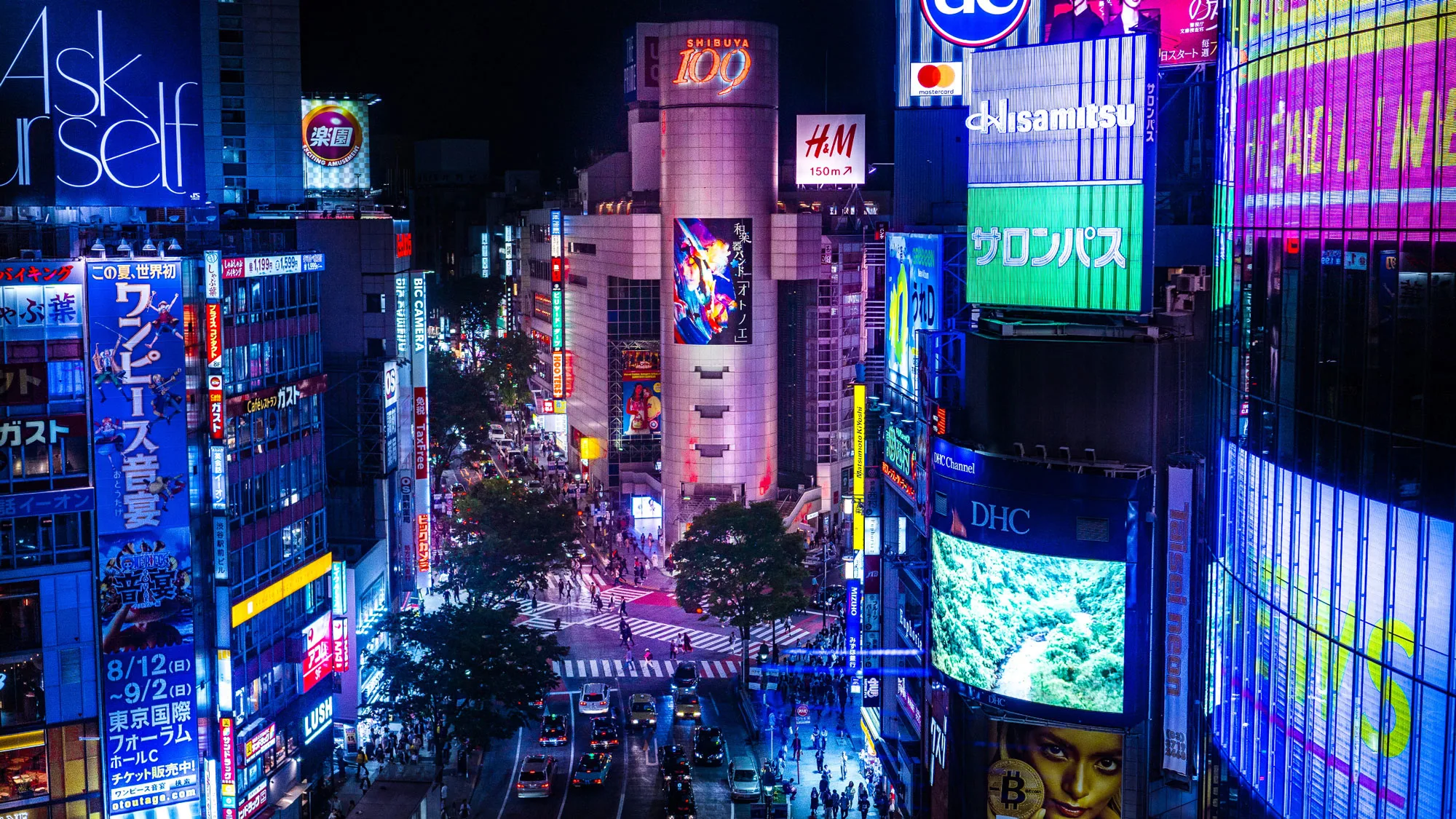
Tokyo nightlife is less a single scene than a sequence of small rooms. An evening here moves from a counter dinner to a cocktail bar, then to a late bowl of noodles. Each room is tiny, and each one has its own rules. Learn the rhythm once, and the city opens up.
Most visitors arrive expecting one famous district. Instead, they find a dozen neighborhoods, each with a different mood after dark. Shibuya is young and loud, while Ginza is polished and precise. Shinjuku holds both extremes within a few blocks. Meanwhile Ebisu and Nakameguro sit somewhere between, relaxed and well dressed.
This guide reads the city by neighborhood, from rooftop terraces at dusk to listening bars after midnight. It also covers the etiquette that keeps a night smooth, and the practical question of getting home. For the daytime half of the city, start with our Tokyo experiences worth planning around. Then come back here when the lights come on.
What is Tokyo nightlife like?
Nightlife in Tokyo is spread across many neighborhoods rather than one strip. Evenings run from izakaya dinners and tiny alley bars to hotel cocktail lounges, listening bars and large clubs. Most places are small and calm. Trains stop around midnight, so plan a taxi or stay out until the first morning train.
Before the neighborhoods, it helps to understand how the city paces a night out. Tokyo rarely does one long session in one place. Instead, friends move between two or three venues, staying an hour or so in each. That habit has a name, hashigo, which means a ladder, because you climb from one bar to the next. Once you think in rungs rather than destinations, the scale of the city stops feeling overwhelming.
How Tokyo Nightlife Flows, Room by Room
A typical evening begins early, around six or seven. Office workers fill izakaya for beer, small plates and conversation. Then the crowd thins out. Some head home on the train, while others move on to a cocktail counter or a karaoke room. The latest group ends in a club or a ramen shop, waiting for the first train.
Because most rooms are small, the experience feels personal rather than crowded. A bar might seat eight people around one counter. The bartender often works alone, and the drink arrives slowly and precisely. So patience is part of the pleasure here. Rushing a Tokyo bartender rarely improves anything.

Tokyo nightlife also rewards a little planning, which is where most first visits go wrong. Many of the best rooms are on upper floors, reached by a lift with a small sign beside it. Others take reservations only through a hotel concierge. A loose plan for each neighborhood, with two or three named places, beats wandering a busy street hoping for a sign.
Finally, remember that the city is safe but not careless. Keep your phone charged and note the last train from your station. Carry a card and a little cash, because some older bars still prefer cash. With those basics covered, the evening can follow its own course.
Shibuya: Rooftops, Alleys and Listening Bars
Shibuya is where many visitors start, and it suits the first hour well. The scramble crossing turns into a river of light after dark. Above it, rooftop terraces give the clearest view of the city at dusk. Arrive before sunset, watch the towers light up, then walk down into the streets.

Nonbei Yokocho and the listening bars
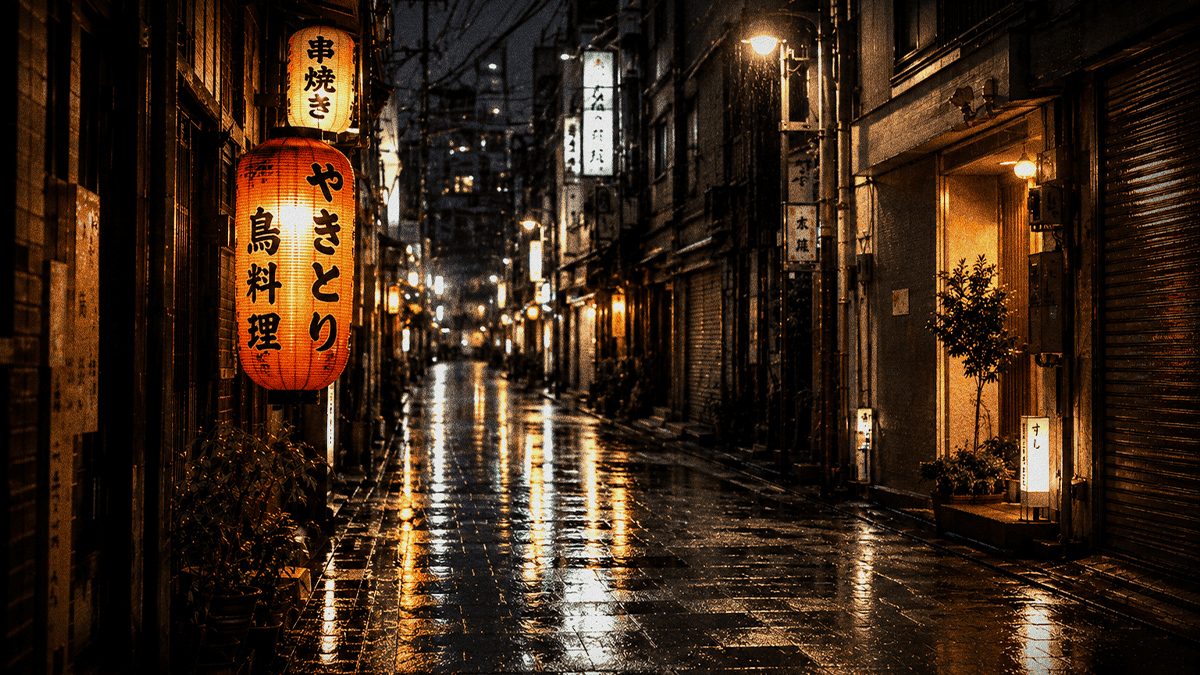
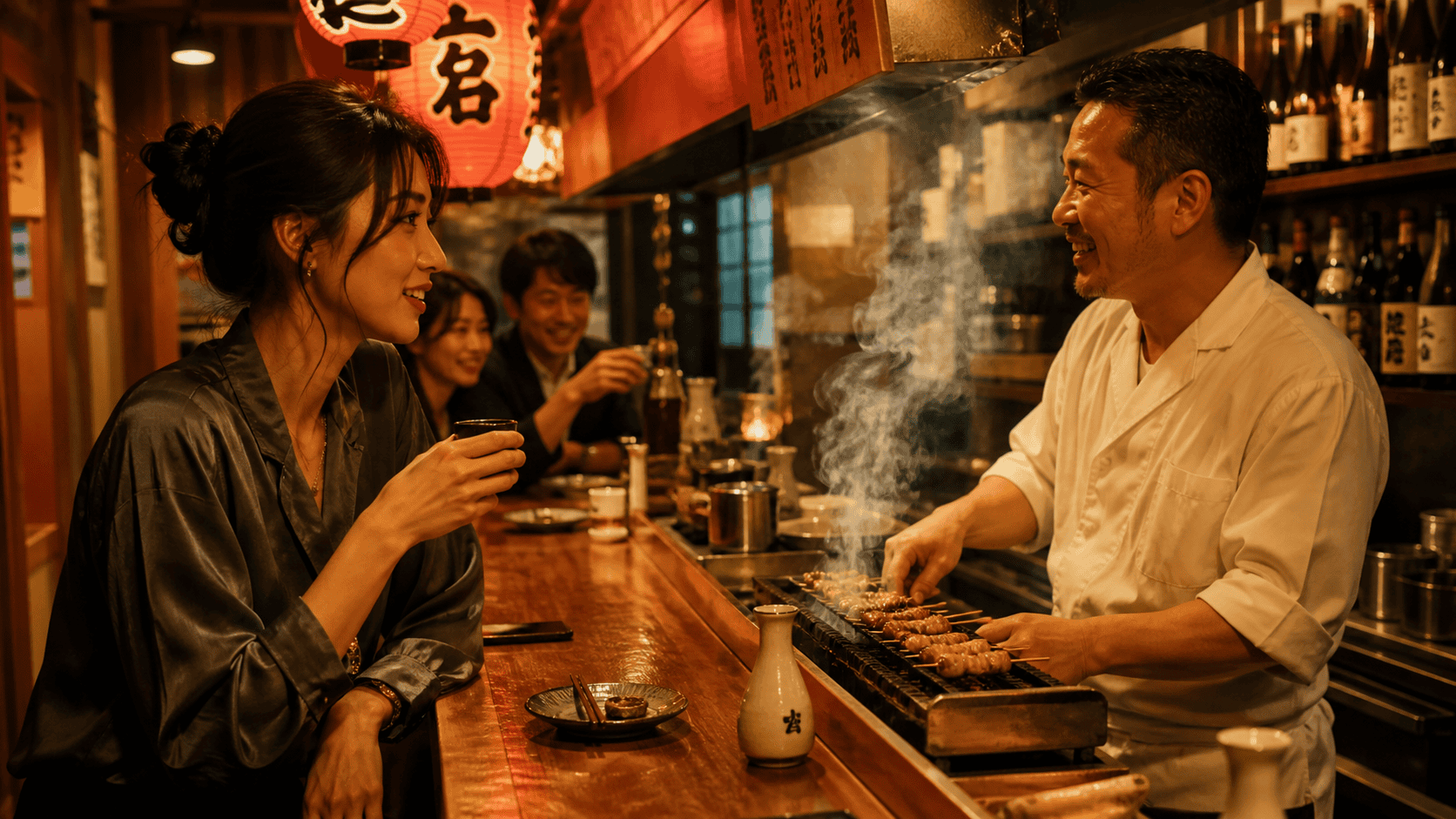
Just beside the station sits Nonbei Yokocho, a lane of tiny bars dating from the early 1950s, as the city’s guide to yokocho alleyways notes. Some of them hold only four or five guests. Lanterns hang over the doors, and yakitori smoke drifts down the alley. It is a gentle introduction to Tokyo drinking culture, especially early in the evening, before the regulars arrive.
Shibuya also leads the city in listening bars. These are rooms built around a vinyl collection and a serious sound system. Guests sit, sip and listen, while the owner chooses the records. Conversation stays low, so the music can carry. For many travelers, an hour in one of these rooms becomes the memory of the trip.
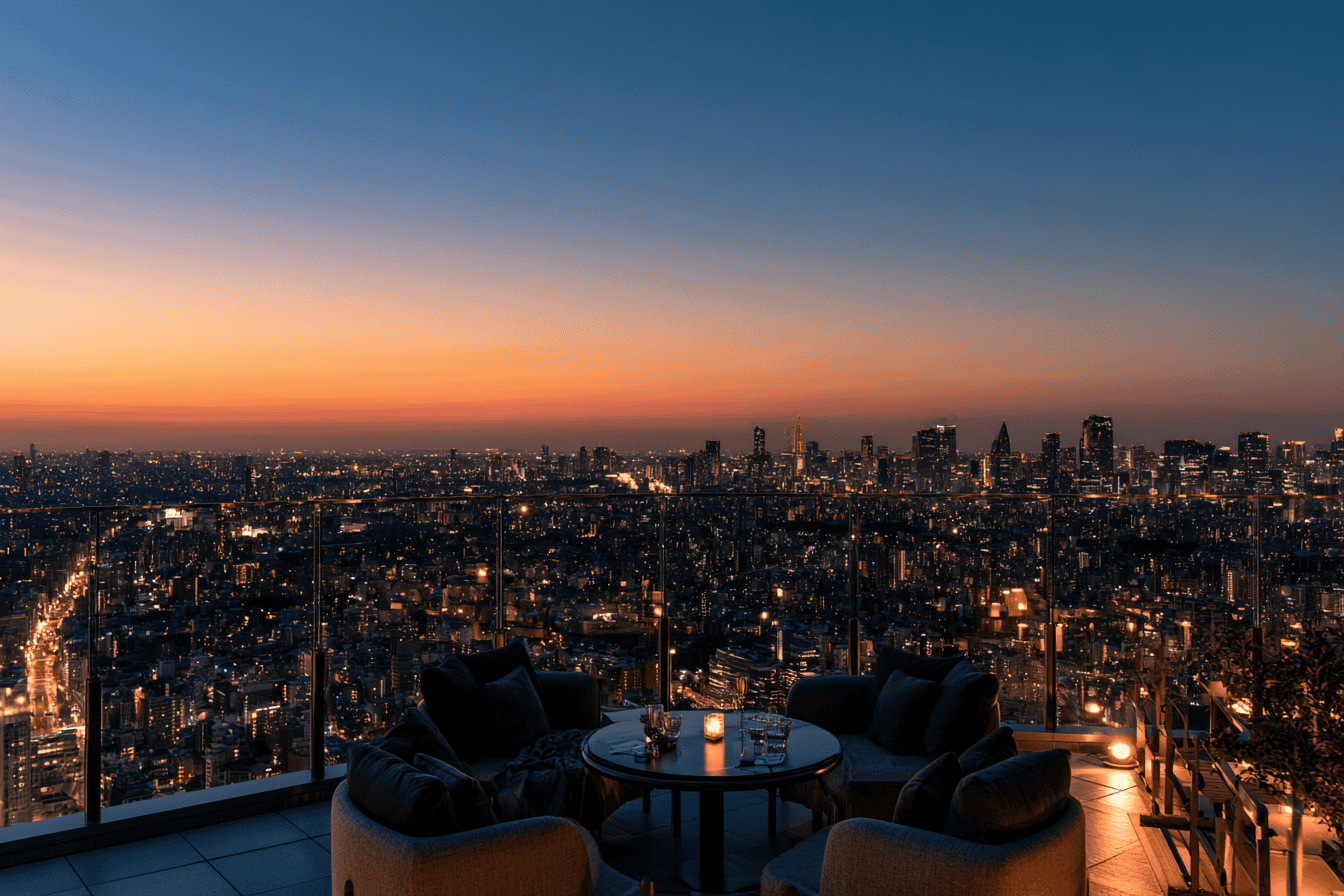
One rule matters here more than anywhere else. Under a Shibuya City ordinance, drinking in public spaces around the station is banned from six in the evening until five in the morning. So the can-in-hand street crowd of older travel videos no longer applies. Drinks stay inside the bars, which suits the neighborhood far better. It also keeps the station area calmer for everyone walking home. If you want to see where the famous street scenes were filmed, our Tokyo Drift filming locations guide walks the same blocks.
You may also like
Where Shibuya leads next
From Shibuya, most evenings head north or south rather than staying put. North lies Shinjuku, a short ride on the Yamanote Line. South lie Ebisu and Nakameguro, calmer and more grown-up in tone. Choose by mood. If you want spectacle, go north. If you want a long dinner and a good glass, go south and save Shinjuku for another night. Either way, keep the first stop light. The best rooms tend to come later, when the counters fill and the bartenders relax.
Shinjuku: Golden Gai, Omoide Yokocho and Kabukicho
Shinjuku stays busy until dawn, and it holds the most varied nights in the city. On one side of the station, office towers empty out. On the other, neon streets fill with diners, drinkers and onlookers. The contrast is the attraction. Within ten minutes you can move from a smoky yakitori lane to a glass-walled hotel bar.

Golden Gai and Omoide Yokocho
Golden Gai is the reason many travelers come. According to the official Tokyo visitor guide, around 280 bars fit into a tight six-row block of alleys, a few minutes from the east exit. Most bars open around eight in the evening. Each one seats a handful of guests, and many have a theme, from jazz to film to punk. Some welcome visitors, while others keep to regulars, and a polite question at the door settles it quickly. Early evening is the gentlest time to visit. By ten, the doors close behind full counters.

Expect a seating charge in many Golden Gai bars, since space is the real luxury here. Go in a pair or a group of three, because larger groups simply will not fit. Then stay for one or two drinks and move on. That rhythm keeps the alleys friendly for everyone. Nearby Omoide Yokocho offers the same intimacy with food, its counters lined with grills and steaming pots. Order a few skewers and a beer, then move on when you finish. It makes a fine first rung before Golden Gai opens.

Kabukicho, with care
Kabukicho, just beyond the gate, is Tokyo’s entertainment district in the old sense. It holds restaurants, cinemas and karaoke, but also host clubs and touts. The main streets are busy and well lit. Still, it is the one area where caution pays. Ignore anyone who approaches you on the street with a bar offer, and choose venues you have researched in advance. A friendly greeting at the door is fine. A stranger walking you to a bar is not, however charming the pitch.
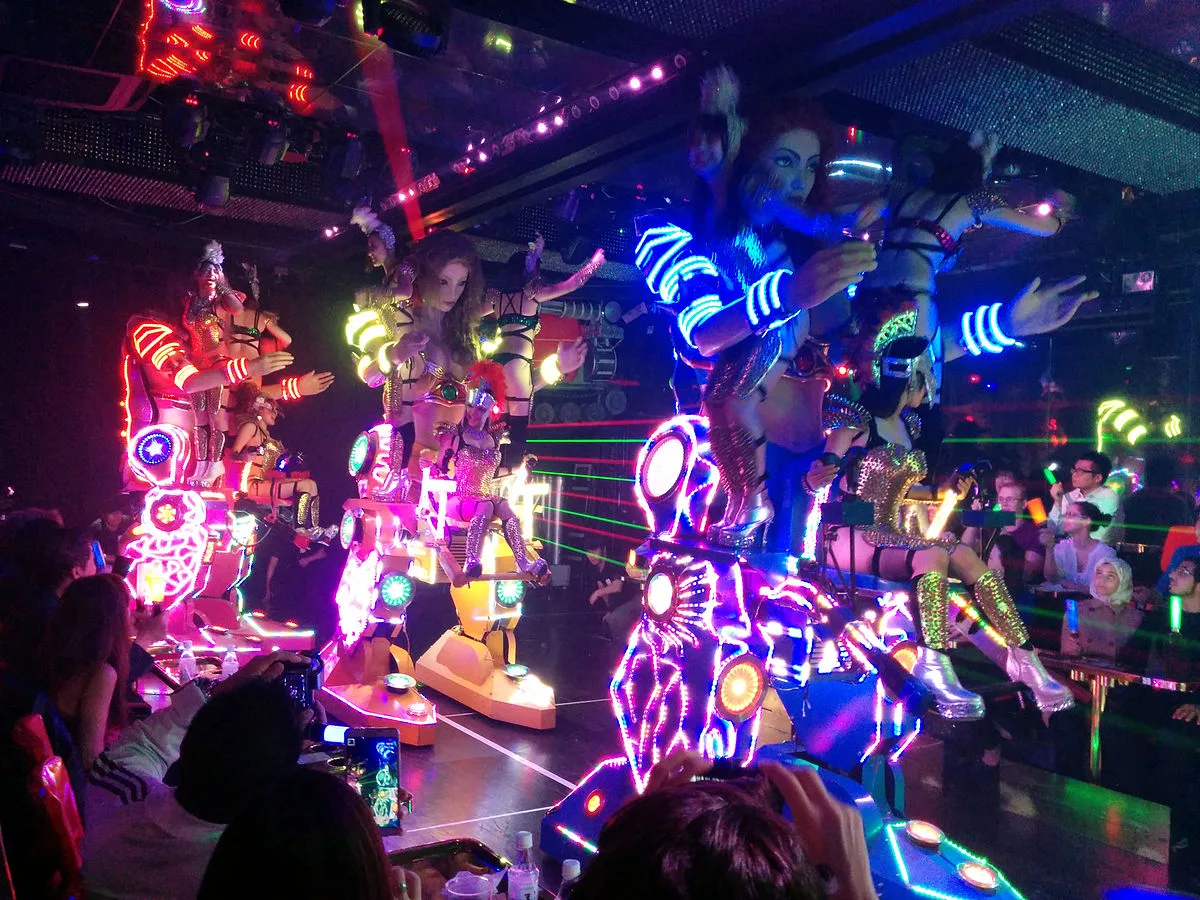
Shinjuku’s spectacle has changed in recent years. The famous robot cabaret closed during the pandemic and never reopened. In its place, the district’s best nights now lean toward small jazz rooms, standing bars and late counters. That shift suits travelers who want character more than noise. However, the energy of the streets remains, and it is worth seeing at least once. Walk the main avenue early, admire the signs, and then retreat to a smaller room nearby. A jazz bar or a standing counter makes a good refuge.
After Shinjuku, the tone of the night changes again. The next two neighborhoods sit at opposite ends of the scale. Roppongi is international and late, built around clubs and big rooms. Ginza is formal and early, built around cocktails made with precision. Both are worth knowing, even if you only visit one. Together they show how wide a single Tokyo evening can be. One ends on a dance floor at three in the morning. The other ends in a still bar where the ice is carved by hand.
Roppongi and the Club Night
Roppongi draws a large international crowd and hosts many of the city’s nightclubs. Its main crossing glows under Tokyo Tower, and the side streets fill after ten. The neighborhood also has a softer side. Art museums stay open late, and Roppongi Hills offers sky-high views before the clubs open their doors.

Club nights
For dancing, the city’s larger clubs cluster between Roppongi and Shibuya. Club nights rarely peak before midnight, and many run until the first train. Bring photo identification, because doors often check it. Dress codes are relaxed at most venues, though sportswear can draw a second look at the smarter rooms. Arrive after midnight, when the floor fills and the sound system opens up. Before that, a late dinner nearby fills the gap well. Many travelers book a counter seat for nine, then walk to the club afterward.

Roppongi also asks for the most care. Touts work the main strip, and a few bars have a history of inflated bills. So skip any venue a stranger recommends on the street. Watch your drink, keep your card in sight, and agree on a meeting point with friends. Follow those habits and the area is as enjoyable as anywhere else. Prefer to hand the planning to someone who knows the doors? A custom Tokyo itinerary can book the evening ahead, from the table to the car home.
Clubs are only one way to stay out late, of course. Many travelers prefer a long dinner, a single good bar and a taxi by one. That path leads to Ginza, where the city’s cocktail culture reached its most refined form. Before heading there, consider a few things that bring the evening home with you. The habits of a Tokyo bar travel surprisingly well. A well-made drink at home keeps the trip going long after the flight.
Recommended
Ginza and the Hotel Bar
Ginza is where Tokyo drinks in a jacket. The streets are wide and bright, lined with flagship stores that close early. After eight, the neighborhood moves upstairs, into small cocktail bars hidden on the fifth or sixth floor of narrow buildings. Bartenders here train for years, and the craft shows in every movement.
The Japanese style of bartending is famous for its precision. Ice is cut by hand, glasses are chilled, and shaking follows a deliberate rhythm. Masahiro Urushido, the bartender behind Katana Kitten in New York, explains the method in The Japanese Art of the Cocktail, which collects eighty recipes. It reads well on the flight over, and it makes the first Ginza bar easier to understand.
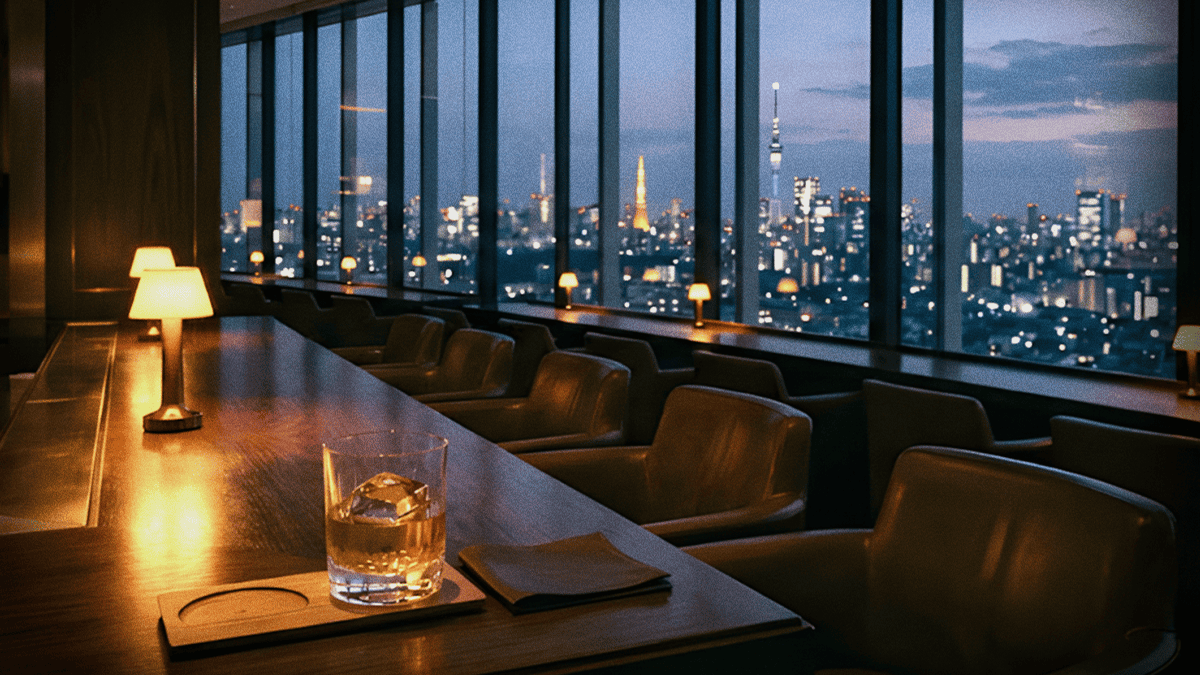
Hotel bars offer the gentlest way into Ginza and its neighbors. They take reservations, accept cards and speak English. Many sit on high floors, so the view comes with the drink. For a night that starts slowly, book one for the hour before dinner. Our guide to the finest hotels in Japan lists several with bars worth the visit, even for non-guests.
Two objects carry this mood home well. One is a cobbler shaker, the three-piece design favoured in Japanese bars. The Birdy CS500 cocktail shaker is made in Japan and polished inside for a smooth, cold shake. Another is a watch with a bar in its story. Seiko’s Presage Cocktail Time SRPB43 has a glossy dial designed to recall a cocktail in the glass.
Ten Proverbs to Carry With You
A printable folio of ten Japanese proverbs, each with a short note on where it shows up in daily life. Several fit a long Tokyo evening well. Leave your email and the printable arrives in your inbox, followed by an occasional letter on Japan.
One email with your printable. Occasional letters after that. Unsubscribe anytime.
When Ginza closes
Ginza’s bars close earlier than most, often around midnight. That suits a certain kind of traveler well. You get two perfect drinks, a short walk under the lights and an early taxi back to the hotel. Then the next morning starts fresh. For a later finish, the neighborhoods to the south and west keep their doors open longer. Their mood is easier and less formal. That makes them a natural second half to a Ginza evening.
Ebisu, Nakameguro and Shimokitazawa
Ebisu feels like a neighborhood rather than a district. Its streets hold wine bars, natural-wine counters and small restaurants that fill with locals. Ebisu Yokocho, a covered food alley near the station, packs stalls side by side, and most of them stay open all night. It is lively, warm and easy to join.
Nakameguro, one stop away, follows a canal lined with cherry trees. After dark, its cafés turn into bars, and the crowd is stylish without trying hard. Shimokitazawa, further west, has a younger and more creative feel. Its small live houses host bands most nights, and its record shops stay open late. Both make a good second rung after dinner in Ebisu.
Food anchors these neighborhoods, and izakaya are the natural first stop. Our guide to the izakaya, the Japanese pub explains how to order and what to expect. Sake is the other half of the table. If the menu leaves you unsure, read our primer on Japanese sake for beginners before you go.
A highball at home
Highballs are the house drink of these streets, light and fizzy with whisky and soda. At home, a tall stainless tumbler keeps one cold for the whole conversation. The Yukiwa Glanz Collins tumbler is double-walled with a hammered base, a fine nod to the hotel bars of Ginza. Pair it with a long Japanese teardrop barspoon by Akagawa, made in Japan, for stirring with the same easy spin bartenders use.
You may also like
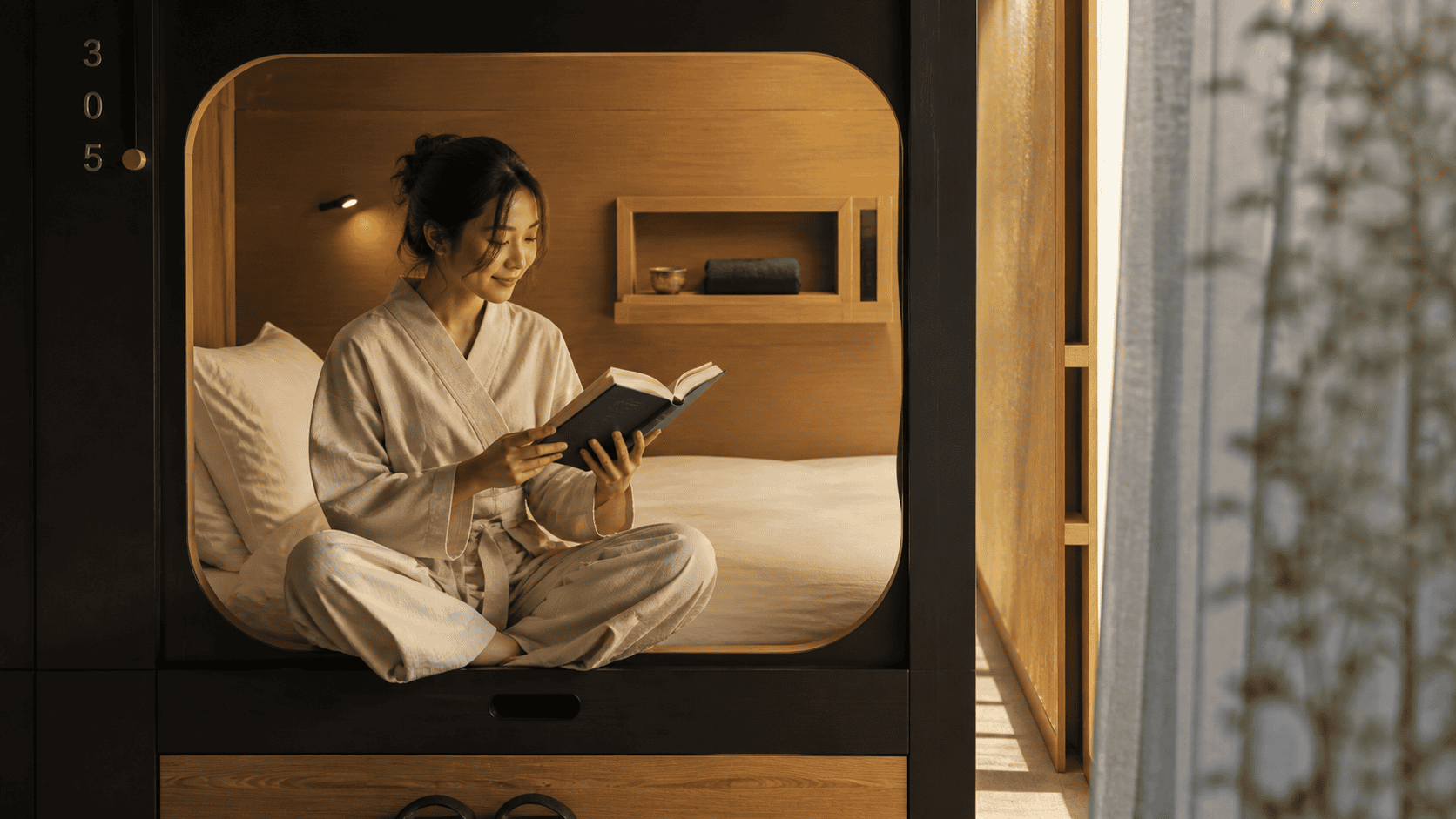
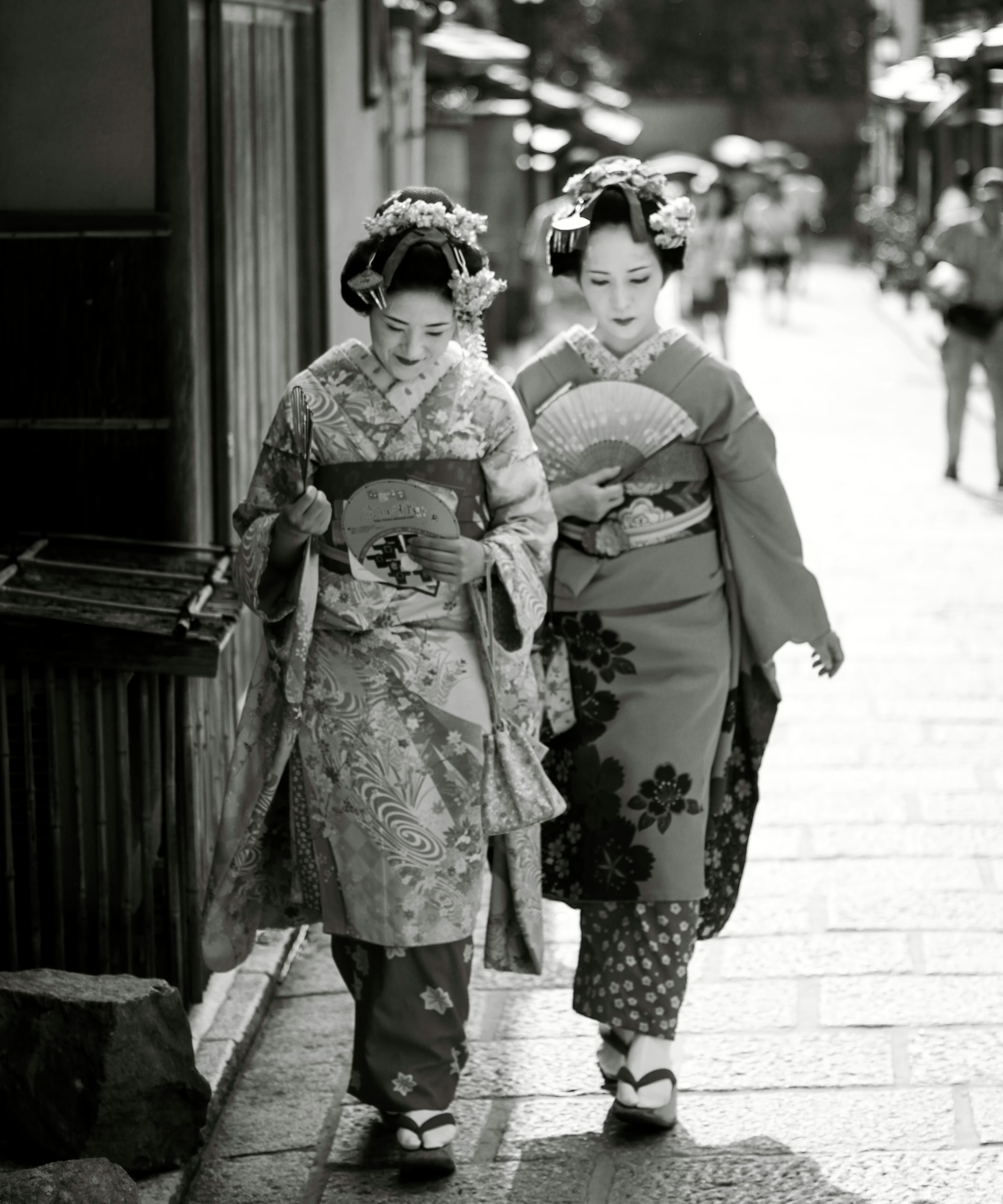
Wherever the night begins, a few customs travel with you from room to room. They are simple, and most of them come down to space and pace. Tokyo bars are small, so courtesy carries further than it would elsewhere. Guests who learn the basics are welcomed back, while guests who ignore them notice the chill quickly. The next section covers the habits that matter most. They run from the small dish that arrives unordered to the moment you pay at the door.
Etiquette After Dark
First, expect a small dish you did not order. It is called otoshi, and it replaces a seating charge in many bars and izakaya. Accept it graciously, because it is part of the bill, not a mistake. Second, never tip. Japan does not tip in bars or restaurants, and you settle the bill at a register by the door. Leaving extra money on the counter only causes confusion, so pay the exact total. A sincere thank-you on the way out does the work a tip would do elsewhere.
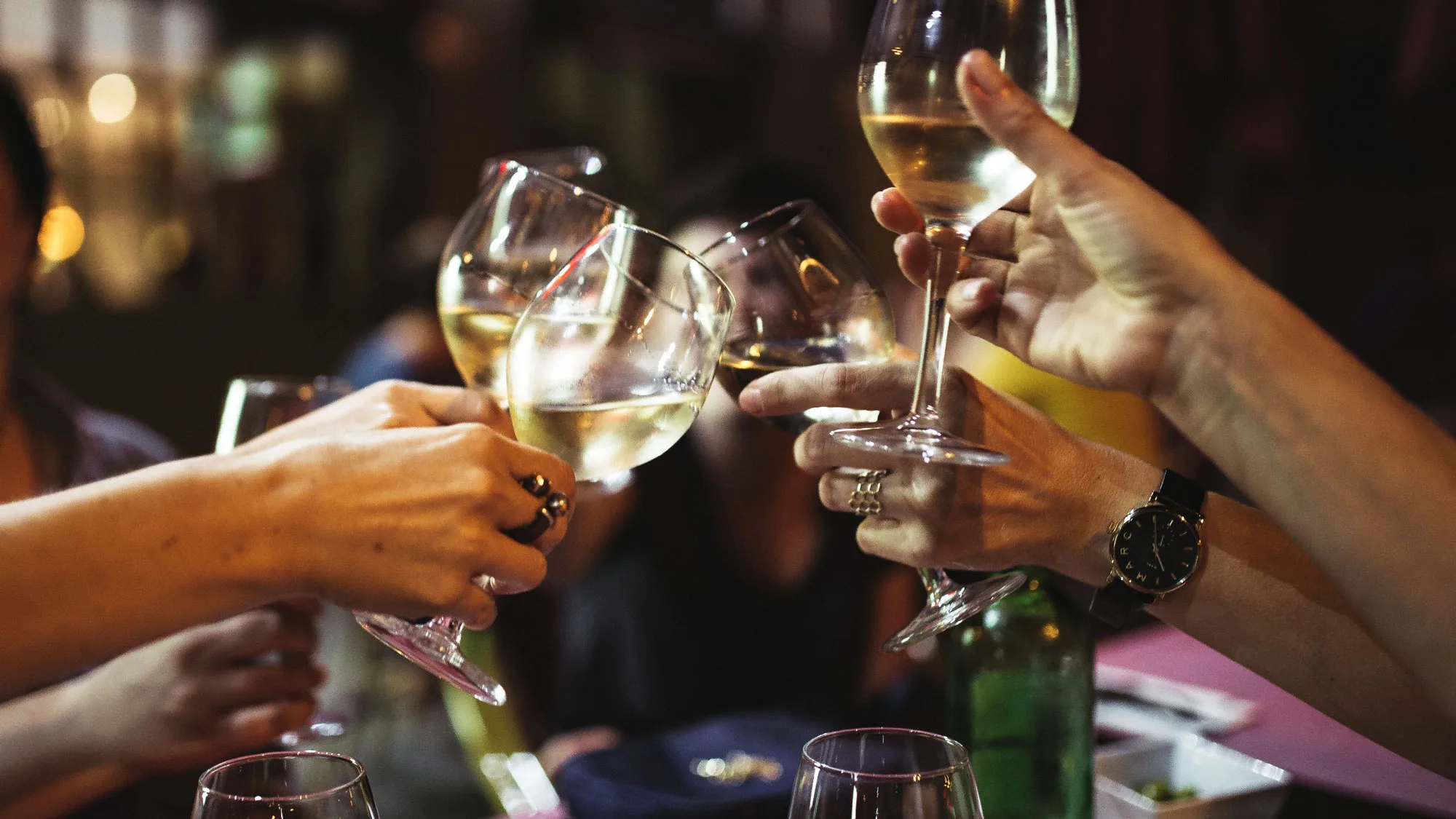
Third, keep groups small and voices moderate, a habit that matters as much as anything in Tokyo nightlife. Many rooms seat fewer than ten, so a party of six can fill the bar. Ask before taking photographs of other guests or of the bartender at work. Also, smoking rules vary by venue, so check before you light up. Finally, drinking on the street is banned in parts of Shibuya and frowned on elsewhere.
Tokyo nightlife etiquette is really about reading the room. Watch what regulars do, then follow. If a bar feels full, it probably is. For the wider set of customs, from shoes to chopsticks, read our guide to Japanese manners and etiquette. The same principles of space and consideration apply long after dark.
Dressing for a Tokyo Evening
Tokyo dresses well at night, though rarely loudly. In Ginza and the hotel bars, smart wins: a good jacket, a silk dress, clean leather shoes. In Shibuya and Shimokitazawa, the look is more relaxed but still deliberate, with careful layers and good sneakers. Above all, choose shoes you can walk in, because the best nights cover a lot of pavement.

The cocktail-bar slip
A sequinned slip dress suits the small, low-lit bars of Ginza and Ebisu. It packs flat, it travels well and it looks right under warm lamps. Pair it with a light coat for the walk between venues, because autumn evenings cool quickly. Flat shoes in the bag are a wise backup for the walk home. Then add one statement earring rather than several pieces of jewelry. Tokyo style prizes restraint, even at its most glamorous. A single detail reads better than many.

The rooftop halter
For a rooftop terrace at dusk, color and movement work beautifully. A pleated halter dress catches the breeze and photographs well against the skyline. Pleats also resist creasing, which matters after a day in a suitcase. Wear flat sandals or low heels, though, because rooftop floors are often decking or gravel. Bring a wrap as well, since terraces get windy once the sun goes down. A neutral wrap also works later, over the same dress, in an air-conditioned bar.

The dinner-to-late wrap
Izakaya evenings call for something practical. You may sit on a low stool, lean over a grill or squeeze past a crowded counter. A long-sleeved wrap dress in a dark print handles all of it. It moves easily, hides a splash of sauce and still looks polished in a cocktail bar afterward. Men can follow the same logic with a dark knit and tailored trousers. Skip anything precious or pale, since grill smoke clings to fabric for hours. Dark wool and cotton forgive almost everything.

The hotel-bar classic
Hotel bars favour classic tailoring, and deep colors suit their wood and brass interiors. A burgundy dress with a tie neck feels dressed without seeming stiff. For men, a navy or charcoal jacket over an open collar strikes the same note. Shoes matter more than you think here, so keep them clean and soft-soled. Some Ginza bars do notice, and staff often seat guests accordingly. A good coat completes the look, because the doorway is where first impressions form.

The late-night sparkle
For a club night, sparkle earns its place. Sheer sleeves keep a sequinned dress light enough to dance in, and a deep green feels fresher than black. Choose a small cross-body bag that stays closed, since dance floors get crowded. Finally, check the weather before you leave the hotel. Tokyo summers are humid even at midnight, while winter nights turn sharp and cold. Layers solve both, and a light coat can wait in the club cloakroom. Keep your phone and card in an inside pocket while you dance.
You may also like
Getting Home After Tokyo Nightlife
Trains stop running around midnight and do not start again until five or six in the morning. That single fact shapes every night out in Tokyo. So check the last train from your station before the first drink, and set a reminder on your phone. Missing it is not a disaster. Still, it changes the plan from a short ride to a taxi or a very long night. Timetables vary by line and station, so check the exact time for your route that evening.
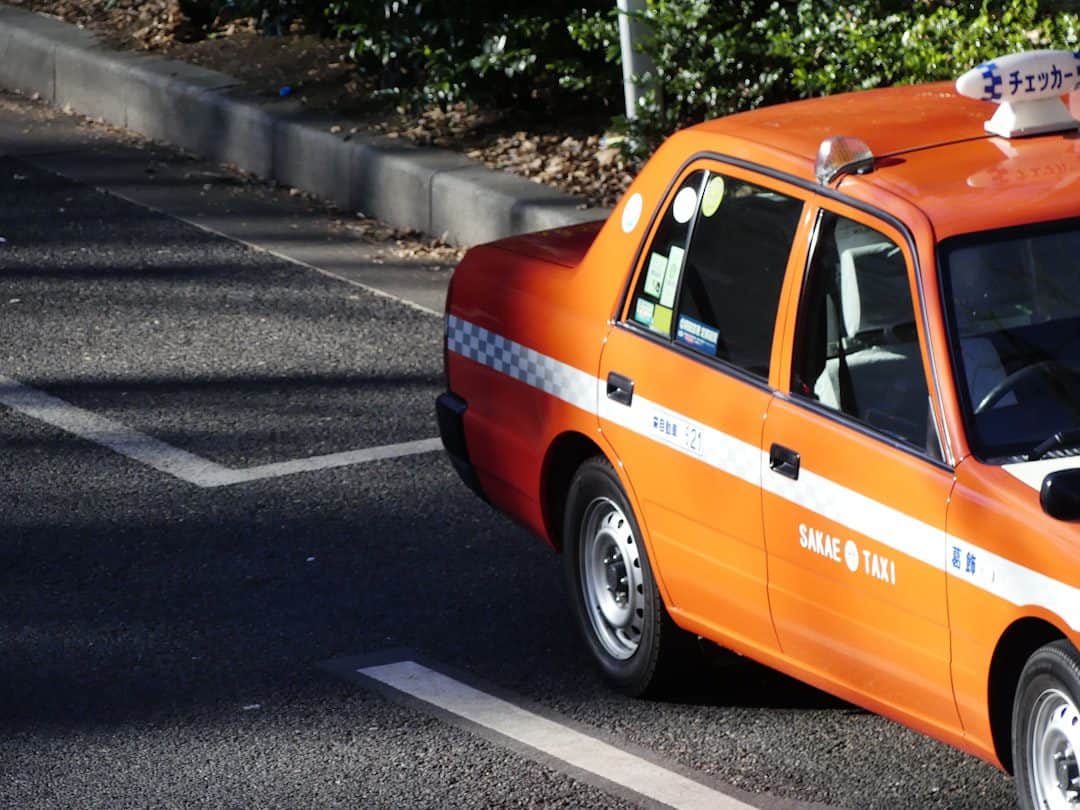
Taxis are the quickest way home late at night, since the roads are clear. The rear door opens automatically, and the driver closes it too. Rates rise late at night, and there is no tipping. Most cabs now accept cards and transit cards, although cash remains the safest backup. Write your hotel’s address in Japanese on your phone, because it saves time with every driver.
Some travelers prefer to stay out until the first train instead. Clubs, karaoke rooms and all-night ramen counters make that easy. However, plan for a slow next morning, and keep the following day light. Whichever you choose, Tokyo nightlife ends best with a calm ride home and a short walk through empty, glowing streets.
Questions Worth Asking
Where is the best nightlife in Tokyo?
It depends on the evening you want. Shinjuku offers the widest range, from Golden Gai to late counters. Shibuya suits rooftops, listening bars and clubs. Roppongi leads for large international clubs. Ginza is the choice for refined cocktails, while Ebisu and Nakameguro offer relaxed wine bars and food alleys.
What time do bars close in Tokyo?
Closing times vary widely. Ginza cocktail bars often close around midnight. Many bars in Shinjuku and Shibuya stay open until the early morning, and clubs often run until the first train. Ebisu Yokocho has stalls open all night. Check each venue before you go, because hours change by day.
Is Tokyo nightlife safe for visitors?
Yes, Tokyo is generally very safe at night. Take normal care in Kabukicho and Roppongi, where street touts operate. Never follow a stranger to a bar, watch your drink and keep your card in sight. Research venues in advance, and agree on a meeting point if your group splits up.
Do Tokyo bars charge a cover?
Many do. Small bars often add a seating charge, and izakaya usually serve otoshi, a small dish that stands in for one. Both appear on the bill. Tipping is not expected anywhere, and you normally pay at a register by the door rather than at your table.
How do I get home after the last train?
Taxis are the easiest option, and roads are clear late at night. Expect a late-night rate, and do not tip. Most taxis accept cards and transit cards. Alternatively, stay out until the first trains start again around five in the morning. A club or an all-night ramen shop makes that easy.
Is there a dress code for Tokyo nightlife?
Most bars have no formal code, but Tokyo dresses well. Hotel bars and Ginza cocktail rooms favour smart clothes and clean shoes. Clubs are more relaxed, though some turn away sportswear. Bring photo identification to clubs, because door staff often check it before entry.
Questions answered, one thing remains: choosing how to remember the night. A trip like this goes by quickly, and the best evenings blur together within a week. That is why a short written record matters more than a camera roll. Write a few lines each morning about the room, the drink and the person you met. Those notes keep the city sharp long after you return. The journal below was built for exactly that kind of first encounter.
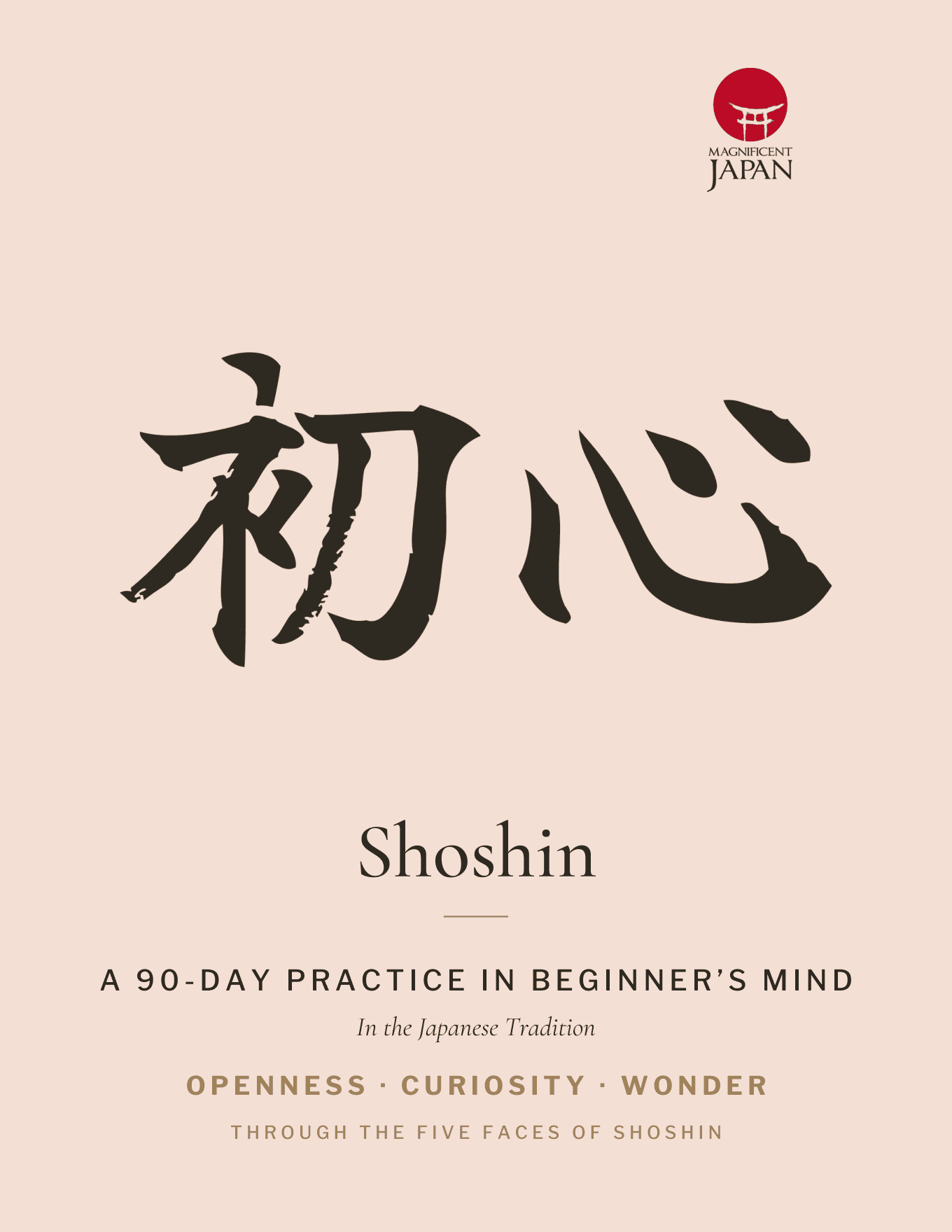
Shoshin means beginner’s mind, the habit of meeting each place as if for the first time. This 90-day guided journal turns that idea into one short prompt a day, ideal for a first trip to Tokyo and the weeks after it. It comes as a write-on digital edition and as a paperback edition, and it is one of eight journals in the Cultural Reflection Collection.
View The CollectionThe Night Is the City’s Second Self
By day, Tokyo is efficient, orderly and a little reserved. After dark, it shows a warmer second self. The bartender who barely spoke at first pours you a taste of something rare. The stranger on the next stool tells you the name of a better bar upstairs. These moments rarely happen in the big rooms. They happen at the counter, in the small hours, when the city relaxes.
So treat Tokyo nightlife as a practice rather than a checklist. Pick one neighborhood per night, two or three rooms, and a firm plan for the ride home. Leave space for the detour someone suggests. Then the city will do the rest, one small room at a time, and the evening will feel entirely your own.
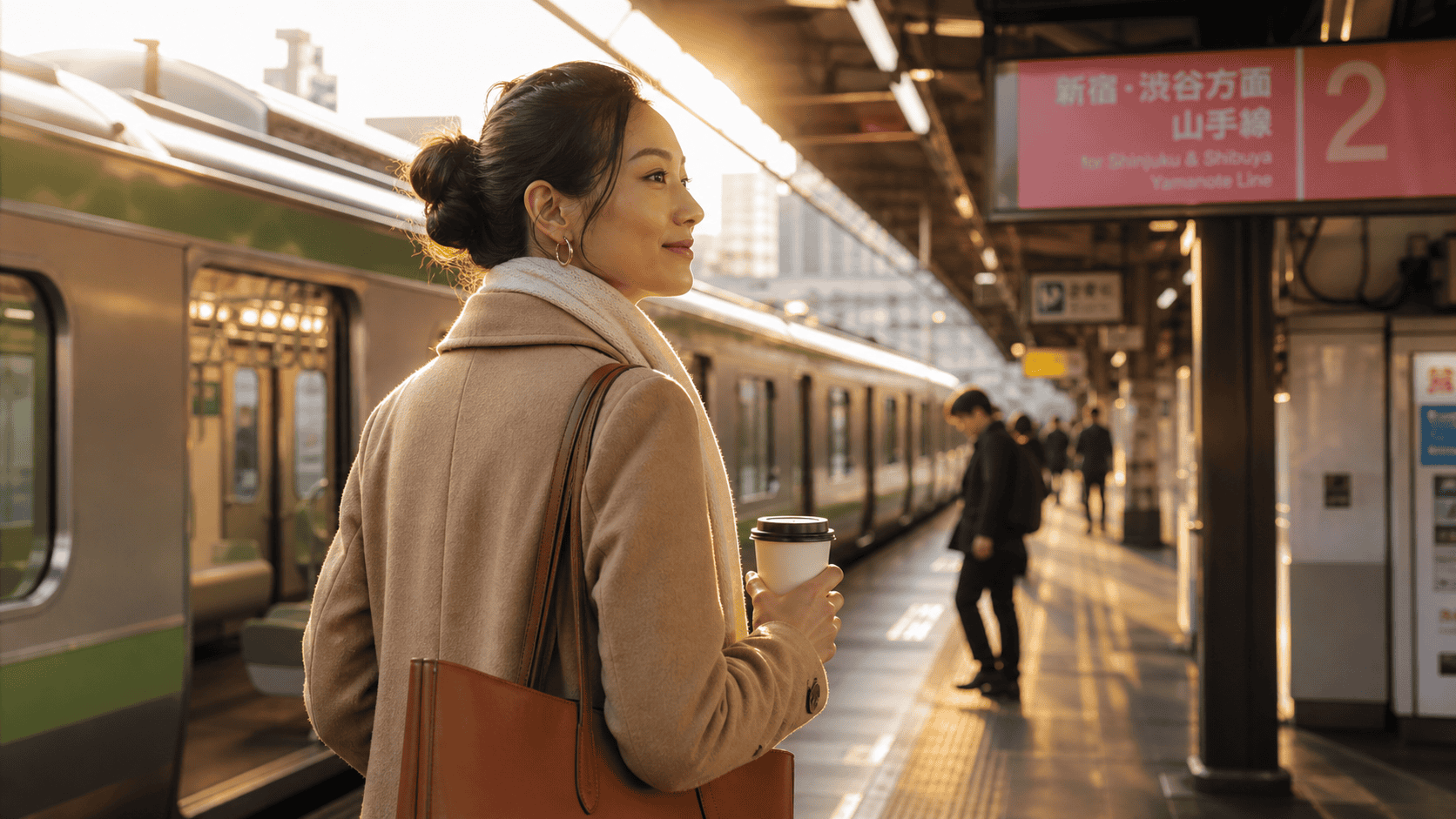
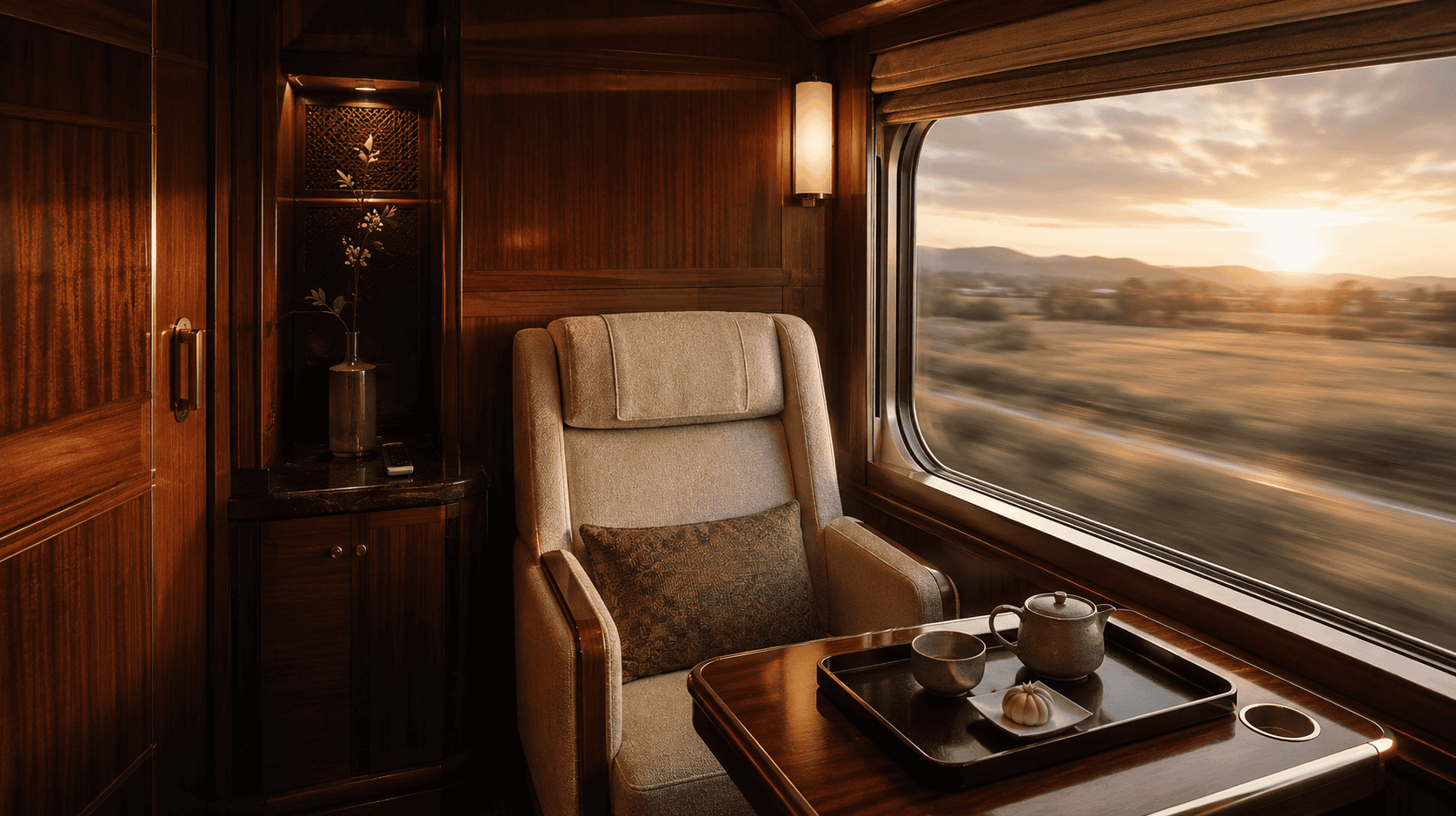

One last thought before you go. The best Tokyo evenings are rarely the most expensive ones. They come from choosing the right neighborhood for your mood, arriving at the right hour and knowing how the night will end. Would you like those choices made for you? Our travel designers can book the tables and arrange the ride home. They build the whole evening into a wider Japan trip, matched to the way you like to travel.
The Editors, Magnificent Japan
For the traveler who wants the city at night without the guesswork: a custom itinerary that books a rooftop at dusk, a counter dinner in Ebisu and a Ginza cocktail bar, with a car waiting after the last train. Each evening is matched to a neighborhood and a mood, with your hotel close by.
Plan Your Custom Japan Itinerary