The best Japanese collectibles share one trait. Someone in Japan made them on purpose, and you can trace that maker by name. A kokeshi in the style of a Miyagi hot spring town, a lucky cat from the old kilns of Tokoname, a cut-glass cup from Tokyo. Each one carries a region, a method and a signature. So the first job of a collector is not hunting for rarity. It is learning which makers and sellers can tell you where a piece came from.
This edit gathers fifteen pieces worth owning, grouped by craft, from folk dolls to records. Each links to the maker or a seller that names the maker. After the list, we cover the routes that reach stock you cannot buy at home. If you want everyday gifts rather than shelf pieces, our fifty made-in-Japan gift picks cover that ground.
What are the best Japanese collectibles to start with?
Start with a craft that has a named home region and a living maker. Kokeshi dolls, Tokoname lucky cats, Nambu iron, Kutani porcelain and Edo Kiriko glass all qualify. Buy from the maker or a seller who names the maker. Then add one pop-culture piece, such as a Japan-made watch or a pressed record.
Why Japanese Collectibles Reward a Careful Buyer
A good collectible holds two kinds of value. There is what it is worth today, and what it keeps being worth once a buyer looks closely. Fakes and loose attributions erode the second kind. So the habit that protects you is simple: buy from a seller who names the maker, the region and the method before you pay.
The risk is not even across categories. Character goods from the biggest brands draw the most copies, because demand runs high and molds are cheap to copy. Folk craft and antiques face a different problem. A piece can be old and still not be what the listing claims, so the date and the maker need a source too.
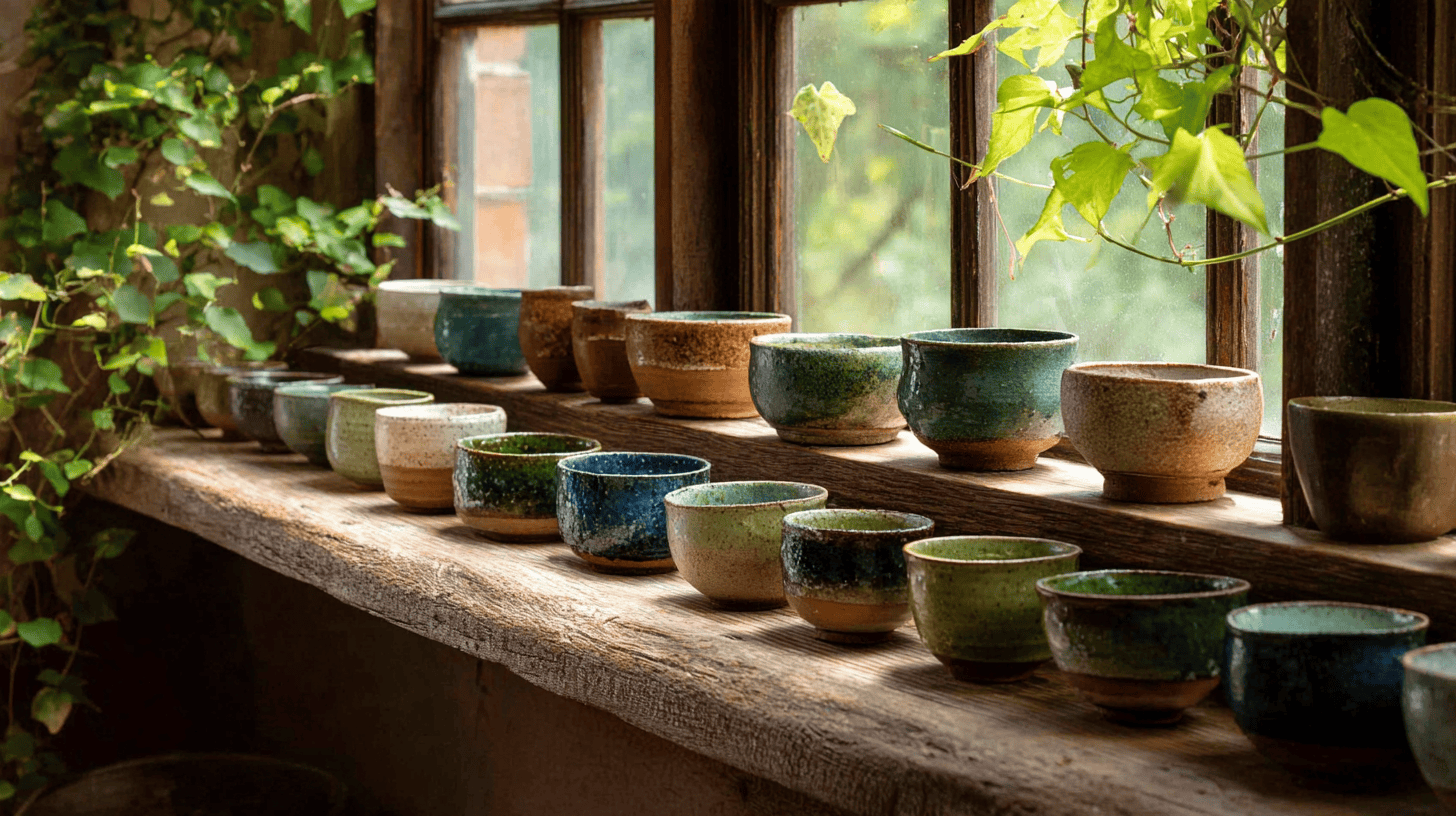
Japan makes this easier than most countries. The government recognizes more than two hundred regional crafts as traditional, and each has a defined home. Nambu ironware comes from Morioka and Oshu in Iwate. Edo Kiriko comes from Tokyo and its neighbors. When a listing names one of these crafts, you can check the claim against the place. That single step filters out most of the vague “Japanese-style” stock on large marketplaces. It also teaches you the words that serious dealers use. Once you know them, you start to see which sellers know them too. That habit sits at the core of buying Japanese collectibles well.
The thirty-second check
Before you add anything to a cart, ask four questions. First, does the listing name the maker or licensor, not just the style? Second, does the seller post a return policy with a real time frame? Third, are the photos the seller’s own, with small flaws visible, rather than a stock render? Finally, does the value sit within reason for the category? A rare piece at a throwaway rate deserves a closer look. A listing that fails two of these is not always a fraud, but it has earned a second look.
Weight is a check most buyers skip. A copy built to save material often feels lighter than the original. So sellers who list the weight expect a buyer who checks. Keep that instinct for every pick below.
Folk Craft Japanese Collectibles: Kokeshi, Lucky Cats and Iron
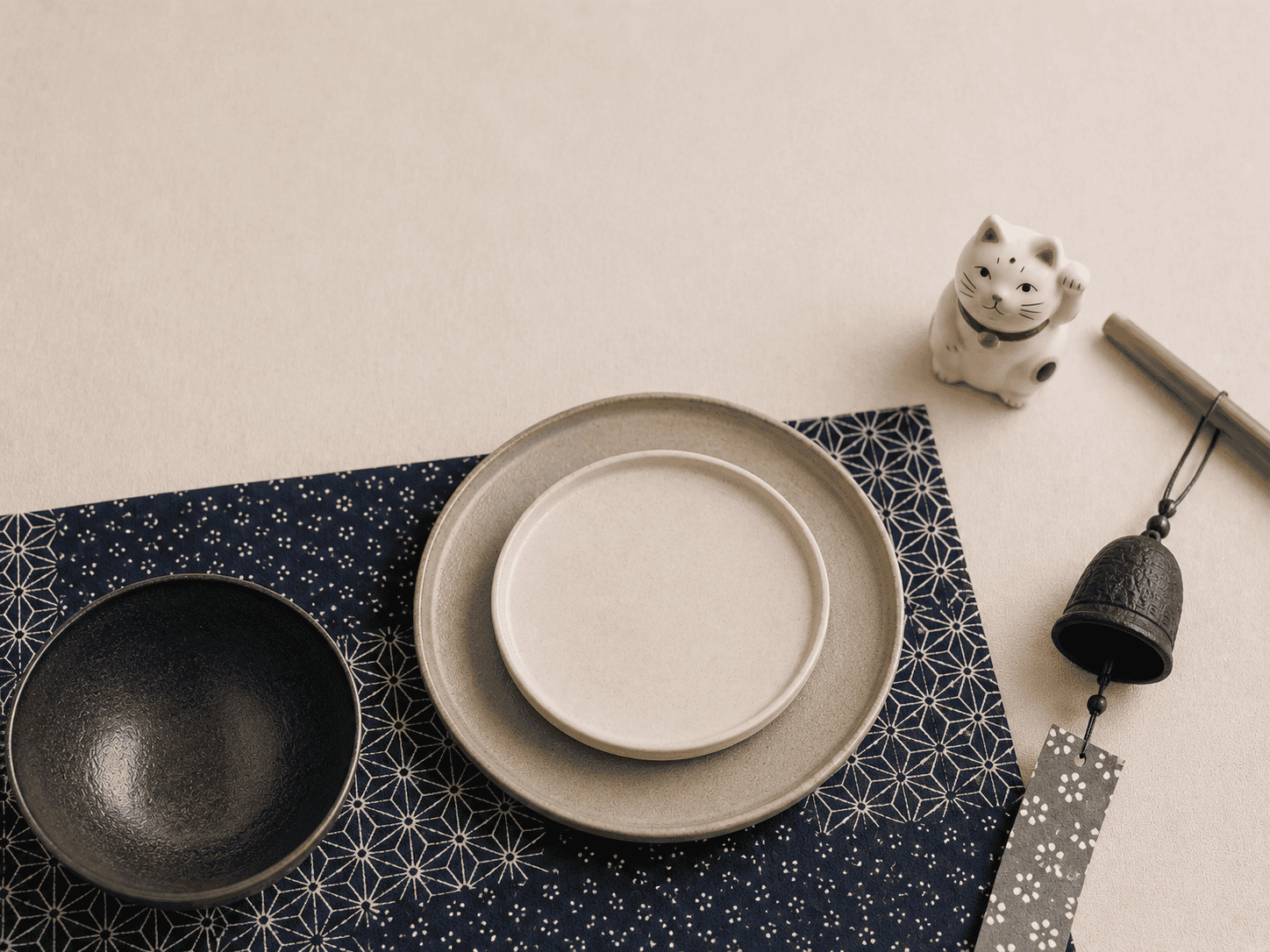
Folk craft is the friendliest place to begin. The pieces are small, the makers are easy to trace, and each object comes from a single region. Kokeshi first appeared in the mid-Edo period as souvenirs from the hot springs of Tohoku. Woodworkers turned them in winter, when farm work stopped.
1. Kyugetsu Naruko Kokeshi No. 6 — a Miyagi style from a Tokyo doll house
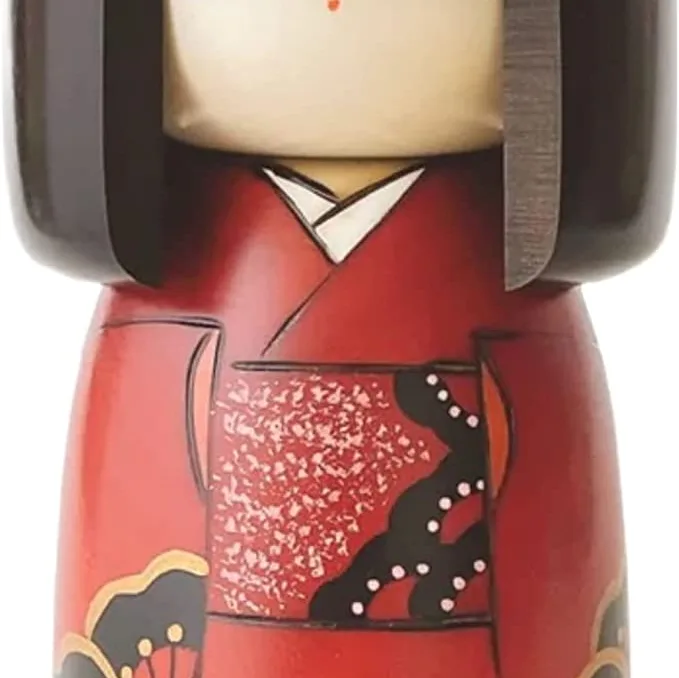
The Kyugetsu Naruko Kokeshi No. 6 comes from Kyugetsu, the Tokyo doll house, through its official store. It is made in Japan in the Naruko style, one of the five traditional kokeshi styles of Miyagi. Naruko sits among the hot spring towns where kokeshi first took shape. Like most Tohoku dolls, it keeps the simple form of a head and a torso, with a painted face and a patterned body. A ready-made doll from a named house makes an easy first step into kokeshi. Keep it out of damp and direct sun, as you would any painted wood.
For the trip where the shelf began: notes on the makers, towns and shops behind each piece.
6 × 9 in · 120 unlined pages · matte softcover
Shop This Journal →Why the kiln town matters
Lucky cats come next, and here the kiln town matters. Tokoname pottery counts as one of Japan’s six ancient kilns, with roots in the late Heian period. Its clay runs high in iron, which fires to a warm reddish tone.
2. Tokoname Maneki Neko — the lucky cat from an old kiln town
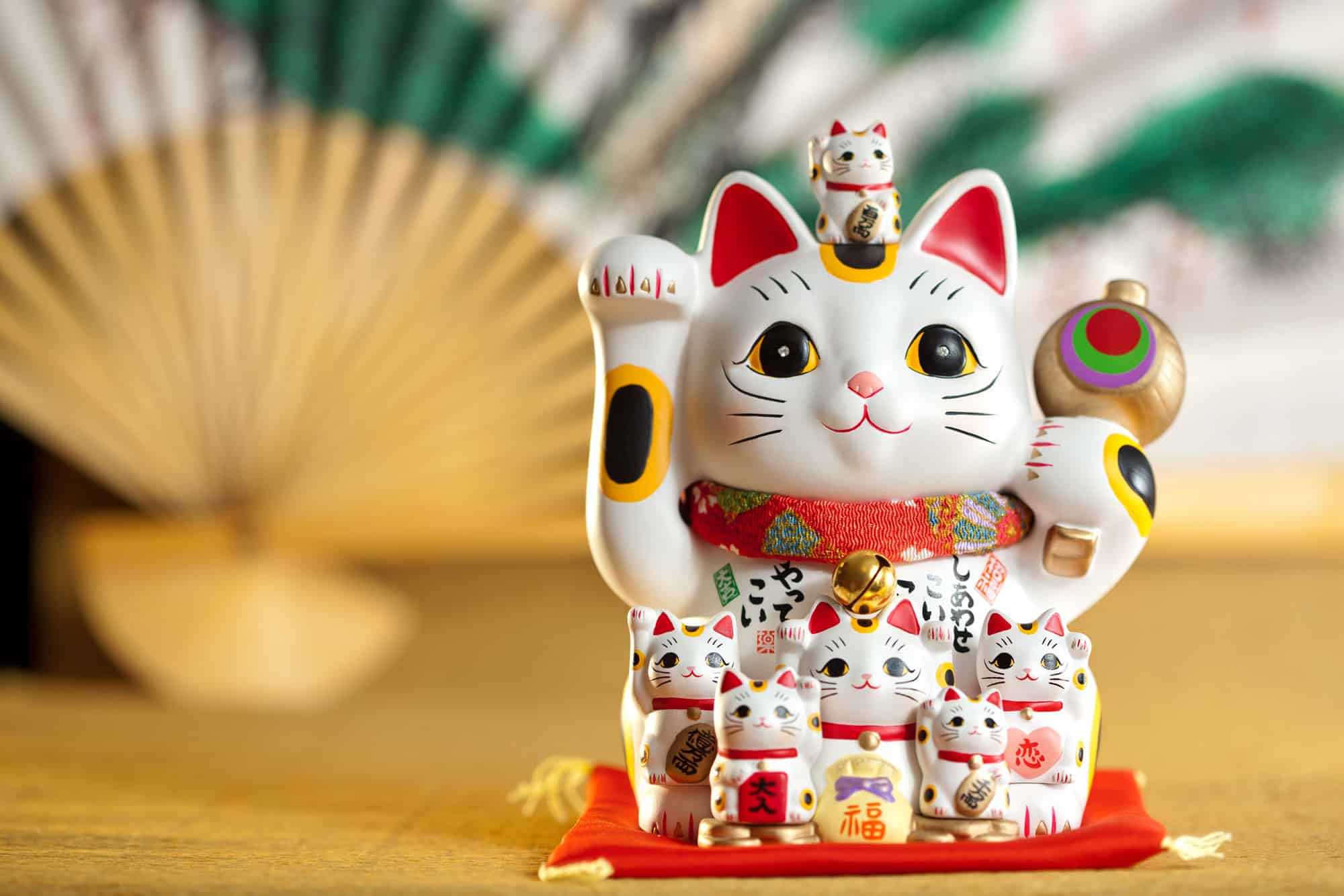
This Tokoname ceramic maneki neko stands 19 centimeters tall. It comes from a small seller in Osaka that ships worldwide and wraps gifts on request. The raised right paw invites money and good fortune, while a raised left paw invites customers. For a first lucky cat, a ceramic one from a named kiln town beats a plastic shop-counter version every time.
3. Iwachu Maneki Neko Wind Chime — Nambu cast iron that sings
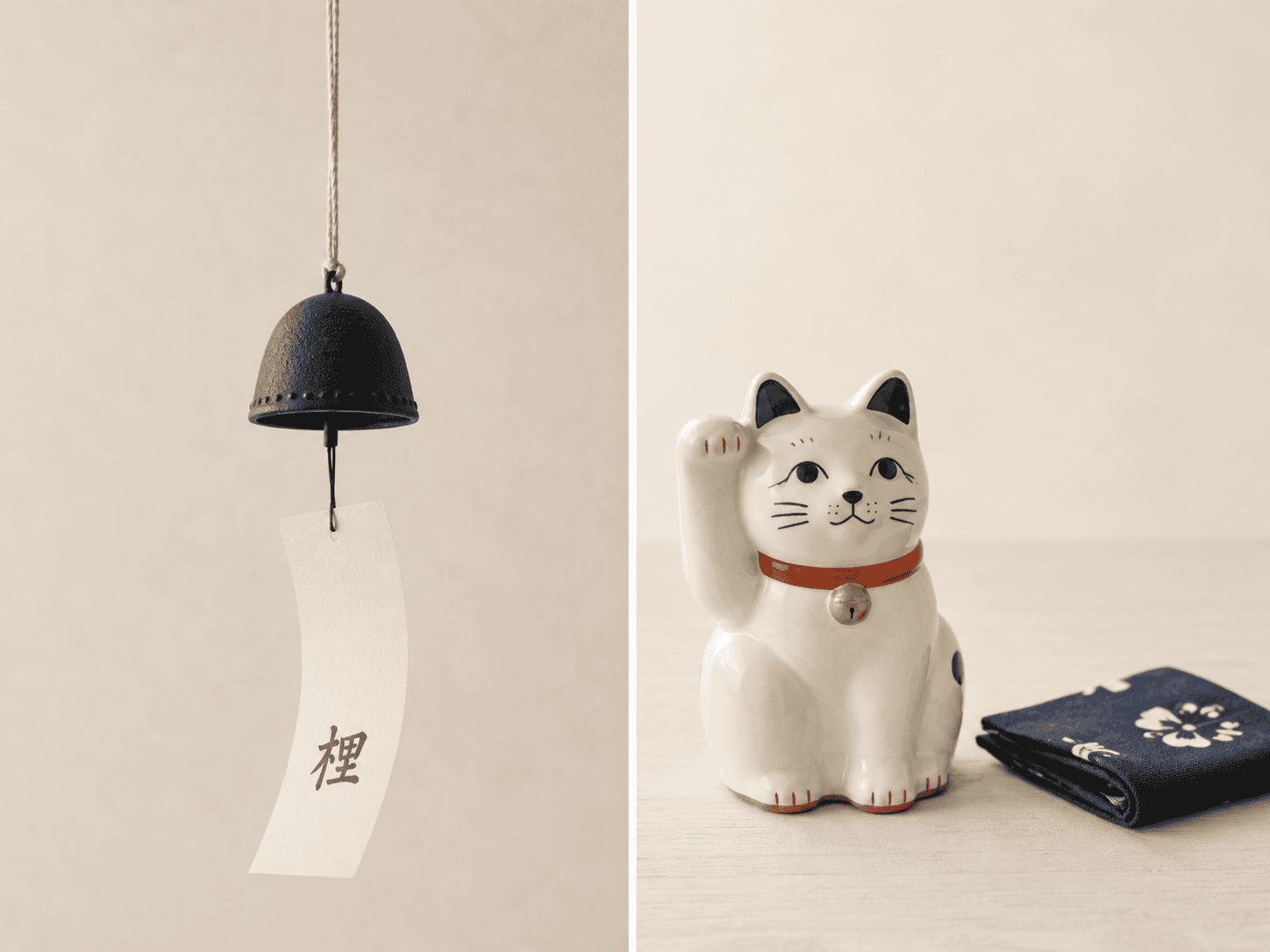
The Iwachu Nambu cast iron maneki neko wind chime joins two collecting threads in one small object. Iwachu works in Morioka, the home of Nambu ironware. A cast iron furin rings with a long, clear note, unlike the bright tinkle of glass. Hang it near an open window in summer, and then bring it inside for winter.
Tea, Porcelain and Glass
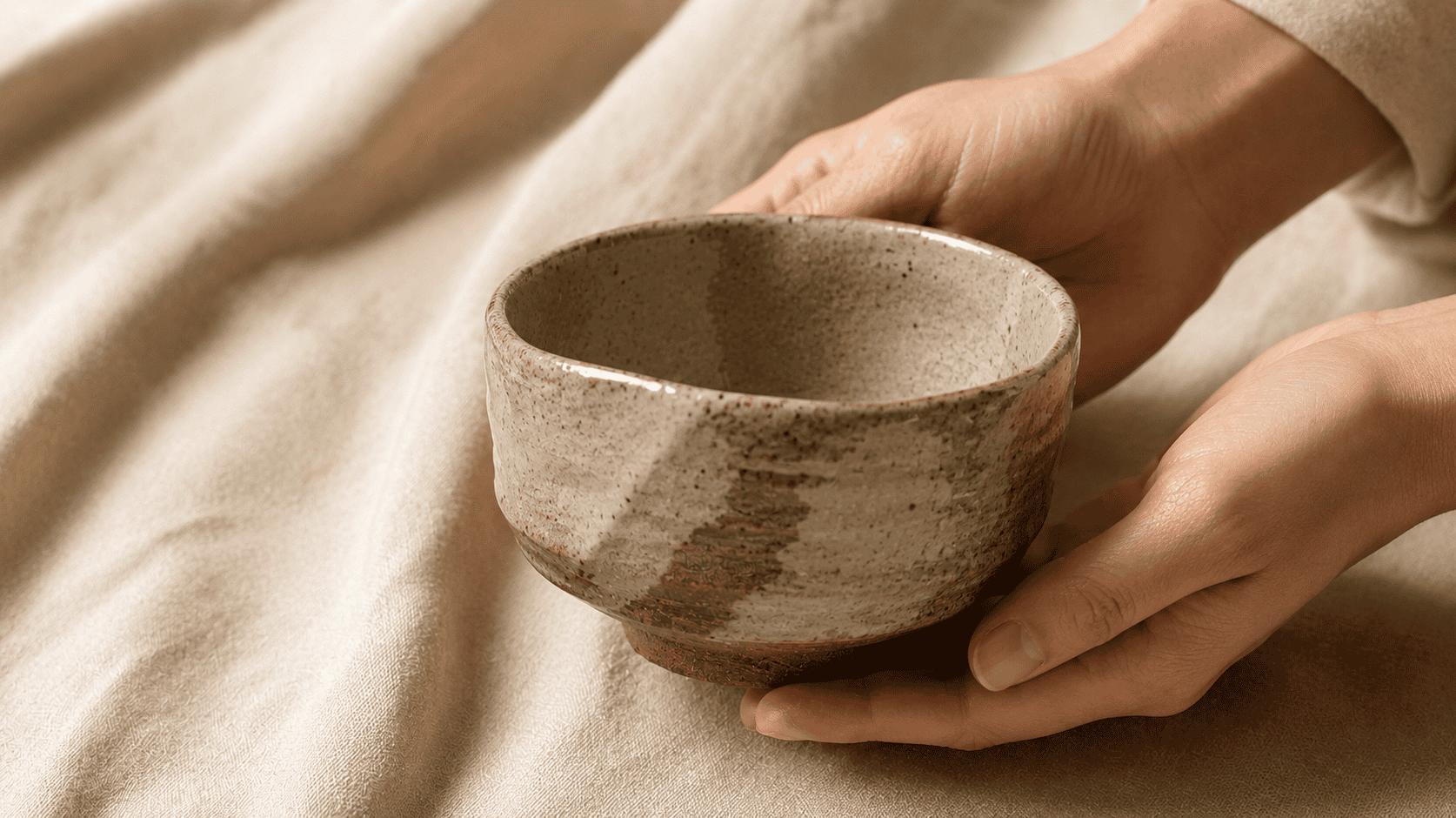
Tea and sake ware sit at the center of many collections. These pieces live on a shelf, but they also come down for use, and that use is part of their value. Nambu ironware began when the Nanbu clan invited kettle makers from Kyoto to Morioka in the early seventeenth century. Today a kettle still takes more than eighty steps.
4. Iwachu Iron Kettle Type 23 — a Nambu tetsubin for daily tea
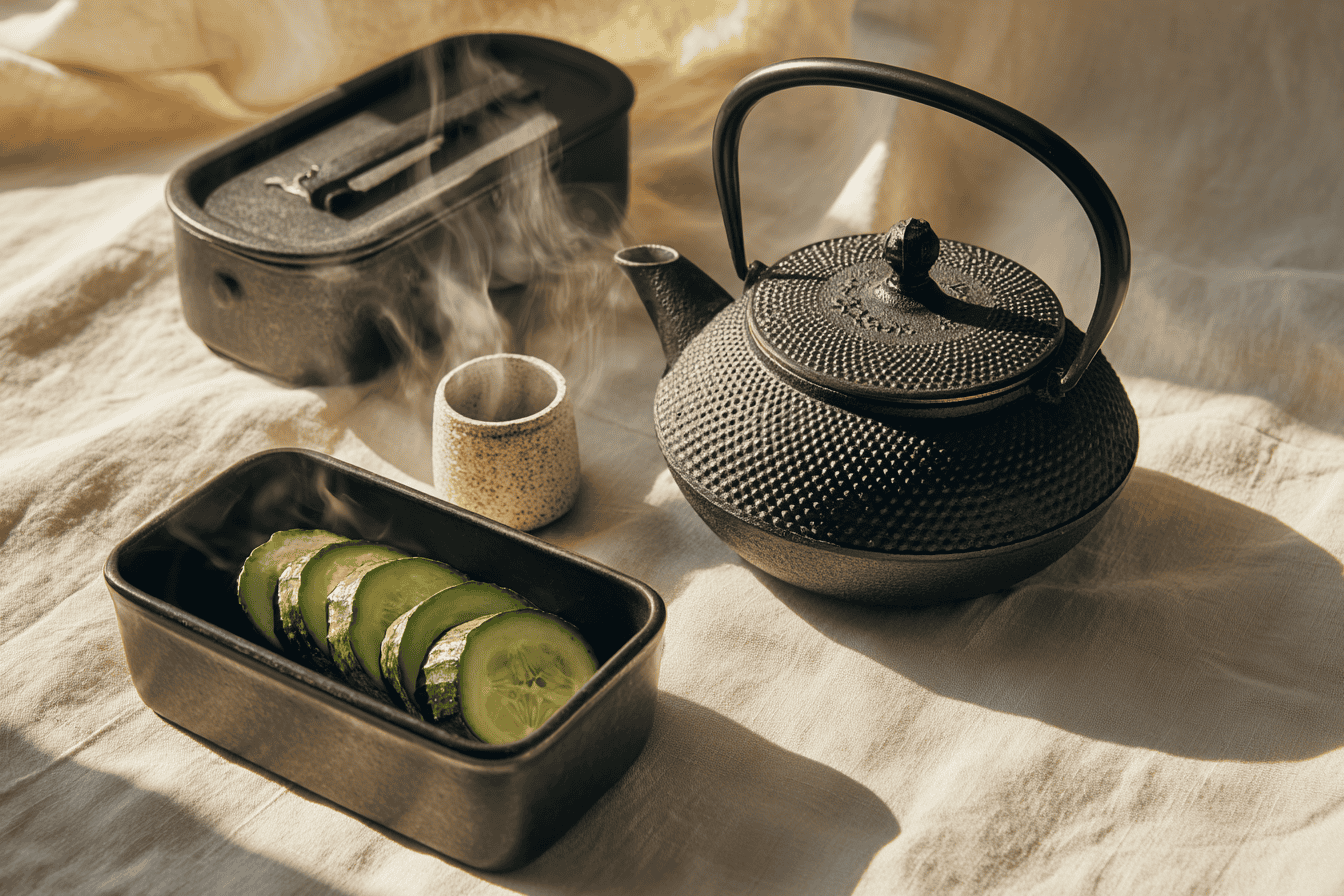
The Iwachu iron kettle type 23 holds 1.9 liters and works on gas or open flame. Iwachu fires the inside in a kiln and finishes the outside with lacquer. Close to two months pass between design and finish for a Nambu kettle, which explains why a good one lasts for decades. Dry it over low heat after each use, and never leave water standing inside. Treated that way, it will outlive most of the kitchen around it.

Hojicha is green tea roasted over charcoal, a method that took hold in Kyoto in the 1920s. Its low bitterness makes it a natural partner for milk.
- 2 tbsp loose hojicha leaves
- 1/2 cup water
- 1 1/2 cups whole milk
- 2 tsp honey or sugar, to taste
- Bring the water to a boil in a kettle, then let it cool for a minute.
- Add the hojicha leaves to a small pot with the hot water and steep for 3 minutes.
- Pour in the milk and warm over low heat until it steams, without boiling.
- Strain the tea into two cups and stir in honey to taste.
- Froth the top with a whisk if you like, and serve warm.
From iron to porcelain
Iron and clay pair well on a tea shelf, so the next pick moves from Iwate to Ishikawa. Kutani porcelain has a long, broken history. Potters began in the mid-seventeenth century, stopped late in that century, and then revived the craft in the nineteenth. Its mark is the five-color overglaze, known as Kutani gosai, over a slightly bluish body. Once you can spot those five colors, you can pick a real Kutani piece out of a mixed shelf in seconds.
5. Sakura Red Mount Fuji Matcha Bowl — Kutani overglaze from Ishikawa
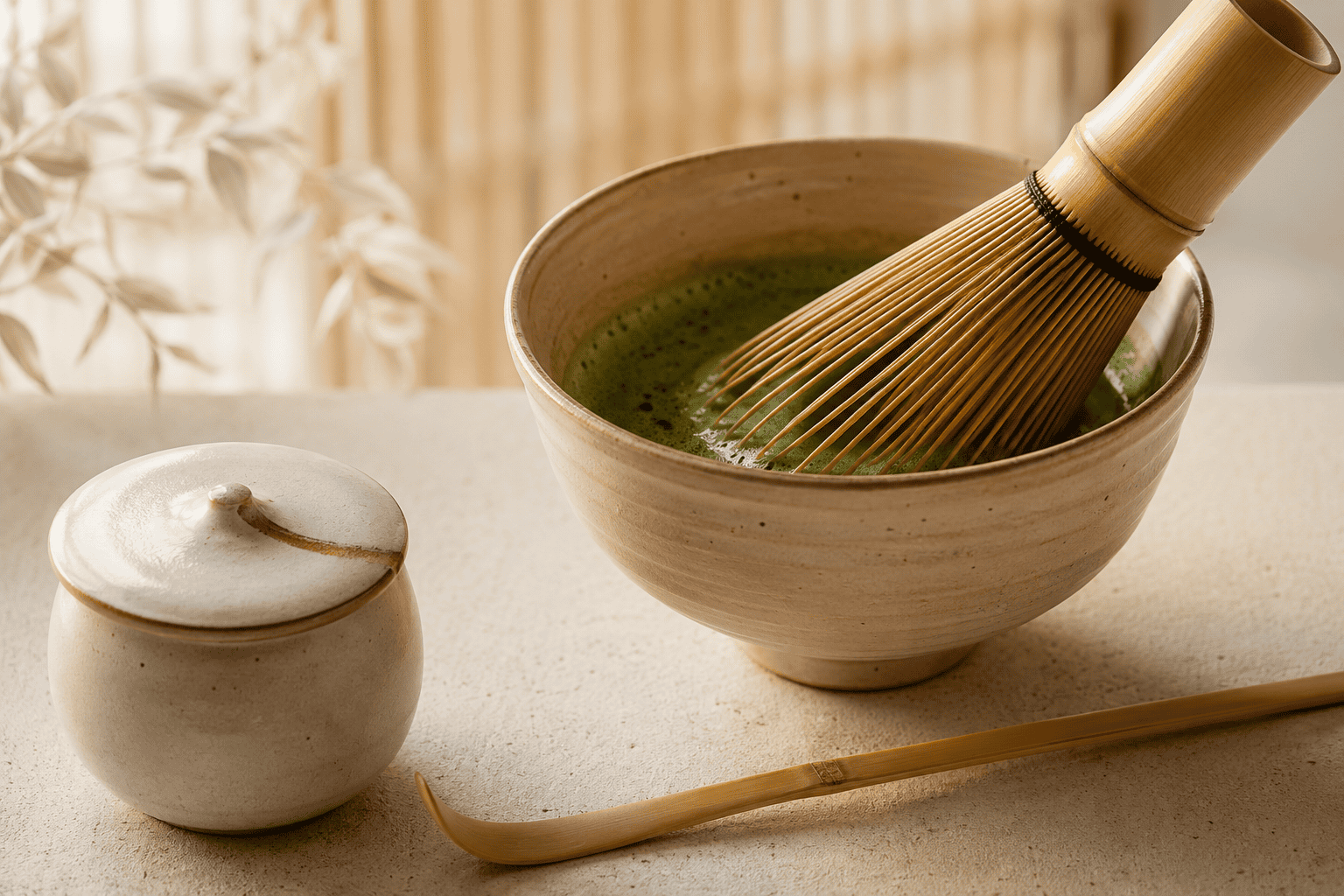
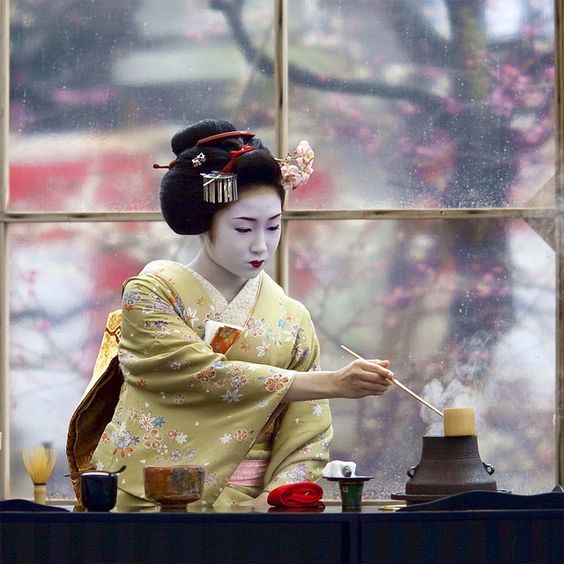
The Sakura Red Mount Fuji matcha bowl comes from Kutani in Ishikawa. It paints Fuji and cherry blossoms with gold accents over a golden ground. The bowl measures 13 centimeters across and holds 320 milliliters. JOC Goods, the shop behind Just One Cookbook, sources it from Japanese workshops. Wash it by hand, and keep it out of the dishwasher and microwave. For the ritual behind it, read our introduction to the Japanese tea ceremony.
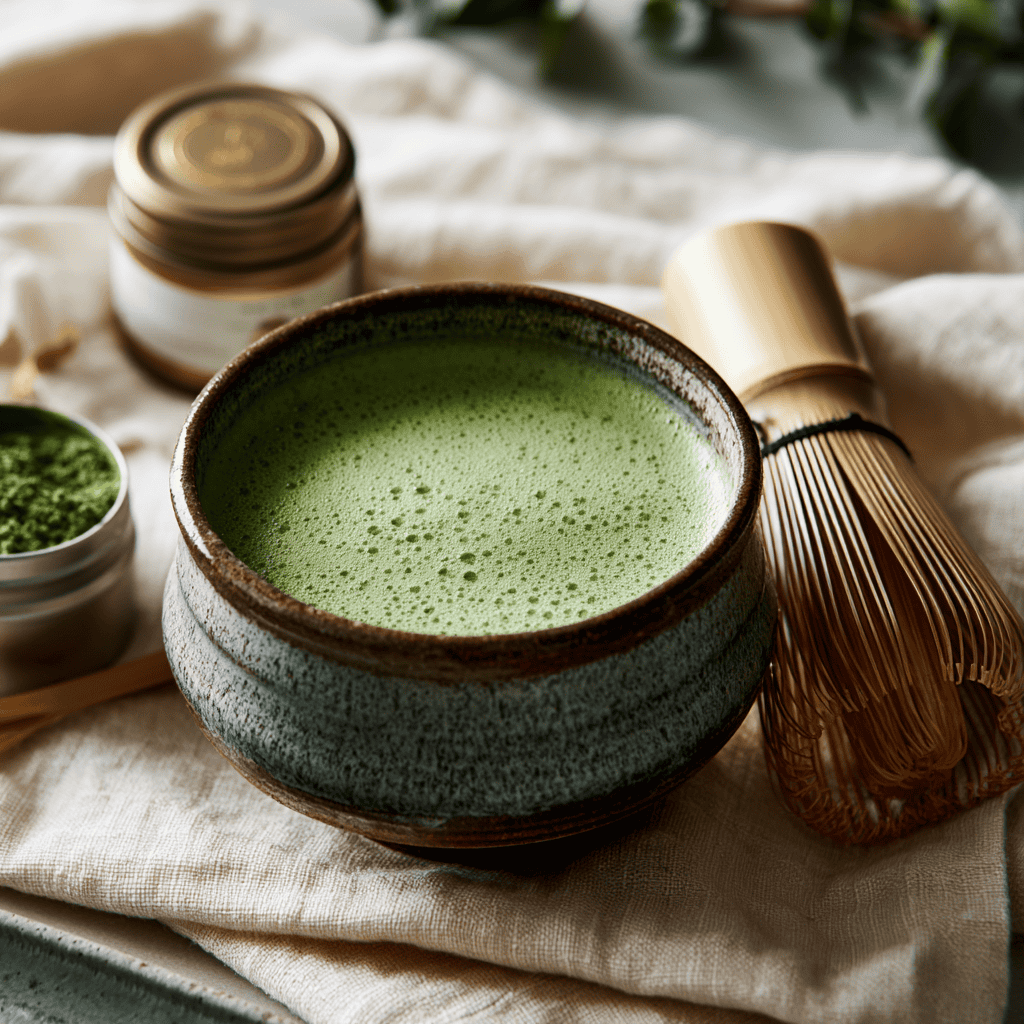
Usucha is the thin matcha served at most Japanese tea gatherings. It is whisked to a light foam in a wide bowl with a bamboo chasen.
- 2 tsp matcha powder (about 2 g)
- 1/3 cup hot water, about 175°F
- 1 small wagashi sweet, to serve
- Warm the bowl and the whisk with hot water, then empty the bowl and dry it.
- Sift the matcha into the bowl to break up any lumps.
- Pour in the hot water.
- Whisk briskly in a zigzag motion for 15 to 20 seconds until a fine foam forms.
- Eat the sweet first, then drink the tea in a few sips.
Glass from Tokyo
Glass is the third material on a tea and sake shelf, and Tokyo leads it. Edo Kiriko began in 1834, when a glass dealer named Kyubei Kagaya copied British cut glass. Artisans still cut the patterns freehand, without a sketch, guided only by skill.
6. Kagami Crystal Fuji Sake Cup — Edo Kiriko in red
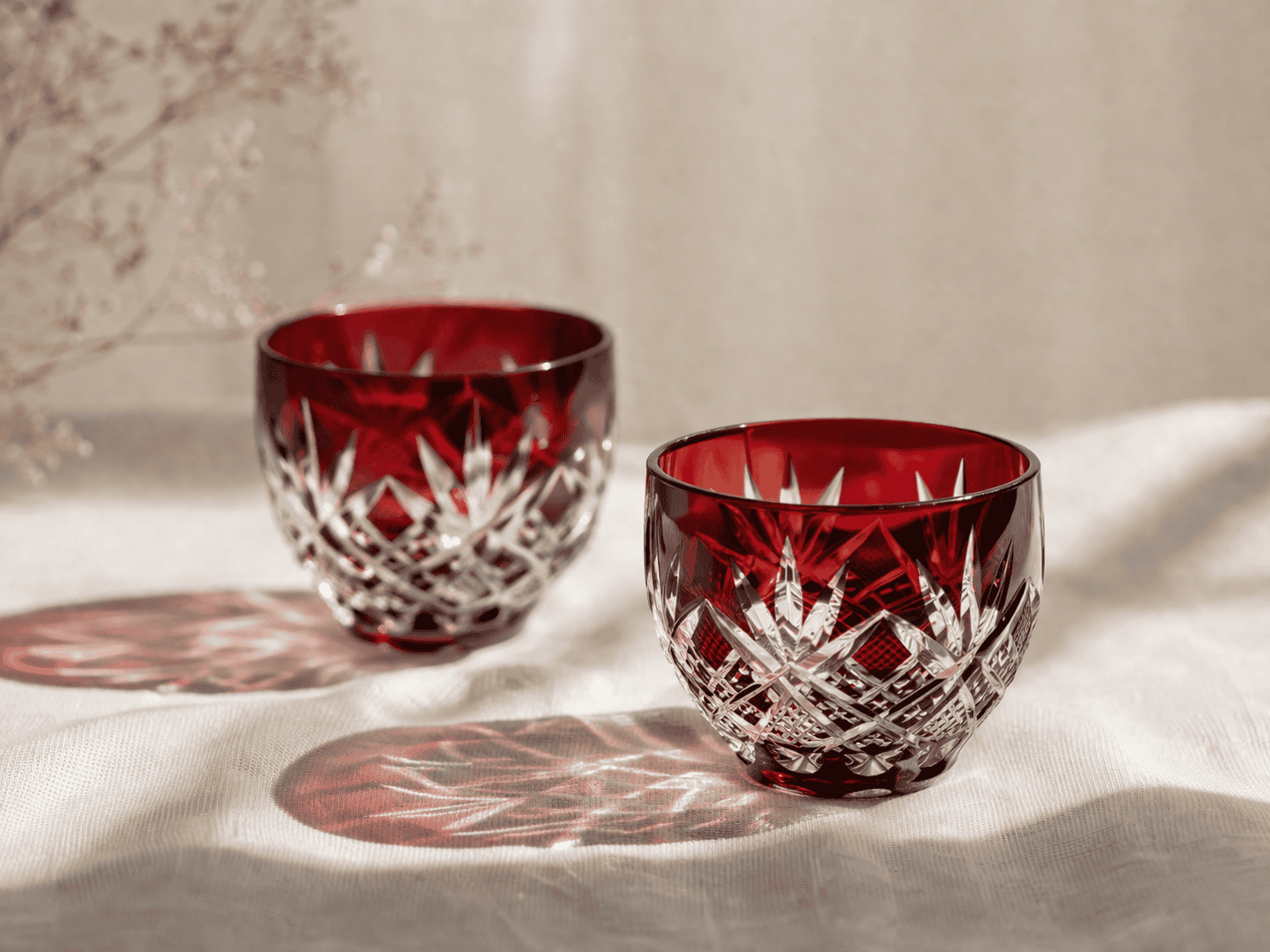
The Kagami Crystal Fuji sake cup shows a red Fuji cut through colored crystal. The red stands for Fuji dyed by the morning sun, a lucky image in Japan. Its maker designed it to read as Fuji even when the cup rests upside down. The cup holds 140 milliliters and needs hand washing only. A pair suits a wedding, a retirement or any celebration.
7. Toyo-Sasaki Mt. Fuji Cold Sake Cup Set — the reveal in the glass
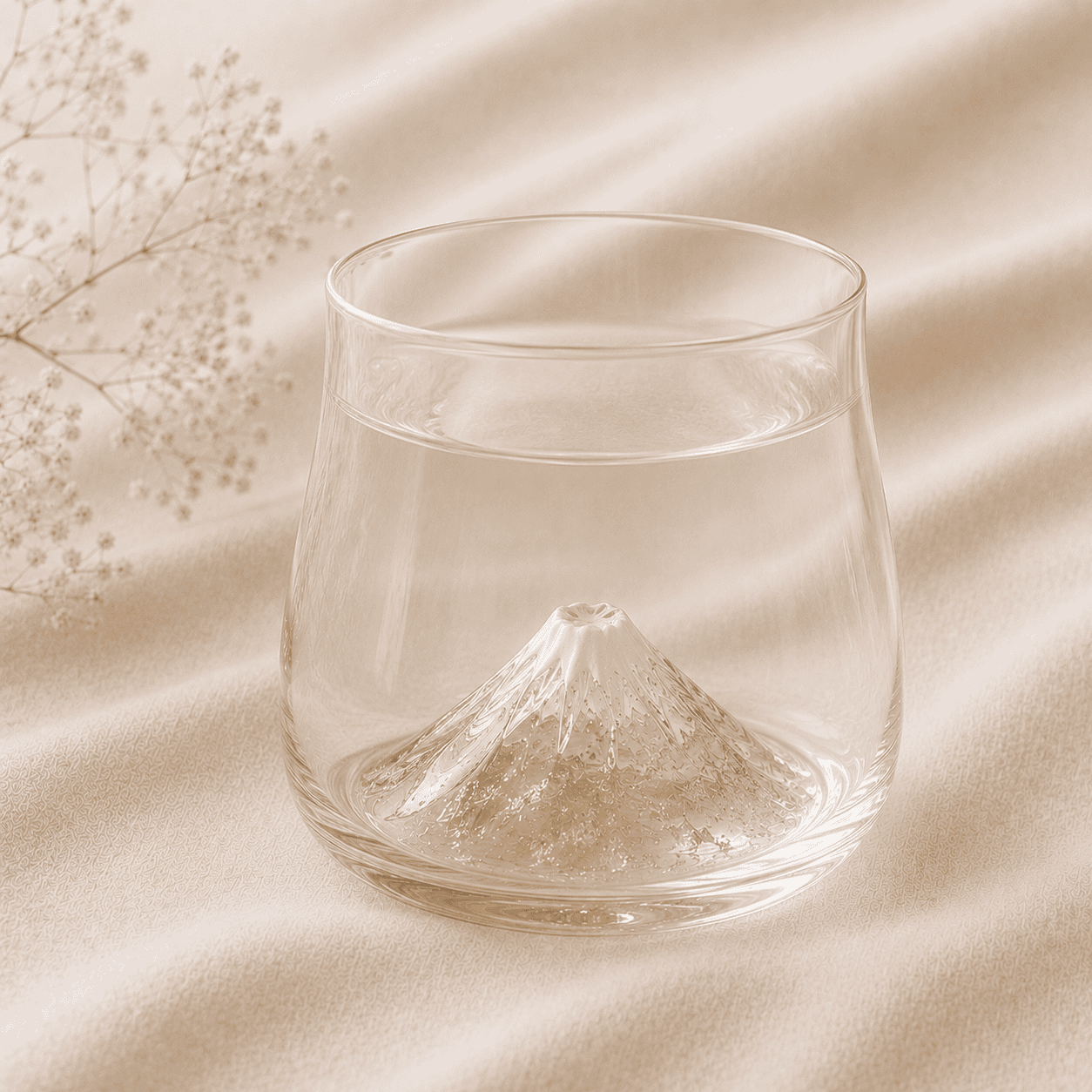
The Toyo-Sasaki Mt. Fuji cold sake cup set hides a small trick. Fuji appears in the base only once you pour. Toyo-Sasaki makes it in Japan from soda lime glass, and its seller calls it a very popular piece of sakeware. It sits at the friendly end of the glass shelf next to the Kagami cup. So it suits a first collector, or a guest who will use it often. Chill the sake well, because the outline shows most clearly in a cold, clear pour of good sake. For the drink itself, our beginner’s guide to Japanese sake explains the grades.
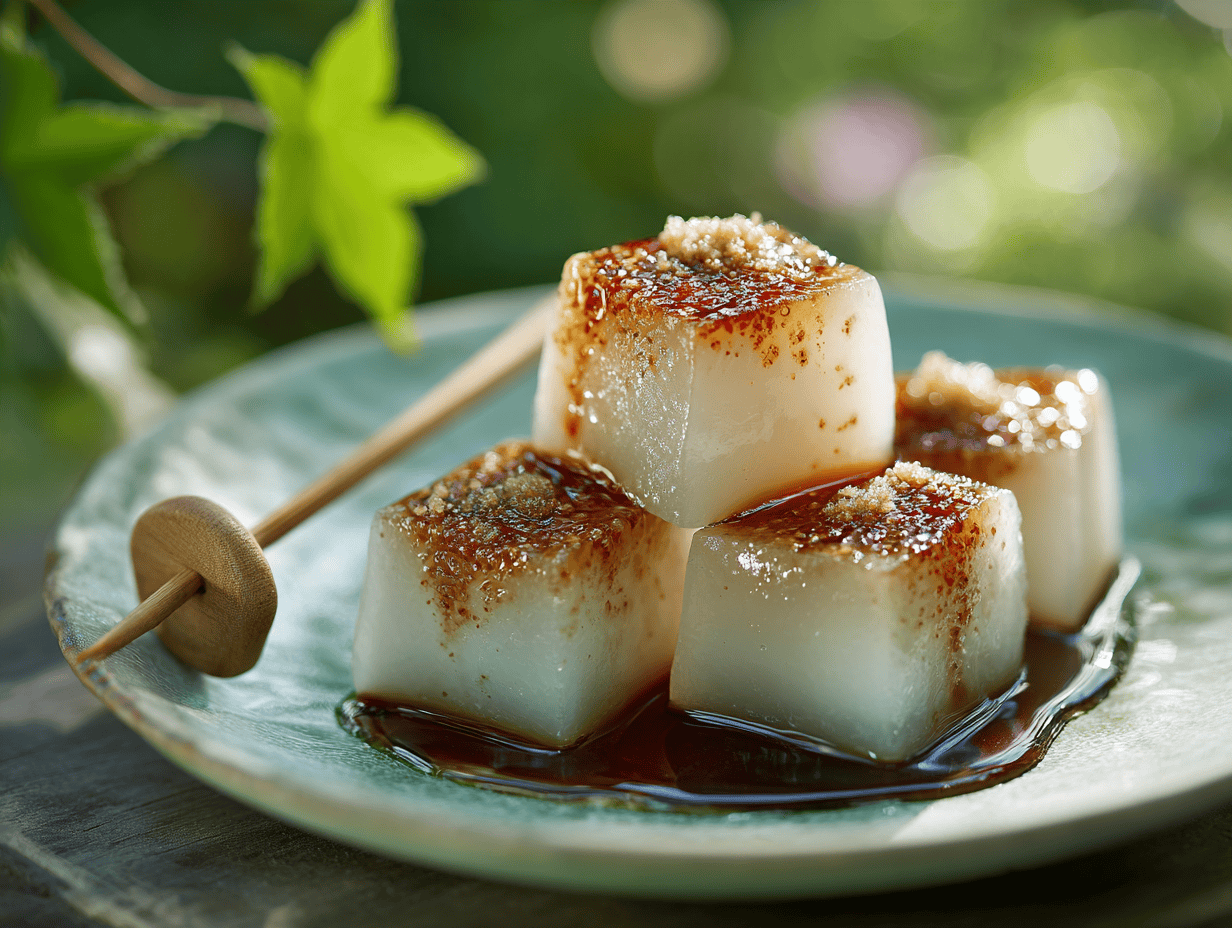
Warabi mochi is a summer sweet from the Kansai region, made from bracken starch. Shops often serve it chilled on glass with roasted soybean flour.
- 1/2 cup warabi starch (bracken starch)
- 1/3 cup sugar
- 1 1/4 cups water
- 4 tbsp kinako (roasted soybean flour)
- 3 tbsp kuromitsu (black sugar syrup)
- Whisk the warabi starch, sugar and water in a pot until smooth.
- Cook over medium heat, stirring constantly, until the mixture turns thick and clear, about 10 minutes.
- Spread half the kinako on a tray and scrape the hot mixture onto it.
- Dust the top with more kinako and let it cool, then chill for 30 minutes.
- Cut into small cubes and serve on a glass plate with kuromitsu.
Caring for tea and sake ware
Most damage to tea and sake ware happens at the sink, not on the shelf. Hand-painted overglaze, like Kutani gosai, can fade in a dishwasher. Cut crystal can chip if it knocks against a steel basin. So wash these pieces by hand in warm water, one at a time, and dry them on a soft cloth. Iron kettles need the opposite care, because standing water leads to rust. Store cups upright rather than stacked, since rims take the most wear over the years. If a bowl does chip, keep every shard in a labeled bag, as the kintsugi pick below shows.
Each craft ties to one home region, so the place tells you whom to ask.
| Craft | Home region | What to look for | Who it suits |
|---|---|---|---|
| Kokeshi | Tohoku hot spring towns | A named maker and hand-painted face | The first-time collector |
| Maneki neko | Tokoname, Aichi | Ceramic body from a named kiln town | The gift buyer |
| Nambu tekki | Morioka and Oshu, Iwate | Arare pattern and a maker mark | The daily tea drinker |
| Kutani porcelain | Ishikawa | Five-color overglaze painting | The tea bowl collector |
| Edo Kiriko | Tokyo and neighbors | Freehand cuts in colored crystal | The sake drinker |
The table gives the short version, but the pattern behind it matters more. Each craft ties to one region, and each region has its own small set of makers. Once you know the place, you know whom to ask. That map is the real tool a collector carries, and it works online and on the road. When a listing names a craft but places it in the wrong region, you have found your first warning sign. When it names the right town and the workshop too, you have likely found a seller worth returning to.
Prefer to meet these makers in person? A custom Japan itinerary can route you through Morioka, Kanazawa or a Tokyo glass studio.
A typeset printable: ten Japanese proverbs with kanji, romaji and meaning. Signing up also brings occasional letters on Japan and word when a new journal reaches print.
One email with your printable. Occasional letters after that. Unsubscribe anytime.
Cloth, Paper and Repair
Not every collector wants another object on a shelf. Cloth and paper pieces fold flat, travel well and get used. They also make the easiest gifts in this edit, because they suit anyone who wraps, writes or makes things. And repair belongs here too. A mended bowl records its own history, which becomes part of what you own. Dealers of antiques say the same about repairs disclosed up front. A kintsugi seam stated in the listing reads very differently from a crack found after the sale. The four picks below run from a printed cloth to a real lacquer repair kit.
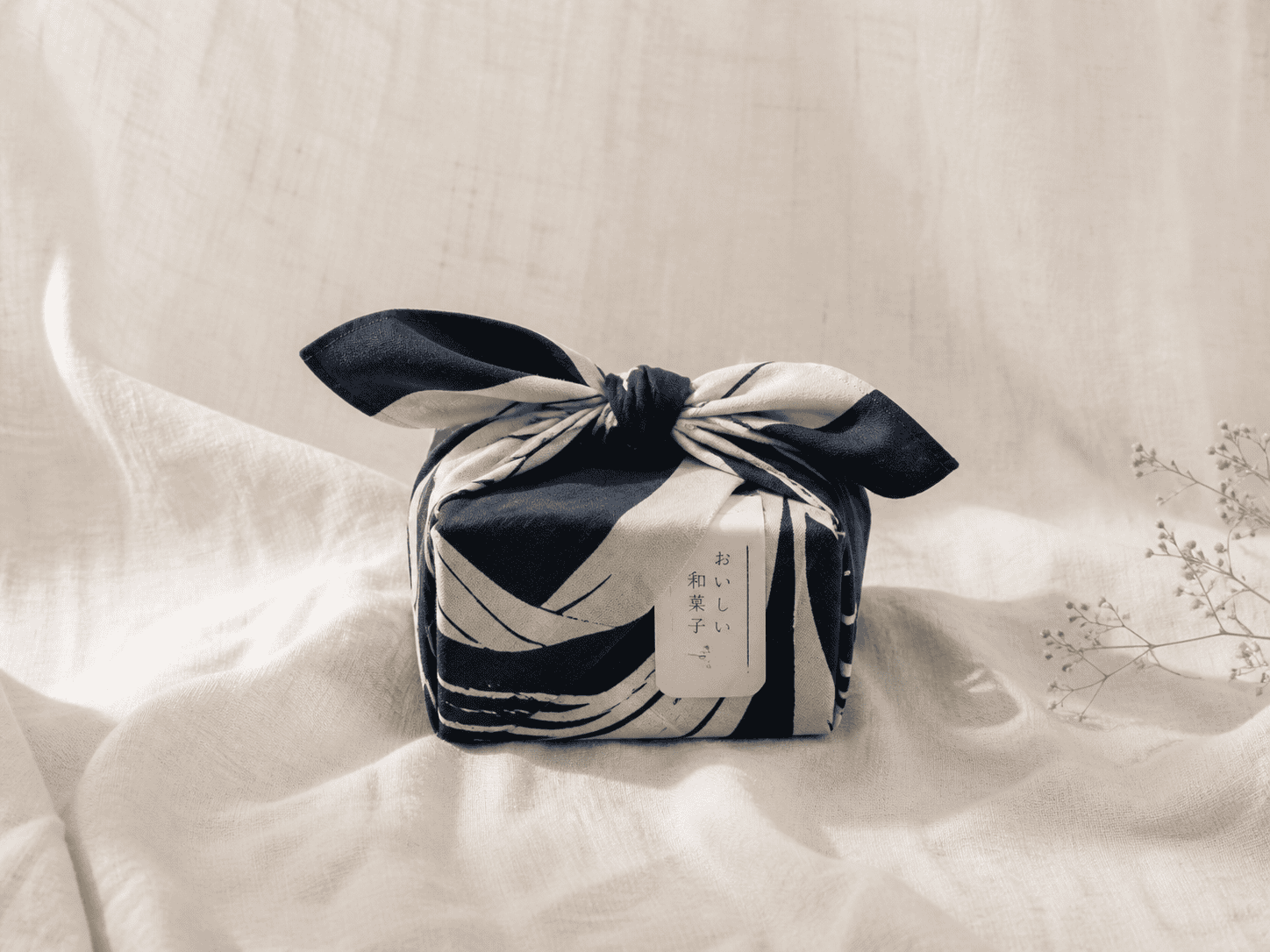
8. Musubi Under the Wave off Kanagawa Furoshiki — Hokusai in cotton
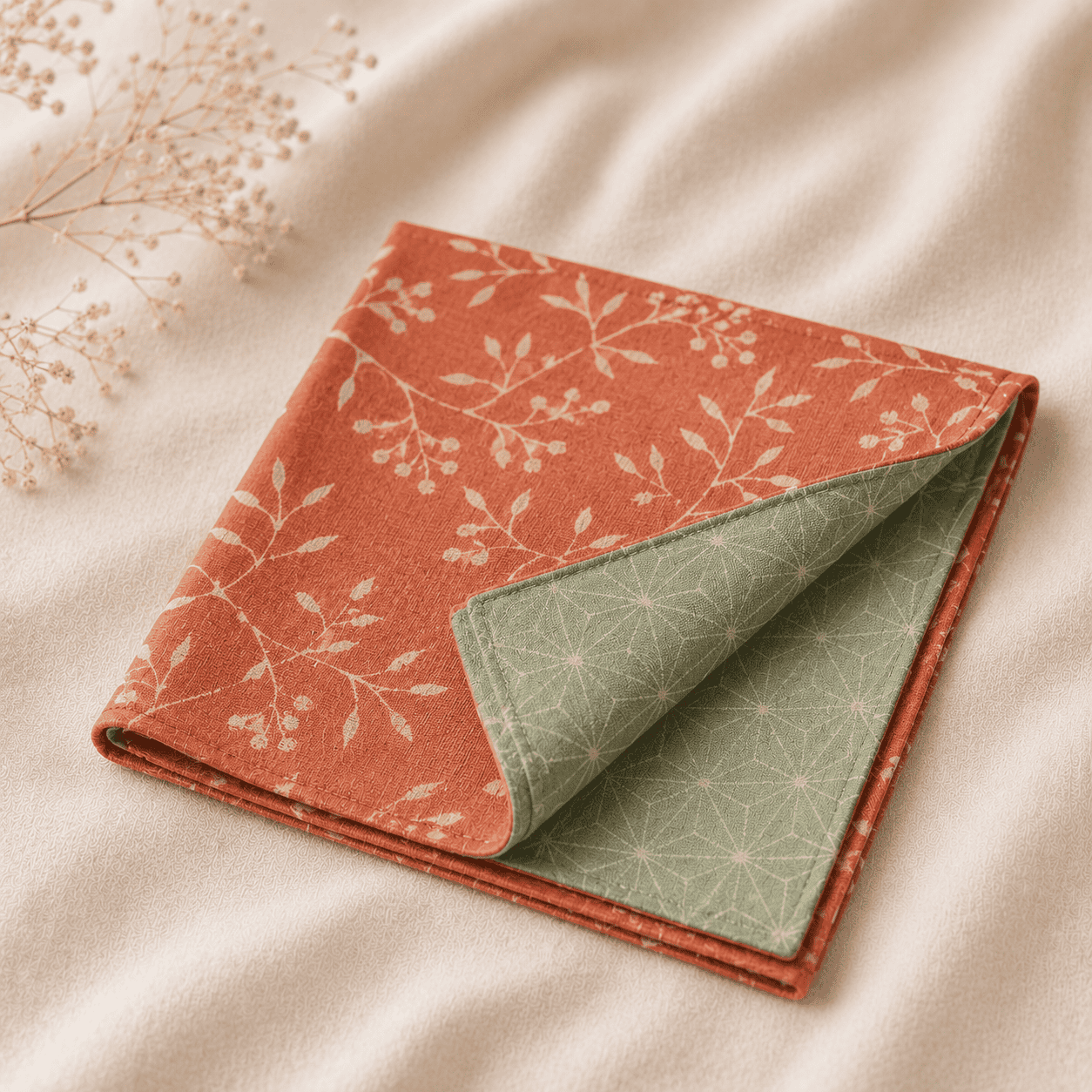
The Musubi Under the Wave off Kanagawa furoshiki prints Hokusai's wave on a cotton square 104 centimeters wide. Yamada Sen-i makes it in Japan under the Musubi name. The print shows the cresting wave against a still Mount Fuji, the image that moved Van Gogh and Debussy. Use the cloth as a bag, a gift wrap, a table cover or a wall hanging. It also wraps a bento box neatly, which makes it ideal for a picnic or a train ride. After the meal, it folds back into a pocket or a bag, ready for the next use or the next gift.
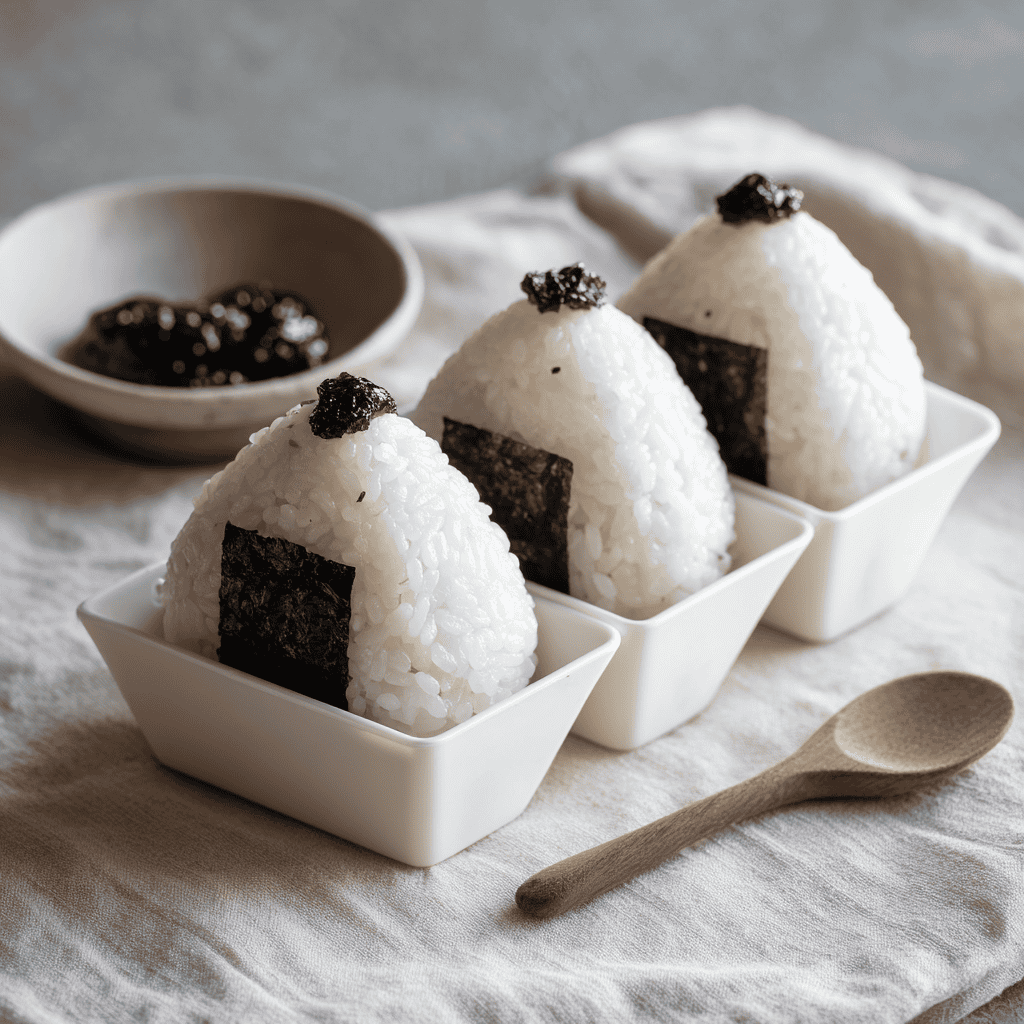
Onigiri are hand-pressed rice balls eaten across Japan for centuries. Wrapped in a furoshiki, they are the classic picnic and train-ride lunch.
- 2 cups Japanese short-grain rice
- 2 1/4 cups water
- 1 tsp fine salt
- 4 sheets nori, halved
- 1/4 cup flaked cooked salmon
- 2 umeboshi (pickled plums), pitted
- Rinse the rice until the water runs nearly clear, then cook it with the water.
- Let the rice rest 10 minutes, then fan it until it is warm but easy to handle.
- Wet your hands and rub them with a pinch of salt.
- Press a little salmon or umeboshi into a scoop of rice and cover it with more rice.
- Shape a firm triangle with cupped hands, then wrap each ball with nori before eating.
9. Awagami Washi Mixed Colored Blocks — paper from a Tokushima mill
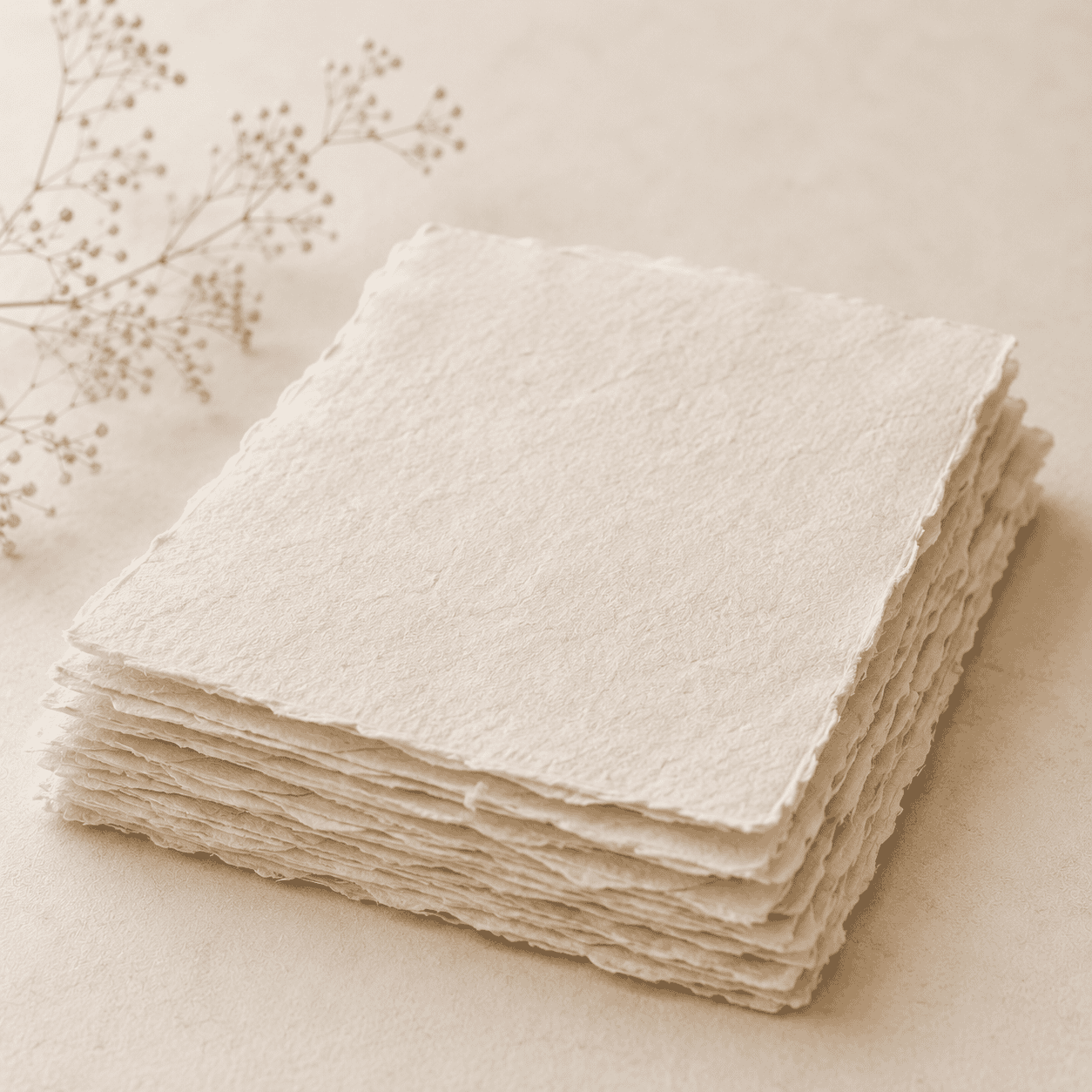
The Awagami washi mixed colored blocks hold 150 small squares in five color families. The maker calls them one of its most popular products of all time. Awagami works in Tokushima, where the Fujimori family has made washi for generations. Minoru Fujimori, the sixth generation, took over in 1945, and his son Yoichi leads the mill now. Fold the squares into mini origami cranes, or use them for collage, cards and journaling. A pack also makes a gentle first step into handmade paper. Later, the mill's larger sheets reward anyone who takes up printmaking, bookbinding or brush calligraphy at home.
Where washi tape came from
Washi tape grew out of the same paper culture, but it came from an unlikely source. Kamoi Kakoshi started in Kurashiki in 1923 as a flypaper maker. It later made industrial tape, and in 2008 it launched mt as a decorative tape for stationery.
10. mt ex Washi Tape — the Kurashiki tape that started a craze
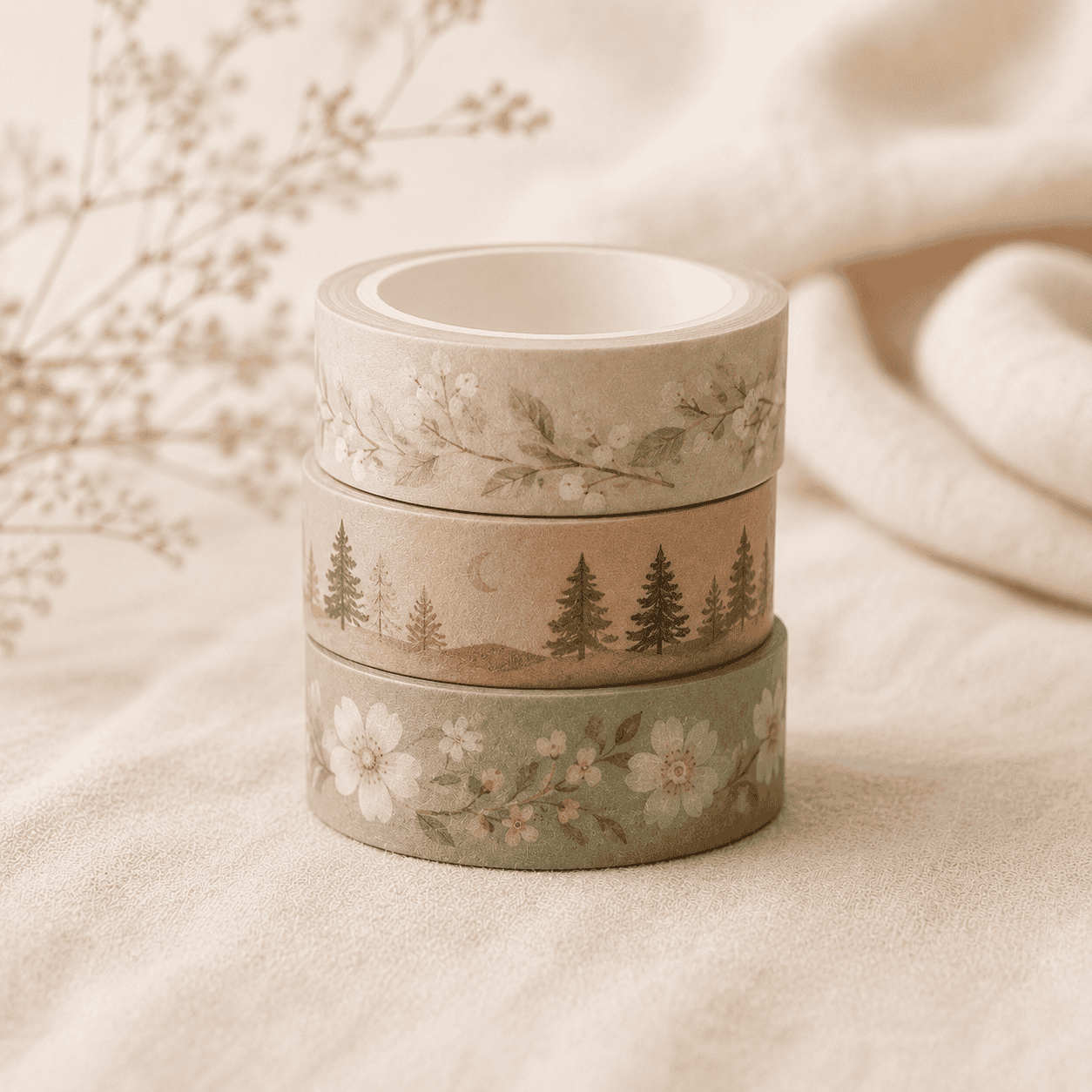
This roll of mt ex washi tape in the Ramen print measures 15 millimeters by 7 meters. Kamoi Kakoshi makes it in Japan. Collectors now hunt seasonal and city prints the way others chase stamps. The tape tears by hand, takes ink and lifts without marking paint. So it works on letters, gifts and notebooks alike.
Recommended
11. Chimahaga Kintsugi Repair Kit Standard — real urushi and gold
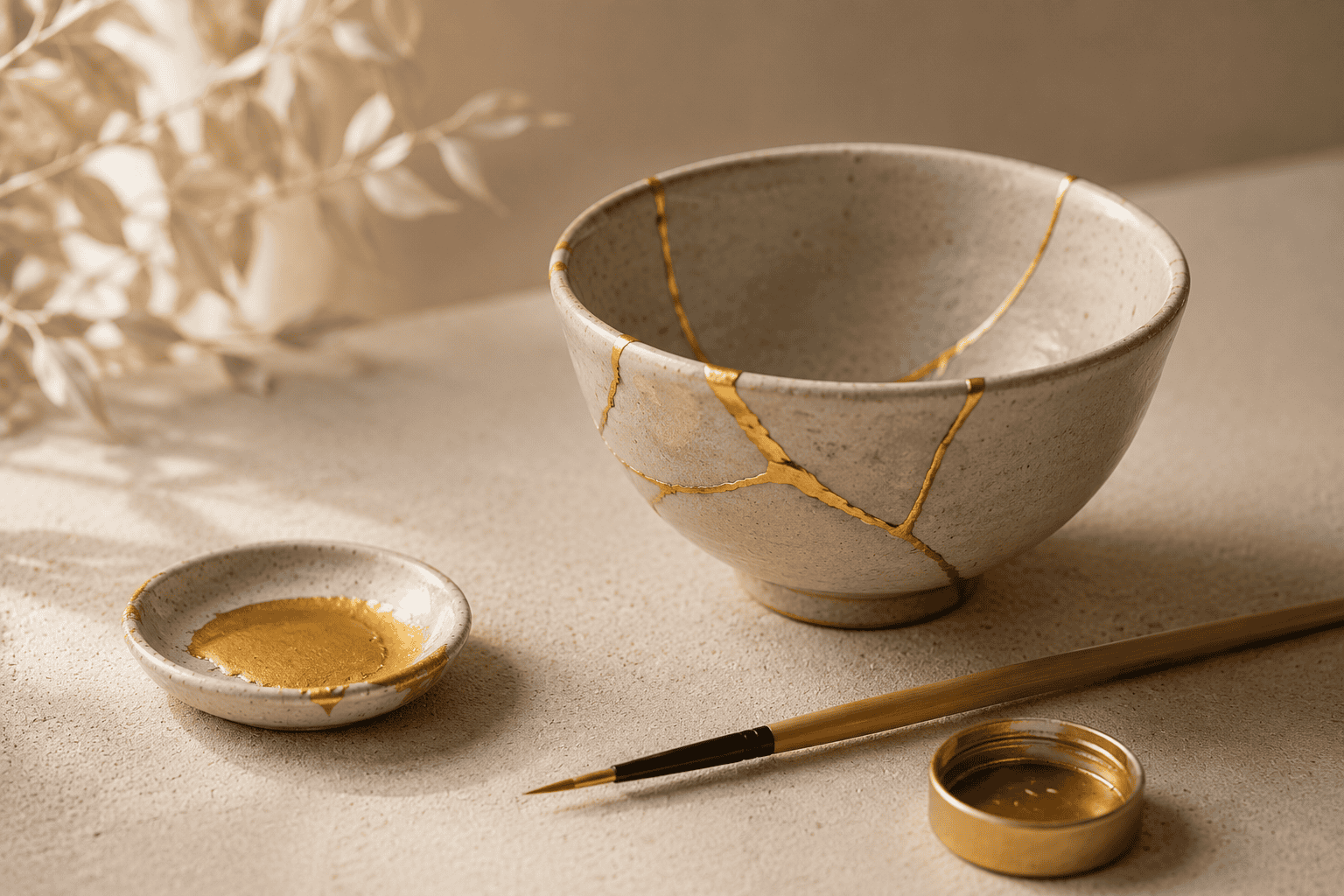
The Chimahaga Kintsugi Repair Kit Standard comes from a Japanese kintsugi studio that teaches classes in Tokyo, Nishinomiya and Kamakura. It uses natural urushi lacquer in three types: raw, bengara red and black. The kit also holds 0.1 grams of genuine gold powder, brass powder as a second finish, brushes, a diamond file and gloves. In all, it packs 23 items, with a manual to guide each stage. So a chipped bowl from your own shelf becomes a new piece rather than a loss. Expect the work to take weeks, because urushi cures slowly. Raw urushi can irritate skin, so work with gloves on.
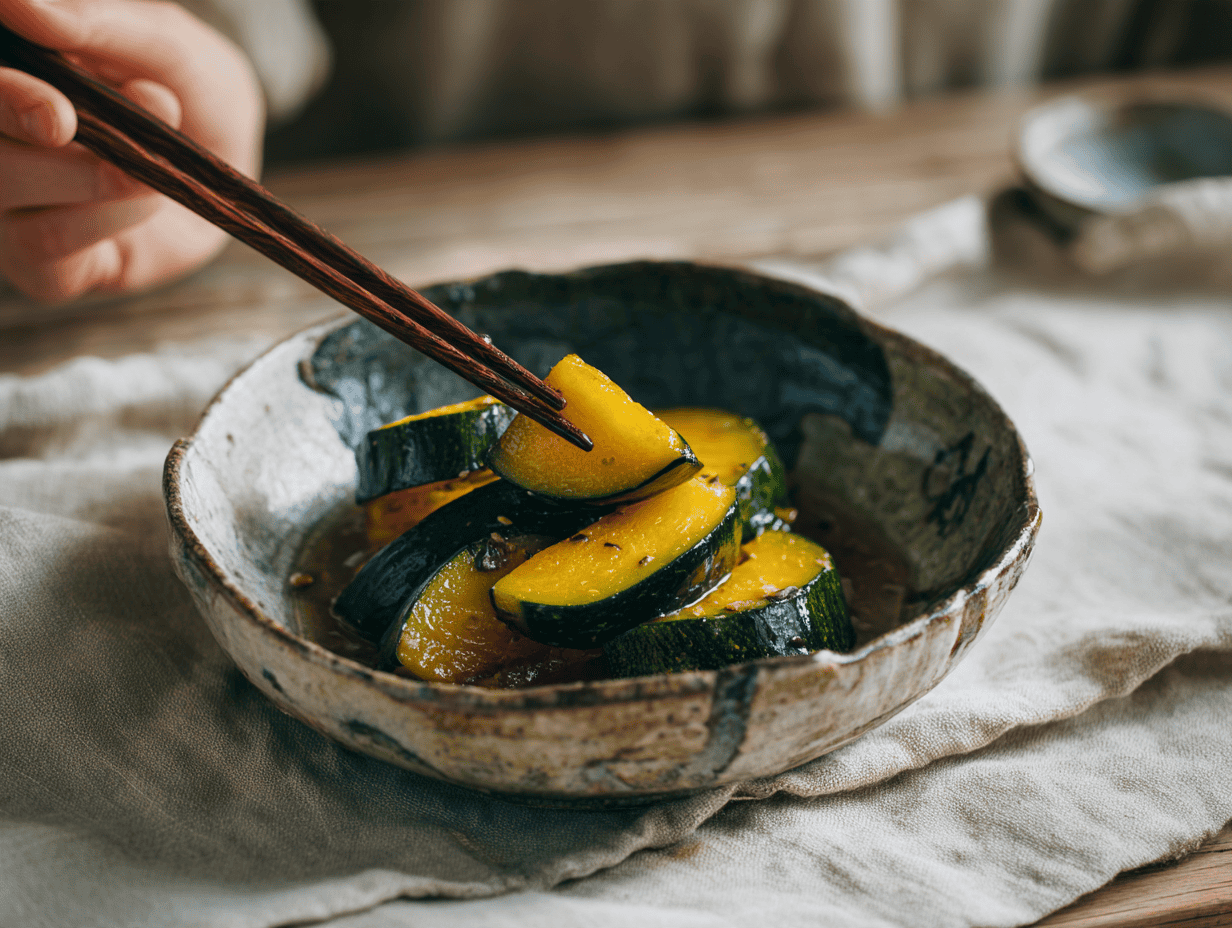
Kabocha no nimono is a home-style dish of pumpkin simmered in dashi, soy sauce and mirin. Japanese cooks serve it in small handmade bowls as a side dish.
- 1 lb kabocha squash, seeded and cut into 2-inch pieces
- 1 1/4 cups dashi
- 2 tbsp soy sauce
- 2 tbsp mirin
- 1 tbsp sugar
- Shave a few strips of skin from each piece so the squash cooks evenly.
- Place the pieces skin side down in a wide pot in a single layer.
- Add the dashi, soy sauce, mirin and sugar and bring to a simmer.
- Cover with a drop lid or a sheet of foil and simmer for 15 to 20 minutes until tender.
- Let the squash rest in the liquid for 10 minutes, then serve warm or at room temperature.
Once a bowl comes back from repair, put it straight back into use. A simmered dish like the one above suits a mended bowl well, because the gold seam shows best against warm food. That idea, use over display, runs through every pick in this edit. It also carries into the pop-culture shelf, where condition rules value even more.
Pop Culture Japanese Collectibles: Records and Watches
Modern Japanese collectibles do not need a character printed on them. The strongest pieces carry the reference in their form instead. A pressed record holds the sound of a film. A Japan-made watch carries a print by Hokusai. Each one reads as a good object first, and then as a fan piece. Records and watches also share one rule with folk craft: buy from the label, the brand or a dealer who names them. Pop-culture goods draw the most copies of any category here, so that rule matters most on this shelf.
12. My Neighbor Totoro Soundtrack — the Tokuma Japan pressing
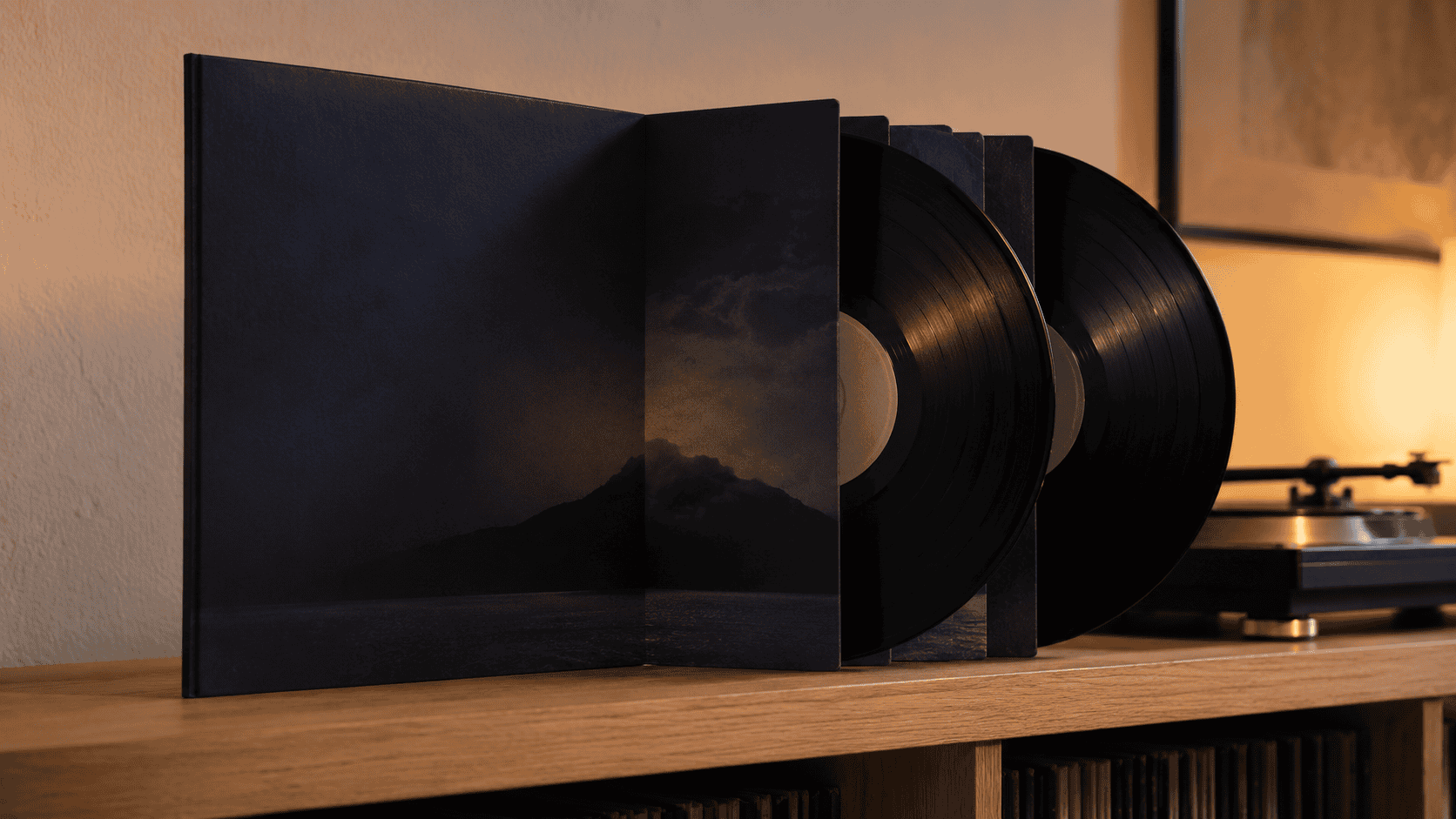
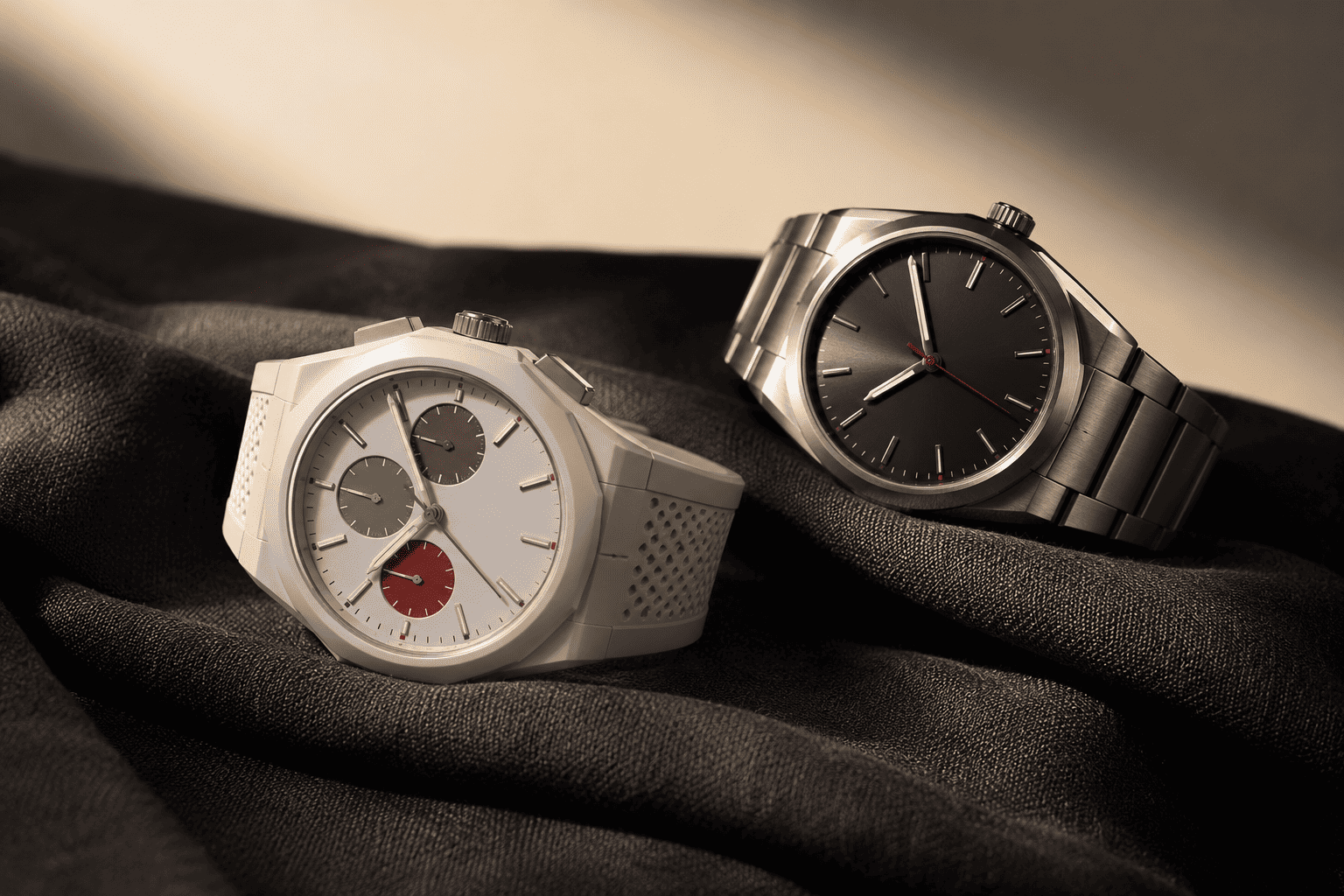
The My Neighbor Totoro soundtrack on vinyl holds Joe Hisaishi's score for the 1988 film. Tokuma Japan issued this black vinyl pressing in 2021 as a Japanese import. It comes with an obi strip, printed liner notes and four full pages of film illustrations. The obi matters to collectors, because a Japanese record that keeps its paper strip intact holds its value far better. Shelve it face out, and play it after dinner with the lights low. The score suits a slow evening, and it rewards a good turntable. Store the record upright, away from heat, so the vinyl stays flat.
13. My Neighbor Totoro: Orchestra Stories — the narrated suite
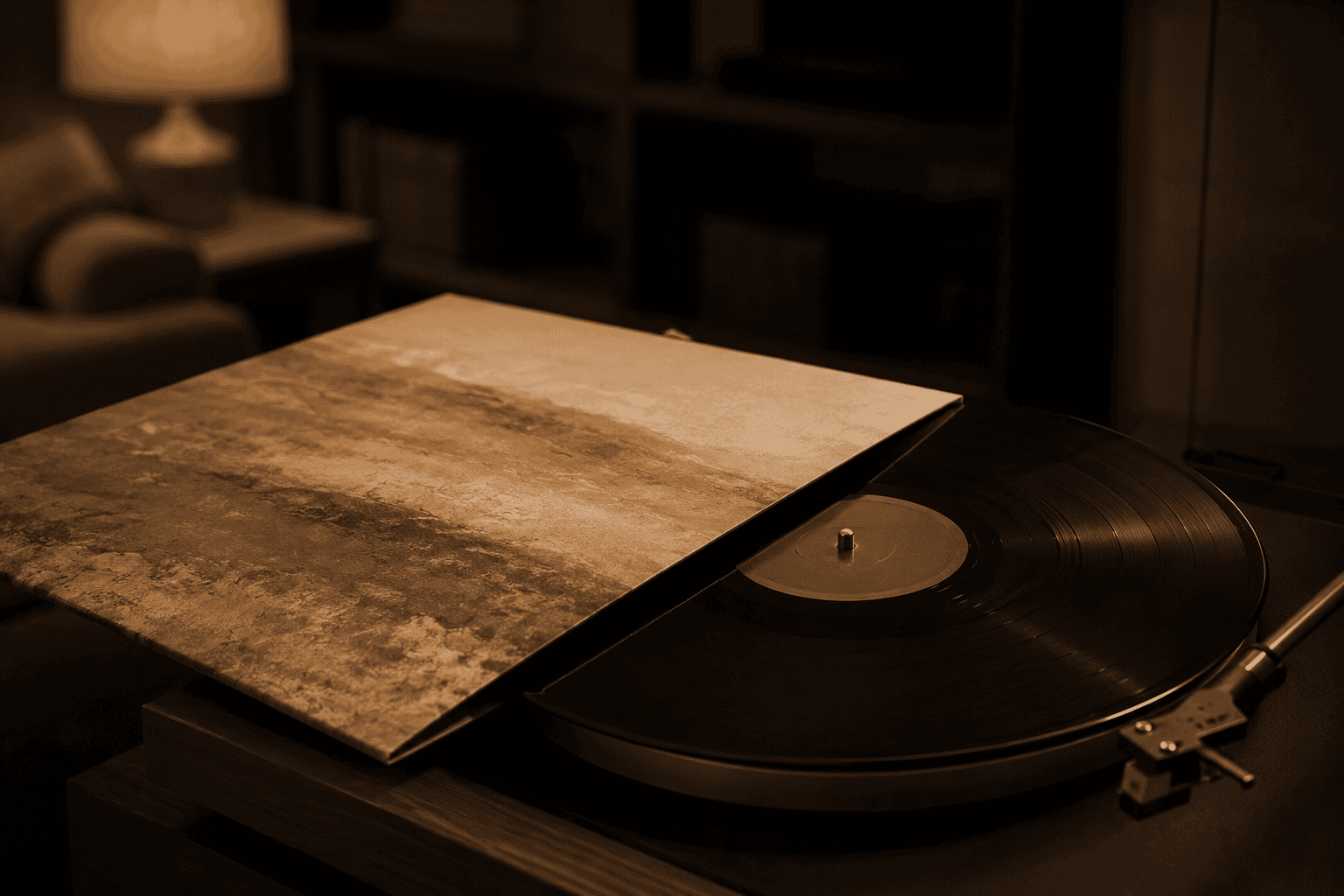
The My Neighbor Totoro: Orchestra Stories LP sets Hisaishi's music for the New Japan Philharmonic Orchestra. Side A carries narration by Shigesato Itoi, while side B plays the suite alone. Studio Ghibli Records remastered it for this first vinyl release, with new artwork, an obi strip and liner notes. Pair it with the soundtrack for a two-record shelf. Then give it to the friend who still hums the opening theme.
Records suit the listener, but many collectors want something they can wear every day. Japan's watch houses answer that well, and both picks below come straight from the brand. For figures and statues, our field guide to premium anime statues covers grading and display.

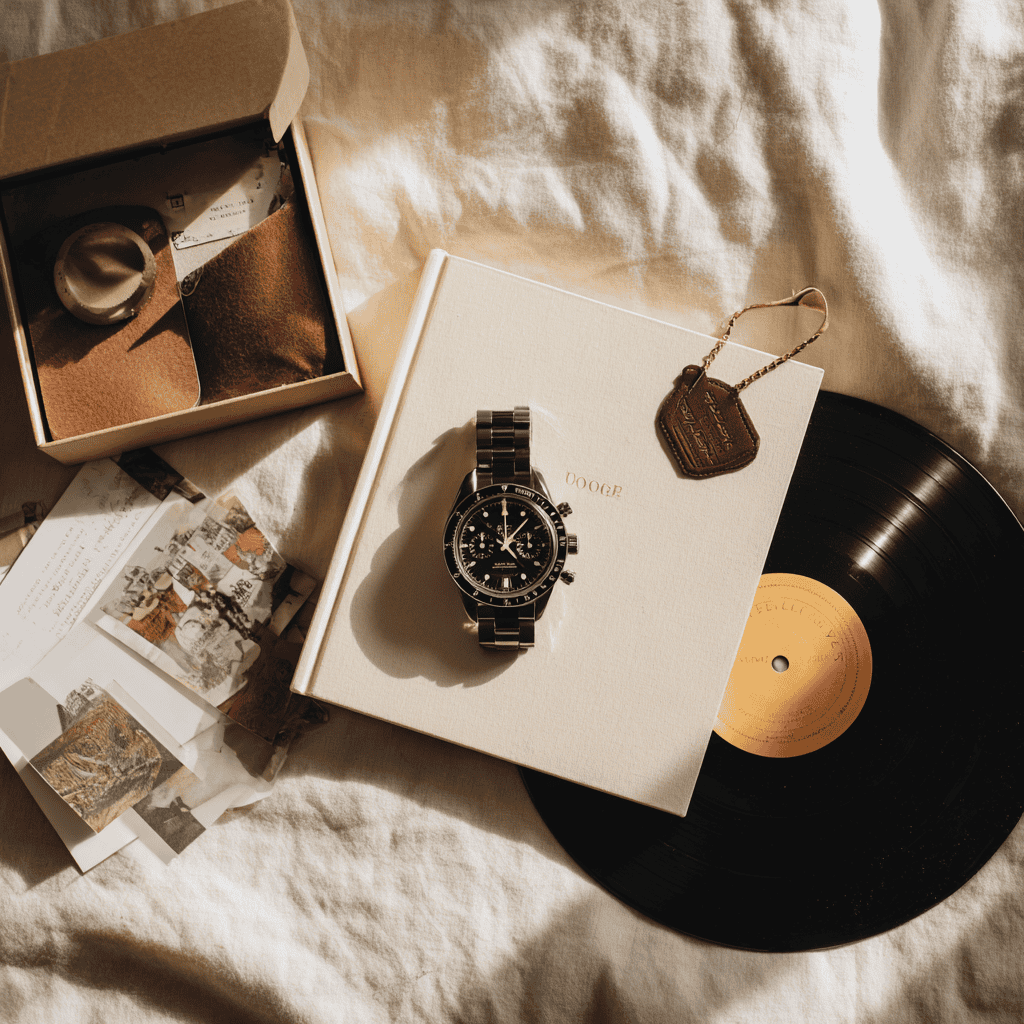
14. G-SHOCK DW-5600KHK25-1 — Hokusai's Great Wave, made in Japan
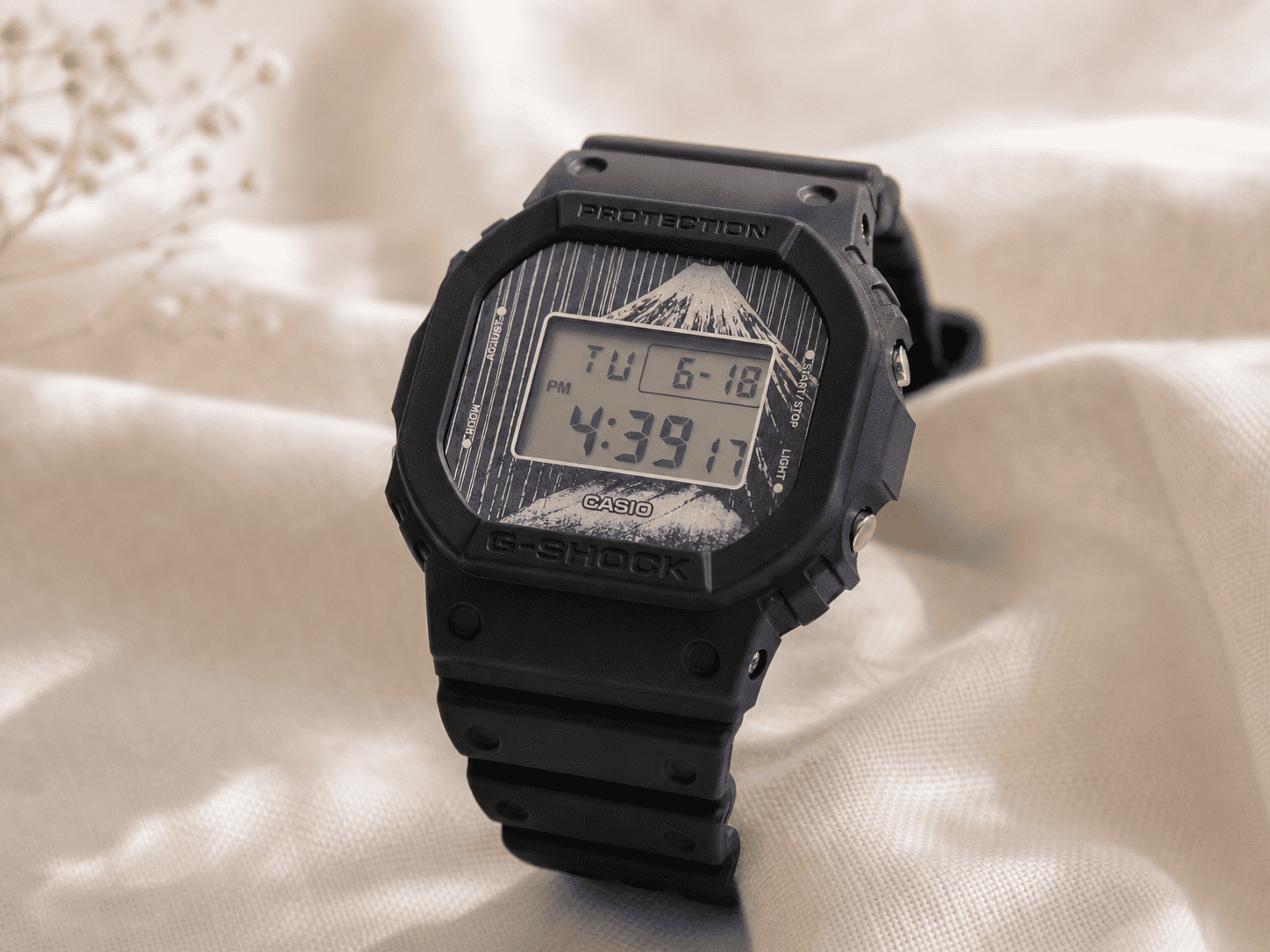
The G-SHOCK DW-5600KHK25-1 puts "The Great Wave" on the dial of the classic square case. The print comes from Hokusai's series Thirty-six Views of Mount Fuji. Casio builds this edition in Japan, the home of both ukiyo-e and G-SHOCK. Press the light button and the characters for Japan appear. The same characters sit engraved on the case back. It wears daily and still reads as art.
15. Seiko Prospex Automatic Diver SRPE93 — the black-dial tool watch
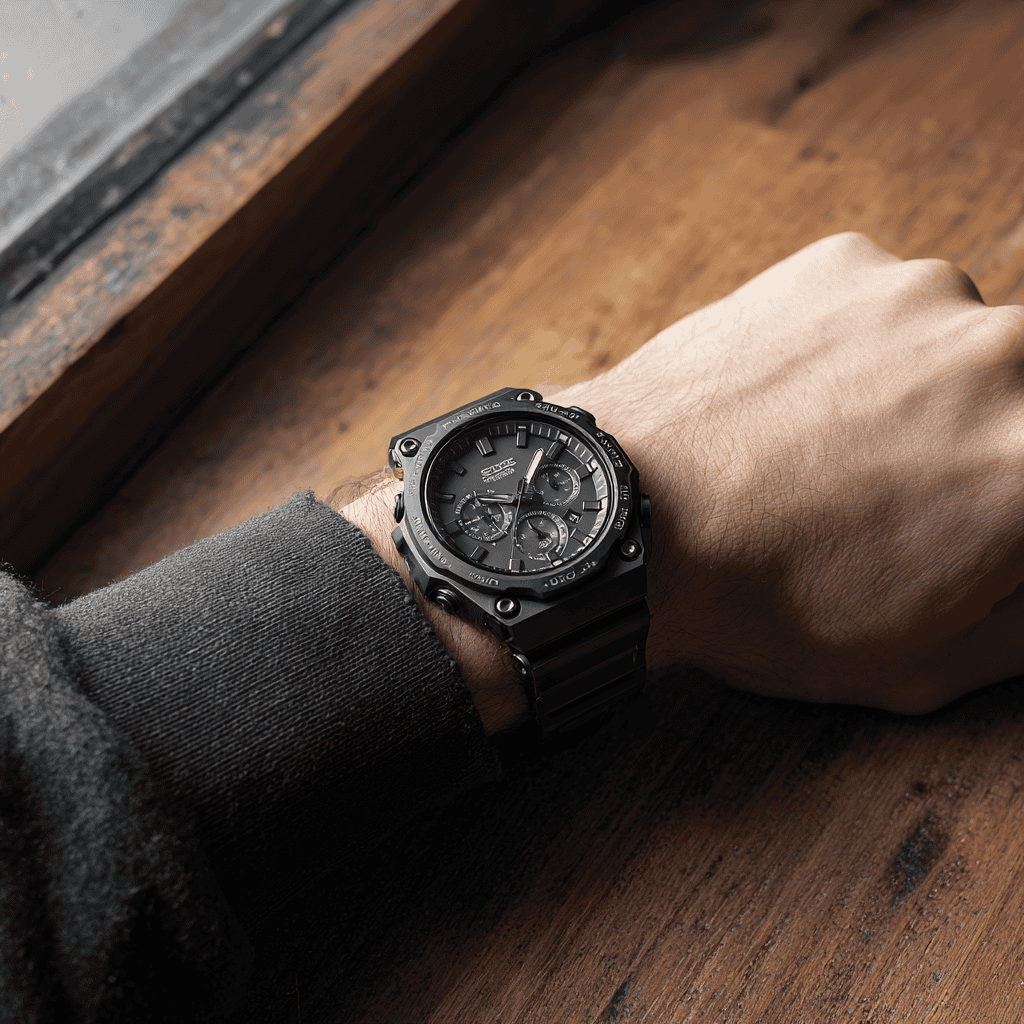
The Seiko Prospex Automatic Diver SRPE93 runs on the 4R36 automatic caliber with a 41-hour reserve. It resists water to 200 meters and has a one-way bezel and a screw-down crown. The black dial and LumiBrite hands keep it easy to read. For a first steel watch from a Japanese maker, the Prospex line makes a sound choice. Then it can anchor a collection for years.
Where to Buy Japanese Collectibles Online and in Japan
The routes split by what you want. For Japanese collectibles from a named maker, buy from the maker. Iwachu, Musubi and Awagami all run English-language stores, and Japanese craft shops sell straight from named makers. For curated craft, a small shop such as JOC Goods picks each piece from Japanese workshops. For brand goods, an official store removes the doubt entirely, though the range stays narrow.
Japan-only stock needs a different route. Discovery Japan Mall lists goods from Japan-based sellers and handles the overseas shipping itself. For discontinued or used pieces, a proxy service such as Buyee reaches Yahoo Auctions Japan, Mercari and Rakuten. It buys for you and holds the parcel in Japan until it ships. Many proxies also combine several purchases into one parcel, which saves on shipping but means waiting for the slowest item. So read each proxy's rules before you bid, and set your top bid before an auction closes. Customs rules differ by country and change often, so check your own customs authority before you order.
Red flags worth knowing
A few warning signs recur across every category in this edit. The clearest is a seller who will not answer a direct question about sourcing before you pay. Real dealers, from a large store to a one-person antique shop, expect that question. Photos that appear across many unrelated listings are another sign, because a stock render tells you nothing about the piece you would receive. Payment is the subtle one. If a seller pushes you toward a bank wire or a gift card, they have stepped outside the checkout that protects you. Decline, however reasonable the story sounds.
Buying in person
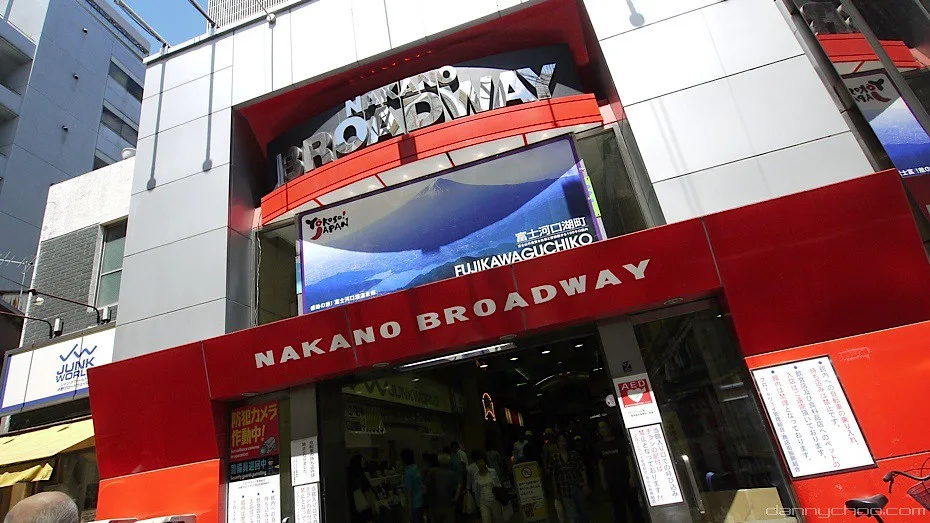
Nothing teaches grading faster than a day in a Tokyo collector's mall. Mandarake runs more than thirty stores inside Nakano Broadway, each sorted by the kind of goods it carries. One shop sells only toys, another only cards, another only antique goods. For the wider manga floor plan, see our collector's guide to manga and anime shopping. And for secondhand craft and clothing across the country, try our city guide to vintage shopping in Japan. Walking these floors in person teaches you how shops grade condition, because you see hundreds of pieces side by side. Bring a short list, and take time to compare before you buy.
Questions Worth Asking
How do I tell if a Japanese collectible is genuine?
Check that the listing names the maker or licensor, not just a style. Look for the seller's own photos with small flaws, a clear return policy and a stated weight. For traditional crafts, confirm the home region matches the craft. Buying straight from the maker settles the question fastest.
What are the most popular Japanese collectibles?
Kokeshi dolls, maneki neko lucky cats, Nambu iron kettles, Kutani porcelain and Edo Kiriko glass lead the traditional side. On the modern side, collectors chase Japan-made watches, anime records, figures and trading cards. Washi tape and furoshiki suit collectors who want pieces they can use every day.
Where can I buy Japanese collectibles online?
Start with the maker's own shop when one exists, since many Japanese workshops now sell in English. Curated shops such as JOC Goods pick craft pieces from Japanese studios. For Japan-only stock, Discovery Japan Mall ships abroad, and a proxy service such as Buyee reaches Yahoo Auctions Japan and Mercari.
Do I need a proxy service to buy from Japan?
Only when the seller ships within Japan alone. Many makers and stores in this edit ship overseas themselves. For domestic auction and resale sites, a proxy buys the item for you, receives it at a Japanese address and forwards it. Read the proxy's own rules before you bid on anything.
What is the difference between kokeshi styles?
Traditional kokeshi come from Tohoku hot spring towns, and Miyagi alone has five styles, including Naruko and Togatta. Each differs in lathe direction, face painting and body pattern. Naruko dolls, from one of the best-known hot spring towns, make a good first traditional style to learn.
Which way should a maneki neko raise its paw?
A raised right paw traditionally invites money and good fortune. A raised left paw invites customers, which is why many shops display one. Some cats raise both paws. For a collectible piece, the material and maker matter more than the paw, so look for a named kiln town such as Tokoname.
Are Japanese collectibles a good investment?
Some hold value well, but buy for the object rather than the return. Pieces with a named maker, documented history and good condition tend to keep their worth. Mass-made goods rarely do, even when genuine. Keep receipts and seller emails, because a clear record helps if you ever insure, pass on or sell a piece.
Building a Shelf of Japanese Collectibles
Start narrow. Pick the one craft from this list that pulled at you first, and buy one piece from its maker. Keep the receipt, the seller's emails and the box. Then photograph the piece when it arrives, before it goes on a shelf. That single record becomes the yardstick for every purchase after it. A shelf of Japanese collectibles built slowly, one traced piece at a time, holds both its meaning and its value. For the gift side of this world, our gift guide for the Japan lover picks up where this edit stops. Either way, the rule stays the same: know the maker, then buy.
Ninety days with imperfection and age, for the collector who loves a piece more once it shows wear.
View the Journal →A collection is also a record of attention. Write down where each piece came from on the day it arrives, while the details are fresh. Note the maker, the region and the reason you chose it. Years later, those notes will matter as much as the objects.
A route shaped by your shelf rather than a template: a morning at an ironworks in Morioka, the Kutani studios near Kanazawa, a cut-glass workshop in Tokyo, and an afternoon on the upper floors of Nakano Broadway with time to look properly.
Plan Your Custom Japan Itinerary