
The most unique things to do in Osaka rarely appear on a postcard. They happen at a counter, on a canal boat or inside a theater where three people move a single puppet. Osaka is a merchant city, and it still runs on talk. Strangers chat, cooks joke, and nobody pretends to be formal for long.
That warmth is the real draw. Tokyo impresses, and Kyoto composes itself for the visitor. Osaka, by contrast, simply invites you in. So the best days here mix a few set pieces with plenty of wandering, eating and conversation.
This guide gathers the experiences we would plan for a friend. Each one is open today, each one says something about the city, and none of them needs a theme park. Pair it with our two-day Kyoto itinerary if you are covering the region in one trip.
What are the most unique things to do in Osaka?
Ride the tube slide on Tsutenkaku Tower, cruise the Dotonbori canal, and watch bunraku puppet theater where it was born. Then walk an Edo-period street at the Museum of Housing and Living, design your own cup of noodles in Ikeda, and spend an afternoon in the retro cafés of Nakazakicho.
Why Osaka Rewards the Curious Traveler
Osaka grew rich as a trading port, and the merchant habit never left. People here bargain, banter and judge a shop by its value. A Tokyo greeting is polite and brief. In Osaka, the classic greeting asks, half in jest, whether you are making any money.
The local dialect, Kansai-ben, carries the same energy. It sounds quicker and looser than standard Japanese, and it is built for comedy. Osaka gave Japan much of its stand-up tradition, called manzai, where two performers trade jokes at speed. You will hear that rhythm at every market stall.

For travelers, this means the city is easy to approach. Staff will help even when your Japanese runs out. Neighbors at a counter will point you toward the right dish. Because Osaka values fun over ceremony, small mistakes rarely matter.
Plan at least two full days, and ideally three. That allows one day in the center, one for the museums and northern neighborhoods, and one for a slower outing. Also leave every evening open. Osaka saves its best moods for after dark.
Shinsekai and the Tower Slide
Shinsekai, which means New World, was built in 1912 as a modern entertainment district. Its tower, Tsutenkaku, took inspiration from Paris and New York at the same time. The original was dismantled in wartime, and the current tower opened in 1956. Today the area feels like a living set from the Showa era.
Walk the main street first. Old pachinko halls, fugu lanterns and kushikatsu counters crowd together under painted signs. Then look for Billiken, a grinning figure that locals treat as a good-luck charm. Rubbing the soles of his feet is the custom, and visitors line up to do it.
Next, ride the Tower Slider, one of the more unique things to do in Osaka for anyone with nerve. It is a tube slide that spirals down the outside of Tsutenkaku, about 60 meters in length. The ride takes around ten seconds. Afterward, the observation deck offers a slower view across the southern city.
The slider runs from 10 a.m. to 8 p.m., with the last tickets sold at 7:30 p.m. Go on a weekday morning to avoid a long wait. Then stay for lunch, because Shinsekai is the home of kushikatsu, the battered skewers we cover in the food section below.
See Dotonbori From the Water
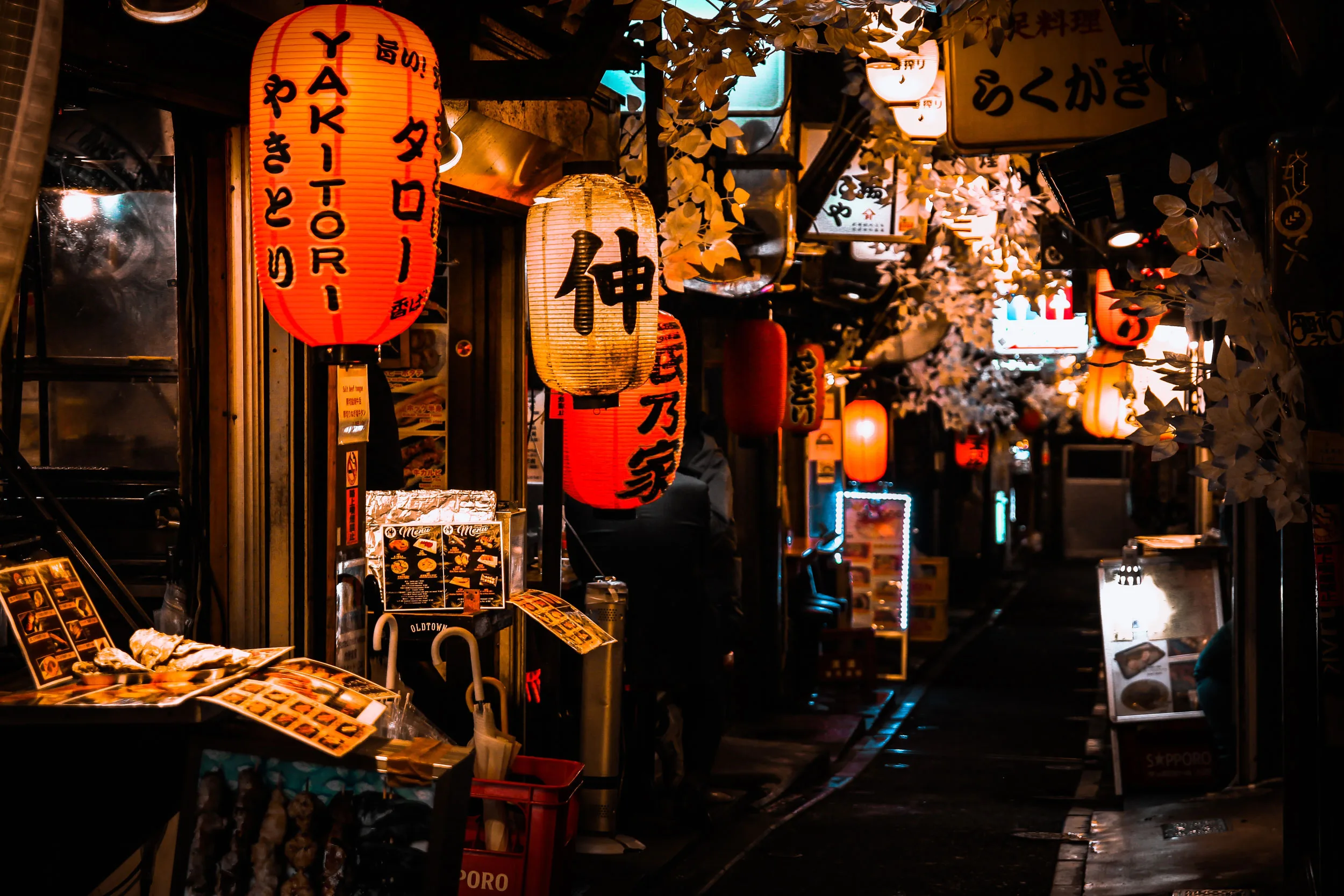
Most visitors see Dotonbori from the bridges, phone in hand. The better view sits a few feet lower, on the canal itself. The Tombori River Cruise loops through the district in about 20 minutes. It passes under nine bridges, while a guide points out the landmarks in a lively running commentary.

Boats leave from Tazaemonbashi Pier on the north bank, beside a large discount store. According to the city’s own guide to the Tombori River Cruise, departures run every 30 minutes from 11 a.m. to 9 p.m. Book a slot online, or buy at the counter on the day.
Time it for dusk. As the sky darkens, the neon comes alive and reflects in the water. The famous Glico sign, a runner with arms raised, glows directly overhead. Few photos of Osaka capture that moment as well as the view from a low boat.
Once ashore, cross into Hozenji Yokocho, a narrow stone lane behind the main strip. Lanterns hang over small restaurants, and the noise of Dotonbori fades within a few steps. It is a fine place to slow down before dinner.
You may also like
Watch Bunraku Where It Was Born
Bunraku is Japan’s classical puppet theater, and Osaka is its home. The form took shape here in the late seventeenth century, when playwright Chikamatsu Monzaemon wrote for the city’s stages. The National Bunraku Theatre in Nipponbashi keeps that line unbroken. For many visitors, it becomes the most memorable evening of the trip.
Each main puppet needs three performers. The lead puppeteer works the head and right hand, often with his face visible. Two assistants, dressed in black, move the left hand and the feet. Meanwhile, a chanter voices every character, and a shamisen player drives the mood beside him.

At first you watch the people. Within minutes, though, they seem to disappear, and the puppet takes over. A turn of the head or a trembling sleeve carries real grief. That shift is the whole magic of bunraku, and it rarely fails.
The theater stages several seasons a year. For example, the November 2026 season runs in three parts, starting at 11 a.m., 2:15 p.m. and 5:45 p.m., according to the Osaka Prefecture listing. Rent the English earphone guide, and choose one part rather than a full day.
Bunraku and kabuki trade plays and characters, so one prepares you for the other. Our guide to kabuki theater explains the makeup, the poses and how to follow a performance. If a trip of evenings like this appeals, we arrange the tickets and seats in every custom Japan itinerary.
Walk an Edo-Period Street Indoors
The Osaka Museum of Housing and Living hides a full town inside an office tower. Take the elevator to the ninth floor, and you step into a life-size street from the 1830s. Shops, a bathhouse and merchant homes line the lane. Everything is built to scale, using traditional methods.
Better still, you can touch almost everything. Slide open the doors, sit on the tatami and look inside the storerooms. Then watch the light change. The museum shifts its lighting from morning to night on a cycle, and the sound of the street changes with it.
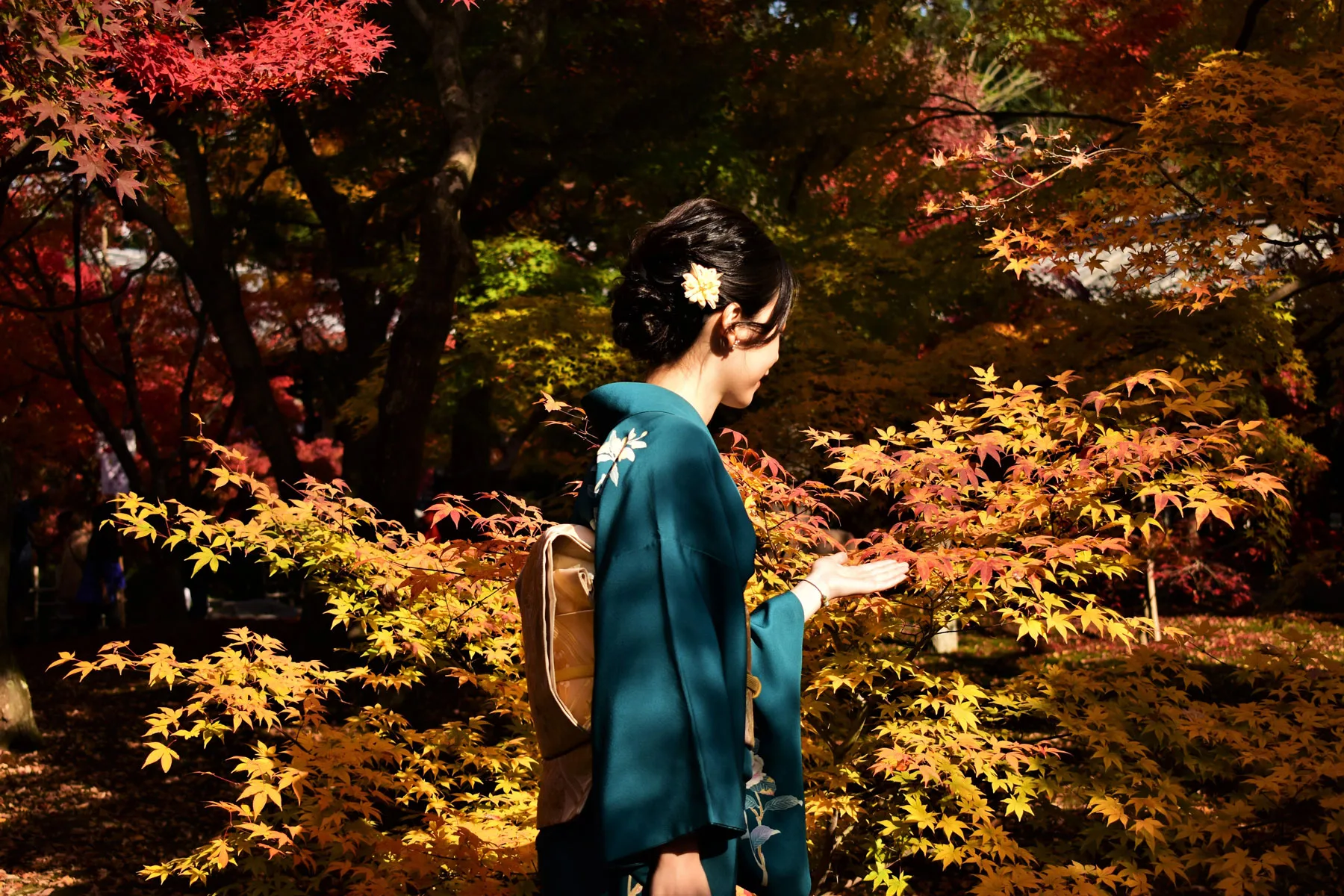
For a small fee, staff will dress you in a simple kimono for about 30 minutes. It is first come, first served, so arrive soon after the 10 a.m. opening. The museum closes on Tuesdays. Allow about 90 minutes, including the modern Osaka galleries on the floor below.
Afterward, step outside onto Tenjinbashisuji, one of Japan’s longest covered shopping streets. It runs for about two and a half kilometers. Croquette stands, tea shops and old clothing stores fill the arcade. Walk a few blocks, and the Edo street you just left feels less like a museum and more like a preview.
You may also like
Design Your Own Cup Noodles in Ikeda
In 1958, Momofuku Ando invented instant ramen in a backyard shed in Ikeda, a suburb north of Osaka. The museum built in his honor recreates that shed, tools and all. It is a playful stop, and one of the most unique things to do in Osaka with children or curious friends.
The highlight is the My Cupnoodles Factory. First you decorate an empty cup with pens. Then you choose one of four soups and four toppings from a list of twelve. Finally, staff seal and shrink-wrap your creation in an air-filled bag to carry home.

The museum’s official page lists no entry fee, with a small charge for the factory workshops. It opens from 9:30 a.m. to 4:30 p.m. and closes on Tuesdays. From Umeda, the Hankyu train reaches Ikeda in about 20 minutes, then it is a short walk.
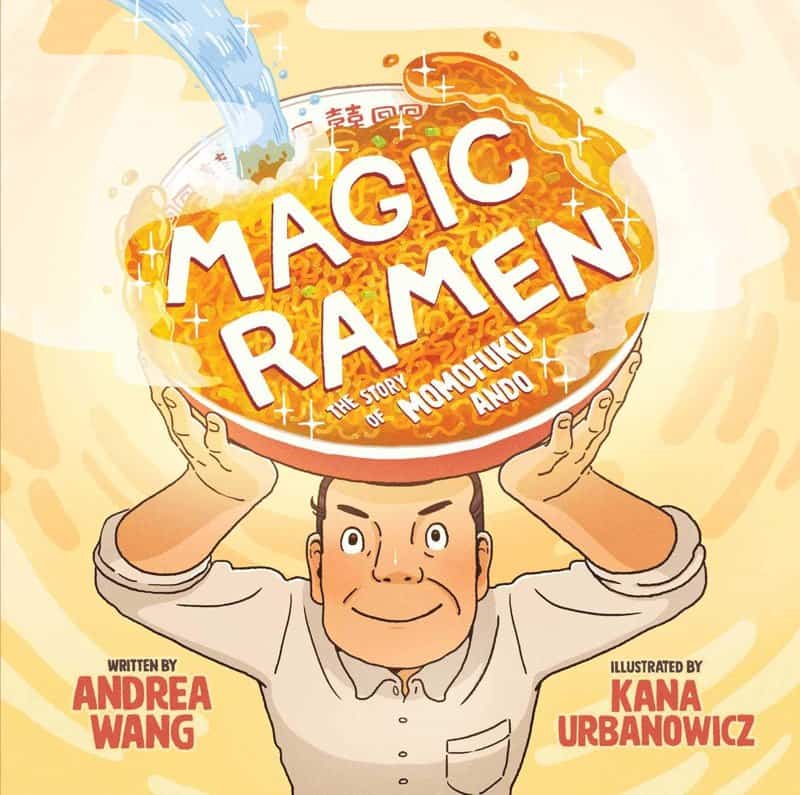
Before you go, younger travelers will enjoy Magic Ramen: The Story of Momofuku Ando by Andrea Wang. This picture book tells how Ando, at 48, kept failing until a bowl of tempura gave him the idea of flash-frying noodles. It makes the shed in Ikeda feel personal.
Retro Cafés in Nakazakicho, Vintage in Amerikamura
Nakazakicho sits a ten-minute walk from Umeda Station, yet it feels like another decade. Many of its wooden row houses survived the wartime air raids. Now they hold more than a hundred small cafés, galleries and secondhand shops. The lanes are narrow, the signs are handmade, and nothing hurries.
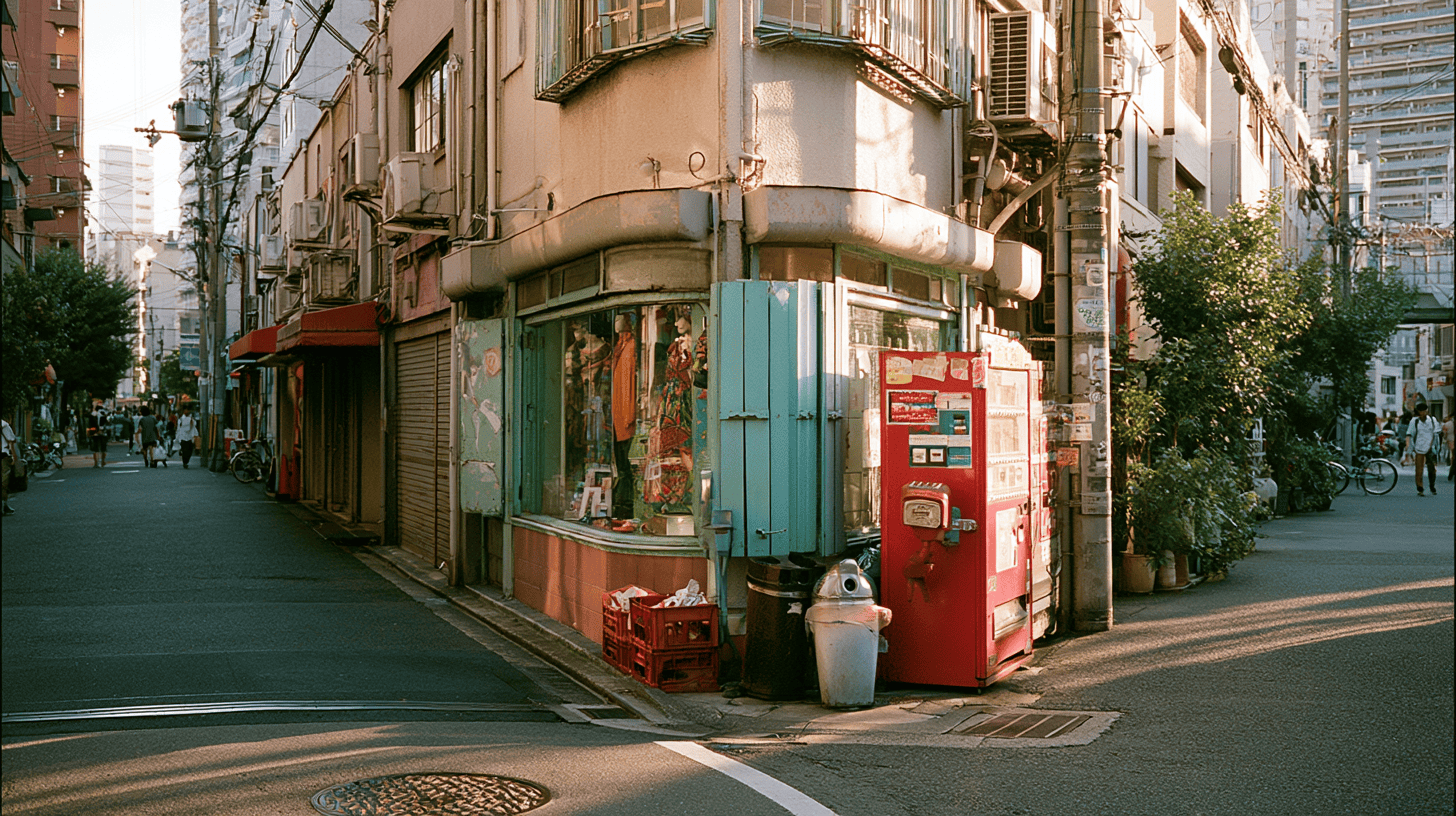
Start at Salon de AManTo Tennin, a renovated townhouse that helped start the café scene. Then wander without a plan. Arabiq, a combined coffee house and rare bookshop, rewards a slow hour. Most places open late morning, and several close on Mondays or Tuesdays, so check before you set out.
Few unique things to do in Osaka feel as unhurried as a morning here. Order a hand-drip coffee, then sit by the window and watch the lane. Neighbors sweep their doorsteps, cats doze on bicycle seats, and the trains to Umeda rumble past overhead.

Amerikamura, south of the center near Shinsaibashi, offers the opposite mood. It is loud, young and full of vintage clothing. Triangle Park acts as the meeting point, with shops radiating out in every direction. For sizing, prices and the best streets, see our guide to vintage shopping in Japan.
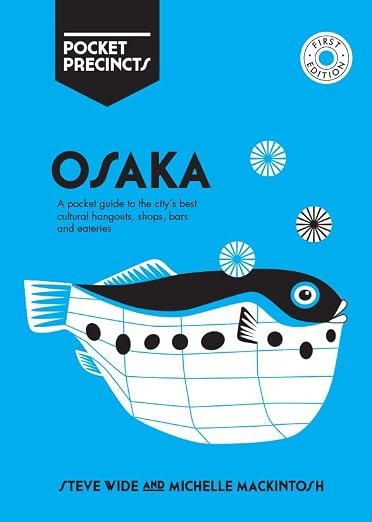
For more neighborhoods in this vein, Osaka Pocket Precincts by Steve Wide and Michelle Mackintosh is a handy companion. It maps the city by district, with cafés, shops and bars chosen for character rather than size. Slip it into a jacket pocket for the day.
Between the two districts, the subway takes about fifteen minutes. So a single day can hold both moods. Spend the morning in Nakazakicho with coffee and old books. Then ride south for an afternoon of racks and street style, and finish with dinner near the canal.
The First-Timer’s Japan Checklist
What to settle before your first trip, in the order it matters: documents, money, transport, then the first days.
The Floating Garden at Umeda Sky
The Umeda Sky Building looks like two towers joined at the top by a ring. That ring holds the Floating Garden Observatory, 173 meters above the street. To reach it, you ride an escalator through a glass tube that crosses open air between the towers. It is not for anyone who dislikes heights.
The top level is an open-air deck, so you feel the wind as you circle the roof. On clear days, the view reaches the mountains and Osaka Bay. However, the real reward comes after sunset. The city lights spread out like a map, and the floor glows with small luminous stones.

The observatory usually opens from 9:30 a.m. to 10:30 p.m., with last entry at 10 p.m. Arrive about 40 minutes before sunset to see both day and night. Then head down to the basement, where a recreated Showa-era food street serves an easy dinner.
Weekday evenings are calmer than weekends, and the line for the glass escalator moves faster. Couples tend to gather on the west side, which faces the bay and the sunset. Meanwhile, the east side looks toward the mountains and the old castle. Walk both, since the circuit takes only a few minutes.
You may also like
Eat the City, One Counter at a Time
Osaka has a word for its appetite: kuidaore, roughly “eat until you drop.” It is a joke, but only partly. Food here is cheap, quick and generous, and every neighborhood has a specialty. Rather than book long dinners, graze through the day in small rounds.
Three dishes, three counters
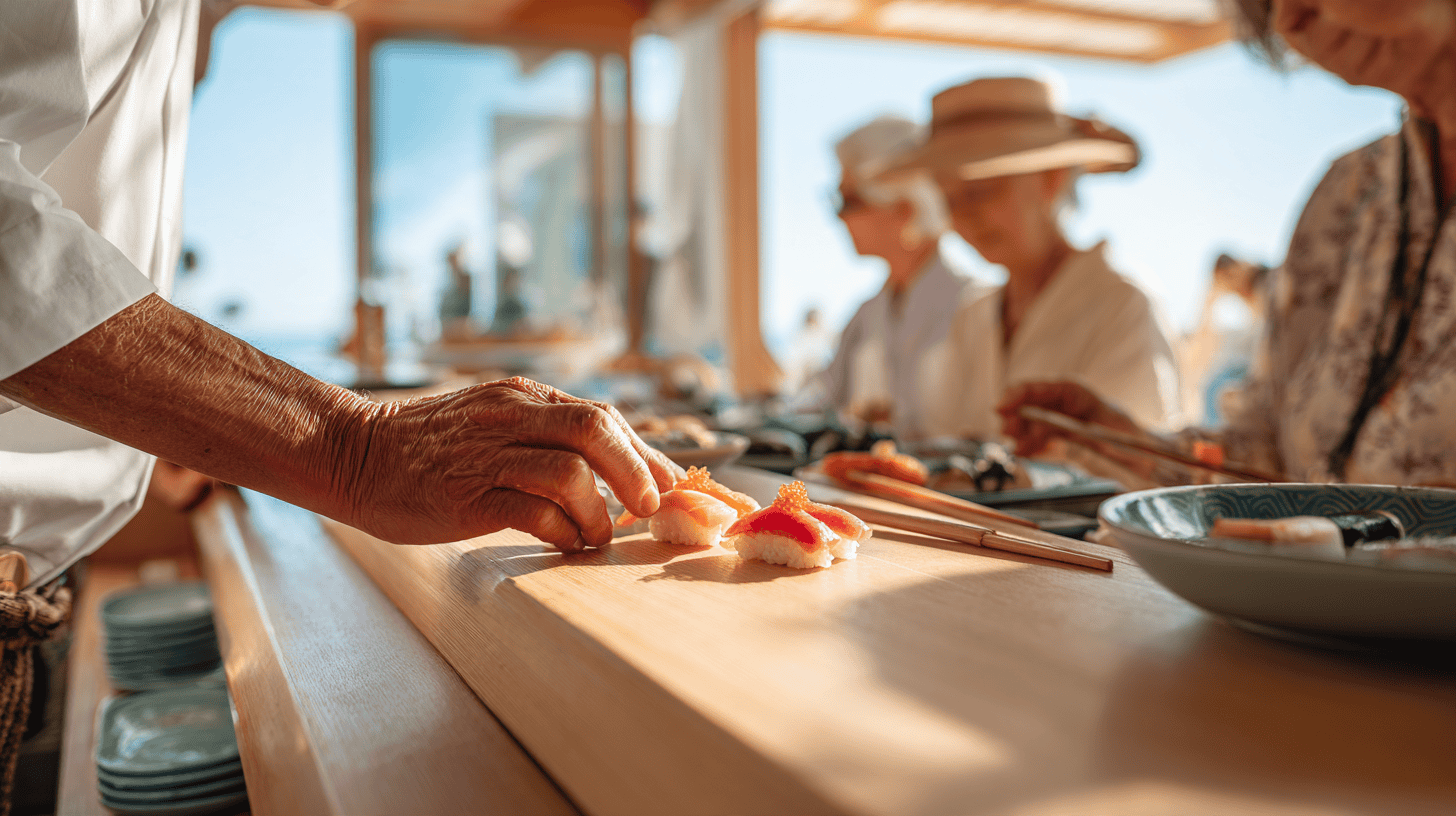
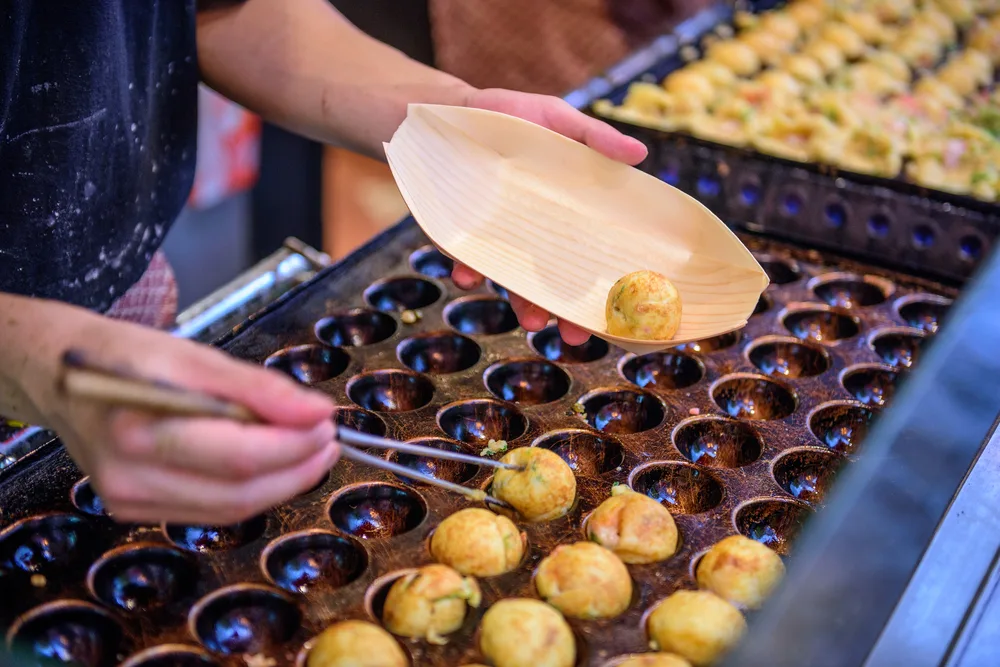
Start with takoyaki, batter balls with a piece of octopus inside, cooked in a dimpled pan. Stalls brush on a sweet sauce, then add mayonnaise, seaweed powder and bonito flakes. Wait a moment before the first bite, because the center stays molten for a surprisingly long time.
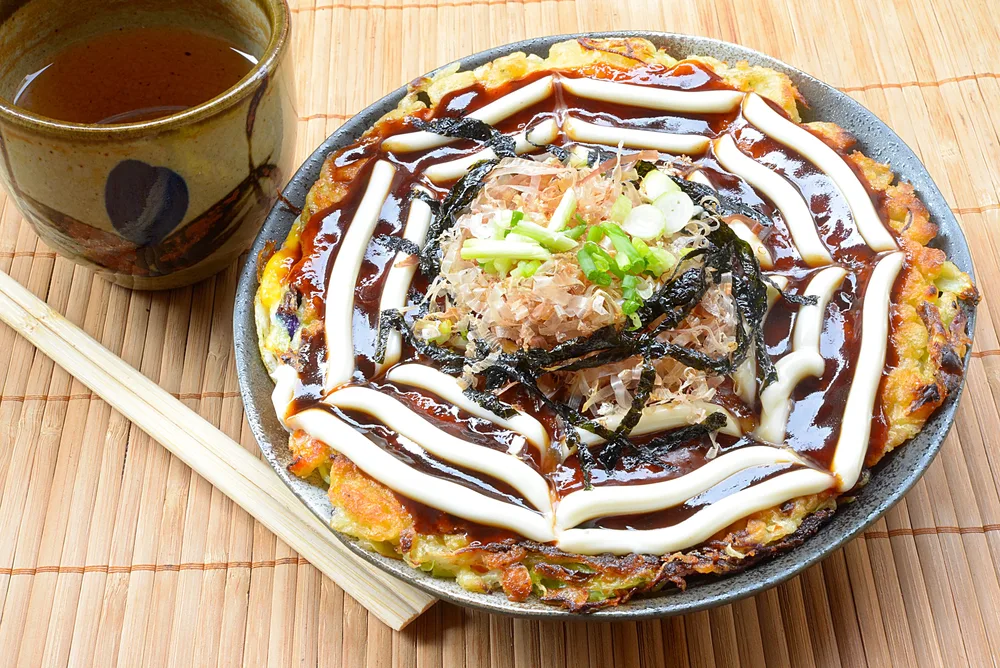
Next, try okonomiyaki, a savory cabbage pancake grilled on a hot plate. The name means “grilled as you like it.” At many places, you cook it yourself at a griddle built into the table, while staff hover nearby to help with the flip.
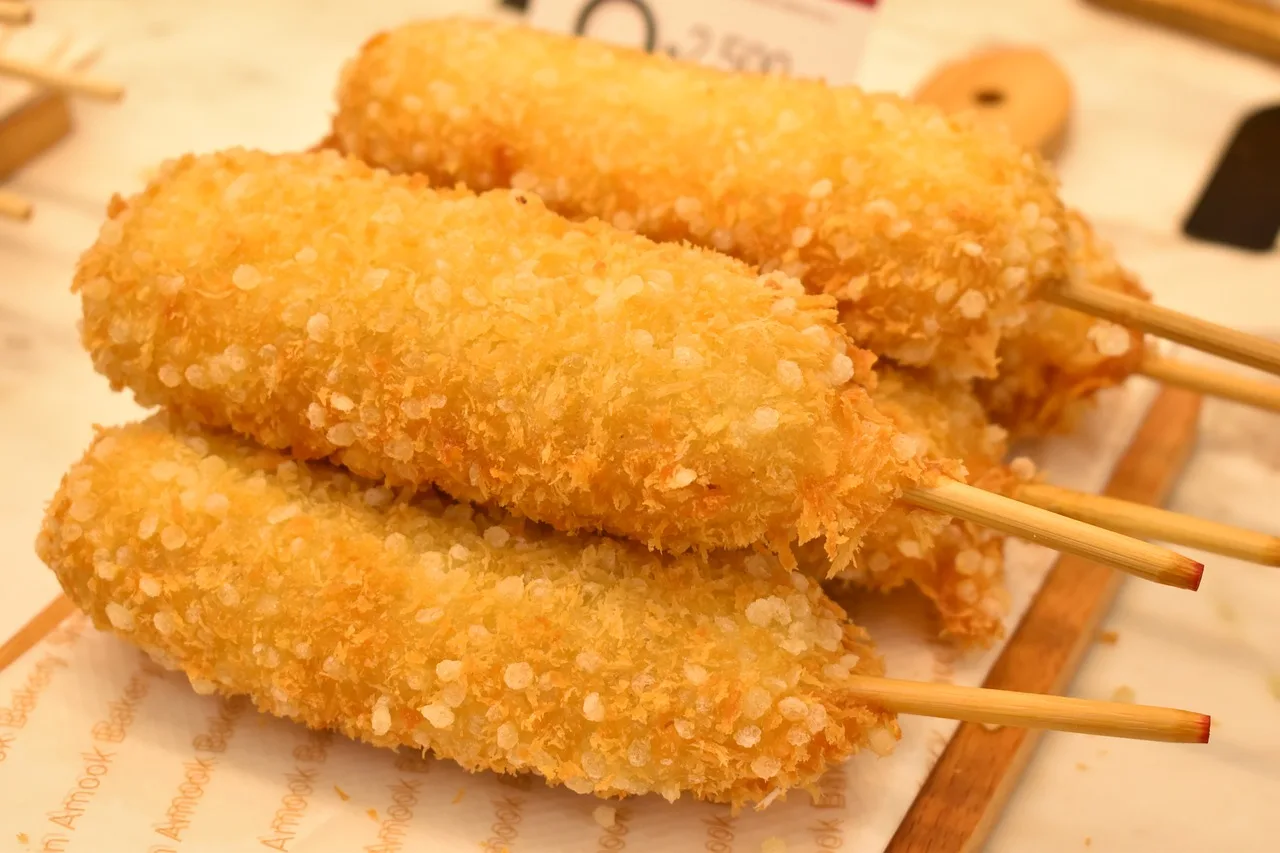
In Shinsekai, finish with kushikatsu, meat and vegetables fried on skewers. One rule applies at every counter: never double-dip in the shared sauce. If you want more, scoop it up with a leaf of raw cabbage, which sits on the counter for exactly that purpose.
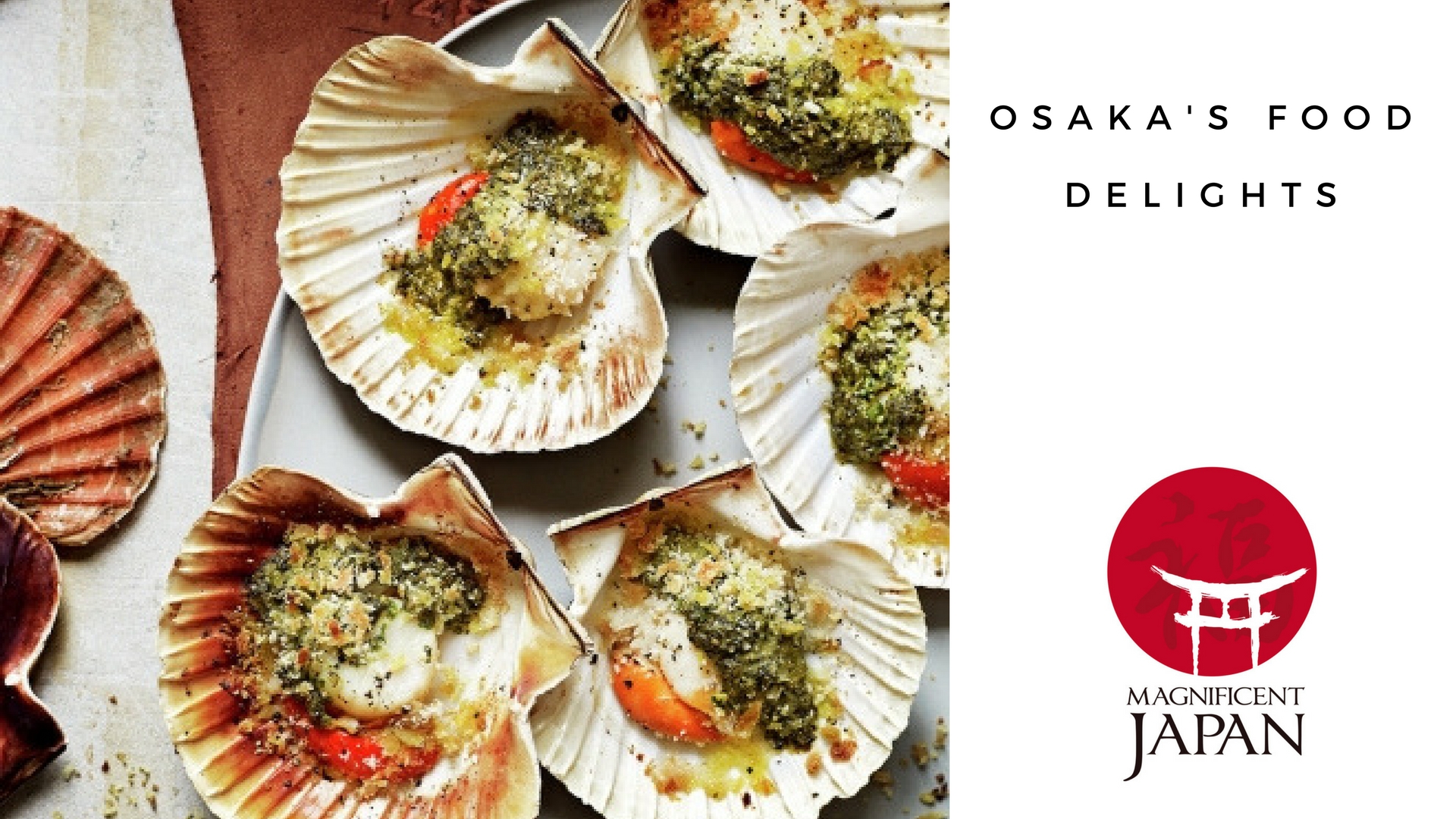
For a market morning, walk Kuromon Ichiba, where stalls grill scallops and slice fruit to order. In the evening, head to Ura-Namba for small standing bars and izakaya. Our full guide to Osaka food and the kuidaore habit names the counters locals favor.
Cooking Osaka food at home
Many travelers want to cook these dishes once they are home. Takoyaki in particular makes a good party, since everyone turns their own balls at the table. A heavy iron pan holds heat evenly, so the outsides crisp before the centers set.
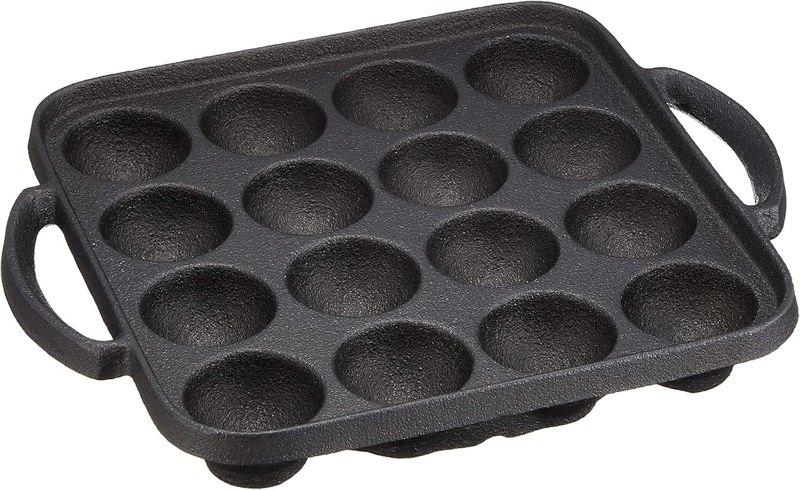
The Ikenaga Tekko cast iron takoyaki pan is made in Japan and holds 16 balls at a time. It works on gas and induction alike. Season it well before the first batch, and it will improve with every use.
To cook at the table, Japanese families use a slim butane burner. It sets up in a minute, and it doubles for hot pot in winter. Osaka-based Iwatani has made these stoves for decades, so the choice has local roots as well.
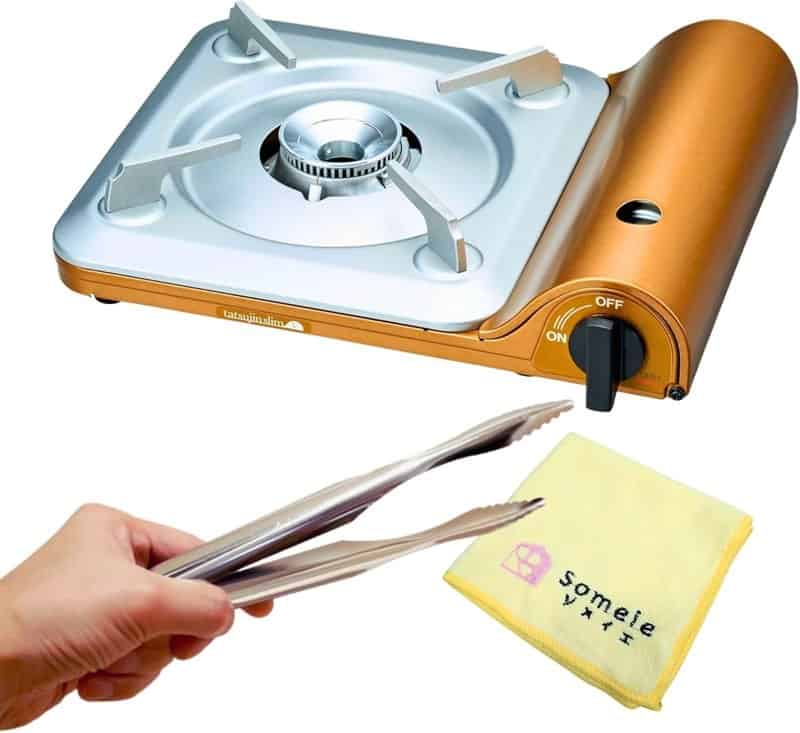
The Iwatani Tatsujin Slim V butane stove is a compact tabletop model built in Japan. It suits takoyaki, okonomiyaki and nabe. Use it in a ventilated room, and buy the cartridges locally once you are home.
Recommended
Sumo in March, the Castle All Year
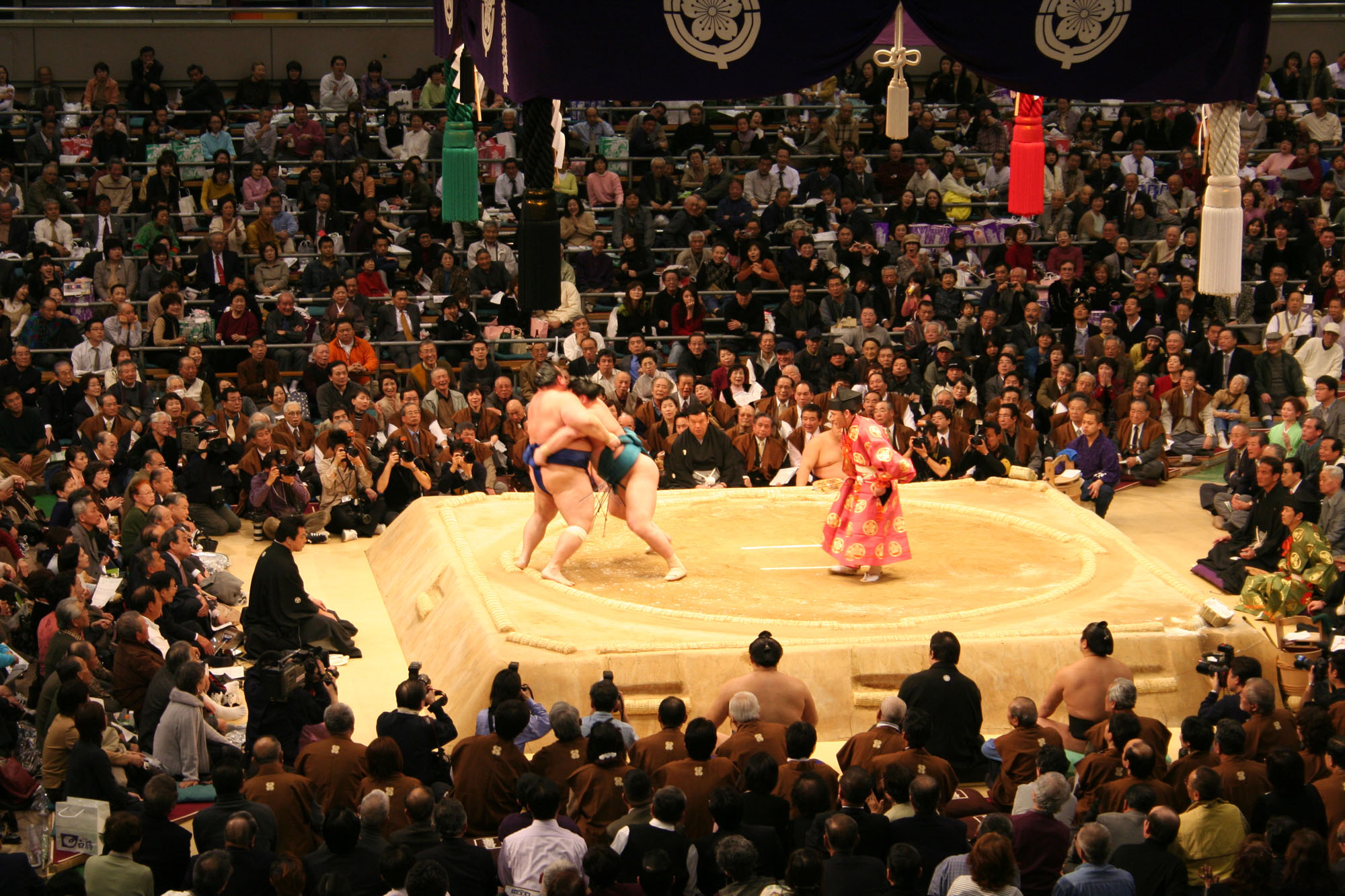
Each March, Osaka hosts one of the six grand sumo tournaments of the year. The Spring Tournament fills EDION Arena Osaka, about ten minutes on foot from Namba, for fifteen days. Wrestlers arrive in the mornings, and the lower divisions fight through the day.
Arrive early with an inexpensive ticket, and you can watch the young wrestlers from close seats before the crowds arrive. Then, by late afternoon, the top division enters. Tickets go on sale in early February and sell out quickly. Our guide to sumo wrestling in Japan explains the ranks and rituals.
Osaka Castle, by contrast, is there every day of the year. The current main tower is a 1931 reconstruction, and it houses a museum on its warlord founder, Toyotomi Hideyoshi. The park around it rewards a long walk more than the interior does.
So walk the outer moats first. The stone walls include blocks of enormous size, hauled here in the early seventeenth century. In late March, the park fills with cherry blossoms. In autumn, the ginkgo trees turn gold around the moats.

For a slower view, take a short boat ride around the inner moat, or rent a bicycle and circle the grounds. Early morning is best, before the tour groups arrive. Joggers, dog walkers and photographers share the paths, and the tower looks its best in low, golden light. Afterward, the Osaka Museum of History stands just across the road. Its upper floors look straight down onto the castle grounds from above, and the view alone justifies the visit. Go there first, then walk down into the park.
Minoo Falls and Maple Leaf Tempura
When the city feels too busy, take the Hankyu line north to Minoo. A riverside trail of about 2.7 kilometers climbs gently through forest to a 33-meter waterfall. Most people walk it in around 40 minutes each way. The path is paved for most of its length.
The walk has its own snack. Stalls along the trail sell momiji tempura, real maple leaves preserved in salt for a year, then fried in a sweet batter. It tastes like a crisp cookie, with a faint salty edge. Buy a small bag and eat it on the way.
Visit from mid to late November, when the maples turn red. A 2025 fire near the falls closed the last stretch for months, but the full trail reopened in August 2026. A short section near the falls still narrows past a fence, so check the park office for updates.

Minoo also pairs well with a day trip further afield. Kyoto is under 30 minutes away by Shinkansen, and Nara is about 40 minutes on the Kintetsu line. Our one-day Nara itinerary covers the deer park and the town’s old merchant streets.
Many travelers base themselves in Osaka for exactly this reason. Hotels cost less than in Kyoto, the evenings run later, and the trains fan out in every direction. So return each night to the city’s counters, and spend the days wherever the season looks best.
You may also like
Read Your Way Into Osaka
A city this talkative deserves a little reading before you arrive. Novels give you the manners and moods that guidebooks skip. Meanwhile, a good pocket guide saves an hour of searching each day. These picks cover both, so the long train rides become part of the trip.
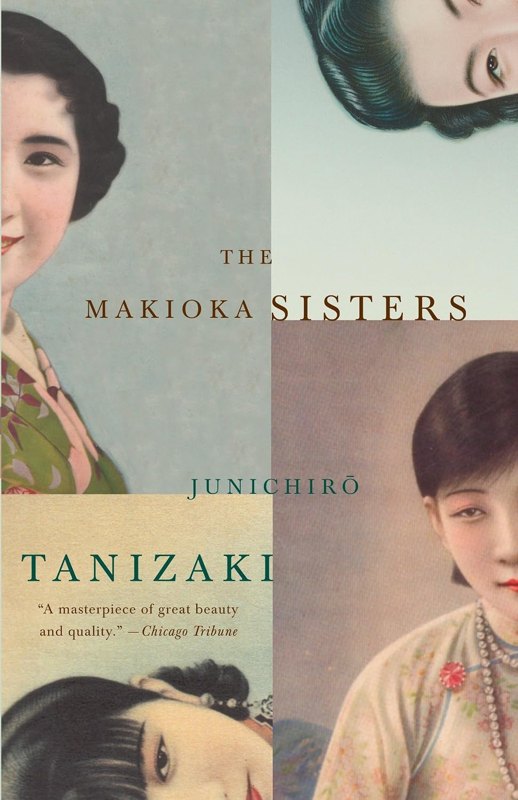
Start with The Makioka Sisters by Junichiro Tanizaki. It follows four sisters from an old Osaka merchant family in the late 1930s. Their world of matchmaking, kimono and cherry-blossom outings is fading fast. Few books capture the region’s manners so closely.
Tanizaki himself moved to the Osaka area after the 1923 earthquake, and he came to love its softer speech. The novel shows that affection on every page. Read it before a visit to the old houses of Nakazakicho, and the lanes will feel familiar.
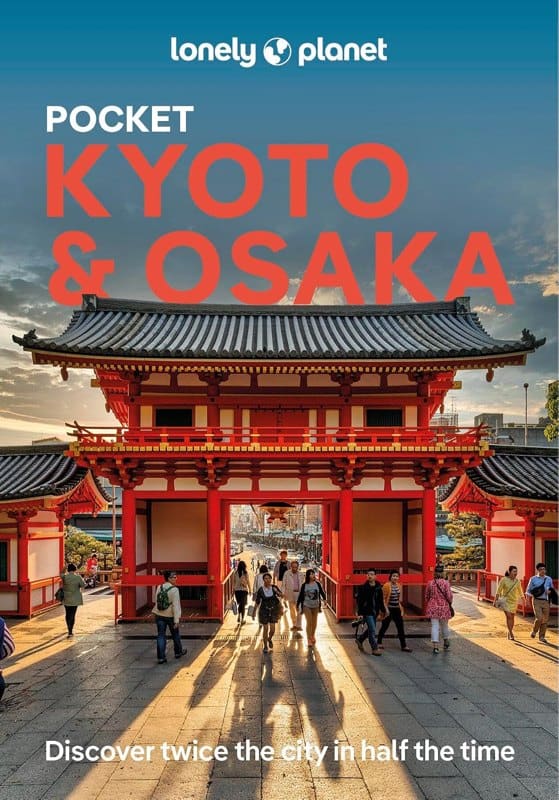
For practical planning, Lonely Planet Pocket Kyoto & Osaka packs both cities into a slim volume. Its fold-out maps and short walking routes suit a two- or three-day stay. Use it for transit and opening days, then let the city fill in the rest.
Questions Worth Asking
What is Osaka best known for?
Osaka is best known for its food, its humor and its friendly people. Street dishes like takoyaki and okonomiyaki started here. The city is also the home of bunraku puppet theater and manzai comedy. Locals pride themselves on being warmer and more direct than Tokyo.
How many days do you need in Osaka?
Plan two to three days. Two days cover Dotonbori, Shinsekai, the castle and a museum or two. A third day allows Nakazakicho, Ikeda or Minoo Falls at a slower pace. Add more time if you plan day trips to Kyoto, Nara or Kobe.
What is unusual to do in Osaka at night?
Take the Tombori River Cruise at dusk, when the Dotonbori signs light up. Then ride to the Floating Garden at Umeda Sky for the city lights. Afterward, find a standing bar in Ura-Namba. Bunraku evening performances also start around 5:45 p.m. in season.
Is Osaka better than Kyoto?
They suit different moods. Kyoto offers gardens, old streets and a measured pace. Osaka offers food, nightlife and an easy, talkative energy. Many travelers base themselves in Osaka for its hotels and transport, then visit Kyoto by train, which takes under 30 minutes.
What is kuidaore?
Kuidaore is an Osaka saying that roughly means eating until you drop. It describes the city’s love of food and its habit of spending generously on it. In practice, it means grazing through many small dishes rather than sitting down to one large meal.
Is Osaka good for a first trip to Japan?
Yes. Osaka is easy to navigate, relaxed and affordable compared with Tokyo. Its airport, Kansai International, connects well to the city. From here, Kyoto, Nara, Kobe and Hiroshima are all within reach by train, so it makes a practical base for western Japan.
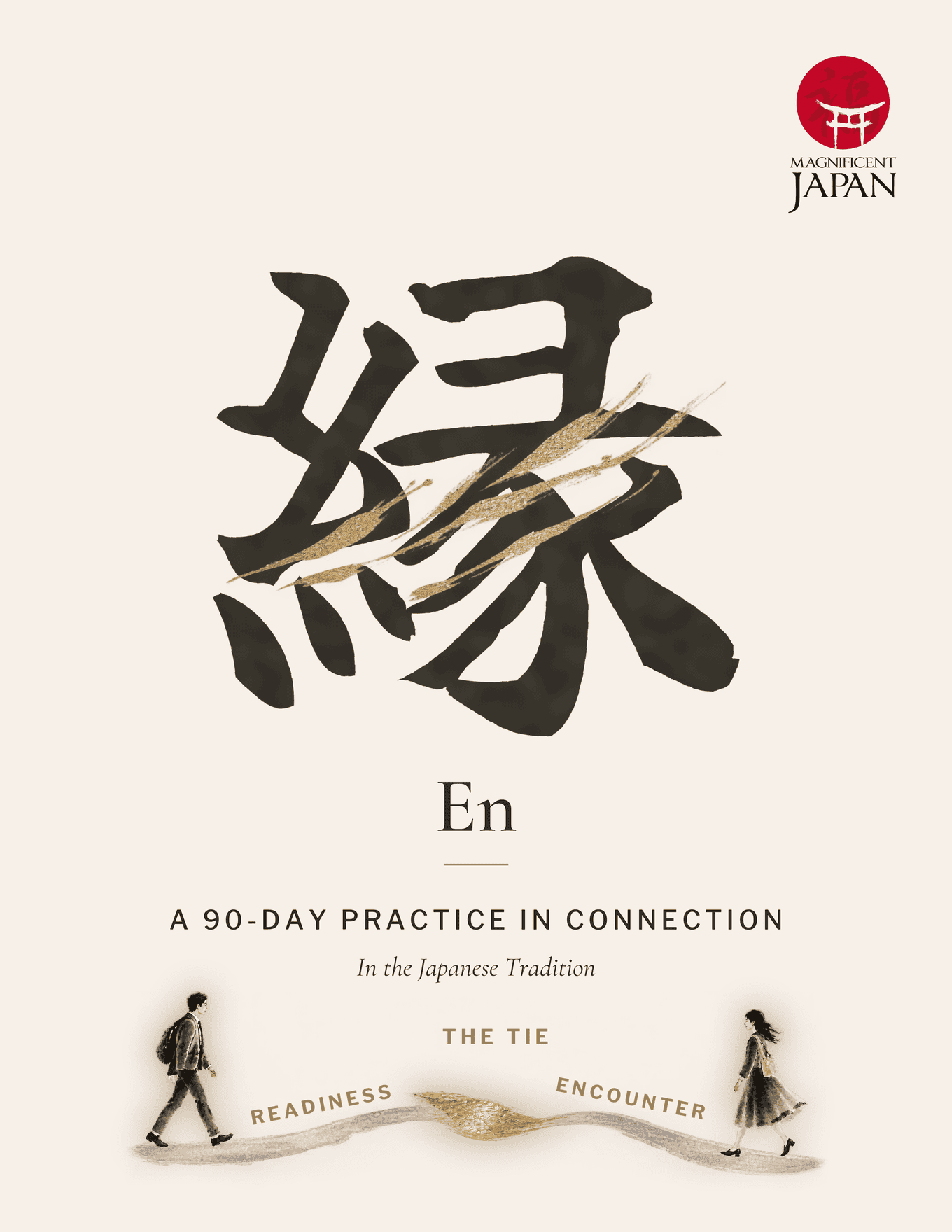
En is the Japanese word for the bonds that bring people together, the kind Osaka makes in a single evening at a crowded counter. This 90-day guided practice in connection offers one short prompt a day for noticing who matters and why. Write in the digital edition on a tablet, or choose the paperback. It is one of eight journals in the Cultural Reflection Collection.
View The CollectionWhy Unique Things to Do in Osaka Stay With You
Ask travelers about Osaka, and they rarely start with a monument. Instead, they describe a cook who laughed at their Japanese, a puppet that made them cry, or a canal boat under neon. The city leaves its mark through people. That is what sets the unique things to do in Osaka apart from a checklist of sights.
So build your days loosely. Choose two or three anchors, such as bunraku, the Edo street and the canal. Then leave room for the counters, the arcades and the conversations in between. Osaka fills empty hours generously, as long as you let it.

On your first evening, walk from Namba toward the canal as the signs come on. Take the boat, then cross into Hozenji Yokocho for dinner. Order takoyaki from a stall on the way back, and ask the cook what you should see tomorrow. In Osaka, that question almost always leads somewhere good, and the answer usually comes with a joke attached. Follow the advice, even when it sounds odd. Then come back the next night and report on how it went, because the cook will want to know.
For the traveler who wants the city’s character, not just its sights: a custom itinerary with bunraku seats reserved, the best counters mapped for each evening, and easy day trips to Kyoto and Nara built into your rail plan.
Plan Your Custom Japan ItineraryThe Editors, Magnificent Japan
Comments are closed.