The finest Kyoto experiences are rarely the ones on every list. They are an hour spent watching tea being whisked in a wooden room. They are a kaiseki course that arrives with a single maple leaf, or a lantern-lit lane in Gion as a maiko hurries to an appointment. Kyoto rewards travelers who slow down, and it reveals far more to those who plan with care.
This guide gathers ten experiences worth building a trip around. Some are famous, yet even those change when you arrive at the right hour. Others need a reservation or an introduction, so we explain how they work. Along the way you will find what to taste, what to bring home, and when each season suits the city best.
A private tea session, a kaiseki dinner, an evening in Gion, the gardens of Kokedera and Ginkaku-ji, a craft studio visit, and Fushimi Inari or Arashiyama at first light. Plan them across three to five unhurried days.
12Why Kyoto Experiences Reward a Slower Pace
Kyoto was Japan’s imperial capital for more than a thousand years, and the city still moves to an older rhythm. Its pleasures are small and precise. A garden is designed to be seen from one spot on a veranda. A meal follows the season week by week. Even a walk changes character between dawn and late morning, when tour groups arrive and the lanes fill.
That is why the best Kyoto experiences are built around timing rather than distance. Two or three well-placed visits a day feel richer than six rushed ones. If you have only two days, our two-day Kyoto itinerary maps an efficient route. This guide does something different. It focuses on the experiences themselves, and on how to enjoy each one at its best.
Above all, leave room for the unplanned. A shop owner may invite you to watch a craftsman at work, or a garden may be empty for ten minutes at closing time. Those moments are the reason to come. In short, a Kyoto trip built with space between its fixed points tends to deliver the memories travelers keep longest.
11Tea in Kyoto: From Uji Leaves to a Private Ceremony
Tea is the first of the great Kyoto experiences, and the most rewarding to do properly. The finest Japanese green tea grows in nearby Uji, a short train ride south of the city. In Kyoto itself, centuries-old tea merchants still sell over wooden counters. Small tea rooms offer sessions for a handful of guests at a time.
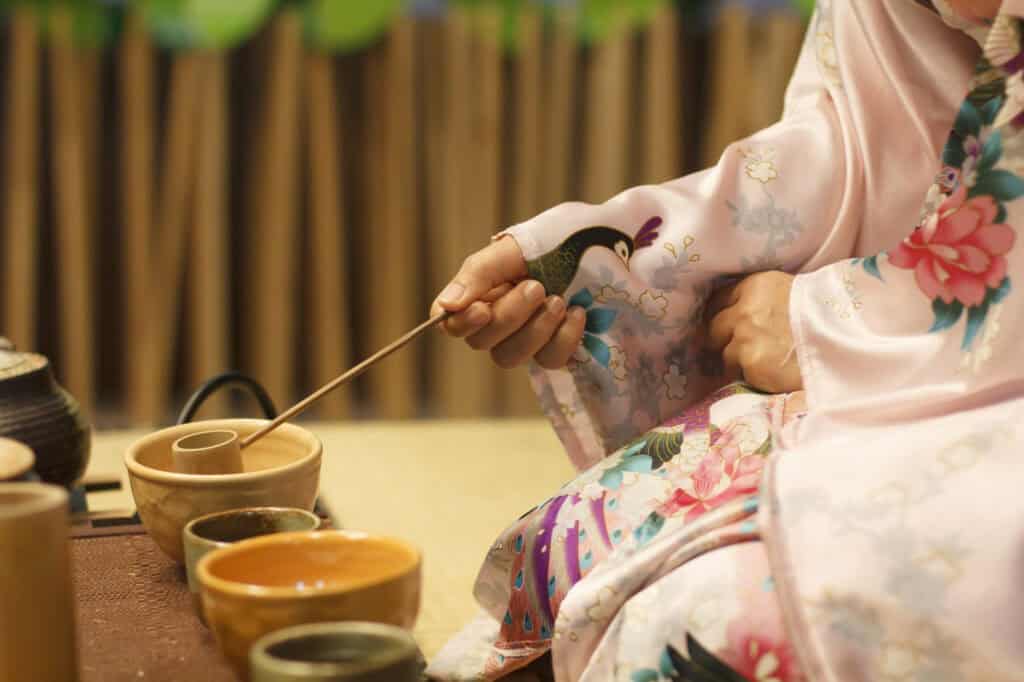
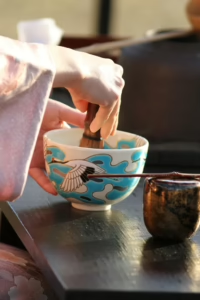
A private session in a historic tea room is worth seeking out. The host prepares sweets and thick or thin matcha while explaining each gesture. You learn how to receive the bowl, turn it and admire it. Our guide to the Japanese tea ceremony explains the ritual in depth, so you can arrive knowing what to expect. Many sessions last about an hour, which is the right length for a first visit.
Afterward, carry the habit home. A good sencha makes the daily version of what you tasted in Kyoto. It needs nothing more than a small pot and water just off the boil. That small ritual, repeated each morning, is one of the simplest ways to keep a Kyoto trip alive for months afterward.
Ippodo Hosen Sencha — everyday green tea from a Kyoto merchant since 1717
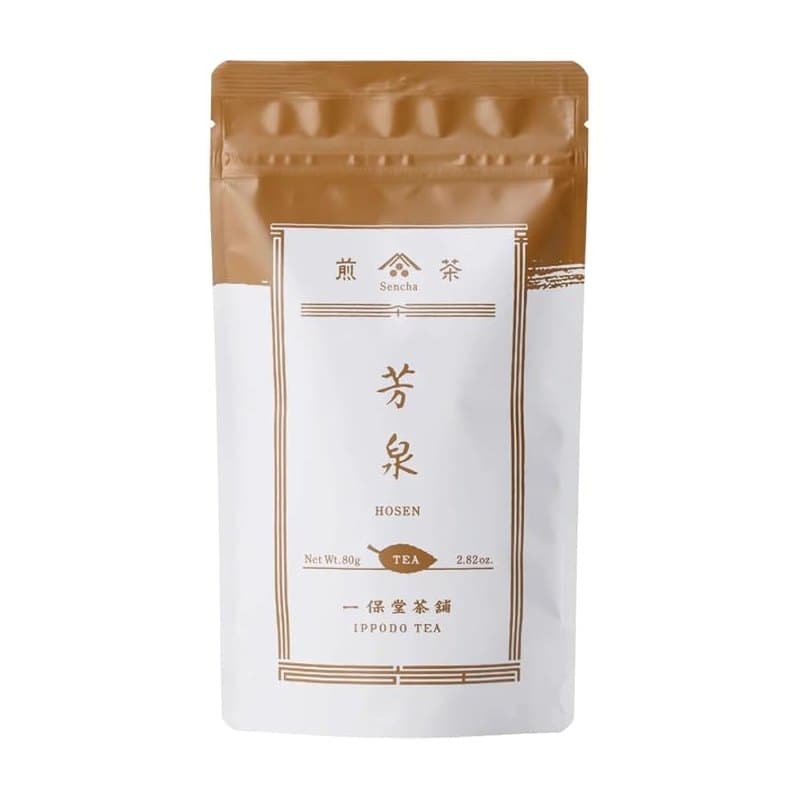
Ippodo Hosen Sencha comes from one of Kyoto’s oldest tea houses, founded in 1717 and still trading from its shop on Teramachi Street. Hosen is a balanced, medium-bodied sencha made for every day rather than special occasions. Its flavor sits between grassy freshness and a gentle sweetness, so it suits a first cup of the morning as well as an afternoon break. Brew it a little cooler than black tea, for about a minute, and the leaves give two or three good infusions. For travelers who visited the shop, it is a direct link back to the counter in Kyoto.
If time allows, give Uji a full morning. The town sits on a river lined with tea shops. The Byodo-in, which appears on the ten-yen coin, stands a few minutes from the station. Tasting flights let you compare grades side by side. That comparison teaches more about Japanese tea in an hour than years of drinking it casually, and it makes every later cup more interesting.
10Kaiseki and the Kyoto Table
Kaiseki is Kyoto’s great culinary art. A meal unfolds in a sequence of small courses, each built around the season and served on ceramics chosen to suit it. At its finest, a kaiseki dinner is as much about atmosphere as flavor. Rooms look onto gardens, and the pacing gives every course its moment.

Kikunoi Honten, in the hills above Gion, holds three Michelin stars and is among the most celebrated kaiseki houses in the city. Dinners there sit in the Michelin Guide’s highest price band, so plan for a significant evening. Reservations open weeks ahead and fill quickly. A hotel concierge or private planner can secure a table, and lunch offers a lighter, shorter introduction at several of the great houses.
A few habits make any kaiseki meal more enjoyable. Tell the restaurant about allergies when you book, since menus are fixed and prepared in advance. Arrive on time, because each course is timed to the minute. Then simply follow the host’s lead and ask about the dishes. Chefs and servers are usually glad to explain an ingredient or the maker of a bowl. Those conversations often become the highlight of the evening.
Nishiki Market and everyday Kyoto food
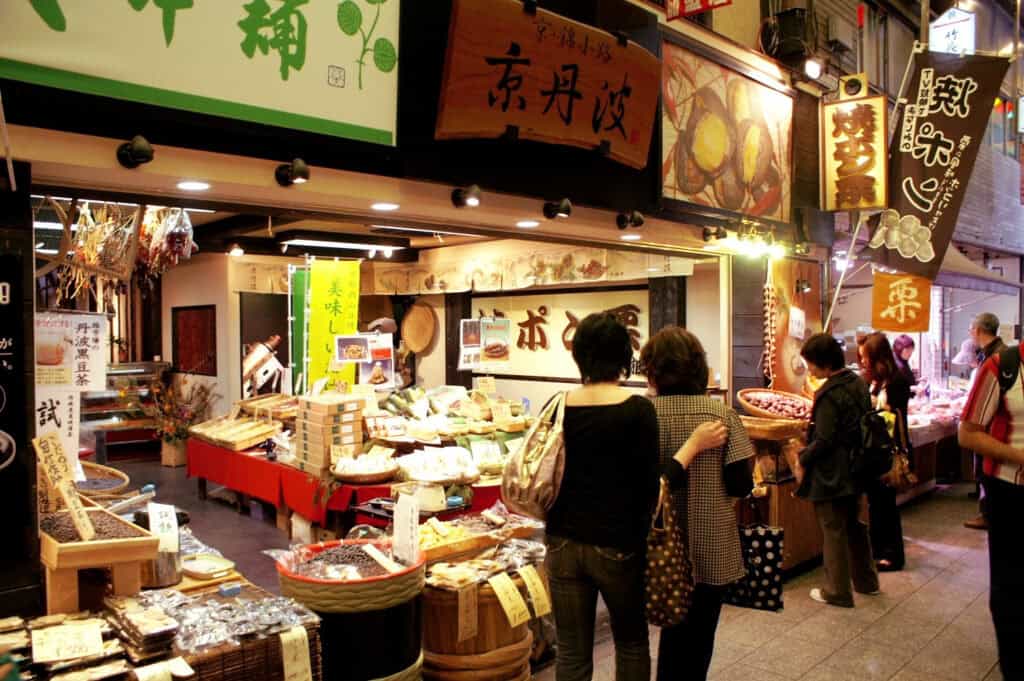
For the other side of Kyoto food, walk Nishiki Market. This narrow covered street holds more than a hundred shops and stalls, and locals call it Kyoto’s Kitchen. You will find pickles, dashi stock, fresh tofu, sweets and knives. Arrive mid-morning, when the stalls are stocked and the lunch crowd has not yet arrived, and taste as you go. Our guide to traditional Japanese food explains many of the dishes you will see.
Mackerel has a special place in Kyoto’s food history. Kyoto sits far from the sea, so fish once came overland from Wakasa Bay. Porters carried salted mackerel about 70 kilometers along the routes now called the Saba Kaido, the mackerel road. After roughly a day on foot, the fish arrived firm and seasoned. Kyoto cooks turned it into pressed saba-zushi for festivals and grilled it for everyday meals. Salt-grilled mackerel is still a home favorite.
9You may also like

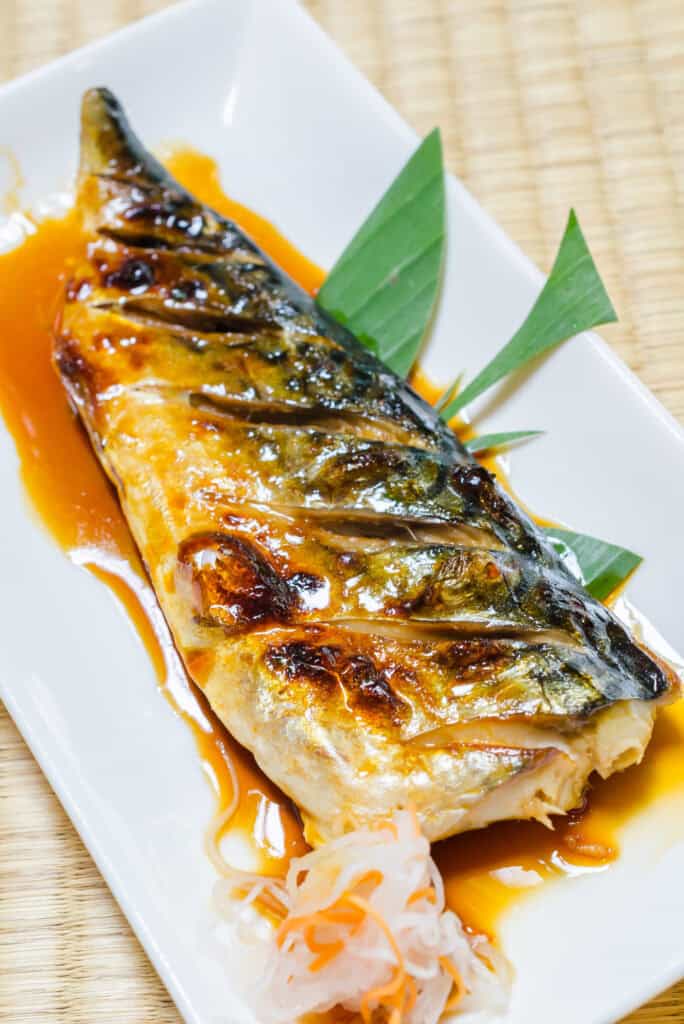
Saba Shioyaki — salt-grilled mackerel with grated daikon
Pat two skin-on mackerel fillets dry, sprinkle both sides with a teaspoon of sea salt and rest them for twenty minutes, then blot away the moisture that rises and score the skin two or three times. Heat a grill pan until very hot and cook the fillets skin side toward the heat for five or six minutes, until the skin blisters, then turn and cook two or three minutes more. Serve each fillet with a mound of finely grated daikon, a drop of soy sauce and a wedge of lemon or sudachi, beside rice and miso soup, the way Kyoto kitchens have served mackerel since it came over the mountains.
The method is simple, and that is the point. Salt draws out moisture and seasons the fish, while high heat crisps the skin. The daikon cuts the richness, and the citrus lifts it. Make it once at home and you will understand why a fish carried on foot across mountains became a Kyoto staple. It is also a gentle way to recreate a Kyoto breakfast for guests after you return.
8Gion After Dark: Geiko, Maiko and the Teahouse Evening
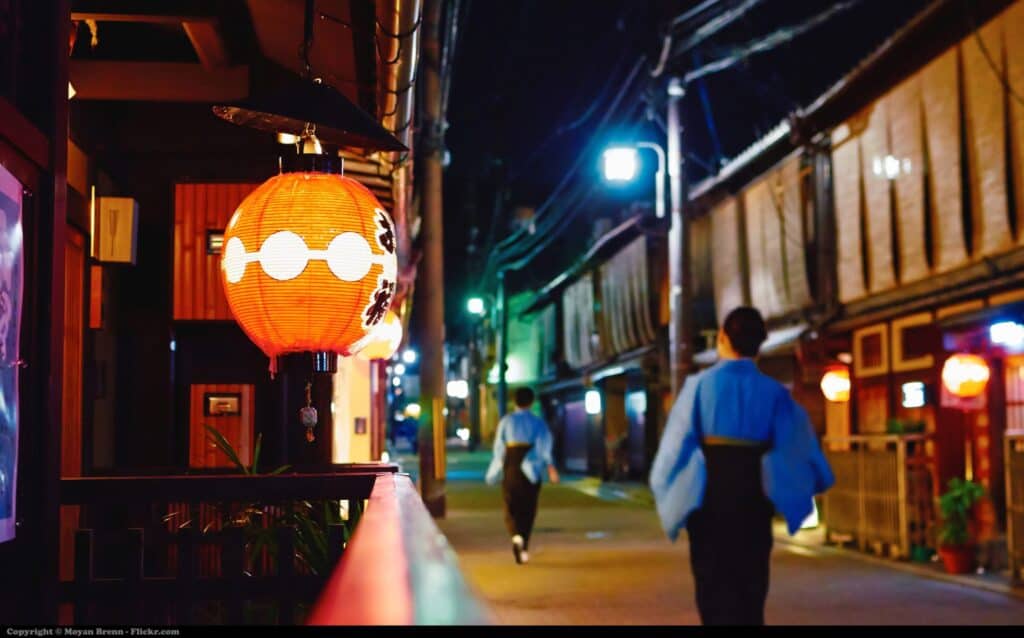
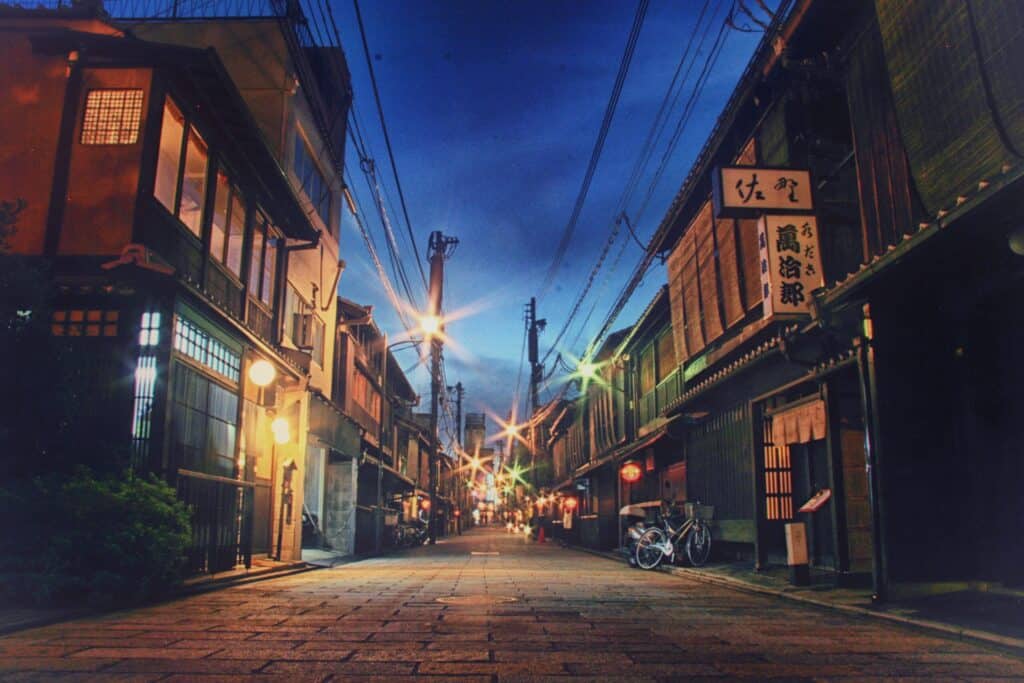
Gion is Kyoto’s best-known geiko and maiko district. Its wooden teahouses line Hanamikoji Street and the stone lanes along the Shirakawa canal. At dusk, lanterns glow and the district feels unchanged. Walk respectfully, keep to the main streets, and never block a performer’s path for a photograph, since many lanes are private.

The true Gion experience happens indoors. Traditional teahouses admit guests by introduction, so visitors arrange an ozashiki dinner through a ryokan, a specialist agency or a private planner. The evening includes a kaiseki meal, conversation, drinking games and dance performed by a geiko or maiko. It is one of the most memorable Kyoto experiences, and the planning is part of what makes it feel rare.
7You may also like
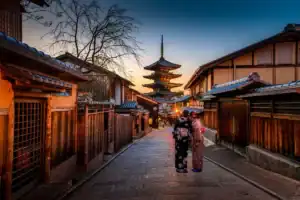

If an ozashiki is not possible, there are other ways to see the arts. Seasonal public dances in spring and autumn present the geiko and maiko of each district on stage. Some hotels also host smaller performances. Our guide to geisha culture explains the training, the districts and the etiquette. With it, an evening in Gion becomes more than a walk past closed doors. It also shows why discretion is part of the tradition.

6Gardens Worth Planning Around
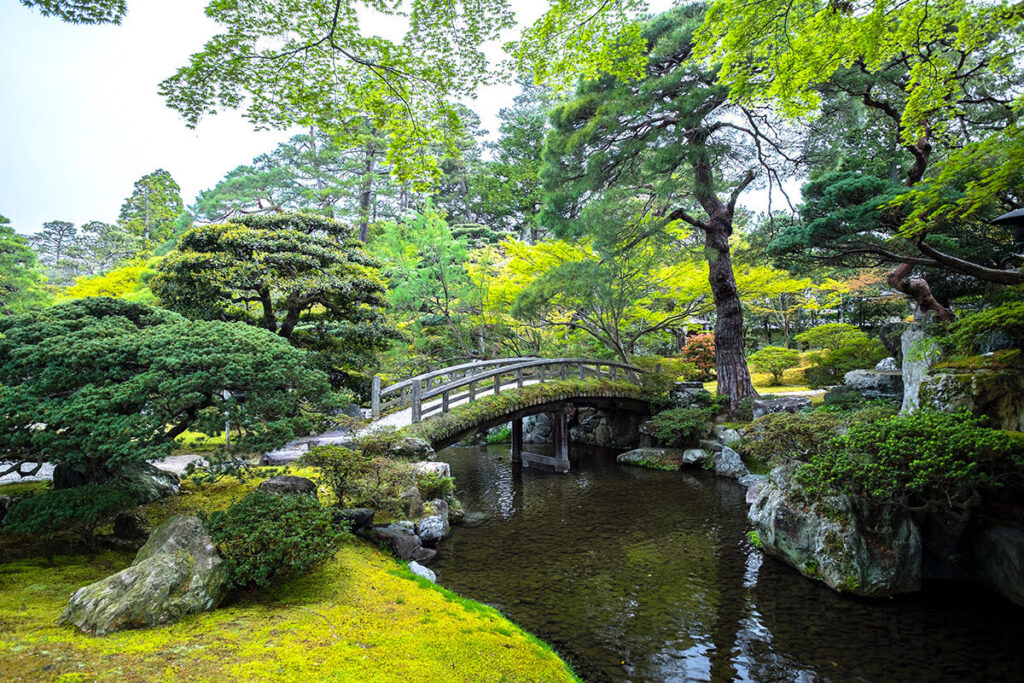
Kyoto holds some of the world’s great gardens, and each asks for a different kind of attention. Some are meant to be walked, others to be viewed from a single veranda. The best approach is to choose two or three, visit them at opening time, and give each at least an hour. Rushing through five gardens in a day leaves only blurred photographs behind.
Kokedera, the moss garden
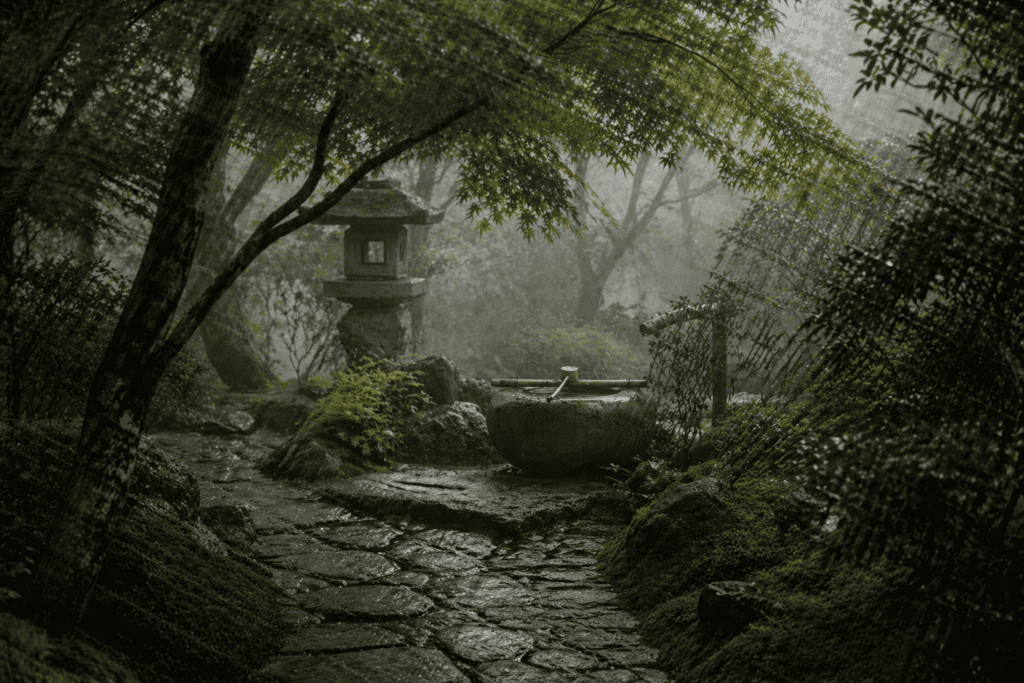
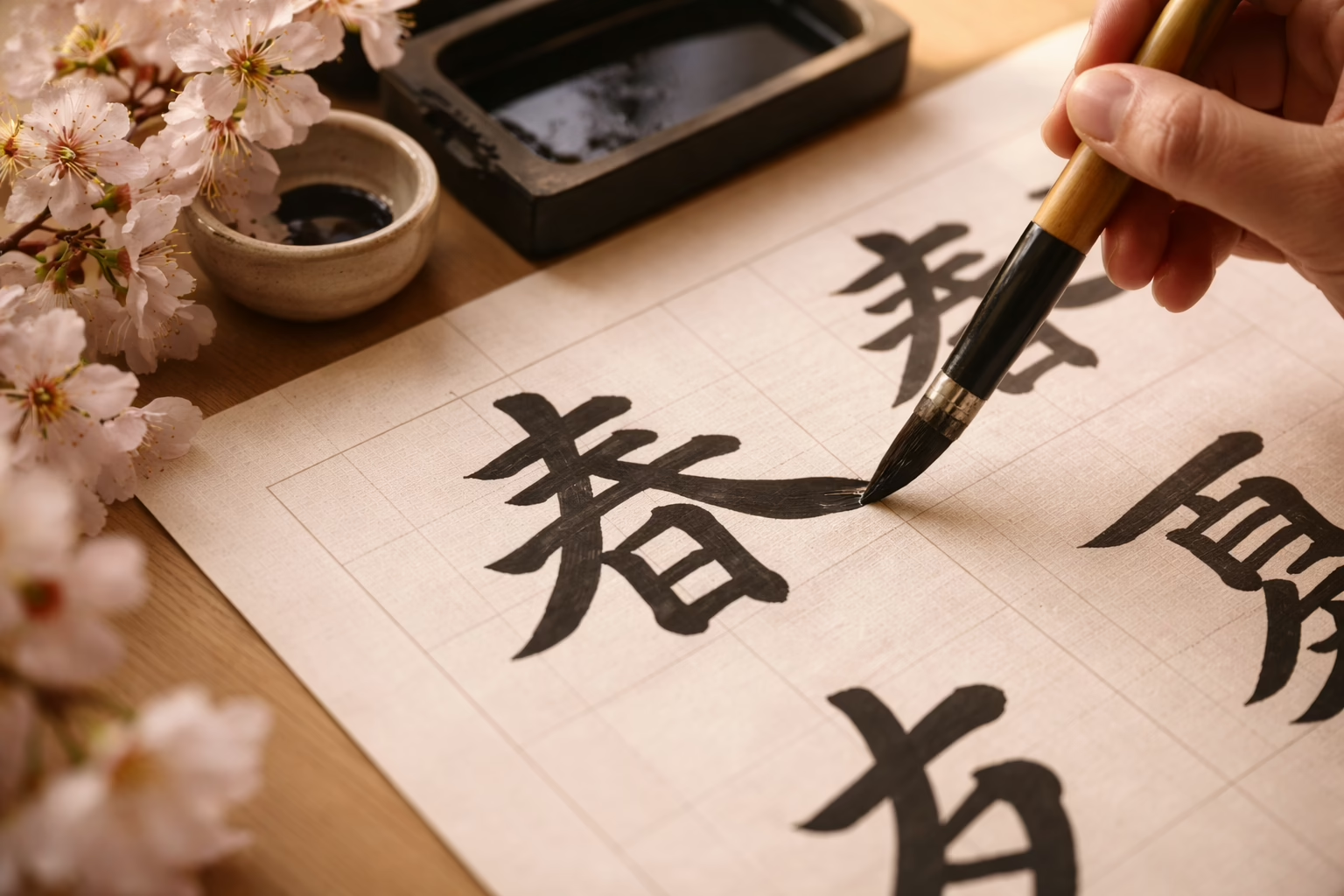
Kokedera, formally Saihoji, is famous for a garden carpeted in more than a hundred kinds of moss. Entry is by advance reservation only, through the official booking site. Admission is about $26 (¥4,000) per person, and visitors under 12 are not admitted. Before entering the garden, guests take part in a short session of copying characters with a brush. After that, the walk through green shade feels earned.
Ginkaku-ji and Kinkaku-ji
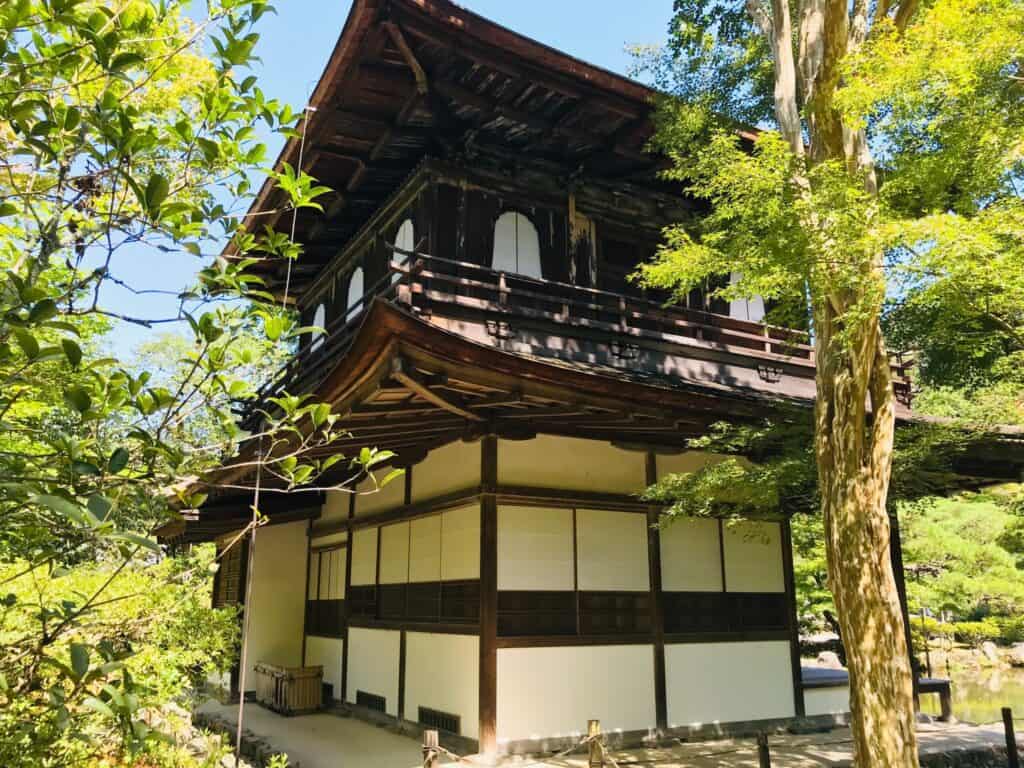
Ginkaku-ji, the Silver Pavilion, pairs a restrained wooden hall with a garden of raked sand. A flat-topped sand cone is said to catch the moonlight. Its paths then climb a mossy hillside with views over the city. From there, the Philosopher’s Path follows a canal south for about two kilometers. Kinkaku-ji, the Golden Pavilion, sits on the opposite side of the city and opens at nine. Arrive then, when the pond is still and the reflection is clear.

Kyoto Imperial Palace Park offers a gentler counterpoint. The wide gravel avenues and old trees around the palace grounds make a fine morning walk, with no admission fee for the park itself. Plum and cherry trees bloom here early in the year. For travelers who want the temple gardens of eastern Kyoto without the crowds, our guide to smaller temples in Kyoto suggests lesser-known alternatives.
Three Companions for a Kyoto Trip
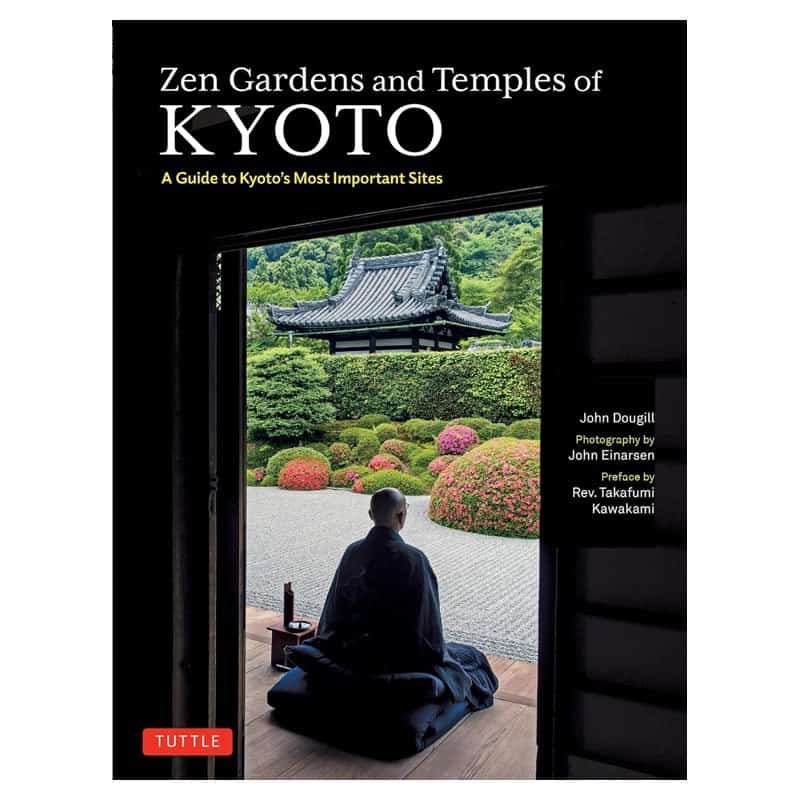
A clear guide to the city’s great gardens and the ideas behind them.
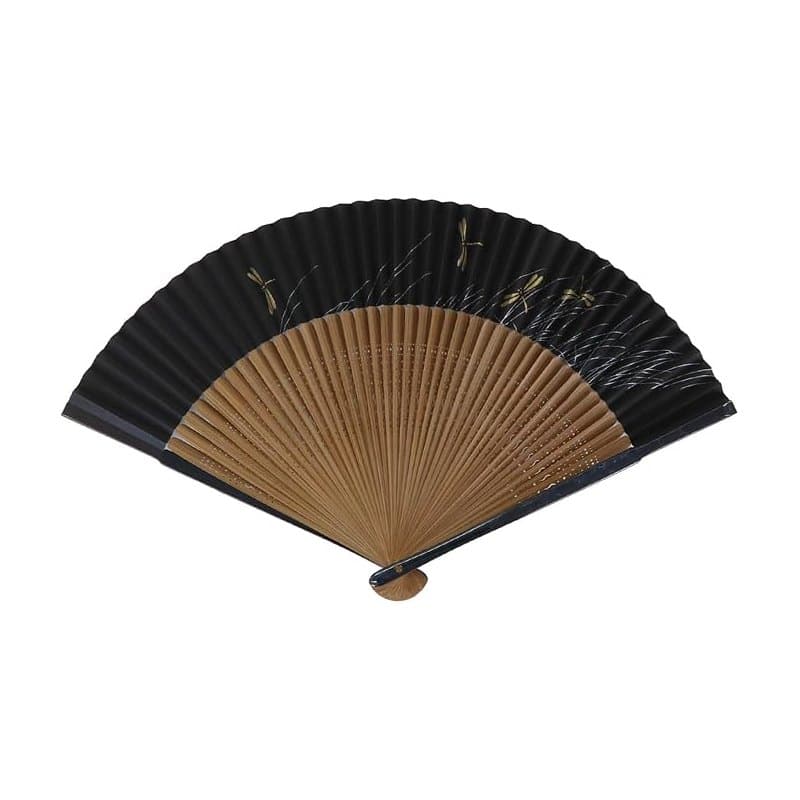
A painted dragonfly fan for warm days in the city’s lanes.
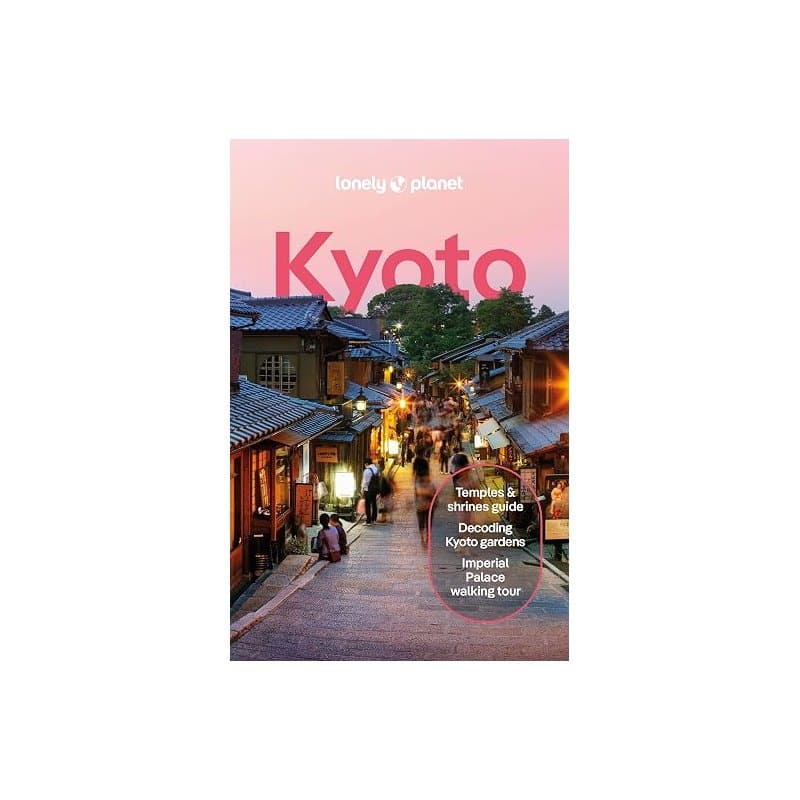
Maps, transport and neighborhoods for finding your way.
5Kyoto Crafts in the Hands of Their Makers
Kyoto’s crafts grew up around the imperial court and its tea culture. Kyo-yuzen silk dyeing, Kiyomizu-yaki ceramics, lacquerware, folding fans and incense all have long histories here. Many studios still welcome visitors, and some offer short workshops. Watching a dyer paint silk by hand, or a potter trim a tea bowl, changes how you see every object in a Kyoto shop.
Scent is another Kyoto craft worth knowing. Incense has been made in the city for centuries, for tea gatherings, for homes and for the old court pastime of incense appreciation. A few Kyoto makers have supplied it for generations, and their shops make a calm stop between gardens. A box of their sticks is among the lightest and most evocative things to bring home.
Shoyeido Baika-ju Incense — plum blossom from a Kyoto maker since 1705
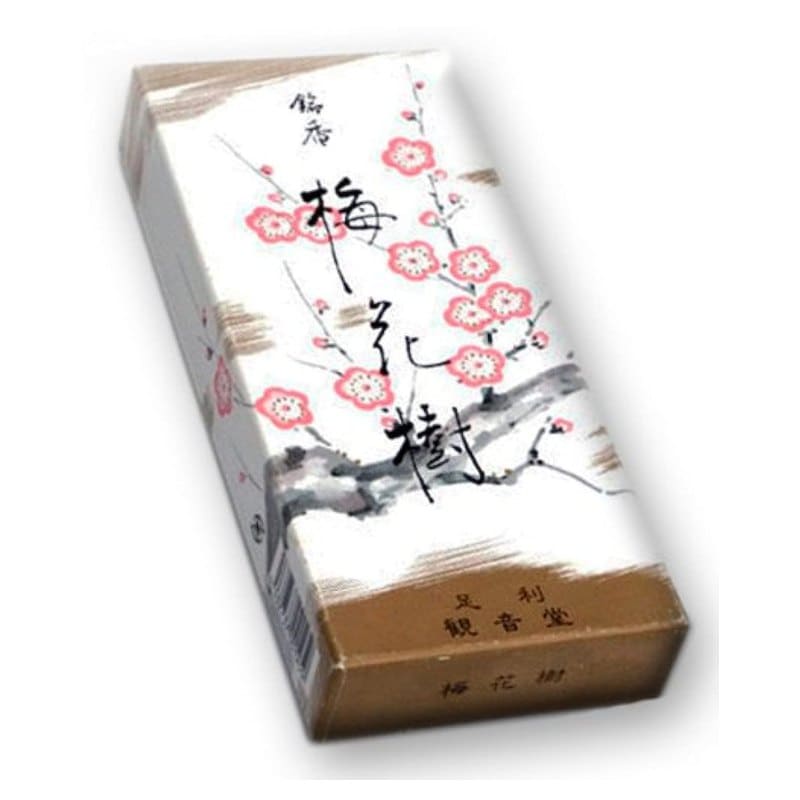
Shoyeido Baika-ju comes from Shoyeido, a Kyoto incense house founded in 1705 that still blends its incense in the city. Baika-ju means plum blossom, and the scent is soft, sweet and slightly woody rather than smoky. Each box holds 150 sticks, enough for months of use. Light one stick in a small ceramic holder, and it burns for about twenty minutes while the fragrance fills a room. The scent recalls a Kyoto tea room in early spring, when plum trees flower in the palace park. It also makes a thoughtful gift for anyone who loved the city and its tea rooms.
A craft workshop is one of the most personal Kyoto experiences. You might paint a small yuzen panel, throw a simple cup, or fold a fan with a maker who has done it for decades. Most studios need booking in advance, and some sessions run in Japanese with an interpreter. Choose one craft and go deep rather than trying several. That way, the object you carry home has a story attached.
When shopping for crafts, ask about the maker. Many Kyoto shops can tell you which studio produced a piece and how. Department stores near Shijo Street carry a careful selection, while specialist shops in Higashiyama and around the old merchant districts offer more variety. Prices for handmade work reflect the hours behind it, and that time is the value. Buy fewer pieces, choose them slowly, and they will feel like part of the trip rather than souvenirs.
4Fushimi Inari and Arashiyama at First Light
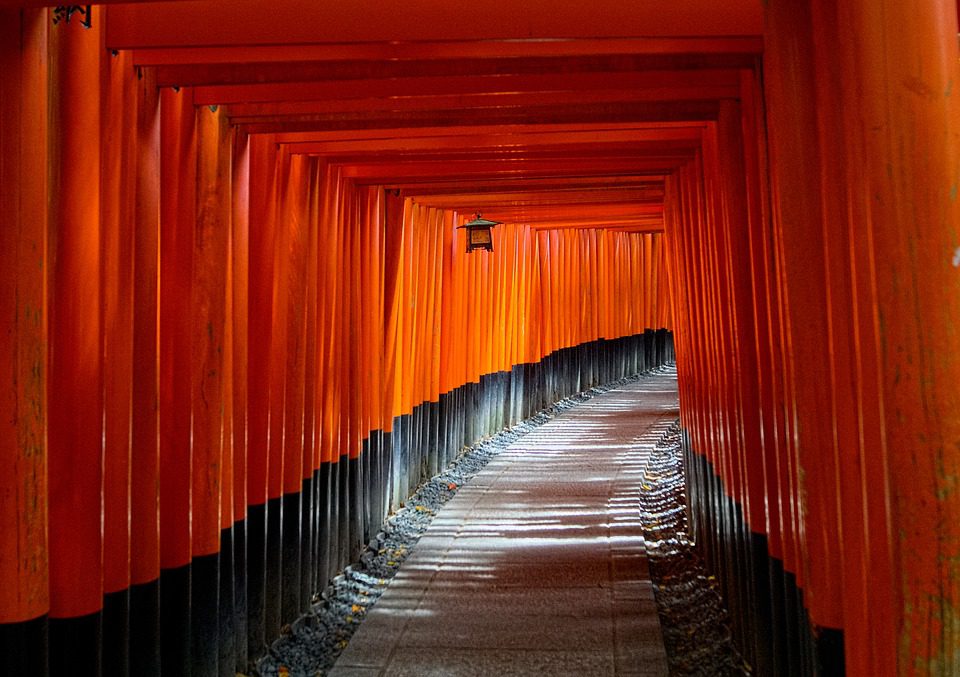
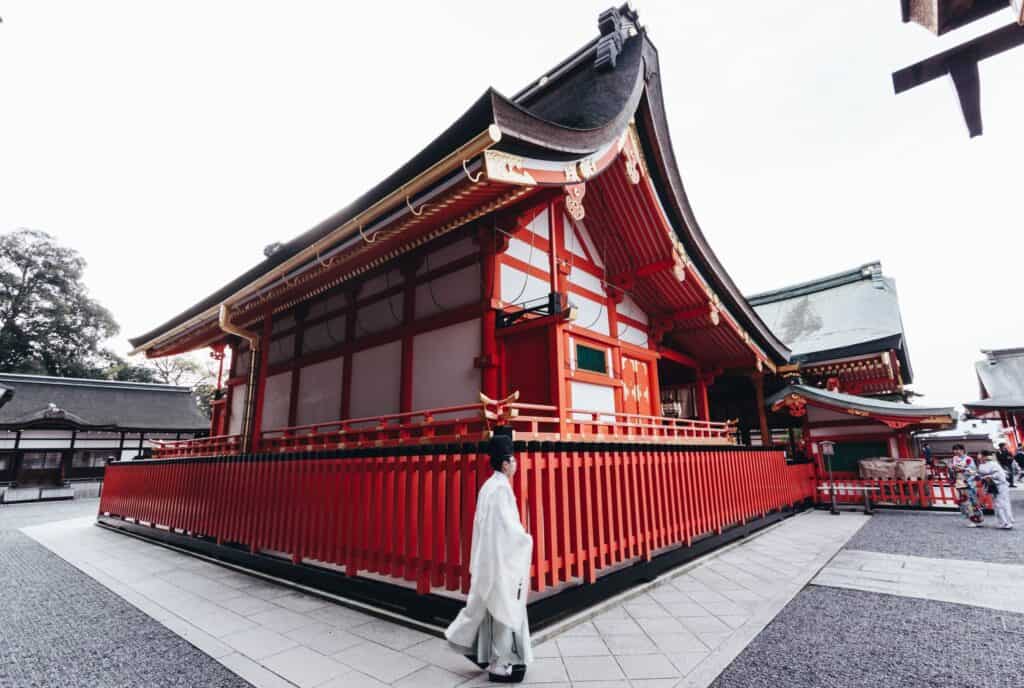
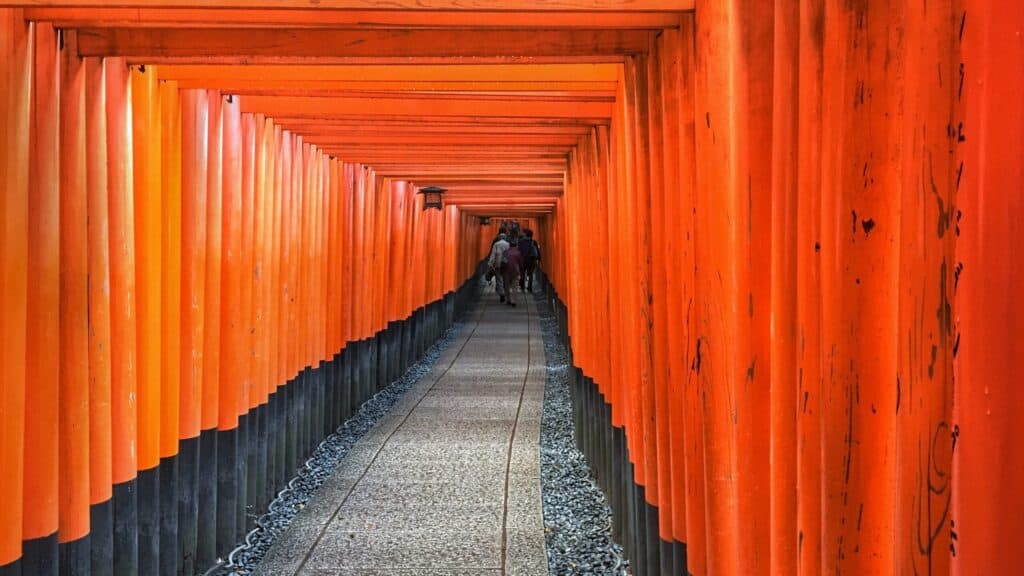
Two of Kyoto’s most photographed places are best seen at dawn. Fushimi Inari’s thousands of vermilion torii gates climb a wooded mountain south of the city. The site is open at all hours, with no admission fee. Arrive before seven and the lower tunnels of gates are nearly empty, with soft light falling between the posts. Climb for an hour, and the views over Kyoto open up as the crowds below begin to build. The Japan Guide page on Fushimi Inari maps the full trail.
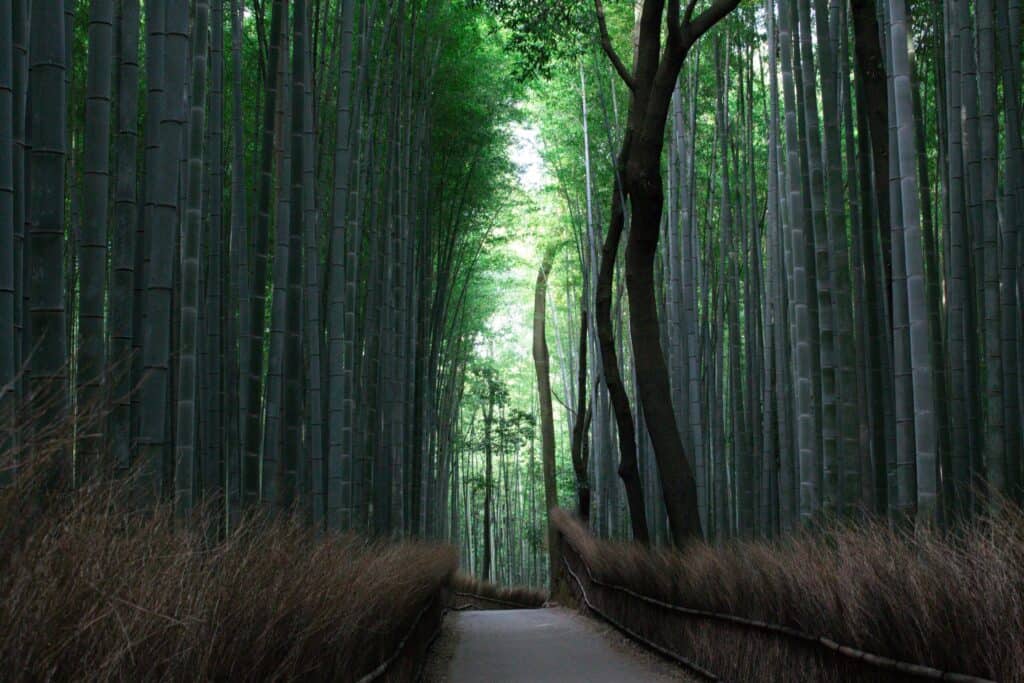
Arashiyama, on the western edge of the city, rewards the same early start. The bamboo grove path is short, yet its tall green stalks create a hush that disappears by mid-morning. Afterward, walk to the Togetsukyo Bridge and along the river, then take breakfast at a riverside cafe. By the time the day-trippers arrive, you will have seen the district at its most beautiful.
Ten Proverbs to Carry With You
A printable folio of ten Japanese proverbs, each set in kanji with its reading and a line on where you will hear it.
Both places reward a driver or a guide, simply because early trains are sparse. A car also lets you link Arashiyama with Kinkaku-ji on the same morning. In other words, a little logistics turns two crowded landmarks into two of the calmest hours of the trip. For many travelers, these dawn visits become the most vivid Kyoto experiences of all.
3Choosing the Season for Kyoto Experiences
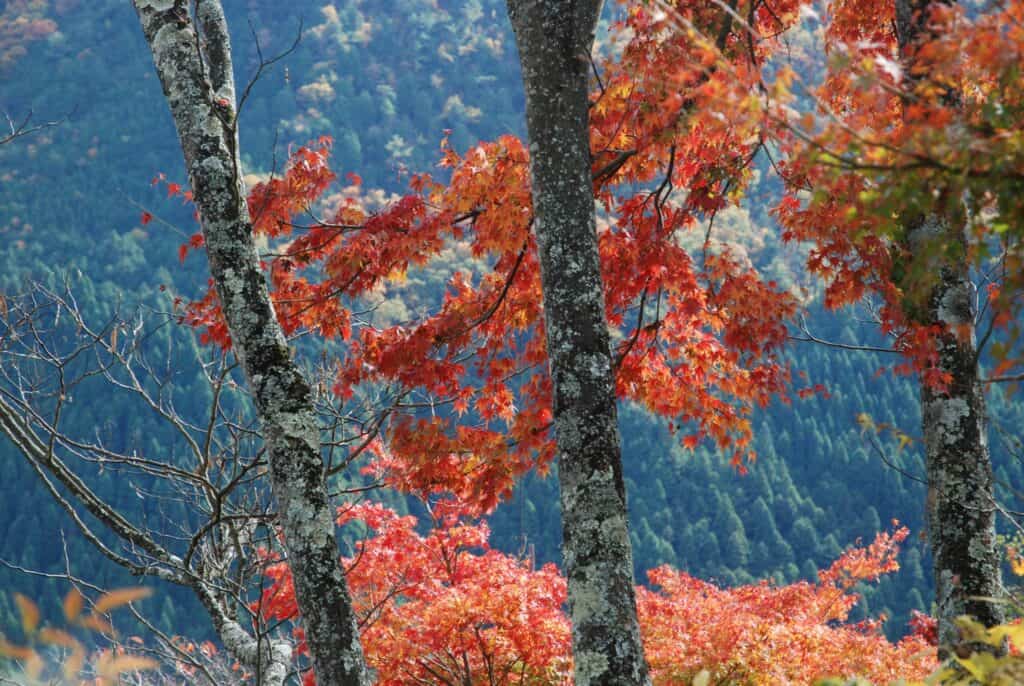
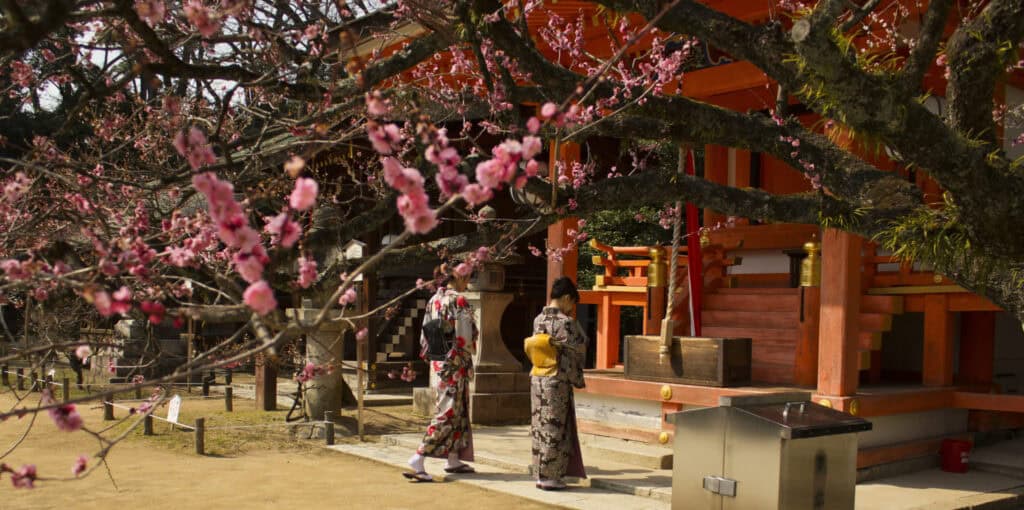
Kyoto changes completely through the year, and the season shapes every experience on this list. Cherry blossoms usually peak in late March or early April, when riverbanks and temple grounds turn pale pink. Autumn color arrives from mid-November to early December, as maples blaze across the eastern hills. Both seasons are spectacular, and both are the busiest of the year.
The calmer seasons have their own rewards. June brings rain and the richest green to moss gardens like Kokedera. Summer brings the Gion Festival in July, with its towering floats. Winter is cold but clear, and a dusting of snow on Kinkaku-ji is one of Japan’s loveliest sights. Hotels are also easier to secure in these months, and kaiseki menus follow every shift.
Whatever the season, book the fixed points first. Ryokan, kaiseki tables, Kokedera and teahouse dinners fill early, especially in spring and autumn. Then build each day around them. That approach keeps the trip relaxed and secures what cannot be arranged at the last minute. It also leaves the mornings open for gardens and early walks.
2Planning Kyoto Experiences Well
The difference between a good and a great Kyoto trip is usually preparation. Before you go, read a little about the gardens and the history behind them. A good guidebook helps with orientation, while a folding fan earns its place on warm summer days. Then decide which experiences matter most, and protect the time for them. Those three things, reading, packing and prioritizing, make every visit sharper.

A garden guide explains why the stones sit where they do, which makes every visit more rewarding. On summer walks, a light fan is a Kyoto classic in July and August. As for logistics, a current city guide keeps transport, opening hours and neighborhoods straight. Pack those three, and the practical side of the trip largely takes care of itself.
Where to stay
Where you sleep shapes every one of these experiences. A traditional ryokan offers tatami rooms, a garden view and a kaiseki dinner served in your room, which makes it an experience in itself. A luxury hotel along the Kamo River, by contrast, gives easy access to Gion and the eastern hills. Many travelers split their stay, with two nights in each. Either way, stay within walking distance of the places you plan to visit at dawn. Early starts are far easier without a taxi.
Getting around
Kyoto’s center is compact, yet its finest experiences sit at the edges of the city. Buses are slow and crowded in peak seasons, so a mix of trains, taxis and walking works best. For dawn visits and multi-stop days, a private driver saves real time and energy. Meanwhile, the walks between gardens in the eastern hills are part of the pleasure, so keep those days on foot whenever the weather allows.
Recommended
Pairing Kyoto with other cities
Finally, pair Kyoto with somewhere that complements it. Kanazawa, two hours away by train, offers gardens and crafts at a gentler pace. Nara sits less than an hour south. Osaka adds energy and food after Kyoto’s calm. A route like this balances the trip. Each city gets its own role, so Kyoto never has to carry the whole journey alone.
As you plan, remember that the best Kyoto experiences share a quality: attention. A tea bowl turned slowly, a garden seen at opening time, a meal that follows the week’s harvest. None of them can be hurried. Give them the time they ask for, and Kyoto will give back far more than any checklist of sights. That is the real reason so many travelers return again and again.

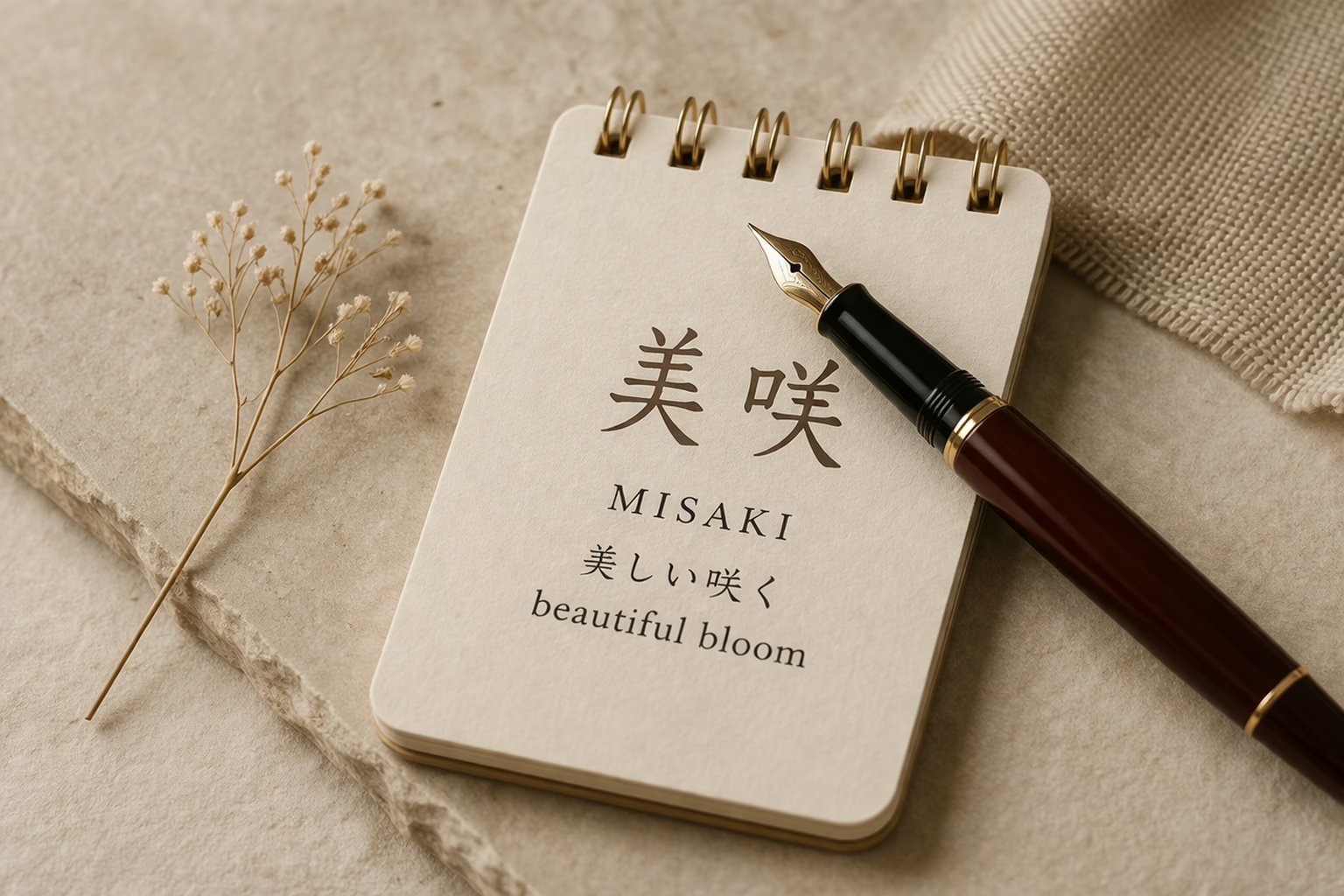
A Kyoto trip built around experiences takes careful arranging. Teahouse dinners need introductions, kaiseki tables need weeks of notice, and gardens like Kokedera need reservations. The right guide turns those requirements into a smooth sequence of days. With them handled, you can simply arrive at each place at the right hour and enjoy it. For many travelers, that ease is the true luxury of Kyoto. It turns a visit into a memory worth keeping, and it often becomes the reason to return. A second trip can then go deeper: a longer stay in one ryokan, a full day with a single craftsman, or a season you have not yet seen.
Kyoto, Arranged Around Its Finest Hours
We can arrange a private tea session, a kaiseki dinner, an evening in Gion with an introduction, garden reservations and craft studio visits, timed to the light and the season. Every itinerary is built around your pace.
Plan Your Custom Japan Itinerary1Questions Worth Asking
What are the best Kyoto experiences for a first visit?
Start with a tea session, an evening walk through Gion, one of the great gardens and a kaiseki dinner. Add Fushimi Inari or Arashiyama at dawn, before the crowds arrive. Together they show the city’s food, craft and landscape in a few unhurried days.
How many days do you need for Kyoto experiences like these?
Three full days let you enjoy most of this list without rushing. Four or five days allow a craft workshop, a day in Uji and a second evening in Gion. Kyoto rewards a slower pace, so fewer sights with more time usually feel richer.
Can visitors book a dinner with geiko or maiko in Kyoto?
Yes, but not by walking into a teahouse, which traditionally admits guests by introduction. A good ryokan, a specialist agency or a private itinerary planner can arrange an ozashiki dinner. Expect a set date, a kaiseki meal and conversation, games and dance from the performers.
How do you visit the Kokedera moss garden?
Kokedera, also called Saihoji, admits visitors by advance reservation only, through its official booking site. Admission is about $26 (¥4,000) per person, and visitors under 12 are not admitted. A short brush-copying session comes before the garden, so allow around two hours for the visit.
When is the best season for Kyoto experiences?
Late March to early April brings cherry blossoms, and mid-November to early December brings autumn color. Both are beautiful and busy. Early summer and winter are calmer, with green moss in June and frost-touched gardens in January, and hotels are easier to book.
Is a private guide worth it in Kyoto?
For the experiences that depend on access, yes. Teahouse dinners, craft studio visits and some garden reservations open more easily with local help. A guide also times each stop around crowds and light, which matters at places like Fushimi Inari and Arashiyama.