
Ikigai starting over is a gentler idea than most advice about fresh starts. It does not ask you to find a calling or draw up a five-year plan. It asks for one small thing that makes a day feel worth having. Then it asks you to do that thing again tomorrow.
Most people meet this idea after something ends. A job closes, a relationship changes, or a city stops feeling like home. The old map no longer fits, and the new one is blank. At that point, a tidy framework can feel like pressure instead of help.
This post takes another route. It uses the five pillars of ikigai, and it turns each one into a practical way to begin again. For the wider background, start with what ikigai means. Then come back here for the situation you are in. The ideas sit inside our Japanese philosophy journals collection, where each concept becomes a ninety-day practice.
What does ikigai teach about starting over?
Ikigai teaches that a fresh start does not need a grand plan. Begin with one small act that makes a day feel worth living. A walk, a page of writing or a cup of tea made with care will do. Repeat it, notice what it gives you, and let direction grow from there.
Why Ikigai Starting Over Feels Different From a Plan
A plan assumes you know where you are going. Starting over usually begins from the opposite position. You have lost the thread, and the future looks like fog. Ikigai suits that moment because it never promised a destination.
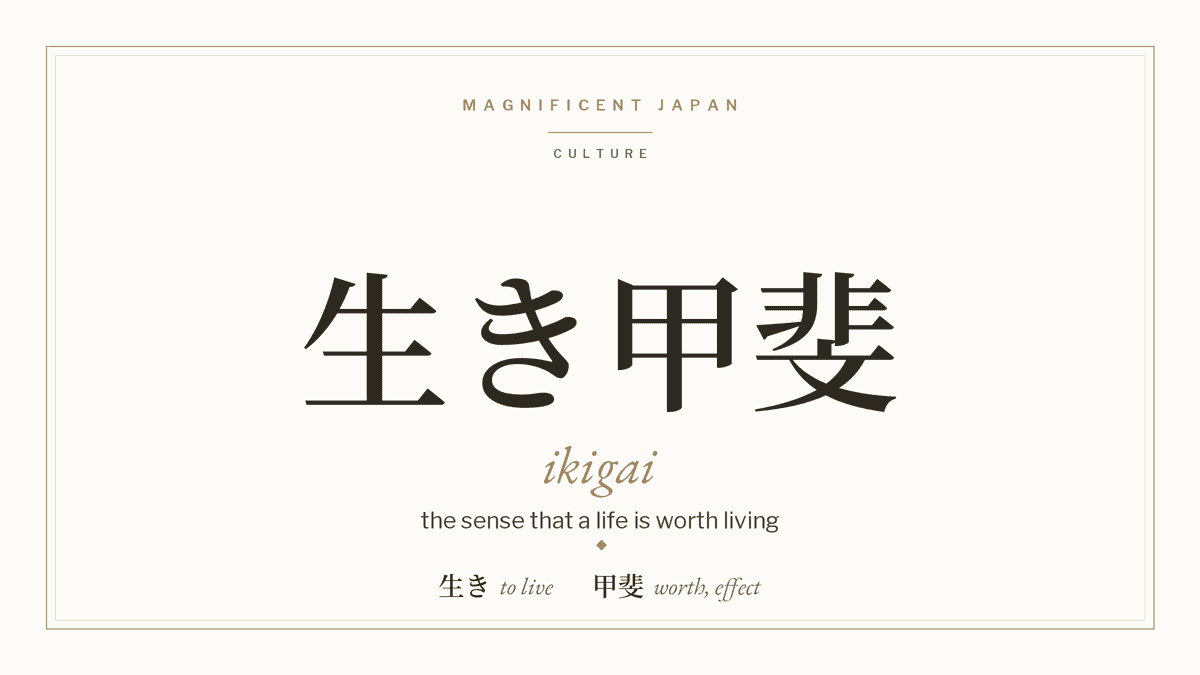
The word joins iki, meaning life, with gai, meaning worth. Together they name whatever makes life feel worth living. In everyday Japanese, that is often modest. It can be a morning routine, a garden, or a friend who expects you on Saturdays. You can see how the characters fit together in our note on the ikigai kanji.
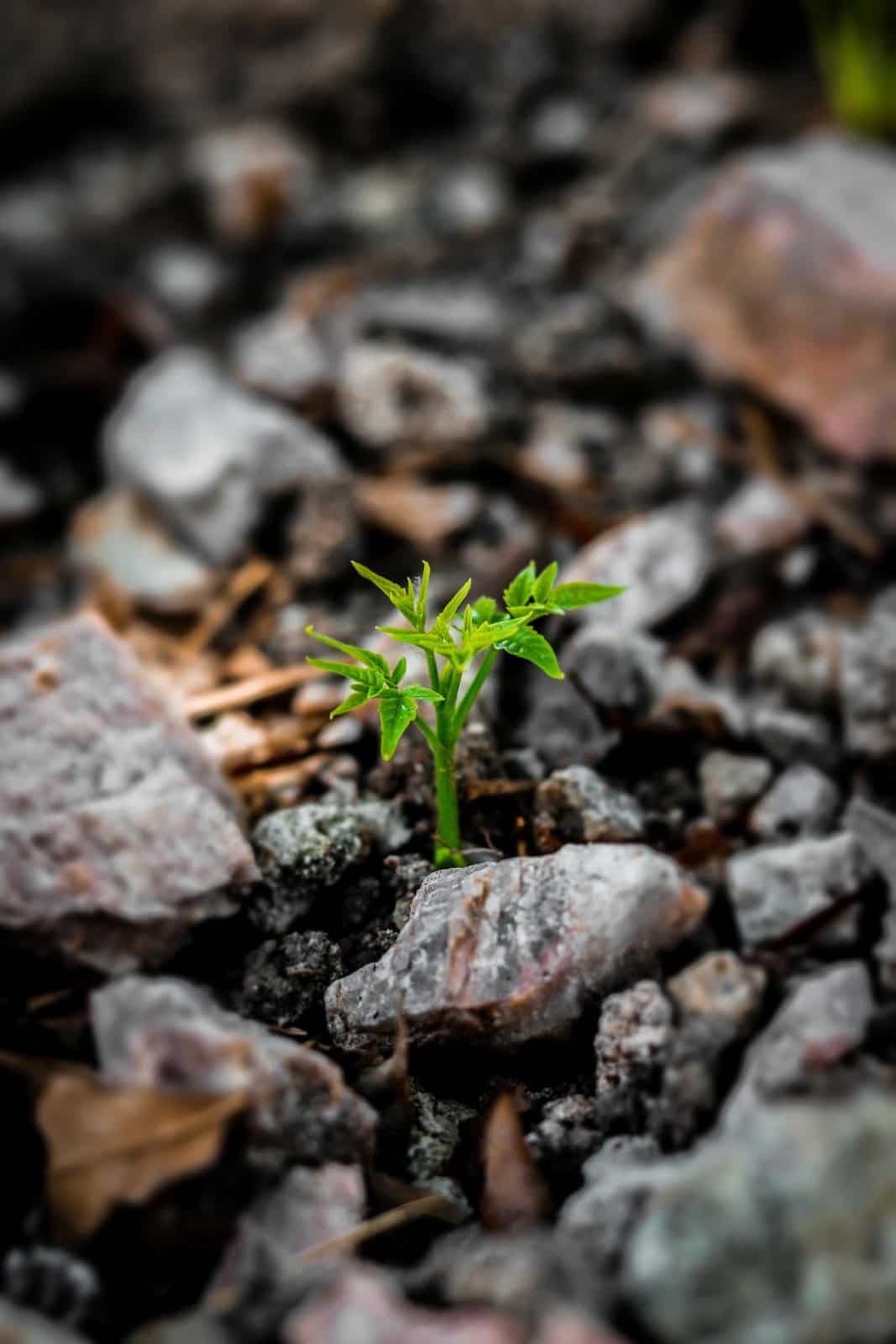
That modest scale is the point of ikigai starting over. After a loss or a change, small sources of worth often survive when large ones do not. A cup of tea still tastes good. Morning light still crosses the table. These are not consolation prizes. They are the raw material of a new beginning.
If you want a step-by-step method for noticing them, read our walkthrough on how to find your ikigai. This post asks a different question. What do you do on the days when even a log feels like too much?
Why the Four-Circle Diagram Makes a Fresh Start Heavier
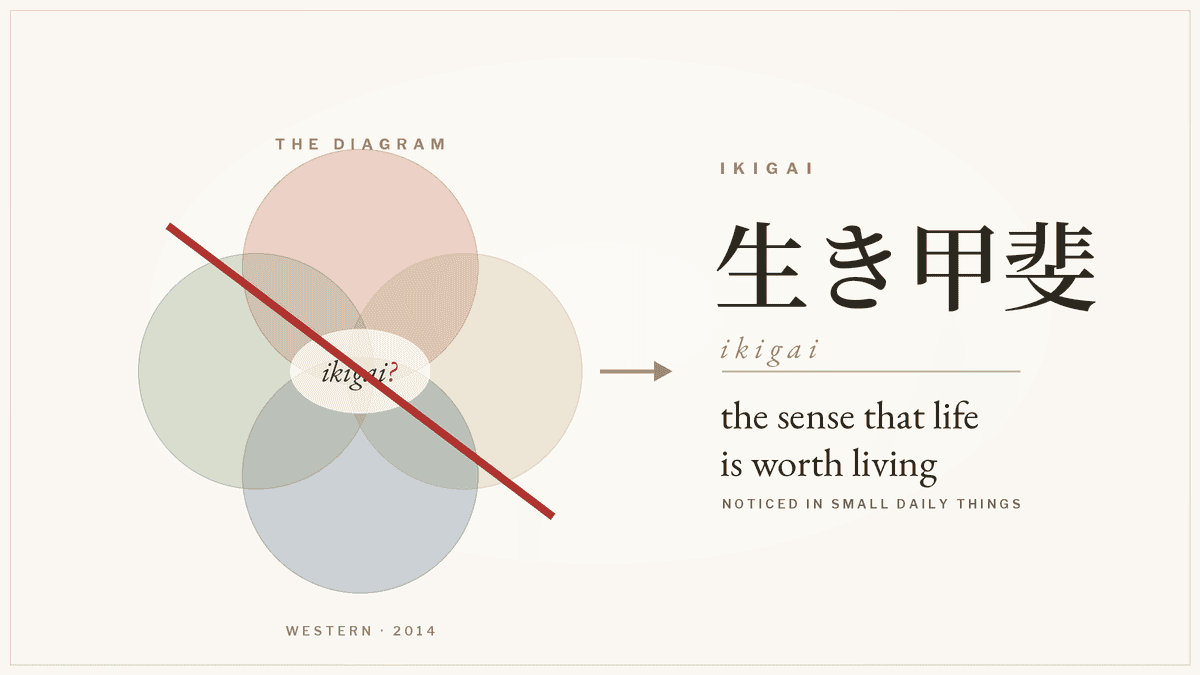
You have probably seen the diagram. Four circles ask what you love, what you are good at, what the world needs and what you can be paid for. The spot where they overlap is meant to be your ikigai.
As a map for a fresh start, it has a problem. It asks you to solve your whole life in one sitting. If you are already tired, those four questions can feel like an exam you did not prepare for. So many people close the page and feel worse.

There is a second problem. The diagram is not Japanese. A Western writer built it from other ideas, and it does not describe how the word is used in Japan. We trace the story in why the ikigai Venn diagram is not Japanese. The short version is reassuring, because you are not failing a test that never existed.
The five pillars of ikigai take the opposite approach. They begin small and stay close to daily life. Starting small comes first. Releasing yourself follows, then harmony and sustainability, the joy of small things, and being in the here and now. Each one maps onto a stage of beginning again.
You May Also Like

Pillar One: Starting Small Is the Whole Strategy
Why one small step beats a big plan
Starting small is the first pillar, and it matters most when you are starting over. A small step is easy to begin and easy to repeat. Because it asks little, it survives a bad day. That is how ikigai starting over builds momentum when a large goal would stall.
Think of a dancer at the barre. She does not rehearse a whole performance on the first morning. She repeats a few simple movements until her body trusts them. The practice looks humble, and it is the reason the later leaps look effortless.

What counts as small
A small step is one you can finish in under ten minutes. Walk around the block before breakfast. Write three lines at night. Message one friend. Tidy one drawer. None of these will change your life this week. Together, they change the texture of your days.
Momentum is the real engine here. Each repeated step makes the next one easier. Runners know the feeling, when the legs find a rhythm and effort stops feeling like effort. Your first week needs only that: a rhythm, not a result.

If you stay with one step for a week, notice what changes. Often it is not the task itself. It is the small relief of having kept a promise to yourself. That relief is worth more than any plan, because it tells you that you can trust your own word again.
The first step off the line
Every race has a moment before the first stride, and it is the hardest part. The body is ready, yet the mind hesitates. Starting over has the same pause. The way through is to make the first step so short that hesitation has nothing to argue with.

Make that first step concrete. Lay out your shoes the night before, open the notebook to a clean page, or put the phone number on the table. Preparation costs nothing, and it turns tomorrow morning from a decision into a continuation of tonight.
Keep the promise small enough that a poor night cannot break it. Two minutes of stretching counts, and so does one paragraph read slowly. Because the bar is low, you will clear it, and clearing it is what rebuilds confidence after a hard season.
You May Also Like
Pillar Two: Releasing Yourself From the Old Version
The second pillar is releasing yourself. After a change, many people keep carrying the old version of themselves, with its job title, its routines and its expectations. Releasing yourself means setting down that picture without punishing yourself for having held it.
Letting go of the story you tell
Often the heaviest weight is a sentence. “I should be further along.” “I wasted those years.” “It is too late now.” Notice the sentence, write it down, and ask whether you would say it to a friend. Usually you would not.

Releasing yourself does not mean forgetting the past. It means loosening an old identity so that a new interest can reach you. In practice, that can be as simple as trying one thing you have never been good at, only because it looks pleasant.
Pick something with no stakes. A pottery class, a language app, a different route to work. Because nothing rides on it, you can be a beginner without an audience. That lightness is often the first real relief of a reset.
Japanese thought has a name for this attitude, shoshin, which means beginner’s mind. It is the stance of someone who is glad to learn. Our Shoshin journal builds a ninety-day practice around it.
A last thought on this pillar. Releasing yourself is rarely dramatic. It happens in small refusals, such as declining to rehearse an old argument, or letting a title you no longer hold fade from the way you introduce yourself.
Pillar Three: Harmony and Sustainability for the Long Run
The third pillar is harmony and sustainability. For a fresh start, that means choosing a pace you can keep. A reset fueled by one burst of energy usually fades by the second week. A reset that fits your actual life lasts.
Think about what a sustainable week looks like for you. Perhaps it holds three short walks, two evenings with a notebook and one meal shared with a friend. Write that down plainly. A modest rhythm you can repeat will always beat an ambitious one you drop by Thursday.

Harmony also includes other people. Your new habit will touch the people around you, and their needs matter too. So ask how the change sits with your household, your work and your energy. If it fights all three, shrink it until it fits.
A musician practicing scales shows the idea well. Short sessions, done often, keep the hands supple without exhausting them. Sustainable effort looks calm from outside, and that calm is what keeps it going.
Japanese thought has a word for this settled kind of balance, nagomi. Our Nagomi journal explores it over ninety days. Our guide to Japanese concepts for life also places it beside ma, kintsugi and mono no aware.
Seen this way, harmony is less a feeling than a set of choices about pace, company and rest. Choose them on purpose, and the new habit stops feeling like a battle against your own schedule.
Recommended
Pillar Four: The Joy of Small Things
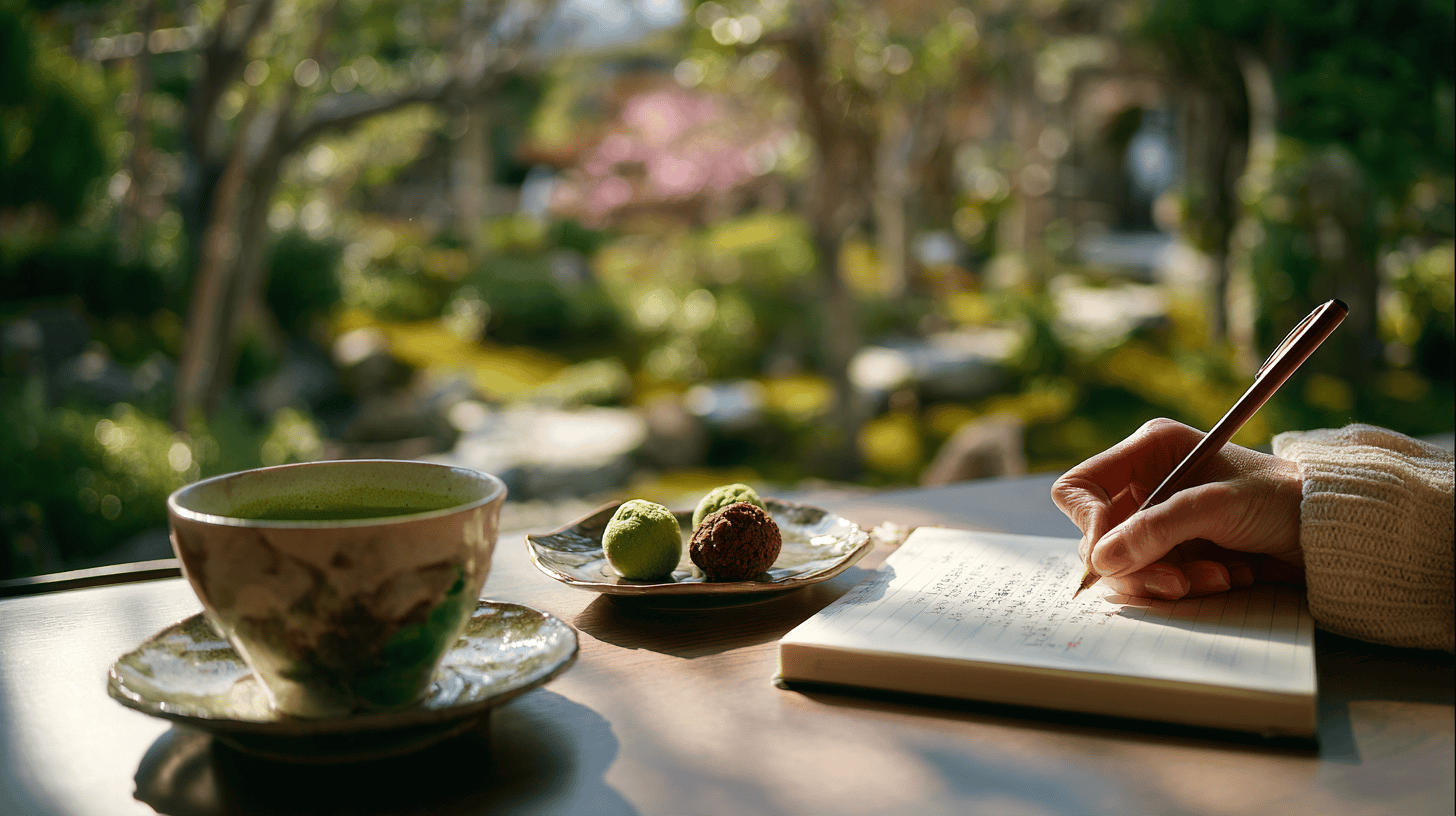
The fourth pillar is the joy of small things, and it is where starting over often turns. Big goals feel far away, but small pleasures arrive today. A pot of tea, a sunny table, a pen that writes well. These moments are not trivial. They show that your capacity for enjoyment is intact.
Try noticing three such moments before lunch tomorrow. Say them silently, or jot them on your phone. The aim is not gratitude as a duty. It is simple accuracy about what your day already contained.
Collecting evidence of good days
Keep a short list of what gave you pleasure each day. Do not rank it or analyze it. After a week, read it back. Patterns appear, and they are usually more specific than you expect. You may find that you enjoy mornings, or crafts, or time near water.
This is also how ikigai grows. It builds from repeated small moments rather than one decision. For a fuller set of questions on this kind of noticing, see our ikigai journal prompts, which follow the five pillars.
Small joys are often shared
Pleasure grows when someone shares it. A laugh at a window table can lift a whole afternoon. If your reset has left you isolated, begin with one small invitation: coffee, a walk, a call. Our feature on ikigai and Okinawa looks at how island communities keep that company steady.

None of this needs a big gesture. A short message that says you were thinking of them is enough. The other person usually feels the same relief you do. For connection that goes deeper, our En journal is a ninety-day practice in readiness for the people who matter.
When a reset has left you short of company, small joys can feel too slight to count. They count. Each one is a thread, and a handful of threads is how a new routine gets woven. If you would like help weaving, the sampler below is an easy place to start.
The 7-Day Ikigai Sampler
A seven-day taste of The Return, sent by email, so you can try the daily rhythm of a fresh start before you choose a full journal. Occasional letters follow.
One email with your printable. Occasional letters after that. Unsubscribe anytime.
Pillar Five: Being in the Here and Now
The fifth pillar is being in the here and now. It is the practical opposite of dwelling on what was lost or fearing what comes next. You do not have to solve tomorrow. You only have to give today’s task your full attention.
Here and now is also the easiest pillar to forget, because a mind in transition prefers to time travel. It replays last year or rehearses next year. Ikigai gently asks you back to the hour you are actually in, where the only job is the next small thing. A fresh start can have a setting, and a custom Japan itinerary can build slow mornings around your practice.

A painter at an easel shows how this feels. The brush touches the canvas, and for a while nothing else exists. The attention is the reward. You can find the same absorption in cooking, sketching, walking or folding laundry slowly.
A small way to practice presence
Choose one daily task and do it without a screen. Wash the cups, water the plants or stir the rice. Notice the temperature, the weight and the sound. If your mind drifts to the past, bring it back once, gently. Then carry on.
Presence is not a mood you wait for. It is a habit of returning. Each return is small, and each one teaches your attention where home is.
Feeling Lost in Life? How to Find Direction in Life Without a Map
Feeling lost in life is a common reason people search for ikigai, yet a diagram that promises one answer rarely helps. Direction usually arrives another way. It appears in hindsight, as small choices line up.
Follow the pull, not the plan
Instead of asking what you should do with your life, ask what you are drawn toward this week. Perhaps a bookshop aisle, or a class you keep noticing, or a conversation that left you lighter. These pulls are small, and they are reliable. Follow one for a week and see what it opens.
Make the experiment explicit. Choose one pull on Monday, give it twenty minutes, and note the result on Friday. If it drained you, drop it without guilt. If it lit something up, give it another week. That is how direction accumulates.
Feeling stuck? Take one hold at a time

How to find direction in life from a train window
On a train you cannot steer, yet you still travel. You watch the landscape change and trust the track. Many resets feel like this. You are moving, even though the destination is out of sight. Your task is to notice what catches your eye along the way.
It helps to name what you are not doing. Nobody is choosing a career for the next forty years here, and no city has to be decided. What you are gathering is clues, and clues are cheap to collect and easy to discard.

Write it down as you go
Notes taken in motion count. One line between stations is enough. Write what you noticed and how it felt. Over a few weeks, those lines become a map you did not have to draw in advance. Ikigai starting over rewards this kind of record, because it values small patterns over big answers.
The format can be humble. A phone note works, and so does an envelope. What matters is the habit of recording something specific each day, because specifics are what let you spot a pattern later.
A short daily prompt makes the habit easier, because it removes the choice of what to write. That is the idea behind a guided journal, and we describe one near the end of this post. First, though, a word about hope.
If you would like more concepts to borrow from, Japanese culture offers several for times of change. They share a preference for small, steady attention over dramatic reinvention, which suits anyone who feels worn out by big plans and wants a gentler way to begin again.
You May Also Like

Finding Hope Again When the Light Is Small
Hope after a hard stretch rarely arrives as an open door. It arrives as a narrow gap of light, and you have to face the right way to see it. Ikigai helps because it turns your attention toward that gap: the small thing that still feels good.
Hope is easier to find when you stop demanding it be large. It does not need to look like certainty. It can be as plain as wanting to see how a small experiment turns out, or looking forward to a particular walk.

Do not wait to feel hopeful before you begin. Begin, and notice what returns. First comes the appetite for a good meal. Then comes the wish to call a friend. Then, one morning, a small curiosity about next week. Hope tends to follow action rather than lead it.
Let other people hold part of the weight. Tell a friend where you are, even in two sentences. People often want to help and do not know how. A short, honest message gives them a way in, and it can change the shape of a hard week.
Finding hope again is rarely a single moment. It is a slow accumulation of small proofs that good days still exist. Each small act you repeat adds one more proof.
New Beginnings Journal Prompts for Your First Seven Days
New beginnings journal prompts work best when they are short and specific. A vague question invites a vague answer, and a tired mind will skip it. A concrete question gives you something to notice before bedtime. Use the seven below as a first week, and write no more than three lines for each.
Life reset journal prompts also work better with a fixed time. Choose the same place and hour each day, with a notebook and a cup of tea. The routine matters more than the wording. After seven days, read the pages back and underline whatever repeats.

Seven questions for a first week
- Which ordinary moment yesterday would I be glad to have again today?
- What did I enjoy for ten minutes without trying to be productive?
- Who made my day lighter, and how could I let them know?
- Which one task can I give my full attention tomorrow?
- Where did I feel a pull toward something unfamiliar this week?
- What would I try tomorrow if I only had to do it badly?
- Which sentence about my situation do I repeat most, and is it true?
Notice that none of these ask for a decision. They ask only for attention. That is deliberate, because decisions come easier once you have gathered a week of evidence. If you would like a ready-made rhythm, the 7-Day Ikigai Sampler above sends a few days of The Return by email. You can try the daily format before you choose anything larger.
Keep the pages private and imperfect. Nobody is grading them, and a messy page that exists is worth more than a tidy one you never begin.
Questions Worth Asking
Can ikigai help when you are starting over?
Yes, because ikigai works at the scale of small daily moments. It does not ask you to know your purpose first. It asks you to notice what makes a day worth living, repeat it, and let direction follow. That is why ikigai starting over feels lighter than a five-year plan.
How do you find direction in life when you feel lost?
Follow small pulls rather than big answers. Notice what you are drawn toward this week, such as a class, a place or a conversation. Act on one pull, then write down how it felt. After a few weeks, the pattern shows where to look next.
What are the five pillars of ikigai?
The five pillars are starting small, releasing yourself, harmony and sustainability, the joy of small things, and being in the here and now. Together they describe ikigai as a way of living in daily life, not a single calling. Each one offers a practical way to begin again.
How long does a fresh start take?
There is no fixed timeline. Small shifts often show up within a week or two of repeating one small act. Larger changes build slowly, so judge progress by whether your days feel a little more worth living, not by a deadline.
What are good journal prompts for a fresh start?
Choose prompts that are short, specific and about the present. Good examples ask which ordinary moment you would repeat, what you enjoyed without trying, and where you felt a pull toward something new. Seven such questions appear in the first-week list above.
Do you need a journal to start over?
No. A plain notebook and a pen are enough. A guided journal helps when choosing what to write feels like one more decision. The Return gives one short prompt for each of ninety days, with a weekly look back, so the structure is already there.
Where to Find The Return and Its Companion Journals
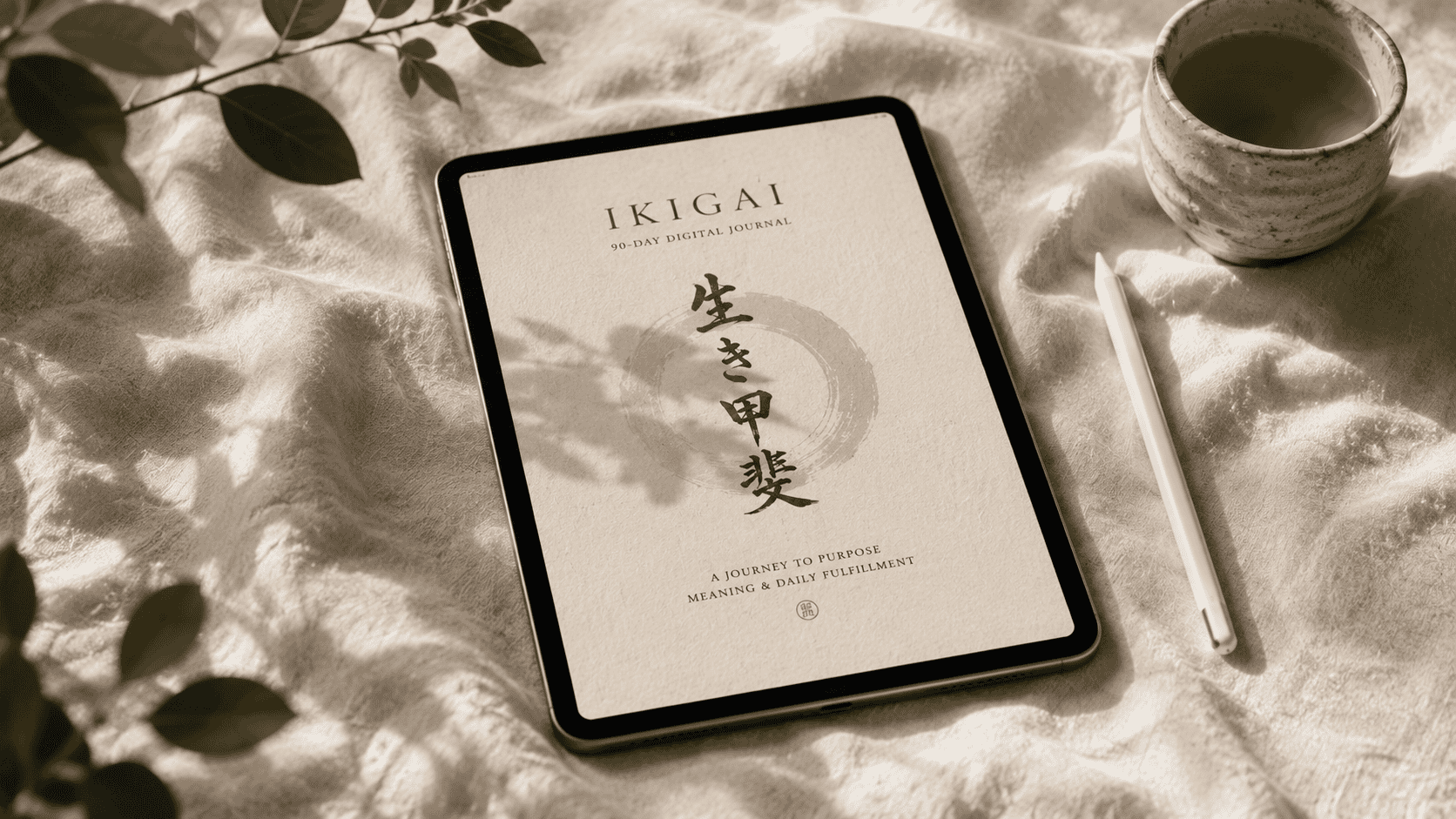
The Return is our 90-day ikigai practice, built on the five pillars of ikigai. It gives you one short prompt a day, and five to fifteen minutes is enough to answer it. Choose the digital edition if you like to write on a tablet. Choose the paperback edition if you prefer a pen and a desk. The full details live on the Ikigai journal page.
Other journals in the collection suit particular kinds of beginning. The Kintsugi journal explores repair, and its Kintsugi paperback suits a reset after something broke. The Wabi-Sabi journal practices acceptance, and its Wabi-Sabi paperback is made for the same reader. For a reset shaped by missing someone, the Mono no Aware journal and its Mono no Aware paperback hold that feeling gently.
Two more fit a fresh start in daily life. The En paperback pairs with the connection practice described earlier. The Nagomi paperback pairs with the harmony pillar. Below, a short film shows what a single page of The Return feels like in use, with a morning prompt answered by hand.
Twenty seconds inside the journal
The digital edition in use — a morning prompt, answered by hand while the coffee is still warm. Tap to play, with sound.
One page, one intention, one still moment.
Whichever edition you choose, the format is the same. One prompt, a few lines, then done. The practice is built to survive a tired evening, because a fresh start rarely arrives on a calm one. If you would rather see the whole collection before you decide, the card below leads there.
A 90-day guided ikigai practice for anyone beginning again. One short prompt a day, a weekly look back and a monthly review turn a fresh start into a record you can read. It is one of eight journals in the Cultural Reflection Collection, each built on a Japanese idea.
View The CollectionBegin Where You Are Standing
Ikigai starting over does not ask for a grand gesture. It asks for one small act, repeated until it feels like yours. Then it asks you to notice what that act gives back. Over time, the notes you collect become a map, drawn by walking rather than by planning ahead.
There is relief in that. A fresh start does not have to be announced, justified or finished. It only has to be begun, today, in a size you can manage, by someone who is allowed to be a beginner.

Five pillars give you five ways in. Start small. Release the old version. Choose a pace you can keep. Enjoy one small thing. Return to the present when your mind wanders. You do not need all five on the first day. Pick the pillar that feels easiest today and begin there.
When you want more structure, the sampler, the journal and the companions above are ready. Until then, a notebook and ten minutes will do. The tea can go cold, the page can stay half full, and the practice still counts.
The Editors, Magnificent Japan
For the reader coming back to themselves: a custom itinerary that builds slow mornings, a garden to sit in and one open afternoon into every day, with the rail passes, forwarded luggage and timings handled for you. The trip becomes part of the practice, a place to repeat one small act somewhere new.
Plan Your Custom Japan Itinerary