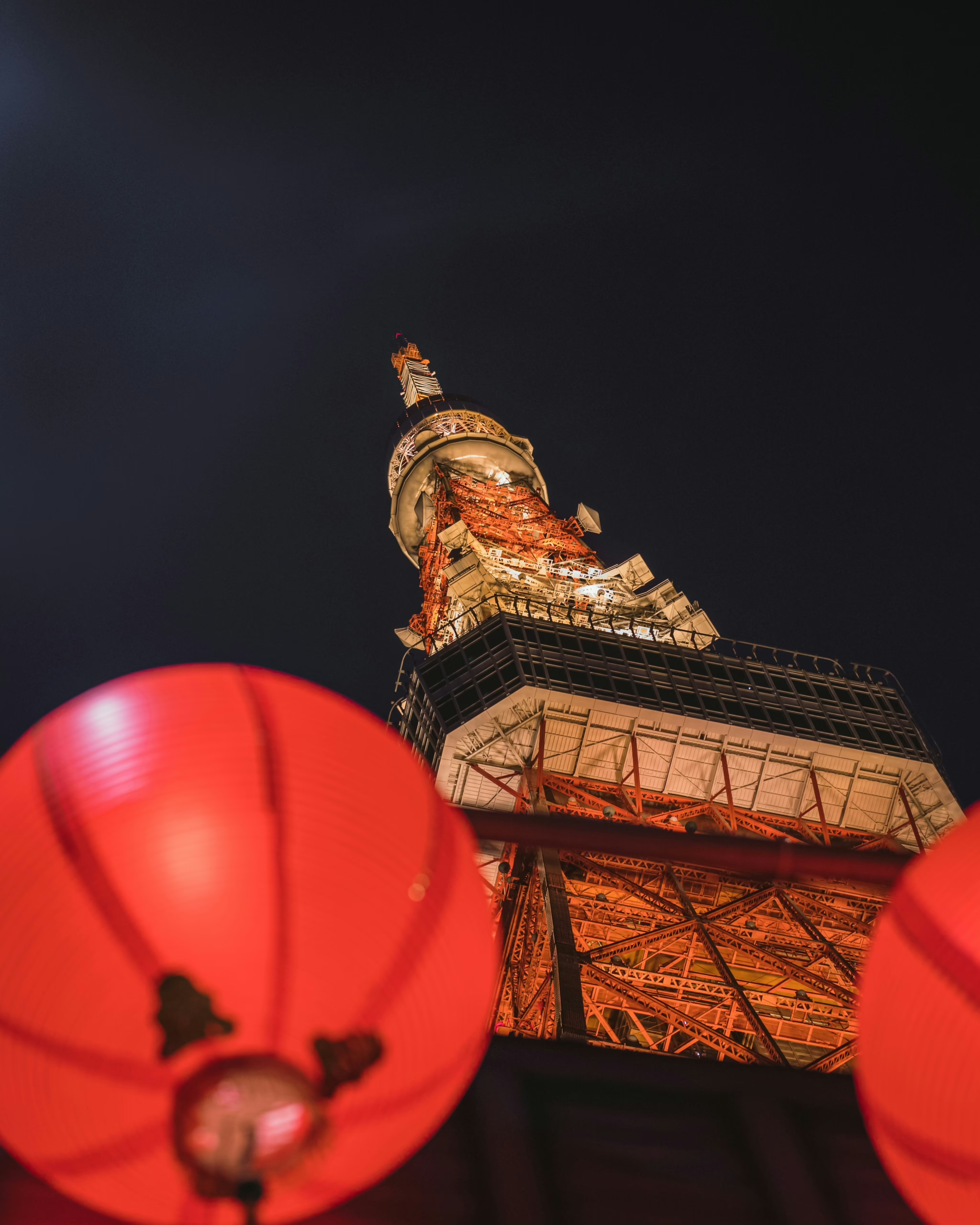
The most instagrammable places in Tokyo are not always the famous ones. The famous ones, meanwhile, are rarely at their best at noon. Tokyo rewards timing more than luck. A tower that looks flat in midday haze turns gold an hour before sunset. A crossing that feels chaotic by day becomes a river of light after dark. This guide covers twelve views worth planning around, with the hour that suits each one.
It is written for travelers who care about the frame as much as the feed. You will find the angles that work and the times to arrive. You will also find the etiquette that keeps a photograph welcome in a city that values privacy. Along the way, we suggest a small kit that travels well. In Tokyo, the best camera is the one that never slows you down.
Start with Tokyo Tower, Shibuya Crossing, Rainbow Bridge, Senso-ji’s Kaminarimon gate and the mirrored entrance at Tokyu Plaza Omotesando. For calmer frames, add Tokyo Station, the palace moat, Yanaka’s sunset stairs, Shinjuku Gyoen and the Meguro River in spring.
Why Instagrammable Places in Tokyo Reward Good Timing
Tokyo is a vertical city, so light behaves differently here. Tall buildings throw long shadows by mid-afternoon. Glass towers bounce reflections into narrow streets. As a result, the same corner can look ordinary at two o’clock and remarkable at five. Most of the instagrammable places in Tokyo share this quality. They change with the hour, the season and the weather. The traveler who plans for that comes home with the stronger set.
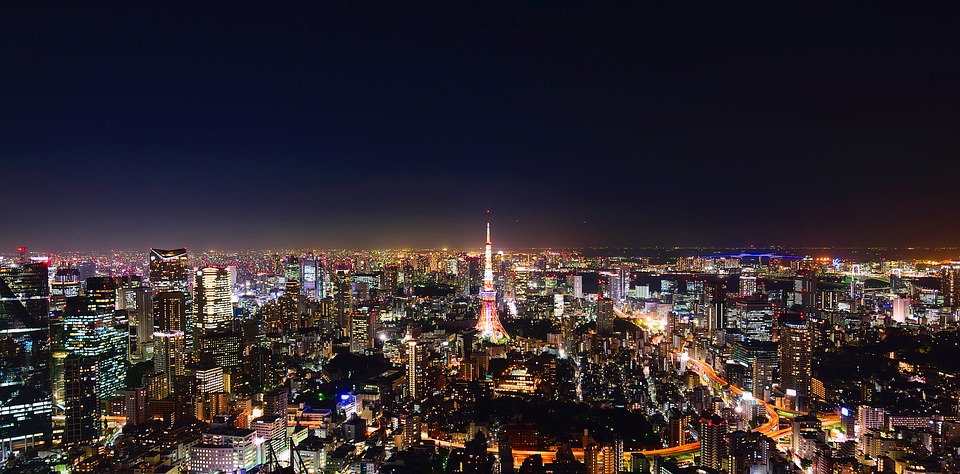
Three windows matter most. Early morning gives empty streets and soft light at Asakusa and the palace. Golden hour, the hour before sunset, warms towers and skylines. Blue hour is the short spell after sunset when the sky turns deep blue. It suits neon districts and bridges. Build each day around one of these windows, and you will spend less time waiting and more time shooting.
Season matters too. Spring brings cherry blossoms and crowds. Late autumn brings maples and the clearest air of the year. Winter mornings are cold but often crisp enough to show Mount Fuji from high viewpoints. Summer is humid and hazy, so it favors night photography over long views. In short, choose the season for the pictures you want. Then choose the hour within each day.
Towers and Skylines
1. Tokyo Tower
Tokyo Tower opened in 1958 and stands 333 meters tall. It is painted in international orange and white. It is also the city’s most photographed landmark, and for good reason. The tower glows warmly at night, and its lattice reads well against both blue sky and dusk. The Main Deck sits at 150 meters and the Top Deck at 250 meters. Even so, the best photographs are usually of the tower, not from it.

For the classic frame, walk to the grounds of Zojo-ji at the tower’s foot. There, an old gate and tall trees sit in front of the steel. Then try Shiba Park at golden hour, when the tower turns amber. After dark, the walkway outside Roppongi Hills gives a clean view across the rooftops. Each spot calls for a different focal length. That is why a camera with a useful zoom earns its place here.
2. Roppongi Hills Tokyo City View
Tokyo City View sits near the top of the Mori Tower in Roppongi Hills. It looks straight at Tokyo Tower across a carpet of lights. Glass reflections can be managed here if you press the lens close to the window. Dark clothing helps too. Arrive before sunset and stay through blue hour. That way, one visit gives you three pictures of the same view: daylight, dusk and full night.
You may also like
3. Shibuya Crossing and Shibuya Sky
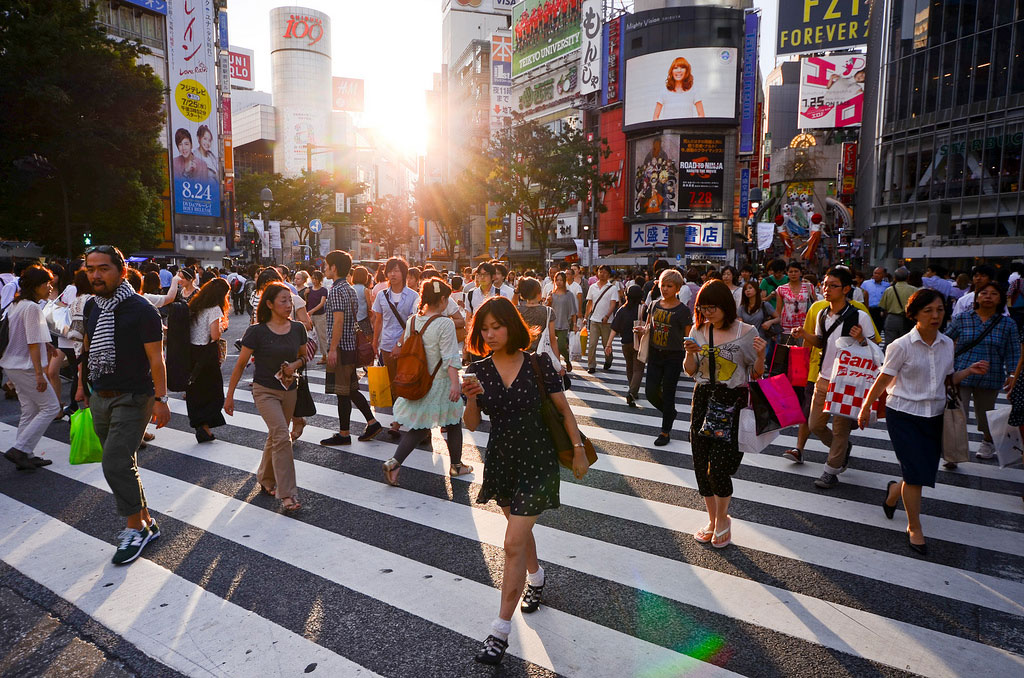
Shibuya Crossing is the scramble that defines modern Tokyo. When the lights change, crowds flood the intersection from every side. The effect is best captured from above. The upper floors of the station buildings and nearby cafés look down onto the crossing. After dark, a slow shutter speed turns the crowd into soft streaks while the screens stay sharp.
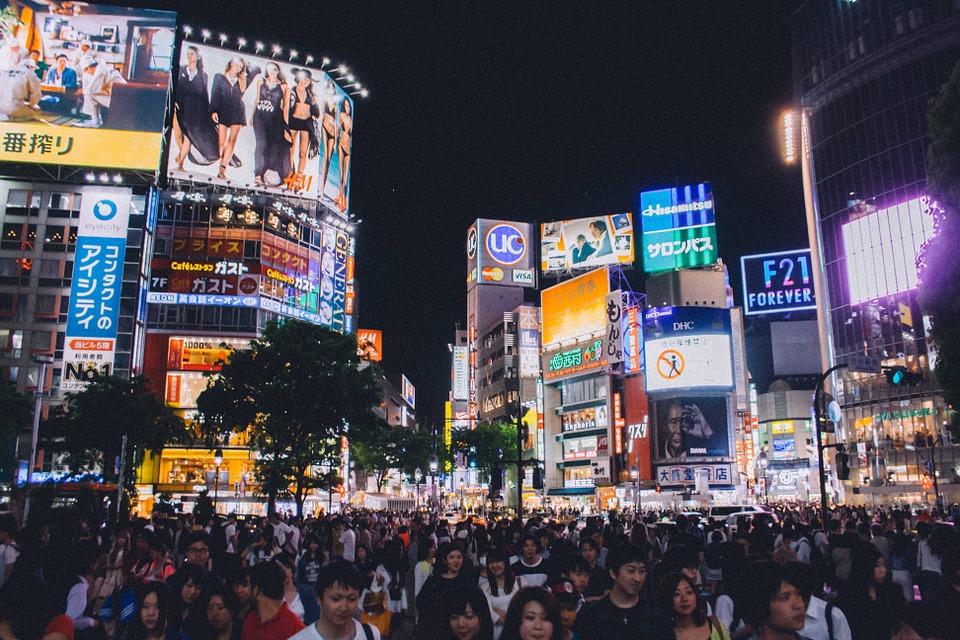
For height, Shibuya Sky sits on the rooftop of Shibuya Scramble Square, about 229 meters above the street. The open-air deck looks across the whole city. On clear winter days, Mount Fuji appears to the west. However, the rooftop has strict rules. Tripods, selfie sticks and bags are not allowed on the deck, so they go into lockers below. Bring a camera on a strap and book a slot online before sunset. Also expect the deck to close in strong wind or rain.
Rainbow Bridge and the Bay
4. Rainbow Bridge from Odaiba
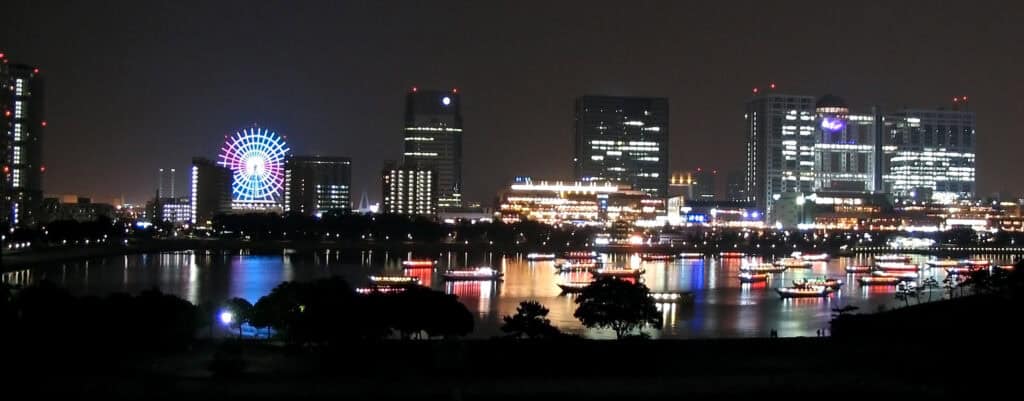
Rainbow Bridge spans Tokyo Bay for 798 meters and opened in 1993. By day it is white and elegant. After dark, it is lit up, and the skyline rises behind it across the water. Odaiba Seaside Park on the far shore gives the classic frame. A sandy beach fills the foreground, and the bridge sweeps toward the towers of Minato.
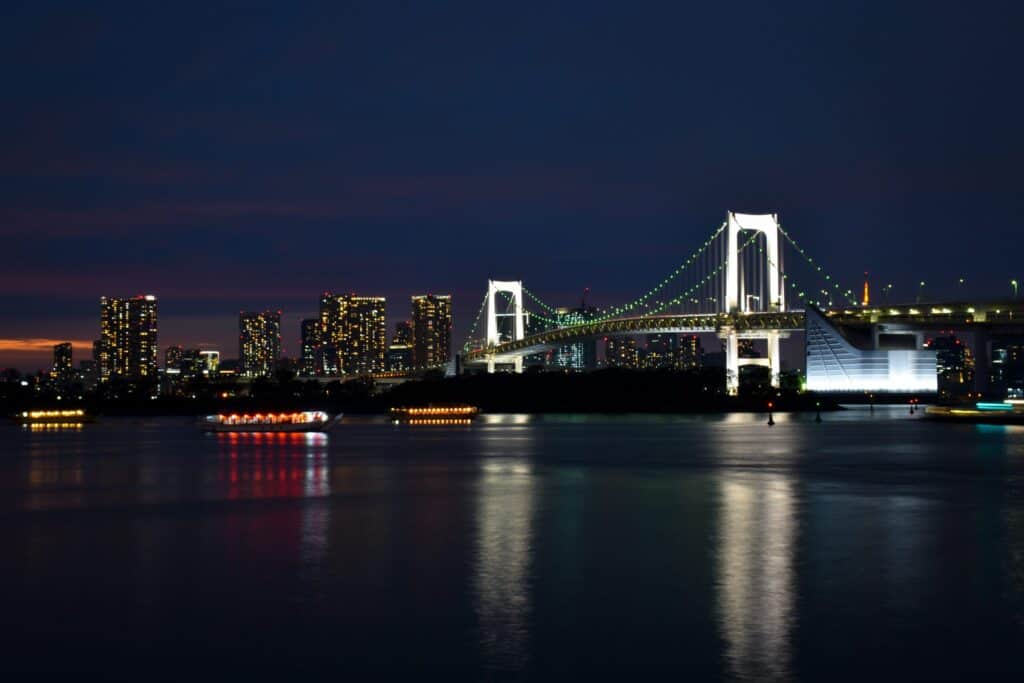
Blue hour works best here, because the sky still holds color while the bridge lights come on. A long exposure smooths the water and turns passing boats into light trails. Tripods are rarely welcome in busy places. Still, a compact one set on a wall can help, as long as it blocks no one’s path. Alternatively, ride the Yurikamome line across the bridge. Its moving views suit short video clips.
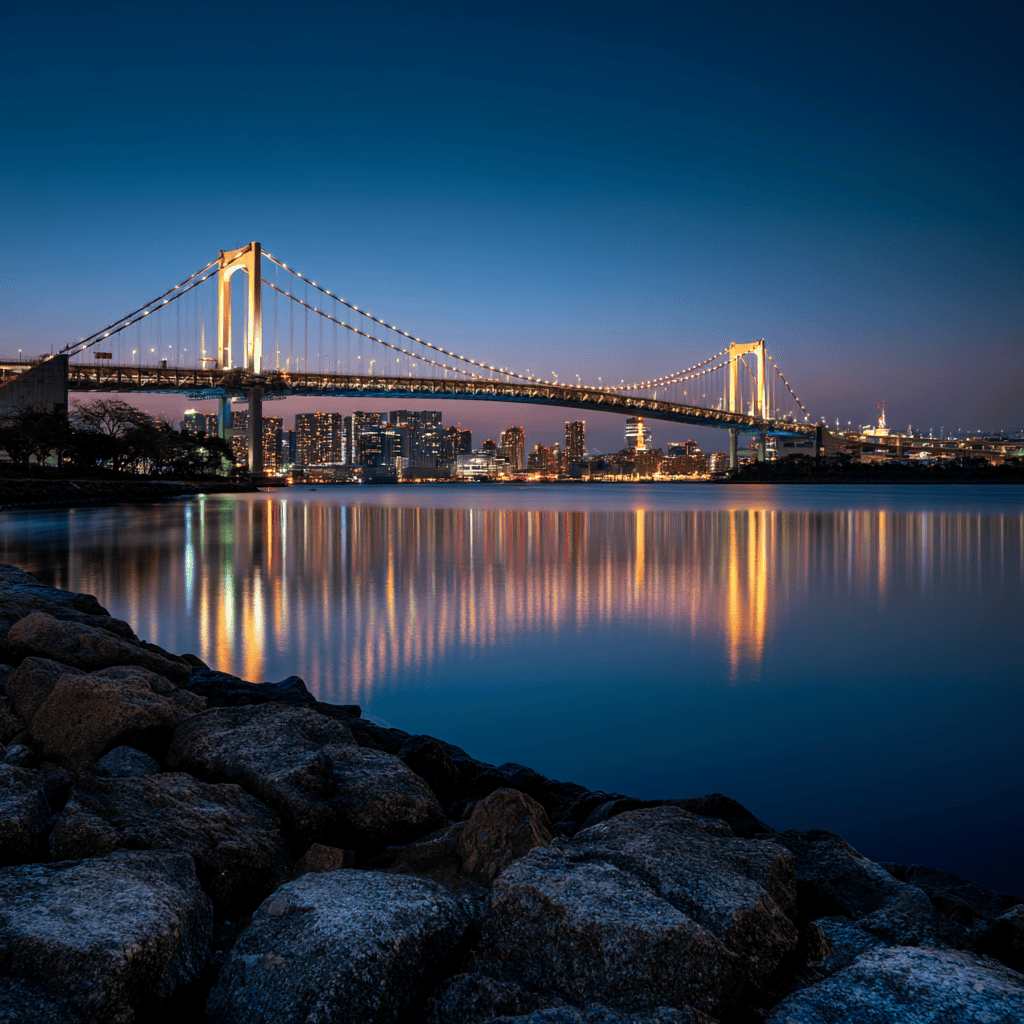
The Odaiba waterfront also rewards patience. Families gather at sunset, ferries glide past, and the skyline slowly lights up across the bay. If you have a second evening, try the Shibaura side. From there, the bridge loops above the water in a spiral approach. That view is less familiar online. As a result, it gives your set a frame few others share.
Shibuya, Omotesando and Harajuku
5. The Mirrored Entrance at Tokyu Plaza Omotesando
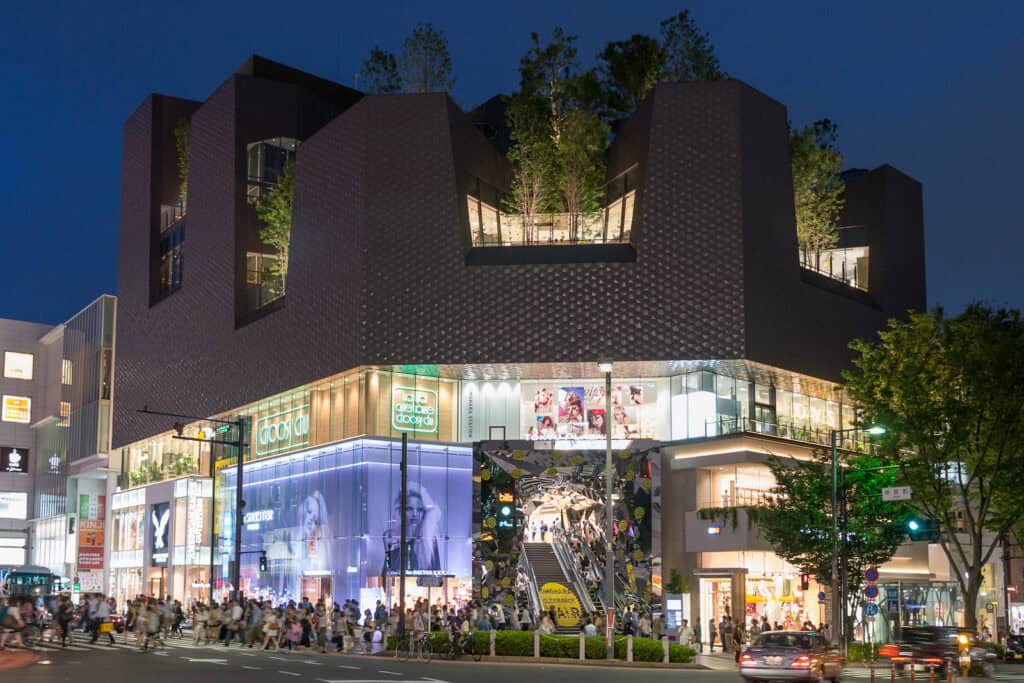
Tokyu Plaza Omotesando has one of Tokyo’s most photographed entrances. The building was renamed Omokado in 2024, when its sister building Harakado opened across the road. Architect Hiroshi Nakamura designed the entrance as a kaleidoscope of angled mirrors. Every step up the escalator reflects the street and the people on it. The effect is playful and geometric. It is endlessly repeated online, yet still worth seeing in person.

Go on a weekday morning soon after opening, when the escalator is nearly empty. Shoot from the bottom looking up, or from the top looking down into the reflections. Keep the session brief, though, because this is a working shop entrance. Afterward, walk down Omotesando itself. This tree-lined avenue of flagship stores shows work by Tadao Ando, SANAA and Herzog & de Meuron. Each block offers a different kind of frame.
Harajuku’s side streets, especially Takeshita Street, are colorful but crowded. They suit candid street shots more than posed portraits. For a calmer frame, slip into the Cat Street lanes between Harajuku and Shibuya. Small boutiques and murals line this narrow pedestrian path. As always, ask before photographing anyone up close. Also respect shops that post signs asking visitors not to take pictures.
Matcha Soft Serve, Made at Home
A green soft serve is almost a Tokyo photo prop by now. Matcha ice cream is sold in cones across Harajuku and Asakusa, and its color looks striking against red gates and white walls. It is also easy to make at home, which turns a travel photo into a taste you can repeat. The version below needs no eggs and no custard, only good matcha, cream and a little patience.

Matcha Ice Cream — the green soft serve of Harajuku, made at home
Sift two tablespoons of good matcha with half a cup of sugar and a pinch of salt, then whisk in a splash of warm milk until it forms a smooth, glossy paste. Whisk in the rest of a cup of whole milk and two cups of heavy cream until the sugar dissolves completely, and chill the mixture for an hour. Churn it in an ice cream maker until it thickens like soft serve, then freeze it for about three hours before scooping. Serve it in a cone or a small bowl, where the deep green and gentle bitterness carry the taste of a Tokyo afternoon.
Matcha quality matters most here. A ceremonial or high-grade culinary matcha gives a brighter green and a softer bitterness. Lower grades turn dull and grassy. If you photograph the result, shoot near a window in soft light, because the color fades under warm bulbs. In short, the same rule applies to ice cream as to Tokyo Tower: light first, then the frame.
Sony RX100 VII — a pocket camera with a real zoom
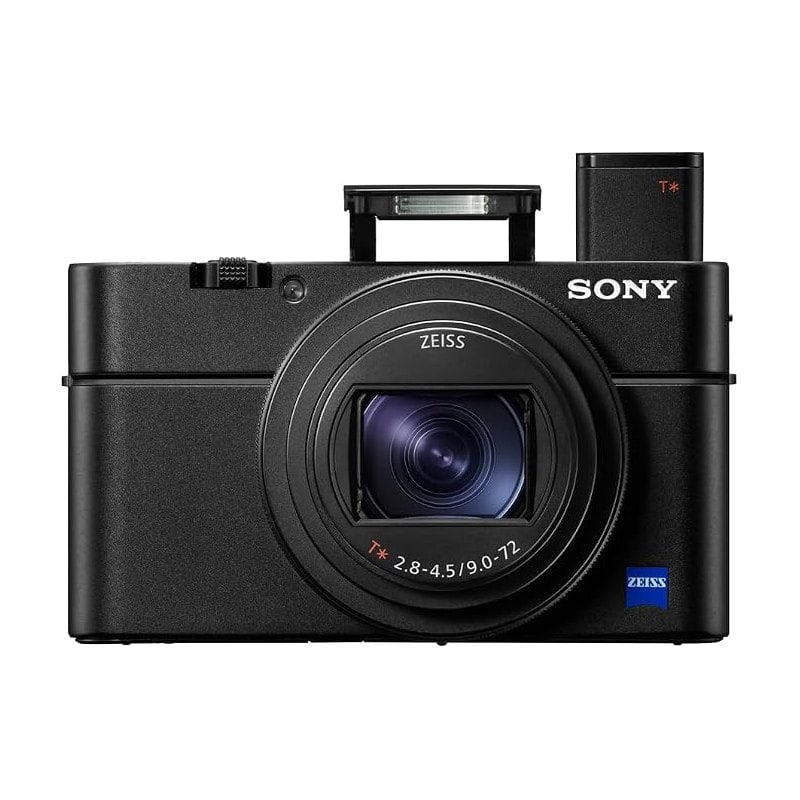
The Sony RX100 VII is the camera we would choose for a Tokyo photo walk. It slips into a jacket pocket. Yet its one-inch sensor and 24 to 200 millimeter zoom cover almost every view in this guide. You can frame Tokyo Tower across a park, then zoom in on a lantern in Asakusa. Its fast autofocus suits Shibuya’s moving crowds. Its small size also draws far less attention than a large camera. On rooftops that ban bags, it rides safely on a wrist strap. For better pictures than a phone without a heavy bag, it is the natural choice.
Old Tokyo: Asakusa, Marunouchi and Yanaka
6. Senso-ji and the Kaminarimon Gate
Senso-ji in Asakusa is Tokyo’s oldest temple. Its Kaminarimon gate, with a huge red paper lantern, is one of Japan’s most recognizable images. By mid-morning, the Nakamise approach is shoulder to shoulder. So arrive early instead. The main hall opens at six in the morning, or half past six from October to March. At that hour, the grounds are calm and softly lit.

Evening is the other good window. The buildings are lit after sunset, and the five-story pagoda glows against the sky. Frame the pagoda through the trees on the west side of the grounds. Or shoot back toward the gate from inside. Remember that Senso-ji is a working temple. Photography inside the main hall is discouraged, so keep the camera for the courtyard. Step aside, too, for people who have come to pay their respects.
7. Tokyo Station’s Marunouchi Side
Tokyo Station’s Marunouchi building is red brick, domed and almost European. Tatsuno Kingo designed it, and it was completed in 1914. In 2012 it was restored to its original look. The plaza in front gives a symmetrical frame, especially at blue hour when the facade lights up. For an elevated view, use the terrace of the KITTE building next door. It looks straight down onto the station and its tracks, where old and new Tokyo meet.
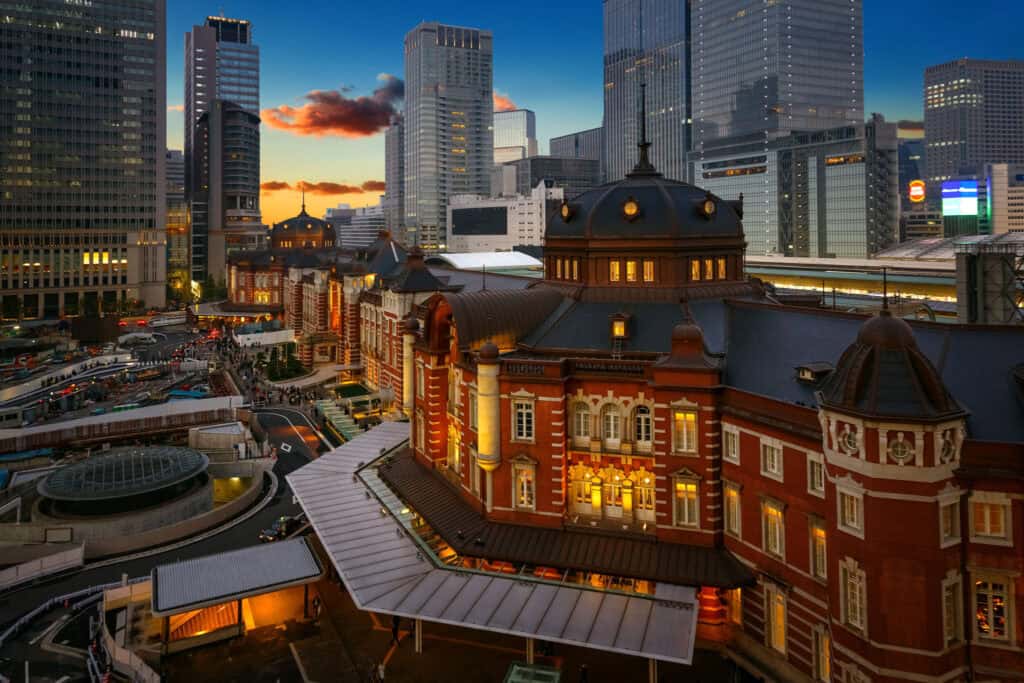
8. The Imperial Palace Moat
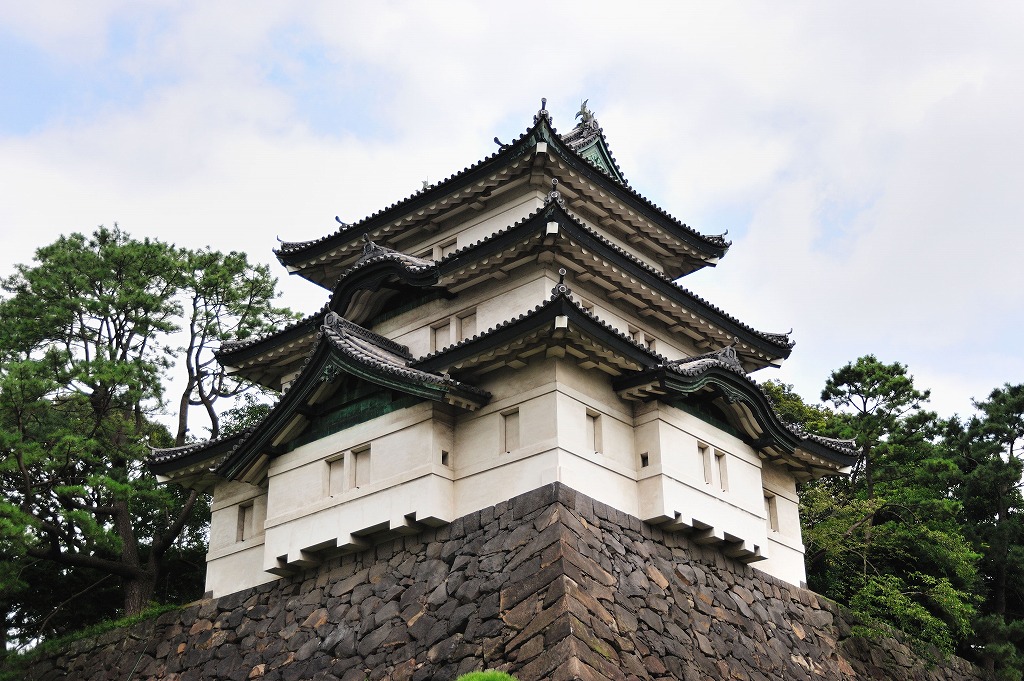
A short walk from the station, the outer gardens of the Imperial Palace open out. Wide lawns, pine trees and stone walls rise above the moat. The Fujimi-yagura watchtower and the bridges near the main gate are favorite subjects. Early morning brings joggers and clear air. Autumn adds color to the trees along the moat. The scene is calm and formal, a welcome contrast to Shibuya and Harajuku.
9. Yanaka and the Sunset Stairs
Yanaka is the Tokyo that survived. Its narrow streets, wooden houses and small shops escaped much of the last century’s destruction. As a result, the neighborhood feels intimate and slow. The Yuyake Dandan stairs, whose name means sunset steps, look down onto Yanaka Ginza. This short shopping street glows golden in the evening. Arrive about an hour before sunset, then walk the lanes as the light fades. Shopkeepers here are used to visitors, but a smile and a nod go a long way.

Old Tokyo also teaches patience. These streets are lived in. So the best pictures come from slowing down and noticing small details. Look for a cat on a step, a noren curtain moving in the breeze, or a bicycle against a wooden wall. Those details rarely appear in lists of instagrammable places in Tokyo. Yet they often become the frames you remember most. In the end, they tell the story of a city rather than a landmark.
Ten Proverbs to Carry With You
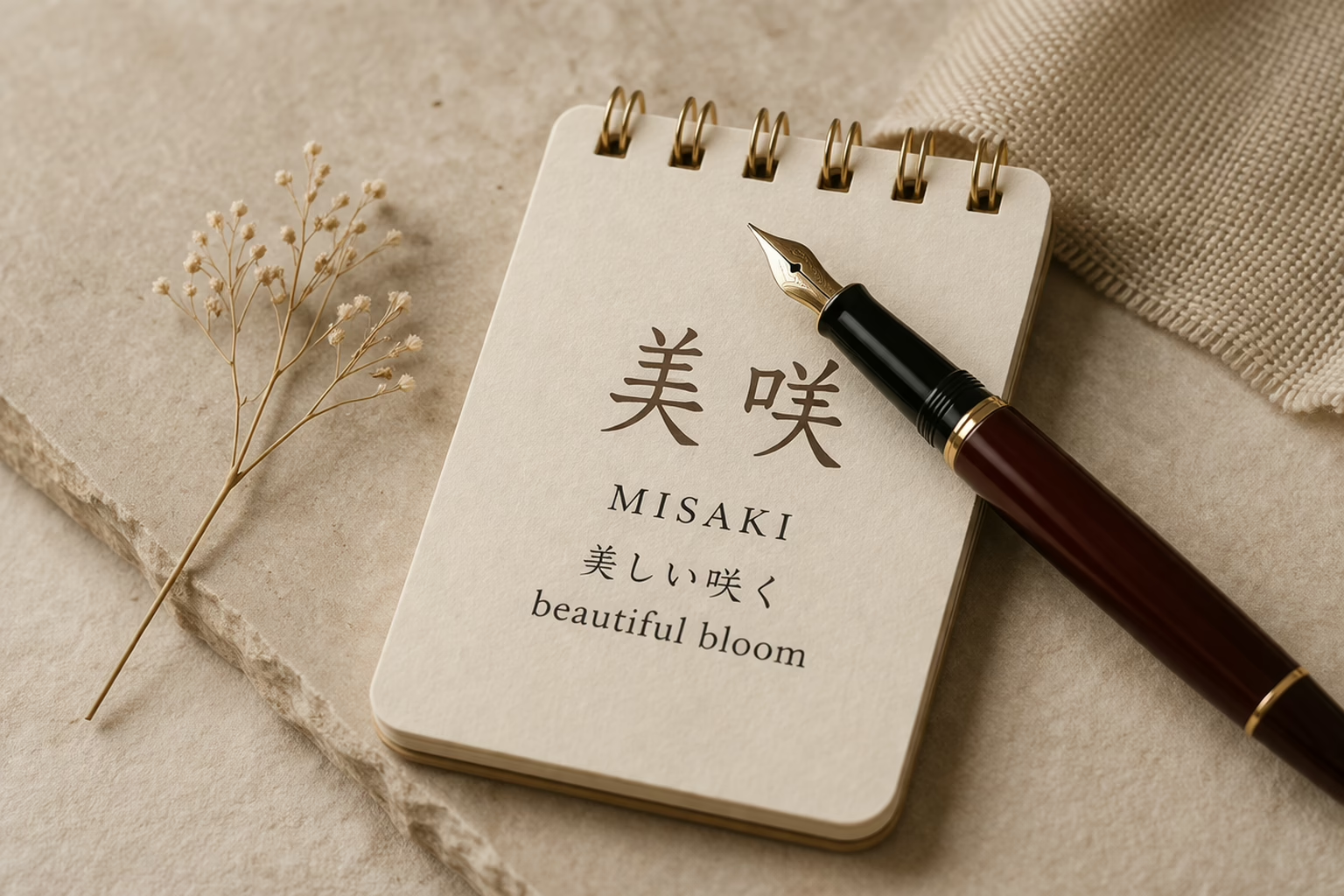
A printable folio of ten Japanese proverbs, each set in kanji with its reading and a line on where you will hear it.
Gardens and Blossoms
10. Shinjuku Gyoen
Shinjuku Gyoen combines three garden styles in one park: Japanese traditional, French formal and English landscape. In spring, its lawns fill with cherry trees in bloom. In autumn, the maples turn red around the ponds. Admission is about $3.50 (¥500), and the garden opens in the morning. An early visit therefore gives you blossoms without the midday picnic crowds. Some equipment is restricted, so check the rules at the gate.
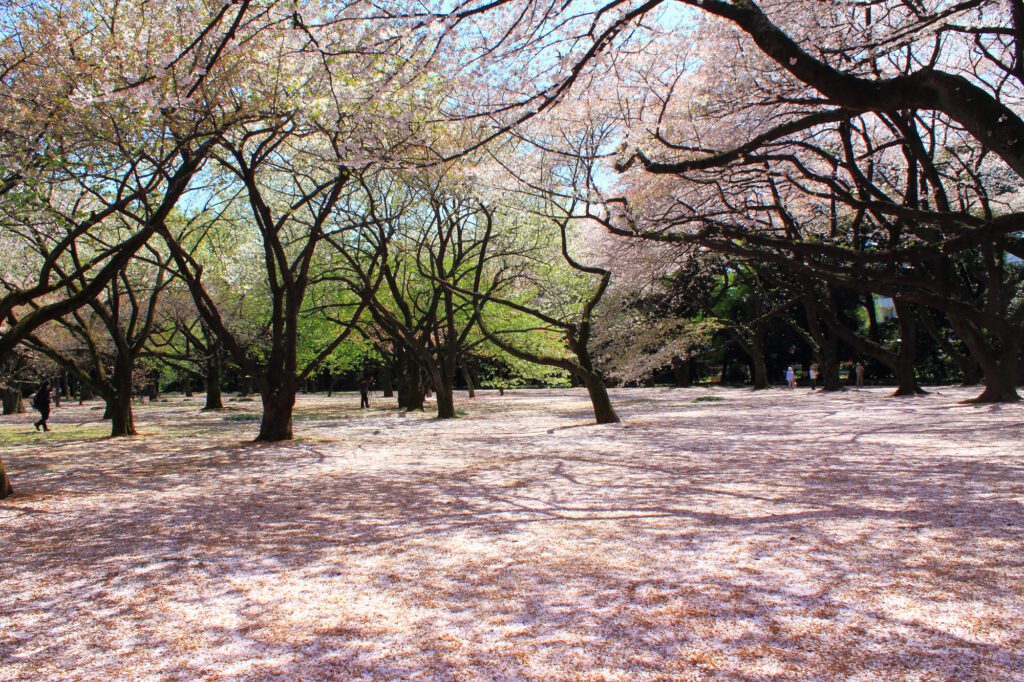
The garden’s best trick is contrast. From the lawns, the Docomo Tower rises above the treetops. A single frame can therefore hold both traditional scenery and modern Tokyo. For a calmer image, find the Japanese garden section. Stone lanterns and a teahouse sit beside the water there. That pairing of old and new runs through the whole city, and Shinjuku Gyoen shows it clearly.
DJI Osmo Pocket 3 — steady video in a hand-sized camera
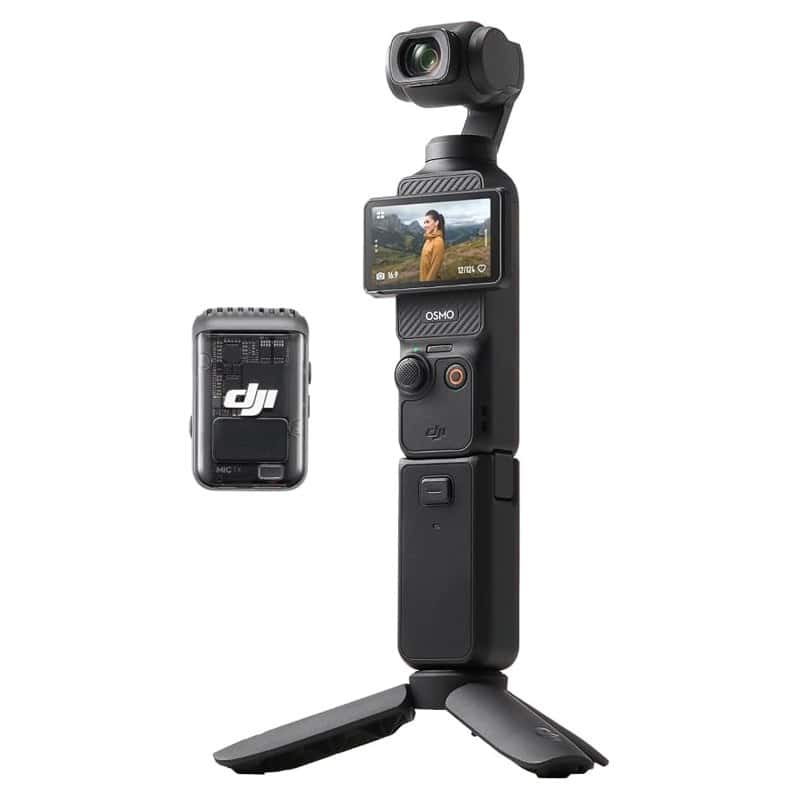
For video, the DJI Osmo Pocket 3 does what a phone struggles to do. Its one-inch sensor sits on a three-axis gimbal. Walking clips along the Meguro River or through Yanaka therefore stay smooth and steady. It records 4K at up to 120 frames per second. That turns falling petals and Shibuya crowds into graceful slow motion. The small rotating screen makes framing easy at waist height, which is far more discreet than a raised phone. The Creator Combo adds a wide-angle lens, a wireless microphone and a battery handle. For polished reels, it is the most useful piece of kit in a small bag.
11. The Meguro River in Cherry Blossom Season
For a week or two each spring, the Meguro River becomes a tunnel of blossoms. In Meguro Ward, roughly 800 cherry trees line about 3.8 kilometers of the canal. The Nakameguro stretch is the most popular. At night, pink lanterns light the trees, and the petals glow above the dark water. If you only have one spring evening in Tokyo, this is a strong choice.
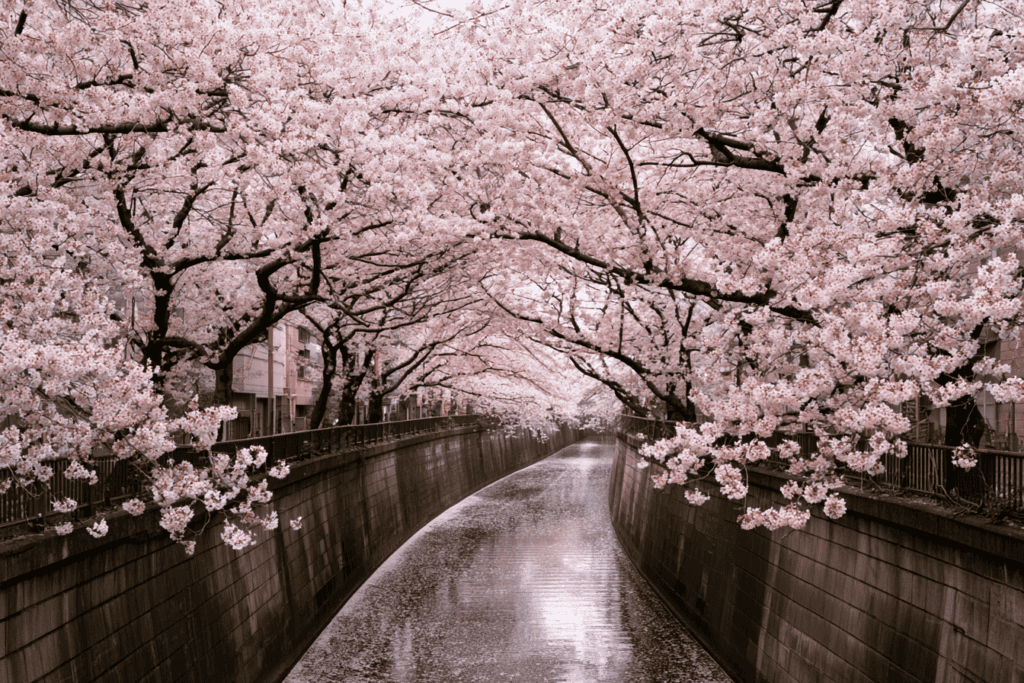
Crowds are heavy on weekends, so go on a weekday and keep moving. Bridges give the best angles. But standing still on a crowded bridge blocks the flow, so take your frame and step on. Our guide to cherry blossom season in Japan covers forecasts and other viewing spots. Those details help you build a spring trip around the bloom rather than chasing it.
Tokyo After Dark
12. teamLab Borderless
teamLab Borderless reopened at Azabudai Hills in February 2024. Its original home in Odaiba had closed in 2022. Inside, digital artworks flow from room to room, reacting to visitors and to each other. The mirrored and projected spaces are among the most shared images from modern Tokyo. Tickets are sold online for timed entry. Book ahead and choose an early slot for fewer people in your frame.
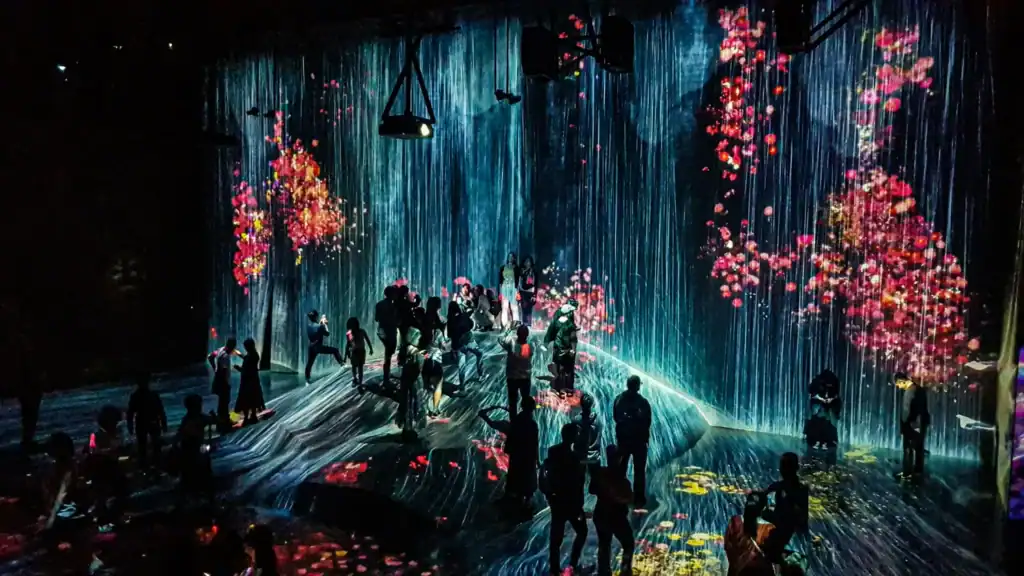
Dark rooms challenge any camera. Raise the sensitivity, keep the camera steady against your body, and accept a little grain. Wear plain, dark clothing if you want the art to dominate the frame. Most of all, put the camera down for a while. The works change constantly. Walking through them matters as much as the picture you take home.
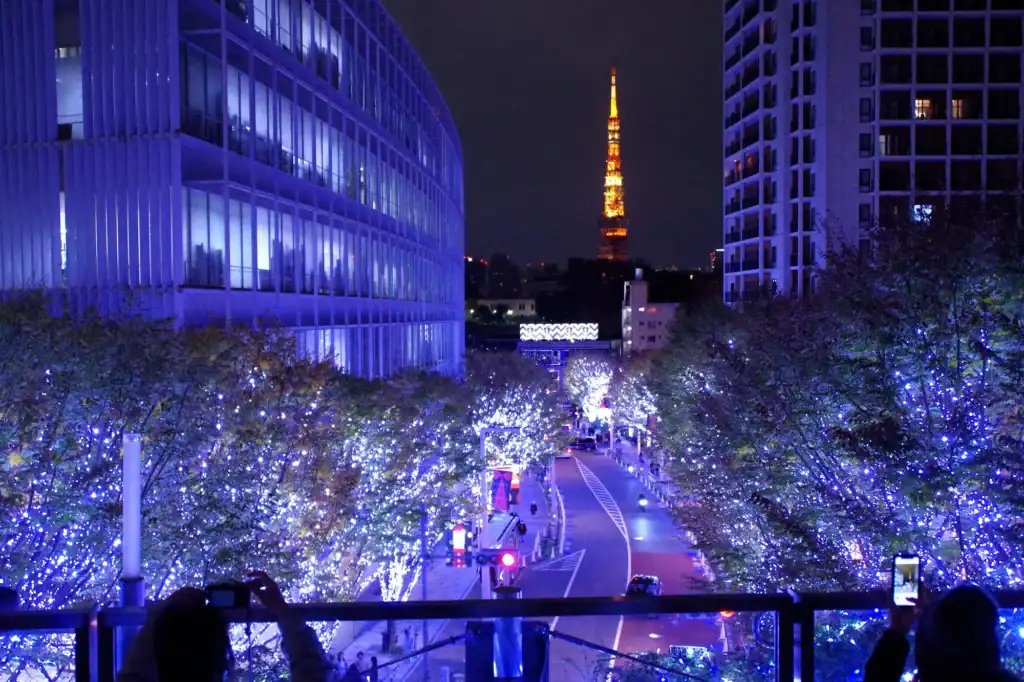
After teamLab, Roppongi and Azabudai are good places to continue the evening. Their towers frame Tokyo Tower from new angles. Meanwhile, the streets glow with light from restaurants and galleries. For more ideas, our guide to Tokyo nightlife covers bars, music and late dining. Night is when Tokyo looks most like itself, so leave room for it in every plan.

What to Carry on a Tokyo Photo Walk
Tokyo is a walking city, and a heavy bag slows you down. Most of the instagrammable places in Tokyo need only one compact camera, a phone and a few extras. Keep the kit light enough to carry for ten hours. The best light often arrives at the end of a long day. A small sling keeps everything at your front, where it is easy to reach and safe in crowds.
Power matters as much as lenses. Navigation, translation and shooting drain a phone quickly, so carry a charger. A small flexible tripod helps with long exposures where space allows, such as a low wall at Odaiba. Leave it packed in crowds, though. A good book about Japanese streets can also sharpen your eye before you arrive. For deeper reading, see our guides to Japan landscape photography and Japan photography tours.
Three Pieces for a Day in Tokyo
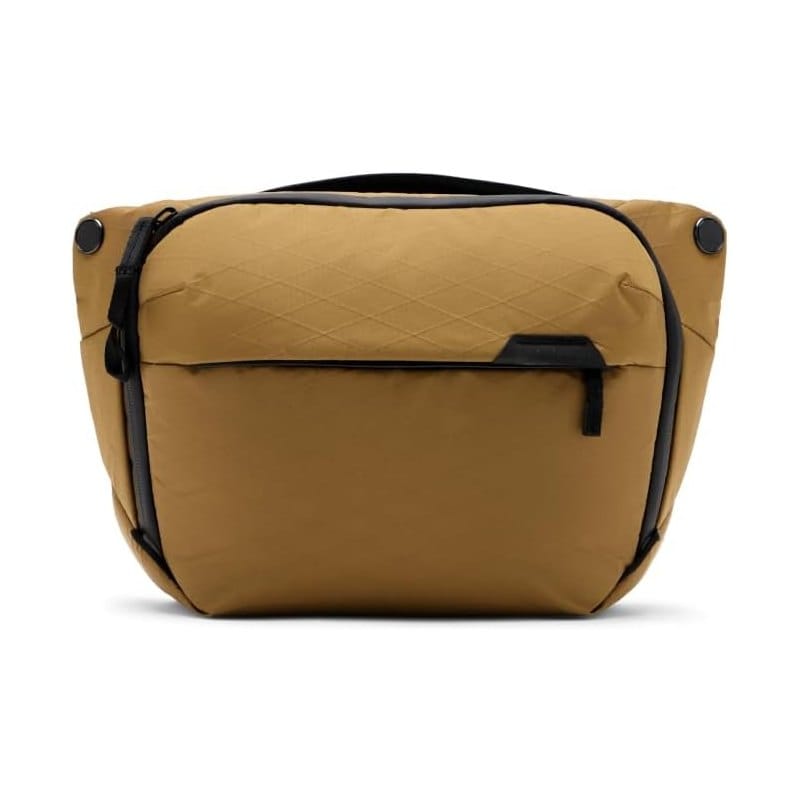
A slim sling that holds a compact camera, a lens and the day’s essentials.
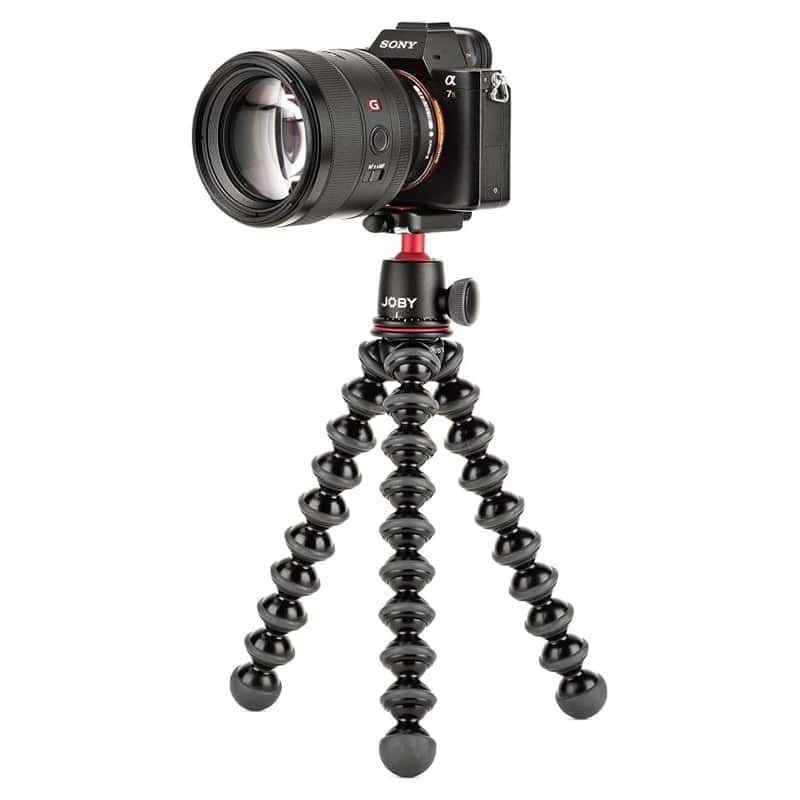
Wraps around railings and posts for steady long exposures where space allows.
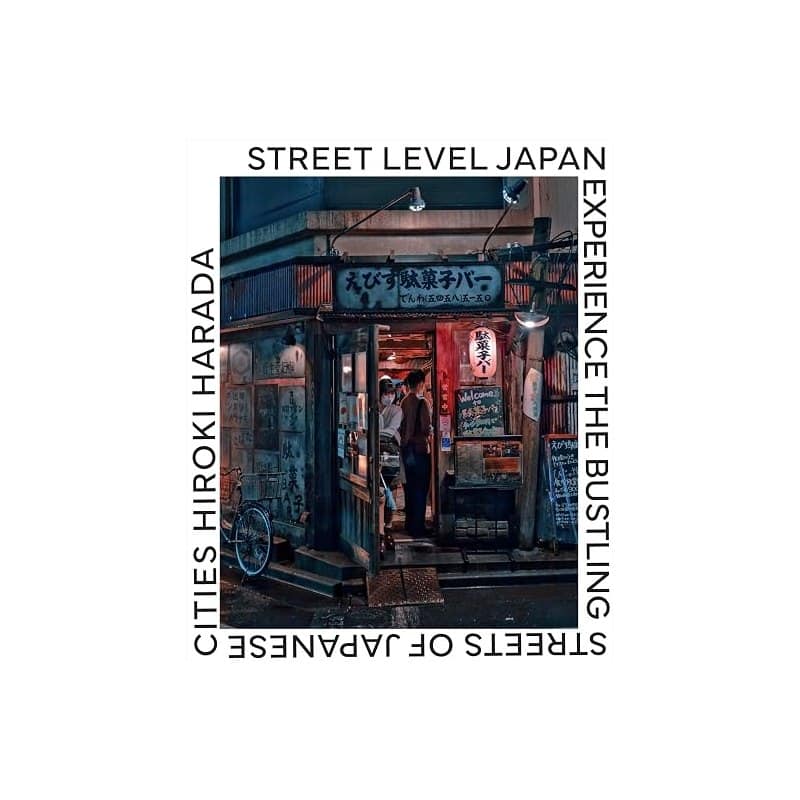
A visual tour of Japanese streets to train your eye before the trip.
None of this kit replaces a good eye. Before you shoot, look for a clean background, a single subject and light from the side. Then take the picture and move on. Tokyo offers so many frames in a single block that lingering means missing the next one. That rhythm of looking, shooting and walking is how the city reveals its best angles.
Photo Etiquette at Instagrammable Places in Tokyo
Japan values privacy, and a few habits keep a photograph welcome. Crowd scenes are normal, but close portraits of strangers are not. So ask first and accept a no. Never photograph children without a parent’s consent. Many shops, restaurants, shrines and temples restrict photography, so look for signs and follow staff instructions. Above all, never block a path, a doorway or a train platform for a picture.
Some places have firm rules. In Kyoto’s Gion district, signs on private lanes now warn of a fine of about $65 (¥10,000) for entering. They followed years of visitors chasing photographs of geiko and maiko. Tokyo has fewer such signs, yet the same courtesy applies in residential lanes like Yanaka. Drones are another matter. Central Tokyo is a densely inhabited district under Japan’s aviation rules, so flying needs a permit. The metropolitan parks also ban drones outright.
Observation decks and museums set their own limits too. Rooftops often ban tripods, selfie sticks and loose items. Some galleries ban flash or all photography. These rules exist for safety and for other visitors, so plan your kit around them. When in doubt, ask staff, who will usually explain with patience. A polite question costs nothing and earns goodwill for every photographer who follows you.
You may also like
Planning the Shoot: A Two-Day Tokyo Route
Two days are enough to photograph most of the instagrammable places in Tokyo at their best hour. On the first day, start at Senso-ji at dawn. Then walk to Tokyo Station and the palace moat by mid-morning. After lunch, explore Omotesando and Harajuku. Finish at Shibuya Sky for sunset and the crossing after dark. On the second day, begin at Shinjuku Gyoen and spend the afternoon in Yanaka. End with Rainbow Bridge from Odaiba at blue hour.
Leave room for weather. A cloudy day suits gardens and old streets. A clear one suits towers and long views, so swap the days to match the forecast. Book timed tickets for Shibuya Sky and teamLab Borderless in advance. Keep your evenings flexible for the light. For a broader look at the city, our guide to beautiful places in Tokyo adds parks, museums and neighborhoods.
Recommended
Finally, give yourself one unplanned hour each day. Tokyo is full of small surprises: a lantern-lit alley, a rooftop garden, a small shrine between office towers. Those discoveries often become the photographs you value most, because nobody else has the same frame. Plan the famous views carefully, then let the city show you the rest. Keep a note of each find, with the time and the light. A frame you stumbled on at dusk may deserve a deliberate return the next evening. Over a few days, that habit turns a list of landmarks into a personal map of Tokyo, one that no guidebook or feed could ever hand you.
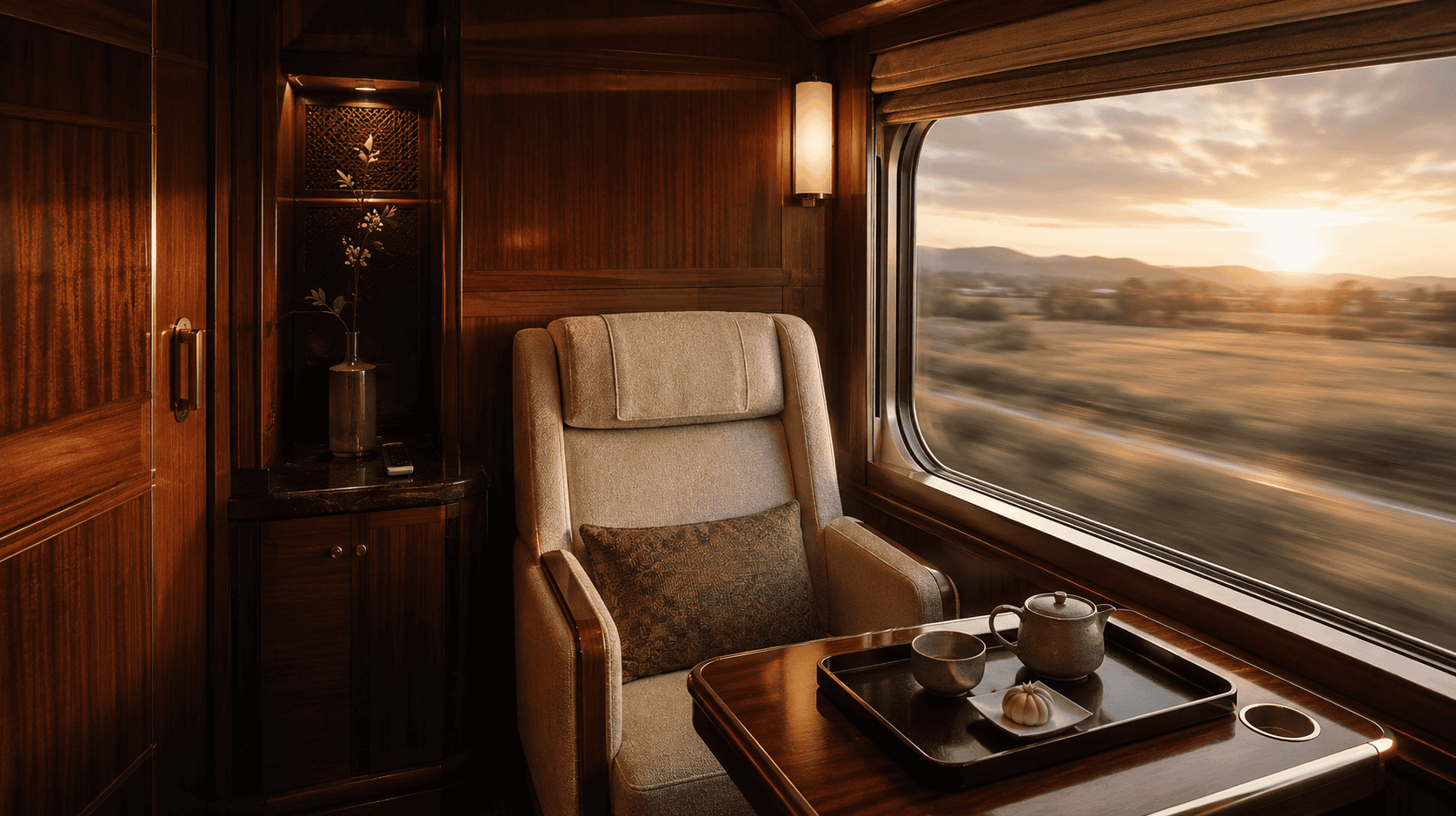
A Tokyo Photo Trip, Planned Around the Light
A Tokyo photo trip becomes far easier with good timing built in from the start. Sunrise slots at Asakusa and timed rooftop tickets make a real difference. So do a car for the early palace walk and a guide who knows the calmer lanes. Together, they add up to more frames and less waiting. A well-planned route also leaves room for the city’s surprises. That is where the most personal pictures come from. When the logistics disappear, all that remains is the light, the street and the moment you press the shutter. That moment is why you came, so it deserves every advantage a good plan can give it.
Tokyo Through the Lens, Planned Around the Light
We can plan your days around golden hour and blue hour: early access where it exists, timed tickets booked ahead, a private photography guide for the lanes of Yanaka and Asakusa, and hotels close to the views you want to shoot.
Plan Your Custom Japan ItineraryQuestions Worth Asking
What are the most instagrammable places in Tokyo?
The classics are Tokyo Tower, Shibuya Crossing, Rainbow Bridge, Senso-ji’s Kaminarimon gate and the mirrored entrance of Tokyu Plaza Omotesando. For calmer frames, add the Marunouchi side of Tokyo Station, the palace moat, Yanaka’s sunset stairs and the Meguro River in cherry blossom season.
When is the best time to photograph Tokyo?
Early morning for empty streets and soft light at Asakusa and the palace, golden hour for towers and skylines, and blue hour for Shibuya and Rainbow Bridge. Spring and late autumn give the clearest air, and winter mornings often show Mount Fuji from high viewpoints.
Can I use a tripod in Tokyo?
Often not. Many observation decks, including the Shibuya Sky rooftop, ban tripods and selfie sticks, and busy pavements and stations are no place for one. A compact camera or a small flexible tripod used only where space allows is the polite choice. Check each venue’s rules before you go.
Is it rude to photograph people in Japan?
Photographing a crowd is normal, but close portraits of strangers without asking are not. Ask first, accept a no, and never photograph children without a parent’s consent. Shrines, temples, shops and restaurants may restrict photography entirely, so look for signs and follow staff instructions.
Where can I photograph Mount Fuji from Tokyo?
On clear winter mornings, Fuji appears from high viewpoints such as the Shibuya Sky rooftop and Roppongi’s Tokyo City View. The view is never guaranteed, so check the weather and go early, when the air is driest and the mountain is most likely to show.
Can I fly a drone in Tokyo?
In practice, almost never. Central Tokyo is a densely inhabited district under Japan’s aviation rules, so drones need a permit, and Tokyo’s metropolitan parks prohibit them. For aerial views, use the observation decks instead, which give the same skyline without the paperwork or the risk.