Dawn at Lake Kawaguchi arrives in layers. First the mist, then the faint pink on the snowline, then Mount Fuji entire, doubled in still water. A photographer who has crossed the world for this moment lifts the camera, and everything depends on what is in the bag. Japan landscape photography rewards preparation twice over. You need to know where to stand, and you need the kit that can hold what you find there. This guide covers both — the locations that define the craft in Japan, and the thirty-three pieces of equipment worth carrying to them.
The guide moves from place to gear. First come the five regions every landscape photographer should know, from Fuji’s five lakes to the cedar forests of Yakushima. The seasons that transform them follow. Then comes the kit, organised by purpose — cameras, lenses, filters, support, carry, and storage — with Japanese makers leading wherever the craft allows. It sits within our wider photography collection.
The Photographer’s Japan — Why Place and Kit Belong Together
Japan landscape photography centres on five regions: Mount Fuji and its lakes, Kyoto, Hokkaido, Miyajima, and Yakushima. Each is transformed by cherry blossom in spring and foliage in autumn. The kit that serves them best runs to thirty-three pieces: travel cameras, versatile zooms, polarizing and neutral density filters, compact tripods, weatherproof carry, and fast storage. Japanese makers such as Fujifilm, Ricoh, Sony, Nikon, Sigma, Hoya, and SLIK lead the list.
Japan gave the world much of the equipment that landscape photography now depends on. The glass in most camera bags was designed, and often ground, within a train ride of the scenes in this guide. So there is a certain rightness in Japan landscape photography done on a lens from a maker whose factory sits within sight of the mountain. The same principle of shokunin — the craftsperson’s lifelong devotion to a single craft — that shapes a tea bowl also shapes a lens element.
The locations come first, because place decides everything else. A photographer bound for Hokkaido’s winter packs differently from one walking Kyoto’s temple gardens. Read the regions, choose your season, and then build the kit to match.
Mount Fuji: The Sacred Mountain and Its Lakes
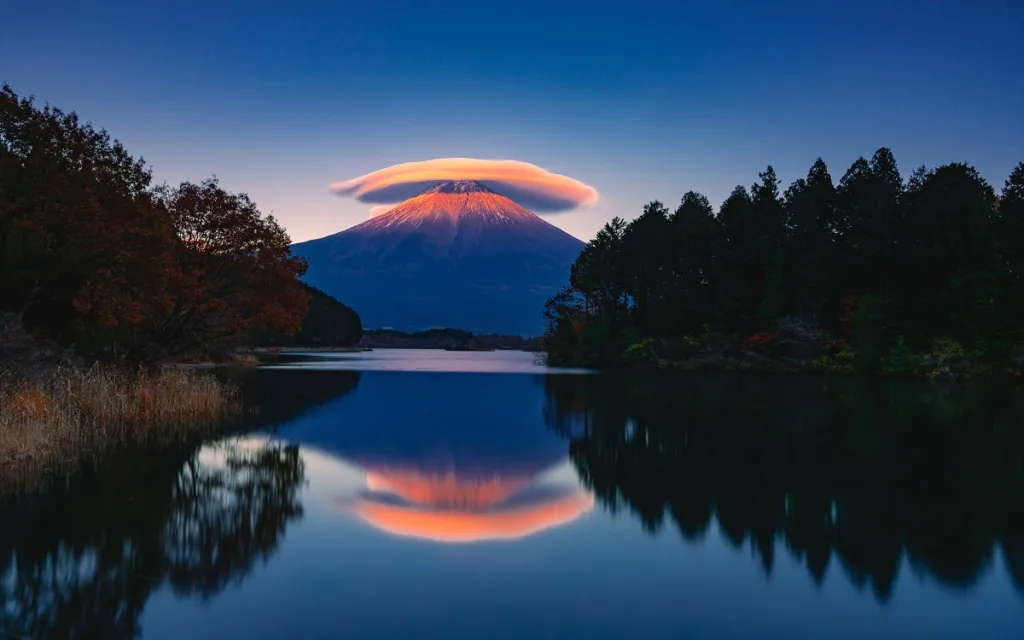
Japan landscape photography begins, for most, with Mount Fuji — and with the same problem. The mountain is so photographed that the work is finding a frame that still feels yours. The answer lies in the foreground. Fuji rarely carries a picture alone. It needs the pagoda, the lake, the blossom, or the mist to give it scale and story.
Timing decides the rest. In winter the snowline is deepest and the air clearest. Spring wraps the foothills in cherry blossom. Autumn sets the maples alight, and summer strips the peak nearly bare. Golden hour matters more here than almost anywhere, because the mountain faces its best viewpoints from the east. Arrive before dawn, and the light does half the work.
Where to stand
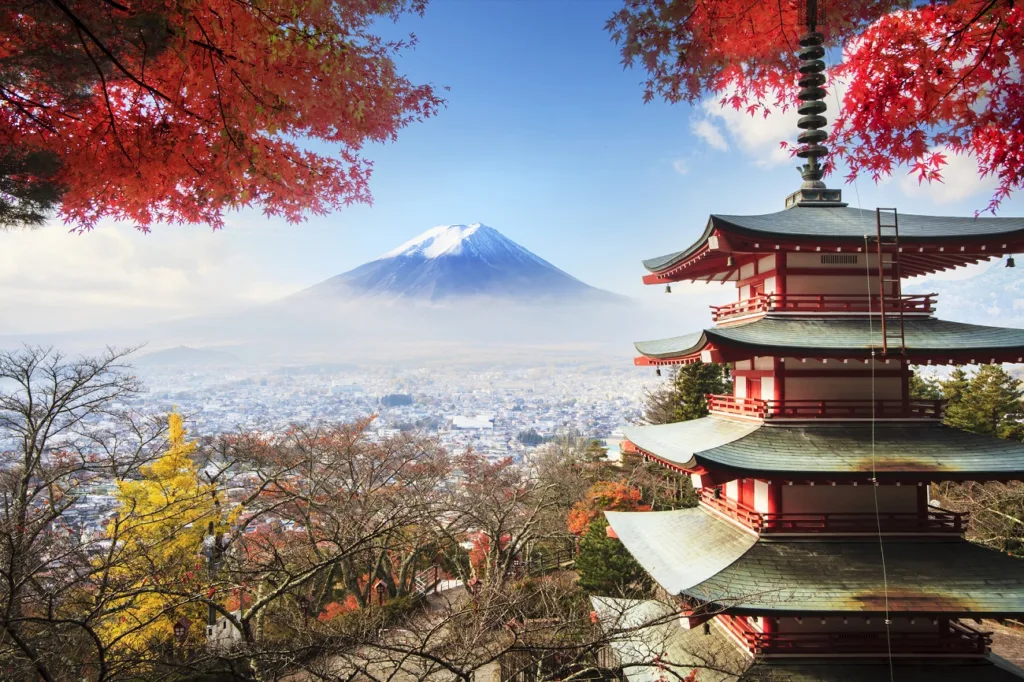
Five viewpoints cover the classic frames. Chureito Pagoda in Fujiyoshida stacks a five-storey pagoda against the peak, at its best in cherry blossom season. Lake Kawaguchi offers the famous reflection on still mornings. Arakurayama Sengen Park pairs gardens with the summit beyond. Oshino Hakkai, a cluster of eight spring-fed ponds, gives a quieter, more rural foreground. Furthermore, Hakone to the south adds Lake Ashi and the ropeway for elevated, longer-lens compositions.
Kyoto: Serenity Amid Tradition
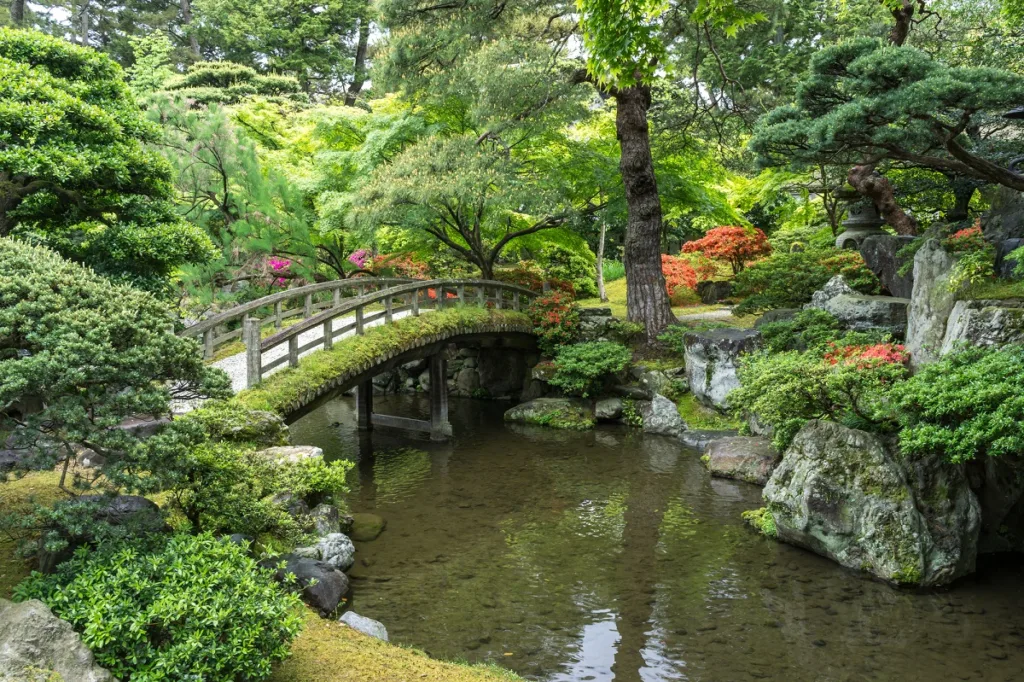
Kyoto asks for a different eye. Where Fuji is one grand subject, Kyoto is a thousand small ones — a raked stone garden, a vermilion gate, light falling through paper screens. The city rewards patience and early starts. The famous sites empty out before eight in the morning. So the difference between a crowded frame and a serene one is usually an alarm clock.
Composition here leans on structure. Seek the interplay of wood, stone, and foliage, and let the golden hours soften them. In addition, the shoulder seasons are generous. Cherry blossom lines the Philosopher’s Path in spring, and in November the temple maples burn crimson against dark timber.
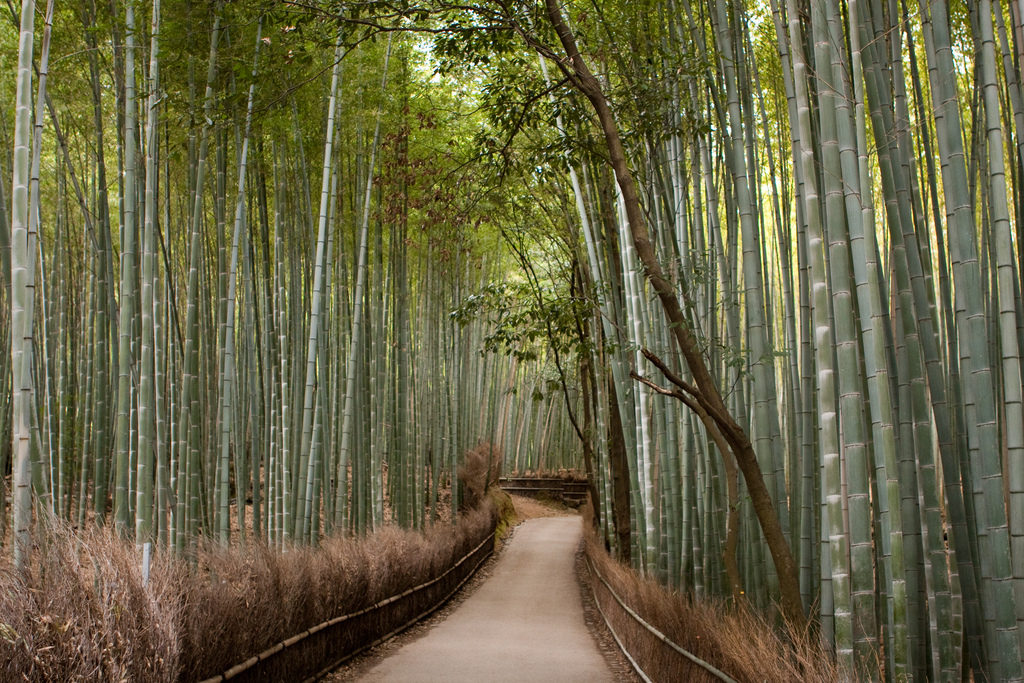
Where to stand
The Arashiyama Bamboo Grove on the city’s western edge turns light itself into the subject, best in early mist. Kibune and Kurama, twin villages in the northern hills, offer streams, cedar forest, and unhurried trails. Fushimi Inari Taisha is known for its torii tunnels, yet the forested upper slopes hold small shrines that few visitors climb to see. Ohara keeps its rural calm, all gardens and thatched roofs. Finally, Hieizan Enryaku-ji crowns Mount Hiei with panoramas over the whole basin.
Hokkaido: The Northern Wilderness
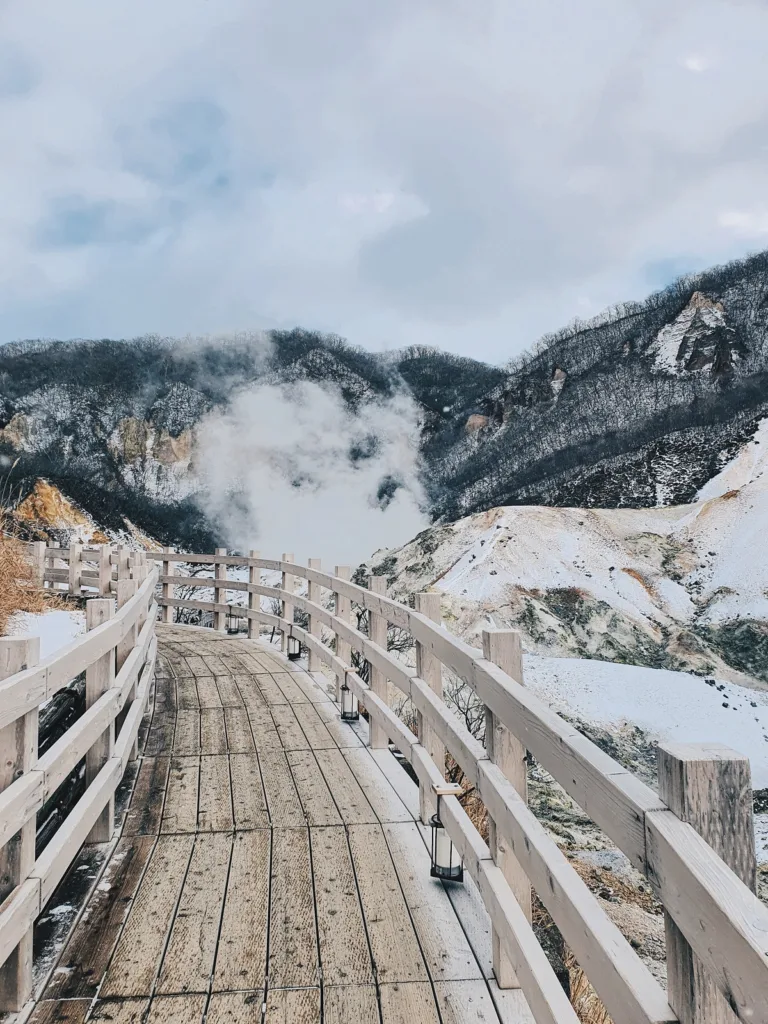
Hokkaido is Japan’s photographic frontier. The island holds volcanic lakes, alpine meadows, lavender plains, and a winter that transforms everything it touches. Distances are real here, and so is the weather. This is the one region in this guide where weather-sealed equipment moves from luxury to necessity.
The seasons each carry their own subjects. Winter brings snow fields and the red-crowned cranes of the eastern wetlands. Spring softens into wildflowers and Ezo sika deer. Summer paints Furano and Biei in lavender and sunflower, and autumn sets the mountain forests ablaze weeks before the rest of the country. For the island’s animal life, our guide to photographing Japanese wildlife goes deeper.
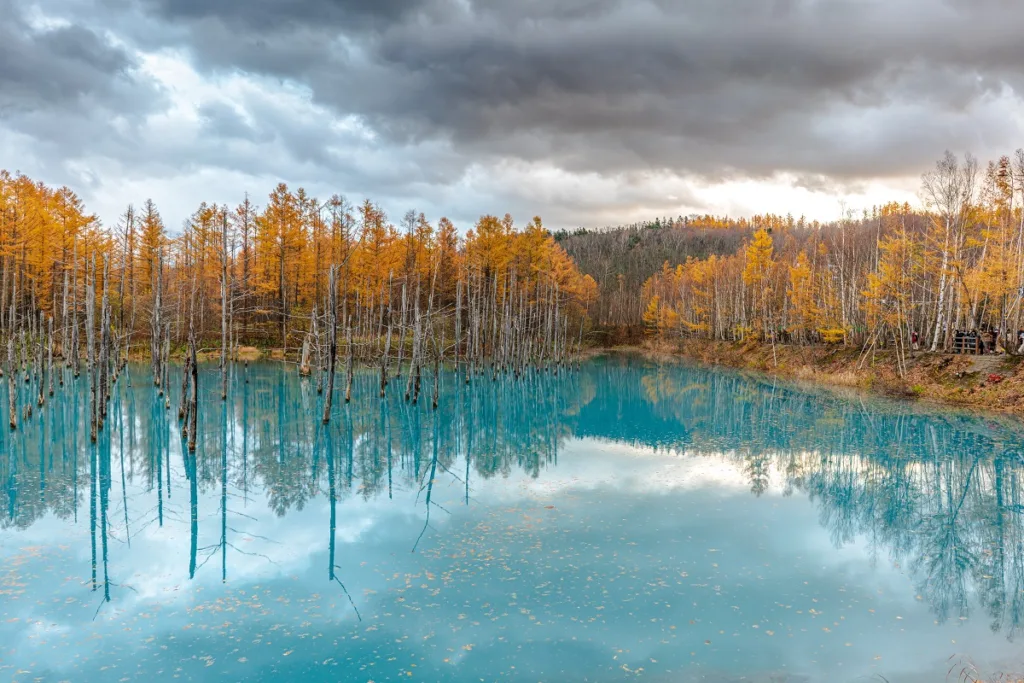
Where to stand
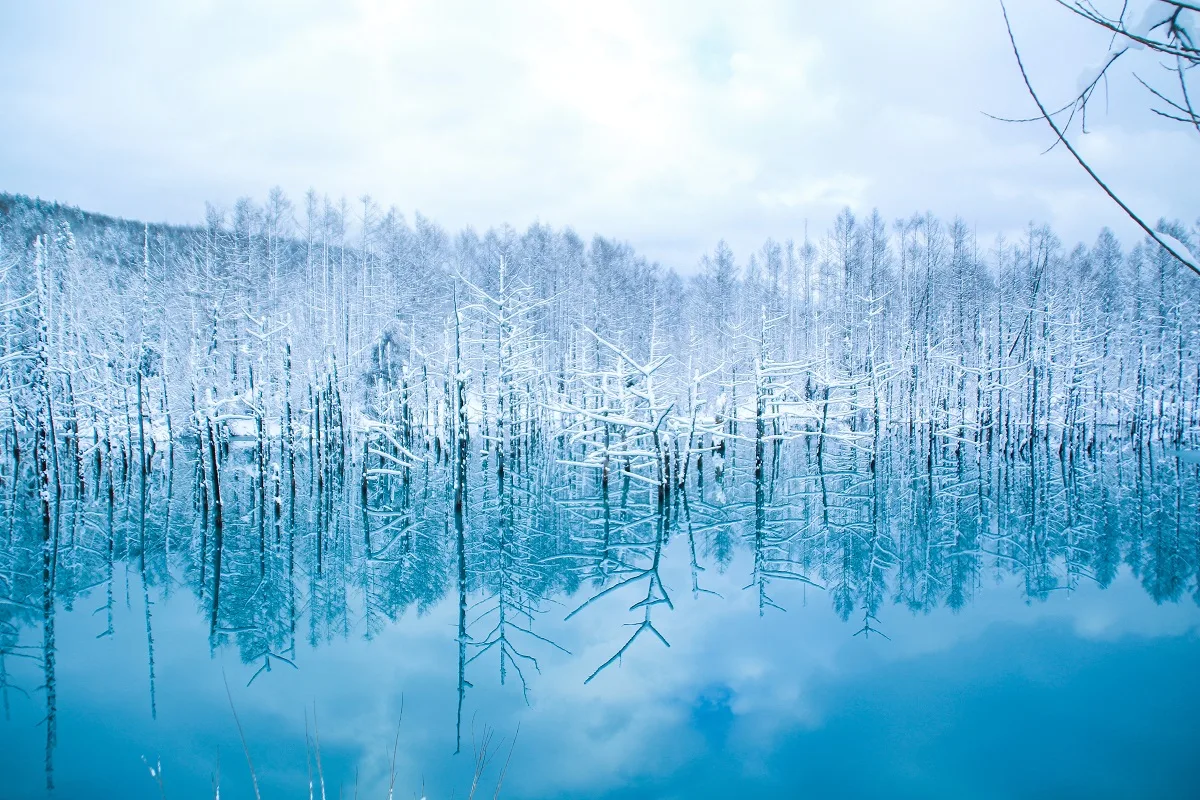
Shiretoko National Park, a UNESCO World Heritage Site, pairs untouched coastline with waterfalls and peaks. Daisetsuzan, the island’s largest national park, holds Mount Asahi and the first autumn colour in Japan. Lake Toya mirrors Mount Usu in a volcanic caldera. The Blue Pond at Biei is famous for its unearthly colour and drowned birches. And in July, the Furano lavender fields roll purple to the horizon.
Miyajima: Tranquility by the Sea
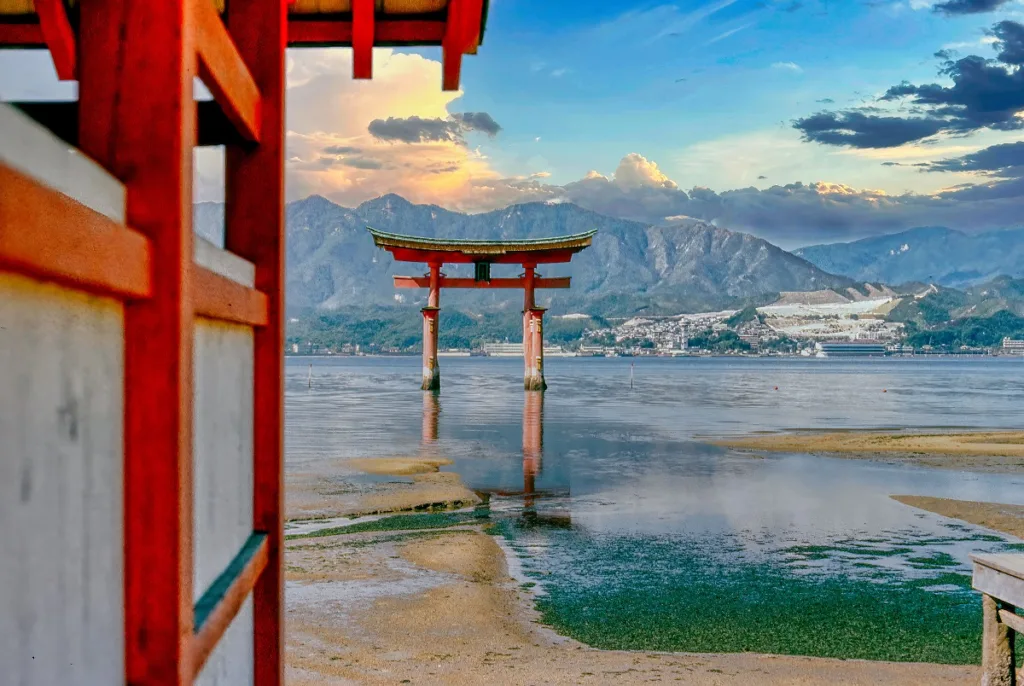
The island of Miyajima turns on the tide. At high water the great torii of Itsukushima Shrine appears to float, and its reflection doubles the frame. At low water you can walk to its feet. Check the tide tables before you go, because the two states are different photographs entirely.
Beyond the gate, the UNESCO-listed shrine itself rewards a slower walk, its corridors and lanterns opening onto the Seto Inland Sea. Climb Mount Misen for the long view over the islands, and stay for blue hour. The gate lit against a darkening sea is the island’s quietest and best picture. If a journey through these regions is taking shape, our customised itinerary service can build the tide tables into the plan.
Yakushima: Ancient Forests
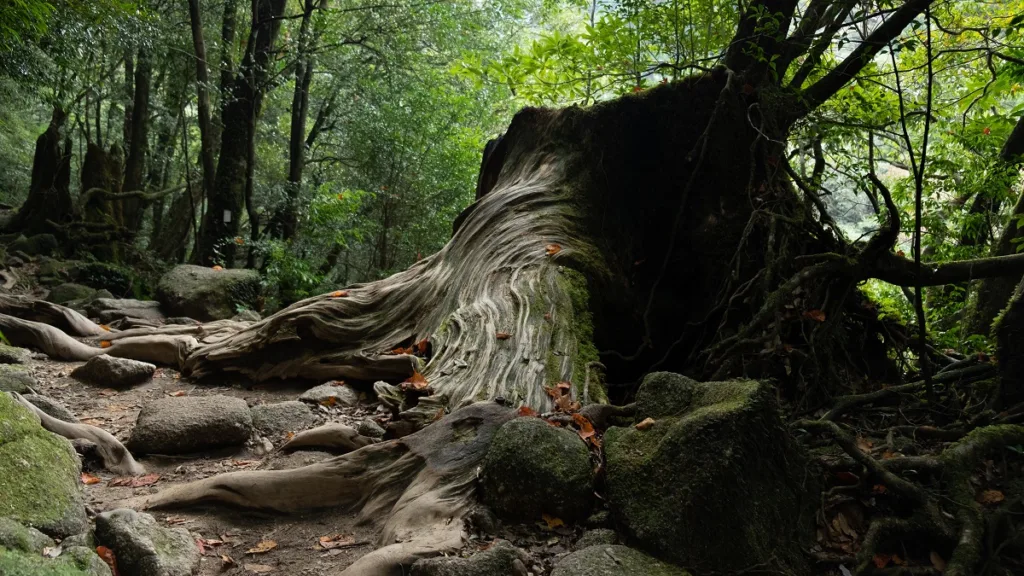
Yakushima is the far south’s answer to Hokkaido — an island where nature still outranks everything else. Its cedar forests are thousands of years old, draped in moss and near-constant mist. The light here does not arrive in golden hours. It filters, drips, and glows, and the photographs feel closer to painting than to postcard.
The island is also one of the wettest places in Japan, which shapes the kit list directly. Rain covers, sealed bodies, and fast lenses earn their carry weight. Moreover, the coastline repays the hike out of the forest, with granite headlands and waterfalls dropping straight to the sea. Give Yakushima two days at least. One for the interior, one for the shore.
The Two Great Seasons
Autumn foliage
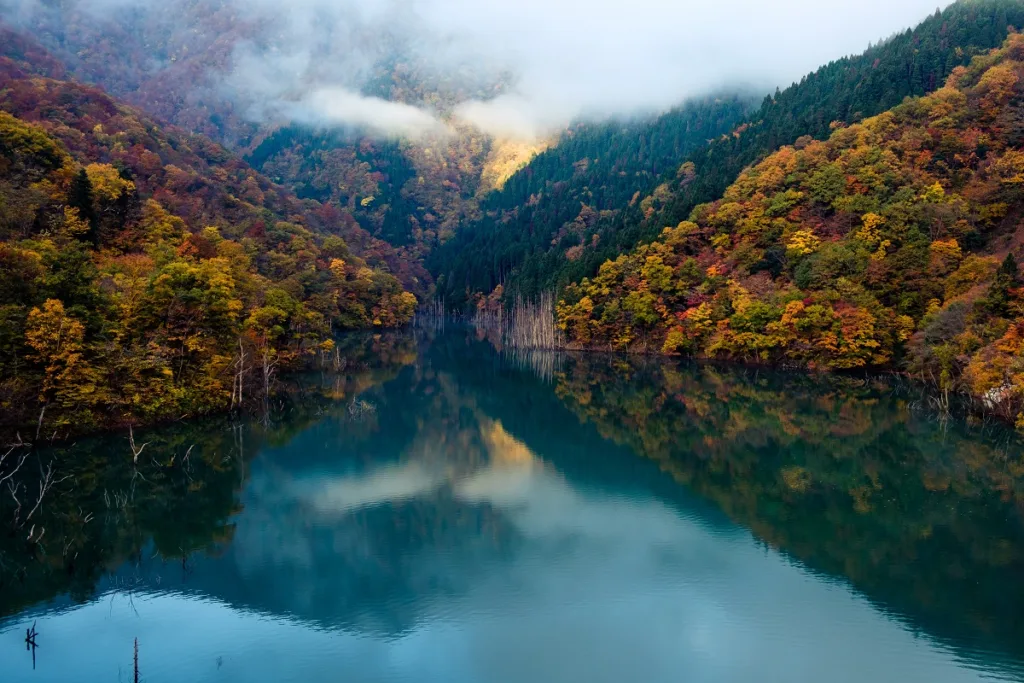
From late October in the north to early December in Kyoto, the koyo front moves down the country the way the blossom front moves up it. Maples turn scarlet, ginkgo turns gold, and every temple garden becomes a study in colour against dark wood. The season is long enough to plan around and forgiving enough for handheld work. Even so, a polarizer earns its place by cutting glare from lacquered leaves and wet stone.
Cherry blossom
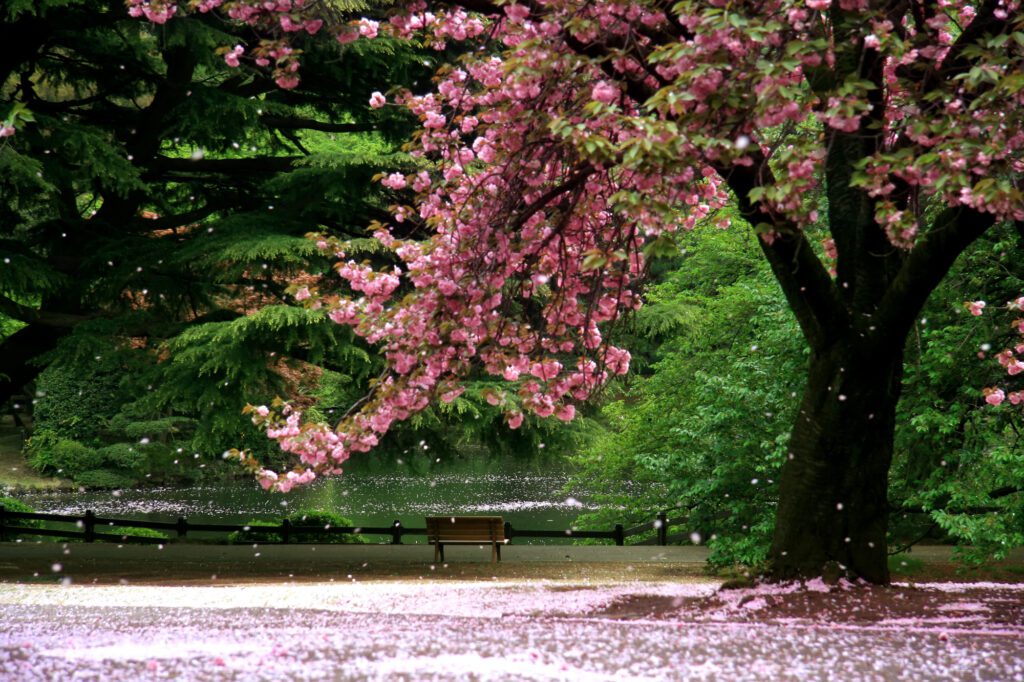
For two weeks each spring, Japan photographs itself. The sakura season blankets parks, riversides, and castle moats in pink and white, and the challenge shifts from finding a subject to isolating one. Work early, work late, and use the blossom as foreground for the larger landscape rather than the whole frame. A solitary tree against a clear sky often outlasts a hundred pictures of crowded avenues.
Place and season settled, the question turns practical. What, exactly, goes in the bag. The rest of this guide answers in thirty-three pieces, and Japanese makers lead wherever the craft allows.
The Magnificent Japan Letter
A fortnightly letter on Japan’s places, seasons, and craft — including where the light is best and when to travel for it. Leave your email and the next edition finds you.
Cameras

The best camera for Japan is the one still on your shoulder at hour ten of a temple day. Weight and weather-sealing matter as much as sensor size. The nine bodies below run from pocket compacts to full-frame workhorses. Six of them come from Japanese makers whose factories sit within sight of the landscapes in this guide.
1. Fujifilm X100VI — the fixed-lens travel companion

Ask working travel photographers what they carry to Japan and this name comes back more than any other. The Fujifilm X100VI pairs a 40-megapixel APS-C sensor with a fixed 35mm-equivalent lens, in-body stabilization, and the film simulations Fujifilm has refined since its darkroom days. It fits a coat pocket, draws no attention on a temple path, and its hybrid viewfinder makes composing in bright Kyoto light a pleasure. For most travellers, this is the whole kit.
2. Ricoh GR IIIx — the pocket specialist

Japan’s own street photographers treat the GR series as standard issue, and the reason travels well. The Ricoh GR IIIx puts a 24-megapixel APS-C sensor behind a razor-sharp 40mm-equivalent lens in a body that genuinely disappears into a pocket. Snap focus makes it the fastest camera here from sight to shutter. For landscape work it excels at the intimate frame — the moss detail, the lantern row — that a tripod-bound camera walks past.
3. Sony a7C II — full frame, carry-on size

The Sony a7C II answers the oldest travel dilemma — full-frame quality or a light bag — by refusing to choose. Its 33-megapixel sensor, seven-stop stabilization, and AI-driven autofocus live in a rangefinder-style body barely larger than an APS-C compact. Paired with one good zoom, it covers everything from Fuji panoramas to handheld blue-hour work at Miyajima. In addition, Sony’s E-mount opens the widest lens catalogue in mirrorless.
4. Canon EOS R — the full-frame gateway
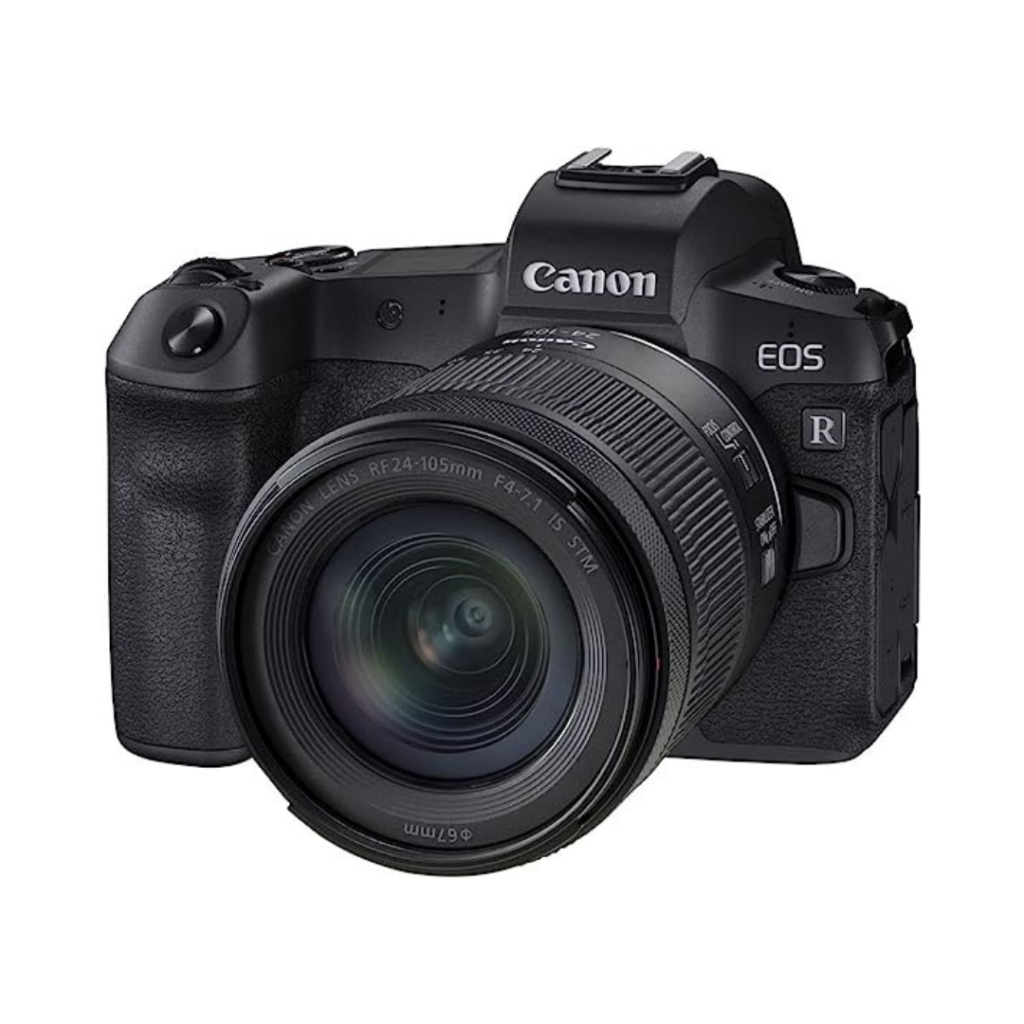
The camera that opened Canon’s mirrorless era remains a quietly excellent landscape body. The Canon EOS R carries a 30-megapixel full-frame sensor, Dual Pixel autofocus, and the RF mount that now hosts some of the finest zooms ever made. Prices have settled since newer bodies arrived, which makes it the most affordable full-frame entry on this list. For deliberate, tripod-first landscape work, it gives up very little to cameras costing twice as much.
5. Nikon Zf — the classic reborn

Nikon built the Nikon Zf with its 40mm f/2 lens to look like the FM2 that photographed a generation of Japanese landscapes. Then it filled the body with the processor from its flagship Z9. The result is a 24.5-megapixel full-frame body with eight stops of stabilization and engraved brass-feel dials. Its dedicated black-and-white mode suits temple and forest work beautifully. It is the camera on this list most likely to make you slow down — and slowing down is the point.
6. OM System OM-5 Mark II — built for weather

For Yakushima’s rain and Hokkaido’s snow, sealing beats sensor size. The OM System OM-5 Mark II weighs 370 grams and carries an IP53 dust and splash rating. Its 50-megapixel handheld high-resolution mode closes much of the gap to larger sensors. Its Live Composite mode, an Olympus-lineage trick, builds star trails and light streams in-camera. This is the body for the wet, cold, and remote corners of this guide.
7. Kodak PixPro AZ425 — the long-reach bridge

Not every trip justifies interchangeable lenses. The Kodak PixPro AZ425 packs a 42x optical zoom into a single affordable body. It reaches from wide landscape to the distant cranes of eastern Hokkaido without a lens change. Image quality will not match the mirrorless bodies above, and it does not pretend to. As a second camera for reach, or a first camera for a traveller unsure how deep this hobby will go, it earns its place.
8. CUIFATI compact digital camera — the starter

Every photographer starts somewhere, and sometimes the right first step is the least expensive one. The CUIFATI compact digital camera offers autofocus, simple controls, and a weight a child could carry all day. It suits the family member who wants their own camera on the trip. Equally, it suits the traveller testing whether photography deserves a larger investment before the next journey.
9. Fujifilm Instax Mini 12 — the memory maker

Serious kit lists rarely include an instant camera, which is a shame. The Fujifilm Instax Mini 12 prints a credit-card photograph in seconds. In Japan that becomes a social instrument. A print handed to a ryokan host or a fellow traveller opens doors that a lens never will. It also gives the trip a physical record that begins before you fly home. Film costs little, the camera is cheerful, and the prints outlast most hard drives.
Lenses

Landscape photographers in Japan walk more than they drive, so the lens question is really a weight question. One versatile zoom covers most of this guide. The four below span the honest answers, from professional glass to a single do-everything travel zoom. Japan’s two great independent lens houses appear alongside Canon and Fujifilm.
10. Canon RF 24-70mm f/2.8 L — the professional standard
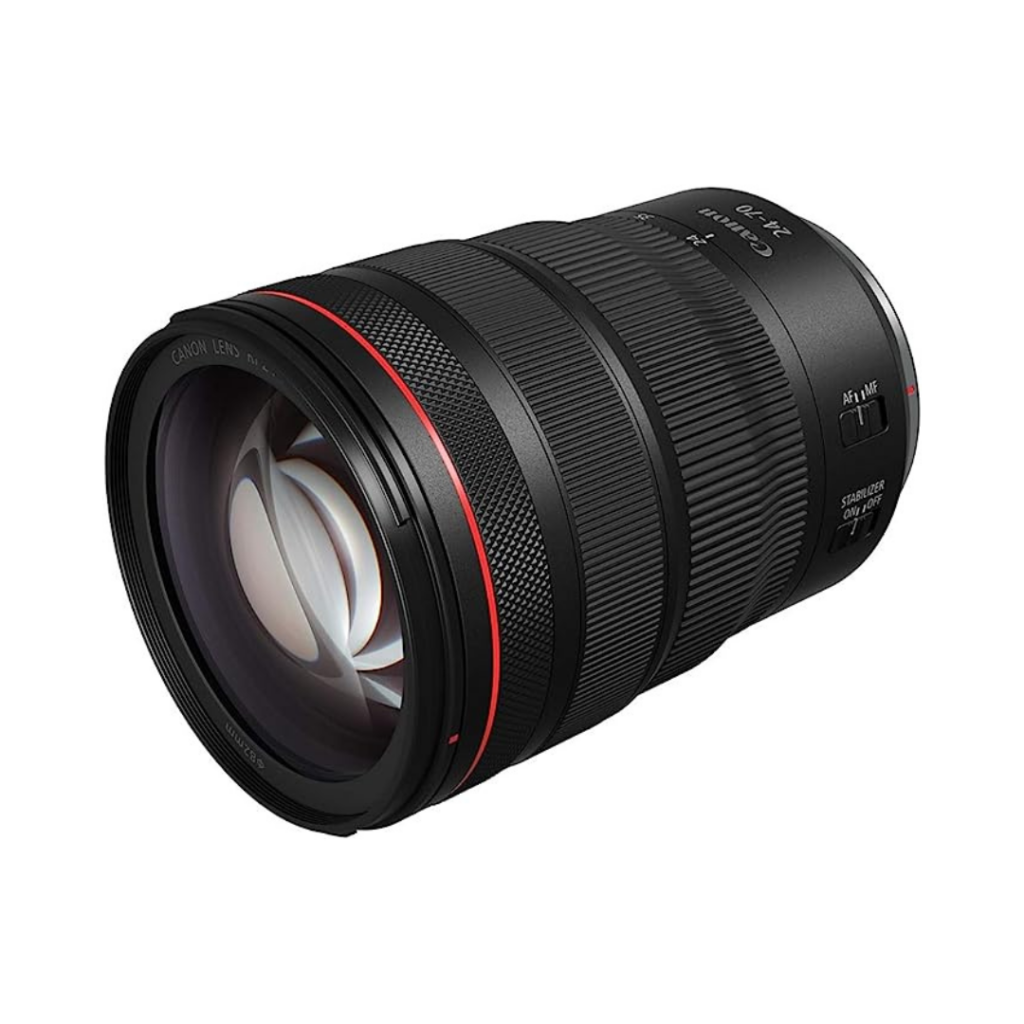
If one lens defines the working landscape kit, it is the fast standard zoom. The Canon RF 24-70mm f/2.8 L IS USM covers wide vista to compressed detail with a constant f/2.8 aperture. Five stops of stabilization and full L-series dust and weather sealing complete it. On the EOS R above it makes a two-piece kit for ninety percent of this guide. That spans Kawaguchi dawns to lantern-lit shrine corridors.
11. Fujifilm XF 18-135mm — the one-lens X-mount answer

Fujifilm shooters wanting a single travel zoom have had the same answer for a decade. The Fujifilm XF 18-135mm f/3.5-5.6 R LM OIS WR covers a 27-206mm equivalent range and adds five stops of stabilization. It also seals against dust and rain at more than twenty points. It turns any X-mount body into a walk-everywhere kit, and its weather resistance makes it a natural partner for the wetter regions in this guide.
12. Sigma 24-70mm f/2.8 DG DN Art — the independent master

Sigma grinds its glass in Aizu, in the mountains of Fukushima, and its Art line has become the connoisseur’s alternative to first-party zooms. The Sigma 24-70mm f/2.8 DG DN Art for Sony E delivers professional sharpness and a constant f/2.8 aperture at a price well below the equivalent house lens. Mounted on the a7C II above, it forms the strongest value pairing on this page for serious landscape work.
13. Tamron 28-200mm — the whole country in one lens

Tamron, founded in Saitama in 1950, built the first all-in-one zoom to open at f/2.8. The Tamron 28-200mm f/2.8-5.6 Di III RXD weighs 575 grams and runs from environmental wide to genuine telephoto, with moisture-resistant construction. Purists trade some corner sharpness for the range. Travellers trade nothing they will notice, and never change a lens on a windy Hokkaido hillside again.
Filters

Two Japanese companies, Hoya and Kenko, share a corporate family and dominate the world’s filter glass. That makes this the easiest category in the guide to keep Japanese, and one of the most transformative per gram carried. A polarizer changes autumn foliage. A ten-stop neutral density turns a waterfall to silk. The five below build a complete set in the 67mm thread most travel zooms share.
14. Hoya NXT Plus circular polarizer — the everyday essential
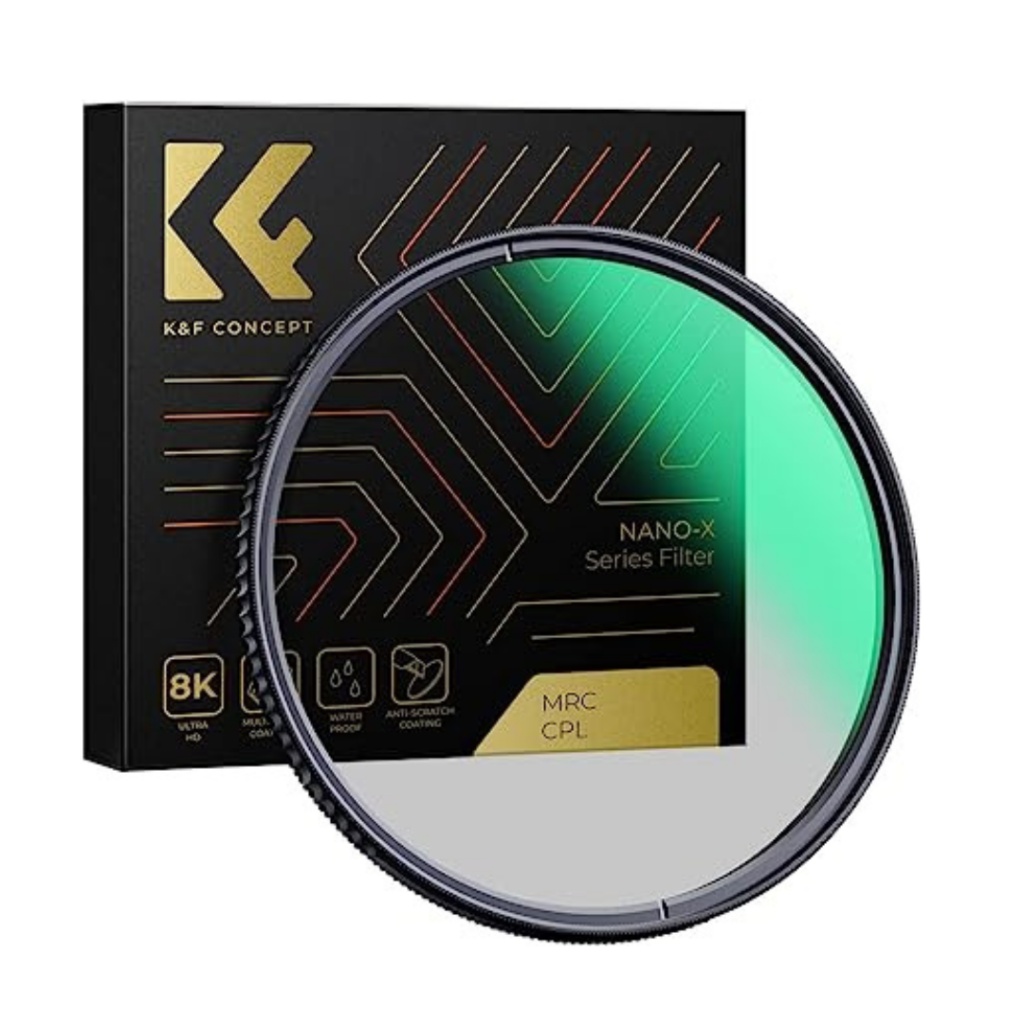
If you carry one filter to Japan, carry this. The Hoya NXT Plus 67mm circular polarizer deepens skies, saturates foliage, and strips the glare from water and wet stone. Which is to say, it improves nearly every scene in this guide. Ten layers of Hoya’s multi-coating keep flare down, and a thin aluminium frame avoids vignetting at the wide end. The effect cannot be recreated in editing, which is why polarizers survive every digital revolution.
15. Hoya HRT polarizer with UV — the bright-light hybrid

Polarizers cost light, and at dawn that cost is real. The Hoya HRT circular polarizer uses a high-transparency film that passes about a third of a stop more light than a standard polarizer. It also folds UV absorption into the same glass. It is the polarizer to leave mounted through a full shooting day, from Fuji sunrise to Kyoto dusk, without paying the usual exposure penalty.
16. Kenko Zeta ND4 — the two-stop finesse filter

Not every long exposure wants drama. The Kenko Zeta ND4 trims exactly two stops, enough to soften a temple stream or open the aperture under midday sun without blowing highlights. Kenko’s Zeta line is its premium glass, machined thin for wide-angle use. It is the subtle tool in the set, and the one that stays on the lens longest once you learn what it does for moving water.
17. Kenko PRO ND1000 — the ten-stop dramatist

The signature long-exposure look — waterfalls turned to silk, clouds streaked across Fuji, crowds erased from a shrine approach — needs ten stops of darkness. The Kenko PRO ND1000 delivers them with the colour neutrality Kenko’s vacuum-deposition coating is known for, so the whites of a waterfall stay white. Pair it with the tripods below. Nothing in this category rewards a stable platform more.
18. Kenko PRO1D Smart Variable ND — the one-filter answer

Travellers who resent filter pouches can carry the whole ladder in one ring. The Kenko PRO1D Smart Variable NDX3-450 dials smoothly from about one and a half stops to nearly nine, replacing a set of fixed filters. Variable designs show a cross pattern at their extremes, and Kenko leaves the range unlocked so you can find each lens’s usable limit. For a light bag on a long itinerary, the trade is worth it.
Tripods and Support

Every dawn photograph in this guide was made from three legs. Japan adds two local considerations. First, many temples and gardens restrict or prohibit tripods, so a small tabletop option earns its space. Second, you will carry whatever you bring up a great many steps. SLIK, founded in Tokyo in 1948, anchors the Japanese side of this category.
19. Manfrotto Befree Advanced — the travel benchmark
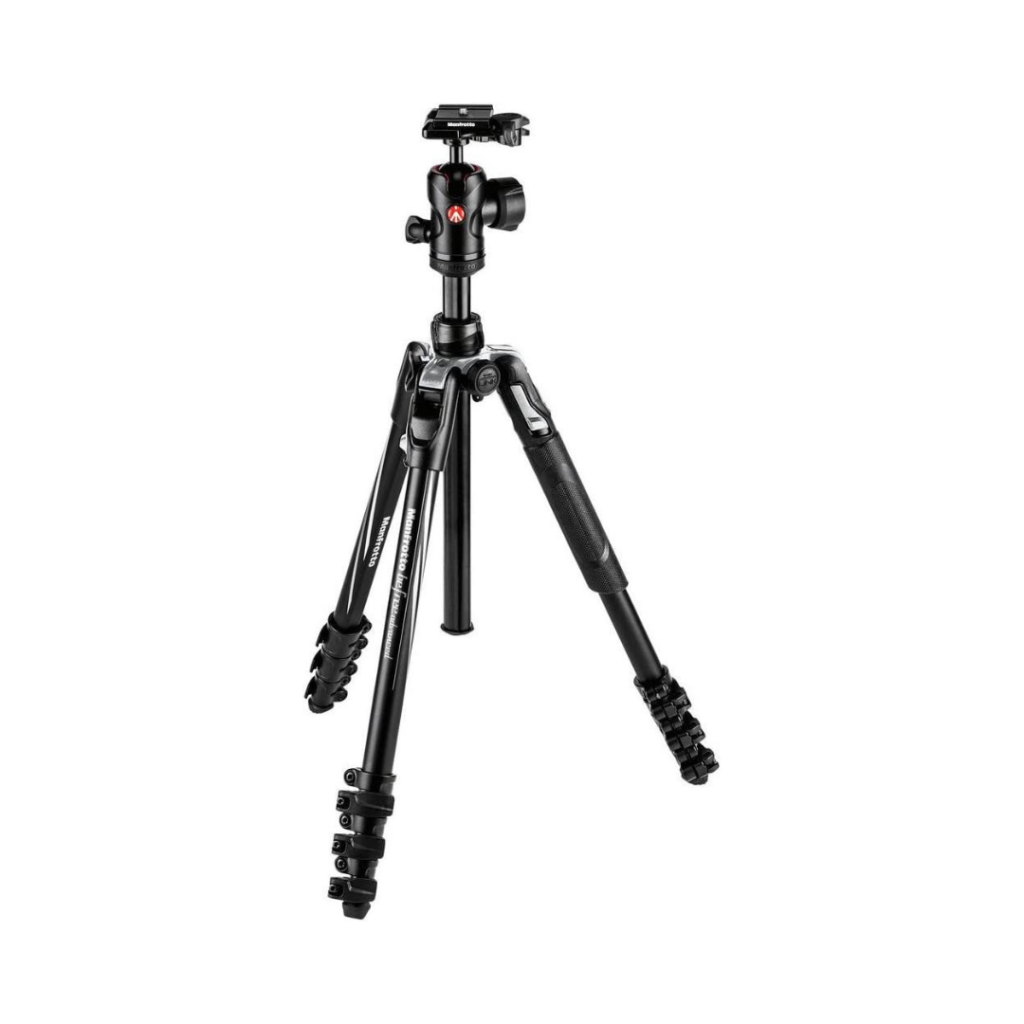
The Italian standard against which travel tripods are measured. The Manfrotto Befree Advanced folds to forty centimetres, weighs 1.6 kilograms, and holds nine kilograms steady — more than any camera-and-lens pairing on this page. Its 494 ball head locks with one knob, and the lever leg locks work in gloves — which matters at a Hokkaido sunrise. It slips inside carry-on luggage without argument.
20. SLIK Sprint Pro III — the Tokyo original

SLIK has made tripods in Japan since before most camera brands went digital, and the Sprint line is its travel classic. The SLIK Sprint Pro III with ball head weighs just over a kilogram and drops to sixteen centimetres off the ground for low foregrounds. Its reversible centre column shoots straight down for detail work. It costs roughly half the Befree and gives up remarkably little.
21. SLIK Sprint Mini III — the temple-day tripod

Some days the full tripod stays at the hotel. The SLIK Sprint Mini III folds to thirty-three centimetres, small enough for a daypack side pocket. Yet it still rises above a metre, with the same rapid leg mechanism as its larger sibling. It is the tripod you actually have with you when the evening light turns unexpectedly good, which makes it the most-used support many travellers own.
22. Lightweight 60-inch tripod — the value workhorse

Budget left after the camera should go to glass, and this is how. The 60-inch lightweight tripod with bag costs less than a pair of memory cards and extends to eye level. A three-way pan head and carry bag are included. It flexes more than the tripods above and dislikes strong wind. For calm-weather lake reflections and self-timed group photographs, it does the job for a fraction of the outlay.
23. Flexible tripod with remote — the anywhere mount

Railings, branches, and fence posts become tripods with wrapping legs. The portable flexible tripod with wireless remote grips where legs cannot stand. Its remote fires the shutter from metres away — useful for timed exposures, and for finally appearing in your own photographs with Mount Fuji behind you. It weighs almost nothing and lives permanently in an outer pocket.
24. Lightweight phone tripod — the second-angle stand

Modern trips are shot on two cameras, and the phone deserves legs of its own. This lightweight phone and camera tripod holds either device, so the phone can run a time-lapse of drifting cloud while the main camera works the foreground. It doubles as a backup should the primary tripod fail mid-journey, and its cost makes that insurance nearly invisible.
Bags, Straps, and Carry

Japan is a walking and rail country, and the bag decides how far the kit travels willingly. The three pieces below cover the daily pack and the full expedition load. And, in a nod to the country this guide serves, a strap woven by hand in Kyoto.
25. Peak Design Everyday Backpack 20L — the daily carry

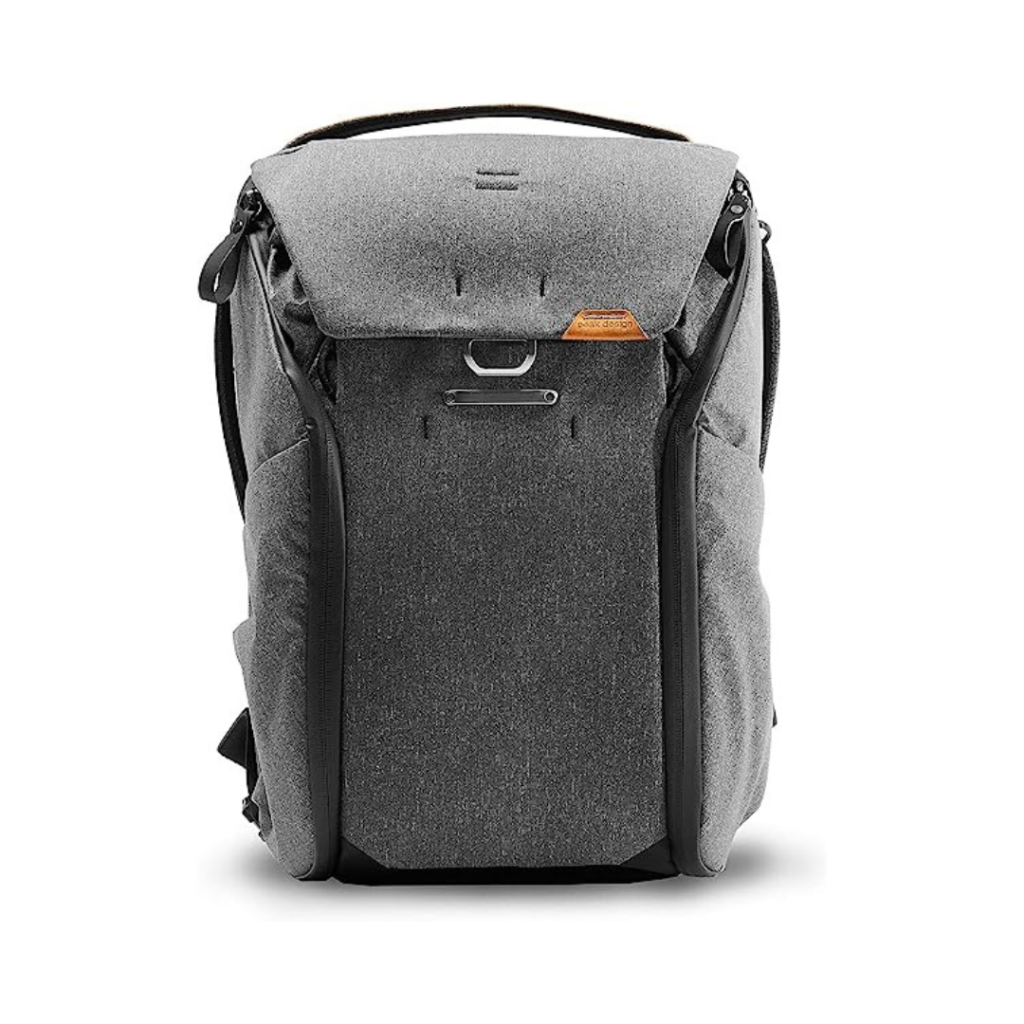
The Peak Design Everyday Backpack 20L has become the default photography daypack for a reason. Side access reaches the camera without removing the bag, and folding dividers reconfigure around any kit on this page. Meanwhile, the weatherproof shell shrugs off the drizzle that finds every Kyoto afternoon. It passes as an ordinary city backpack, which in crowded stations is a discreet security feature of its own.
26. Lowepro ProTactic 450 AW II — the expedition pack
When the trip carries two bodies, four lenses, filters, and a laptop, the daypack surrenders. The Lowepro ProTactic 450 AW II opens from the top, both sides, and the back, and wears a built-in all-weather cover. Its armored shell protects gear through baggage handling and mountain weather alike. It is the pack for the Hokkaido and Yakushima legs, where resupply is a day away and everything must come along.
27. ARTISAN&ARTIST silk cord strap — the Kyoto touch

Kumihimo, the braided silk cord once made for samurai armor and kimono sashes, survives in the workshops of Kyoto — and in this strap. The ARTISAN&ARTIST hand-woven silk strap is braided by a long-established Kyoto artisan house, breathes in summer heat, and wraps into a wrist strap in seconds. It weighs nothing, carries centuries, and turns the camera itself into a small piece of the country it photographs.
Memory Cards and Field Optics

The least glamorous purchases protect everything else. A failed card loses a journey. Four cards below span the reliability tiers. Then two optics close the list, bringing distant wildlife and far ridgelines near before the shutter ever fires.
28. SanDisk Extreme PRO UHS-I — the reliable standard

For a decade this has been the default professional card, and it is still the sensible baseline. The SanDisk Extreme PRO 128GB UHS-I reads at up to 200 megabytes per second and writes fast enough for burst RAW work. It is also rated against temperature, water, shock, and X-ray. Buy two. Cards are the one item on this list where a spare is not optional.
29. SanDisk Extreme PRO UHS-II — the speed upgrade

High-resolution bodies and evening hotel edits both reward faster cards. The SanDisk Extreme PRO 128GB UHS-II lifts transfers to 280 megabytes per second and sustains V60 video capture. A day’s RAW files clear in the time it takes tea to steep. If your camera has a UHS-II slot — most bodies in the cameras section do — this is where the money shows daily.
30. Lexar Professional 2000x — the video-grade card

Photographers who also cut travel film need sustained write speed, not just peak numbers. The Lexar Professional 2000x 128GB carries a V90 rating, the highest SD video class. It writes at up to 260 megabytes per second without dropping frames on high-bitrate 4K. It is the card for anyone bringing home the Hokkaido winter in motion as well as stills.
31. Sony TOUGH-G — the indestructible option

Sony rebuilt the SD card as a single moulded piece, with no ribs to snap and no write switch to break. Then it rated the result to survive five metres underwater for three days. The Sony TOUGH-G 128GB also happens to be among the fastest cards made, at 300 megabytes per second read. For the Yakushima leg, where everything gets wet eventually, this is the card that lets you stop thinking about it.
32. Celestron Nature DX 8×42 — the scouting glass

Landscape photographers scout more than they shoot, and good glass finds the frame before the walk begins. The Celestron Nature DX 8×42 binoculars are the enthusiast standard — fully multi-coated, waterproof, and bright enough for the dawn hours when cranes and deer move. In eastern Hokkaido they are not an accessory. They are how you find the photograph.
33. Compact travel binoculars — the pocket pair

The full-size pair stays home on city days, which is when a distant rooftop garden or a hawk over the castle moat inevitably appears. These compact folding binoculars weigh under two hundred grams and disappear into a jacket pocket. They round out the kit at thirty-three pieces — and they are the item most often borrowed by whoever you travel with.
Thirty-three pieces assembled, one question remains — where to buy them well. The honest answer depends on whether you shop before the journey or during it.
Where to Buy Camera Gear for Japan
Three routes cover most photographers, at home and on the ground.
The first is the specialty camera retailer. Dedicated photo dealers carry current Japanese bodies and glass, employ staff who shoot, and handle manufacturer warranties cleanly. In the United States the established photo houses fill this role, and most ship nationwide within days.
The second is the broad online marketplace, where every item in this guide is linked. Selection is widest and reviews are dense. The one discipline required: check that the seller is the brand’s authorized channel, because grey-import bodies can carry warranties that Japanese makers will not honour abroad.
The third route is Japan itself, and it is the best of the three. Tokyo’s Shinjuku district is the densest camera retail quarter on earth. Yodobashi Camera’s flagship fills several buildings, and Map Camera’s floors of immaculate secondhand lenses draw photographers from every continent. Prices on Japanese brands often undercut home markets, and consumption-tax refund counters serve travellers directly. If a photography journey is taking shape, you can plan the trip around the light, and we can build a Shinjuku morning into the itinerary.
Questions Worth Asking
When is the best time for landscape photography in Japan?
The two peak windows are cherry blossom season, roughly late March to mid April moving south to north, and autumn foliage from late October to early December moving north to south. Winter offers the clearest air for Mount Fuji and transforms Hokkaido, while June’s rains give Yakushima and Kyoto their most atmospheric moods.
Where are the best places to photograph Mount Fuji?
The classic viewpoints are Chureito Pagoda in Fujiyoshida, the north shore of Lake Kawaguchi for reflections, Arakurayama Sengen Park, the spring ponds of Oshino Hakkai, and Hakone with Lake Ashi to the south. Dawn gives the clearest air, and the mountain is most reliably visible from November through February.
What camera should I bring to Japan?
For most travellers, a fixed-lens compact such as the Fujifilm X100VI or Ricoh GR IIIx covers the trip in one pocketable body. Photographers wanting full-frame quality and lens choice are well served by a compact mirrorless body with a single versatile zoom. Weight matters more than specification, because Japan is explored on foot.
Are tripods allowed at temples and gardens in Japan?
Frequently not. Many temples, shrines, and formal gardens prohibit tripods to protect grounds and manage crowds, and some restrict photography altogether in interior halls. Check signage at each site, carry a small tabletop tripod for where full legs are unwelcome, and lean on image stabilization for handheld work indoors.
Which filters matter most for Japan landscape photography?
A circular polarizer is the single most valuable filter, deepening skies and cutting glare from water, wet stone, and glossy foliage. A strong neutral density filter, around ten stops, enables the silk-water waterfall and cloud-streak effects, while a light two-stop ND refines moving water without theatrics.
Can I fly a drone for landscape photography in Japan?
Only within strict limits. Drones over one hundred grams must be registered, flights near airports, over people, and above most urban areas are restricted, and national parks and temple precincts commonly prohibit them outright. Permissions are administered by the civil aviation authority and take time, so most visiting photographers plan ground-based work instead.
How much camera gear should I carry in Japan?
Less than you think. Rail journeys, stairs, and long temple days punish heavy bags, and coin lockers only partly compensate. A body, one versatile zoom, a polarizer, a compact tripod, spare cards, and spare batteries cover nearly every scene in this guide while keeping the pack under handful weight.
Where can I buy camera gear in Japan?
Tokyo’s Shinjuku district is the country’s camera retail heart, led by Yodobashi Camera’s flagship and Map Camera’s renowned secondhand floors, with Bic Camera branches nationwide. Prices on Japanese brands are often favourable. Consumption-tax refunds are available to travellers. The secondhand market is graded with unusual honesty.

The country and the kit
Japan landscape photography is a long apprenticeship in patience — waiting for the mist to lift at Kawaguchi, for the tide to rise at Miyajima, for the bamboo to empty at Arashiyama. The thirty-three pieces above cannot supply the patience. What they can do is make sure that when the moment arrives, nothing in the bag stands between you and it. Start with one camera and one polarizer. The rest of the kit, like the country, reveals itself a journey at a time.

Cream-paper journals for the unhurried side of the journey — where the light was, what the frame could not hold.
View the Journals →For the neon end of the craft, our guide to Tokyo night photography takes the camera into the city after dark. And for the capital’s most photographed corners, the Tokyo photo hotspot guide maps them district by district.
Stand Where These Photographs Are Made
Our custom itinerary service builds your Japan journey around the light — dawn at Lake Kawaguchi, the tide at Miyajima, first colour in Daisetsuzan. Tell us the photographs you want to make, and we will shape the route, the seasons, and the mornings to match.
Plan Your Custom Japan Itinerary