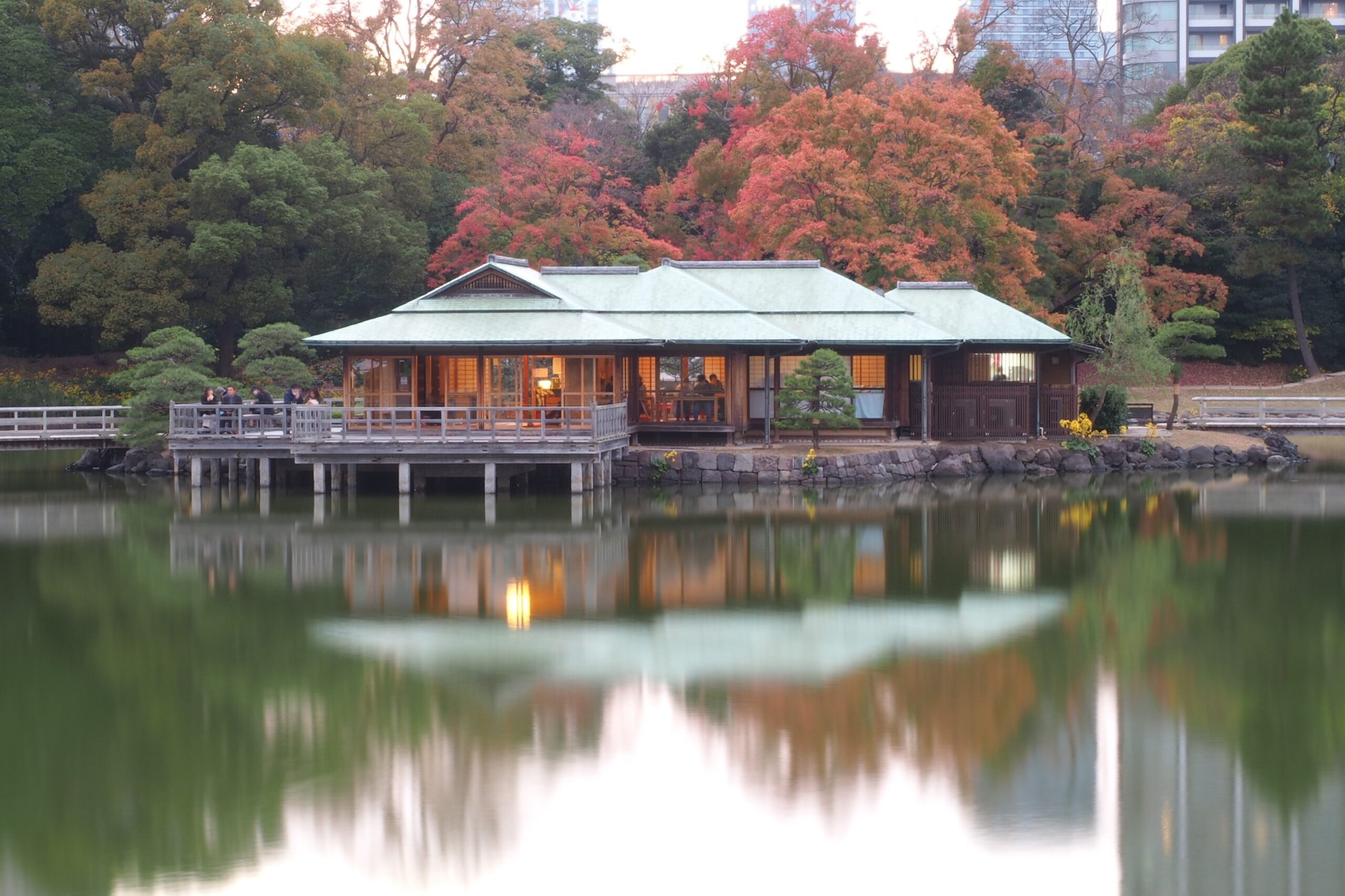
Tokyo does not hand over its beauty on the first afternoon. The beautiful places in Tokyo rarely announce themselves, and at street level the city reads as concrete and signage. Then the light drops behind the Shinjuku towers. Or a garden gate opens onto three hundred years of borrowed scenery, and the city changes entirely.
What follows is a working list rather than a ranking. It groups the places by the kind of beauty each one offers, and it gives the hour and the week when each one delivers. Timing matters here more than in almost any other capital. The same garden feels crowded at two on a Saturday, yet at nine on a Tuesday it is a different place. For the wider set of things to do, see thirty-seven Tokyo experiences worth planning around.
What is the most beautiful place in Tokyo?
Rikugien, in the third week of November, within an hour of opening. The garden dates from 1702, and its pond holds the maple color twice over. The close second is the canal at Nakameguro in the eight days the cherry blooms. Almost everything else on this list depends on the hour and the month.
How to Choose Among the Beautiful Places in Tokyo
Choose by hour first and address second. Most of the beautiful places in Tokyo change completely between opening time and mid-afternoon. A garden at nine and the same garden at three are barely the same experience. So the useful question is not which places are worth seeing. Instead, ask which ones repay the hour you give them.
That framing matters because daylight is the real limit on a Tokyo trip. Most visitors have four days and a list of thirty items. They cannot see everything, and they should not try. The beautiful places in Tokyo reward the visitor who picks fewer and arrives at the right time.
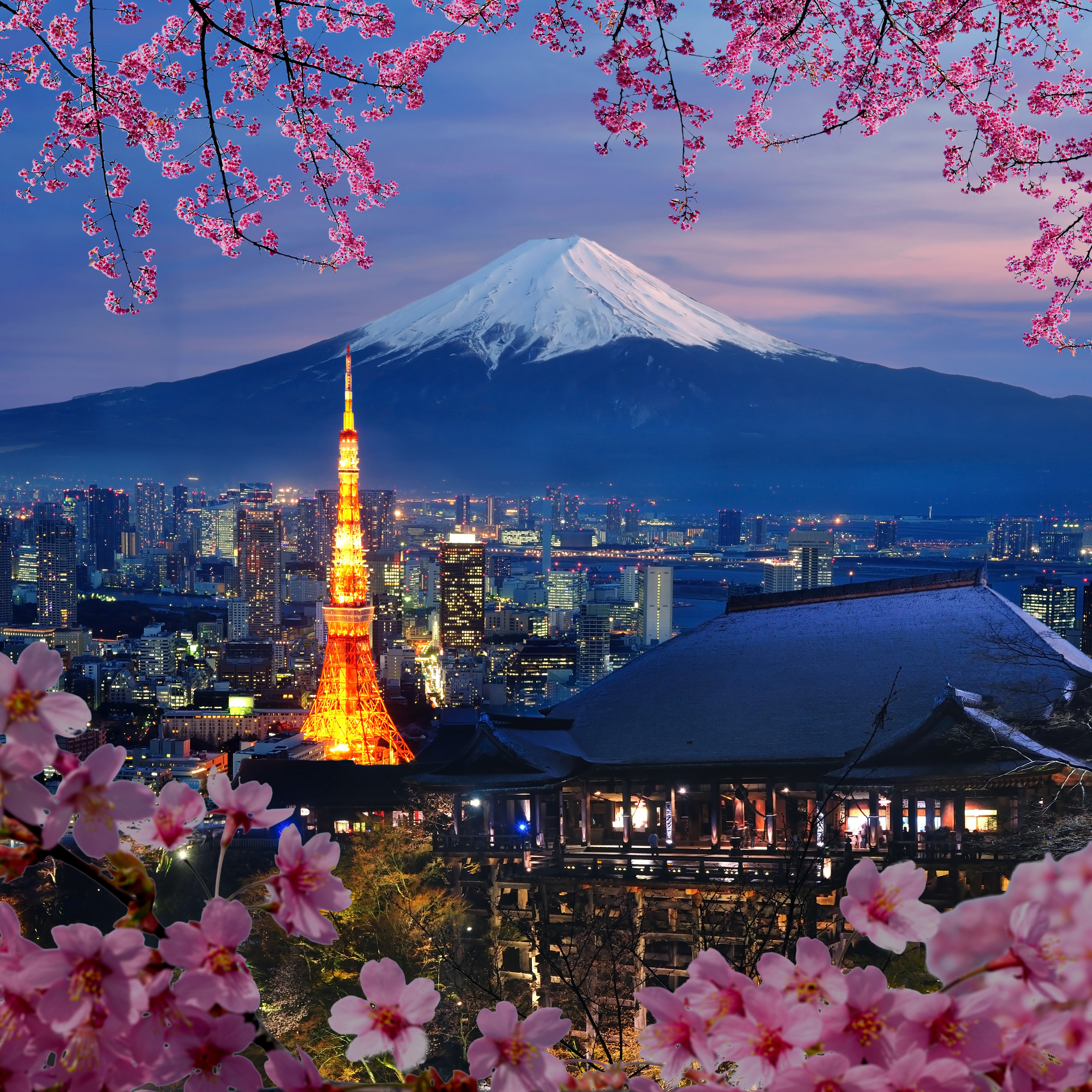
Three filters do most of the work. First, decide whether you want designed beauty or found beauty. The gardens and landmarks are composed, while the alleys and river edges are accidental. Second, check the season, because about half this list changes character between April and November. Third, look at where each place sits on the map. Tokyo punishes zig-zagging far more than it punishes early mornings. Group the places by district, then by hour, and the days start to build themselves.
Gardens: The Most Reliable Beautiful Places in Tokyo
Tokyo’s gardens are the city’s most underrated asset. Several predate the modern city by centuries. They survived the 1923 earthquake and the 1945 air raids in some form, and now towers their designers never imagined surround them. That contrast is the point rather than a compromise.
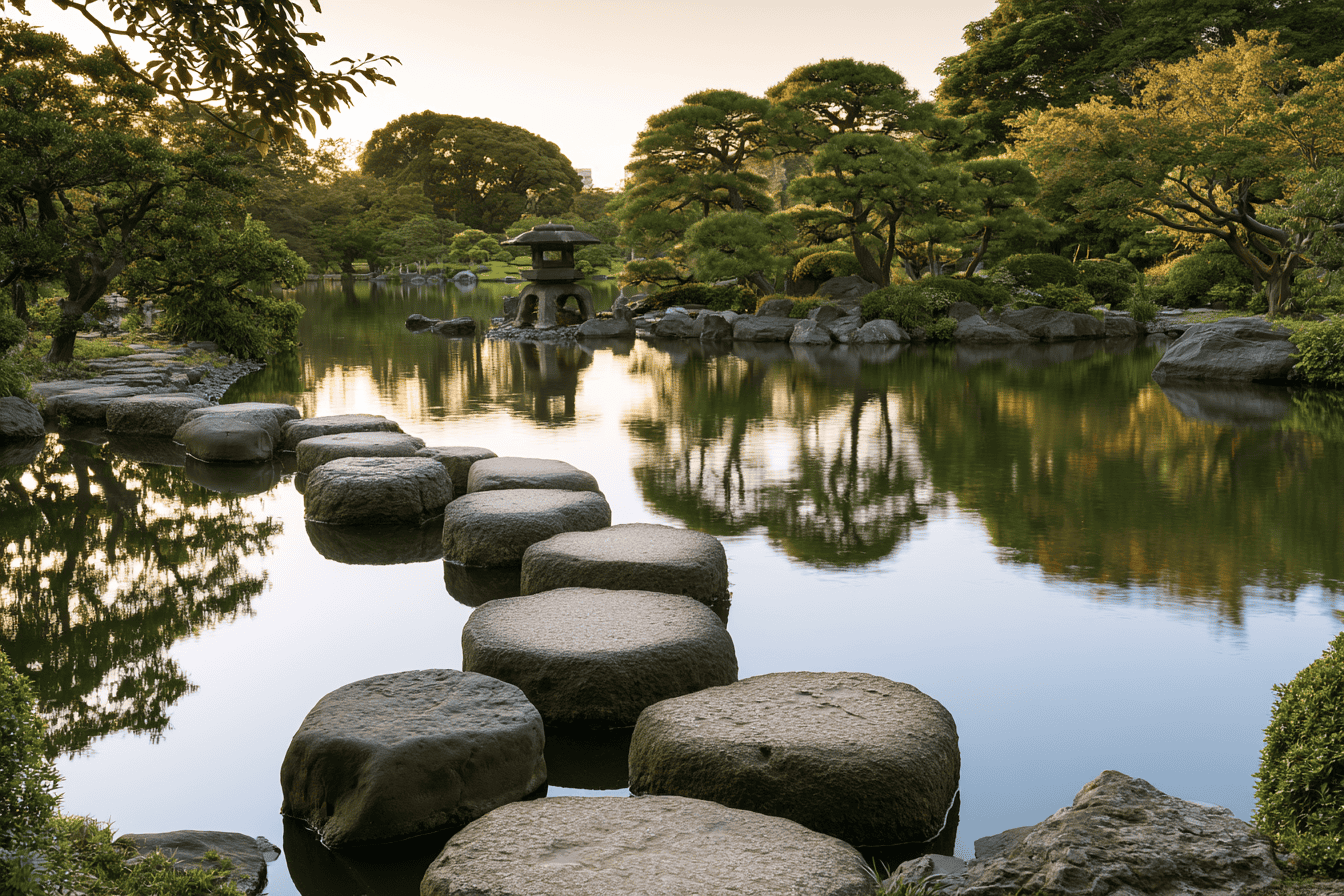
Shinjuku Gyoen sits right behind one of the busiest stations on earth. Inside are Japanese, French and English gardens, along with late-blooming cherry trees that stretch the season. Go at opening, before the lawn fills, and note that it closes on Mondays. Hama-Rikyu, a former shogunal estate on the bay, has tidal ponds and a teahouse on an island. Go in the late afternoon, when the Shiodome towers behind it catch the light. Kiyosumi is a stroll garden built around a pond. Its stepping stones cross the water at ankle height, and on a weekday the turtles and herons outnumber the visitors.
A compact guide that sorts the city by what is worth looking at rather than what is famous. It suits a reader who wants architecture as much as sights.
See the Wallpaper* Tokyo Guide →The story of a city rebuilt after fire, earthquake and war. It explains why some gardens and streets survived and most did not.
Read Tokyo: A Biography →A pocketable camera with a large APS-C sensor and a 40mm-equivalent lens. It handles dim lanes far better than a phone does.
View the Ricoh GR IIIx →Rikugien and Koishikawa Korakuen
Rikugien is the most complete Edo-period stroll garden in the city. Yanagisawa Yoshiyasu, a close adviser to the shogun, created it in 1702 around the theme of waka poetry. Paths circle a central pond with small hills and islands, and every turn opens a new composed view. In autumn the maple reflections are the single best color display Tokyo produces. Go at opening in mid to late November, and walk the full loop before the paths fill. Then sit for a while by the water. The garden was made for slow looking, and it gives back the most to people who stay put.
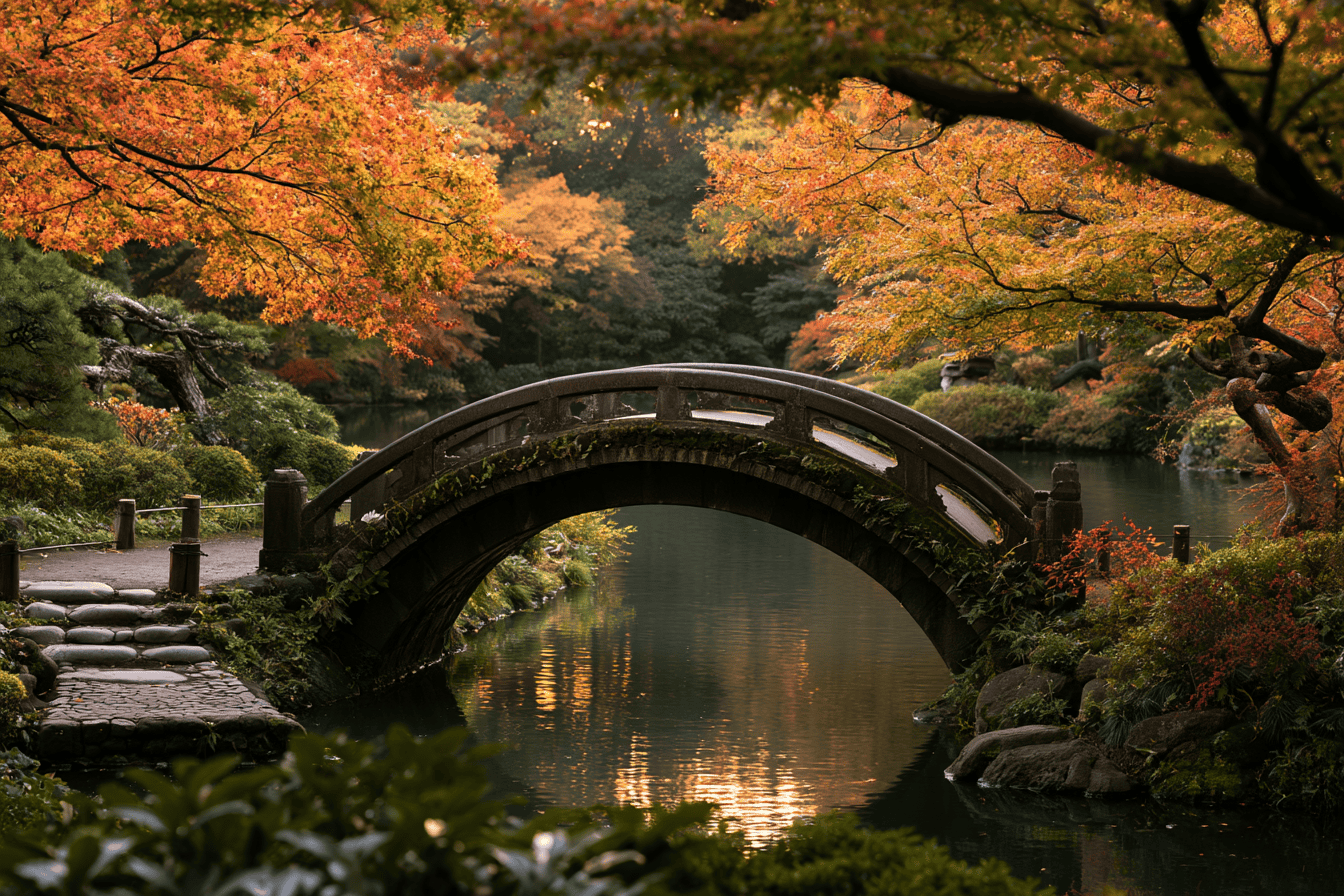
Koishikawa Korakuen is older still, and it stays calmer because it sits beside a baseball stadium. Most visitors assume the stadium ruins it. It does not. The garden turns its back on the city and recreates scenes from China and Kyoto in miniature. A stone bridge arches over the water, and in late November the maples above it turn deep red. Any weekday morning works here. Iidabashi Station is a short walk away, so it pairs easily with a morning elsewhere in the center. Give it an hour, and walk the far side of the pond first, where the crowds rarely reach.
For the station you got off at, the hour the light was right, and the garden worth a second visit.
6 × 9 in · 120 unlined pages · matte softcover
Shop This Journal →If you have time for only one garden, let the month decide. Rikugien in November has no equal. Shinjuku Gyoen wins in early April on the sheer range of its cherry trees. Kiyosumi is the one to choose in June, or on any day that has turned crowded elsewhere. Whichever you choose, arrive at opening and leave before the lunch crowd.
Landmarks and Old Tokyo
Two of the places below are among the most visited in the country, and that cuts both ways. The architecture and the grounds justify the trip. However, your chosen hour decides whether you see them or simply queue through them.
At Meiji Shrine the approach matters more than the buildings. People planted about 100,000 trees to create its forest, and the wide gravel path under that canopy is one of the calmest walks in central Tokyo. Go within thirty minutes of sunrise. Sensoji in Asakusa is the oldest temple site in the city, approached through a shopping street that has traded for centuries. Visit before seven or after nine at night, when the lit gates and pagoda stand almost empty.
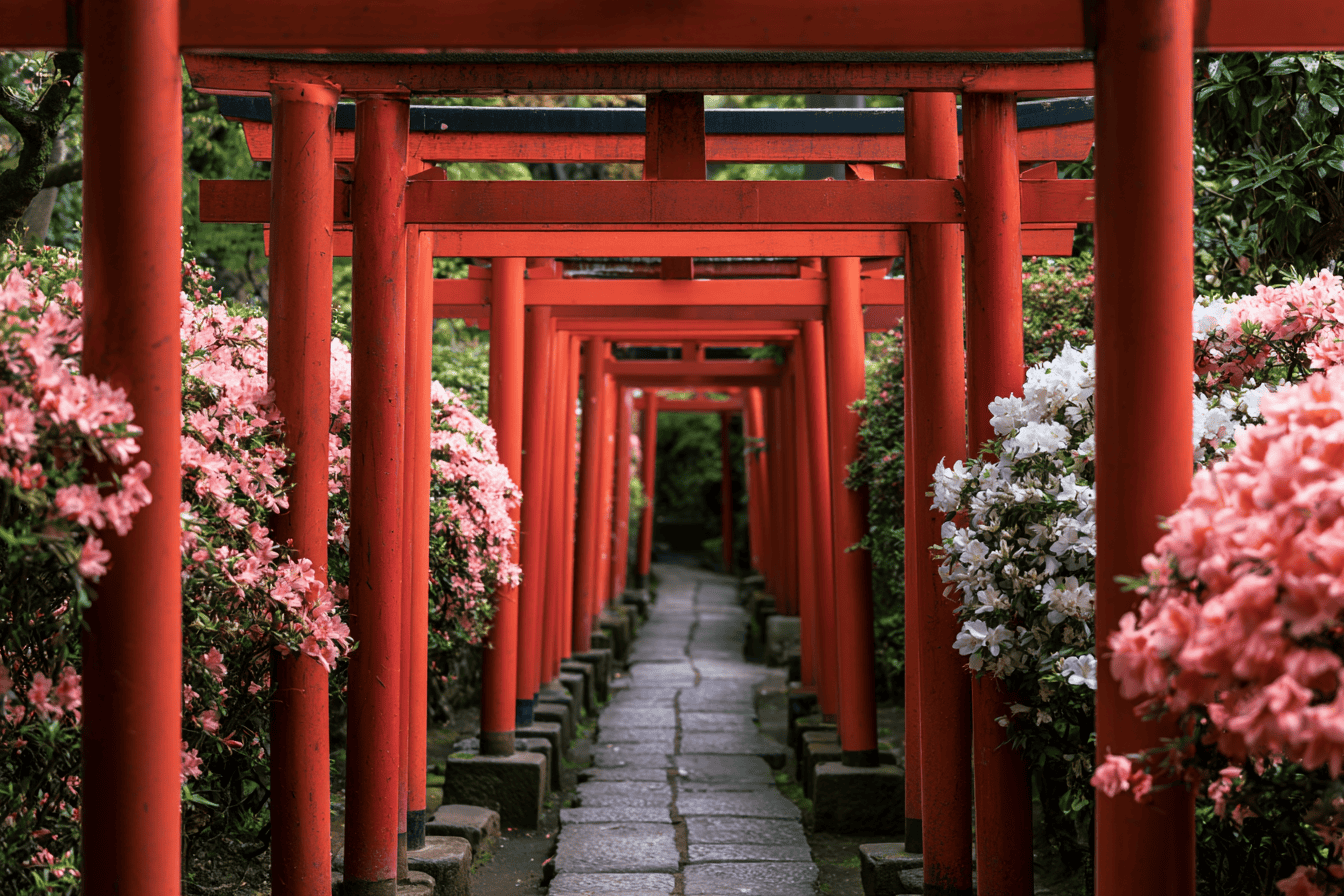
The other two draw a fraction of the crowd, which is their whole appeal. Yanaka is the district that survived. It has wooden houses, a long shopping street, working studios, and a cemetery avenue that turns into a corridor of cherry in spring. Nezu Shrine, small and early eighteenth century, has a tunnel of vermilion gates climbing the slope behind it. Below, a pond garden fills with azalea from mid-April.
Read the hour column first; in Tokyo it decides more than the address.
| Place | Go at | Best season | Route day |
|---|---|---|---|
| Rikugien | Opening hour | Mid to late November | Northern |
| Nakameguro | First light | Late March to early April | Western half day |
| Metropolitan Government Building | First hour | December to February | Western |
| Tokyo Skytree | Forty minutes before sunset | Winter, for clear air | Eastern |
| Golden Gai | 9 to 11pm | Cold months | Western |
| Ginza | Weekend afternoon | Any season | Southern |
A Northern Morning
Yanaka deserves more than a paragraph, and the walk from Nippori through the cemetery and along the shopping street fills a comfortable half day. Our account of Yanaka’s surviving pre-war streets maps the route in detail. Pair it with Nezu Shrine and Rikugien for a strong northern morning, since all three sit within a short ride of one another. Start early, wear shoes you can walk in for hours, and leave the afternoon open. The northern side of the city rewards an unhurried pace more than any other part of Tokyo.
Prefer to have the days sequenced for you? A custom Japan itinerary builds the Tokyo route around your dates, the light and the season.
What to settle before your first trip, in the order it matters: documents, money, transport, then the first days.
Take Rikugien at opening, then Nezu, then Yanaka. By the time you reach the cemetery avenue it still holds its morning light, and the studios on the shopping street have opened. None of the three draws the volume Asakusa does. Asakusa, by contrast, belongs to an eastern day with the river. Keep the two apart and both mornings stay calm. For lunch, the shopping street in Yanaka has small counters and snack stalls, so there is no need to leave the area. Afterward, walk downhill toward Nezu and Sendagi, where the side lanes hold old wooden houses and small studios.
Skyline Views and Night Streets
Tokyo has more viewing decks than any city needs, and they vary widely in value. The question that matters is whether a deck faces something worth facing. Two are worth the effort, and one asks no admission at all. A tower above flat gray sprawl takes as much of your evening as one that frames Fuji at sunset. So the decks deserve more thought than they usually get. The rule that works is simple: one daylight view for the layout of the city, and one after dark for the lights. Put them on different days, and do no more than two in a trip.

Rooftops and Towers
Tokyo Skytree stands 634 meters tall, with decks at 350 and 450 meters. The upper one is a sloping spiral ramp that circles the tower, and it handles crowds far better than most decks do. Go forty minutes before a winter sunset and watch the city switch on below you, district by district. The Metropolitan Government Building is the best value view in the city. Its observatories sit at 202 meters, there is no admission charge, and on clear mornings the view sometimes reaches Fuji. The two towers close on alternating days, so check which one is open before you ride up.
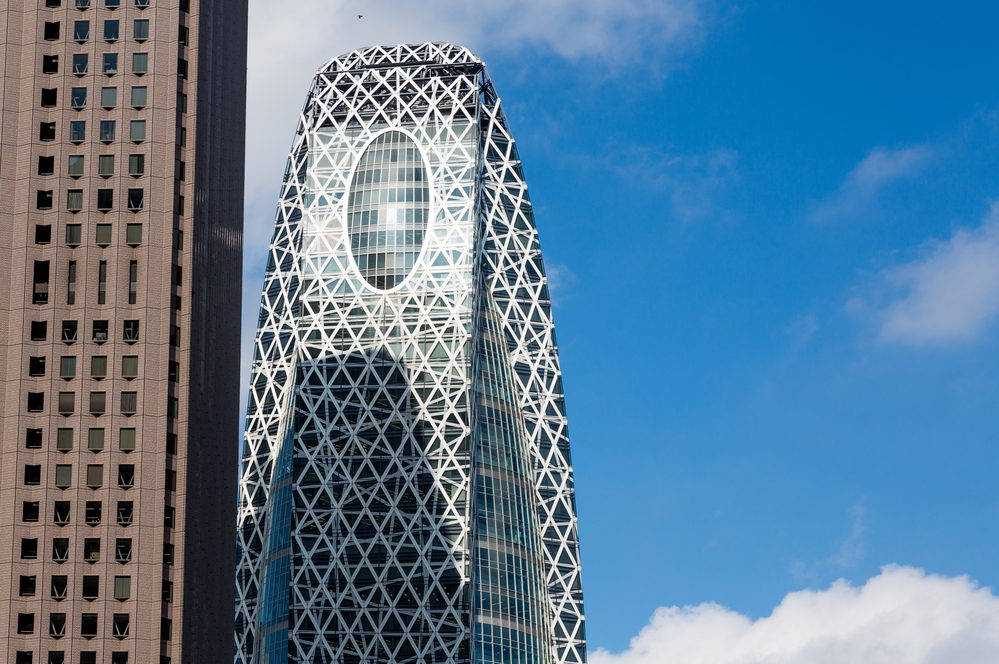
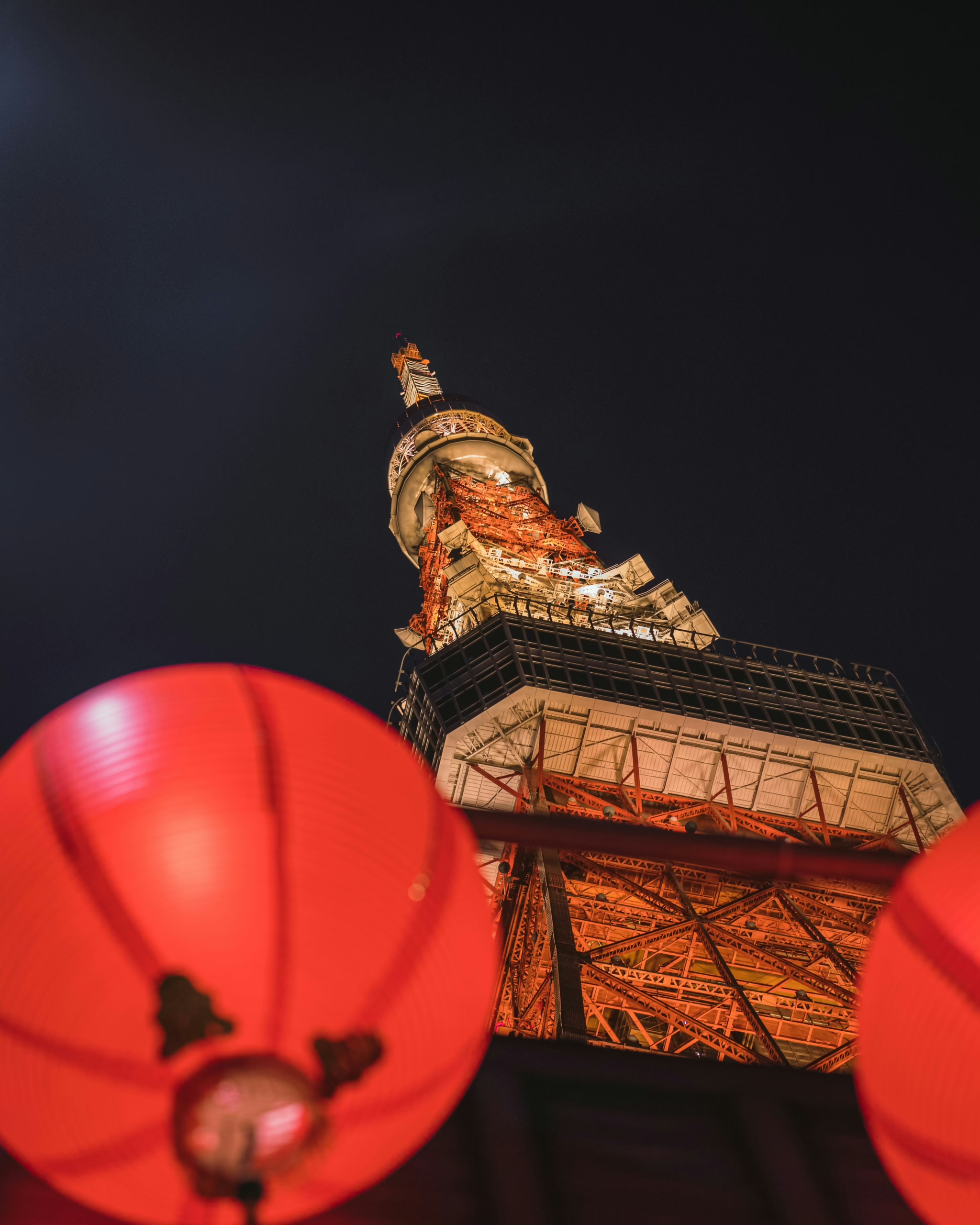
Shibuya Sky is an open rooftop rather than a glazed deck, with wind, sky and a direct view down onto the crossing. Book the slot that starts thirty minutes before sunset. Tokyo Tower, by contrast, is better looked at than looked from. The 1958 lattice tower, painted orange and white, is the most photogenic object on the skyline. View it after dark from Roppongi or the Zojoji approach. The Mori Tower deck in Roppongi is the one view that puts Tokyo Tower in the frame, which is why it fills so many postcards. If you do go up the tower itself, wait for a short queue.
Recommended
After Dark: Golden Gai, Omoide Yokocho and Yurakucho
Night is when Tokyo stops resembling other cities. The scale drops, and the alleys light up from inside. Golden Gai holds six lanes of tiny two-story bars in Shinjuku, many seating only six people. It is a surviving fragment of post-war Tokyo, and the architecture is the draw whether or not you drink. Go between nine and eleven. Omoide Yokocho sits on the other side of Shinjuku Station. It is narrower and smokier, and almost every stall grills skewers under a low canopy of signs. Go between six and eight, when the grills are going, and note that several stalls now ask guests not to take photos.
Further east, the arches under the railway at Yurakucho hold small restaurants, and trains pass overhead every few minutes. It is loud, lit from below and one of the most distinctive spaces in the city. Shibuya Crossing earns its place only after dark in the rain, when umbrellas and reflected signs fill the frame.
For a camera-led route through the west, our guide to neon night photography in Shibuya and Shinjuku fits the task well. Whatever the route, check the last train before you set out, not after. Trains thin out after midnight, and the last useful connection to most central hotels leaves before one. Taxi lines outside Shinjuku grow long after that, so leave by half past eleven and keep the evening whole.
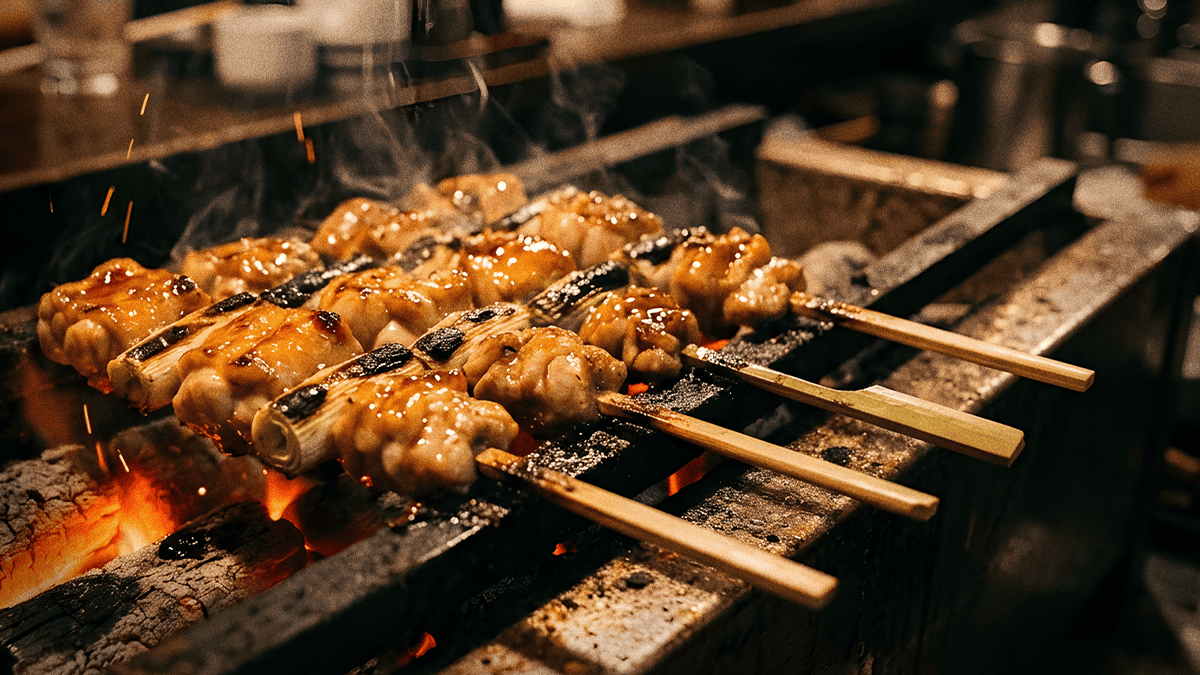
Yakitori is grilled chicken on bamboo skewers, cooked over charcoal and brushed with a sweet soy tare. It is the dish of the smoky lanes at Omoide Yokocho and the counters under the Yurakucho arches.
- 1 1/2 pounds boneless chicken thighs, cut into 1-inch pieces
- 6 scallions, white and pale green parts, cut into 1-inch lengths
- 1/2 cup soy sauce
- 1/2 cup mirin
- 2 tablespoons sake
- 2 tablespoons sugar
- 12 bamboo skewers, soaked in water for 30 minutes
- Shichimi togarashi, to serve
- Simmer the soy sauce, mirin, sake and sugar in a small pan for about 10 minutes until slightly thickened, then set the tare aside.
- Thread the chicken and scallion pieces alternately onto the soaked skewers.
- Grill the skewers over medium-high heat for about 4 minutes, turning once, until the chicken starts to color.
- Brush the skewers with tare and grill for 1 minute more; repeat two or three times until glossy and cooked through.
- Serve hot with a last brush of tare and a pinch of shichimi togarashi.
Beautiful Places in Tokyo Beyond the Center
These places sit outside the usual circuit, and each needs a deliberate decision to travel. That filter is exactly why they stay pleasant. None sits more than forty minutes from Shinjuku. Together they hold the beautiful places in Tokyo that look least like a capital city.
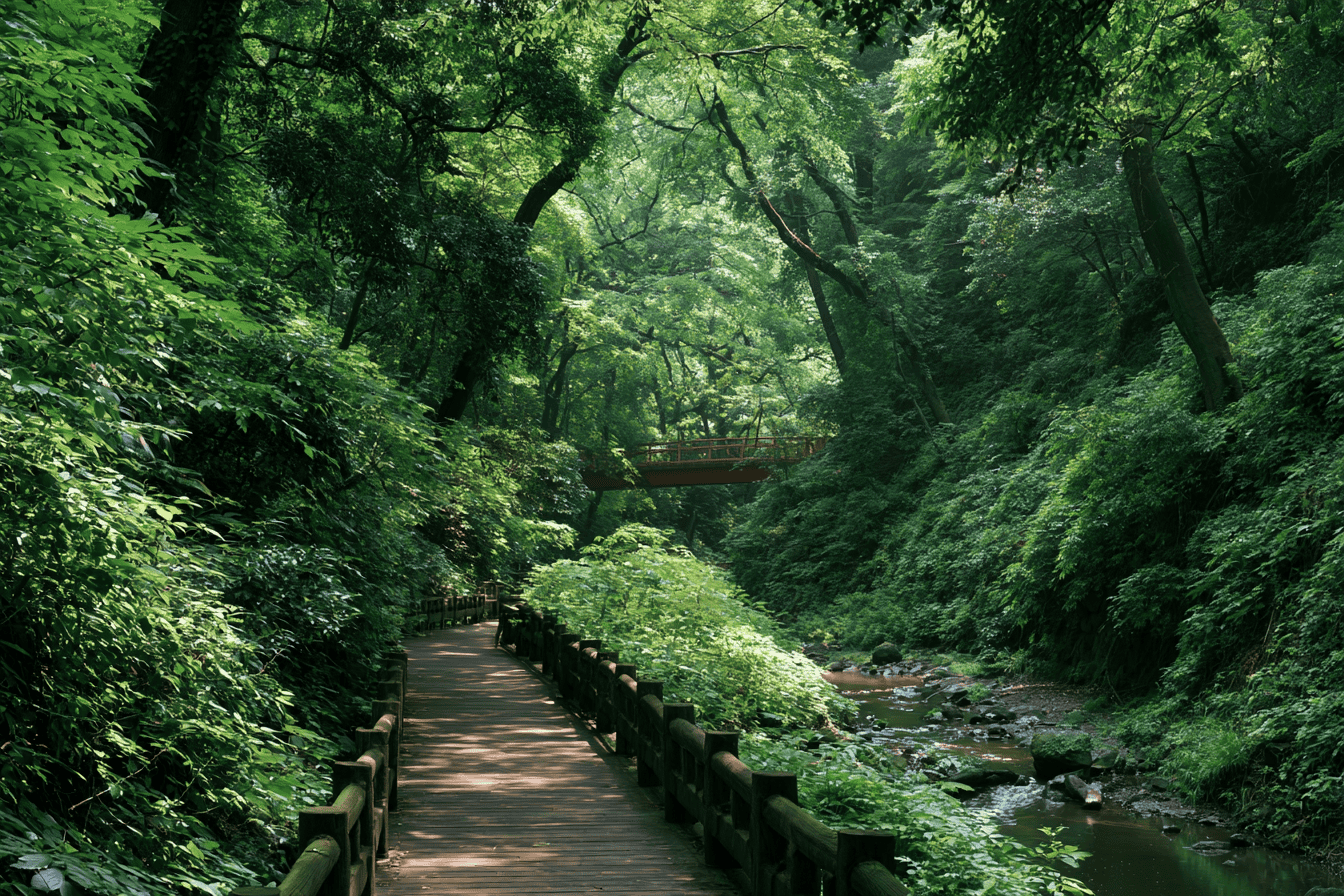
Todoroki Valley is a one-kilometer ravine inside the city limits, with a stream at the bottom and air that feels cooler than the streets above. Red footbridges cross it, and the whole walk takes half an hour. Inokashira Park, in Kichijoji, rings a large pond with cherry trees that lean over the water. In early April the surface disappears under petals.
The wider 28mm-equivalent version of the GR. It suits tight spaces like the Yurakucho arches, where there is rarely room to step back.
See the GR III Street Edition →A light, water-repellent shell that packs into its own pouch. Tokyo showers arrive with little warning, and this folds into a bag pocket.
View the Men's Parka →The women's cut, with a brimmed hood and the same water-repellent finish. It packs small enough for a long day between gardens.
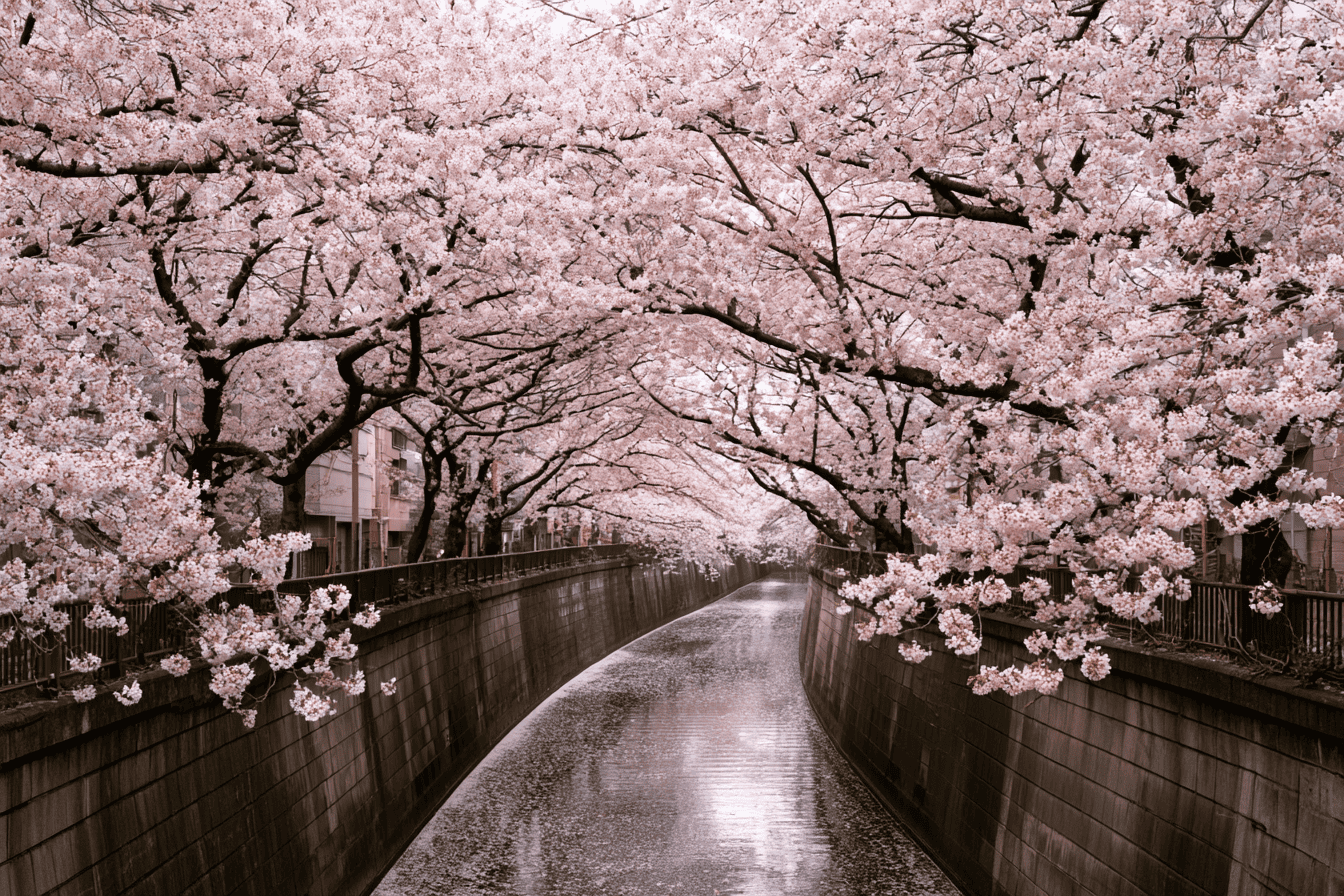
View the Women's Parka →Nakameguro runs four kilometers of canal lined with cherry trees. In the eight days it blooms, it is arguably the most beautiful place in the city. Chidorigafuchi does the same along the Imperial Palace moat, where rowing boats drift under a kilometer of blossom. Come early, because the boat queue forms before nine in season. Finally, the Sumida River promenade runs for kilometers with Skytree on one bank and Asakusa on the other. Walk it north at sunset. Its bridges date from the rebuilding after 1923, and each has its own design. The path beneath them stays nearly empty compared with the streets a block inland.
Streets That Photograph Better Than They Sound
Three avenues arrive on most plans as shopping streets and stay in memory as architecture. Omotesando is a zelkova-lined avenue that runs down from Meiji Shrine. Flagship buildings by major architects line its length, so read it as an outdoor gallery. Go early for the buildings, or in December for the lights.
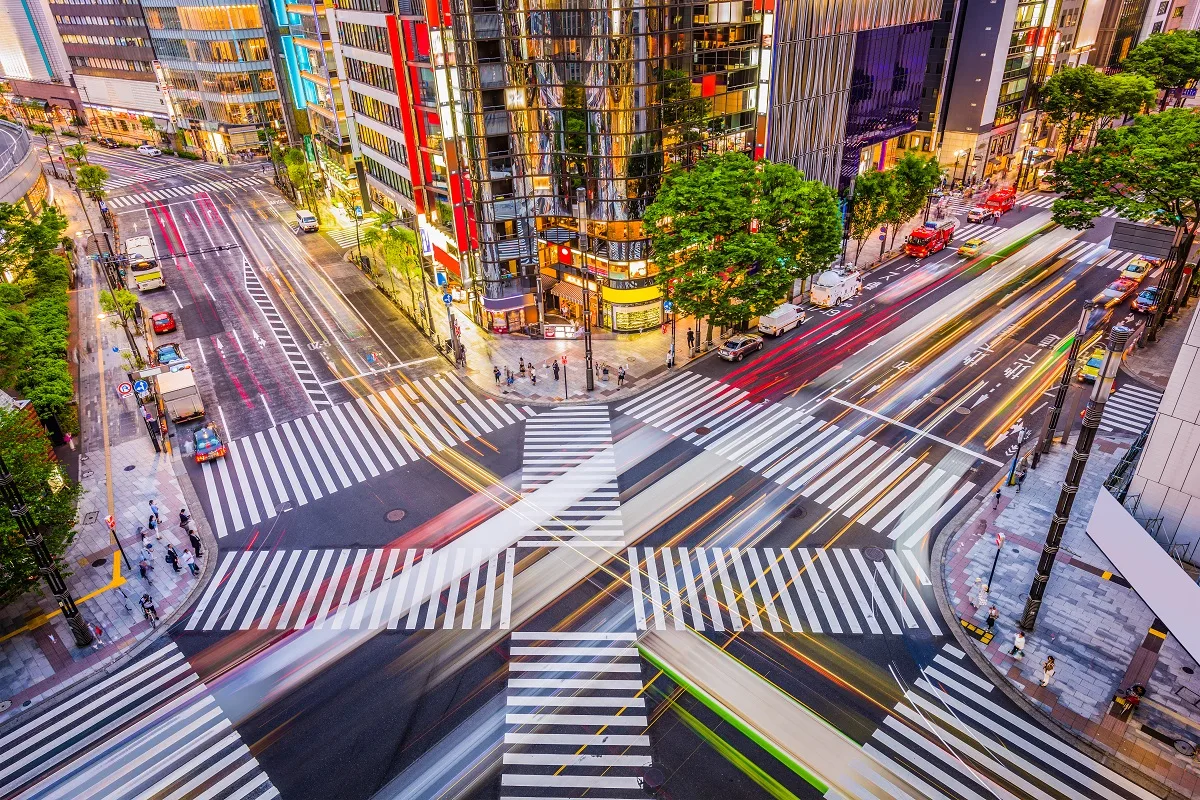
Harajuku offers two different streets a hundred meters apart. Takeshita Street is dense, loud and worth ten minutes. Meanwhile, the back streets of Ura-Harajuku behind it stay calm and low-rise, and that is where the interesting shops sit. Ginza is best on a weekend afternoon, when Chuo-dori closes to cars from noon. People walk down the middle of the avenue past mid-century and modern facades. In the colder months the closure ends at five, so arrive early.
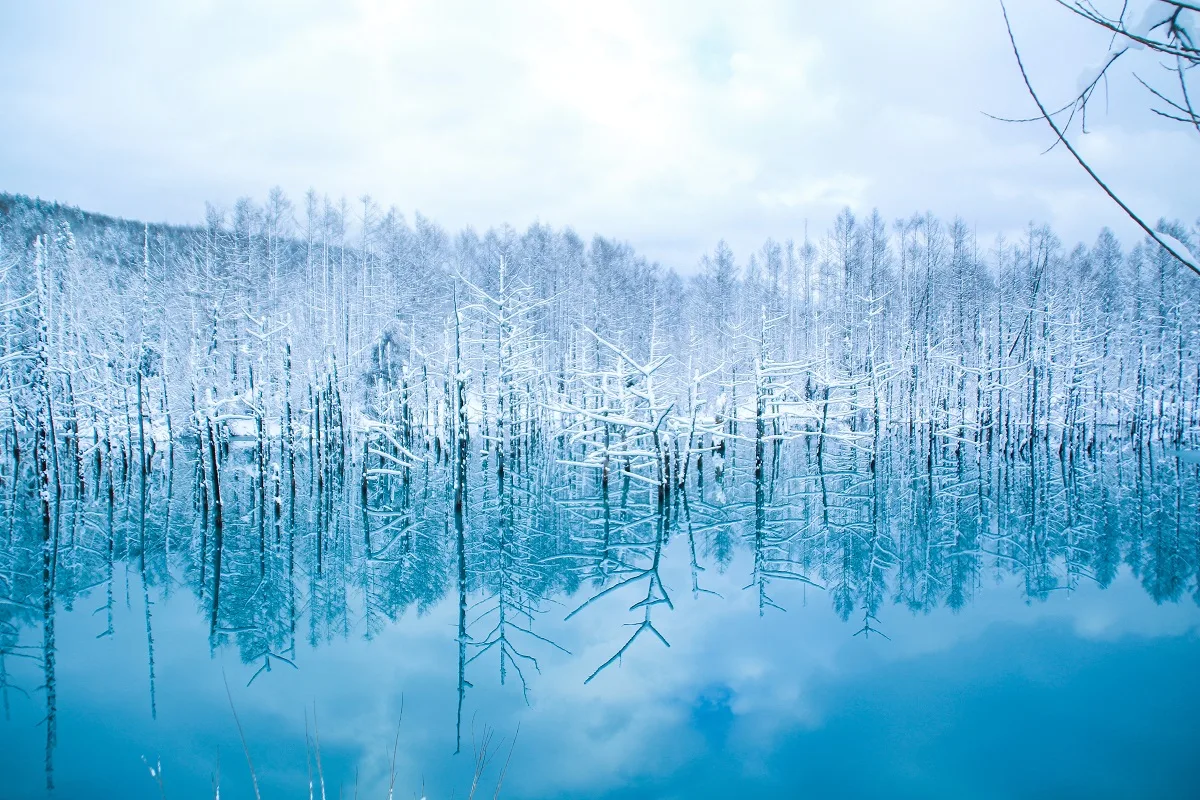
All of these reward slow movement and good shoes. You cannot shorten a valley walk or a canal walk without losing the reason you came. If the forecast looks uncertain, the river and the canal both hold up in light rain. The valley, however, turns slippery, so save it for a dry morning. Above all, give each of these a half day rather than an hour. They sit apart from one another on the map, and they lose their point when you rush them. Pick one per trip, matched to the season, and let the rest wait for a return visit.
The Beautiful Places in Tokyo by Season
Spring belongs to the water. In 2026 the Japan Meteorological Corporation forecast put Tokyo’s full bloom at March 28, a few days early. Nakameguro, Chidorigafuchi and Inokashira peak for about eight days, and Shinjuku Gyoen runs a week past them. Bloom dates move by more than a fortnight between years, so watch the forecast before you book. Build the spring days around Nakameguro at first light, and let the towers wait. Yanaka’s cemetery avenue turns at the same time, so a northern morning fits neatly into the same week. Our account of when cherry blossom season peaks explains the pattern.
Summer is the weakest season for this list. Haze empties the decks of their view, and the streets are hard going by noon. Still, the shade improves at Meiji Shrine, Todoroki and Kiyosumi. Autumn, mid to late November, is the strongest month overall. About a third of the beautiful places in Tokyo peak then, and the air clears for the decks. Winter belongs to the views and the night lanes, since December through February is when Fuji appears.
A few things are worth skipping. Avoid the paid decks in summer haze, and Shibuya Crossing in daylight. Skip Takeshita Street on weekend afternoons, and Asakusa between ten and four. Never try to pair the eastern river with the western valleys in one day.
Questions Worth Asking
What is the most beautiful place in Tokyo?
Rikugien in mid to late November, within an hour of opening. The stroll garden dates from 1702, and its pond holds the maple color as well as the trees above it. The composed views still read as intended while the paths are empty. Nakameguro in early April, when the canal blooms, is the close second.
What is the prettiest area of Tokyo to walk around?
Yanaka, for a continuous streetscape rather than single sights. Wooden houses, working studios and a cemetery avenue that turns to cherry in April survived the war and the redevelopment that flattened most of the old city. Allow half a day, start at Nippori, and walk without a fixed route.
Where are the best skyline views in Tokyo with no admission charge?
The Tokyo Metropolitan Government Building in Shinjuku has observatories at 202 meters with no admission charge. On clear winter mornings the view sometimes reaches Fuji. The two towers close on alternating days, so check which one is open. Among ticketed options, Shibuya Sky offers an open rooftop above the crossing.
When is the most beautiful time of year in Tokyo?
Mid to late November, on balance. About a third of the places in this guide peak then, the air is clear enough for the viewing decks, and the crowds are lighter than in spring. Early April is more dramatic, but the cherry bloom lasts only about eight days.
How many beautiful places in Tokyo can you see in one day?
Three or four, if they share a cluster. The northern, eastern, western and southern routes in this guide each fill a day without backtracking. Try for more than four and you spend the daylight on trains rather than in the places themselves. Treat the canals and valleys as half-day trips.
Are Tokyo's beautiful places worth visiting in the rain?
Several improve. Shibuya Crossing after dark looks its best wet, the covered lanes at Omoide Yokocho and Yurakucho carry on as usual, and garden foliage reads richer under cloud. Postpone Todoroki Valley, which turns slippery, and the viewing decks, which lose the view entirely in rain and haze.
Planning a Route Around the Beautiful Places in Tokyo
The mistake that costs the most daylight is geographic. The places cluster into four workable days, and building around those clusters changes how much you see. A northern day covers Rikugien, Nezu and Yanaka. An eastern day runs Sensoji at dawn, the Sumida promenade, and Skytree before sunset. A western day takes Meiji Shrine at sunrise, then Omotesando, Harajuku and Shibuya Sky. A southern day pairs Hama-Rikyu with Ginza and the Yurakucho arches. That leaves Todoroki, Inokashira and Nakameguro as deliberate half-day trips. Season overrides all of it, so if your dates fall in cherry week, rebuild around the water. Travelers going alone will find more ideas in our guide to solo travel in Japan.
The cherry week lasts eight days; this journal gives ninety to practice noticing what passes.
View the Journal →Tokyo repays a second visit more than most capitals. The garden that felt ordinary in August is the one that stops you in November. Similarly, the crossing that looked like any other at noon becomes the image you keep from a wet June evening. Come back with different dates, and the city shows you a different set of beautiful places in Tokyo entirely.
Four days sequenced by cluster rather than by list: the northern gardens at opening, the eastern river at dusk, a sunset rooftop slot booked ahead, and the cherry or maple week timed to your actual dates. We set the fixed hours first, then fit the rest of the trip around them.
Plan Your Custom Japan Itinerary