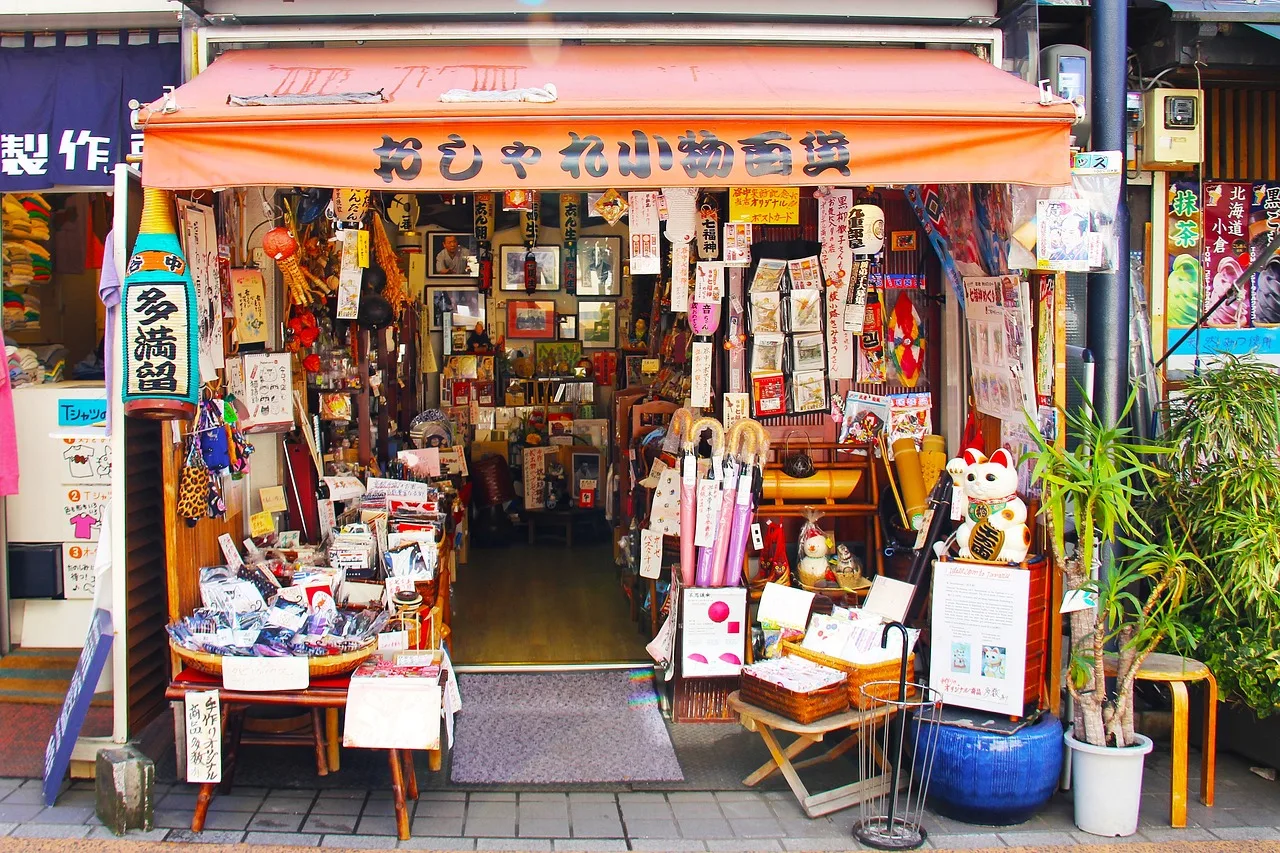
Yanaka is the part of Tokyo that kept its old shape. A short walk from the platforms of Nippori, the city drops its volume. Lanes narrow, wooden houses lean toward each other, and potted plants crowd every doorstep. Dozens of temples sit within a few blocks. A cherry avenue runs through one of the capital’s oldest public cemeteries.
This guide walks you through the old town slowly. It explains why the streets survived when so much of Tokyo burned, and who kept them standing afterward. Then it moves through the cemetery, the temple lanes, the Yanaka Ginza shopping street and the studios that give the area its character. It ends with how to arrive, where to stay and an order for the walk. For the wider city, our guide to beautiful places in Tokyo sets the scene.
Yanaka is a Tokyo neighborhood known for surviving the 1923 earthquake and the 1945 air raids with much of its prewar townscape intact. Visitors come for its temple lanes, the cherry avenue of Yanaka Cemetery, the Yanaka Ginza shopping street, craft shops, galleries and small cafés in old wooden buildings.
Why Yanaka Survived When Tokyo Burned
Most of the Tokyo you see today is less than eighty years old. The Great Kanto Earthquake of 1923 started fires that swept across the low eastern wards. Then, in 1945, air raids burned much of what had been rebuilt. Afterward, the postwar boom replaced many of the surviving wooden streets with concrete. Very little of the old merchant city made it through all three.
The old town did, largely because of where it sits. It occupies the edge of the Ueno plateau, a ridge of firm, raised ground above the flat lowlands to the east. The fires of 1923 spread mostly across those lowlands, and the war’s heaviest raids fell there too. The Tokyo Metropolitan Government’s own survey notes that many parts of Yanaka escaped both earthquake and wartime fire. As a result, traditional streets, temples and slopes remain.
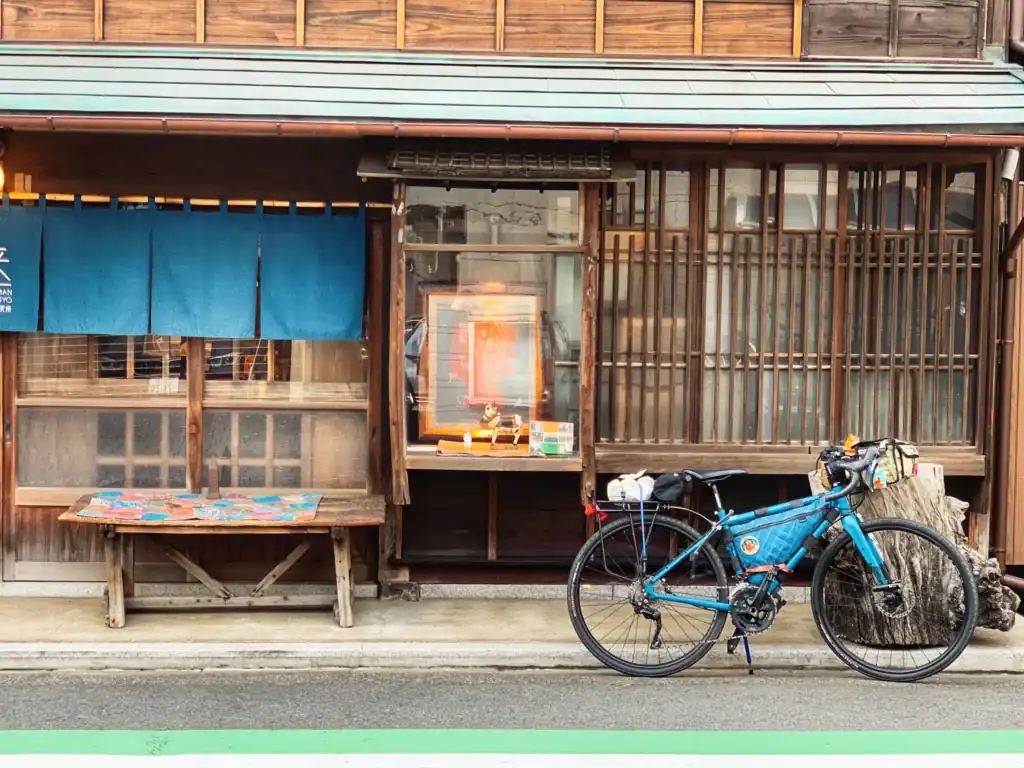
Survival was only the first step, though. A neighborhood can escape fire and still vanish to developers. Here, the street plan helped. Many lanes are too narrow for large buildings, and the temples own much of the land. Consequently, the plots stayed small and the houses stayed low. That is why the area still feels like a town, with corner shops, shared alleys and laundry on the rails.
Yanesen: The Neighborhood That Saved Itself
Locals rarely speak of the old town on its own. Instead, they say Yanesen, a name built from Yanaka, Nezu and Sendagi, the three neighborhoods that share this hillside. The name spread through a small local magazine. In 1984, the writer Mori Mayumi and her colleagues launched a regional magazine of that name. She served as its editor.

The magazine recorded what older residents remembered: the shops, the festivals, the people who ran the bathhouses. In doing so, it gave the area a sense of its own value. Residents began to argue for old buildings rather than accept their loss. Over the following decades, a culture of reuse took hold. Old houses became cafés, a bathhouse became a gallery, and an apartment block became an arts space.
That habit of reuse defines the visit today. Rather than a museum district, you walk through a living neighborhood that chose to keep its past in daily use. The effect is gentle continuity rather than preservation behind glass.
You may also like
Yanaka Cemetery and the Lost Pagoda
The cemetery is the heart of the walk, and it is far more welcoming than the word suggests. It opened on 1 September 1874 as one of Tokyo’s first public cemeteries. Today it covers about 102,500 square meters, or roughly 25 acres, of paths, mossy stones and old trees. Painters, writers and actors are buried here, alongside statesmen of the Meiji era.
Its best-known resident is Tokugawa Yoshinobu, the last shogun of Japan. He gave up power in 1867, lived privately for decades, and died in Tokyo in 1913. His grave lies inside a walled family plot near the central avenue. You cannot enter the enclosure, but you can stand at the gate. It is a strangely modest end for the family that ruled Japan for more than 250 years.
The cherry avenue
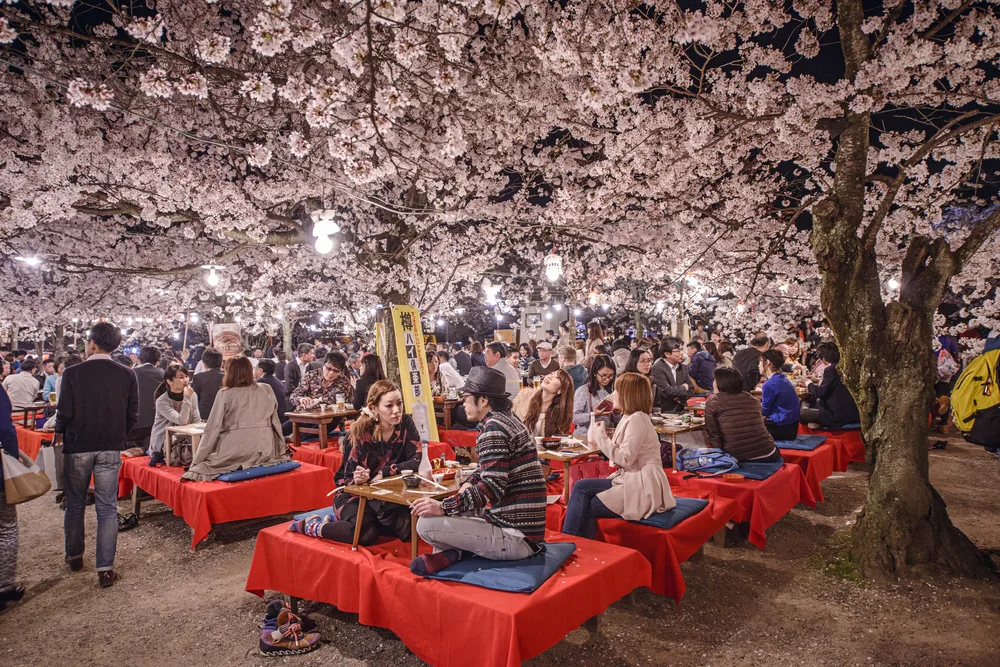
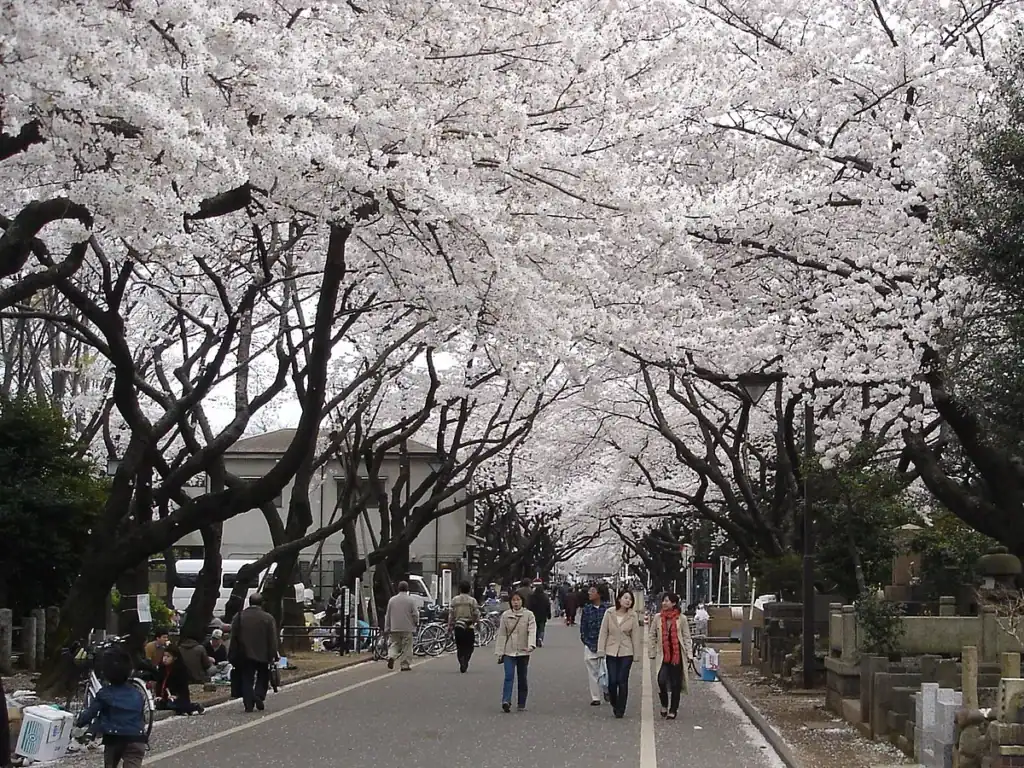
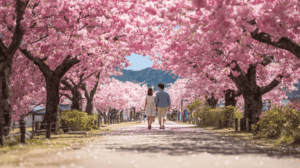
The cemetery’s central path is lined with old cherry trees. In early April, it becomes one of the loveliest blossom walks in the city, and far calmer than Ueno Park next door. Locals walk dogs under the petals, and older couples sit on the low walls. If the season appeals, our essay on cherry blossoms and mono no aware explains why the falling petals matter as much as the bloom.
Please treat the space as what it is. Families still visit these graves, especially at the spring and autumn equinox. Keep to the paths, keep your voice down and leave the picnic for a park. In return, the cemetery offers something rare in Tokyo: a long, green, unhurried walk with almost no traffic noise at all.
The five-story pagoda
Halfway along the avenue, a small fenced plot holds a set of granite stones. They are the foundations of Tennoji’s five-story pagoda. It was first raised in 1644 and rebuilt after an eighteenth-century fire. It survived the 1923 earthquake and the war. Then, in July 1957, it burned to the ground. The fire was set by a couple who died in it, and the city chose not to rebuild it.
The pagoda lives on in literature, however. It was the model for Koda Rohan’s novel The Five-Storied Pagoda, published in 1891 and 1892. The story follows a stubborn carpenter who insists on building the tower himself, and who refuses to leave it during a storm. Reading it before you visit turns the bare stones into something you can almost see.
The Temple Lanes: Tennoji and Daienji
Tennoji
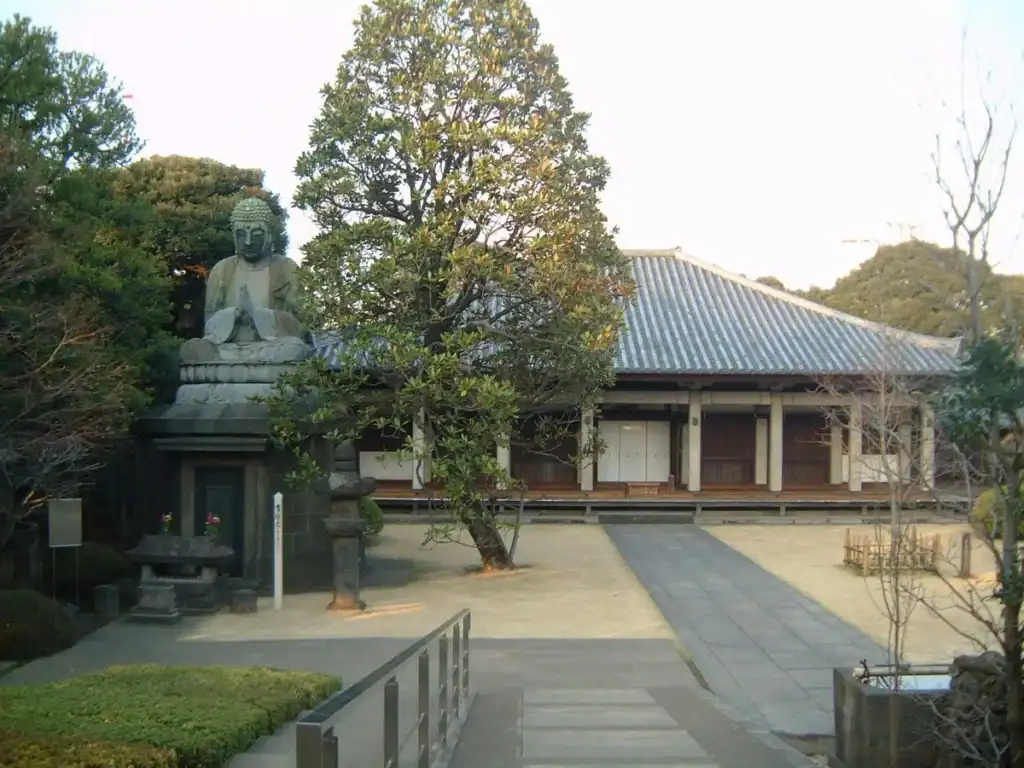
Tennoji stands at the Nippori end of the cemetery, and much of the cemetery was once its land. The temple was formerly called Kannoji. In 1833, the shogunate ordered the name changed to Tennoji. Today, its forecourt holds a large seated bronze figure, which visitors see from the gate. The grounds are small and calm, a good first stop on the way up from the station.
Daienji and the beauty of Kasamori
Daienji sits a few blocks west, toward Sendagi. Its story is about art rather than history. In the 1760s, a young woman named Osen served tea at the Kagiya teahouse near the Kasamori shrine. The print artist Suzuki Harunobu portrayed her in color woodblock prints, and she became one of the most famous faces in Edo. The Metropolitan Museum of Art holds his print of Osen of the Kagiya teahouse, dated to about 1768.
Today, a stone monument at Daienji honors both Osen and Harunobu. It stands just inside the grounds. Next, follow the lane downhill, and the shops begin.
Yanaka Ginza: The Old Shopping Street
Every walk here eventually reaches Yanaka Ginza, a short shopping street of about 60 small shops along roughly 170 meters. It grew up after the war, and many of its stores are still run by the families who opened them. You will find butchers, tea dealers, senbei makers, picklers and sweet shops, with very few chain names among them.

The street is best approached from the east. From Nippori, you climb gently along Goten-zaka and then descend a short flight of stone steps. Locals call them Yuyake Dandan, the sunset steps, and in the late afternoon you will see why. The light falls across the rooftops and down the length of the street, and small groups gather to watch it.
What to eat as you walk
Food here is made to be eaten on the spot. The butchers fry menchi katsu, a crisp cutlet of minced beef and pork, and hand it over in paper. Senbei shops grill rice crackers over charcoal and brush them with soy sauce. Taiyaki, the fish-shaped cakes filled with sweet bean paste, come hot from their iron molds. Follow local manners, though: eat beside the stall rather than while walking, and take your wrappers with you.
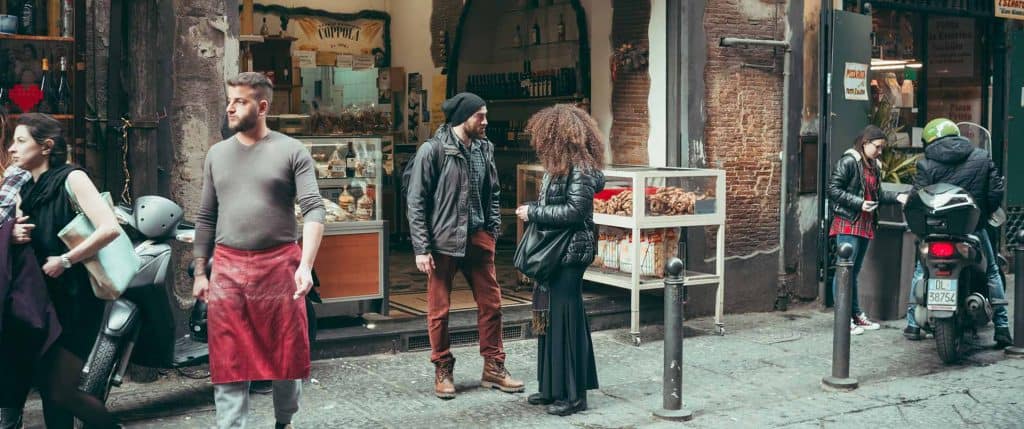
Above all, give the street time. Its pleasure lies in small exchanges. Shopkeepers will wrap a single pickle as carefully as a box of sweets, and a tea dealer may offer a taste before you buy. That care is what the neighborhood protected. For the other end of the scale, our guide to Tokyo’s shopping districts covers the city’s busiest streets.

Reading the old town before you go
A little reading turns a pleasant stroll into a richer one. Three books do it best. Edward Seidensticker’s history follows Tokyo from late Edo through the earthquake, the war and the Showa boom. A survey of Japanese woodblock prints places Harunobu and his portraits of Osen in context. Finally, Hiroshige’s views of Edo show the hills, temples and teahouses of the city as they once looked.
Three Books for the Walk
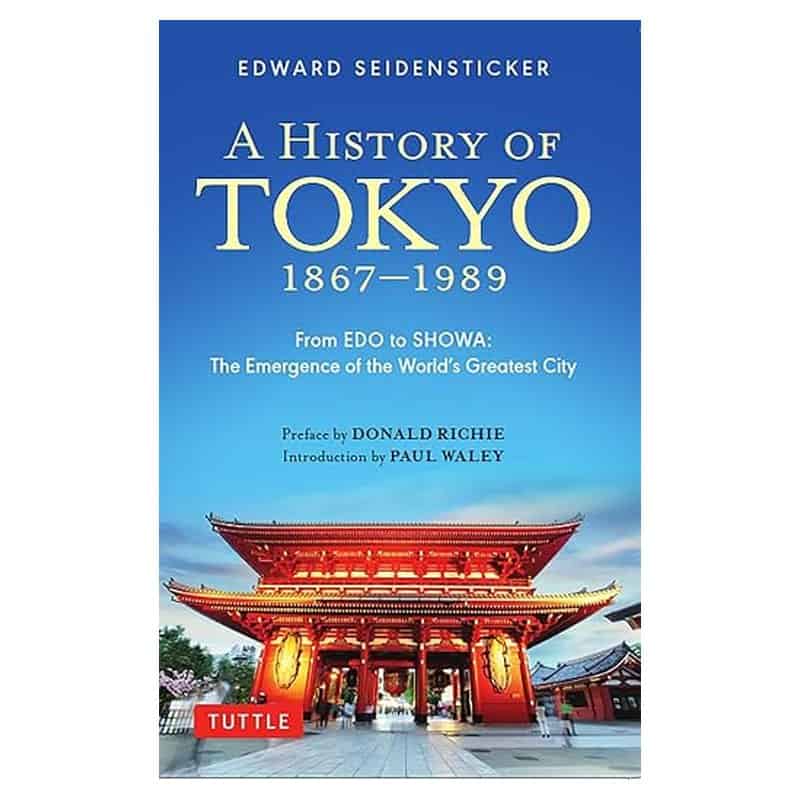
The classic account of Tokyo through fire, war and rebuilding.
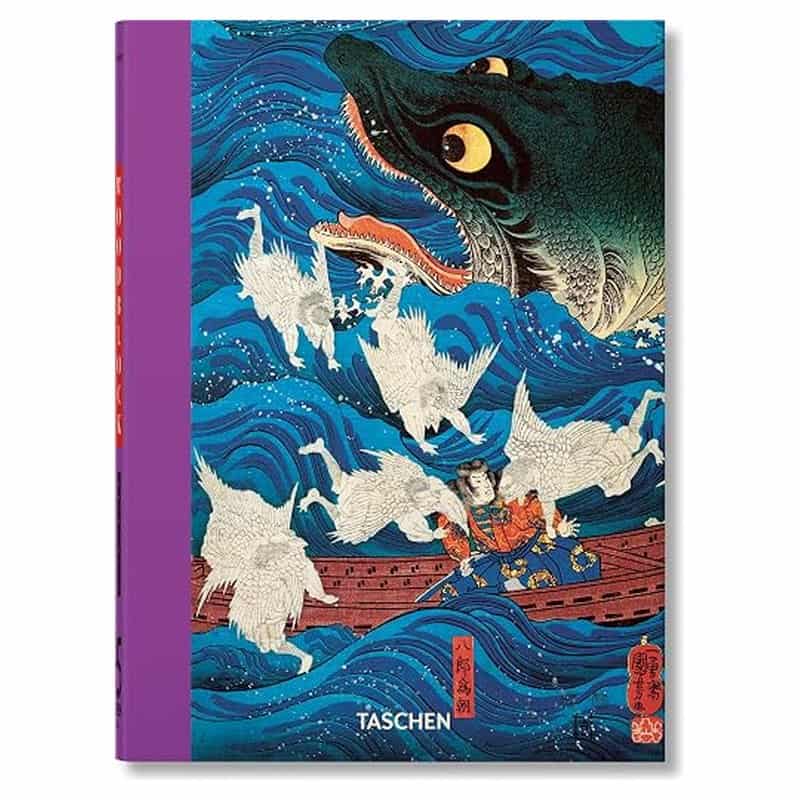
A survey of the print masters, Harunobu among them.
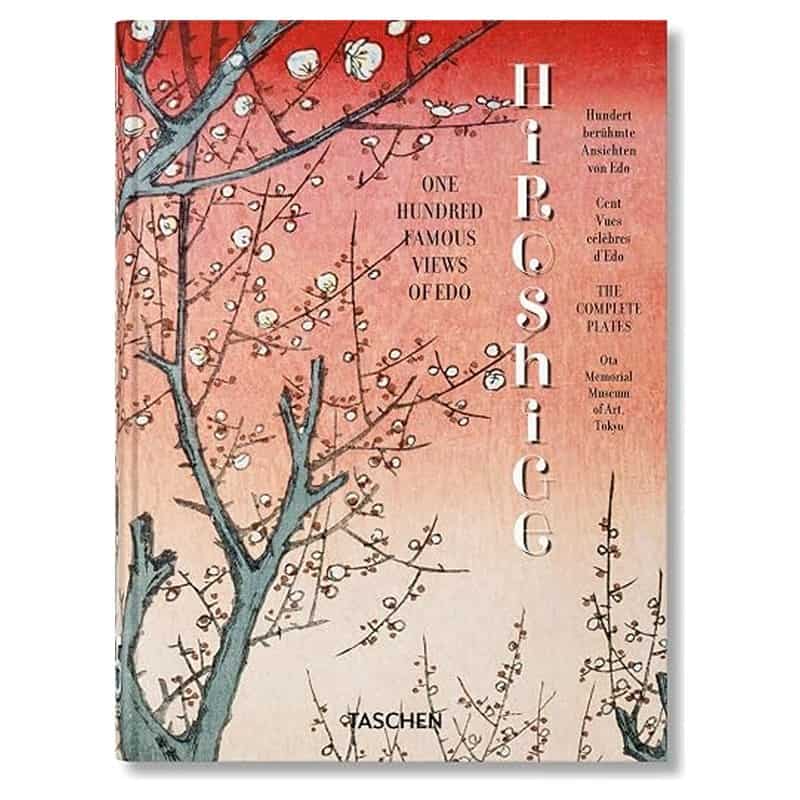
The city of hills, temples and teahouses that Harunobu knew.
Each book works on a different scale. Seidensticker gives you the whole city and its long arc of fire and rebuilding. The print survey gives you the artists and the faces of Edo. Hiroshige gives you single views, framed like windows. Together they make the bare foundation stones and the narrow lanes legible. Carry one of them on the train from your hotel, and the walk begins before you arrive.
Studios, Galleries and Paper Makers
The old town has drawn artists for more than a century. Tokyo’s national university of the arts sits just south, at Ueno, and students have rented rooms on these lanes for generations. The result is a steady scatter of studios, galleries and craft shops, many in buildings that were once something else entirely.
The Asakura Museum of Sculpture
Begin with the Asakura Museum of Sculpture, the finest building in the area. The sculptor Asakura Fumio (1883–1964) designed it himself as his home, studio and school. His family opened it to the public in 1967, and Taito City has run it since 1986. It became a registered National Tangible Cultural Property in 2001. Its courtyard and roof garden are a National Place of Scenic Beauty.
Inside, you remove your shoes and walk in socks across polished floors. The studio’s ceiling is high enough for Asakura to work on large figures. Meanwhile, the inner courtyard holds a stone-edged pond, and the roof garden looks out over the rooftops toward the city. Check the museum’s opening days before you go, since it closes on Mondays and Thursdays.
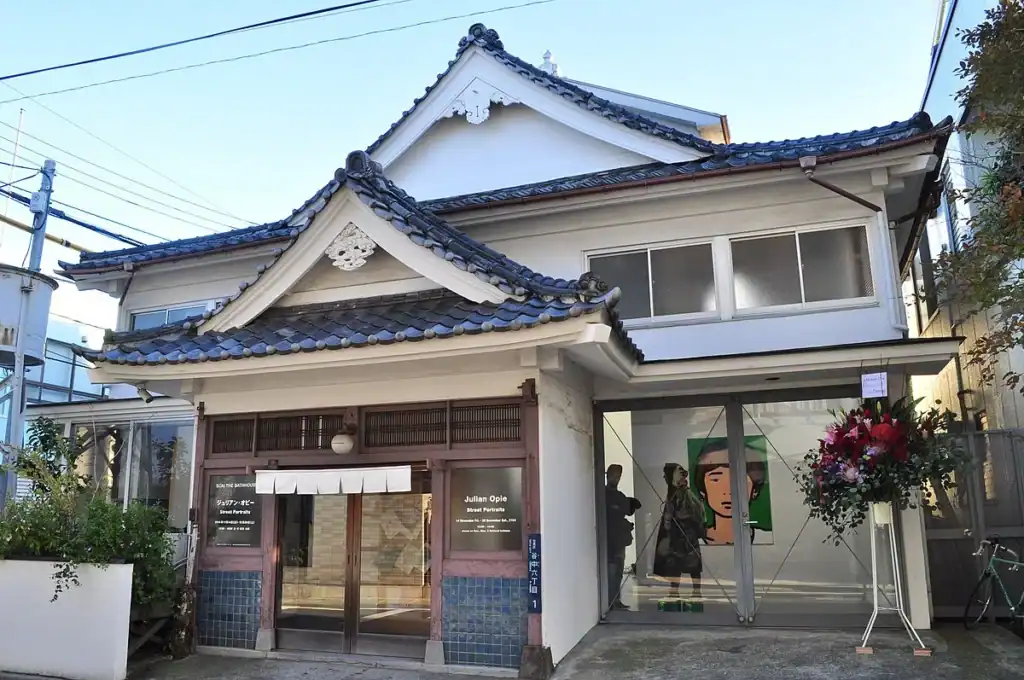
SCAI The Bathhouse
A few lanes away, SCAI The Bathhouse shows contemporary art inside a public bathhouse that is about two hundred years old. The gallery opened in 1993. Outside, the tiled roof of the old bathhouse remains. Inside, the bathing hall has become a high white room for exhibitions by Japanese and international artists. It is a short visit, and a fine example of old buildings given a new use.
Isetatsu and the art of chiyogami
Isetatsu is a different kind of treasure. The company was founded in 1864 as a publisher of chiyogami, the patterned papers of Edo, and of printed toys. It still hand-prints its papers from carved woodblocks, one color at a time. The small shop in Yanaka is a five-minute walk from the Dangozaka exit of Sendagi Station. Its walls are stacked with patterns of cranes, waves, fans and seasonal flowers.
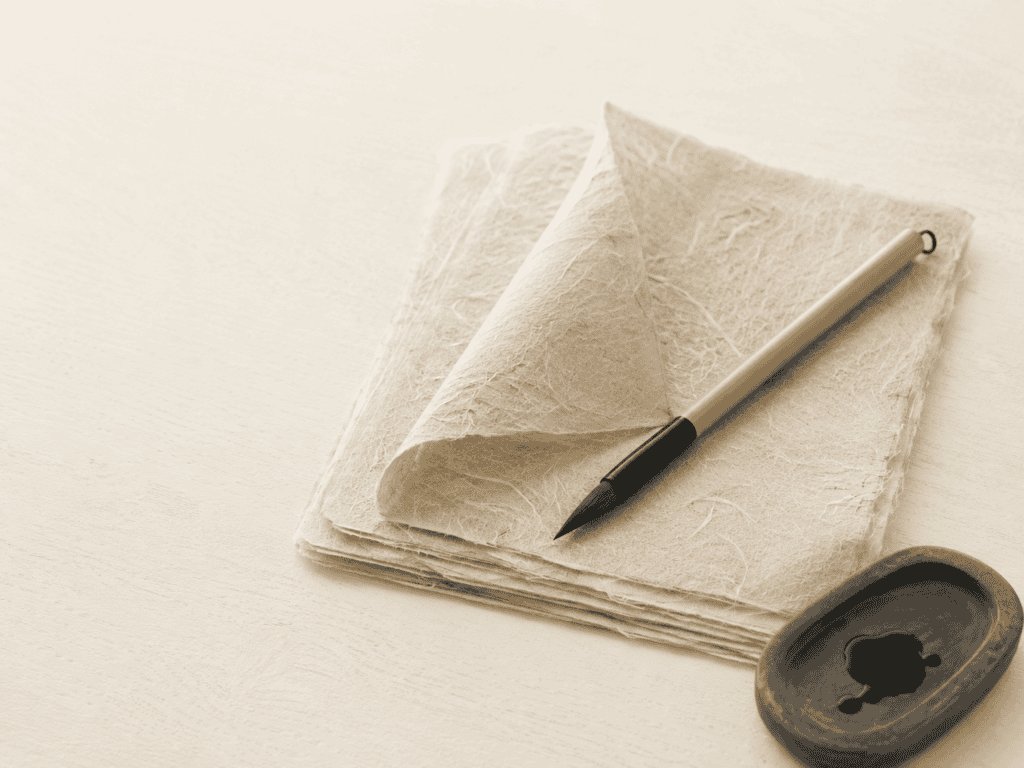
Chiyogami began as a luxury for Edo households. People used it to wrap gifts, line boxes and dress dolls. Later it became the classic paper for folding. Buying a few sheets at Isetatsu is a good souvenir, because it is light, flat and made in the neighborhood. At home, a pack of yuzen-printed washi lets you keep the same patterns close at hand for letters and small gifts.
Aitoh Yuzen Washi Chiyogami — Edo patterns for folding and wrapping
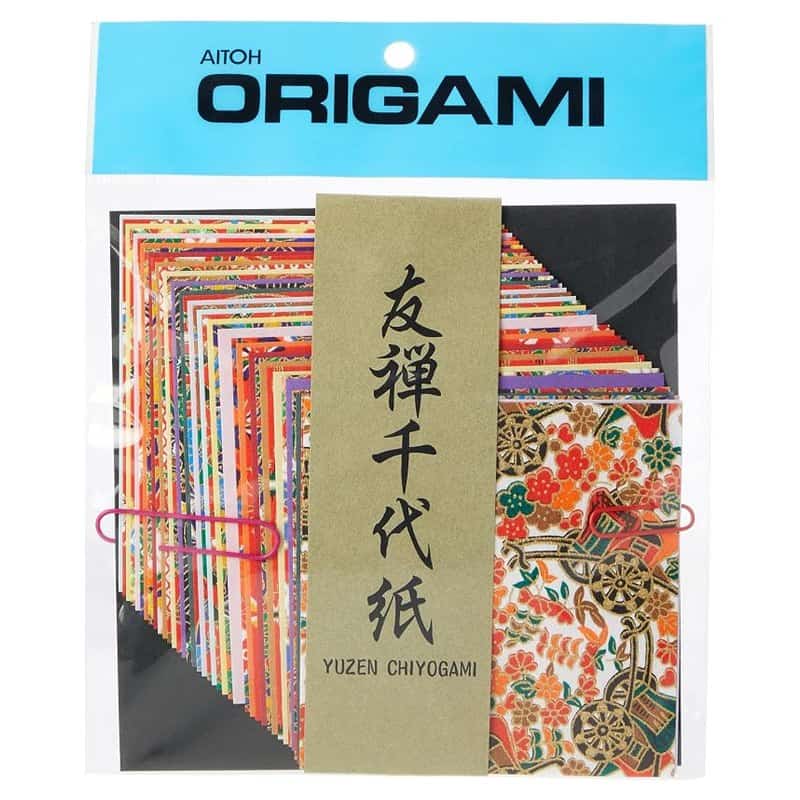
The Aitoh Yuzen washi chiyogami pack brings the patterned papers of Edo into a desk drawer. Each square sheet is printed in the yuzen style, with dense, colorful motifs of flowers, fans and waves on a soft washi base. The paper folds crisply, so it suits origami, but it also works for lining a small box or wrapping a single sweet. Use one sheet to wrap a note to a friend, or slip it inside a travel journal as a bookmark from the trip. The patterns echo the old paper shops, a fitting reminder of an afternoon among the workshops.
HAGISO
Finally, visit HAGISO, a small arts building in a wooden apartment house from 1955. It once housed students of the arts university, who used the rooms as studios and a shared home. When the building faced demolition, an exhibition in its rooms drew about 1,500 visitors. That success saved it. In March 2013 it reopened as HAGISO, with a gallery, a café and the reception for a boutique stay called hanare.
The café serves hand-dripped coffee, seasonal plates made with produce from local shops and house-made cakes. It is a good place to rest between temples. Above all, it shows what a neighborhood can do with a building that a city might simply have torn down.
Ten Proverbs to Carry With You
A printable folio of ten Japanese proverbs, each set in kanji with its reading and a line on where you will hear it.
Eating Well in Yanaka
Food here is old Tokyo food: soba, eel, tempura, grilled skewers and sweets. Much of it is served in small rooms with a handful of seats. Many places close early, and some keep irregular hours, so lunch is easier than dinner. Book ahead for anything with a counter, and carry some cash, since several older shops still prefer it.
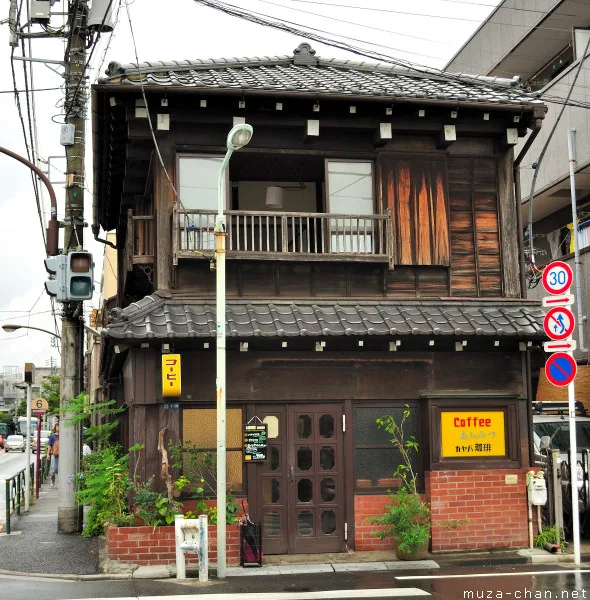
Kissaten and coffee
The area also keeps a strong café culture. Old kissaten, the coffee houses of the Showa era, serve hand-poured coffee and thick toast at wooden counters. The common thread is patience. Coffee is poured slowly through paper or cloth, one cup at a time, and nobody hurries you out. For a deeper look at the other great Japanese drink, our guide to Japanese tea covers the leaves and the ceremony.
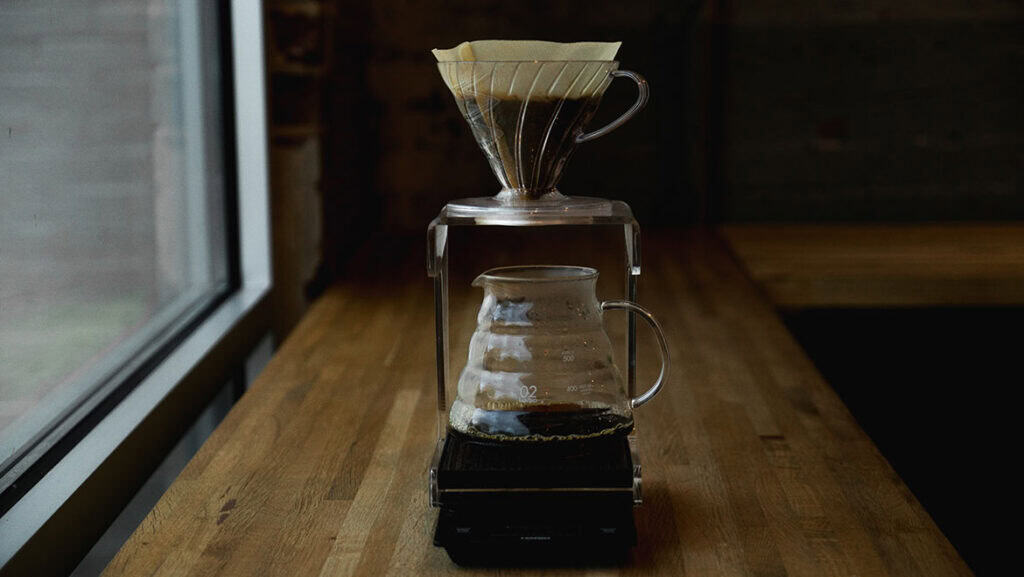
If the slow cup appeals, you can bring the ritual home. The hand-pour method used in so many Tokyo cafés depends on a cone dripper, a steady kettle and a little attention. It takes three minutes and rewards the same care the shopkeepers here bring to their work. One good dripper is all you really need to start.
Hario V60 Ceramic Dripper — the cone behind Tokyo’s hand-poured coffee

The Hario V60 ceramic dripper comes from Hario, a Tokyo glass and ceramics maker founded in 1921. Its cone shape, spiral ribs and single large opening let you control the speed of the pour, which is the whole point of the method. The ceramic body holds heat well, so the water stays at temperature as it passes through the grounds. Set it on a mug, rinse a paper filter, add medium-fine coffee and pour in slow circles. Within a few mornings you will find the rhythm. The cup will taste like an old kissaten on a rainy Tokyo afternoon, poured by hand.
A bowl of soba to end the walk
Soba belongs to old Tokyo more than any other dish. In the Edo period, soba stalls fed the merchant city. The Tokyo broth is darker and more savory than its western cousins. Kake soba, hot noodles in a simple broth, is the plainest version and the best test of a shop. With nothing to hide behind, the quality of the buckwheat and the depth of the dashi show at once. Good shops still make their noodles by hand each morning, and many of them sell out of the day’s batch by early afternoon. You will find it on the menu of almost every old noodle house in the streets near Sendagi.
Order it the way locals do. Ask for kake if you want the plain bowl, or add a topping such as tempura or grated yam. Slurping is expected, because it cools the noodles and carries the aroma of the broth. When you finish, the shop may bring sobayu, the hot cooking water, to stir into what is left. For more dishes from this tradition, see our guide to traditional Japanese food.

Kake Soba — hot buckwheat noodles in a Tokyo-style broth
Warm two tablespoons of mirin in a small pot for a minute, then add three cups of dashi, three tablespoons of dark soy sauce and a teaspoon of sugar and bring it just to a simmer. Meanwhile, boil two bundles of dried soba in plenty of water for the time on the packet, stirring once so the strands do not stick. Drain the noodles, rinse them briefly under cold water to remove the surface starch, then dip them in hot water to warm them again. Divide them between two warm bowls, pour the hot broth over the top and finish with thinly sliced scallion and a pinch of shichimi, then eat at once while the noodles still hold their bite.
The broth should taste deep and a little sweet, with the salt of the soy sauce in front. If you prefer a lighter bowl, add a splash more dashi. Serve it in plain, heavy bowls. For the cold summer version, keep a small cup on the side for dipping sauce. A matching soba cup makes the table feel finished.
Kake soba through the year
The same dish changes with the season. In winter, kake soba is the classic late supper. On New Year’s Eve, many families eat toshikoshi soba for a long life. In summer, the noodles are served cold on a bamboo tray with a dipping sauce instead. Either way, the ingredients stay the same, and the care in the broth makes the difference.
Saikai Hasami Porcelain Soba Choko — a cup for noodles, tea or sauce
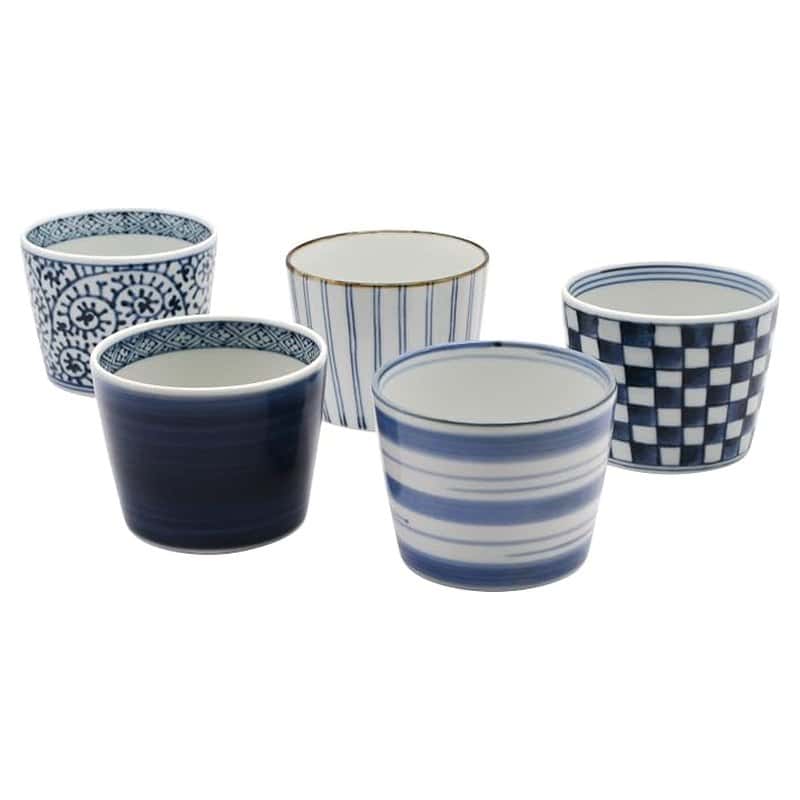
The Saikai Hasami porcelain soba choko is the small, straight-sided cup that Japanese noodle shops use for dipping sauce. It is made in Hasami, a porcelain town in Nagasaki that has fired everyday tableware for about four hundred years. The indigo pattern recalls the blue-and-white wares of Edo households. Its size makes it unusually useful. Serve cold soba sauce in it in summer, pour green tea into it in winter, or use it for a single flower on the table. It stacks neatly, washes easily and feels solid in the hand, like the counter cups of an old Tokyo noodle house.
How to Get to Yanaka
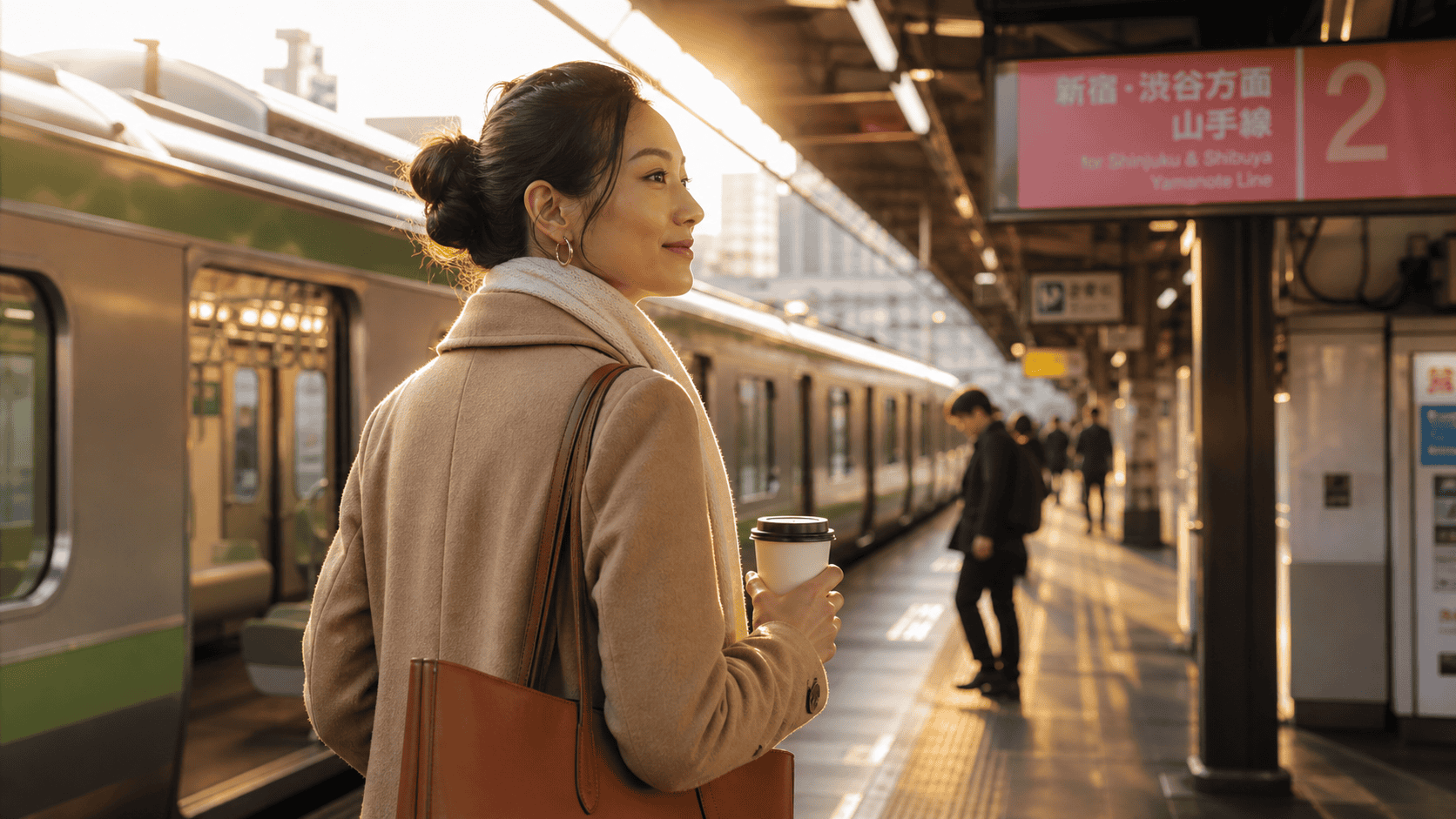
The old town is easy to reach. Nippori Station is the main gateway. It is served by the JR Yamanote Line, the JR Keihin-Tohoku Line and the Keisei Line. Take the West Exit, and the cemetery is about three minutes on foot. The shopping street is five to ten minutes west, down the sunset steps.
Nippori is also a stop on the Keisei Skyliner from Narita Airport. That makes the area a natural first or last afternoon in Tokyo, with bags sent ahead to your hotel. On the western side, Sendagi Station on the Tokyo Metro Chiyoda Line is about five minutes from the shopping street. Nezu, one stop south on the same line, puts you close to the galleries. For a longer walk, the museums of Ueno Park are about fifteen minutes south of the cemetery, according to japan-guide.
Where to Stay Near the Old Town
Most visitors come for a long afternoon from a hotel in central Tokyo, and that works well. However, staying in the neighborhood changes the experience. In the early morning, the lanes belong to residents. You see the place as it lives, not as it performs.
The most original choice is hanare, run from HAGISO. Its idea is simple: the whole town is the hotel. You check in at HAGISO and sleep in a renovated wooden house nearby. Then you bathe at the local sento and eat at neighborhood restaurants. It suits travelers who prefer character to marble lobbies. For a full ryokan experience with private baths, our guide to luxurious ryokans covers the finest inns in Japan.
Alternatively, base yourself at a luxury hotel near Ueno or Tokyo Station and come by train. The journey from either takes less than twenty minutes. You then return to a deep bath and a dinner reservation, with the old town fresh in your mind. Many travelers find that balance ideal, especially on a first trip.
You may also like

A Walking Order for an Unhurried Afternoon
Start at Nippori Station around one o’clock. Walk up through the West Exit to Tennoji, then take the cemetery’s central avenue. Pause at the pagoda foundations and at the gate of the Tokugawa plot. Then turn off toward the Asakura Museum of Sculpture, and give it at least an hour, including the roof garden.
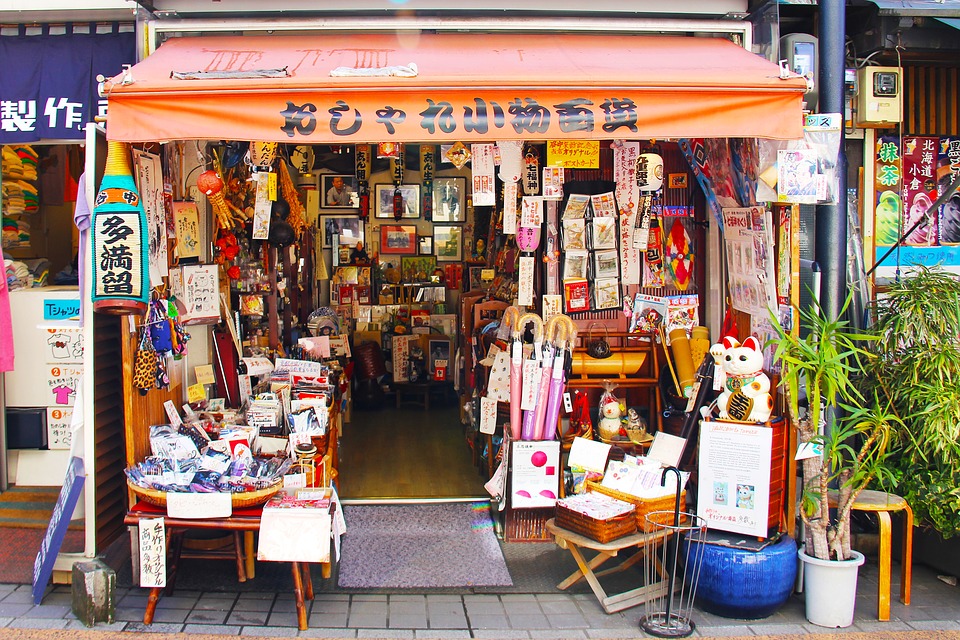
From the museum, drift west through the temple lanes toward SCAI The Bathhouse and HAGISO. Stop for coffee and cake. Next, walk down to Isetatsu for paper, then double back toward the sunset steps in time for the late light. Finish on the shopping street with a snack or two, then walk on to Sendagi for an early dinner of soba or eel.
Seasons change the walk. In early April, the cemetery’s cherry trees are the reason to come, so arrive early to beat the crowds. In summer, start later and spend more time indoors at the museum and galleries. Autumn brings clear light and comfortable air, perhaps the finest season of all. Winter is cold but bright, and it suits a long lunch and a hot bowl of noodles.
Recommended
The Verdict: Why Yanaka Matters
Yanaka is not grand. It has no famous skyline, no single monument and no reason to rush. What it offers instead is continuity. These are streets that survived disaster, then survived the developers, because the people who lived on them decided they were worth keeping. That decision shows in every potted plant and hand-painted sign.
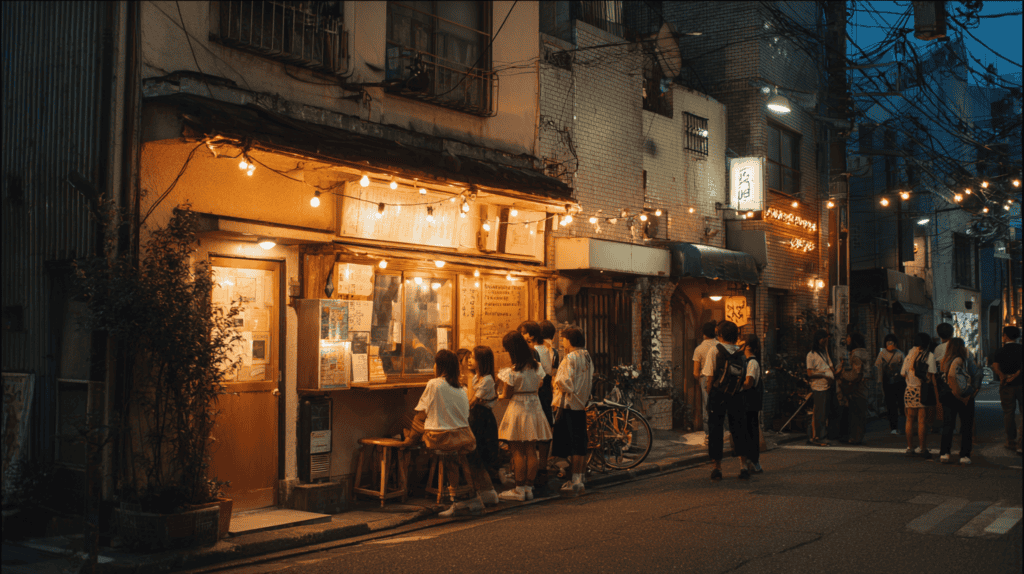
Go with time to spare and very little agenda. Walk the cemetery avenue and look through a temple gate. Buy a woodblock-printed sheet of paper and eat something hot on the shopping street. Then sit somewhere small and let the afternoon slow down. In a city as fast as Tokyo, that is a rare luxury, and the old town offers it every day.

Old Tokyo, Planned for You
A day here pairs well with the rest of old Tokyo. You might spend a morning with a craftsperson in a workshop, an afternoon on the temple lanes and an evening at a counter restaurant in Nezu. Each stop deepens the others, and together they show a side of the city that many visitors miss entirely.
Arranging those days takes local knowledge: which workshops welcome guests, which counters take reservations and which lanes are best at which hour. With that planning done in advance, you can simply walk, look and enjoy the slow rhythm of the old town. Each evening, you return to a hotel that suits you, and the next day begins fresh.
Old Tokyo at an Unhurried Pace
We can plan days around the city’s older neighborhoods: a private walk through the temple lanes with a local guide, a hands-on session with a paper or craft maker, and dinner at a counter you would never find alone. Every itinerary is built around your pace and your interests.
Plan Your Custom Japan ItineraryQuestions Worth Asking
Is Yanaka worth visiting?
Yes, if you enjoy walking more than ticking off sights. The neighborhood keeps a rare prewar street pattern, with wooden houses, small temples and a long cherry avenue through the cemetery. It suits a slow half day, and it pairs easily with the museums of Ueno Park a short walk to the south.
Why did Yanaka survive the earthquake and the war?
The area sits on raised ground, and much of it escaped the fires that followed the 1923 Great Kanto Earthquake. It also came through the 1945 air raids with far less damage than the low-lying east of Tokyo. Residents then resisted much of the redevelopment that erased old streets elsewhere.
How do I get to Yanaka?
Take the JR Yamanote Line or the Keisei Line to Nippori Station and use the West Exit. The cemetery is about three minutes on foot, and the shopping street is five to ten. Sendagi Station on the Tokyo Metro Chiyoda Line serves the western side of the area.
What is Yanaka Ginza known for?
It is a short shopping street of about 60 small shops, many run by families. It is known for its croquettes, menchi katsu, senbei and sweets, and for the Yuyake Dandan steps at its eastern end, where locals gather to watch the sun set over the rooftops.
Can you visit Yanaka Cemetery?
Yes. It is a public metropolitan cemetery, open to walkers, and its central avenue is one of Tokyo’s loveliest cherry blossom walks in spring. Keep to the paths, keep your voice low near the graves, and do not picnic there. The ruins of the five-story pagoda stand beside the avenue.
How long do you need in Yanaka?
Three to four hours covers the cemetery, a few temple lanes, Yanaka Ginza and one museum or gallery at an easy pace. A full day lets you add the Asakura Museum of Sculpture, a long lunch and an evening drink near Nezu. Weekday mornings are calmer than weekend afternoons.