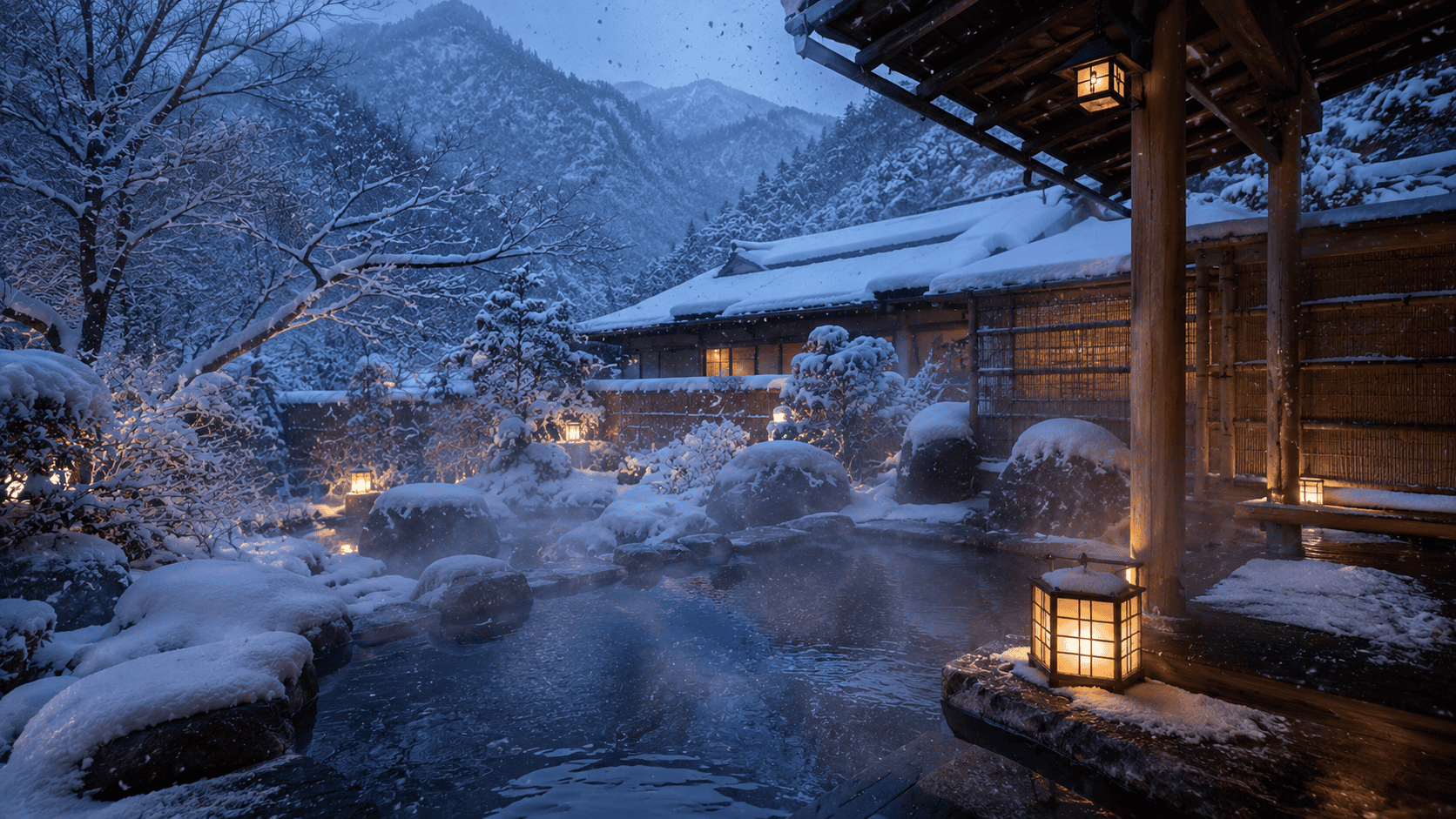
A Japan wellness retreat is easy to want and hard to choose. Search for one and you meet booking sites, single properties selling their own rooms, and award lists. Each answers a different question from yours. You are still deciding what kind of stay you want and where it should be. This page settles that first. It sits within our wider guide to luxury travel in Japan, and it compares the formats honestly before naming places.
Here is the short version. Most good retreats in Japan are not branded as retreats at all. They are hot-spring towns, small inns and mountain lodges. There, the day already runs on bathing, eating well and sleeping early. A smaller group of hotels sells structured programs with consultations and treatments. Both can restore you. However, they suit different people and lengths of stay.
What is a Japan wellness retreat?
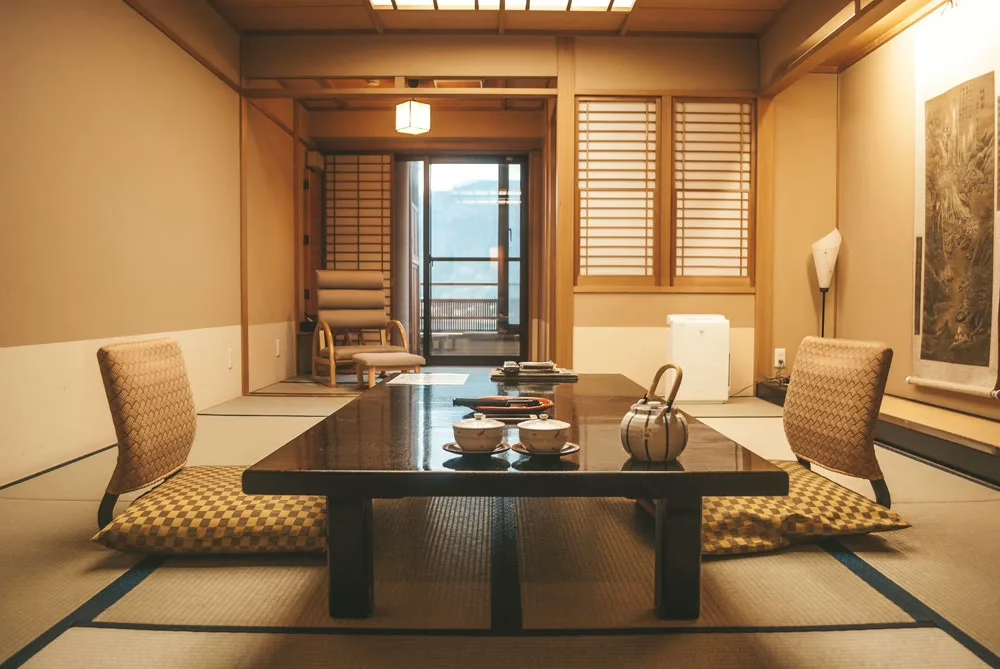
A Japan wellness retreat is a stay of two or more nights organized around rest rather than sightseeing. In practice that means a hot-spring town, a ryokan, a forest lodge or a structured hotel program. Bathing, seasonal food and early nights do most of the work, while treatments are optional.
What a Japan Wellness Retreat Actually Is
Start with the room, not the map. A Japan wellness retreat succeeds or fails between four in the afternoon and nine the next morning. That window holds the first bath, the dinner, the second bath and the sleep. If those hours are right, the trip works almost anywhere. So the first decision is the kind of building you sleep in.
Japan makes this easier than most countries, because bathing is already ordinary here. Towns grew around springs centuries ago, and inns still plan meals around the bath. Under Japanese law, water counts as onsen at 25°C or warmer at the source, or when it carries enough of one listed mineral. That is the summary given by the Gifu Prefecture Hot Springs Association. In other words, real spring water, not heated tap water.
Those two guides cover the ground on either side of this one. The first reads onsen health benefits against the published research, so this page leaves the science there. The second explains how the best inns differ. Here, the job is narrower: a format, a region and a length of stay.
What a retreat in Japan is not, usually, is a program with a timetable. Western wellness resorts often sell a fixed schedule of classes and consultations. Japan’s tradition runs the other way. The inn provides the conditions, and the guest provides the stillness. Travelers who expect structure can feel adrift on day two. Travelers who want to be left alone, on the other hand, find the inn model close to perfect.
Profiles of ryokan and hot-spring inns across the country. It helps you match a format to a region before you book.
View Japanese Inns and Hot Springs →A close study of a working ryokan in Kurokawa Onsen. It shows the effort behind the calm a guest notices.
Read Ryokan by Chris McMorran →A Chiba University scientist on the research behind forest therapy. Good reading if a forest-and-mountain stay appeals.
See Shinrin Yoku →Five Formats for a Japan Wellness Retreat
Almost every option falls into one of five formats. They overlap at the edges. Yet each has a distinct rhythm, a typical length and a traveler it serves best. Read them as a menu rather than a ranking. Most first trips work best with one format, while longer trips often pair two.
The Onsen Town and the Luxury Ryokan
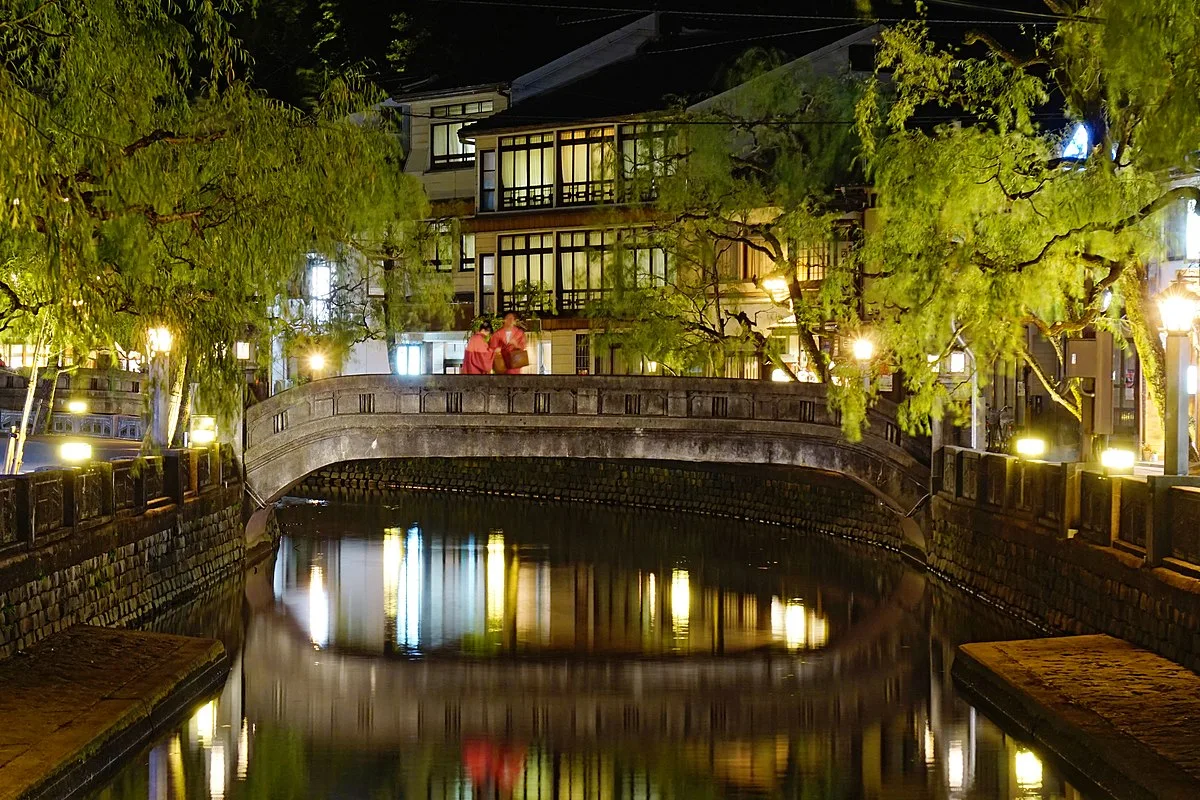
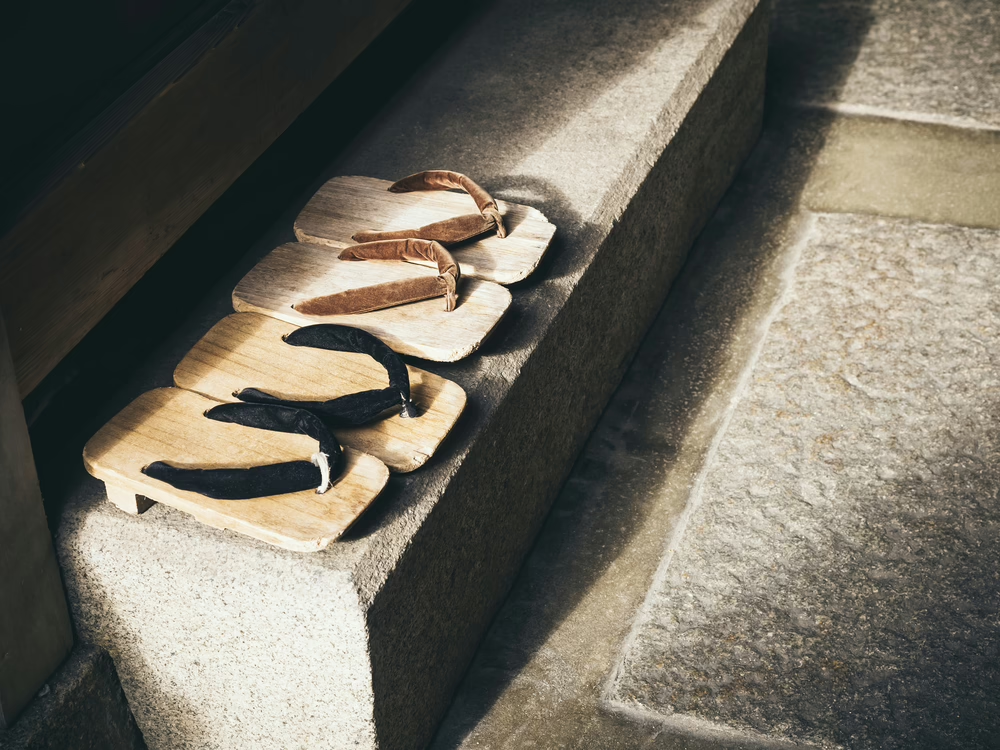
An onsen town is a whole settlement built around shared baths. You sleep at an inn, but you bathe across the town. Guests walk between bathhouses in cotton robes and wooden sandals. Kinosaki, Kusatsu and Nozawa work this way. The format suits couples and friends who like a little life around them. Two or three nights is typical. In the evening, the lanes fill with guests carrying small towels from one bath to the next.
It is also the gentlest entry point, because the town’s baths replace a resort spa. A luxury ryokan, by contrast, concentrates everything inside one property. Many rooms carry their own open-air bath, and dinner arrives in the room as a long seasonal kaiseki meal. You may never leave the grounds, which is the point. One or two nights suits most guests, since the format is intense. Our comparison of luxury ryokan with private baths covers the strongest properties in detail.
The Countryside Inn and the Forest Lodge
A countryside ryokan offers the same rhythm at a smaller scale, often in a valley with a river close by. The baths are simpler, and the dinner leans on local produce rather than formal courses. Kurokawa in Kumamoto and the inns around Yufuin fit here. Two nights is the right length. The first night is for arriving, and the second is for actually resting. Evenings are dark and still, with little to do but bathe.
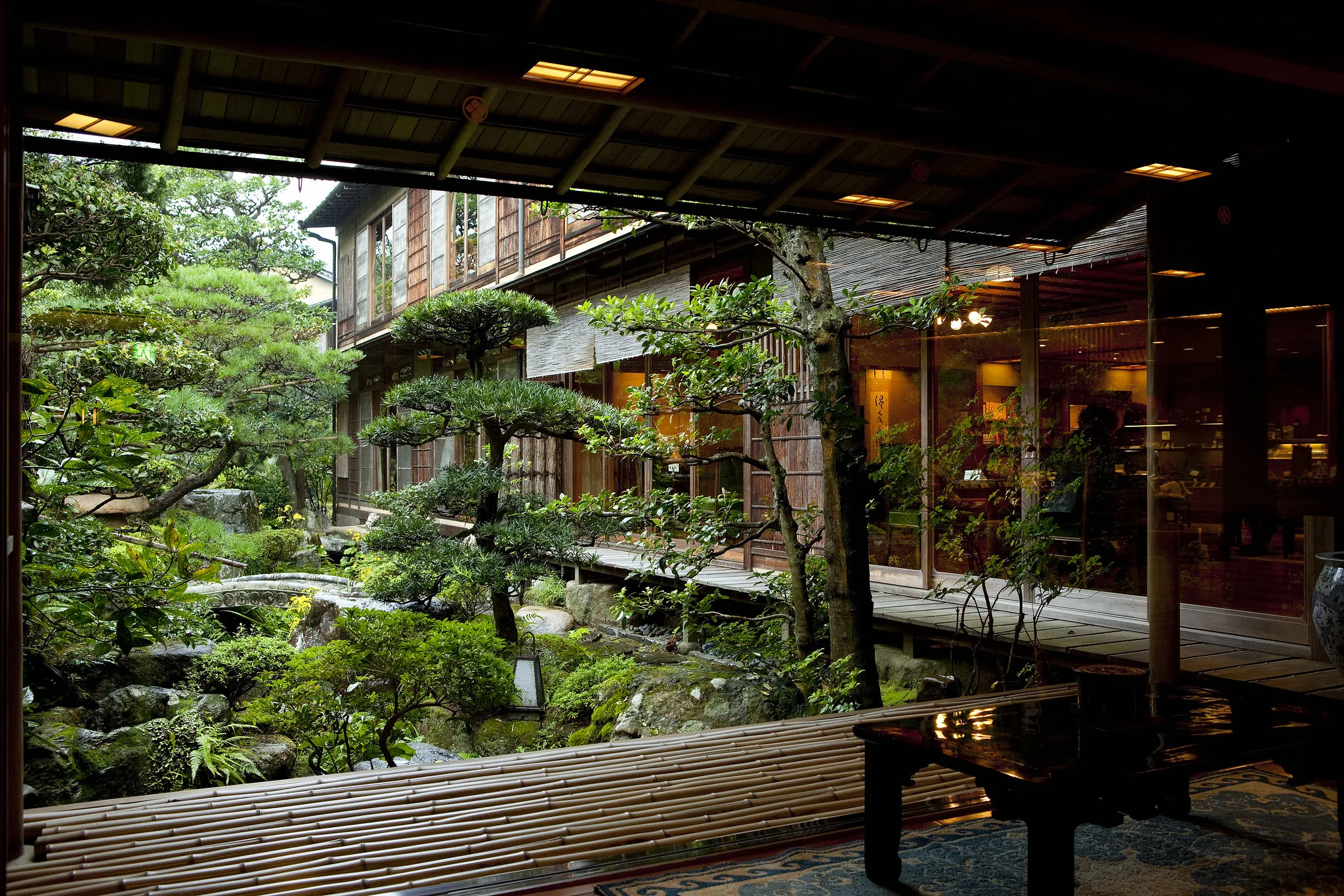
Some retreats trade the bath for the walk. Lodges on Yakushima, in the Kiso valley and in the Northern Alps build the day around forest trails. Here the bath comes at the end rather than the center. This format suits active travelers who rest best after exertion. Plan two to four nights, since weather can close a trail for a day. Pack layers and good shoes, and expect early starts. On Yakushima, a single cedar-forest walk can fill the whole day.
Structured Programs at the Top of the Market
Finally, a handful of resort hotels sell true programs, with consultations, daily treatments and set meals. These come closest to the Western idea of a wellness retreat. They run from three to seven nights. They suit guests who want guidance, measurable routine or a firm reason to stop working.
For a few lines each evening, after the last bath and before the futon.
6 × 9 in · 120 unlined pages · matte softcover
Shop This Journal →Two examples show how they work. At Amanemu, on the Shima peninsula in Mie, the Detox and Cleansing Wellness Immersion combines full board with hot-spring therapy. It opens with a 60-minute consultation and adds a daily treatment of 60 to 90 minutes. Guests also have two or three specialist sessions each day. A short departure consultation closes the stay, so guests leave with a plan for home. The second example runs on fixed dates. Halekulani Okinawa holds a six-night Blue Zones retreat from October 18 to 24, 2026, as reported by Luxury Travel Magazine. The package covers the room, airport transfers, the program and a dining credit.
Both programs share a pattern. Each fixes the length, front-loads a consultation and builds the day around bathing or movement. Neither expects you to plan anything. At this level you pay for the removal of every decision. If that sounds like relief, a structured program suits you. If it sounds confining, an inn will give you more for less. Both also suit travelers who rest best when a trip has a firm end date. Few programs publish their details this openly, so these two make a useful benchmark. In practice, many guests try an inn first and save a program for a later trip. Either way, the five formats compare most clearly side by side.
Choose the format first, and the region and property follow from it.
| Format | Typical stay | Rhythm of the day | Best for |
|---|---|---|---|
| Onsen-town stay | Two to three nights | Walks between public bathhouses | Couples and friends who like some life around them |
| Luxury ryokan | One to two nights | Private bath and in-room kaiseki | Guests happy to stay inside one property |
| Countryside ryokan | Two nights | Simple baths and local produce | Travelers who want privacy in a valley |
| Forest-and-mountain stay | Two to four nights | Trail first, bath at the end | Active travelers who rest after exertion |
| Structured program | Three to seven nights | Consultations and daily treatments | Guests who want guidance and routine |
What a Day on a Japan Wellness Retreat Looks Like
Because the formats differ, a sample day helps more than a list of amenities. The pattern below fits an onsen town or a ryokan, which together cover most trips. A structured program adds appointments, while a forest lodge swaps the morning bath for a trail. Otherwise the shape holds everywhere. Lights go out well before you would sleep at home.
Morning, and the First Bath
Most guests wake around six, often without an alarm. The first bath comes before breakfast, while the outdoor pool still steams against the cold air. Breakfast follows at seven or eight: grilled fish, rice, miso soup and small pickles. After that, the morning belongs to you.

Some guests walk the town, while others return to the room and read. In an onsen town, the morning is the best time to try a bathhouse you skipped the night before. At a ryokan, it is the hour to sit by the window with tea. Either way, a cotton robe becomes the uniform for the whole stay. Nobody dresses for breakfast, and nobody hurries. By ten, the building feels emptier, and the day seems longer than it is. That sense of spare time is the first sign the stay is working. Lunch, if you take it at all, is light, and a nap often follows.
Evening, and the Meal That Anchors It
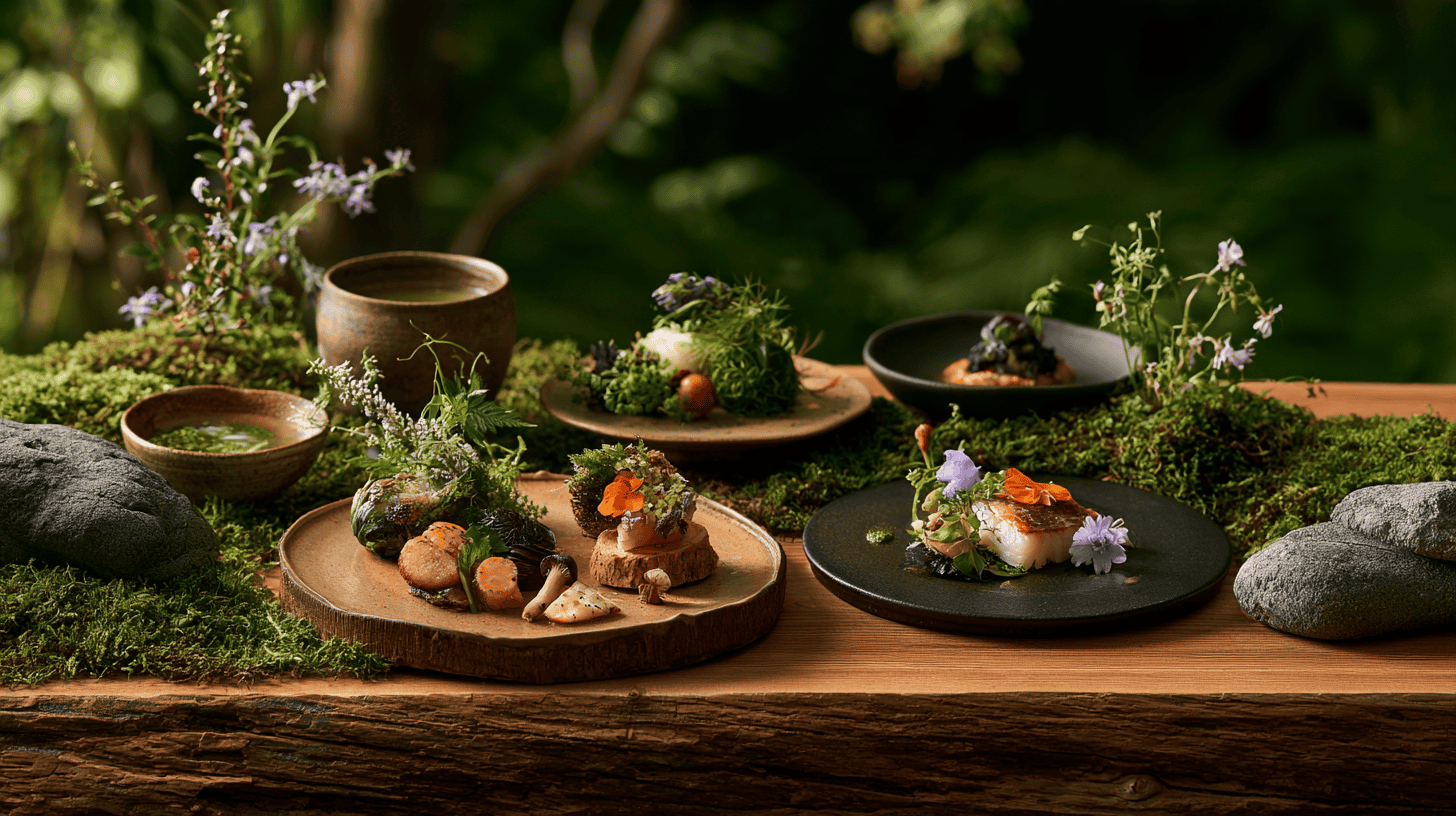
The evening follows the same logic as the morning, only slower. Afternoons are for the second bath and a nap. Then dinner arrives around six. At a ryokan it means kaiseki, a sequence of small seasonal courses served in private. Portions are modest, yet the length of the meal slows you down. A third bath before bed is common. Nobody clears the table early, and nobody hurries you. By nine the futon is laid out, and the building falls still.
Prefer to have the route built for you? Our custom Japan itinerary can sequence the cities, inns and transfers around your nights of rest.
A typeset printable: ten Japanese proverbs with kanji, romaji and meaning. Signing up also brings occasional letters on Japan and word when a new journal reaches print.
One email with your printable. Occasional letters after that. Unsubscribe anytime.
Notice what is missing from that day. There is no class schedule, no gym slot and no spa menu to work through. Rest happens because the building removes the alternatives. For many travelers that absence is the treatment. Instead, the hours fill themselves with baths, naps and long meals. Guests who arrive restless often find, by the second evening, that they have stopped reaching for a phone. For others it feels unstructured, which is why the format question comes first. Our account of what a ryokan onsen stay is like walks through that evening step by step, from the welcome tea to the futon.
Where to Go for a Japan Wellness Retreat, Region by Region
Japan has a great many hot springs, but five regions cover nearly every good retreat. Each has a different character, a different season and a different journey time from Tokyo or Osaka. Choose the region after the format, because some regions simply lack certain formats.
Hakone, Izu and Kansai
Hakone sits a short train ride from Tokyo, which makes it the natural first retreat. It offers every format, from large resort hotels to small inns with private baths. The Izu peninsula, to its south, adds sea views and a slower pace. Because both are close to the capital, weekends fill early, so book midweek if you can.
From Osaka or Kyoto, Kinosaki is the classic onsen town, and Arima sits in the hills above Kobe. Further south, the Kii peninsula offers forest walks and small mountain inns. This region suits travelers already visiting Kyoto, because a retreat can follow the city without a long transfer. Two nights in Kinosaki after four in Kyoto is a pairing that rarely disappoints. Arima, by contrast, works as a single night or even an afternoon. In Kinosaki, the bathhouses line a willow-edged canal, so the whole stay happens on foot. Book winter early, since the crab season fills the inns quickly every year.
Recommended
Kyushu: Yufuin, Kurokawa and Beppu
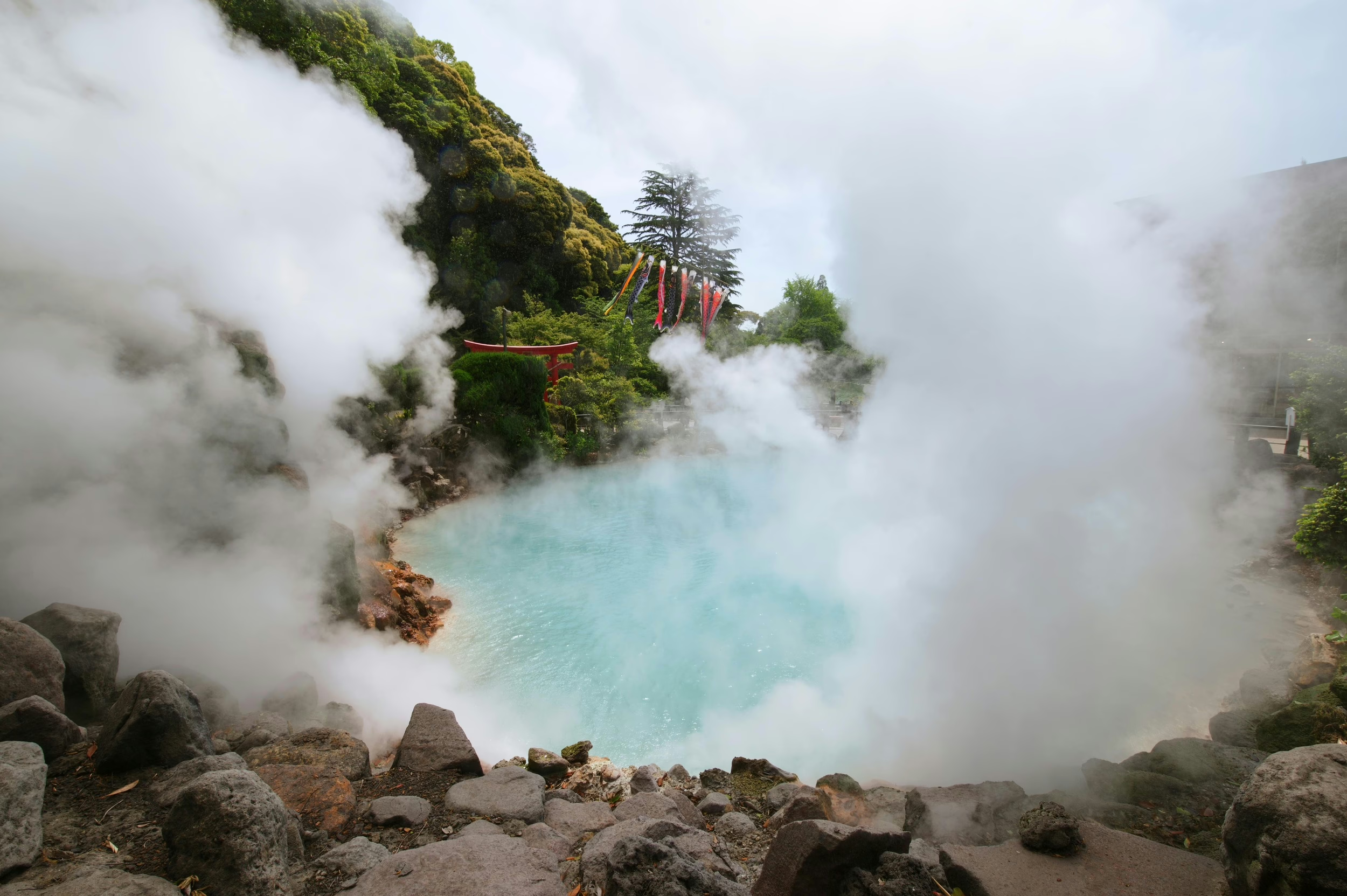
Kyushu is the countryside-ryokan heartland. Yufuin pairs good inns with a walkable town, while Kurokawa keeps its baths in a narrow river gorge. Beppu, nearby, offers a remarkable range, from steam baths to sand baths. However, Kyushu has few structured programs, so it suits a Japan wellness retreat built around inns rather than appointments. Kurokawa is small enough to cross on foot in minutes, and it sells a wooden pass that opens several inns' outdoor baths.
Reaching any of these towns takes a flight or a long train ride. As a result, three nights is the minimum that justifies the journey. Spring and late autumn are the strongest seasons. Many travelers fly into Fukuoka, then move between two towns by rail and bus. Yufuin and Kurokawa pair well, since one is lively and the other is deep in the valley. In autumn, the gorge turns red and gold above the outdoor baths.
Chubu, the Alps and Tohoku
Central Japan combines mountain towns, alpine baths and old merchant streets. Takayama works as a base, with the Okuhida springs a short drive away. Further east, the Northern Alps hold remote lodges that open seasonally. Plan for a car or a careful rail and bus schedule, since connections thin out in the mountains.
Northern Japan is the place for snow. Ginzan Onsen in Yamagata, with wooden inns along a narrow river, defines the winter bath for many visitors. Akita's mountain inns are older and simpler still. Winter is the season to go, although rates rise and some routes close in heavy snowfall. Allow an extra night for weather, and check road conditions the day before you travel. For many travelers, this snowbound valley is the Japan wellness retreat they picture first.
Once a region is chosen, sequencing becomes the next question. The order of towns and the travel days shape how rested you feel. Our page on building a multi-day onsen wellness itinerary covers routes, seasons and transfer times.
Booking and Bathing on a Japan Wellness Retreat
Booking from abroad is awkward, but it is manageable with a little patience. The best small inns sell most rooms through Japanese platforms or by phone. Many open bookings only a few months ahead. So secure the hardest room first, usually the small inn or the private-bath suite. Then build the trip around it. Finally, tell the inn your arrival time, because dinner starts at a fixed hour.
Value depends more on format than on region. In Kinosaki, for instance, guests staying at an inn usually receive a pass to all seven public bathhouses at check-in. A luxury ryokan bundles dinner, breakfast and often a private bath into the nightly rate. Three things move that rate most: the room type, Saturday nights and the peak seasons of autumn leaves and winter snow.
Bringing the Breakfast Home
The breakfast travels home more easily than the bath. Every inn morning described above includes a bowl of miso soup. It is the most ordinary dish on the tray, yet guests remember it. The version below starts with a simple dashi of kelp and bonito flakes, then adds tofu, wakame and green onion. It takes about twenty minutes and needs no special skill. Good miso also keeps for months in the fridge.
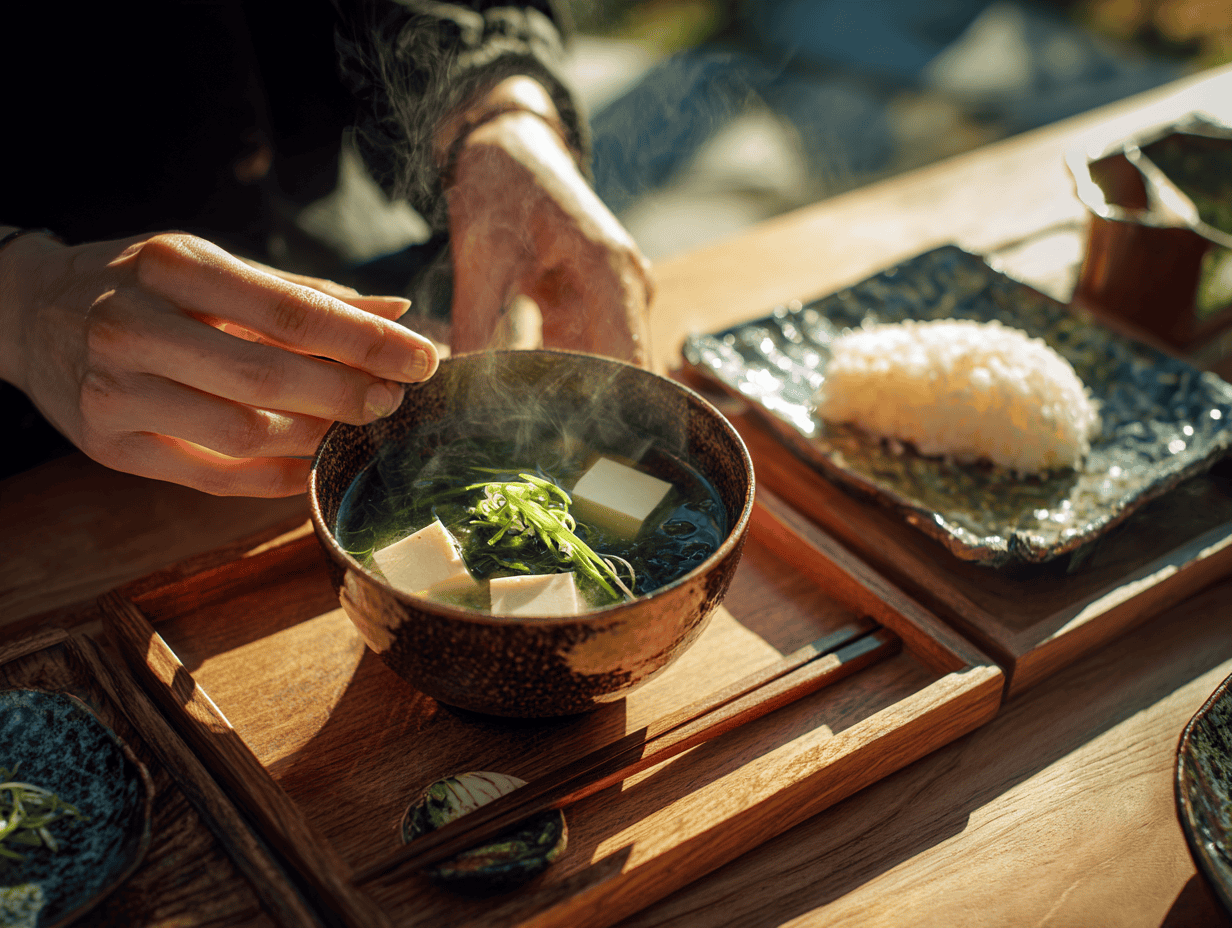
Miso soup is a staple of the Japanese breakfast tray, served at home and at every ryokan. It starts with dashi, a stock of kombu kelp and katsuobushi bonito flakes.
- 1 square of kombu (about 4 inches)
- 4 cups water
- 1 packed cup katsuobushi (bonito flakes)
- 4 tablespoons miso
- 7 ounces silken tofu, in small cubes
- 1 tablespoon dried wakame
- 1 green onion, thinly sliced
- Soak the kombu in the water for half an hour if time allows, then warm the pot over medium-low heat for about ten minutes.
- Lift out the kombu just before the water boils, add the katsuobushi, return to a boil and simmer for thirty seconds.
- Turn off the heat, let the flakes sink for ten minutes, then strain the dashi.
- Bring the dashi back to a gentle boil, turn off the heat and dissolve the miso in a ladle of stock before stirring it in.
- Add the tofu, wakame and green onion, and keep the soup below a boil.
- Serve at once with rice and grilled fish, as an inn would at seven.
Make it on the first cold morning after you get home. Serve it with a bowl of rice and a piece of grilled fish, and the inn breakfast is mostly there. The dashi takes about fifteen minutes, so it fits an ordinary weekday. Also, keep the miso below a boil, because boiling dulls its flavor. If you have no bonito flakes, kombu alone makes a lighter stock. Small habits like this carry the retreat further than any souvenir, because you repeat them every week.
Bathing Etiquette, Towels and Tattoos
Etiquette is simple once you know it. Wash fully at the seated showers before entering the water. Keep the small towel out of the bath, folded on your head or on the edge. Do not swim, splash or bring a phone. Most baths divide guests by gender, and you bathe without swimwear. Tie long hair up so it stays out of the water, and drink water after a long soak. If that feels uncomfortable, book a room with a private bath. Our guide to Japanese etiquette for visitors covers the rest of the inn.
Organic cotton towels made in Imabari, Japan. The small one folds neatly for the walk between bathhouses.
View the Kontex Towels →Onsen-style bath salts modeled on eleven hot springs. They bring a little of the inn bath to an ordinary tub.
See the Tabino Yado Salts →A self-warming eye mask for early nights. It suits the retreat habit of lights out well before ten.
View the MegRhythm Mask →Tattoos are the question visitors ask most. Policies vary by property, and many large baths still refuse guests with visible tattoos. However, the picture is changing. Kinosaki now states that all seven public baths allow tattoos of any size, without covers. The town notes that inn baths may set their own rules, so check with your inn before you arrive. A private bath settles the question either way.
When a Japan Wellness Retreat Is the Wrong Choice
Sometimes a retreat is not what the trip needs. On a first ten-day visit, three nights of stillness may cost you Kyoto or Tokyo. If you dislike early nights, fixed dinners and shared baths, the inn model will chafe. And if you need medical care, a retreat is not a substitute for a clinic. A Japan wellness retreat rewards time, so a short trip may be better served by one good night.
Better alternatives exist for those cases. A day-use bath in Hakone fits between Tokyo nights without changing hotels. In Kansai, Arima plays the same role for travelers based in Kyoto or Osaka. The bath becomes an afternoon rather than a whole stay. Alternatively, a city hotel with a spa gives you the facilities without the timetable. Our guide to Japan's luxury hotels sets out those city options. Either one works well on a short first trip. The bath then becomes the reward at the end of a long day of walking, rather than the reason for the journey. Many travelers find that one evening is enough to understand the appeal.
Ending the Trip With Rest
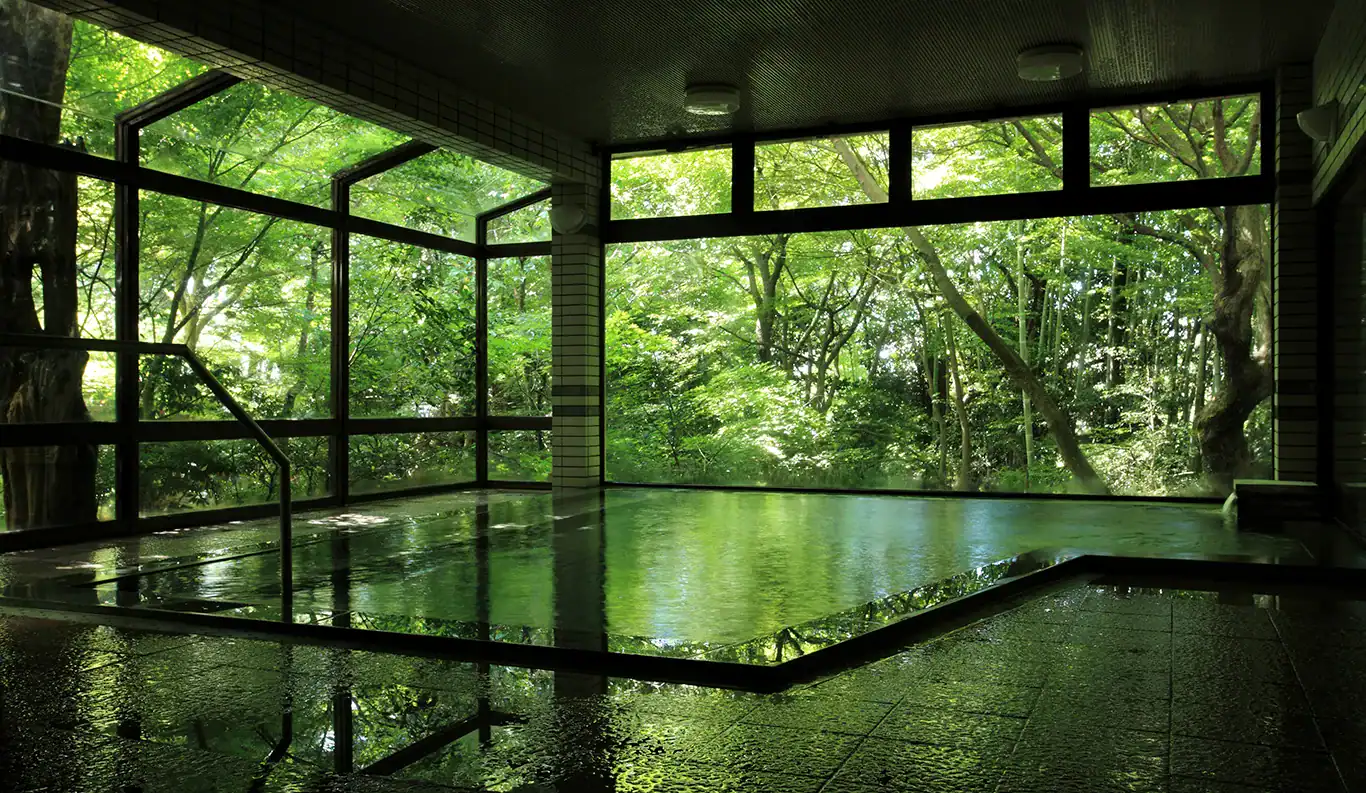
For many travelers, the right answer is a short retreat at the end of the trip, after the cities. That way rest follows effort, and you fly home restored instead of tired. Two nights in Hakone after Tokyo, or Kinosaki after Kyoto, fits most itineraries. Book that last stay first, because it is often the hardest room to find. Then plan the cities backwards from it, so the final transfer is short. Leave the last morning open, with one more bath before the train. A retreat at the start works less well, since jet lag tends to blur the first few nights.
Seasons matter here too. Winter baths feel strongest because the air is cold. Autumn brings leaves and the best kaiseki. Spring is mild and busy, while early summer is green and calm before the heat of August. A Japan wellness retreat works in any season, provided you match the region to it. Snow country belongs in winter, and the southern valleys belong in spring and late autumn. The June rains, meanwhile, suit forest lodges, where wet moss and cedar look their best. Book autumn and winter weekends earliest, since those seasons push inn rates up. Match those well, and the place does the rest.
Questions Worth Asking
What is a Japan wellness retreat?
It is a stay of two or more nights organized around rest rather than sightseeing. Most take place in hot-spring towns, ryokan, forest lodges or resort hotels with structured programs. Bathing, seasonal meals and early nights do most of the work. Treatments and consultations are optional extras at the higher end.
Which retreat format offers the best value in Japan?
An onsen town usually offers the best value, because the public baths replace a resort spa. In Kinosaki, inn guests usually receive a pass to all seven public bathhouses at check-in. Luxury ryokan bundle two meals and often a private bath into the rate. Structured programs sit at the top of the market.
How long should a first wellness trip to Japan be?
Two nights per place is the minimum, because the first night is mostly arrival. A first retreat of two or three nights in one town works well. Longer trips can pair formats, such as an onsen town followed by a forest lodge, with the hardest room booked first and the rest built around it.
What is the difference between an onsen town and a ryokan stay?
In an onsen town you sleep at an inn but bathe across the town, walking between public bathhouses in a cotton robe. In a ryokan stay, especially a luxury one, the baths and meals sit inside one property. Towns feel livelier and lighter on cost, while ryokan feel more private and self-contained.
Can you visit an onsen with tattoos?
Policies vary, and many baths still refuse visible tattoos. Some towns have changed their rules. Kinosaki, for example, says all seven of its public baths accept tattoos of any size without covers. Inn baths may set their own rules, so ask ahead, or book a room with a private bath.
When is the best season for a wellness trip to Japan?
Winter suits snow-country baths in Tohoku and the mountains, since cold air makes the outdoor bath feel strongest. Spring and late autumn suit Kyushu and Kansai. Autumn also brings the richest seasonal dinners. Avoid the humid weeks of August if you can, and allow an extra night for weather in winter.
Which wellness retreat is closest to Tokyo?
Hakone is the natural first choice, a short train ride from Tokyo. It offers every format, from large resort hotels to small inns with private baths. The Izu peninsula, to its south, adds sea views and a slower pace. Weekends fill early, so book midweek if you can.
A Practice, Not a Trip
The best retreat is rarely the most expensive one. It is the one that fits your temperament, your season and your tolerance for stillness. Give each place two nights and let the inn set the rhythm. Bathe before breakfast, eat what arrives and sleep early. By the third morning, most guests notice they have stopped checking the time.
When you are ready to turn the idea into dates, start with the hardest room and build outward. For a more personal approach, our private luxury tours of Japan can handle the inns that do not sell abroad. Rest, in the end, is a practice rather than a destination.
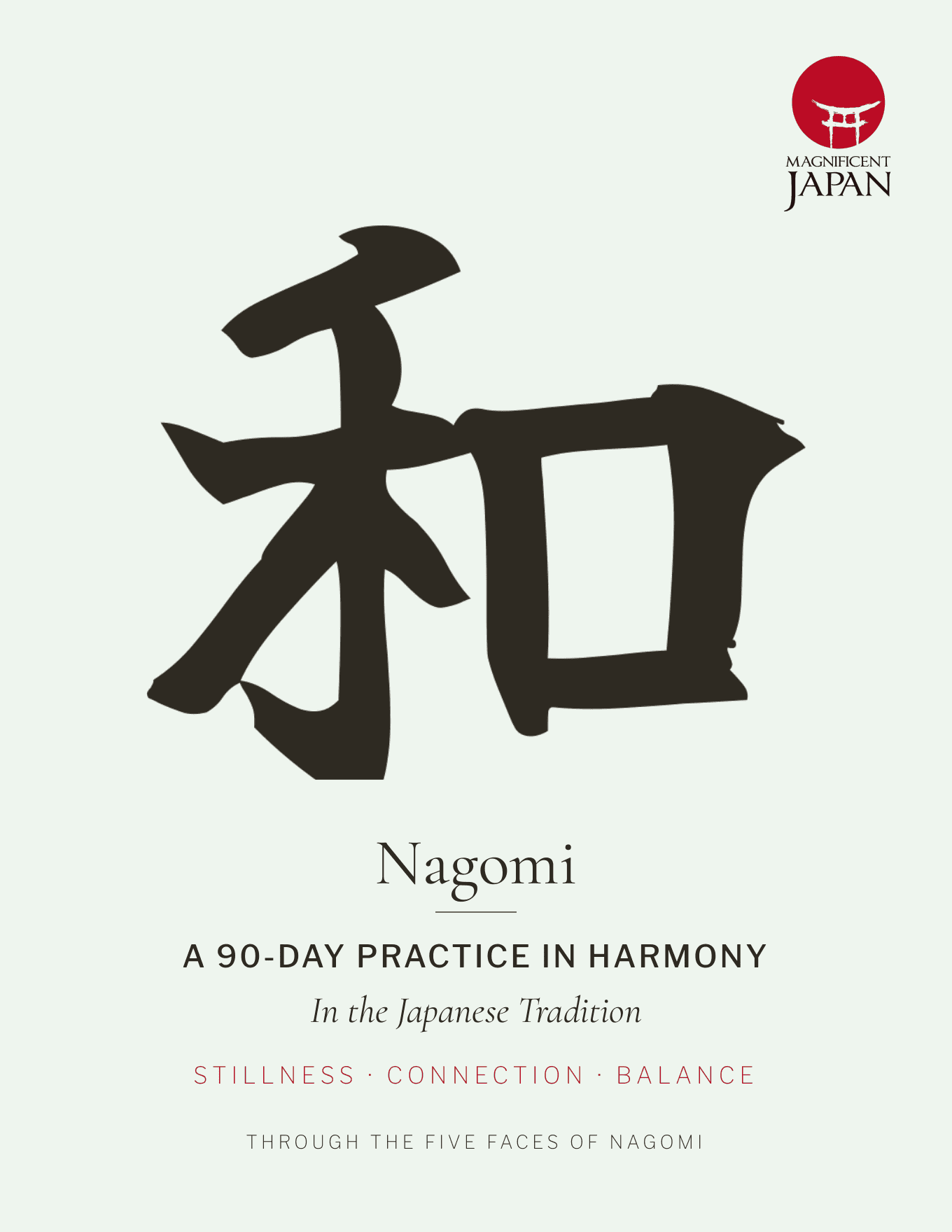
When the retreat ends, ninety days of guided pages keep its slower rhythm going at home.
View the Journal →Some travelers want the baths, the inns and the cities joined into one route. For them, the last step is a plan built around the nights that matter. We can arrange the private-bath room, the valley train and the transfer that beats dinner.
For the traveler who wants rest without giving up the cities: a custom itinerary that places two nights in a private-bath ryokan after Kyoto, times the train to the valley so you arrive before dinner, and secures the small inn that does not sell abroad.
Plan Your Custom Japan Itinerary