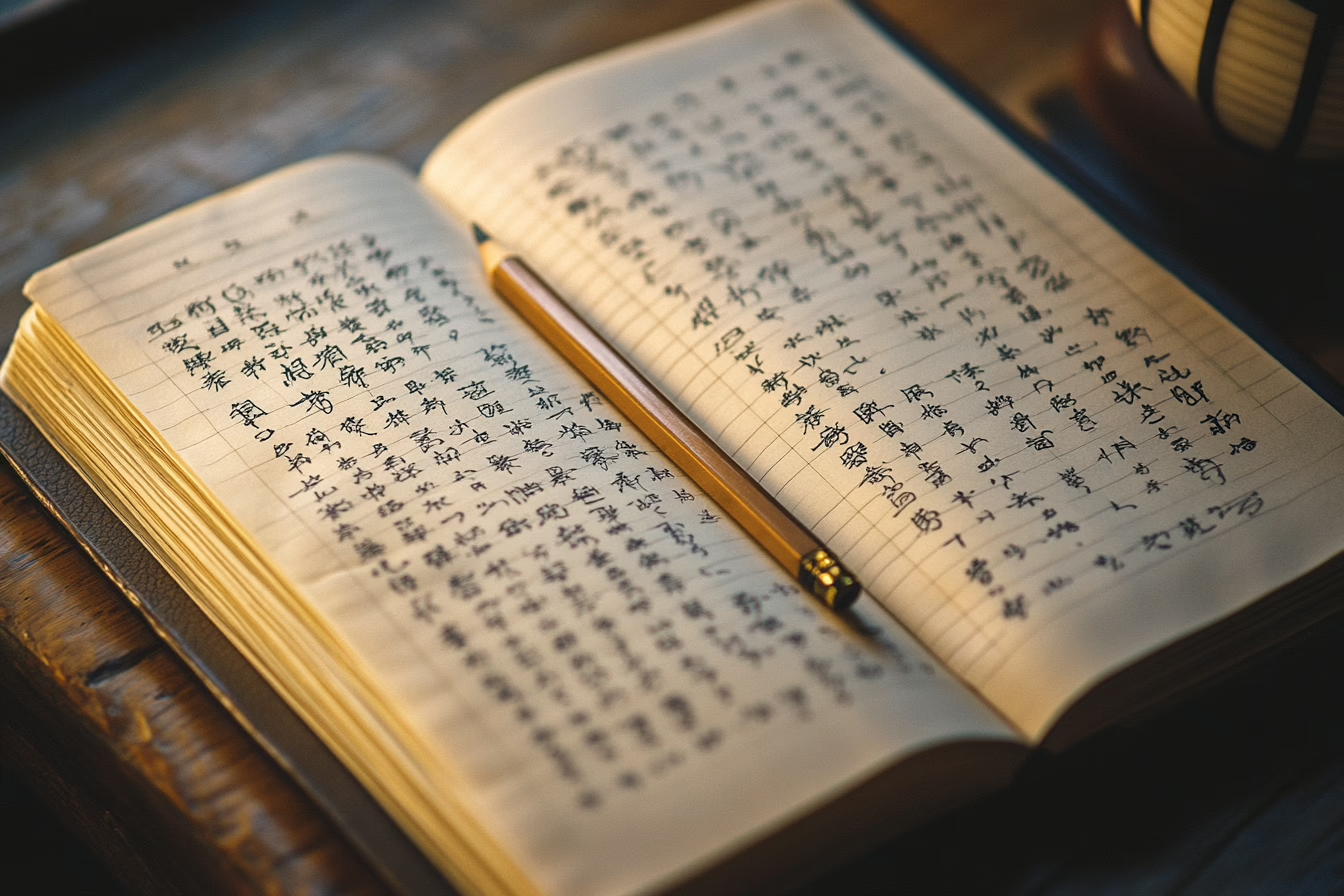
The JLPT N5 kanji list is the first thing many learners look for, and it is also the first thing that confuses them. One site shows eighty kanji, another shows more, and the exam itself publishes no list at all. This guide explains why that happens, then gives you a full public list of 80 characters, sorted by stroke count.
After the list, you will see what kinds of characters it holds and how a single kanji is built, stroke by stroke. We then look at the signs you can read in Japan after a few weeks, and at whether to read first or write first. Last come a realistic pace, a handful of desk objects and a seasonal bowl of rice porridge.
The JLPT publishes no official kanji list, so counts differ between unofficial lists, from about 80 to about 100. The list below holds 80. Every version shares the same core: numbers, days of the week, directions, people, time words and everyday verbs such as see, come and eat.
The JLPT N5 Kanji List, and Why the Count Varies
N5 is the first and easiest level of the Japanese-Language Proficiency Test. It sits at the very start of the path, so its kanji are the characters a beginner meets in the first months of study. They are also the characters most often seen on signs, menus and tickets. That is why a JLPT N5 kanji list is so popular with travellers as well as with exam candidates.

The trouble is that there is no single list to copy. Different sites have built their own, drawing on old exam guides and on the words that appear most often in beginner textbooks. Most agree on a core of around eighty characters. Some add a few more, and a few trim some away. So when two lists disagree, neither one is wrong. They are simply two careful guesses about the same exam.
This is why you should treat any count as a guide, not a rule. A learner who knows eighty kanji from one list will find most of the same characters on another. The gaps are small, and they matter far less than steady practice with the characters you do know.
No Official List: What the JLPT Says
Before 2010, the test came with published lists of vocabulary, kanji and grammar. After the 2010 revision, that changed. The organisers explain in their frequently asked questions that the old specifications are no longer available. They say the test aims to measure communicative ability, not how many items a learner has memorised from a list.
The same organisers describe what N5 means in their level summary. For reading, a candidate can read and understand typical expressions and sentences written in hiragana, katakana and basic kanji. That wording is deliberately general. It names no characters, and it gives no number.

In practice, that means every JLPT N5 kanji list you find online is unofficial. Each is a good-faith reconstruction, built from the old lists that many teachers still know. Use one as a map of the territory. Do not treat it as a promise about what a particular exam paper will ask. If you plan to sit the test, rely on the organisers’ own sample questions for the format, and on your lists for the shape of the study.
You may also like


The Full List: 80 Kanji by Stroke Count
Here is the JLPT N5 kanji list with meaning, in a neutral order. It runs from the characters with the fewest strokes to those with the most, so you can see the whole level at a glance. The meanings are short on purpose. Each kanji has more than one reading and more than one sense, and the short word is only a first handle.
One and Two Strokes (8)
Three Strokes (12)
Four Strokes (15)
Five Strokes (11)
Six Strokes (9)
Seven and Eight Strokes (11)
Nine and Ten Strokes (8)
Twelve to Fourteen Strokes (6)
Source note: the list follows the public N5 list at jlptsensei.com, which is unofficial, as every N5 list is. It is sorted here by stroke count, using the standard counts in the public KANJIDIC dictionary data.
A list is a map, not a method. Reading down it once will not teach you a single character. What it gives you is a clear sense of scale: eighty shapes, most of them simple. Notice how many fall in the first three groups. More than a third of the list has four strokes or fewer. That is good news for a beginner, because short characters are the easiest to hold in the hand.
What Kinds of Kanji the N5 List Holds
Look again at the JLPT N5 kanji list above and the pattern is easy to see. First come the numbers. One to ten are there, along with hundred, thousand and ten thousand, plus the character used for the yen. Once you know them, you can read prices, dates and room numbers almost at once.
Next are the days of the week. The characters for sun, moon, fire, water, tree, gold and earth name the seven days, and all seven sit on the list. A train timetable or a restaurant door often shows these characters, so they pay back quickly. Directions follow: north, south, east and west, plus up, down, left and right.

People are the fourth group. Person, man, woman, child, father, mother and friend all appear. Time words come next, such as year, month, minute, now, before and after. Finally there are the everyday verbs. See, come, go, eat, read, write, hear, talk, rest and study cover most of a beginner’s daily life. Together, these groups are why the first level feels so practical. It is built from the things people point at and talk about every day.
You may also like
From One Stroke to Fourteen: 一, 人 and 語
Stroke count is a useful way to feel the range of the N5 kanji. At the shortest end sits 一, which means one. It is a single horizontal line, written from left to right. Beside it, 人 means person and takes two strokes. It looks like a walking figure, and it is one of the first shapes most learners recognise.
At the other end are characters with fourteen strokes. The character 語 means language, and it is a good example of how a long kanji is really two shorter ideas side by side. On the left is the speech element, used in many words about talking. On the right is a smaller shape that gives the character its sound and its balance. Learn the two parts separately, and the whole feels far less daunting.

Take the word 英語, eigo, which means English. The first character is not on the N5 list, but 語 is, so the pair is a nice early compound. You learn the second character first, then meet it again at the end of many other words. In that sense, a long character earns its place quickly, because it turns up in names for many languages.
The point is simple. A character with many strokes is not harder to understand than a short one. It only takes more care to write. Practise the order, keep the parts in proportion, and fourteen strokes become as natural as two. For more on why the count matters, see our guide to kanji stroke count.

Kanji You Already See in Japan: 山, 日 and 雨
The best test of a list is whether you meet its characters in the street. Many N5 kanji appear on signs, so a short walk becomes a small lesson. The character 山 means mountain, and it appears in the name of Japan’s most famous peak, 富士山, Fujisan. Three simple strokes make a shape that really does look like a peak.

The character 日 means day or sun, and it turns up in 毎日, mainichi, which means every day. You will also see it in the word for Japan itself, which begins with the sun. The character 雨 means rain, as in 大雨, ooame, or heavy rain, a word you may well need on a weather board in the rainy season.
Other N5 kanji turn up at doors and ticket gates. The character for exit, 出, and the one for enter, 入, appear on station signs, each beside a second character. Once you spot them, you start to notice them everywhere. That small moment of recognition is a strong reason to keep going, because it proves the effort pays off outside the book.
Reading First or Writing First
A common question is whether you need to write the N5 kanji, or only read them. The honest answer depends on your goal. If you plan to read signs and menus on a trip, recognition is enough to begin with. If you want the characters to stay for good, writing helps, because the hand teaches the eye what to look for.
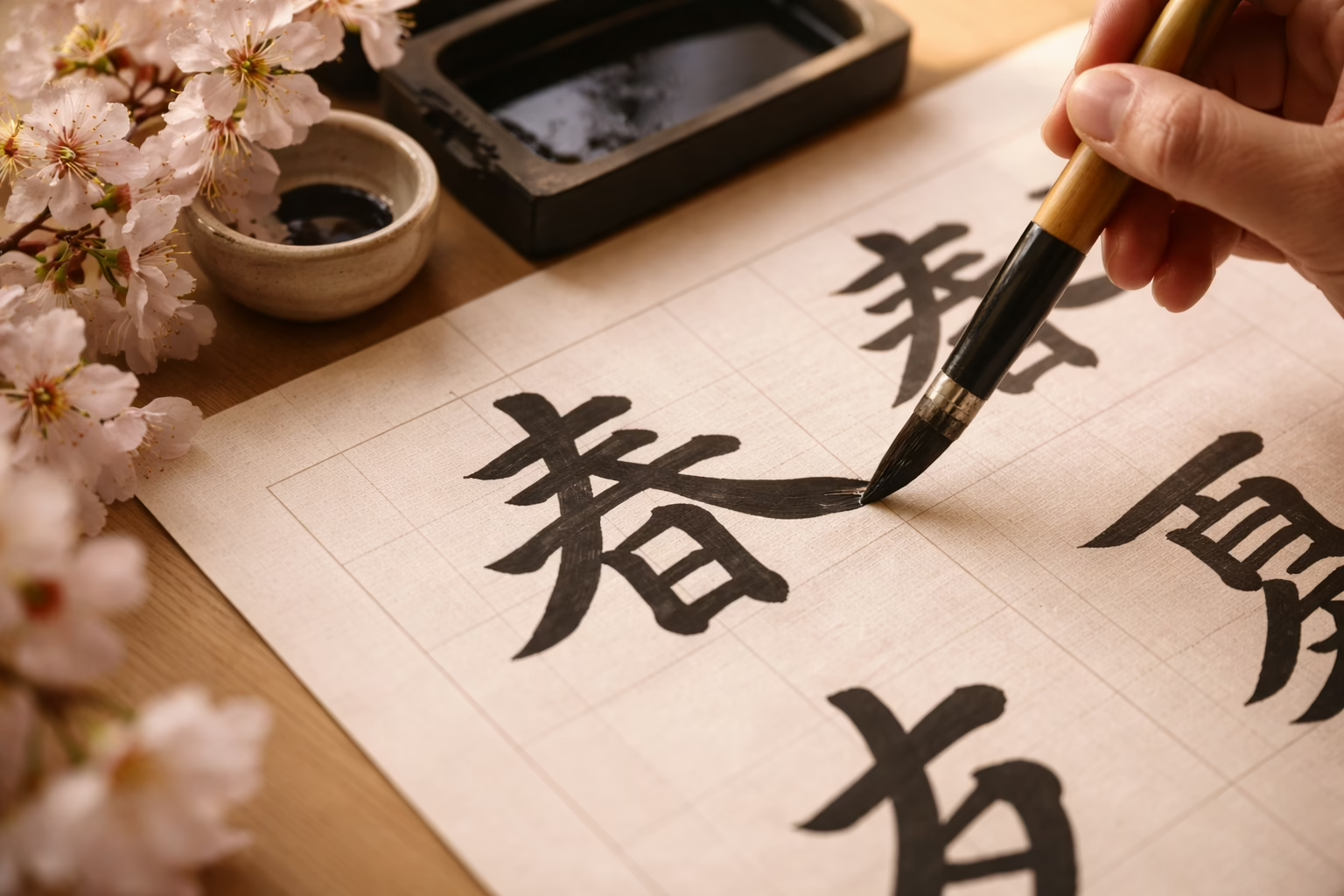
Writing slows you down, and that slowness is the point. You notice that 日 has a small bar in the middle and that 白 has a tiny stroke on top. Those details are easy to miss at reading speed, but the pen finds them at once. Our piece on whether to learn to write kanji sets out the choice by goal.

A good middle path is to read the whole list first, then write the characters you meet most. Start with the numbers and the days of the week, because you will use them daily. Add directions and people next. By then, you will have a feel for the stroke order, which matters a great deal. Our guide to stroke order explains how a fixed order makes each character faster and neater.
How Long the N5 Kanji Take
The maths is kind. With eighty characters on the JLPT N5 kanji list, a pace of five new kanji a day finishes the list in sixteen days of new material. At three a day, it takes about twenty-seven. Neither figure includes review, and review is where memory is made. Plan for at least the same time again, spent going back over what you have already met.
Most learners find a steady weeks-long routine works better than a sprint. A short daily session of ten or fifteen minutes beats a long weekend one. The characters have time to settle between sessions, and each return feels easier. Our guide to a five-a-day routine shows how that looks in practice.

Do not rush to the next level. Many learners feel pressure to finish a list quickly, then forget half of it. It is wiser to know sixty characters well than eighty poorly. When you can read a character without a pause and write it from memory, move on. A self-test now and then, such as our N5 kanji quiz, shows you where the gaps are.
A Few Things for the Study Desk
A list does not need much equipment, but a little care at the desk goes a long way. Good light, a steady page and a pen that suits small characters make the daily session something you look forward to. These objects have no link to any exam. They simply make sitting down easier, and an easy start is half the habit. Each one is useful on its own, and none is needed all at once.

Posture matters more than most learners expect. A page that lies flat on a desk makes you bend your neck, and a bent neck shortens every session. Raising the book a few inches changes that, and it also stops the page from sliding while you write.
Bamboo Book Stand — a page held at a gentle angle
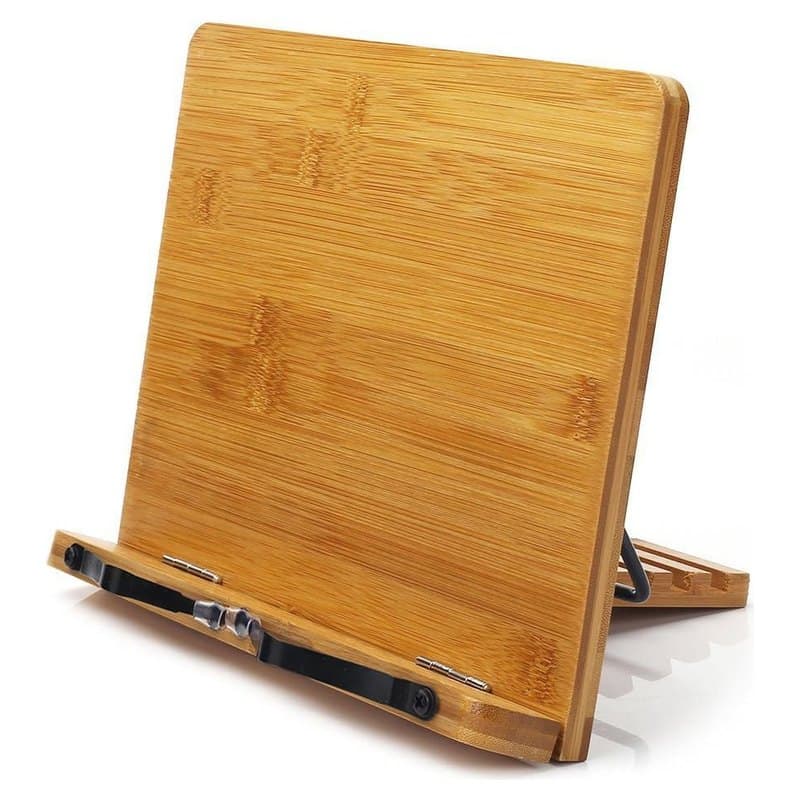
The bamboo book stand holds a book or tablet at an angle you can change, with a clip to keep the page open. Set it at a slight slope and your list stays in view while your hand writes below it. The wood is warm to look at and calm on a desk. It folds flat when you finish, so the desk is clear for the rest of the day. A reading stand like this suits both a printed list and a notebook of your own. Adjust the angle each time you sit down, because a small change in slope can ease the neck and keep the page steady.
Tea is a natural companion to study. A cup beside the notebook marks the start of the session and gives the hand a rest between rows. In Japan, many learners and calligraphers keep a cup within reach for exactly this reason. The warmth is pleasant, and the small act of pouring gives the mind a moment to settle. Choose something you enjoy holding, because you will pick it up many times in a month, and a good cup makes every one of those pauses a little better. Warm the cup first with a splash of hot water, then pour the tea, and it keeps its heat longer, which suits a slow session.
Mino Ware Yunomi Tea Cups — a cup for the study break
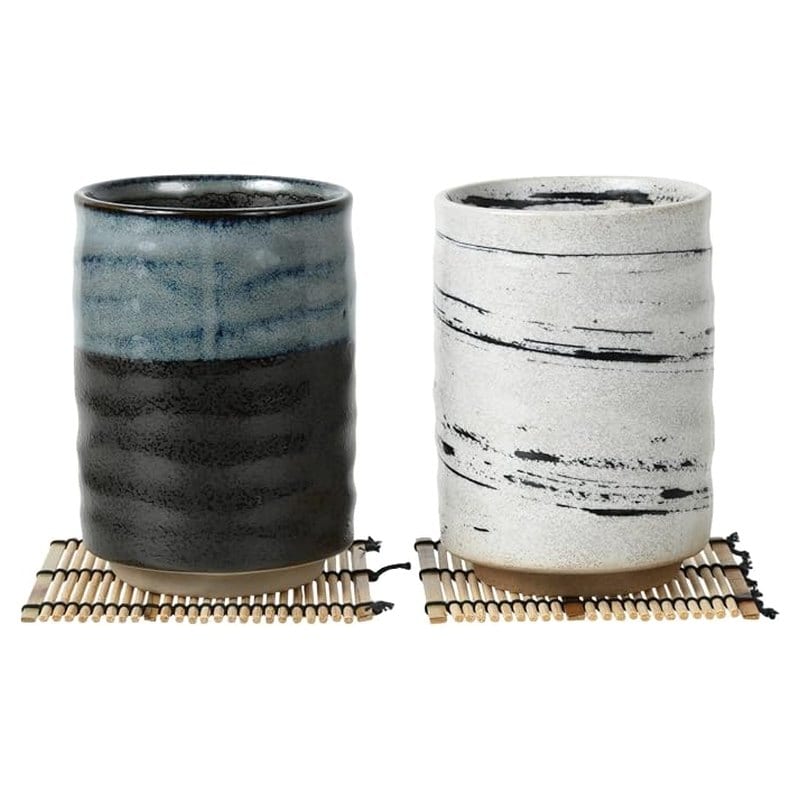
These Mino ware yunomi cups come as a pair, with bamboo coasters to protect the desk. Mino ware is a ceramic tradition from Gifu Prefecture, and the tall, handleless shape suits hot green tea. The glaze is smooth under the thumb, and the cup stays comfortable to hold as the tea cools. Keep one for yourself and use the second for a friend who studies beside you, or for the guest who joins your desk for a morning. The pair also look good together on a shelf, and a matching set makes tea for two feel like an occasion. A good cup turns a short study break into a small ritual.
Reading a long list is tiring for the eyes, and the right light makes a difference. Late in the day, a lamp with a soft, adjustable glow keeps the page clear without glare. A bright white beam flattens fine strokes, while a warmer one shows each line. Pair the lamp with a fine pen and a marker for your place, and the desk is ready. The last group is a gallery of three. A fine pen suits small characters, a clip marks the page and a lamp helps in the evening. A tidy page and good light are the two small helpers of any study session. Neither is needed on day one, but each makes the habit easier to keep.
Three Small Helpers for Long Sessions
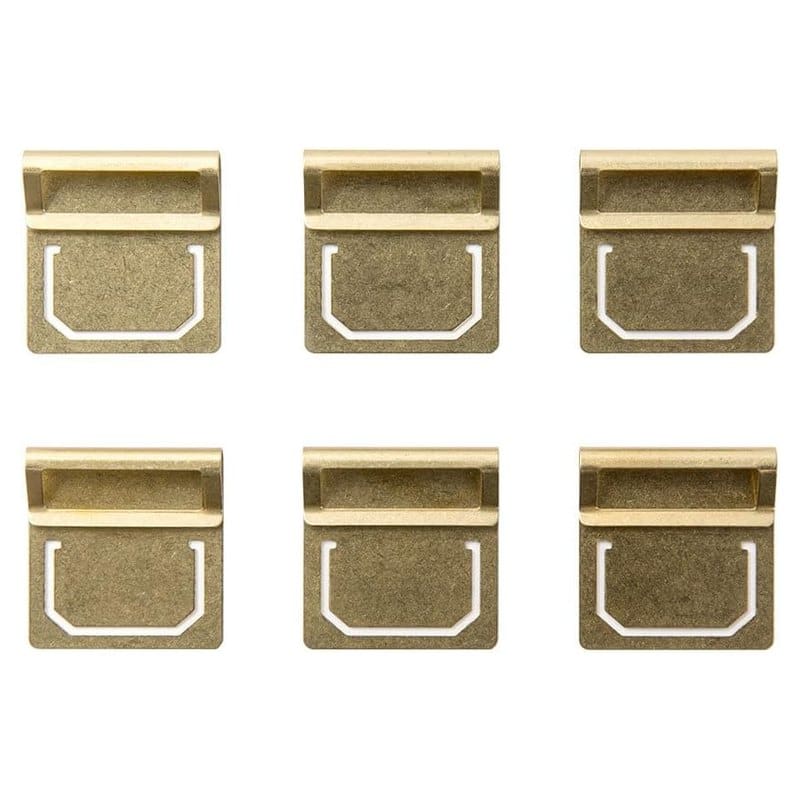
A slim brass clip that marks the page where you stopped.
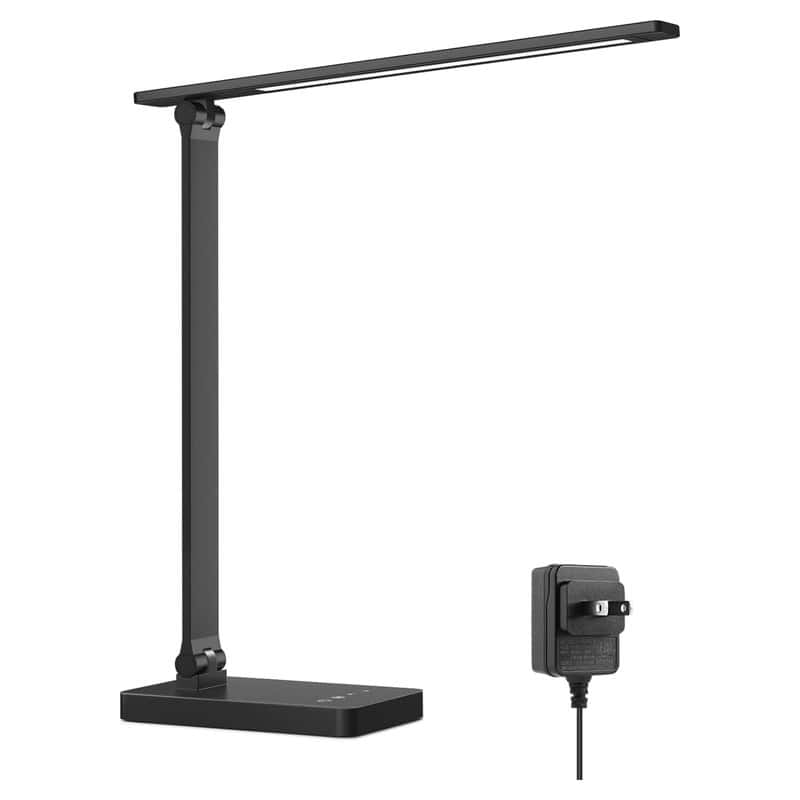
A touch-control lamp with warm and cool settings for evening study.
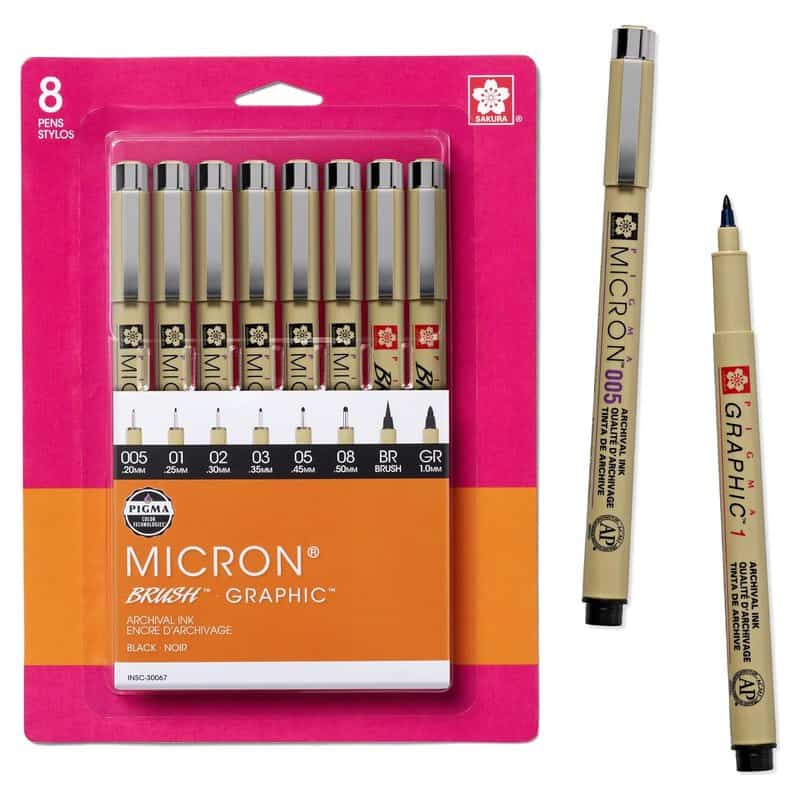
Assorted points for small characters; pigment ink that does not bleed.
Learning the First Kanji by Hand
Once you have the map, you need a way to walk it. We built Volume 1 of the Magnificent Japan kanji workbook series for exactly this stage. It teaches 100 foundational kanji, 63 of which are N5 on the unofficial lists above and 37 of which are N4. The rest of the N5 list continues in a later volume of the series.
Each kanji in Volume 1 has 19 practice boxes, which makes 1,900 boxes in all. Every character also comes with a stroke panel that shows one frame per stroke, so you see the order before you write. That is the part a list cannot give you. A list tells you what the characters are. A guided page shows you how to make them.
If you would like to try before you commit, the kanji flashcards give you five characters a day with readings and memory cues. They suit the recognition half of the work, while the workbook suits the writing half. Many learners use both, since the two do different jobs.
A simple weekly rhythm keeps both halves in balance. Read and review on the days you do not write, and write on the days you do not review. That way each character is met in two different ways within the same week, which is what makes it stay.
Seven Herbs for the First Week of the Year: Nanakusa-gayu
A first list of characters has something in common with a first meal of the year. Both are small, simple and meant to start something. In Japan, that meal is nanakusa-gayu, a rice porridge made with seven spring herbs and eaten on 7 January.

The seven herbs are called haru no nanakusa, the seven herbs of spring. They include seri, a water dropwort, and nazuna, shepherd’s purse. Turnip and daikon radish, known as suzuna and suzushiro, complete the group. People eat the porridge after the rich food of the New Year days. It is gentle on the stomach, and it is meant to bring health for the months ahead.
A Seasonal Bowl, Made at Home
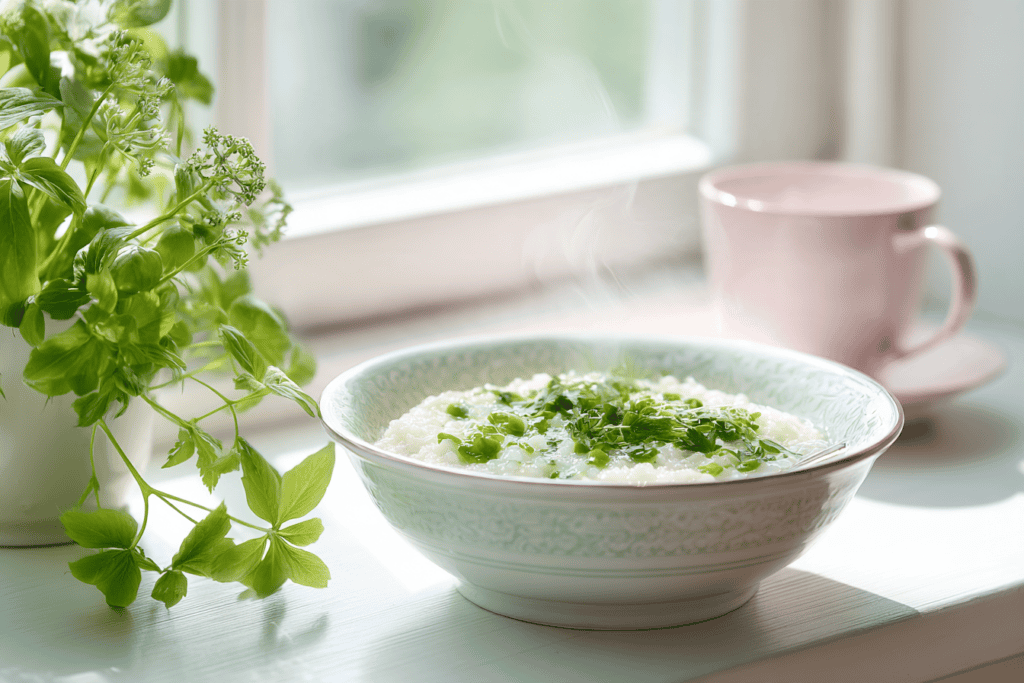
Nanakusa-gayu — seven-herb rice porridge
Rinse three quarters of a cup of Japanese short-grain rice and cook it in four and a quarter cups of water, covered with the lid slightly ajar, for about thirty minutes without stirring. Meanwhile, slice a small piece of daikon thinly and boil it with a pinch of salt for four to five minutes until tender. In the same water, blanch seven kinds of fresh greens for twenty to thirty seconds, cool them in ice water, squeeze them dry and chop them. Season the porridge with a half teaspoon of salt. Stir in the daikon and greens, cover, and let it steam off the heat for five minutes. Serve hot.
If you cannot find the seven classic herbs, many cooks use daikon leaves, spinach, mizuna and other tender greens instead. Some shops also sell the herbs dried in a packet around the New Year. The dish is plain on purpose. Eat it slowly, and use the time to plan what you would like to learn in the year ahead.
Ten Proverbs to Carry With You
A printable folio of ten Japanese proverbs, each set in kanji with its reading and a line on where you will hear it.
Using the JLPT N5 Kanji List in the Real World
A list works best outside the book. Pick one short text a day that you can find without trouble: a menu, a train ticket, a product label or a shop sign. Scan it for characters from the list, and read aloud any that you know. You will not understand the whole line, and that is fine. The aim is to see how often your eighty characters turn up, and to feel the list working.
Many learners also keep a short log of what they spot, and the habit takes one minute. A line a day is enough: the character, where you saw it and what it meant. After a month, the log shows which kanji keep appearing. Those are the ones to write most often, since your eyes already ask for them. It also gives you something to look back on when progress feels slow.
Fonts are the next thing to notice. A character on a menu may look bolder, rounder or more slanted than the one on your list. Shop signs often use brush-style lettering that bends the lines further. The parts are still the same, so look for the shapes you know inside the unfamiliar style. After a week or two, your eye starts to see through the font, and the character is plain again.
From a List to Reading
A list of eighty characters is the start of a longer road. When the N5 kanji feel steady, the next level asks for more, and the characters get denser. Our guide to N4 kanji study tips picks up where this one ends. Until then, enjoy the early gains, which come quickly and feel very real.
Recommended
A travel notebook, like the Fuji San one above, gives each kanji a place and a date. When you spot 山 on a sign near Fuji, write it down with the day and the weather. Months later, the character comes back with its story, and stories are what make a list stick. That is also why this kind of study suits a trip, because Japan itself is the second textbook.
For a gentle next step, trace a character on screen before you write it, with the stroke order shown live. That way you can rehearse a shape before the pen touches paper.
One more thing is worth saying. You do not need to hurry the list. A learner who writes five characters a day for a month ends up with real, lasting skill. A learner who rushes through all eighty in a weekend usually ends up with none. The reward is in the steady return, not the speed.
The same patience helps in Japan itself. Every sign you manage to read, even slowly, makes a street feel more open. A menu becomes a choice rather than a guess. A station board turns into a map. Those small wins are the real reward for learning a list like this one, and they arrive sooner than most people expect.

Reading Japan on the Ground
The best place to test a first list is Japan itself. You read a ticket machine, find the exit by its character and order from a menu with a few kanji you know. A morning like that makes the study feel worthwhile. It also shows you which characters to learn next, since real signs soon tell you what matters most.
We build days around moments like that: a slow walk through a neighbourhood with a guide who reads the signs with you, a calligraphy lesson in Kyoto or a morning in a stationery shop. Every itinerary follows your pace and your interests, with the practical details handled for you. The characters you studied at home become streets, meals and conversations.
A Journey Planned Around Reading Japan
We can plan days around the details that matter to you: a private calligraphy lesson in Kyoto, a morning in a Tokyo stationery shop, a slow walk through a neighbourhood with a guide who reads the signs beside you. Every itinerary is built around your pace and your interests.
Plan Your Custom Japan ItineraryQuestions Worth Asking
How many kanji are in JLPT N5?
The JLPT publishes no official kanji list, so the count depends on the list you use. Unofficial lists run from about 80 to about 100 characters. The list in this guide holds 80, and every version shares the same core of numbers, days, directions, people, time words and everyday verbs.
Is there an official JLPT N5 kanji list?
No. The organisers stopped publishing lists of kanji, vocabulary and grammar after the 2010 revision, and say the test measures communicative ability. Every N5 list online is therefore unofficial, built from older lists and textbooks. Use one as a map of the level, not as a promise about any exam paper.
How long does it take to learn the N5 kanji?
At five new kanji a day, 80 characters take sixteen days of new material. At three a day, they take about twenty-seven. Review needs at least as much time again. Most learners do best with ten to fifteen minutes each day, so the characters settle between sessions.
Do I need to write the N5 kanji, or only read them?
It depends on your goal. To read signs and menus on a trip, recognition is enough at first. To make the characters last, writing helps, because the hand notices details the eye skips. A good middle path is to read the whole list, then write the characters you meet most often.
Which N5 kanji have the most strokes?
Three characters on the list take fourteen strokes: language, hear and read. Language, 語, is a good first example, because it is a speech element beside a smaller shape. Learn the two parts separately, practise the order, and a long character becomes as natural as a short one.
What comes after the N5 kanji?
The N4 level comes next, with more characters that are denser and more varied. Before you move on, make sure you can read each N5 kanji without pausing and write it from memory. A self-test now and then shows where the gaps are, and a slow start to N4 is fine.