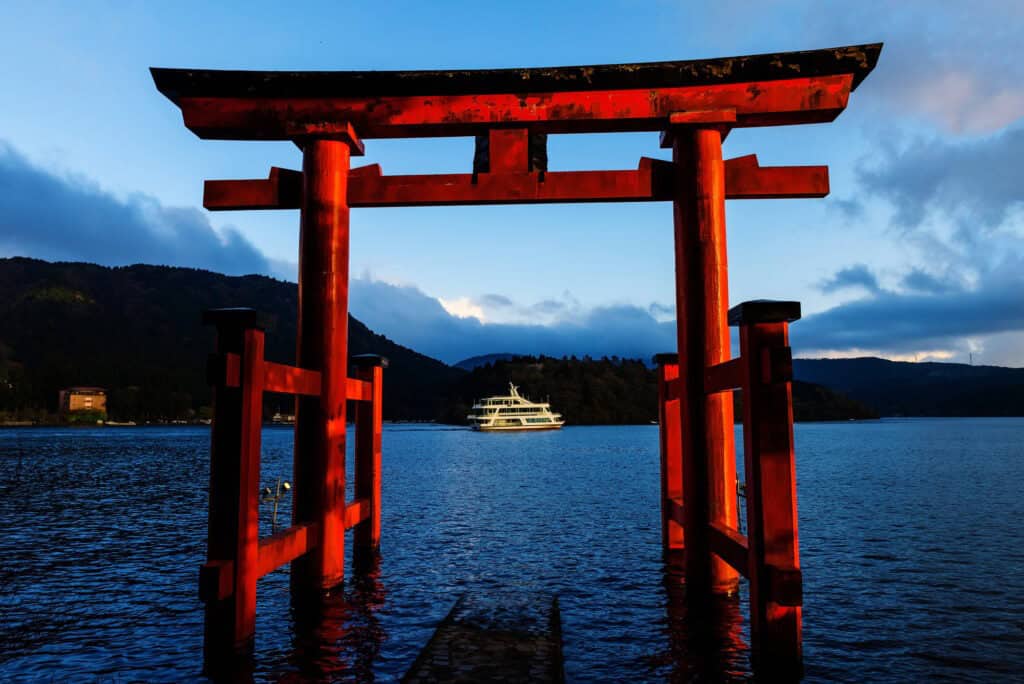
Japan group travel suits almost every kind of party. Friends planning a long-awaited trip, families gathering across generations and companies rewarding a team all find something here. From the lit streets of Tokyo to the gardens of Kyoto, the country packs remarkable contrast into short distances. This guide explains how group travel in Japan works, and how a Japan DMC, or destination management company, makes it smoother. It is written for travelers who want to see the highlights together, and for travel agencies looking for a reliable partner on the ground.
The sections below cover why groups choose Japan, what a DMC does and how a trip comes together, stage by stage. For the wider picture of high-end travel here, start with our guide to planning luxury travel in Japan well.
What is Japan group travel?
Japan group travel means exploring the country with family, friends or colleagues on a shared, organized itinerary. Groups benefit from planned transport, expert guides and hotels arranged in advance. A Japan DMC, a local destination management company, often handles every detail, from airport transfers to private experiences.
What Is a Group Trip to Japan Like?
Japan group travel means sharing the country with people you know. It might be a family reunion, a corporate retreat or a trip with old friends. The pleasure lies in sharing each discovery, while organized itineraries, expert guides and smooth logistics keep everyone moving together. Groups also gain access that solo travelers rarely get. A private tea ceremony, a chef’s counter booked for the whole party or a guided morning in a craft workshop all become possible. Moreover, the cost of a guide or a private vehicle spreads across the group. A level of service that feels extravagant for two becomes sensible for ten.
Group size shapes almost every choice, from the hotel to the vehicle. Parties of four to eight travel easily by train and taxi, while larger groups usually need a private coach and a dedicated guide. Your planner can advise on the right mix.

From the moment the group lands at Narita or Haneda, a well-run trip feels effortless. A greeter meets you at arrivals, a coach takes the luggage, and the first evening is already planned. Japan also rewards groups because its regions are so varied. You can move from the neon of Osaka to the old streets of Kyoto in under half an hour by train. A large party has its own needs, of course. For bigger groups, working with a Japan DMC makes sense, and the sections below explain why.
First, though, comes the matter of packing, because every traveler in the group needs a bag that works on trains as well as in airports. Japanese trains have modest luggage space, so light packs make every transfer easier. Pack layers rather than bulk, too.
anello GRANDE Cabin Backpack — a light pack from a Japanese brand
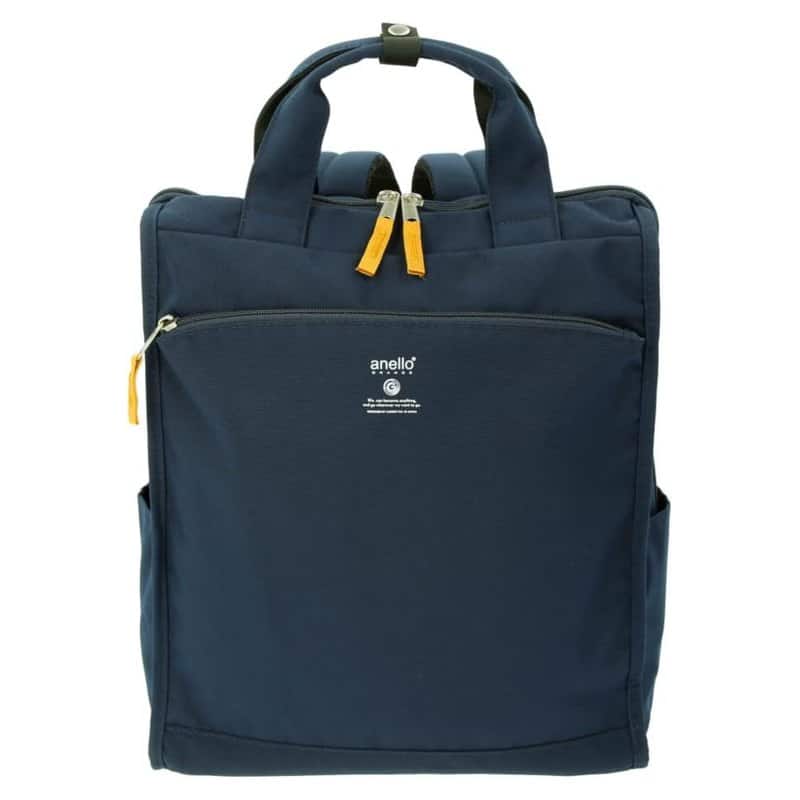
Anello is a Japanese bag brand, and its backpacks are a common sight on Tokyo trains. This anello GRANDE cabin backpack measures about 12 by 14 by 4 inches, so it slides under a seat or into a shinkansen rack. It weighs around 14 ounces and carries ten pockets.
That layout keeps a passport, a rail pass and a phone in their own places, which matters when a group moves quickly through stations. Pack it for day trips while the main luggage travels ahead by courier. It also works as a carry-on for the flight over, and the neutral design suits a dinner out as well as a hike.
Light packing pays off for groups in particular. Large suitcases slow everyone down on stairs, crowded platforms and narrow ryokan corridors, and one late traveler delays the whole party. A good rule is one suitcase per person, sent ahead by courier, plus a day pack carried by hand. Most hotels can arrange the courier, called takkyubin, at the front desk the evening before you move. The bags then arrive at the next hotel a day later, so pack a small overnight kit for the night in between.
With the bags sorted, attention turns to the trip itself. Four qualities explain why so many groups choose Japan, and each shapes the kind of itinerary that works best.
Why Choose Japan for Group Travel?
1. Rich Culture and History
Japan’s mix of tradition and modern life makes it one of the most rewarding places to visit together. Old temples, shrines and castles stand beside glass towers and new technology. Picture a morning at Kinkaku-ji, the Golden Pavilion in Kyoto, followed by a bullet train to Tokyo for an evening in Shibuya. That contrast keeps a group engaged, because each day offers something different. Historians, shoppers and food lovers can all find their moment within the same itinerary, often within the same city.
Kyoto’s World Heritage listing alone covers seventeen sites, and Nara, Nikko and Hiroshima add many more. A guide who knows the stories behind them turns a walk into a lesson the whole group enjoys.
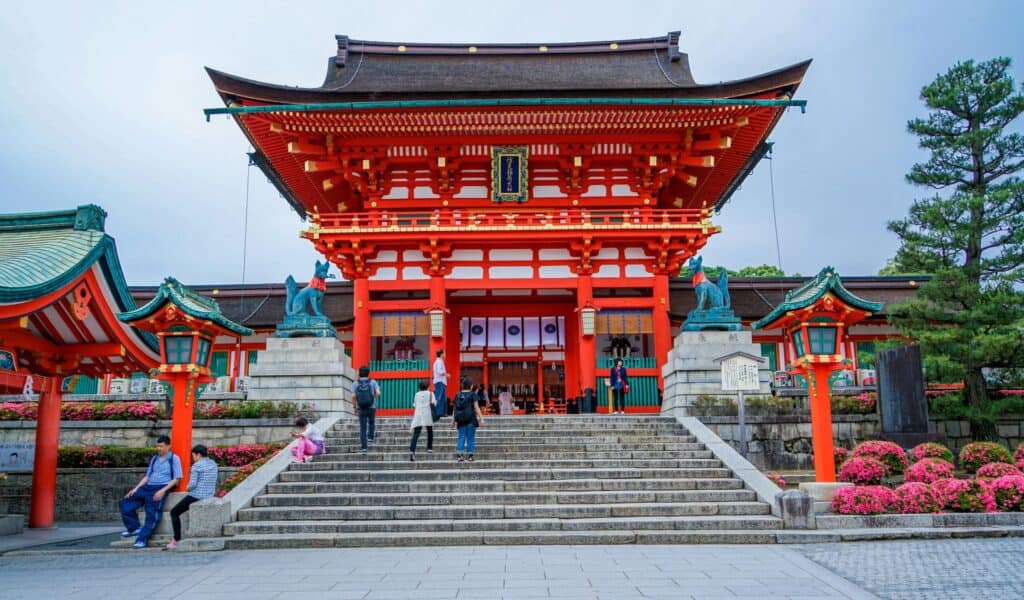
Each traveler takes something different from the same day. One person loves the architecture, another the food, another the shopping. A good itinerary leaves room for all three. Timing matters as much as choice. Famous sites such as Fushimi Inari are calm at seven in the morning and crowded by ten, so groups that start early see far more. Many groups also want photographs worthy of the scenery, and they often want them of everyone together. A good guide reads the group and adjusts the pace on the day.
One camera comes up again and again among travelers who want those pictures to last. It comes from a Japanese maker, which suits a trip to Japan rather well. Its full-frame sensor also copes beautifully with dim temple interiors and night streets.
Sony Alpha a7 III — a full-frame camera from a Japanese maker

Sony is a Japanese company, and the Sony Alpha a7 III remains a favorite among travel photographers. Its 24.2-megapixel full-frame sensor handles both bright temple courtyards and dim lantern-lit lanes. The kit includes a 28–70mm lens, which covers wide streets and closer portraits of your group.
It shoots up to ten frames a second with a silent shutter, a real asset inside temples and tea rooms. Autofocus tracks faces across most of the frame, so candid group photos come out sharp. Pack a spare battery, since long days drain it, and a small cleaning cloth for misty mornings in the mountains.
2. A Country Built for Food Lovers
When it comes to food, Japan stands apart. Sushi, ramen and street food such as takoyaki, the octopus dumplings, and okonomiyaki, the savory pancake, turn every meal into an event. For a group, meals become the glue of the trip, and a cooking class to learn sushi or tempura together is often the highlight. Restaurants are used to groups, too. Many will prepare a set menu in advance, seat the party in a private room and adjust dishes for any dietary needs, provided you ask ahead.
Dietary requests deserve special care. Vegetarian, halal and allergy-safe meals are all possible, but they need clear notice, ideally written in Japanese. A planner can prepare translated cards for each restaurant well in advance, so every chef understands the request.
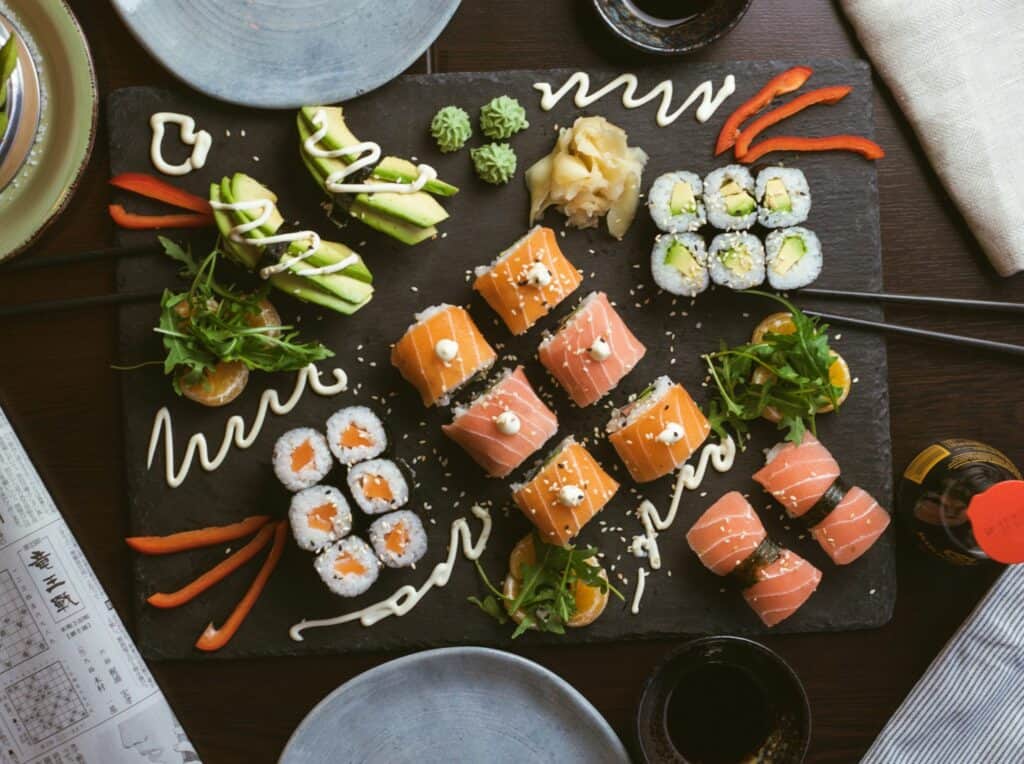
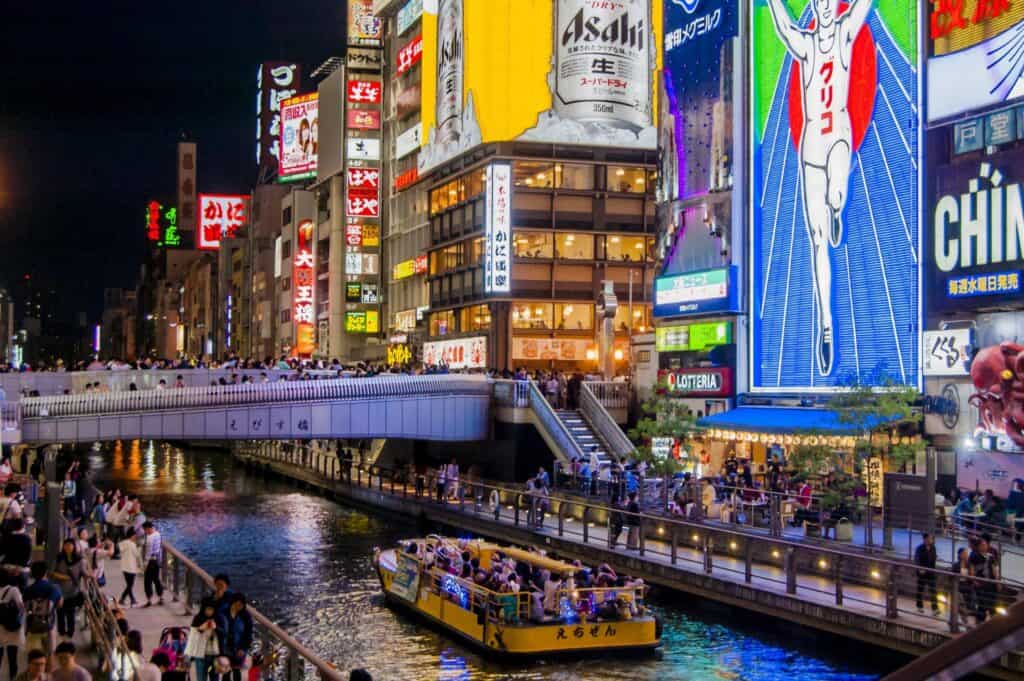
Osaka is the place to eat as a group, because its food culture is built for sharing. Okonomiyaki is cooked on a hot plate at the table, and everyone takes a slice. The city even has a word for its habit of eating until you drop, kuidaore. An evening walk through Dotonbori, stopping at three or four stalls, makes a memorable first night for any group. Locals eat standing, chat with the cooks and move on, which suits a group that wants to taste a little of everything.
Okonomiyaki at Home
Okonomiyaki is easy to recreate at home after the trip, too. The recipe below follows a classic Osaka style and serves four, so double it for a reunion. Most of the ingredients are easy to find in any Asian grocery store.
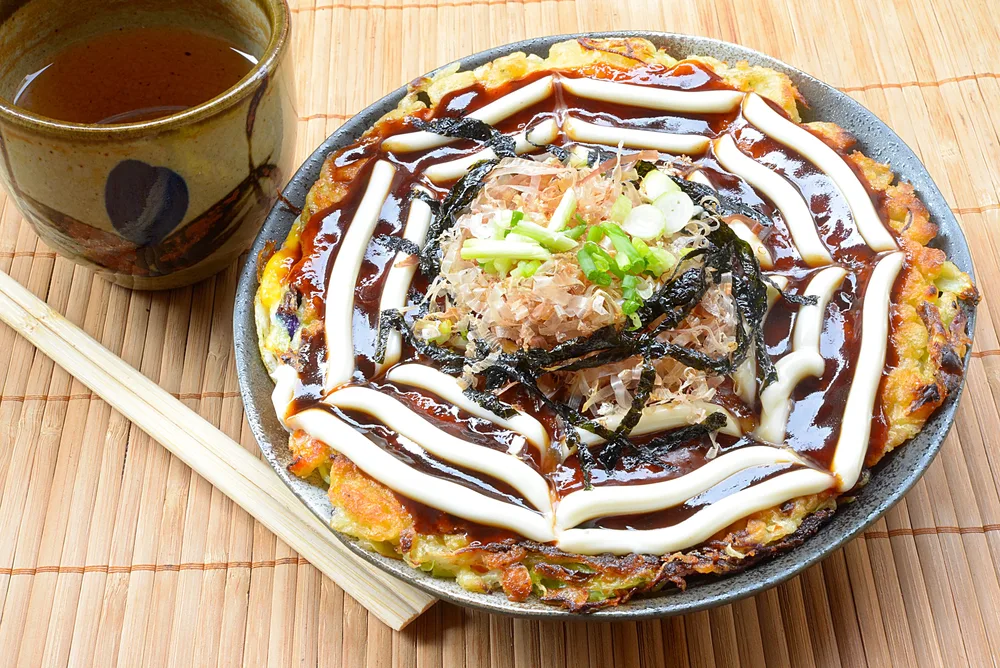
Osaka-Style Okonomiyaki — a savory pancake to share
Whisk two eggs with about three-quarters of a cup of dashi. Stir in a cup of flour, a teaspoon of sugar, a tablespoon of sesame oil and two tablespoons of soy sauce until smooth. Fold in ten ounces of finely chopped cabbage and seven ounces of bacon pieces. Heat a lightly oiled pan over medium heat, pour in half the batter and cook for three to four minutes. Turn it onto a plate, slide it back and cook three to four minutes more. Repeat, then top with sauce, mayonnaise, spring onion and bonito flakes.
The recipe follows the Osaka-style version published by Kikkoman. Serve it straight from the pan, cut into wedges, so everyone shares. For a vegetarian version, swap the bacon for mushrooms and use a kombu dashi. Japanese grocery stores sell ready-made okonomi sauce and the soft Japanese mayonnaise, and both keep well in the fridge. Cooking it together at the table, on an electric griddle, recreates the Osaka experience better than any restaurant abroad. Leftovers reheat well the next morning.
3. Stunning Natural Beauty
Japan’s landscapes range from the snowy summit of Mount Fuji to the hot springs of Hakone. Groups can hike, ski or follow the cherry blossoms in spring, which our guide to cherry blossom season in Japan times region by region. Gardens in Kyoto change color dramatically with the seasons, too.
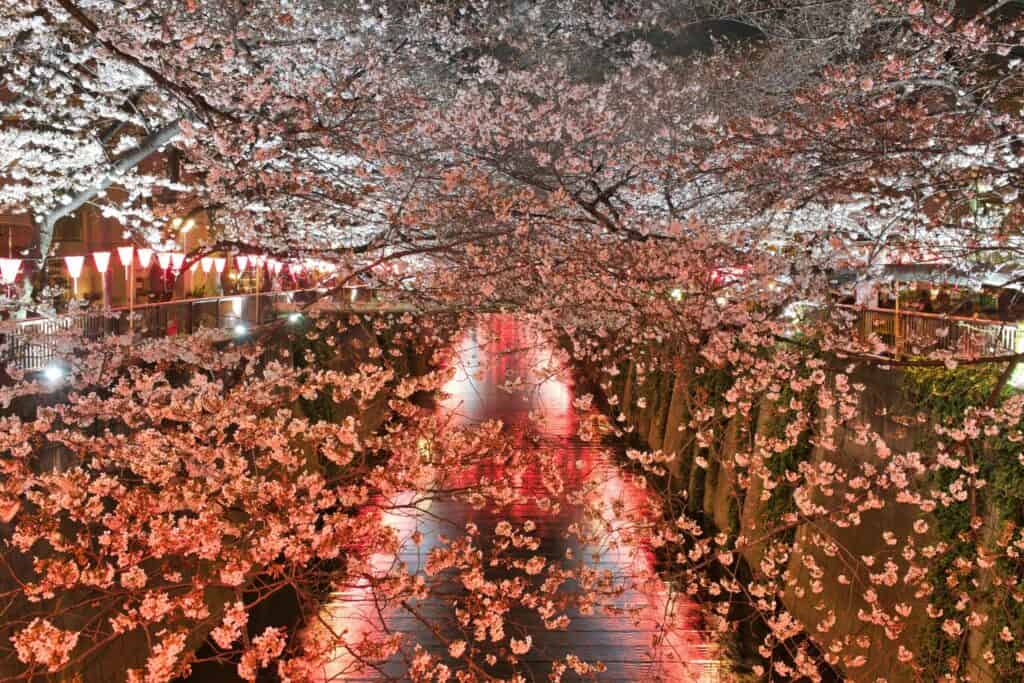
In Hakone, a group can ride the ropeway, cruise Lake Ashi and spend the evening in a ryokan with its own baths. Hikers can walk sections of old highways through cedar forest. Further afield, the Japan Alps offer mountain villages and alpine walks, while Hokkaido brings powder snow in winter and wide farmland in summer. Each region can anchor a few days of a longer trip. The rail network links them efficiently, so even a two-week itinerary can include both city and countryside.
For all of that walking, comfortable shoes matter more than anything else in the suitcase. Groups often walk ten miles a day without noticing. Blisters are the most common complaint on any group trip, so break shoes in at home.
ASICS Gel-Venture 11 — trail shoes from a Japanese brand
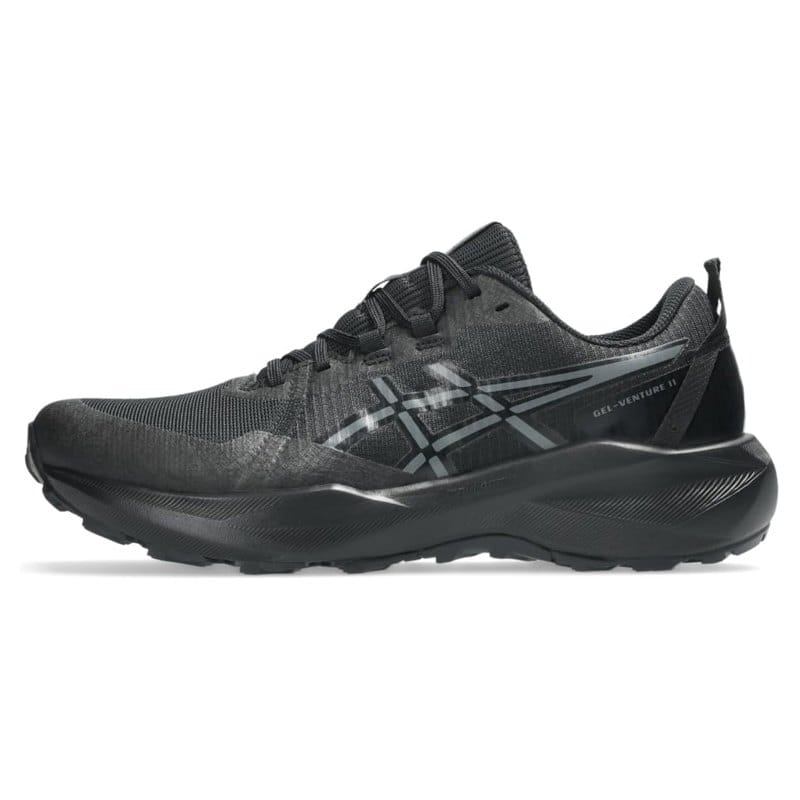
ASICS was founded in Kobe, and its ASICS Gel-Venture 11 trail shoes suit the mix of city pavements and forest paths a Japan trip brings. A rearfoot gel unit absorbs shock on long stone staircases. The cushioned midsole keeps feet comfortable through twenty thousand steps.
A molded rubber outsole grips wet temple paths and mountain trails. The mesh upper breathes in humid summers. Note that the fit runs small, so order half a size up, and wear them in before you fly. Light colors show mud quickly, so darker pairs suit a long trip better. They also slip on and off easily at temple entrances.
4. Ease of Travel
Japan is known for punctuality and efficiency, and its public transport ranks among the best in the world. The shinkansen links the major cities in hours, while subways and buses are easy to navigate once you know the system. For a group, that reliability means schedules actually hold. A coach booked for nine leaves at nine, and a train scheduled for 10:03 leaves at 10:03. As a result, planners can build tighter days without the usual buffer for delays, and groups see more in the same time.
Safety is another reason groups feel at ease. Japan’s cities are among the safest in the world, so travelers can explore on their own during open afternoons. Trains, streets and stations stay calm and orderly well into the late evening hours.
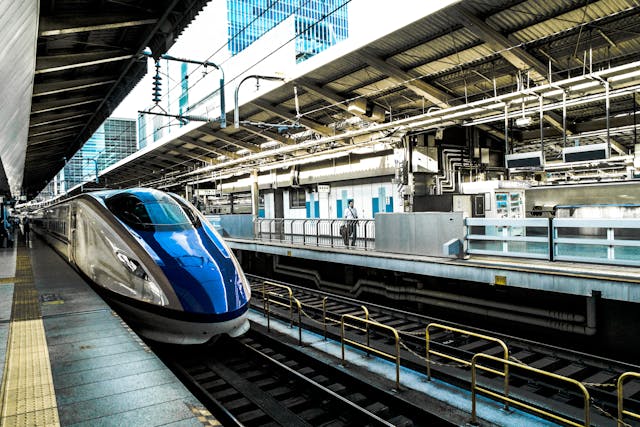
A few habits make group transit easier still. Reserve seats in one car, so everyone boards together. Send large suitcases ahead with a luggage forwarding service, which delivers them to the next hotel the following day. Board quickly, because trains stop for only a minute or two at many stations, and a group that hesitates can split. A guide usually walks ahead to the platform markings for the right car. The group follows in a line, which is also how Japanese tour groups move.
Finally, give each traveler a secure place for passport, rail pass and cards. Lost documents are the most common cause of a disrupted day on any group trip. A secure pouch for each person solves the problem before it starts.
HERO Neck Wallet — RFID-blocking passport pouch
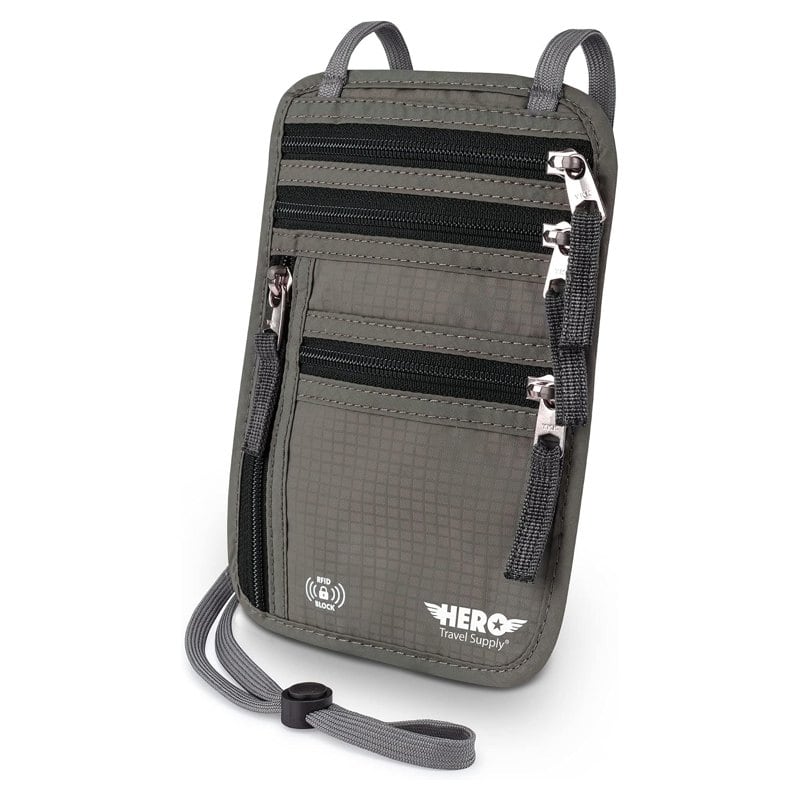
The HERO neck wallet keeps a passport, transit card, cards and cash under a jacket, close to hand. Its lining blocks RFID scanning, and the ripstop nylon and YKK zippers stand up to daily use. A modern phone fits inside, too.
For a group, small habits like this prevent the lost-passport scramble that can derail a day. Wear it through airports and busy stations, then switch to a lighter wallet once you settle into a hotel. It packs flat in a carry-on, and the gray fabric disappears under a coat. Buy one for each traveler, so nobody carries everyone’s documents.
Where Planning Gets Hard
Those four qualities, culture, food, landscape and ease, explain why Japan works so well for groups. Yet they also hint at the challenge. A country this rich in choices rewards careful planning, and the logistics multiply with every traveler. Ten people need ten seats on the same train and ten places at the same counter. They also need ten rooms in a ryokan that may have only twelve. Matching all of that by hand, in a foreign language, is where many group trips falter, and where expert help pays for itself.
Two of our guides go further into how private travel works in Japan. They make useful reading before you choose a planner. Each explains how private guides, drivers and custom routes come together in practice, with real examples. Read them with your group’s needs in mind.
You may also like

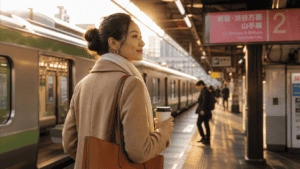
Organizing all of this for a large party takes skill. Hotels must hold enough rooms, restaurants must seat everyone together, and guides must speak the right languages. That is where a local partner comes in. In the trade, that partner is called a DMC. For groups traveling to Japan, it often makes the difference between a stressful trip and a smooth one. A Japan DMC is a one-stop partner for organizing group travel in Japan. Its experts take care of every detail, from airport transfers and hotel bookings to guided tours and transport.
What Is a Japan DMC (Destination Management Company)?
Think of a DMC as the team behind the scenes that keeps the trip running without a hitch. Most work directly with travel agencies, corporate planners and private clients, and their staff live in Japan. That local base is the key advantage.

A good Japan DMC understands the local culture, knows the best places to visit and can tailor a trip to your group. It may be a corporate group mixing business with pleasure, or friends eager to see Japan’s cultural highlights. Either way, a DMC works with you to design an itinerary that fits. DMCs also hold contracts that individual travelers cannot. They book coach companies, licensed guides, private dining rooms and venues for events. When something changes, such as a typhoon or a train delay, they rebook everything at once.
That last point matters more than most travelers expect. Weather, holidays and strikes rarely disrupt Japan, but when they do, a local team solves problems in hours rather than days.
Why Partner With a Japan DMC?
1. Local Expertise
When it comes to planning group travel in Japan, local knowledge is hard to beat. A Japan DMC brings an insider’s view of attractions, food and culture. Its planners know how to avoid crowds, where the lesser-known places are and which viewpoints make the best photographs. They also know the calendar, from local festivals to the school trip season, when popular sites fill with students. That knowledge turns a good itinerary into a great one, because the group arrives at each place at its best hour.
Local planners also speak the language of suppliers, literally. Many small inns and restaurants prefer to deal in Japanese, and they trust long-standing partners.
Even with expert planners, many travelers like to read ahead. A good guidebook gives everyone in the group a shared starting point, and it makes the conversations with your planner richer. Reading ahead also helps each traveler arrive with a sense of place, so the guide’s stories land more easily. Some groups assign each member a city to research, then share what they found over dinner on the first night. It is an easy way to build excitement before departure, and it gives more reserved members of the group a voice.
One title remains the most complete guide to Japan in English, and it is the one most planners recommend to their clients before a first trip. It also covers etiquette, transport and seasonal events in clear, practical detail for every region.
Lonely Planet Japan — the comprehensive guidebook
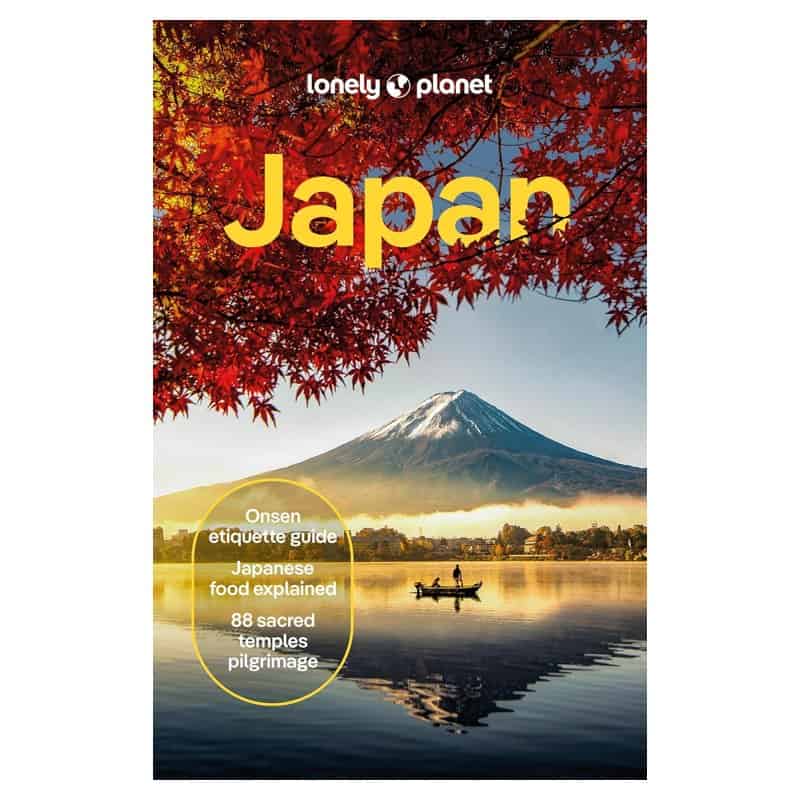
The Lonely Planet Japan guide covers the whole country, from Tokyo and Mount Fuji to Kyoto, Hiroshima and Hokkaido. The latest edition has a new structure, with itineraries built for multi-week trips and suggested day trips from each base.
For a group, it works as a shared reference, and it fills the long hours on the plane. Pass it around on the plane, mark the places each person wants to see, and send the list to your planner. That way, the final itinerary reflects everyone’s interests rather than one person’s. The maps and transport notes also help on open afternoons, when the group splits up and each person heads off alone.
2. Tailored Itineraries
A Japan DMC builds itineraries around your group, so every traveler gets the most from the trip. You may want deep history, outdoor adventure or modern attractions such as Tokyo Disneyland. In each case, a DMC replaces generic plans and wasted hours with a schedule designed for you. Our guide to two well-paced days in Kyoto shows how much a good plan fits into a short stay. A tailored plan also balances busy days with slower ones, which keeps energy high across a long trip.
Mixed-age groups benefit most. Grandparents, parents and teenagers rarely want the same day, and a good plan gives each of them moments of their own. A planner builds in separate morning options for each generation, then reunites everyone for dinner.

3. Planning Without the Stress
A group trip takes a lot of organizing. With a Japan DMC, the logistics are handled for you, including flights, accommodation and transport. The DMC also keeps everyone on schedule, so last-minute changes and overpacked days stop being your problem. If a train is delayed or a guest falls ill, one phone call sets new plans in motion. Meanwhile, the group carries on with its day, often without noticing anything changed. That calm is worth a great deal on a busy itinerary with many moving parts.
Most DMCs also provide a single contact number for the whole trip, staffed around the clock. Travelers keep it on their phones, and organizers sleep better for it. Local staff answer in English at any hour, and they can reach the guide directly.
Quality also counts in a country where standards are famously high. Travelers notice the difference between a polished trip and an adequate one. It shows in the car that waits at the station and the guide who reads the group’s mood. It also shows in the restaurant that knows about a guest’s allergy before anyone mentions it. Those details come from long relationships with local suppliers. They cannot be bought on the spot. That is why experienced planners guard their networks so carefully and return to the same inns and guides year after year.
4. High-Quality Services
A reputable Japan DMC delivers consistently fine service. That ranges from luxury vehicles to licensed guides who speak several languages. DMCs also work with trusted local suppliers, so you can relax knowing everything is in place. That trust is earned over years.
Service shows most at arrival. A good planner sends the hotel a rooming list days ahead, with names, room preferences and any special requests. As a result, check-in takes minutes rather than an hour. Keys are often ready in envelopes, and luggage goes straight to the rooms. The same care applies at restaurants, where name cards and set menus wait at each place. For corporate groups, branded welcome packs and printed programs add a professional touch that colleagues remember long after the trip.
These small touches add up across a week. They are also the clearest sign that a planner knows Japan’s high standards from the inside.
Benefits of Working With a Japan DMC for Your Group
Now that you know what a Japan DMC is and why it helps, here is how working with one improves the group experience itself. The four benefits below come up again and again, trip after trip, in feedback from families, friends and corporate teams. Each one grows with the size of the group, which is why larger parties gain the most from a local partner. Smaller groups benefit too, especially on a first visit, when everything feels new and slightly unfamiliar.
- Personal attention: whether you are a small family or a large corporate group, a Japan DMC tailors the trip to you. Need an interpreter for a business meeting, or a special meal for a dietary need? It is arranged.
- Exclusive experiences: DMCs can open doors you cannot open alone, from private tours of historic sites to seats at local festivals and lesser-known places.
- Convenience and peace of mind: no more worrying about getting from one place to the next, or where to stay. A DMC handles the details and offers support around the clock.
- Stronger group bonds: group travel is about shared memories. A DMC can arrange team-building activities, group events and cultural exchanges with local people.
Each of these benefits is easy to underestimate until something goes wrong. A missed connection, a closed restaurant or a sudden storm tests any plan.

What It Adds Up To
These benefits add up over a week. A family reunion runs without anyone acting as the tour manager. A corporate group spends its energy on the program instead of the paperwork. Friends simply enjoy each other’s company. In every case, the planning disappears into the background, which is exactly where it belongs. Our guide to kaiseki, omakase and kappo dining shows the kind of meals a well-planned group trip can include. Options range from a counter for six to a private room for thirty.
For travelers who like a little reading before departure, we also send a short printable of Japanese proverbs. Several of them suit a group setting out together. It arrives by email within minutes, ready to print and share with the group.
Ten Proverbs to Carry With You
A printable folio of ten Japanese proverbs, each with a short note on where it shows up in daily life. Several suit a group setting out together. Leave your email and the printable arrives in your inbox, followed by an occasional letter on Japan.
Knowing the benefits is one thing. Seeing how a trip actually comes together is another. The process is the same whether the group numbers six or sixty, and it starts months before anyone boards a plane. Each stage below involves a conversation with your planner, followed by confirmations you can share with the whole party. The timeline varies with the season. Even so, most group trips follow the same four steps, from purpose to final documents, and each step builds on the one before.
How a Group Itinerary for Japan Comes Together
Start With the Purpose
Every good group trip begins with a clear purpose. A celebration, an incentive reward and a learning journey each call for a different pace. Share the group’s size, ages, interests and spending range early, along with any mobility or dietary needs.
Choose the Season and the Route
Spring and autumn are the most beautiful seasons and also the busiest, so book six to twelve months ahead. Winter suits ski groups and onsen stays, while early summer brings green landscapes and fewer visitors. A classic first route links Tokyo, Hakone and Kyoto, with Osaka or Hiroshima added for longer trips. For rail-heavy routes, compare a pass against individual tickets, as our page on the Japan Rail Pass explains with a calculator. Then decide where a private coach makes more sense, such as rural areas with limited trains.
Confirm the Details
Your planner then sends a draft itinerary with hotels, transport and experiences. Review it together, adjust the pace and confirm. Close to departure, you receive final documents, guide contacts and a day-by-day schedule for every traveler. Keep a copy offline, too.
Plan some unstructured time, too. Groups do best with a few open afternoons, when people can split up and follow their own interests. Those hours often produce the stories everyone tells afterward. Finally, agree on a meeting point each evening, so nobody worries about who is where. A shared chat group helps, too, especially in large stations such as Shinjuku or Kyoto, where exits can be confusing for first-time visitors. Pick a landmark, such as a clock or a statue, rather than an exit number.
Two more of our guides help with longer stays and with trips built around a celebration. Both suit groups planning ten days or more. One covers rail passes for long stays, and the other a honeymoon at an easy pace.
You may also like


Traveling well in Japan as a group also means fitting in. Japanese society values consideration for others in shared spaces, and large parties stand out more than individuals do. A few simple habits go a long way. They make the trip smoother for your group, and they leave a good impression for the next visitors who follow you. Keep voices low on trains and in temples, where silence is the norm. Line up neatly on platforms, and let passengers off before boarding.
Traveling Well as a Group in Japan
On escalators, stand on one side and leave the other side for walkers, following local habit. Our guide to Japanese etiquette for travelers covers the details. It also explains the customs at temples, ryokan, restaurants and public baths in practical terms.

At restaurants, book ahead and arrive on time, because tables are often held to the minute. Tipping is not customary, and a sincere thank-you works better. In shops, keep the group to a manageable size, since small boutiques can feel crowded with more than four or five visitors at once. On trains, avoid phone calls and keep bags off the seats. These habits sound small, yet they are exactly what Japanese hosts notice, and groups who follow them are welcomed back warmly.
In shops and stations, a few words of Japanese earn real warmth, which is why a phrasebook belongs in every group’s bag. Even a handful of polite phrases changes how warmly a large group is received in shops, inns and restaurants.
Lonely Planet Japanese Phrasebook & Dictionary — the pocket language guide
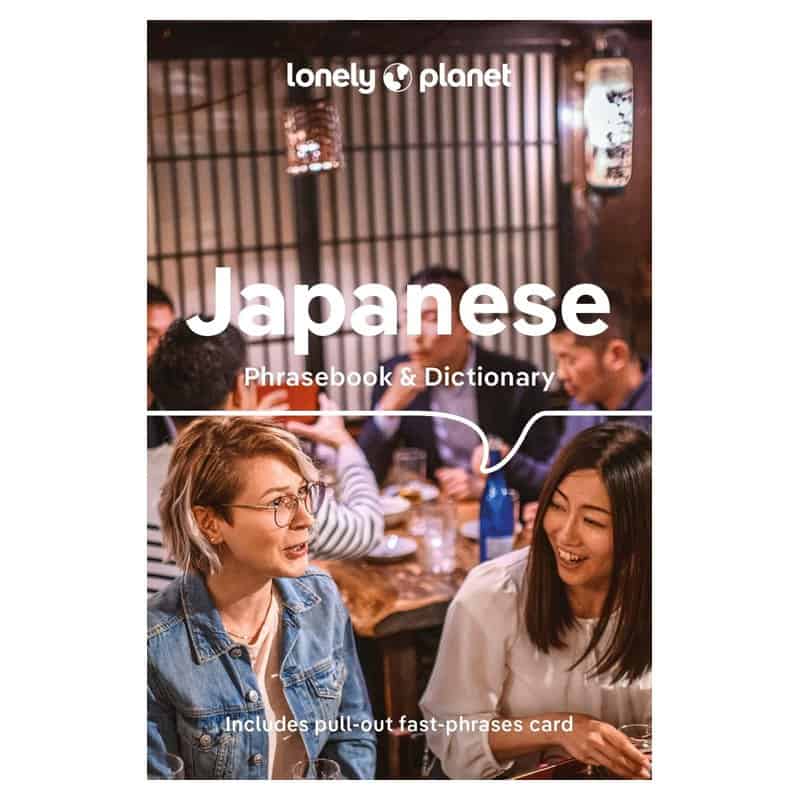
The Lonely Planet Japanese Phrasebook & Dictionary fits in a pocket and covers every situation a group meets. It includes a 3,500-word two-way dictionary, a menu decoder and phrases for explaining food allergies. Pronunciation guides make each phrase easy to say.
Share one per small subgroup, and the whole party can order, ask directions and thank a host politely. It also explains manners and customs, which saves awkward moments. Above all, it shows respect, and people in Japan notice. Even a simple greeting, sumimasen or arigatou gozaimasu, changes how a shopkeeper or driver responds to a large group.
Working With an Experienced Japan DMC
For agencies looking to offer clients the best of Japan group travel, Magnificent Japan works with an experienced Japan DMC on the ground. Together, we bring local expertise, reliable service and exclusive experiences to every group. For a travel agency, that support means your clients enjoy group travel services with personalized itineraries and consistent quality across Japan. Large group tours, corporate retreats and family vacations are all covered, and accommodation, transport and guided tours are handled from start to finish.
It is support that helps you deliver exceptional service while growing your business. Ready to work with a leading Japan DMC? Contact us to start offering clients a Japan they will remember. Every program is built to order around the client’s goals.
How Agencies Begin
Agencies usually start with a single test program, such as a small incentive trip or a family celebration. The planner drafts the itinerary, the agency reviews it with the client, and the ground team handles everything once the group lands. After the trip, both sides review feedback and refine the next program. Over time, the agency builds a reliable Japan product without needing staff of its own in the country. Clients, meanwhile, receive the same standard on every departure. It is a low-risk way to begin.
Corporate groups follow a similar path, often adding meeting rooms, private dinners and team activities to the program. Many also include a half day of community volunteering or a craft workshop, which gives colleagues something new to share back home.
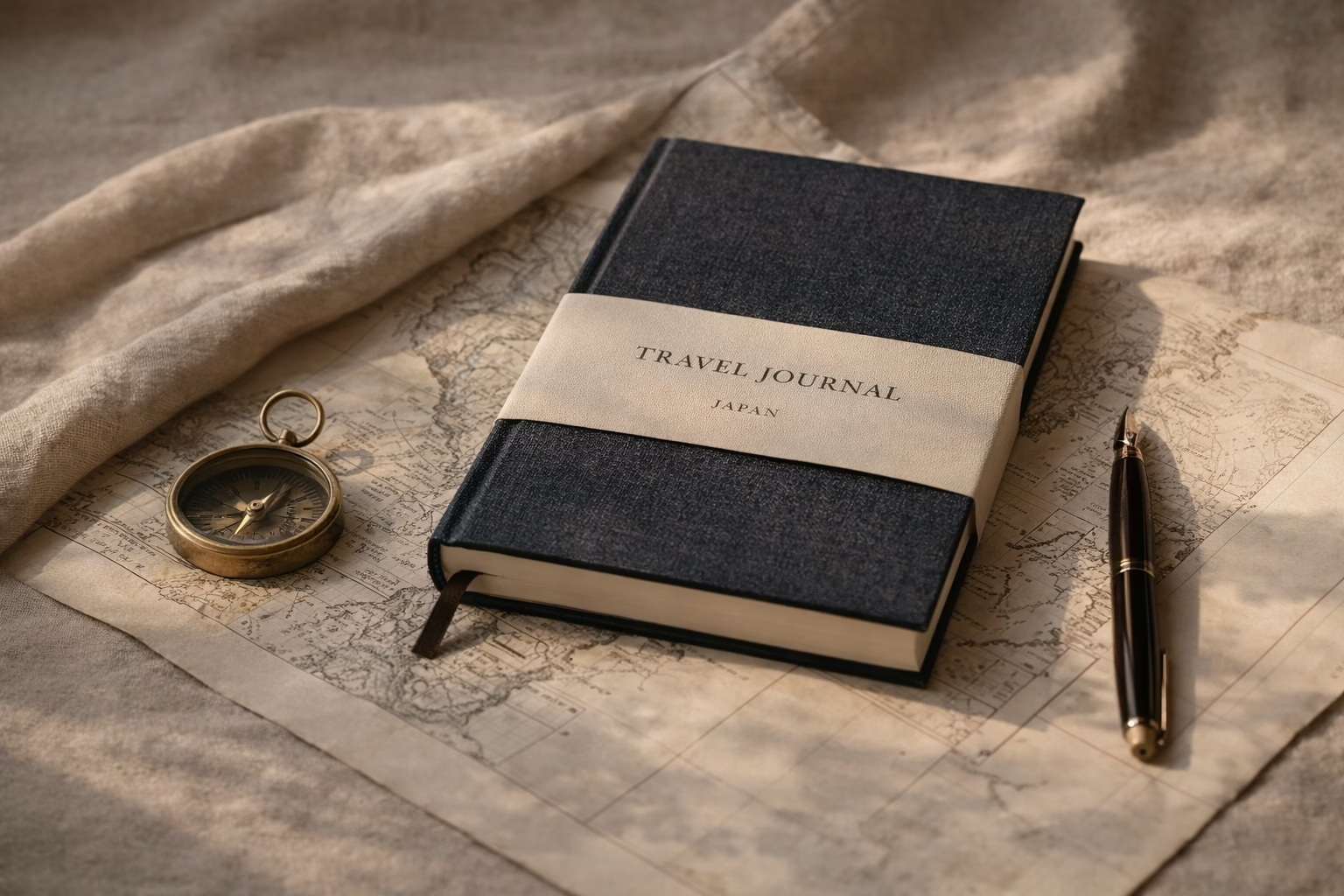
Groups that travel together often want something to remember the trip by beyond photographs. Some keep a shared journal, passing it around each evening so every traveler adds a line about the day. Others give each member a small notebook at the start. Either way, the written record captures what the camera misses: the jokes, the meals and the moments of connection. Years later, those pages bring the trip back more vividly than any photo album, and they are a pleasure to reread together at a reunion.
Japan makes beautiful notebooks, from simple washi-bound pads to leather-covered travel journals. A stationery shop is a fine stop on any group itinerary. Tokyo’s Ginza and Kyoto’s Teramachi Street hold some of the finest, with staff happy to advise.
Recommended
A Word for Connection
Connection is, in the end, what group travel is about. The Japanese have a word for the ties that bring people together: en. It explains why a shared journey can feel meaningful long after it ends. Many travelers find it worth exploring after a trip, and our journal below is built around that idea, one short prompt at a time. It makes a thoughtful gift for each member of a group, too, and a calm way to end each day of travel.
Some groups write a single line each evening and read the entries aloud at the farewell dinner. It is a simple ritual, and it ends a trip well. It costs nothing and becomes the part of the evening people remember.
Ten Proverbs to Carry With You
Prefer something to read on the flight? Our printable folio gathers ten Japanese proverbs, several of them about friendship and connection. Leave your email and it arrives in your inbox, followed by an occasional letter on Japan.
Many group trips end with a farewell dinner, and it is worth planning carefully. A private room in a kaiseki restaurant, a teppanyaki counter or a riverside table in Kyoto each sets a different mood. Speeches, small gifts and a shared toast are common, and a good planner can arrange a photographer or a musician for the evening. Above all, the dinner should feel unhurried. It is the moment the group looks back on what it shared and starts talking about the next trip.
Small gifts make a warm end to the evening. Furoshiki cloths, chopsticks or a box of local sweets travel easily and carry meaning. Choose items made in the region you visited, so each gift carries a small story from the trip.
Ready for Your Japan Group Adventure?
If you are ready to take Japan group travel to the next level, working with a Japan DMC makes the journey seamless and memorable. Gather your group, decide what you want to share, and let local experts handle the rest. There is no better way to explore Japan together than with expert guidance. From the first sketch of an itinerary to the farewell dinner, the right partner keeps the trip focused on what matters. That means time well spent with the people you came with.
Start the conversation early, and share as much as you can about the group. Then leave the details to people who handle them every day in Japan. Our planners are happy to talk through ideas before anything at all is booked.
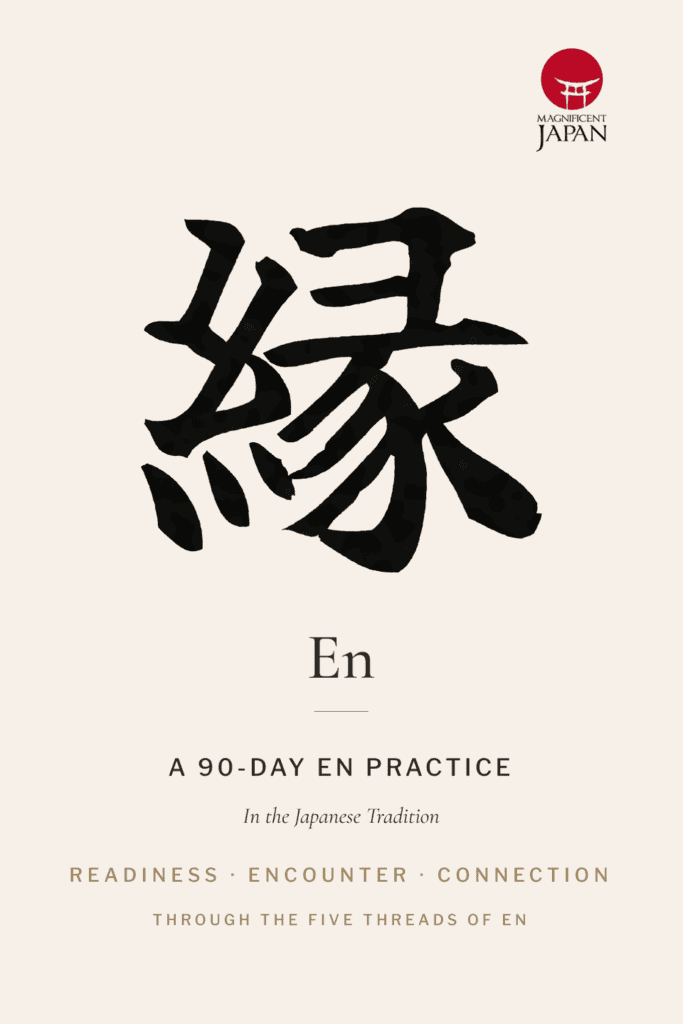
En is the Japanese word for the connections that bring people together, a fitting theme for a trip shared with family, friends or colleagues. This 90-day guided journal turns it into one short prompt a day. Choose the digital edition for a tablet or the paperback edition for ink and paper. It is one of eight journals in the Cultural Reflection Collection.
View The CollectionTrips Worth Remembering
The best group trips are remembered for years, often decades. Families tell the story of the night everyone cooked okonomiyaki together, and colleagues remember the morning they climbed through the torii at dawn. Those memories come from good planning that never shows, from the right hotel to the right hour at each place. Japan rewards that care more than most countries, because its standards of hospitality are so high. Plan well, and the country does the rest for your group.
The links below lead to more of our planning guides, from rail passes for long stays to the country’s World Heritage sites. Each one is written for travelers planning a first or second trip to Japan, with practical detail throughout.
Tools for Planning
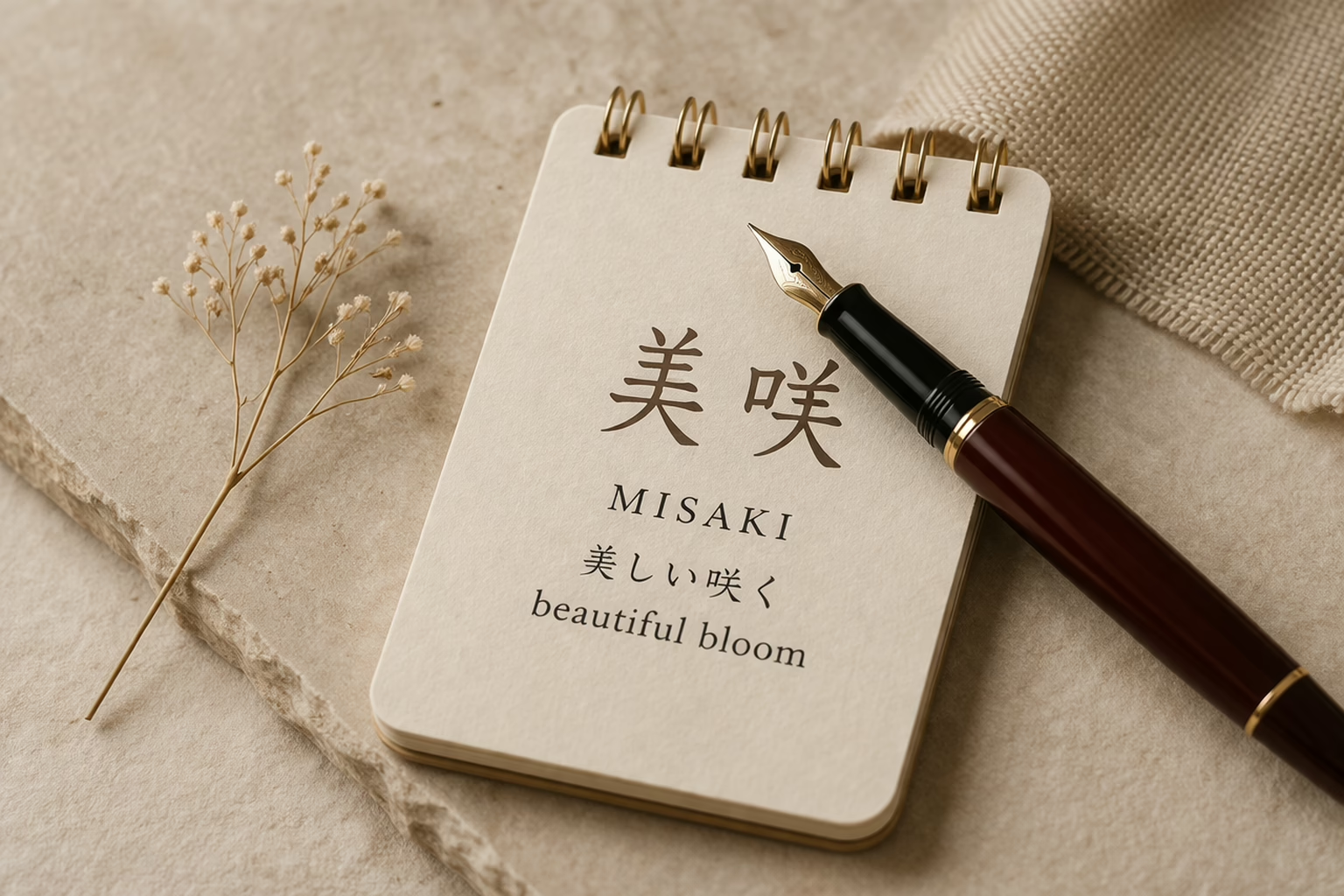
Whatever kind of group you are bringing, a few tools help everyone arrive prepared. Our planner sketches a first draft of the route, and the rail pass calculator checks the transport. Our travel journals give each person a place to record the trip. A name generator adds a playful touch for anyone curious about how their name might look in Japanese. Share the links with your group before departure, so everyone arrives with ideas and a sense of the route ahead.
Each tool takes only a few minutes, and together they make the first planning call far more productive for everyone involved. None of them requires an account or a signup, and all of them work well on a phone during the trip.
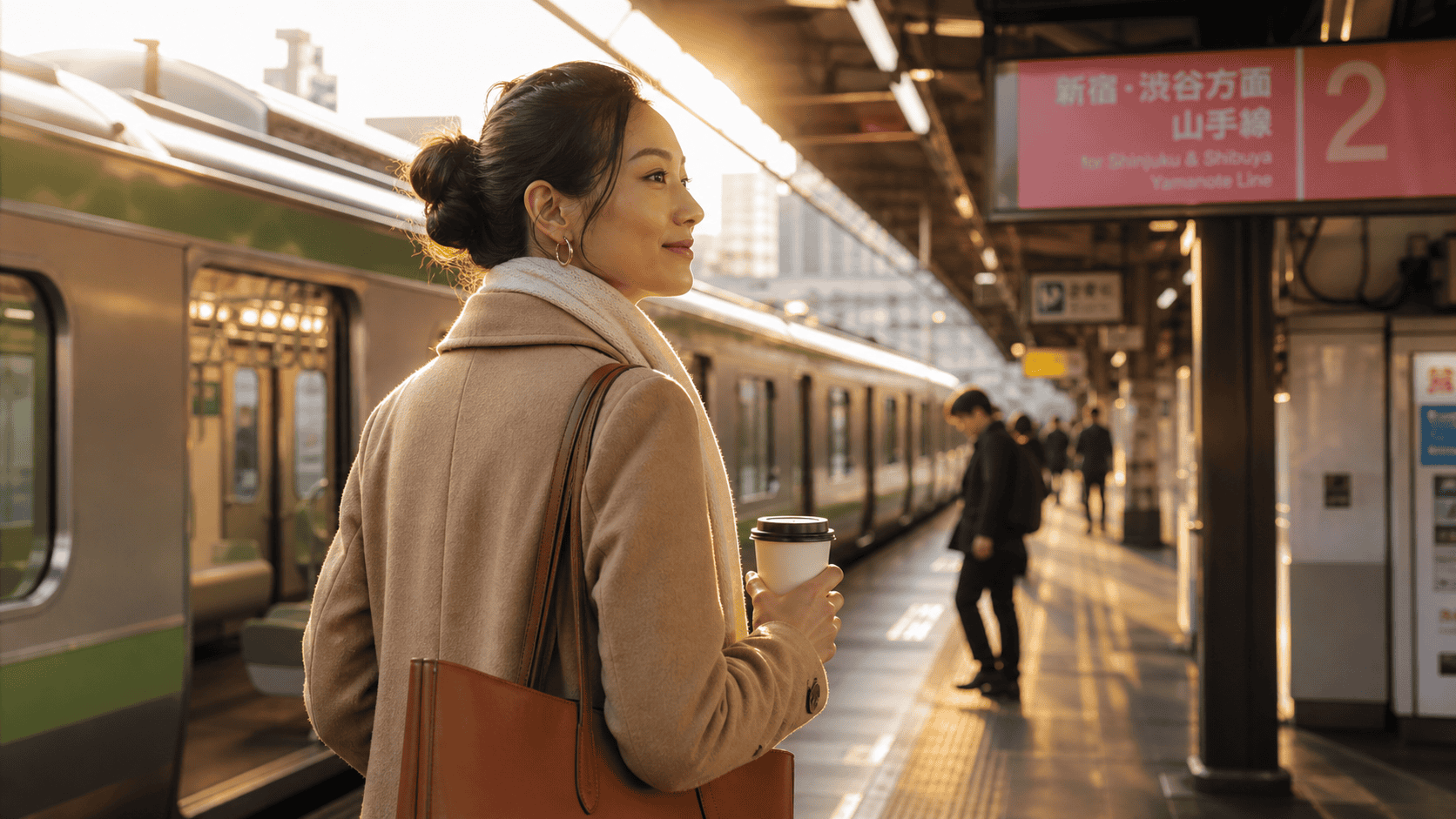
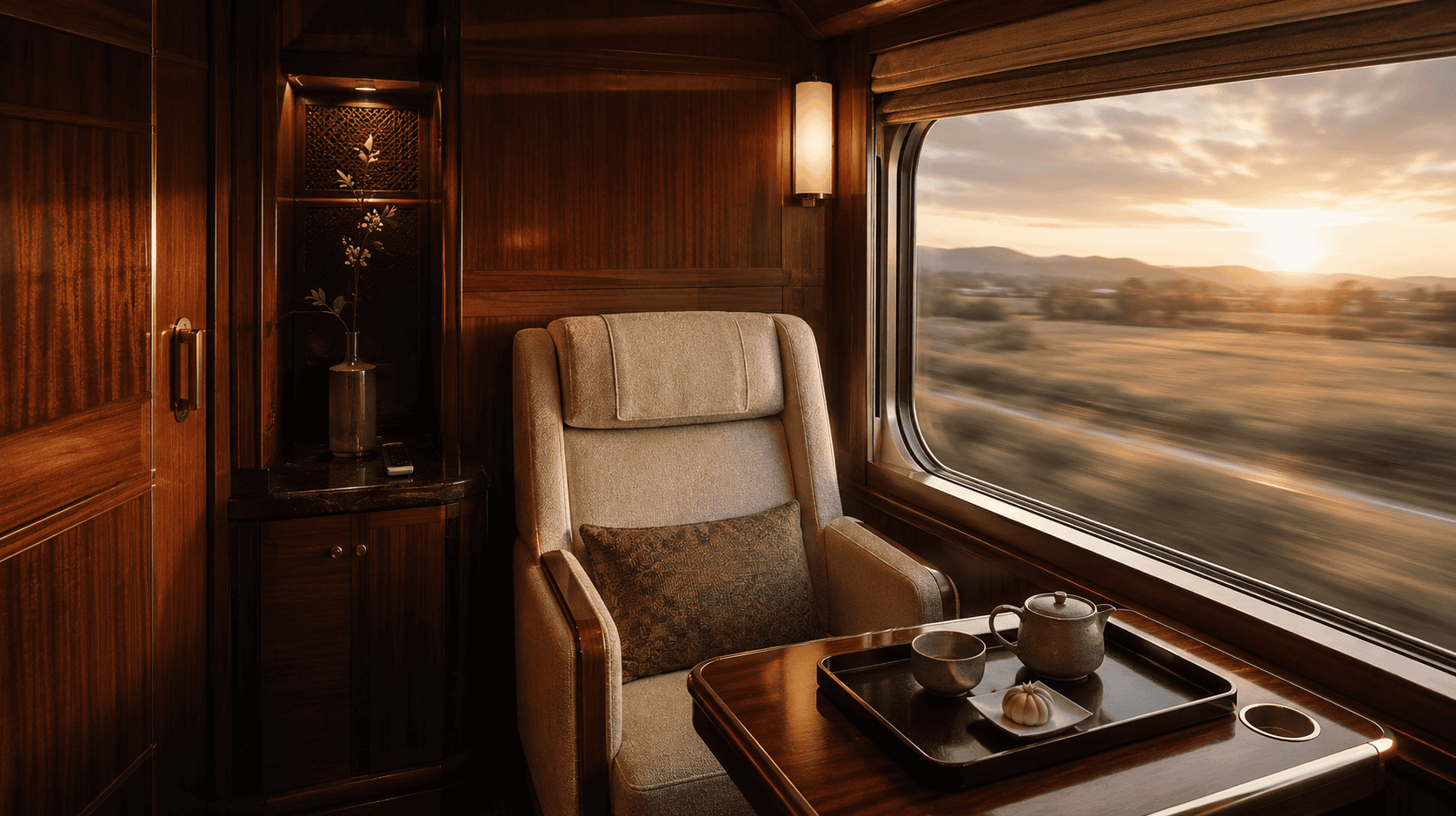
Group trips succeed in the details, and that is where our travel designers spend their time. They match hotels to group size, reserve private dining rooms and arrange guides fluent in your language. They also build each day around opening hours and travel times, so the group never rushes. When plans change, they adjust everything at once, and you simply enjoy the trip. Tell us the size and shape of your group, and we will sketch the first version for you to share.
From a family of six to a company of sixty, every group receives the same care. Every itinerary is built from scratch around the people traveling. Share your dates and group size, and we will begin shaping the first draft.
For families, friends and corporate teams who want Japan done well: a custom itinerary with hotels sized to your group, private guides, reserved rail cars and experiences arranged for everyone, from Tokyo to Hakone and Kyoto.
Plan Your Custom Japan ItineraryQuestions Worth Asking
What does traveling Japan as a group involve?
Traveling Japan as a group means exploring the country with family, friends or colleagues on a shared itinerary. It can be a family reunion, a corporate retreat or a trip with friends, usually with organized transport, guides and accommodation arranged in advance.
What does a Japan DMC do?
A Japan DMC, or destination management company, is a local partner that arranges every part of a group trip. That includes airport transfers, hotels, guides, rail and coach transport, restaurants and special experiences, plus support while the group is traveling.
How far ahead should a group book a trip to Japan?
For spring and autumn, start six to twelve months ahead, because hotels and popular restaurants fill quickly. Smaller groups traveling in winter or early summer can often plan on a shorter timeline.
Is Japan good for large groups?
Yes. Trains run on time, cities are safe and walkable, and hotels are used to groups. A DMC handles the details that grow with group size, such as seat reservations, luggage forwarding and dietary requests.
Can travel agencies partner with a Japan DMC?
Yes. Many agencies work with a Japan DMC for local contracting, guiding and on-the-ground support. Magnificent Japan works with an experienced Japan DMC for this kind of support.
What should a group pack for Japan?
Pack light, because trains have limited luggage space. A comfortable backpack, broken-in walking shoes, a secure travel wallet and a phrasebook cover most needs. Luggage forwarding services can carry larger cases between hotels.
The Editors, Magnificent Japan