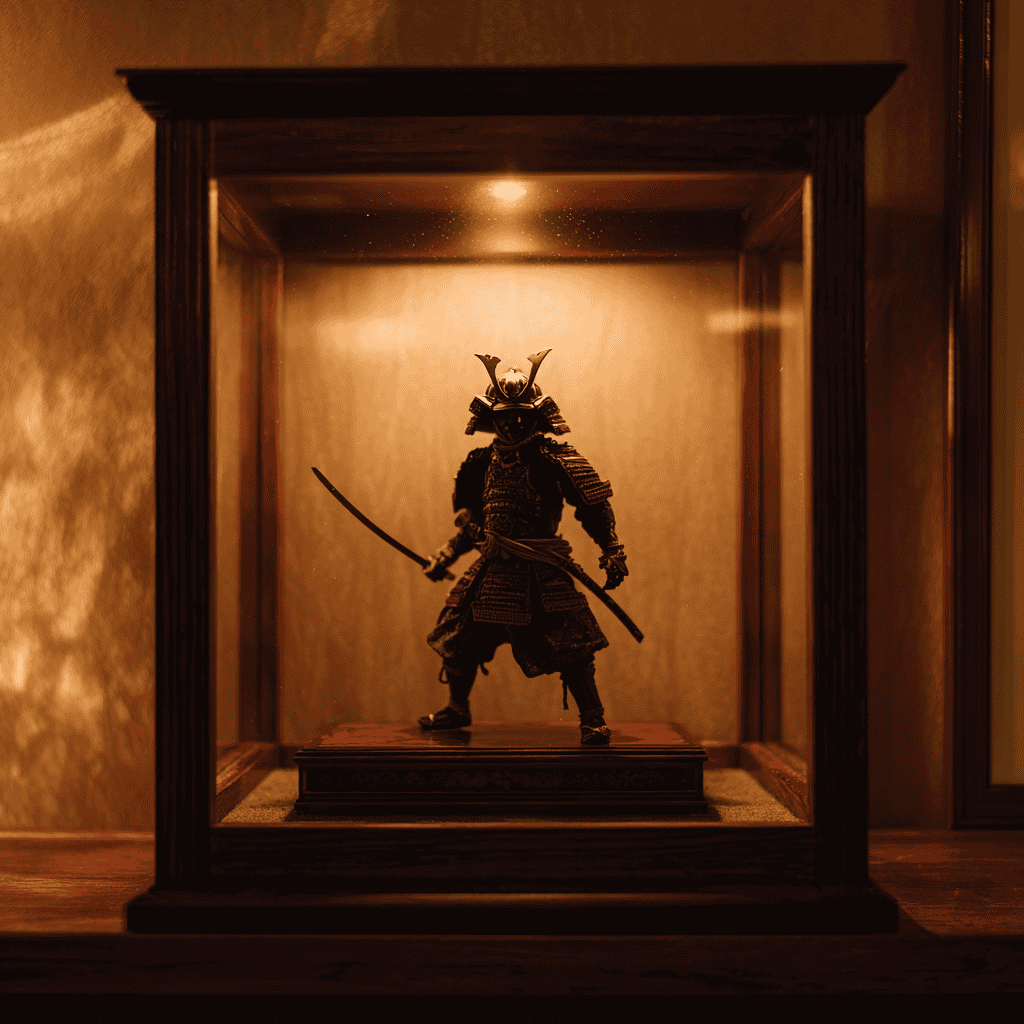

Most anime statues in Japan are not on a shelf. They stand outdoors, in weather, at the top of station stairs and along working shopping streets. Some are bronze and waist-high, so you can walk past one twice without noticing. Others are tall enough to read from the far side of a plaza. Scale varies enormously. However, the civic logic underneath stays the same.
A town that puts a drawn character on a plinth is making a claim. Sakaiminato built its road because a cartoonist grew up there. Nerima built its gate because it calls itself the birthplace of anime. Odaiba got a landmark because a shopping complex wanted one. The reasons differ, yet the gesture repeats. A drawing receives a permanent address, and that address becomes part of how the town describes itself.
This guide covers the monuments worth a detour and records what is actually standing there now. For the wider cluster, start with our Anime in Japan hub, which maps the culture, the districts and the routes.
Where can you see anime statues in Japan?
The strongest sites are Mizuki Shigeru Road in Sakaiminato, with some 153 bronze yokai figures, and Oizumi Anime Gate in Tokyo’s Nerima ward. In Shinjuku, the Godzilla Head looks down on Kabukicho. Takarazuka adds the Tezuka Osamu Manga Museum. The life-size Unicorn Gundam in Odaiba ended its display on 31 August 2026.
Why Anime Statues in Japan Are Worth the Detour
Public anime statues in Japan reward the trip because they sit in real neighborhoods, not theme parks. A figure on a shelf asks for attention in a room you control. A monument asks for nothing. It stood there before you arrived, and it will stand there after you leave. As a result, the walk to it often shows you a district you would never otherwise enter.
That physical fact changes the encounter. Cabinet pieces have careful lighting, which is why they photograph so well. Outdoor work has no such protection. Flat noon light, street lamps and weeks of coastal gray all fall on it equally. Sculptors at this scale know that, so they build for silhouette first and detail second.
There is also a question of permission. A character on a plinth is a licensed object standing in a civic space. In Japan, the license usually runs through the local authority rather than around it. The ward commissions the work, and the rights holder approves it. What results belongs to the street rather than to a promotion.
Ask what the town gets in return. Sakaiminato gets visitors in months when few would otherwise come. Nerima gets a physical answer to a claim it has made for decades. A shopping complex gets a meeting point, which beats signage because people say the name aloud. Each is an economic argument dressed as an affectionate one. Still, the affection is usually real.
For the traveler, the value is practical. These objects anchor districts that otherwise read as retail. Stand at the base of one and look up, and the blocks around it start to make sense. That is the detour paying off. The photograph matters less than the twenty minutes afterwards, when you notice what else is on the street.
Tokyo: Where Anime Statues in Japan Cluster
Tokyo holds the densest concentration of anime statues in Japan, though not the strongest one. Its monuments sit in districts with little in common except the industry. Treat them as one circuit and you get a long day of trains. Instead, attach one or two to whatever you had planned nearby.
Odaiba and Shinjuku: one landmark gone, one staying
For almost nine years, the Life-Sized Unicorn Gundam stood at Festival Plaza on the second floor of DiverCity Tokyo Plaza in Odaiba. It arrived in September 2017 and became the meeting point for the whole waterfront. Then the operator announced the end of the display, and its last day was 31 August 2026.
So any itinerary written before this autumn needs a correction. The plaza is still there, and so is The Gundam Base Tokyo shop on the seventh floor of the mall. However, nobody had confirmed a replacement statue at the time of writing. Check the official site before you build a day around Odaiba, because a new announcement could change the picture.
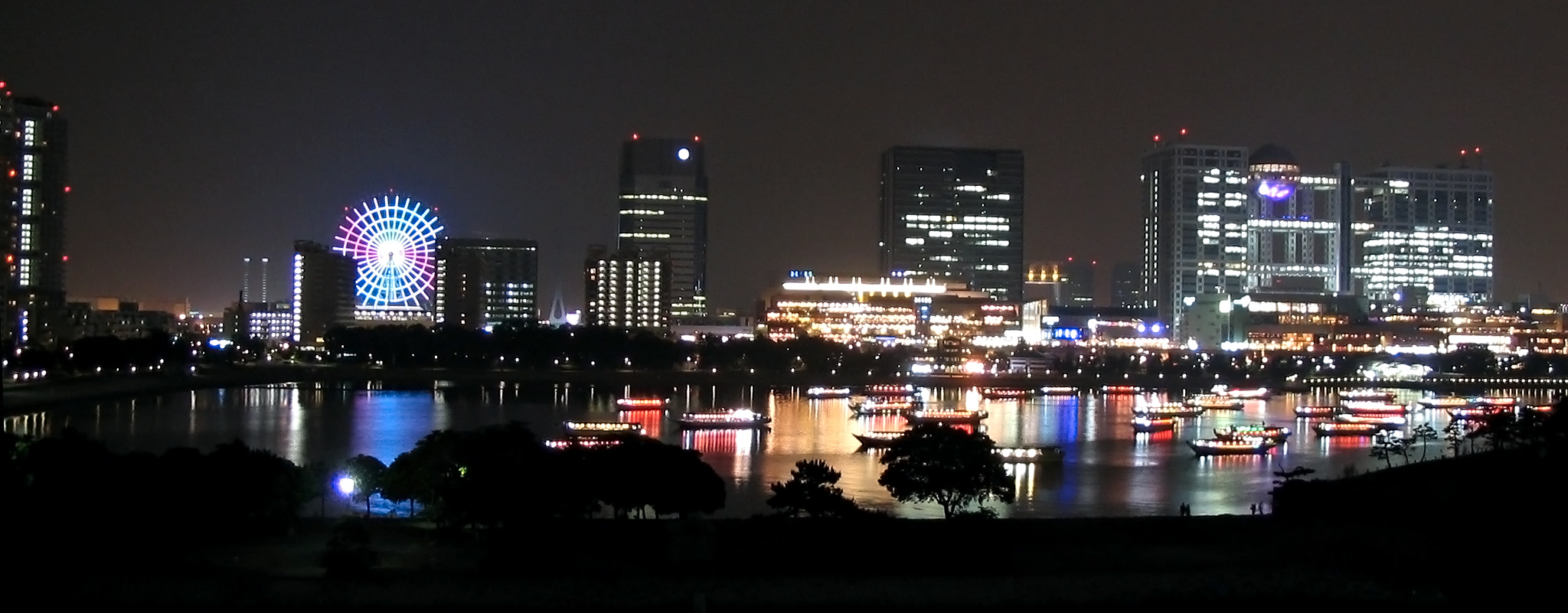
Odaiba still earns an evening if you are nearby. Tokyo Teleport on the Rinkai Line and Daiba on the Yurikamome sit about five minutes on foot from the plaza. Then walk the waterfront at dusk, when the bay lights come up and the towers turn gold.
Shinjuku tells the opposite story. The Godzilla Head emerges from the eighth-floor terrace of the Shinjuku Toho Building, roughly 50 meters above the Kabukicho streets. It arrived in 2015 and has stayed put, which in this district counts as permanence. Hotel guests get the close view from the terrace. Everyone else looks up from the plaza, which is the better angle anyway.
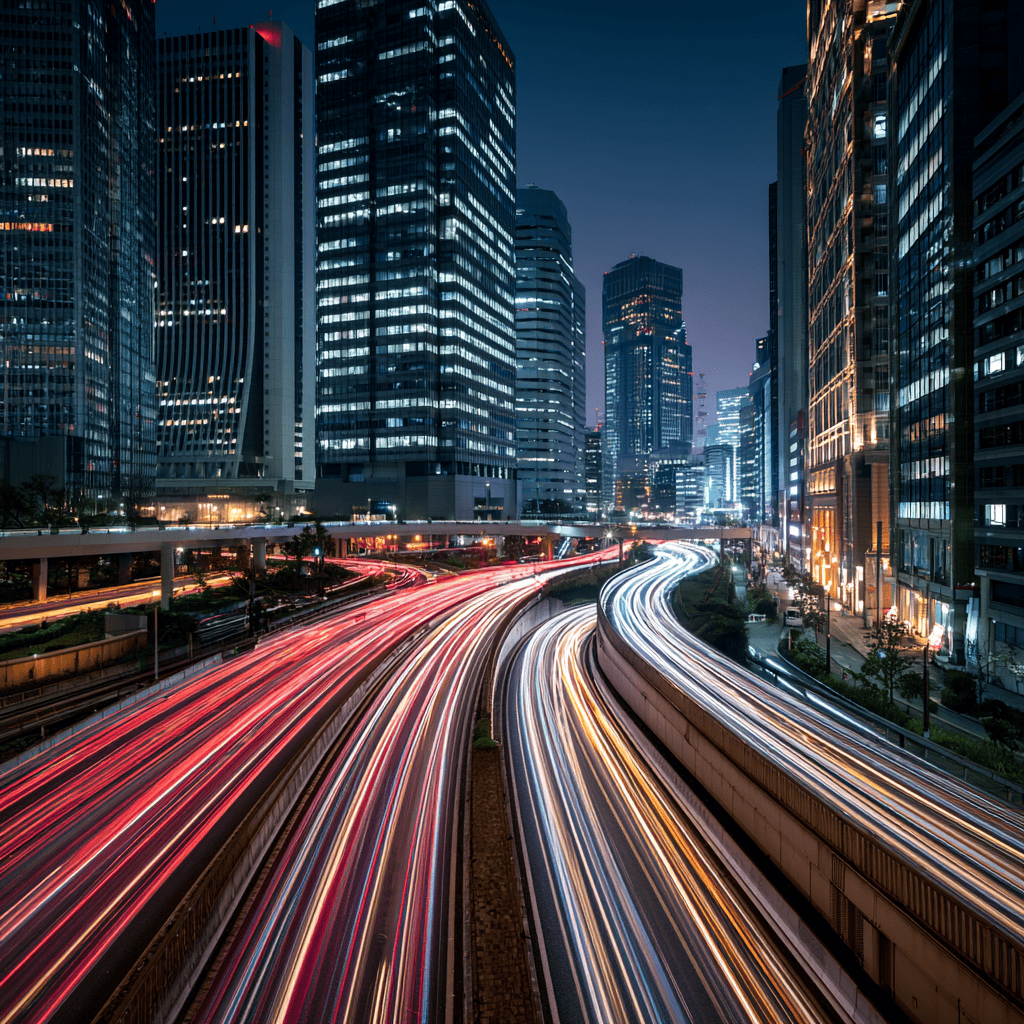
What surprises people is the effect work. Now and then the eyes glow and smoke drifts from the jaw, high above a street already full of noise. Stand at the plaza edge in the early evening, once the signs are on but before the crowd thickens. A film monster is addressing a shopping street, and almost nobody looks up except the visitors.
Nerima: where the industry keeps its plaque
Oizumi Anime Gate opened in April 2015 on the deck outside the north exit of Oizumi Gakuen Station. Tokyo’s official tourism board lists life-size bronze figures of Astro Boy, Joe Yabuki, Lum and characters from Galaxy Express 999. The same board calls Nerima the birthplace of anime. That claim has substance, since major studios really did grow up here.
A detailed Real Grade kit of the mobile suit that stood in Odaiba for almost nine years. Building it is a fine way to remember the plaza.
View the Unicorn Gundam Kit →The stories behind the bronze figure at Oizumi Anime Gate, and a natural primer before the museum in Takarazuka.
See the Astro Boy Omnibus →The yokai who line the road in Sakaiminato, in Mizuki's own drawings. Read it on the train west and the statues gain names.
Read Kitaro →It is a small site and takes twenty minutes. Go anyway, because the mood differs completely from Odaiba. Nobody queues. Commuters walk through the figures twice a day without breaking stride. Toei Animation, founded in 1948, keeps its Oizumi studio in the same neighborhood. Tokyo’s tourism board also lists the Toei Animation Museum on the studio grounds, which makes a natural second stop for anyone curious about how the work gets made. That history is why the gate stands here rather than in a busier ward. The figures sit at street level without a fence, so you can stand right beside them and study the casting up close.

Unlined pages for station names, figure names and the shop you found by accident on the walk.
6 × 9 in · 120 unlined pages · matte softcover
Shop This Journal →Nakano and Ikebukuro: the indoor monuments
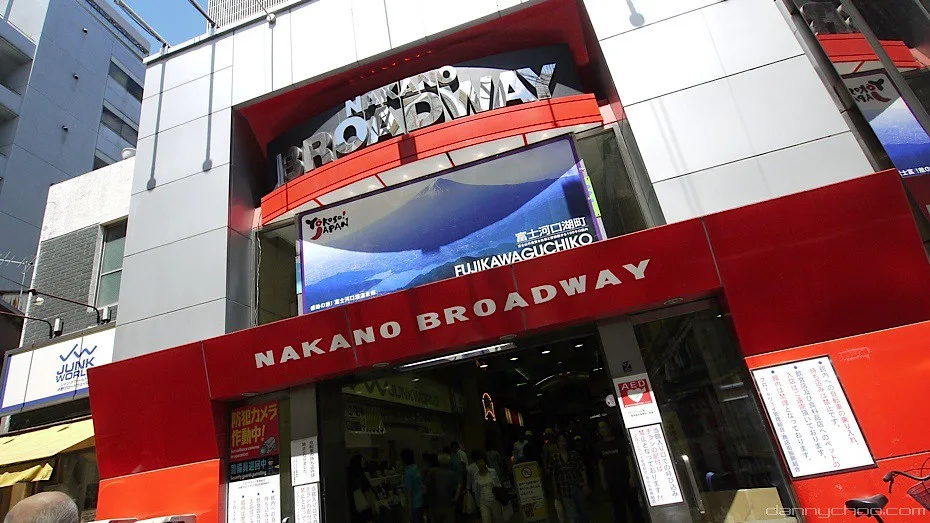
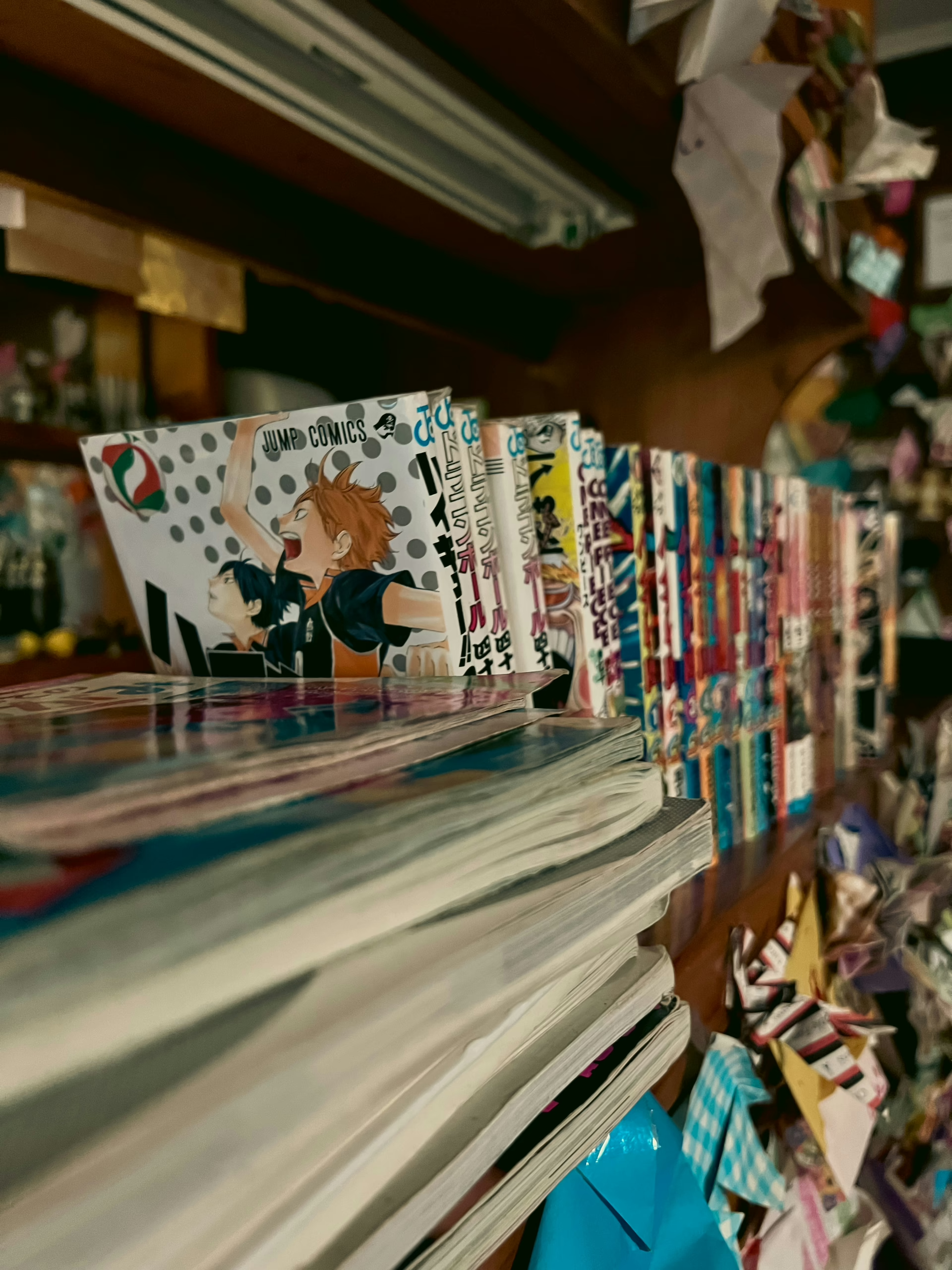
Neither district gives you a bronze on a plinth. Instead, both give you the same instinct expressed in glass. Nakano Broadway stacks decades of collecting into a mall of small dealers. Its cases work as monuments to whole series rather than single characters. Ikebukuro’s Otome Road does the same for a different readership.
Treat these as the counterweight to the outdoor sites. One is a single object commissioned by a developer. The other is thousands of small objects gathered by dealers over decades. If you have one afternoon and want texture rather than a photograph, go to Nakano. For a full day, we mapped an unhurried Tokyo anime itinerary that reads these districts as neighborhoods.
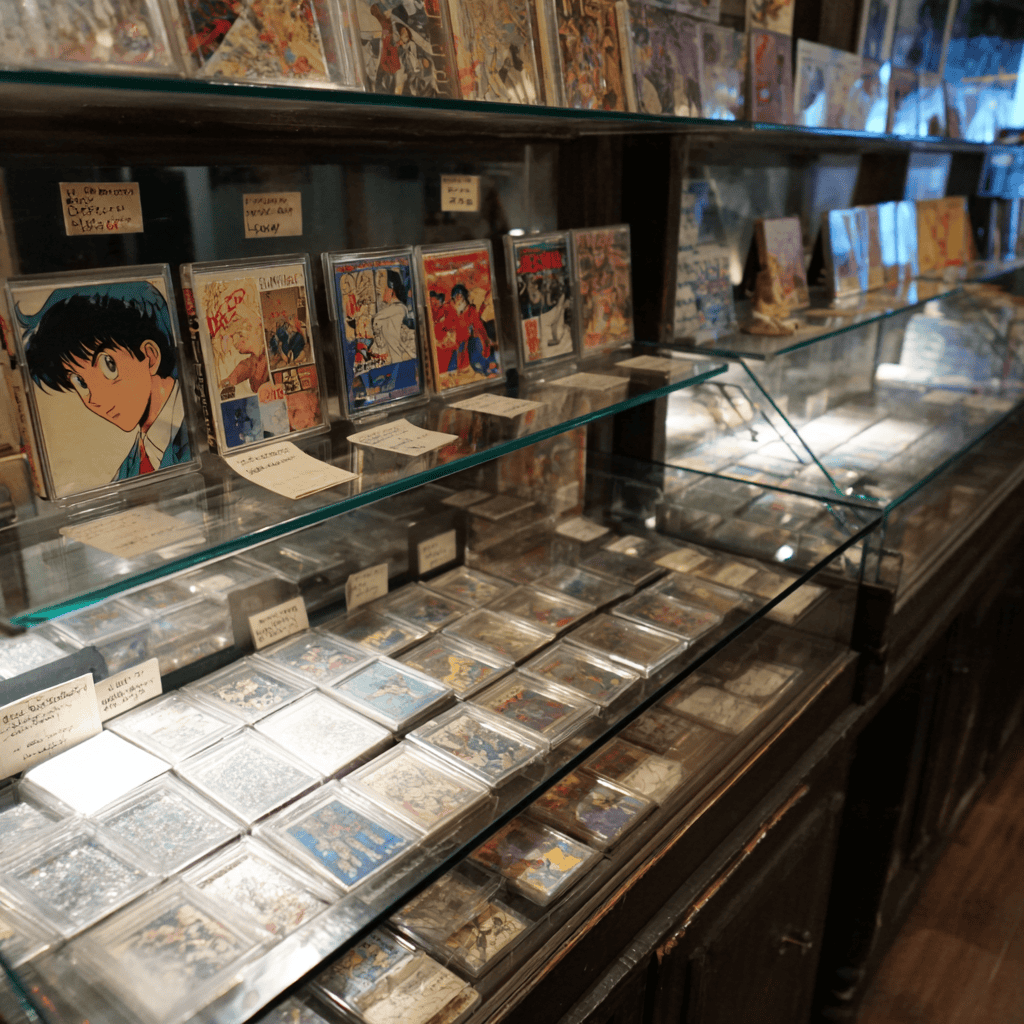
Nakano works best on a weekday afternoon, when the corridors are slow and dealers have time to talk. Start on the upper floors and work down. Many shops keep their best cases at eye level near the door, so a slow pass shows you more than a fast one. Afterwards, pair the visit with Tokyo experiences worth the time on the same side of the city, since the west of Tokyo rewards a slower pace. Nakano Station sits about ten minutes from Shinjuku on the JR Chuo Line, so the two districts pair easily in a single afternoon and a long evening.
Regional Anime Statues in Japan: Sakaiminato and Takarazuka
The regional anime statues in Japan are the better half of the subject. Out in the prefectures, a monument is usually the town’s own idea. The town funds it, and it exists because a particular artist came from there. As a result, it reads as civic pride rather than licensing. The bronze also weathers into something the studio never controlled.
Sakaiminato and Takarazuka: two hometown tributes
This is the strongest example in the country. Tottori’s prefectural tourism site describes an 800-meter road running from Sakaiminato Station into the town. It carries some 153 bronze statues of Mizuki Shigeru’s yokai creatures. Each casting has a barcode plate, so your phone gives you the folklore behind the figure while you stand at it. After dark, lighting changes the whole road.
The regional roads reward the most time; the Tokyo sites fit around other plans.
| Site | Where | What you see | Time to allow |
|---|---|---|---|
| Mizuki Shigeru Road | Sakaiminato, Tottori | Some 153 bronze yokai figures along 800 meters | An unhurried afternoon |
| Oizumi Anime Gate | Nerima, Tokyo | Life-size bronzes of Astro Boy, Lum and others | About twenty minutes |
| Godzilla Head | Kabukicho, Shinjuku | A head on an eighth-floor terrace with glowing eyes and smoke | A short evening stop |
| Tezuka Osamu Manga Museum | Takarazuka, Hyogo | Around 2,000 manga volumes on display | Half a day from Osaka |
| Odaiba plaza | Koto City, Tokyo | Unicorn Gundam display ended 31 August 2026 | Check before planning |
What makes it work is density and modesty. None of the figures is large. Many sit at knee height on the pavement edge, so you find them by walking rather than by looking. A town that commissioned three big pieces would have produced a photo stop. This one produced a walk, which is far harder to build and far better to visit. Give it an unhurried afternoon, and let the street set the pace.
The city of Takarazuka established the Tezuka Osamu Manga Museum in 1994, five years after the artist’s death. He grew up in the town. Japan’s national tourism organization notes around 2,000 manga volumes on display inside. It places the walk at about ten minutes from Takarazuka Station and seven from Hankyu Takarazuka-minamiguchi.
Read the museum as a monument to a whole body of work rather than one character. For anyone building a Kansai route, it slots beside Osaka and Kobe without adding a day. Then head back to Osaka for dinner, where the Osaka food scene makes a fine end to a long rail day.
Prefer to have the route built for you? A custom Japan itinerary can put the monuments, the trains and the nights in the right order.
A typeset printable: ten Japanese proverbs with kanji, romaji and meaning. Signing up also brings occasional letters on Japan and word when a new journal reaches print.
One email with your printable. Occasional letters after that. Unsubscribe anytime.
Getting to Anime Statues in Japan by Rail
Visiting anime statues in Japan rarely works as a single trip, and forcing it produces a tiring week. Tokyo's sites are a metro problem. Sakaiminato and Takarazuka are a rail problem, and they sit far apart on a western route most first visits never touch. So decide early which one you are doing. The answer changes the pass you buy and the nights you book.
If the regional monuments are the point, the math often favors a national pass. A Sakaiminato leg alone means a shinkansen run west, a local connection through Yonago, and the return. Our breakdown of the Japan Rail Pass covers when that stops being worthwhile. Run your own route through it before you commit.
Timing and what to carry
One practical note before you lock anything in. Monument schedules move. Operators pause performances for maintenance, and buildings close for a day or two around the New Year. The Odaiba closure shows how quickly a landmark can change. Therefore, check the operator's own page in the week you travel rather than the week you plan. That habit takes five minutes and can save a whole afternoon.
Timing matters on the ground too. Mizuki Shigeru Road suits late afternoon into early evening, when the lighting comes on. Oizumi Anime Gate is best mid-morning, after the commuter rush has passed. Kabukicho rewards dusk, once the signs light up. Build each day around one anchor, then let the rest of the district fill the hours.
Recommended
Pack for walking rather than for shopping. Most of these sites reward slow movement, and a comfortable pair of shoes matters more than any guidebook. Carry a small notebook as well. Station names, figure names and the address of a shop you found by accident all slip away fast. A few written lines bring the whole day back later.
Where to stay, and a bowl after the walk
A Tokyo base handles the city sites with ease. Shinjuku and Nakano share a line, and Nerima is a short ride north-west on the Seibu Ikebukuro Line. By contrast, the western leg needs its own nights. Yonago works as a base for Sakaiminato. Osaka covers Takarazuka, Kobe and Kyoto, so one hotel can serve three days.
Food shapes these days more than people expect. A long walk between statues usually ends at a counter near the station, with a bowl that arrives fast and fills you up. Rice bowls are the classic answer. Katsudon in particular turns up in diners across the country, and it is easy to make at home once you are back.
The bowl also has a place in popular culture. In countless stories, a character eats katsudon before an exam or a big match, because the word katsu sounds like the verb for winning. That small joke has made it a comfort dish for students and travelers alike. Here is a simple version that works on any stovetop.
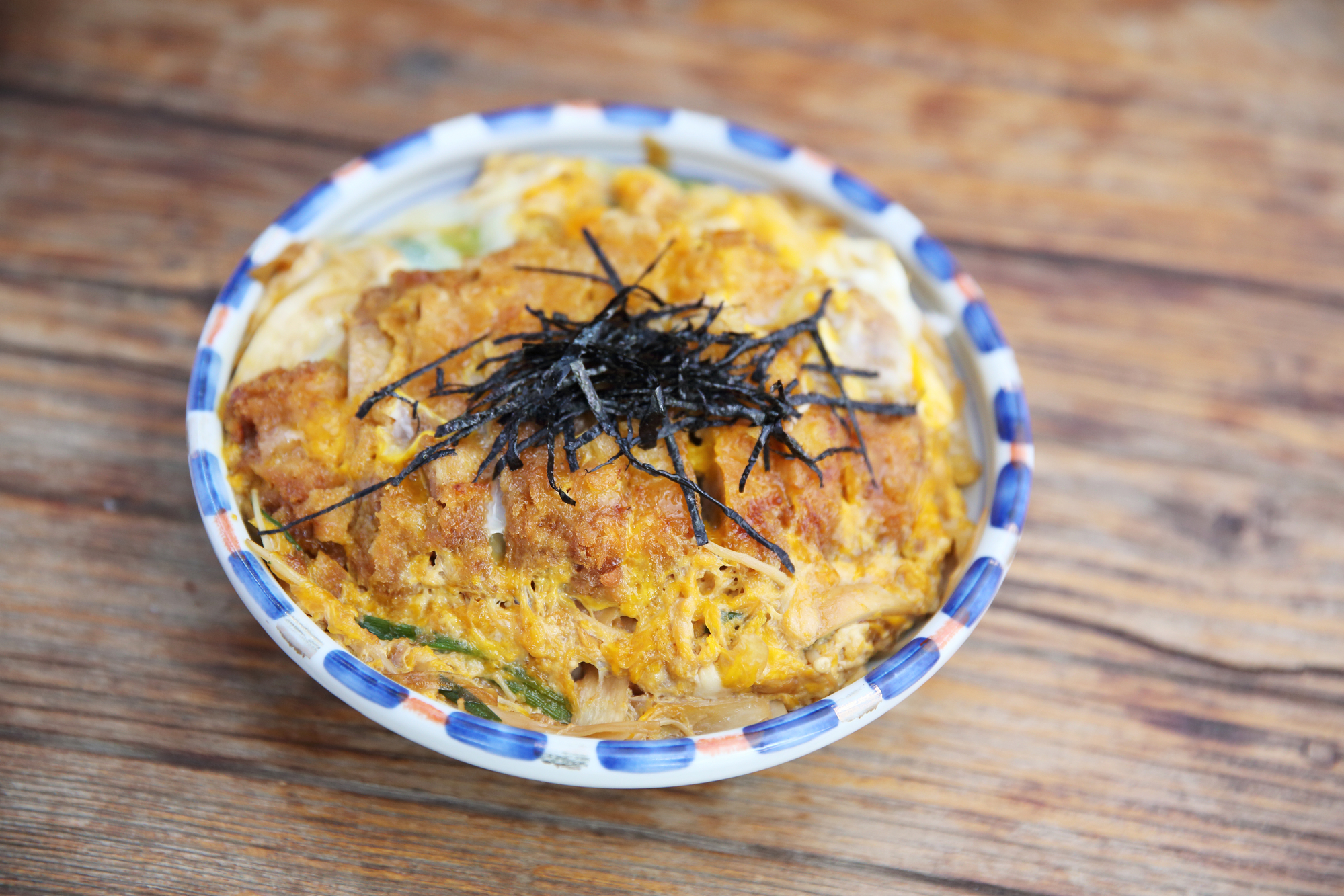
Katsudon is a donburi rice bowl long served in Japanese diners and noodle shops. A breaded pork cutlet simmers briefly in a sweet soy broth with onion and egg.
- 2 boneless pork loin chops, about 1/2 inch thick
- Salt and black pepper
- 1/4 cup all-purpose flour
- 3 large eggs, divided
- 1 cup panko breadcrumbs
- Neutral oil for frying
- 1/2 cup dashi
- 2 tablespoons soy sauce
- 2 tablespoons mirin
- 1 teaspoon sugar
- 1/2 onion, thinly sliced
- 2 cups hot cooked short-grain rice
- 1 scallion, thinly sliced
- Season the pork with salt and pepper, then coat it in flour, one beaten egg and panko.
- Fry the cutlets in oil at 340°F for 5 to 6 minutes, turning once, until golden; rest them, then slice into strips.
- Simmer the dashi, soy sauce, mirin, sugar and onion in a small pan for 3 to 4 minutes until the onion softens.
- Lay the sliced cutlet in the broth, pour over the two remaining beaten eggs, cover and cook for about 1 minute until just set.
- Slide the cutlet and egg over bowls of hot rice, spoon over a little broth and finish with scallion.
Bringing the Statue Home: The Cabinet Edit
The monuments above stand outdoors and belong to a town. What follows sits behind glass and belongs to you. The two halves inform each other more than collectors admit. A monument teaches silhouette, spacing and the value of one object holding a space. Those are the same skills that separate a cabinet from a pile.
The word premium gets used loosely, so define it narrowly. A premium piece meets three conditions at once. First, the studio that owns the property has licensed it. Second, a named artist sculpted it from production reference. Third, the casting and finish survive close room lighting, not only catalog photography. Miss one condition and the object is a souvenir.
The makers worth knowing
A small number of Japanese houses do most of the serious work. Kotobukiya's ARTFX J line is the reference point for scale statues sculpted in Japan under studio license. Poses are static and built for a shelf. Bandai Spirits' Tamashii Nations represents the engineering side, while FiguartsZERO builds fixed poses around a signature moment. Good Smile Company's POP UP PARADE line is the sensible entry into scale figures.
Buy across four makers at random and the cabinet reads as a shop. Buy consistently and it reads as a collection. Each house has a style you can learn to read, which lets you predict how an unseen piece will look in the hand. For gift ideas beyond figures, see the luxury anime gift edit.
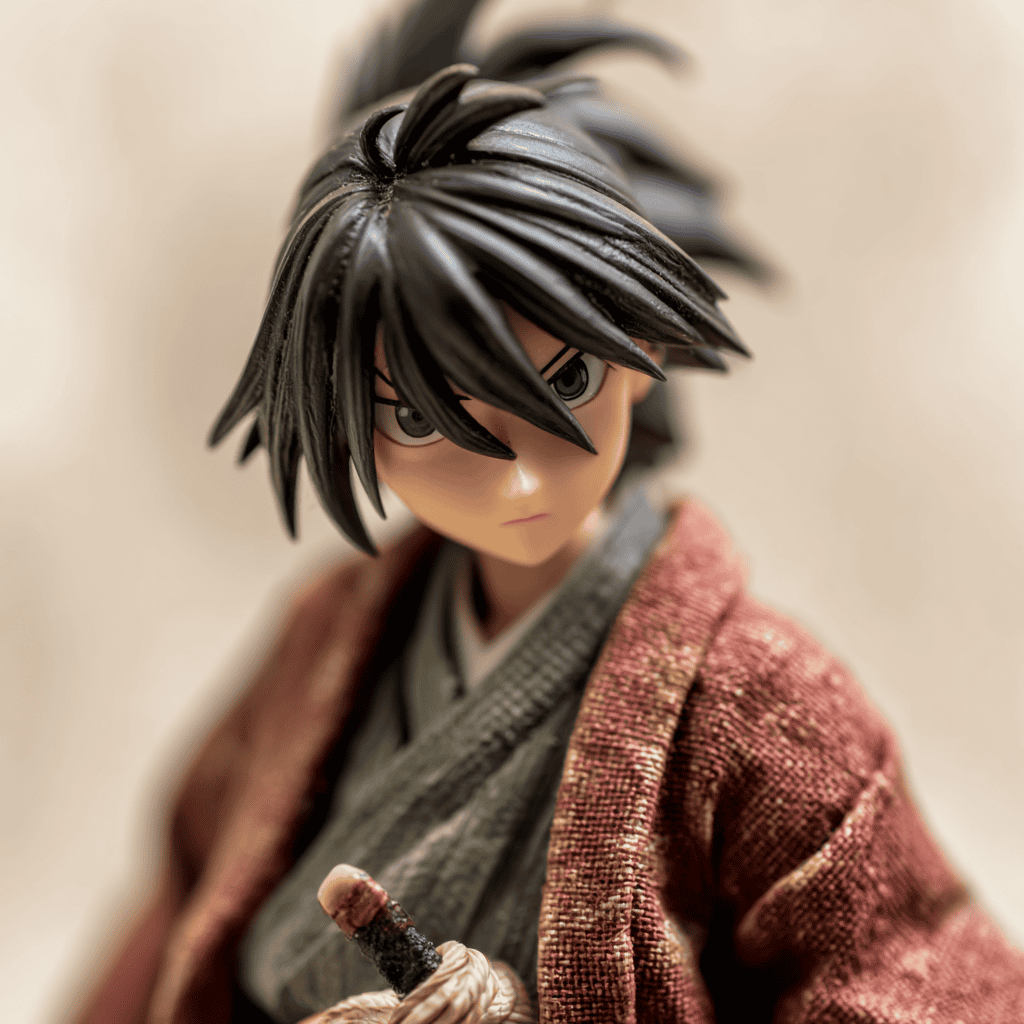
A licensed scale statue from Kotobukiya's ARTFX J line, sculpted for a shelf. It shows what the premium register looks like at arm's length.
View the Rengoku Statue →Mizuki's own account of the era he grew up in, drawn with the same hand as the yokai on his road.
See Mizuki's Showa History →The early Kitaro stories, collected in English. A gentle companion to a slow walk down Mizuki Shigeru Road.
Read The Birth of Kitaro →Whichever house you choose, direct sunlight ages PVC and yellows white paint within a few years, so keep the cabinet off any wall that takes afternoon sun. Ceiling light is the subtler problem. It flattens the sculpting and washes out painted detail. Small spots at the top of the case, angled down and slightly forward, fix it at once.
Space and glass do most of the work
Then give every serious piece at least one figure-width of clearance on each side. The eye reads it as an object rather than part of a row. Three pieces in a six-foot case look deliberate. Six pieces in the same case look like stock. Also keep scales together, because a one-eighth figure beside a one-fourth figure makes the smaller piece look diminished.
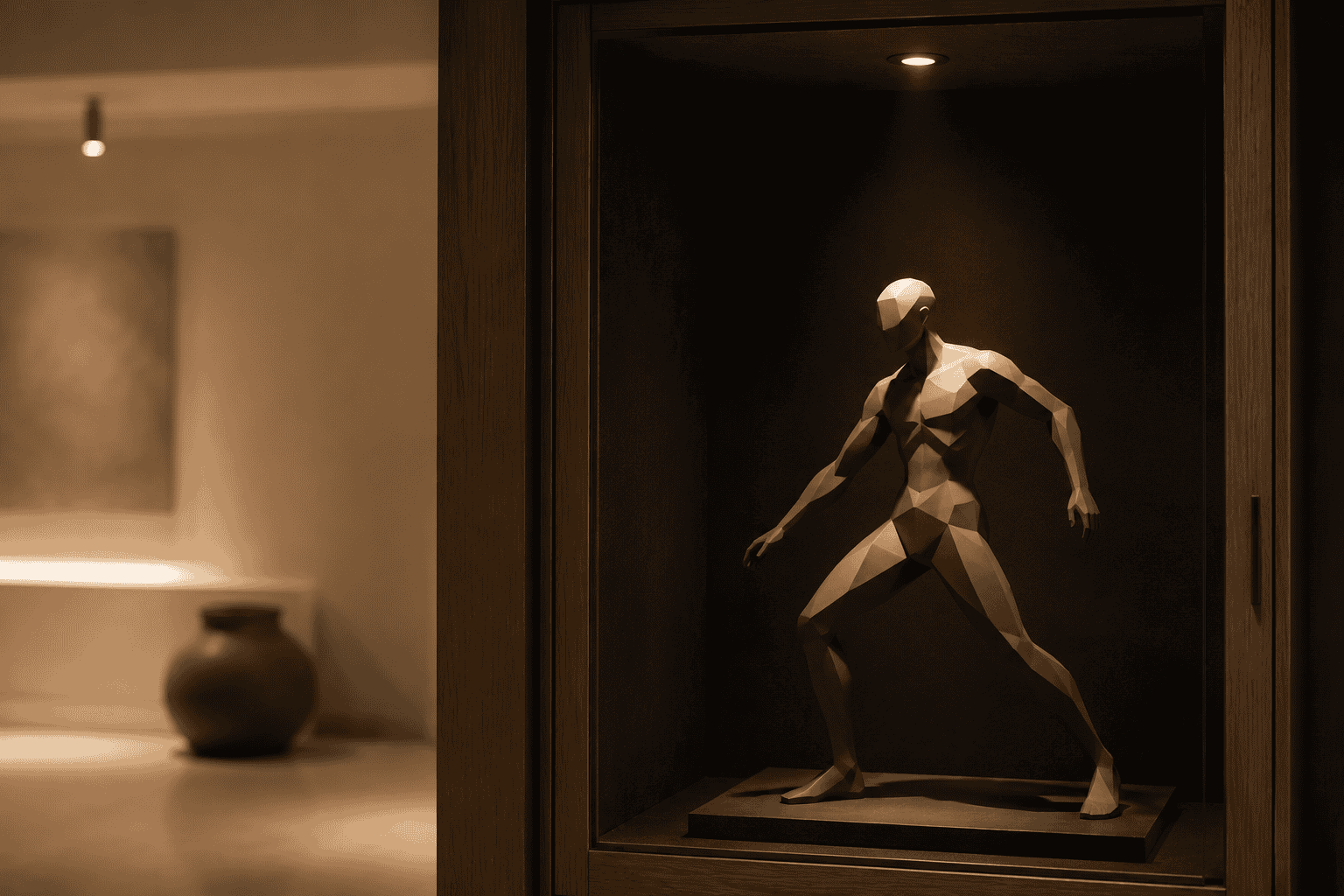
Cabinet glass deserves a sentence of its own, because the wrong sheet undoes the lighting you just installed. Thin float glass carries a green cast at the edges, and that tint lands on white paintwork first. Low-iron glass removes the problem entirely. If a case will hold three pieces for a decade, the glass is the part to get right, since you look through it every day. Fit the lights before the glass goes in, too. Wiring a finished case means taking the pieces out again, and every extra handling risks a snapped sword, a bent ribbon or a scuffed base.
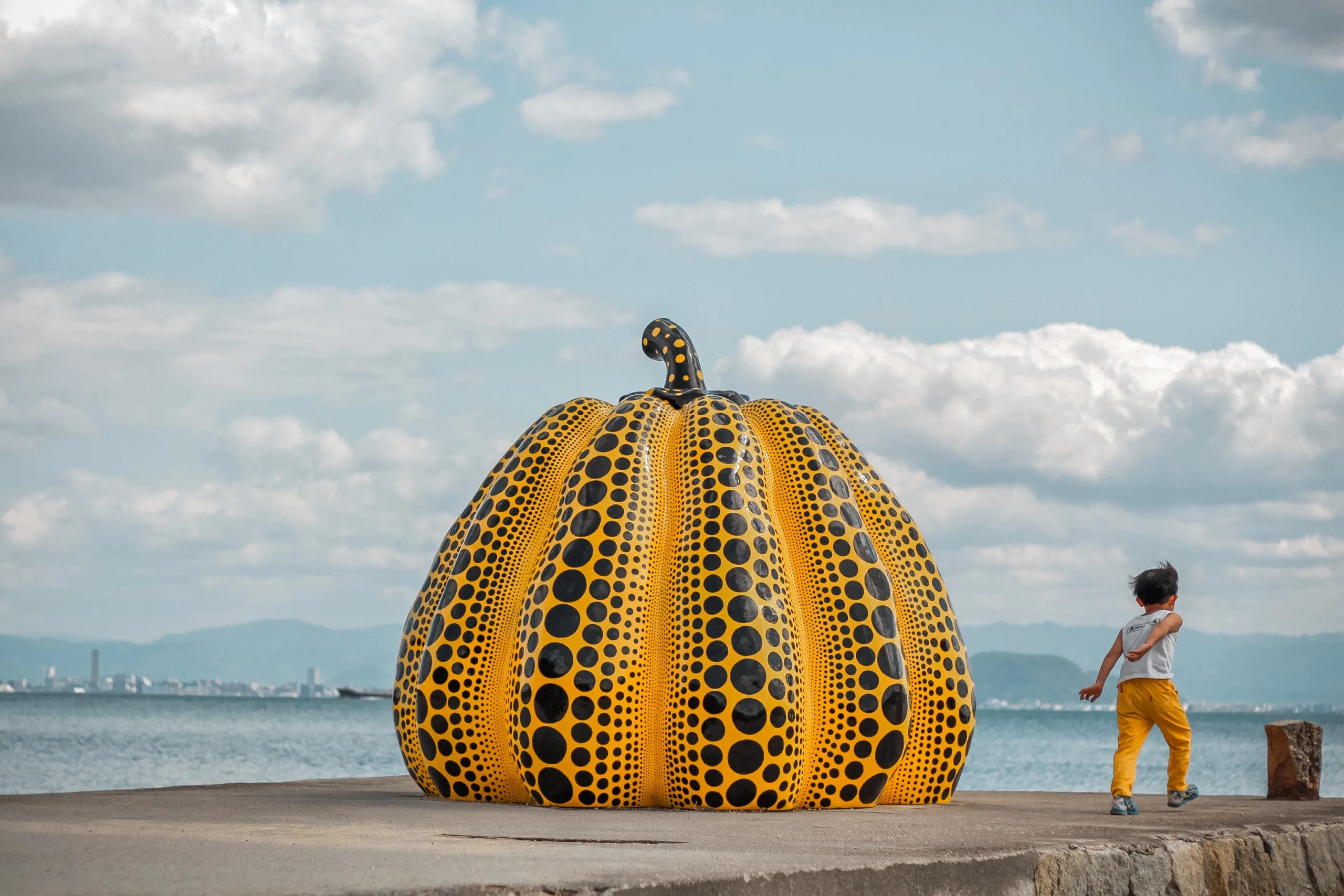
Buying with care
Counterfeit figures exist in volume, and the better ones convince in photographs. The most useful defense is a buying habit rather than a physical tell. Buy from an established Japan-based retailer that carries maker stock directly. A marketplace reseller with no link to the maker puts the risk straight back. In hand, look at the face under good light, since copies drift at the eyes and mouth first.
One last habit closes this half of the page. Keep a note of what you own, where it came from and when it arrived. Photograph the box while you still have it. That single image answers most later questions about a piece, including the ones you have not thought to ask yet.
The questions below are the ones readers send most often. Some are logistical, because monuments with schedules invite logistics. Others concern the objects on the shelf. Where an operator publishes a date, the answer carries it directly. Where the answer rests on craft judgment instead, it says so plainly and stops short of pretending that one firm rule exists for every single case. Read them before you book, not after. Because the Odaiba Gundam has now left its plaza, several answers also explain what remains for visitors who still want to see the site, and what to check before planning a trip around it.
Questions Worth Asking
Is the Unicorn Gundam statue still in Odaiba?
No. The operator ended the display of the Life-Sized Unicorn Gundam on 31 August 2026, almost nine years after it arrived at Festival Plaza in DiverCity Tokyo Plaza. The Gundam Base Tokyo shop is still listed on the mall's seventh floor. Nobody had confirmed a replacement statue at the time of writing, so check the official site first.
Where is the Godzilla head in Shinjuku?
The head emerges from the eighth-floor terrace of the Shinjuku Toho Building in Kabukicho. It is a Godzilla-size head, roughly 50 meters above street level. It arrived in 2015 and has stayed. Anyone can see it from the plaza below, while hotel guests get the closest view.
How many statues are on Mizuki Shigeru Road?
Tottori's prefectural tourism site counts some 153 bronze statues of Mizuki Shigeru's yokai creatures. They line an 800-meter road from Sakaiminato Station into the town. Each one carries a barcode plate, so a phone can call up the story behind the figure. Lights also come on along the road after dark.
Which characters stand at Oizumi Anime Gate?
Tokyo's official tourism board lists life-size bronze figures of Astro Boy, Joe Yabuki, Lum and characters from Galaxy Express 999. The gate opened in April 2015 on the deck outside the north exit of Oizumi Gakuen Station in Nerima. The same board describes Nerima as the birthplace of anime, and Toei Animation's studio stands nearby.
Are the regional anime monuments worth the travel?
It depends on whether you want the object or the town. Mizuki Shigeru Road rewards an unhurried afternoon, and Takarazuka pairs a museum with a short walk from the station. Neither justifies a dedicated flight on its own. Both sit comfortably inside a wider western Japan route by rail.
What makes a statue premium rather than merchandise?
Three things, and you can check them. The studio that owns the property has licensed it. A named artist sculpted it from production reference. The casting and finish survive close room lighting rather than catalog photography. A piece missing any one of the three is a souvenir rather than a collectible.
How do you avoid a counterfeit statue?
Choose the retailer before you choose the object. An established Japan-based store that carries maker stock directly removes most of the risk. A marketplace reseller puts it straight back. In hand, look at the face under good light. Copies usually drift at the eyes and the mouth first, and paint tones sit slightly off.
Every answer above rests on the same principle. A monument is only as useful as the trip you build around it, so the details matter more than the excitement. Confirm the dates, plan the trains, and leave room for the street around each figure. That way, a single afternoon at a bronze road can carry a whole journey.
What the Monuments Leave Behind
Both halves of this subject reward the same instinct. A town that commissions well puts one object where people already walk and leaves space around it. A collector who buys well does the same on a smaller scale. Neither is trying to fill a space. Both are trying to make one object hold it.
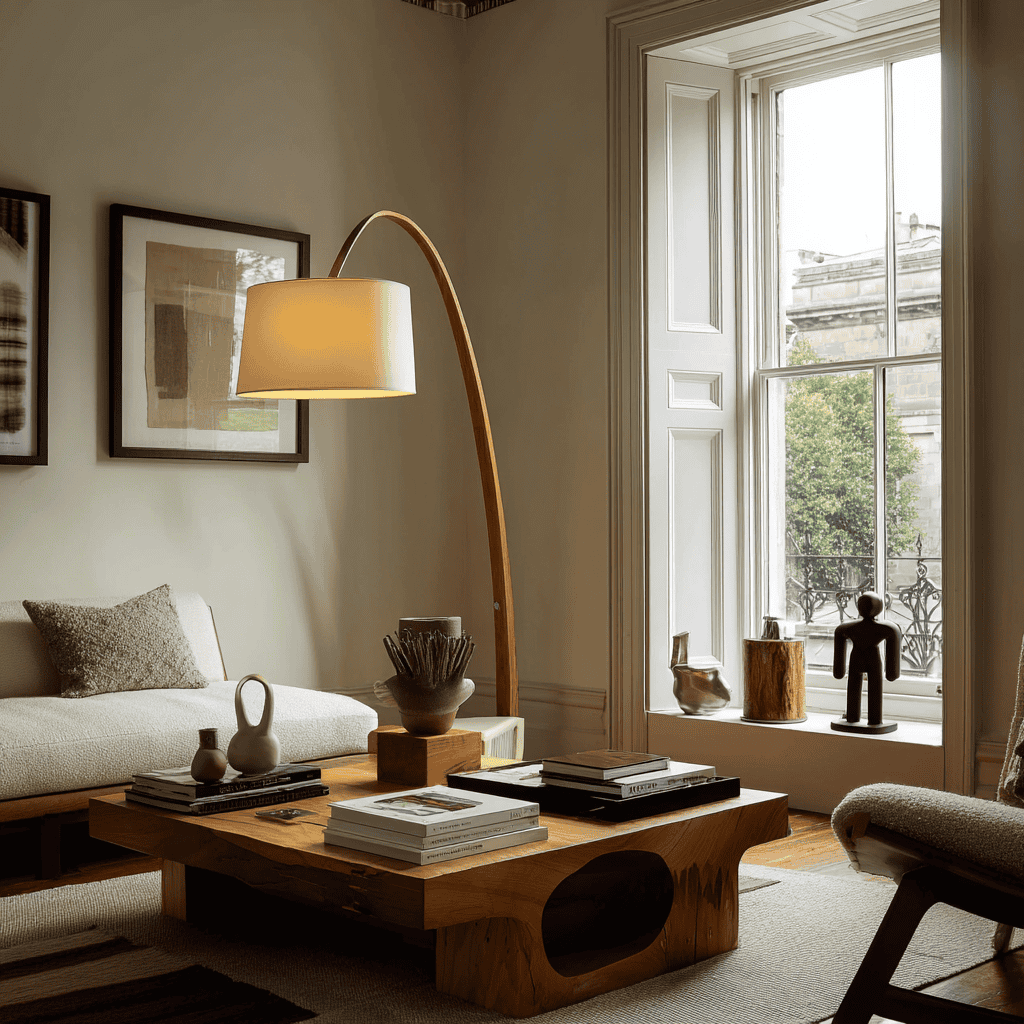
That instinct travels well. Anyone drawn to the way a single casting anchors a street will respond to the same discipline in a gallery. That is why the best art destinations in Japan read as a natural next step. Naoshima, the Tokyo museums and the pottery towns all run on the same rule about space.
So the honest summary of anime statues in Japan is that the monuments are the better half. They cost nothing to visit, and they sit in towns that had real reasons for building them. Odaiba has already shown that some will not stay forever. The cabinet can wait. The bronze road in Sakaiminato is ready whenever you are.
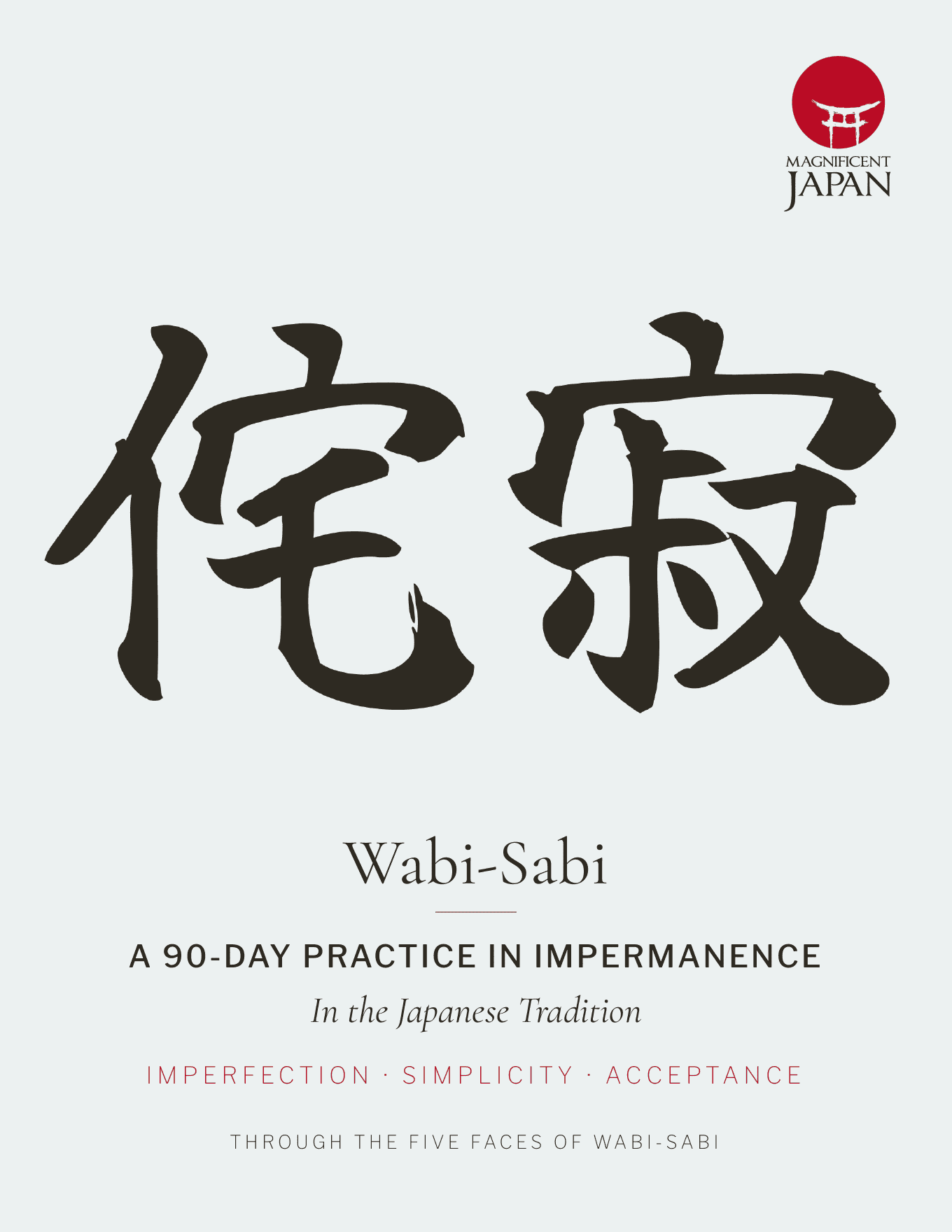
Ninety days with impermanence, for anyone who watched a landmark leave and wants to think about why it mattered.
View the Journal →Pick one regional road and one Tokyo site for a first trip. Leave the rest for a second visit, which is a better plan than a rushed first one. The statues will hold their corners in the meantime, and the towns around them will still be worth the walk.
A Tokyo base with Nerima, Shinjuku and Nakano timed around the crowds, then a western leg that puts Sakaiminato and Takarazuka on one rail plan instead of two separate trips. We build the connections, the nights and the order, and we check every monument date before you travel.
Plan Your Custom Japan Itinerary