
A japantown is one of the most moving places a traveler can visit outside Japan. Behind the ramen counters and paper lanterns sit more than a century of arrivals, losses and rebuilding. From San Francisco to São Paulo, these neighborhoods kept Japanese food, language and festivals alive far from home. They also tell a story that most visitors to Japan never hear.
This guide visits the great Japanese neighborhoods of the world, one city at a time. It covers how each began, what it survived and what you will find there now. You will also find the festivals worth planning around and the dishes to order. At the end comes a simple recipe from the festival stalls. Last, a short note shows how these streets can lead you on to Japan itself.
It is a neighborhood outside Japan built by Japanese immigrants and their families. Homes, shops, temples and halls grew up side by side. Three historic examples remain in the United States, and others thrive in Canada, Brazil and Germany.
What a Japantown Is, and Why So Few Remain
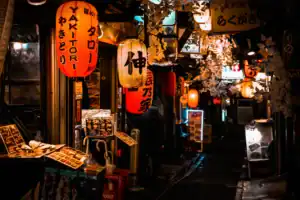
The Japanese word is nihonmachi, which simply means Japan town. Most grew in the late nineteenth and early twentieth centuries. Young men left Japan for farm, rail and fishing work across the Pacific. They settled near each other because landlords elsewhere often refused them. Soon came boarding houses, grocers, bathhouses and churches, and then families. By the 1930s, many West Coast cities had a Japanese district of their own.
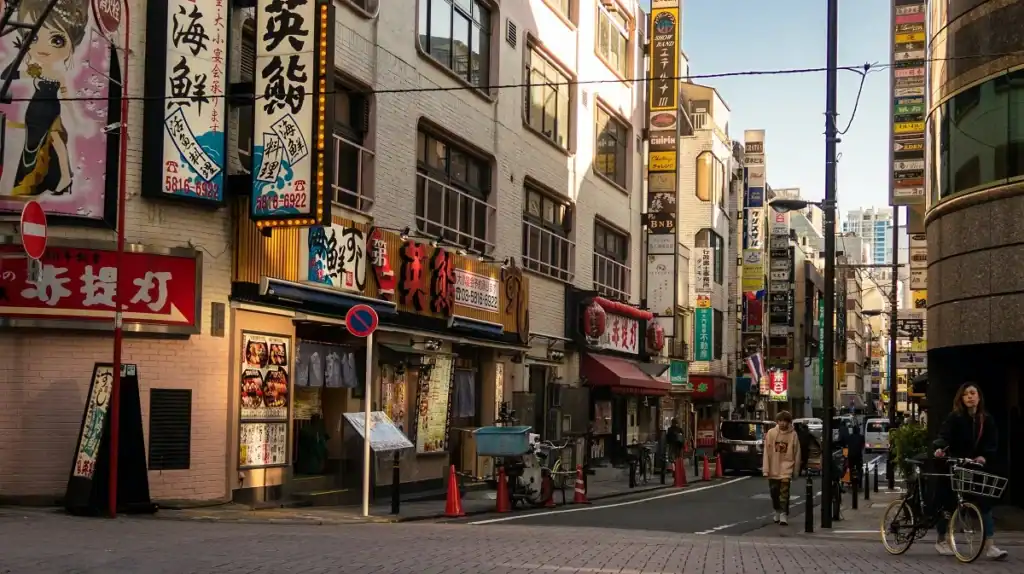
Then came 1942. After the attack on Pearl Harbor, the United States forced Japanese Americans on the West Coast into camps. Canada did the same along its own coast. Shops closed overnight, and many families lost their property for good. When people returned after the war, most of the old districts were gone or broken up. In the decades that followed, urban renewal cleared much of what was left.
That history explains a striking fact. Dozens of Japanese neighborhoods existed in America before the war. Only three historic ones remain, all in California: San Francisco, San Jose and Little Tokyo in Los Angeles. Each survived because residents fought to keep it. Elsewhere, from Vancouver to São Paulo, the story took different turns. In fact, some of the liveliest Japanese districts today grew up long after the war.
San Francisco Japantown: The Peace Pagoda and the Cherry Blossom Festival
San Francisco’s Japantown grew in the weeks after the 1906 earthquake. Japanese residents moved west from the burned districts downtown, and the area soon became one of the largest Japanese communities in the country. The forced removal of 1942 emptied it. Redevelopment then did lasting harm. By 1960, about half of the neighborhood’s core had been razed. At least 1,500 residents and more than 60 small businesses were pushed out.
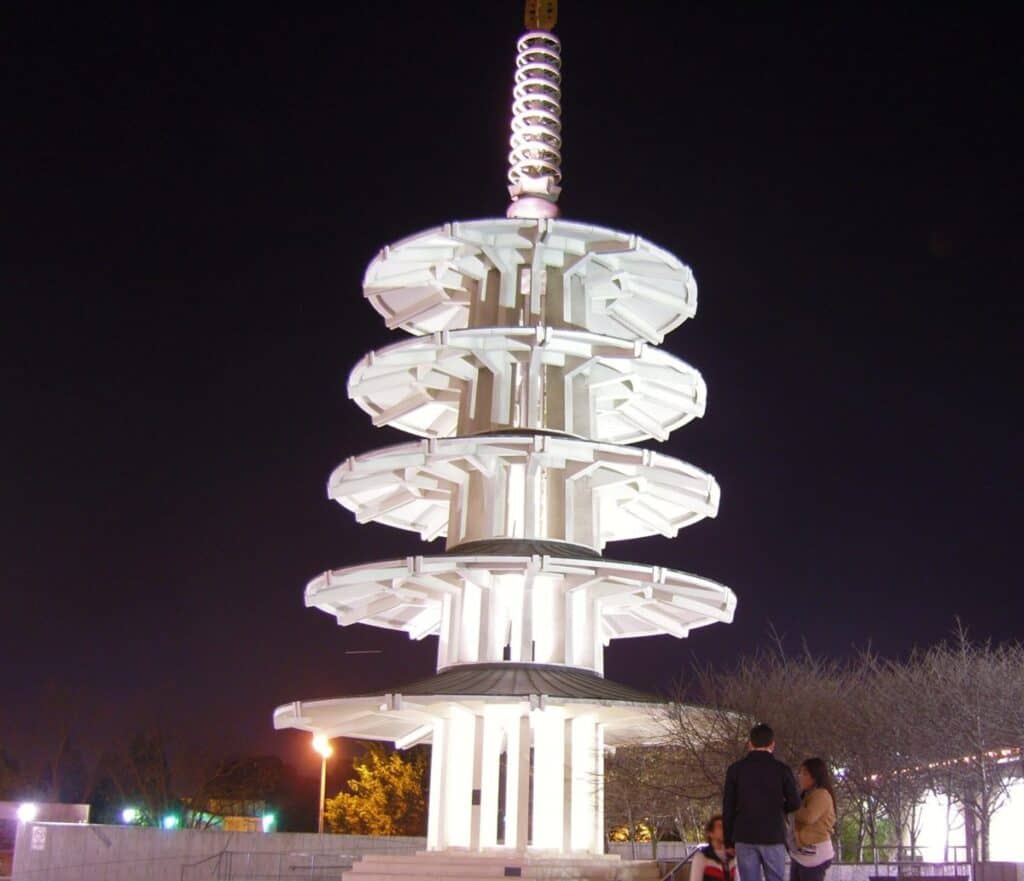
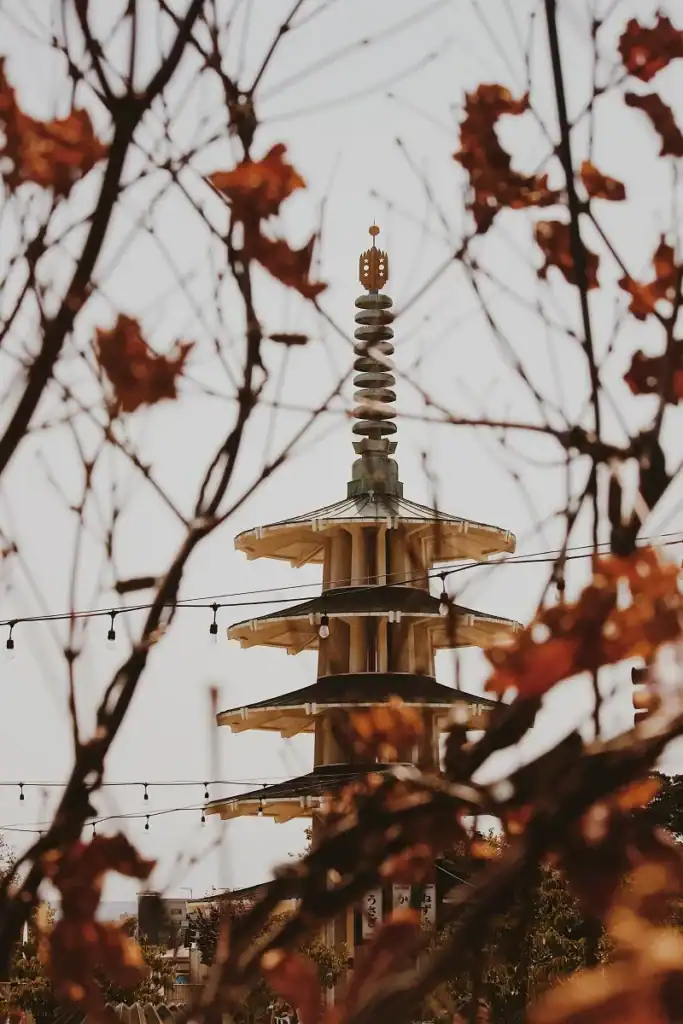
What rose in its place became the district’s landmark. The Japan Center opened on March 28, 1968, and the Peace Pagoda in its plaza was dedicated that same spring. The pagoda was a gift from the people of Osaka. Osaka and San Francisco had been sister cities since 1957, and the architect Yoshiro Taniguchi designed it. Its five tiers still rise above the low streets, a lasting symbol of friendship after a hard century.
The Cherry Blossom Festival
The day after the Japan Center opened, the first Cherry Blossom Festival began. It ran for three days in 1968. Today the Northern California Cherry Blossom Festival fills two weekends in April across six blocks. It draws more than 200,000 visitors. Organizers started it to keep traditions alive and help local businesses. They also wanted to strengthen ties between the United States and Japan, and those aims still shape the parade, the taiko and the food stalls.
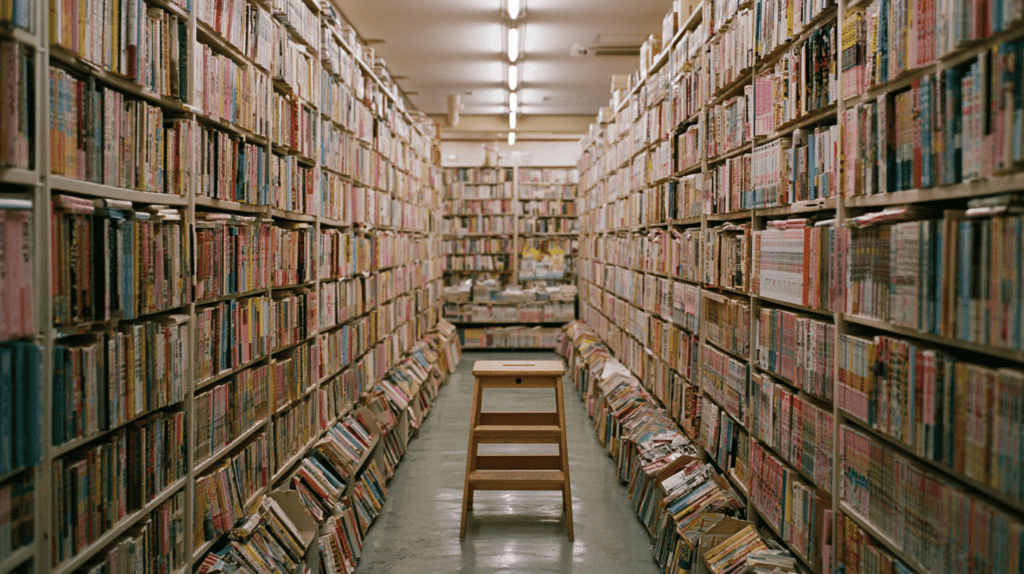
For a first visit, start in the Peace Plaza. Then walk the covered malls of the Japan Center for bookshops, stationery and tea. Next, cross Post Street to the older shops of the Buchanan Street mall, where some families have traded for generations. Most visitors come for lunch and stay for the shopping. Still, leave time to read the history plaques, because they explain what the bright storefronts do not.
San Francisco’s Japantown — the neighborhood in historic photographs
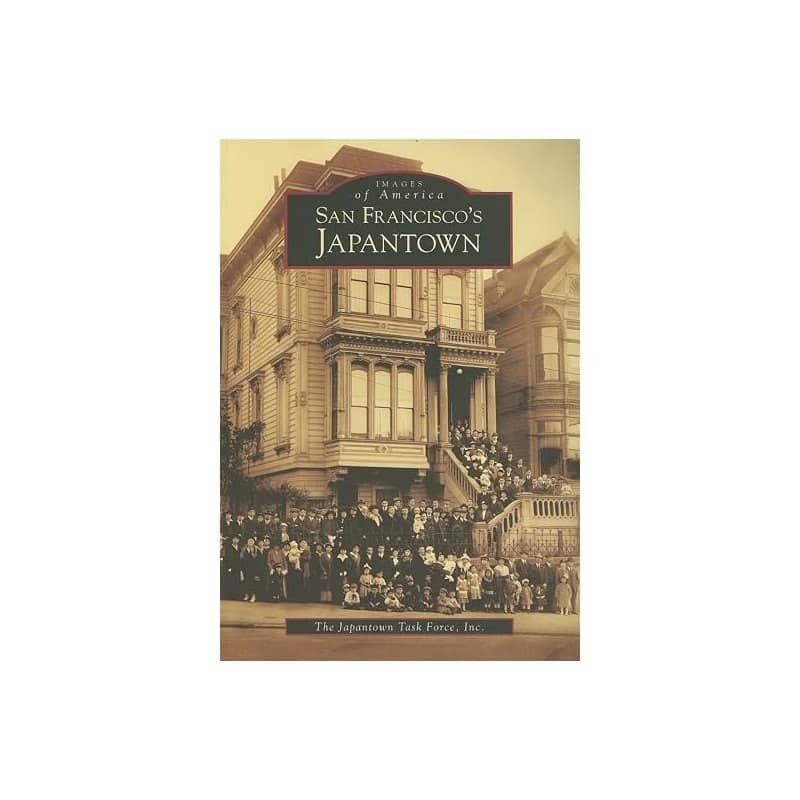
San Francisco’s Japantown, from the Images of America series, tells the story through archival photographs. It moves from the boarding houses of the early 1900s to the forced removal. Then it follows the long fight over redevelopment. Short captions explain each picture, so it reads quickly on a flight. It is especially useful before a visit, because so much of the old district is gone. On Post Street, you can match a modern corner to the same spot decades earlier. That comparison gives the plaza and the malls real meaning. It also honors the families who built the place, then rebuilt it after the war.
Little Tokyo, Los Angeles: The Largest Before the War
Before World War II, Little Tokyo was the largest Japanese community in the United States. It sits just east of downtown Los Angeles. Its two oldest commercial blocks are now a National Historic Landmark District, designated on June 12, 1995. Walk First Street and you pass buildings that predate the war. Meanwhile, the fire watchtower in the plaza has become a meeting point for visitors and families alike.
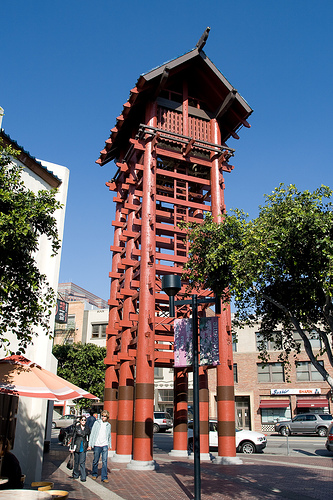
The history is told best at the Japanese American National Museum. It opened in 1992 in the former Hompa Hongwanji temple, built by Japanese immigrants in 1925. During the war, the building stored the belongings of families sent to the camps. That past gives the setting real weight. The museum now covers the full arc of Japanese American life, from the first arrivals to today. Plan at least two hours, and more if you have family history to trace.
Nisei Week in August
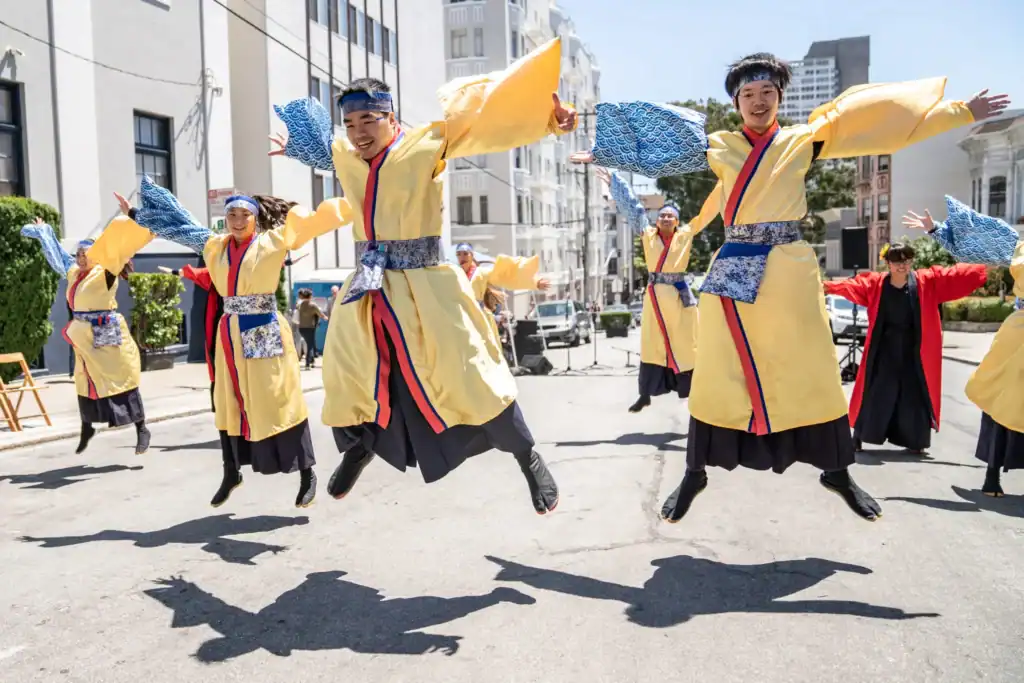
Every August, Little Tokyo hosts Nisei Week, a festival first held in 1934. It has run nearly every year since, pausing only for the war and the pandemic. Expect a grand parade, ondo dancing in the street and taiko. Food stalls crowd the sidewalks. The festival began as a way to draw younger Japanese Americans back to the district. Today it draws everyone, so it is the best time to see Little Tokyo as a living community.
San Jose: Farms, Families and a Lasting Neighborhood
San Jose’s Japantown is the calmest of the three, and for many visitors that is its charm. Japanese immigrants arrived in the Santa Clara Valley around 1890 to work the farms and orchards. At first they lodged in the neighboring Chinatown. Over time they opened shops for the farm workers. Later, as picture brides arrived from Japan, the district became a neighborhood of families. The Japanese Association of San Jose formed in 1908.
The city’s own historic survey dates the neighborhood’s period of significance from about 1890 to 1967. Its blocks around Jackson Street still hold family businesses, a Japanese American museum and community halls. Come for the small restaurants and the sense of a place that still belongs to its residents. A weekday lunch here feels unhurried. There is time to talk to shopkeepers whose families have run the same counter for decades.
You may also like
Canada: Vancouver’s Powell Street and Japantown Toronto
In Vancouver, Japanese Canadian life centered on Powell Street from the late nineteenth century. Residents called the street Paueru Gai. In January 1942, the Canadian government uprooted the community and took its property. The neighborhood never returned to what it was. Yet the memory stayed. In 1977, during the Japanese Canadian Centennial, residents founded the Powell Street Festival. It is now the longest-running Japanese Canadian arts festival in the country.
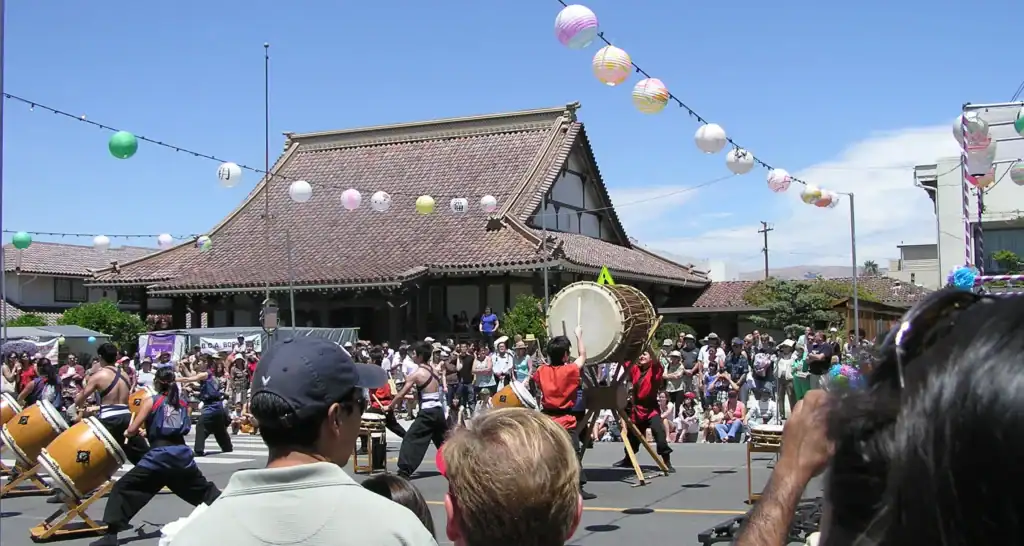
The festival takes place each August in Oppenheimer Park and draws tens of thousands of visitors. It mixes taiko, dance, crafts and food. It also remains the best way to see the old district as a living place. Toronto is a different story. Searches for japantown Toronto turn up no single historic street like Powell Street. Instead, Japanese Canadian life there has long gathered around the Japanese Canadian Cultural Centre.
The Japanese Canadian Cultural Centre
The centre’s first purpose-built home was designed by the architect Raymond Moriyama. It opened in 1964, and Prime Minister Lester B. Pearson attended. The community later moved to larger premises, and the original building became a heritage cause of its own. Today Toronto’s Japanese restaurants, groceries and shops are spread across the city rather than packed onto one street. So a visit to the centre, with its programs and festivals, is the best place to start.
Three Pieces to Bring the Story Home
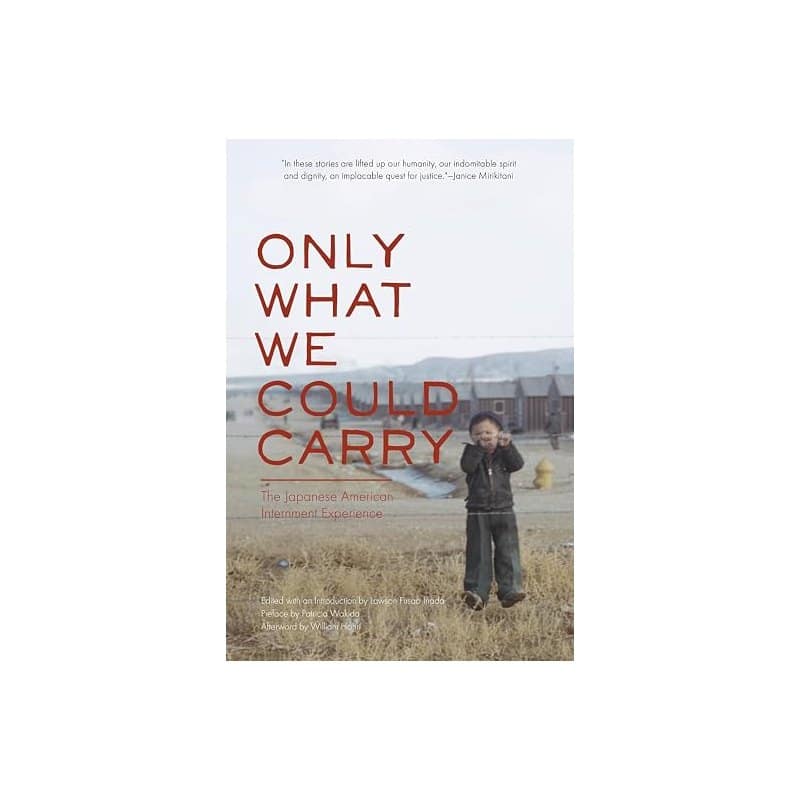
Letters, diaries and art from Japanese Americans forced from home in 1942.
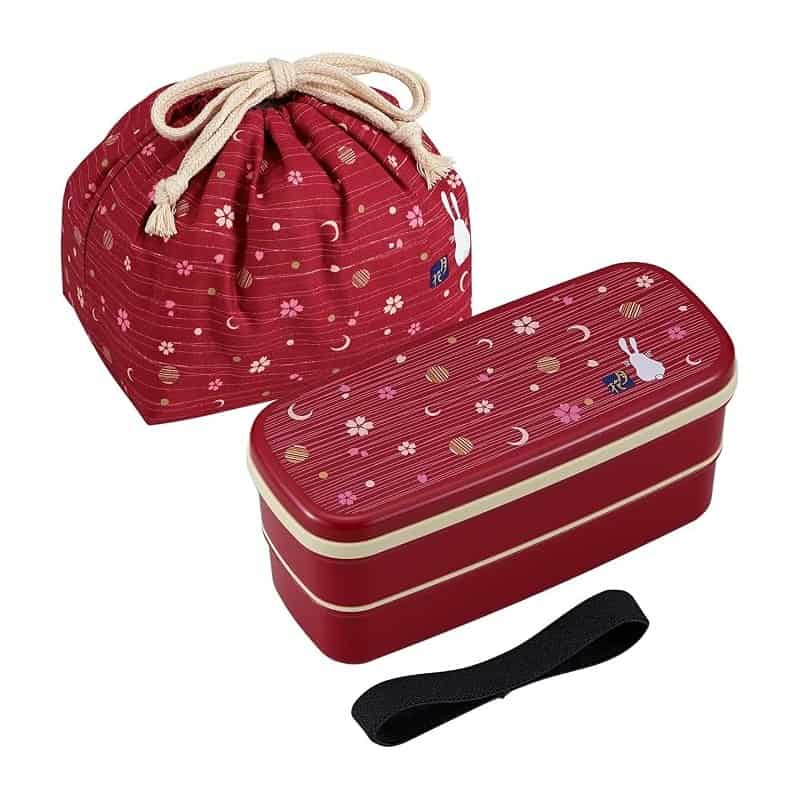
A two-tier bento box for the lunches every neighborhood deli still packs.
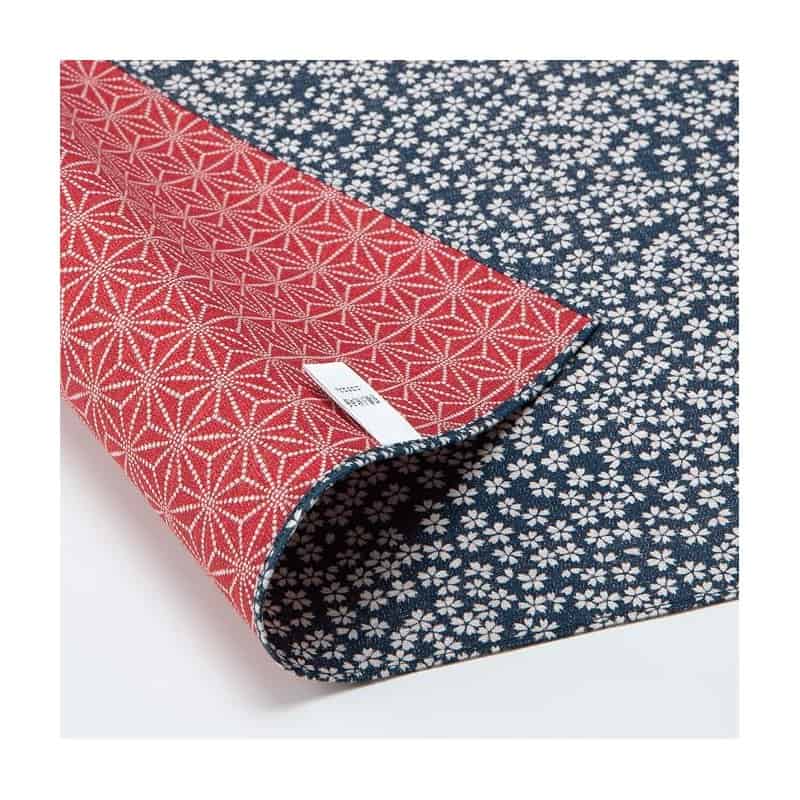
A reversible wrapping cloth, as useful for groceries as for gifts.
These three pieces carry the story into daily life. The book gathers first-hand accounts from the camps. They are told in the words of the people who lived through them. As a result, it is the most direct way to understand what these neighborhoods lost. The bento box and the furoshiki come from the other side of the story. They stand for the everyday habits that families kept alive abroad. Together, they show that history and home are rarely separate here.
Liberdade, São Paulo: The Largest Japanese Community Outside Japan
Brazil holds the largest population of Japanese descent outside Japan, estimated at around 1.9 million people. The story began in 1908. That year the ship Kasato Maru reached the port of Santos with 781 Japanese immigrants bound for the coffee plantations. Over the following decades, many families moved from the farms to the city. São Paulo became the center of Japanese Brazilian life. Its Liberdade district became the best-known Japanese neighborhood.
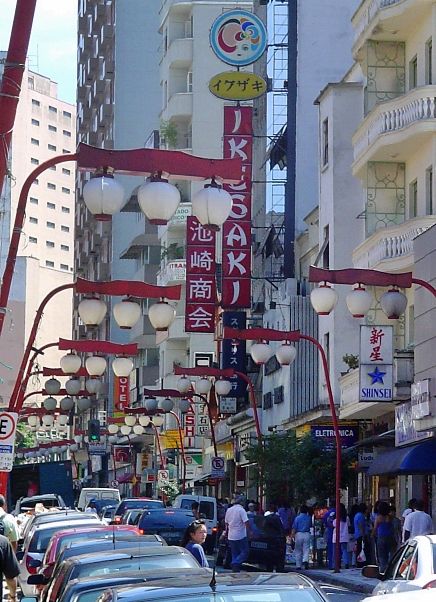
Liberdade today is more mixed than its reputation suggests. Chinese and Korean businesses sit beside the Japanese ones. Still, its red street lanterns, Japanese groceries and weekend market keep its character clear. Many restaurants blend Japanese cooking with Brazilian ingredients, a fusion with more than a century behind it. For a visitor, then, the district offers something unique. It shows what Japanese culture became over five generations in South America.
Plan a weekend morning, when the street market fills the central square with stalls. Then walk the side streets for bookshops and grocers. If time allows, stop at a museum devoted to Japanese immigration to Brazil. In short, Liberdade rewards a slow pace. It is busy, colorful and very much its own place. It also shows how far a Japanese neighborhood can travel from its first form.
Ten Proverbs to Carry With You
A printable folio of ten Japanese proverbs, each set in kanji with its reading and a line on where you will hear it.
Throughout this guide, one pattern repeats. Each neighborhood began with a handful of workers. It grew into a community of families and then faced a crisis. The ones that remain survived because people organized. They raised funds, ran festivals and kept businesses open through hard years. That is worth remembering as a visitor. Every bowl of ramen and every festival you enjoy is part of a long effort to keep a culture alive.
Düsseldorf’s Little Tokyo: Europe’s Japanese Hub
Europe’s most striking Japanese neighborhood is not in London or Paris but in Düsseldorf. The city is home to more than 15,000 Japanese residents. That makes it the largest Japanese community in Germany and the third largest in Europe, after London and Paris. About 410 Japanese companies operate there. Their staff and families created a district along Immermannstraße, between the main station and the city center. Locals call it Little Tokyo.

Unlike the American districts, Düsseldorf’s grew after the war, around business rather than farm work. As a result, it feels modern and practical. Ramen shops, bakeries, bookshops, groceries and travel agencies line the street. The city also has a Japanese school, kindergartens and a consulate general. Bilingual street signs mark the crossings. On the day of the annual Japan-Tag festival, the riverside fills with visitors, and the evening ends with fireworks.
For travelers in Europe, Düsseldorf makes a fine day trip or weekend. The ramen is among the best on the continent. Likewise, the bookshops and grocers stock things that are hard to find elsewhere. Pair a morning on Immermannstraße with an afternoon by the Rhine. Planning a first trip to Japan? Then a weekend here makes a gentle rehearsal for menus, manners and convenience stores.

How to Visit a Japantown Well
Each of these neighborhoods is a home before it is an attraction, and the best visits respect that. Start with the history. Most have a museum, a historical society or plaques that tell their story. Twenty minutes there changes how you see everything else. Then shop with intent. Family-owned stores keep these districts alive. So buy your tea, books or stationery from them rather than from a chain.
When to go
Timing matters too. Weekday mornings are calm and good for museums and bookshops. Festival weekends, by contrast, show each district at its fullest. If you can, plan around the big three. San Francisco holds its Cherry Blossom Festival in April. Los Angeles hosts Nisei Week in August, and Vancouver’s Powell Street Festival falls in early August. Each will be crowded. Yet each shows the community at its proudest and most generous.
Finally, talk to people. Shopkeepers, volunteers and museum staff are often glad to share family stories. Those conversations are the real reward of a visit. Ask about the festival, the neighborhood’s past or a dish on the menu. You will leave with far more than a full stomach. Often you will also leave with a tip for a restaurant in Japan. It may come from someone whose grandparents left the same prefecture a century ago.
You may also like

What to Eat in a Japantown
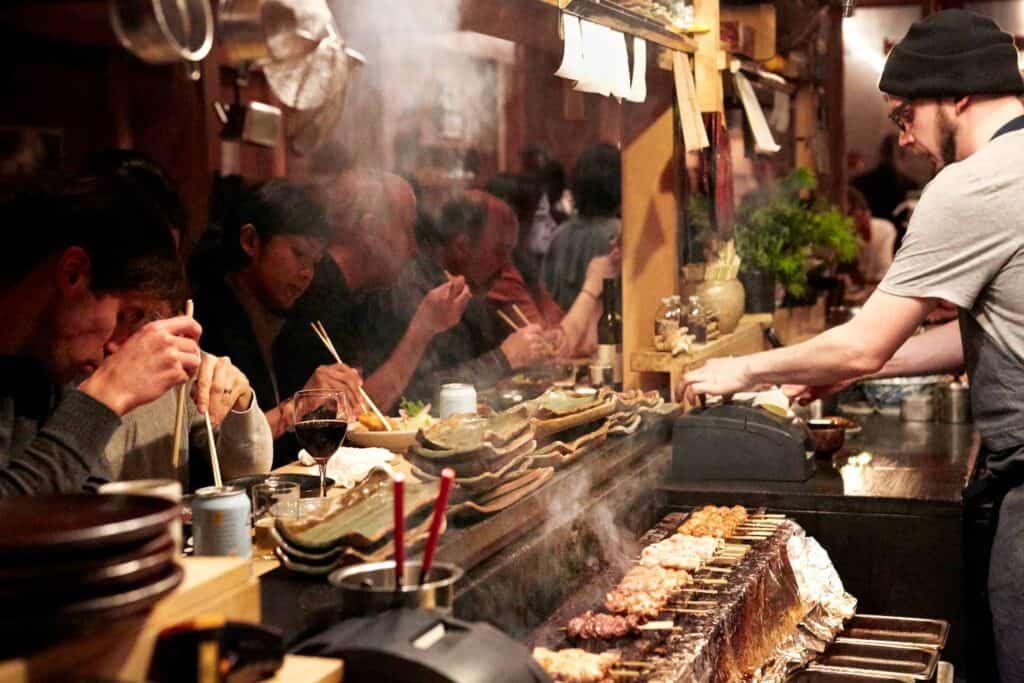
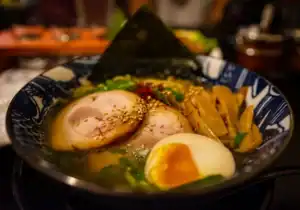
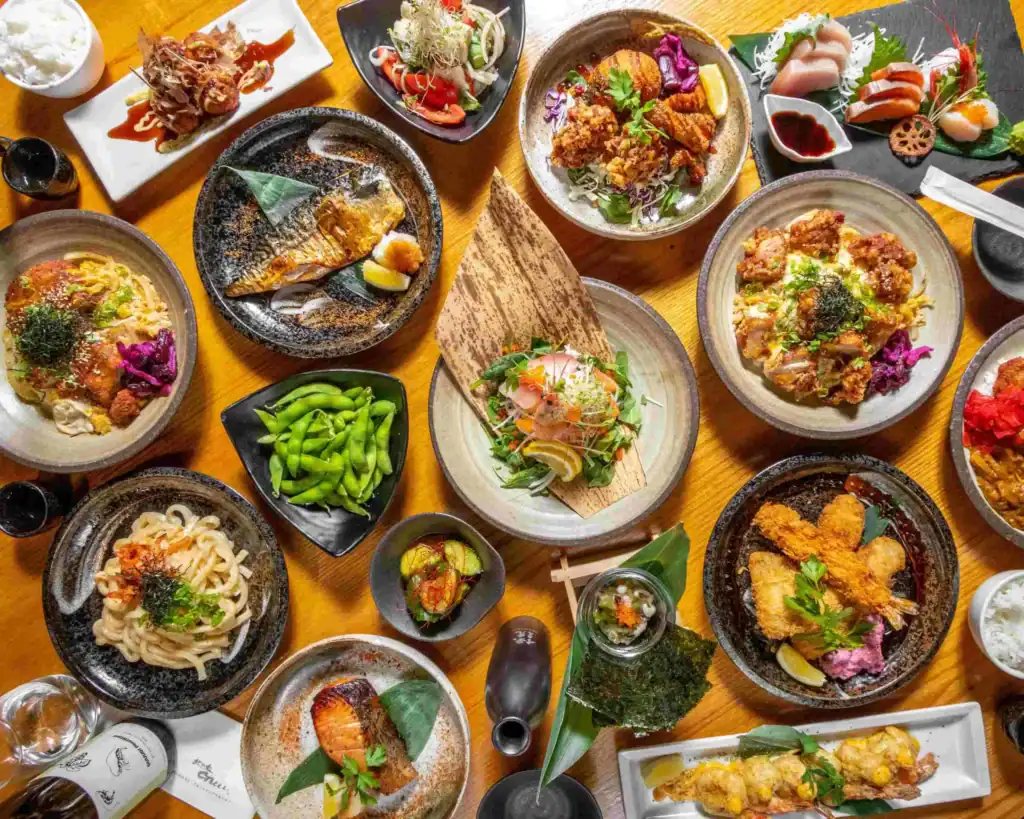
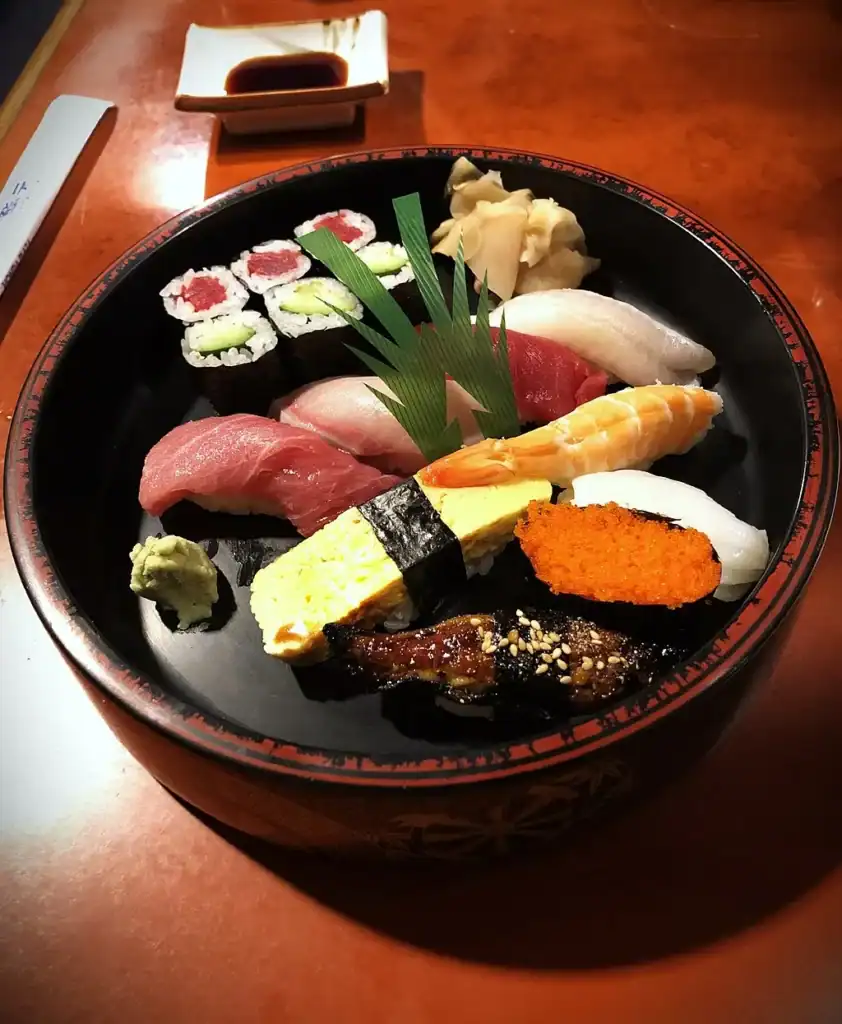
Food is the easiest way into any of these neighborhoods, and the range is wide. Ramen counters, sushi bars and izakaya sit beside old bakeries and sweet shops. Many dishes have changed over generations abroad, and that is part of their interest. For a broader view of the cooking, our guide to traditional Japanese food is a good companion. For an evening out, read up on the izakaya first.
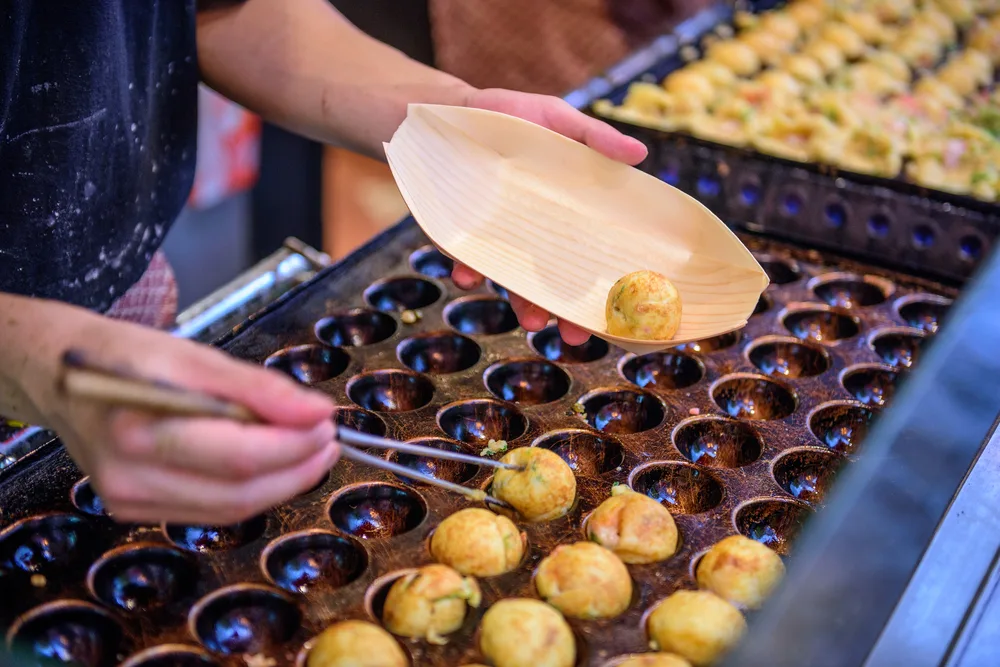
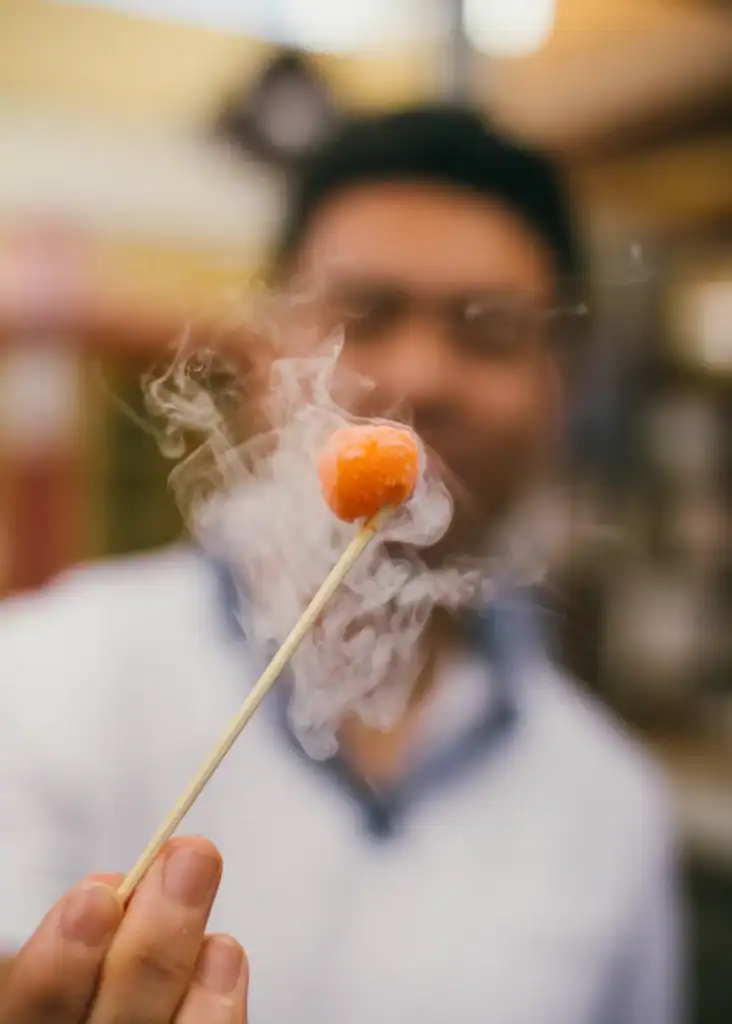
At festival time, one snack draws the longest lines: takoyaki, the round octopus dumplings from Osaka. Stall cooks turn them in cast-iron pans with quick flicks of a skewer. Soon the smell carries down the block. They are easy to make at home once you have the right pan. If a visit leaves you craving more, the Osaka food guide shows where the dish began.
Iwatani Takoyaki Grill Pan — festival takoyaki on your own stove
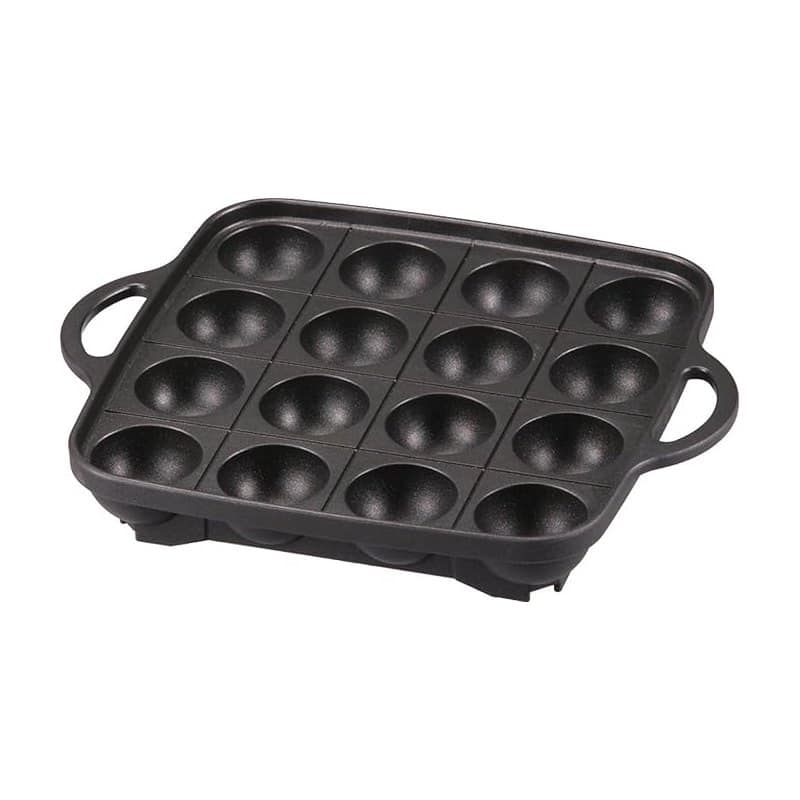
The Iwatani Takoyaki Grill Pan comes from Iwatani, the Japanese maker best known for tabletop gas burners. Its round wells hold the batter evenly. As a result, each ball cooks at the same pace and turns cleanly with a skewer. It sits on a gas burner or a portable stove, so it suits a takoyaki party at the table. The coated surface releases the balls without fuss, even on a first try. It also works for other round snacks, from small pancakes to filled bites. For anyone who fell for takoyaki at a summer festival, it brings that sizzle home.
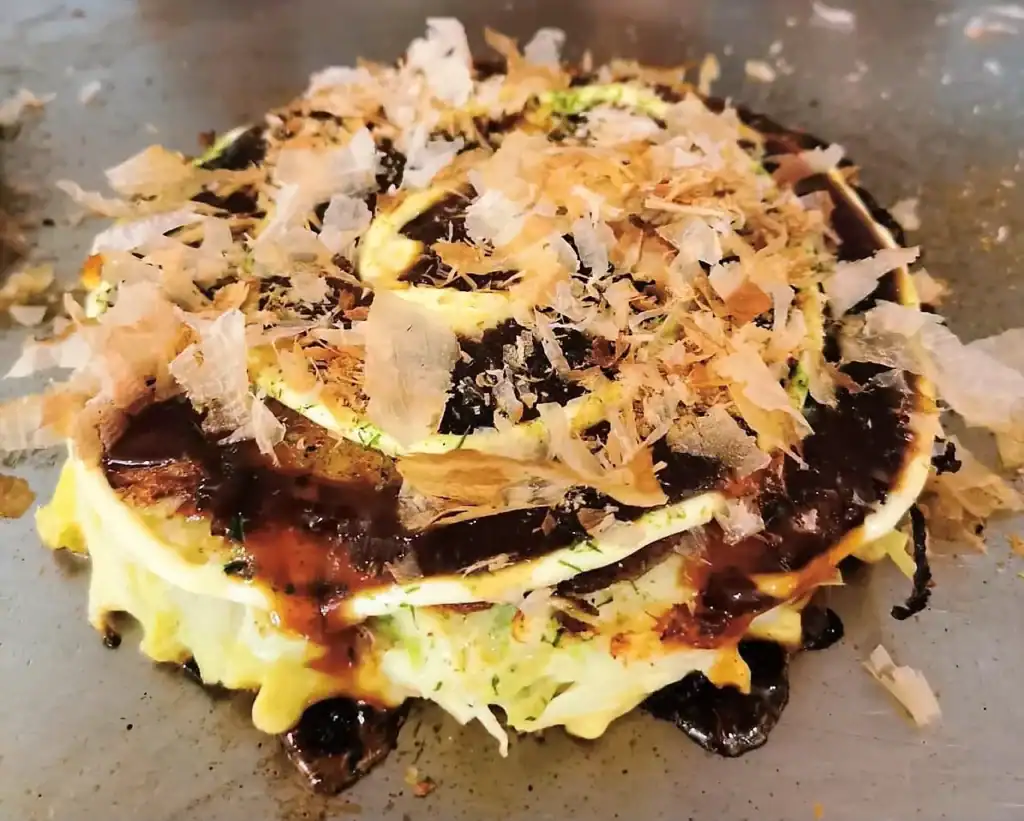
Takoyaki — octopus dumplings from the festival stalls
Whisk one cup of flour with two eggs, a cup and a half of cold dashi and a teaspoon of soy sauce. Heat a takoyaki pan over medium heat and oil every well, then fill each one to the brim. Drop in cubes of cooked octopus, sliced scallion, red ginger and a pinch of tempura crumbs. After two minutes, turn each ball a quarter turn with a skewer. Tuck the spilled batter underneath and keep turning for about eight minutes, until round and golden. Finish with sauce, mayonnaise, aonori and bonito flakes, and eat them hot.
The first batch is practice, so do not worry if the shapes wander. Keep the heat at medium. Oil every well before each round, and turn early while the batter is still soft. By the second batch, your hands will know the rhythm. Serve the balls at the table straight from the pan, the way festival cooks do. Then let everyone add their own toppings. Leftover batter keeps for a day in the fridge, so a second round the next evening is easy.
Beyond takoyaki
Takoyaki is only a start. Look for curry rice, katsu sandwiches, mochi and manju in the older bakeries. Green tea turns up in every form. In many of these neighborhoods, the sweet shops are the oldest businesses on the street. Order something small at each one, and you will taste the history better than any plaque can tell it. Then sit down with a pot of tea and watch the street for a while.
Many readers find that a visit like this sparks the wish to see Japan itself. That is a natural step. The food, festivals and crafts you met abroad all have roots in particular towns and regions. Tracing them is a rewarding way to plan a trip. Kanazawa’s crafts, Osaka’s street food and Kyoto’s tea houses each answer a question these streets raise.
Recommended
Above all, a japantown is a reminder that culture travels with people. Families carried recipes, festivals and words across oceans. They kept them through hard decades and passed them on. Visiting these neighborhoods honors that effort. It also deepens any later trip to Japan. A festival in Osaka feels different once you have watched its cousin in Little Tokyo. So does a bowl of ramen in Sapporo after one in Düsseldorf. The thread runs both ways, and following it is one of the lasting pleasures of travel. Begin at home, with a neighborhood you can reach this weekend. Then let it point you toward the town in Japan where its story began.
Further reading
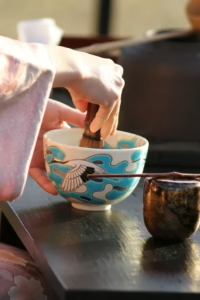
If these neighborhoods leave you curious about the culture behind them, our guide to the Japanese tea ceremony is a good next read. It turns a habit you meet on every one of these streets into a practice you can explore in depth. Our pieces on Japanese food and the izakaya fill in the everyday side. Together they make a small reading list for anyone whose interest began on a city street far from Japan. Start with whichever subject drew you in, then follow the links outward. Each one adds a layer to the places in this guide. Each also makes a later trip to Japan easier to plan with confidence.
From these streets to Japan
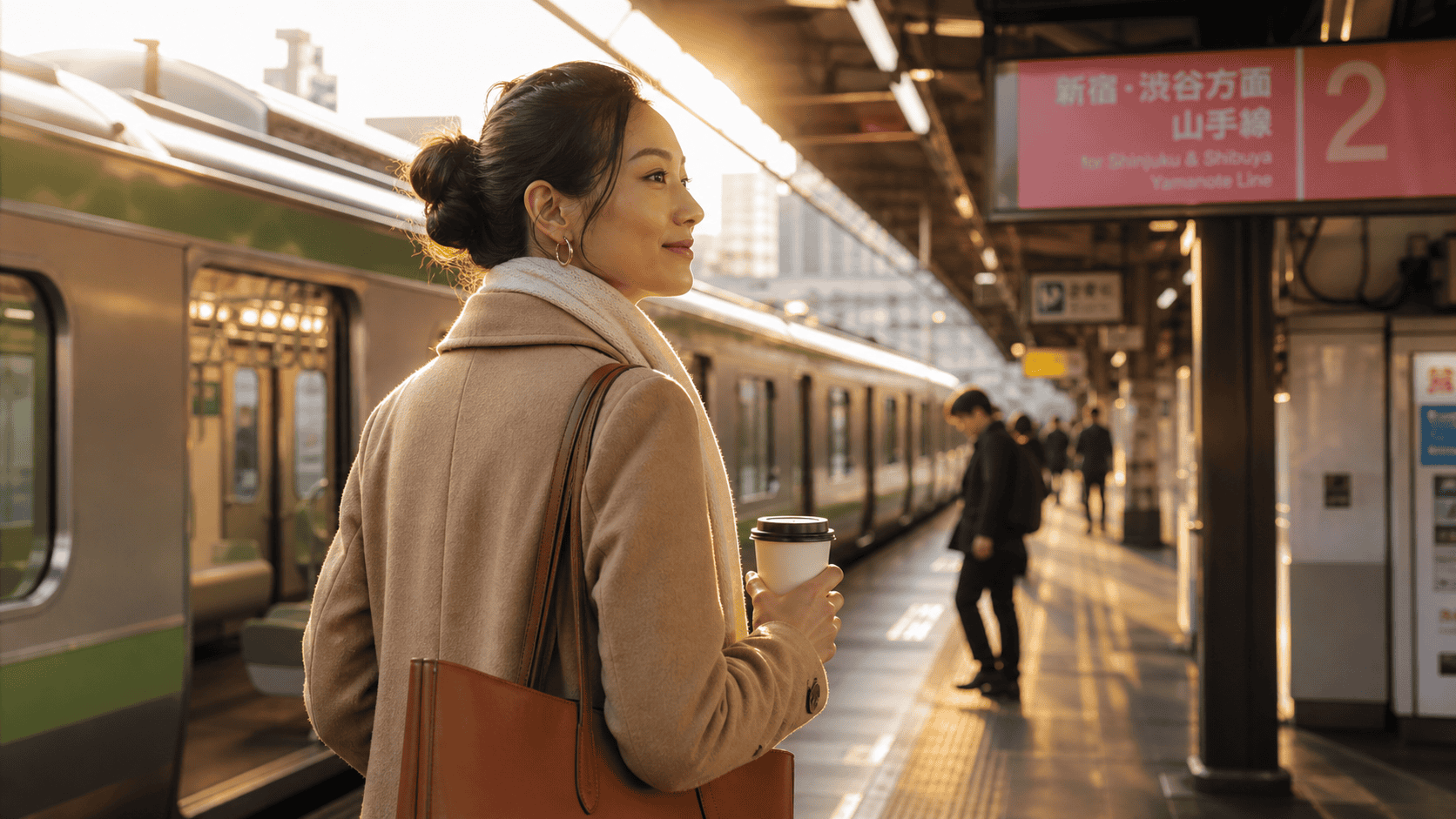
When the time comes to see Japan itself, a well-planned trip can trace the threads these neighborhoods start. You might begin in Osaka with the street food of the festival stalls. Then travel to Kyoto for tea and crafts, and end in Tokyo’s old quarters. Many Japanese American and Japanese Canadian families also visit the prefectures their ancestors left. They look for relatives, family graves and village festivals. Those trips take care to arrange. Records, translators and local guides make the difference between a hopeful search and a found place. With a little preparation, a family story can turn into a day you will never forget, and a name on an old letter can become a real place.
From Japantown to Japan
We can plan a journey that follows the roots of your favorite neighborhood abroad: the Osaka street food, the Kyoto tea rooms and, for families with Japanese heritage, the prefecture where the story began. Every itinerary is built around your pace and interests.
Plan Your Custom Japan ItineraryQuestions Worth Asking
What is a Japantown?
It is a neighborhood outside Japan where Japanese immigrants and their families built homes, shops, temples and halls. The Japanese word is nihonmachi. Most date from the late nineteenth or early twentieth century. Today they are part history site and part living district, with restaurants, festivals and cultural centers.
How many Japantowns are left in the United States?
Three historic ones remain, all in California: San Francisco, San Jose and Little Tokyo in Los Angeles. Dozens of smaller Japanese neighborhoods existed before World War II. Most never recovered after Japanese Americans were forced from the West Coast in 1942.
Is there a Japantown in Toronto?
Toronto has no single historic district like San Francisco’s. Japanese Canadian life has long centered on the Japanese Canadian Cultural Centre, whose first purpose-built home opened in 1964. Japanese restaurants and shops are spread across the city instead of gathered on one street.
Which city has the largest Japanese community outside Japan?
Brazil holds the largest community of Japanese descent outside Japan, at around 1.9 million people. São Paulo is its center. Its Liberdade district grew into the best-known Japanese neighborhood after immigration began with the ship Kasato Maru in 1908.
When is the best time to visit?
Festival weekends show these neighborhoods at their liveliest. San Francisco holds its Cherry Blossom Festival over two weekends in April. Los Angeles hosts Nisei Week in August, and Vancouver’s Powell Street Festival falls in early August. Weekday mornings suit museums and bookshops best.
Is a visit a good way to prepare for Japan?
It is a good first taste of food, shops and festivals. It also teaches a history most visitors to Japan never hear. Still, each neighborhood is its own culture, shaped by generations abroad. Treat it as a place worth knowing for itself rather than a copy of Japan.