
Learning 2000 kanji in a year sounds like a feat reserved for the gifted, yet the arithmetic is gentle. Six new characters a day, kept up for eleven months, carries you past the line with weeks to spare. That is the pace that lets you learn 2,000 kanji in a year. What decides the outcome is not talent. It is a system that brings each character back at the right moment and asks your hand, not only your eye, to remember it. This guide shows how to learn 2,000 kanji in a year with six cards a day.
This guide sets out that system. It starts with which characters to learn, because not all lists are equal. Then it covers why spaced reviews and writing from memory work, how to build cards that scale to thousands, and what a normal study day looks like in month one and month ten. Finally, it lists the few tools worth owning for a year of steady work.
Yes. About six new kanji a day covers 2,000 in under twelve months. The method that makes it stick combines spaced reviews, recall practice and writing each character by hand from memory, with reviews always done before new cards.
Can You Learn 2,000 Kanji in a Year?
Yes, and the numbers show why. Two thousand divided by 365 is just under six characters a day. Allow one rest day a week and the pace rises to about six and a half. That is roughly twenty minutes of new material. Reviews take longer, and by midyear they will fill most of your session, but the daily load stays manageable if you never skip a week.
The harder truth is that most learners stall for reasons that have nothing to do with ability. They add too many new cards on good days, then drown in reviews on busy ones. Or they learn to recognize characters on a screen, only to discover they cannot write a single one. The 2000 kanji plan below is built to avoid both traps, so the pace you start with is the pace you keep.

Think of the year in three stages. In the first three months you learn the simplest, most frequent characters and build the habit. Next, from month four to month nine, you work through the bulk of the list while reviews settle into a rhythm. In the final stretch you meet rarer characters, and reading begins to feel like recognition rather than decoding. Each stage asks for the same daily routine, only with different cards.
Which 2,000? The Joyo List, School Grades and the JLPT
Start with the list Japan itself uses. The Joyo (常用) kanji, revised in 2010, hold 2,136 characters for everyday use in newspapers, official documents and signs. If you know those, you can read most of what an adult reader meets. That makes the Joyo list the natural target behind any goal to learn 2,000 kanji in a year, with the last hundred or so as a bonus.
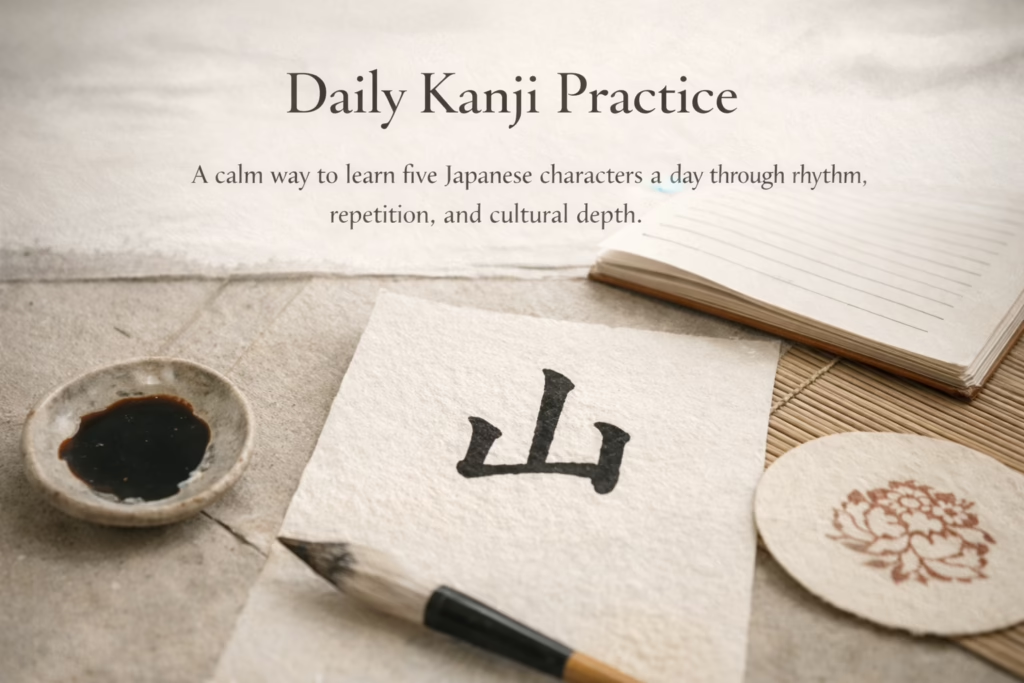
Inside that list sits a ready-made order. Japanese children learn 1,026 of the Joyo kanji in elementary school, starting with 80 in the first grade. These characters are the most frequent and, on the whole, the simplest. Following the school grades gives you building blocks early, so later characters arrive as combinations of parts you already know. For instance, 休, to rest, is simply a person beside a tree.
What about the Japanese Language Proficiency Test? Many learners plan around it, yet the JLPT has not published official kanji lists for its levels since 2010. The lists you see online are estimates, and they disagree. They are useful as rough signposts, with N1 often linked to around 2,000 characters. Still, the school grades make a steadier guide because they are fixed, official and ordered by difficulty.
One more point saves months of frustration. Learn each kanji inside a real word rather than as an isolated symbol. A card that teaches 電 as part of 電車, train, gives you a meaning, a reading and a word you will see on every platform. That way, each card earns its place twice, once as a character and once as vocabulary.

You may also like

Spacing, Recall and the Hand: What Makes Kanji Stick
Three findings from memory research shape every part of this method. The first is spacing. A large 2006 review of distributed practice found that reviews spread over time beat the same amount of study crammed together. Memory fades on a curve, and each well-timed review flattens it. As a result, a character seen at growing intervals lasts far longer than one drilled twenty times in an evening.
The second finding is recall. In a well-known 2006 study in Psychological Science, students who practiced recalling a passage remembered much more a week later than students who reread it. Rereading felt more productive at the time. Recall, however, won when it counted. For kanji, that means a card should ask you to produce something, not merely nod at a familiar shape.

The third finding is the hand. A 2005 study in the Proceedings of the National Academy of Sciences followed 131 schoolchildren in Beijing and found that writing skill predicted reading ability more strongly than awareness of sounds. Chinese characters share their logic with kanji. Meanwhile, a University of Tokyo team found that people who wrote on paper recalled more, with stronger brain activity in memory areas, than those who used a tablet or phone.
Put together, the findings point to one routine. Review on a schedule, test yourself rather than reread, and write the characters by hand from memory. Our guide on whether writing kanji helps you remember covers the handwriting evidence in more depth. Here, the focus is on turning it into a system you can run every day for a year.
Building a Flashcard System to Learn 2,000 Kanji in a Year
A system for 2,000 characters has to stay simple, because complexity is what breaks in month six. One deck is how you learn 2,000 kanji in a year without burning out. Use one deck, add new cards in a fixed order, and let software or a box of paper cards decide when each one returns. Good review apps schedule each card with a spaced repetition algorithm, which saves you from planning intervals by hand. For a gentler daily start, our daily kanji flashcards show one character a day with its strokes.
Design each card to test one thing. On the front, put a meaning or a word in kana. On the back, put the kanji, its common reading and one example word. Then, when the card appears, write the character on paper before you turn it over. That single habit converts a recognition card into a recall card, and it costs only a few seconds per review.
Card-making goes faster with a dictionary built for learners rather than native speakers. A learner’s dictionary explains each character in English, lists its common words and helps you look up a kanji you cannot read. That last feature matters more than it sounds. Sooner or later you will meet a character on a menu or a sign, and you will want to find it from its shape alone.
The Learner’s Kanji Dictionary, Second Edition — the reference for a year of study
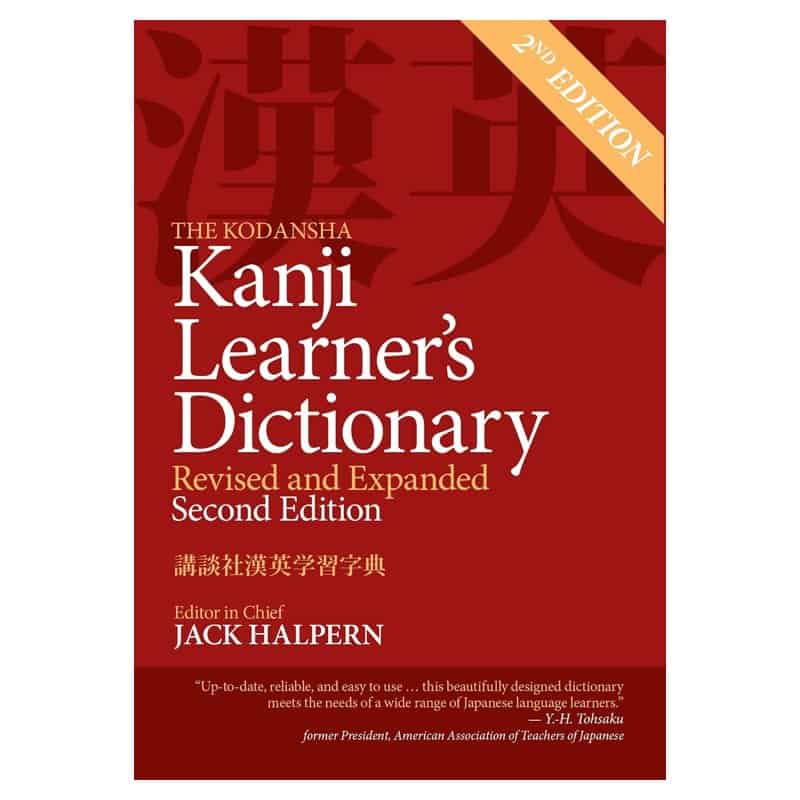
This revised learner’s kanji dictionary is written for English-speaking learners, and its revised second edition covers the full Joyo list and well beyond it. Each entry gives the meanings, readings and the most useful compounds, so one lookup can fill a whole flashcard in a minute. Its SKIP system finds a character by its overall shape, which is ideal when you cannot guess the radical. Keep it beside your cards for the year. When an app gives you a bare meaning, the dictionary shows how the kanji behaves in real words, and that context makes cards easier to remember.
Resist the urge to cram everything onto one card. A card that asks for the meaning, three readings, the radical and two compounds is a card you will fail for the wrong reason. Instead, split readings into separate cards later, once the character itself is familiar. Simple cards keep reviews fast, and fast reviews are what make a daily habit survive a busy week.
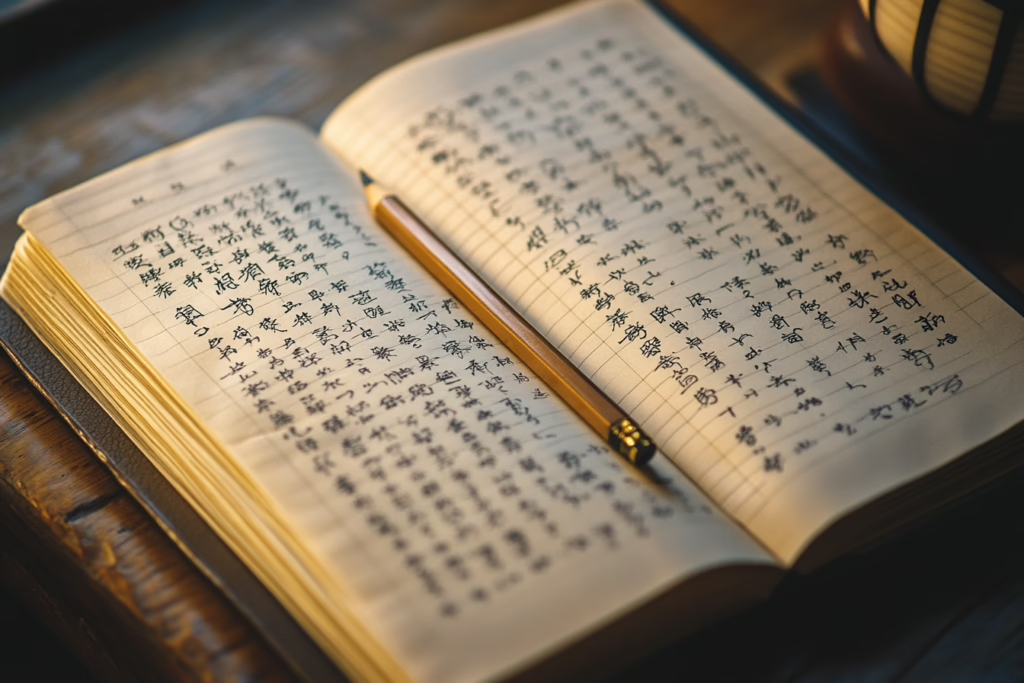
Radicals deserve a short word of their own. There are 214 traditional radicals, the parts that recur across thousands of characters. You do not need to learn them as a separate list. Notice them as they appear instead: 氵 for water, 木 for tree, 口 for mouth. Before long, a new kanji such as 海, sea, reads as water plus a familiar shape, and the card almost writes itself.
Why the Hand Belongs in the System
Many learners use flashcards only on a phone. They build impressive recognition, then freeze when asked to write a character on a form. Recognition and recall are separate skills, and only recall survives without a prompt. Writing is the cheapest way to train it. You do not need beautiful handwriting, only a pen, a scrap of paper and the discipline to write before you check.
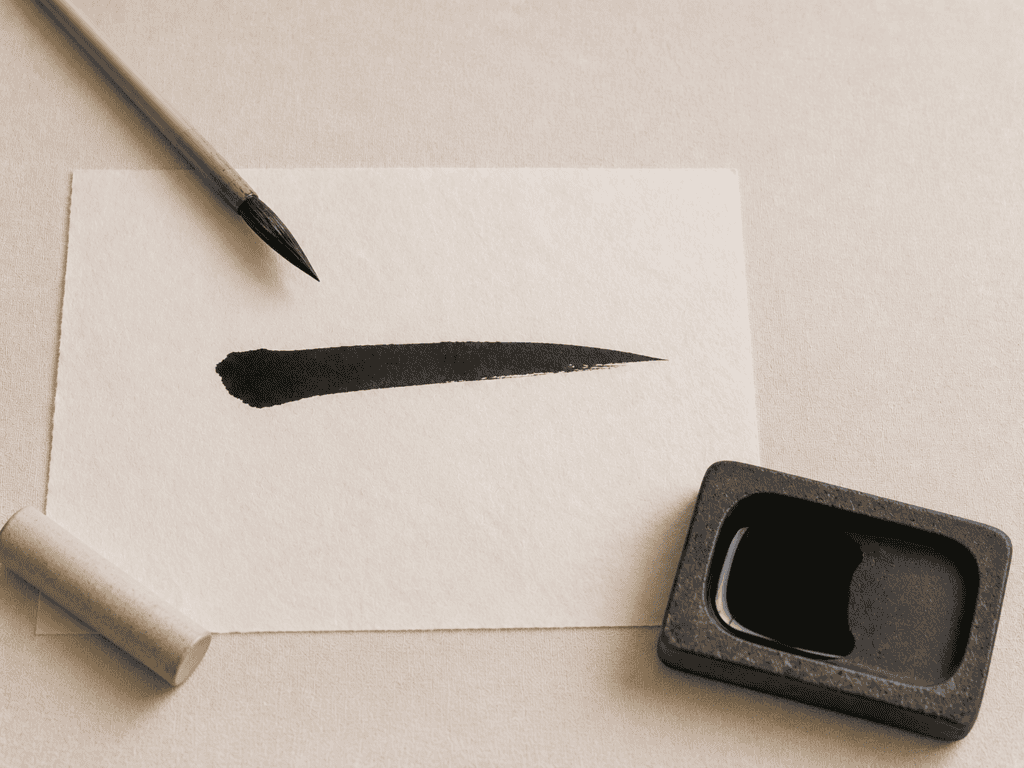
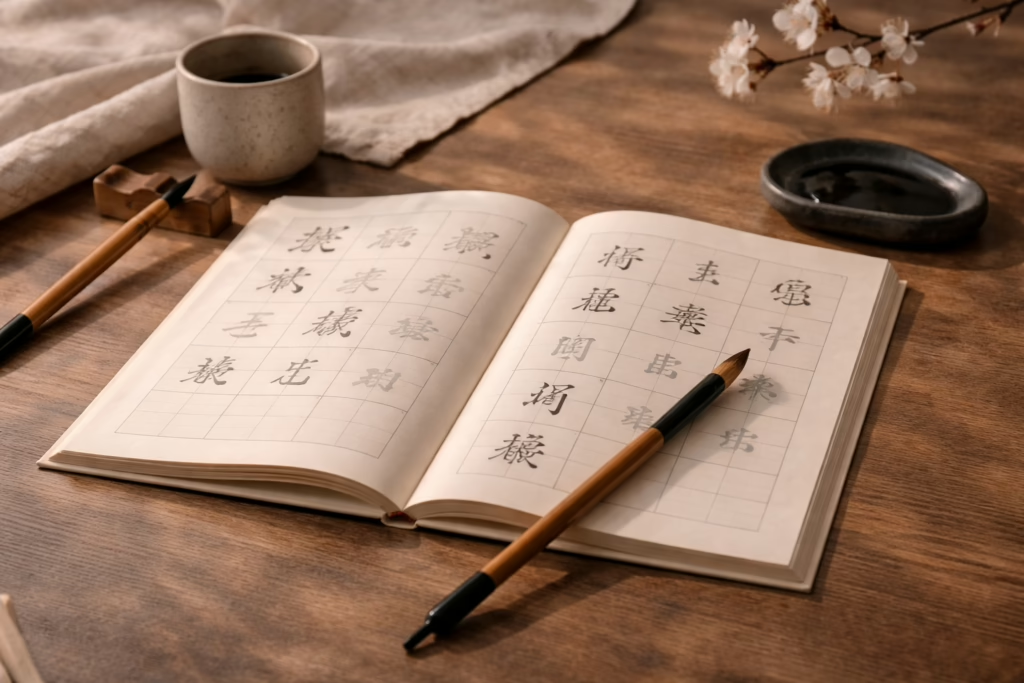
Stroke order matters more than it seems. It turns a character into a fixed sequence of movements, and a sequence is far easier to store than a picture. Our guide on whether stroke order matters explains the rules. In practice, learn the order with each new kanji and keep it. Within weeks, your hand starts to predict the next stroke, and new characters feel familiar before you have finished them.
Paper wins for memory, but a stylus on a tablet comes close, because you still form every stroke. Typing is the weak link. When you type Japanese, software offers the kanji and you simply pick one, so recall never happens. For that reason, keep typing for messages and keep writing for study. If you want to try a tablet, our guide to practicing kanji on an iPad covers the setup.
A Day in the 2000 Kanji Plan
Every session follows the same order. First, clear the day’s reviews, writing each answer by hand before you check. Second, add six new kanji, each inside a word, and write each one from memory three times after studying it. Third, spend five minutes reading something real, such as a sign, a headline or a graded reader. The whole session takes thirty to forty minutes once reviews have built up. This is the daily habit that lets you learn 2000 kanji in a year.

The order matters because reviews are the part that slips. New cards feel like progress, so they tempt you on good days. Yet every new card creates future reviews, and skipped reviews multiply. On busy days, do the reviews and skip the new cards. As long as reviews stay current, a missed day of new kanji costs almost nothing over twelve months.
| Months | New kanji a day | Running total | Focus |
|---|---|---|---|
| 1 to 3 | 6 | about 500 | Grade 1 to 3 school kanji, the habit |
| 4 to 6 | 6 | about 1,000 | Grade 4 to 6, compounds |
| 7 to 9 | 6 | about 1,500 | Secondary-school Joyo kanji |
| 10 to 12 | 6 | about 2,000 | Rarer Joyo kanji, reading |
Measure progress weekly, not daily. Each Sunday, count the cards you added and look at your review accuracy. If accuracy drops below about eight in ten, slow down for a week. If it stays high and sessions feel short, keep the pace rather than speeding up. The goal is a year of steady sessions, and steady beats heroic every time. In short, protect the habit and the numbers will follow.
Ten Proverbs to Carry With You
A printable folio of ten Japanese proverbs, each set in kanji with its reading and a line on where you will hear it.
Habits that keep the plan alive
Tie your session to something you already do every day, such as morning coffee or the train home. A fixed cue removes the daily decision about when to study. Keep the first two minutes easy, too: write five familiar kanji from memory before opening the review queue. That warm-up turns starting into a small win. On low-energy days, reviews alone still count as a full session.
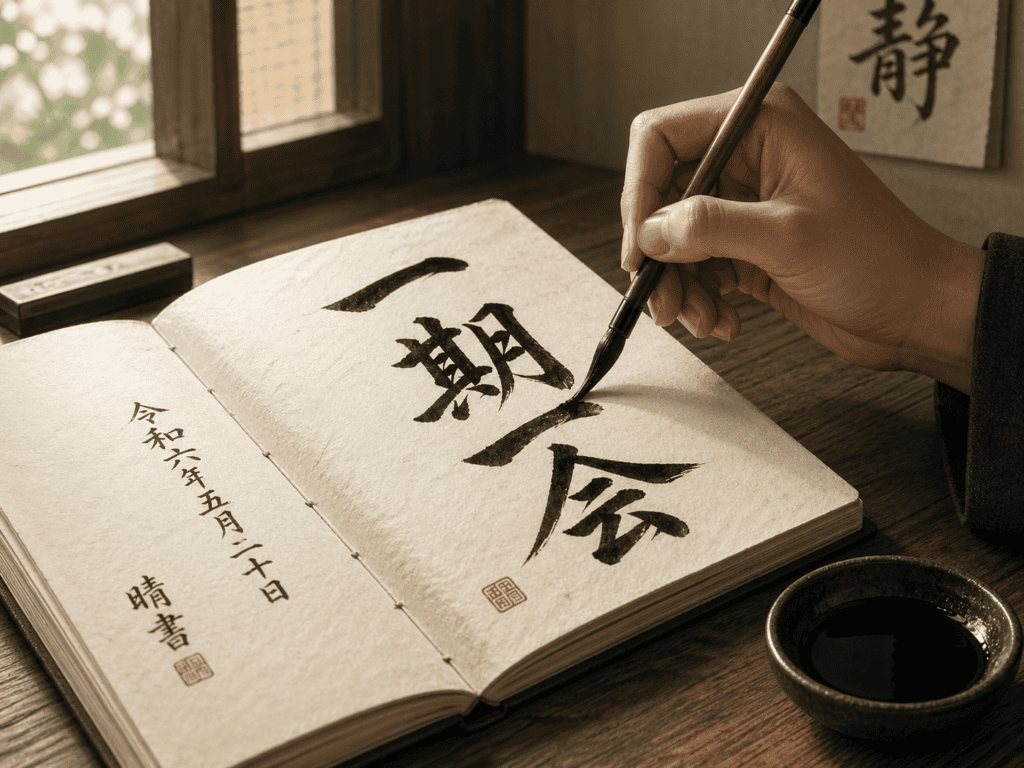
Track one number, not ten. A simple tally of days studied, marked on a calendar, is enough. Long chains of marked days become their own motivation, and a missed day stands out without shame. Above all, forgive gaps quickly. A plan that survives a two-week holiday is worth more than a perfect month followed by a slow abandonment of the deck.
Tools for a Year of Kanji
A year-long plan needs very little equipment, but a few tools make the daily work easier. Beyond the dictionary above, paper cards let you review away from a screen. A brush pen makes each stroke visible, which helps you write accurately from memory. Finally, graded readers give you real Japanese at a level you can finish. Here is what we would choose.
None of these tools replaces the routine itself. A dictionary, a ring of cards and a brush pen only help if they are used daily. Choose the pieces that fit your study style, keep them within reach, and let them make the habit easier. Most learners find that the right pen on the desk does more for consistency than any new app.
A Paper Deck for Problem Kanji
Paper cards earn a place even if your main deck lives in an app. They travel without batteries, they sit on a desk as a reminder, and they make writing from memory automatic. Keep a small stack of the characters you keep missing. Review those by hand during spare minutes, such as a coffee queue or a train ride. Those minutes add up, and they target exactly the kanji that need help. A card in your pocket also reminds you to study in a way an app icon rarely does.
Paper also makes the schedule visible. The Leitner method, devised by the German science writer Sebastian Leitner in the 1970s, sorts cards into boxes by how well you know them. A card you answer correctly moves up a box and returns less often. A card you miss drops back to the first box. It is spaced repetition you can hold in your hand. Language teachers still like it because it needs nothing but cards, a few boxes and a little honesty about what you missed. It also shows at a glance which characters are struggling.
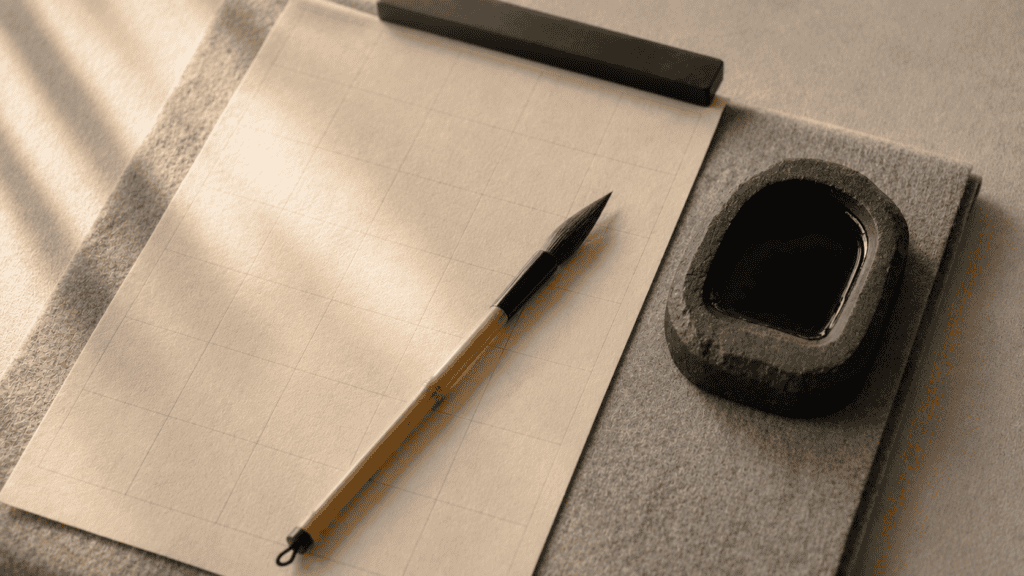
Keep the Paper Deck Small
Whichever method you choose, keep the paper deck small. Thirty to fifty cards is plenty, because these are the troublemakers, not the whole collection. Pull a card into the paper deck whenever the app shows you have missed it twice. Then carry the deck everywhere for a week. Each time you have a minute, write two or three of its characters from memory and check them. When the deck thins out, let the app take those cards back. The paper deck, in short, is an emergency room rather than a library. It works because it is small enough to finish, so it gives you a sense of progress on the days the main queue feels endless.
Ring-Bound Index Cards — a stack for the kanji that keep slipping
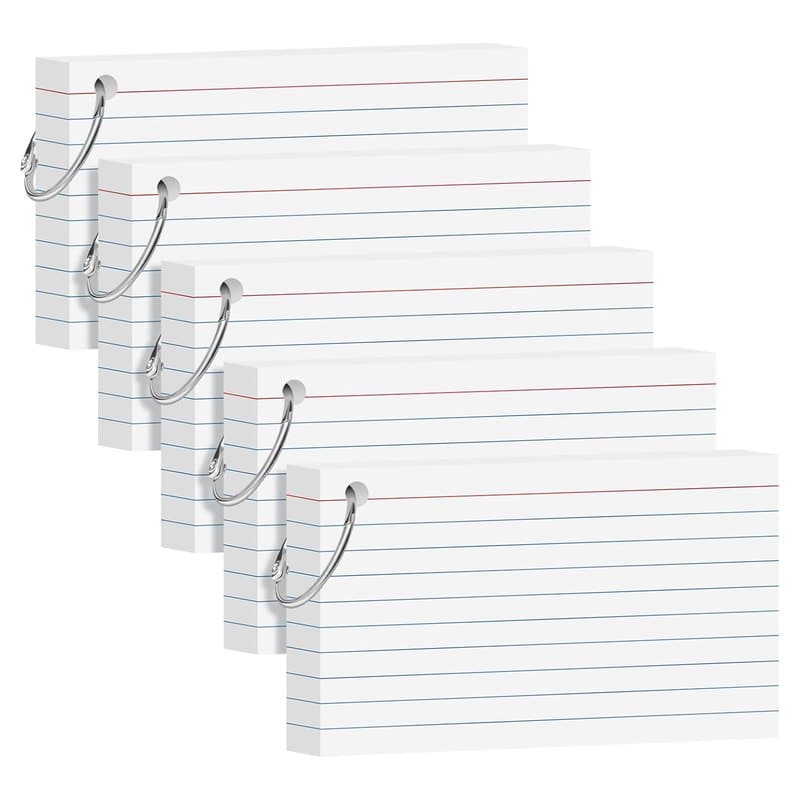
These ring-bound index cards come 250 to a pack in the classic 3×5 inch size, with rings that hold a working stack together. Write a meaning or a kana word on the front and the kanji on the back, then flip through the ring whenever you have a minute. The ring keeps cards in order and stops a stack from scattering in a bag. Retire a card to a separate ring once you have written it correctly on three separate days. Over the year, the retired ring grows thick, and it becomes a satisfying record of characters you truly own.
Two brush pens and one reader complete the kit. A soft brush pen exaggerates each stroke, so you notice where a line should thicken or taper. A firmer tip suits everyday cards. Graded readers, meanwhile, turn isolated characters into stories. They introduce kanji at a controlled pace, with furigana where needed, so you can read a whole book long before you reach 2,000 characters. Reading is what turns a deck of cards into actual Japanese. In other words, the pens train the hand while the reader trains the eye, and the two together cover both halves of kanji memory. That balance is the whole point of the method, and it is why both belong on your desk.
Three Pieces for Daily Practice
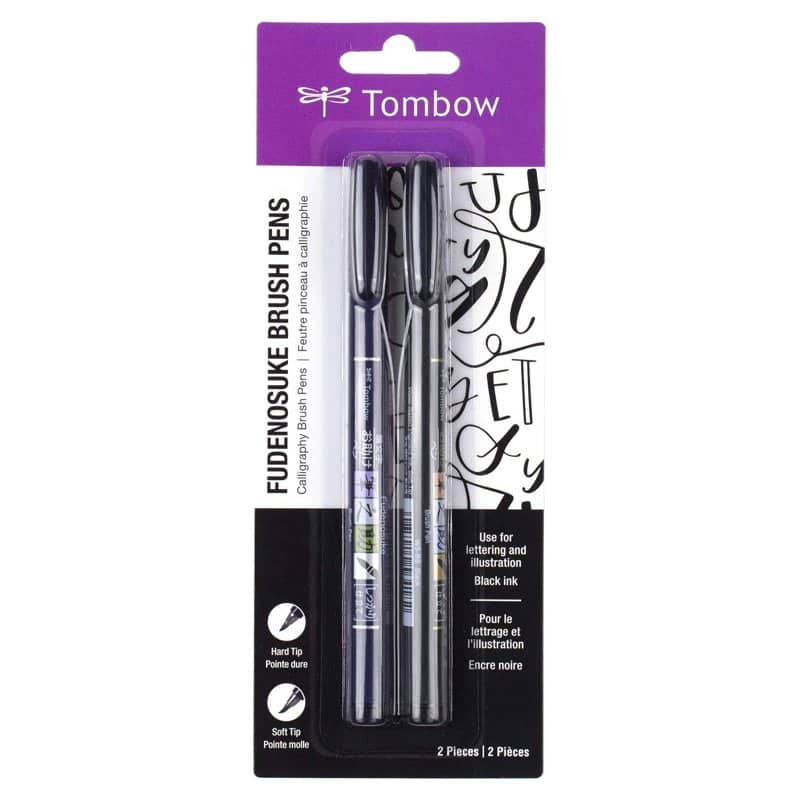
A soft and a hard brush tip for cards and stroke practice.
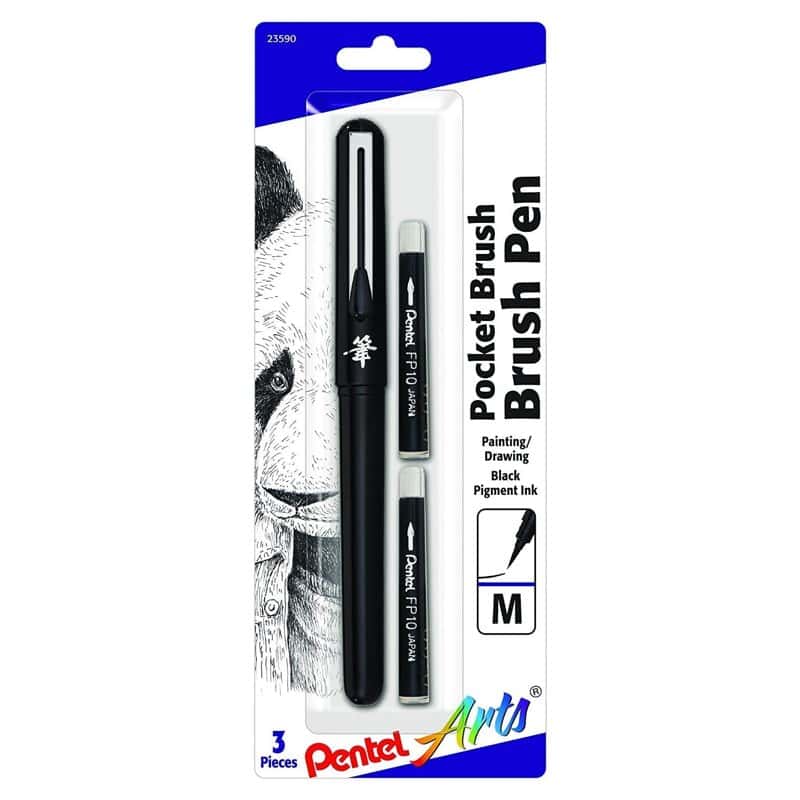
Real synthetic bristles and refills, for bold, true brush strokes.
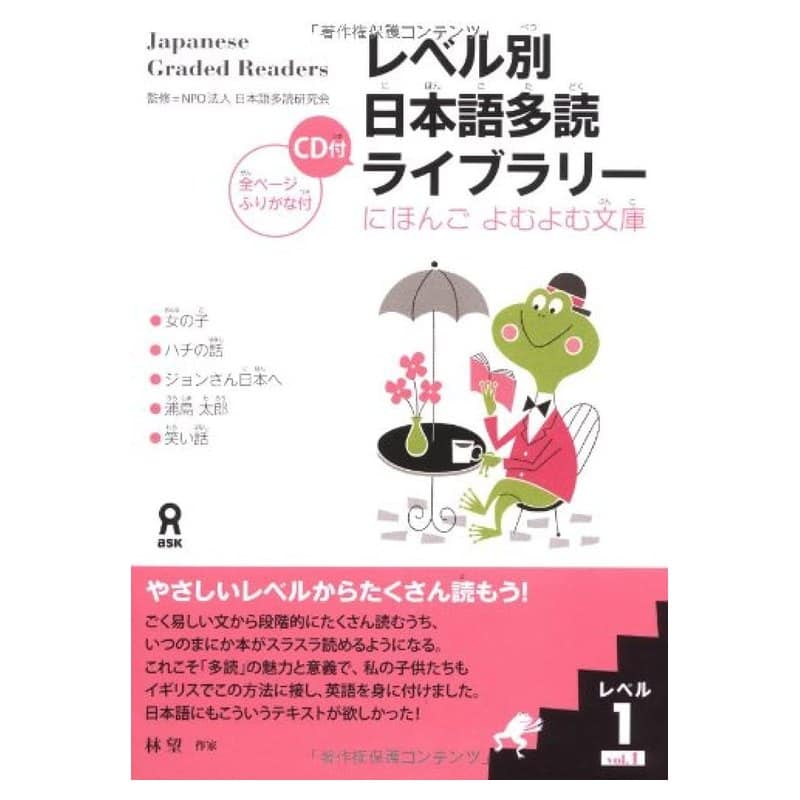
Short stories for beginners, with audio, to read kanji in context.
A Study-Night Supper, and a Kanji Lesson
Long study evenings call for food that cooks itself while you review. Japanese curry rice, kare raisu, is the classic answer in Japanese homes and school canteens. It simmers in one pot, keeps for days and tastes better the next night. It also carries a small kanji lesson: the word is written in katakana, カレーライス, because it arrived from abroad. Not every Japanese word needs kanji, and loanwords almost never use them.

Kare raisu — Japanese curry rice with chicken and vegetables
Brown a pound of chicken thigh in a tablespoon of oil, then add two sliced onions and cook them for about ten minutes until soft and golden. Add two carrots and two potatoes cut into chunks, pour in three and a half cups of water and simmer for fifteen minutes, skimming once, until the vegetables are tender. Turn off the heat, stir in about four ounces of Japanese curry roux until it melts, then simmer gently for five to ten minutes until the sauce coats a spoon. Finish with a teaspoon of soy sauce and serve over hot short-grain rice, with the curry poured to one side.
Make a full pot on Sunday and you have suppers for half the week. While it simmers, run through the day’s reviews, then write five new kanji from memory as the sauce thickens. That pairing turns a chore into a ritual. Over months, small rituals like this one do more for the 2000 kanji plan than any burst of motivation, because they make the session the easiest part of the evening.

Mistakes That Stall a Year of Kanji
The first mistake is adding too many new cards. A burst of thirty new kanji feels great on Saturday and painful three weeks later, when they all return at once. The second is studying only on a screen, which builds recognition without recall. The third is learning characters in isolation, so they never connect to words you can use. Each mistake is easy to avoid once you can name it. Avoid them and you will learn 2000 kanji in a year.
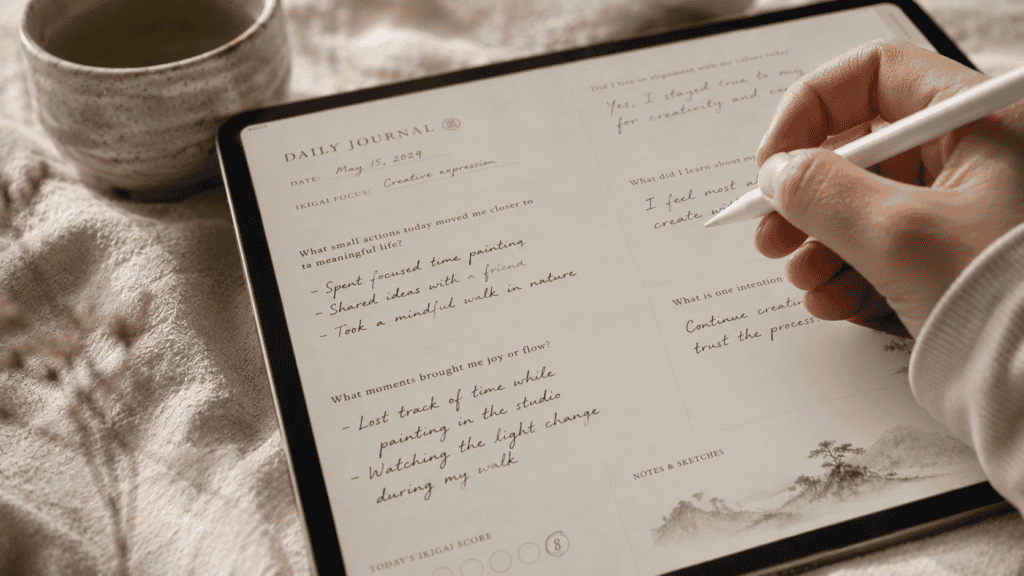
The fourth mistake is chasing perfect handwriting. Neat, correctly ordered strokes are the goal, not calligraphy, which is an art of its own. The fifth is abandoning the plan after a gap. Everyone misses days. When it happens, clear the reviews first and pause new cards until the queue is back to normal. Then carry on as if nothing happened. Ultimately, the plan only fails if you stop.
You may also like


Twelve Months From Now

Picture the end of the year. Newspaper headlines resolve into words. Menus stop being puzzles. A station name you once copied letter by letter now reads at a glance. To learn 2,000 kanji in a year changes how Japan feels, from a place you decode to a place you read. That shift is worth every short session along the way. It is why people choose to learn 2000 kanji in a year.
The method behind it is simple enough to start tonight. Choose the school-grade order, make six cards, write each character from memory and review tomorrow before adding more. The Magnificent Japan kanji workbooks follow the same principle, with 19 boxes per kanji that climb from tracing to writing from memory. Volume 1 opens the series with 100 foundational kanji.
Recommended
Expect the year to change shape as it goes. The first months feel slow, because every character is new and nothing connects yet. Around the middle, something shifts. New kanji start to arrive as familiar parts in new arrangements, and a single study session can unlock several words at once. By the last quarter, the main work is no longer learning characters but meeting them in the wild, on signs, in articles and in books. That change is the clearest sign the system is working. When you notice it, resist the urge to speed up, and let the routine carry you to the finish.

Above all, keep the session small and daily. A year from now, the cards you made this week will be old friends, and the characters that defeated you will be the ones you write without thinking. Start with today’s six and let the system carry you the rest of the way.
Kanji on the Ground in Japan
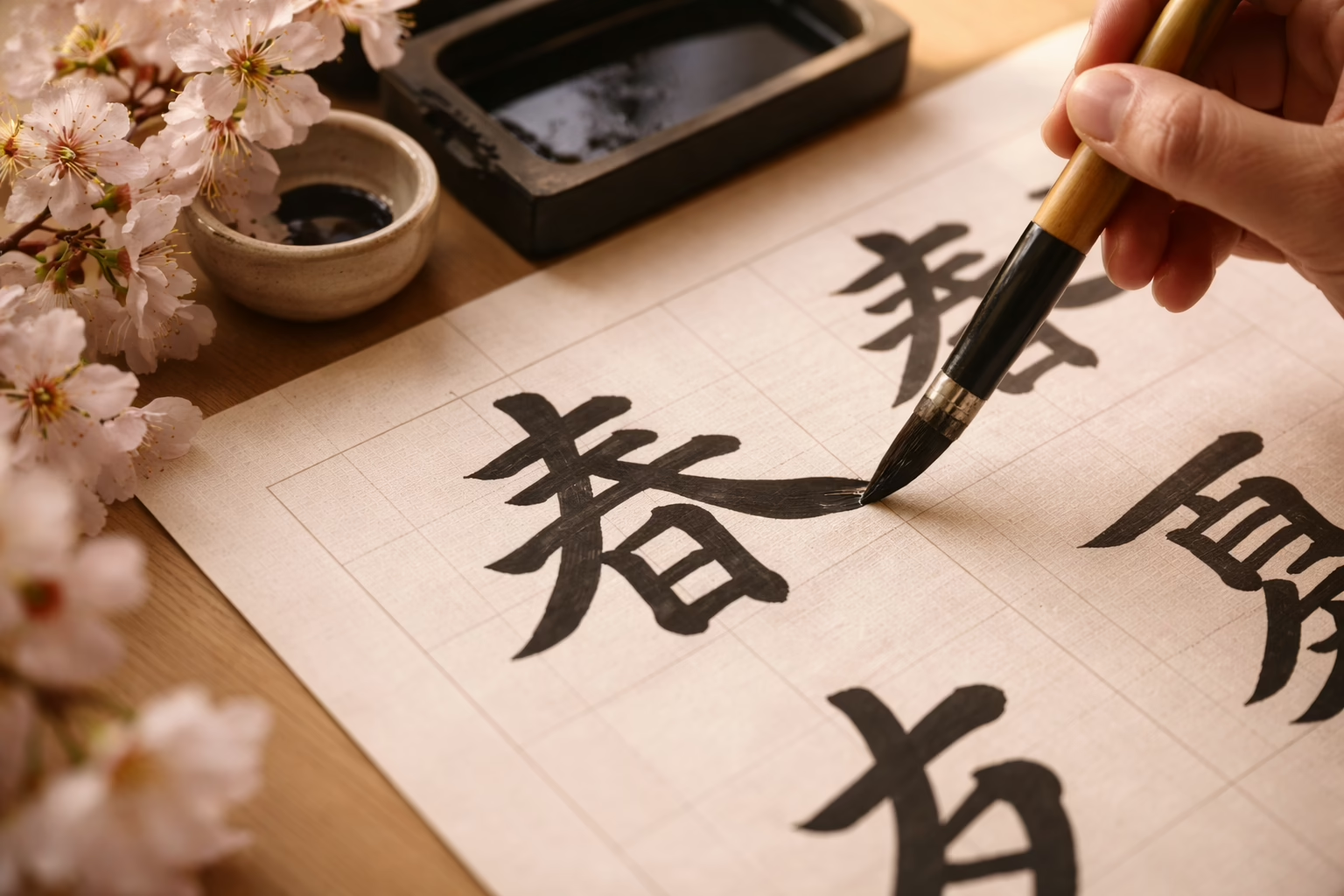
There is a final reward for the 2000 kanji plan, and it waits in Japan itself. Characters you learned on cards appear on shop curtains, temple plaques, train boards and handwritten menus. Reading them in place makes the year of study feel suddenly real. A trip can lean into that: a morning with a calligraphy teacher, an afternoon in a stationery shop, an evening reading the specials board unaided. Each moment rewards the minutes you spent at your desk, and each one shows how far a steady habit can take you. Kanji learned this way stop being a list and become a way of seeing the country, one sign at a time.
Japan, Read in Kanji
We can plan days that put your kanji to work: a private calligraphy lesson in Kyoto, visits to traditional stationery and paper makers, and dinners where you read the menu yourself. Every itinerary is built around your pace and your interests.
Plan Your Custom Japan ItineraryQuestions Worth Asking
Is it realistic to learn 2,000 kanji in a year?
Yes, if you keep a steady pace. About six new kanji a day covers 2,000 in under a year, with spare days for review. The plan works when reviews come first, new kanji second, and you write each character from memory rather than only looking at it.
Which 2,000 kanji should I learn first?
Follow the Joyo list, the 2,136 characters set for everyday use, and start with the 1,026 kanji Japanese children learn in elementary school. They are the most common and the simplest. The JLPT publishes no official kanji list, so school grades make a steadier guide.
How many kanji should I learn a day?
Five to ten new kanji a day suits most adult learners. Fewer is fine if reviews pile up. The number matters less than the habit: a short daily session with spaced reviews beats a long weekend session, because spacing is what moves a character into long-term memory.
Are digital flashcards or paper cards better?
Use both for different jobs. Digital cards handle scheduling and large review loads well. Paper cards and handwriting force you to produce the character from memory. A good routine reviews on a screen and writes the hard ones by hand, so recognition and recall grow together.
Do I need to learn every reading of each kanji?
No. Learn the meaning and the most common reading first, ideally inside a real word. Other readings come naturally as you meet new vocabulary. Trying to memorize every reading at the start slows the plan down and makes cards harder to review.
What should I do if I fall behind?
Pause new kanji for a few days and clear the reviews first. Falling behind is normal in a twelve-month plan. The worst response is to add more new cards to catch up, because the review pile grows faster than it shrinks. Steady beats fast.