Is stroke order important, or is it a rule you can skip once a character looks right? Ask a room of learners and you will hear both answers. Ask anyone who writes kanji every day, however, and the question changes shape. Order is simply how a character gets built. It decides where each line lands, how quickly the hand moves and whether a hurried note stays readable.
This article looks at what actually changes when you get the order right. It draws on Japan’s official guidance, on peer-reviewed research and on one worked character, 名. It also explains the frame-by-frame stroke panels at the center of the Magnificent Japan kanji workbook series. That is why Kanji Workbook, Volume 1 teaches every stroke that way.
Is Stroke Order Important? The Short Answer
Is stroke order important? Yes, if you plan to write kanji by hand. Order sets where each stroke lands, so the character balances. It gives the hand a repeatable route, so writing gets faster. It also keeps quick, joined handwriting readable. Official guidance treats it as a teaching standard, not a law. Still, the finished form depends on it.
Why Is Stroke Order Important? More Than It Looks
Stroke order matters because a kanji is a sequence, not a picture. Each stroke is placed in relation to the ones already on the page. Write them in the standard order and the proportions fall into place almost by themselves. Write them out of order and you are guessing at spacing you cannot yet see.
Japan’s National Institute for Japanese Language and Linguistics makes the same point. Its guidance on kanji form and stroke order says order exists to help people write accurately, efficiently and well. It also shows how a wrong sequence can bend a familiar character into a different shape. So is stroke order important for someone who only reads? Less so. For anyone who writes, it is the foundation.
Balance: Where Each Stroke Lands
Think of a character as a small room you furnish one piece at a time. The first strokes set the walls. Later strokes have to fit the space those walls created. When the order is right, a long horizontal arrives before the short strokes that hang from it. They have something to measure against. When it is wrong, the late stroke often ends up too long, too short or off center.
Speed: The Hand Learns a Route
Order also turns writing into a habit. Because the route never changes, the hand stops asking what comes next. Each stroke tends to end near where the next one begins, so there is less wasted travel across the page. As a result, practiced writers move quickly without losing shape. That fluency is exactly what a beginner is building.
What the Research Says About Stroke Order
The research is more nuanced than forum debates suggest. In a study published in Psychologia, Katsuo Tamaoka and Hiroyuki Yamada tested 91 native Japanese undergraduates. They found that stroke-order knowledge supported overall kanji knowledge indirectly. It worked through knowledge of radicals, the recurring parts that characters are built from. In other words, order helps you see how a character is assembled. That structural sense then feeds reading and meaning. It is a subtler benefit than neat handwriting, but it lasts.
Handwriting itself also leaves a stronger trace than typing. In a 2024 high-density EEG study in Frontiers in Psychology, Audrey van der Meer and Ruud van der Weel recorded 36 students. Writing by hand produced widespread brain connectivity patterns linked to memory, while typing did not. We look at the memory side in more depth in whether writing kanji helps you remember them.

The Rules Behind Kanji Stroke Order
Most stroke order follows a handful of broad habits rather than a list to memorize. Writing generally moves from top to bottom and from left to right. Many characters are built part by part, so you finish one component before starting the next. Once you know these habits, most unfamiliar characters become predictable.
That predictability is the real reward. Instead of memorizing thousands of separate sequences, you learn a small set of moves and apply them again and again. Each new character then feels less like a stranger and more like a variation on something you already know. That is why teachers put the order first.
Those habits come from a real document. In 1958 the Ministry of Education published a guide for teachers on stroke order. NINJAL describes it as the only stroke-order guidance ever issued by a public body. Crucially, the guide itself says other orders are not errors. So is stroke order important if it is not a rule? Yes, because it is the shared default that teachers, dictionaries and practice books use.
One Default for 2,136 Characters
That shared default matters because the writing system is large. Japan’s official Jōyō Kanji Table from the Agency for Cultural Affairs lists 2,136 characters for general use. Nobody learns that many shapes one by one. Instead, you learn a way of building, and the order carries across thousands of characters.
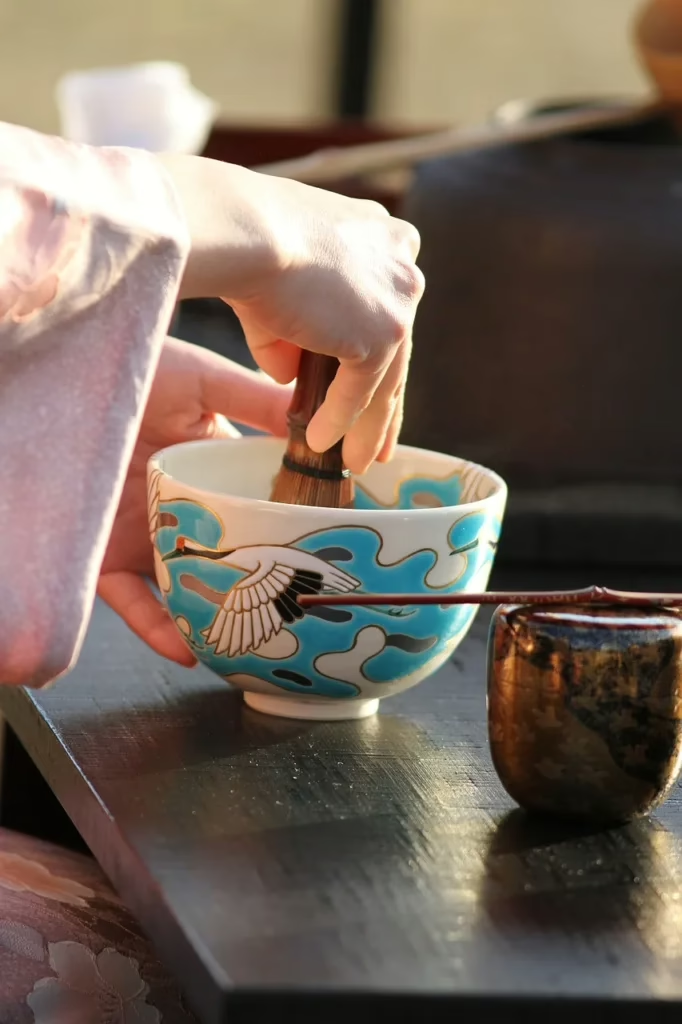
There is a useful comparison in Japanese etiquette. A host at a Japanese tea ceremony follows a set sequence of movements. That sequence is what makes the gestures look calm and unforced. Stroke order works the same way. When the sequence is settled, attention moves off the mechanics and onto the shape itself. Beginners often feel the order as a constraint at first. After a few weeks it starts to feel like the reason their writing finally looks settled.
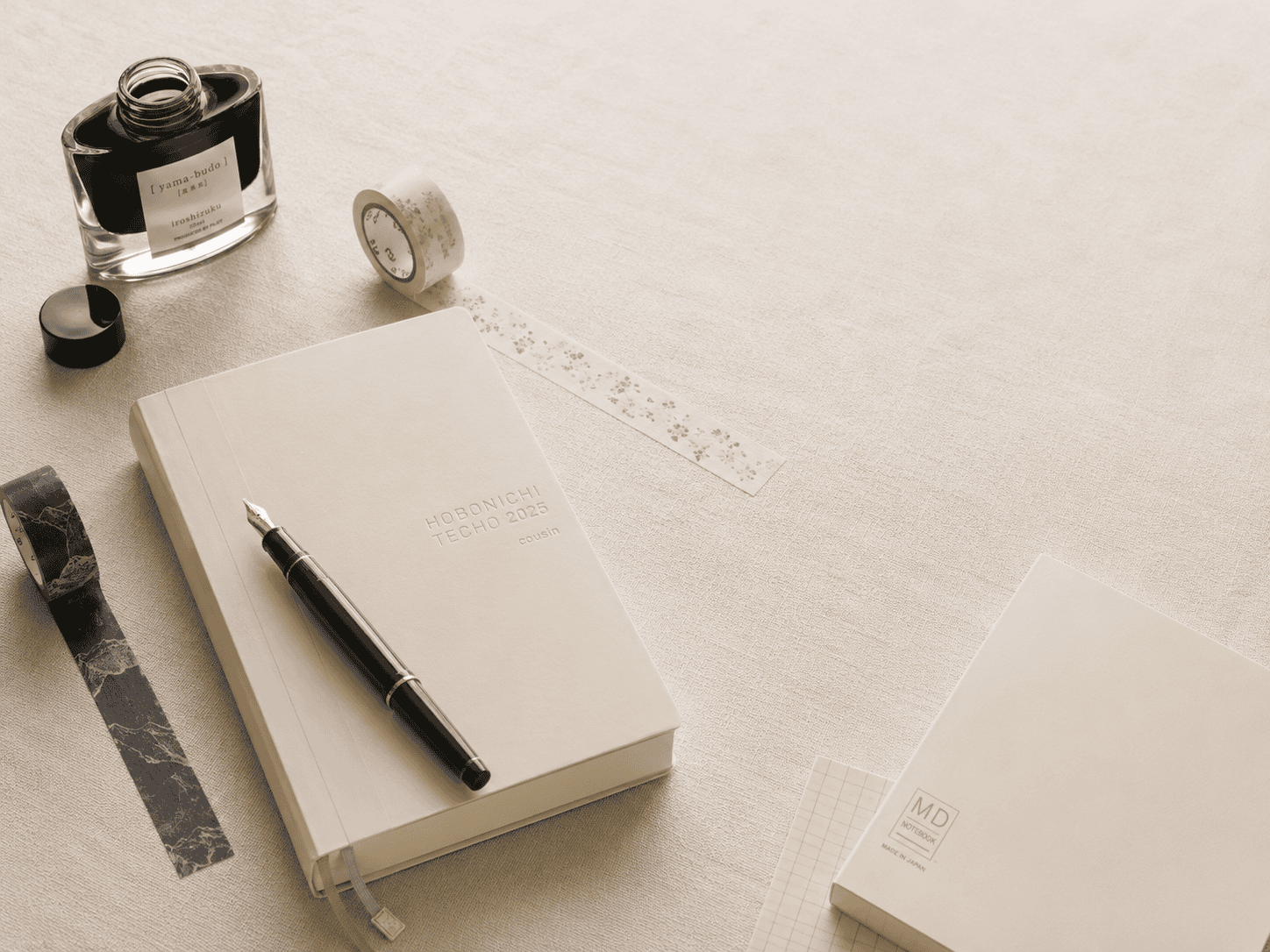
For the notes, sketches and first characters you gather along the way.
Unlined pages · Travel Journal Collection
Shop This Journal →How Stroke Order Keeps Handwriting Legible
Neat, separate strokes can hide a wrong order. Fast handwriting cannot. When people write quickly, strokes begin to join, and the joins follow the standard sequence. A reader who knows that sequence can decode a rushed shopping list or a handwritten card. However, a character written in an unusual order joins in unusual places, and it can stop looking like itself.
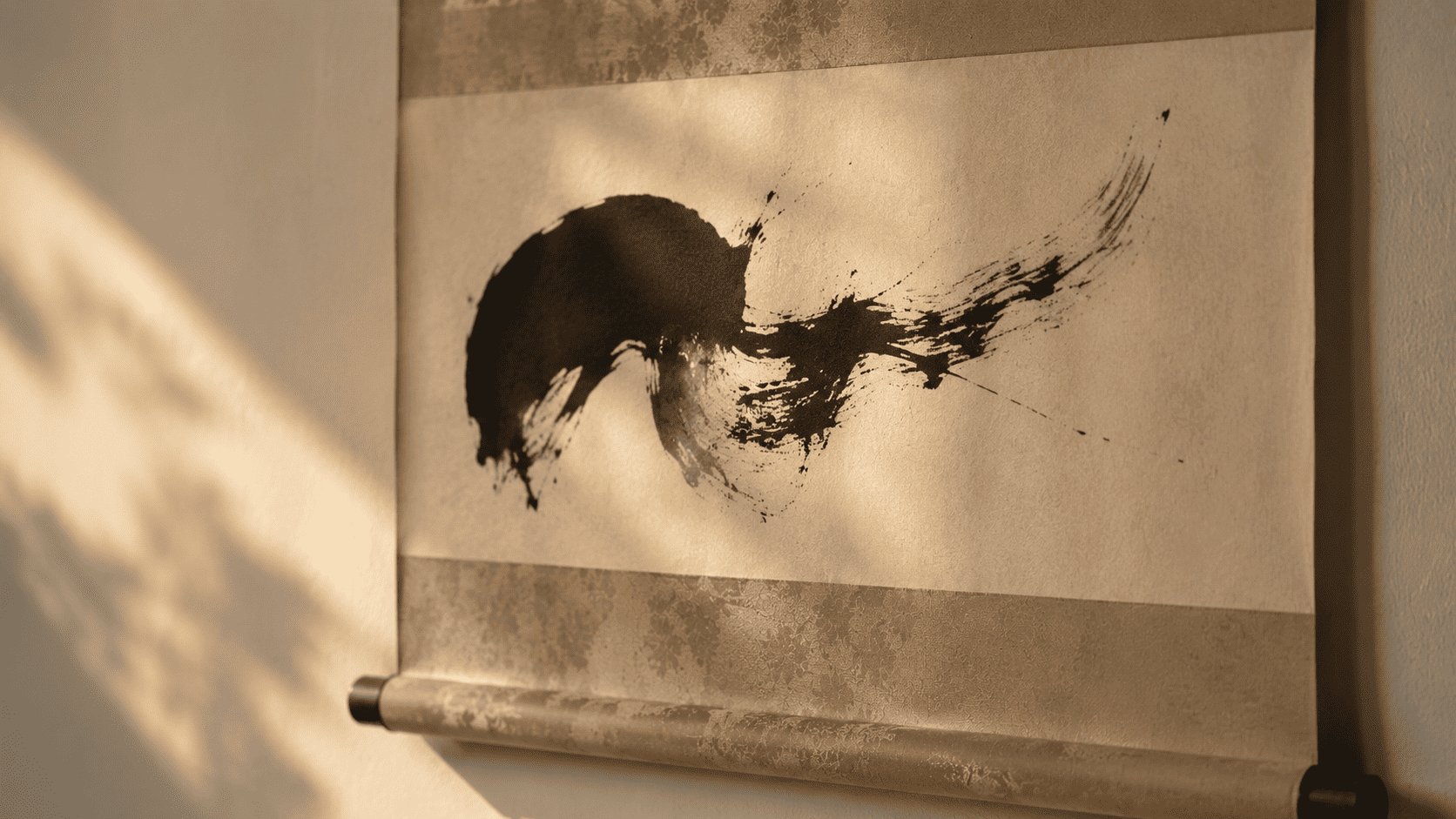
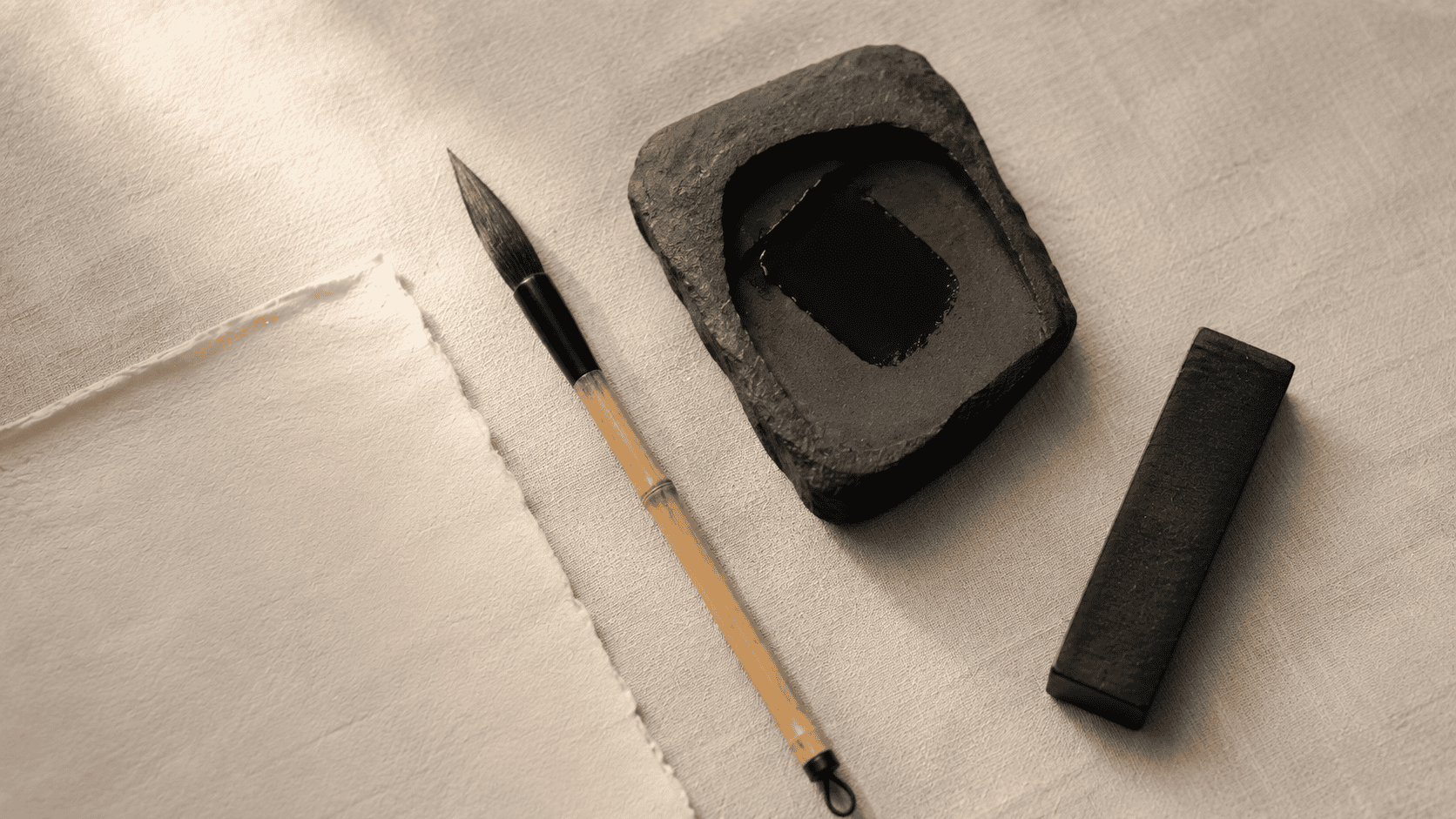
This is also why brush styles and everyday handwriting stay readable across very different hands. The looser the script, the more the order shows through. For a closer look at brushwork, our page on Japanese calligraphy practice traces the path from careful strokes to flowing ones.
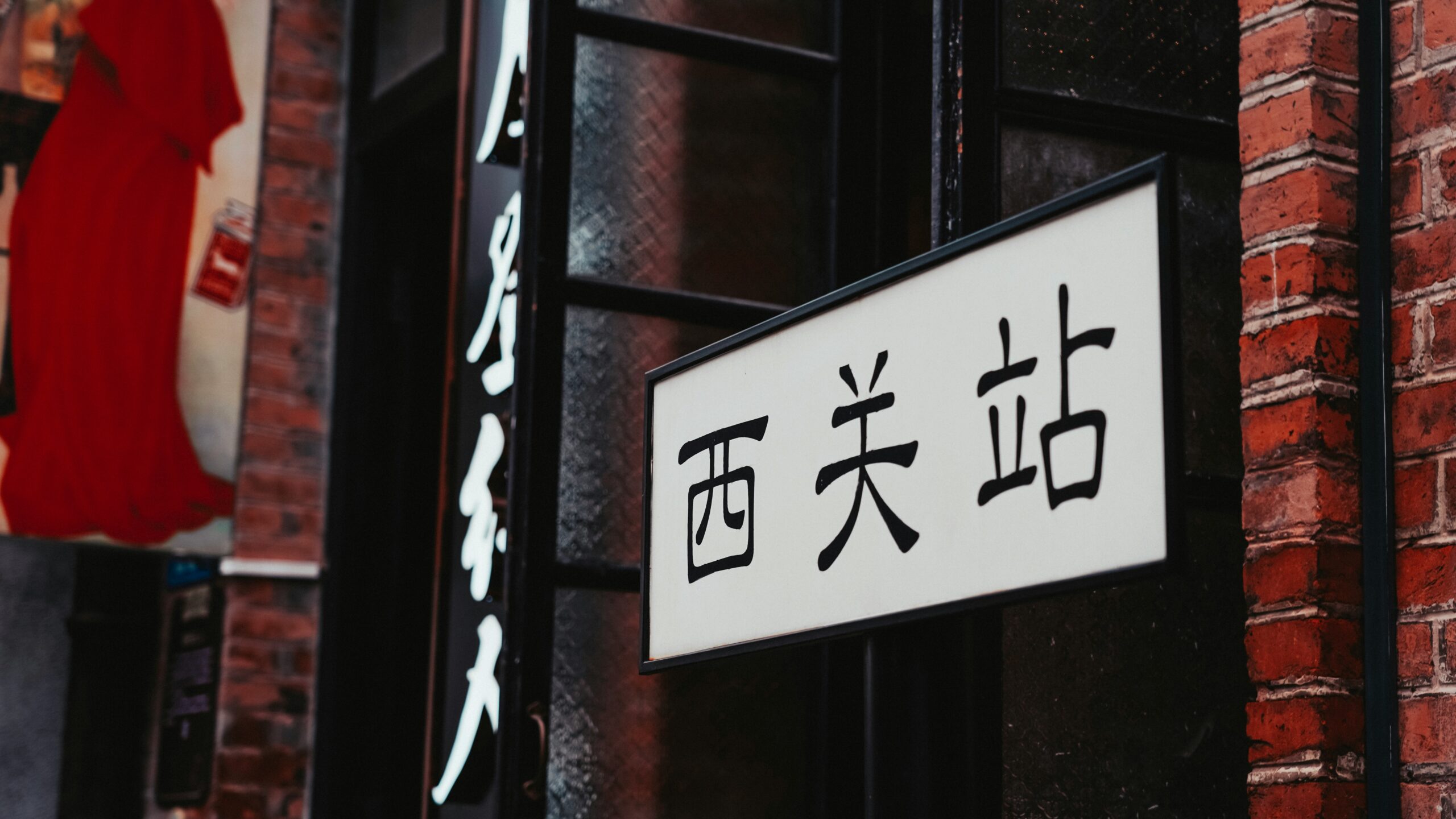
Legibility matters more than learners expect. Handwritten notes still appear on forms, menus, signs and greeting cards across Japan. Even if you type most of the time, you will read other people’s handwriting. Knowing the order lets you predict where a joined stroke is heading. That turns a blur of ink into a character you recognize. It also makes your own notes easier to read a week later.
There is a practical payoff for learners, too. Handwriting input on phones and tablets tries to match the shape you draw. A clean, well-formed character gives it less to guess at. The habits that help a human reader help a machine reader as well.
One Character, Six Strokes: 名
Let us slow down and build one character. 名 means name. It sits at JLPT N5 (unofficial) and takes six strokes. It is also a character you will meet constantly, on forms, on business cards and wherever a name is asked for. That makes it a good place to feel what order does. Take a pencil and a scrap of squared paper, and build it with us as you read.
The first three strokes build the upper part. First comes a short stroke falling to the left. Next, a longer stroke moves right and then sweeps down to the left. Then a short stroke finishes the top. Together they make a shape that leans, and it has to lean the right amount to leave room below.

The last three strokes form a box underneath. You write its left side first. Next comes a stroke that runs across the top and turns down the right side. Finally, the bottom line closes it. Closing the box last is the point. If you close it early, you have nothing left to adjust, and the box usually ends up too wide for the top.
Names carry real weight in Japan, from the seal stamped on a document to the characters parents choose for a child. If that side of 名 interests you, the art of Japanese names explores how names are chosen and written.
Order shapes four things at once, and each one improves with the same short routine.
| Quality | What order does | When it goes wrong | How practice helps |
|---|---|---|---|
| Balance | Places each stroke against the ones before it | Late strokes land too long or off center | Frame-by-frame panels show the build |
| Speed | Gives the hand one repeatable route | Hesitation between strokes | Short daily repetition |
| Legibility | Makes quick, joined strokes predictable | Joins appear in unexpected places | Tracing first, then freehand |
| Memory | Links the parts a character is built from | Shapes blur together | Writing from memory, then checking |
Why Frame-by-Frame Panels Work
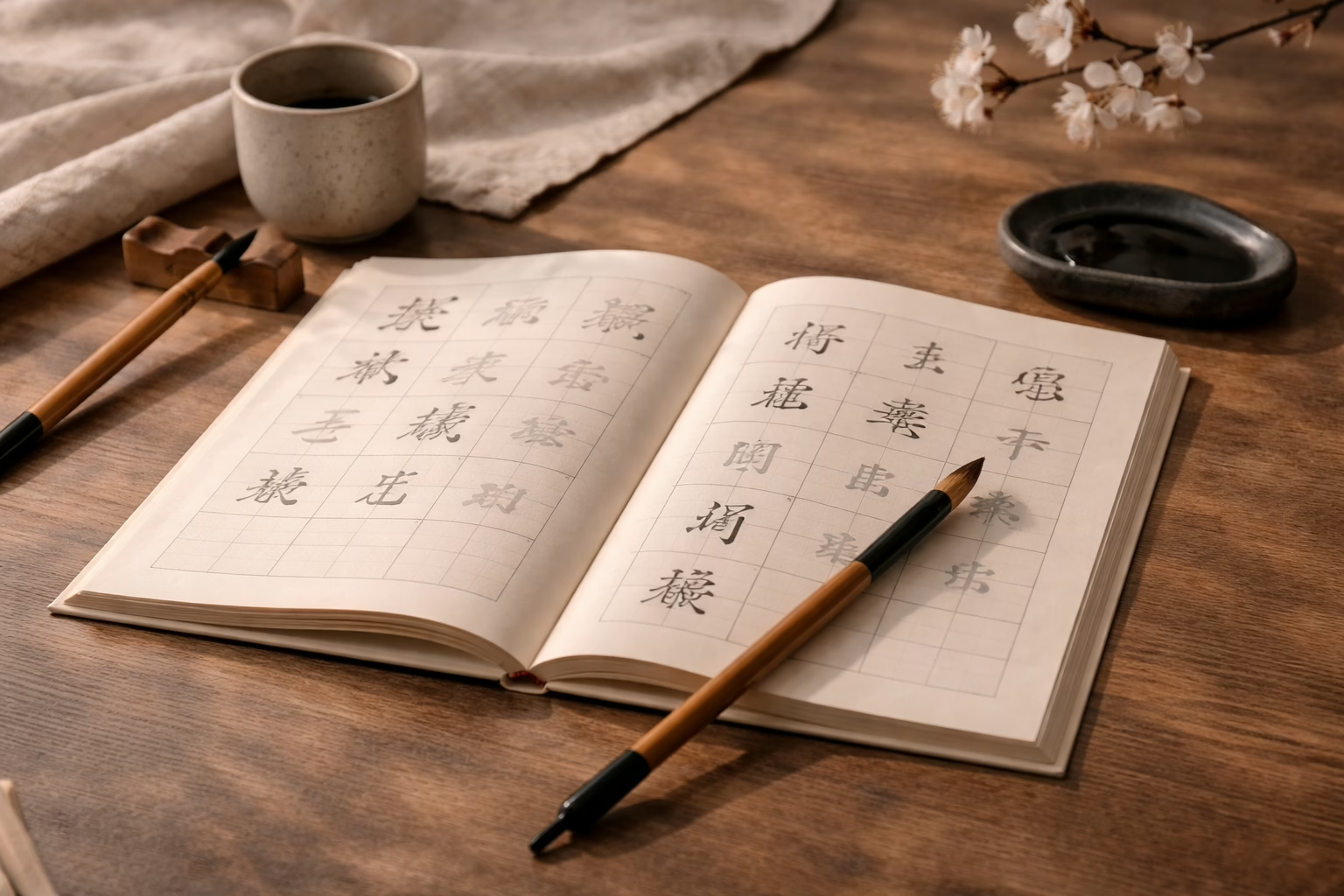
Most stroke order charts show a finished character with small numbers beside it. That tells you the order, but it asks you to picture the build in your head. A frame-by-frame panel shows it instead. Each frame adds exactly one stroke, so you see the character grow the way your hand will make it.
In Kanji Workbook, Volume 1, every panel works that way. There is one frame per stroke. The new stroke appears in red, while earlier strokes sit behind it in soft champagne. An arrow shows the direction and a number shows the order. Is stroke order important enough to deserve that much space on the page? For a beginner, yes, because the panel removes the guesswork before the pencil ever moves.
If these characters are part of a trip you are planning, we can build a Japan itinerary around calligraphy and kanji, from a brush lesson in Kyoto to the temple plaques you will be able to read.
Occasional letters on kanji practice, stroke order and the culture behind the characters, written for anyone learning to write Japanese by hand. Add your email and the next letter comes to you.
Occasional letters on kanji and Japanese culture. Unsubscribe anytime.
Traced, Half-Traced, Freehand
Seeing the order is only the start. The workbook gives each kanji 19 practice boxes, 1,900 across its 100 characters. Traced boxes let you follow the full form. Half-traced boxes fade part of it away. Freehand boxes ask you to build it yourself, and word boxes put the character to work.
That ladder matters for order as much as for memory. When the guide disappears, the only thing left to lean on is the sequence your hand has learned. We follow that idea further in how to remember kanji, where recall, rather than recognition, is the goal. Order is what you carry from one box to the next.
A Ten-Minute Stroke Order Routine
Order sticks through short, regular practice rather than long sessions. Here is a simple routine for one new character a day. First, watch the full sequence once, stroke by stroke, without writing. Then trace it three times, counting the strokes under your breath if that helps. Next, write it twice with the guide only half visible.
After that, close the book and write it from memory. Check it against the panel and circle any stroke that went out of turn. Finally, write the character once more, slowly, fixing that stroke. The next day, start by writing yesterday’s character from memory before you learn a new one. Ten minutes is enough. Consistency does more for stroke order than any single long session.
If you want a daily prompt to keep that rhythm, the daily kanji flashcards offer one character at a time. For a longer commitment, the 100 Kanji Challenge spreads the work across a hundred days. The habit forms before the pace ever feels heavy.
Recommended
Paper or Tablet?
Both work, as long as you write rather than tap. Paper gives more friction and feedback, which many learners find steadies the hand. A tablet, on the other hand, lets you erase and repeat a single box without wasting a sheet. The Digital Letter edition of the workbook is built for tablets, with tappable contents and bookmarks, and it is available now. The two print editions, 6×9 and 8.5×11, are in production. Whichever edition you use, the stroke panels and practice boxes are the same. If your tablet also holds work and reading, a dedicated practice folder keeps the pages close at hand.
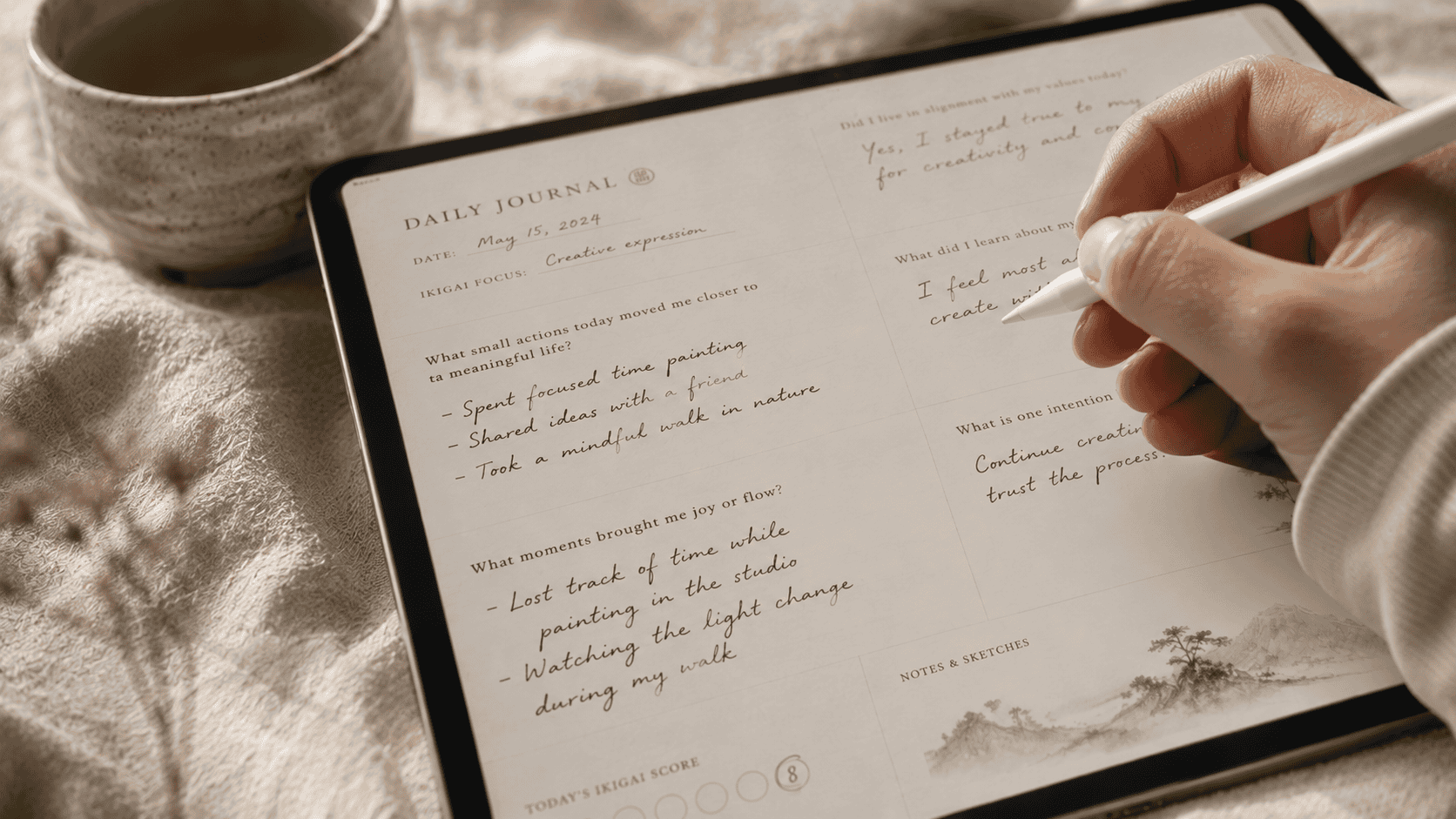
Whichever surface you choose, keep the stylus or pen moving in the same order every time. The medium matters far less than the sequence. A stylus that glides too easily can tempt you to rush, so slow down on glass. On paper, let the grid guide your spacing. In both cases, say the stroke number as you write it. A plain pencil used daily will do more for your order than a fine pen used once a week. If the tablet route appeals, we set out a full routine in how to practice kanji on an iPad. It covers how to set up a write-on PDF so each practice box behaves like paper.
A Break for the Hands: Shaping Onigiri
Good practice needs rests, and there is a fitting one in the Japanese kitchen. Onigiri, the rice ball found in lunch boxes and convenience stores across Japan, is shaped entirely by hand. It also follows a small, fixed sequence: wet the hands, salt the palms, add rice and filling, then press and turn. Rush the order and the ball falls apart.
The version below follows the method on the Ministry of Agriculture’s onigiri page, with salmon and pickled plum inside. Make a batch before a study session, and the pause between characters becomes a pause worth taking. For more dishes in the same spirit, our guide to traditional Japanese food is a good next stop.
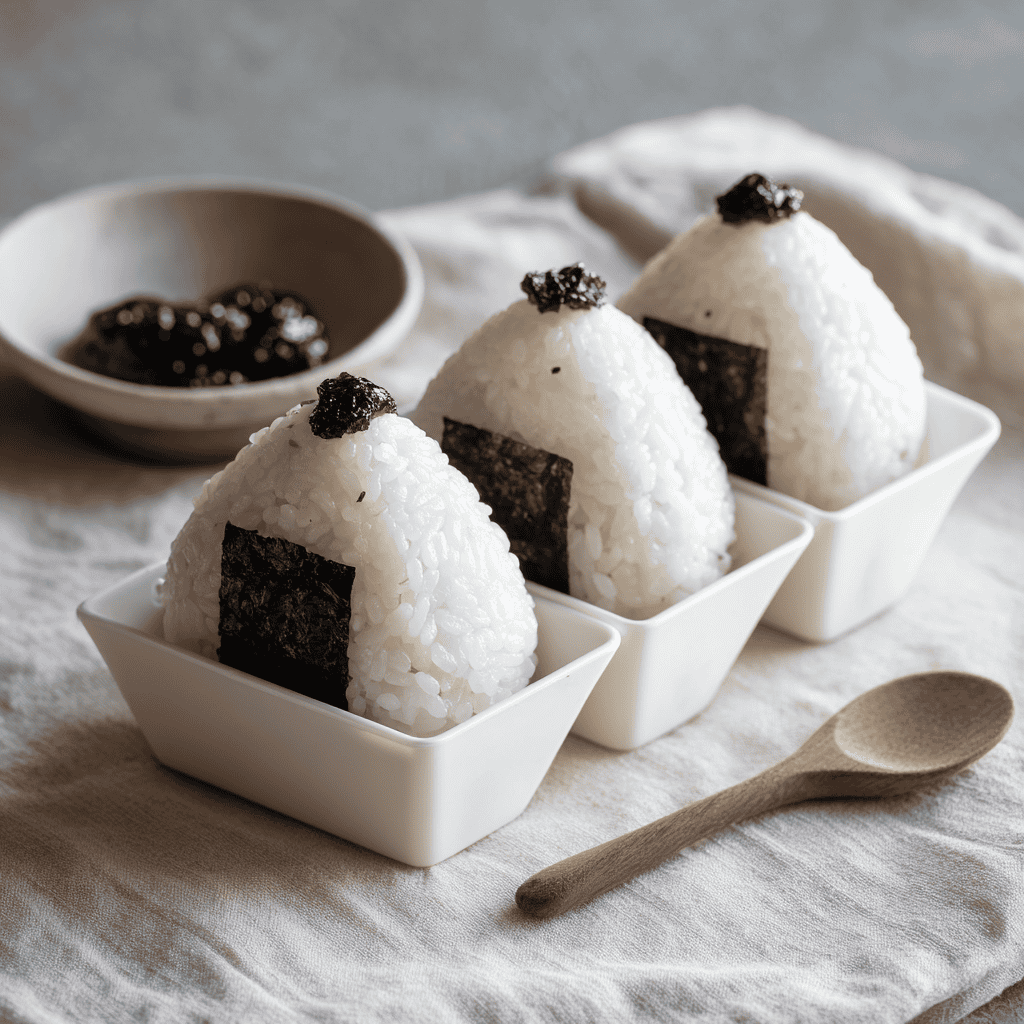
Hand-pressed rice balls are Japan’s everyday portable meal, packed for lunches and picnics. This version follows the Ministry of Agriculture’s home method, with salmon and pickled plum.
- 2 cups (about 400 g) freshly cooked Japanese short-grain rice, still warm
- 1 small salmon fillet (about 100 g), lightly salted
- 2 umeboshi (pickled plums), pitted and chopped
- 1 sheet nori, cut into 4 strips
- Fine salt and a small bowl of water
- Takuan (pickled daikon), to serve
- Grill the salmon for eight to ten minutes until cooked through, then flake it, removing the skin and any bones.
- Wet your hands in the bowl of water, then rub a small pinch of salt across both palms.
- Place a quarter of the warm rice in one palm, press a shallow hollow and add salmon or umeboshi. Cover with a little more rice.
- Cup your hands and press gently three or four times, turning the ball between presses to form a round or a triangle.
- Wrap each ball with a strip of nori just before eating so it stays crisp. Serve with takuan on the side.
Common Stroke Order Mistakes
A few mistakes account for most wobbly characters. The first is closing a box too early, as we saw with 名. Another is writing a crossing vertical before the horizontal it cuts through, which leaves the vertical too long. A third is drawing strokes in the wrong direction, pulling upward where the stroke should fall. All three are easy to fix once you notice them. The trick is to check each character against a stroke panel straight after writing it, while the movement is still fresh in your hand.
The fourth mistake is speed. Beginners often rush the strokes they already know and slow down for the new ones. That uneven rhythm shows on the page. Instead, write every stroke at the same unhurried pace until the order is automatic. Squared paper helps here too, because the grid shows at a glance when a stroke has drifted.
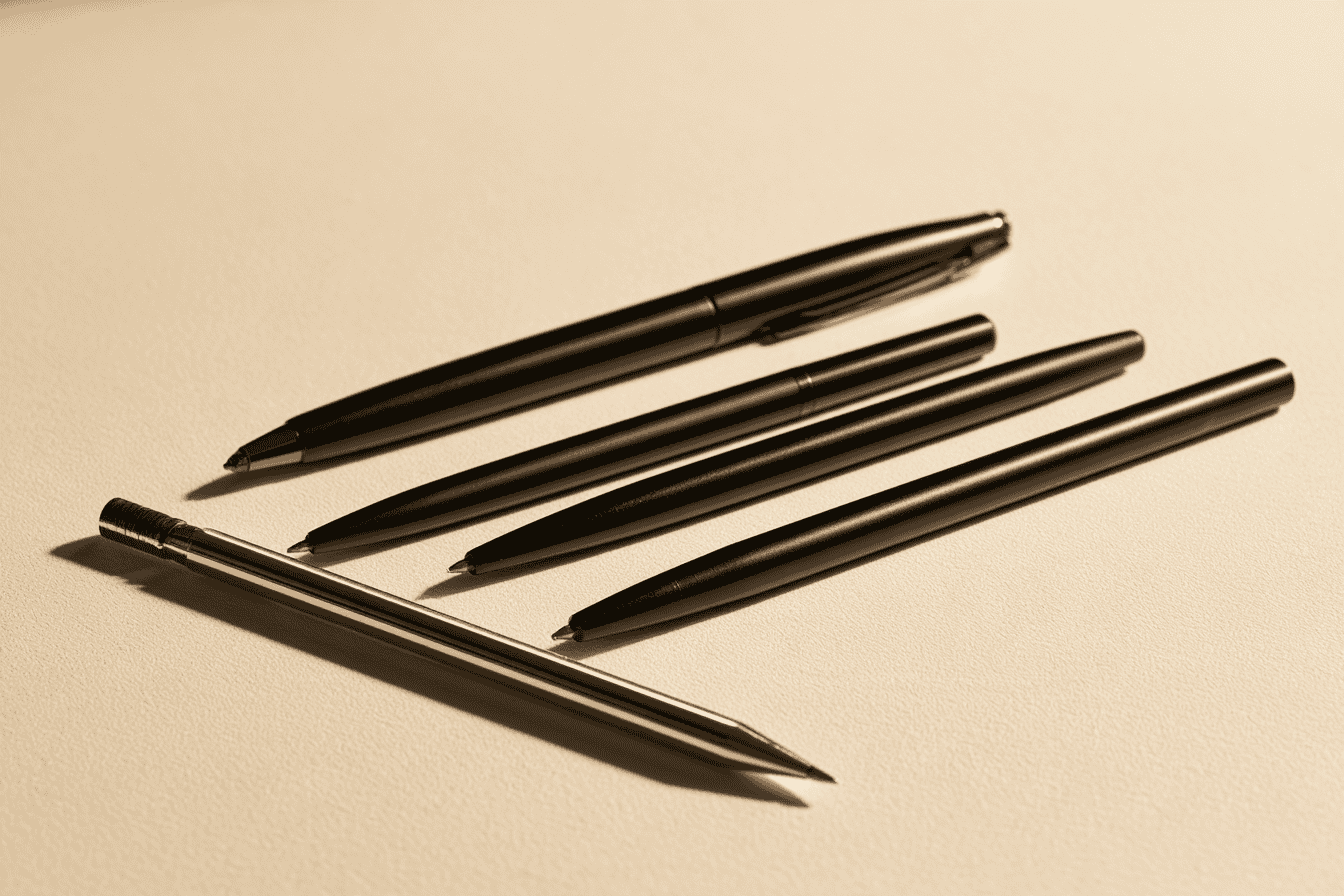
A fine, steady line also helps you see your own mistakes. A pen that skips or blots hides the exact point where a stroke started and stopped. By contrast, a crisp line shows every hesitation, and that feedback is what lets you correct the order. A light mechanical pencil is the most forgiving choice of all, since each error can come off in a second.
Keep your practice pages rather than throwing them away. Looking back after a month shows how far the order has settled. The early pages often look cramped, with late strokes squeezed into whatever space was left. Later pages open up, because the sequence now leaves room for every stroke in turn. That visible progress is one of the best reasons to keep going.
When You Can Relax About Stroke Order
None of this means you have to panic over every character. As NINJAL notes, the 1958 guide itself does not treat other orders as wrong. Some characters have more than one order in common use. If you are only learning to read, or you type almost everything, the order matters less day to day. Even then, a light grasp of the habits helps when you meet handwriting in the wild.
Still, the standard order costs very little to learn at the start and a great deal to unlearn later. It is easier to begin with the default than to correct a habit after a few hundred characters. For deeper reading on the brain and characters, our piece on kanji mastery and the brain is a thoughtful companion.
If there is one idea to take away, it is this. Order is not decoration added to a character after the fact. It is the method that makes the character, and every later skill, from speed to legibility, grows out of it. That is why a little care at the start pays off for years.
Start with one character, watch it build, and let the hand learn the route. The rest follows naturally, one stroke at a time. After a few weeks the order stops being something you think about. It becomes something you simply do, which is exactly where it belongs.
Questions Worth Asking
Does stroke order matter if I only type Japanese?
Less, but it still helps. Typing converts sounds into characters for you, so you never form the strokes yourself. You will still read handwriting on forms, menus and cards, and knowing the order helps you decode joined strokes. Learning it early also makes any later handwriting practice far easier.
What happens if you write kanji in the wrong stroke order?
Usually the character comes out unbalanced. Late strokes land in the wrong place, boxes close too early and parts grow too wide or too long. In fast handwriting, a wrong order can also join strokes in unexpected places, which makes the character harder for other people to read.
Are there rules for kanji stroke order?
There are broad habits rather than strict laws. Writing generally runs from top to bottom and from left to right, and characters are often built one component at a time. These habits trace back to a 1958 teaching guide from the Ministry of Education, which remains the standard reference.
Is there one official stroke order in Japan?
Not in a strict sense. According to NINJAL, the 1958 Ministry of Education guide is the only stroke-order guidance a public body has issued, and it states that other orders are not errors. In practice, schools, dictionaries and workbooks follow its sequence as the shared default.
How long does it take to learn stroke order?
The broad habits take only a few days to understand. Making them automatic takes steady practice, often a few weeks of short daily sessions for many learners. After that, most new characters feel predictable, because you apply the same habits instead of memorizing each order from scratch.
Should I learn stroke order on paper or on a tablet?
Either works, as long as you write with a pen or stylus rather than tapping. Paper offers more friction and feedback. A tablet makes it easy to erase and repeat a single box. What matters most is repeating the same sequence every time, whichever surface you choose.
Getting It Right From the First Stroke
So is stroke order important? For balance, for speed and for handwriting that others can read, the answer is yes. The good news is that it is also one of the easiest parts of kanji to get right early. You need a clear view of each stroke, space to practice and a routine you will actually keep. None of it requires talent, only attention and a little patience in the first weeks. When the order is right from the first stroke, every character after it gets easier. The habit compounds. Each new character borrows the moves of the ones before it, and the page starts to look like yours.
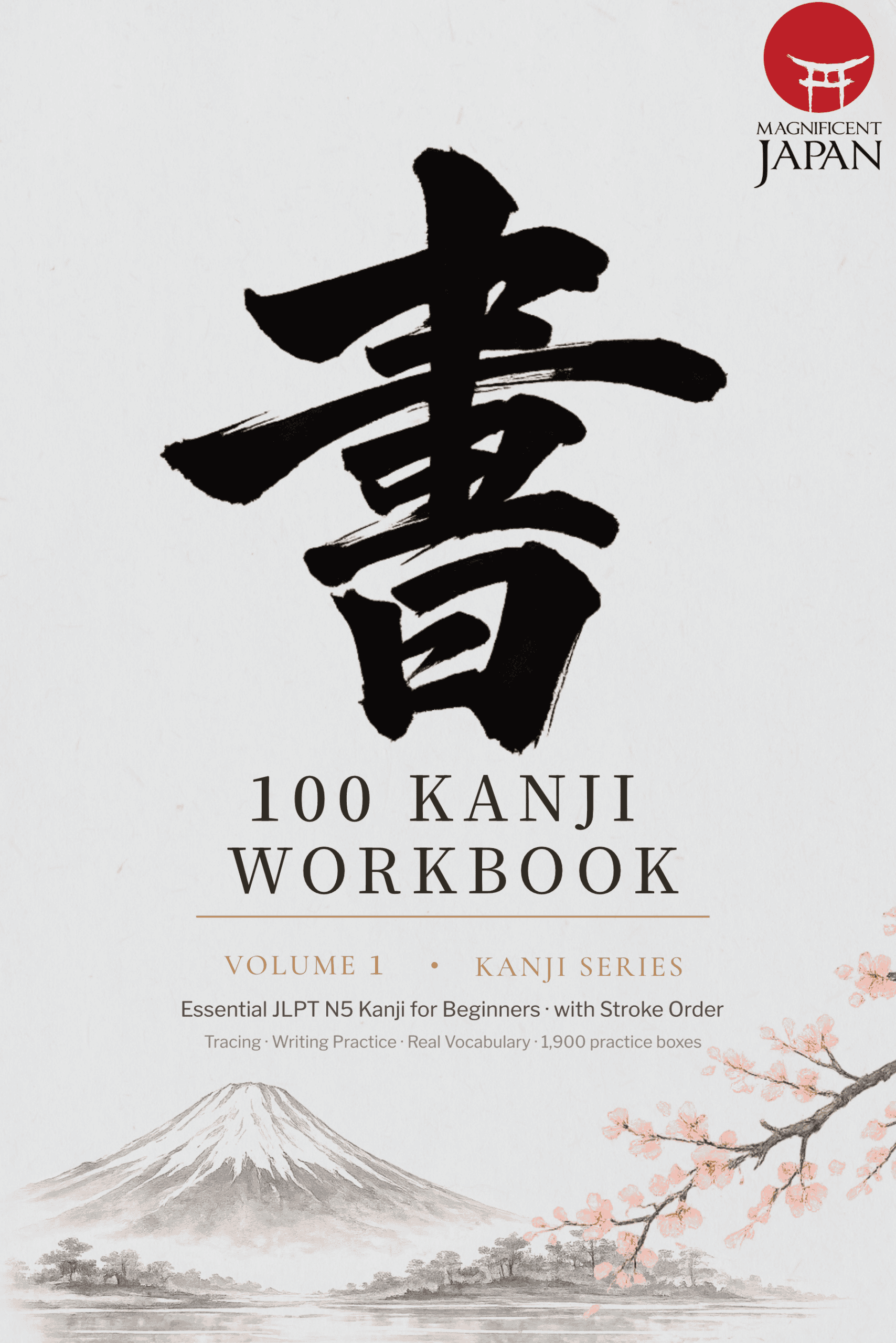
That is the thinking behind the first volume of our kanji workbook. It covers 100 kanji at JLPT N5 and N4 (unofficial): 63 at N5 and 37 at N4. Every character has a stroke panel, and checkpoints and a progress tracker mark the way. It is also the first of eight volumes that together cover all 2,136 jōyō kanji, each one once. The Digital Letter edition is available now for tablets, and both print editions are on their way. Every example sentence uses only kanji you have already met, with later ones shown in kana. Begin with one character today and see how quickly the order starts to feel like your own.
It sits well beside early kanji practice, when every character is still a work in progress.
View the Journal →Whatever you write next, write it slowly first. Watch where each stroke begins and where it ends. Let the order carry the shape, and leave the speed for later. The speed will come, and when it does, it will come from the order you practiced at the start.
The Editors, Magnificent Japan
Tell us the pace you like and we will plan the days: a calligraphy lesson in Kyoto, an afternoon in the stationery shops of Tokyo, and temple visits where signboards and plaques put your kanji to work.
Plan Your Custom Japan Itinerary