

The unusual museums in Tokyo are rarely grand. Most fill one floor of an ordinary building, and a few fit into a single room. Each one exists because someone cared deeply about one subject, from parasites to paper. Visit three of them, and the city starts to feel less like a capital and more like a cabinet of curiosities.
The big institutions of Ueno deserve their reputation, of course. Yet the smaller collections show a different side of Tokyo. Here, a university displays the history of punishment, and a utility company opens its sewers to visitors. Meanwhile, a paper shop has dyed washi since 1858, and a former school now holds ten thousand toys.
This guide covers twelve of them, grouped by theme and then by neighborhood, so a day can link two or three together. It also covers hours, tickets and the few museums that sell out. For the wider city, start with our list of experiences worth planning a Tokyo trip around. Then come back here for the detours.
What are the most unusual museums in Tokyo?
Highlights include the Meguro Parasitological Museum, the Tokyo Sewerage Museum Rainbow, the Meiji University Museum’s criminal materials collection, the Tobacco & Salt Museum and the Ryogoku Fireworks Museum. For art, the Yayoi Kusama Museum and SCAI The Bathhouse stand out. Many close on Mondays, and the Kusama museum sells timed tickets online only.
Before the list, a word on scale. None of these places takes a full day, and several take less than an hour. Pair a small museum with a long lunch and a walk through the surrounding streets, and the visit becomes an afternoon.
Why Unusual Museums in Tokyo Repay the Effort
Many Tokyo museums are devoted to one narrow subject. Some began as a founder’s private passion. Others belong to companies, universities or city departments that wanted to explain their work. As a result, the collections tend to be deep rather than broad, and the displays reflect real expertise.

These smaller rooms also move at a gentler pace. You can usually read every label, look closely and leave before your attention fades. Crowds are rare, except at the few places with timed tickets. Many charge little or nothing, so a visit costs mainly time.
Above all, unusual museums in Tokyo reveal how the city thinks about its own history. A fireworks display, a sewer pipe or a sword guard tells a story the national collections skip. Each detour adds one more layer to a place that rewards curiosity. So treat this list as a menu rather than a checklist, and choose by temperament.
Science and the City Beneath
Start with two museums about things most people would rather not think about. Both handle their subjects with real care. Neither asks for an admission fee.
1. Meguro Parasitological Museum
This museum in Meguro is the creation of parasitologist Dr. Satoru Kamegai. According to the official Tokyo visitor guide, around 300 items are on display on any given day. The star exhibit is an 8.8-meter tapeworm, taken from a patient who ate an infected fish. It is unsettling at first, then oddly absorbing.
The museum opens Wednesday to Sunday, from ten until five. It sits about twelve minutes on foot from the west exit of Meguro Station. The labels are mostly in Japanese, though the specimens speak for themselves. Afterward, the Meguro River makes a pleasant walk north toward Nakameguro.
2. Tokyo Sewerage Museum Rainbow
On the fifth floor of the Ariake Water Reclamation Center, the city explains what happens under its streets. The museum listing describes reproductions of pipes, pumping stations and a treatment plant. On weekends and holidays, visitors can also operate a sewer pump and step into full-scale underground pipes.
The museum opens Tuesday to Sunday, from half past nine until half past four. It closes on Mondays, except during the summer holidays, when it opens daily. The nearest stop is Odaiba-kaihinkoen on the Yurikamome line, about eight minutes away on foot. Combine it with a walk along the bay, then return to central Tokyo for dinner.
You may also like
From the science shelf, the next group turns to people and their habits. These three museums look at crime, at two everyday commodities and at a century of advertising. Each one says something about how Japan regulated, taxed and sold its daily life. Together they also cover three very different districts, from the student streets of Ochanomizu to the riverbanks near Skytree.
Crime, Commerce and Everyday Objects
Some of the most unusual museums in Tokyo belong to companies and universities. They are often small, well funded and surprisingly candid. Admission is low or waived entirely. Expect fewer English labels than in the national museums, though the objects carry the story well.
3. Meiji University Museum
In the basement of a university building near Ochanomizu Station, this museum holds three collections. One covers traditional crafts such as pottery, indigo dyeing and bamboo work. Another covers archaeology. The third, and the most talked about, is the criminal materials collection run by the law school. It traces Edo-period punishment, then shows a European guillotine and an iron maiden for contrast.
It is sobering rather than sensational, and the curation is careful. The museum opens on weekdays from ten until five, and on Saturdays until four. It closes on Sundays, public holidays and university holidays, so check the calendar first. There is no admission charge. Afterward, the bookshops of Jimbocho are a ten-minute walk south.
4. Tobacco & Salt Museum

This museum near Tokyo Skytree explores two commodities that Japan once regulated as state monopolies. The salt floor covers world salt resources and the science of salt. The tobacco floor traces smoking culture from its arrival through the Edo period and into modern times. Special exhibitions change through the year, and the current show includes woodblock views of the Sumida River.
Hours run from ten until five, with last entry at half past four. The museum closes on Mondays, or on the following day after a Monday holiday. Admission is modest, and the building sits beside a canal-side park. Plan it with Skytree or with the Ryogoku museums across the river. Together they make an easy half day on the east side of the city.
5. Advertising Museum Tokyo
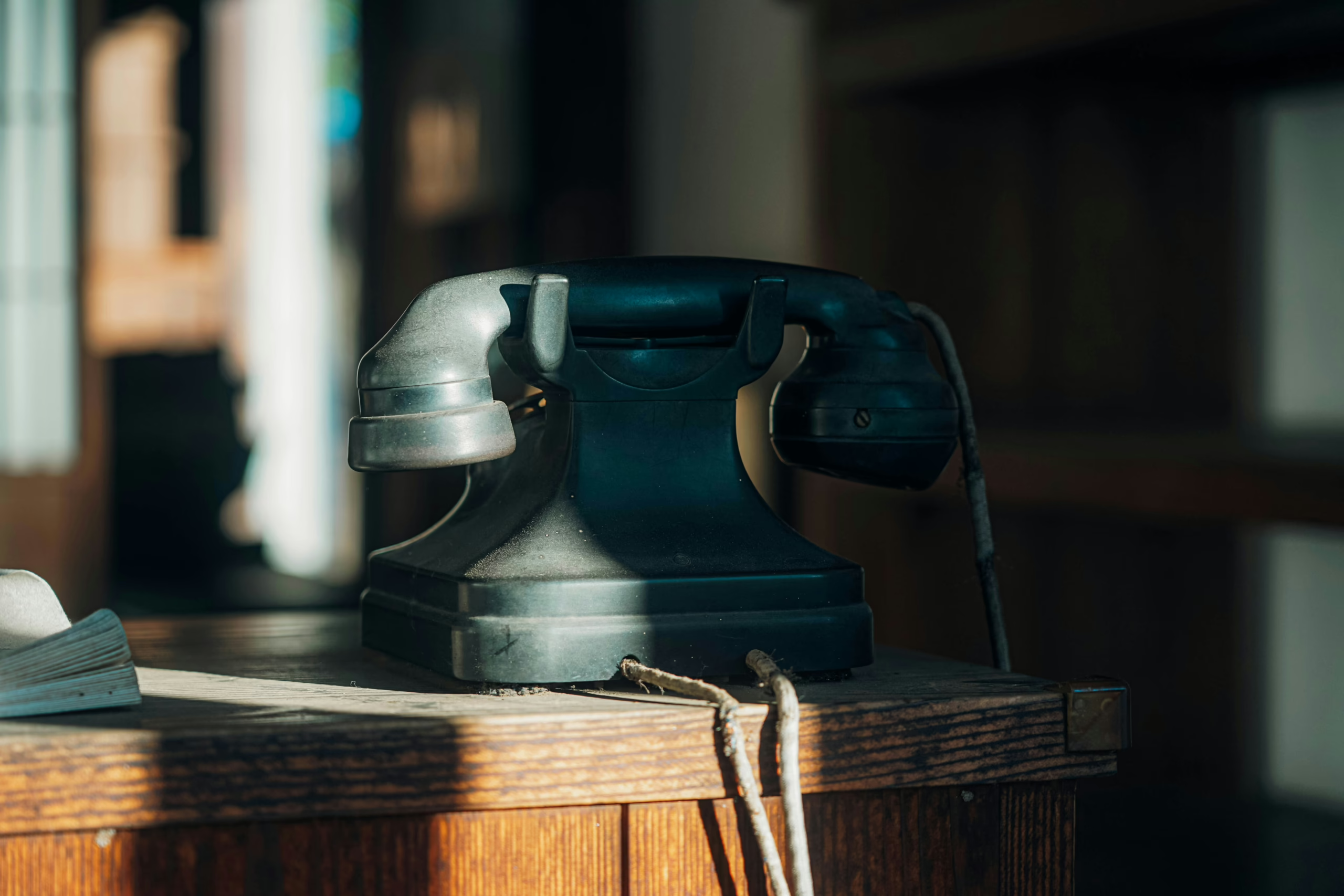
Inside the Caretta Shiodome complex, this museum traces Japanese advertising from the Edo period onward. Hand-painted shop signs, woodblock flyers and early posters lead to radio and television campaigns. The permanent exhibition shows how merchants sold everything from medicine to soap. It is a short walk from Shimbashi and Shiodome stations.
The museum opens Tuesday to Saturday, from noon until six. That late start suits a morning elsewhere and an afternoon here. Meanwhile, the Hama-rikyu garden is close by for a walk afterward. From there, Ginza is a short stroll for dinner. Our guide to Tokyo’s shopping districts covers that next stop well.
The next group trades information for play. Paper, wooden toys and fireworks all belong to the craft side of Japan. Each of these museums invites you to make or touch something, which keeps the visit lively. They also suit families well, and grown travelers rarely leave without a small purchase.
Paper, Toys and Fireworks
These three museums share a sense of delight. None of them is large, and all of them reward a slow look. Two sit in older neighborhoods with good walking nearby. The third, in Ryogoku, opens only a few afternoons each week.
6. Ochanomizu Origami Kaikan
Founded in 1858 as a workshop for dyeing washi, Origami Kaikan still runs a paper-dyeing studio today. Visitors can watch the craftsmen when the work allows. The building also holds a gallery of paper art, shops full of patterned chiyogami and origami classes by reservation. The gallery displays change through the year, often in step with the seasons.
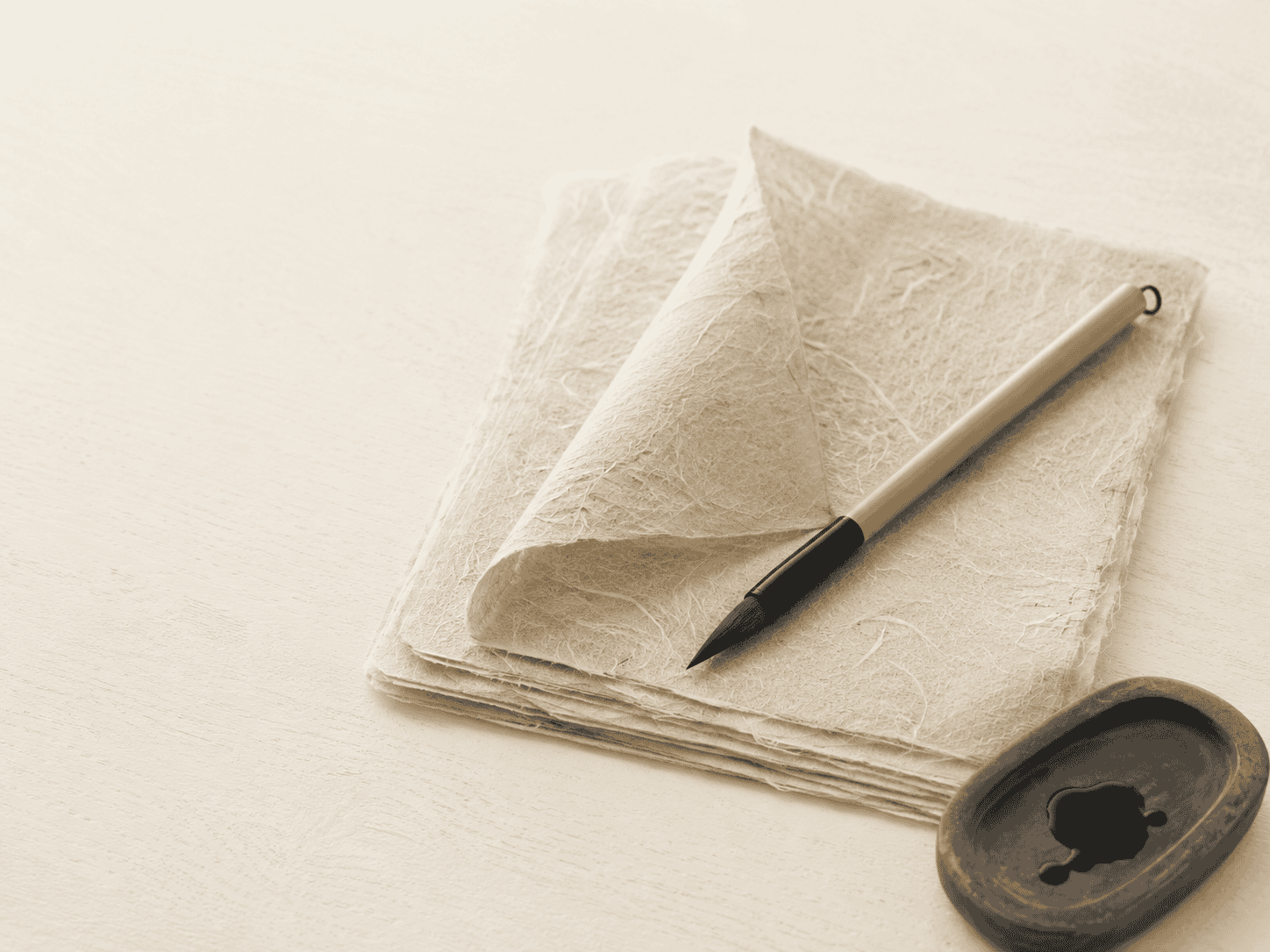
Origami Kaikan opens Monday to Saturday, from half past nine until half past four. It closes on Sundays, holidays and for a summer break. The building sits in Yushima, a short walk from Ochanomizu, so it pairs naturally with the Meiji University Museum. For the brush arts that share the same paper, see our guide to Japanese calligraphy.

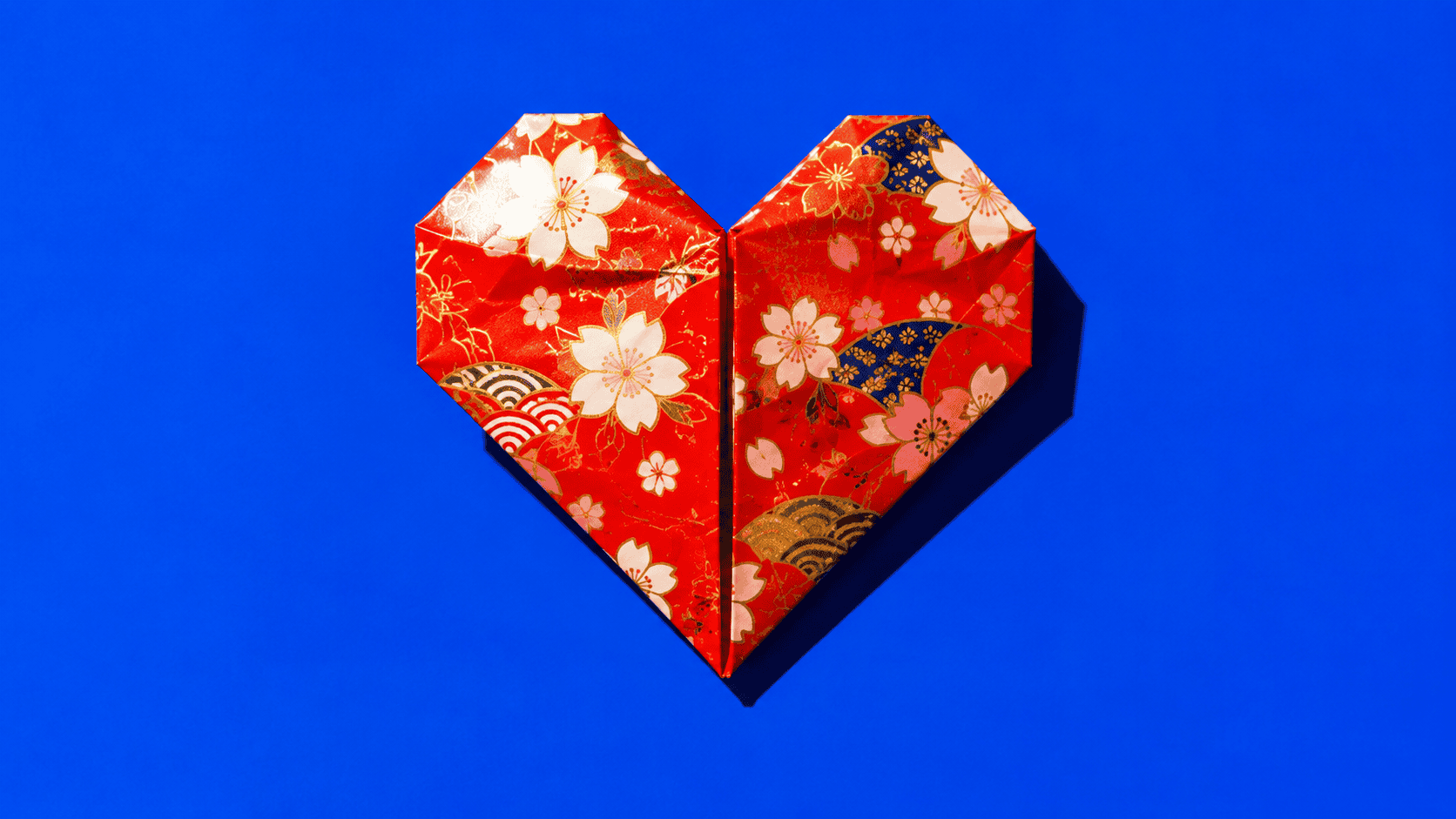
To keep folding at home, a good paper pack makes all the difference. The Tuttle washi-pattern origami paper holds two hundred double-sided sheets in twelve designs, with instructions for six simple models. It suits a first crane as well as a patient evening of practice. It also travels flat, so it fits easily in a suitcase.
7. Tokyo Toy Museum
Housed in a former elementary school in Yotsuya, the Tokyo Toy Museum holds more than ten thousand toys from Japan and around the world. Many are meant to be handled, and a toy workshop runs classes suitable for all ages.
The museum opens from ten until four, with last entry half an hour before closing. It closes on Thursdays and over the New Year. Advance tickets from the official site are recommended, especially at weekends. Families will find more ideas in our guide to family days in Tokyo, which covers the city’s playful side in depth.
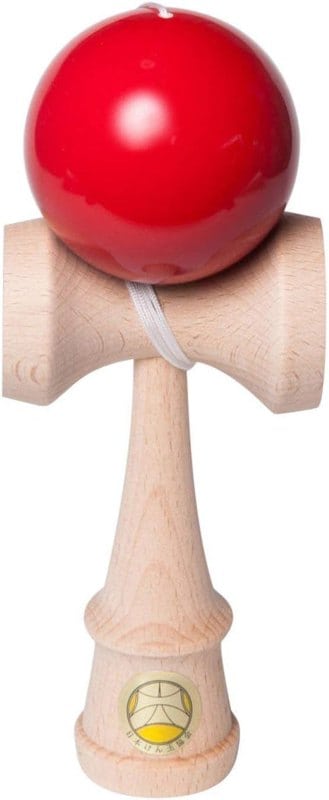
A classic Japanese toy to bring home is the kendama, a wooden cup and ball. The Ozora kendama by Yamagata Koubou is made in Japan from beech and cherry wood. The Japan Kendama Association certifies it for competition, yet beginners can learn on it just as well. A few minutes a day builds a surprising rhythm.
8. Ryogoku Fireworks Museum
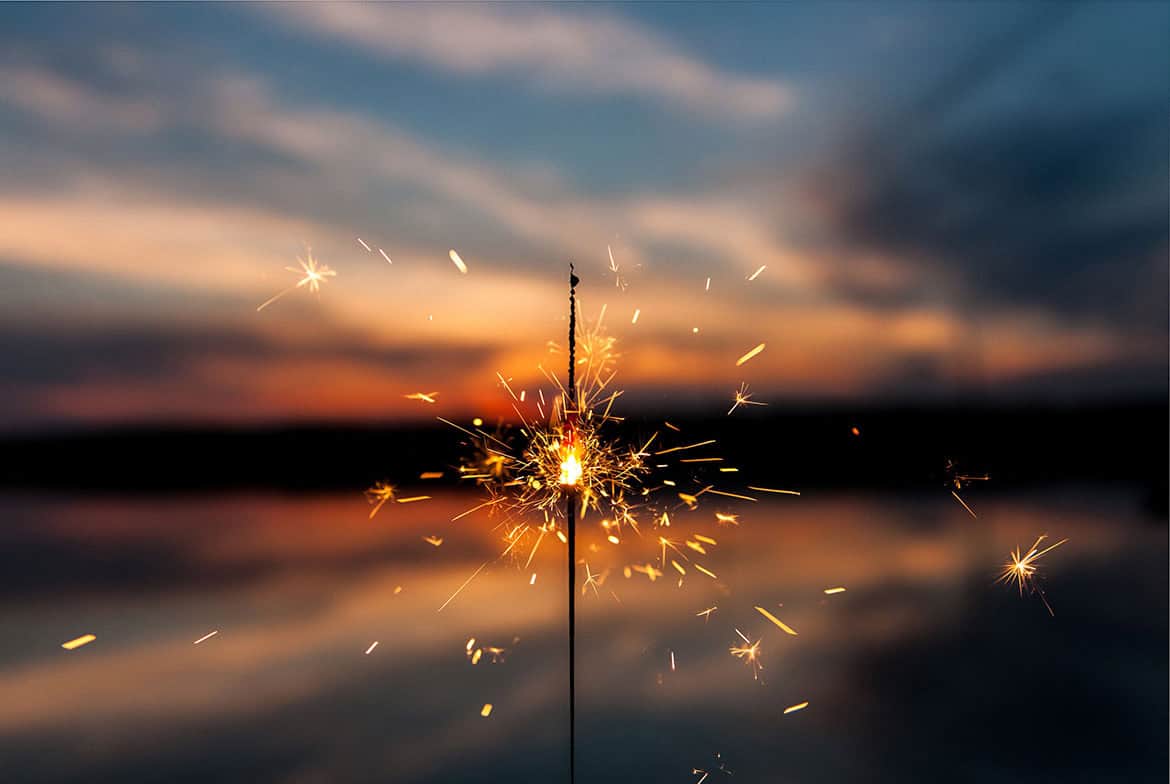
Ryogoku has hosted summer fireworks on the Sumida River since the Edo period. This tiny museum keeps that history alive. It displays Edo-era fireworks samples and launchers, along with posters from festivals across the country. The staff are local enthusiasts, and their pride shows.
It opens Thursday to Sunday, from noon until four, and hours can change by season. There is no admission charge. Because English information is limited, a translation app helps. Pair it with the Japanese Sword Museum nearby, then walk along the river toward the Tobacco & Salt Museum.
Recommended
Old Edo, Rebuilt and Remembered
Tokyo was called Edo until 1868, and much of the old city vanished in fires, earthquakes and war. Two museums on the east side bring it back in different ways. One preserves the finest swords of the period. The other rebuilds an entire riverside neighborhood at full scale.
9. Japanese Sword Museum
The Japanese Sword Museum moved to Ryogoku in 2018, on the edge of the Kyu-Yasuda Garden. Maki and Associates, the firm of the architect Fumihiko Maki, designed the building. The society that runs it was founded to preserve Japanese art swords. Its exhibition floor sits on the third level, and a rooftop garden looks over the pond below.

The museum opens from half past nine until five, with last entry at half past four. It closes on Mondays and between exhibitions, so check the schedule before you go. Borrow the small telescope offered on the exhibition floor to study the blades closely. Then step outside into the Kyu-Yasuda Garden, a fine stroll garden next door.
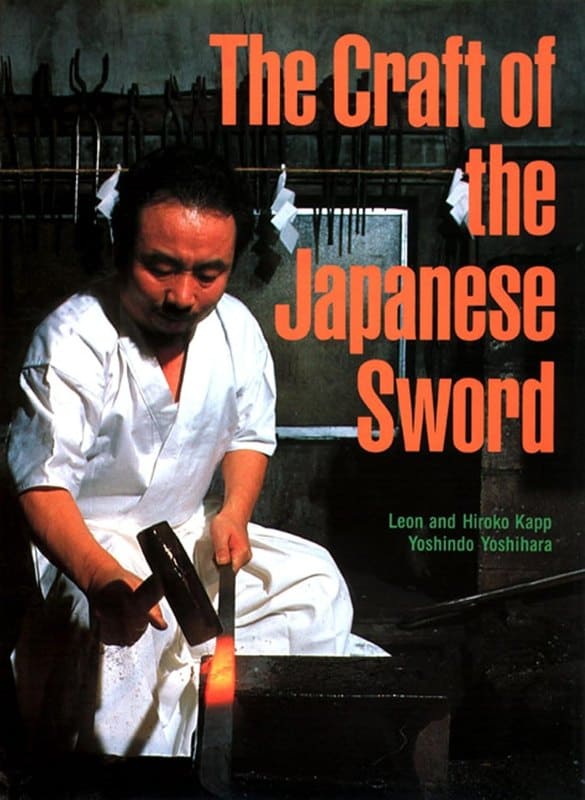
For context before the visit, one book explains the process clearly. The Craft of the Japanese Sword follows the swordsmith Yoshindo Yoshihara and fellow craftsmen through each stage of the work. It covers the forging, the polishing and the fittings. Read it first, and the museum’s cases will make far more sense.
10. Fukagawa Edo Museum
The permanent hall of the Fukagawa Edo Museum recreates a Fukagawa street of the Edo period at full scale. Visitors walk between shopfronts and homes beneath a fire watchtower. Seasonal displays change through the year, such as the moon-viewing decorations of autumn.
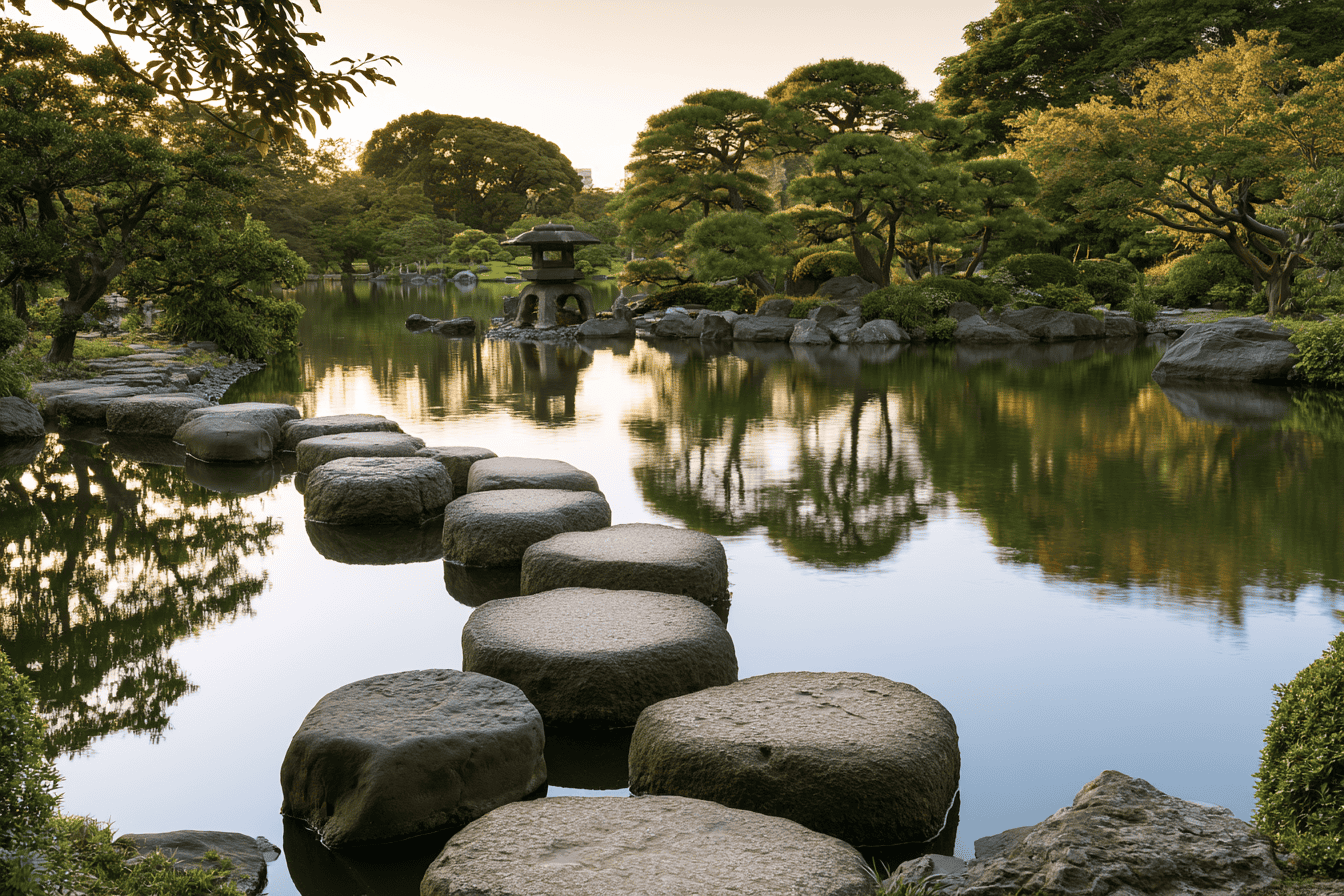
The museum stands near Kiyosumi-shirakawa Station, a district known for coffee roasters and galleries. Allow an hour, then walk to Kiyosumi Garden for its stepping stones and pond. Before you go, check the official calendar for closing days and events. On some days, visitors can even tour the street in a rented kimono.

The old city also survives in prints. Utagawa Hiroshige made his One Hundred Famous Views of Edo in the 1850s, and several show this very riverside. A compact edition of Hiroshige’s 100 Famous Views of Edo reproduces the series in color, one view to a page. Leaf through it at home, and the walk from Fukagawa to Ryogoku comes back in color.
For travelers who want this history arranged for them, there is another route. A custom Tokyo itinerary can link these east-side museums with a private guide, lunch reservations and the right closing days. That approach suits a short stay especially well, since museum calendars vary so much. It also leaves time for the gardens between visits.
The First-Timer’s Japan Checklist
What to settle before your first trip, in the order it matters: documents, money, transport, then the first days.
The last two museums on the list belong to contemporary art. They are the most photographed places in this guide, and for good reason. One is a museum built around a single living artist. The other is a gallery inside a former public bathhouse. Both reward a little planning, because one sells timed tickets and the other closes between shows. Fortunately, both also sit in neighborhoods worth exploring on foot.
Art Made Strange
Tokyo’s art scene ranges from vast public museums to tiny commercial galleries. The two below sit at the playful end of that range. Each one changes its exhibitions through the year, so no two visits look the same. Check what is showing before you book a slot.
11. Yayoi Kusama Museum
The Yayoi Kusama Museum opened in Shinjuku in October 2017, devoted to the artist famous for her dots and mirrored rooms. Its five floors are compact, and exhibitions change about twice a year. As the museum’s own site explains, entry is timed to a ninety-minute slot. Tickets are sold online only, never at the door.

Tickets go on sale at the start of each month for the month after next, and popular slots sell out quickly. So book as soon as your dates are firm. Photography is allowed on some floors only, and the staff will tell you which. The museum sits in a calm residential pocket of Shinjuku, a short walk from Ushigome-yanagicho Station.
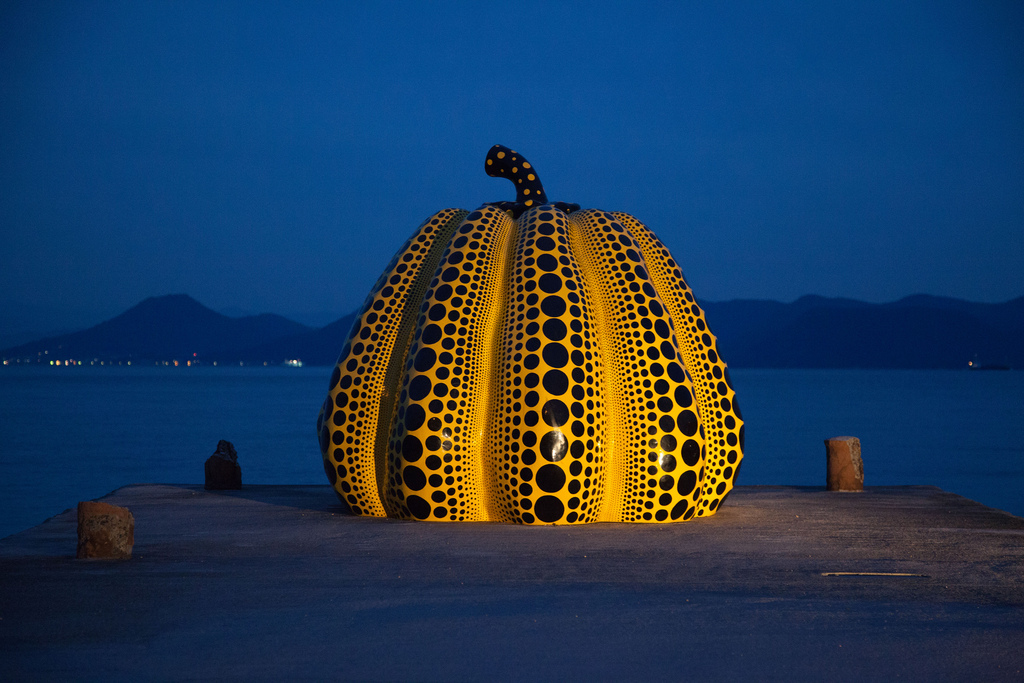
Kusama’s pumpkins also appear by the sea on Naoshima, which our guide to Japan’s best art destinations covers alongside other island museums. Seeing both deepens the experience. In Tokyo, the museum shows her paintings, sculpture and poetry in a calmer setting. In fact, her writing surprises many visitors most of all.

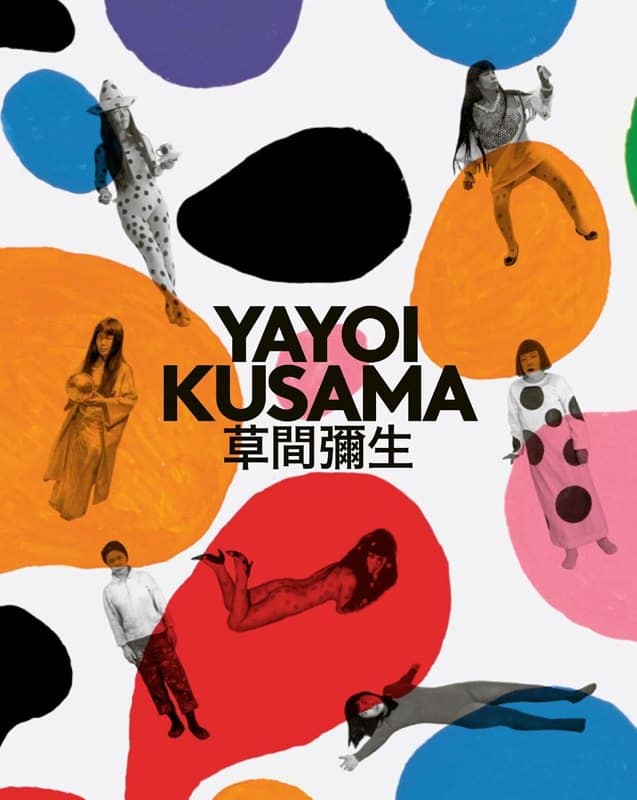
For the whole career in one place, a single catalogue serves best. Yayoi Kusama: A Retrospective, edited by Stephanie Rosenthal, accompanied her first major European retrospective. It runs from early paintings to the mirrored rooms across more than three hundred pages. Afterward, the dots in the galleries read less as decoration and more as a lifelong discipline.
12. SCAI The Bathhouse
In Yanaka, a contemporary gallery occupies the old Kashiwayu public bathhouse. The tiled roof and tall chimney remain, while the interior is a clean white space. It shows leading Japanese and international artists, and admission is waived. The gallery opens from noon until six, closing on Sundays, Mondays, holidays and between exhibitions.

Yanaka is one of the few Tokyo districts that survived the twentieth century largely intact. Its lanes, wooden houses and small shops make the walk to the gallery part of the visit. Read our guide to Yanaka’s nostalgic streets before you go. Then combine the gallery with lunch and an afternoon in the old neighborhood.
With twelve unusual museums in Tokyo covered, the practical question is how to combine them. Tokyo is large, and train rides between districts add up quickly. Fortunately, the museums cluster in a few areas, and each cluster fills a morning or an afternoon. The next section groups them by neighborhood, with the best pairings and the days to avoid. It also flags the two famous names that need special planning this year.
Planning a Day by Neighborhood
East of the Sumida, Ryogoku holds the Japanese Sword Museum and the Fireworks Museum within a few blocks. Cross the river for the Tobacco & Salt Museum and Skytree, or head south to Fukagawa. That makes the strongest museum day in the city. Go from Thursday to Sunday, when the fireworks museum is open.
In the center, Ochanomizu pairs the Meiji University Museum with Origami Kaikan. Weekdays work best, since both close on Sundays. Afterward, the bookshops of Jimbocho fill the afternoon. For variety, add the Advertising Museum in Shiodome, which opens at noon.
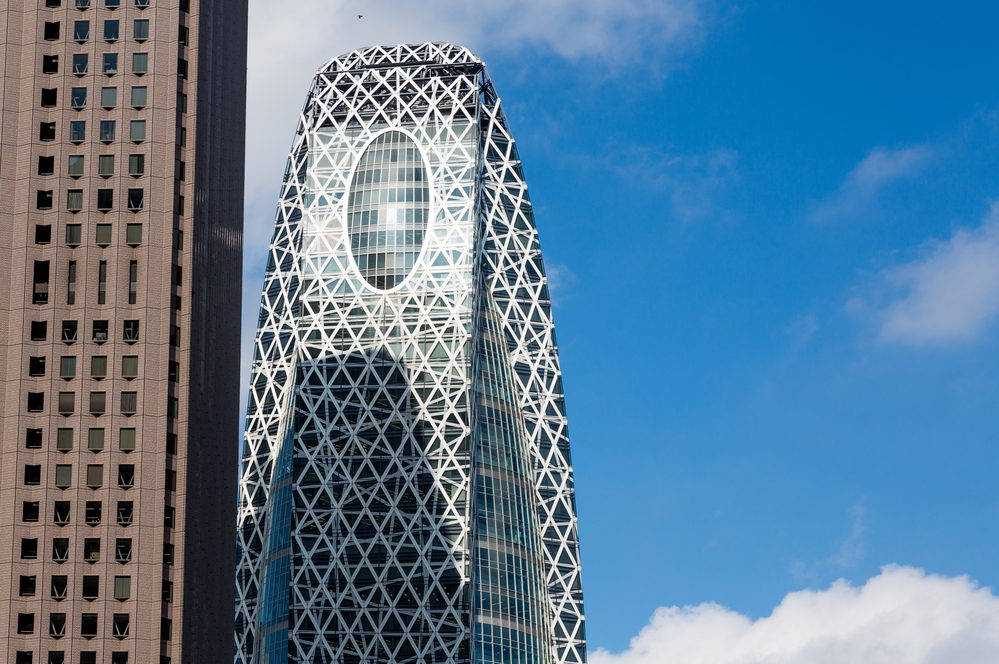
To the west, Shinjuku links the Kusama museum with the Tokyo Toy Museum in Yotsuya. Check both calendars, because the toy museum closes on Thursdays and the Kusama museum opens Thursday to Sunday only. Further south, the parasite museum in Meguro suits a morning before lunch by the river. The sewerage museum sits alone in Ariake, so combine it with the bay.
The famous names that need planning
Two well-known science and animation museums need a note this year. Miraikan, the national science museum in Odaiba, is closed for renewal. According to the museum’s site, it reopens on April 23, 2027. Meanwhile, the animation museum in Mitaka sells dated tickets months ahead, and walk-ups are not possible.
If animation interests you, our guide to the Mitaka museum and the real places behind the films explains the ticket release in detail. Otherwise, the museums in this guide make a calmer alternative. Most never sell out, and several need no booking at all. Above all, they leave room for the unplanned hour that often becomes the best part of a trip. In addition, a smaller collection leaves energy for the walk, the meal and the conversation afterward. That balance matters on a long trip.

Hours, Tickets and Manners
First, check the closing day. Many Tokyo museums close on Mondays, but several on this list close on other days. The parasite museum closes Monday and Tuesday, the toy museum closes Thursday, and the fireworks museum opens only four days a week. Holidays shift these days, so confirm on the official site the week you travel.
Second, carry a little cash, since some small museums still prefer it. Lockers are common, so leave large bags before you enter. Photography rules vary from room to room, and many collections ban flash. In addition, keep your voice low, because these rooms are small and sound carries.
You may also like
Finally, leave space in the day. The best museum visits in Tokyo end with a café nearby, a walk through the side streets or a second museum you had not planned. Unusual museums in Tokyo work best when you give them time. A slower pace also lets you notice how each neighborhood connects to its collection. Most museums also keep a small shop by the exit, and its postcards and catalogs make light souvenirs. Allow ten minutes there before you move on.
Questions Worth Asking
What are the weirdest museums in Tokyo?
Most lists start with the Meguro Parasitological Museum, which displays an 8.8-meter tapeworm. The Tokyo Sewerage Museum Rainbow lets visitors step into full-scale pipes. The Meiji University Museum covers the history of punishment, and the Ryogoku Fireworks Museum shows Edo-era fireworks.
Which unusual museums in Tokyo charge no admission?
Several do not charge at all. These include the Meguro Parasitological Museum, the Tokyo Sewerage Museum Rainbow, the Meiji University Museum, the Ryogoku Fireworks Museum and SCAI The Bathhouse. Others, such as the Tobacco & Salt Museum, charge a small fee.
Do I need to book the Yayoi Kusama Museum?
Yes. Tickets are sold online only, for a timed ninety-minute slot, and there is no ticket window. Sales open at the start of each month for the month after next. Book as soon as your dates are set.
Which museums are closed on Mondays?
Many are, including the Tobacco & Salt Museum, the Japanese Sword Museum, the sewerage museum and the parasite museum. However, the Tokyo Toy Museum closes on Thursdays instead, and the fireworks museum opens Thursday to Sunday only.
Is Miraikan open?
Not at present. Miraikan, the science museum in Odaiba, is closed for renewal and plans to reopen on April 23, 2027. In the meantime, the National Museum of Nature and Science in Ueno and the sewerage museum in Ariake make good science alternatives.
How many unusual museums can I see in one day?
Two or three is a comfortable pace, if they sit in the same area. Ryogoku and the Sumida riverside can hold three in a day. Ochanomizu suits two, with lunch between.
Questions answered, one habit remains worth keeping. Small museums leave small impressions that fade fast, from a label you meant to remember to a single object that moved you. A few written lines each evening hold on to them. Note the room, the object and the feeling it left. Those notes become the real souvenir of a museum day. The journal below was built for exactly that kind of noticing.
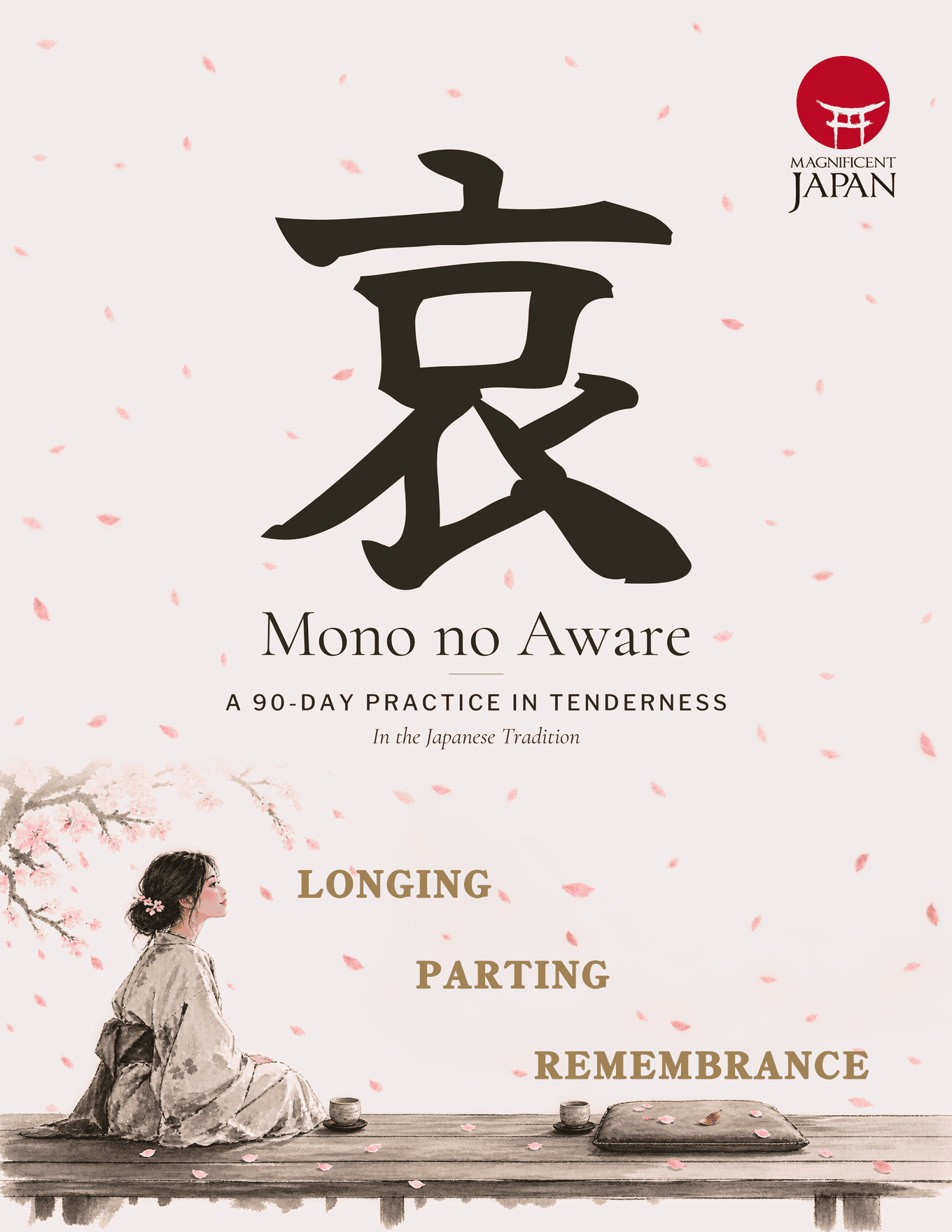
Mono no aware is the Japanese tenderness for things that pass, the feeling a fading print or an old toy can stir. This 90-day guided journal turns it into one short prompt a day, ideal after a week of small museums. It comes as a write-on digital edition and as a paperback edition, and it is one of eight journals in the Cultural Reflection Collection.
View The CollectionA City That Keeps Its Odd Collections
Every great city has its famous museums, and Tokyo’s are among the finest anywhere. Yet the city reveals more of itself in the smaller rooms. A sewer pipe, a dyed sheet of paper and a sword guard each hold a piece of how Tokyo works. The people who keep these collections do it out of love, and visitors can feel it.
So pick one neighborhood, two or three museums and a long lunch between them. Read our note on mono no aware, the tenderness for passing things, if the old objects stay with you. Then let the city surprise you, one small collection at a time.
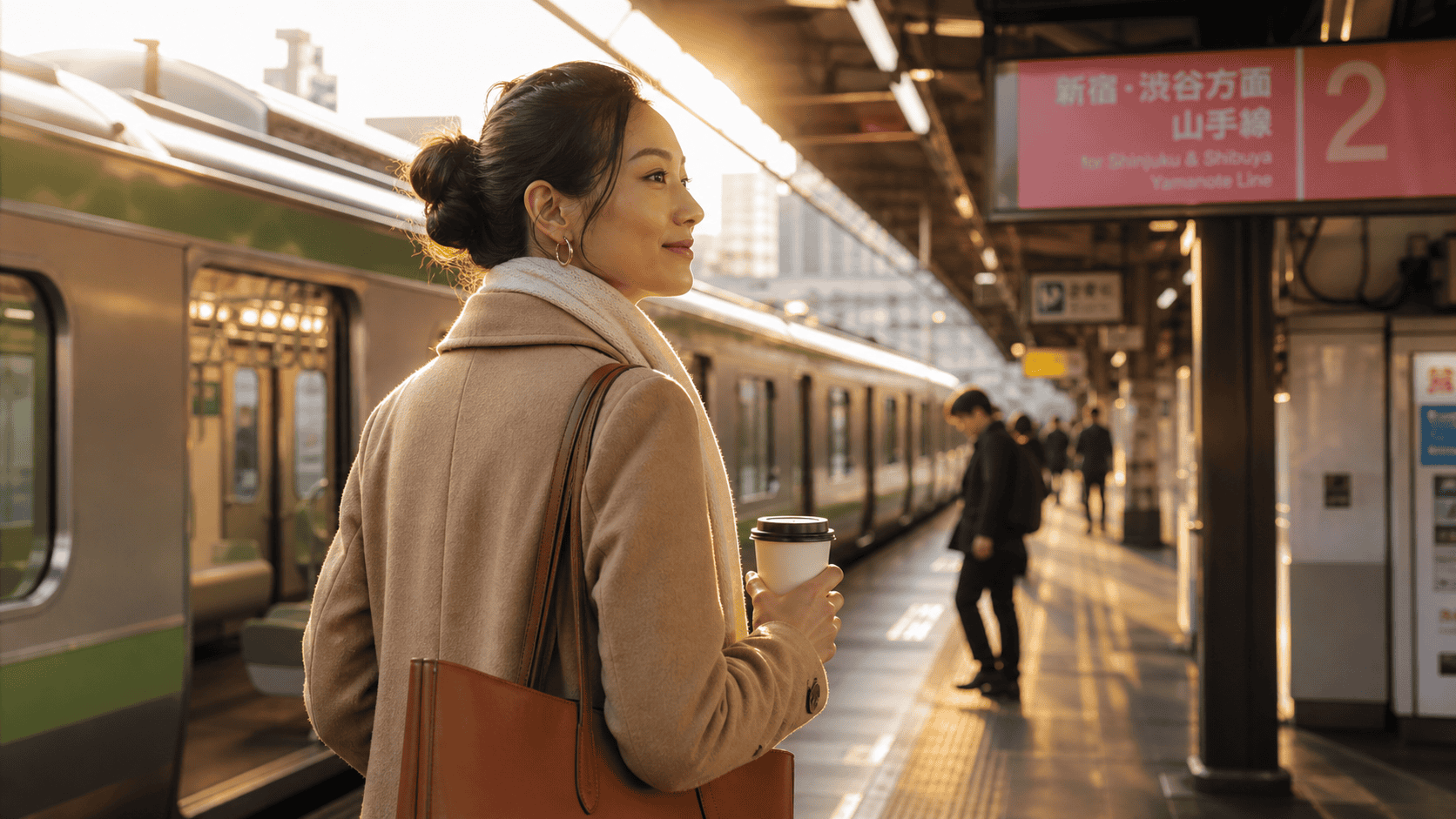
One last thought before you go. The best museum days in Tokyo are rarely the busiest ones. They come from choosing the right neighborhood, arriving on an open day and leaving room for a walk afterward. Would you like those choices made for you? Our travel designers can match museums to your interests and book the lunches between them. They build the whole day into a wider Japan trip, shaped around the way you like to travel.
The Editors, Magnificent Japan
For the traveler who wants the city’s odd collections without the guesswork: a custom itinerary that links Ryogoku’s sword and fireworks museums, an origami lesson in Ochanomizu and a timed slot at the Kusama museum. Each day is matched to open days and a good lunch, with your hotel close by.
Plan Your Custom Japan Itinerary